MENU
Close





If luxury has priced out its own dreamers, is high-low fashion the side door into the palace, or the mall version of a crown we were never meant to own?

If luxury has priced out its own dreamers, is high-low fashion the side door into the palace, or the mall version of a crown we were never meant to own?
May 15, 2026
Advertisement

Advertisement



For years, luxury trained people to believe in distance. The boutique should feel intimidating. The price tag should feel almost rude. The runway should shimmer somewhere above ordinary life, close enough to worship, far enough to keep desire alive. Luxury understood the erotic power of “almost.” Almost reachable. Almost yours. Almost human.
Then the “almost” began to rot. The new high-low fashion era did not return because people suddenly discovered they enjoy cheaper clothes. That explanation is too neat, too department-store friendly. It returned because luxury spent years inflating the dream until the dream started sounding like a bill.
According to McKinsey’s 2025 luxury analysis, price increases accounted for more than 80% of industry growth from 2019 to 2023, while volume gains were more moderate. Translation: the sector grew largely by asking people to pay more, not by convincing many more people to buy more.
That number is the skeleton key to the whole high-low comeback. When luxury keeps moving upward, the aspirational shopper begins to feel less seduced and more scolded. The old fantasy said: come closer, work harder, save longer, one day you can belong. The new price reality often says: darling, the door has moved again.
So what happens when the dreamer gets tired of chasing the door?
She does not stop wanting fashion. She simply starts wanting it differently. She looks for another entrance, another code, another way to touch the aura without paying the full toll. This is where Zara x John Galliano, Stella McCartney x H&M, Willy Chavarria x Zara, Christopher John Rogers x Old Navy, and GapStudio begin to matter. These collaborations do not merely offer “designer for less.” They offer emotional repair. They say: you can still participate. You can still understand the reference. You can still feel a little haunted by the runway.

The luxury slowdown made that hunger visible. The luxury industry lost around 50 million customers in 2024, while surveys found that many consumers had become more cost-conscious, more interested in discounts and resale, and more skeptical of whether luxury still equals quality. In another summary of the same sentiment shift, 77% of surveyed consumers said luxury fashion items cost more than a year earlier, while 37% said they were shopping less for luxury fashion as a result.
This is the awkward backdrop to the high-low fashion revival: luxury needs desire, but desire hates feeling stupid. At some point, the shopper starts asking. If the bag costs twice as much, does it feel twice as magical? If the jacket is more expensive, is it more beautifully cut, more emotionally charged, more culturally alive? Or is it simply wearing the old glamour with a newer, meaner price tag?
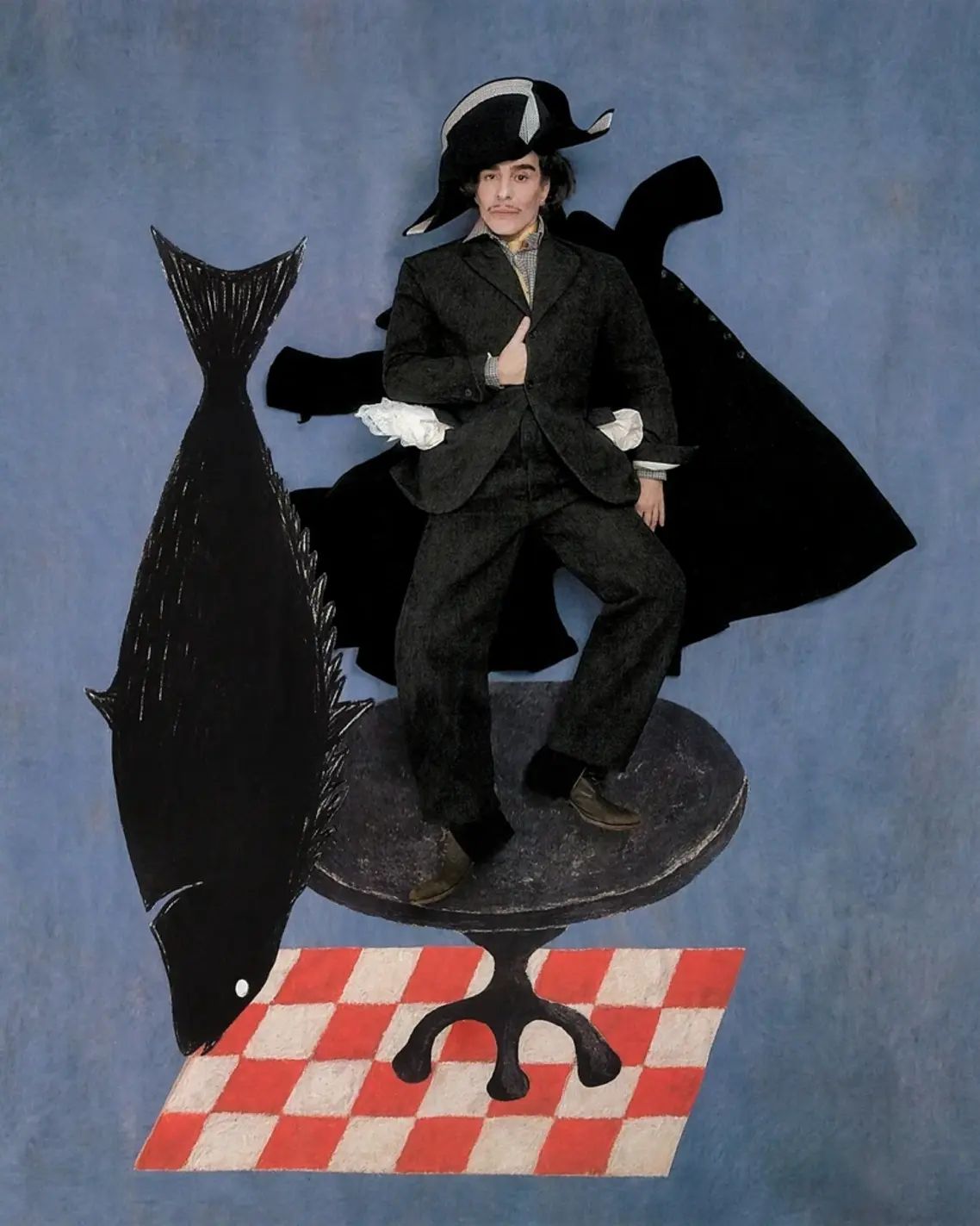
High-low fashion becomes powerful because it scratches that suspicion. It lets the consumer flirt with the idea that taste and price are not married forever. A Zara piece touched by Galliano’s mythology, an H&M jacket filtered through Stella McCartney’s ethics and archives, an Old Navy collaboration glowing with Christopher John Rogers’s color intelligence: these pieces carry a thrill that is not only financial. They feel clever. They feel like fashion literacy. They feel like cheating the system.
Yes, access matters. Yes, affordability matters. But the deeper psychology is stranger. High-low fashion flatters the consumer by telling her she has taste even without the luxury budget. It whispers that she knows what matters: the silhouette, the archive wink, the cultural code, the designer ghost hiding in the seam. It turns shopping into decoding.
High-low fashion loves to call itself democratic. The word sounds noble, generous, almost civic. Designer fashion for everyone. Runway energy at reachable prices. Couture fantasy strolling into the fitting room with a paper shopping bag.
Lovely. Also suspicious. Because the moment a luxury name enters the mass market, the collab becomes a paradox machine. It promises access while producing scarcity. It says “everyone is invited,” then makes the best pieces disappear in minutes. It opens the gate, then turns the checkout page into a new velvet rope. The modern high-low drop is not pure democracy. It is democracy with a timer.
This is why the hype works. The object is desirable, yes, but the race makes it hotter. Limited quantity sharpens the appetite. Social media adds witnesses. Resale adds proof. Suddenly, a coat is not simply a coat. It is evidence that you were fast enough, awake enough, informed enough, obsessed enough. The queue becomes the runway. The cart becomes the confessional. The sold-out page becomes a tiny digital tragedy.

Fashion has known this trick for years. The Missoni for Target launch in 2011 remains a perfect fever dream of high-low hysteria: Knowledge at Wharton reported that the collection was so successful it crashed Target’s website when the items became available. CBS News noted that the 400-piece line ranged from $2.99 stationery to $599.99 patio furniture, far below the price of Missoni’s mainline pieces, and described the moment as “Missoni mayhem.”
What looked like access immediately became chaos. This is the contradiction high-low fashion keeps repeating because, frankly, the contradiction sells. If everyone can theoretically buy it, but only the quickest actually can, is that democratization or just a more playful kind of exclusion?
The current wave has learned from that frenzy and made it more sophisticated. 2026 is a major year for high-low collaborations, naming Zara’s two-year creative partnership with John Galliano, Willy Chavarria’s Zara project, and Christopher John Rogers’s Old Navy collaboration as part of the renewed thrill. The important word here is not “cheap.” It is “thrill.”
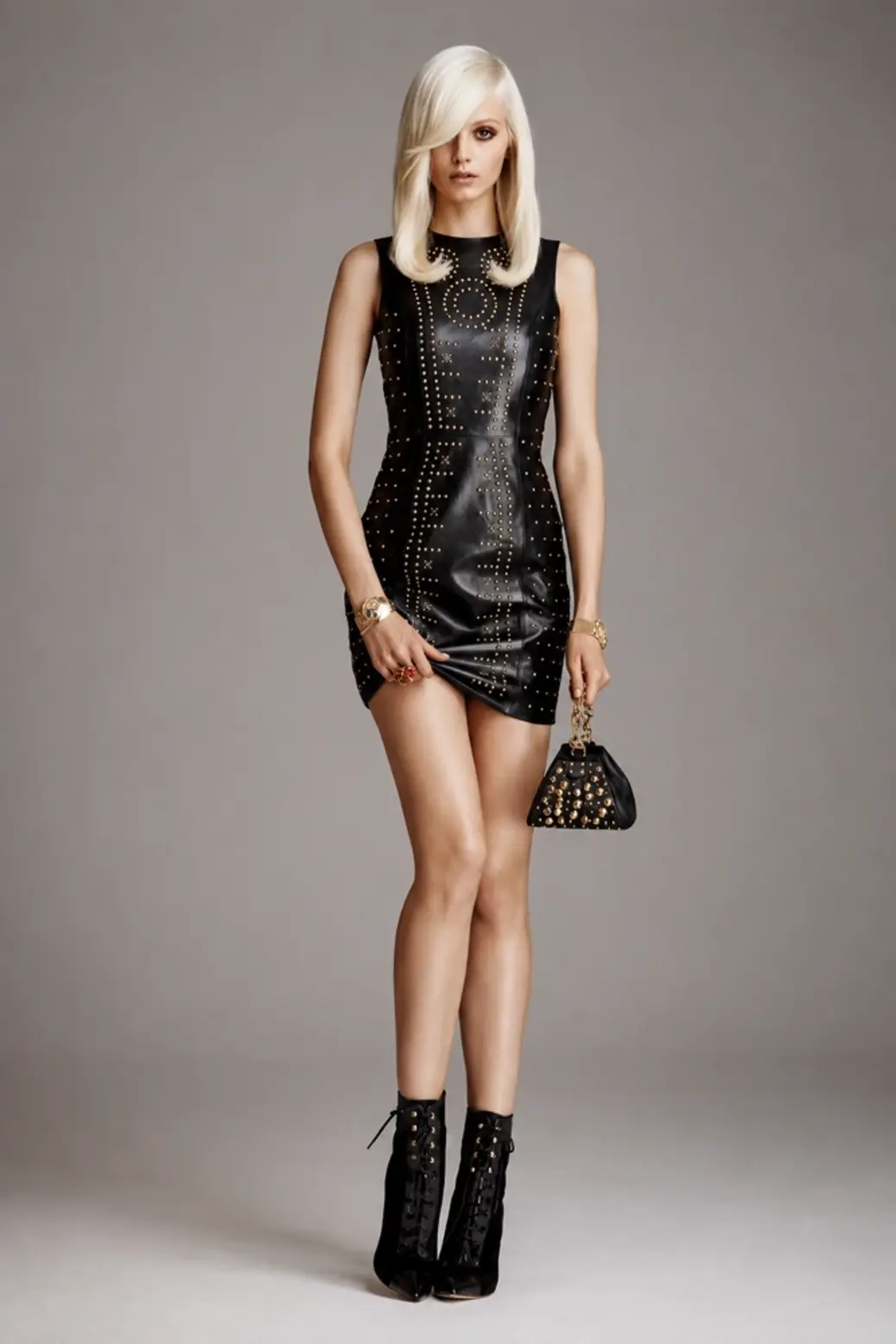
H&M has been perfecting this theater since Karl Lagerfeld’s 2004 collaboration, followed by Stella McCartney, Comme des Garçons, Versace, Maison Martin Margiela, Balmain, Mugler, Rabanne, Simone Rocha, and many others.
The psychology is very human. People want to feel close to what they admire. They want the myth without the museum glass. They want the designer’s hand, even if mediated through mass production. They want the archive reference, the cult silhouette. That is why high-low fashion now operates as fashion fandom. It has the emotional structure of a concert ticket, a limited-edition vinyl, a cult beauty drop, a rare book reissue. The garment is material, but the desire is social. It lives in the anticipation, the screenshots, the try-on videos, the “I got it” messages, the resale listings, the regret of missing out, the tiny superiority of having known early.

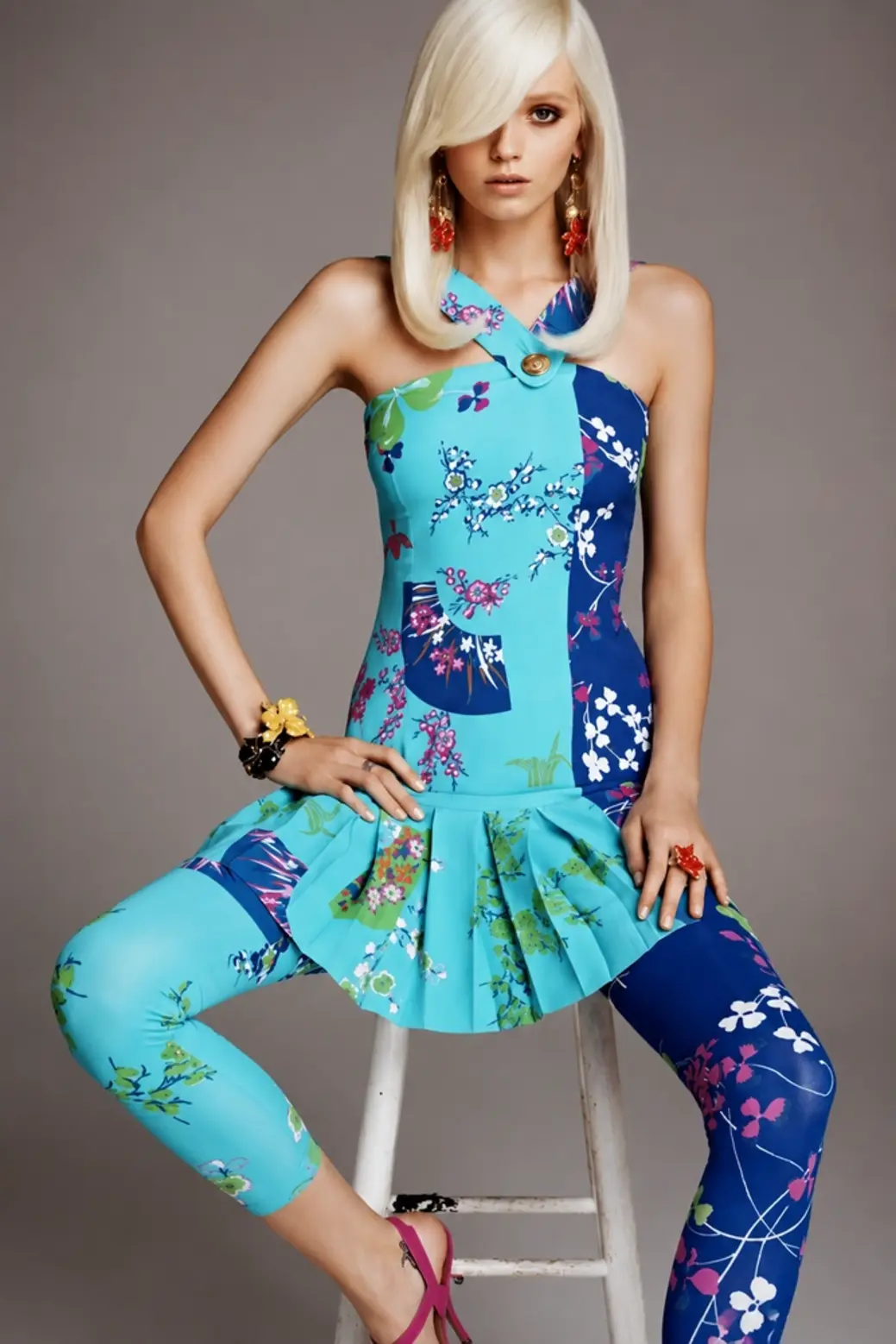
The resale piece is especially revealing. High-low collaborations often begin with the promise of access, then migrate into resale markets where the most coveted pieces become marked up, hunted, and re-excluded. The democratic dream grows claws. The object that was supposed to make fashion feel open becomes another test of timing, knowledge, and purchasing power. Because fashion lovers are rarely innocent victims of hype. Many know exactly how the machine works. They understand scarcity. They understand marketing. They understand that a designer name can turn ordinary fabric into emotional electricity. Yet they still want the coat. They still want the dress. They still want the feeling of touching the reference.
The hype is not irrational. It is emotional hunger in drop format. And this hunger has a cultural meaning. High-low fashion reveals that modern shoppers are no longer satisfied with plain affordability.
Still, the critical question remains. When a collaboration sells out, who is the real winner? The designer who gains scale? The shopper who gets the piece? Or the mass retailer that absorbs the designer’s aura and converts it into brand elevation?
The answer may be all three. It may also be the machine.
The strongest high-low collaborations today are about proximity: proximity to a name, a mythology, a mood, a fashion memory one may have first encountered through runway images, Tumblr archives, magazine scans, TikTok edits, or the sacred chaos of fashion internet.
This is why John Galliano at Zara feels so symbolically loaded. Reuters reported that Zara launched a two-year collaboration with Galliano in March 2026, with the partnership intended to strengthen Zara’s design profile and fashion credentials. And Zara has the scale to make that authorship enormous. Inditex reported that it operated 5,460 stores at the end of FY2025, while online sales grew 4.8% to reach €10.7 billion. When a designer enters that kind of machine, the question changes. What happens when luxury imagination is fed into global distribution at this speed?
H&M’s scale tells a similar story: its FY2025 report stated that net sales reached SEK 228.285 billion, with local-currency sales up 2%. These are not humble little platforms giving designers a fun weekend hobby. These are retail empires inviting fashion’s sacred names to make the empire smell more expensive.

That is why the high-low era is culturally significant. It shows that mass fashion no longer wants to look merely useful. It wants to look curated. It wants the vocabulary of archives, craft, creative direction, editorial taste, and sustainability. It wants the glow of luxury without the burden of becoming luxury. Meanwhile, luxury designers and fashion figures want reach, relevance, and public electricity at a time when the old luxury audience feels narrower, richer, and perhaps less culturally fun. The collaboration then becomes a trade.
High-low fashion is powerful precisely because it refuses to stay morally tidy. It can widen access and manufacture scarcity. It can celebrate design and feed overconsumption. It can give young shoppers a first meaningful encounter with a designer’s language while also training them to panic-buy. It can make fashion feel alive again while reminding us that aliveness is often monetized instantly.
That may be the most modern form of fashion status. Not price, but recognition. Not ownership, but fluency. If that is true, then Zara, H&M, Gap, Old Navy, and Target are not simply borrowing luxury. They are revealing its softest weakness. Luxury needs distance to remain magical, but it needs visibility to remain desired. High-low fashion collapses that distance just enough to make everyone nervous, excited, and slightly guilty. That is why this era feels so alive. It is not polite. It is not pure. It is a little greedy, a little romantic, a little manipulative, a little generous. It is fashion’s favorite contradiction wearing a bow.
Advertisement