MENU
Close





On this day, March 26, 2026, Zara and Willy Chavarria brought VATÍSIMO into the world, turning one of fashion’s most politically charged design languages into a mass-reach event.
On this day, March 26, 2026, Zara and Willy Chavarria brought VATÍSIMO into the world, turning one of fashion’s most politically charged design languages into a mass-reach event.
March 26, 2026


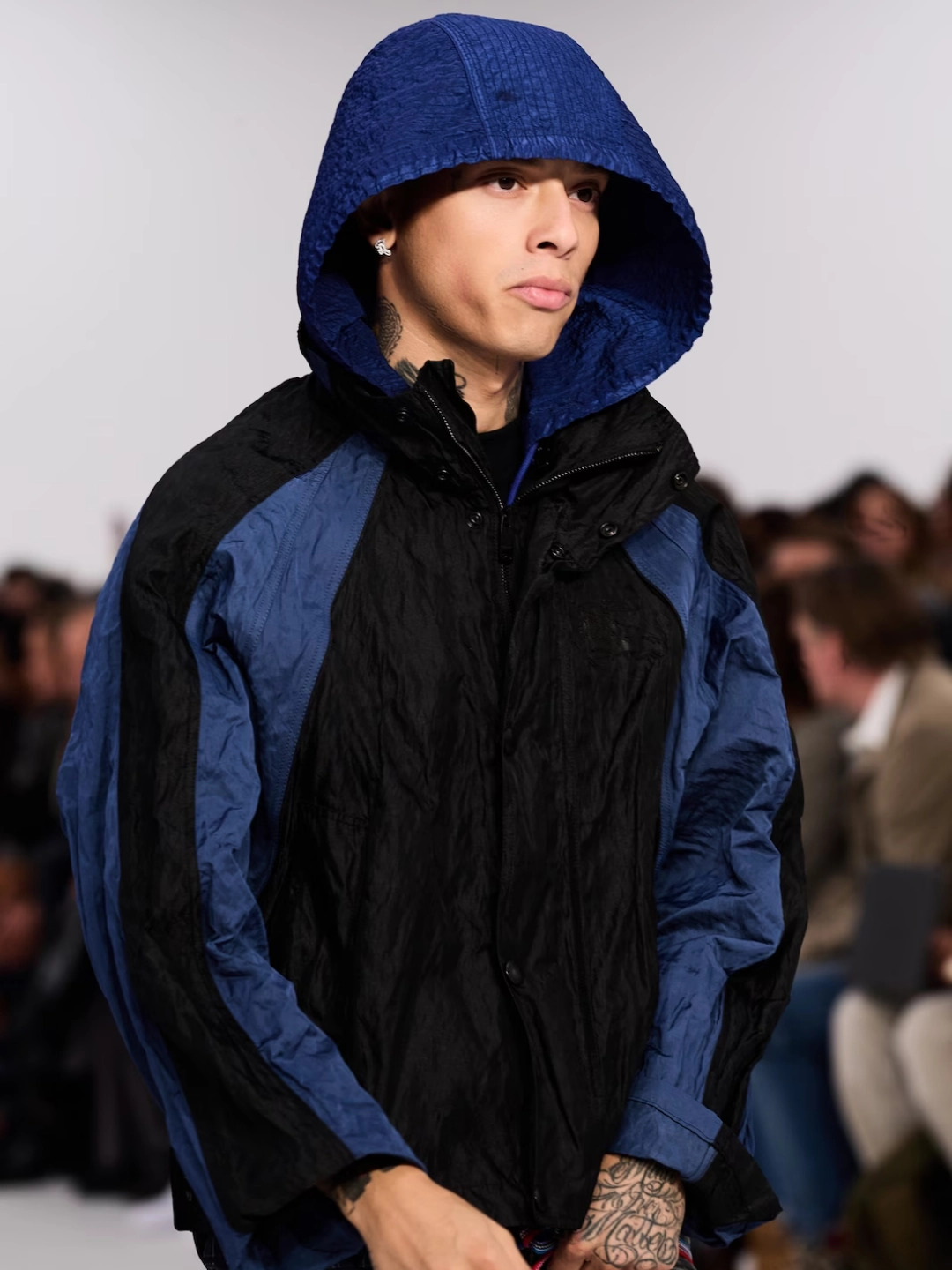
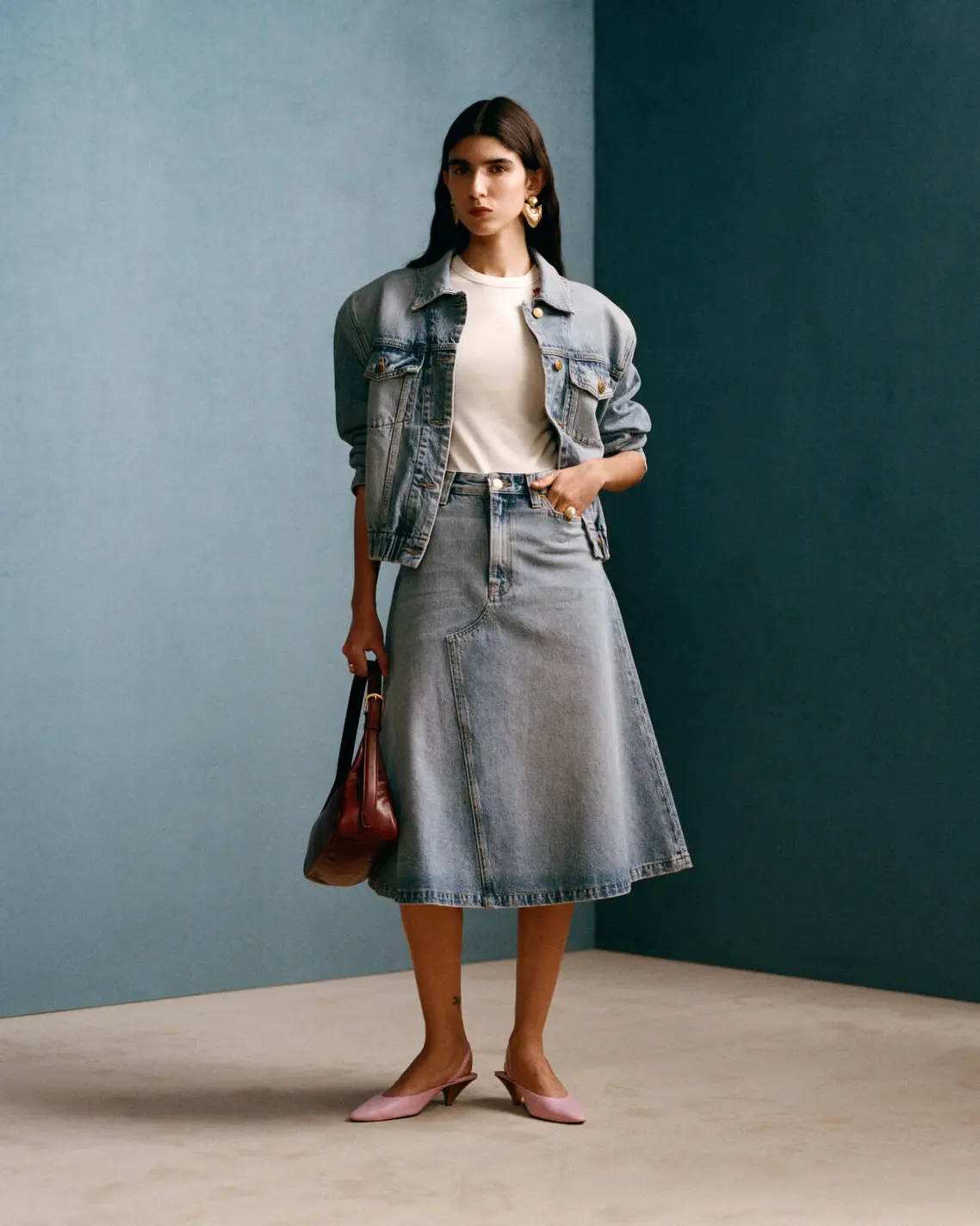
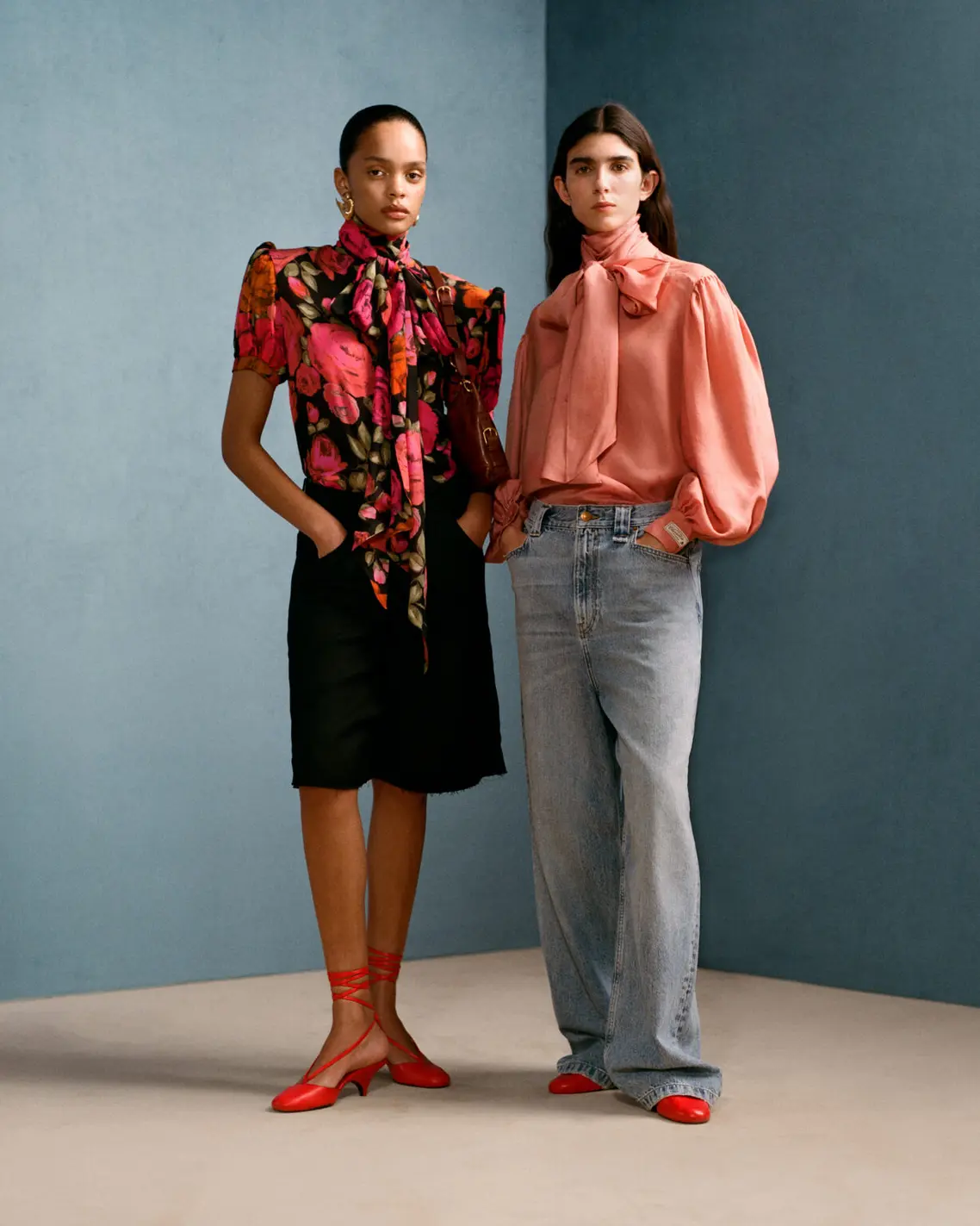
Zara and Willy Chavarria collection carried his familiar codes straight into a bigger arena: oversized tailoring, strong shoulders, wide trousers, denim, bodysuits, skirts, hoodies, bags, shoes, jewelry, and silk bandanas, all sitting inside Zara’s global retail machinery without losing the attitude of the original voice. Zara’s own product pages show that breadth clearly across both women’s and men’s categories.
VATÍSIMO draws from the Chicano term “vato,” and the collaboration was described around ideas of camaraderie, roots, and cultural visibility. That framing gave the project more gravity than the average designer capsule. Willy Chavarria has built his name by making clothes speak about identity, masculinity, immigration, tenderness, and power all at once. Bringing that sensibility to Zara gave the partnership a strange and compelling tension: a designer associated with emotional and political force entering the most accessible end of fashion’s commercial spectrum without surrendering the edge.
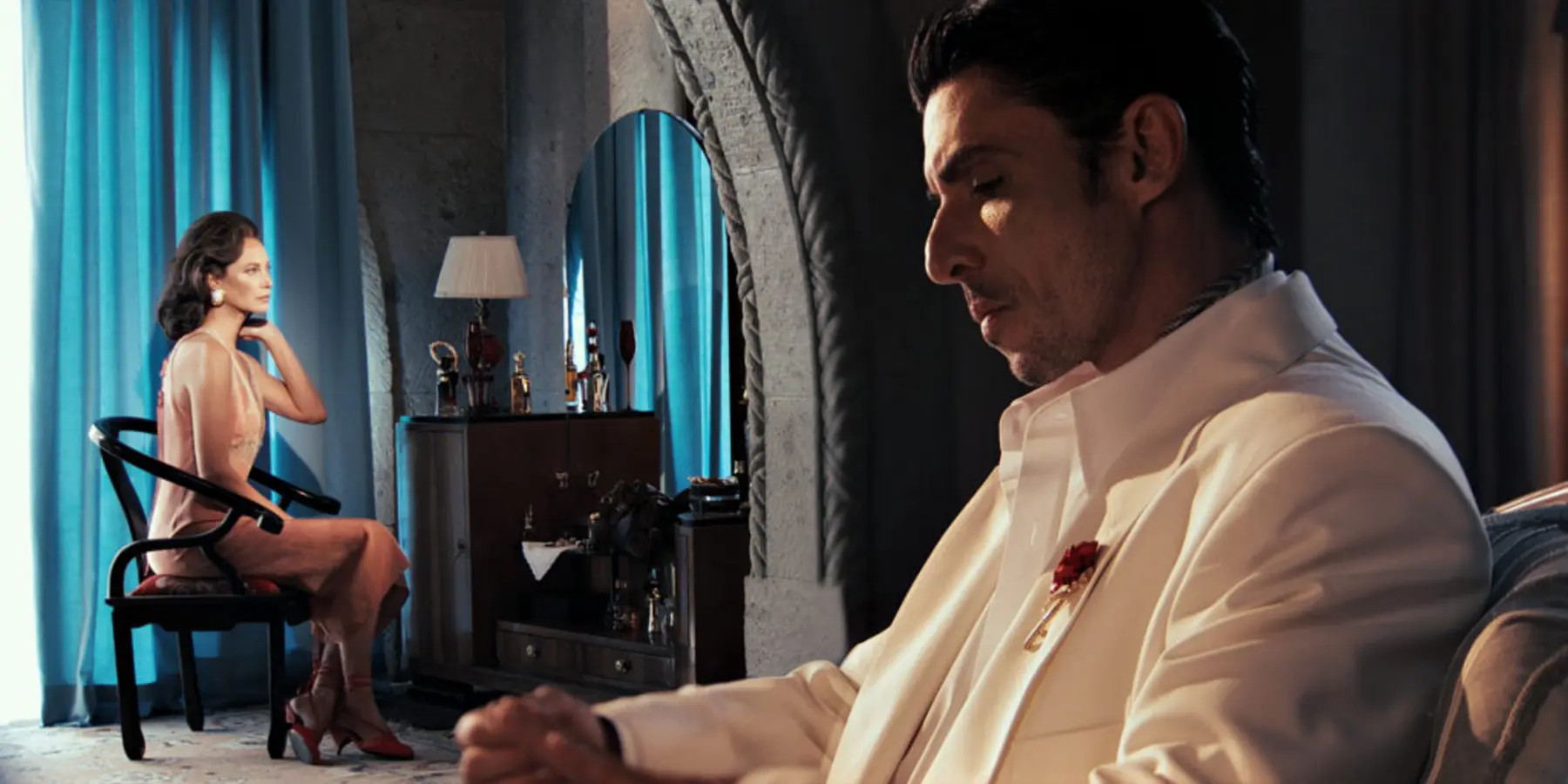
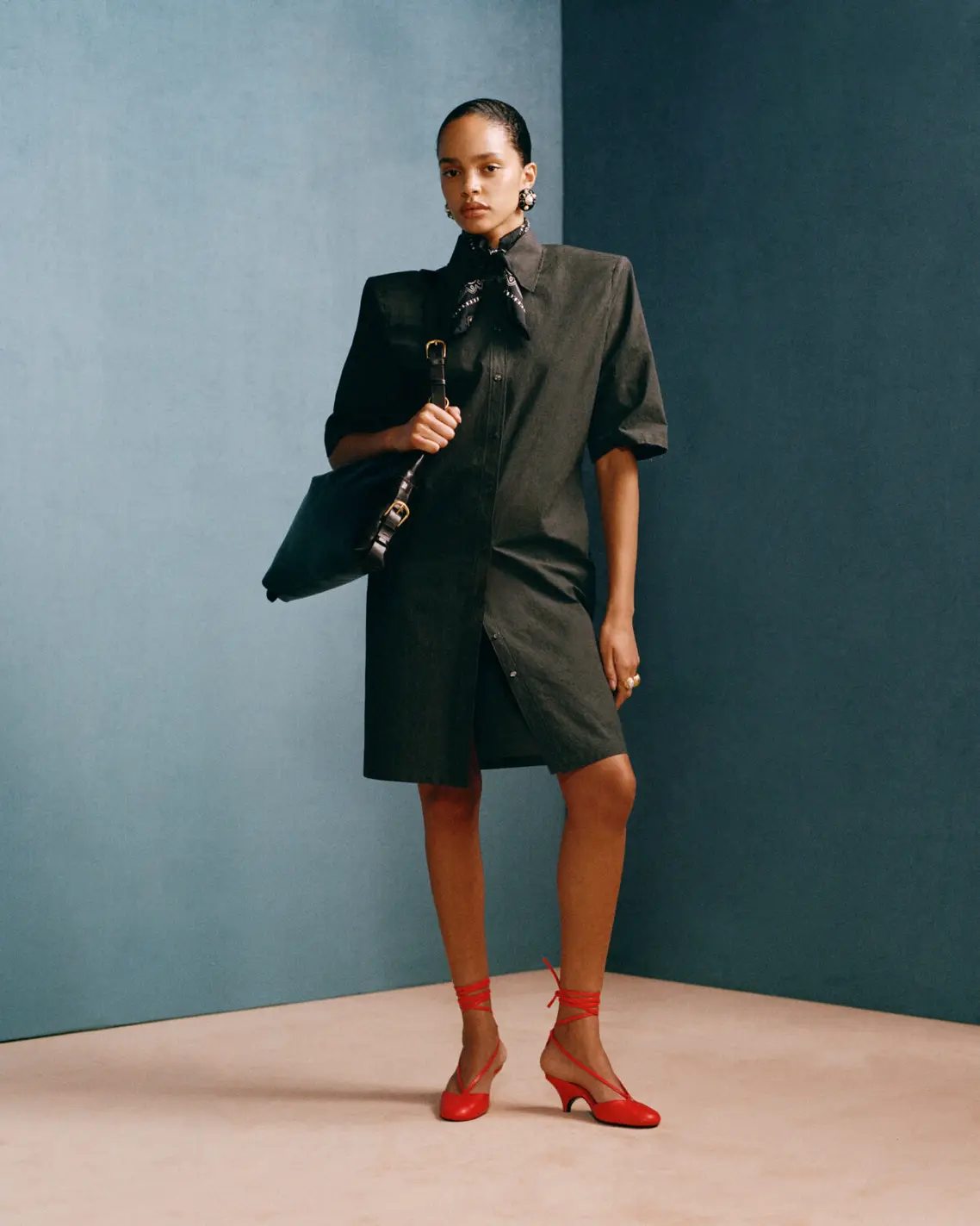
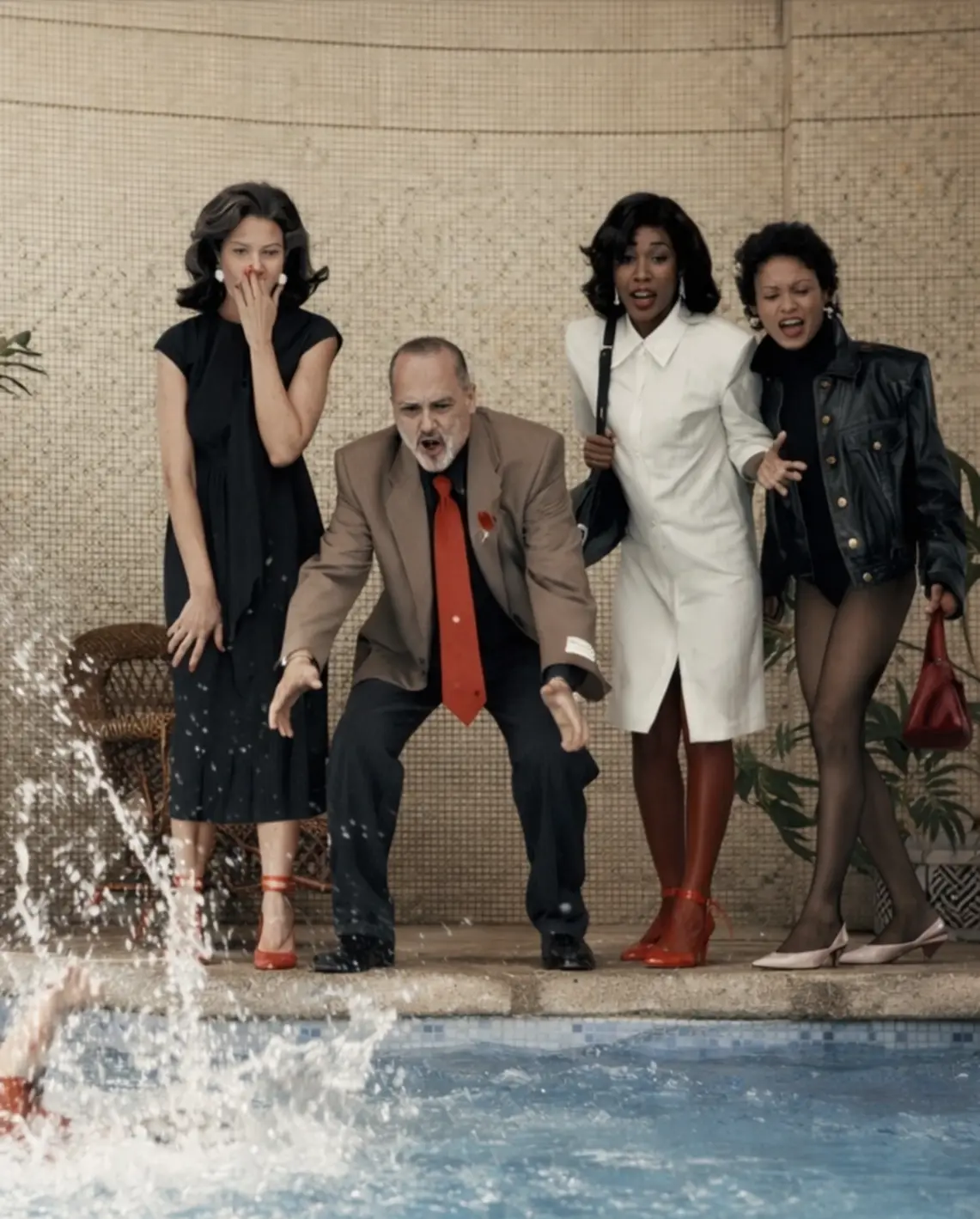
The campaign sharpened that mood into melodrama. Christy Turlington and Alberto Guerra fronted a telenovela-style film shot by Glen Luchford, with Willy Chavarria himself appearing as well. The old-school cinematic treatment kept the collaboration from feeling like mere rack merchandise. It gave the clothes narrative, heat, and a little menace, which is exactly the sort of atmosphere Willy Chavarria’s work enjoys best. These were garments meant to circulate widely, though they arrived wrapped in glamour, jealousy, desire, and performance rather than plain commercial language.
Zara and Willy Chavarria became a test of how far a strong authorial vision could travel without collapse. The answer, at least on launch day, looked persuasive. The pieces kept the shoulders broad, the silhouettes loose, the romance heightened, and the cultural codes visible.