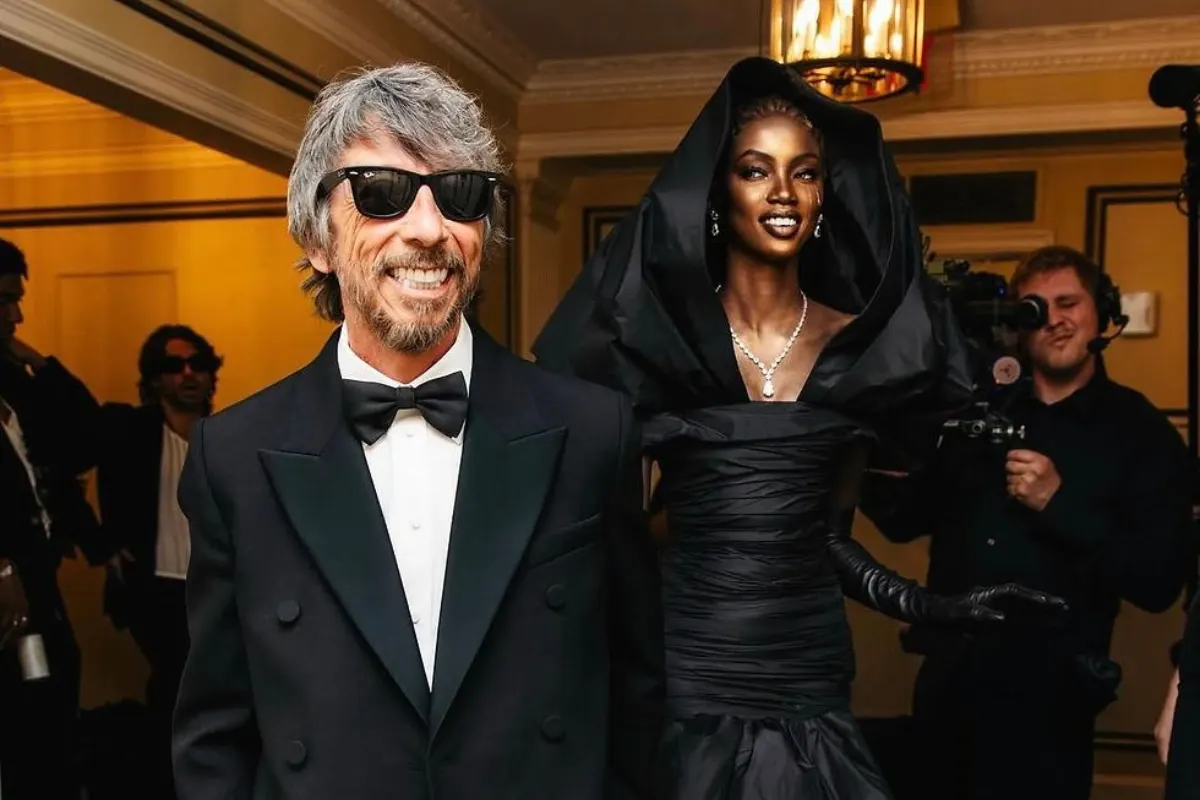





Sculpted into an improbable cloud of fabric, a couture gown descends a Parisian staircase with the quiet grandeur of another century. Somewhere beyond the runway, a deliberately worn-out sneaker bears the same historic name. Both belong to Balenciaga, though they seem to speak entirely different languages of luxury. Which one will be remembered?
Balenciaga: Couture, Commerce, and Another Reset
Sculpted into an improbable cloud of fabric, a couture gown descends a Parisian staircase with the quiet grandeur of another century. Somewhere beyond the runway, a deliberately worn-out sneaker bears the same historic name. Both belong to Balenciaga, though they seem to speak entirely different languages of luxury. Which one will be remembered?
November 11, 2026


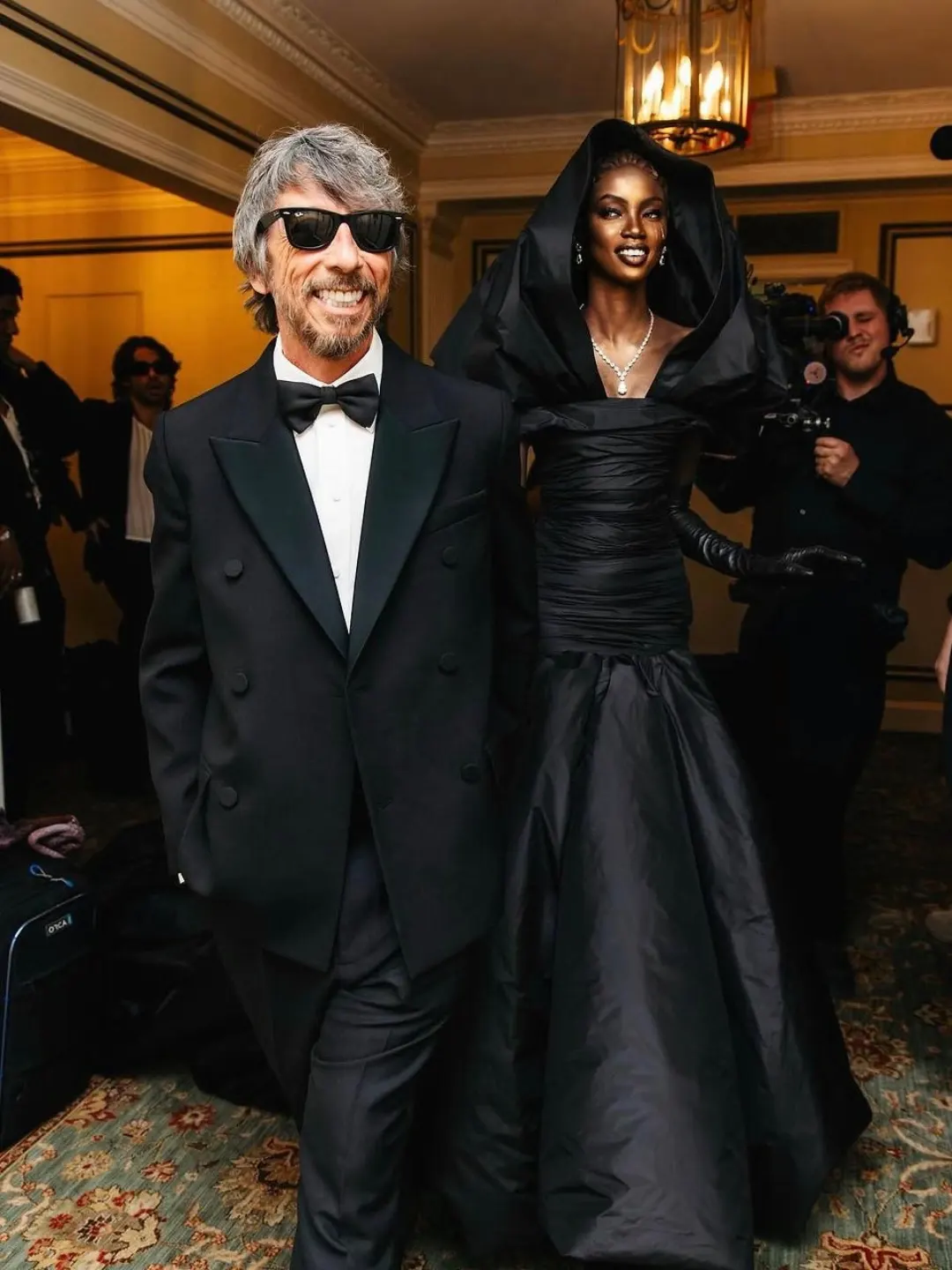
The distance between a fashion house's creative ambitions and its corporate decisions can sometimes be measured in months. When Pierpaolo Piccioli arrived at Balenciaga in July 2025, his reputation as a master couturier suggested an intriguing new chapter for a house whose identity had become inseparable from the provocative vision of Demna. The appointment carried a promise of continuity with Cristóbal Balenciaga's extraordinary legacy of construction, silhouette and craftsmanship.
Sixteen months later, that promise was interrupted. Kering announced Piccioli's departure on November 5, 2026. The following morning, Martine Rose was named his successor, bringing a distinctive background in subculture, experimental menswear and contemporary street style. The succession unfolded with remarkable speed, as though the house's direction had already been reconsidered long before the public heard of the change.
Rose's independent work has shaped contemporary menswear in ways that extend far beyond conventional luxury, and her return to Balenciaga carries considerable creative potential. Yet the departure of Piccioli leaves a more uncomfortable question hanging over the French house. If the qualities that made him an ideal candidate in 2025 were precisely those that distinguished him from his predecessor, what changed so dramatically in the months that followed?
The Couture Reset That Barely Began
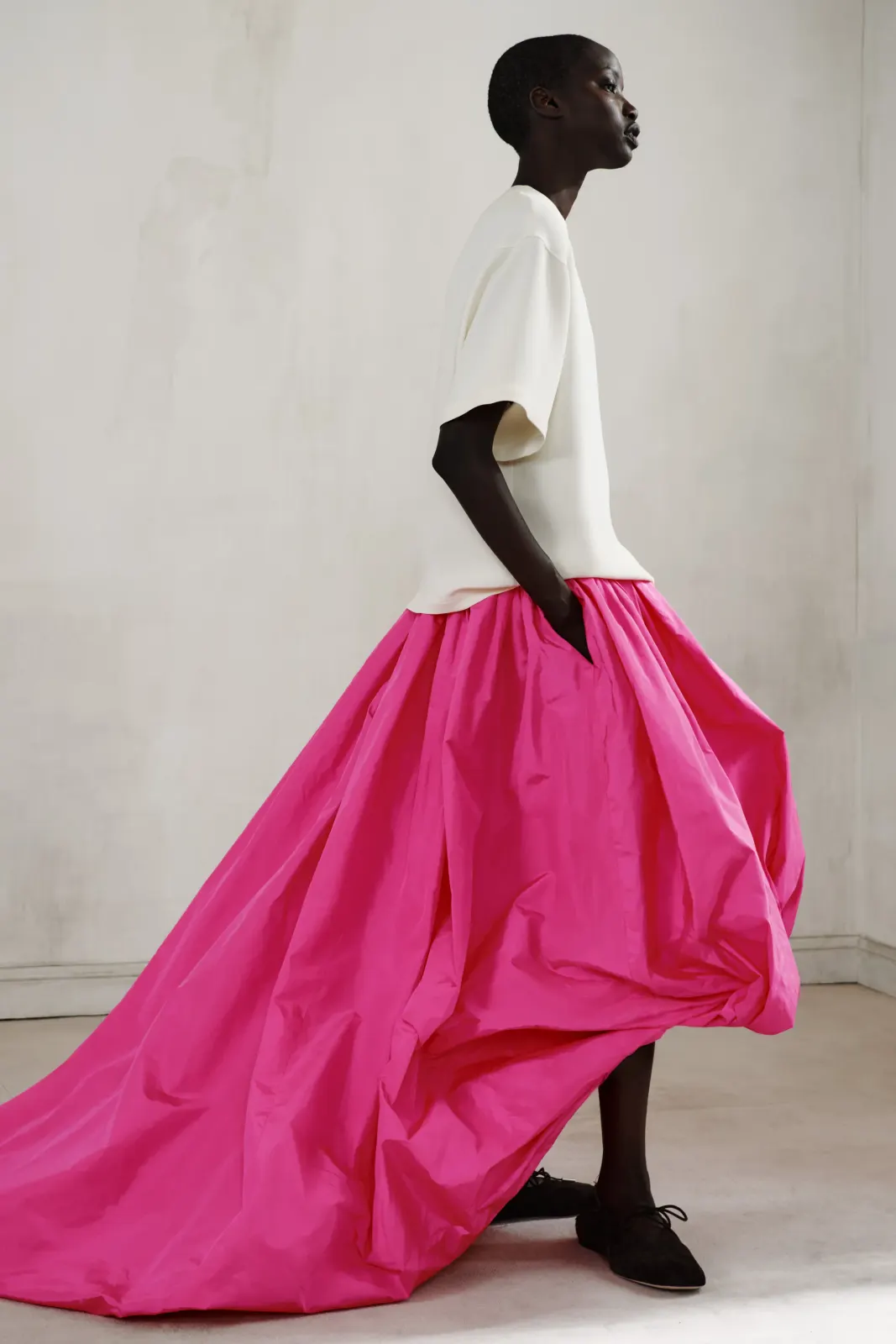
Beneath the July sunlight, extravagant volumes swept across the broad staircase of the Cité Internationale Universitaire de Paris. Feathers trembled against sculpted shoulders, vast skirts surrounded the body in carefully engineered clouds, and vivid colors illuminated forms whose apparent simplicity concealed extraordinary technical precision. Balenciaga Fall 2026 Coutrue, Pierpaolo Piccioli's debut haute couture collection in July 2026 approached the founder's architectural legacy through the softness, movement and emotional intensity that had defined his work at Valentino.
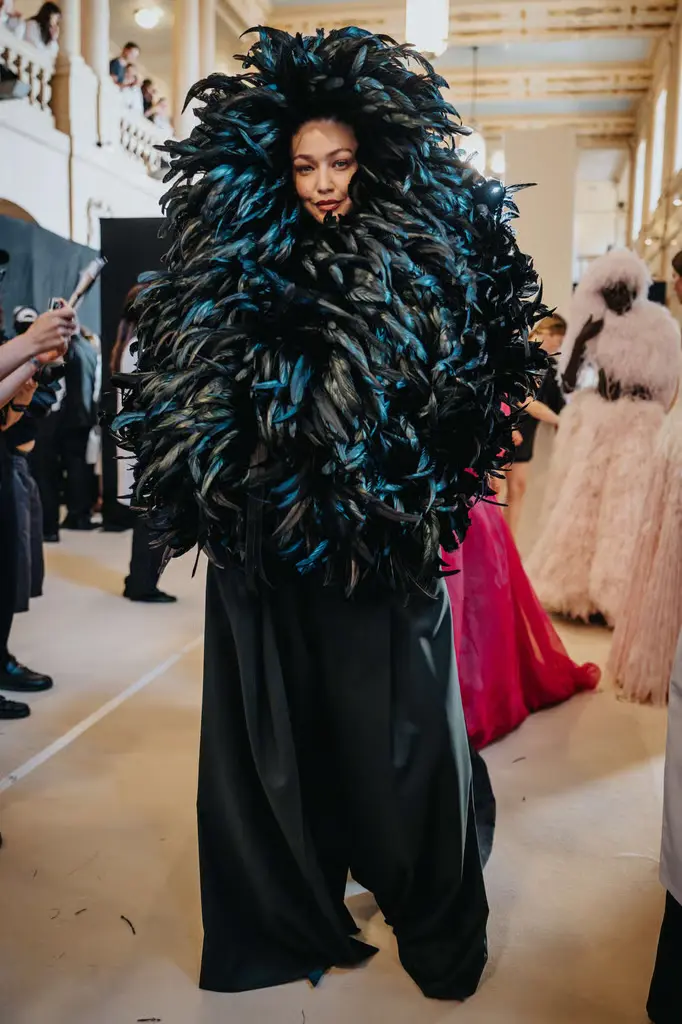
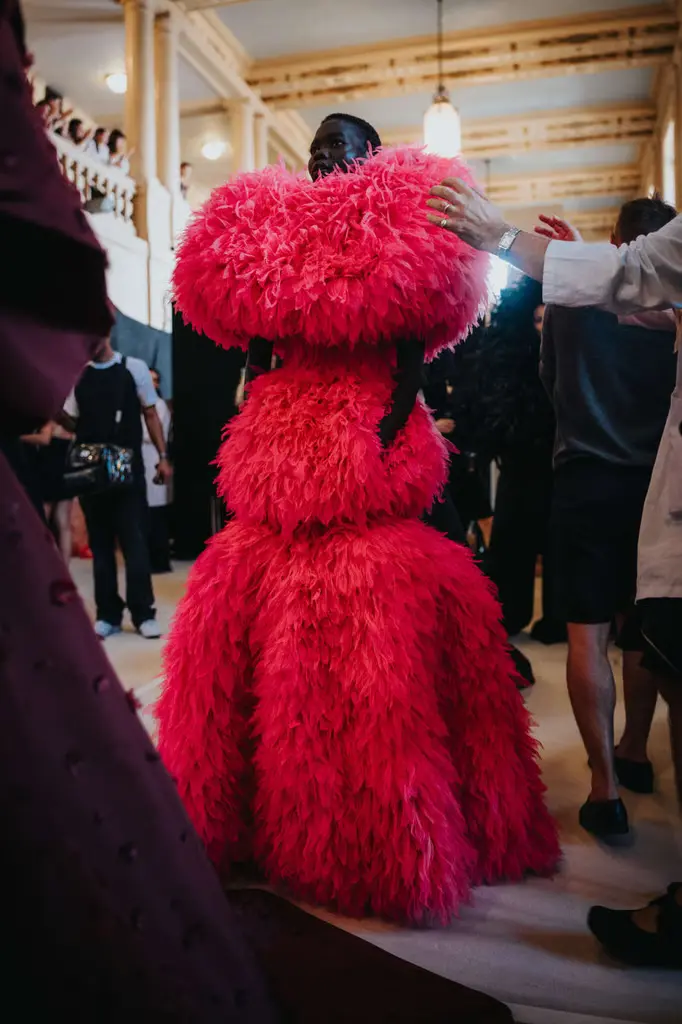
The dialogue with Cristóbal Balenciaga emerged through construction itself. The trapeze silhouette, sculptural coats and exaggerated volumes echoed the principles of a couturier who had fundamentally altered the relationship between fabric and the human body. Piccioli introduced his own romantic sensibility through expansive color, elaborate featherwork and fluid silhouettes. The garments possessed an almost monumental presence, yet their sophistication depended upon the discipline of cutting, proportion and material.
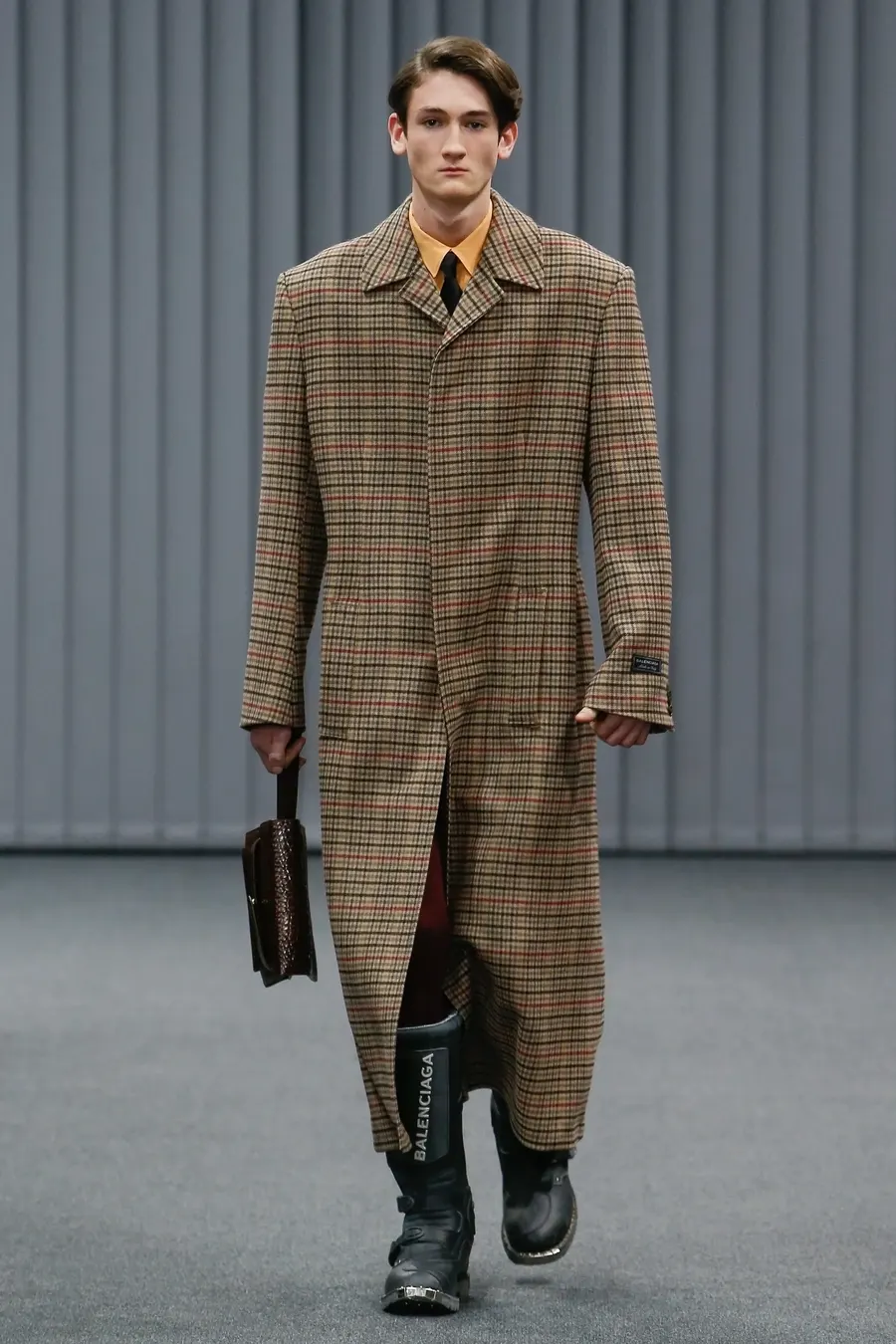
His appointment had initially appeared to reflect a deliberate reassessment of the house's identity. Following a decade in which exaggerated streetwear and provocative consumer objects dominated much of Balenciaga's public image, Kering selected a designer celebrated for an entirely different understanding of fashion. Piccioli's experience suggested the possibility of reconnecting Balenciaga's commercial universe with the technical achievements that had made its founder one of the twentieth century's most influential couturiers.
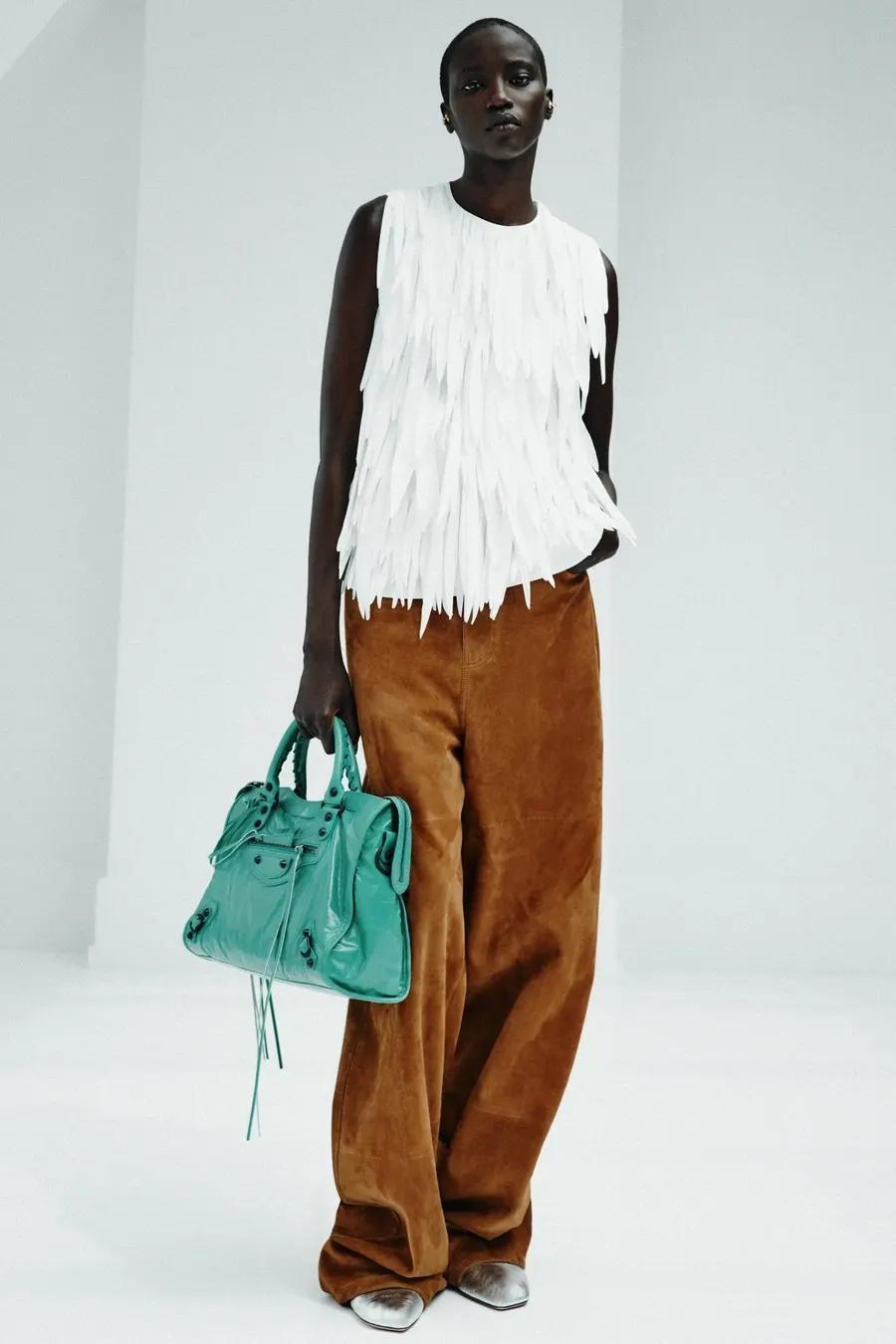
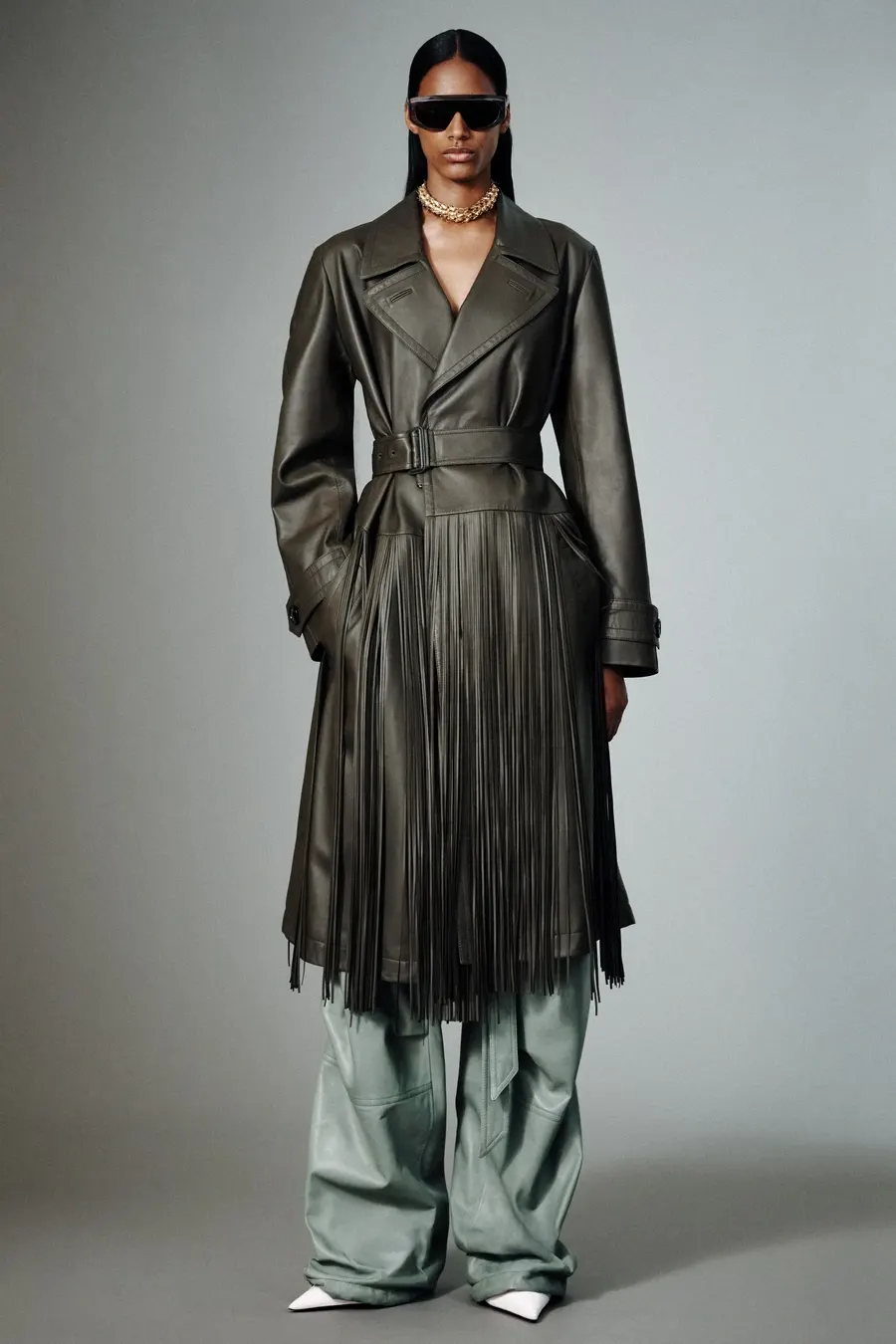
The designer's ambitions extended into everyday clothing. Balenciaga Fall 2026, sportswear, tailoring and technically developed garments reflected his interest in adapting the methodologies of couture to contemporary life. Balenciaga SS27 continued that investigation through corseted shirts, sculpted outerwear and familiar wardrobe staples transformed by carefully controlled volumes. Opening the collection, a white shirt with a shaped waist and scalloped hem recalled Cristóbal's Basque silhouette, while jeans introduced an immediate connection to the modern wardrobe.
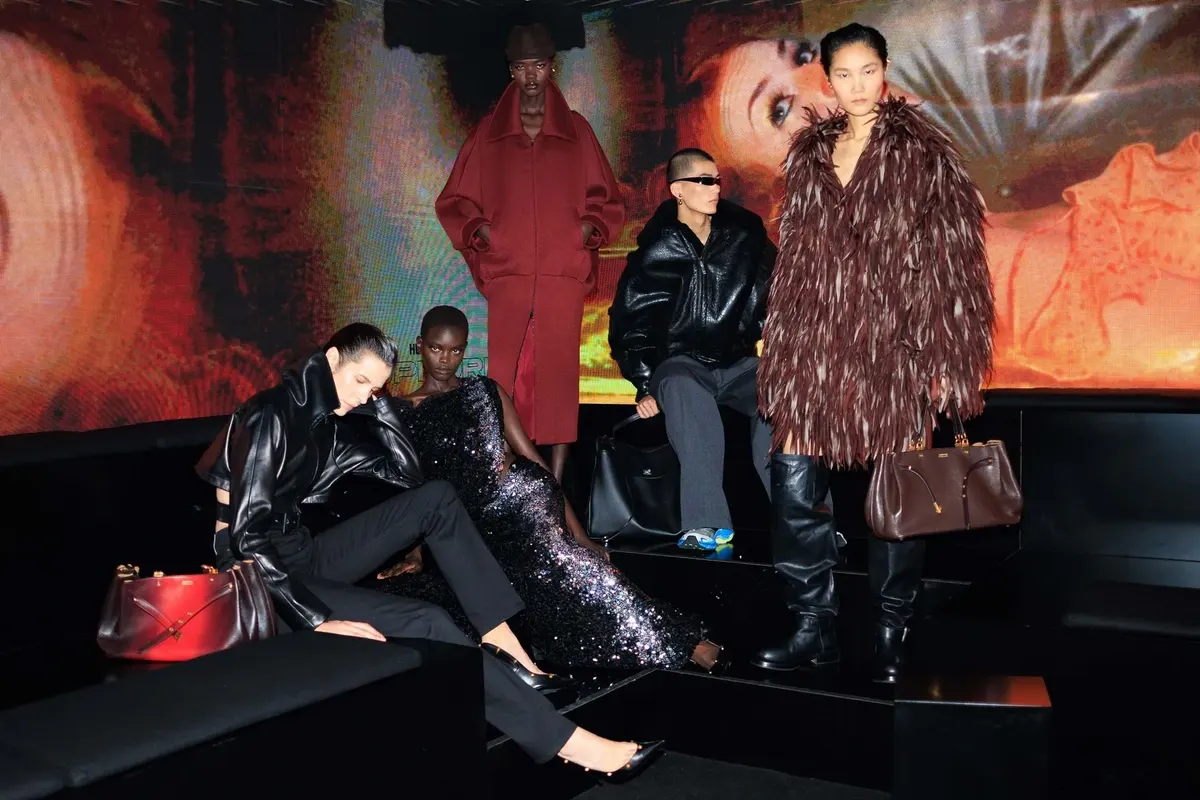
There was something compelling about treating ordinary garments as a site of extraordinary craftsmanship. A shirt could acquire its value through the complexity of its construction, just as an evening gown could communicate its technical sophistication through the apparent effortlessness of its shape. Piccioli was beginning to articulate a luxury proposition in which the garment itself occupied the center of attention.
Of course, his early collections were hardly beyond criticism. The expansive romanticism associated with Valentino occasionally appeared so strongly that Balenciaga's sharper identity risked becoming secondary. The transition from couture spectacle to a convincing commercial wardrobe was still developing, and the house's established customer base had spent years responding to a vastly different aesthetic.
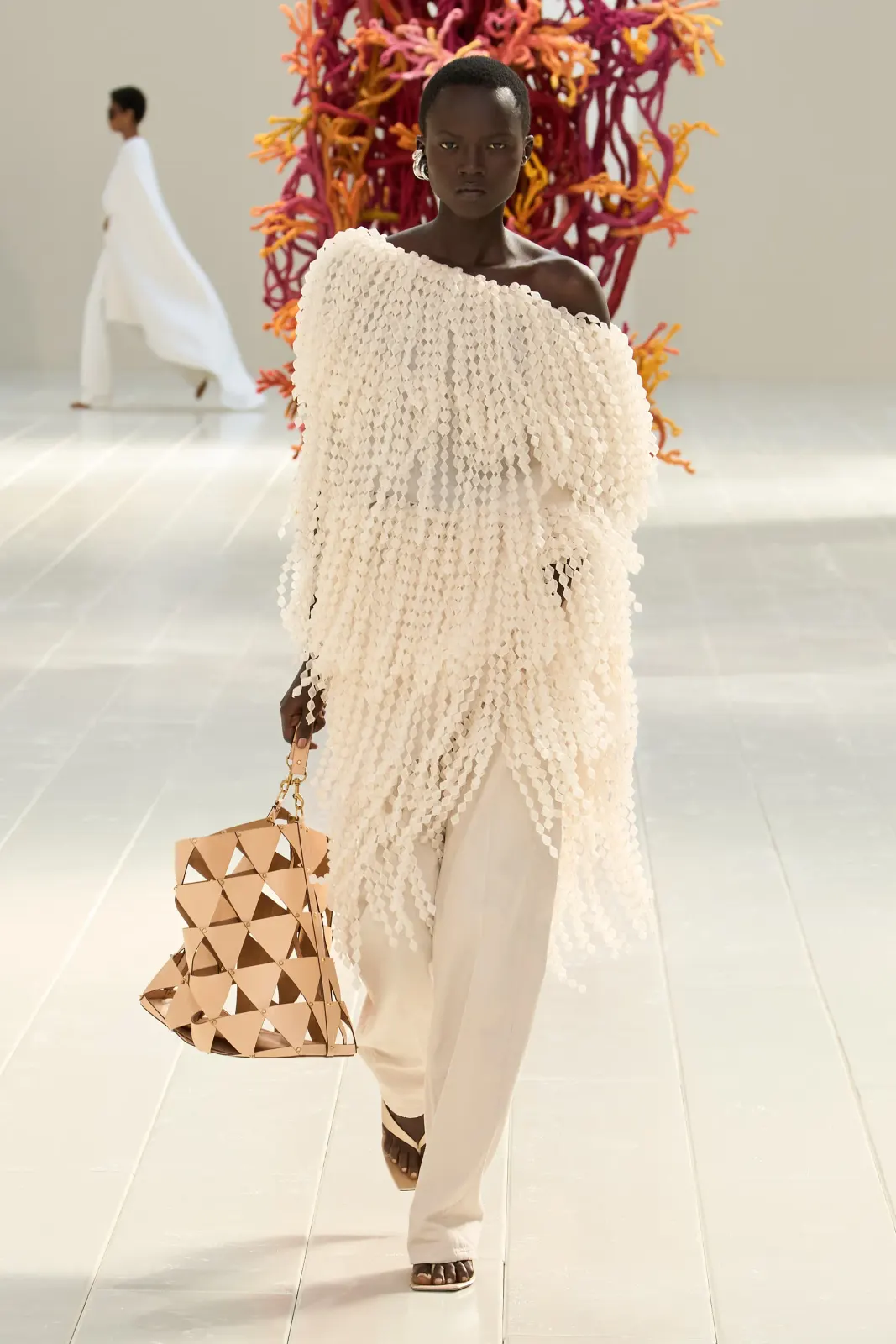
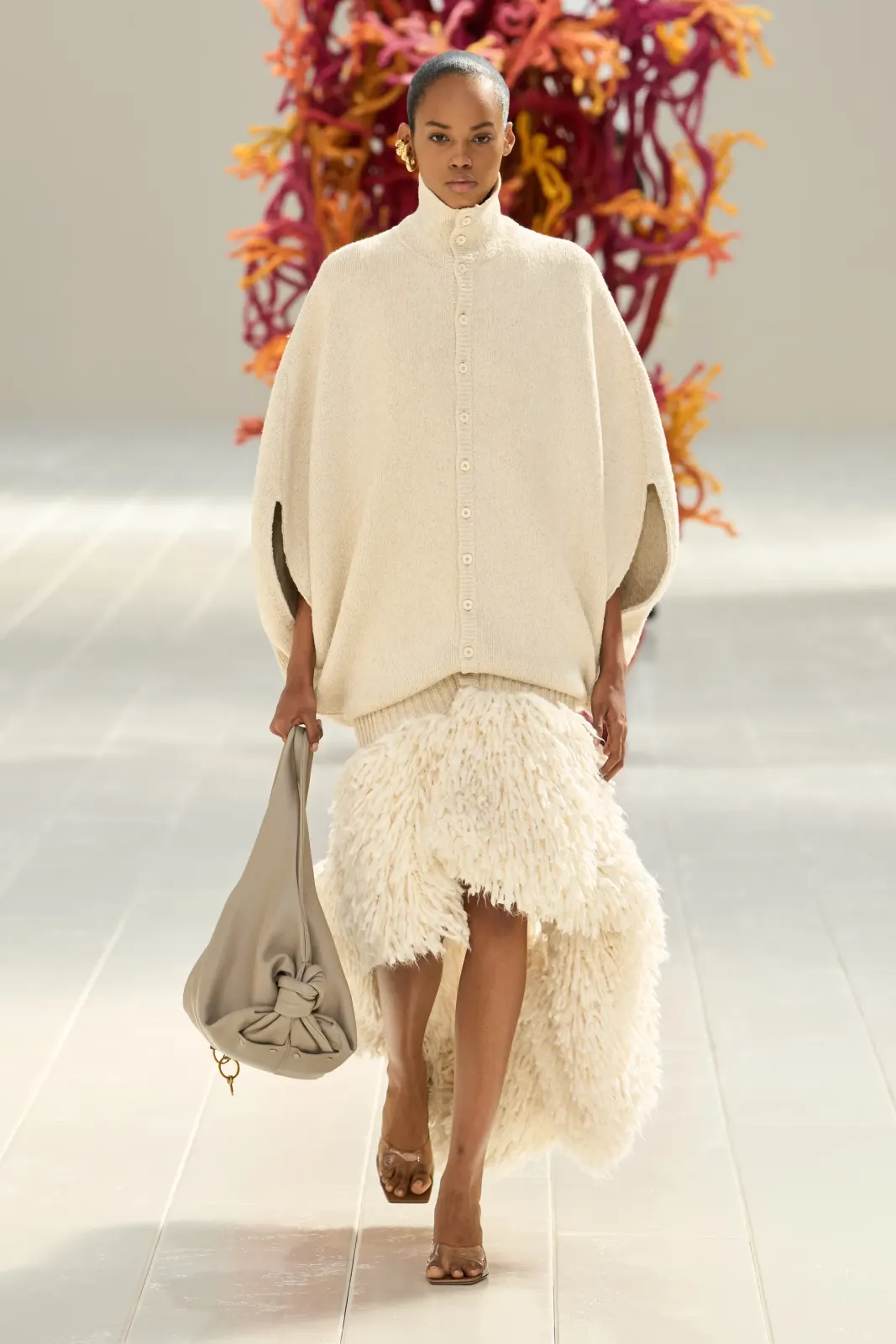
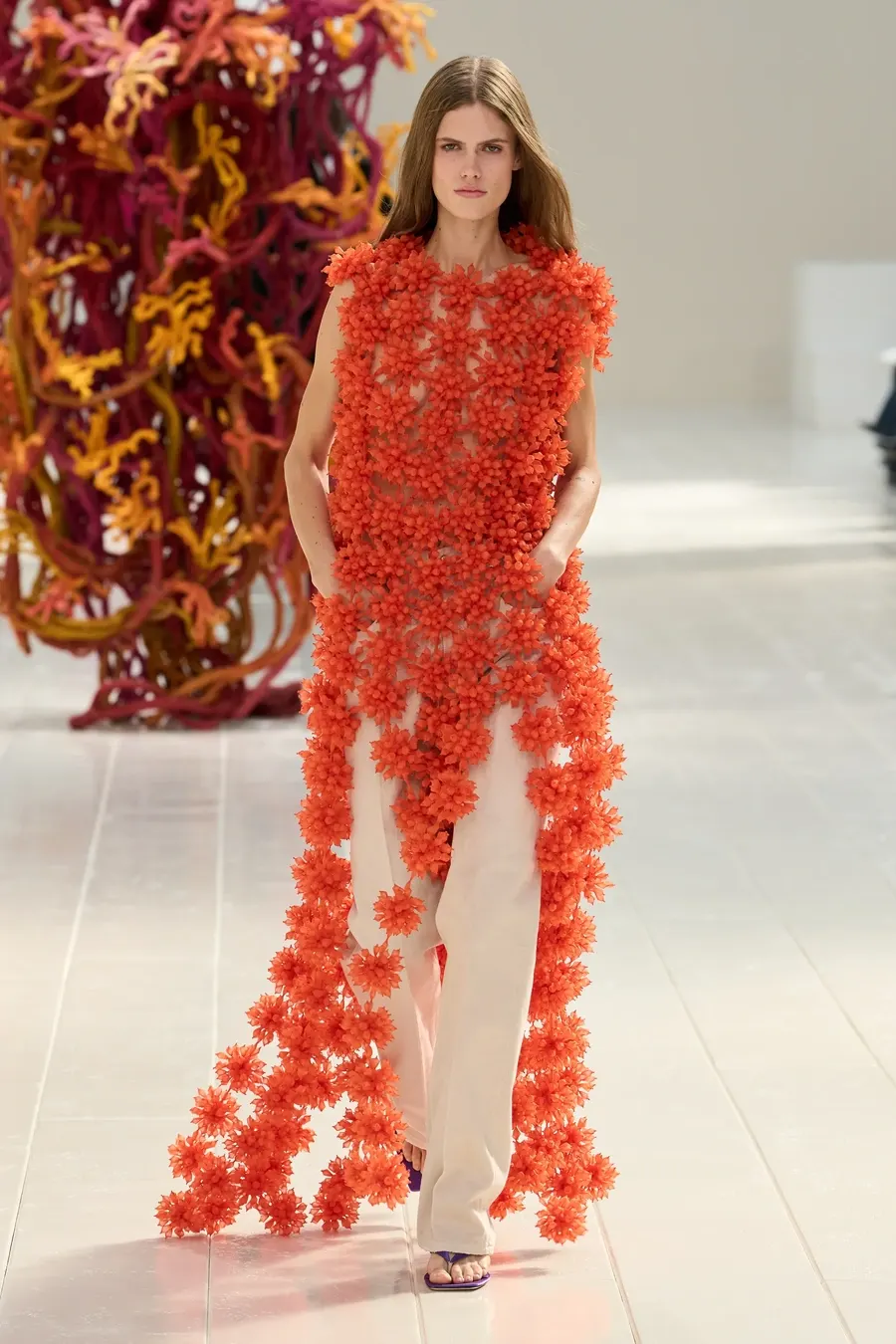
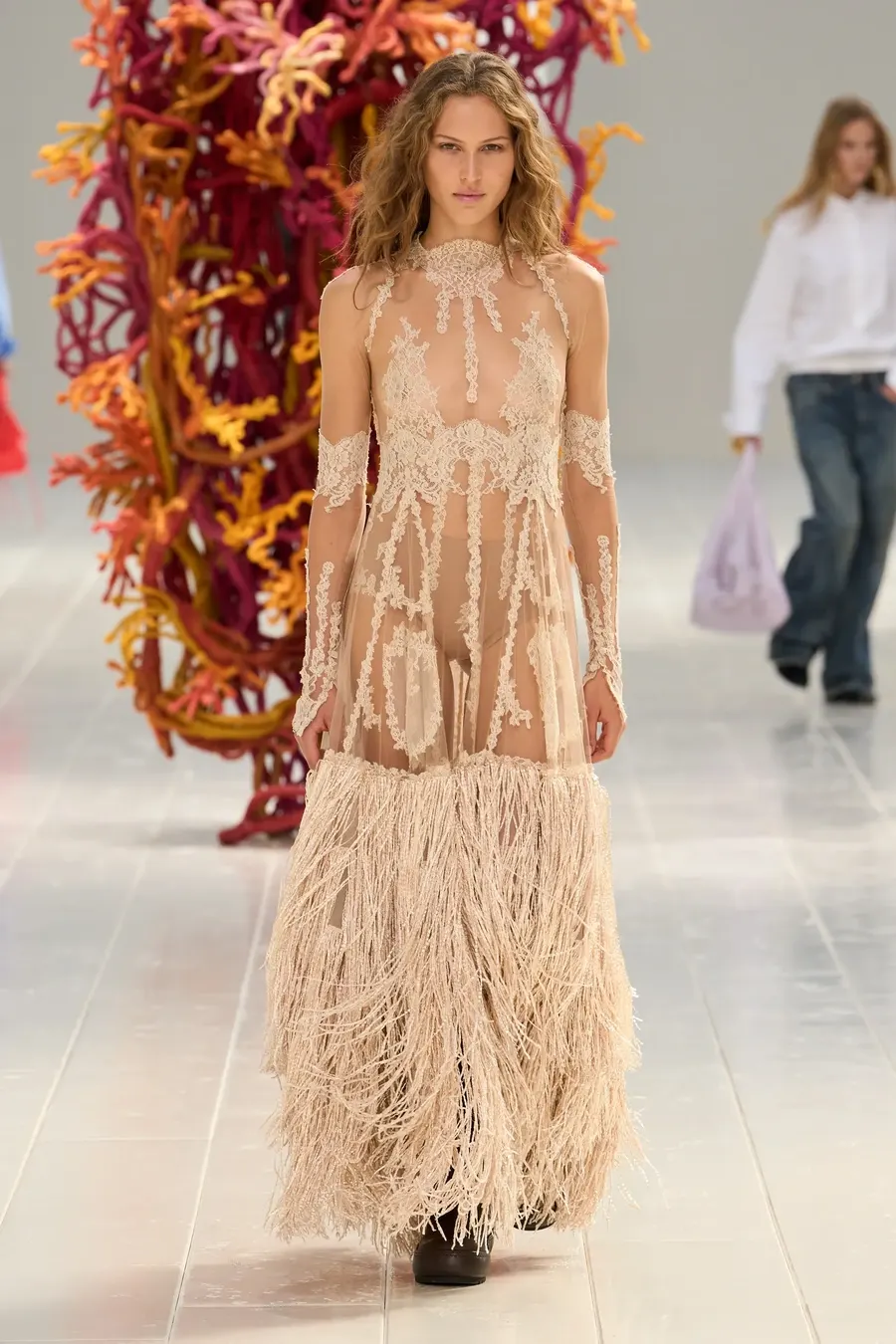
Pierpaolo Piccioli presented three ready-to-wear collections and one haute couture collection when his tenure ended. His work had established the beginnings of a direction, while the commercial relevance of that direction remained an open question.
A house founded upon radical innovation in construction had briefly placed a master of construction at its creative helm. The opportunity to see how far that experiment could develop disappeared before its possibilities were fully tested.
The Empire Demna Built
For nearly a decade, Demna's Balenciaga became synonymous with fashion's appetite for provocation. Oversized sneakers, deliberately distressed garments and everyday objects transformed into luxury commodities challenged conventional ideas of taste, while generating extraordinary cultural attention. The Triple S sneaker helped define the luxury streetwear movement, establishing a commercial language in which irony, branding and desirability became almost inseparable.
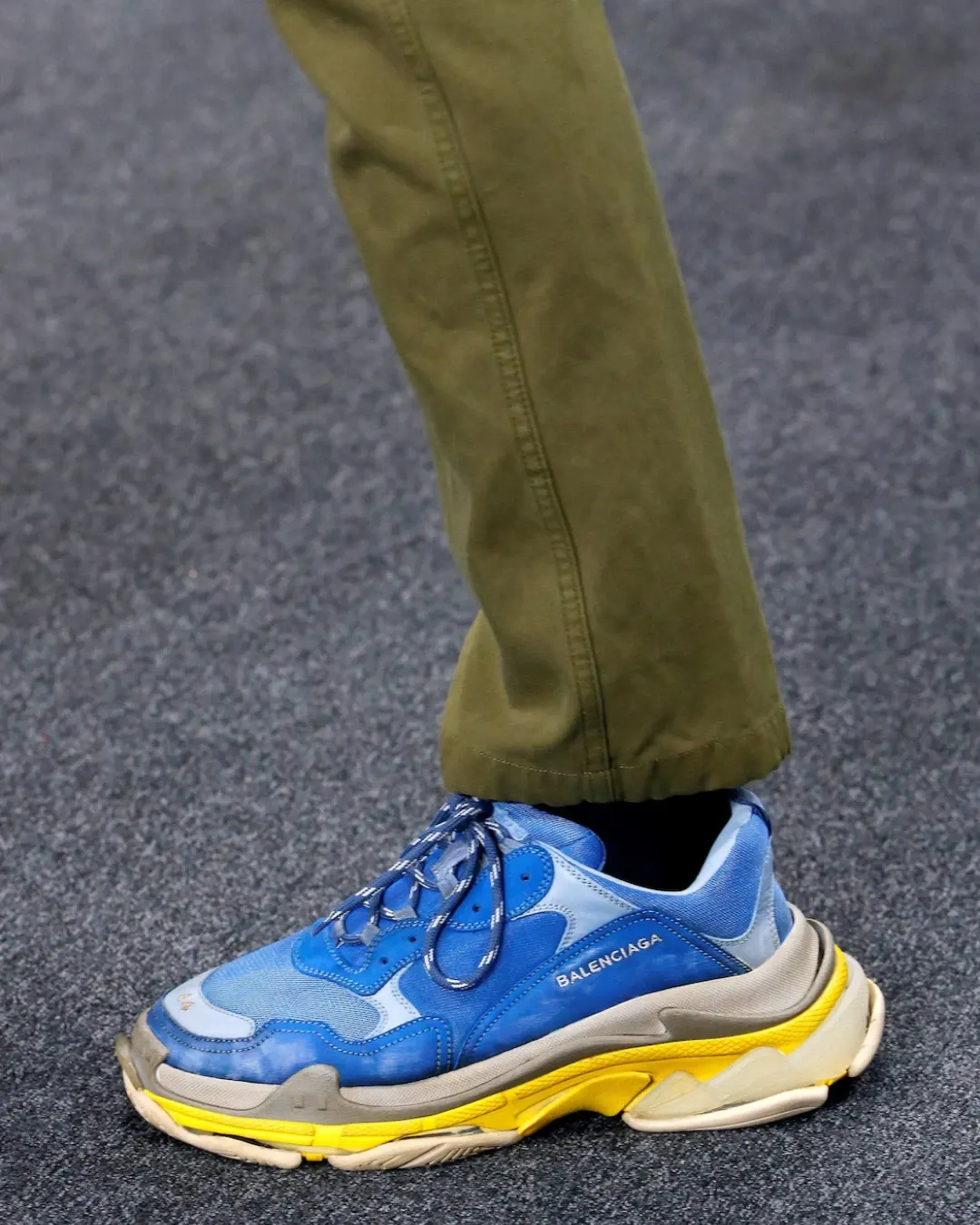

Yet the industry's celebration of his disruptive vision raises an uncomfortable question. When an ordinary garment commands an extraordinary price through conceptual framing and cultural status, where does the value of the object itself reside? Demna's relationship with Cristóbal Balenciaga's legacy was hardly nonexistent. His revival of haute couture in 2021 demonstrated a sophisticated engagement with the founder's architectural language. Still, the commercial spectacles that dominated public perception often overshadowed those achievements, leaving the house increasingly associated with provocation as a product.
His subsequent move to Gucci complicates the narrative surrounding that celebrated creative influence. Despite enormous expectations, the Italian house's recovery remains uncertain. Gucci recorded a 6% comparable revenue decline in the third quarter of 2026, although its commercial difficulties had begun well before Demna's arrival. His tenure remains too recent for a definitive assessment, but it invites a broader question: can the cultural disruption that transformed one fashion house be reproduced under entirely different circumstances?


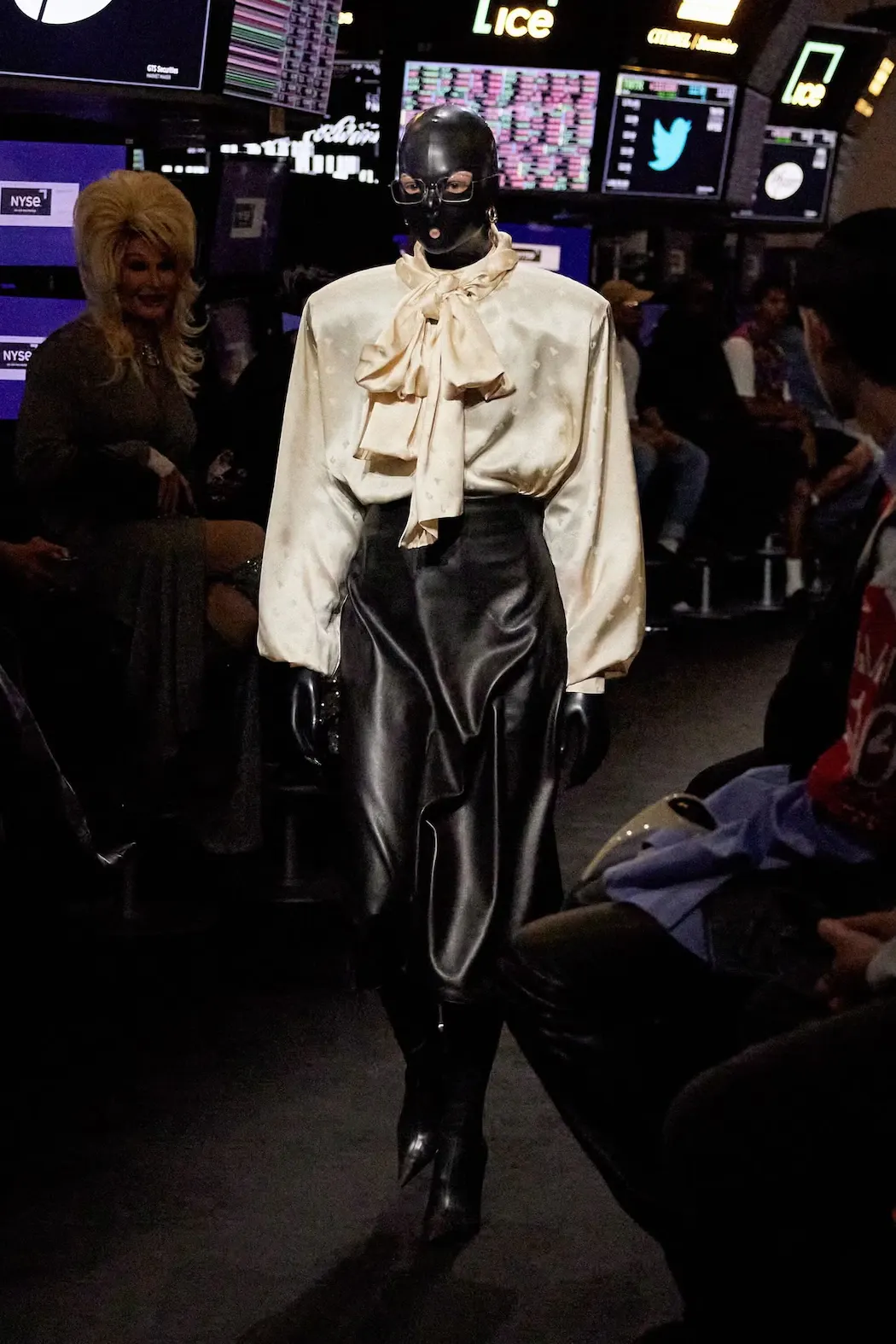

Perhaps Demna's success at Balenciaga was inseparable from the particular moment in which it emerged, when streetwear was reshaping luxury and digital culture rewarded spectacle. His creative instincts captured those conditions with remarkable precision, but their influence cannot automatically guarantee another commercial revival.
That uncertainty becomes especially relevant as Kering appoints Martine Rose, whose creative background reconnects Balenciaga with the subcultural territory associated with Demna's tenure. If revisiting archival couture is criticized as nostalgia, then pursuing the cultural formula that defined Balenciaga's recent past deserves the same scrutiny.
Fashion may have moved beyond the era that made Demna's Balenciaga so influential. The question is whether Kering has.
When Creative Vision Meets Corporate Arithmetic
The timing of Pierpaolo Piccioli's appointment reveals an important detail about Balenciaga's recent instability. When Kering announced his arrival in May 2025, the decision took place under the group's previous leadership structure. Luca de Meo was appointed Kering CEO later that year, officially taking office on September 15, before unveiling the group's ReconKering strategy in April 2026.
The sequence does not establish that Piccioli was hired as a temporary solution. However, it reveals how quickly a creative appointment can find itself operating within a substantially altered corporate environment.
ReconKering outlines an ambitious vision of luxury built around craftsmanship, cultural relevance and renewed brand desirability. For Balenciaga, the strategy emphasizes the combination of couture expertise and contemporary cultural influence, positioning the house as an important connection to future generations of luxury consumers.
On paper, those ambitions leave considerable room for a designer like Piccioli. His technical mastery could strengthen the house's couture authority, while the translation of architectural construction into everyday products offered a possible foundation for commercial development. Spring/Summer 2027 had already begun exploring that territory, suggesting a direction in which expensive clothing could justify its position through material quality, ingenuity and the complexity of its making.
Yet the financial pressures confronting Kering introduced another reality. The group's third-quarter 2026 report identified Balenciaga's leather goods business as relatively resilient, while ready-to-wear and footwear continued to face difficulties. These categories had previously played prominent roles in the house's cultural and commercial identity, particularly during the height of luxury streetwear.
The figures expose a revealing contradiction. Balenciaga's most recognizable contemporary product categories were showing signs of weakness, while the couturier appointed to redefine its identity had barely completed his first full creative cycle. The commercial potential of his direction was still developing, and Kering does not disclose standalone Balenciaga revenue sufficient to assess the financial impact of his individual collections.
Couture also operates according to distinctive economic logic. Its influence extends through brand prestige, exceptional craftsmanship, private clientele and the desirability it lends to adjacent product categories. The relationship between creative achievement and financial performance is complex, particularly when a new direction requires changes to product development, retail presentation and consumer expectations.
The challenge for Kering was therefore broader than deciding whether Piccioli's collections were aesthetically convincing. It involved determining how much time and investment the group was prepared to devote to establishing an alternative understanding of Balenciaga's luxury proposition.
Piccioli's departure leaves that question unresolved. His artistic direction had demonstrated promise, but its commercial results could hardly be separated from the larger restructuring already taking place across the group.
Fashion houses routinely describe craftsmanship and heritage as central to their identities. The actual commitment to those values becomes visible when creative ambitions encounter commercial pressure.
An expensive garment can derive its value from its technical construction, the materials involved and the extraordinary labor required to produce it. Another may command a similar price through scarcity, cultural significance and the symbolic power of a designer's name. Both forms of value can coexist within luxury, although they generate different expectations from consumers.
The more difficult question concerns the kind of luxury Balenciaga intends to cultivate over time. When the commercial horizon begins to determine the creative one, even an exceptional designer may find that the future he was hired to build has already been reconsidered.
Martine Rose and the Return of Cultural Currency
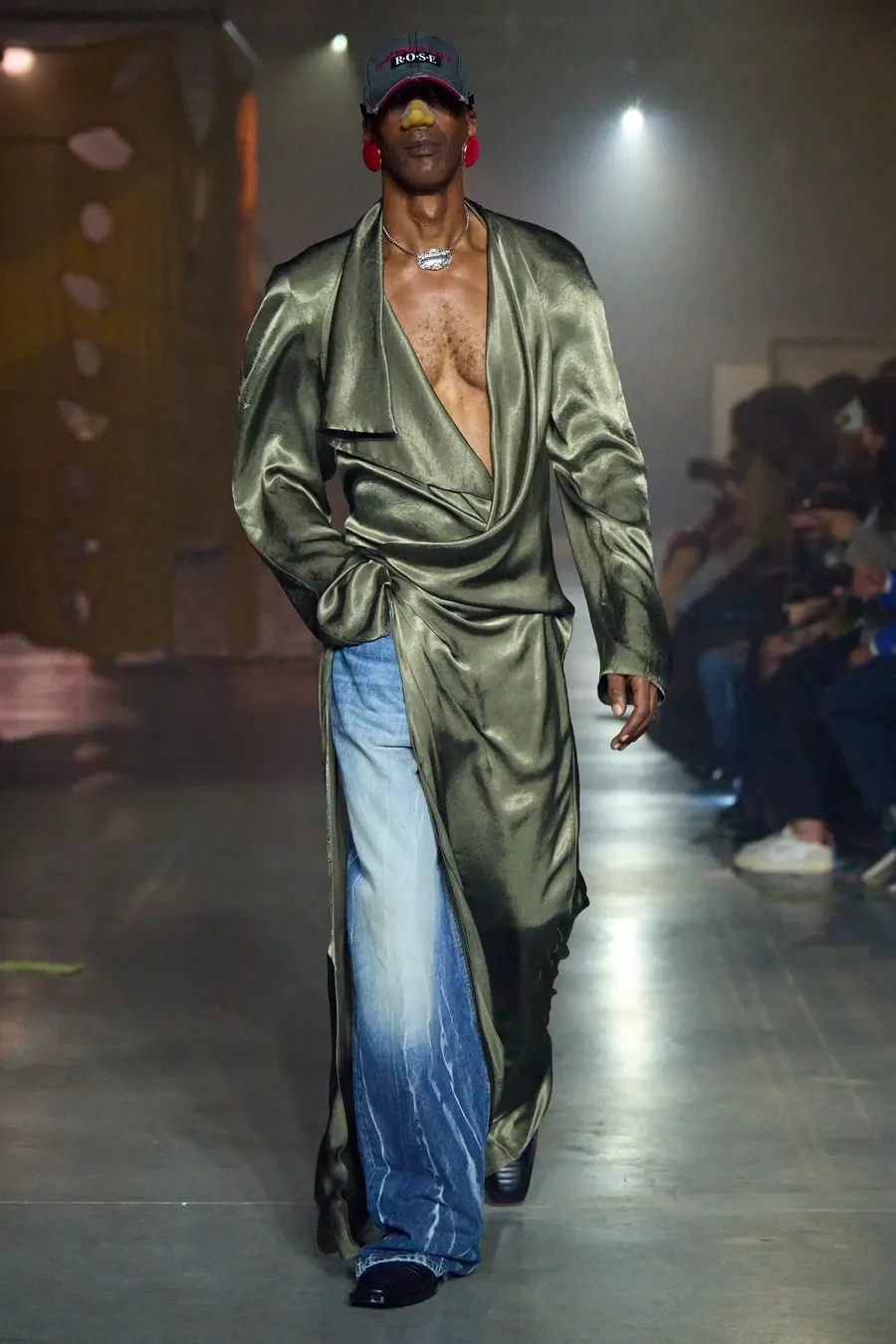
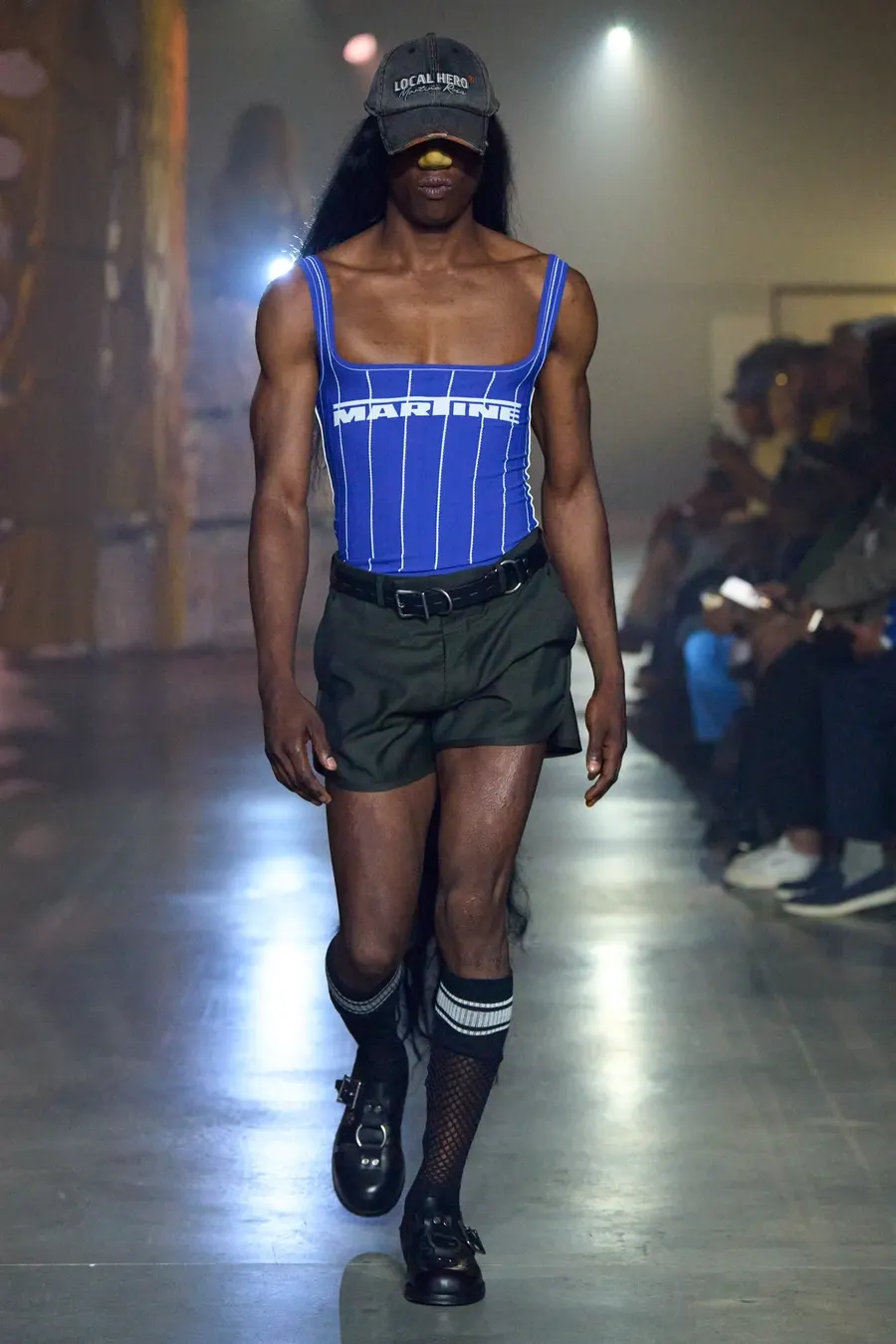
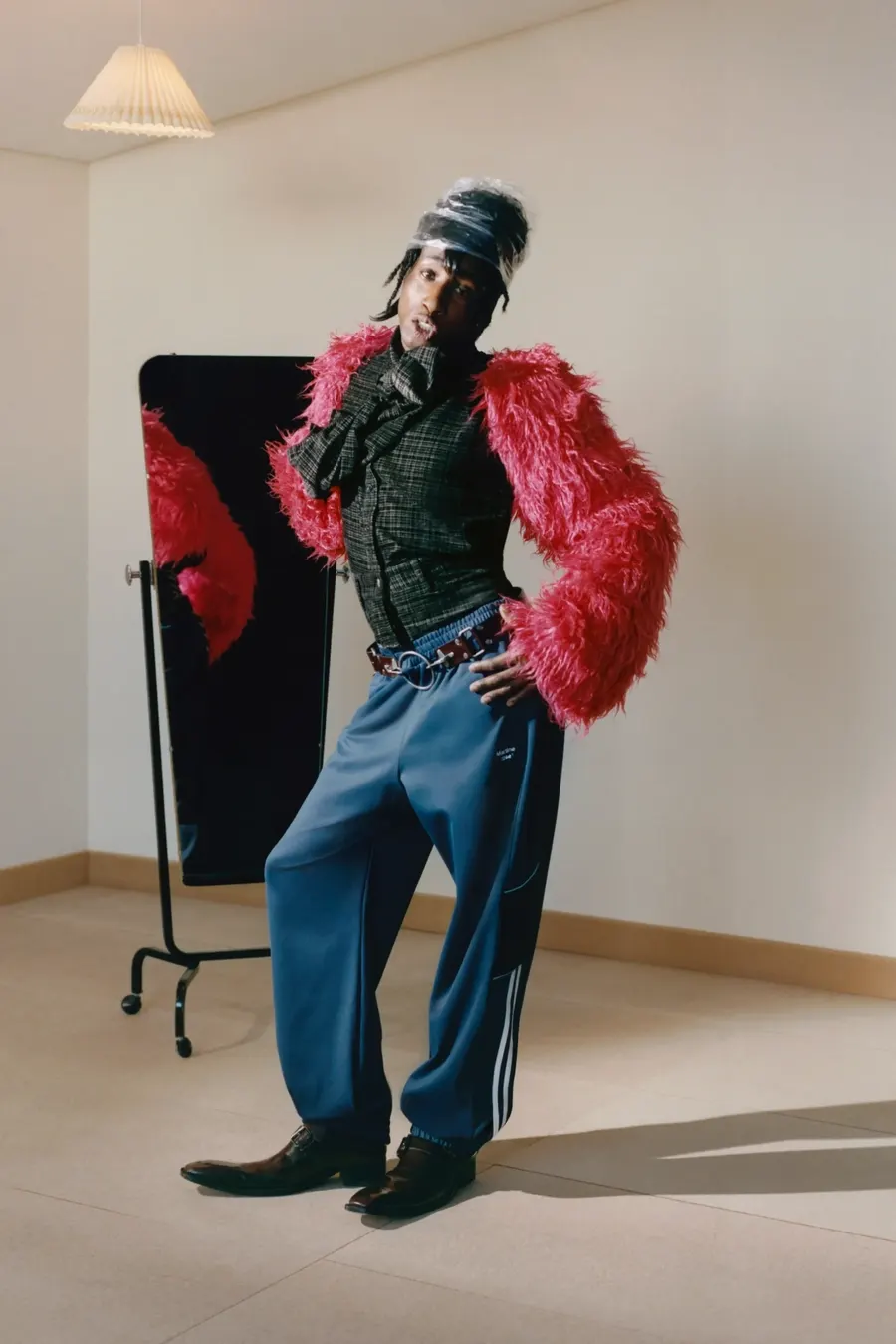
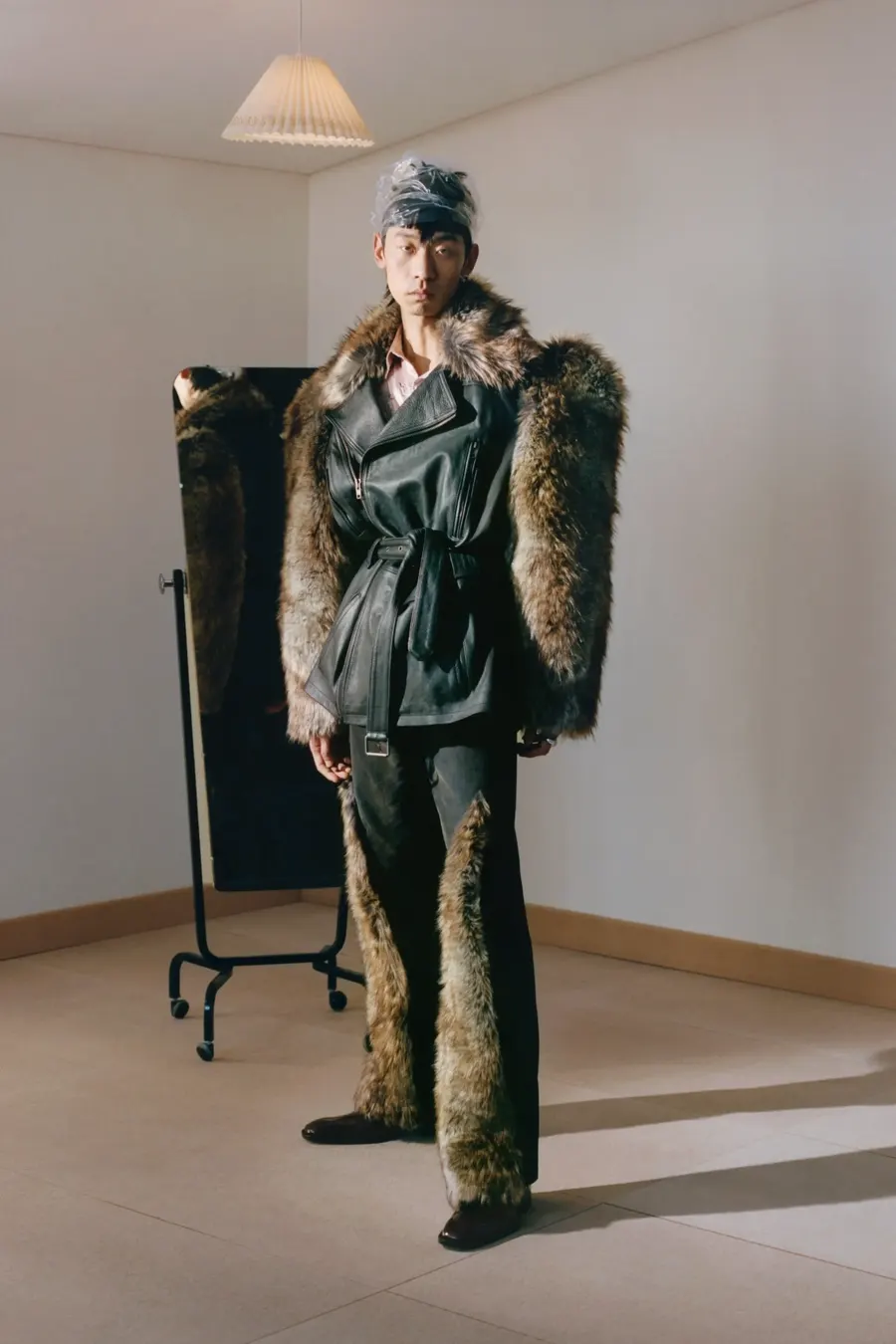
Inside the community halls, school gyms and unconventional venues that have hosted Martine Rose's presentations, fashion acquires a peculiar intimacy. Models appear in stretched tailoring, awkwardly proportioned sportswear and garments shaped by the visual codes of London nightlife, football culture and everyday working-class dress. Her work possesses an observational quality, transforming familiar clothing through the contradictions of the people who wear it.
Rose has developed this language over nearly two decades, gradually becoming an influential figure in contemporary menswear. Her understanding of subculture extends beyond an interest in youthful aesthetics. Clothing in her collections often carries traces of social identity, music, class and the informal rules governing how different communities present themselves. Oversized proportions and unconventional styling emerge from that cultural investigation, giving her work a personality that has attracted a dedicated following.
Her relationship with Balenciaga is also longstanding. Between 2015 and 2018, Rose worked as a menswear consultant under Demna, contributing to the development of the enlarged proportions and experimental wardrobe that would become closely associated with the house. Her appointment on November 6, 2026, therefore represents a return to a familiar creative environment, this time with full responsibility for the house's direction.

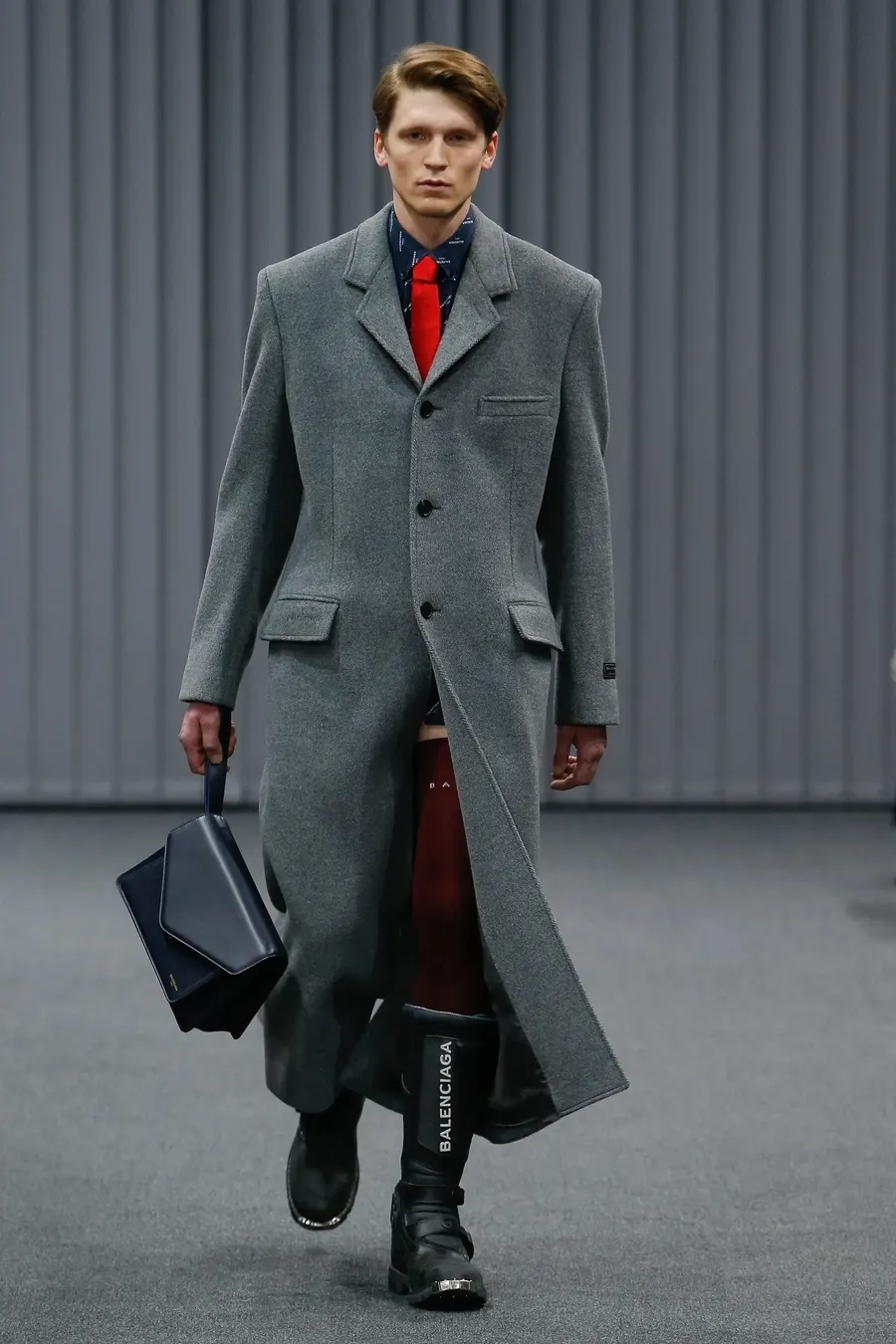
The choice makes considerable sense within Kering's stated ambitions. In announcing her appointment, Luca de Meo emphasized Rose's connection with younger generations and her ability to engage with contemporary culture. Her creative background offers the potential to strengthen Balenciaga's relationship with audiences whose understanding of luxury has developed through music, streetwear and alternative cultural communities.
Yet the appointment also invites scrutiny of the strategic continuity between Rose and Demna.
Both designers share an interest in the unexpected possibilities of ordinary clothing, particularly through exaggerated proportions and the reinterpretation of established dress codes. Their creative languages differ substantially, with Rose's work carrying a stronger relationship to lived communities and the complexities of social identity. Still, the decision to appoint someone closely associated with the formative years of Demna's Balenciaga suggests Kering continues to see value in the cultural territory the house occupied during that period.
The distinction between genuine creative progression and the revival of a successful formula will become essential.
Rose deserves the opportunity to articulate a vision independent of her previous association with Demna. Her appointment marks the first time a woman has taken full creative leadership of Balenciaga, and her longstanding influence on menswear gives her considerable credibility. Her first collection for the house has yet to be presented, making any definitive assessment of its aesthetic direction premature.
Even so, Kering's choice raises an intriguing question about its understanding of innovation. A return to cultural codes associated with the recent past can be just as dependent upon nostalgia as a designer's engagement with archival couture. The difference lies in the past that the industry chooses to romanticize.
Balenciaga's traditional heritage reaches back to the extraordinary technical innovations of Cristóbal. Its contemporary history includes Demna's transformation of the house into a global symbol of disruptive luxury. Both have become valuable parts of the brand's identity.
If Rose is expected to move Balenciaga beyond its previous achievements, her creative freedom must include the possibility of challenging the very formula that made her appointment commercially attractive.
Was Pierpaolo Ever the Right Choice for Balenciaga?
Somewhere between the final look of Piccioli's Spring/Summer 2027 collection and the announcement of Martine Rose's appointment, the future of Balenciaga changed direction once again. The decision left behind a body of work too brief to establish a definitive creative legacy, yet substantial enough to suggest the possibilities of a different path.
The question of whether Piccioli was the right designer for Balenciaga becomes increasingly complicated when examined through the decisions of its parent company.
His technical mastery, respect for craftsmanship and sensitivity toward the human body were precisely the qualities Kering celebrated when announcing his appointment. Sixteen months later, those qualities remained intact. What appeared to have shifted was the strategic context surrounding them.
Perhaps his artistic vision would eventually have struggled to connect with Balenciaga's customers. Perhaps his approach to luxury would have required investments that the company was unwilling to sustain. Neither possibility can be established conclusively from the evidence currently available.

What can be observed is the remarkable speed with which the house moved from embracing a couturier's interpretation of its origins to appointing a designer whose expertise lies in contemporary cultural expression.
The industry often treats these transitions as evidence of an admirable willingness to evolve. Yet evolution implies the development of something through successive stages, with each experiment informing what follows. When creative direction changes before its underlying ambitions have matured, the process begins to resemble a recurring search for immediate relevance.
Balenciaga now finds itself confronting a paradox of its own making. The house spent a decade establishing streetwear as a powerful language of contemporary luxury, then briefly pursued a renewed emphasis on couture craftsmanship, only to appoint a designer whose cultural background reconnects it with the environment that helped shape its previous success.
That progression raises a question about the kind of originality fashion continues to celebrate. Returning to Cristóbal Balenciaga's archive may be characterized as nostalgia, while revisiting the codes of Demna's decade can be presented as a commitment to modernity. Yet both approaches engage with an established history. Their creative value depends upon the new possibilities generated through that engagement.
The distinction between heritage and innovation has never been as absolute as fashion's appetite for novelty sometimes suggests. Cristóbal himself transformed the vocabulary of traditional dress through remarkable advances in construction. His legacy endures because the garments introduced ways of imagining the body that continued to influence designers long after their creation.
Piccioli's interpretation belonged to that tradition of experimentation through technique. Rose may develop an equally compelling vision through social and cultural relationships embedded in everyday clothing. Their approaches need not be mutually exclusive within the history of Balenciaga.
The responsibility lies with those determining which creative ambitions deserve the time, investment and institutional commitment necessary to mature.
Perhaps Pierpaolo Piccioli was never the wrong designer for Balenciaga. The greater uncertainty concerns whether Kering had reached a lasting agreement with itself about the house it wanted him to create.
After years of celebrating designers for challenging conventions, fashion may need to ask whether its most powerful institutions are willing to challenge their own dependence on familiar formulas for success.