MENU
Close





How many inches must a woman be cinched, exposed, or revealed to be seen - when the most radical dress in the room is the one that dares not to touch her waist?
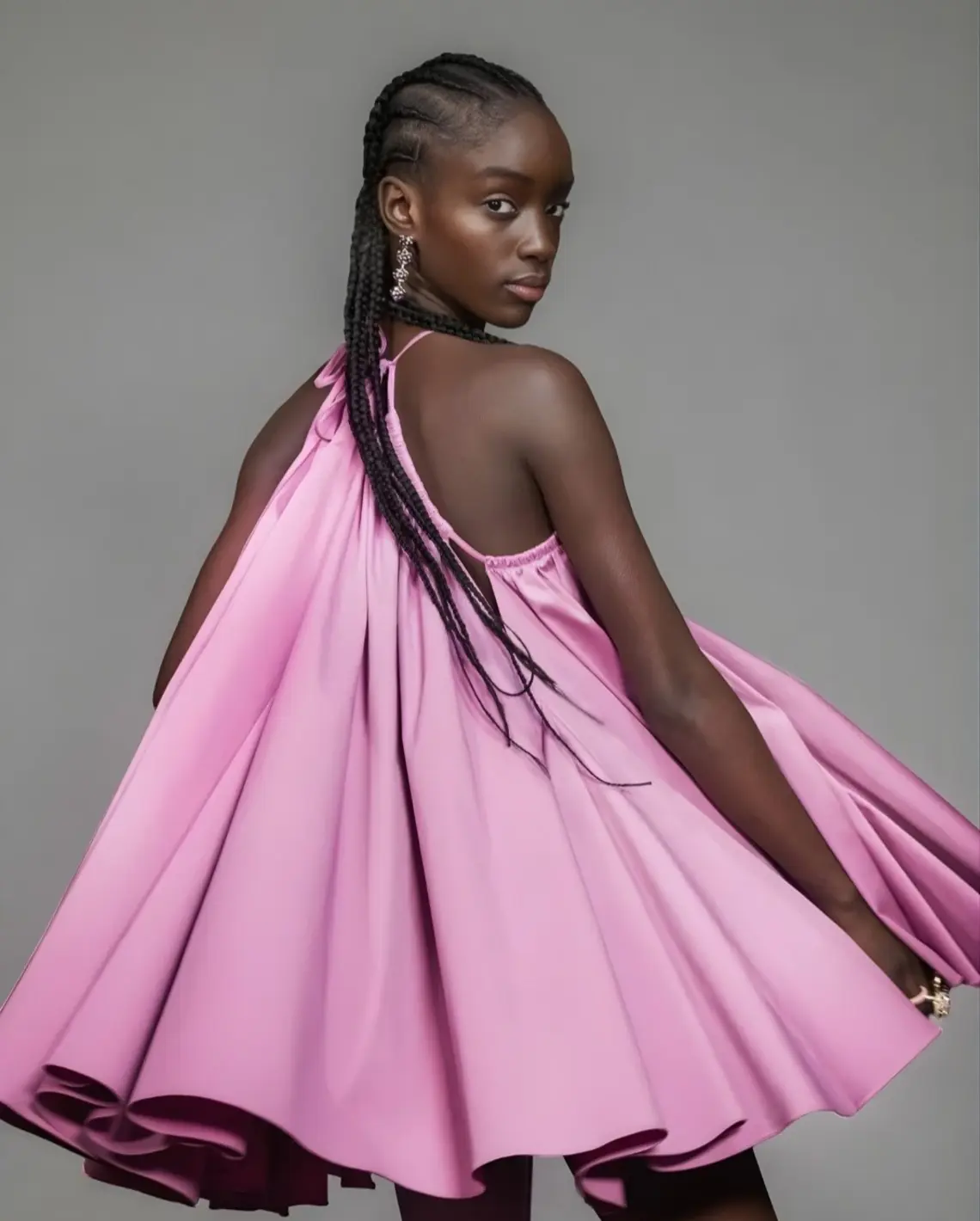
How many inches must a woman be cinched, exposed, or revealed to be seen - when the most radical dress in the room is the one that dares not to touch her waist?
December 20, 2025
Advertisement
Advertisement



The trapeze doesn’t beg to be unwrapped. It withholds. It moves like memory- serpentine, untouchable, unforgettable. It wraps the body not in submission, but in suggestion.
And in doing so, it reclaims something we forgot could exist: a woman dressed for herself, utterly in command of the space she chooses to take.
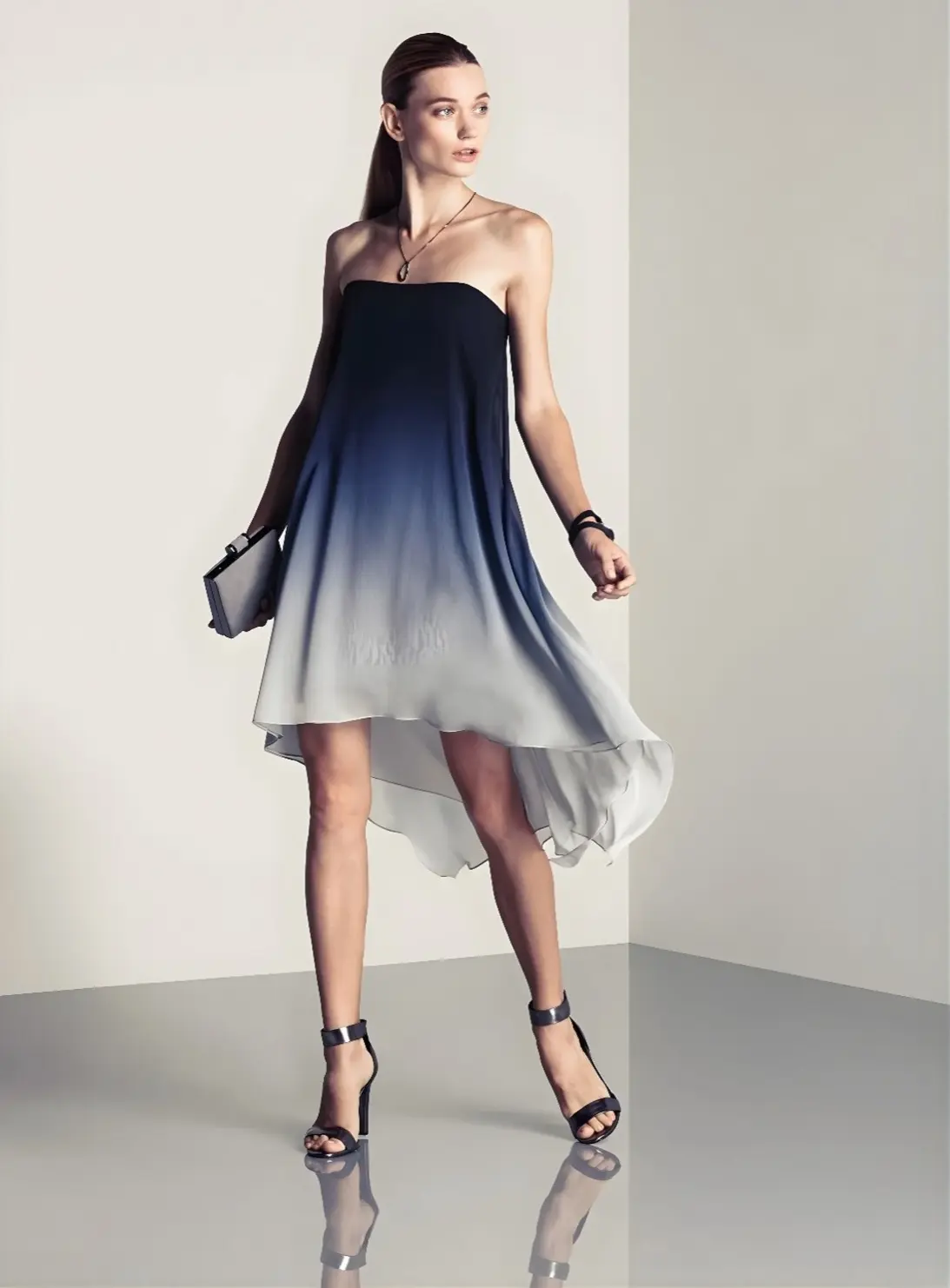
And in that tantalizing space, a shape emerges, a silhouette that defies gravity and convention with a singular, knowing smile: the trapeze. It’s a declaration, a poetic act of liberation, a swing from the high wire of expectation into the thrilling unknown.
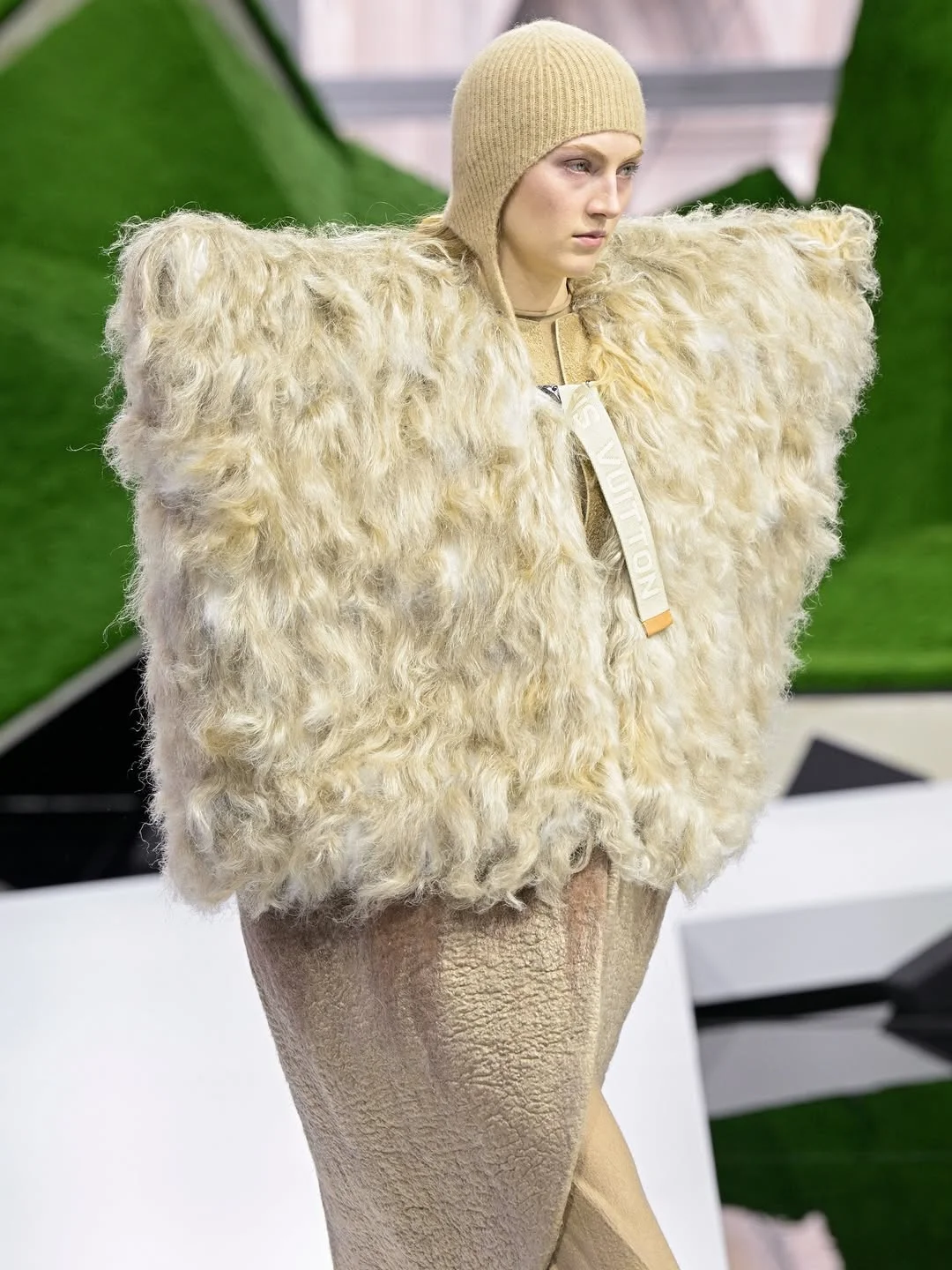
This is a peculiar form that once freed us, and now, in its daring reimagining, invites us to play a much naughtier game. Because the trapeze dress is a fashion trickster, a piece that seduces by what it hides, not what it reveals. Voluminous yet weightless, it floats around the body with almost arrogant nonchalance, rejecting the need to cling or conform.
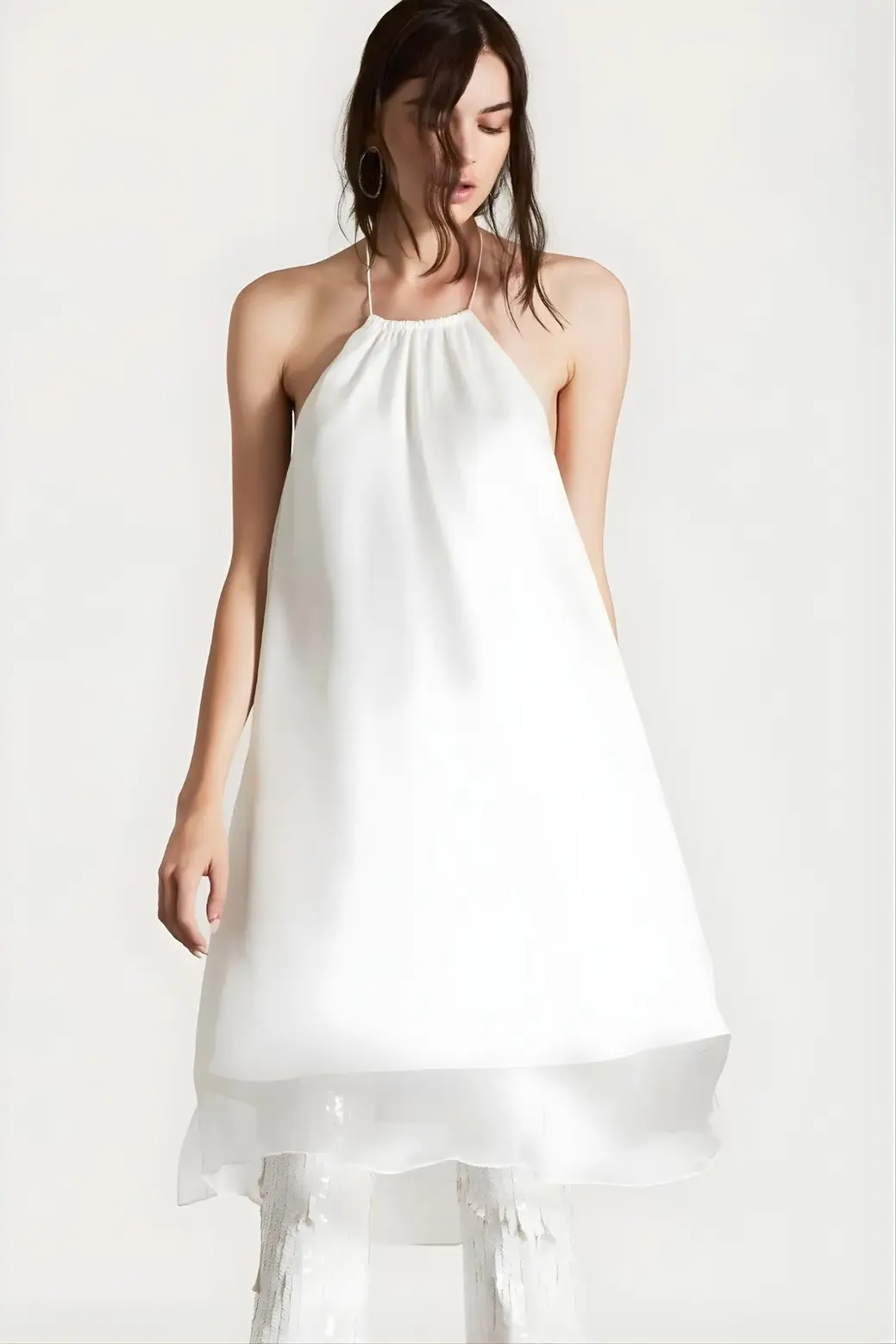
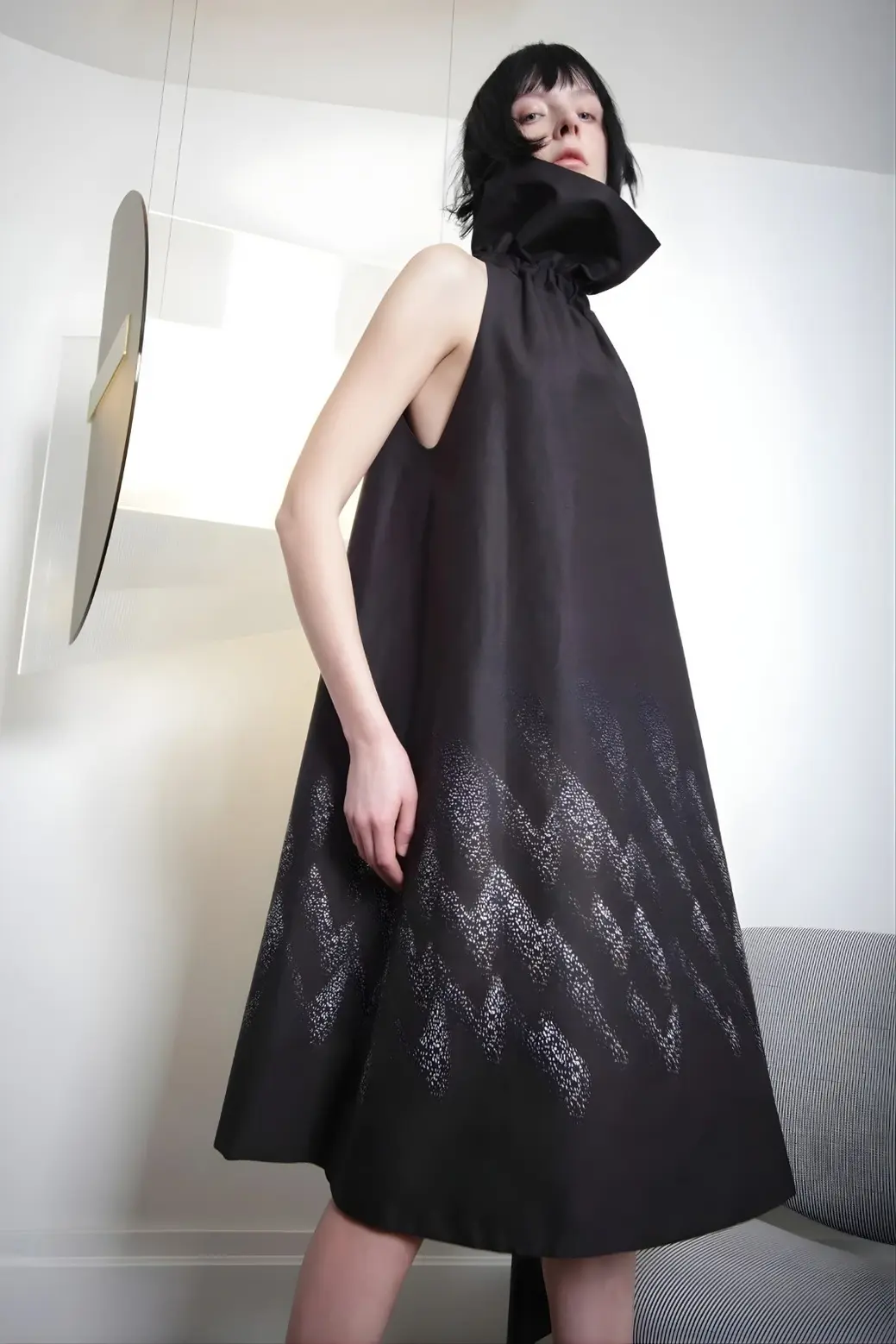
What if rebellion came not only in tight leather but also in soft folds of silk and air?
It was meant to unsettle. To release. To unstrap the corset from the inside out. And in that sense, it's more than just a fashion relic, it’s a provocation. A floating paradox of innocence and resistance, structure and subversion.
This is not about nostalgia. The trapeze is back - and she’s not asking for permission this time.
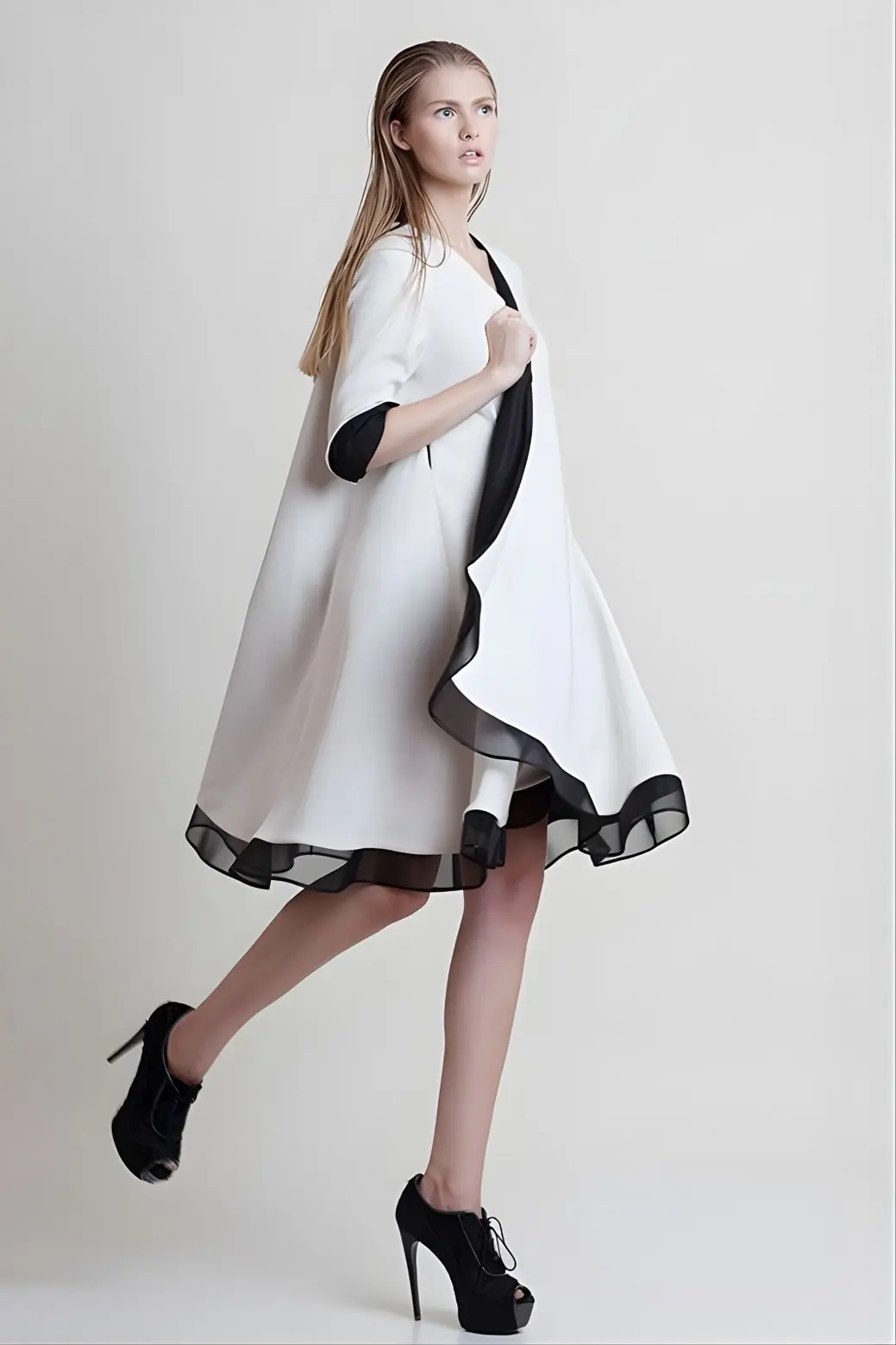
The trapeze, in its genesis, was an inhale, a gasp of fresh air into the lungs of a constrained world. While its lineage might trace whispers of unbelted robes through antiquity, its true, audacious debut arrived not with a whimper, but with a vibrant, unforgettable bang in the mid-20th century.
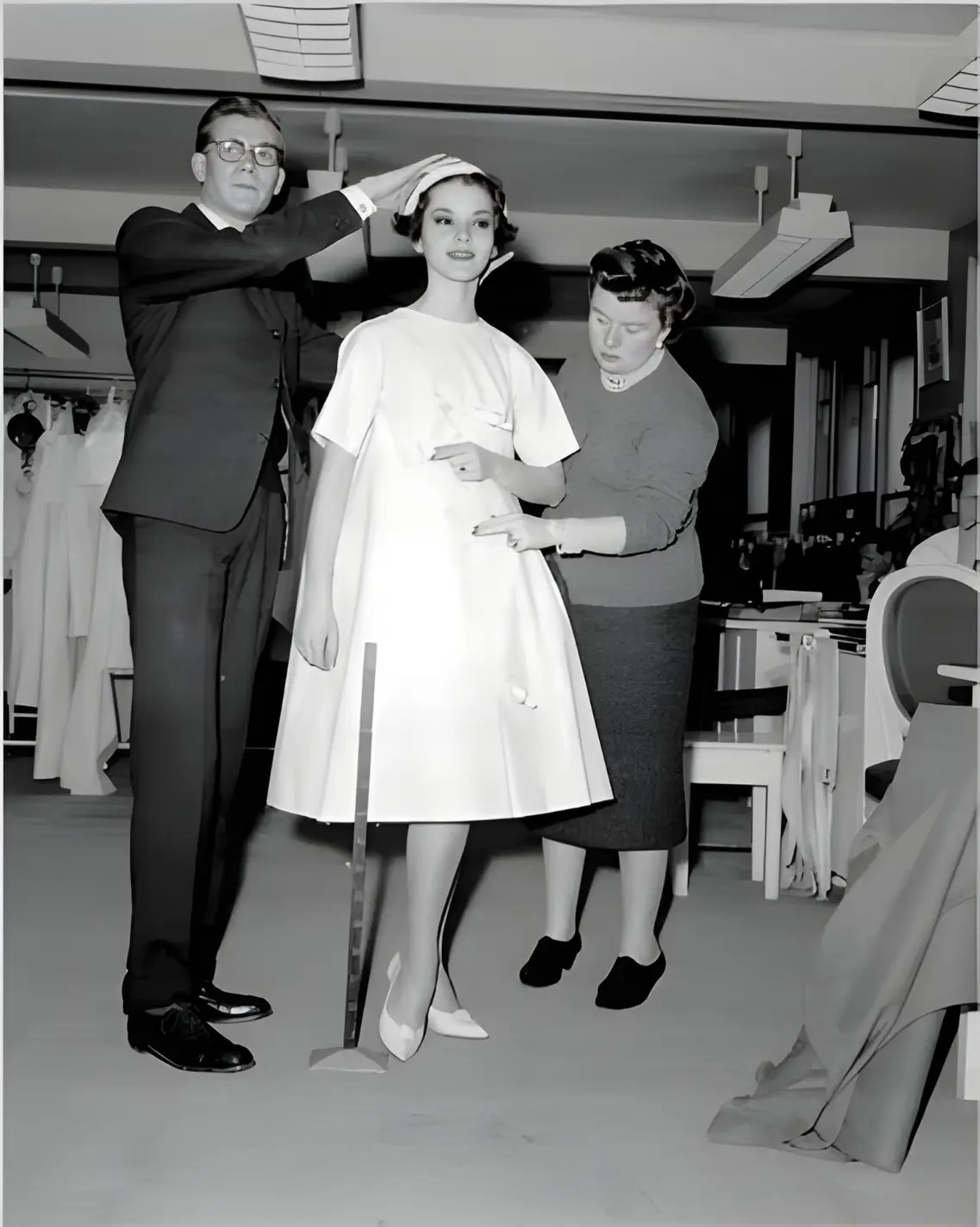
Post-war Europe, still exhaling the dust of conflict, yearned for beauty, yes, but a beauty infused with a newfound, almost defiant ease. It was a landscape ripe for disruption, and then, from the hallowed atelier of Dior, a young lion emerged. In 1958, the prodigious Yves Saint Laurent, then just cutting his teeth on the legacy of the master, unveiled his audacious Trapeze Line. This wasn't merely a design; it was an insurgency.
A dramatic pivot from Christian Dior’s celebrated, yet cinched, "New Look." Saint Laurent dared to unbind, to let fabric fall away from the body with an almost scandalous freedom. Narrow at the shoulder, then blossoming outwards, these dresses were a whispered secret shared between fabric and air, offering an unprecedented grace that felt utterly modern, utterly unburdened. It was a direct challenge to the notion that allure must be earned through constriction, instead offering it as a birthright of effortless movement.
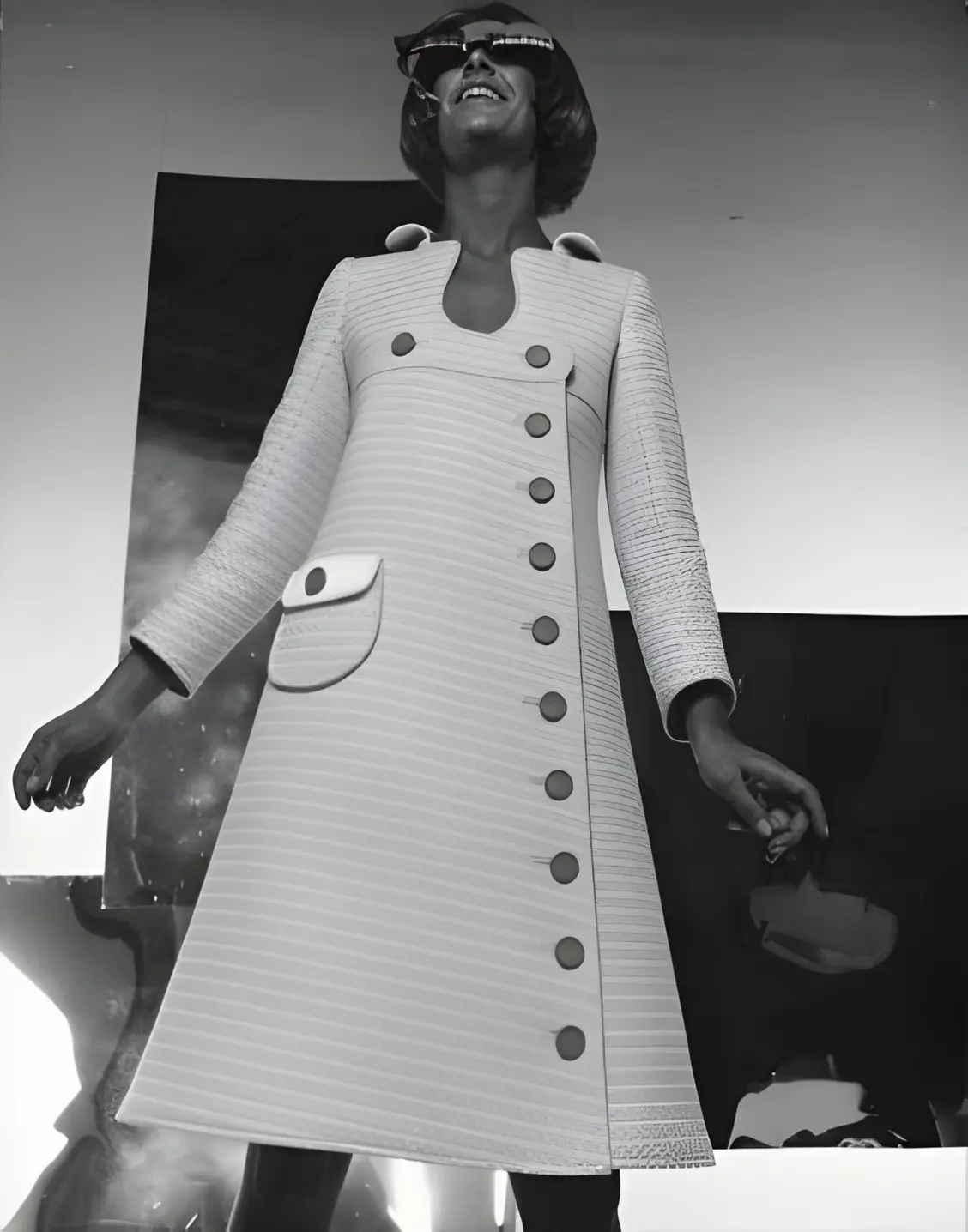
This radical notion, this sartorial act of defiance, wasn't to be contained. The 1960s, a decade pulsating with the energy of youth and revolution, seized the trapeze with both hands. It became the uniform of the Mod vanguard, a canvas for bold colors and graphic audacity.
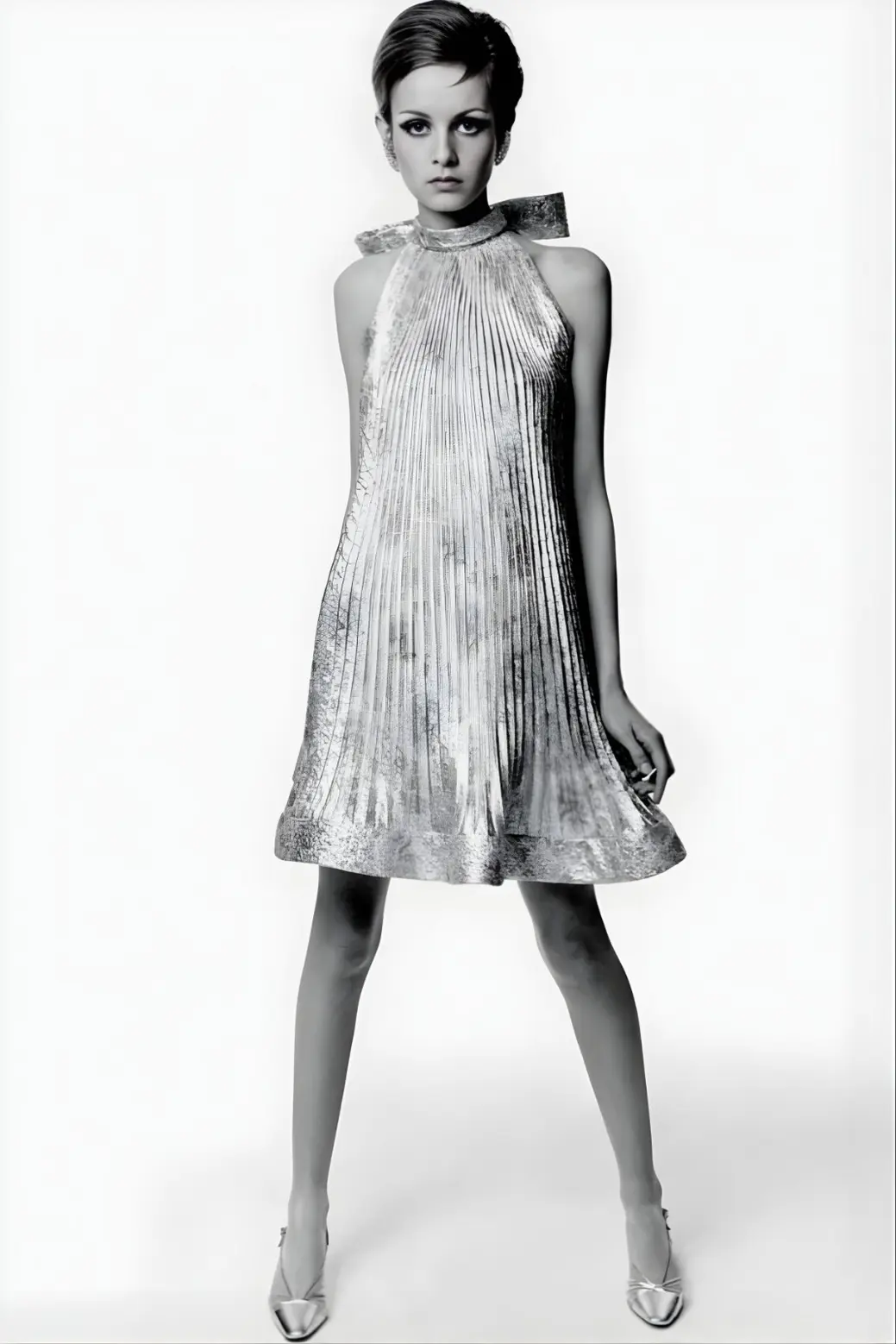
Designers like André Courrèges and Pierre Cardin took the trapeze and rocketed it into the future, marrying its unburdened form with space-age materials and an almost sci-fi optimism. The "shift dress," that glorious offspring of the trapeze, became the emblem of an era – democratic, dynamic, and undeniably chic. It was the uniform of women who danced to their own beat, who had places to go and battles to win, without any worry.
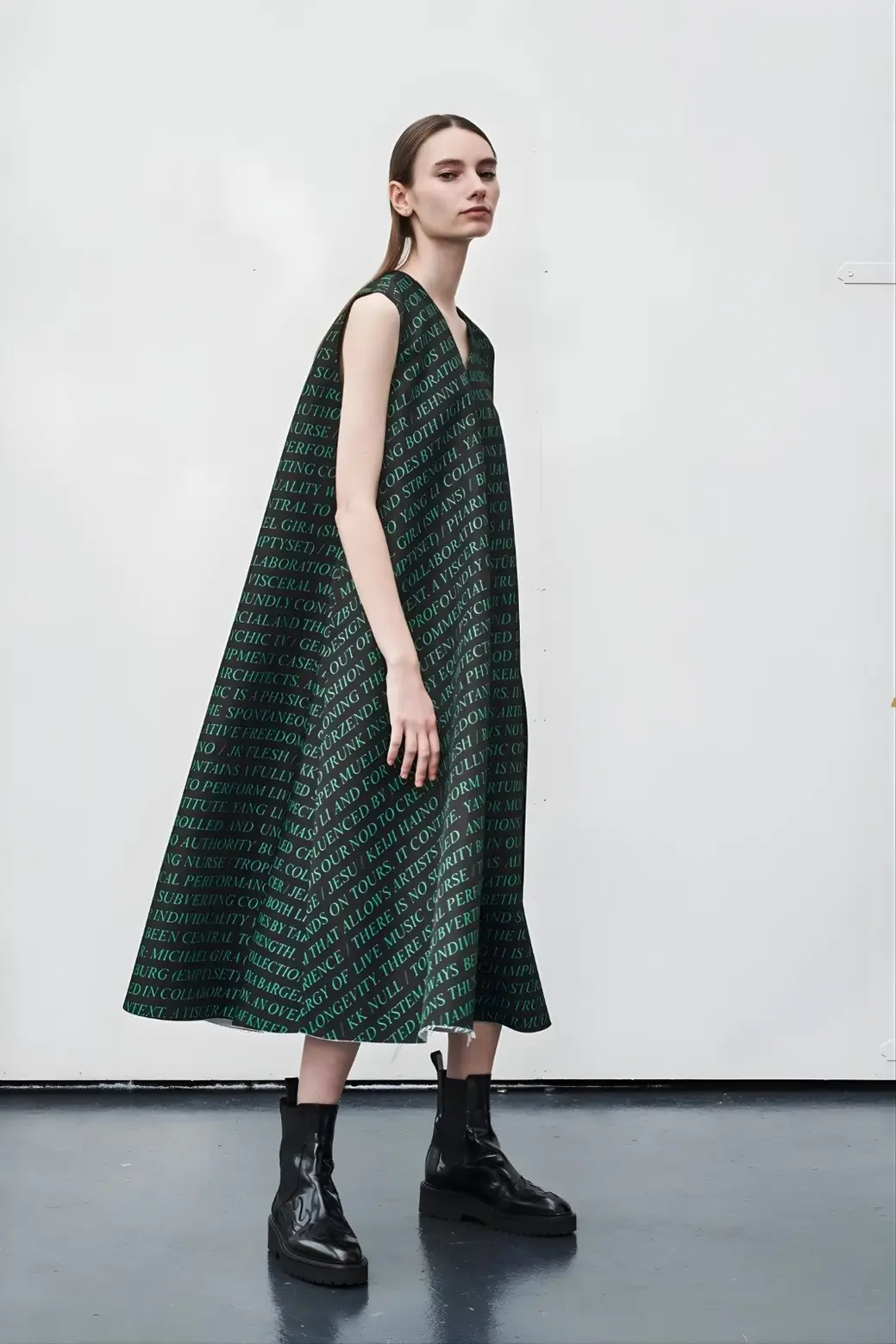
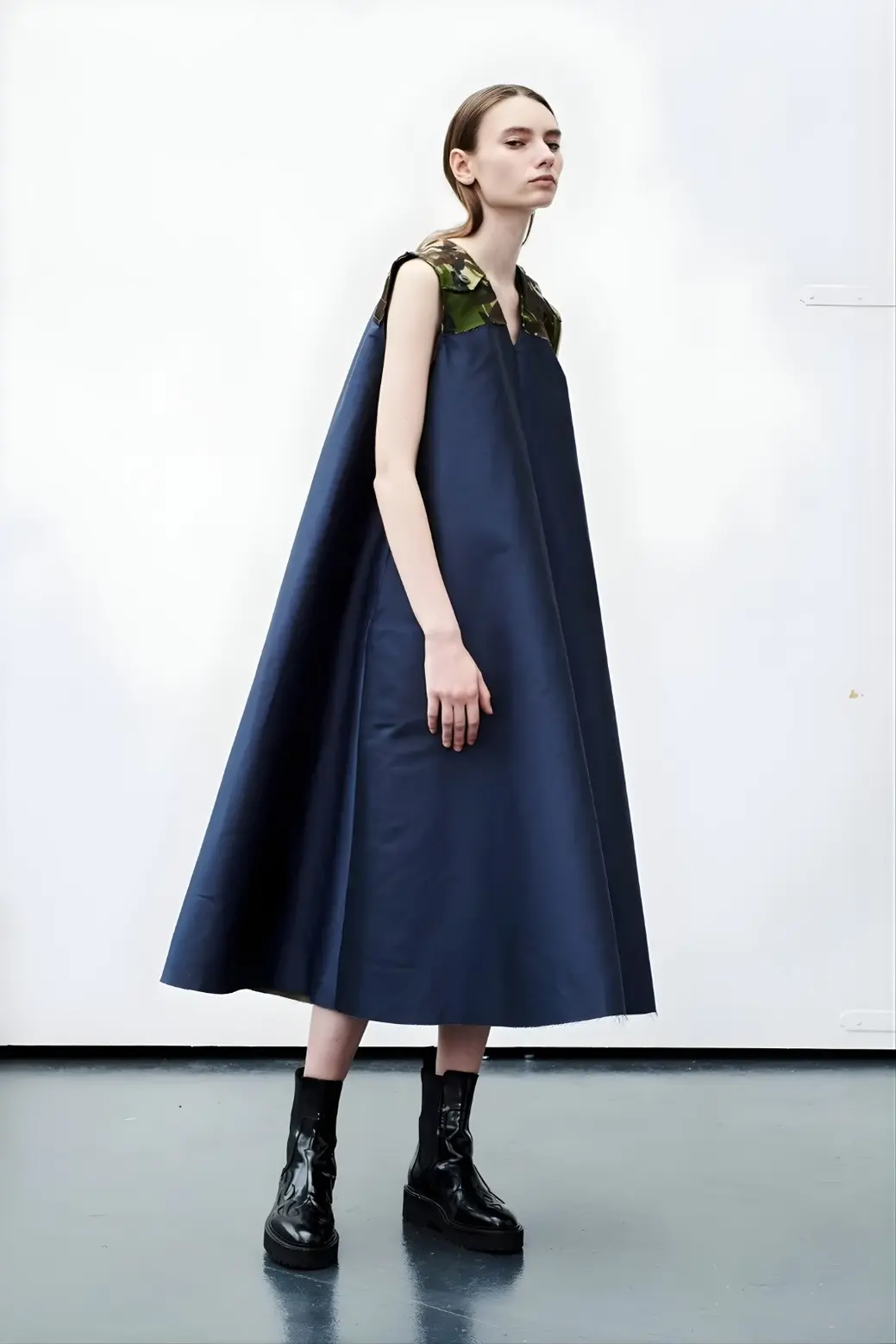
And then, as is the cyclical nature of desire, the trapeze would recede, only to reappear, tantalizingly reinterpreted. The 21st century embraced its clean lines, stripping it bare, making it an emblem of quiet power. It’s a silhouette that understands the art of the return, always fresh, always relevant, because its core promise, freedom, is eternally fabulous.
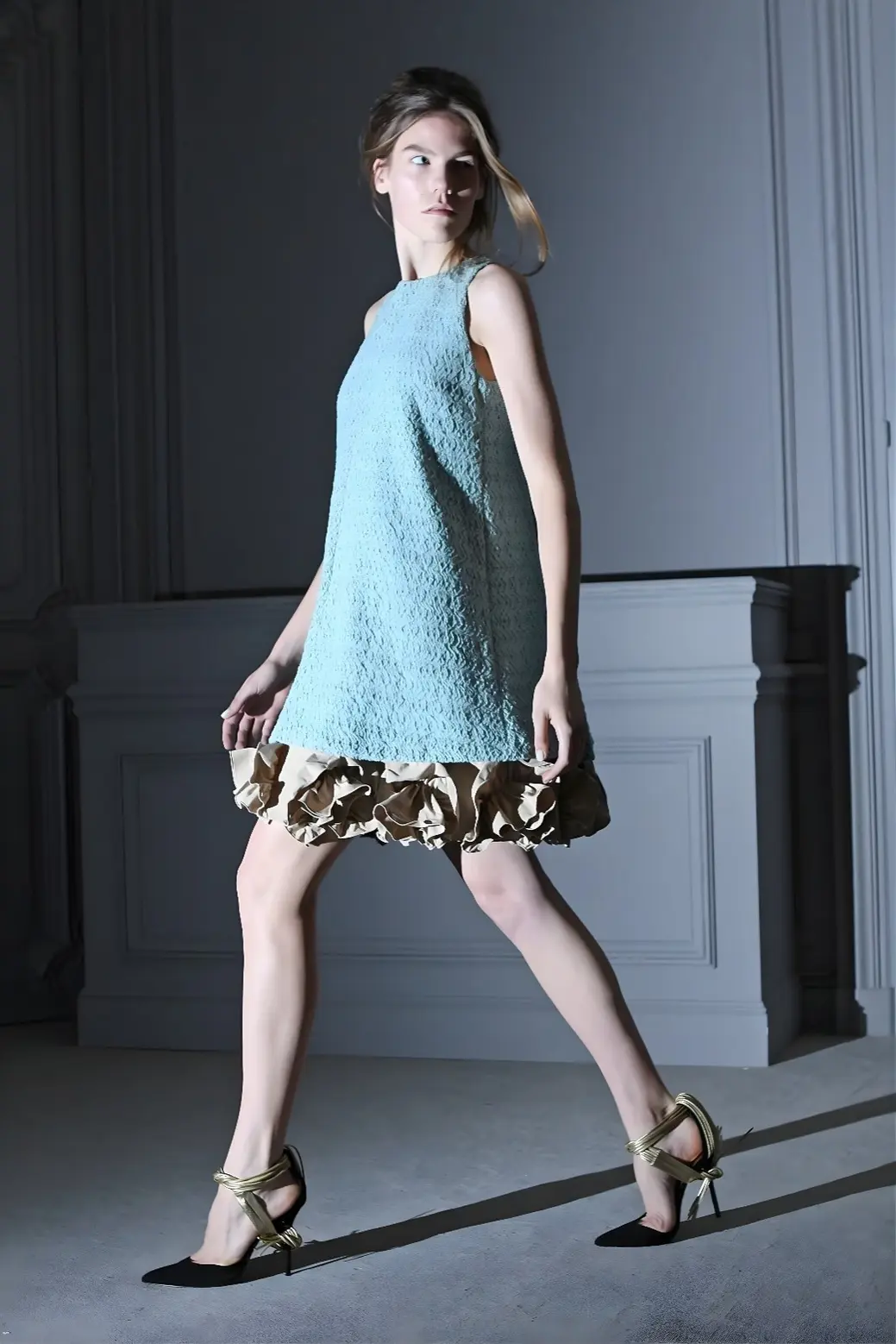
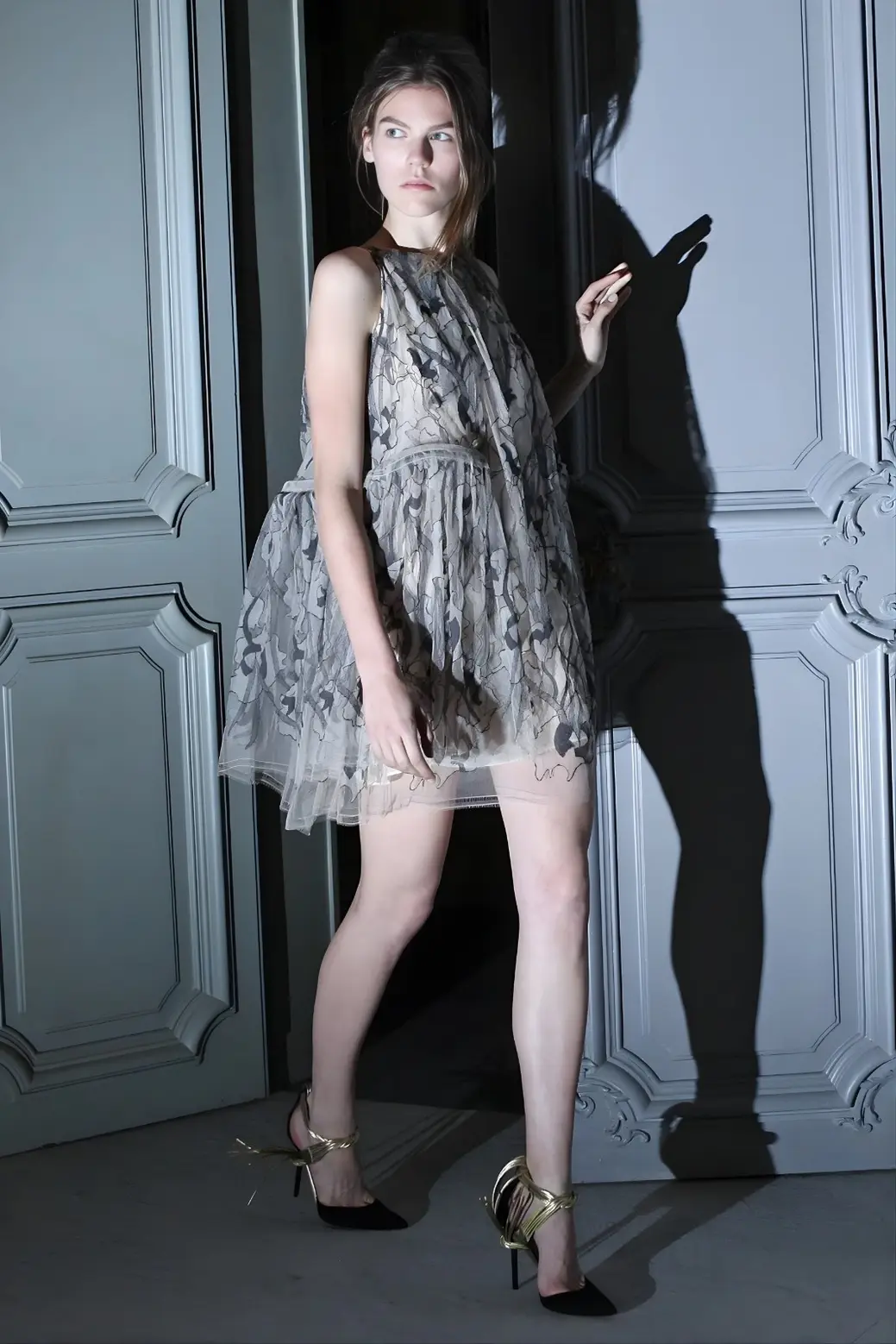
The trapeze, in its very essence, is a flirtation with the unconventional. It defies the overt, the obvious, opting instead for a subtle magnetism that draws you closer, making you question what lies beneath its elegant flow. Its impressions are as layered and intriguing as a secret affair.
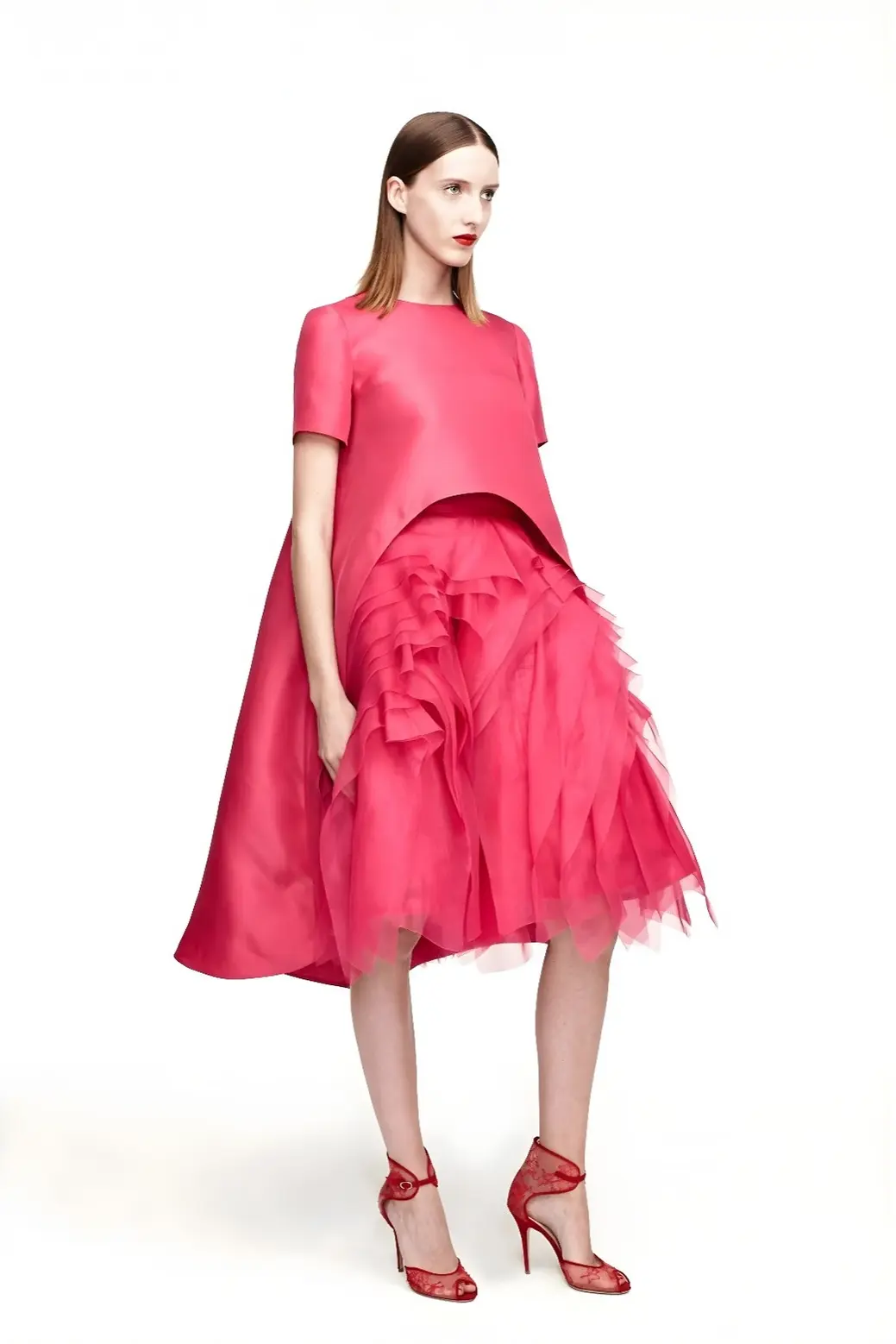
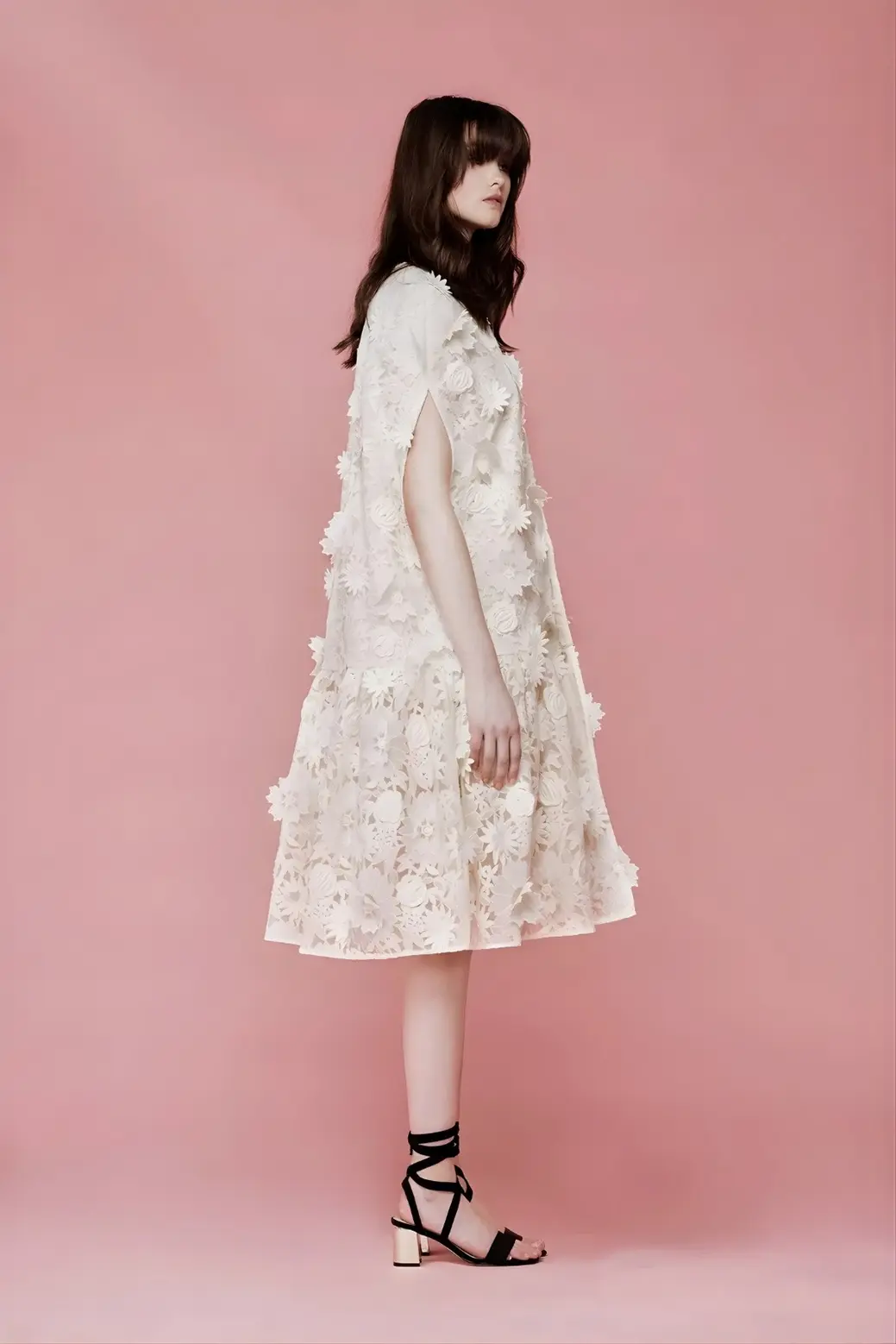
First, and most seductively, it screams liberation. This is not a silhouette that demands; it suggests. It allows the body to exist, to breathe, to move with an uninhibited grace that feels almost scandalous in its ease. It whispers, "I am comfortable in my own skin, and I don't need a thousand layers of restraint to prove it." This freedom is the ultimate luxury, a silent promise of unbridled joy.
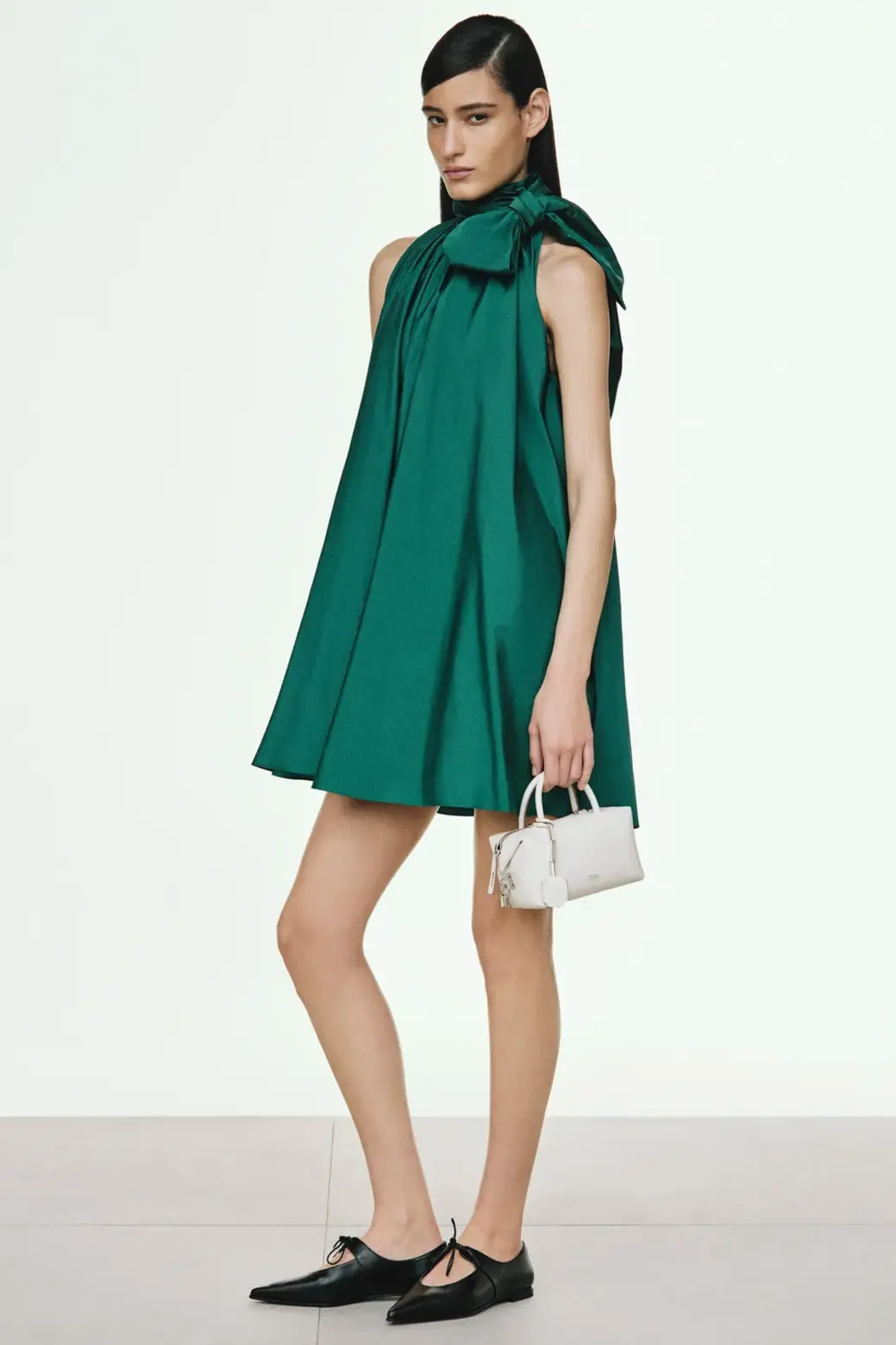
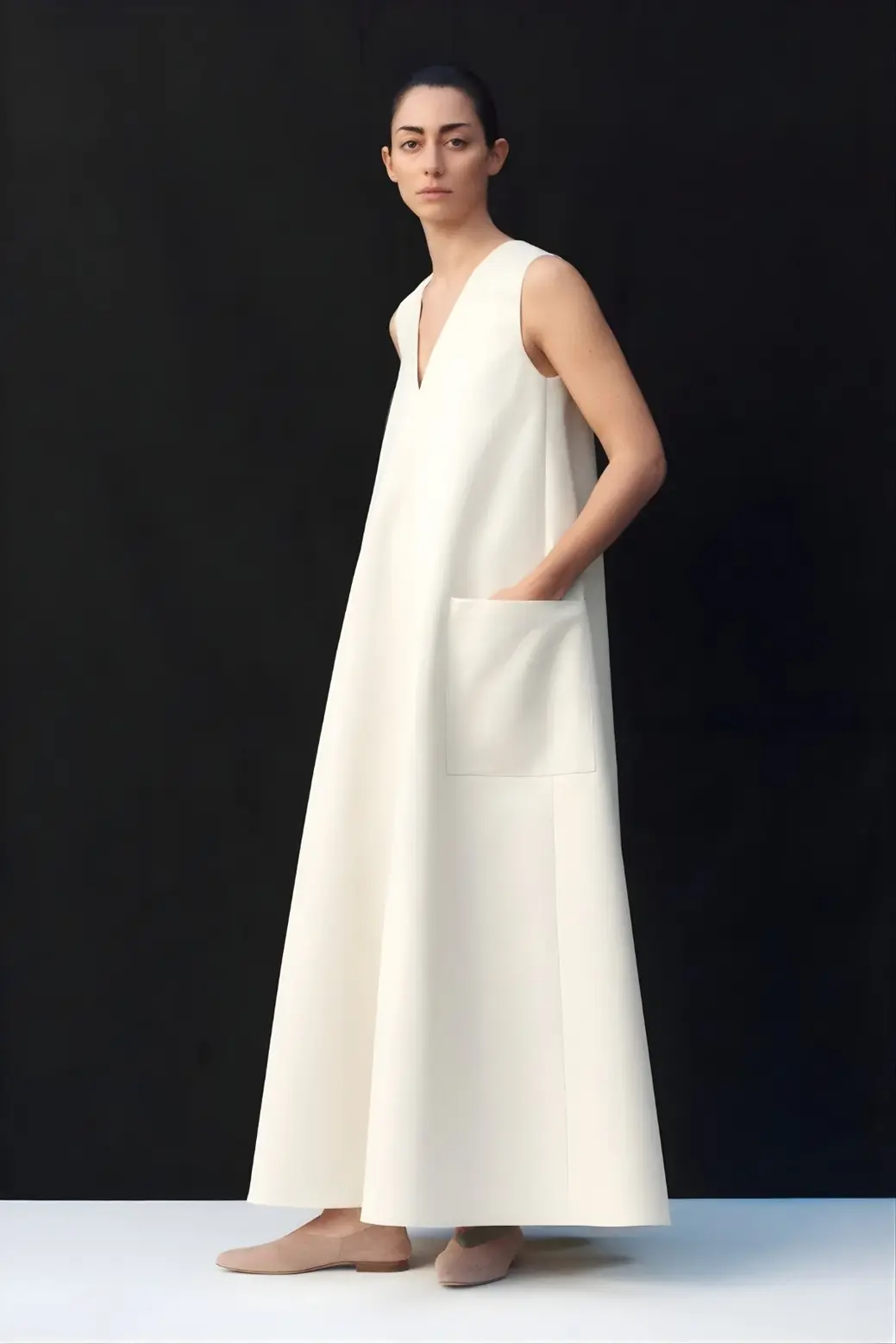
Then there's its delicious knack for sophisticated minimalism. The trapeze isn't about fuss or frills; it's about the pure, unadulterated beauty of form. It's the clean line, the perfect drape, the whisper of expensive fabric against the skin. It speaks to a connoisseur's taste, an appreciation for quality over ostentation.
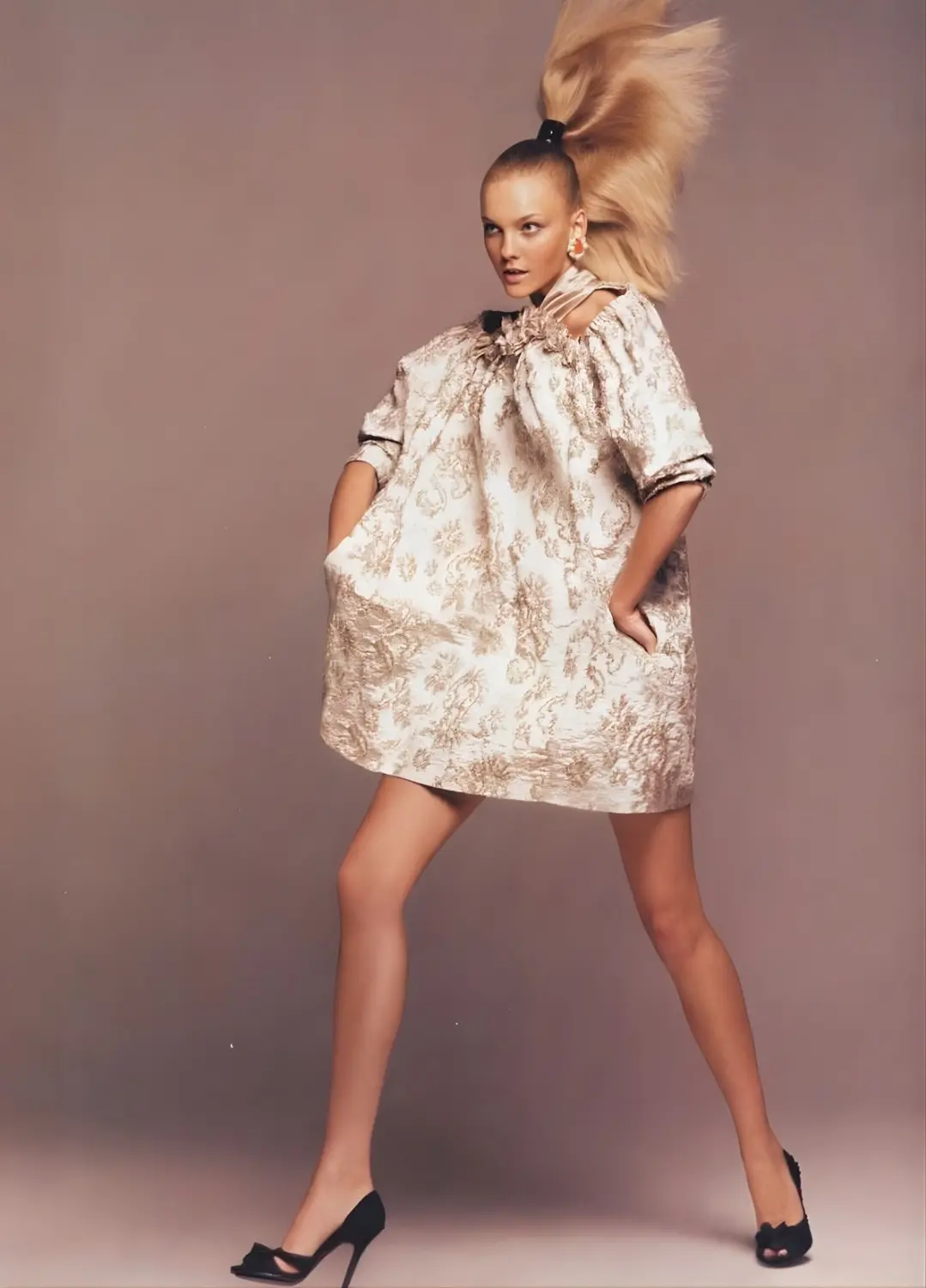
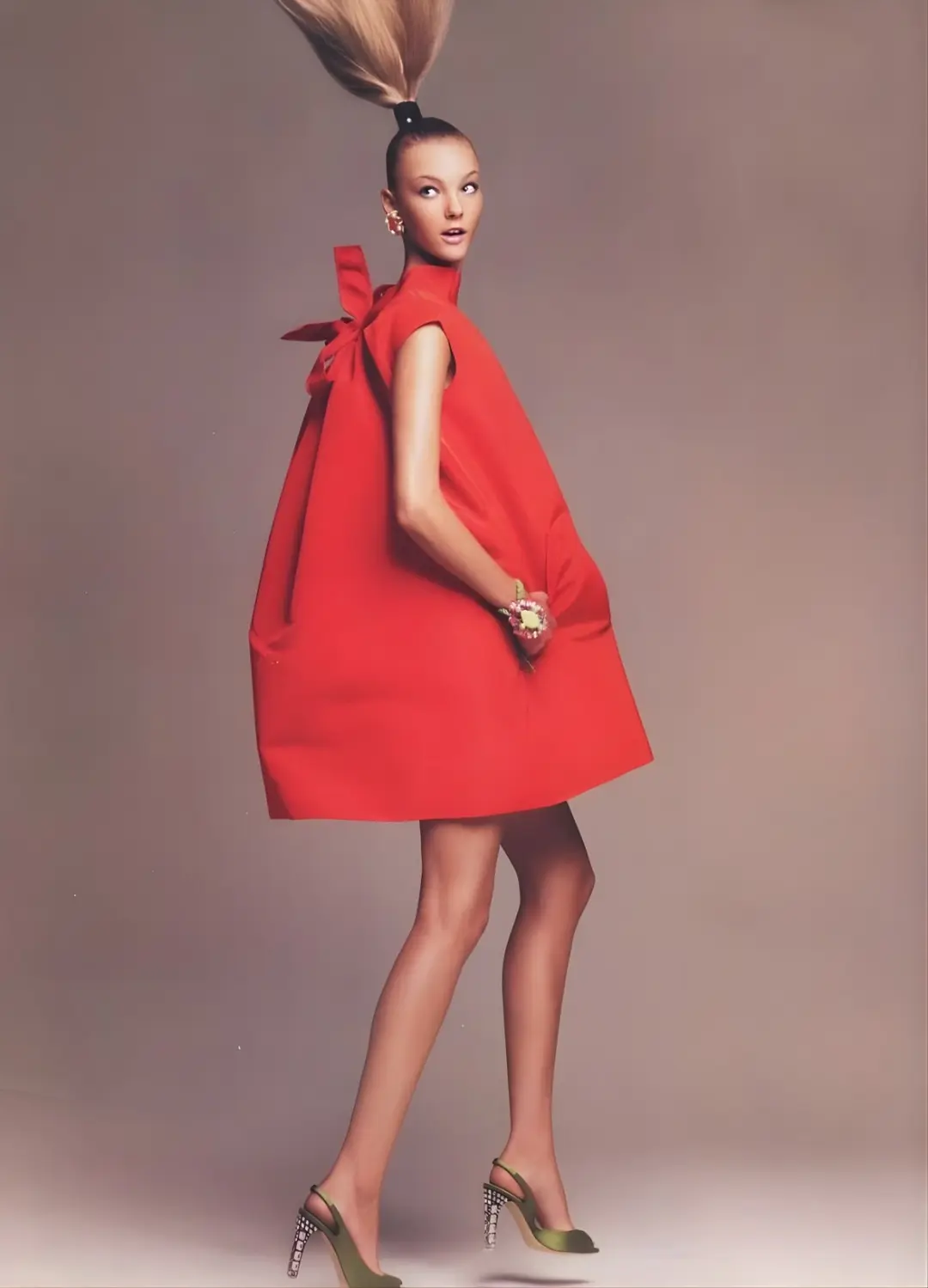
And oh, the delightful paradox! The trapeze can be at once playfully youthful and timelessly chic. Its airy swing can evoke the carefree spirit of a mischievous girl, a twinkle in her eye, ready for adventure. Yet, its inherent grace ensures it remains eternally relevant, an ageless beauty capable of gracing any occasion with effortless aplomb. It’s the sartorial equivalent of an eternal ingénue, forever fresh, forever captivating.
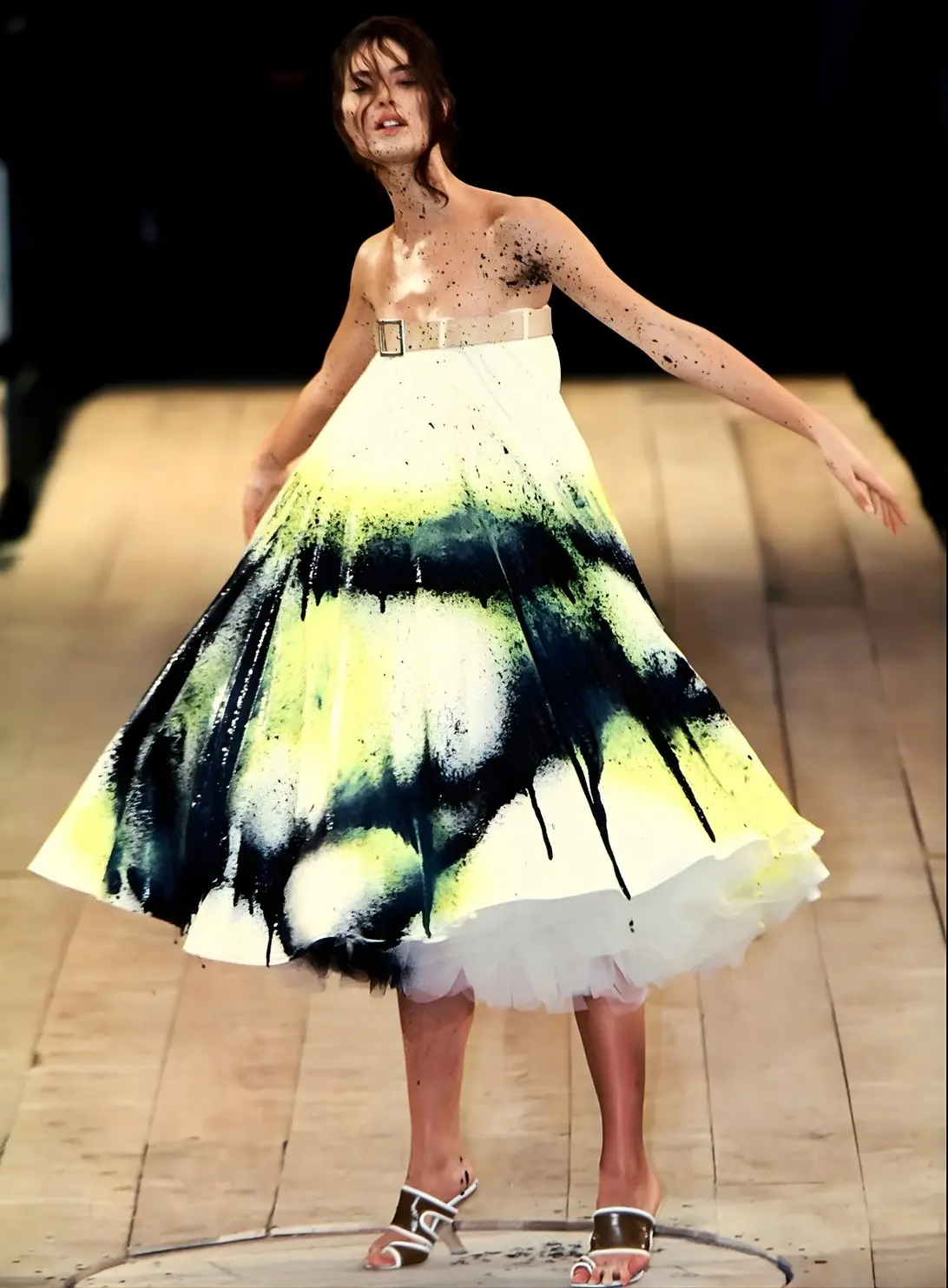
Shalom Harlow drifted onto the stage in a pristine white trapeze dress, serene and statuesque, as robotic arms descended to circle her in a charged ballet of motion and paint, transforming stillness into living energy. In that moment, Alexander McQueen fused fashion and performance into a singular vision, where the trapeze silhouette became a sacred canvas and the body emerged as art in motion, forever etched into fashion’s collective memory.
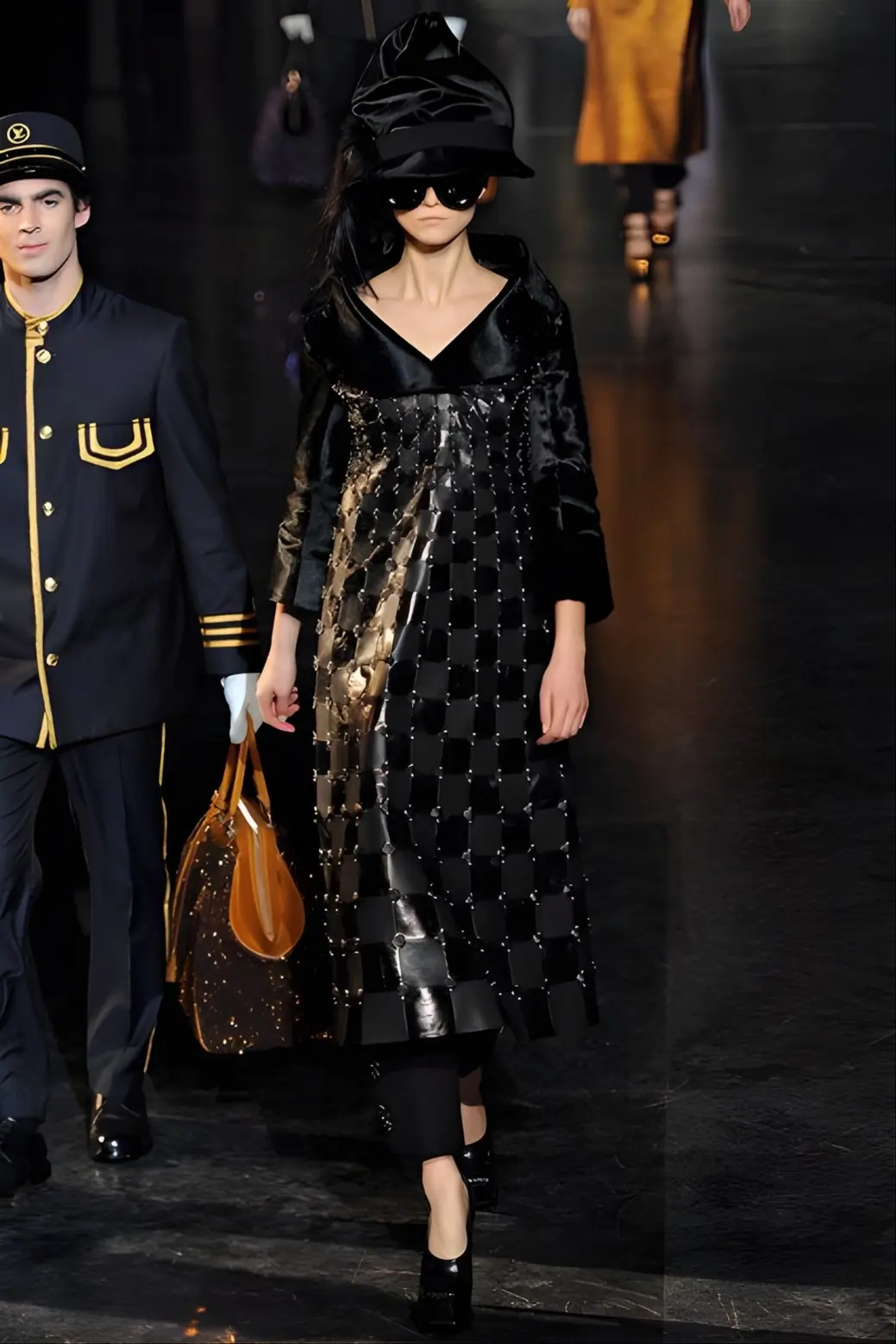
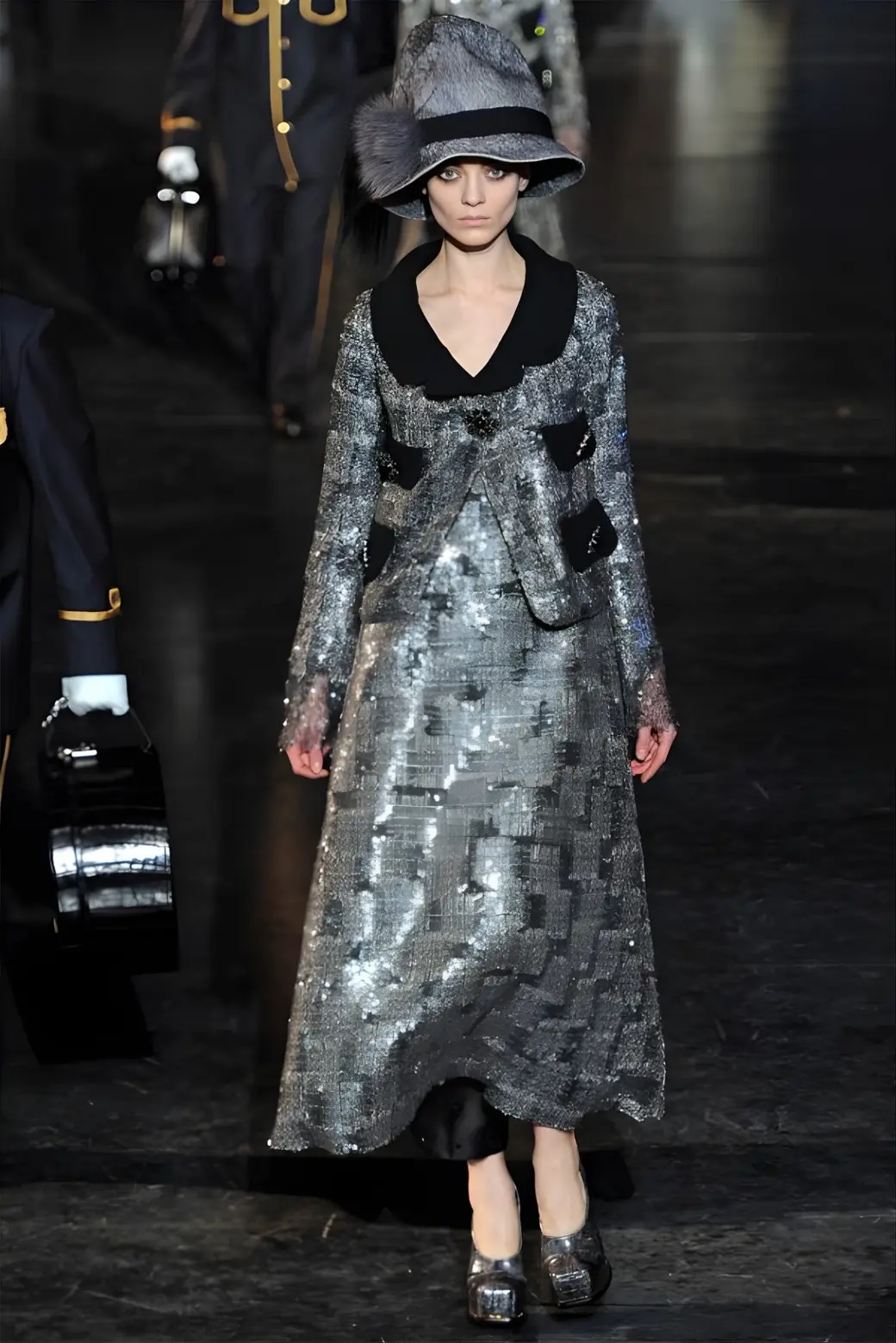
The trapeze silhouette defined the spirit of Louis Vuitton’s Fall 2012 collection, unfolding as a lyrical shape imagined as much as worn, infused with the romance of a bygone era given renewed vitality. Guided by Marc Jacobs, its generous volume flowed from the shoulder in rich brocade, velvet, and metallic embroidery, expressing ceremony, movement, and ease against the dreamscape of Belle Époque travel staged at the Louvre.
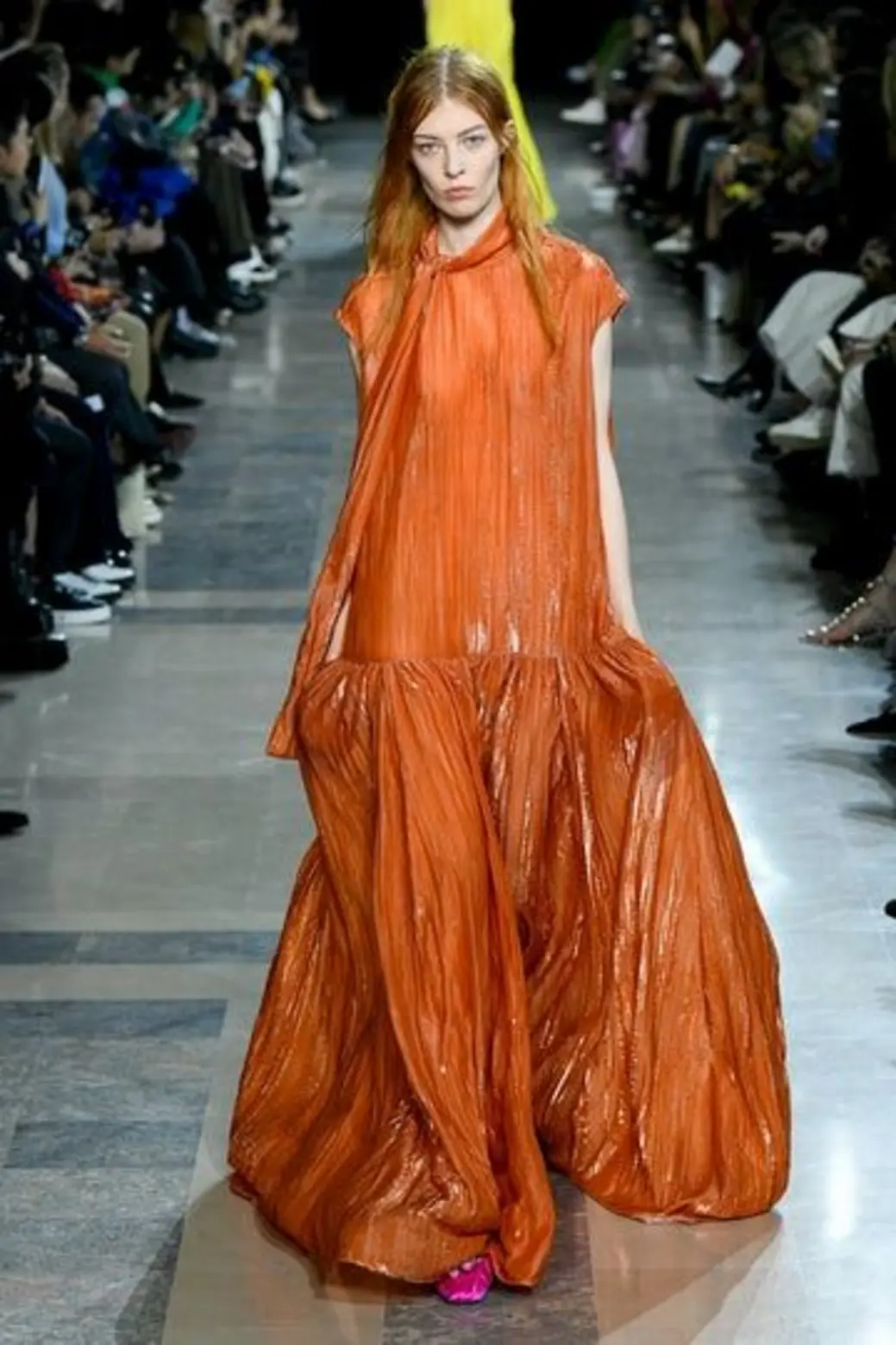
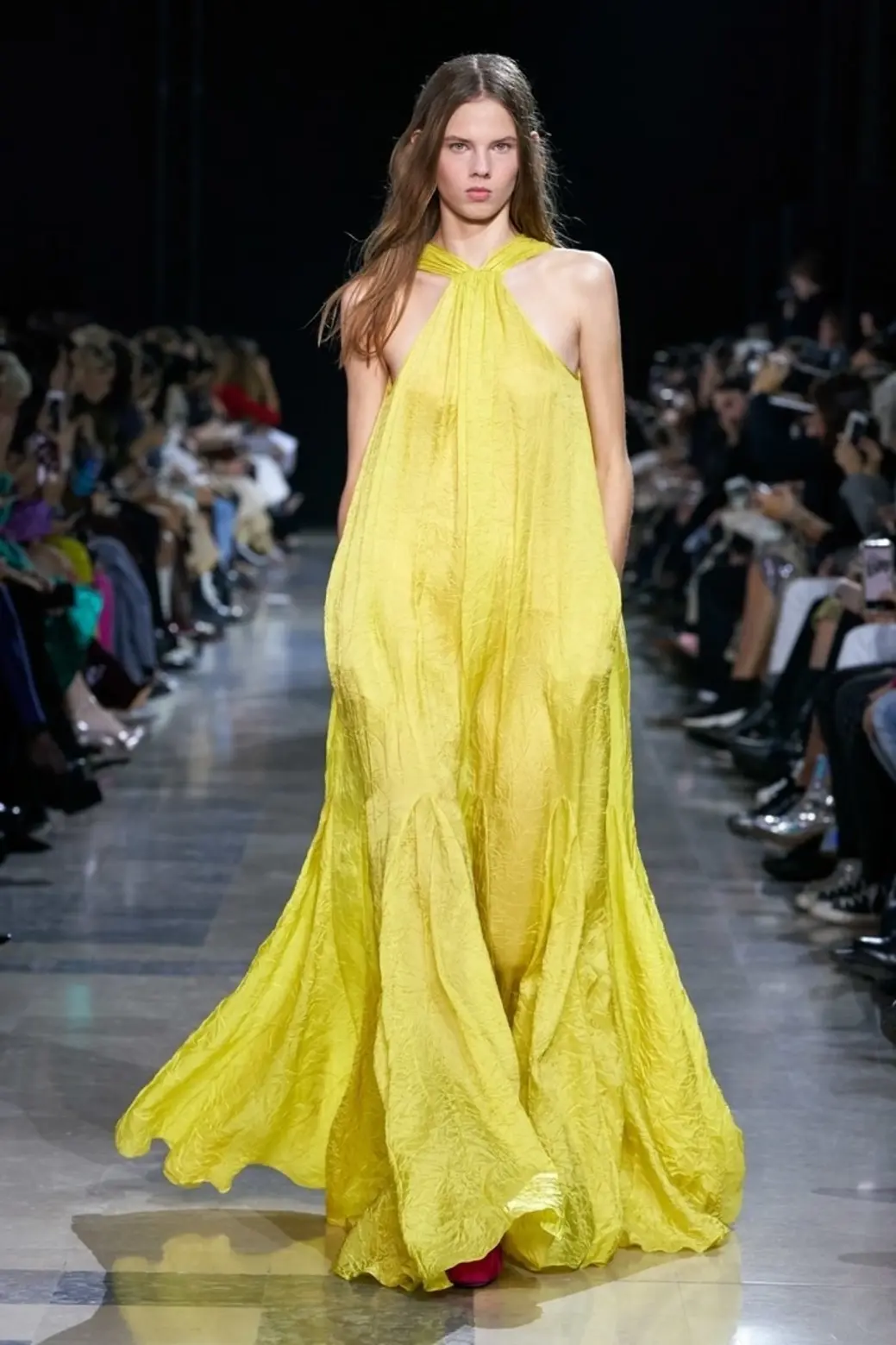
Alessandro Dell’Acqua shaped the trapeze silhouette into his own language by charging it with motion, sensual ease, and an instinctive sense of presence. In Rochas Spring 2020 Ready-to-Wear, the form expanded through fluid fabrics, vibrant color, and relaxed volume that moved freely with the body and amplified individuality. His trapeze expressed freedom as attitude, elegance as movement, and modernity as a lived, breathing rhythm rather than a historical echo.
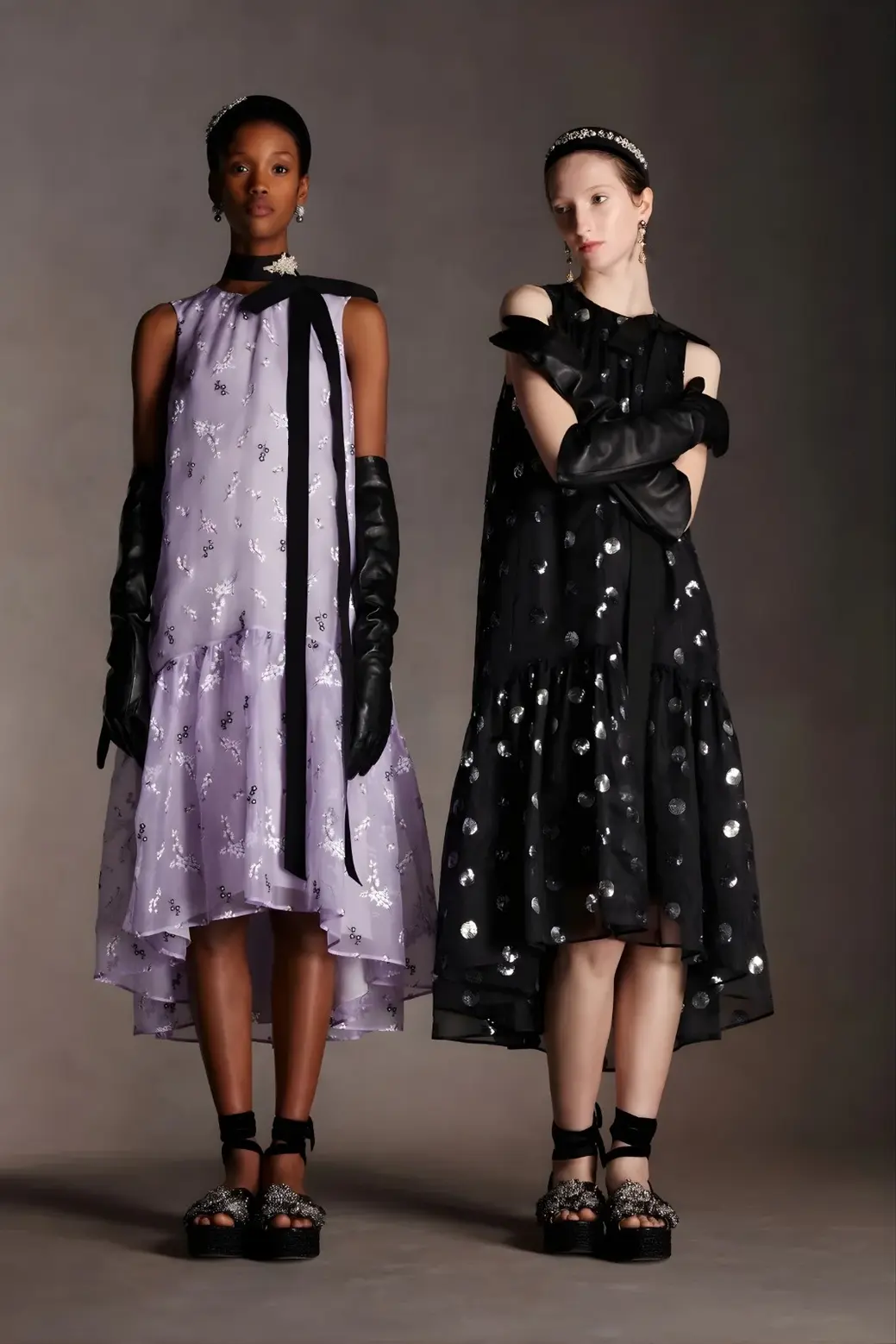
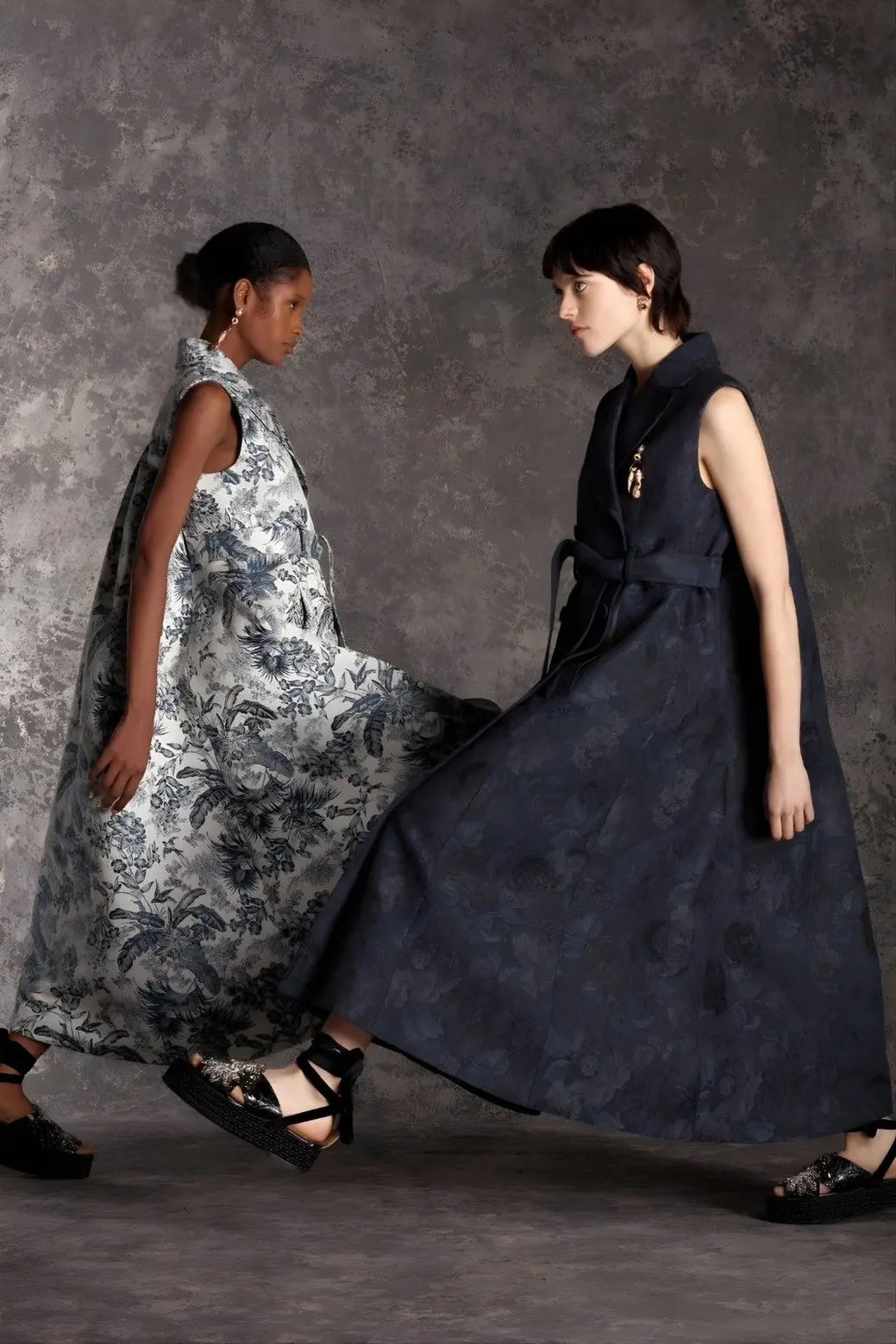
In Erdem, the trapeze silhouette flirts with femininity through exuberant prints and blooming florals that feel playful, sensual, and alive. Volume drapes with a teasing lightness, allowing flowers to dance across the form while grace softens every curve and sway. The trapeze emerges as a romantic provocation, graceful yet mischievous, where innocence and desire entwine in fabric.
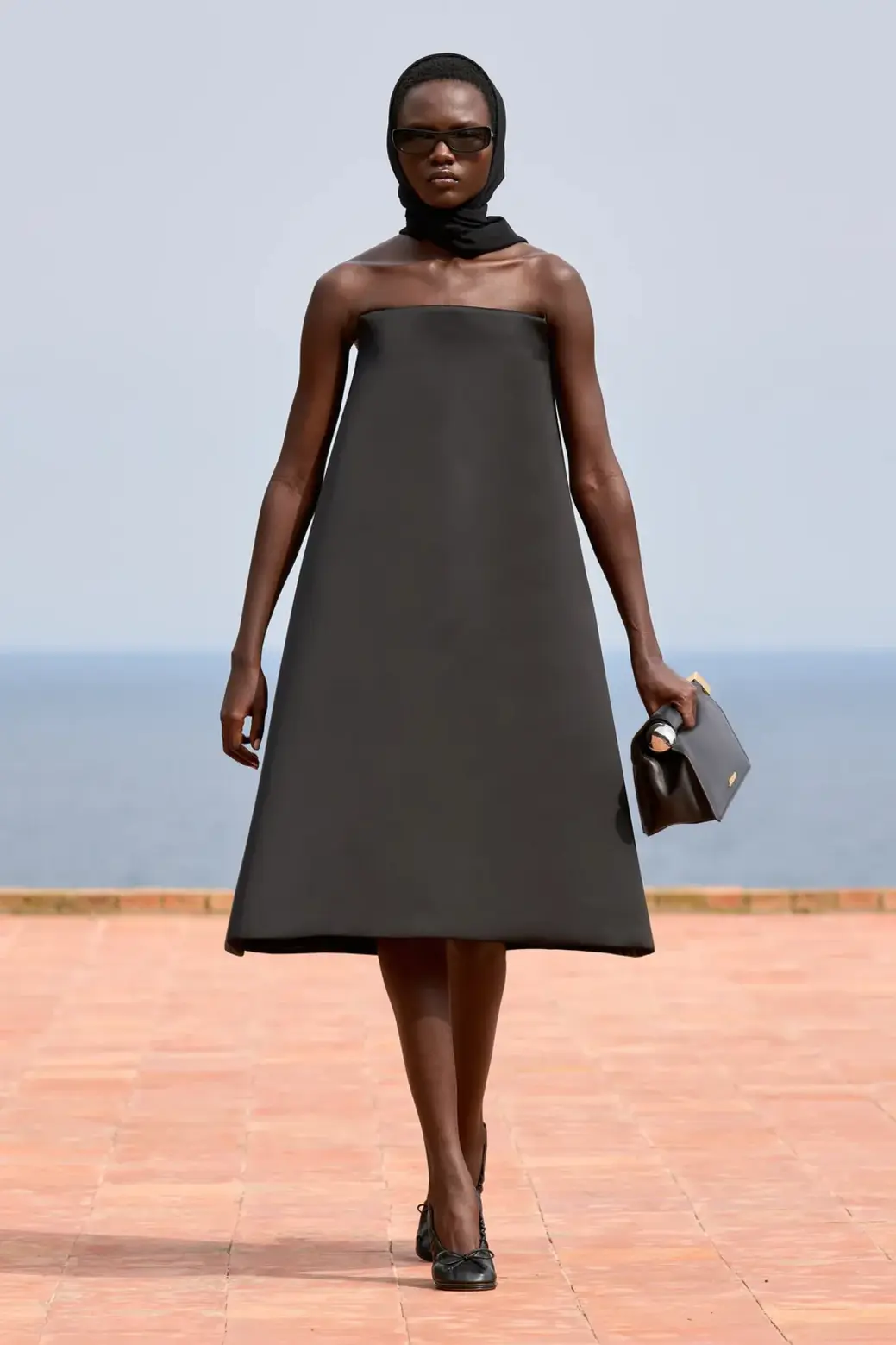
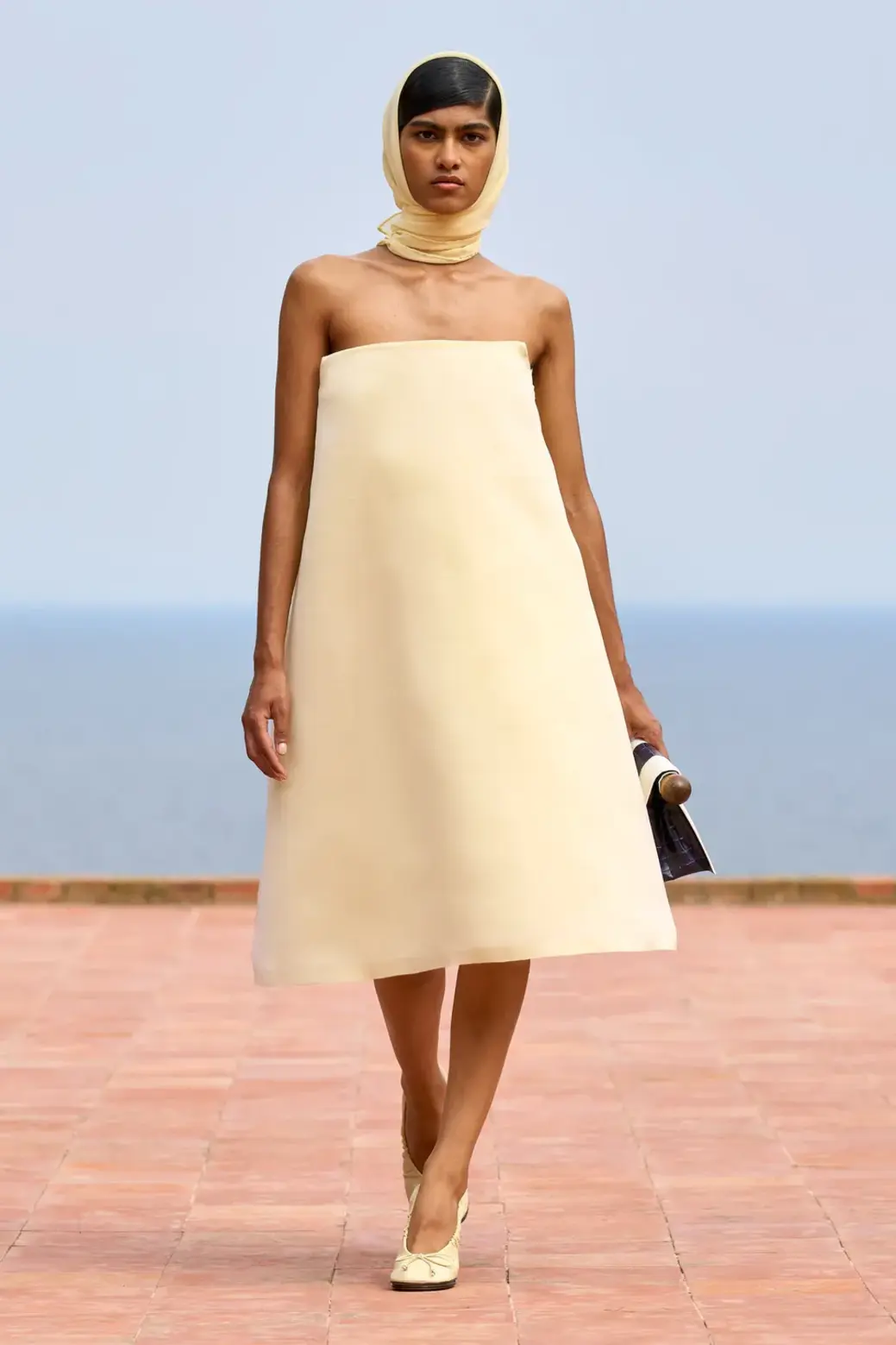
At Jacquemus, the trapeze silhouette becomes a quiet poem written in light, proportion, and air. Its flawless geometry unfolds like a sunlit chapel of fabric, where volume floats with intention and every line feels deliberate, serene, and eternal. Stripped to a pure canvas, the trapeze reveals elegance as emotion, minimalism as romance, and form as an intimate act of devotion.
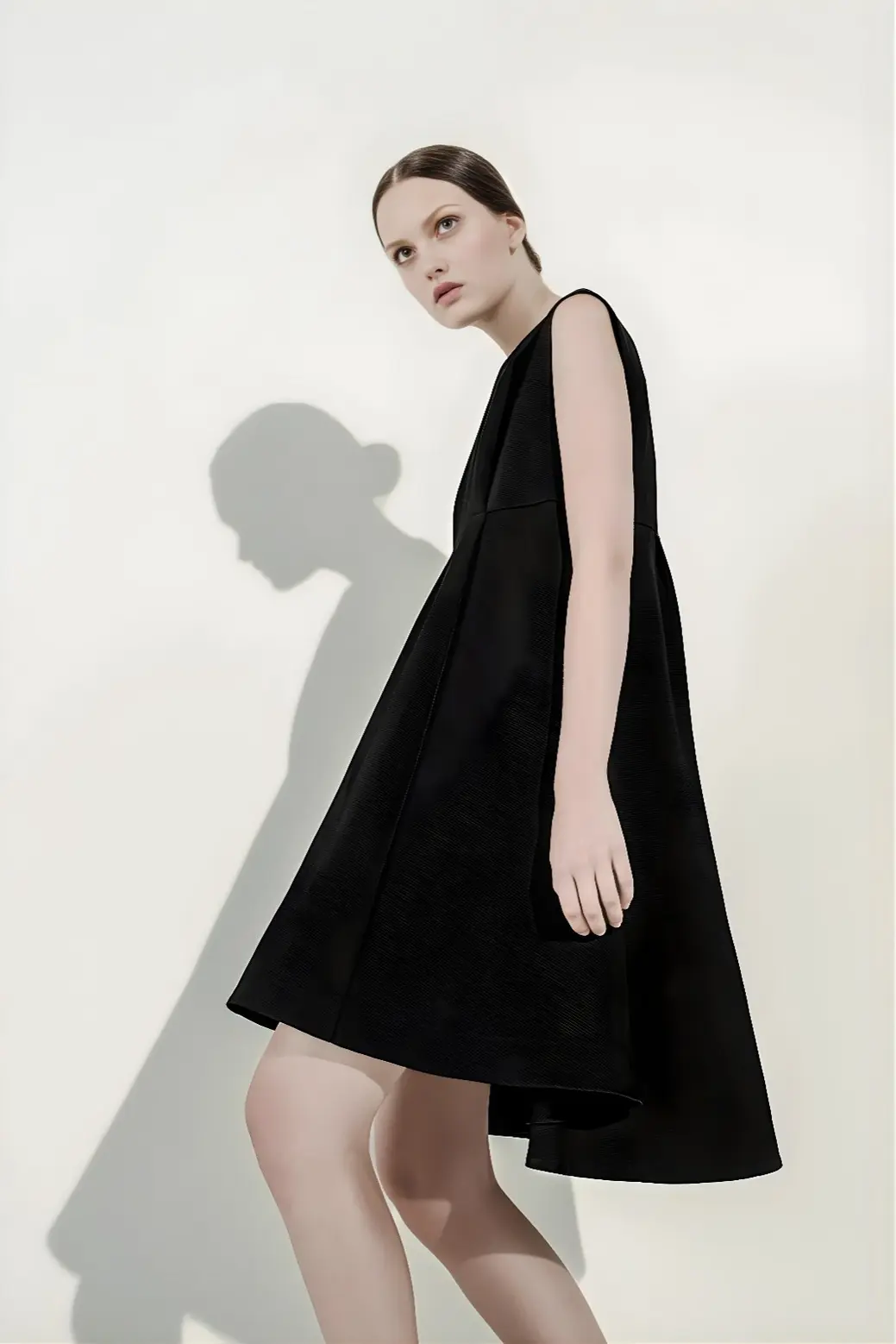

The journey of the trapeze silhouette, from its audacious mid-century debut to its triumphant re-emergence on today's runways, isn't just a tale of fashion cycles; it's a powerful testament to the enduring human desire for liberation. The trapeze silhouette is undeniably daring in its simplicity, rejecting the over-complication often found in high fashion. It's a clean line, a pure form, and in its clarity, it holds immense power. This boldness translates into an empowering message for women to embrace their authentic selves, to shed the need for external structures, and to find beauty in comfort and liberation.
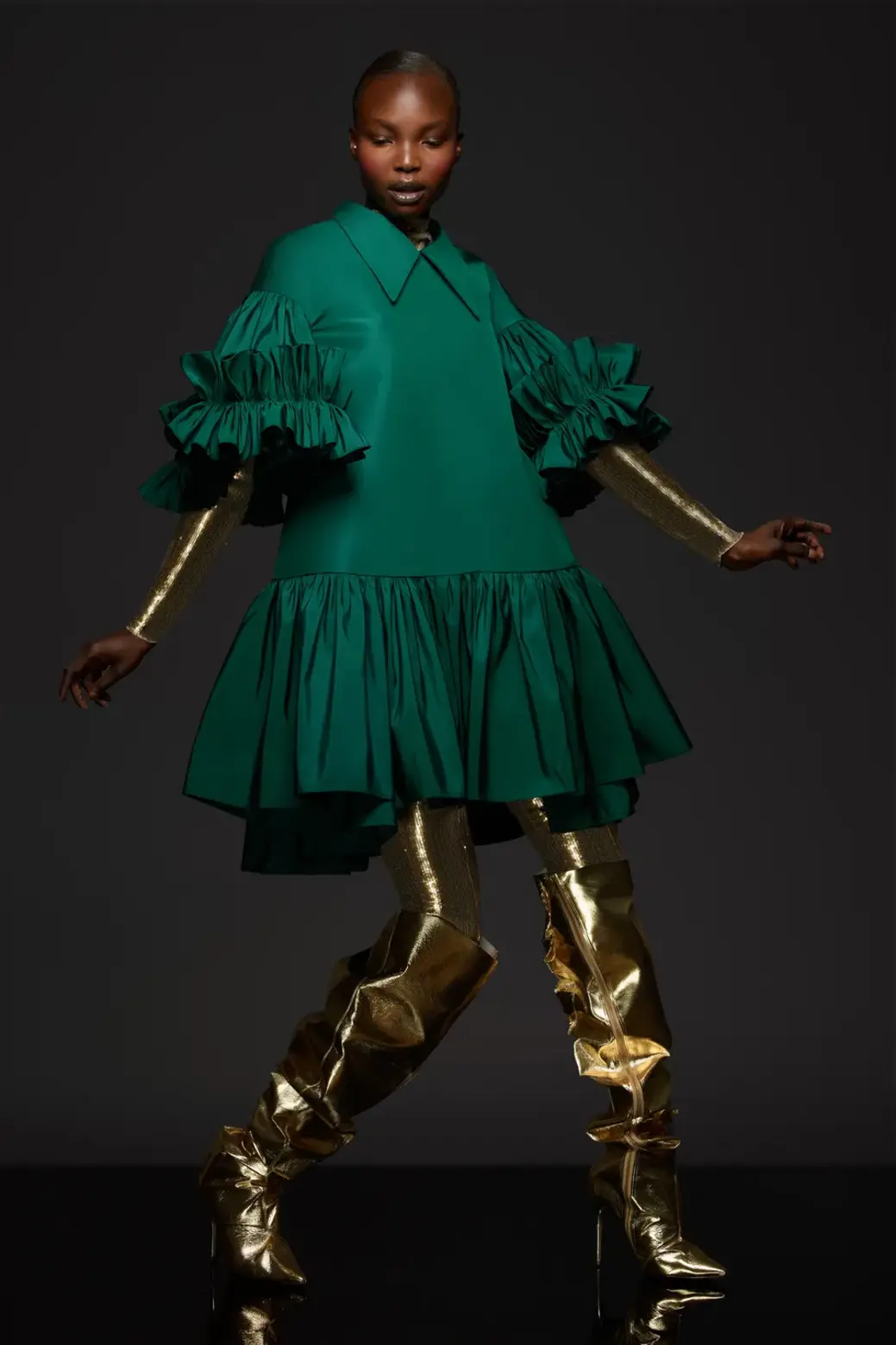
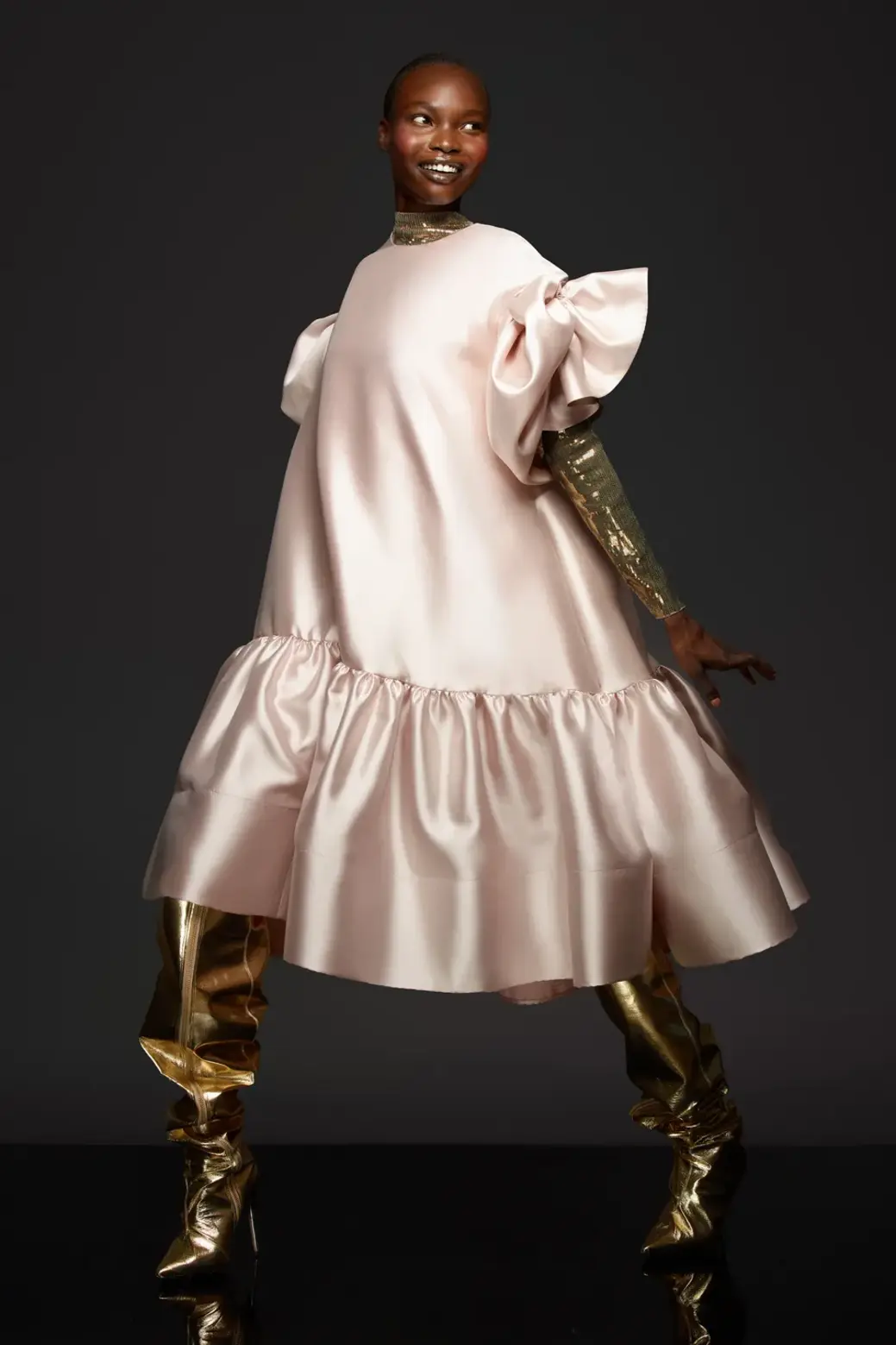
It challenges us to ask: What truly makes a woman feel magnificent, a garment that molds her, or one that frees her to define her own shape, her own narrative, her own glorious self? And isn't that the most provocative fashion statement of all?
Advertisement