




A fragrance born beneath the soil once cooled Indian homes and later dressed the world's finest perfumes. How did vetiver grow into such an unlikely luxury?

Vetiver: The Scent That Starts Underground
A fragrance born beneath the soil once cooled Indian homes and later dressed the world's finest perfumes. How did vetiver grow into such an unlikely luxury?
November 9, 2026


There is something peculiar about vetiver. Its fragrance suggests dark woods, sharpened pencils, damp earth and occasionally the sparkling bitterness of grapefruit. Yet the source of this sophisticated aroma is a grass whose most valuable secrets remain buried underground.
Beyond the elegant bottles, however, vetiver carries another identity, one deeply connected to the landscapes and communities responsible for cultivating it.
Vetiver, the Fragrance Hidden Beneath the Grass
Long green leaves sway above the ground, concealing an intricate network of roots that can extend several metres into the earth. This is vetiver, scientifically known as Chrysopogon zizanioides, a perennial grass originating in South Asia and belonging to the same botanical family as lemongrass and citronella.
Its fragrance develops within the dense underground roots, where a complex mixture of aromatic compounds creates the ingredient's distinctive woody, earthy and smoky character. Depending on the material, vetiver can suggest damp soil, dried hay, warm leather, mineral surfaces and freshly cut timber.

Farmers generally allow the plants to mature for approximately twelve to eighteen months before digging up the roots, removing the soil and preparing them for distillation. Steam passes through the plant material, carrying aromatic molecules that are subsequently condensed and separated into essential oil.
According to Givaudan, approximately 150 kilograms of vetiver roots are required to produce one kilogram of essential oil. The resulting liquid is typically thick, amber to brown in color and remarkably persistent.
Vetiver oil can possess an unmistakable grapefruit-like freshness, partly associated with molecules such as nootkatone, which also contributes to grapefruit's characteristic aroma. This explains why some vetiver fragrances open with a bright, citrus-like impression despite their earthy origins.
The material also contains aromatic compounds including alpha-vetivone, beta-vetivone and khusimol, which contribute to its woody complexity and lasting character.
When Vetiver Was the Original Air Conditioner
Long before vetiver became associated with polished gentlemen and luxury perfume counters, its fragrance circulated through the summer air of Indian homes.
Traditional khus tattis were cooling screens woven from dried vetiver roots and suspended across windows, doorways or verandas. During hot weather, water was sprinkled over these aromatic panels. As warm air passed through, evaporation helped lower the temperature while releasing the roots' characteristic earthy fragrance.
Known as khus in parts of India, vetiver also appears in fragrant mats, hand fans and household objects. Small bundles of roots were traditionally placed near stored textiles, where their persistent aroma could scent fabrics and enclosed spaces. Its English name is commonly traced to the Tamil vettiveru, reflecting the ingredient's longstanding South Asian heritage.
For many communities, scent was embedded in everyday objects and domestic practices, serving practical purposes alongside sensory pleasure.
Indian traditions also incorporated vetiver into aromatic waters and medicinal preparations. Such practices belong to a broader cultural history in which botanical fragrances were closely connected to personal comfort, seasonal rituals and household life.
By the time European perfumers began developing their distinctive interpretations of vetiver, its earthy aroma already carried centuries of associations with cooling, cleanliness and domestic refinement.
How Vetiver Became a Gentleman's Signature
Vetiver's transformation into an emblem of masculine sophistication took shape across several centuries and continents.
An unexpected chapter emerged in nineteenth-century New Orleans. The fragrance Kus Kus, named after the South Asian term for vetiver, is associated with a local perfume tradition dating to 1843. Its history offers a fascinating glimpse into the movement of aromatic materials through international trade and the city's French-influenced perfume culture.
The celebrated European milestones arrived during the 1950s.
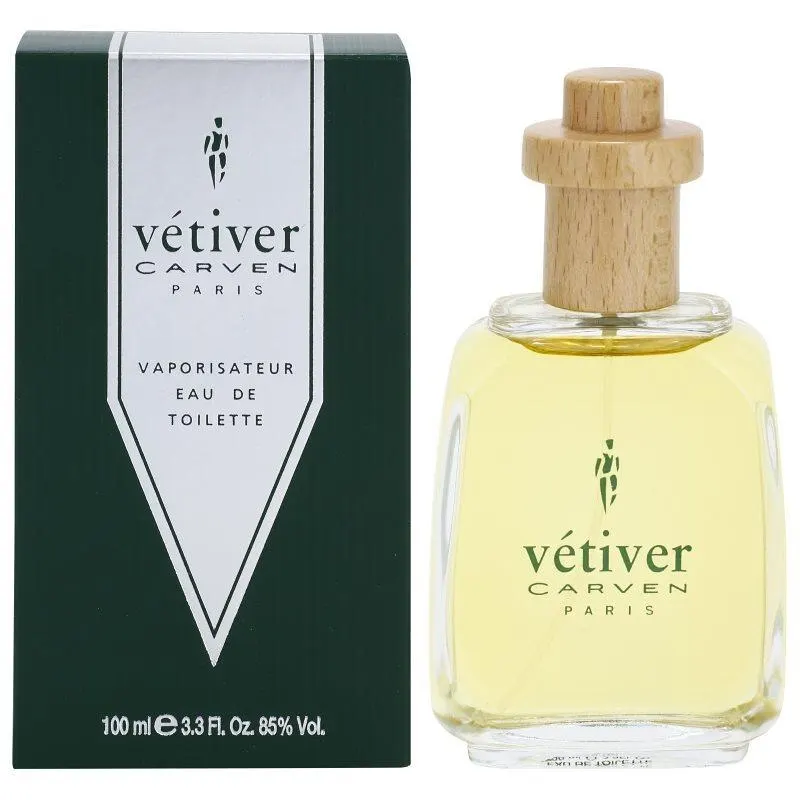
In 1957, Carven introduced Vétiver, created by perfumer Édouard Hache. According to the house's history, Madame Carven conceived the fragrance as a tribute to her husband, Philippe Mallet. She wanted an elegant masculine scent with a fresh, natural personality, giving the earthy root an entirely new social identity. The composition combined aromatic freshness with woody warmth, helping establish vetiver as a recognizable signature in men's perfumery.
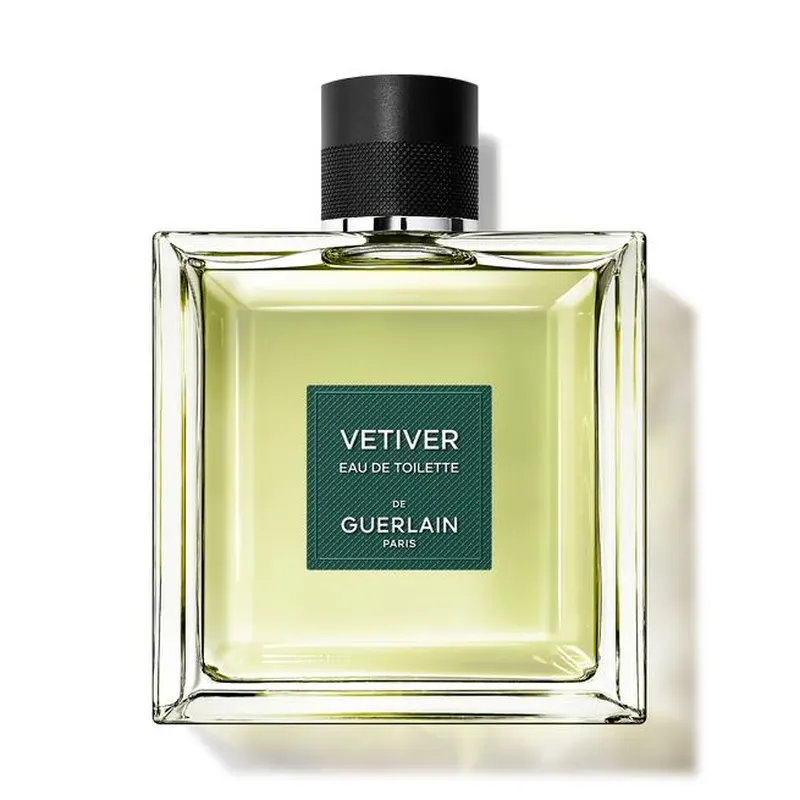
Two years later, Jean-Paul Guerlain introduced Guerlain Vétiver, blending the root's earthy character with citrus, spices and tobacco-like warmth. Its polished yet distinctive personality helped cement vetiver's association with classical masculine elegance.
Interestingly, the ingredient's history also extends into women's fragrance. Compositions such as Molinard Habanita and Hermès Calèche demonstrate how its woody depth can enrich floral and amber structures.
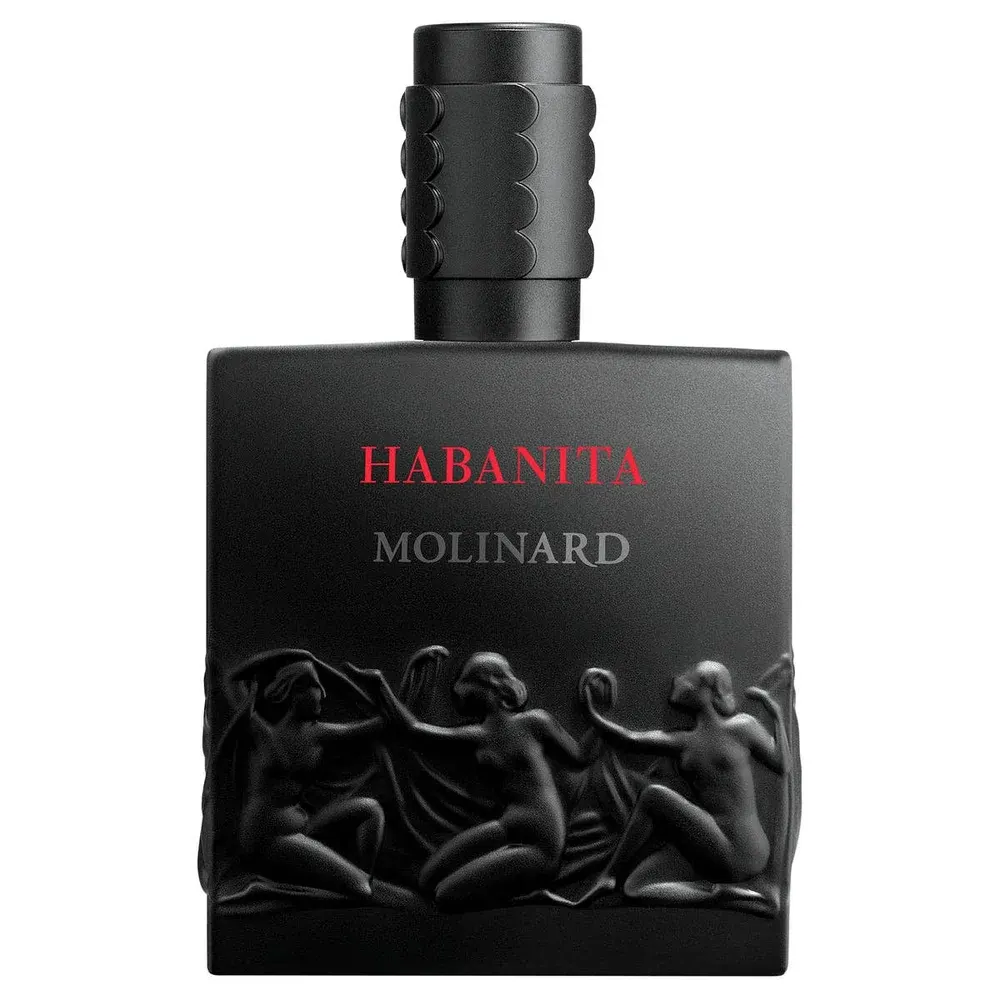
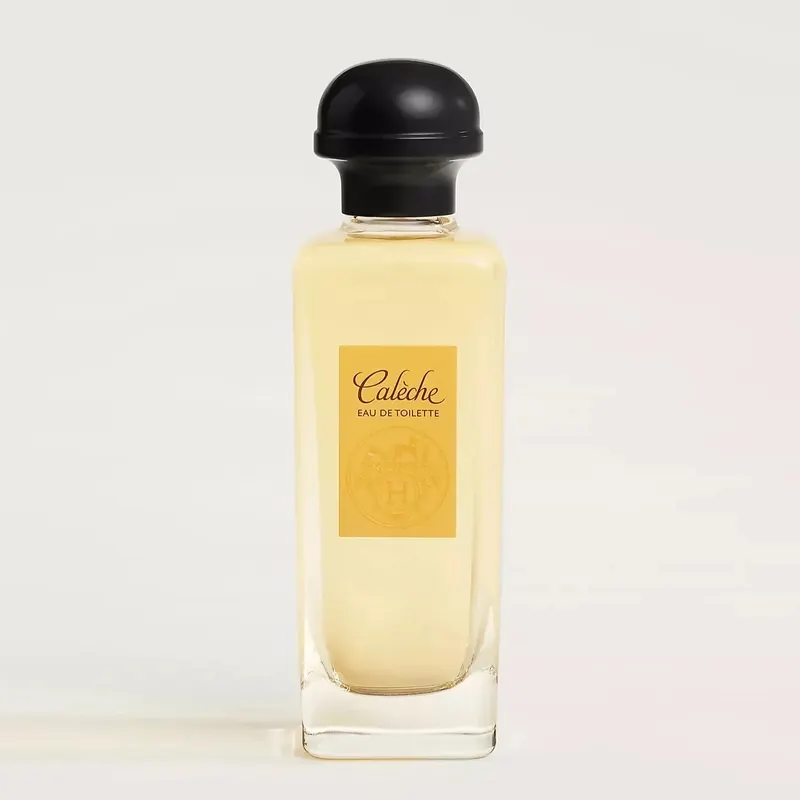
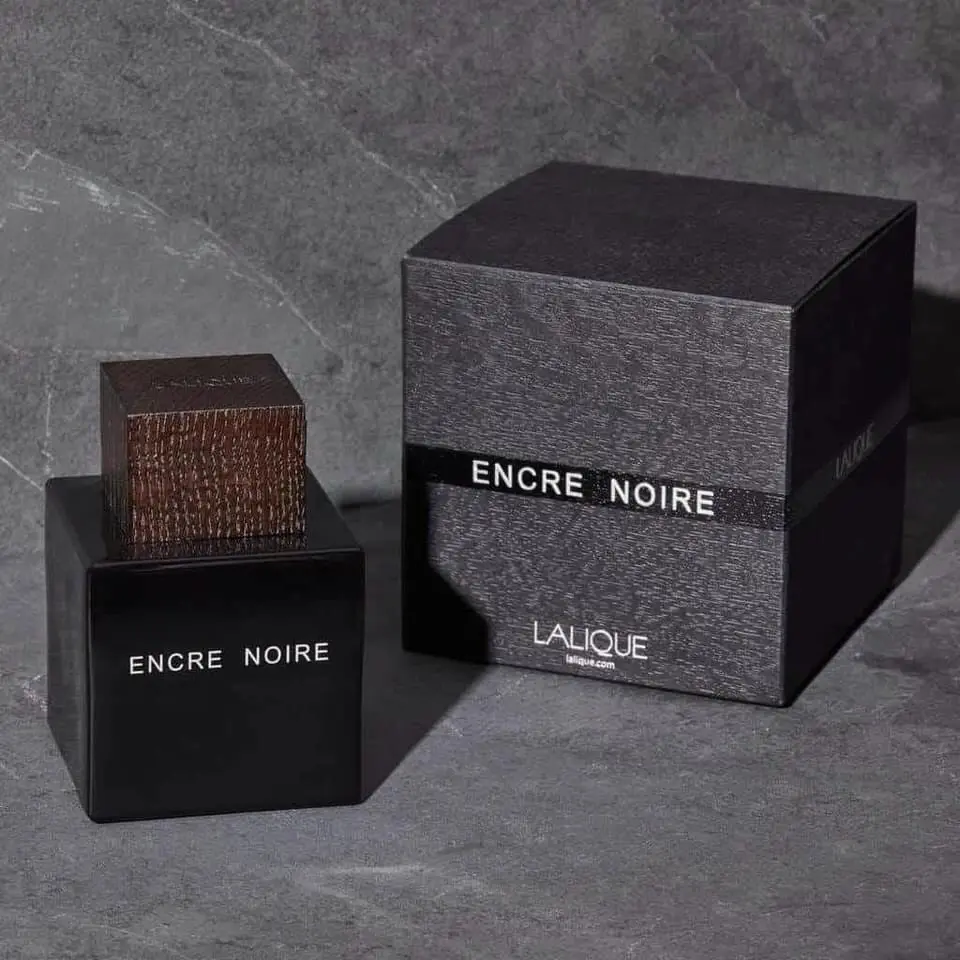
Contemporary interpretations further expanded its personality. Frédéric Malle's Vétiver Extraordinaire, composed by Dominique Ropion, emphasizes the ingredient's dry, aromatic intensity. Chanel Sycomore explores its smoky elegance, while Lalique Encre Noire develops an atmosphere of dark woods and ink-like earthiness.

One Root, Many Fragrance Personalities
A bottle of vetiver essential oil carries a geographical identity shaped by soil, climate, cultivation and distillation.
Haiti, Indonesia and India are among the important origins associated with the ingredient, each contributing distinctive traditions and aromatic profiles.
Haitian vetiver is widely appreciated for its smooth, woody and earthy character, often accompanied by smoky, nutty and grapefruit-like nuances. Its refined profile makes it especially valuable for luxury fragrance compositions.
Java vetiver, cultivated in Indonesia, is frequently described as darker, smokier and intensely earthy, offering a robust character that can create dramatic woody accords.
Indian khus belongs to a longstanding regional tradition of root-based perfumery, with green, earthy and sometimes richly smoky qualities depending on extraction and processing.
Historically, Bourbon vetiver from Réunion also enjoyed considerable prestige among European perfumers.
These regional distinctions reflect natural variations in the chemical composition of vetiver oil. Root maturity, weather conditions and distillation techniques can change the proportions of its aromatic compounds, influencing the final fragrance.
Modern processing adds another dimension. For its Vetiver Heart Haiti ingredient, YSL Beauty describes using molecular distillation to emphasize fresh grapefruit and woody facets while reducing heavier earthy impressions. The material is used in La Nuit de L'Homme, demonstrating how contemporary extraction technology can reveal specific characteristics within a familiar natural ingredient.
The Vetiver Root That Can Change the Land
When planted in dense, carefully maintained hedgerows, vetiver develops an extensive underground network capable of stabilizing soil and reducing erosion. Its deep roots help anchor vulnerable slopes, making the grass useful in agricultural and environmental conservation projects.
Yet producing essential oil requires removing the aromatic roots from the earth. On steep agricultural land, intensive harvesting and inadequate soil management can expose the ground to erosion.
This contradiction is particularly significant in Haiti, an important international supplier of vetiver oil. In the country's southern agricultural regions, vetiver cultivation provides income for rural families while presenting substantial environmental challenges. Some farms occupy sloping terrain where repeated uprooting can weaken the soil's protective vegetation.

Agrisud International has documented these risks through its agricultural development work near Les Cayes. A project running from 2021 to 2025 supported 180 family farms in improving cultivation practices, managing erosion and diversifying agricultural activities.
Fragrance companies have also developed initiatives connecting responsible sourcing with local economic development.
Since 2012, Givaudan has collaborated with a local supplier supporting a cooperative of approximately 250 vetiver root producers from three Haitian villages. The program includes agricultural training, traceability and a development fund financed through premiums paid on harvested roots.
Among its outcomes was the repair of a rural road connecting producing villages with a vetiver distillery. The improved route facilitated transportation and access to healthcare services, while funding also helped bring electricity to the communities. The Givaudan Foundation has additionally supported drinking-water infrastructure, sanitation facilities and agricultural initiatives benefiting women and families in the region.