Coperni made a dress appear out of thin air and sent the internet into a frenzy. So how did fashion's favorite magic trick end in a corporate vanishing act?

Coperni Went Viral, Then Went Bankrupt
Coperni made a dress appear out of thin air and sent the internet into a frenzy. So how did fashion's favorite magic trick end in a corporate vanishing act?
November 11, 2026


Bella Hadid stood motionless while technicians sprayed liquid fibers across her body. Minutes later, they had created a white sheath dress before an astonished audience. Coperni's Spring 2023 runway presentation delivered what contemporary fashion marketing prizes: an image recognizable far beyond fashion's usual circles. Innovation looked effortless. The balance sheet would prove less photogenic.
On November 4, 2026, founders Sébastien Meyer and Arnaud Vaillant announced that Coperni SAS would cease operations. The French company had entered judicial reorganization in June and liquidation in October. A dispute with majority shareholder and distributor Tomorrow had reached an impasse. Behind the Swipe bags, theatrical shows and celebrity visibility stood a commercial structure unable to sustain the business.
The Numbers Behind Coperni
Financial documents from the restructuring reveal the first warning. Revenue attributed to the overall Coperni brand fell from €15.2 million in 2023 to €13 million in 2024, then €10.9 million in 2025: a 28.3 percent contraction over two years.
The French company's figures require separate attention. Coperni SAS reported €3.5 million in revenue in both 2023 and 2024, rising to €4.7 million in 2025. Yet operating profit declined from €679,000 to €112,000 before turning into a €301,000 loss. Its operating margin shifted from approximately 19.4 percent to negative 6.4 percent.

These figures measure different activities. Brand-wide revenue reflects the broader commercial operation; Coperni SAS revenue records income inside the French company. Thus company revenue could rise while total brand sales weakened. More importantly, higher income failed to produce profit. Operating costs were absorbing an increasing share of what the studio earned.
A second distinction matters: operating loss is not identical to a cash shortage. Profitability measures performance over an accounting period; liquidity describes money available when bills fall due. A company can report growing revenue while running short of cash if payments arrive late. Coperni faced both an operating deterioration and a reported dispute over incoming funds, making the combined pressure more serious than either measure alone.
Coperni's marketing still had undeniable strategic value. The spray-on dress, aerogel Air Swipe and Disneyland presentation established a distinctive proposition: technological experimentation made theatrical and accessible. The Swipe Bag translated that identity into a recognizable accessory. Yet attention cannot reveal how much customers actually spent, whether they returned, or how much profit individual products generated.
When Someone Else Controls the Cash Register
Tomorrow became Coperni's distribution partner in 2019, offering manufacturing coordination, wholesale relationships, logistics and international infrastructure. For a growing label, these capabilities can shorten the journey from promising collection to worldwide retail presence.
Tomorrow also became a majority shareholder. The arrangement involved separate entities, including Coperni UK, associated with the licensing structure, and Coperni SAS, which employed the French team. The commercial operation collected sales revenue and made contractual payments, including licensing income and certain reimbursements, to the studio.

Consider a department store ordering Coperni handbags. The distributor handles the commercial transaction and receives payment. Money then needs to move through agreed channels before the French company can pay staff, suppliers and collection development costs. If those transfers stall, merchandise may sell while the studio struggles to meet its next payroll.
The founders alleged that Tomorrow withheld revenue shares and reimbursements owed to Coperni. Progetto 11, which later acquired Tomorrow, described inheriting an underfunded operation complicated by ownership and governance disputes. Those are competing accounts of a serious conflict, not a judicial determination that every allegation was correct.
The designers shaped Coperni's image, but essential commercial functions and significant ownership rights sat with their partner. Recovering independence therefore involved negotiating contracts, control and access to money, not merely finding another showroom.
For emerging fashion businesses, the fine print deserves as much scrutiny as the growth forecast. Clear payment schedules, independent financial reporting, trademark arrangements and exit provisions can decide whether founders retain practical authority when a partnership deteriorates. Global distribution is useful; dependence on one gatekeeper can become existential.



Trouble Inside the Fashion Incubator
Tomorrow's financial condition made that dependence especially dangerous. In fiscal 2024, reported turnover was approximately £8.4 million, down 34 percent. Gross margin declined from about 76 percent to 41 percent, while operating losses reached £7.5 million. These were Tomorrow's figures, distinct from Coperni's accounts.
In plain terms, Tomorrow generated less business and retained a smaller proportion of revenue after direct costs. Its remaining income could not support its broader expenses. The platform supplying Coperni with commercial infrastructure was itself financially strained.

Tomorrow's model pooled sales, distribution and operational resources across independent labels. Shared services can reduce costs and improve negotiating power, but they also spread risk. If retailers cancel orders or delay payment, a distributor supporting several designers can experience pressure across its portfolio.
That vulnerability intensified as luxury wholesale suffered disruptions, including the collapse of Matches and difficulties at other retail channels. Wholesale orders arrive months before a collection reaches shops; manufacturers and studios often commit resources before receiving the final proceeds. A missing retailer payment can therefore jeopardize the following season's production.
Tomorrow was acquired by Progetto 11 in March 2026. Its difficulties extended beyond Coperni to other designers, including Martine Rose. Coperni then withdrew from its Fall 2026 show amid the dispute, turning an accounting problem into a visible interruption of the fashion calendar.
A missed presentation affects buyer appointments, order forecasts and retailer confidence. If buyers cannot assess the next collection, its commercial pipeline can weaken before a garment reaches production. When financing becomes uncertain, even an excellent design team cannot simply work around the calendar.
What Does a Famous Brand Cost in Liquidation?
Coperni SAS entered judicial reorganization on June 11, 2026, seeking protection while exploring a rescue. Three reported bids followed: €10,000 from AA Investments, €400,000 from Victor Bughin and a symbolic €2 proposal from Philippe Sayada for specified assets. None prevented liquidation.
The figures look absurd beside Coperni's global visibility, but distressed offers are not interchangeable brand valuations. Their conditions, assets and employment commitments differed. A buyer may have to restart operations, assume expenses and secure rights to use the name before selling anything.
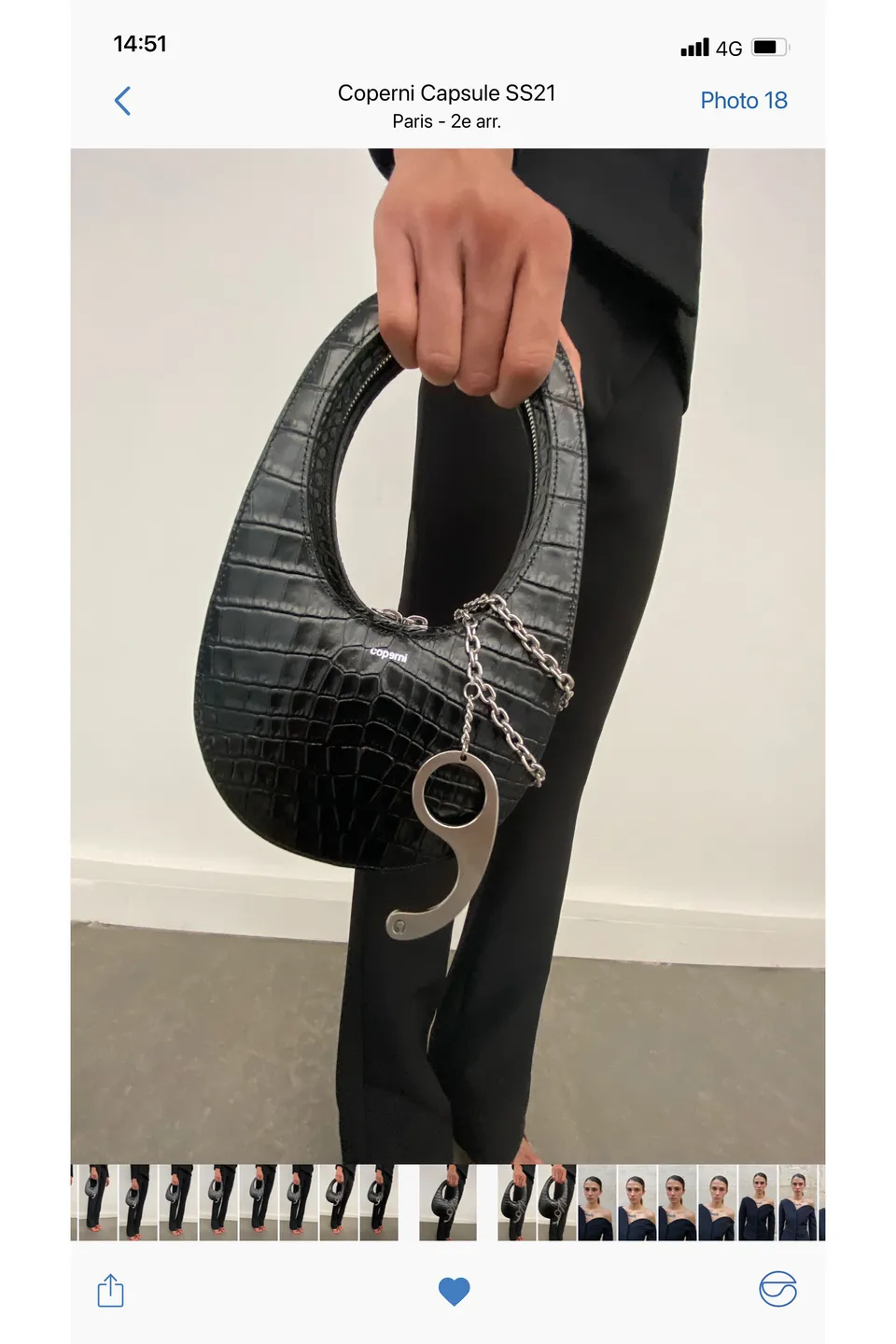



Consider purchasing an atelier, leftover stock and equipment without automatically receiving unrestricted rights to the Coperni trademark. The investor acquires components of a company, yet the identity connecting those assets to customers may require separate agreements. Intellectual property, inventory, operating entities and distribution contracts do not necessarily travel together.
The rescue process also changes the meaning of value. In a healthy acquisition, a buyer may pay for anticipated future earnings and established customer demand. During insolvency, uncertainty takes center stage: contracts may be contested, suppliers may demand guarantees and employees need immediate funding. A famous logo is attractive only if its owner can legally and commercially put it back to work.




That complexity can make an admired label like Coperni difficult to rescue. Brand equity attracts interest, but a buyer needs legal control, dependable supply arrangements and a credible path to profit. Fame cannot independently satisfy creditors or guarantee an acquisition.