What happens when looking hopelessly outdated becomes the point? Tuku is bringing clashing colors, local nostalgia and shameless kitsch back into fashion.

Tuku Is China's New Definition of Cool
What happens when looking hopelessly outdated becomes the point? Tuku is bringing clashing colors, local nostalgia and shameless kitsch back into fashion.
November 12, 2026


Tuku, an aesthetic built around proudly questionable taste, is enjoying renewed attention among young dressers who have grown weary of polished uniformity. Its appeal goes beyond wearing something outrageous for a photograph. Tuku draws on familiar images that were once dismissed as provincial, then gives them another life through styling, design and internet culture.
What Does Tuku Actually Look Like?
The Chinese characters 土酷 contain the joke. Tu can describe something earthy, rustic or unfashionably provincial; ku means cool. Their collision produces an attitude as much as a look: an outfit can appear wonderfully tacky and still be entirely intentional. The English rendering, Too Cool, adds another wink.
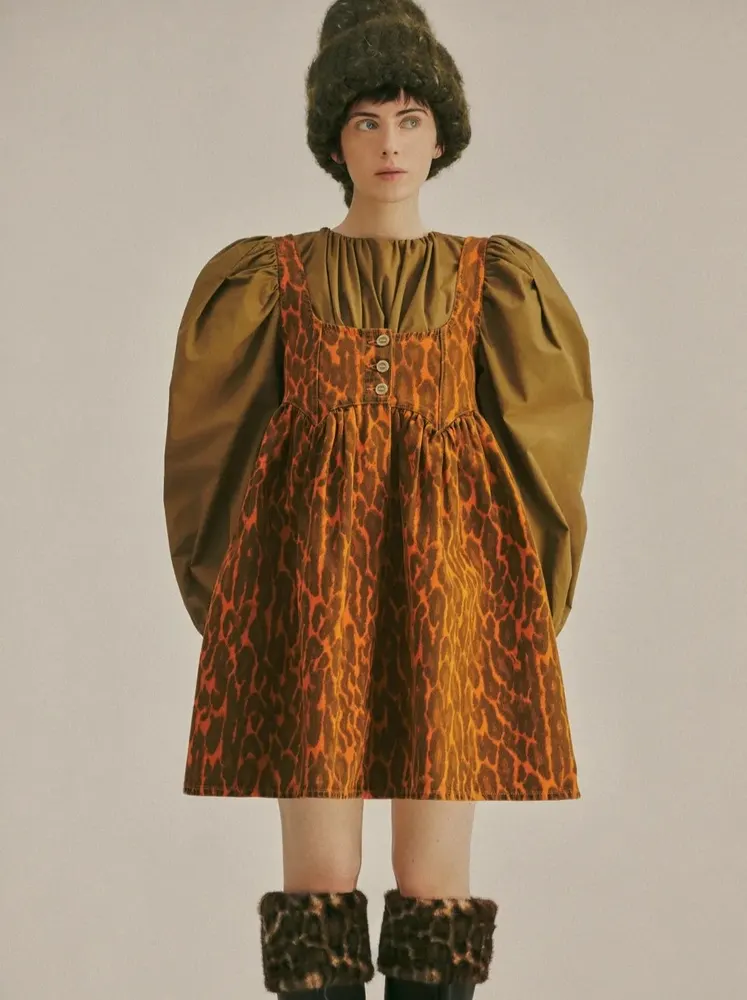
Electric pink meets grass green, cartoon graphics crowd oversized shirts, and rhinestones compete with plastic flowers or aggressively shiny hardware. Nostalgic Chinese typography, obsolete advertising motifs and seemingly random accessories turn ordinary references into styling statements. Silhouettes range from baggy streetwear to fitted dresses, making Tuku recognizable through its combinations rather than a prescribed garment shape.

Instead of immaculate studio lighting, Tuku imagery often borrows the awkward confidence of tourist snapshots: stiff poses, busy backgrounds, direct flash and public spaces familiar from everyday life. The setting becomes part of the outfit's personality. The result may appear improvised, although its deliberate collision of elements requires a discerning eye for visual rhythm.
How Provincial Taste Became an Internet Subculture
The movement's history reaches back to around 2016, when photographer and online creator Li Zhiyuan helped popularize Tuku through imagery and social media. His work belonged to a broader effort to reconsider the visual references associated with China's smaller cities, ordinary streets and older generations. What metropolitan taste had labeled embarrassing could become a resource for creative expression.

For young people moving between provincial hometowns and major cities, ideas of sophistication were often tied to international labels, sleek graphics and polished consumer spaces. Tuku reclaimed the contrasting world of local storefronts, dated signs, household objects and informal portrait photography. Its nostalgia concerned relatively recent everyday life, including the graphic clutter of the 1990s and early 2000s.

Early images could feature inexpensive props and apparently amateur compositions, but their humor was rarely accidental. The point was to make room for cultural memories excluded from fashionable definitions of good taste. Tuku gained a recognizable language through local references, retro styling and irreverent presentation. By the end of the decade, designers were translating that language into collections.
The Designers Giving Tuku a Wardrobe
MARRKNULL offered an influential example with its Spring/Summer 2019 imagery, placing experimental fashion around Beijing tourist sites. Models appeared in settings associated with vacation snapshots, including famous landmarks and ordinary passersby.
The tension between conceptual garments and commonplace surroundings made the photographs memorable. It also demonstrated that Chinese street culture could provide the visual vocabulary for fashion without being polished into anonymity.


Fabric Qorn took another route, using graphics inspired by familiar urban signage. References to the notorious ban zheng advertisements, which offered document services on walls and utility poles, transformed an overlooked detail of city life into a recognizable printed motif. The appeal came from recognition as much as from color or cut: customers knew precisely which everyday world the graphics invoked.


HuDieGongZhu, or Butterfly Princess, approaches the aesthetic through expressive ornament, decorative prints and references to local celebrations and feminine nostalgia. Its exuberance shows how Tuku can move beyond graphic T-shirts into dresses and kitsch styling.
Accessories from experimental Chinese labels can complement these looks, although the wider maximalist scene should not automatically be treated as one unified movement. Across these examples, recognizable cultural material becomes a design signature rather than a borrowed novelty.

Why Tuku Is Returning in 2026
By September 2026, the Tuku hashtag on Xiaohongshu had reportedly attracted around 142 million impressions. That measures exposure to posts, not the number of people adopting the look, but it suggests significant visibility for a once niche aesthetic. Its return also arrives amid fatigue with subdued palettes, neat coordination and the quiet luxury ideal of looking expensive without attracting attention.
Tuku offers the opposite visual reward. Oversized graphics, saturated colors and deliberately mismatched objects register instantly on a phone screen. Creators can produce distinctive outfit photographs using vintage finds, novelty accessories and inexpensive local references. For independent labels, that visual language also offers recognizable products and an endless supply of styling content.

Nostalgia provides another motivation. Young Chinese consumers are revisiting the PowerPoint typography, advertisements, souvenir merchandise and exuberant combinations associated with their childhood surroundings. Some are discovering this material anew through archives and social feeds.
What earlier generations regarded as outdated can now communicate affection for a particular place and cultural experience. The resurgence belongs to a broader appetite for playful imperfection, although its reach across the national fashion market remains difficult to quantify.
When the Joke Becomes a Market
Tuku's rising visibility creates opportunities for printed clothing, unusual jewelry, novelty accessories and designers with distinctive local references. It also creates a delicate contradiction. An aesthetic initially interested in reclaiming unfashionable everyday culture can become another fashionable code, reproduced and sold back to consumers at elevated prices. Its future depends on whether the affection behind the styling survives that commercialization.
The most compelling Tuku outfits make room for humor, memory and a personal point of view. Once bad taste becomes a formula everyone follows, being deliberately tacky may become the safest choice in the room, even within China’s rapidly changing fashion landscape.