MENU
Close





Has the cult of the drop finally lost its soul to the spreadsheet, or has streetwear simply shed its rebellious skin to become the most intoxicating, invisible ghost in the high-fashion machine?
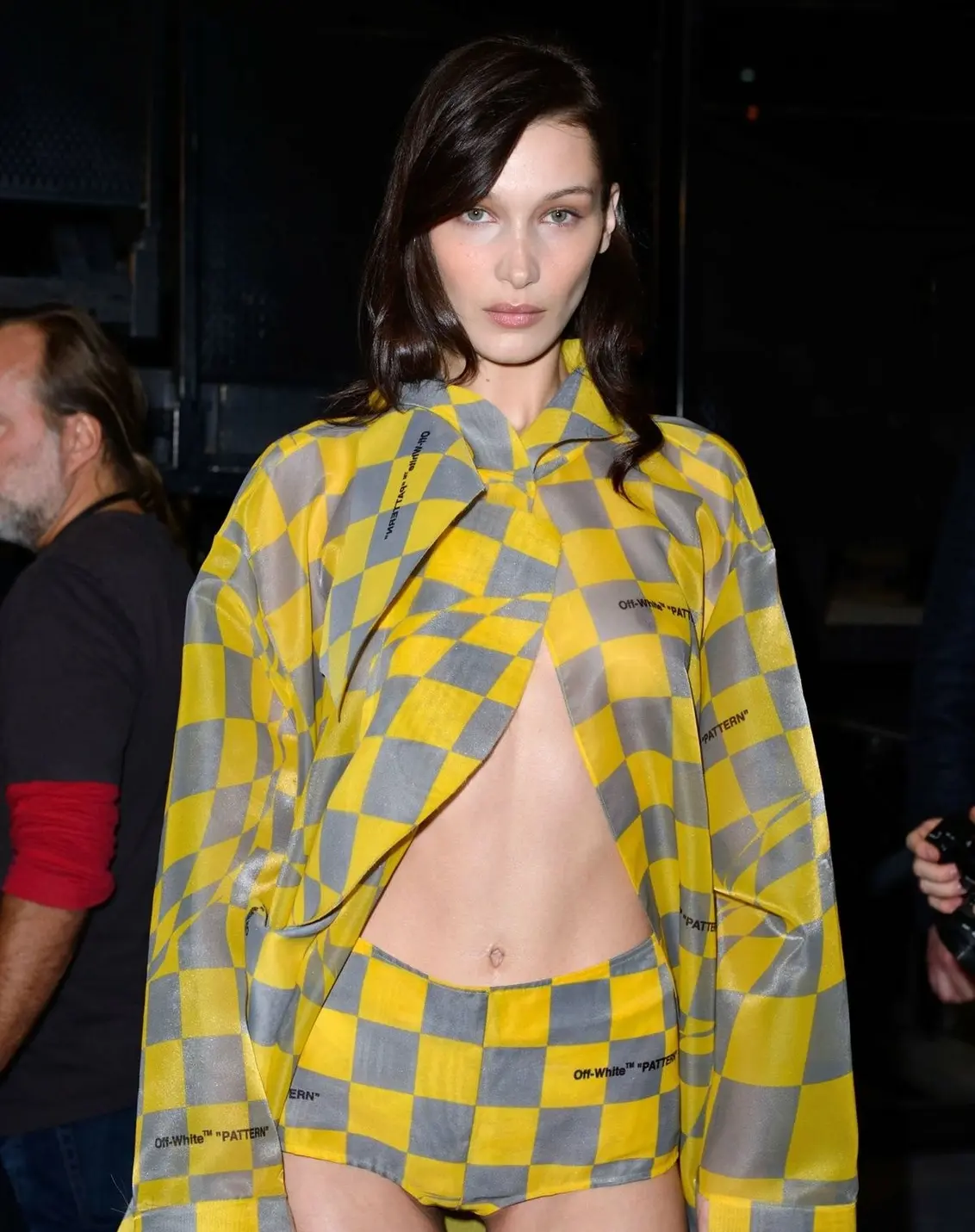
Has the cult of the drop finally lost its soul to the spreadsheet, or has streetwear simply shed its rebellious skin to become the most intoxicating, invisible ghost in the high-fashion machine?
March 27, 2026
Advertisement
Advertisement



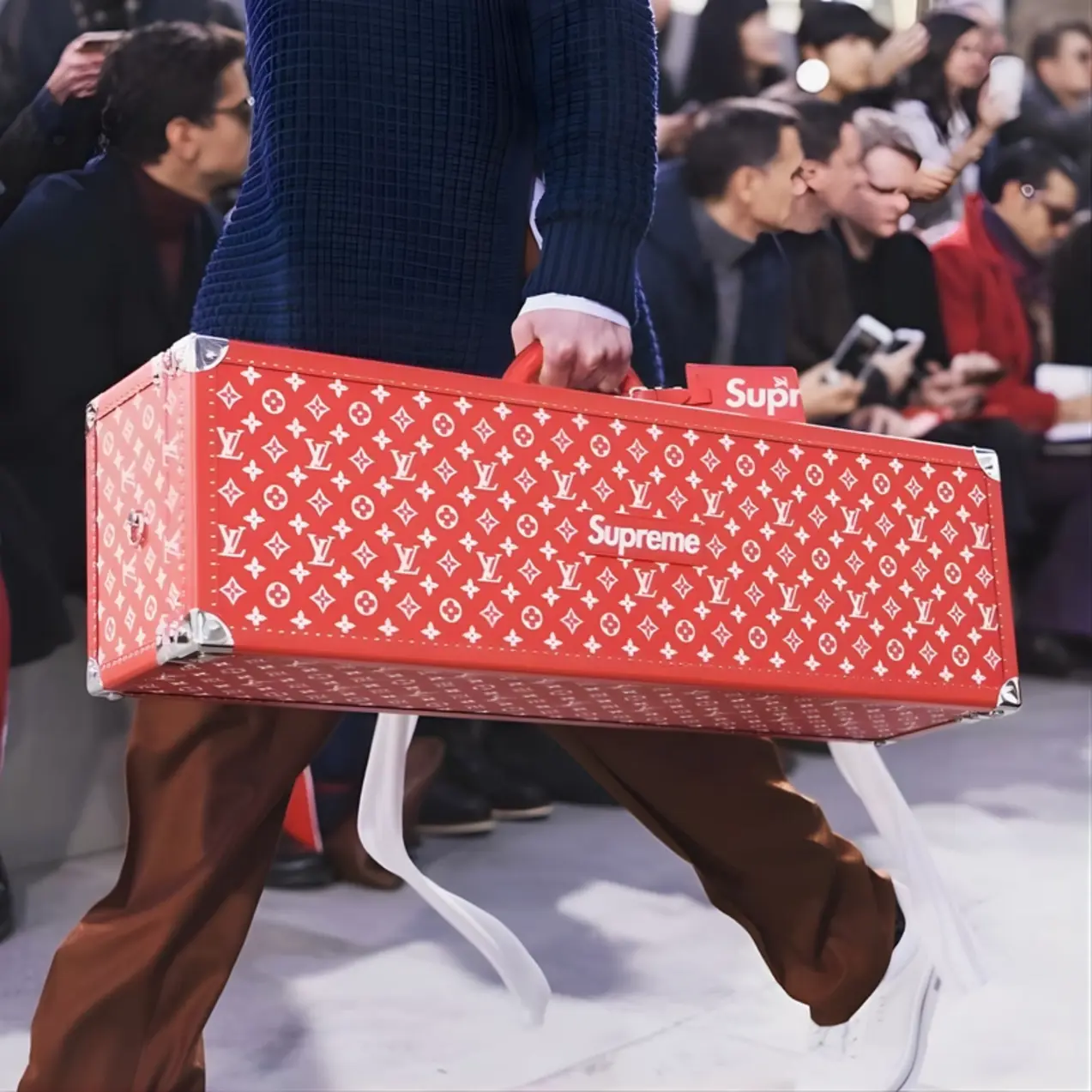
The year 2017 arrived like a fever dream when Louis Vuitton and Supreme finally consummated their high-low flirtation. It was a blockbuster tryst that saw global pop-ups swarmed by those signature, breathless queues Supreme fans wear like a badge of honor. This was the absolute zenith of Supreme’s climb, a moment where the gritty pioneers of the pavement officially seized the center of the fashion industry. The aftermarket reflected the hysteria, with pieces from the collection reportedly flipping for a scandalous $150,000 as the world watched in a state of expensive shock.
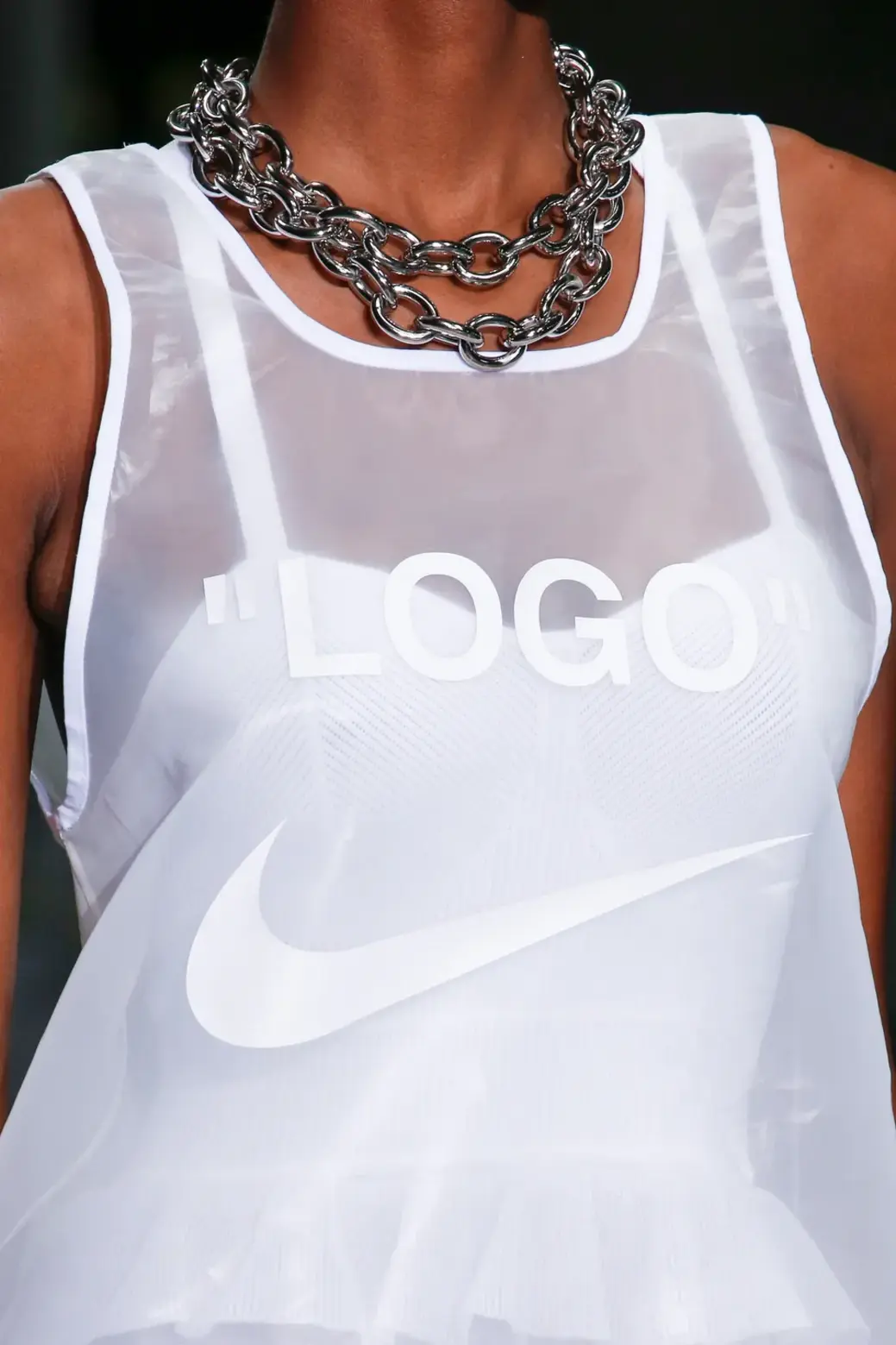
That climax signaled the dawn of streetwear’s imperial phase, a period characterized by a relentless pursuit of the new. Virgil Abloh was teasing the masses with "The Ten" collaboration alongside Nike, and within a mere year, he was crowned as the artistic director of menswear at Louis Vuitton. During this same dizzying stretch, Supreme received a billion-dollar valuation when the Carlyle Group acquired a 50 per cent stake. In just a few months, the landscape had shifted entirely. Brands and designers from every corner of the streetwear world were suddenly in more demand than ever before, becoming the objects of a global obsession.
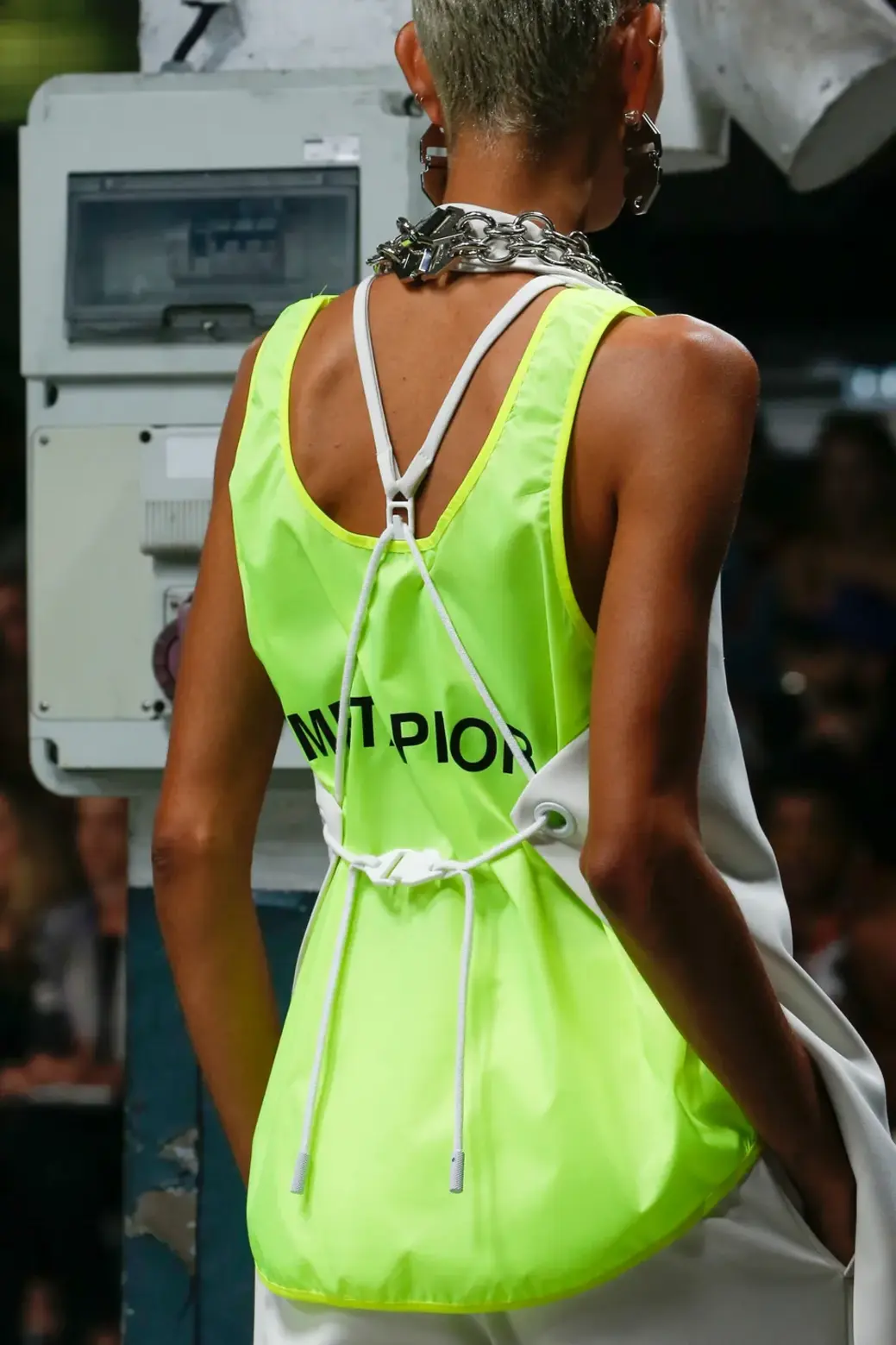
By 2019, the spreadsheets attempted to quantify the magic. A study by PwC’s strategy arm and Hypebeast estimated the streetwear industry was worth a staggering $185bn in global sales, claiming roughly 10 per cent of the entire apparel and footwear market. The data confirmed Supreme as the primary protagonist, followed by the likes of Off-White, Stüssy, Palace, and the established athletic empires of Adidas and Nike. What had once existed on the periphery, far from the polished gates of the fashion establishment, was now the major player dictates the rhythm of the trade.
Streetwear remains an amorphous and ill-defined movement, a cultural shapeshifter that gained its true prominence in the 1990s by absorbing the energy of skateboarding, surfing, hip-hop, and sneaker culture. Leading lights like Supreme in New York and Palace in London began as humble skate brands, while the pioneer Stüssy found its soul in the Californian surf scene. The aesthetic focused on the intoxicating allure of the casual: T-shirts, hoodies, and sneakers transformed into symbols of a new, kitschy power. It was a scene where the hype was the currency, and for a moment, the currency was everything.
The 2010s arrived like a glitter-bombed explosion, turning the sidewalk into a runway and the hoodie into a holy relic. Suddenly, the fashion world was obsessed with the drop, and those endless, winding queues became the new high-society gala. High fashion didn't just invite streetwear to the party; it practically eloped with it, obsessing over those logo-drenched aesthetic codes that made every T-shirt feel like a secret handshake. It was never particularly about being design-forward. No, this was a delicious game of repurposing, the naughty thrill of taking a basic silhouette and charging for the associations that come when a specific logo is slapped onto the chest.
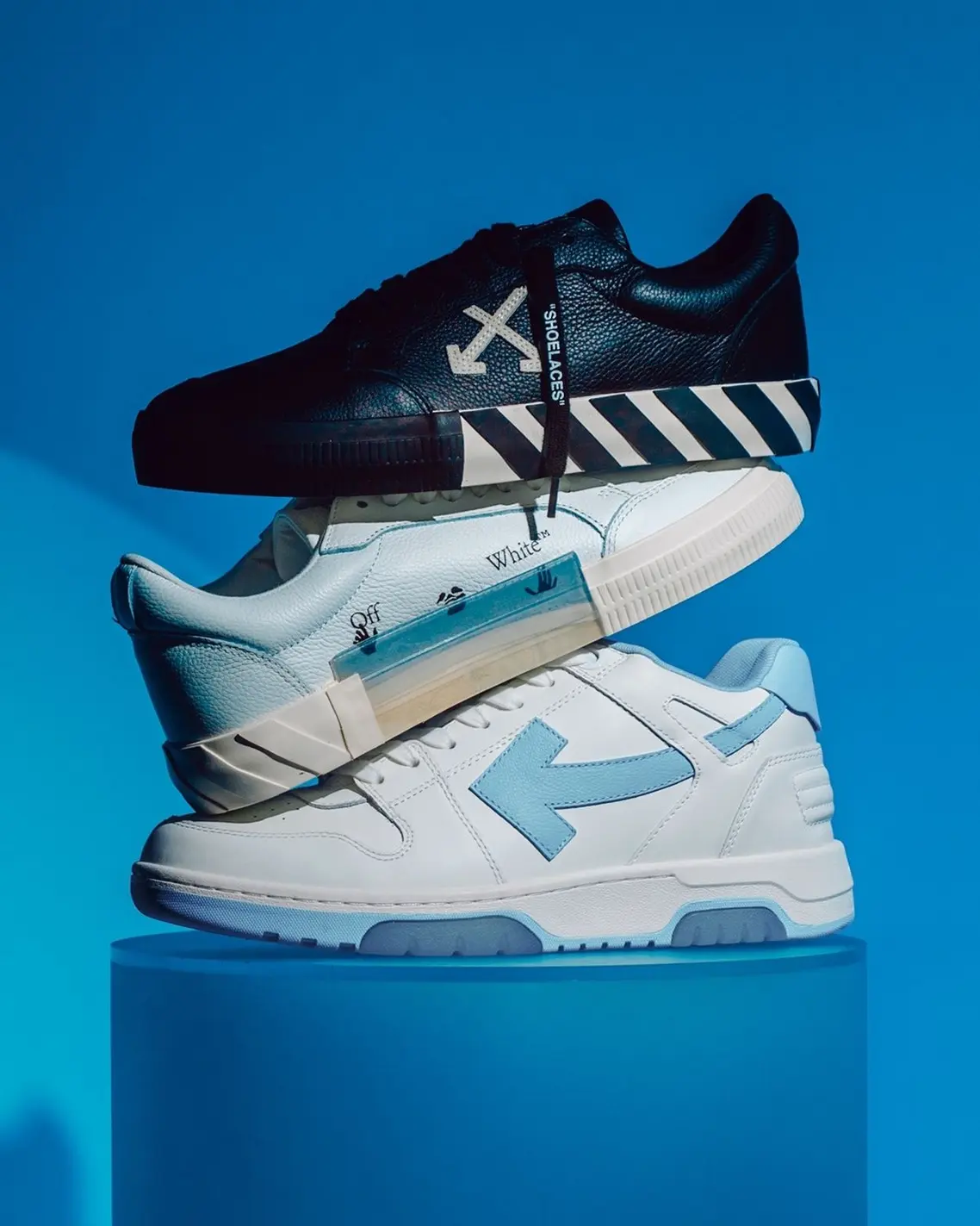
What began as a jagged form of rebellion eventually smoothed itself out into the status quo, which is perhaps the most kitsch irony of all. The countercultural roots remained, but they were repackaged into a weekly ritual of precise, calculated desire. At Supreme, Thursday mornings became a sacred time of digital inundation and snaking physical lines. This was the era of mastering the drop, where brands played a flirtatious game of scarcity to manufacture an insider status that everyone was desperate to buy into.
While the legends like Stüssy and Supreme had been quietly building their empires since the ’80s and ’90s, the 2010s were when the hype truly lost its mind. This intoxicating eruption was fueled by the neon glow of Instagram and Tumblr, where a new generation of celebrities began blurring the lines. They weren't just wearing clothes; they were shouting out high-fashion houses in the same breath as gritty streetwear labels, teaching the world that in the modern scene, a silk scarf and a cotton hoodie are both just tools for the same seductive, logo-heavy performance.
While the corporate suits were busy counting their billions, the actual streetwear devotees were already looking for the exit. It turns out, even the most intoxicating hype has a shelf life, and the shopper has finally matured, developing a taste for a more personal, whispered sense of style. The era of head-to-toe brand loyalty feels a bit... well, last season. That discerning buyer now craves individuality over the noise of the crowd, leaving the fashion landscape not just changed, but delightfully fractured. There isn’t a single successor to the throne; instead, the market has split into a delicious chaos of preppy revivals, the rise of quiet luxury, and the scandalous rumblings of a post-sneaker society.
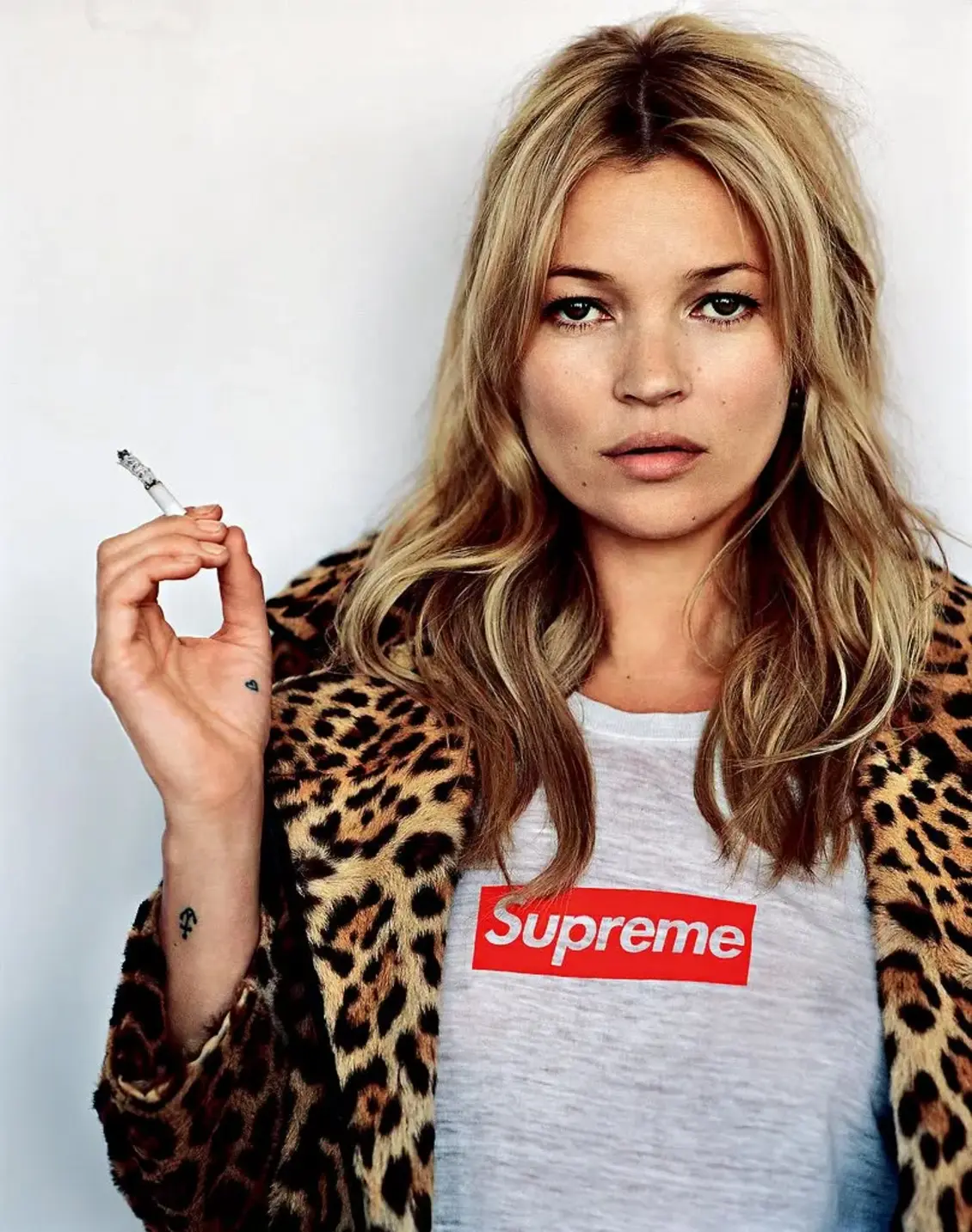
Of course, when high fashion and the street get too intimate, things are bound to get messy. Streetwear began as the uniform of the rebellious subculture, the skaters, the DJs, the graffiti poets of the downtown scene. But once it became the establishment, the culture simply meant wearing the right logo. You didn’t actually have to pick up a skateboard or a spray can to join the club; you just had to have the credit limit.
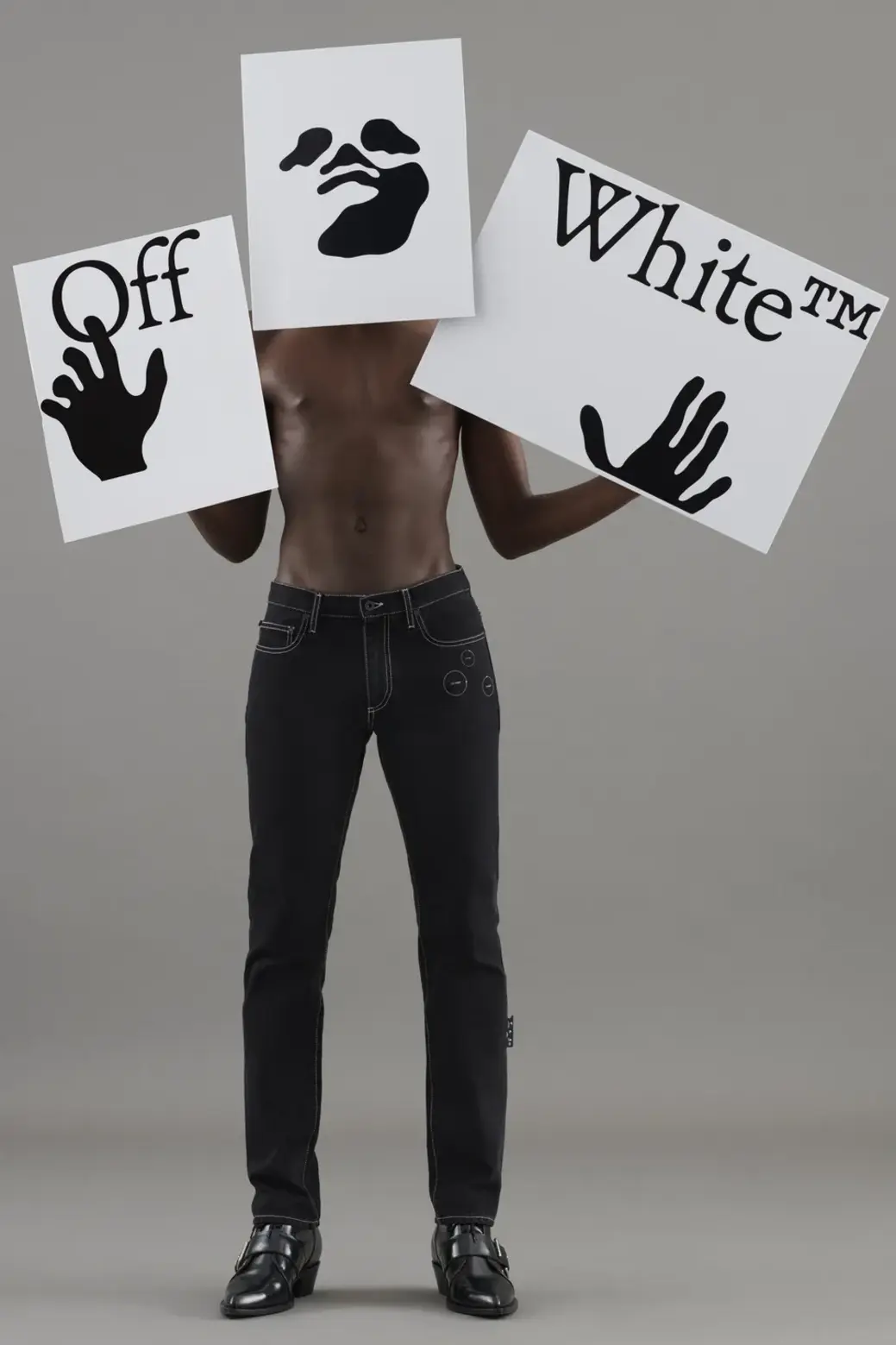
The plot thickened when the private equity funds moved in to buy the rebellion. Three years after that breathless billion-dollar valuation in 2017, Supreme was flipped to VF Corporation for a cool $2.1bn. Suddenly, the distance between the upstart and the empire vanished, and rebellion became the status quo. But the corporate honeymoon was short-lived. By 2024, Supreme was sold again, this time at a heartbreaking loss, to EssilorLuxottica for $1.5bn. Even the New Guards Group, the powerhouse behind Heron Preston and Off-White, began shedding its streetwear assets like an old skin. It’s a classic tale of the pressure these outsider labels face when they try to play nice within a rigid corporate structure.
It’s tempting to look at Supreme’s dipping price tag and say the party is over, but the reality is far more naughtily complex. Enthusiasts still linger, even if the industry chatter has turned sour. Perhaps Supreme’s foundation of controlled scarcity simply didn’t fit into a massive distribution machine. Despite the headlines, revenue actually ticked up between 2023 and 2024, and the fans at the Bowery store in New York couldn't care less about what the analysts think. Their reverence remains untouched by the balance sheet.
In fact, we’re seeing a spicy return to form with brands like Corteiz, Always Do What You Should Do, and Drama Call. These labels are ignoring the global hype cycles and going back to the local communities and cultural roots that made the scene fascinating in the first place. So, while the queues might not be snaking around the block every Thursday morning, the ghost of streetwear is everywhere. It hasn’t vanished; it’s just become the establishment. You see its fingerprints on the "prep revival" at Noah and J.Crew, and in the general casualization of the modern man. The graphic tees, the hoodies, the sneakers, they aren't the revolution anymore; they’re just the atmosphere. Streetwear is so interwoven into the traditional system that it doesn’t need to scream to be heard. It’s simply the air we breathe.
Advertisement