MENU
Close





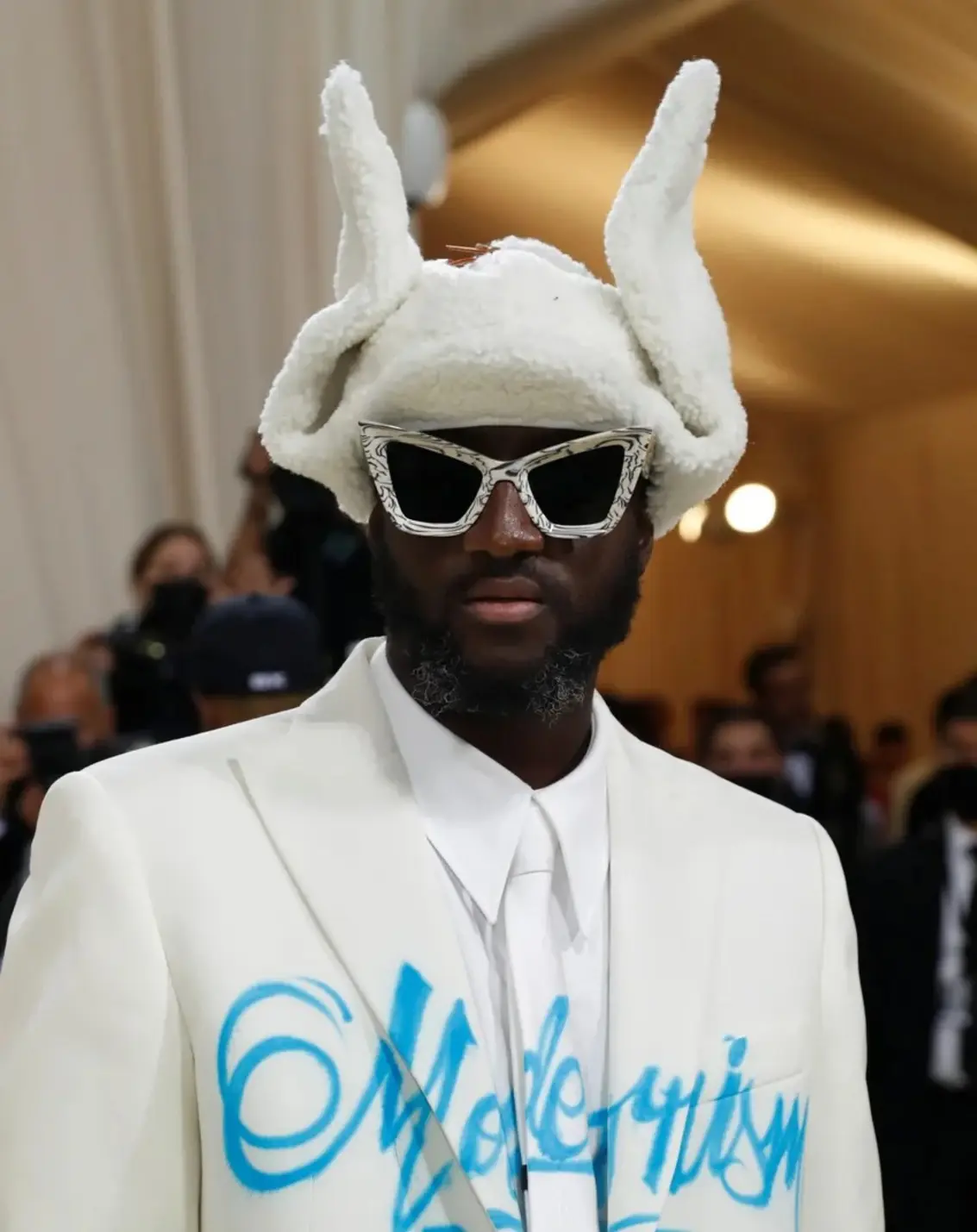
On this day, we honor Virgil Abloh and streetwear, marking November 28, 2021, the moment the fashion world lost a visionary who transformed luxury by merging street culture, art, and storytelling into a bold, globally influential language. His work with Off-White and Louis Vuitton menswear reshaped the industry, leaving a lasting legacy of innovation, cultural dialogue, and unmistakable style.
On this day, we honor Virgil Abloh and streetwear, marking November 28, 2021, the moment the fashion world lost a visionary who transformed luxury by merging street culture, art, and storytelling into a bold, globally influential language. His work with Off-White and Louis Vuitton menswear reshaped the industry, leaving a lasting legacy of innovation, cultural dialogue, and unmistakable style.
November 28, 2025


Growing up in the Midwest, far from the big four fashion capitals, forced him to build taste through observation, self-study, and cultural archaeology. That racial, institutional gave him a rare vantage point. It let him see the limits of European luxury from the outside, and therefore see how to reshape it. His architecture training sharpened this instinct: form follows function, but ideas follow culture. He applied that principle relentlessly.

His work with Off-White and Louis Vuitton menswear reshaped the industry, leaving a lasting legacy of innovation, cultural dialogue, and unmistakable style.

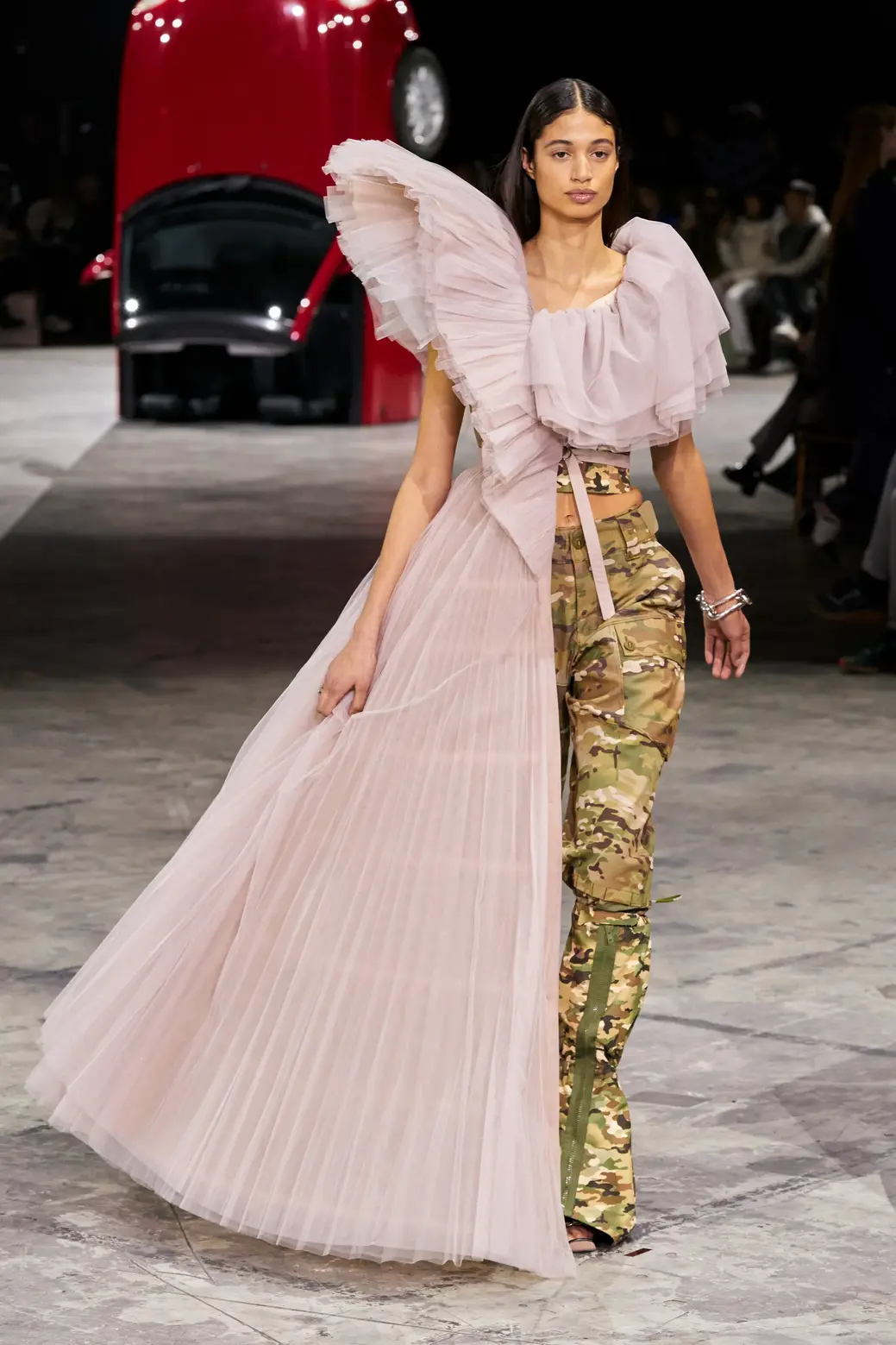
With Off-White, Abloh constructed more than a brand. He built a cultural operating system that redefined how fashion communicates. Quotation marks, industrial diagonal stripes, zip ties, and warning labels became instantly recognizable symbols, collapsing the boundary between streetwear irreverence and conceptual design.

Celebrities from Kanye West to Beyoncé, Justin Bieber, Bella Hadid embraced his pieces, amplifying their cultural resonance and cementing Off-White as the definitive bridge between street and luxury.
Abloh’s appointment as Louis Vuitton menswear artistic director in 2018 marked a structural shift inside the house itself. He transformed Vuitton into a platform for cultural storytelling, not merely heritage preservation. His runway shows became immersive experiences: rainbow-painted catwalks, global casting, sound, art, and performance woven into each collection. Luxury, in his hands, became intellectual, inclusive, and culturally fluent, while still grounded in craftsmanship.
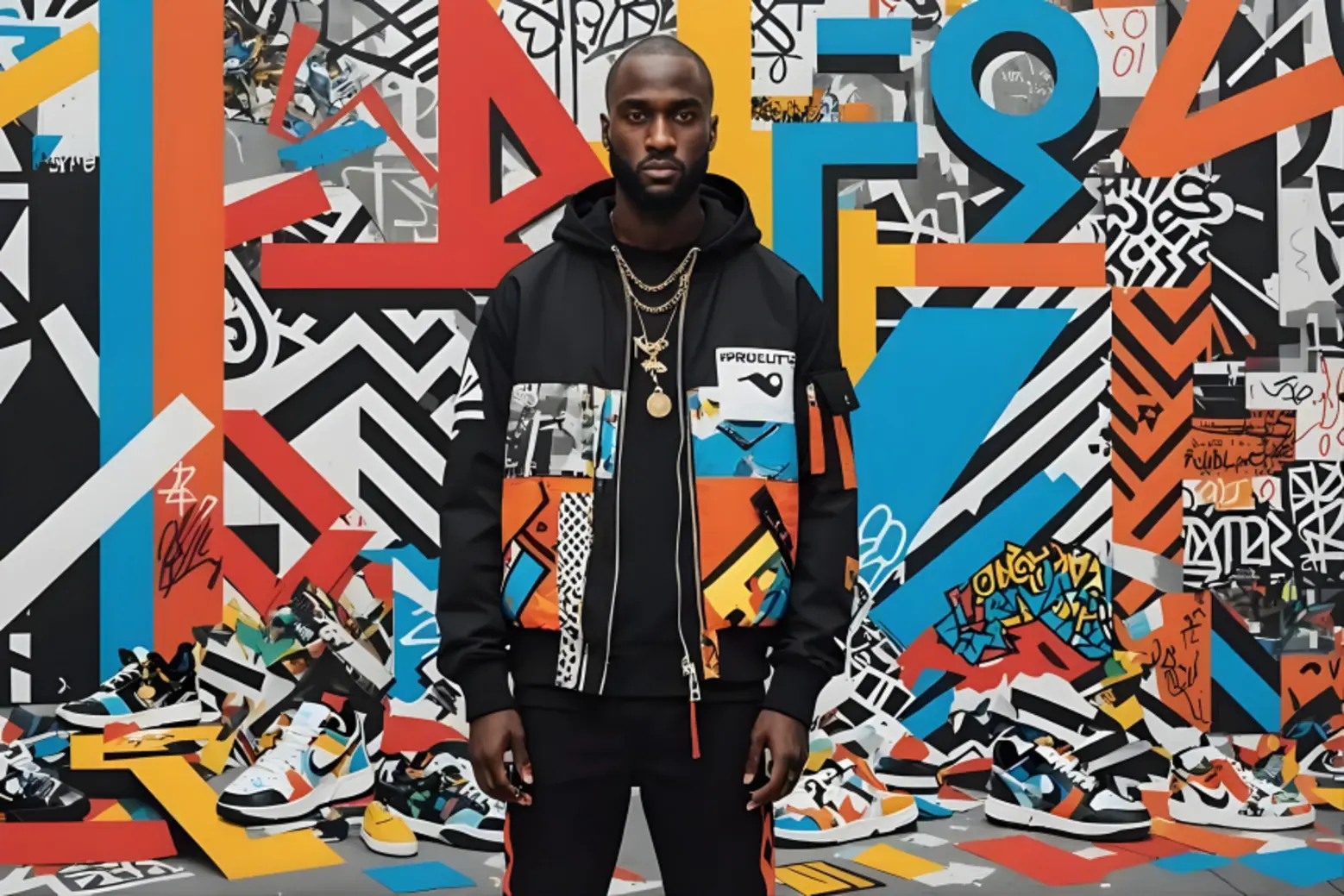
Abloh’s power came from his ability to turn subculture into scripture. He took the everyday, the hoodie, the sneaker, the graphic tee, and reclassified it as luxury not by altering the garment but by shifting the cultural context around it. He proved that luxury was not only about materials; it was also about meaning.
His legacy lives beyond garments. It lives in the confidence he gave a generation of creatives who saw themselves reflected in his work. Abloh didn’t design for an elite few; he designed for the global creative class. Virgil Abloh and streetwear together authored a new era of fashion, one where culture, identity, and intellect became the true markers of luxury. And that legacy continues to expand, echoing across runways, studios, and cities worldwide.