MENU
Close





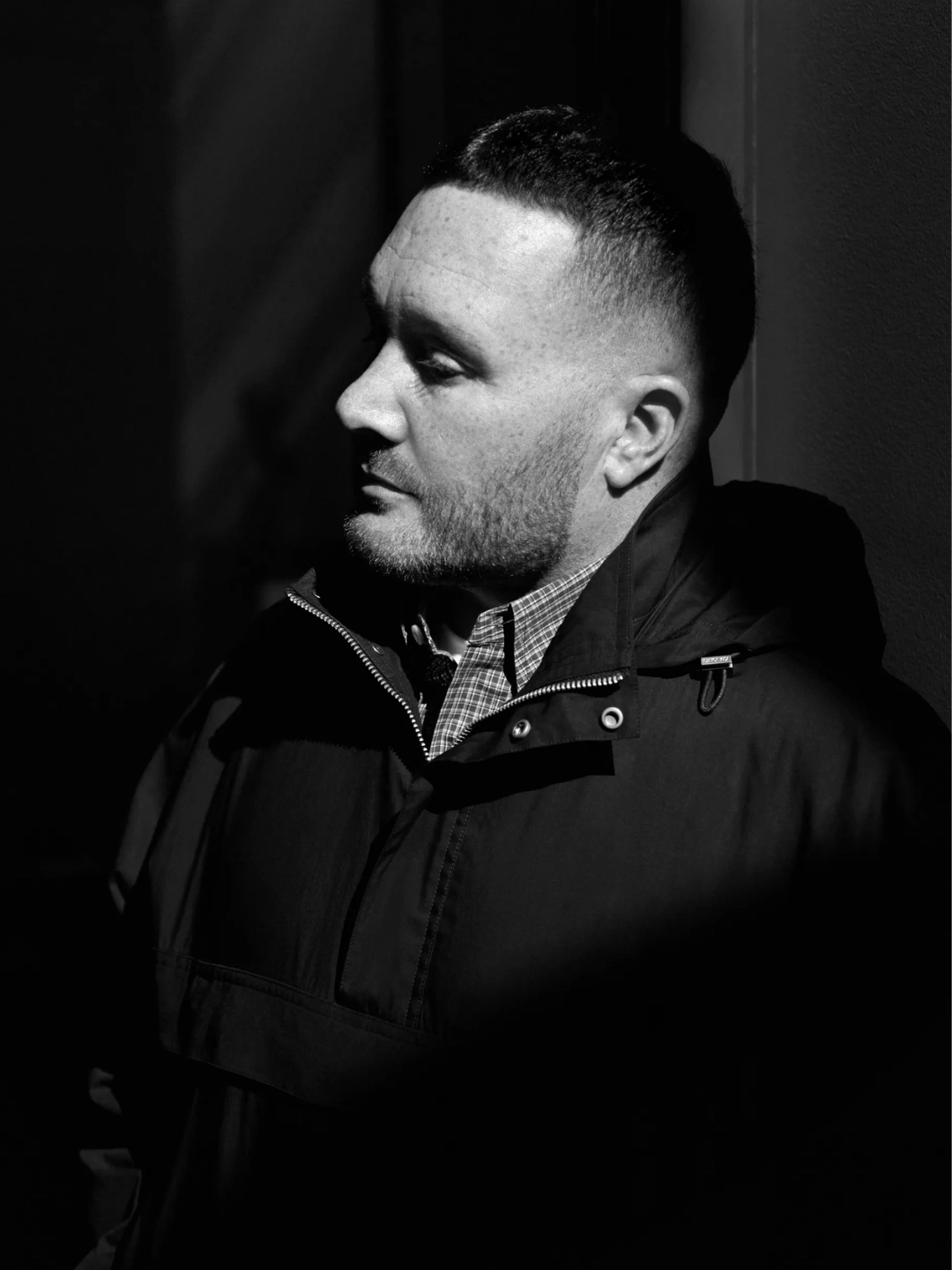
On March 4, 2026, Acne Studios returned to Paris Fashion Week for its Fall/Winter 2026 show and turned its 30th anniversary into something sharper than nostalgia. At Collège des Bernardins, Jonny Johansson framed three decades of branded language as a living force, still restless, still strange, still ahead of the room.
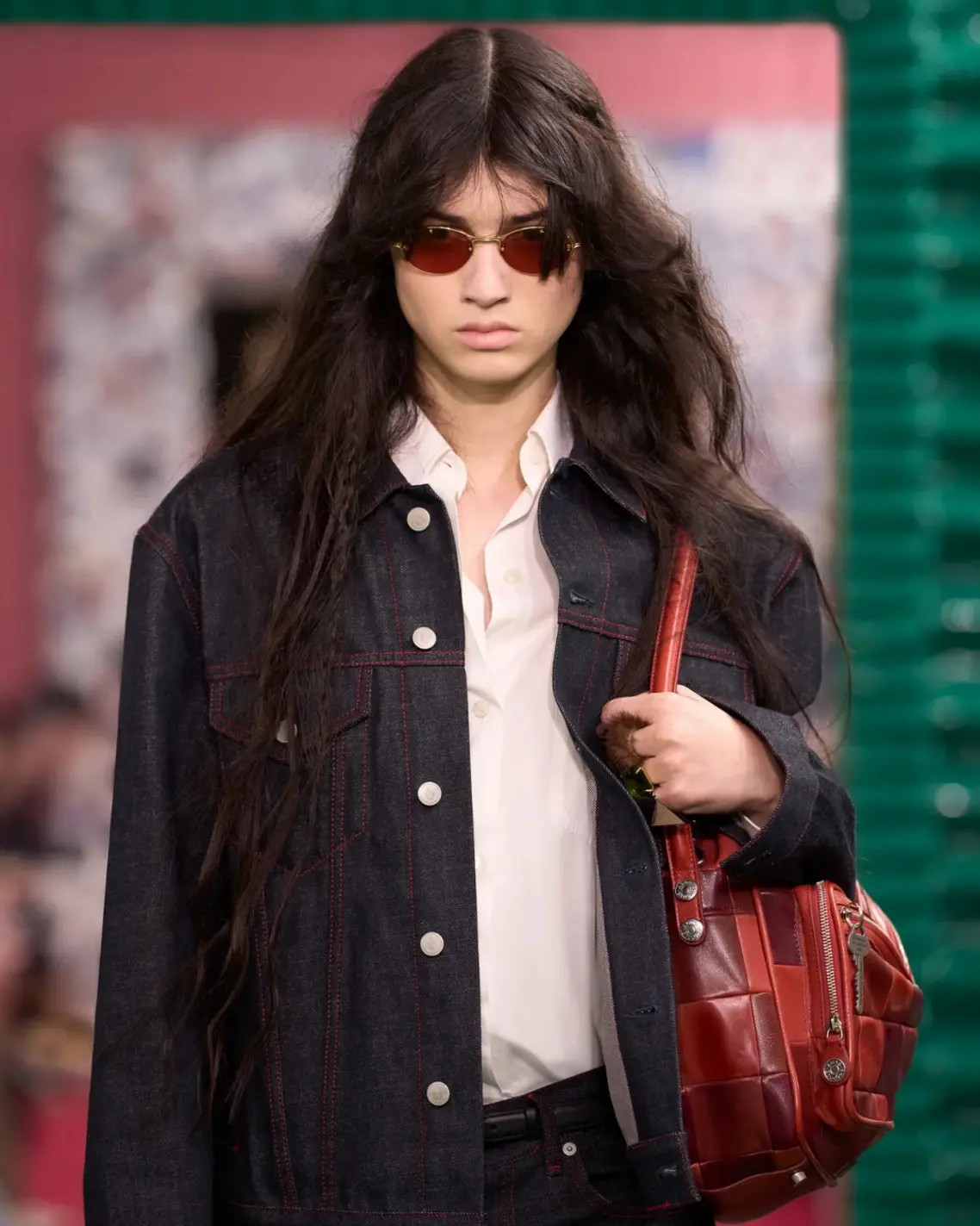
On March 4, 2026, Acne Studios returned to Paris Fashion Week for its Fall/Winter 2026 show and turned its 30th anniversary into something sharper than nostalgia. At Collège des Bernardins, Jonny Johansson framed three decades of branded language as a living force, still restless, still strange, still ahead of the room.
March 6, 2026


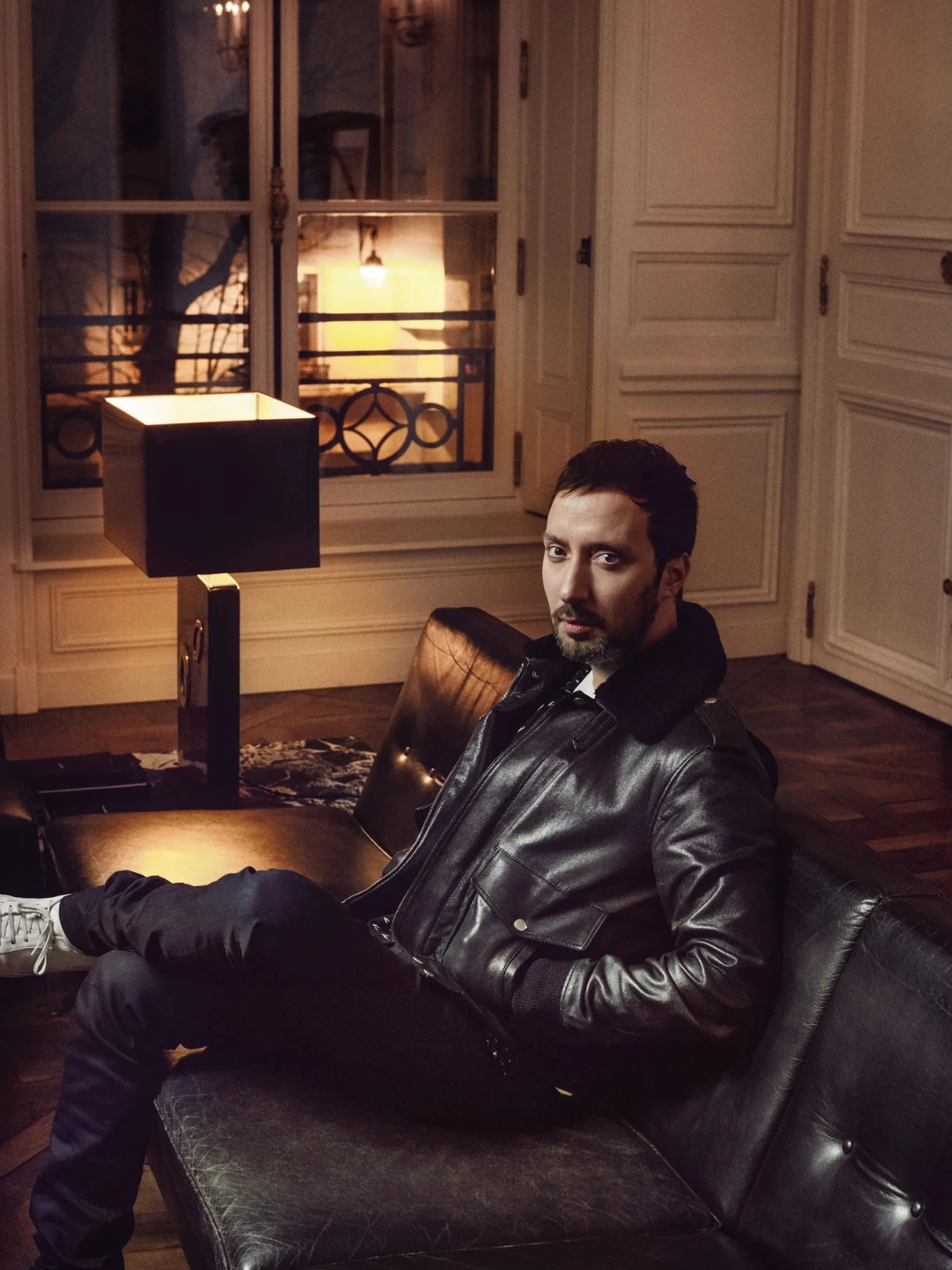
March 2026 marks more than a birthday for Acne Studios. It marks one of fashion’s rarer achievements, the survival of cool. Founded in Stockholm in 1996 by Jonny Johansson and Mikael Schiller as a multidisciplinary collective, Acne began with denim and a wider creative appetite that stretched across image, publishing, and culture. Thirty years later, that original impulse still defines the house, only now it carries the weight and confidence of an institution.
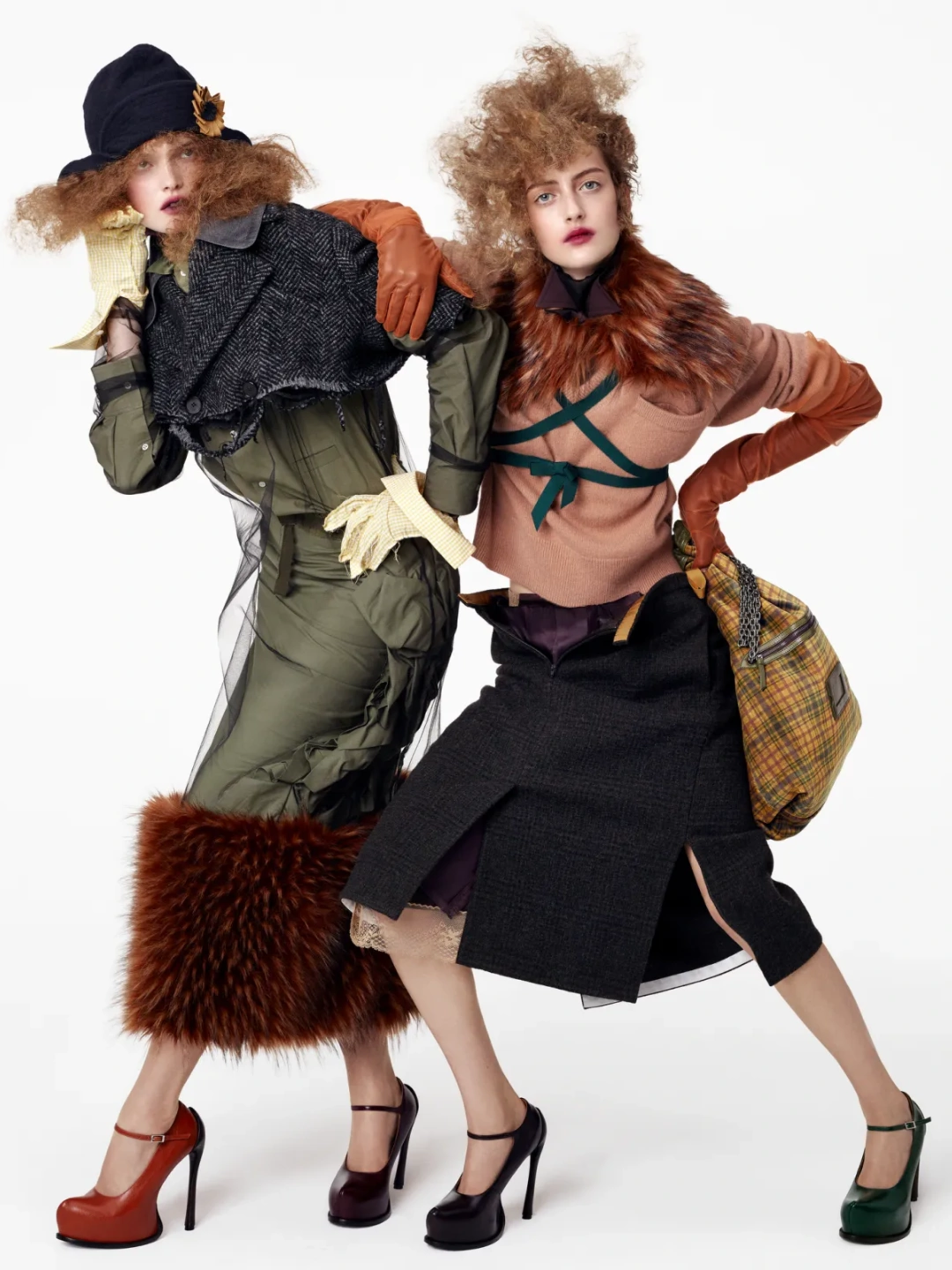
That tension made the Fall/Winter 2026 show feel so compelling. According to the official Paris Fashion Week calendar, Acne Studios showed on March 4 at 17:30, with Vogue Singapore placing the presentation at the historic Collège des Bernardins. The setting matters because Acne no longer presents itself as the clever Scandinavian outsider dropping into Paris for approval; instead, it solidifies its status as a brand that has earned its space, then remade that environment into its own image. What Jonny Johansson offered was not a sentimental retrospective but a study of continuity through mutation. This was vividly captured as a playful cast of characters stepped through Acne’s warped universe, where familiar house codes were twisted just enough to feel strikingly new again.
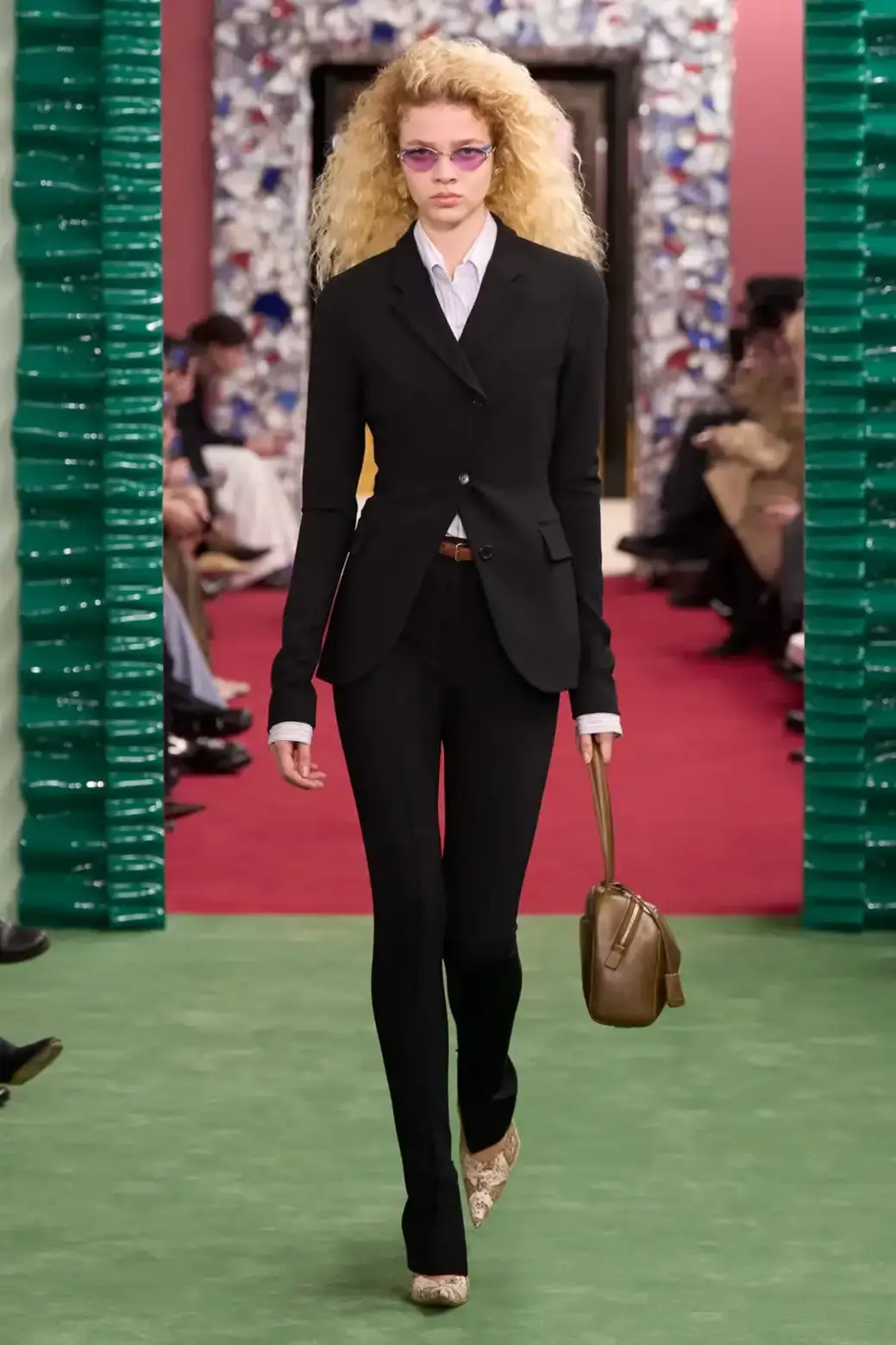
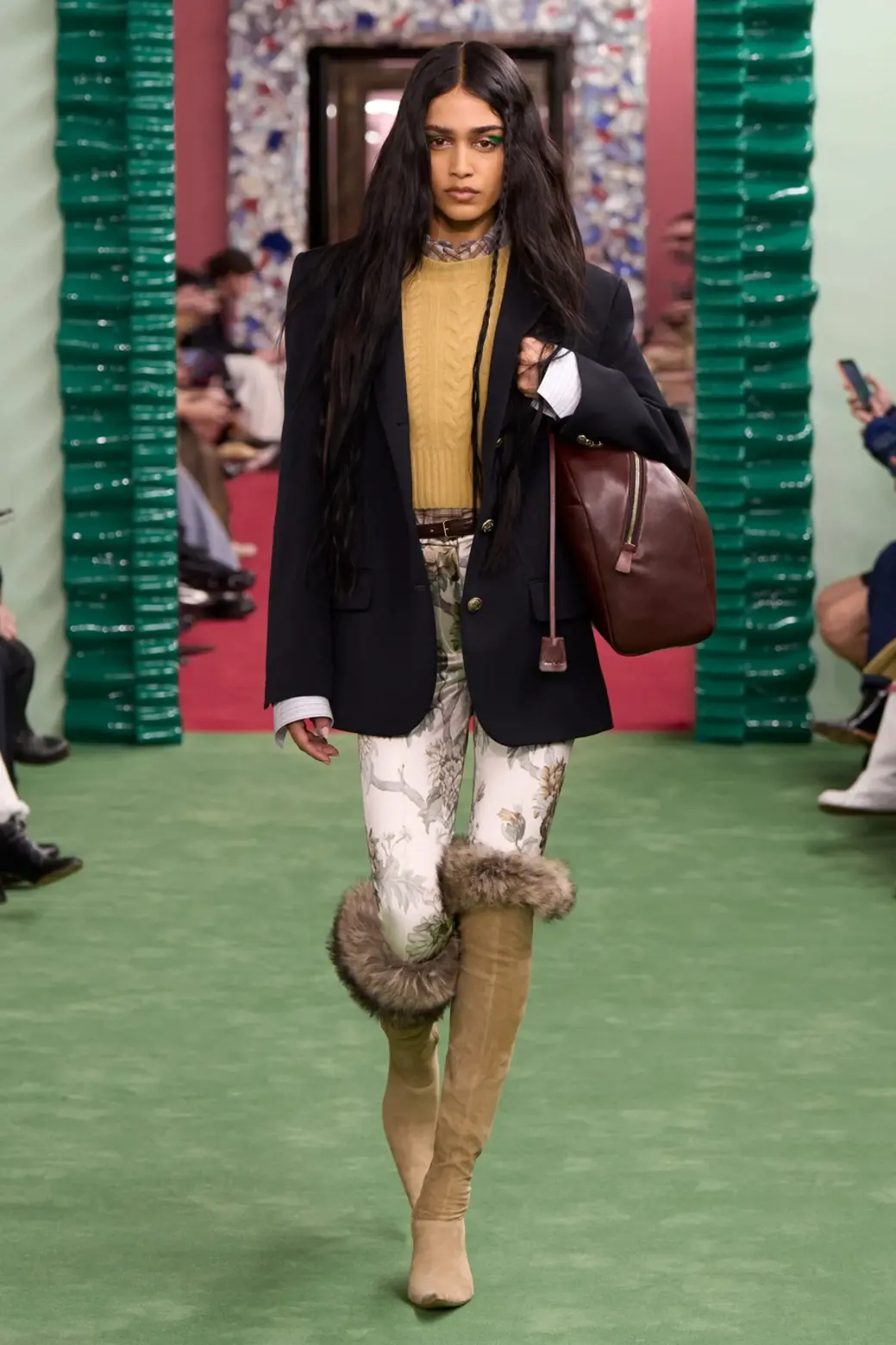
Cropped leather jackets with aviator inflections, prim cardigans, and flared skirts combined with backward blazers to build a collection that felt intelligent rather than eager. These pieces along with fresh turns on denim, trailing silk scarves, and larger, rounder bags did what Acne has always done best by making disruption look lived in. This leads back to denim, the fabric that still anchors the myth. Vogue Business has already noted that Acne’s origins in denim remain central to the brand’s identity, even as it has expanded into a globally recognised luxury name and a regular force on the Paris calendar. In that sense, this anniversary landed with poetic symmetry because Acne did not return to denim as heritage costume but as proof of authorship.
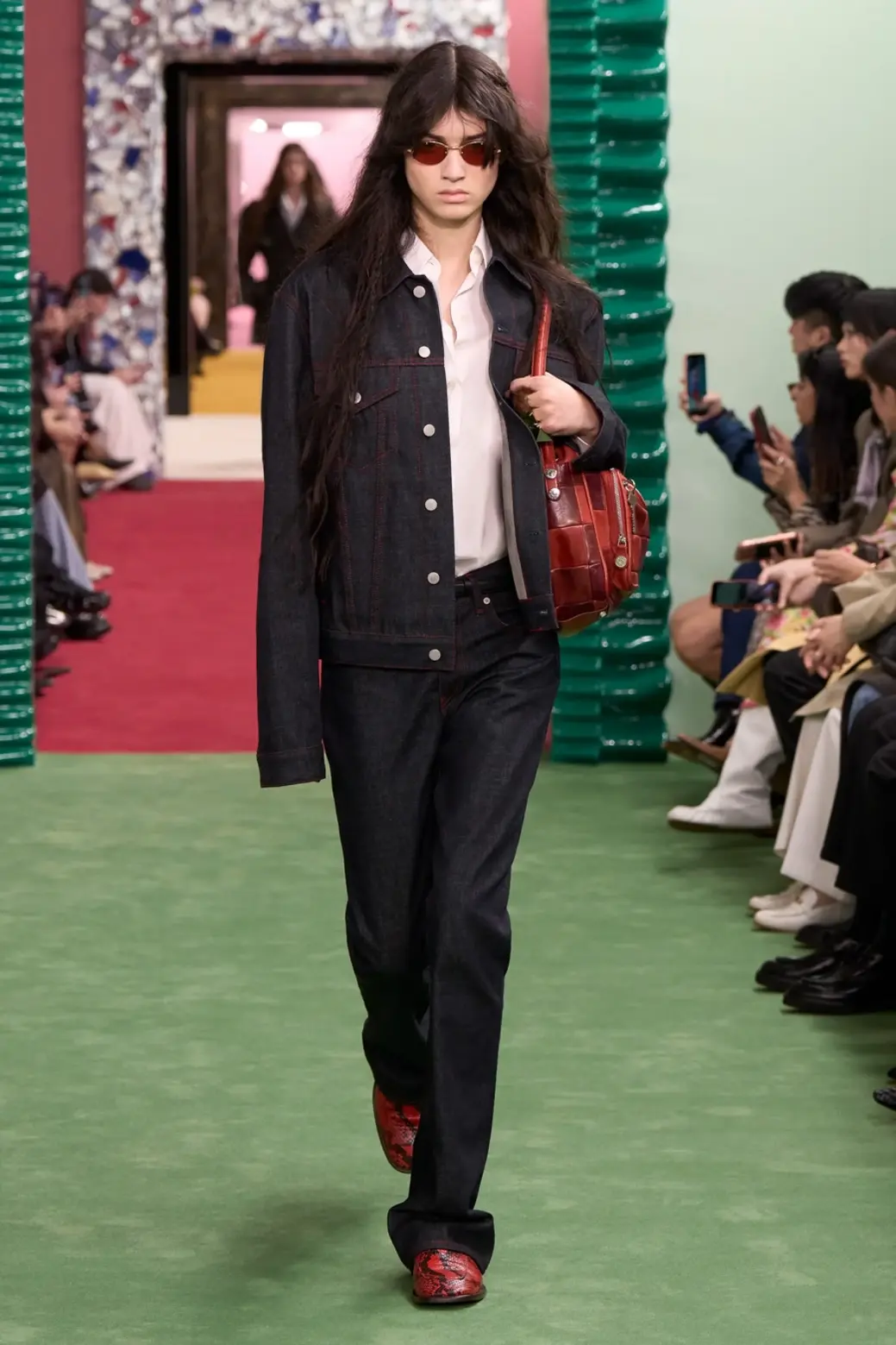
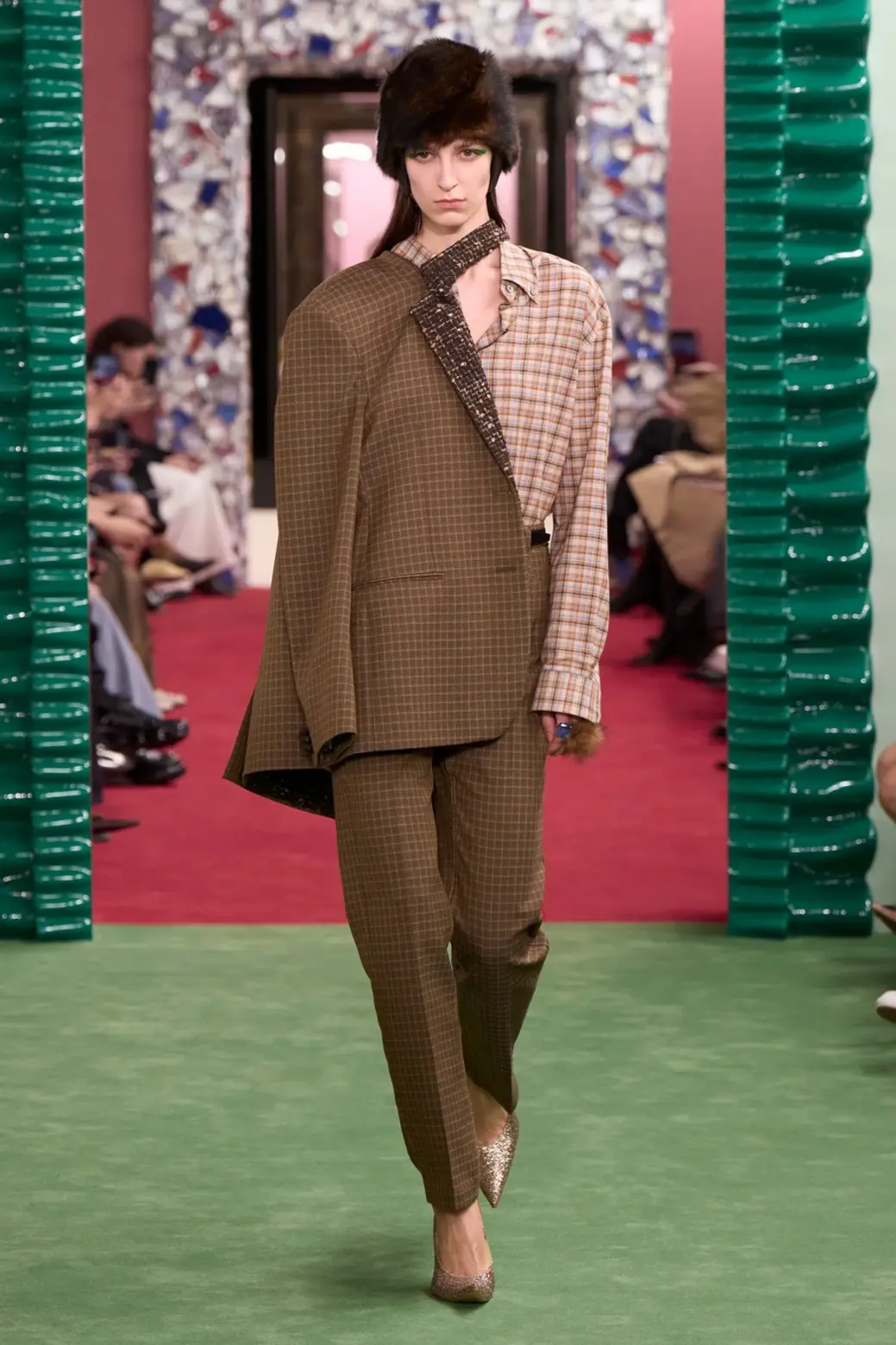
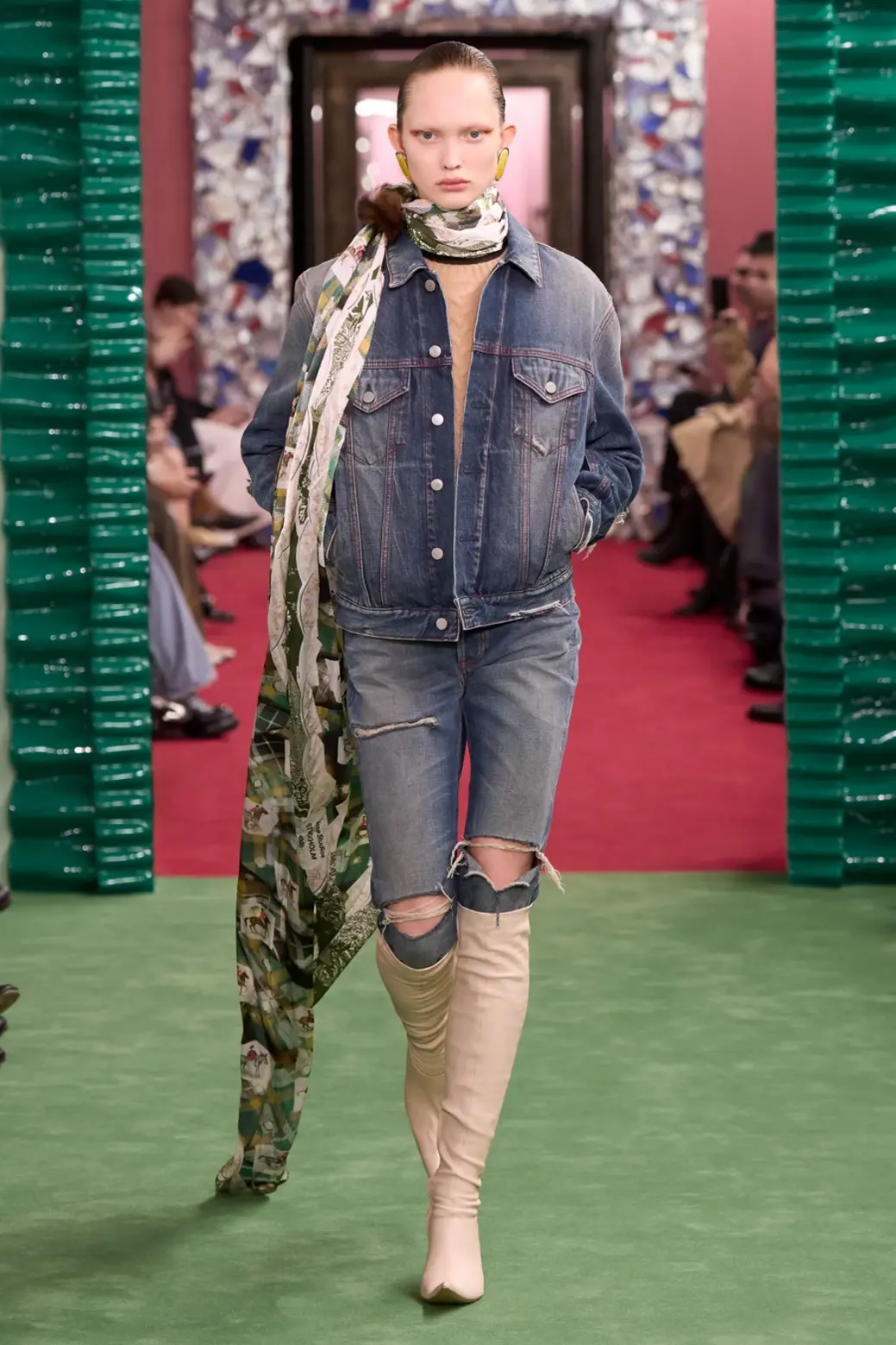
That is what makes Acne Studios’ 30th anniversary feel bigger than a milestone. Denim here was not the beginning of the story alone; it was evidence that the story still holds. From its first runway with real consequences to this high-octane Paris showcase, the brand has proven that plenty of labels can manufacture desirability for a season, but very few can build a visual language that lasts for three decades. Acne Studios moved from raw denim to Paris icon without sanding off its strangeness. That may be the most impressive luxury achievement of all.