MENU
Close





A century ago, Constantin Brâncuși created Danaïde, changing the history of modern sculpture forever. After more than 100 years, the iconic sculpture continues to cause a sensation by breaking records at auctions.
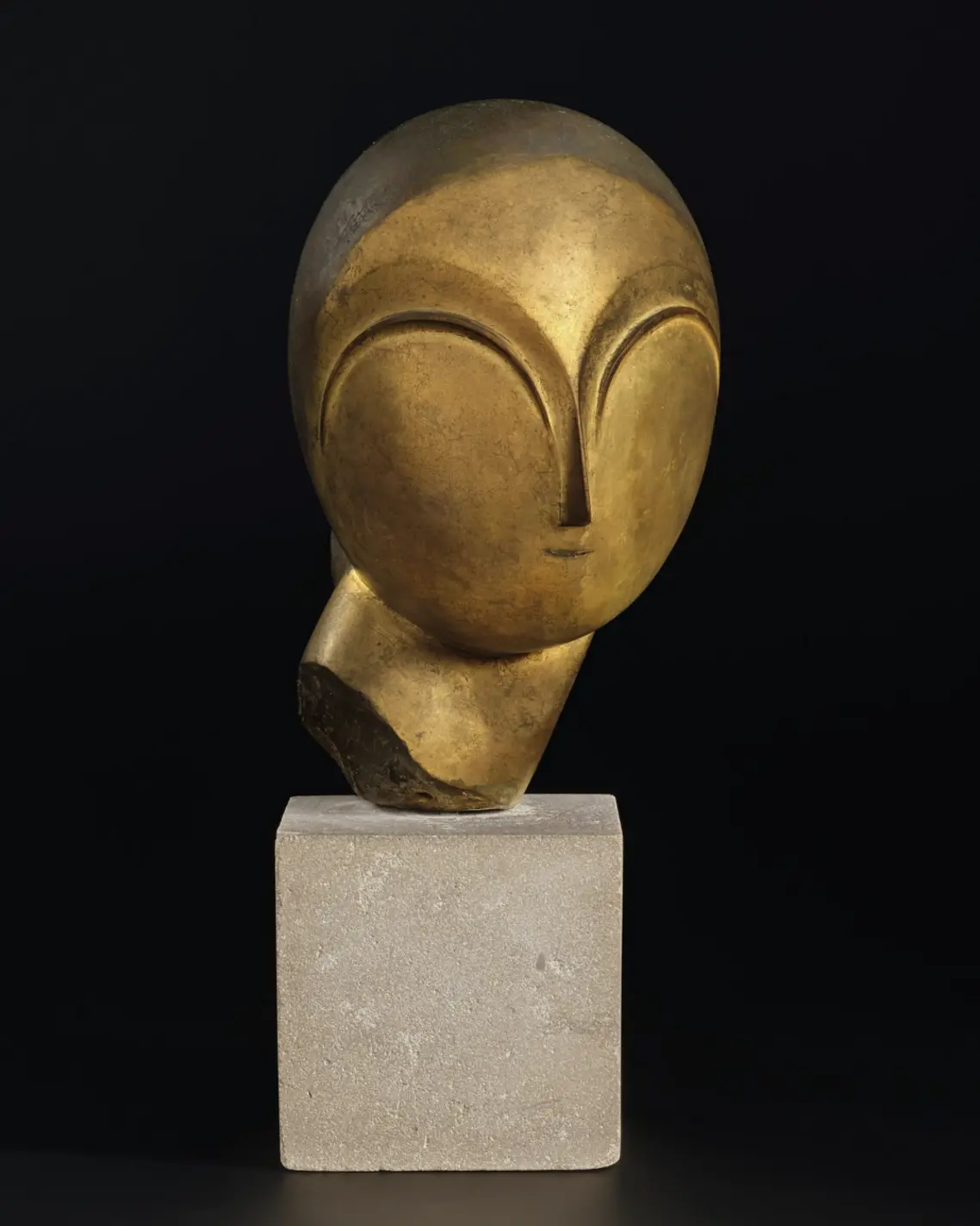
A century ago, Constantin Brâncuși created Danaïde, changing the history of modern sculpture forever. After more than 100 years, the iconic sculpture continues to cause a sensation by breaking records at auctions.
June 4, 2026


The evening of May 18, 2026 was a memorable time for Christie's New York, since Masterpieces: The Private Collection of S.I. Newhouse achieved a total of $630,825,000 in just 40 minutes, selling 100% by lot and 100% by value. Among 16 gorgeous items on sale, Danaïde - a bronze sculpture made by Constantin Brâncuși - led the bidding by fetching $107,585,000. Appearing at auction for the first time in decades, this masterpiece stood out as one of only two works in the collection to reach nine-figure prices, alongside Number 7A, 1948 by Jackson Pollock.

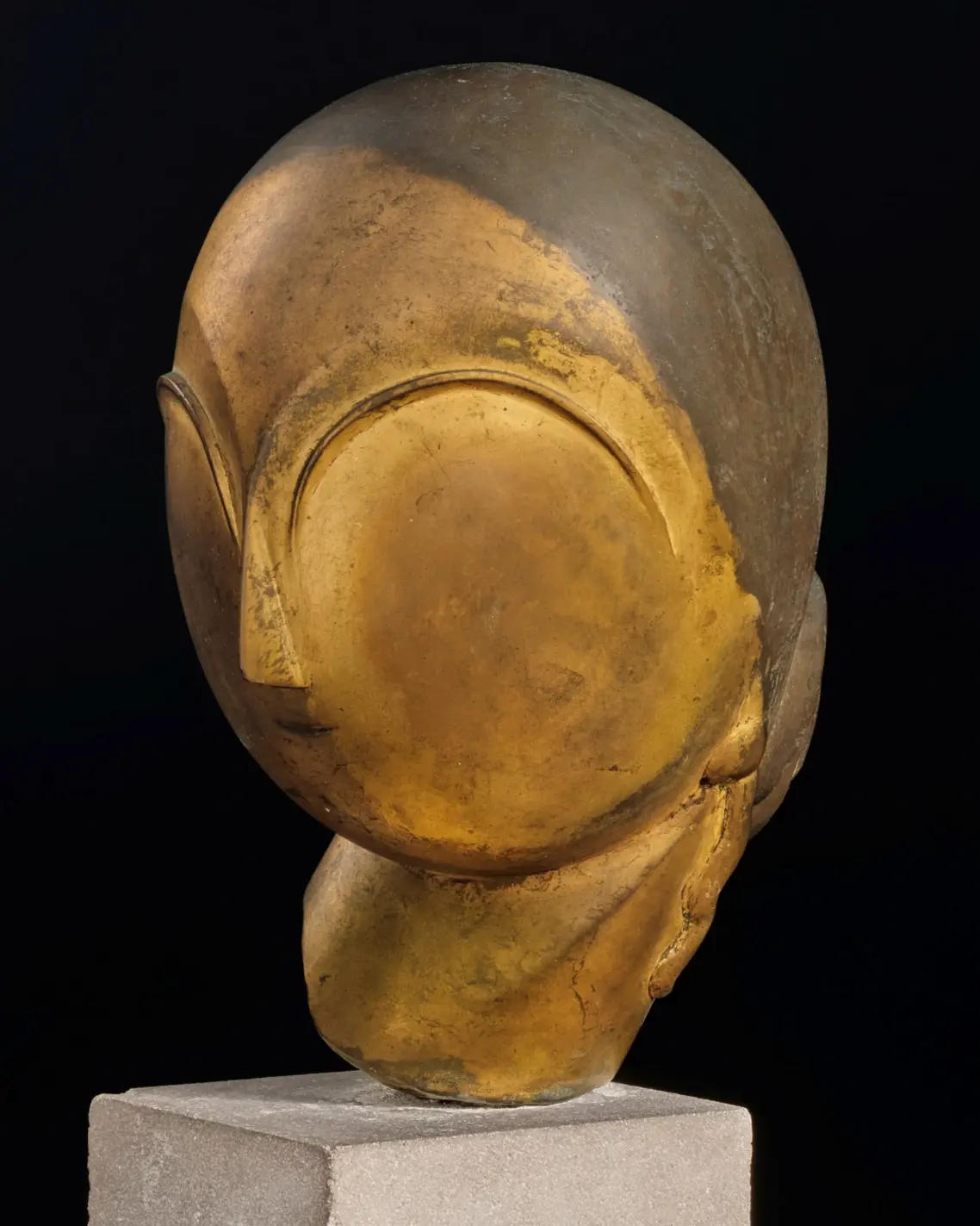
Sculpted circa 1913, Danaïde was modeled after Margit Pogany, a young Hungarian artist whom Brâncuși met in Paris in 1910. Fascinated by her small face, wide almond-shaped eyes and dark hair, he portraited these features in the sculpture through an ovoid and a confluence of delicate curves. Brâncuși and Pogany formed a deep artistic relationship: she sat for Brâncuși several times in 1910 and 1911 and her charm left a profound impression on him. This is reflected in the way her features were distilled into his distinct sculptural language throughout the Mademoiselle Pogany series and Danaïde.
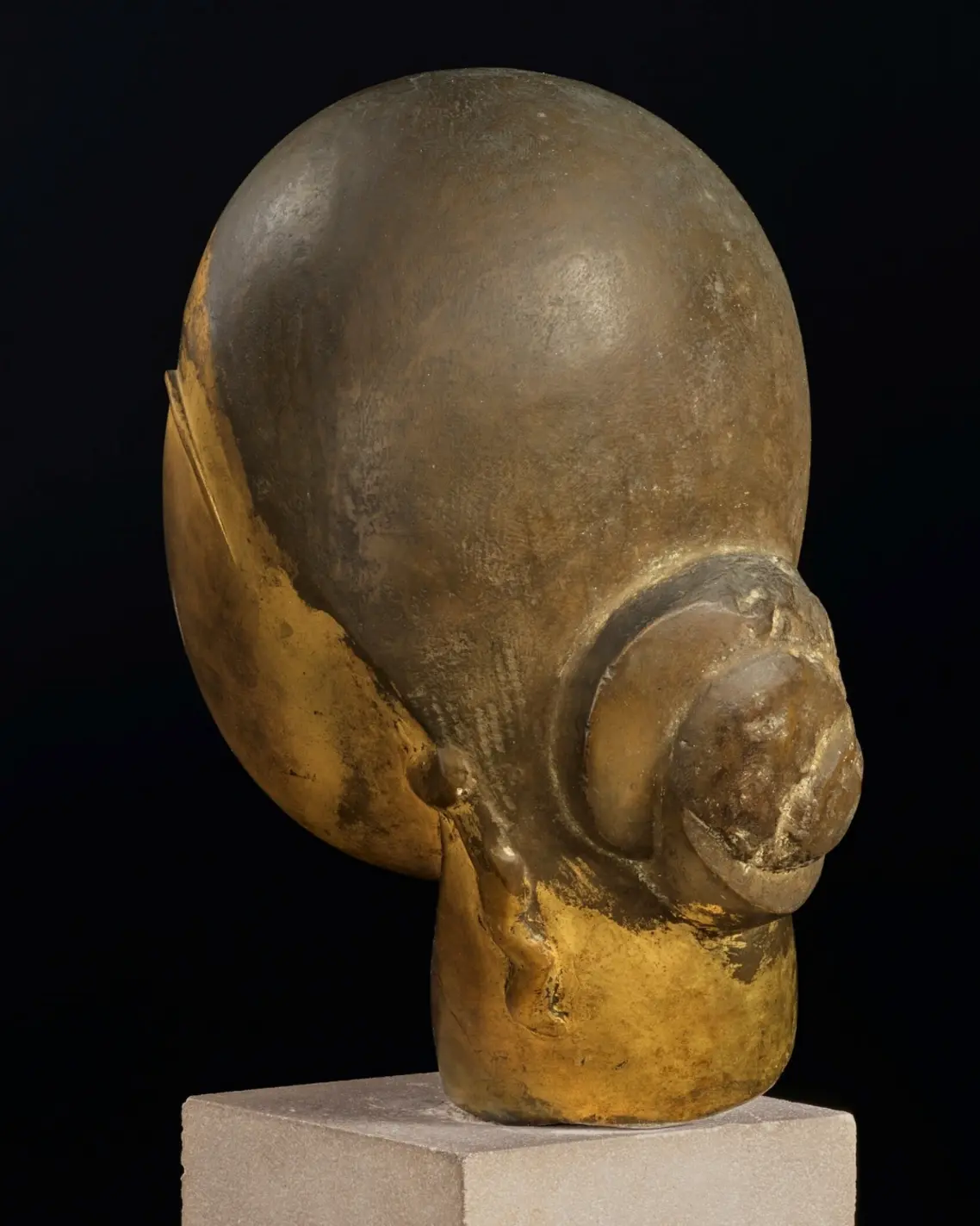
Besides Margit Pogany, cultures from around the world served as inspiration for the details on Danaïde. Parting ways from Auguste Rodin because “nothing grows under big trees”, Constantin Brâncuși began to searched for an alternative style by “prowled the halls of the Louvre, the Trocadéro, and the Musée Guimet, immersing himself in the archaic art of Africa, Egypt, Assyria, Iberia, and East Asia” - said Christie’s lot essay. Among them, the ancient statues of the Buddha exhibited in the Musée Guimet influenced the shape and color of Danaïde. The sculpture exuded serenity through an ever-so-slight downward look, reminiscent of the expression regularly seen in Buddha statues. Besides, Brâncuși gilded her face and applied black patina on the top of the head to represent her hair. Overall, these colors are used to create a contrast, which recalls gilded East Asian Buddha figures.
Days before the auction, to promote Danaïde, Christie’s released a short film starring Nicole Kidman - an actress with a deep love for the arts. The film started with Kidman approached Danaïde at Christie’s Rockefeller Center galleries. Soon, she immersed herself in the world of art, excitedly exploring the beauty of the sculpture and the history behind it. As Christie’s stated, “Kidman embodies what engaging with art can feel like for anyone”.

Given those outstanding artistic value, it is no surprise that Danaïde started with an opening bid at $82 million. After a few minutes of competitive bidding, this masterwork was acquired by a buyer represented by Maria Los Vice President and Head of Client Advisory for the Americas. The bidder won the lot by paying $93 million, or $107,585,000 with fees. The sale eclipsed Brâncuși's auction record of $71.2 million in 2018 and made him the second sculptor to have a work valued at $100 million at auction.
Danaïde is special not only because of Brâncuși's exceptional talent. Behind this sculpture lies the story of a long-time muse, a sculptor's yearning for a unique artistic identity and the subtle blending of cultures. These stories made Danaïde a masterpiece that continues to shine, contributing to keeping the legacy of Brâncuși alive.