MENU
Close





On August 5, 2022, Issey Miyake died in Tokyo at the age of 84. Fashion lost a designer whose greatest achievement went far beyond a recognisable pleat.

On August 5, 2022, Issey Miyake died in Tokyo at the age of 84. Fashion lost a designer whose greatest achievement went far beyond a recognisable pleat.
August 5, 2026


He had spent more than five decades reconsidering the relationship between cloth, machinery and the human body, building garments that became complete only when someone began living inside them.
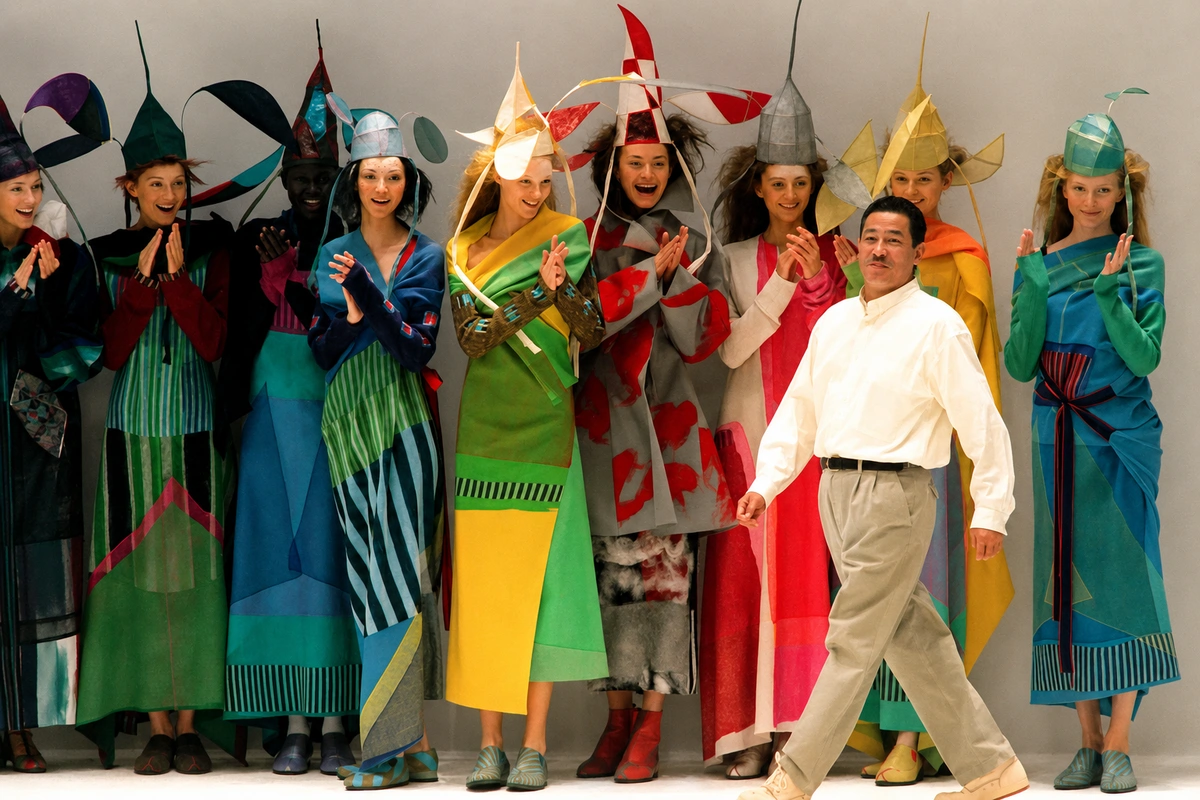
Issey Miyake established his design studio in Tokyo in 1970 and presented his first overseas collection in New York the following year. By 1973, he had entered the Paris collections, yet his work resisted the familiar hierarchy of European luxury. His central question concerned the body itself: how fabric might stretch, fold, breathe and create space around people of different ages, genders and proportions.
That thinking found its clearest expression in Pleats Please. Issey Miyake began developing the technique during the late 1980s, then tested pleated garments on dancers performing William Forsythe’s The Loss of Small Detail in 1991. Their bodies supplied proof. The fabric expanded through leaps, contractions and turns before returning to its original shape. In 1993, Pleats Please became an independent line built around clothing that could be washed, packed, travelled in and worn without ceremony.
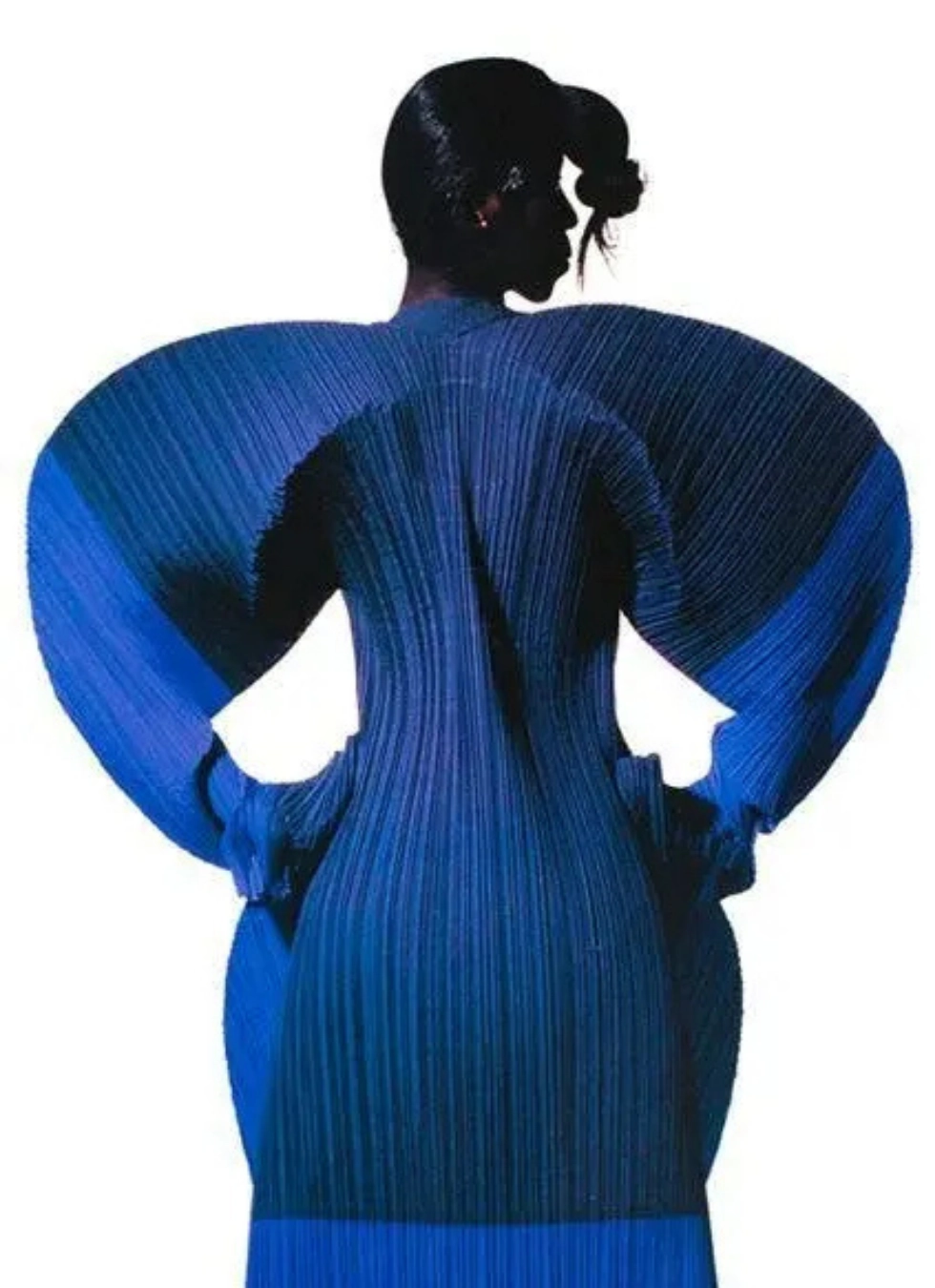
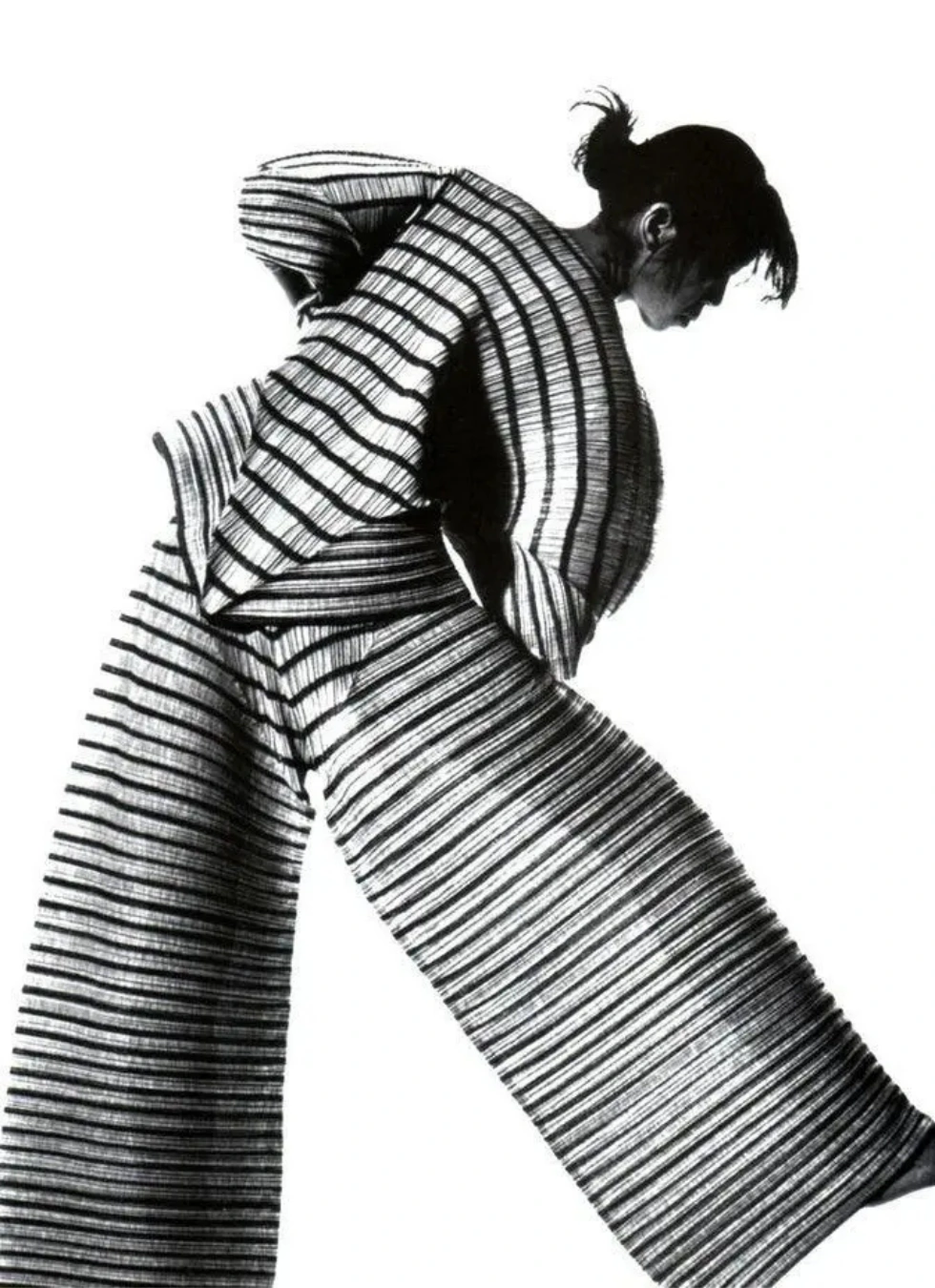
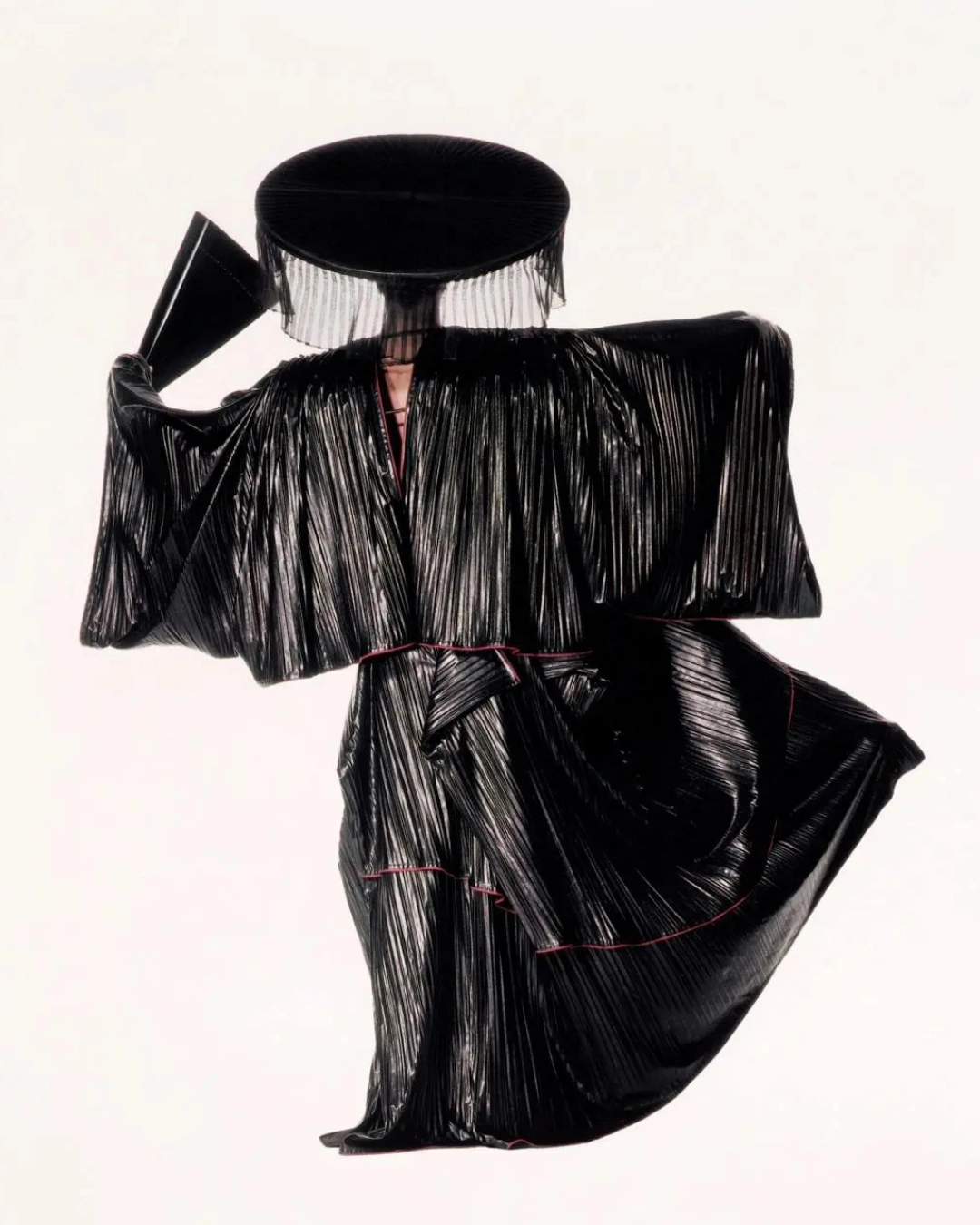
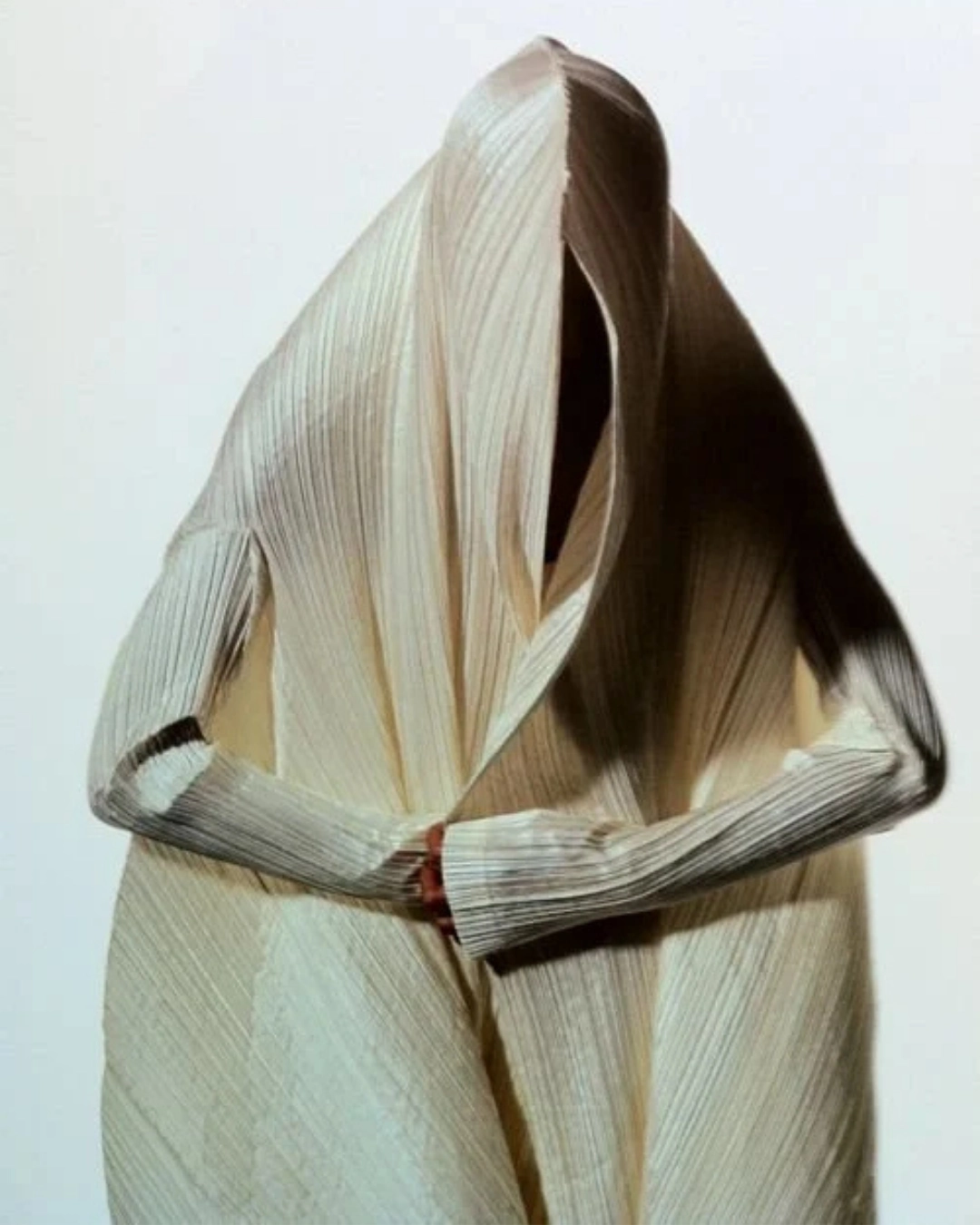
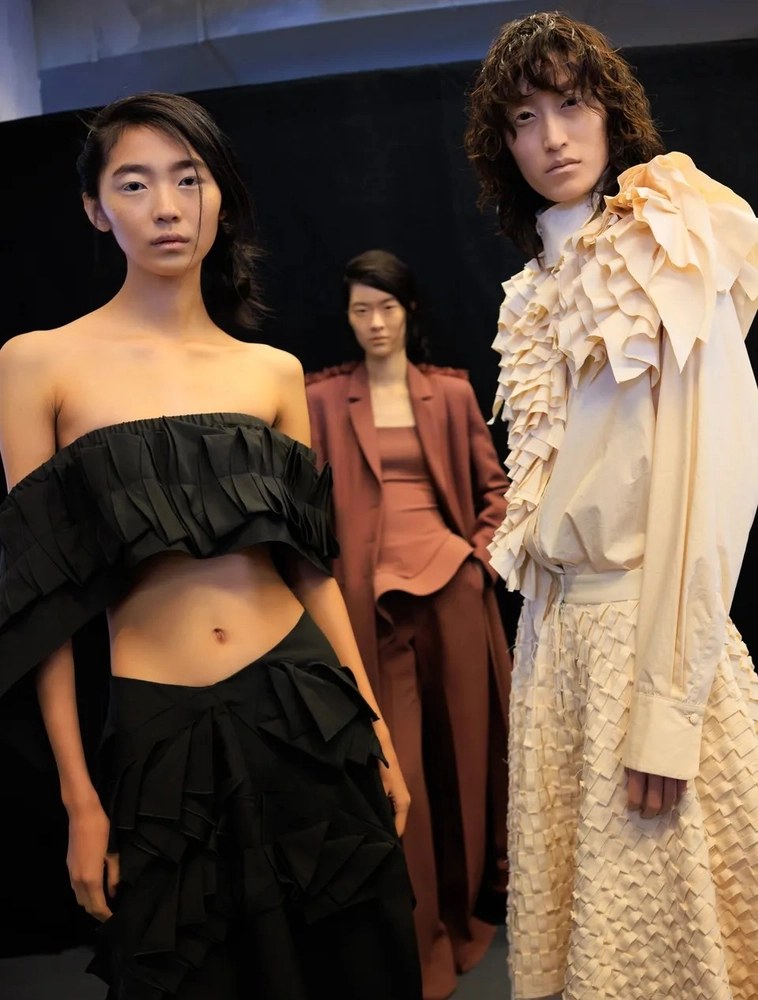
Its construction reversed the conventional process. Garments were cut and sewn at a larger scale before heat permanently compressed the fabric into narrow pleats. Once released, each piece acquired elasticity, volume and a near-sculptural memory. The result looked technically complex while asking very little from its wearer. A Pleats Please dress could collapse inside a suitcase, emerge intact and transform again around the body.
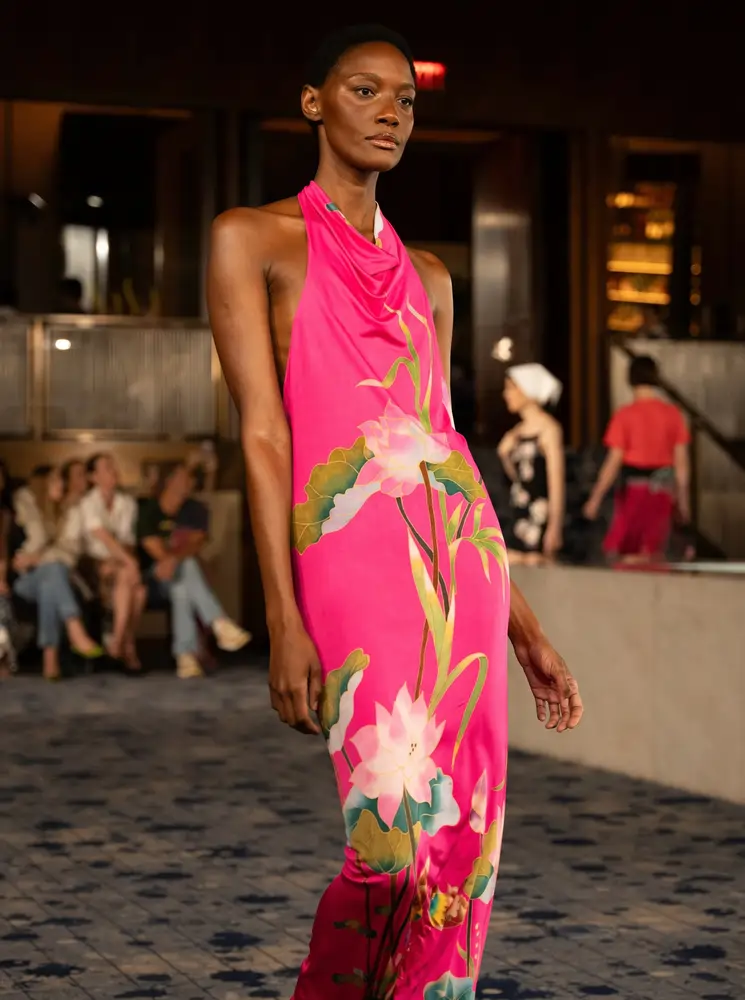
Issey Miyake experiments carried intellectual weight without becoming cold demonstrations of technology. Colour flashed across accordion surfaces. Sleeves opened like wings. Trousers rippled with every step. The wearer supplied the choreography.
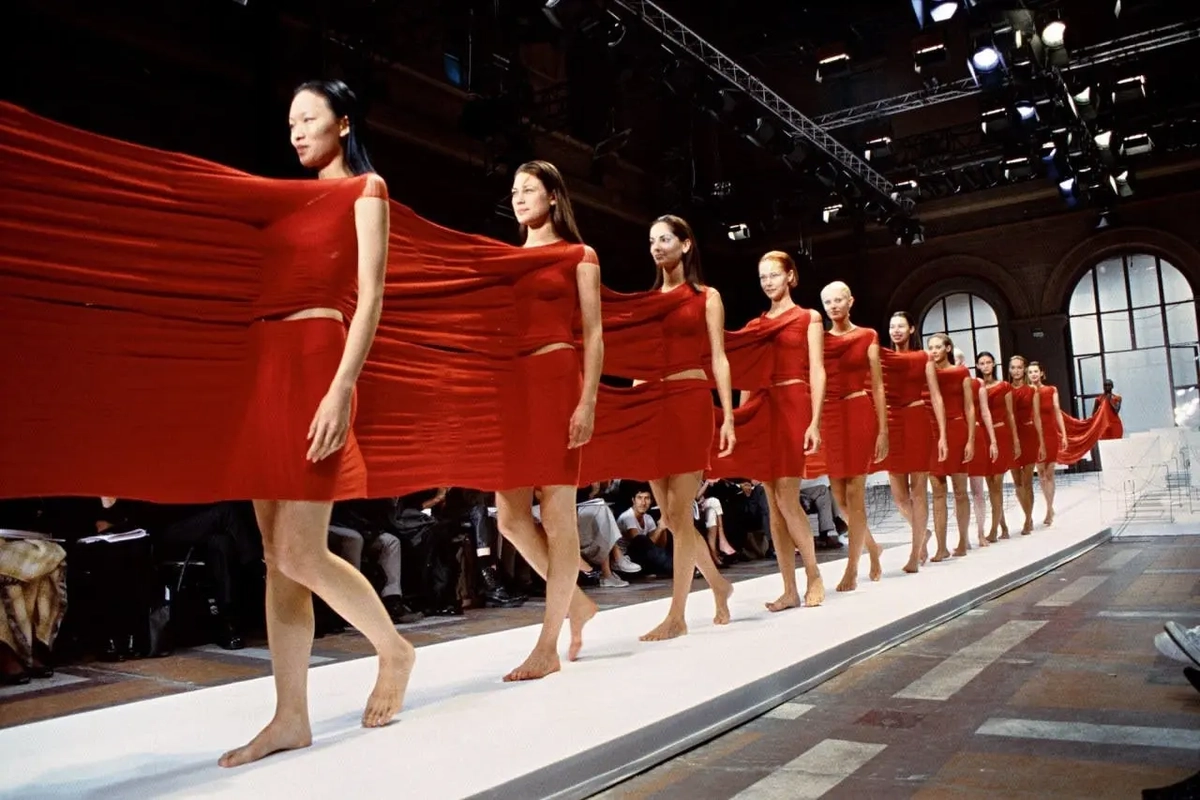
In 1998, Issey Miyake and Dai Fujiwara extended this philosophy through A-POC, short for “A Piece of Cloth.” Computer instructions guided industrial machines in turning a continuous thread into a tube containing multiple garments. Wearers could cut pieces from the textile and participate in completing their form. Production, design and consumption suddenly occupied the same piece of fabric, anticipating later conversations about customisation and material waste.
His optimism carried personal depth. Miyake survived the atomic bombing of Hiroshima as a child and later wrote that he preferred to concentrate on things capable of bringing beauty and joy into the world. He declined to let destruction become the defining story of his life. Clothing offered him a modern, constructive language through which to imagine another future.
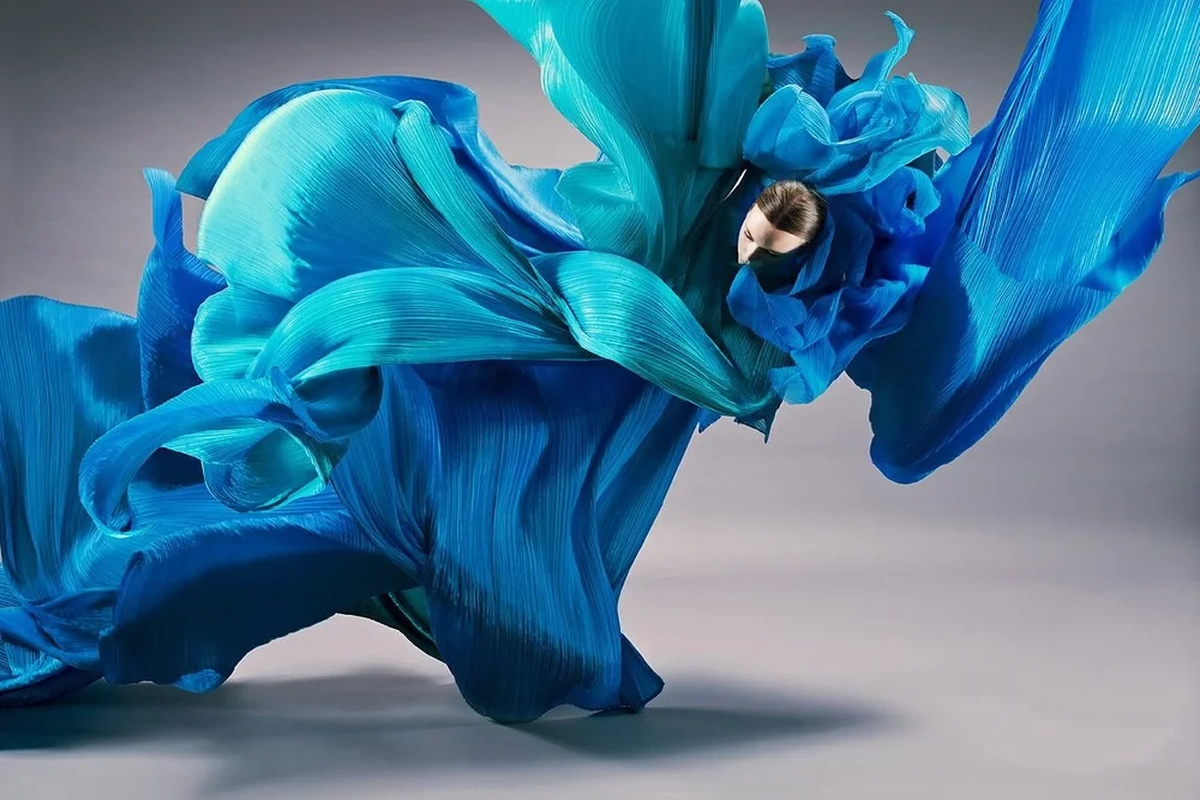
That future remains visible. Contemporary fashion now speaks constantly about adaptable clothing, gender-fluid design, technological textiles and lower-waste production. Miyake had already spent decades treating those ideas as practical design problems. His clothes never required the language of a trend cycle because their intelligence lived in their use.
Four years after his death, the pleats continue opening, contracting and changing shapes around new bodies. Few memorials could be more appropriate for Issey Miyake than clothing that still refuses to stand still.