MENU
Close





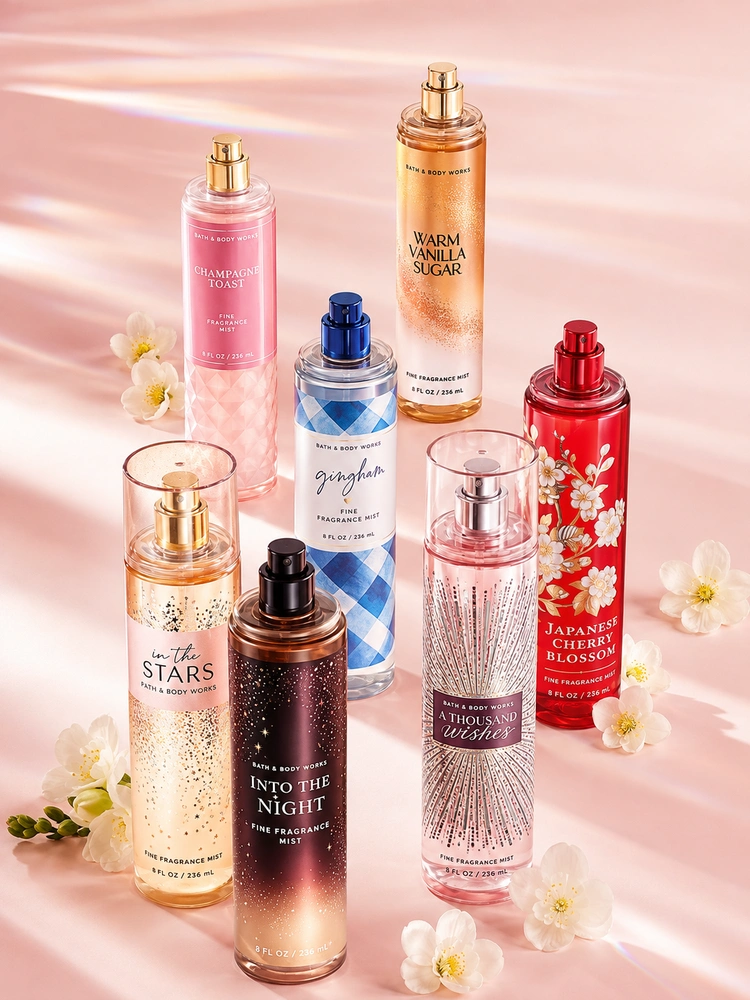
Every American woman may have lived a different adolescence, but Bath & Body Works gave the era a suspicious amount of shared fragrance.
Every American woman may have lived a different adolescence, but Bath & Body Works gave the era a suspicious amount of shared fragrance.
August 14, 2026
Advertisement
Advertisement



Before the expensive signature perfume, the niche discovery set, the fragrance wardrobe and the careful conversation about drydowns, there was often a plastic bottle sitting beside the shower.
You could be twelve years old and possess almost zero perfume vocabulary, yet somehow know exactly which one belonged to you.
That may be Bath & Body Works’ greatest contribution to American fragrance culture. The company taught millions of consumers to experience scent as identity long before fragrance became a sophisticated hobby. Prestige perfume could wait. At the mall, you were already becoming a scent person.
Calling Bath & Body Works one of America’s most influential fragrance houses sounds intentionally provocative until scale enters the picture. Founded in 1990, the company has grown to 2,400+ locations worldwide, including 1,900+ stores across the U.S. and Canada. Fiscal 2025 net sales reached $7.291 billion.
Yet its deepest influence lives beyond revenue.
Bath & Body Works taught America where fragrance could live.
On your skin. In your shower. Across your bedroom. In your school locker. Inside the mall. Eventually, inside memory itself.
The first lesson began before a customer touched the bottle.
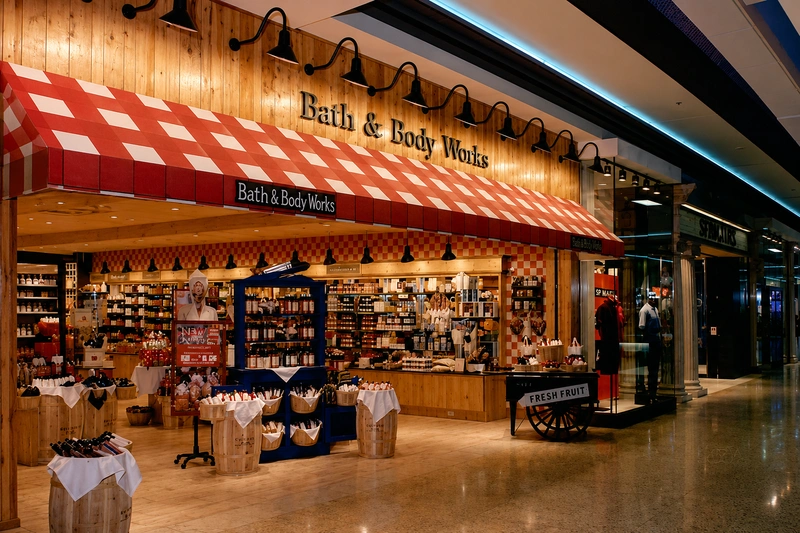
Early Bath & Body Works stores revolved around an invented founder named Kate, imagined through a wholesome Midwestern farm mythology. Her fictional domestic universe informed the country-house atmosphere associated with the early stores: wood, baskets, apothecary cues, rustic materials and the visual language of something handmade somewhere greener.
The setting carried a delicious contradiction.
A highly engineered retail fantasy sat inside the American shopping mall, surrounded by fluorescent corridors and chain stores, while inviting customers into an imagined world of orchards, gardens, pantries and farmhouse purity.
The fragrance names completed the illusion.
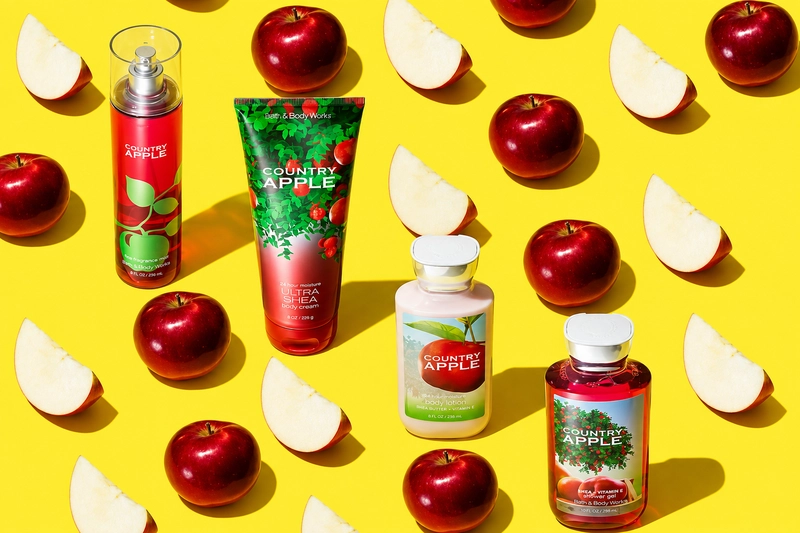
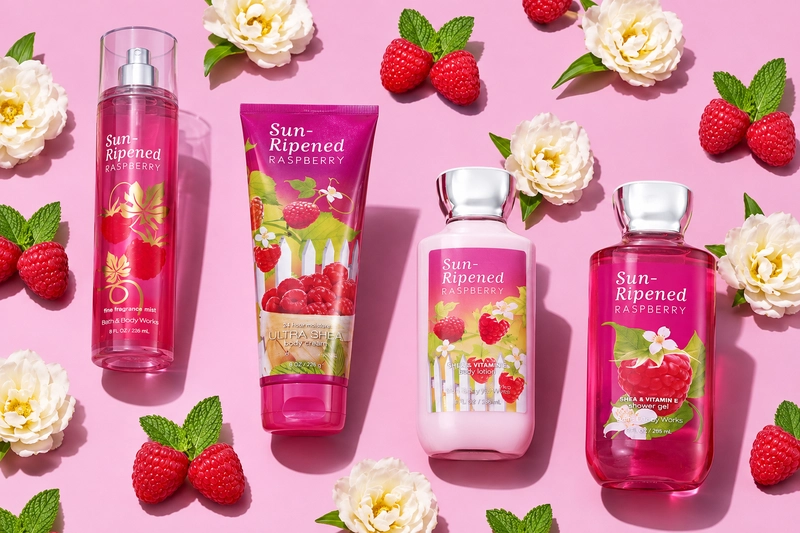
Country Apple. Sun-Ripened Raspberry. Juniper Breeze. Pearberry. Plumeria.
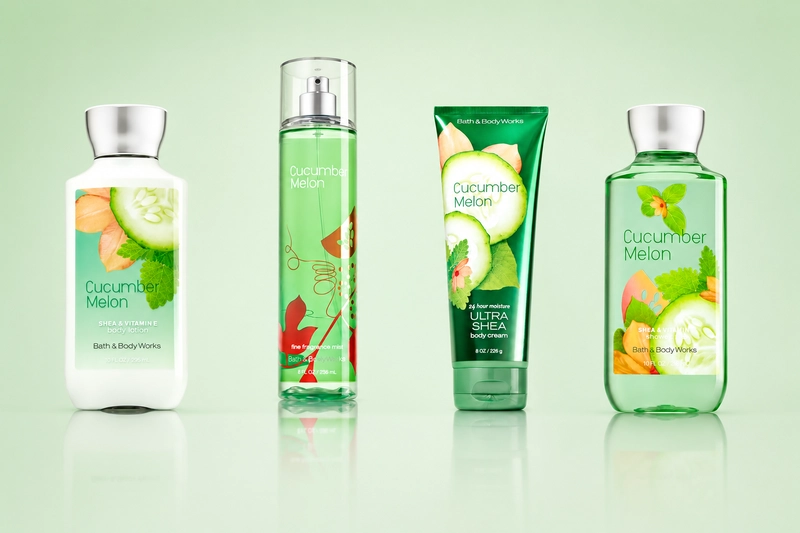
Then came Cucumber Melon in 1998, a watery collision of cucumber, honeydew, cantaloupe, grapefruit and woods that became one of the defining fragrances in the company archive.
These names required almost zero translation. That accessibility was cultural power.
Traditional perfume language could involve aldehydes, chypres, ambers, musks and elaborate compositions. “Cucumber Melon” entered the imagination instantly. A teenager could smell it, recognize it and choose it as part of herself.
Fragrance education had become intuitive.
And by 2000, just a decade after launch, Bath & Body Works operated 1,432 stores nationwide and generated $1.79 billion in annual sales.
The farmhouse fantasy had scaled into a national scent machine.
Its genius lay in turning fragrance into something emotionally legible. Apple smelled wholesome. Raspberry smelled playful. Juniper smelled outdoorsy. Melon smelled fresh. The customer could choose an atmosphere before she understood the technical architecture that produced it.
The larger revolution happened after checkout.
A perfume traditionally concentrates scent into a bottle and a few pulse points. Bath & Body Works expanded one olfactory identity across the entire day.
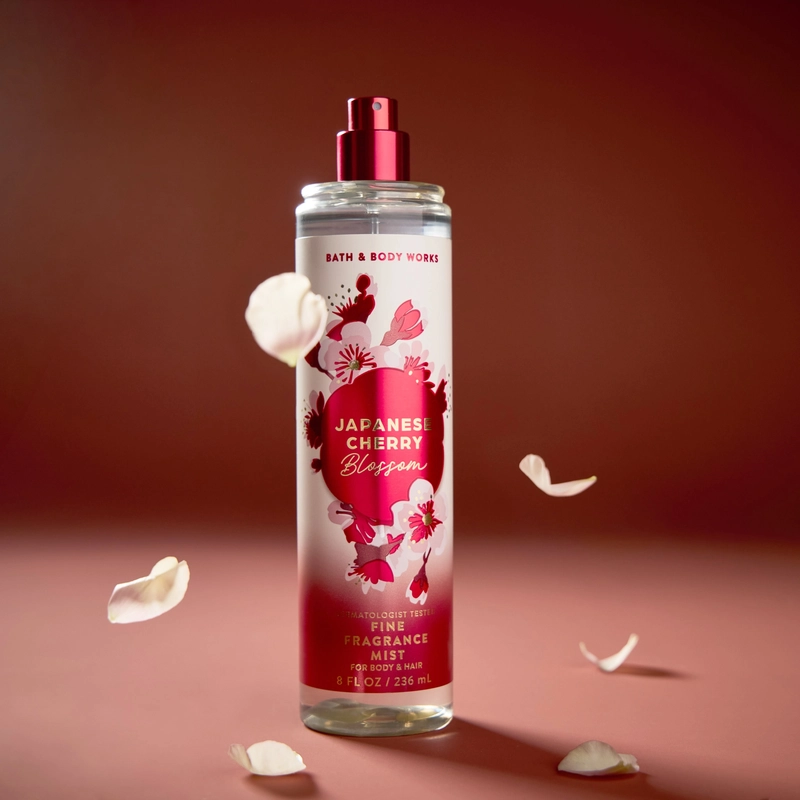
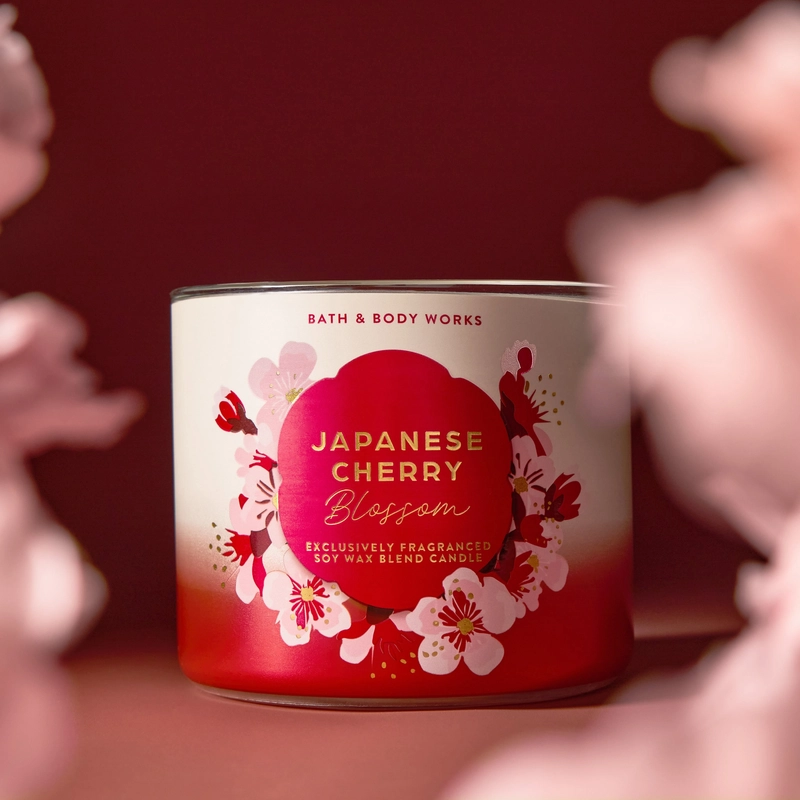
Japanese Cherry Blossom demonstrates how powerful that system became. Launched in 2006, the fragrance began as a body-care favorite and expanded through consumer demand into candles, Wallflowers, room sprays and additional formats. Twenty years later, it has generated $1.5 billion+ in lifetime sales, reaches 50+ countries and ranks among the company’s top five international fragrances.
That is fragrance influence operating through repetition.
You washed in the scent. Moisturized in it. Sprayed it. Smelled it on your clothes. Smelled it in your room. Smelled it again when somebody nearby wore the same mist.
Fragrance moved from special occasion to ordinary infrastructure.
Even the mist format changed the psychology of application. A precious bottle asks for restraint. A body mist practically invites enthusiasm. Spray before class. Spray after gym. Spray after lunch. Spray because somebody beside you just sprayed hers.
The ritual became social.
A company survey of 2,500 fragrance consumers found that 52% considered scent part of their identity. That number makes the mall-era behavior feel culturally significant: choosing fragrance had evolved into choosing a version of the self.
The bottles also multiplied fast. Bath & Body Works said it introduced 250+ new-to-the-world fragrances during 2022 alone, a pace that turns scent discovery into continuous retail entertainment.
Once scent becomes identity, the archive begins recording culture.
The 1990s Bath & Body Works girl lived inside fruit, herbs and imaginary clean air. The fragrances echoed the pastoral universe surrounding the stores: produce-stand freshness translated into body care.
Then Y2K scattered glitter across the farmhouse floor.
Warm Vanilla Sugar helped define an era where sweetness became flirtier, warmer and increasingly edible. The Art Stuff universe turned body products into teenage entertainment through fruit scents, glitter gels and shimmer. Scent could suddenly participate in the same fantasy as lip gloss, metallic eye shadow and the contents of a glitter-covered bedroom.
By 2004, the company was explicitly tracking the rise of gourmand and food-inspired fragrance. Its Tutti Dolci project transformed desserts including Crème Brûlée, Lemon Meringue, Angel Food Cake, Sugar Wafer, Chocolate Fondue and Cinnamon Frosting into body care. Internal presentation materials described the collection as a response to an emerging gourmand trend.
That milestone matters today. Vanilla, caramel, milk, pastries and dessert fragrances dominate contemporary gourmand conversation, yet American mall culture had already spent years training consumers to treat deliciousness as a perfectly legitimate way for a body to smell.
Then the mood darkened.
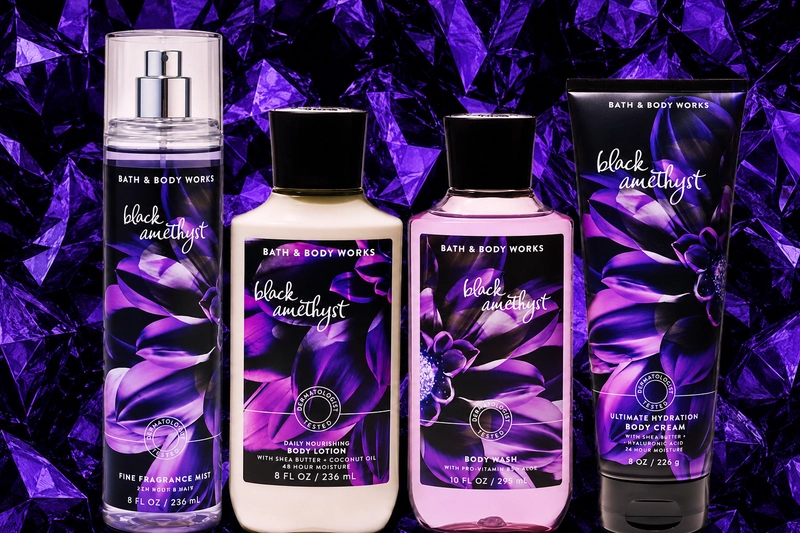
Black Amethyst arrived in 2008, built around peony, sandalwood, patchouli and creamy amber. The broader fragrance archive moved through names such as Twilight Woods, Dark Kiss and Secret Wonderland, each carrying a moodier vocabulary of woods, dark fruits, musk, amber and nocturnal fantasy. In 2026, Black Amethyst returned through the company’s fragrance Vault, proving that this darker chapter still carries emotional value for consumers.
The timing sits beautifully inside late-2000s culture: emo aesthetics, black eyeliner, supernatural romance, vampire obsession and an appetite for adolescent darkness.
The imaginary country girl had wandered into the woods after sunset.
Then the 2010s turned scent toward affirmation.
Beautiful Day. Endless Weekend. A Thousand Wishes. Champagne Toast.
The names almost function like miniature manifestations. A bottle could promise celebration, escape, optimism, possibility.
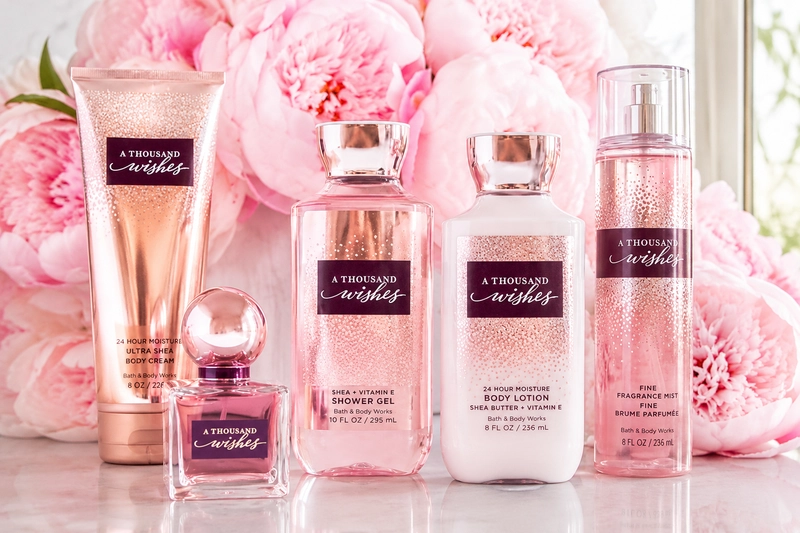
The fascinating part is how naturally Bath & Body Works absorbed these shifts. Its archive behaves like a scented mood board of mainstream American aspiration. Each era wanted to smell like a different fantasy because each era wanted to become a different person.
Today, some of the strongest products in the Bath & Body Works archive carry two formulas simultaneously.
One is fragrance.
The other is time.
In 2026, the brand opened its Vault for the Semi-Annual Sale and revived ten fragrances selected partly through consumer demand, website searches, social requests and nearly 200,000 loyalty-app votes. Black Amethyst returned alongside Rainkissed Leaves, Secret Wonderland, Country Chic, Cashmere Glow and other scents spanning years of personal history.
That mechanism reveals what these products have become.
Nostalgia is inventory.
Memory is demand forecasting.
A consumer can smell Cashmere Glow and encounter a former bedroom, an old crush, a school hallway or a version of herself that disappeared years ago.
Those memories explain why calling Bath & Body Works simply a body-care retailer misses the scale of its cultural function.
Its products became olfactory timestamps.
Luxury fragrance can establish aspiration, status and artistic prestige. Bath & Body Works established ritual: the everyday behaviors through which millions of Americans learned that scent could express personality, mood, season, romance, cleanliness, comfort and fantasy.
And the business that started in a Cambridge mall in 1990 now operates across 2,400+ global locations while generating billions in annual sales.
That scale gives the original provocation its weight.
Maybe your sophisticated signature scent came years later.
Your first real fragrance identity may have arrived in a brightly colored mist bottle, bought under mall lights and sprayed with complete disregard for moderation.
You were a Cucumber Melon girl.
Or Warm Vanilla Sugar.
Or Japanese Cherry Blossom.
And everyone around you somehow knew exactly what that meant.
That is how Bath & Body Works taught America to smell.
Advertisement