MENU
Close





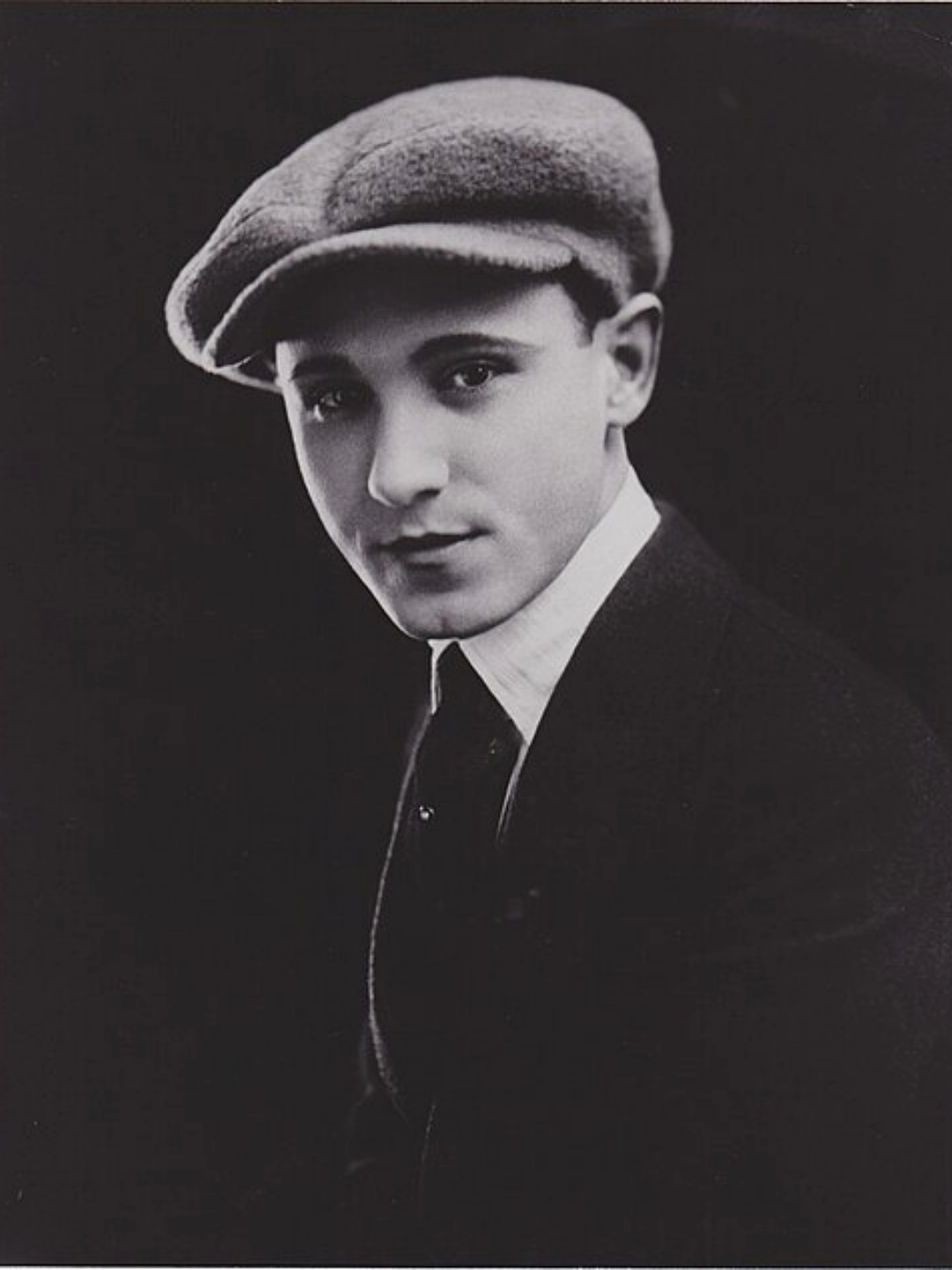
On August 13, 1986, Way Bandy died in New York at 45, leaving behind a beauty legacy shaped by celebrity makeup, bestselling books, studio image-making, and a rare public AIDS disclosure.
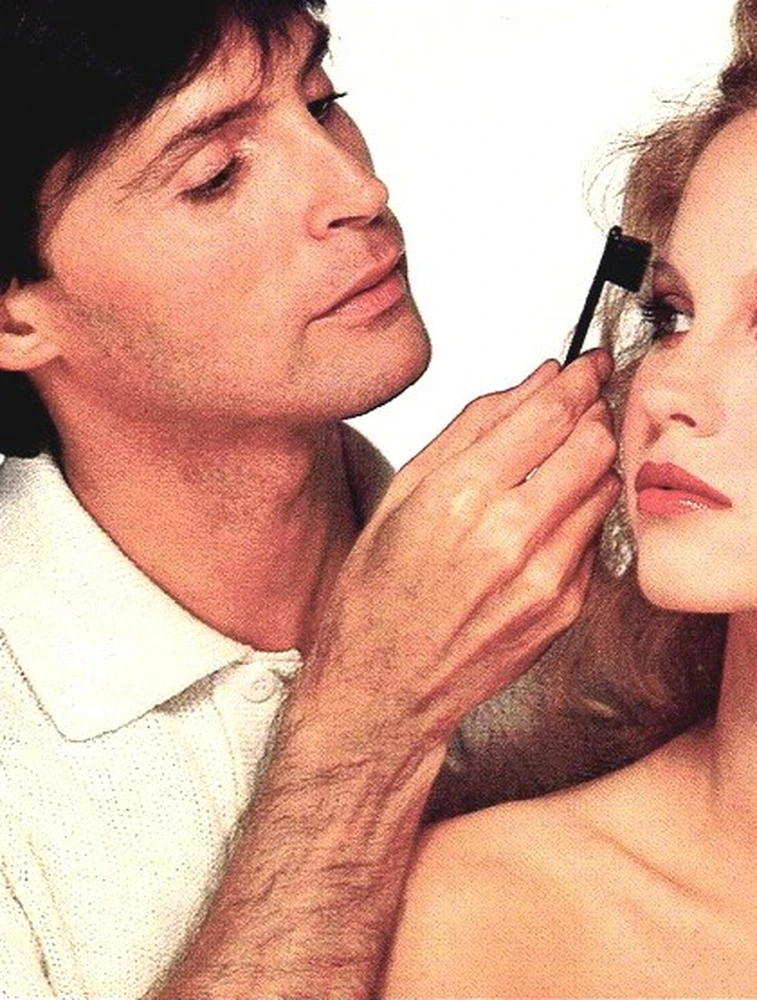
On August 13, 1986, Way Bandy died in New York at 45, leaving behind a beauty legacy shaped by celebrity makeup, bestselling books, studio image-making, and a rare public AIDS disclosure.
August 13, 2026


Way Bandy holds a specific place in beauty history because he helped define the modern idea of the makeup artist as an author. He made cosmetics feel teachable, aspirational, and deeply connected to image control.
Born Ronald Duane Wright in Birmingham, Alabama, Bandy moved through several identities before becoming one of the most visible makeup artists in American culture. His professional name carried the sense of invention that later shaped his beauty work. He understood transformation as both personal and technical. Makeup, in his hands, became a disciplined process of seeing the face clearly, then using light, shadow, proportion, and color to refine its public image.
Way Bandy worked closely with photographer Francesco Scavullo, one of the major image-makers of American fashion and celebrity culture. His work appeared across magazine imagery and celebrity portraits, giving beauty a polished, controlled, and highly legible style. Way Bandy worked with women such as Elizabeth Taylor, Cher, Farrah Fawcett, and Nancy Reagan, bringing makeup into spaces where glamour, celebrity, politics, and public identity met. In each context, cosmetics had to do more than decorate. They had to support recognition, authority, softness, theatricality, or distance, depending on the person and the image being made.

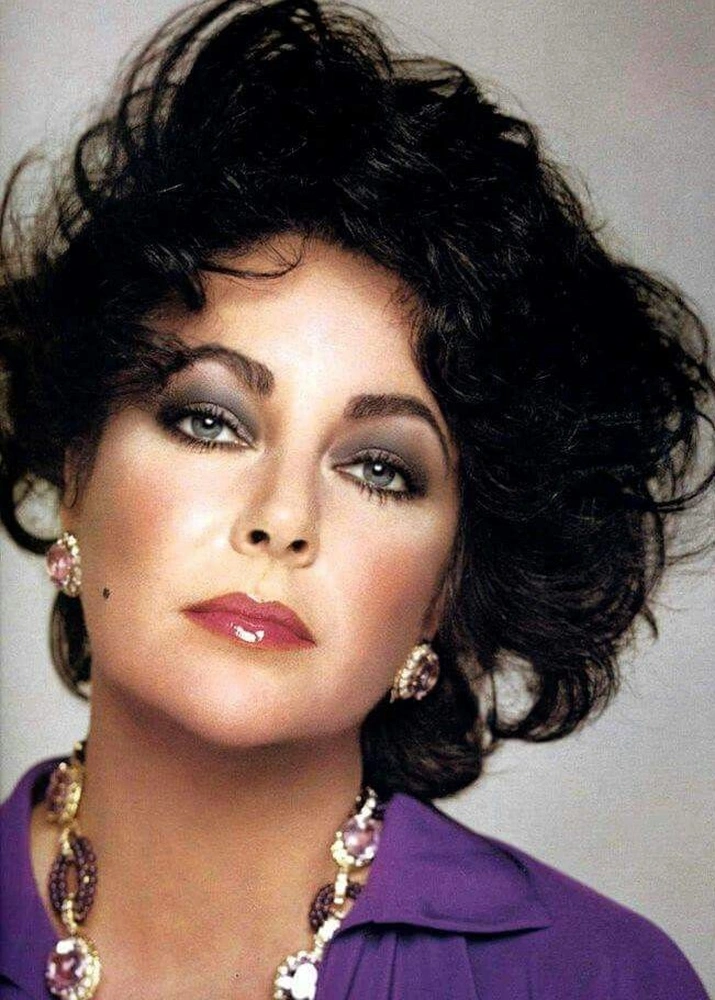
His books extended that influence beyond the studio. Designing Your Face and Styling Your Face helped translate professional makeup technique into consumer education. These books mattered because they gave readers a system: how to study bone structure, how to place shadow, how to work with color, how to build a face through intentional steps.
The public nature of his passing also made Way Bandy part of a larger cultural history. His AIDS-related death was openly identified at his request, a decision that carried weight during a period marked by fear, stigma, and silence around the illness. In beauty history, this fact matters because it places Bandy’s legacy inside the human cost of the 1980s creative world. He left a professional standard for how makeup could be studied, practiced, published, and remembered as part of modern beauty history.