MENU
Close





On July 6, 1946, Jeanne Lanvin passed away in Paris at 79, leaving behind a house that turned motherhood, couture, perfume, and color into one of French fashion’s most enduring luxury worlds.
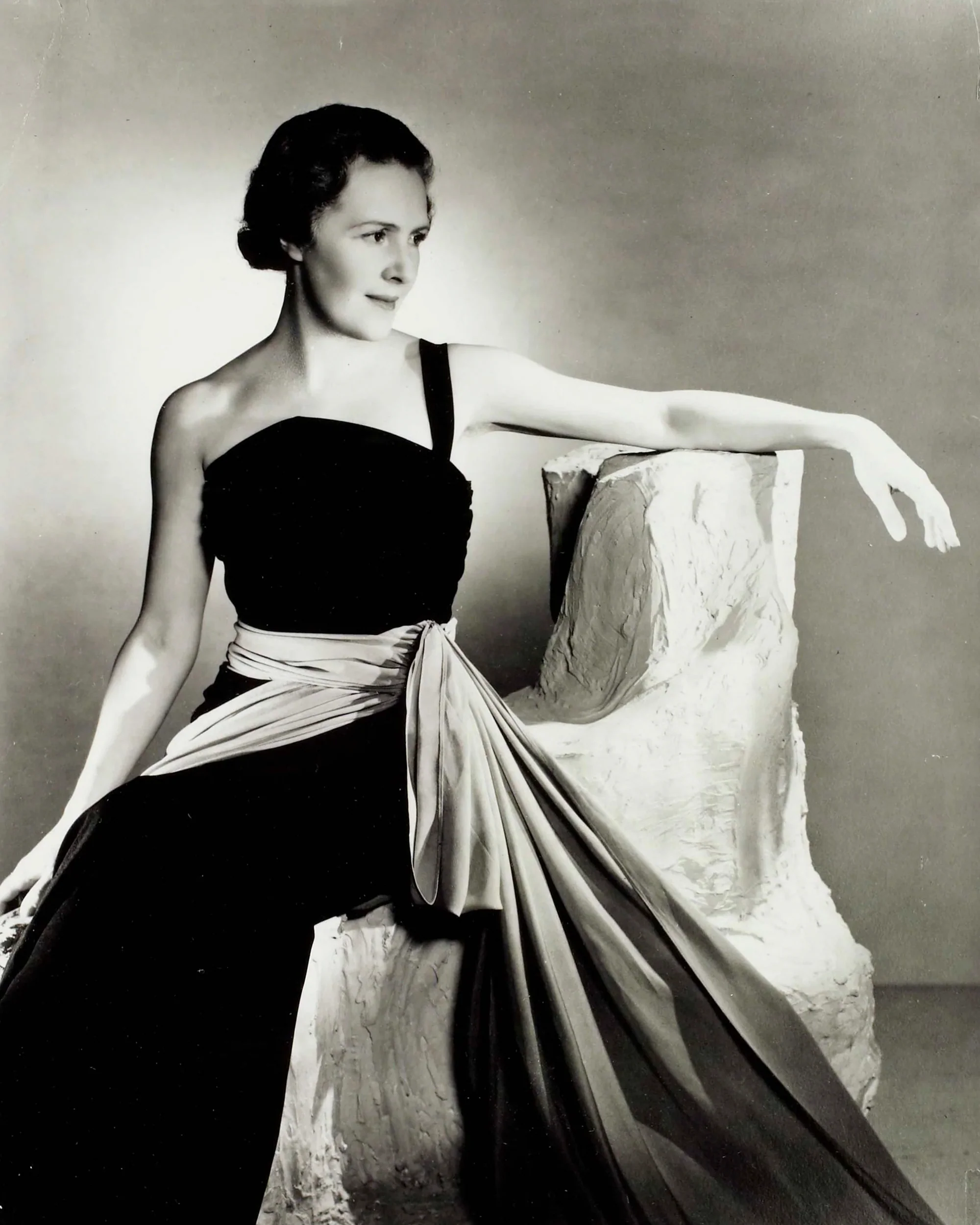
On July 6, 1946, Jeanne Lanvin passed away in Paris at 79, leaving behind a house that turned motherhood, couture, perfume, and color into one of French fashion’s most enduring luxury worlds.
July 6, 2026


Jeanne Lanvin belongs to fashion history because she built a house from a deeply personal instinct and turned it into a structured commercial system. Her career began with millinery, but the larger story of Lanvin developed through an unusually precise understanding of how women lived, how families dressed, and how luxury could move from clothing into atmosphere, fragrance, decoration, and identity.
Born in Paris as the eldest child of a large family, Jeanne Lanvin entered work early and trained in the discipline of hats before opening her own small shop. That foundation matters because millinery taught her proportion, surface, line, and client observation. The hat required technical exactness, but it also required sensitivity to the face, posture, and social setting of the woman wearing it. Those lessons later shaped the broader language of Lanvin, where ornament carried structure and softness carried calculation.
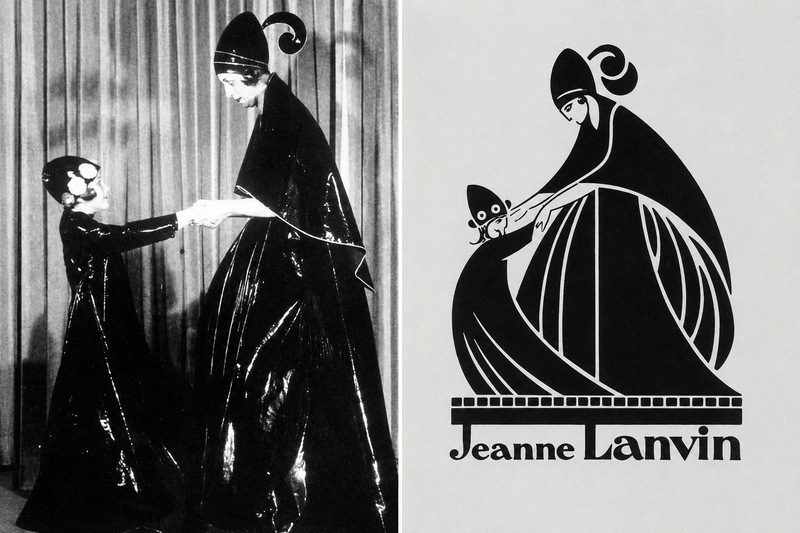
The major turning point in the Lanvin story came through her daughter, Marguerite. Jeanne Lanvin began designing sophisticated clothes for her child, and those garments attracted the attention of other mothers, creating a new commercial opening that would become central to the house. This was a rare business insight: children’s clothing could be treated with the refinement of couture, and mother-daughter dressing could become a powerful emotional and visual identity. From that point, Lanvin expanded from hats into children’s fashion, young women’s clothing, and full womenswear with growing authority.
What made Jeanne Lanvin important was her ability to organize feeling into a brand. Jeanne Lanvin was one of the great Art Decocouturières, translating the period’s love of color, ornament, geometry, and refined surface into a softer couture language. Her work was often associated with color, embroidery, ribbons, pearls, controlled volume, and the famous Lanvin blue, yet the decorative surface was supported by a disciplined business mind. She understood that a fashion house could speak through many categories while keeping one emotional center. Clothing, perfume, interiors, menswear, and accessories could all extend the same idea of elegance when managed with coherence.
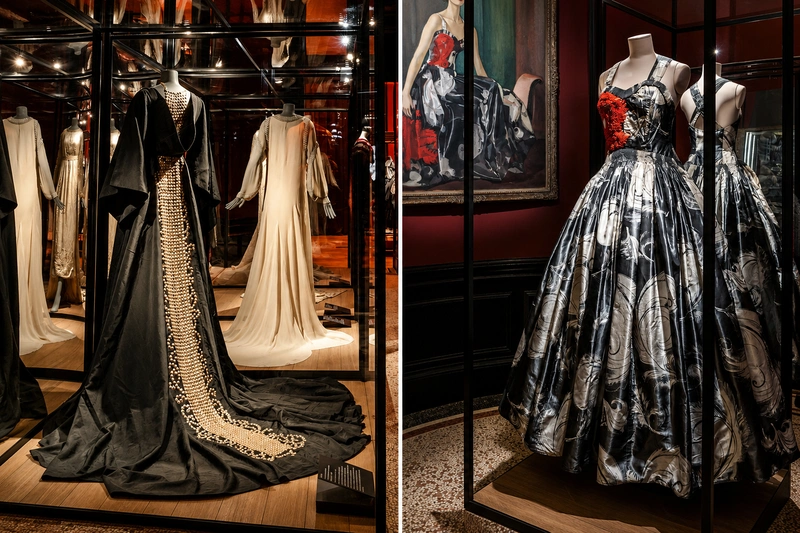
Her famous robe de style captured this balance. With its fitted bodice, shaped skirt, and historical reference, the silhouette offered a refined alternative within the modern wardrobe of the interwar period. It showed how Jeanne Lanvin could use memory and modernity at the same time, giving women clothes that felt graceful, formal, and recognizably personal. The design language served clients who wanted sophistication with warmth rather than severity.
Jeanne Lanvin expanded across departments, built a sizable atelier structure, entered menswear, explored interiors, and developed a house that could survive beyond the founder’s lifetime. She represents a model of fashion entrepreneurship rooted in observation, emotional intelligence, technical consistency, and category expansion.