MENU
Close





For Simon Porte Jacquemus, fashion has always sounded a little like music: every collection carries a different note of memory, desire or devotion, yet together they belong to the same unfinished composition.

For Simon Porte Jacquemus, fashion has always sounded a little like music: every collection carries a different note of memory, desire or devotion, yet together they belong to the same unfinished composition.
August 19, 2026
Advertisement
Advertisement


Simon Porte Jacquemus has a way of making a fashion show feel like a memory before it even ended. A runway disappears into a lavender field, stretches beneath the Mediterranean sun or settles inside a place already heavy with history. The scenery changes, yet something distinctly Jacquemus always remains.
Perhaps his fashion is best heard as music.
Across seventeen years, every collection seems to arrive in a different key. Some carry nostalgia, others desire, celebration or reverence. A familiar melody occasionally resurfaces, altered by time and by the life Simon Porte Jacquemus has lived since we last heard it. The result is a house that can keep changing its mood without losing its voice.
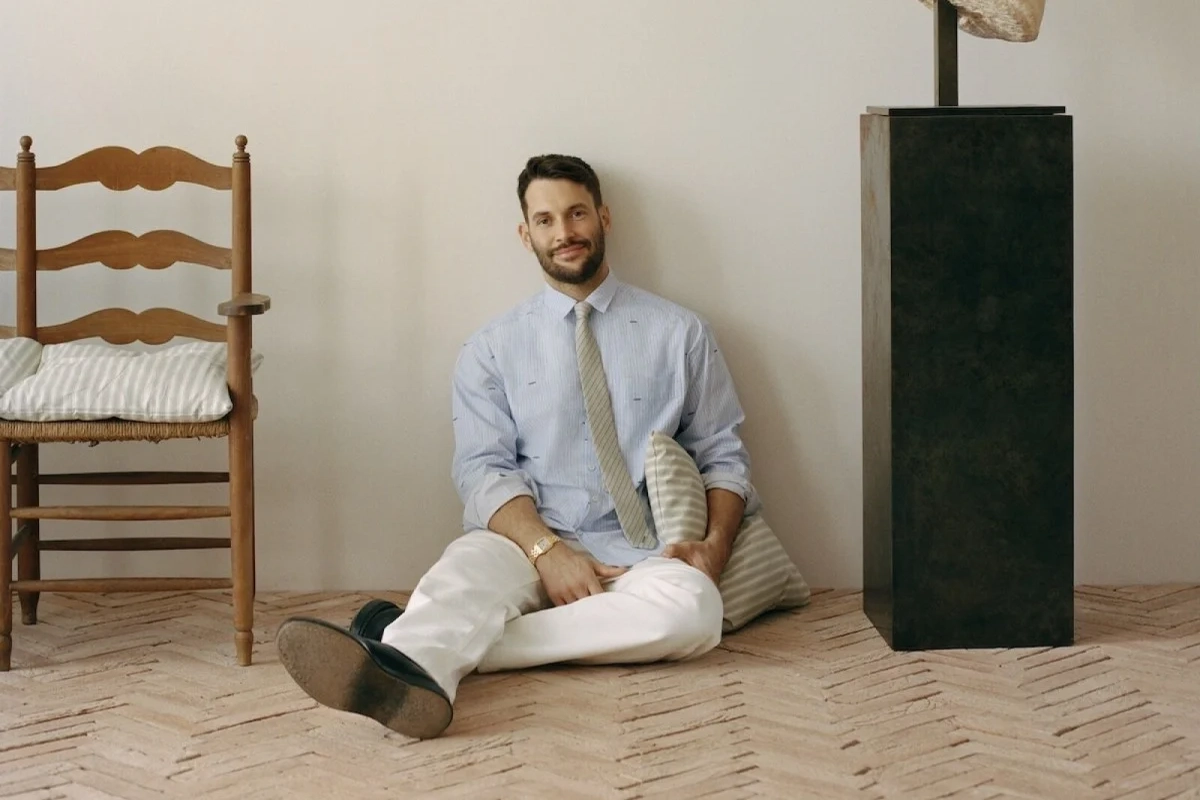
Seen this way, Jacquemus is less a sequence of seasons than an unfinished composition. Each collection adds another note, while its earliest sounds reach much further back than Paris Fashion Week, viral handbags or spectacular destination shows.
They begin in Provence, with a boy, his family and a linen curtain.
Before Jacquemus became a name printed across handbags, storefronts and invitations, it belonged to Simon’s mother.
Simon Porte Jacquemus was born in 1990 in Salon-de-Provence and grew up around Mallemort, surrounded by a farming family and the particular visual vocabulary of southern France: bleached light, dry fields, village roads, linen, work clothes and bodies dressed for heat. Paris would eventually give him industry. Provence had already given him an eye.
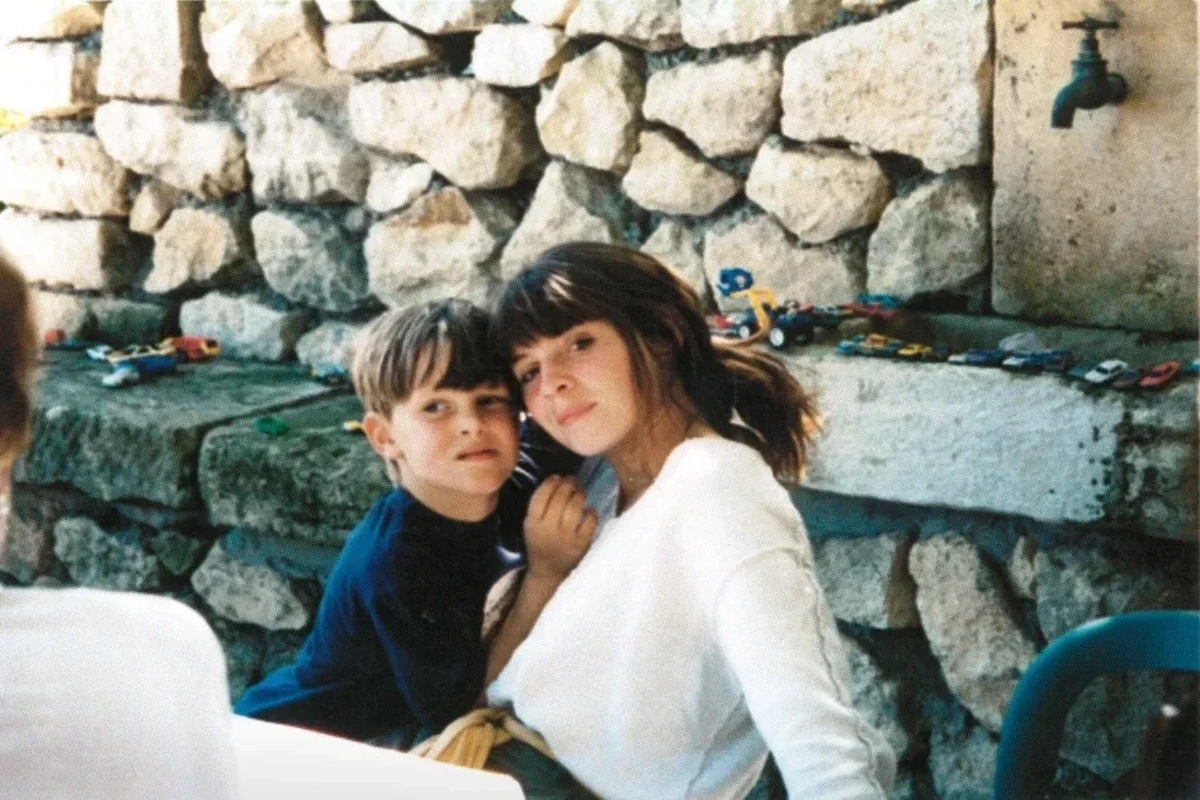
His mother, Valérie, occupied an especially vivid place within that childhood. She dressed with confidence and indulged her son’s fascination with clothes. When Simon Porte Jacquemus was around eight, he cut a linen curtain into a skirt, fastening it with Converse laces. Valérie wore it to pick him up from school.
In retrospect, the story reads almost like an early Jacquemus prototype. The material was ordinary, the gesture instinctive, and the woman wearing it had presence. Years later, linen, agricultural landscapes and southern femininity would keep returning. Childhood became a melody he could rearrange.
Simon Porte Jacquemus arrived in Paris at eighteen and briefly attended ESMOD. Formal fashion school lasted only a few months. The event that truly divided his life came shortly afterwards, when his mother died in a car accident.
He was nineteen.
That same year, in 2009, he created his label and gave it her maiden name: Jacquemus.
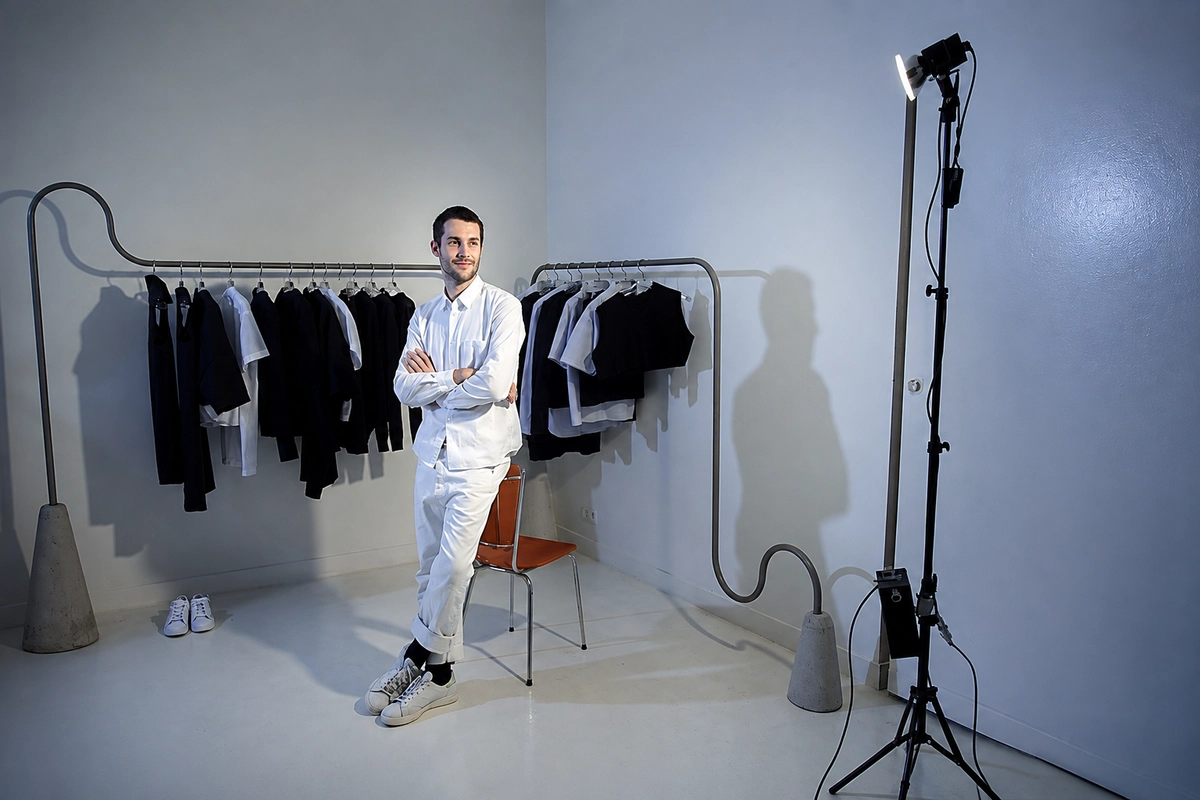
The name made remembrance permanent. It also gave his ambition an unusual sense of urgency. His early career unfolded with little money, limited technical training and virtually none of the infrastructure available to an established designer. He found inexpensive fabrics, worked with seamstresses and recruited friends to model the clothes. During Fashion’s Night Out in Paris, his circle walked through the city wearing his designs, turning public space into an improvised presentation.
There was already something recognizably Jacquemus in the audacity. When the conventional stage was unavailable, he made another one.
A decisive turn came through Adrian Joffe, president of Comme des Garçons International, husband of Rei Kawakubo and one of Simon’s most important early mentors. Joffe gave him a sales-assistant job at the Comme des Garçons boutique in Paris, allowing Simon Porte Jacquemus to support himself while developing Jacquemus outside working hours.
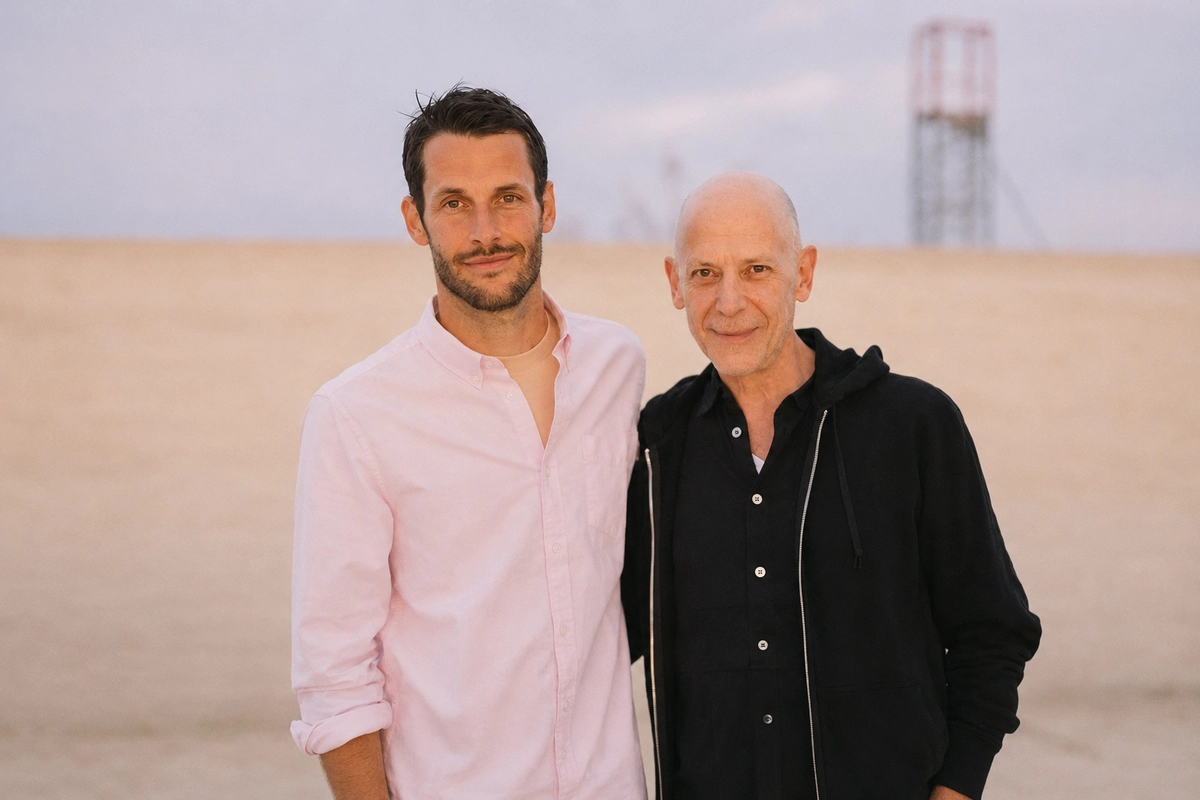
He later described those two years at Comme as something close to his final years of school. Rei Kawakubo challenged the way he thought about fashion and commerce, while Joffe showed him how a fiercely individual designer could build a serious independent house. Comme des Garçons has offered him a living example of creative freedom with structure behind it.
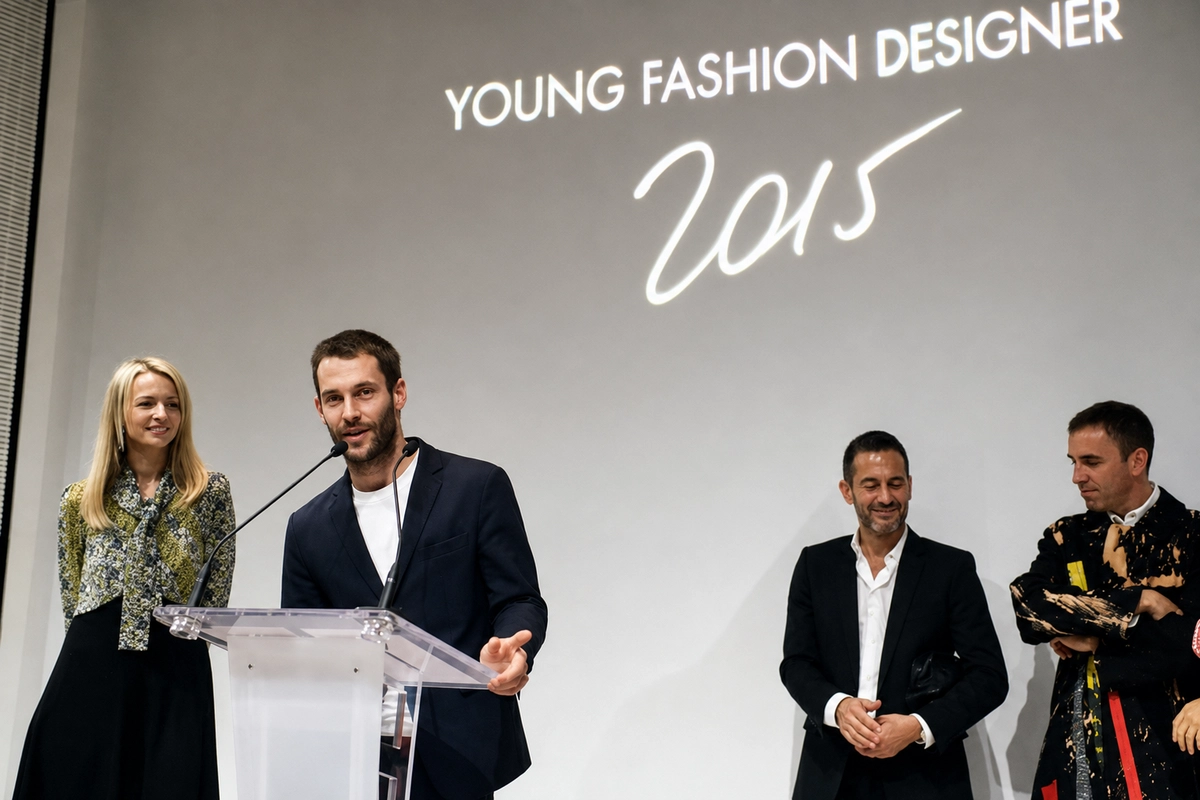
Jacquemus entered the Paris fashion conversation, became an LVMH Prize finalist and received its Special Prize in 2015. By then, he was beginning to turn private emotion into a visual language strangers could recognize as their own.
Those early collections were rough around the edges, sometimes deliberately so. Simon Porte Jacquemus had neither the technical pedigree nor the financial cushion associated with many young Paris designers, and that limitation gradually became part of his aesthetic confidence. His early collections carried a rawness that eventually became part of their confidence.
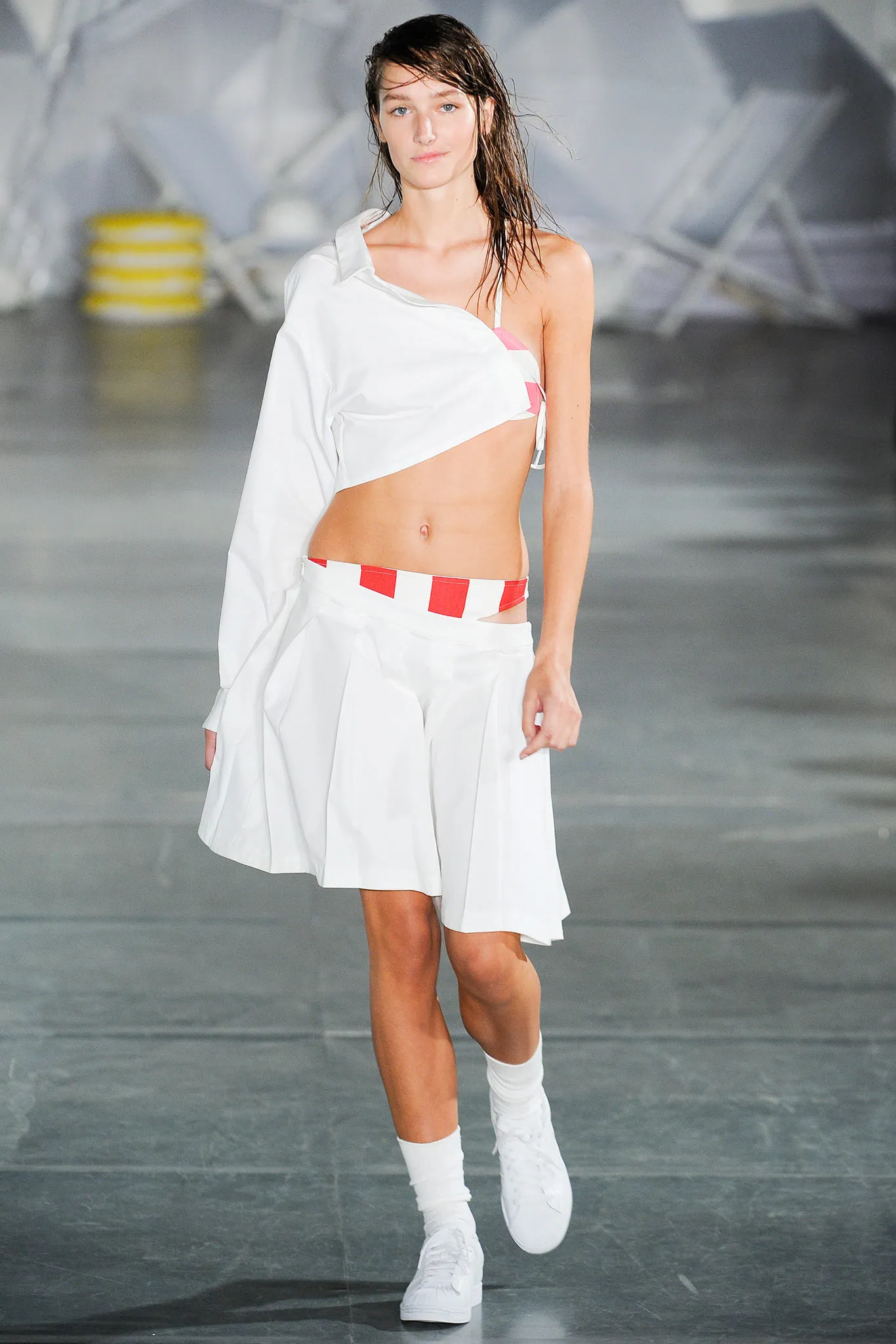
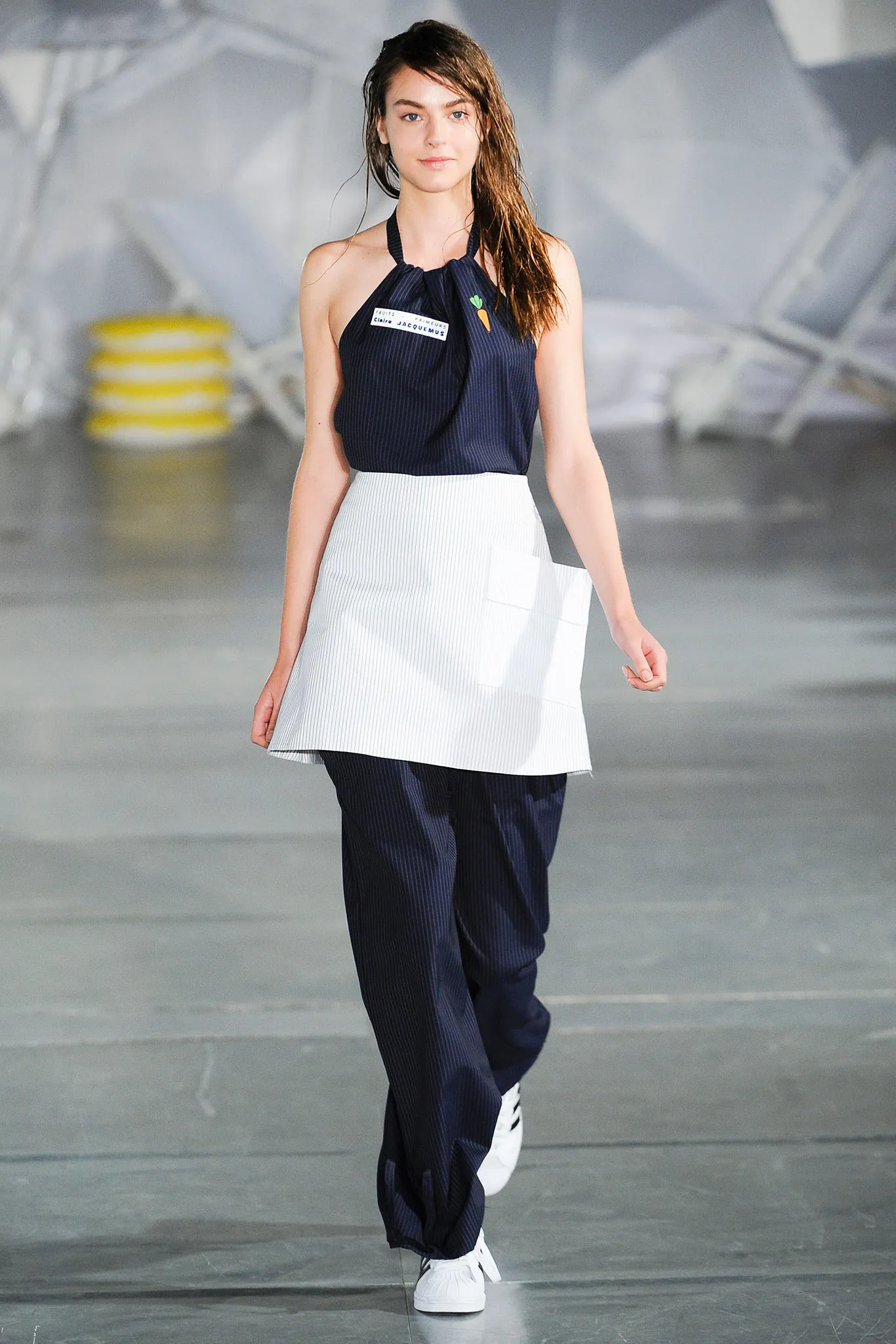
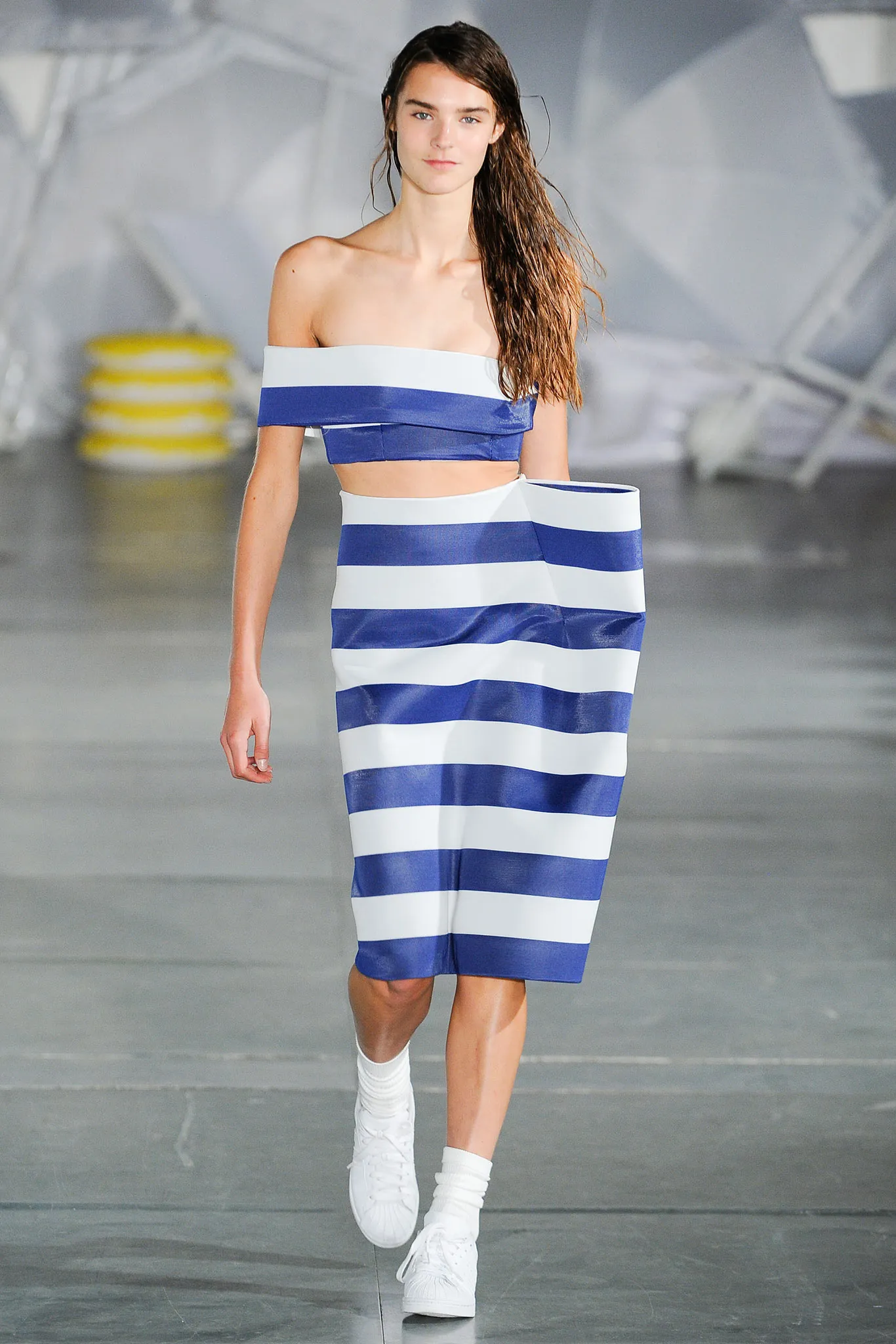
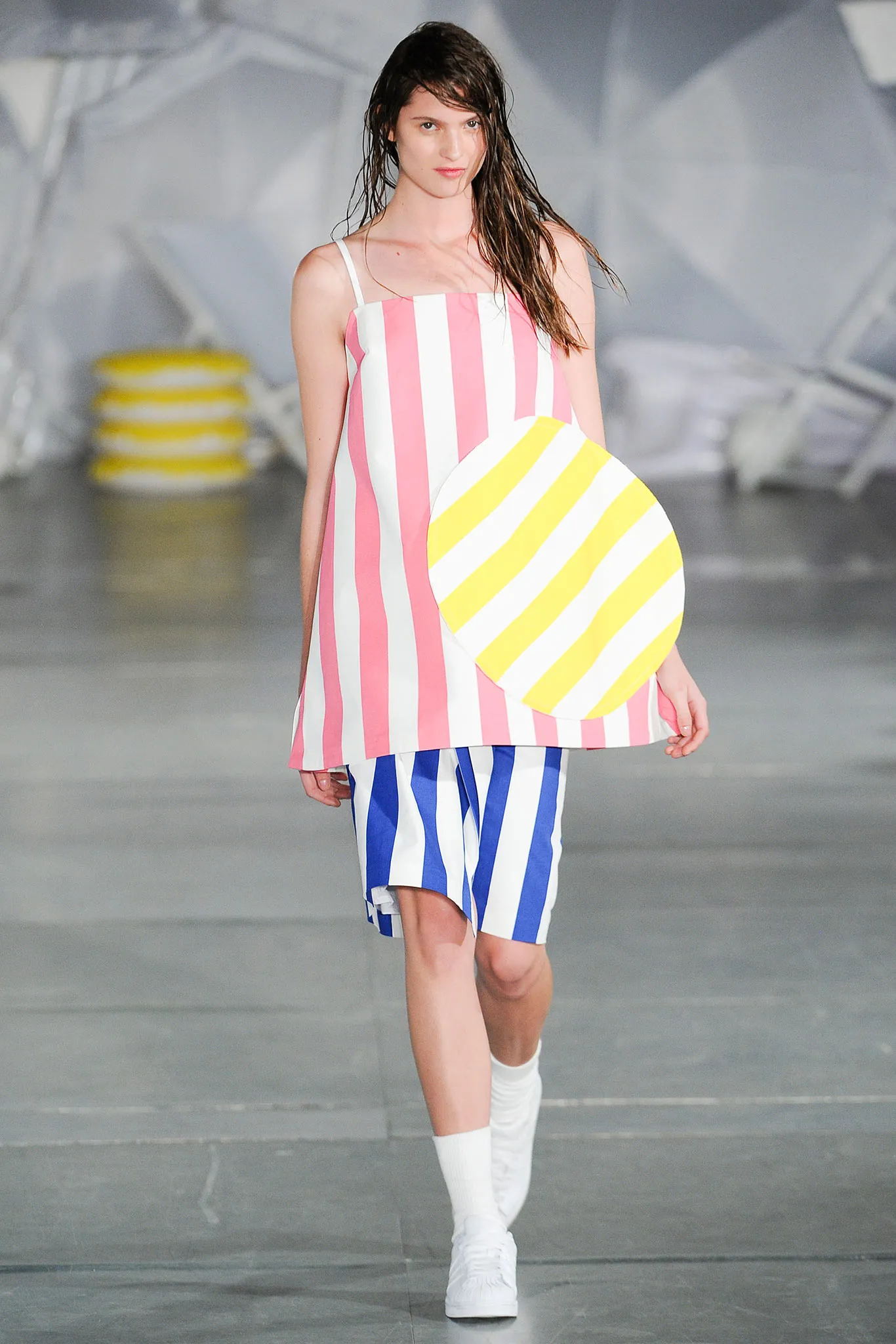
Direct shapes, exposed construction and simple fabrics left room for the idea itself to land. Over time, the apparent naïveté became increasingly controlled.
Jacquemus never needed Provence to remain geographically accurate.
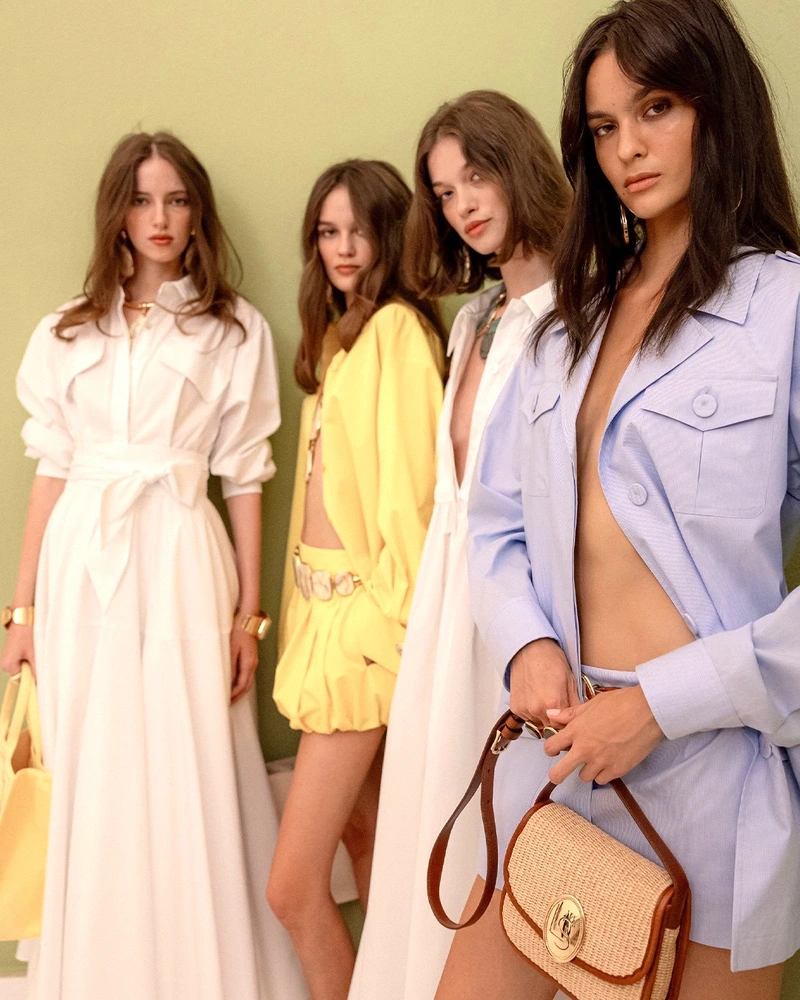
Under his hand, the South expanded into a state of mind. It could be a bare shoulder, a strip of sunburnt color, a straw hat large enough to become architecture, or a dress that seemed designed for the exact second a hot afternoon turns into evening.
The women inside this world mattered just as much as the landscape. Jacquemus femininity has warmth, physicality and a little theatricality. His mother may have been the earliest reference, yet the Jacquemus woman gradually became an archetype that could travel far beyond Provence.
La Bomba sharpened this sensual vocabulary. Then came objects capable of condensing an entire Jacquemus mood into one photograph. The enormous straw hat created spectacle through excess. Le Chiquito did it through near absurdity, shrinking the handbag until scale itself became part of the design.
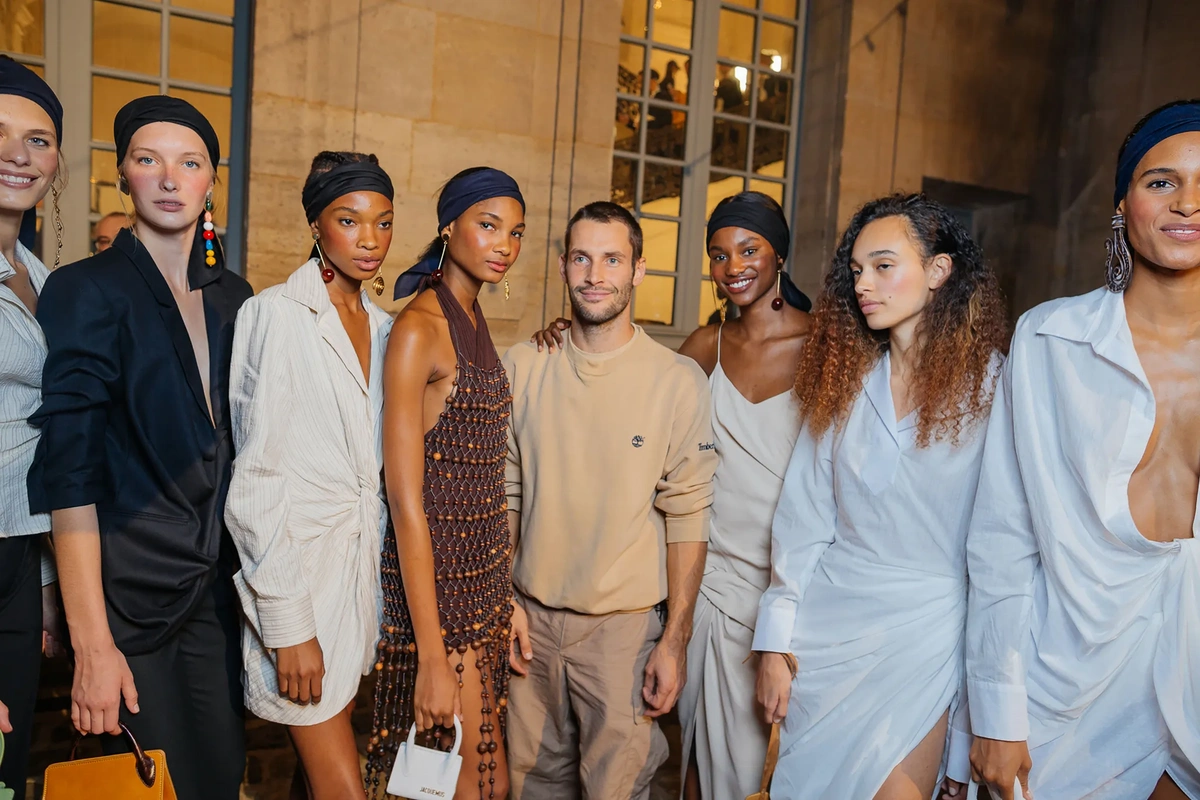
His tenth-anniversary runway cut a brilliant pink line through lavender fields in Valensole. Wheat fields, salt mountains, beaches and dramatic architecture followed. Clothes entered into conversation with geography until the location became inseparable from the collection in collective memory.
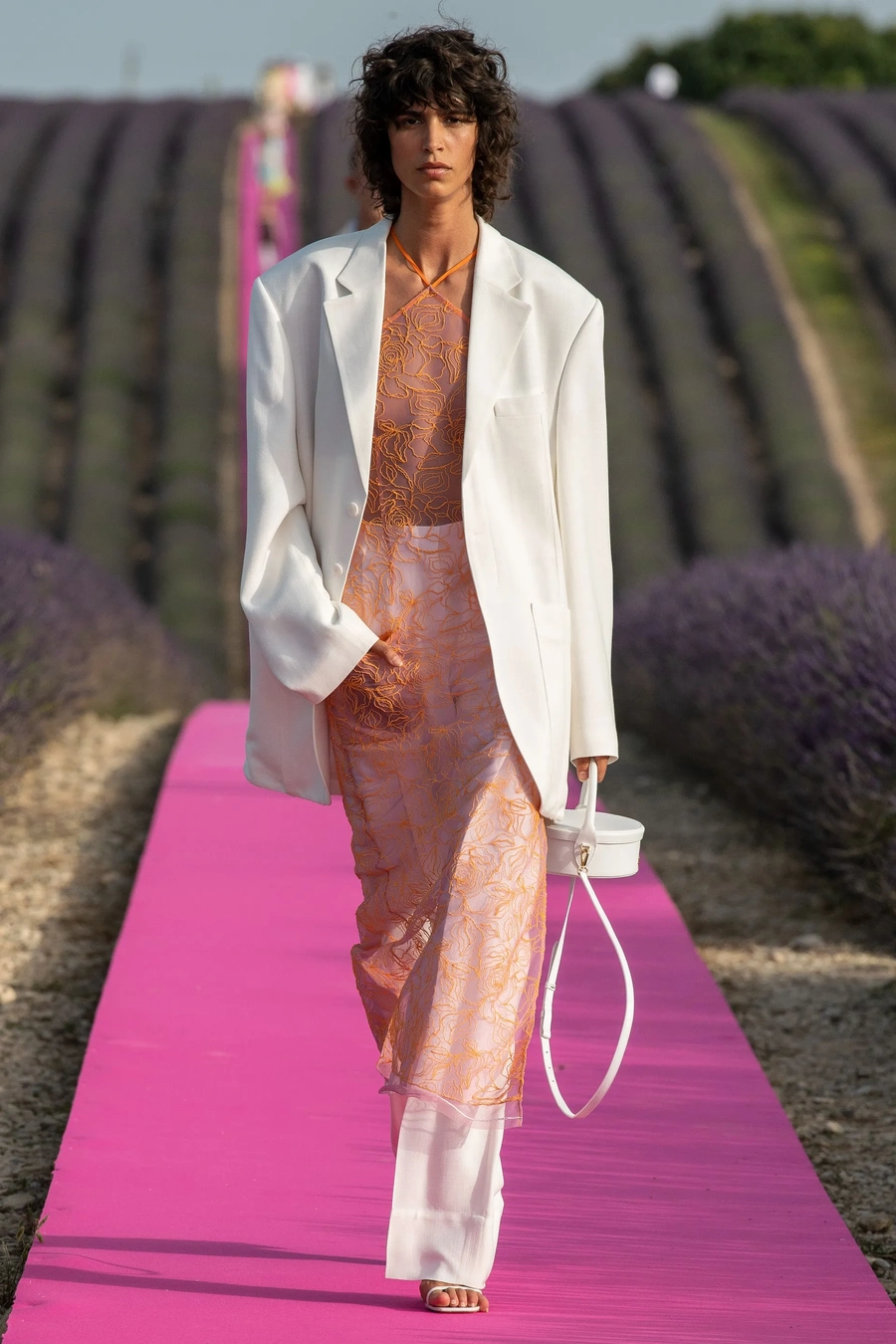
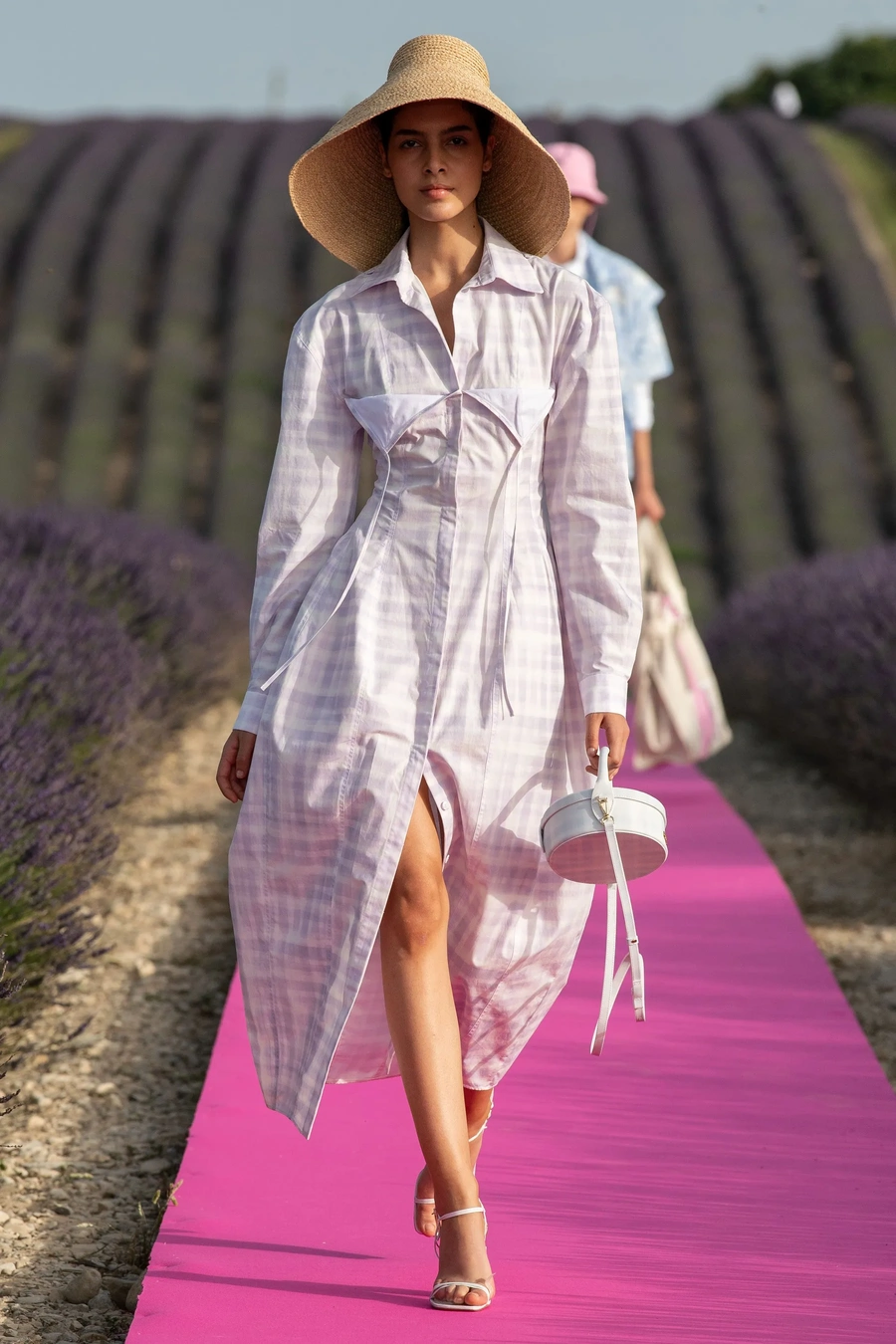
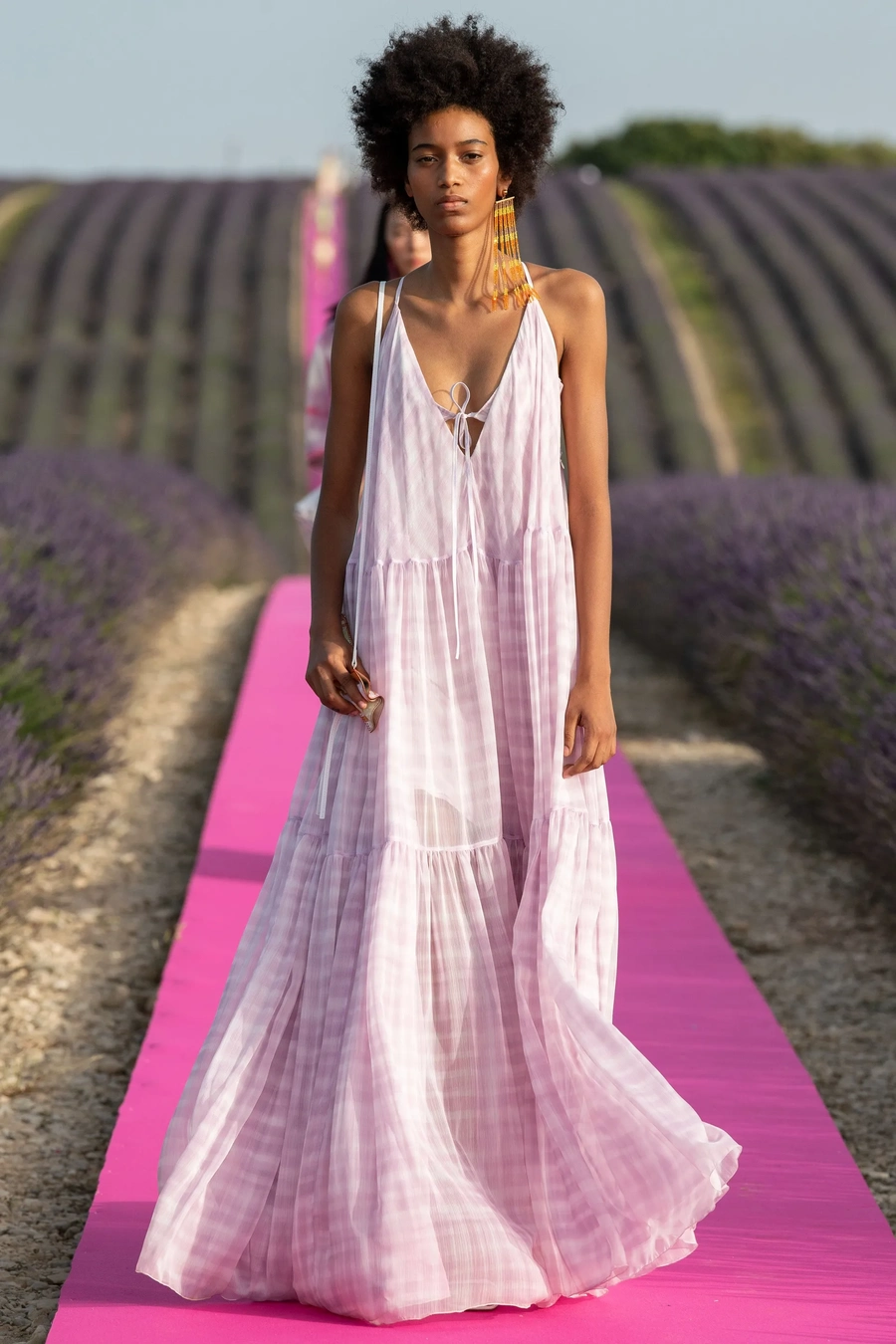
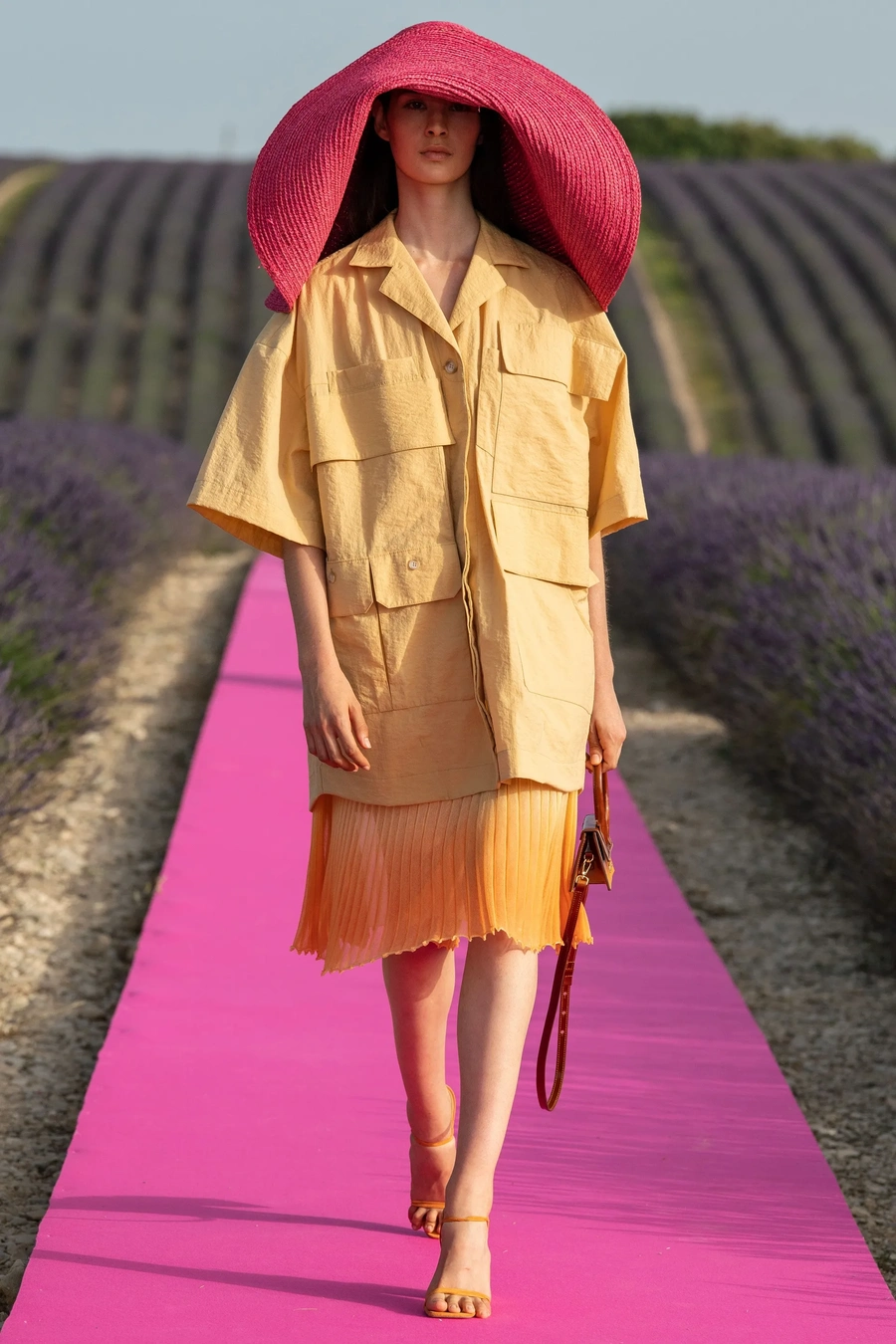
The show was no longer simply where the clothes appeared.
It became another instrument.
The numbers eventually caught up with the imagery. Jacquemus passed €100 million in sales in 2021, crossed €200 million the following year and reached an estimated €270–280 million in 2023. A label built from inexpensive fabrics and friends walking through Paris had become one of the most commercially significant independent houses of its generation.
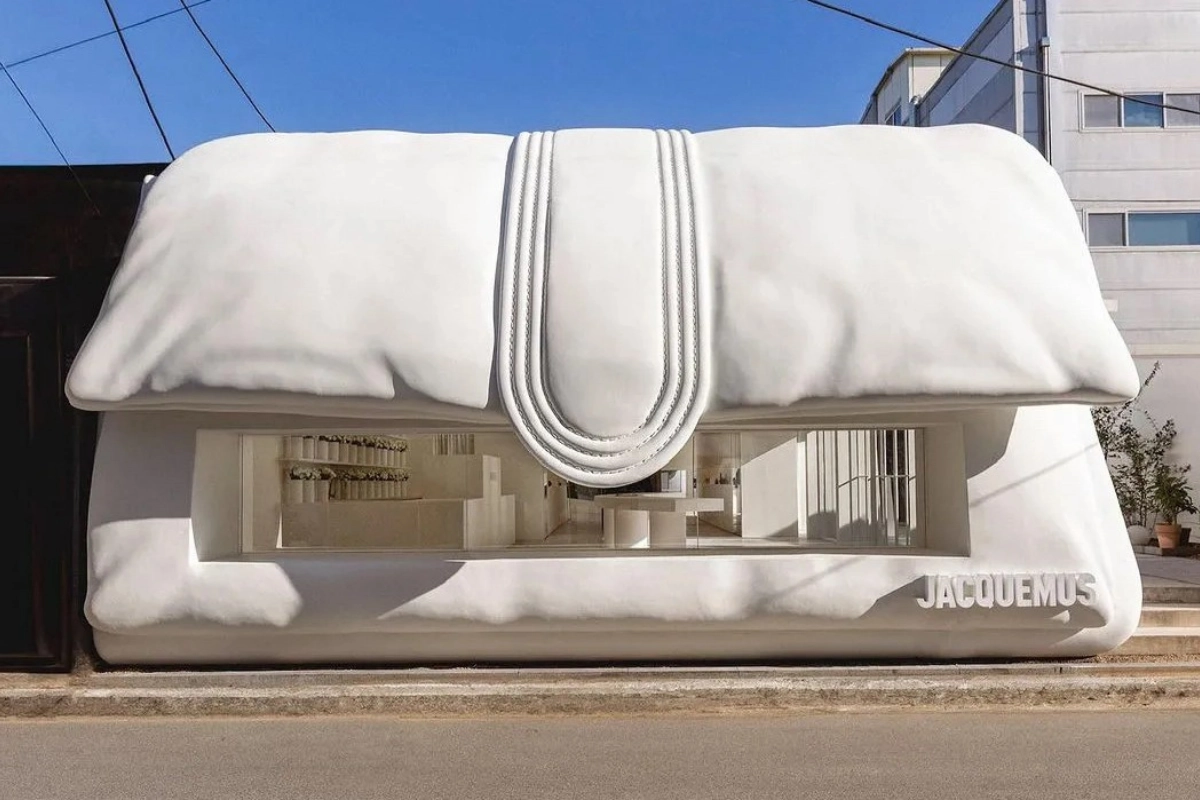
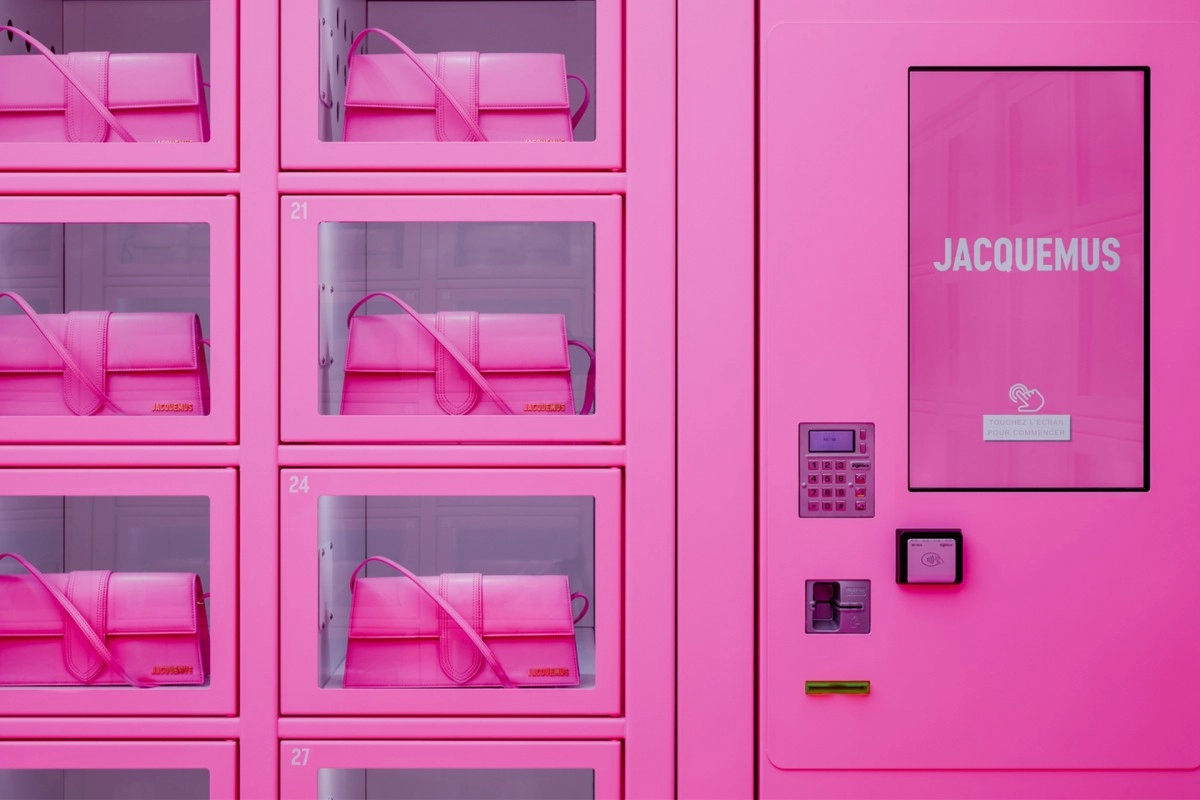
Simon Porte Jacquemus approached expansion with the same instinct for control. Permanent retail began on Avenue Montaigne, followed by stores in Dubai, New York and London. Accessories, menswear and ready-to-wear widened the business beyond the Chiquito era.
Independence remained central even as the scale changed. He had previously bought back Puig’s 10 percent stake in 2022, then entered a long-term beauty partnership with L’Oréal in 2025, alongside a minority investment. The scale changed, while his own house remained the destination.
For several years, Jacquemus perfected the art of escaping the usual calendar. Simon Porte Jacquemus frequently presented outside the traditional Paris Fashion Week timetable, choosing dates that followed his own rhythm, destinations and commercial logic. The freedom allowed him to leave Paris, turn remote landscapes into runways and place each show closer to the moment the collection could actually reach stores.
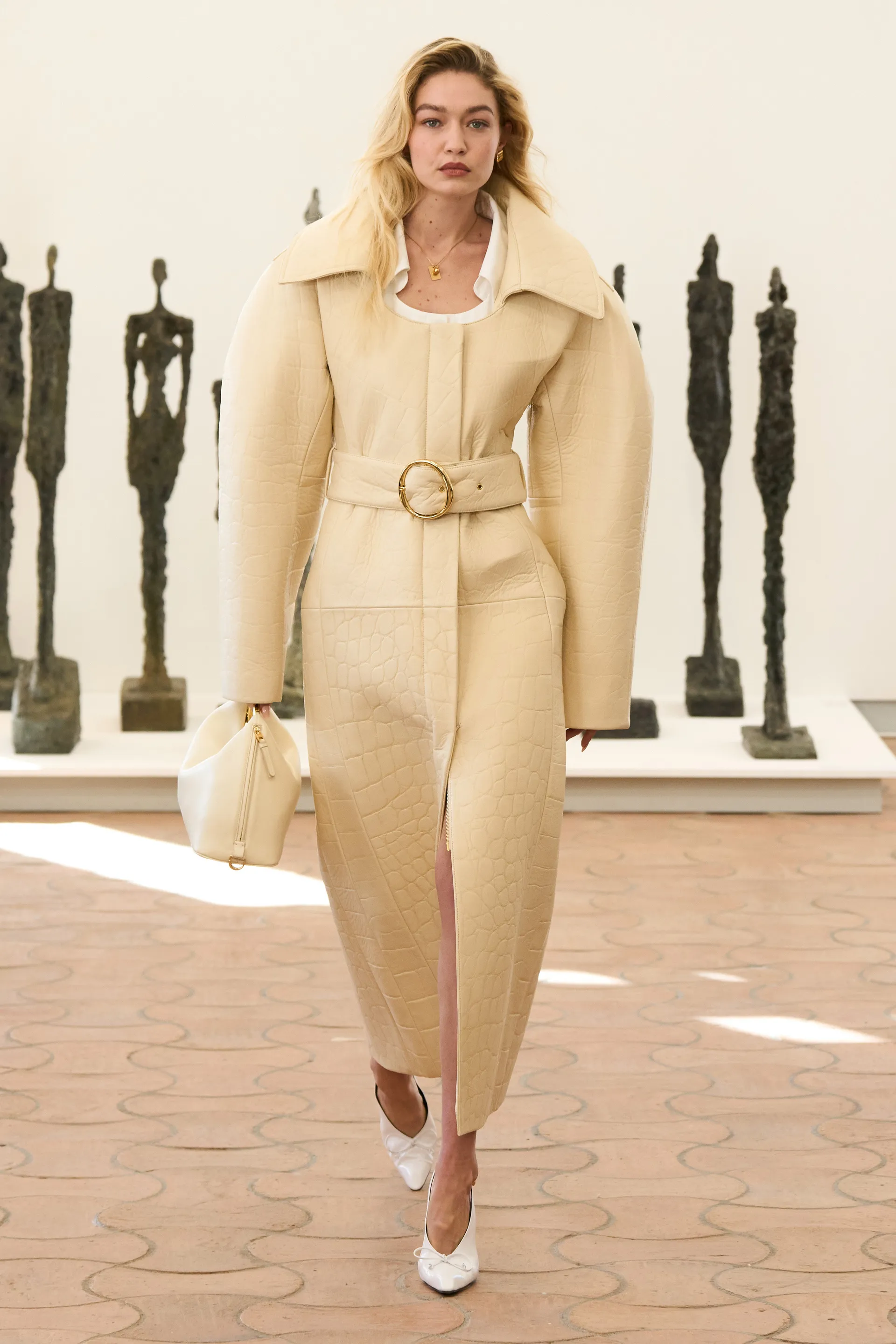
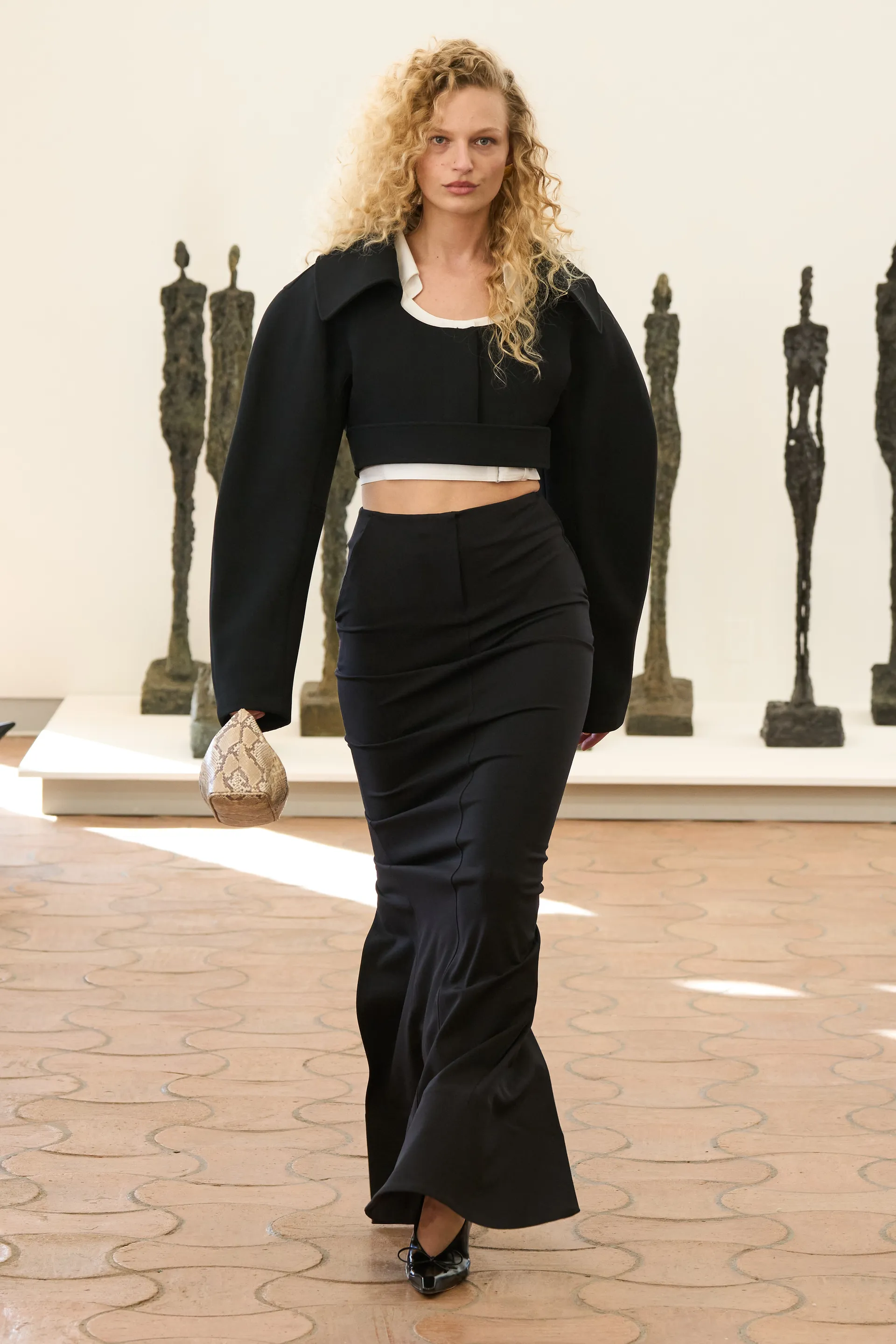
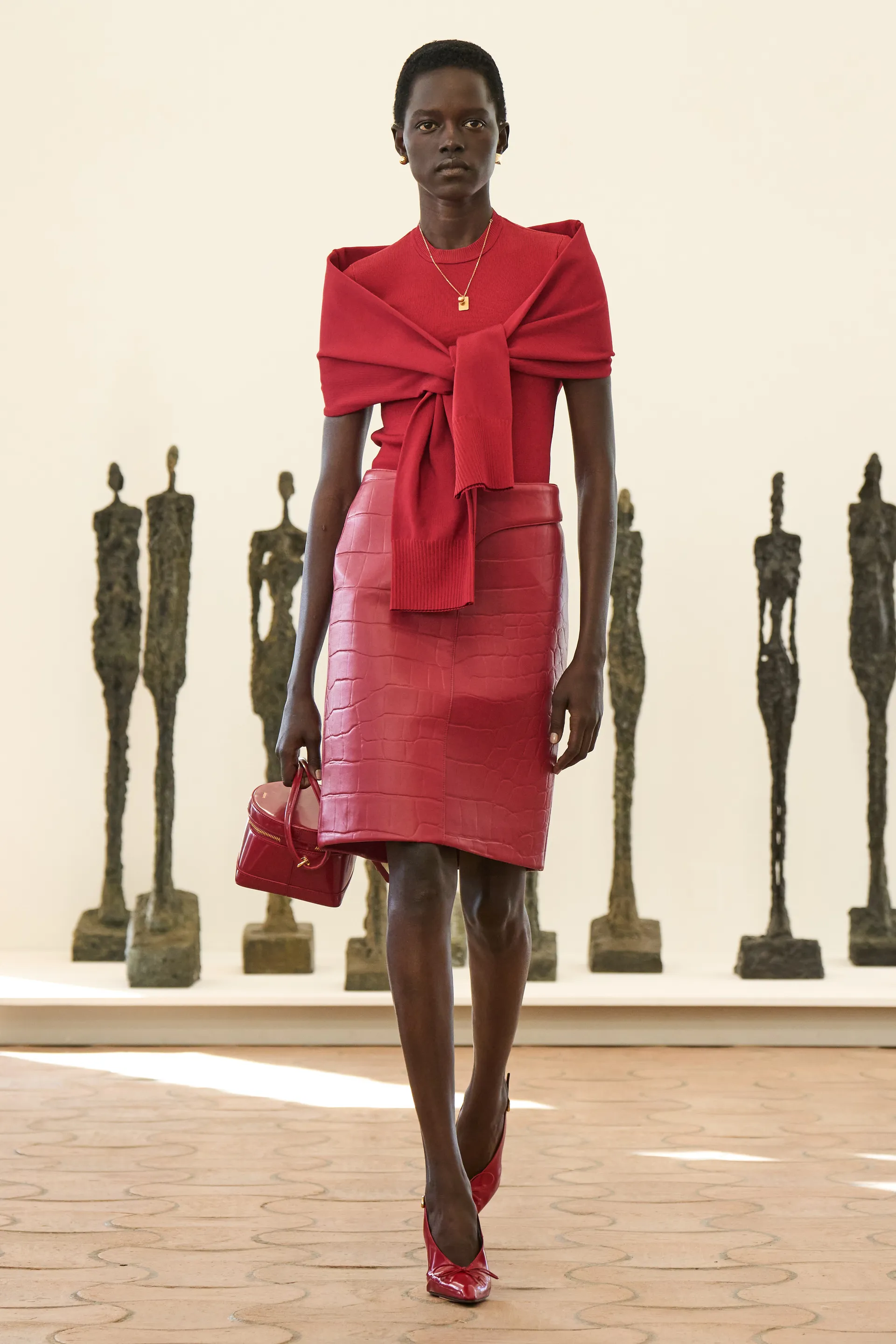
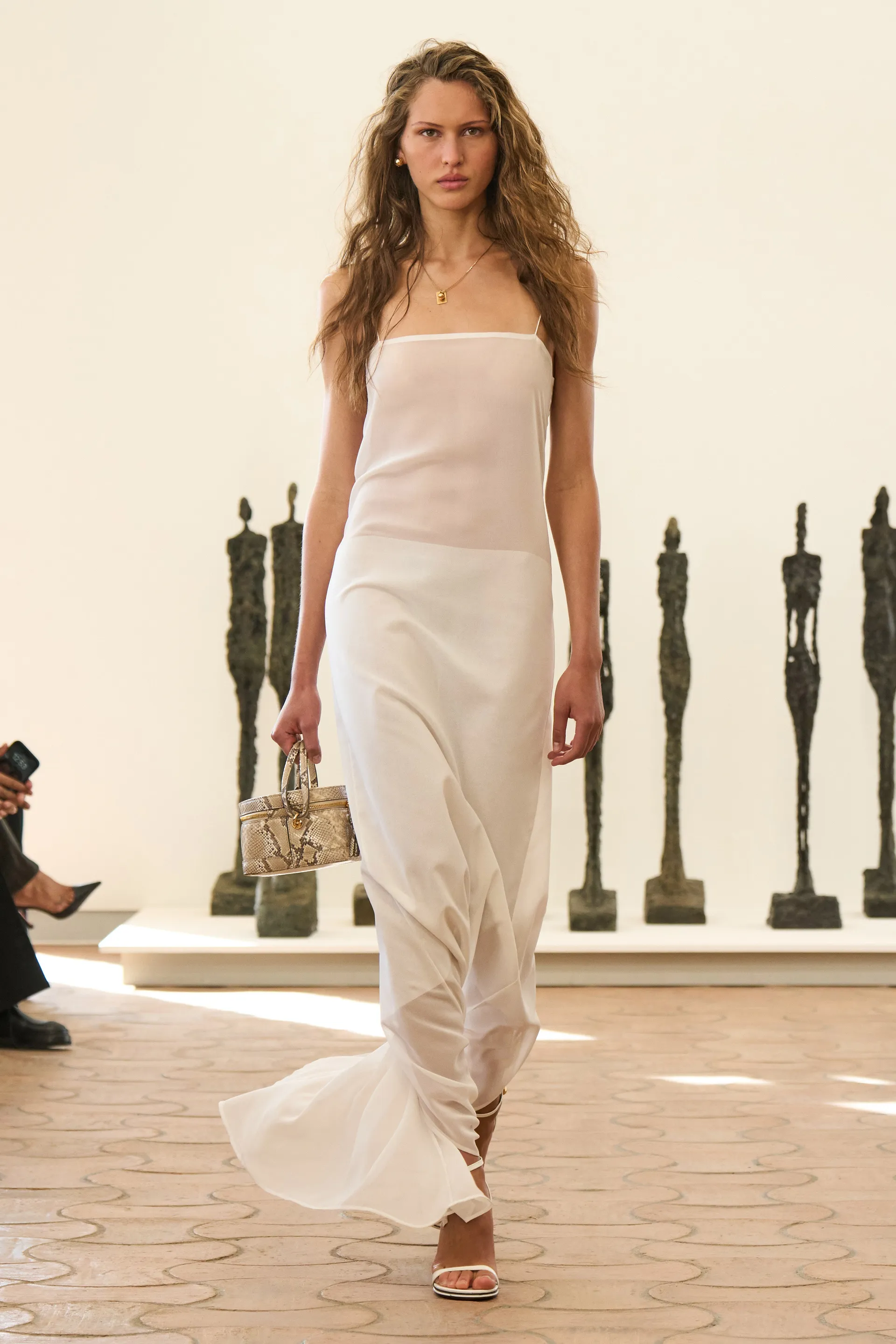
For a designer who already treated location, scale and casting as part of the creative language, timing naturally became another element he could compose. The runway no longer had to arrive simply because the industry calendar said it was time.
That independence also gave Jacquemus room to leave Paris and place each presentation closer to the moment the collection could reach stores. The larger story of his off-calendar strategy belongs elsewhere; here, it reveals something simpler about Simon’s temperament. He prefers to create the conditions around his work instead of merely entering the ones already given to him.
Every strong fashion house eventually develops its own cast of characters. Jacquemus found two of its most compelling contemporary women in Jennie Kim and Kendall Jenner.
Kendall embodies the hyper-polished, sun-soaked side of the house: long lines, exposed skin and an ease that makes graphic silhouettes read immediately. Jennie brings another frequency. Her relationship with Jacquemus developed through front-row appearances, campaigns and eventually the runway, culminating in her closing the La Casa show on Capri in 2024.
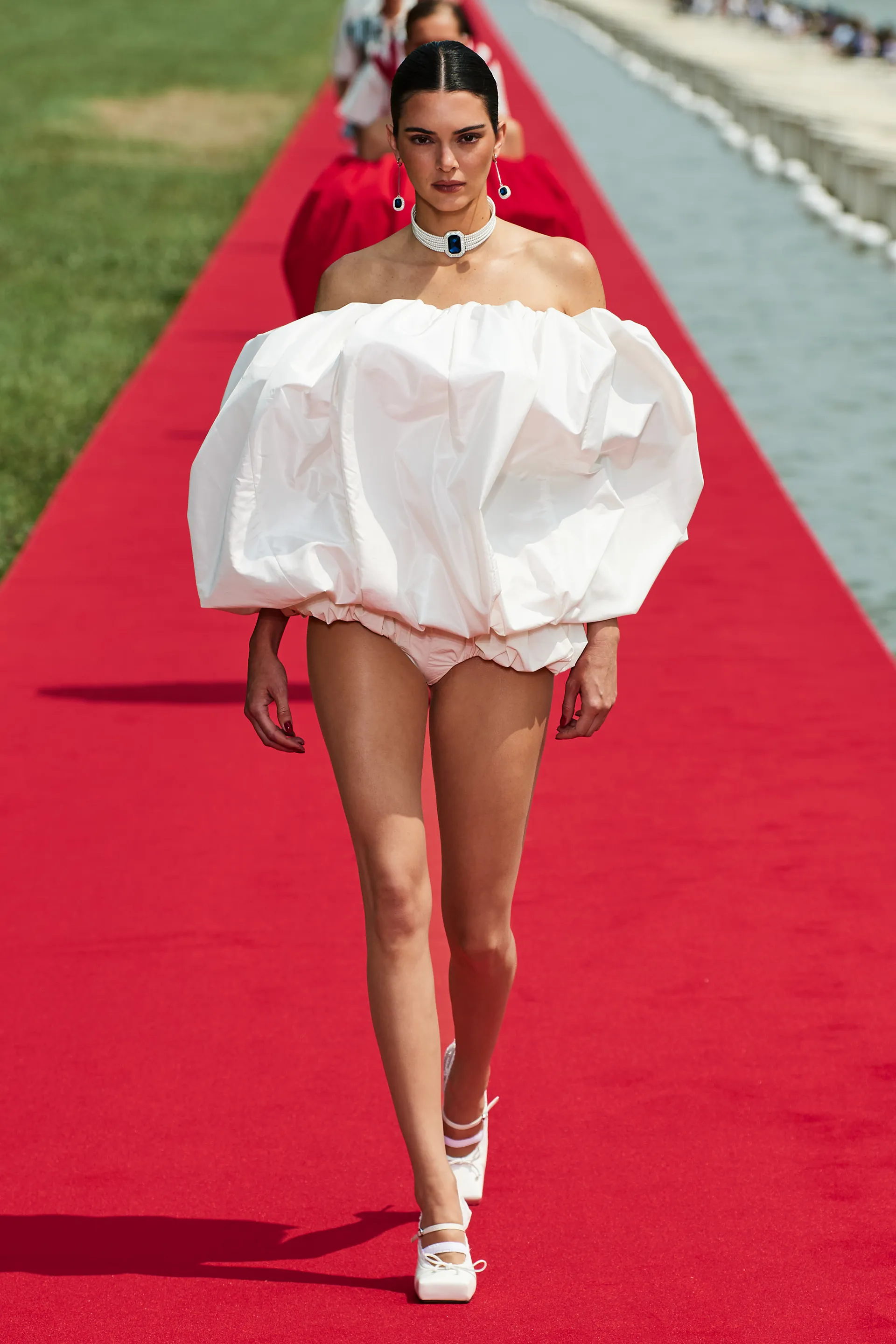
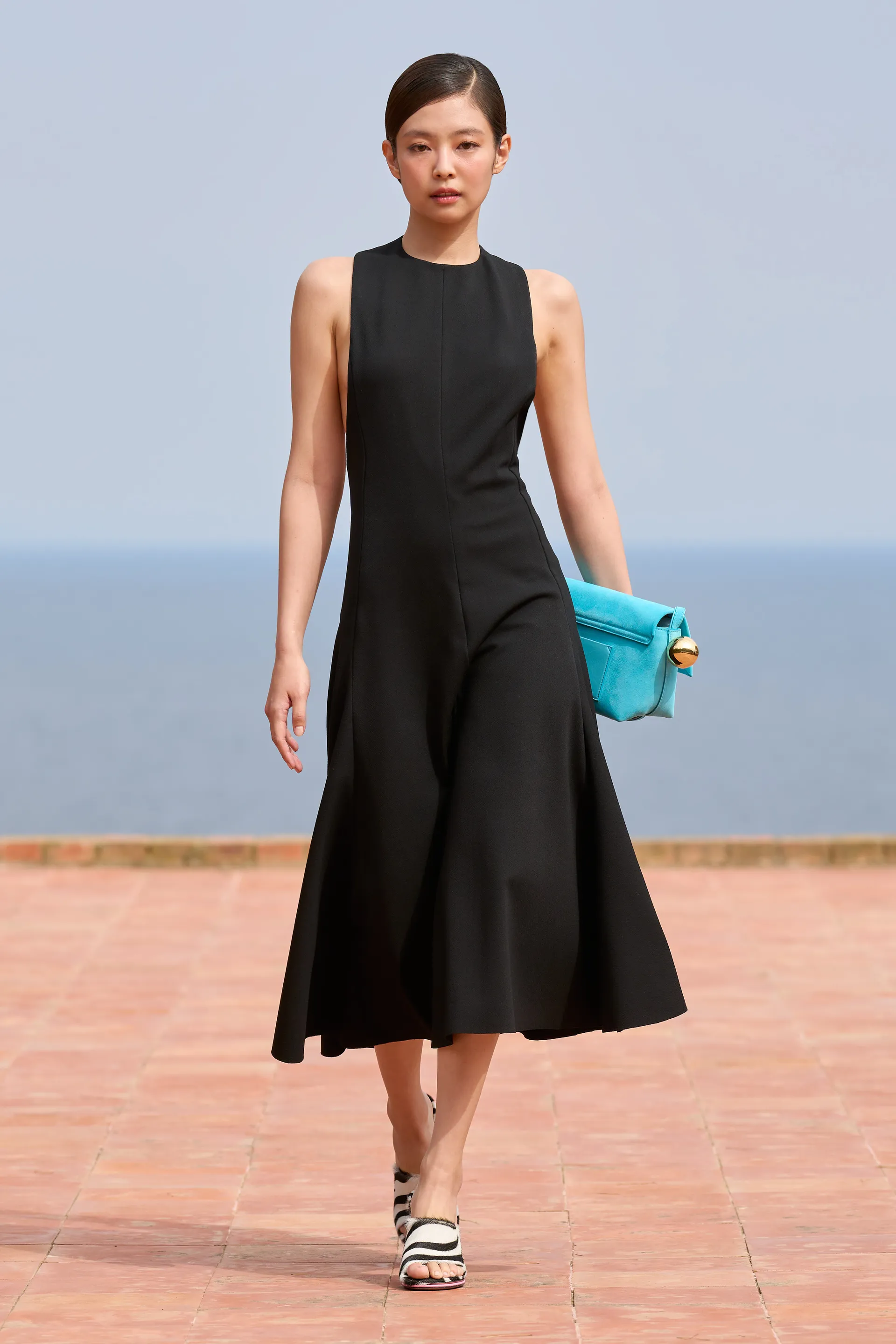
Calling them simply ambassadors misses some of the appeal. Within Jacquemus imagery, both women function closer to modern muses because Simon repeatedly places them inside his visual vocabulary and allows their individual personas to alter its tone.
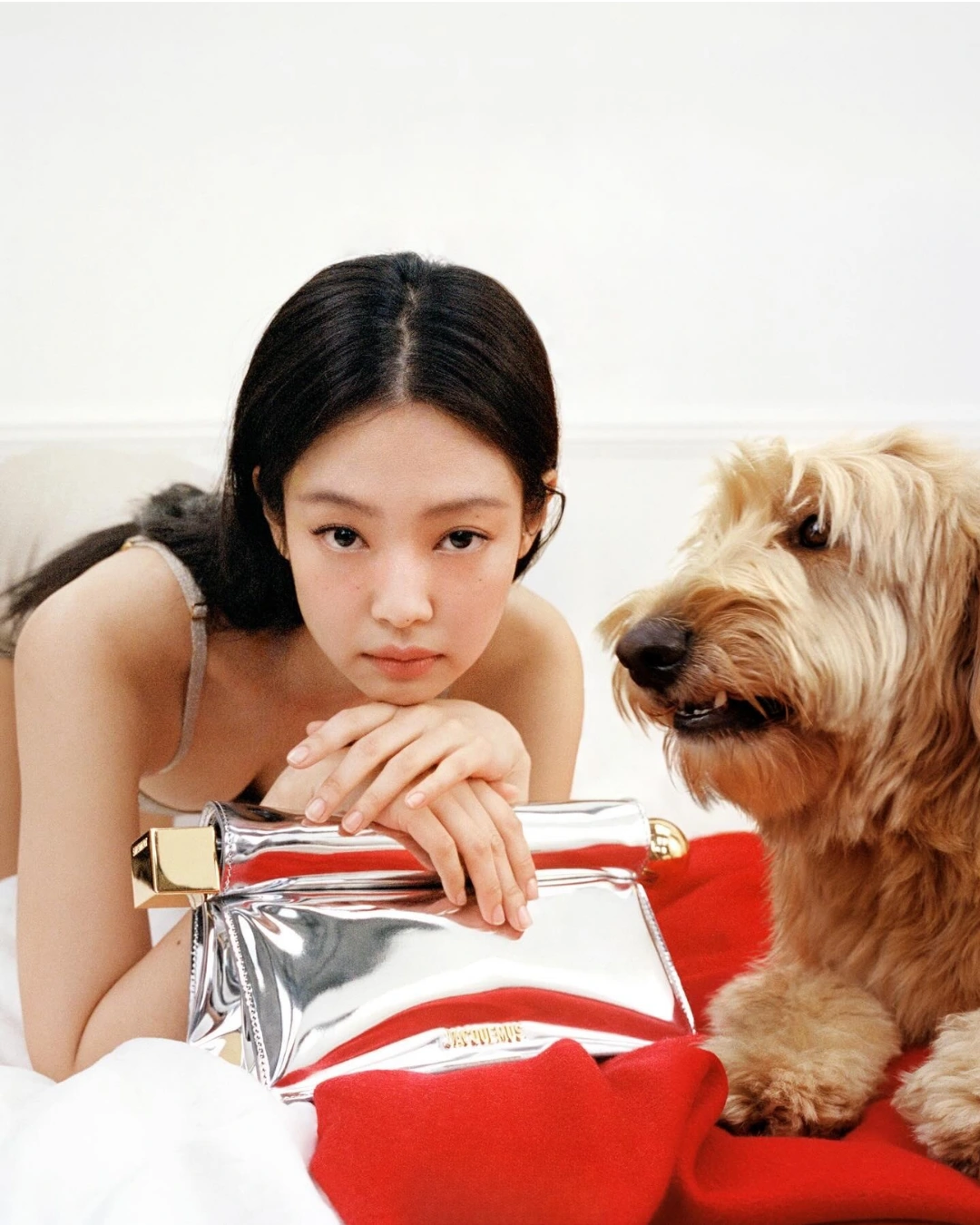
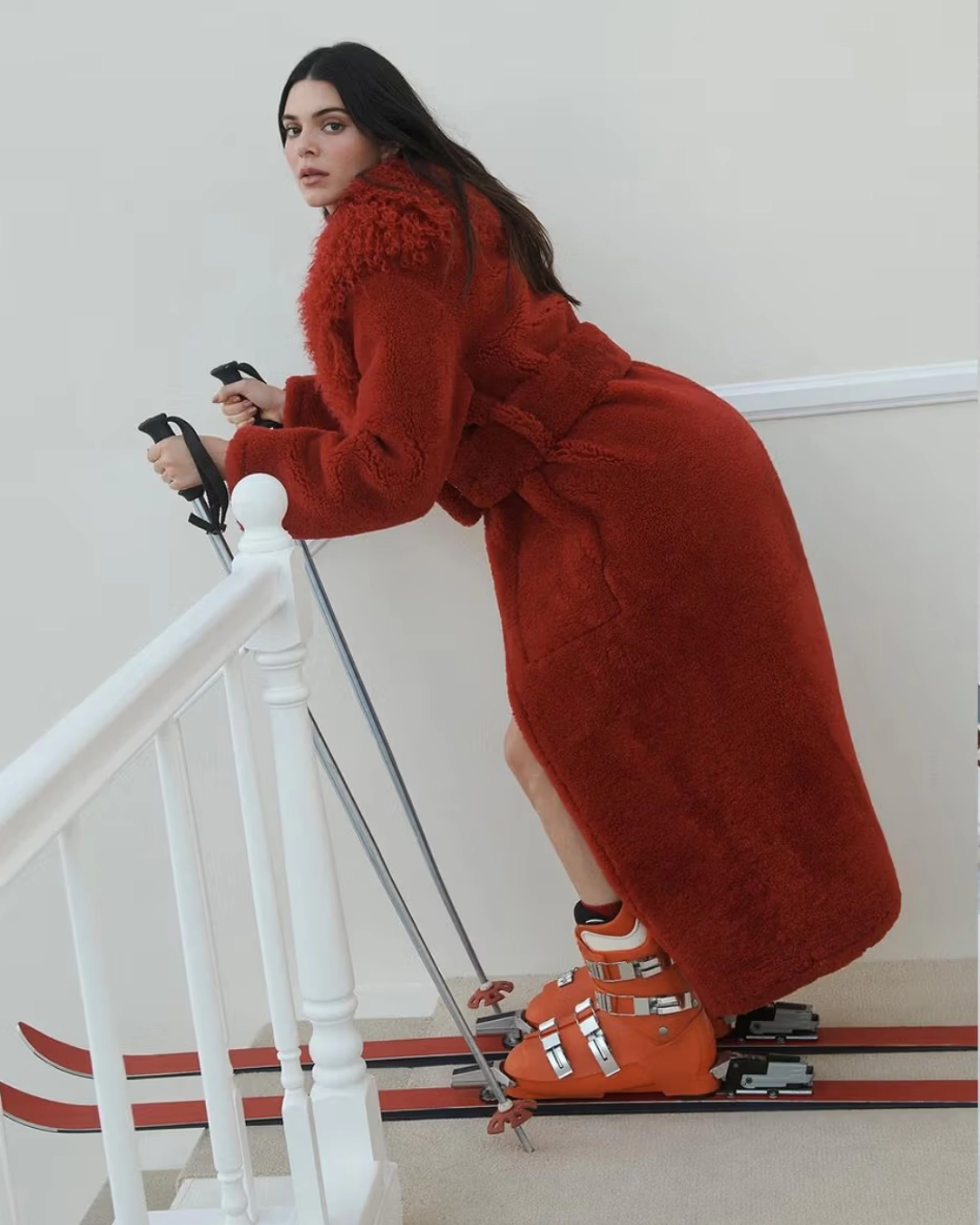
The Jacquemus woman began close to his memories of Valérie and the women of the South. And a melody born in Provence had found voices on the other side of the world.
The more successful Jacquemus became, the more interesting his returns to the past became.
Le Paysan brought his farming heritage into unusually direct focus, drawing upon his grandparents and the agricultural world surrounding his childhood. Linen returned with it, now translated through the refinement of the luxury house Jacquemus had become.
Then in 2026, the family moved from inspiration to an official role. Simon named his grandmother Liline Jacquemus the first brand ambassador in the house’s history, giving fashion’s most conventional celebrity title to someone who belonged to the story long before the brand existed.
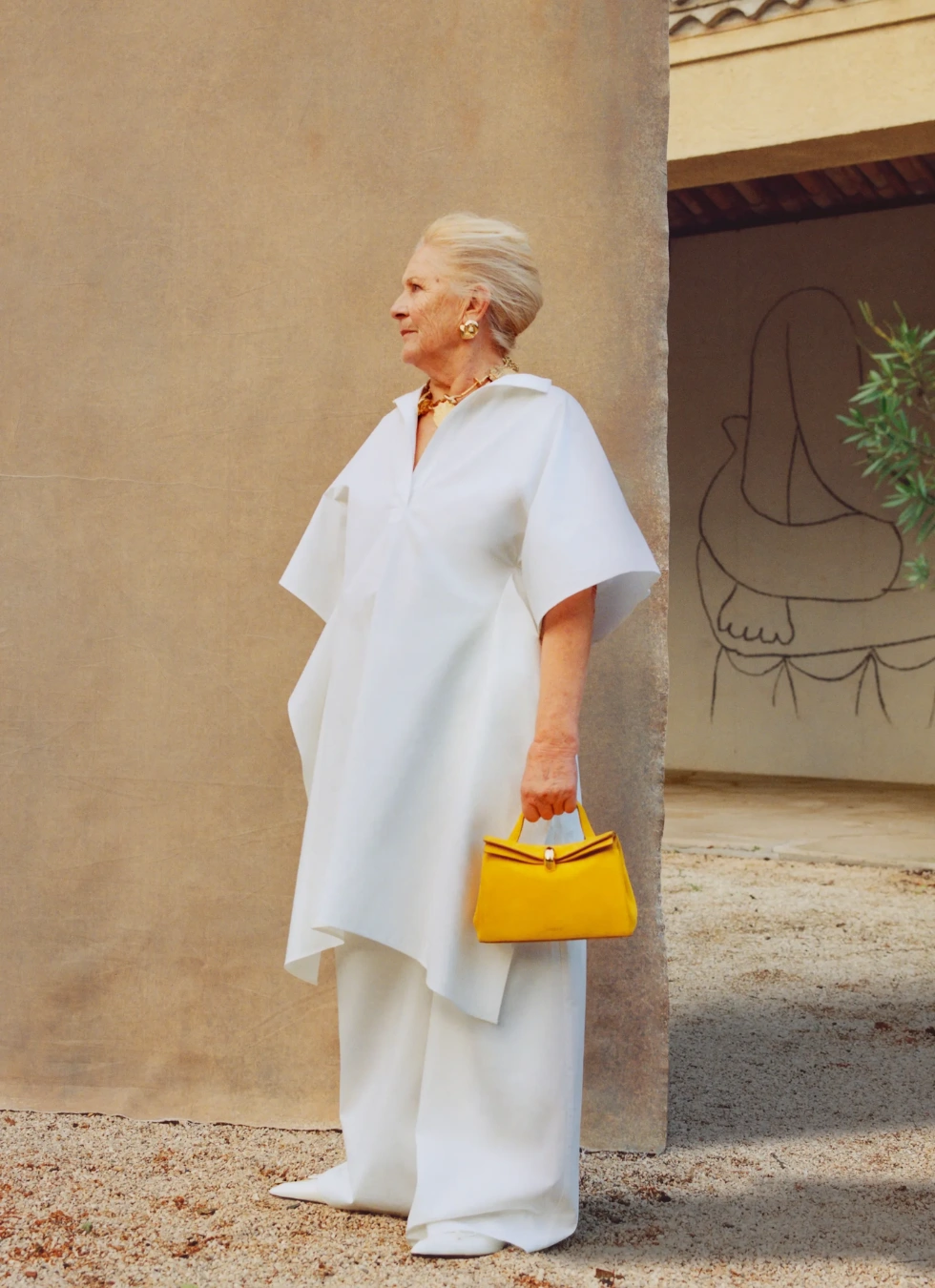
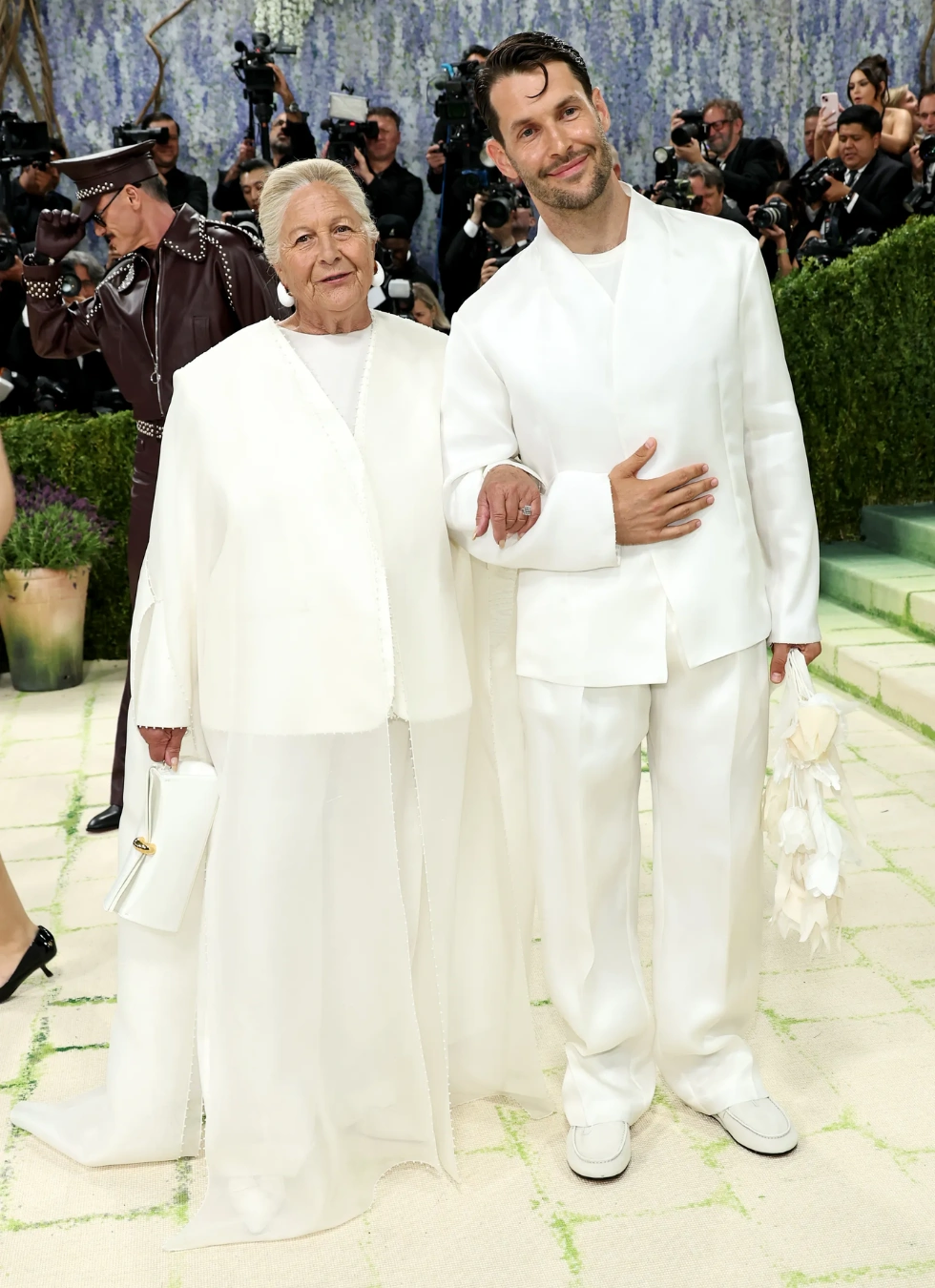
Months later, Simon Porte Jacquemus brought Liline to the Met Gala in custom Jacquemus, where she carried the Valérie bag named after his late mother. In a single image, three generations seemed to meet: Liline beside him, Valérie preserved through memory, and Simon Porte Jacquemus standing between the world that raised him and the maison he built from it.
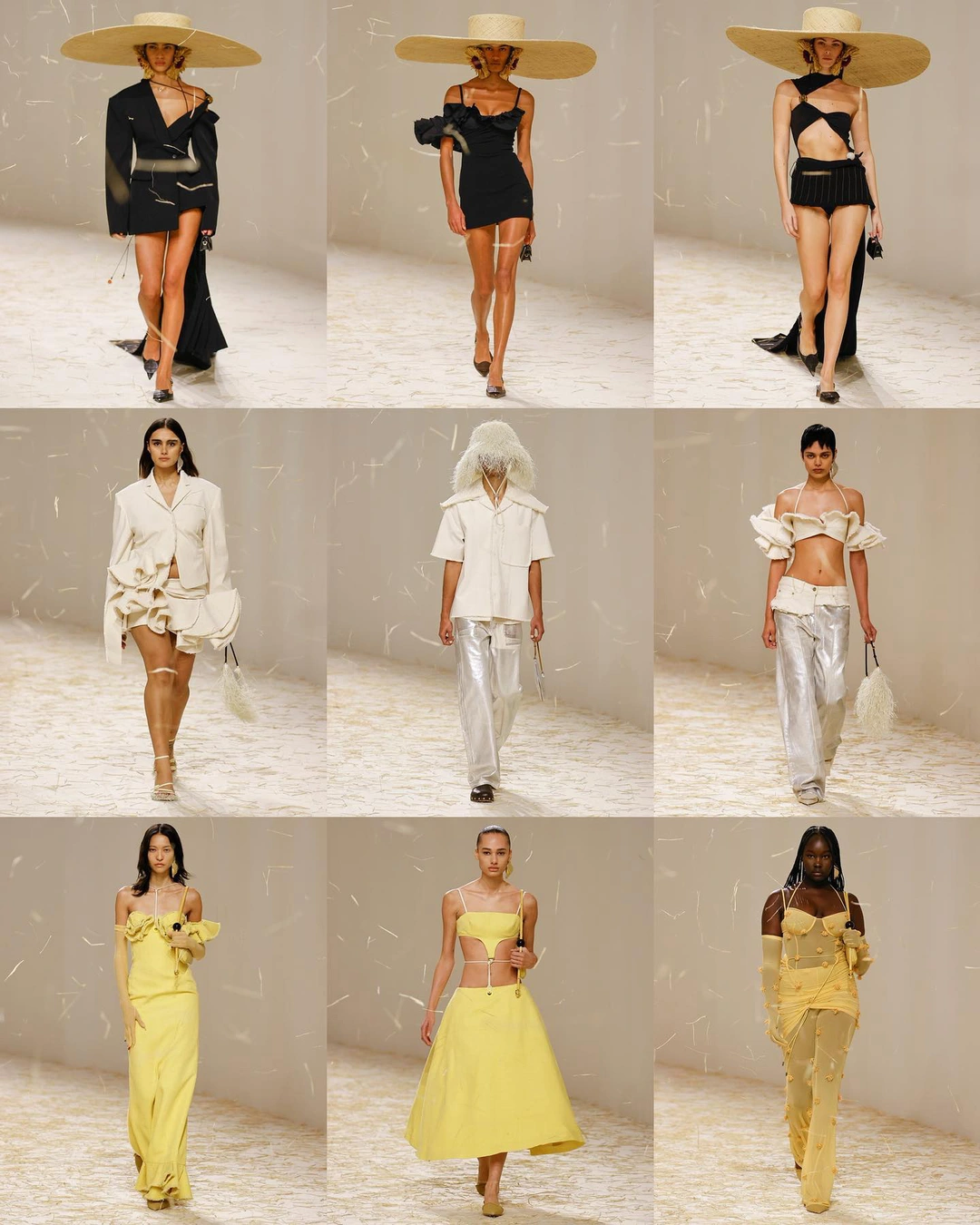
His later collections increasingly carry traces of the life forming around him in the present as well. Marriage and fatherhood have since widened that emotional register again. His children enter through small gestures and visual references. The source remains family, even as the family itself grows.

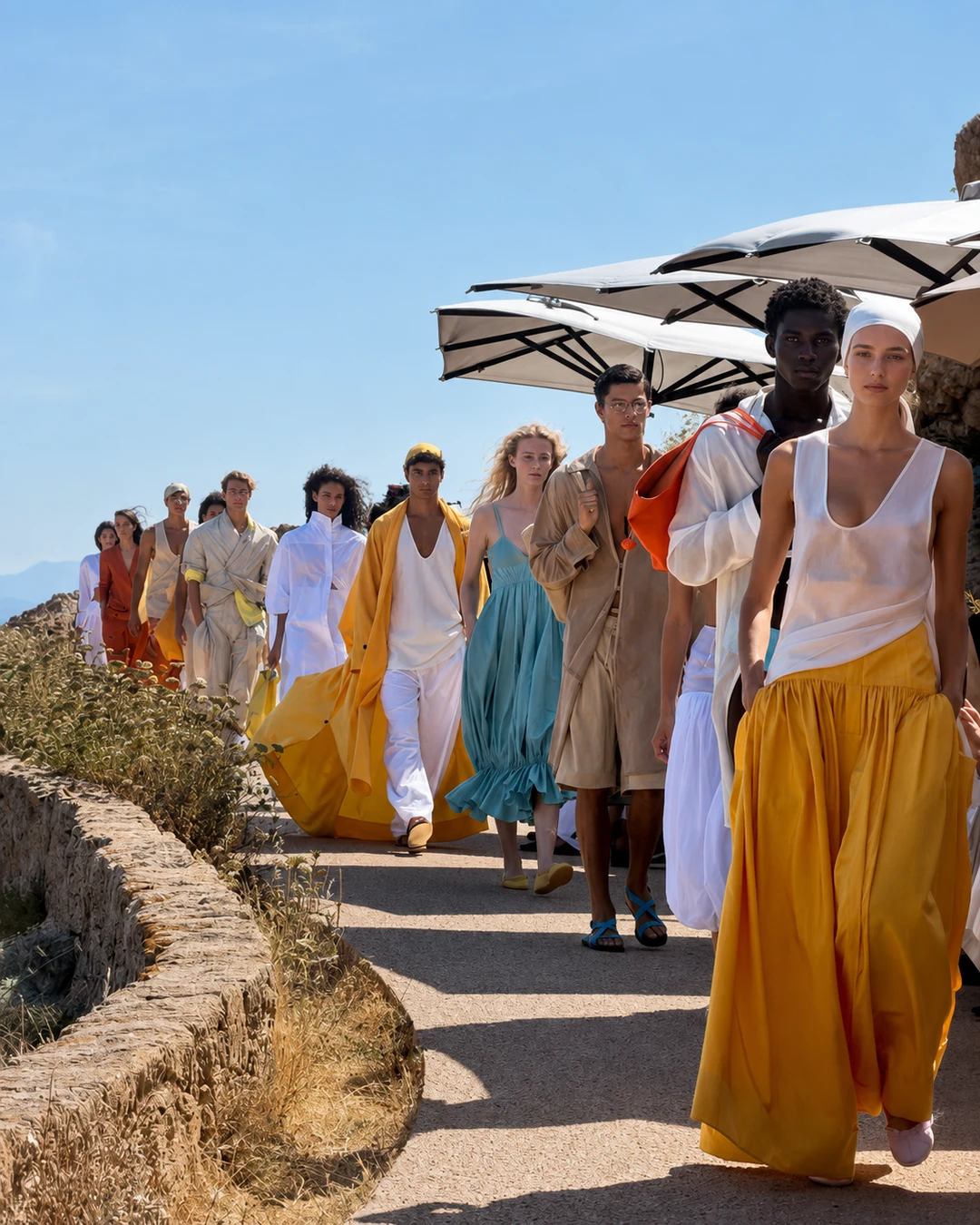
That instinct remains intact in Jacquemus Spring 2027, Le Bonheur. Presented along the path to the Phare de la Pietra in Corsica, the collection turned Simon’s memories of summers on the island into another meditation on happiness, nature and the Mediterranean life that has long shaped his imagination. Even after the house has expanded far beyond Provence, a new collection can still begin with something deeply personal and return as an entirely different note in the Jacquemus composition.
Jacquemus has matured during an era in which young labels are often absorbed into larger groups and creative-director appointments can become fashion’s dominant measure of success. Simon Porte Jacquemus has repeatedly positioned his own name as the destination.
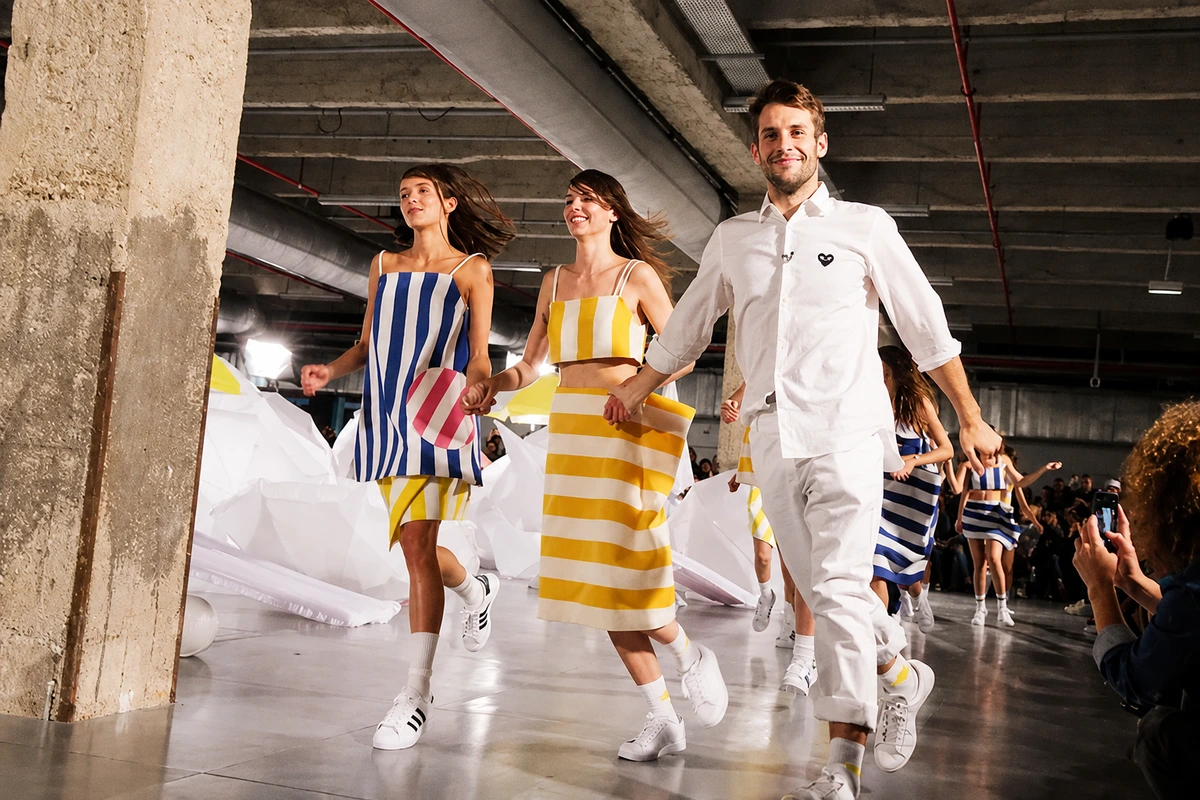
That choice changes how his career reads. Each collection adds weight to the same house instead of becoming an audition for another one. Stores, beauty, accessories and increasingly ambitious shows all expand outward from a vocabulary he has controlled since nineteen.
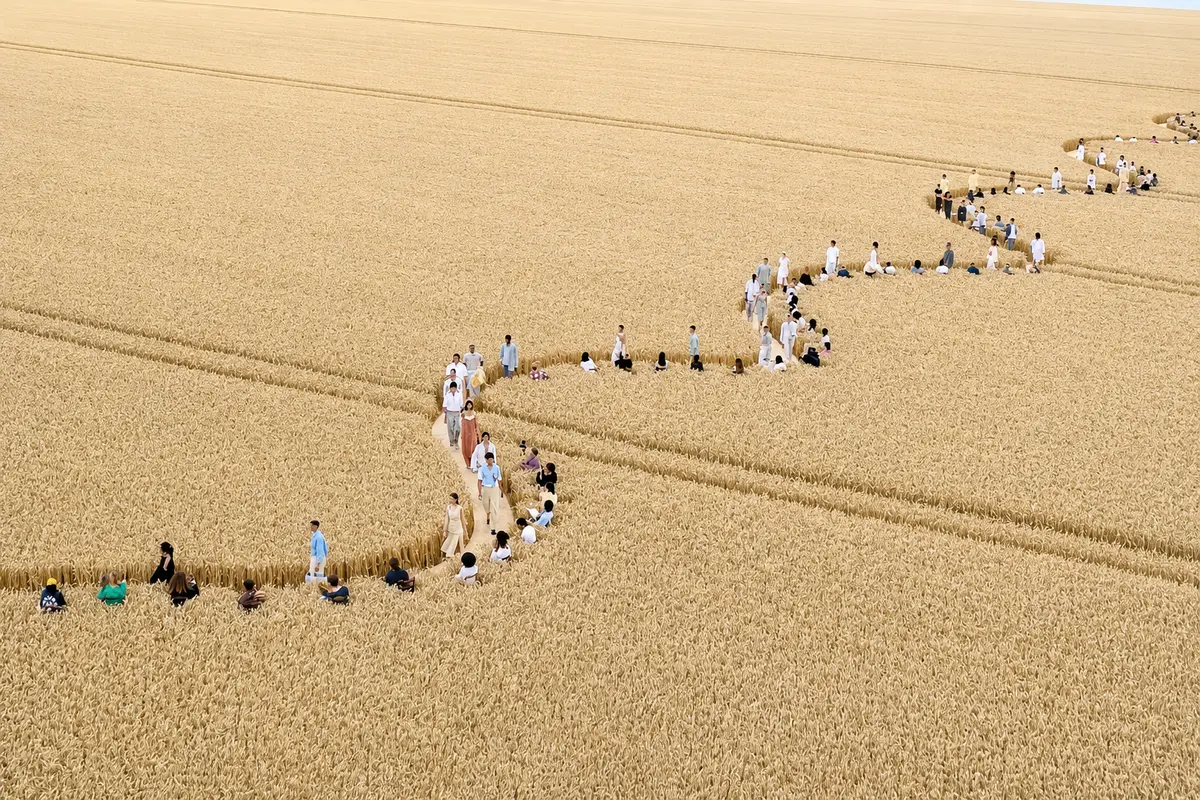
A linen curtain can return decades later as a gesture of memory, while the people who shaped Simon’s earliest world continue to find new places inside the house. His grandparents reappear through Le Paysan, Liline steps forward as its first brand ambassador, and figures such as Jennie and Kendall carry that deeply personal vision into a broader cultural landscape.
The scale keeps increasing; the emotional geography still leads back to the same family, the same South and the same memories Simon has been rewriting since the beginning.
None of these notes needs to sound identical. They only need to belong to the same piece.
Perhaps that is the quality that has kept Jacquemus so distinctive through years in which fashion has become increasingly crowded with images designed for immediate impact. Simon Porte Jacquemus knows how to create those images extraordinarily well, yet his best ones rarely exist in isolation. Behind them sits an older memory, a private affection or some fragment of a life being revisited from a new distance.
Seventeen years into Jacquemus, the composition remains unfinished.
And Simon Porte Jacquemus still seems to be listening for the next note.
Advertisement