From Phoebe Philo's Céline studio to Bottega Veneta and Burberry, Daniel Lee has built a career on transforming familiar luxury codes into new fashion desires.

Daniel Lee From New Bottega to New Burberry
From Phoebe Philo's Céline studio to Bottega Veneta and Burberry, Daniel Lee has built a career on transforming familiar luxury codes into new fashion desires.
November 13, 2026


In 2019, a softly gathered leather pouch became one of fashion's most coveted handbags. Its creator, Daniel Lee, had taken the familiar craftsmanship of Bottega Veneta and given it an entirely new silhouette, recognizable through volume and construction alone.
Within a few seasons, oversized woven leather and square-toed shoes had become signatures of an emerging fashion phenomenon. Yet the designer behind this transformation had spent much of his career working quietly inside other people's studios, learning how to balance creative experimentation with the practical demands of luxury clothing.
2007–2018: From Bradford to Phoebe Philo's Studio
Born in Bradford, Yorkshire, in 1986, Daniel Lee developed an early fascination with making things. His family's practical relationship with craftsmanship, particularly his mother's sewing and his father's mechanical skills, encouraged an appreciation for materials and construction.
At Central Saint Martins in London, Lee studied under the influential Louise Wilson, whose rigorous approach helped shape a generation of British designers. His professional education continued through positions at Maison Martin Margiela, Balenciaga and Donna Karan, exposing him to experimental design, tailoring and commercial womenswear.

In 2012, Daniel Lee joined Céline under Phoebe Philo, eventually becoming Director of Ready-to-Wear Design. During those years, Céline developed an influential vocabulary of modern luxury built around exceptional materials, precise proportions and sophisticated everyday clothing. The collections combined intellectual design with an intuitive understanding of what women wanted to wear.
Lee's experience provided a foundation in translating creative ideas into commercially desirable products. The relationship between functional garments, distinctive construction and discreet luxury would become particularly important when he received his first major creative directorship.
2018–2019: Daniel Lee and the Birth of New Bottega
In June 2018, Kering appointed the 32-year-old designer creative director of Bottega Veneta, succeeding Tomas Maier. The Italian house possessed a distinguished reputation for leather craftsmanship, especially its signature Intrecciato weaving, but its discreet identity offered considerable opportunities for reinvention.
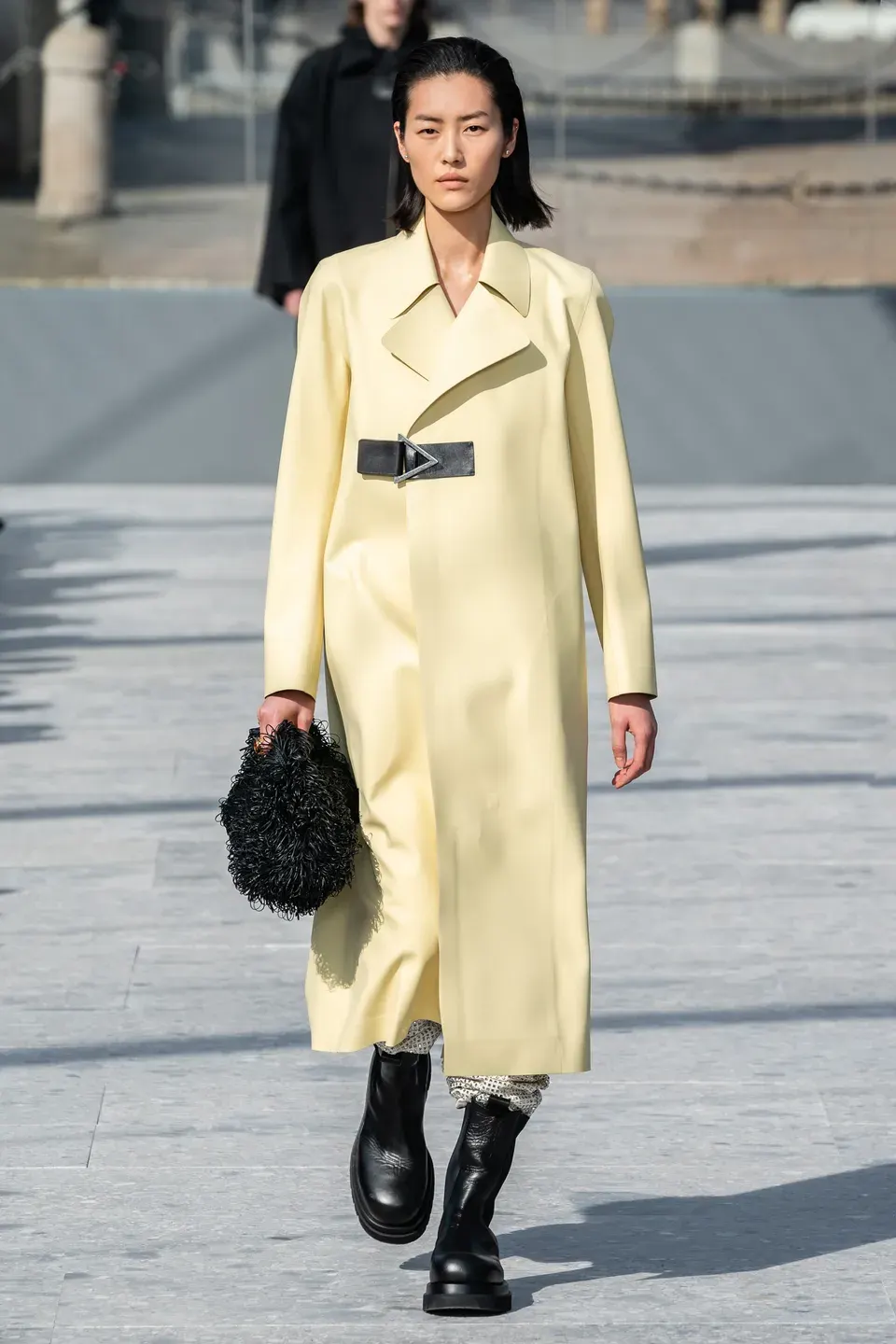
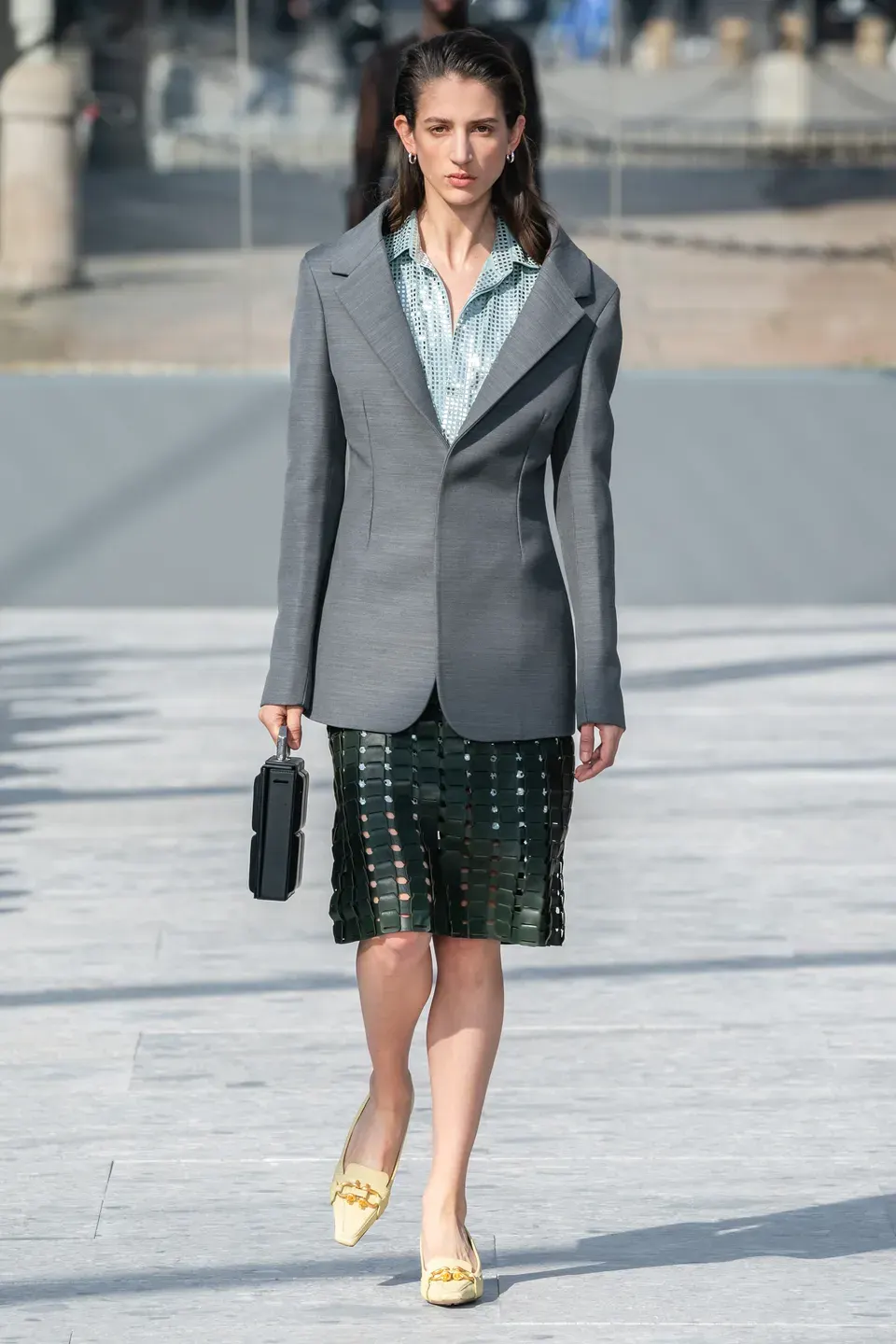
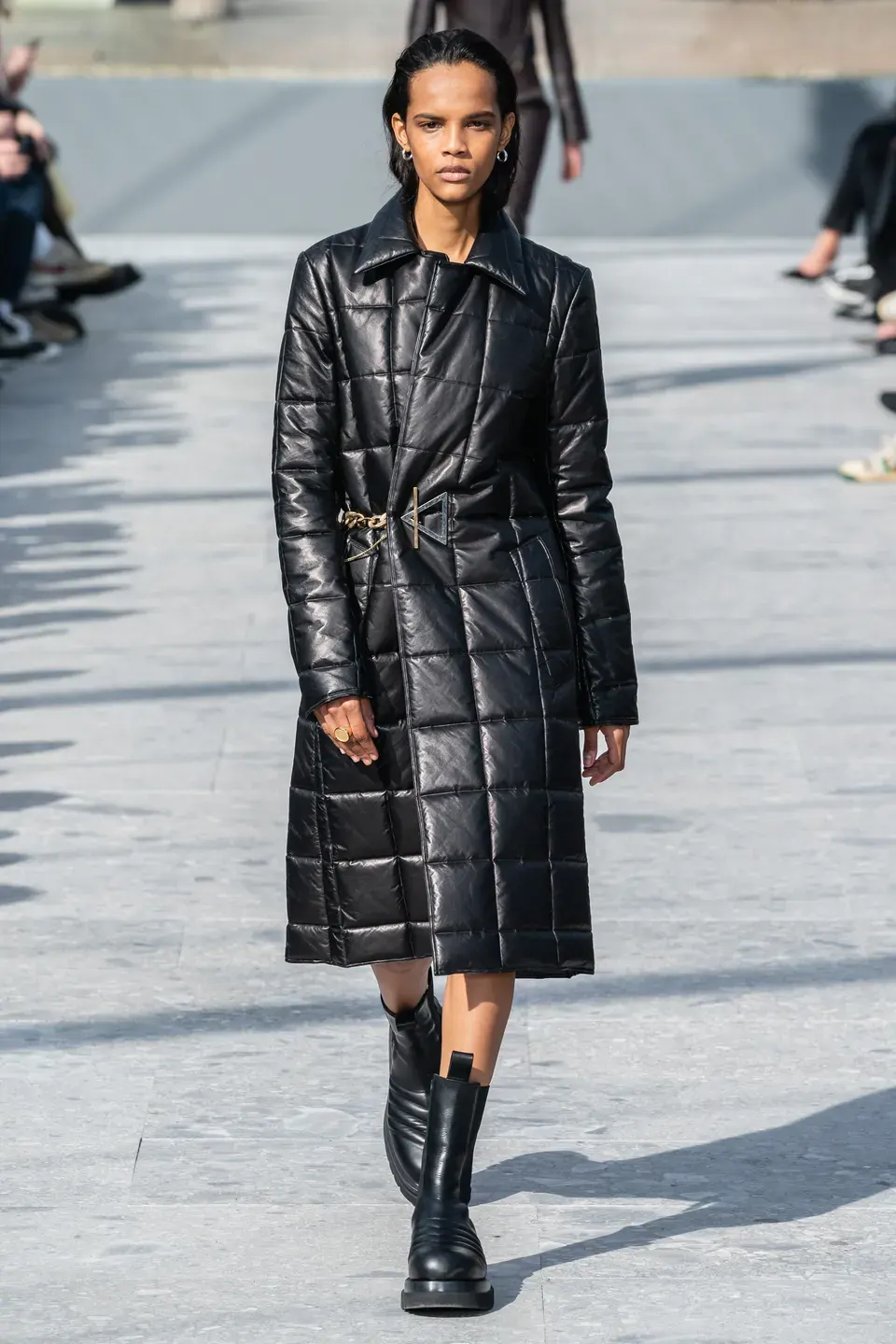
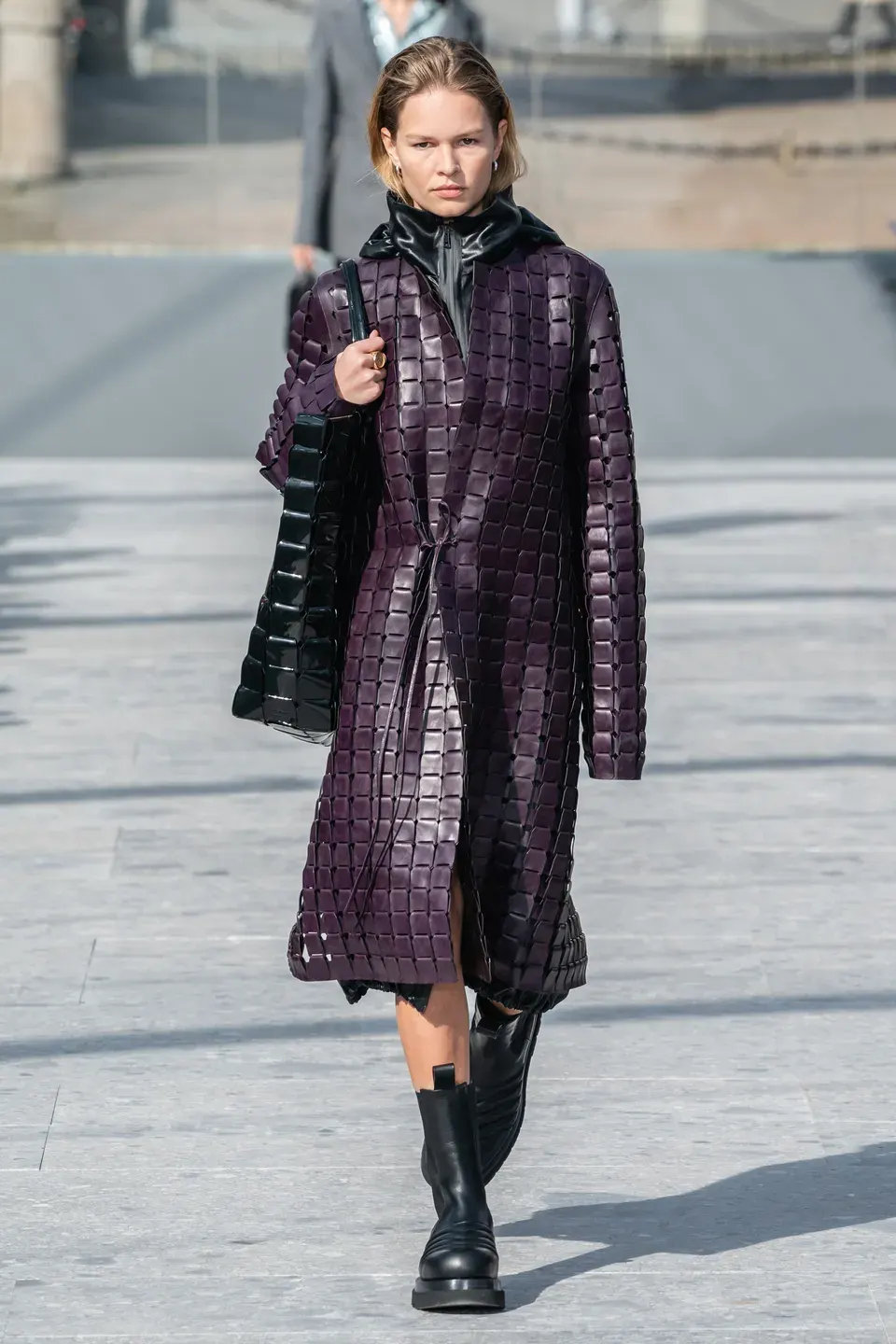
Lee's Fall/Winter 2019 runway debut introduced powerful shoulders, sculptural leather dresses, graphic tailoring and a bold reinterpretation of traditional woven surfaces. His designs emphasized tactile richness and recognizable proportions, giving familiar craftsmanship a contemporary architectural presence.
The Pouch became the defining accessory of this transformation. Its oversized, gathered leather silhouette turned an apparently uncomplicated clutch into a highly desirable object. The Cassette followed, enlarging traditional Intrecciato strips into graphic squares that made the weaving technique immediately visible. Square-toe sandals extended this experimentation into footwear, demonstrating Lee's ability to establish distinctive products across categories.
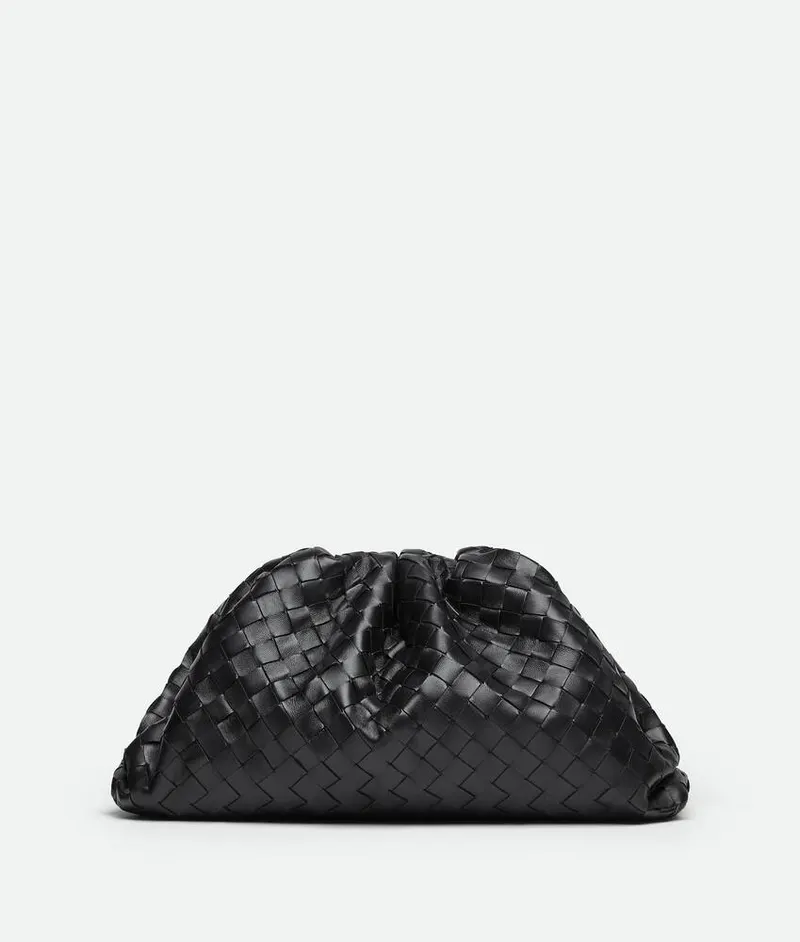

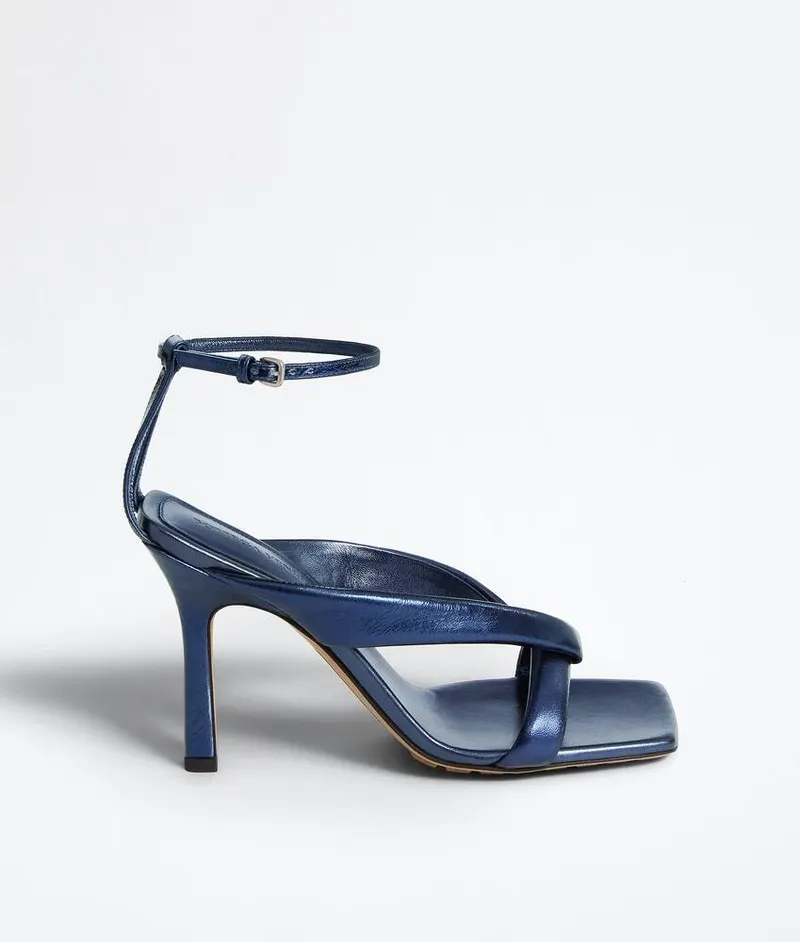
The resulting phenomenon became known as New Bottega. Its appeal depended on recognizable construction and unusual silhouettes, allowing the house to generate considerable fashion attention while preserving its preference for discreet branding.
Daniel Lee had found a particularly effective formula: transform heritage techniques into contemporary products that consumers could identify instantly. Accessories became the strongest expression of his creative language, connecting editorial excitement with the commercial realities of luxury retail.
2019–2021: Four Awards and an Unexpected Departure
December 2019 delivered an extraordinary professional milestone. At the Fashion Awards in London, Daniel Lee received Designer of the Year, British Womenswear Designer of the Year and Accessories Designer of the Year, while Bottega Veneta won Brand of the Year. Four major honors established the scale of his early impact.

His product universe continued expanding through the Jodie bag, Padded Cassette, Puddle boots and the vivid green increasingly associated with Bottega Veneta. The recognizable accessories generated interest across fashion publications, celebrity wardrobes and luxury retail.

Lee also experimented with presentation formats. His intimate Salon shows moved beyond conventional runway schedules, while Bottega Veneta withdrew from major social media platforms in January 2021, attracting attention through its conspicuous absence from those channels.
The commercial results reflected the momentum. Annual revenue increased from approximately €1.11 billion in 2018 to €1.50 billion in 2021, although the figures also reflect broader business decisions and market conditions.
Then, in November 2021, Kering announced that Lee and Bottega Veneta had mutually agreed to end their collaboration. The company disclosed no detailed explanation. After just over three years, his first creative directorship had ended, leaving behind an influential accessories vocabulary and a significant chapter in contemporary luxury fashion.
2022–2024: Reinventing Britishness at Burberry
In September 2022, Burberry appointed Daniel Lee Chief Creative Officer, succeeding Riccardo Tisci. His return to Britain introduced a different assignment: developing contemporary relevance around an established collection of instantly recognizable symbols.
The trench coat, House Check and Equestrian Knight already carried extensive cultural histories. Lee began by restoring the knight emblem and introducing Knight Blue, a vivid color intended to strengthen the brand's visual identity.
His Fall/Winter 2023 debut embraced British eccentricity through oversized blanket coats, tartan, heavy outerwear and unusual accessories. The collection drew on landscapes, outdoor dressing and the unpredictable relationship between tradition and contemporary street culture.

Subsequent collections continued exploring exaggerated proportions, textured fabrics and interpretations of the trench coat. Spring/Summer 2024 introduced playful printed surfaces and unconventional accessories, while Fall/Winter 2024 developed a darker, more protective wardrobe shaped by substantial coats and layered materials.
The experimentation produced energy, although its numerous references occasionally complicated the overall identity. Burberry's heritage offered an extensive creative archive, but developing a consistent fashion language required careful selection.

Commercially, the house was also pursuing ambitious luxury repositioning, with particular attention to leather goods. Slower demand and pricing challenges placed additional pressure on that strategy. Lee's responsibility extended beyond generating exciting runway images: his designs needed to strengthen products that customers already associated with Burberry.
2025–2026: Finding a New Rhythm at Burberry
Under chief executive Joshua Schulman's Burberry Forward strategy, introduced in November 2024, the company renewed its emphasis on outerwear, scarves and established British heritage products. This shift provided a more focused commercial framework for Lee's collections.

Fall/Winter 2025 emphasized protective coats and tactile fabrics, while Spring/Summer 2026 explored British music culture through fringe, leather and relaxed silhouettes. The experimentation continued into Fall/Winter 2026, where urban dressing and layered outerwear reflected a more grounded approach.
Burberry Spring/Summer 2027 introduced a collaboration with textile designer Celia Birtwell, whose expressive floral drawings and portraits disrupted the familiar geometry of the Burberry check. Washed fabrics, softened surfaces and relaxed proportions brought a deliberate sense of imperfection to the collection.

The financial environment had also improved. Burberry reported £2.42 billion in revenue for the 2025/26 financial year, with adjusted operating profit reaching £160 million, compared with £26 million previously. These results reflected company-wide restructuring and commercial decisions alongside Lee's creative contribution.
For Daniel Lee, Burberry presents a continuing test of design maturity. His Bottega Veneta years demonstrated an extraordinary instinct for creating desirable accessories. His current work demands a broader discipline: building a coherent wardrobe around products whose cultural identities were established generations before his arrival. The evolution remains unfinished, with his most consequential Burberry legacy still taking shape.