Before vanilla became perfume's familiar sweetness, an orchid crossed oceans, changed lives and scented amber fragrances. What did its pods conceal?
Vanilla: The Orchid That Changed Perfumery
Before vanilla became perfume's familiar sweetness, an orchid crossed oceans, changed lives and scented amber fragrances. What did its pods conceal?
November 13, 2026


Vanilla traveled from Mesoamerican forests to European perfume houses, acquiring associations with elegance, warmth and sensuality. Its sweetness is immediately recognizable, yet natural vanilla also carries woody, balsamic, spicy and sometimes leathery nuances that explain its enduring place in fine fragrance.
Vanilla, the Orchid That Conquered the World
The climbing orchid Vanilla planifolia occupied an important place in Mesoamerican culture. Native to Mexico and Central America, it is particularly associated with the Totonac people of present-day Veracruz. Vanilla subsequently flavored cacao beverages in Aztec society, while Spanish colonial trade carried its fragrant pods to Europe during the sixteenth century.
Growing the orchid elsewhere presented an extraordinary challenge. Each flower remains receptive to pollination for approximately one day, and a membrane separates its reproductive structures. In 1841, twelve-year-old Edmond Albius, an enslaved boy living on Réunion Island, developed a practical method of hand pollination. With a slender implement, he lifted the membrane and pressed the flower's reproductive parts together.
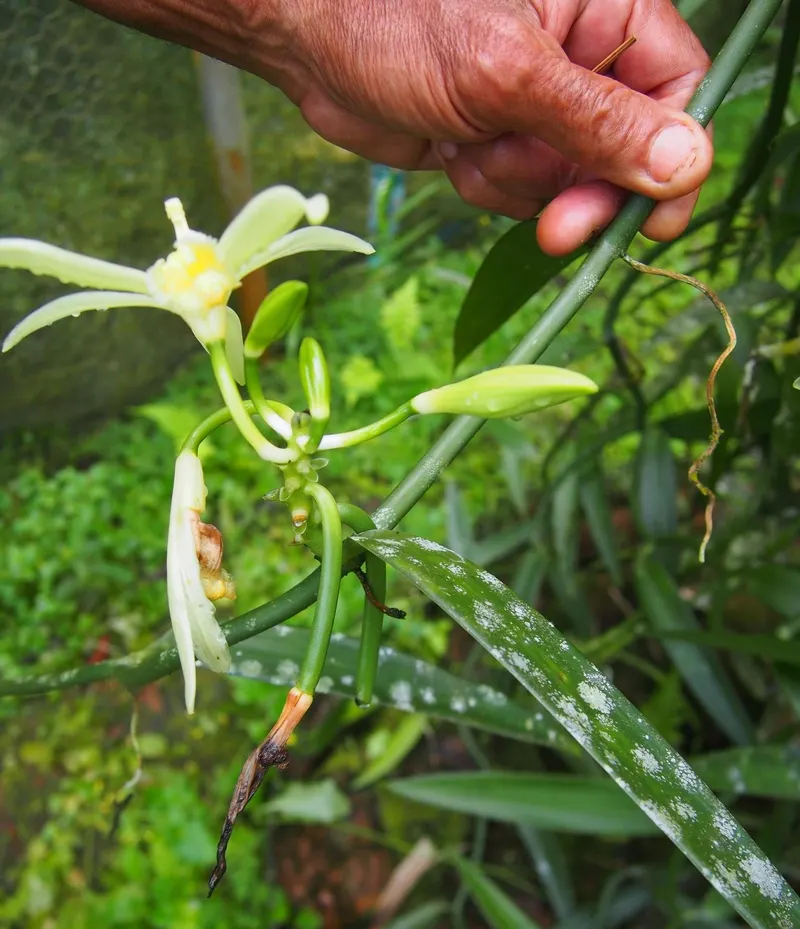
His discovery transformed cultivation across the Indian Ocean, helping establish plantations in Réunion and Madagascar. Albius received recognition for the method but little material reward. Commercial growers still pollinate most vanilla flowers by hand, making his achievement a living part of the ingredient's production history.
Why Natural Vanilla Takes So Long to Smell Sweet
Fresh green vanilla pods possess surprisingly little of the fragrance associated with the finished ingredient. After pollination, the fruits generally require six to nine months to mature. Farmers then harvest them and begin a demanding curing process, traditionally involving heating, sweating, drying and conditioning.
Inside the fresh fruit, glucovanillin stores the precursor to vanilla's familiar scent. During curing, enzymatic activity releases vanillin, a principal contributor to its creamy sweetness. Other transformations develop the complexity of the finished pods as moisture gradually diminishes and the fruit darkens, wrinkles and becomes intensely aromatic.
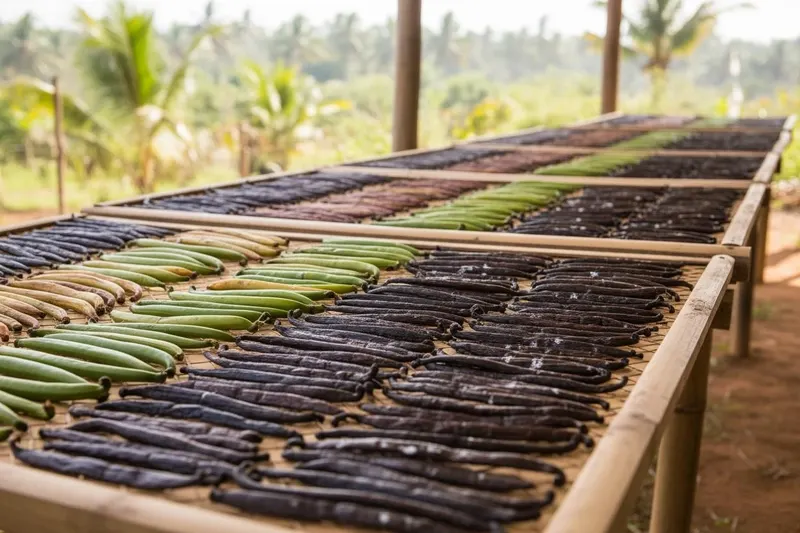
The process demands careful attention to temperature, humidity and airflow. Poor handling can compromise an entire harvest, while successful curing produces glossy, pliable pods with a layered fragrance. Their transformation continues long after they have left the vine. Some cured pods develop tiny crystals of vanillin on their surfaces, an intriguing visible reminder of the chemistry taking place inside the fruit.
Perfumers obtain natural vanilla materials through several extraction approaches. Macerating cured pods in alcohol produces vanilla tincture, while solvent extraction can yield vanilla absolute, a concentrated material with deeper aromatic facets. These preparations preserve more of the pod's complexity than the familiar smell of isolated vanillin alone.
The labor starts with the orchid and continues through months of postharvest preparation. Natural vanilla's value reflects this extended commitment as well as the expertise required to bring each harvest to aromatic maturity.
What Natural Vanilla Really Smells Like
The sweetness of vanilla is only its opening impression. Natural extracts can suggest warm wood, tobacco, resin, spice, faint smoke and polished leather. These facets make vanilla particularly effective in amber perfumes, where its softness connects floral notes with balsams, woods and animalic materials. In concentrated form, the extract can appear dark and resinous, offering perfumers a textured material that carries a sense of the cured pod beyond its familiar sweetness.
Botanical differences also influence the scent. Madagascar Bourbon vanilla, generally derived from Vanilla planifolia, is prized for a rich, creamy and balsamic profile. Tahitian vanilla, associated with Vanilla × tahitensis, often possesses more floral and anisic nuances, partly linked to compounds such as anisaldehyde.
In 1874, Wilhelm Haarmann and Ferdinand Tiemann synthesized vanillin, opening a consequential chapter in perfume chemistry. Synthetic vanillin and the later development of ethylvanillin expanded perfumers' creative possibilities. Natural vanilla nevertheless remained prized for the varied aromatic compounds present in its complete extract.
When Vanilla Became a Perfume Legend
Nineteenth-century perfume makers already used plant-derived vanilla in aromatic preparations. George William Askinson's 1892 manual Perfumes and Their Preparation included an Extrait d'Ambre formula containing vanilla tincture alongside ambergris, musk and rose. That surviving recipe offers direct evidence of natural vanilla's place in sophisticated fragrance making, particularly within the warm, enveloping style later associated with amber perfumes.
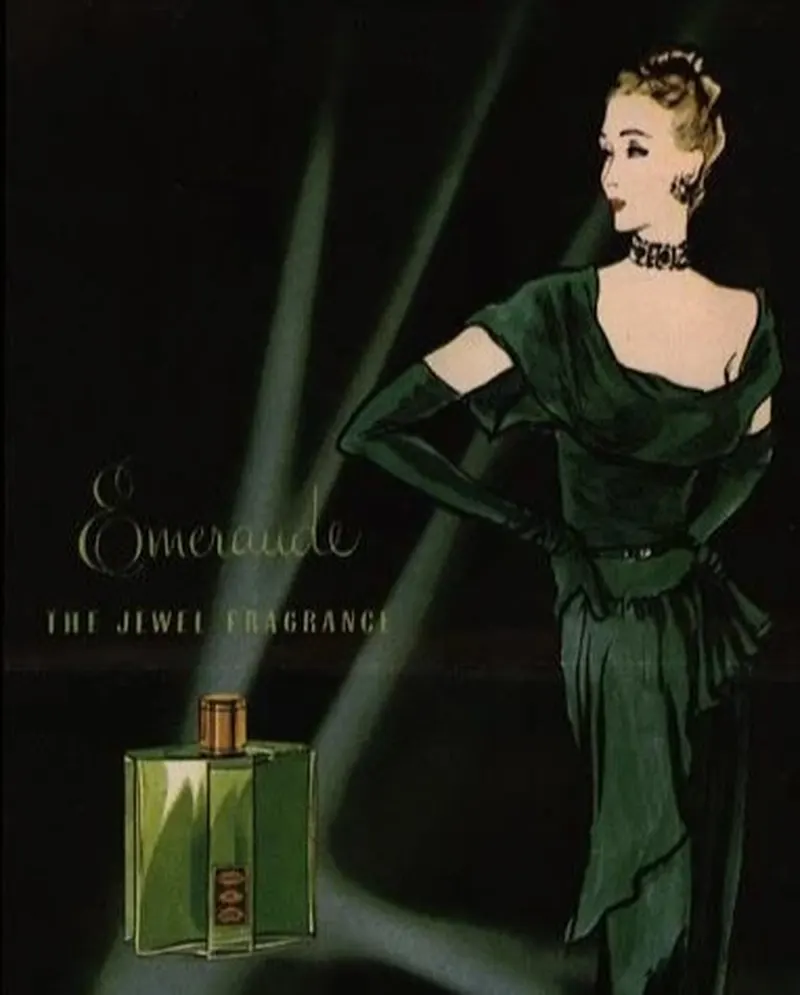
In 1921, François Coty's Emeraude brought vanilla warmth into an influential amber composition. Balsamic materials and floral nuances created a richly textured fragrance, positioning sweetness within an atmosphere of elegance and intimacy. Its historical importance lies in the development of amber perfumery, although the natural vanilla content of its original formula remains undocumented.
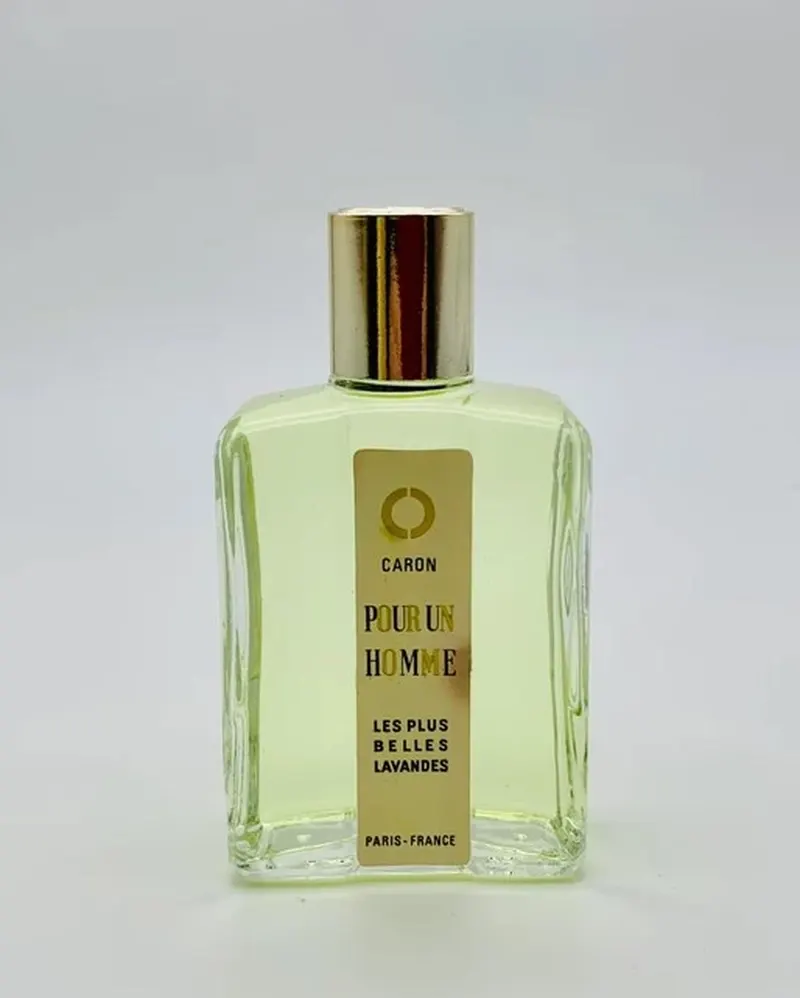
By 1934, Ernest Daltroff had introduced another interpretation through Caron Pour Un Homme, pairing aromatic lavender with the warmth of vanilla. Its restrained construction demonstrated how a familiar sweet note could lend softness and depth to an herbal composition, establishing an influential masculine fragrance.
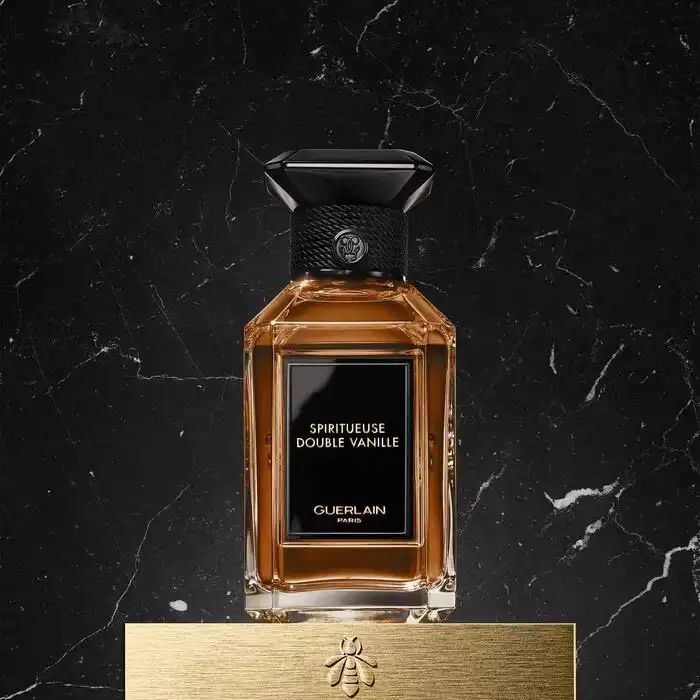
Created by Jean-Paul Guerlain in 2007, Guerlain Spiritueuse Double Vanille showcases Madagascar vanilla through a traditional tincture requiring approximately eighteen months of preparation. Its woody, smoky character unfolds alongside rum, cedar and delicate florals.
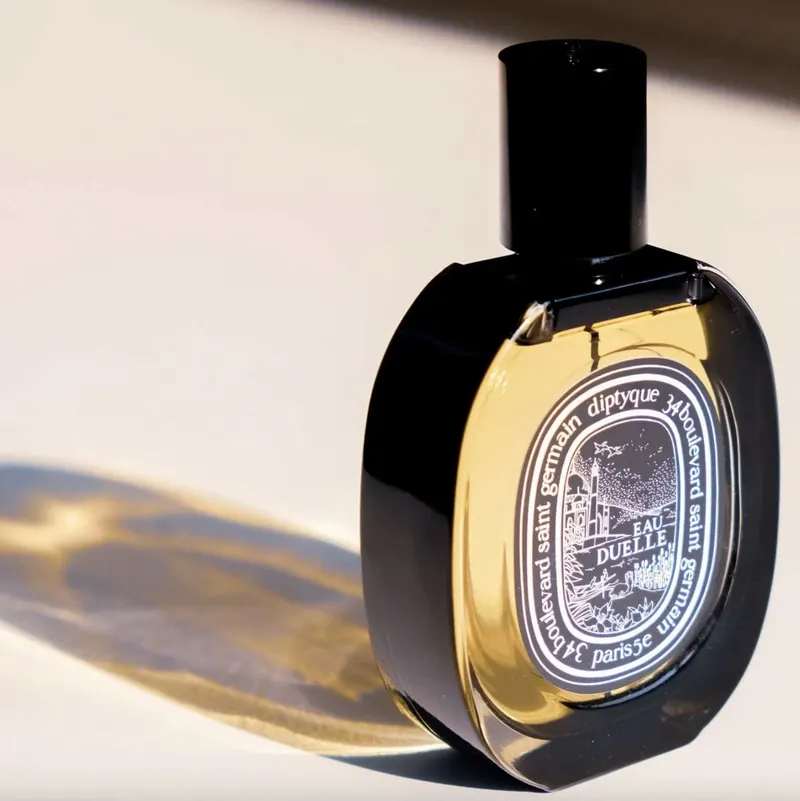
Diptyque Eau Duelle (2010), composed by Fabrice Pellegrin, explores Madagascar Bourbon vanilla through pink peppercorn, calamus and smoky cypriol, drawing inspiration from historical spice routes.
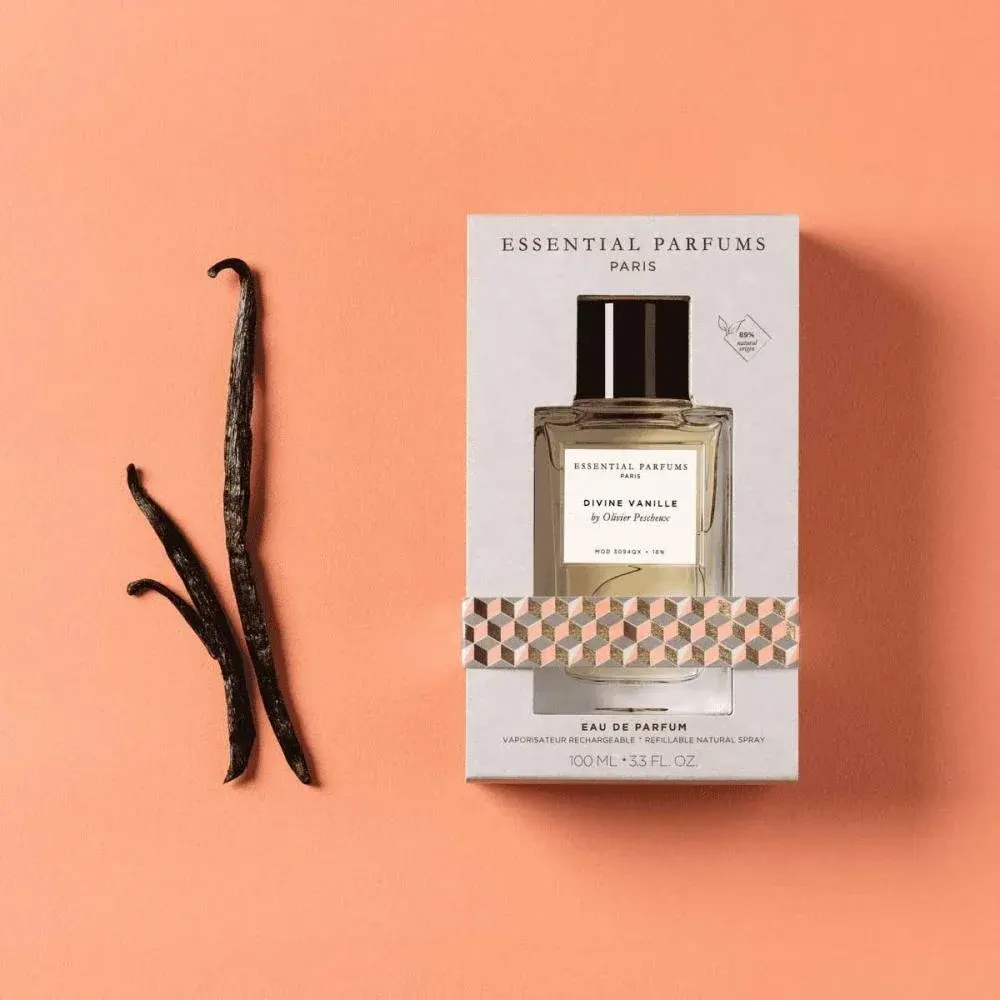
Essential Parfums Divine Vanille (2019), created by Olivier Pescheux, combines sustainably sourced Madagascar vanilla absolute with cinnamon, osmanthus, benzoin and patchouli. Its sourcing supports community development initiatives in Madagascar.
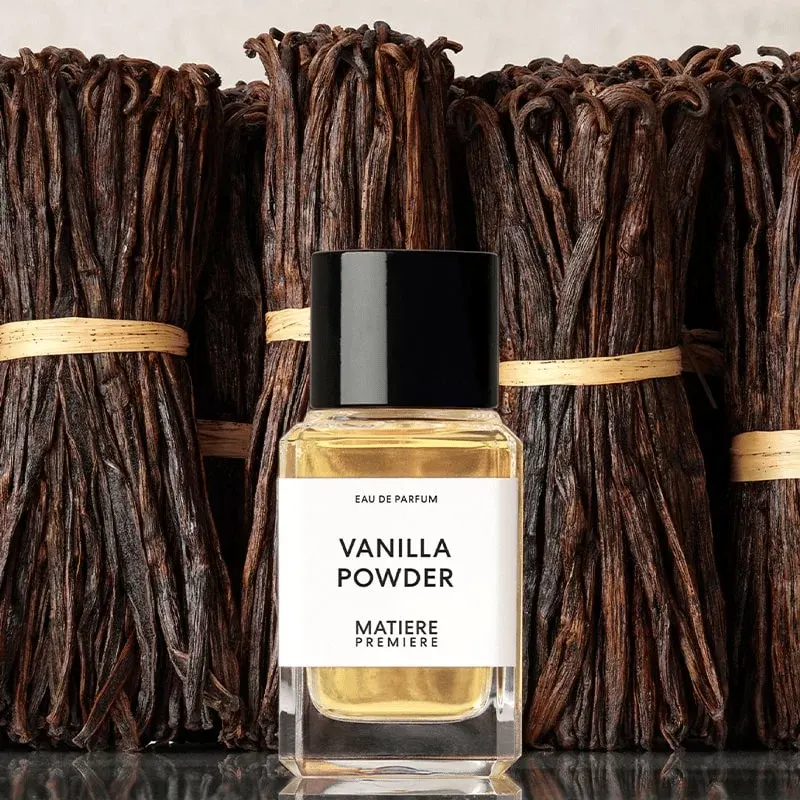
In Matière Première Vanilla Powder (2023), Aurélien Guichard contrasts Fair for Life-certified Madagascar vanilla absolute with coconut powder, palo santo and white musks, creating a luminous, woody-powdery interpretation.
Vanilla Beyond the Familiar
As climate variability, labor-intensive cultivation and shifting agricultural economics affect natural vanilla production, the provenance of each extract is becoming an important consideration for perfume houses.
Differences in terroir, curing conditions and extraction methods also offer perfumers opportunities to explore the ingredient with greater precision, much as winemakers distinguish between individual vineyards. For natural vanilla, the next expression of luxury may emerge from knowing exactly where its character begins.