MENU
Close





When a woman rides beside her horse, chasing victory with clear intention, is equestrian style simply a look the world admires, or the disciplined courage of someone who writes her own journey into fate?
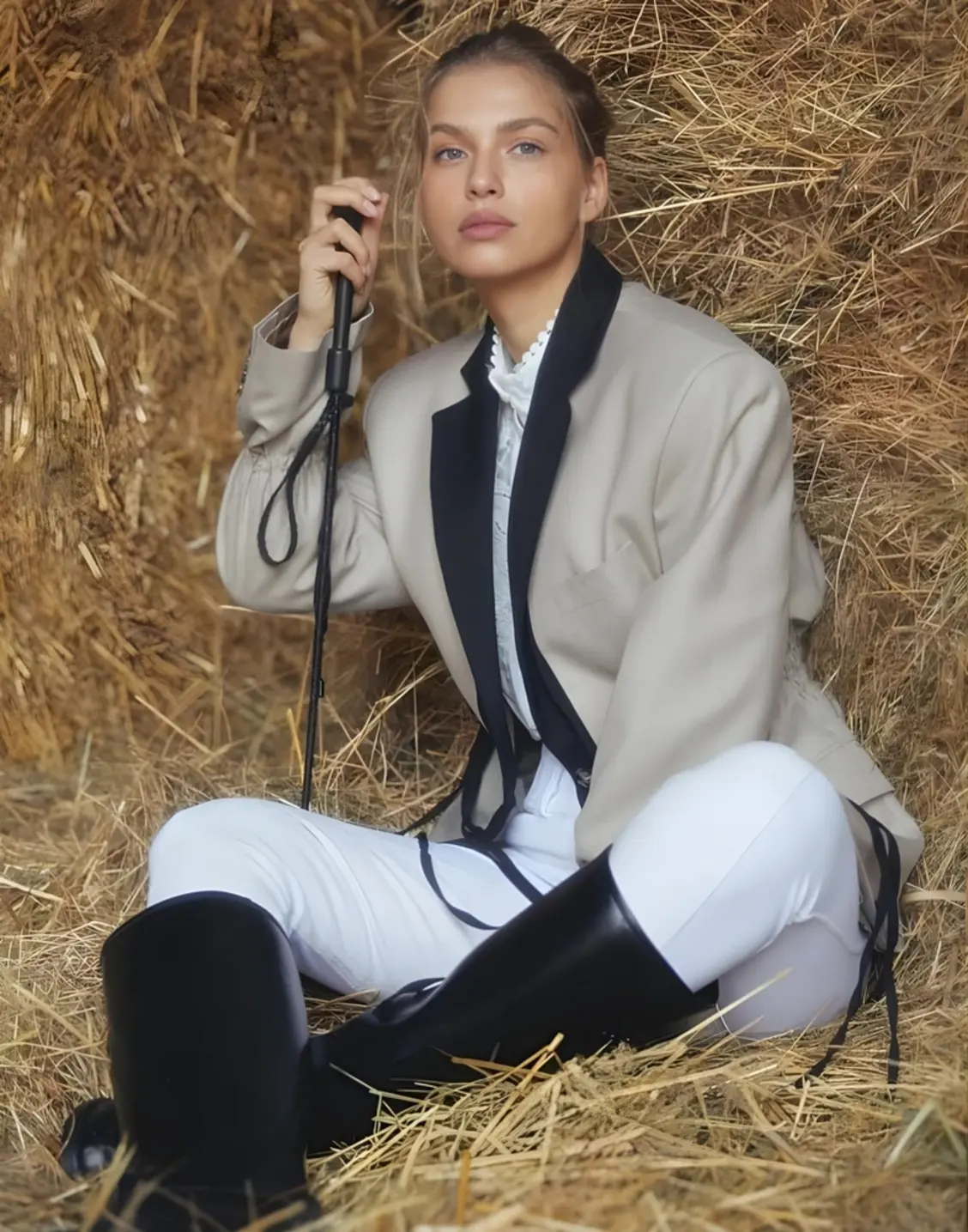
When a woman rides beside her horse, chasing victory with clear intention, is equestrian style simply a look the world admires, or the disciplined courage of someone who writes her own journey into fate?
February 13, 2026
Advertisement

Advertisement



Fog stays low over the field. The arena lights cut through it, warming the damp grass in thin gold lines. From the stable come small wake-up sounds: a latch, a bucket, straw shifting under hoof.
She comes early on purpose. Early means space is hers. Early means she can hear everything.
Her boots swing from two fingers, leather cold. Her riding jacket rests over her arm, crisp and structured. She walks in everyday clothes, yet her real self waits in those pieces. Near the barn, the air turns familiar: saddle soap, worn hide, metal, hay.
The horse is her friend, her witness, her partner in a private pact. He carries her forward, she steadies him with intention. Together, they chase something that lives just beyond comfort: a round that must feel effortless, a test that demands precision, a goal that has waited through months of training. Their mission has no need for banners. It lives in muscle memory, in trust, in the way her pulse slows the moment she touches the reins.
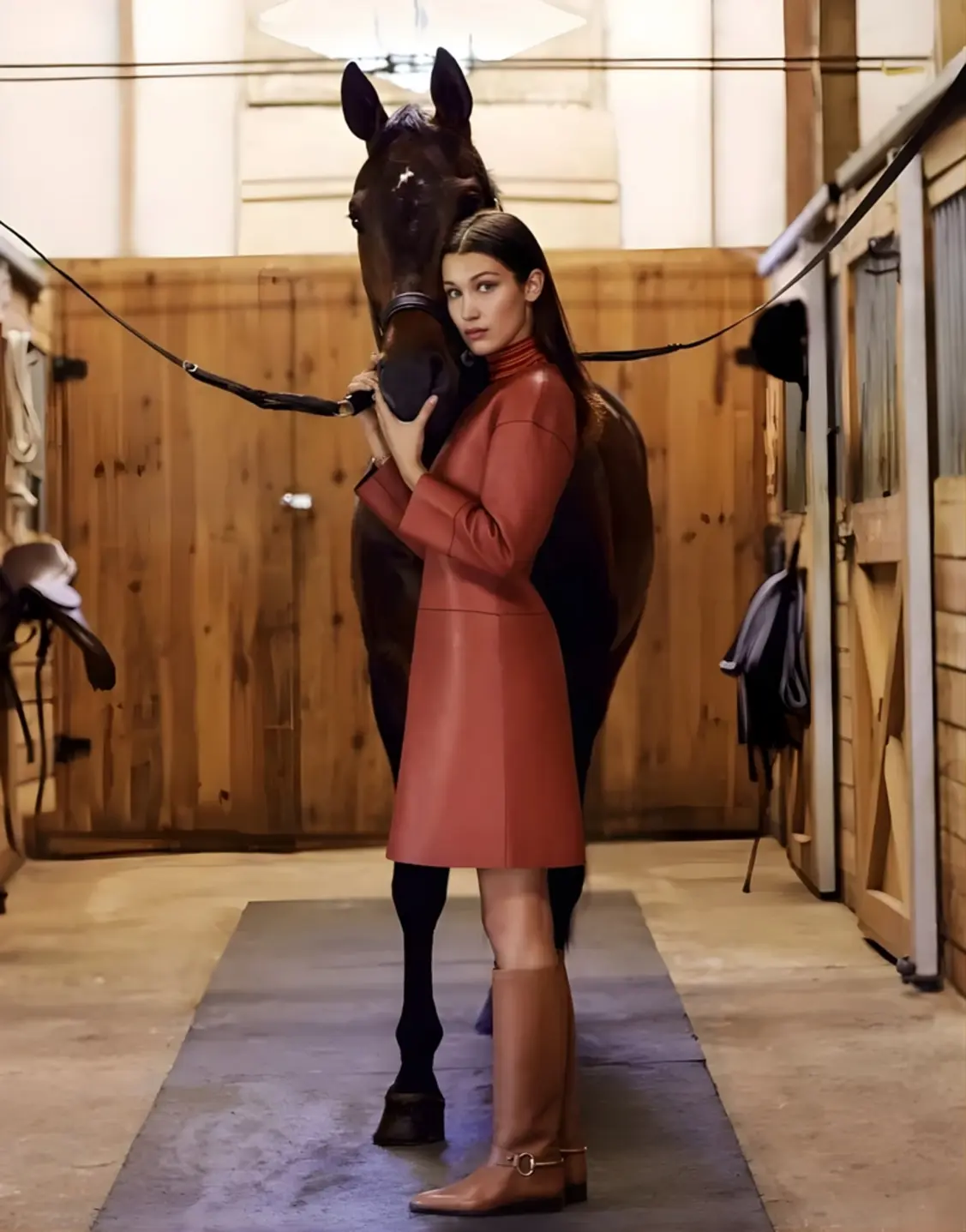
Equestrian style lives here, inside this transformation.
It is a fashion language built from function, refined into elegance, then carried far beyond the field. It speaks through clean tailoring, through purposeful hardware, through a palette that feels timeless. It favors restraint that reads as power. It does not beg for attention. It earns it.
When she steps out of the tack room, her lifestyle becomes legible in two places only: the horse she rides, the style she represents. Each tells the same story from a different angle. Devotion made visible. Control made graceful. Care made beautiful.
People call it classic, preppy, heritage, sporty chic. Those labels touch the surface. The deeper truth lives closer to the body. Equestrian style is the art of looking composed while doing something hard.
Equestrian style has always carried history in its seams. It began in the world of riding, where clothing had to serve the body’s safety and the rider’s dignity. For women, that dignity came wrapped in rules. The earliest riding habits were tailored like menswear, with fitted jackets and careful collars, worn over skirts designed for side saddle. The silhouette was a negotiation between mobility and propriety.
In the nineteenth century, the riding habit grew sharper, more intentional, more like a suit. Tailors who understood sporting wear began shaping women’s riding clothes with the same respect given to men’s garments: clean shoulders, precise seams, quality fabric, disciplined lines. The riding field became a laboratory for modern womenswear. A woman learned the feeling of a fitted jacket, the confidence of a defined waist, the power of clothing that expected her to stand tall.
Then came a shift that changed everything: astride riding gained acceptance, slowly, unevenly, yet surely. Practicality won ground. Skirts gave way to forms that allowed more freedom of movement. The body could align with the horse in a new way. Posture changed. Possibility changed. Equestrian style absorbed that evolution and carried it forward, even after the field began sharing its codes with the street.
In the twentieth century, equestrian codes spread into wider culture. Country weekends, polo clubs, fox hunts, show rings, each offered its own version of the uniform. The look became shorthand for discipline and refinement. It suggested heritage, yes, yet it also suggested competence. It suggested a person who knows how to care for things, who respects craft, who trusts process.
Fashion houses watched, learned, translated. Equestrian style moved from stable to atelier, from arena to runway, without losing its backbone.
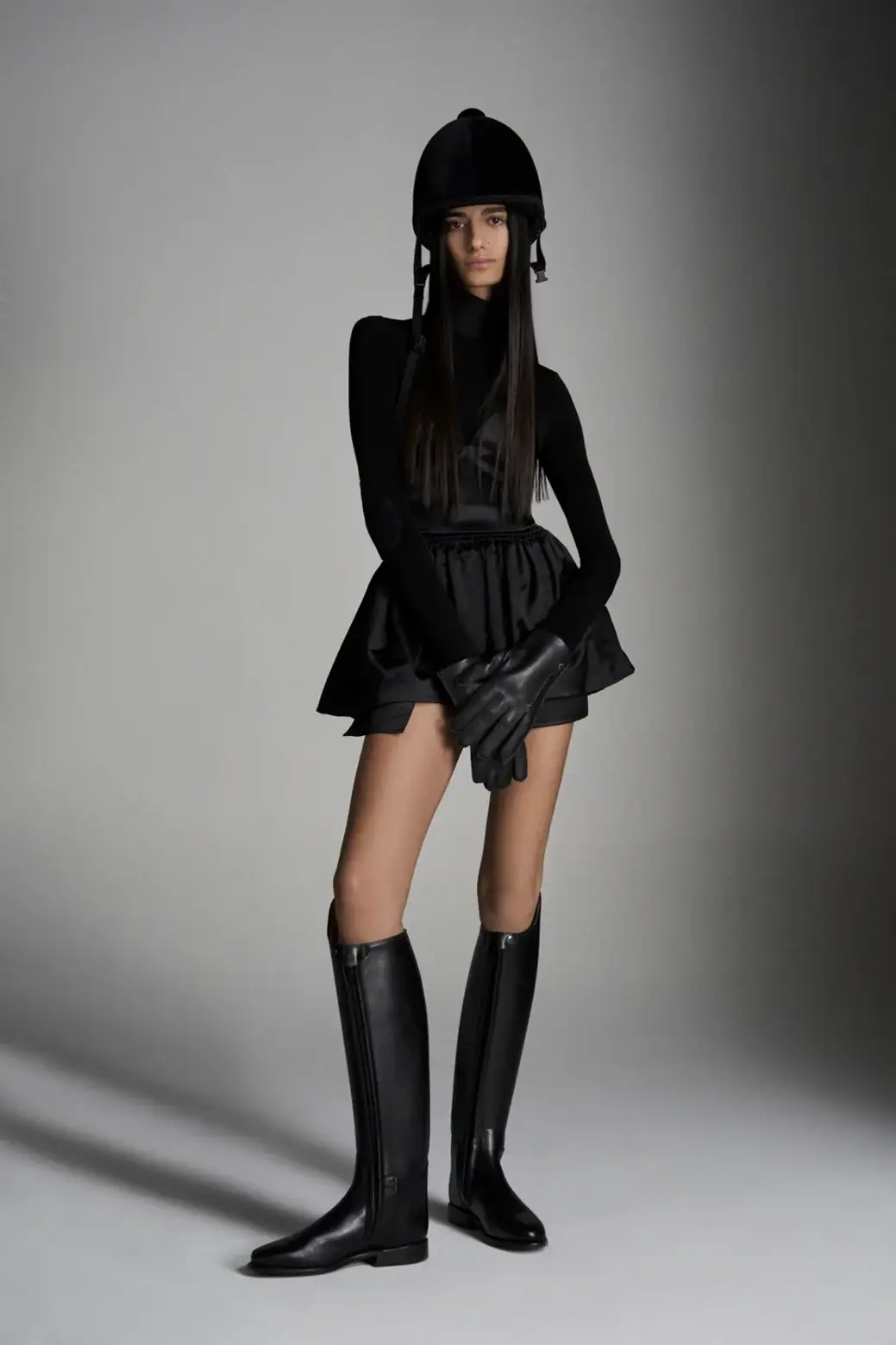
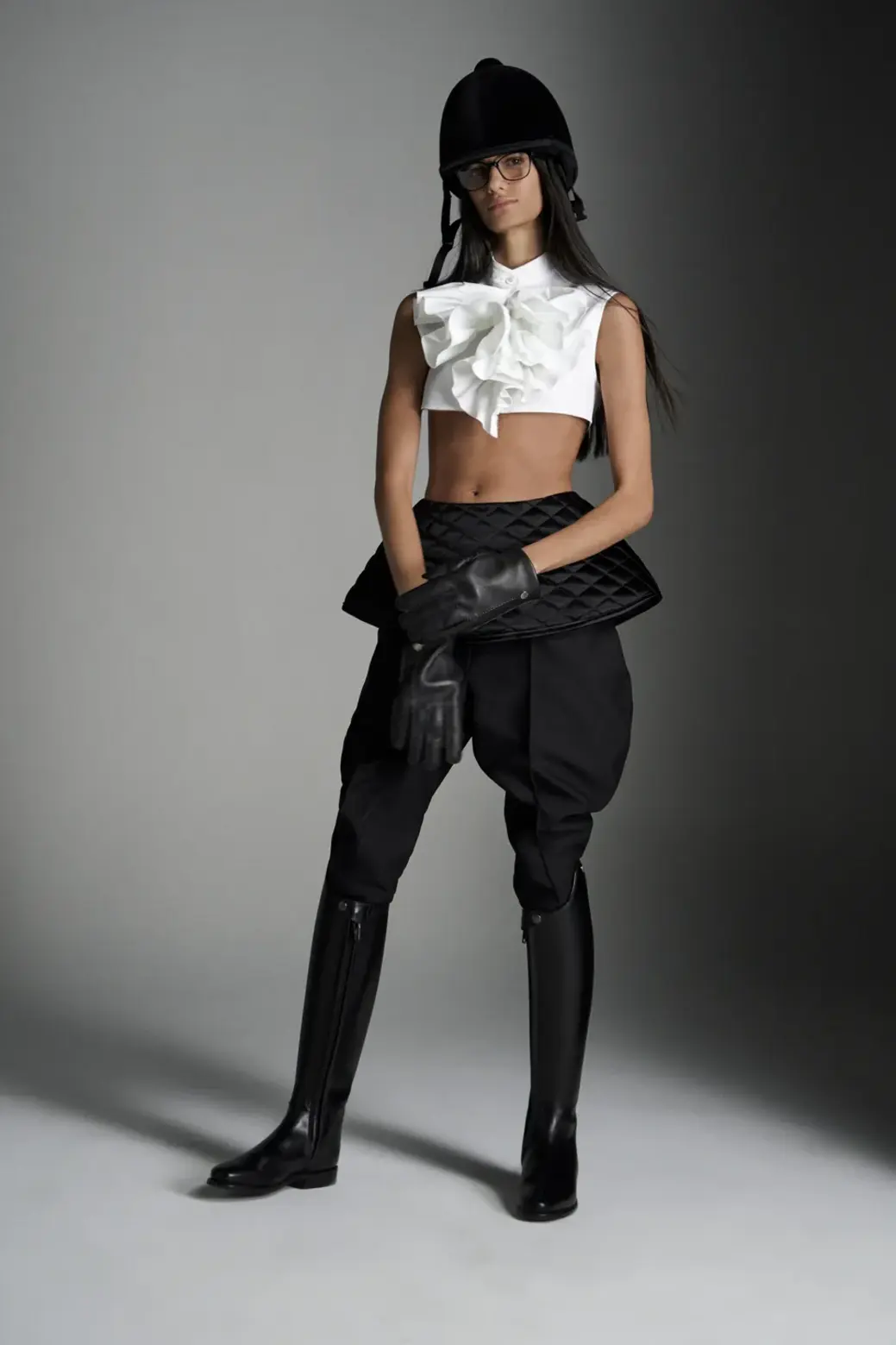
The riding jacket is the heart. It brings structure to the upper body, shaping the shoulders into confidence, guiding the waist into clarity. A good jacket feels like a hand at the center of the back, reminding the spine to rise.
The shirt and high collar frame the face. They lift the chin. The stock tie adds an old-world elegance, a nod to hunt tradition, a soft column of fabric that says, today requires composure.
Breeches and jodhpurs bring function that becomes silhouette. They taper at the ankle, remove bulk, and support movement. In fashion, they translate into slim trousers, into leggings with tailored seams, into pants that look designed for a life in motion.
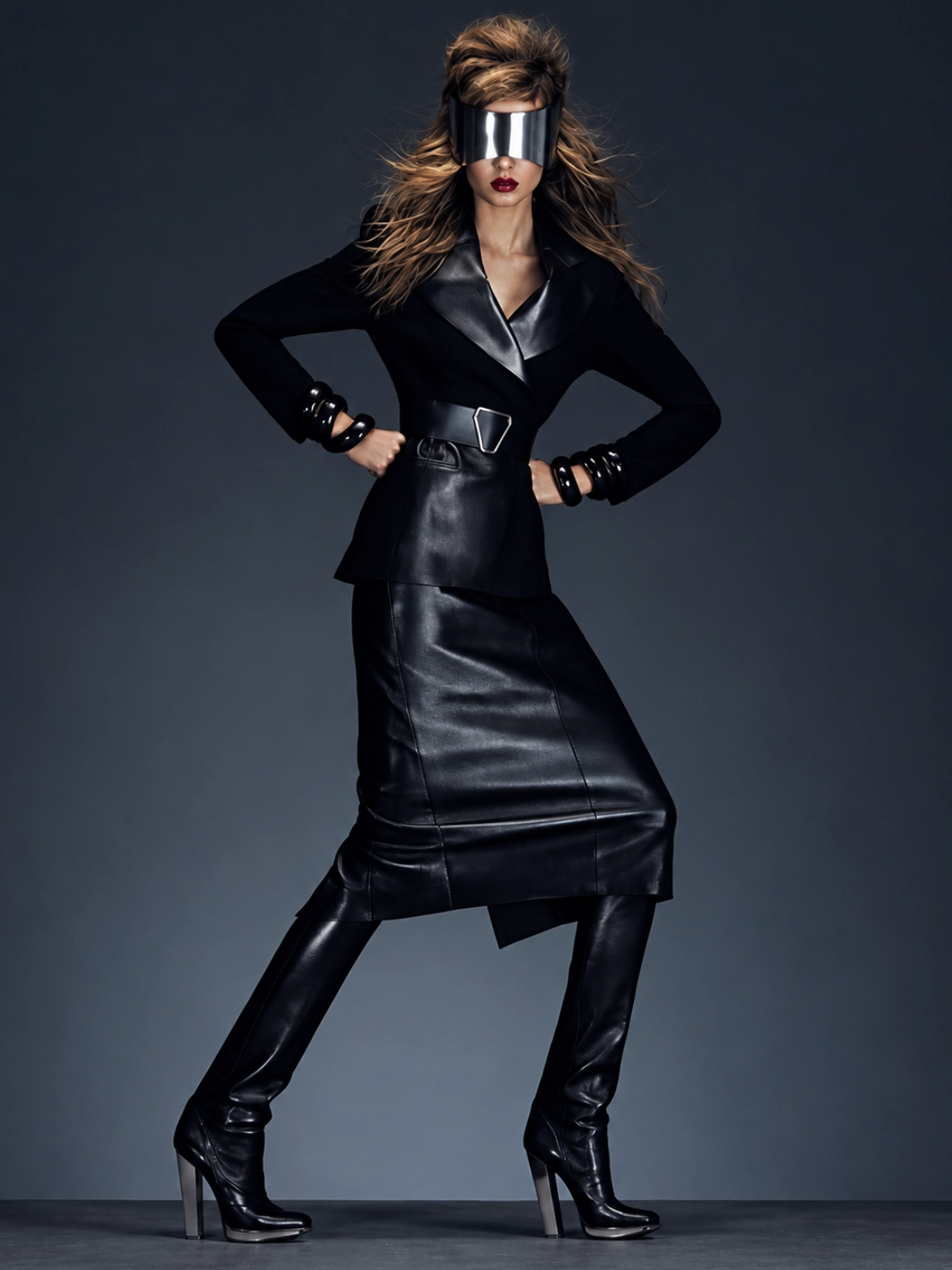
Tall riding boots create the most recognizable line. Leather rises to the knee like a statement of authority. The boots change the sound of walking, the confidence of stepping.
Gloves complete the language. They create control, protection, intention. They turn touch into something deliberate. Even off the horse, gloves carry the aura of mastery.
Then comes the hardware, the small grammar that holds the entire aesthetic together. Buckles, rings, bits, stirrups, saddle stitching. Metal that catches light. In the city, those codes appear as gold-toned clasps on bags, as bridle-inspired straps, as clean buckles on belts, as small rings at the ankle of a boot. They read as strength without aggression.
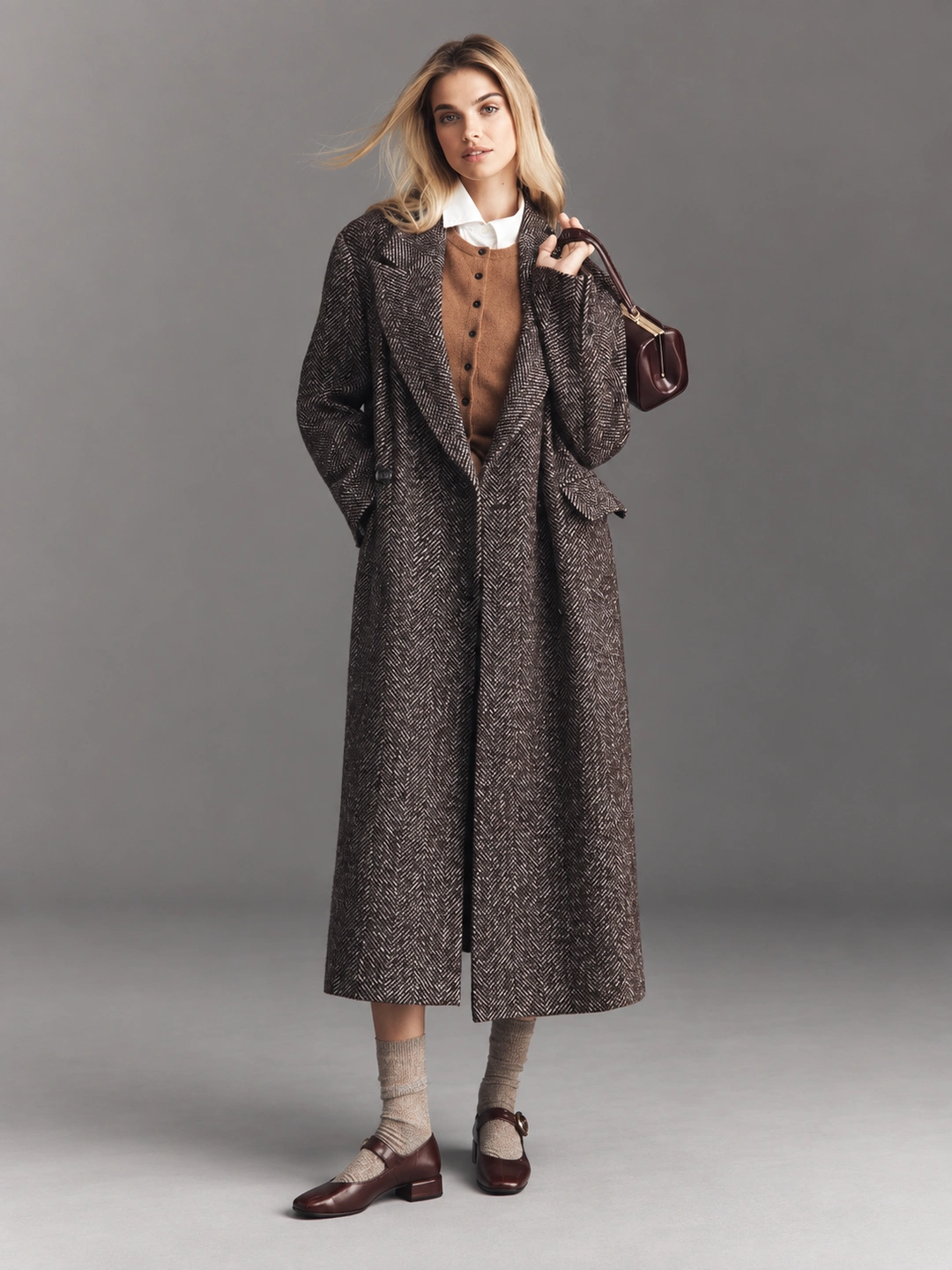
Color plays its part. Equestrian style favors tones that feel grounded: black, cream, camel, tobacco, oxblood, hunter green, navy. These colors suggest tradition, yet they also feel practical, capable, wearable. Patterns arrive like quiet heritage: checks, tartans, subtle stripes. They bring the countryside into the wardrobe in a way that feels calm.
Outerwear completes the translation. A trench coat echoes the protection of riding gear. A barn jacket carries the logic of weather, of durability, of life lived outdoors. Tweed brings texture that feels earned. Waxed cotton suggests rain, wind, endurance.
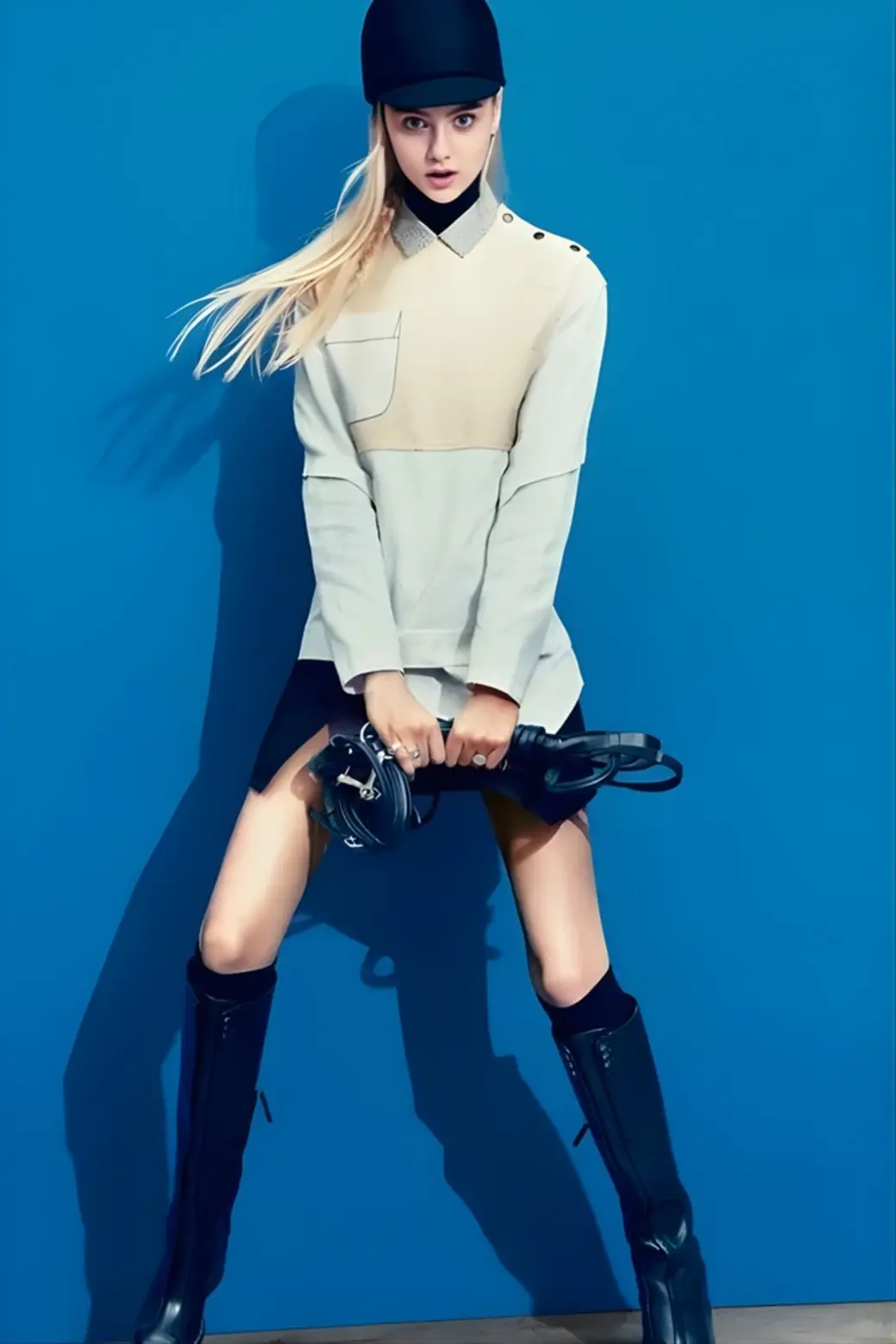
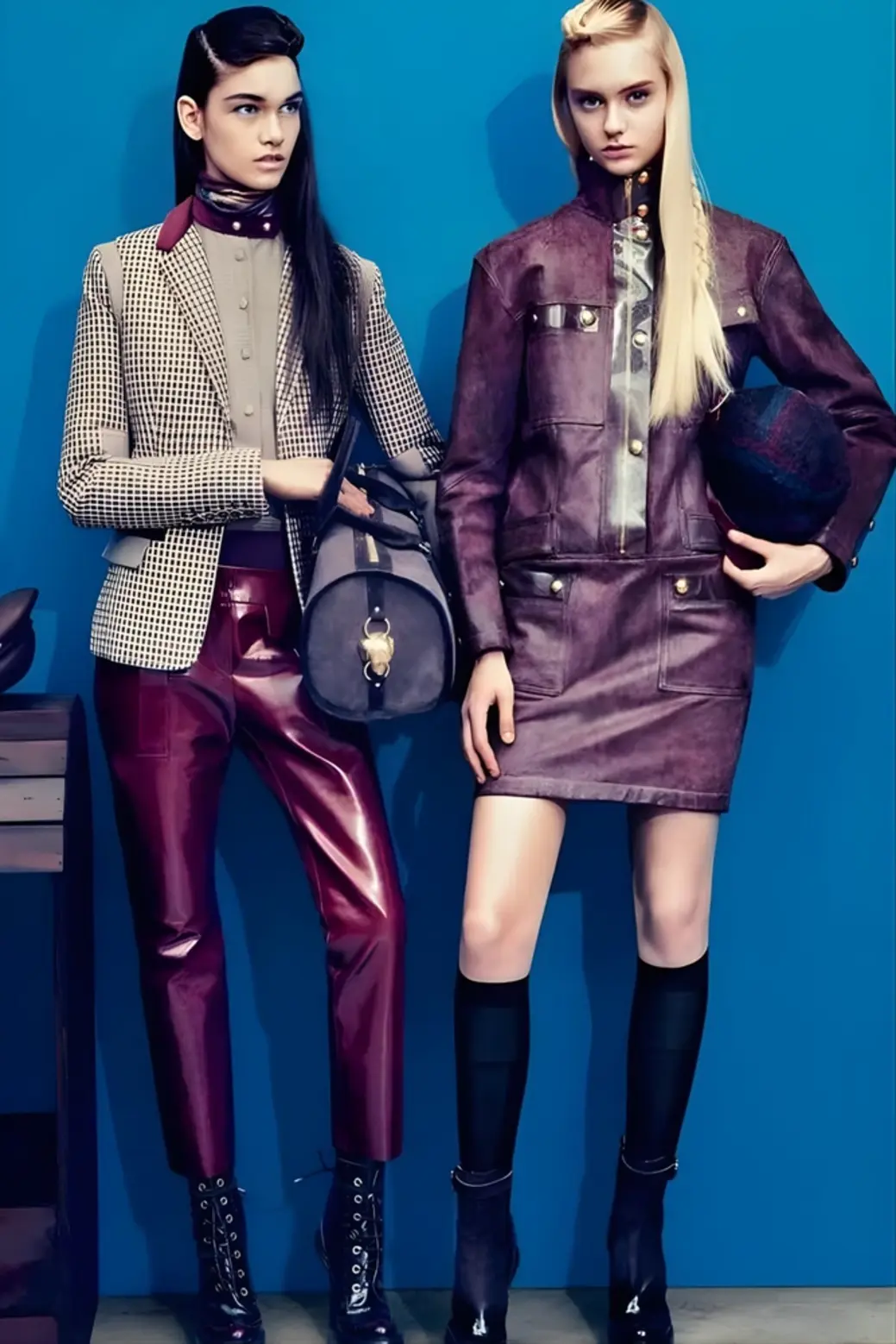
The spirit of equestrian style lives in partnership.
A horse responds to truth. He reads tension through the reins, through the seat, through breath. The rider learns honesty because the horse demands it. The wardrobe becomes part of that honesty. It is clean, functional, exact. It offers a kind of armor that remains elegant.
She rides a line down the arena, straight as a thought. Her hands steady. Her gaze forward. The horse moves beneath her like a living promise.
Equestrian style symbolizes discipline, the daily choice to show up, to care, to repeat, to refine. It symbolizes balance, the way the outfit holds proportions with quiet intelligence: fitted top, tapered leg, grounded boot. It symbolizes freedom through structure, the paradox that rules can create flow. It symbolizes care, the tenderness hidden inside every polished surface. Boots are cleaned. Leather is conditioned. Tack is wiped down.
It also carries the aura of heritage, born in elite riding worlds like English hunt country in Leicestershire, the Guards Polo Club in Windsor Great Park, and the Cadre Noir in Saumur, Chantilly’s equestrian scene.
Yet style evolves in the hands of those who wear it with intention. She keeps the parts that matter: craft, patience, calm authority. She leaves behind the need to perform status. Her uniform becomes personal, earned through practice, shaped by her life.
Each element tells her, you belong here. You have trained for this. You can do it. Their mission lives inside the canter. A perfect transition. A moment of harmony that feels like flying while staying precise.
Equestrian style thrives on myth because the horse itself carries myth. Horses appear in stories as symbols of power, freedom, loyalty, courage. Fashion borrows that symbolism, then distills it into wearable signs.
The side saddle becomes one myth. It suggests restraint, ceremony, control. Yet inside that restraint lives ingenuity. The riding habit became a coded statement: tailoring worn on a woman’s frame, authority wrapped in elegance.
Fashion houses understood this power. They took equestrian codes and turned them into icons.
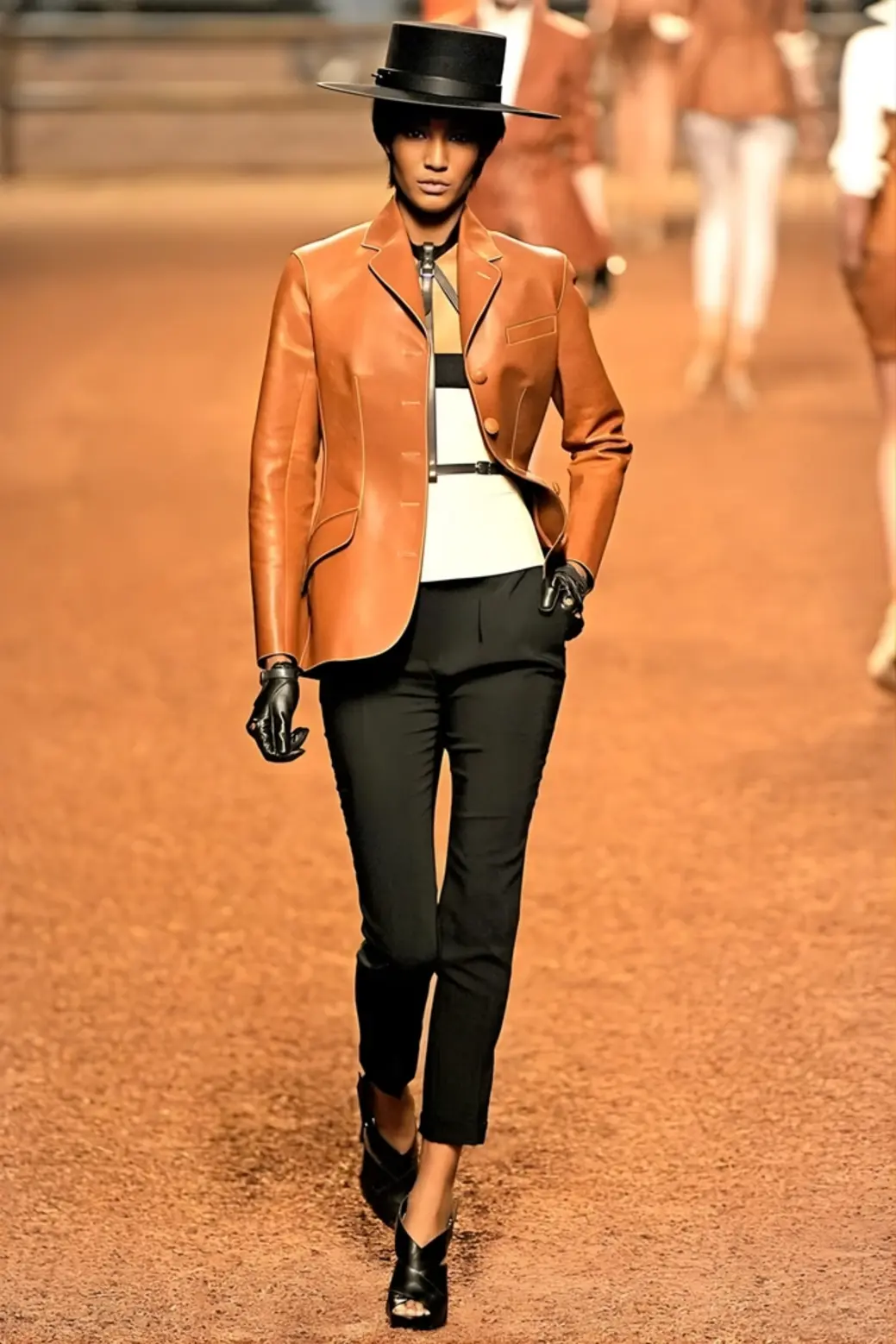
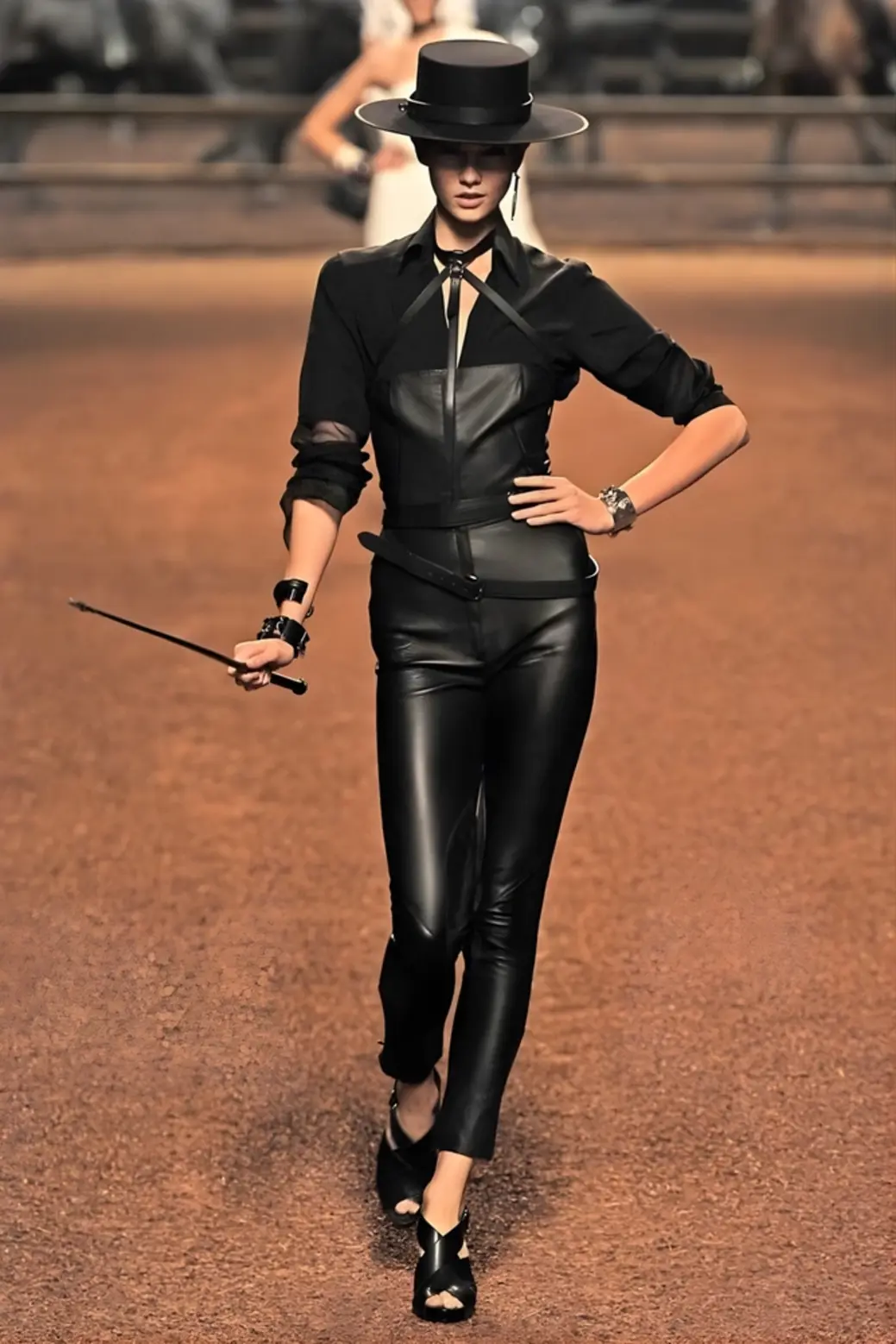
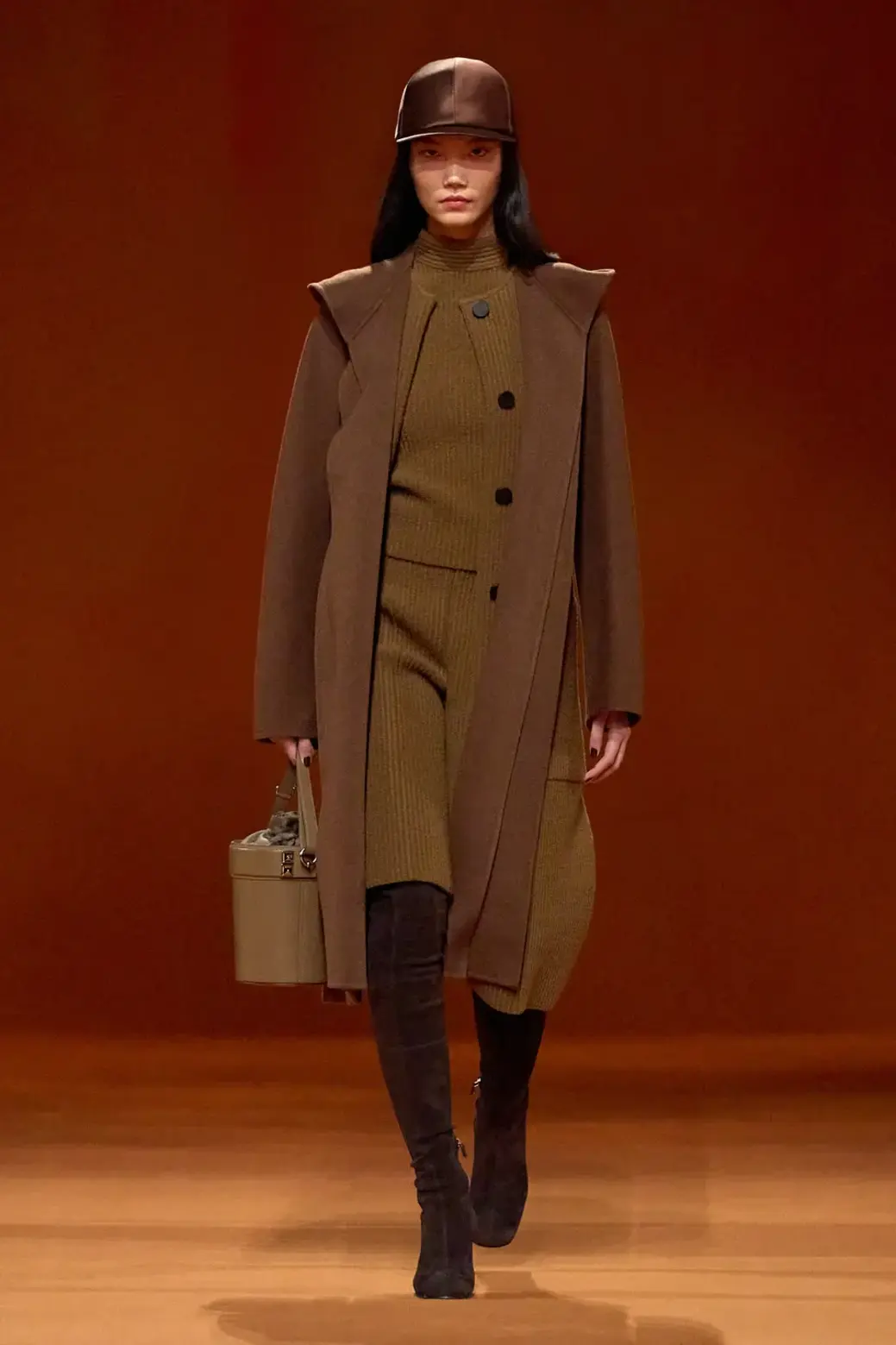
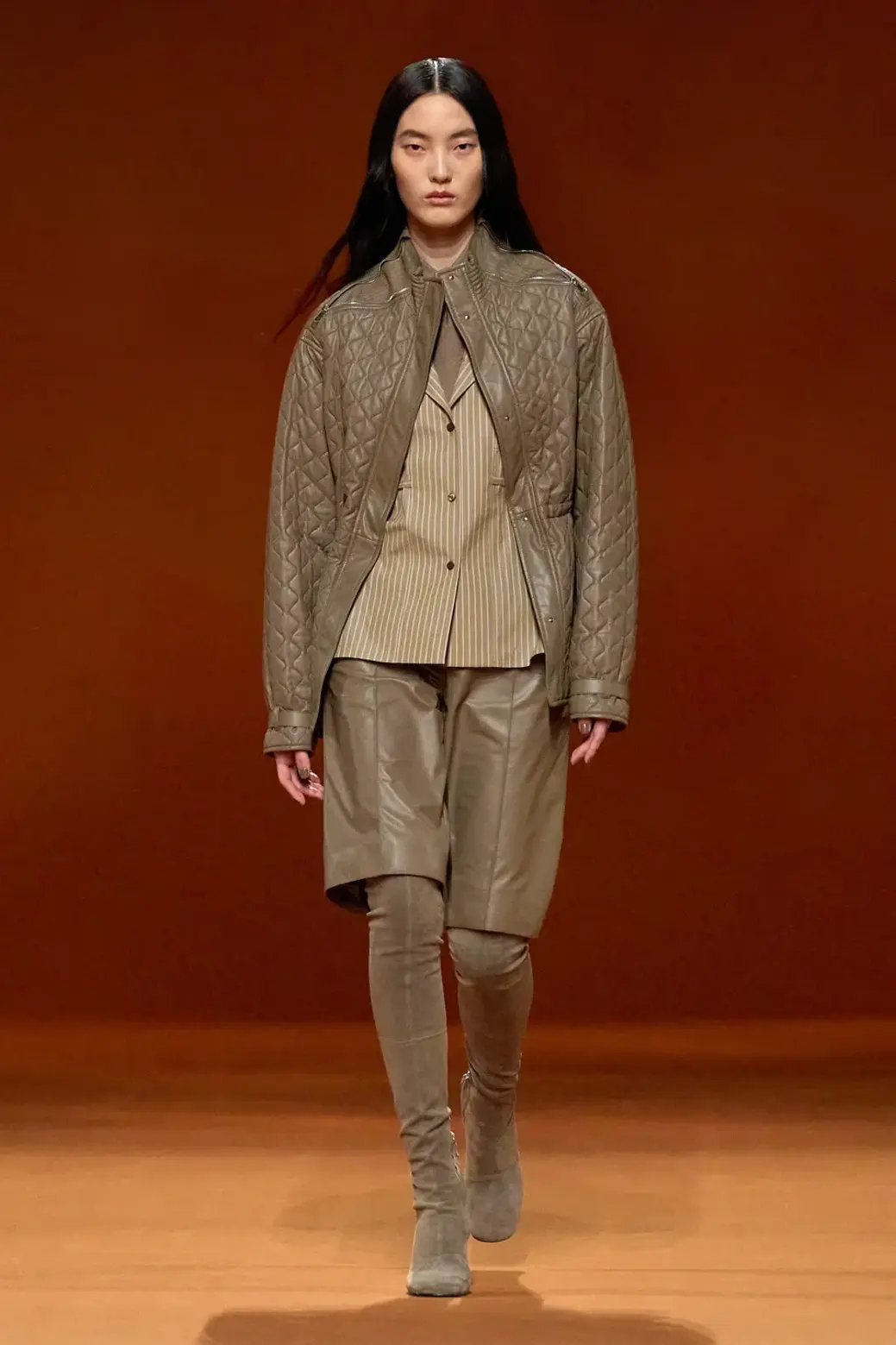
Hermès carries one of the most direct lines from horse culture to luxury. Harness making, saddle craft, leather work, the discipline of stitching that must hold under real strain. In Hermès, equestrian spirit becomes devotion to craft. A saddle stitch is not a decorative idea. It is a promise that something will endure. When she thinks of Hermès, she thinks of hands at work, patience in every hole punched, every thread pulled tight.
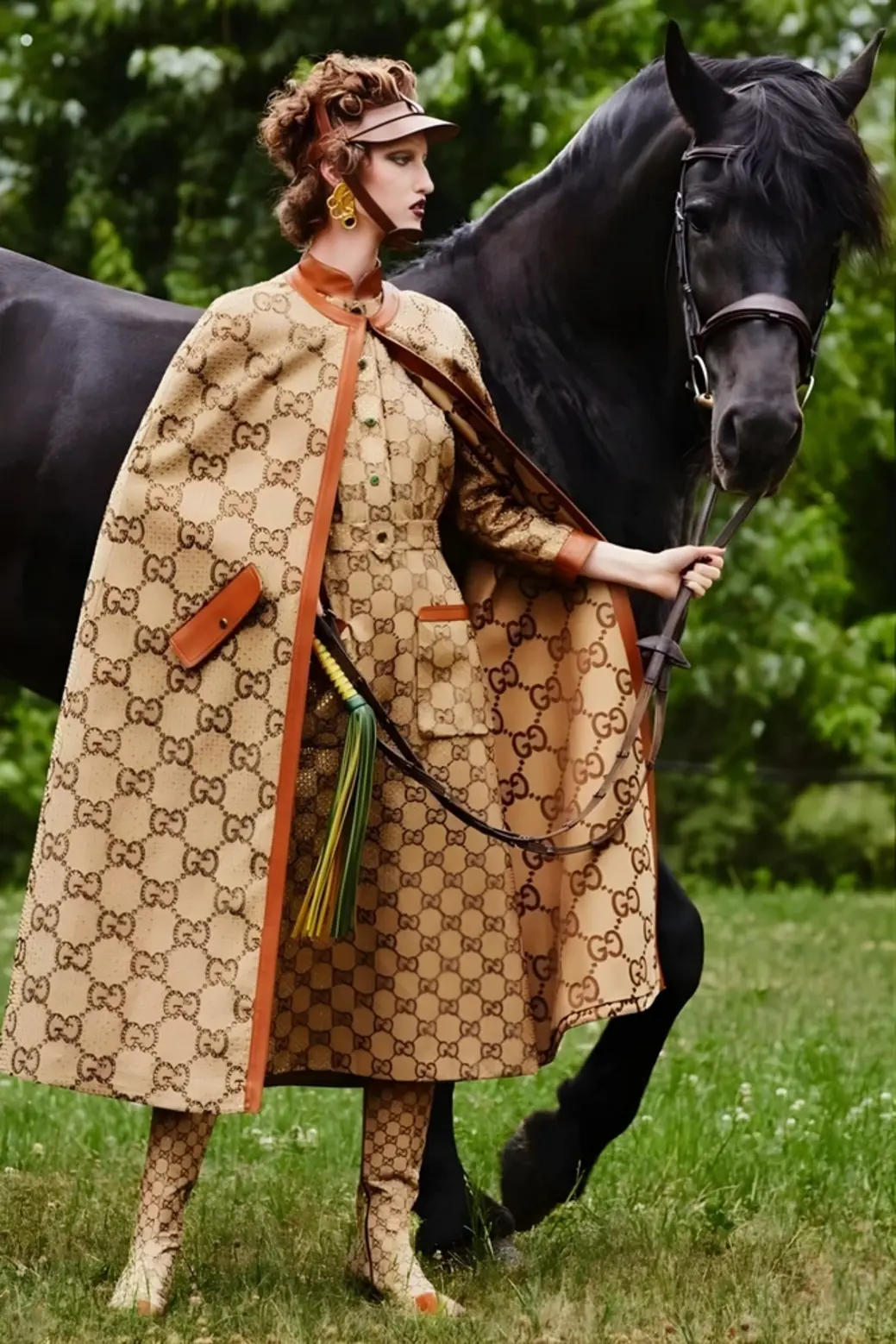
Gucci’s horsebit takes the hardware of riding and turns it into a city symbol. A small metal detail becomes a signature, instantly recognizable, charged with a sense of tradition, polished into fashion mythology. The horsebit shows how equestrian style speaks through mechanism, through a piece of tack transformed into jewelry for the wardrobe.
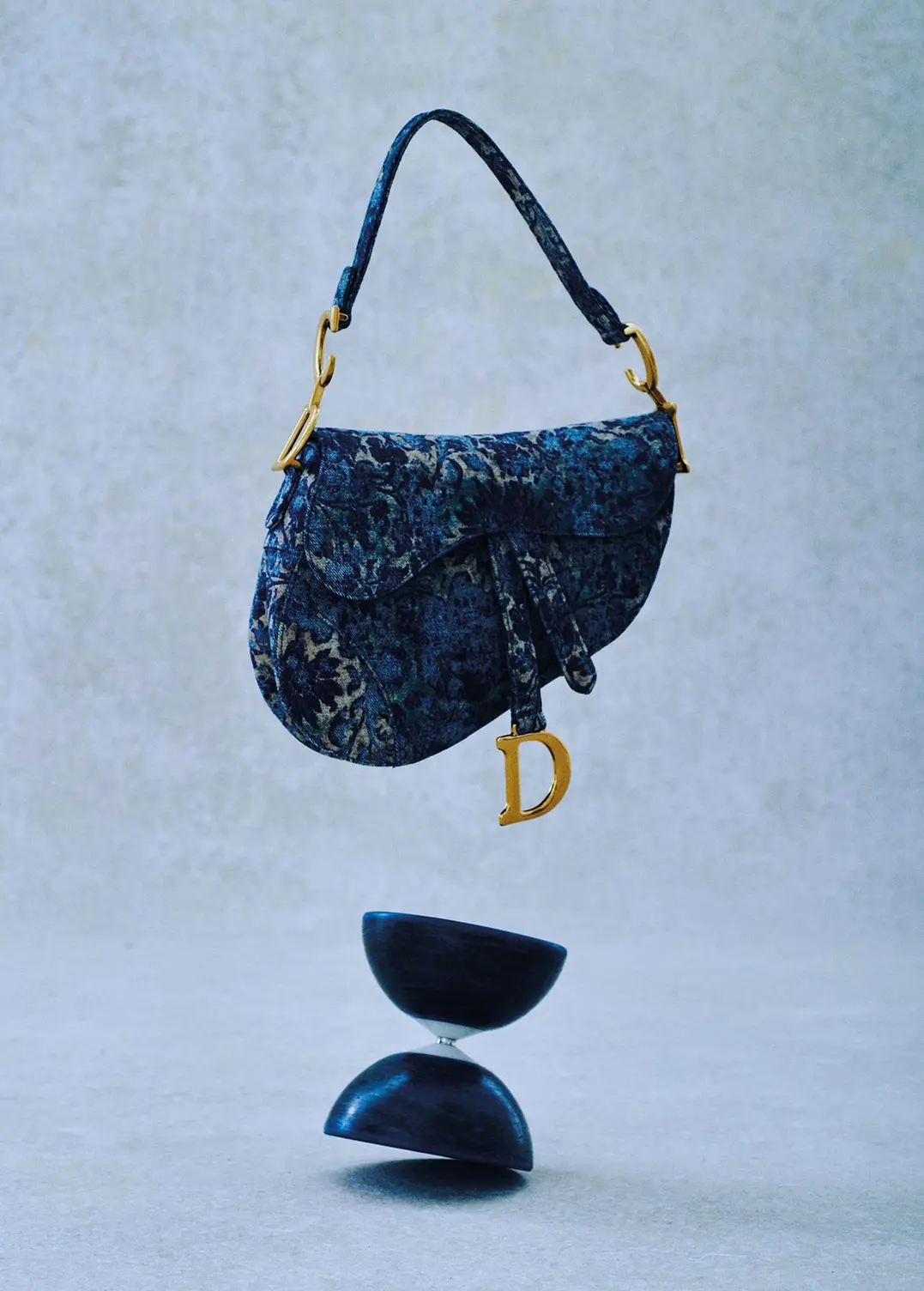
Dior’s saddle bag takes the curve of the saddle itself, turns it into a silhouette that looks like motion captured in a single shape. A saddle is a tool of partnership. Dior turns that tool into an object of desire, keeping the curve, the spirit, the hint of the horse’s presence.
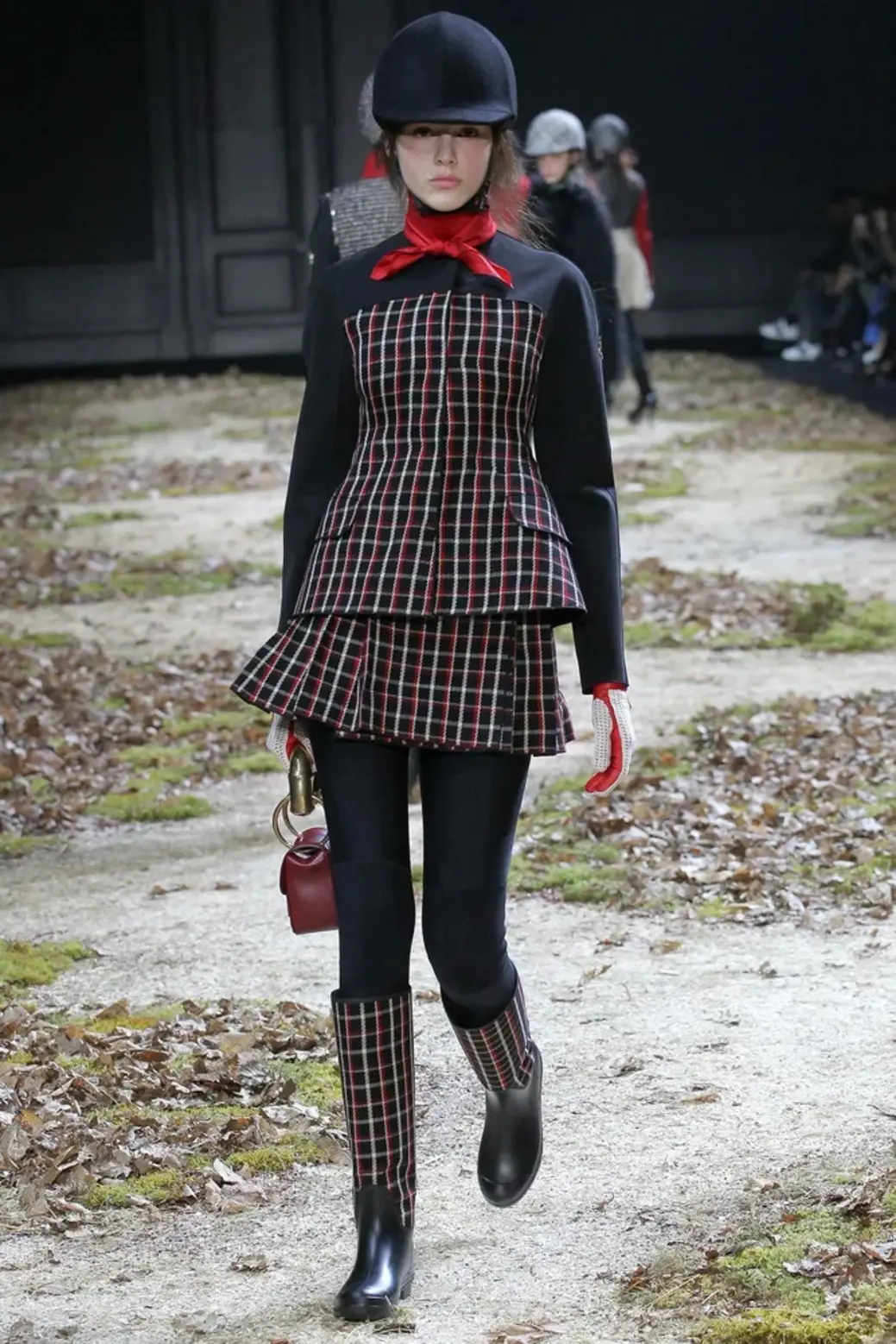
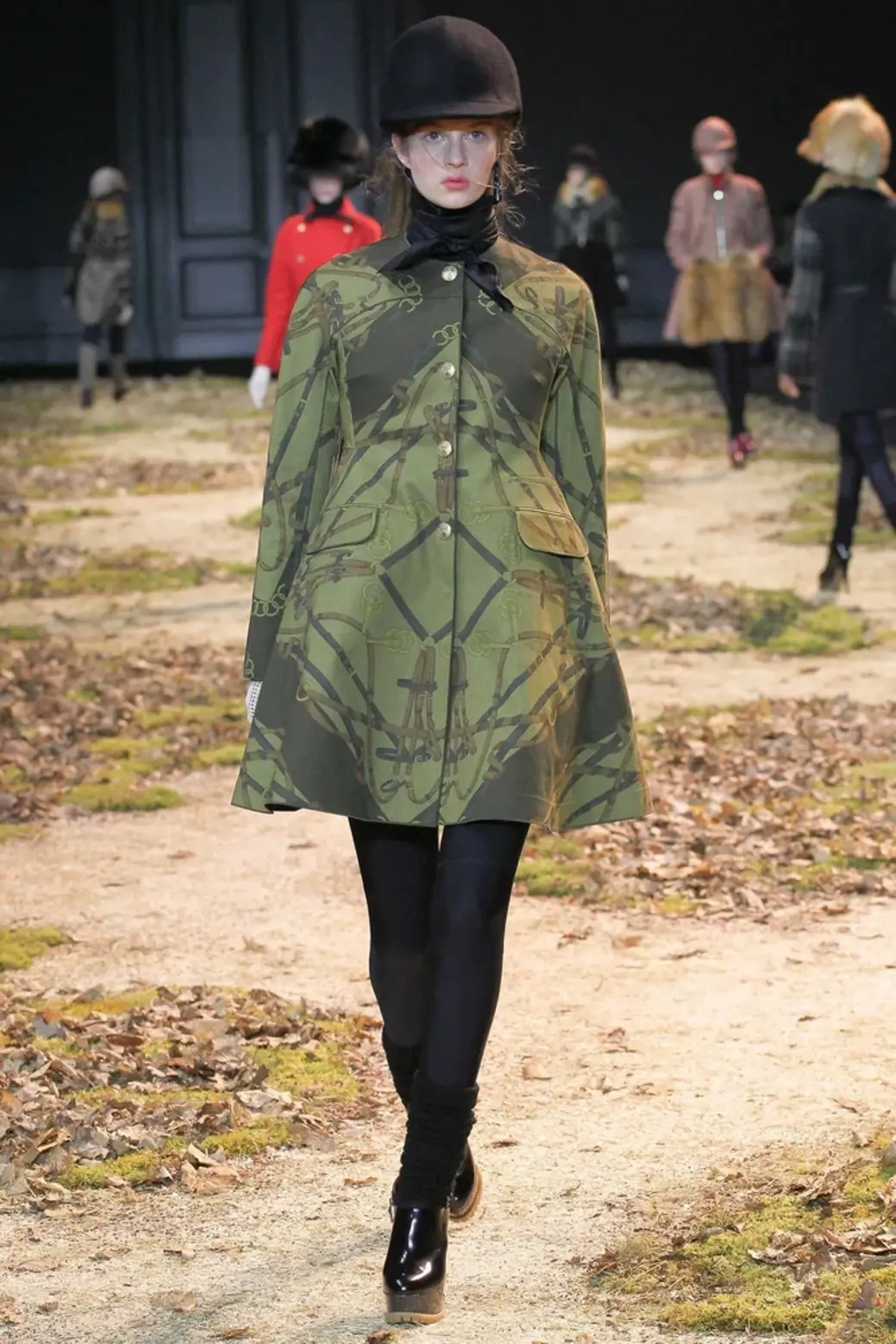
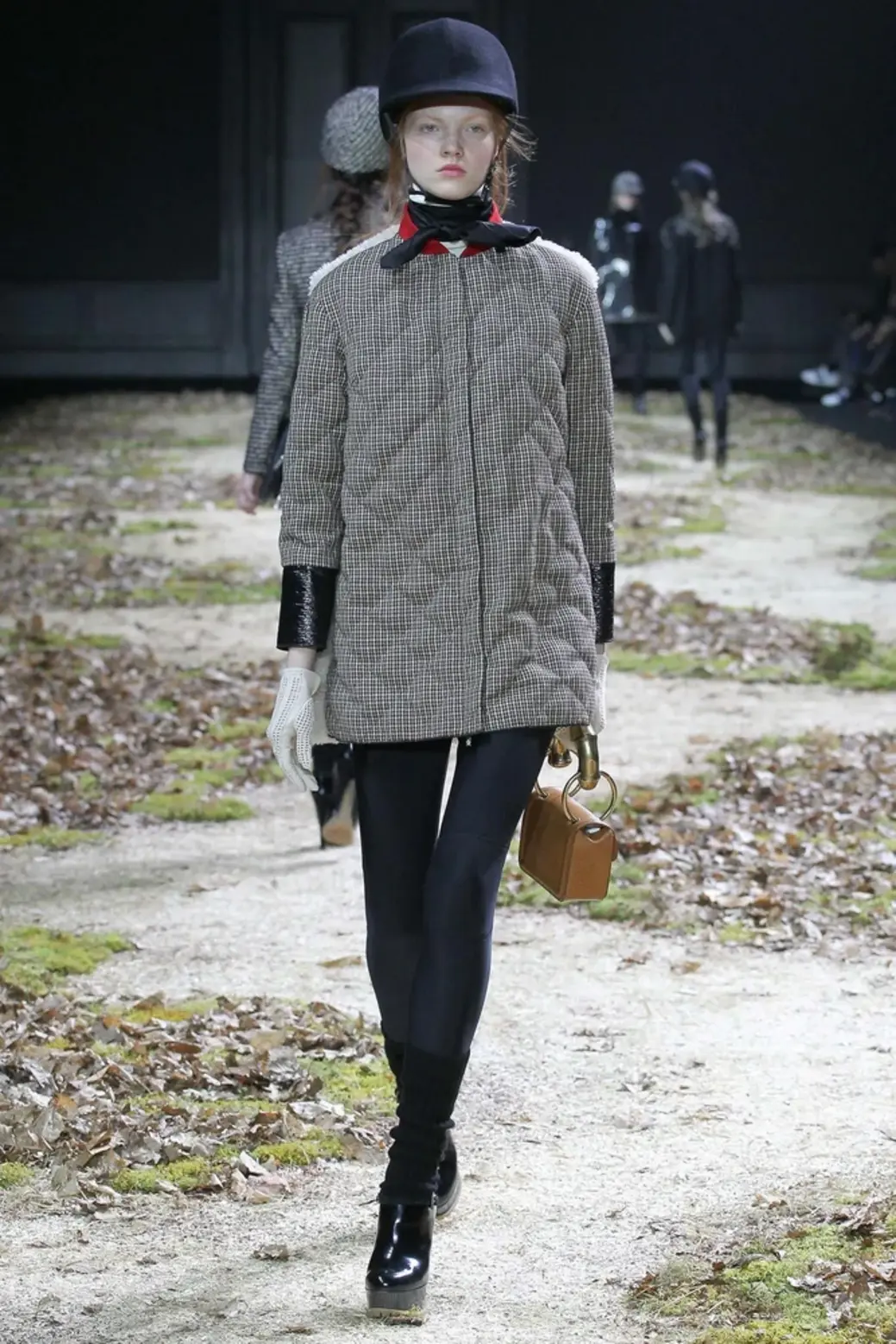
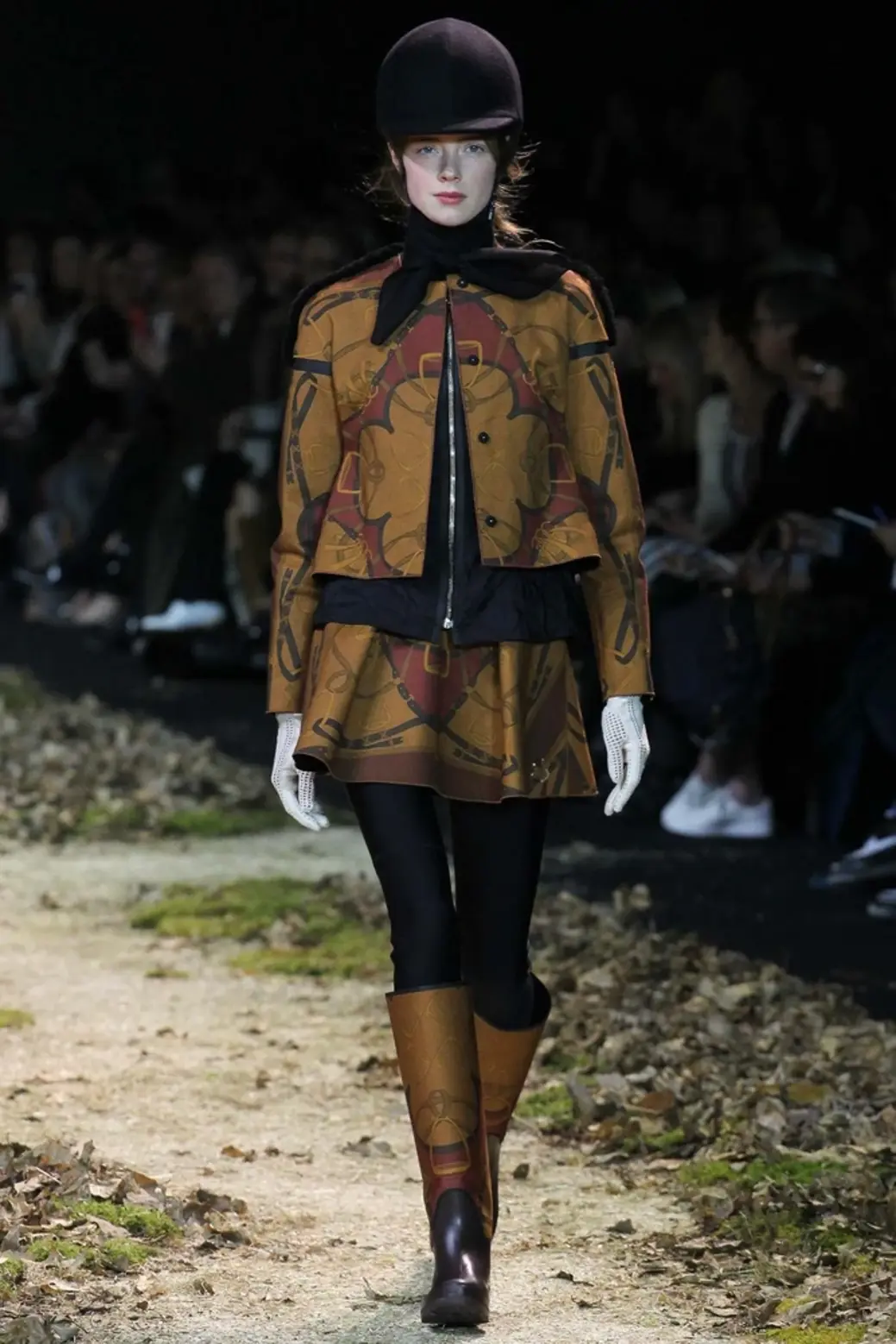
At Moncler, equestrian energy becomes engineered outerwear, with graphic quilting and piping that echo the movement of a horse in motion.
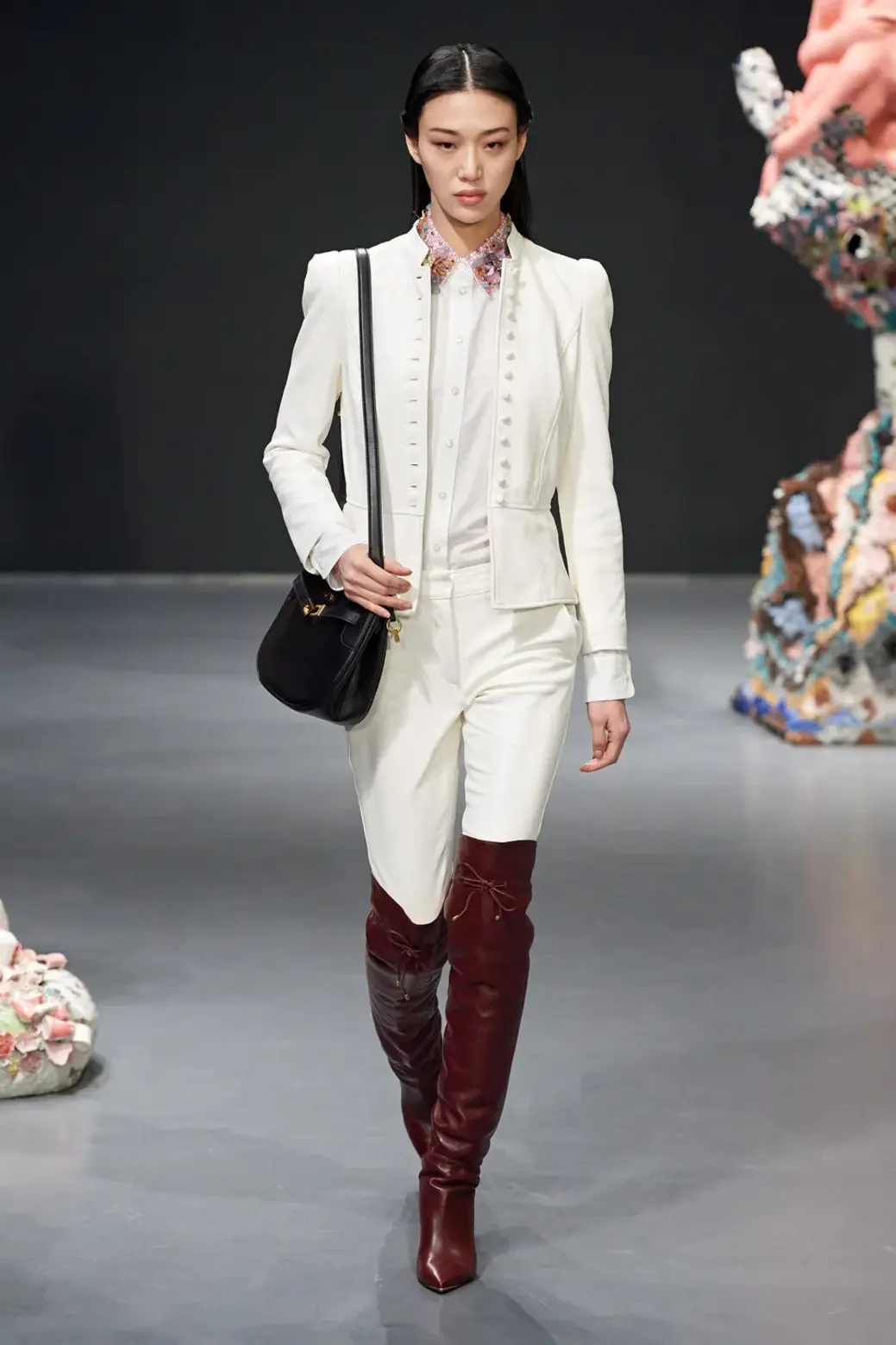
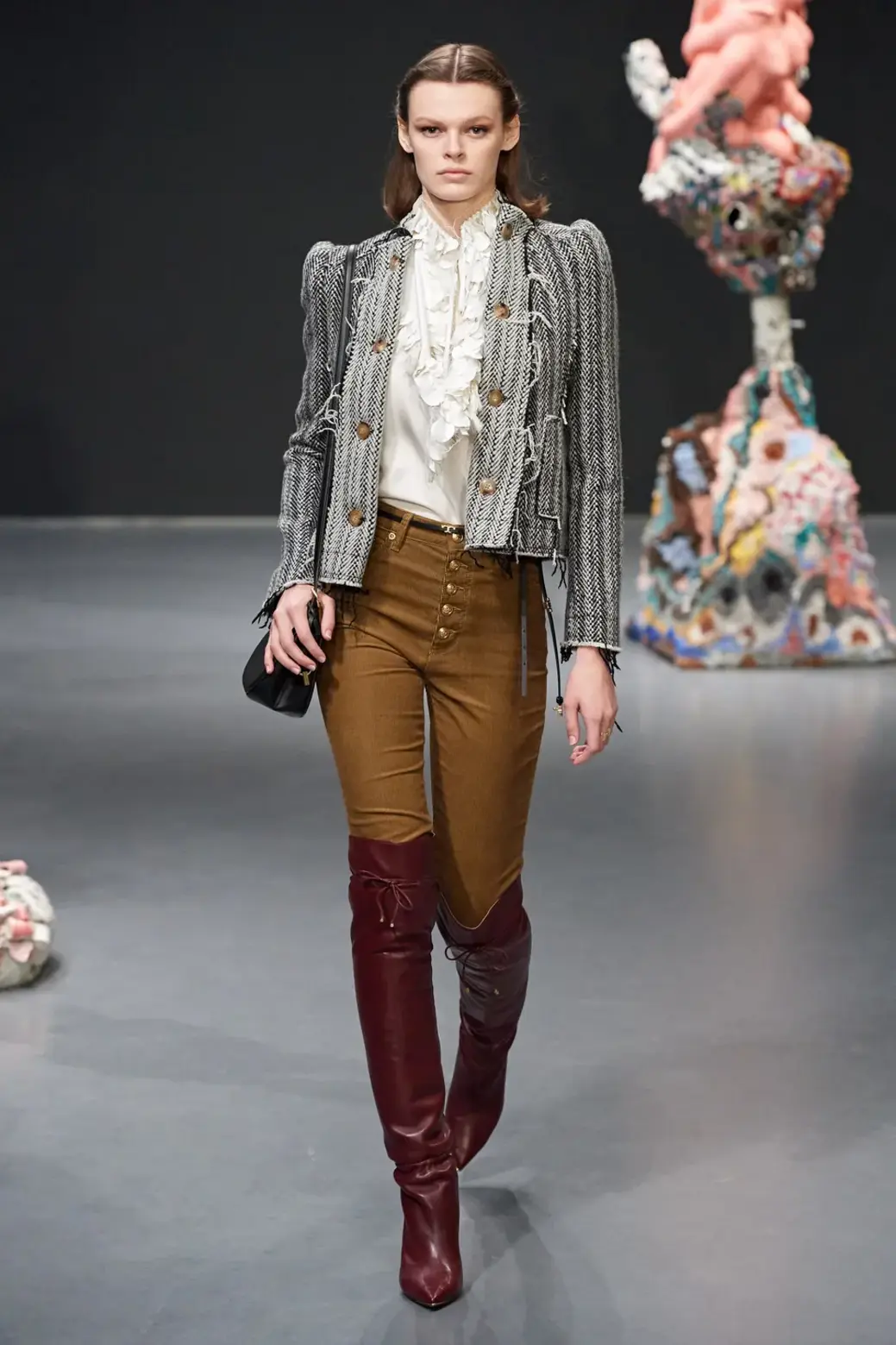
Tory Burch leans into the riding boot as a city signature through tall silhouettes and hardware details, while Elisabetta Franchi turns the horsebit into a jewel-like buckle that makes the waist feel instantly in command.
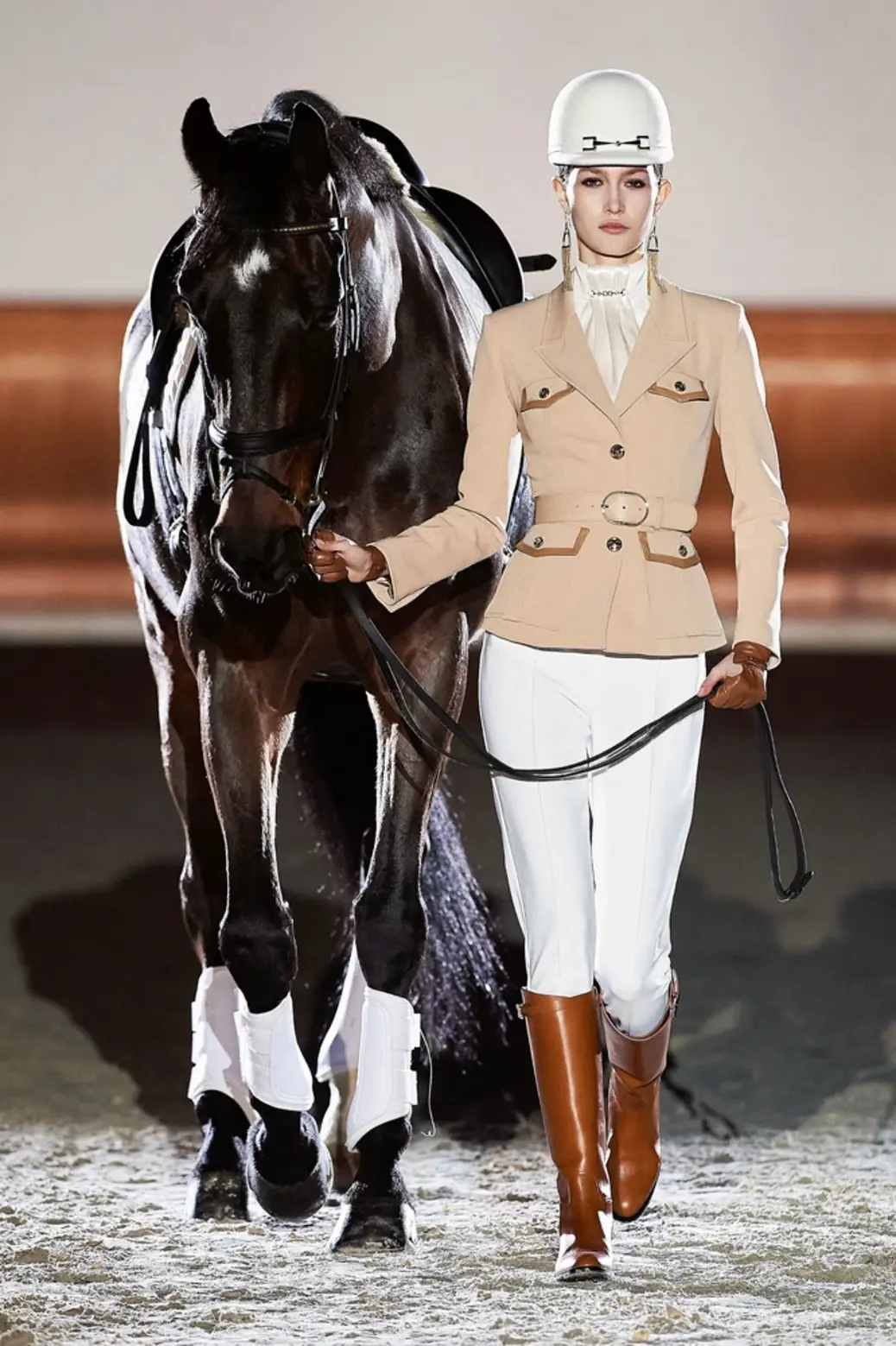
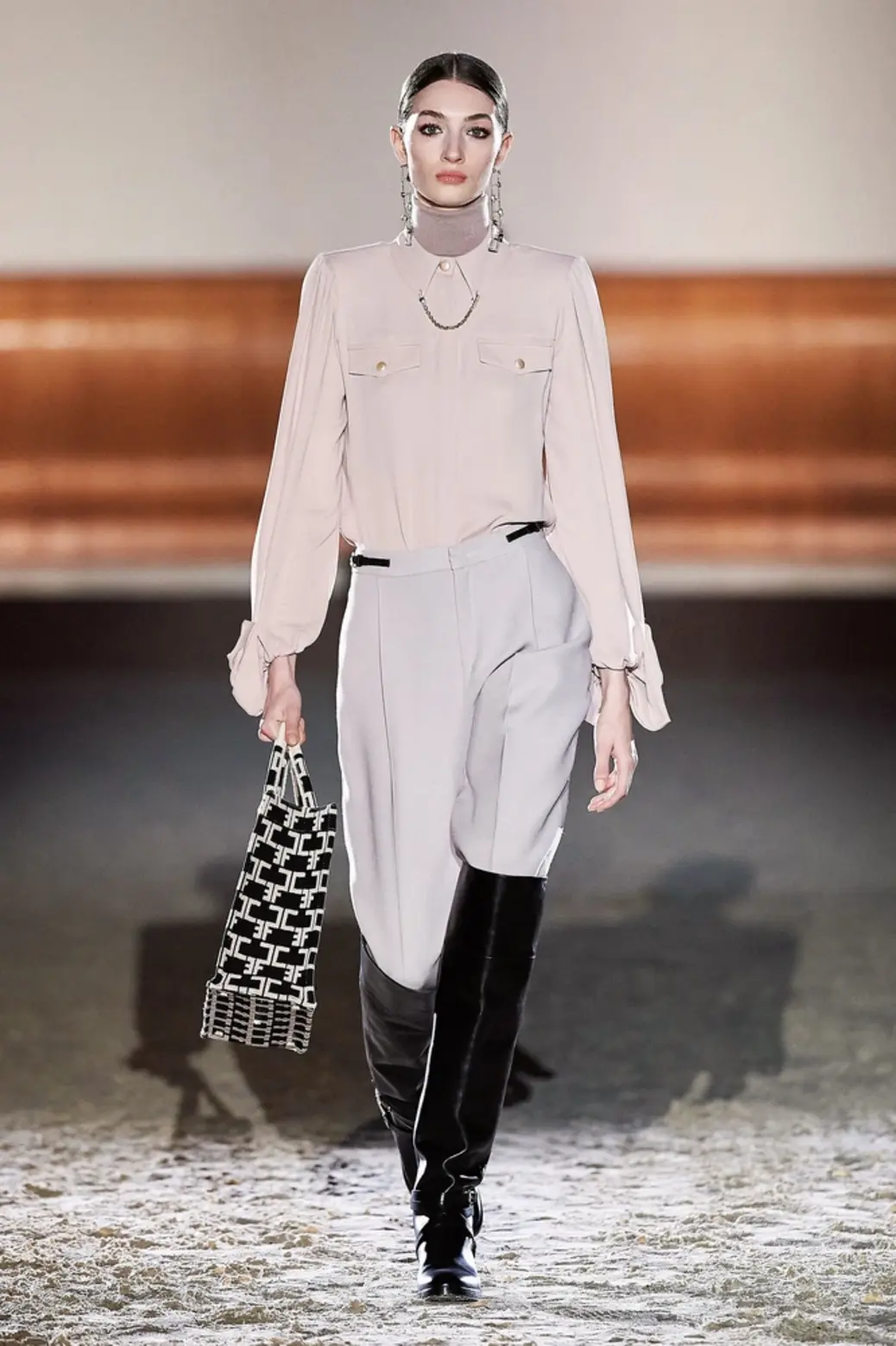
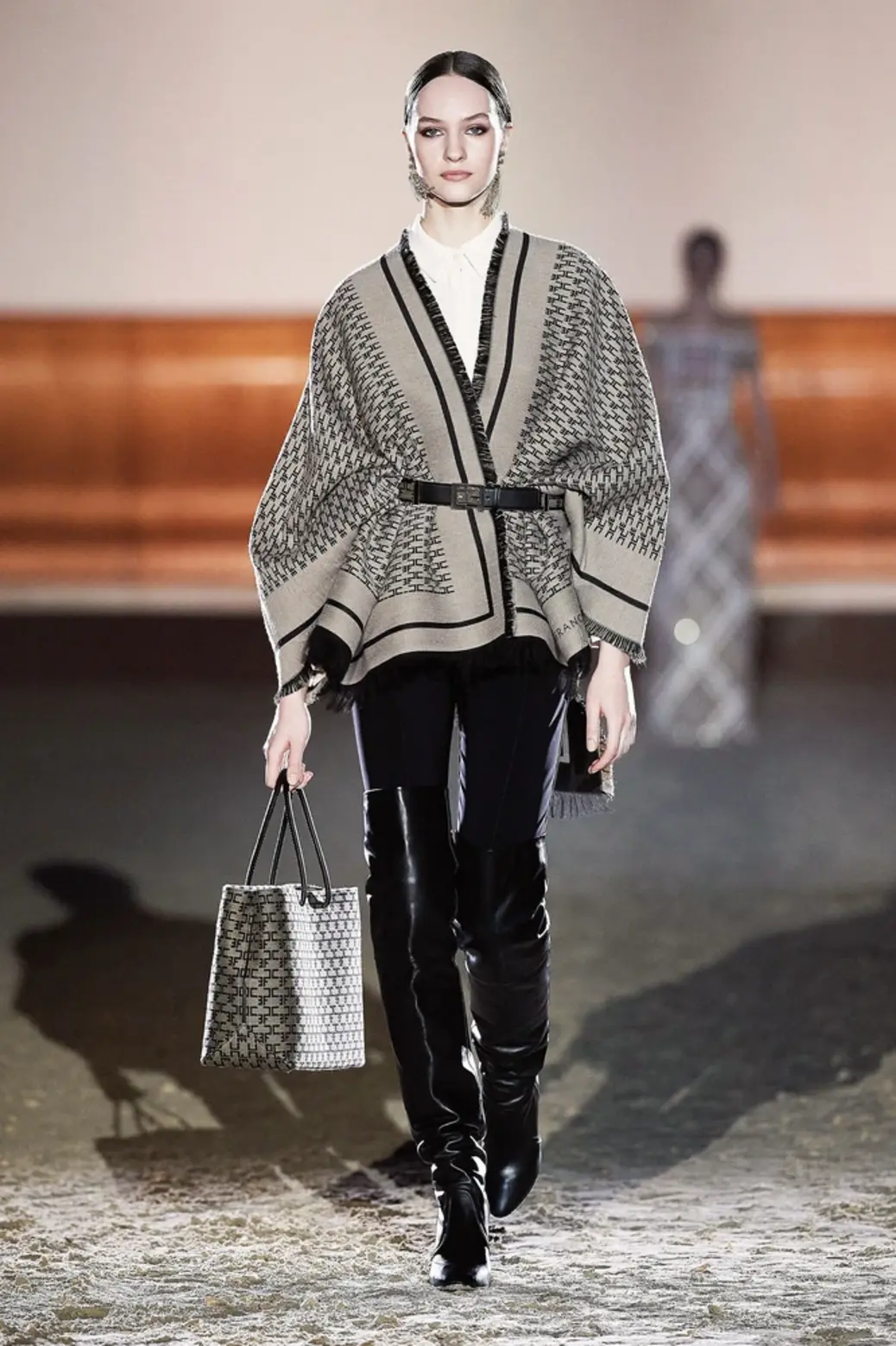
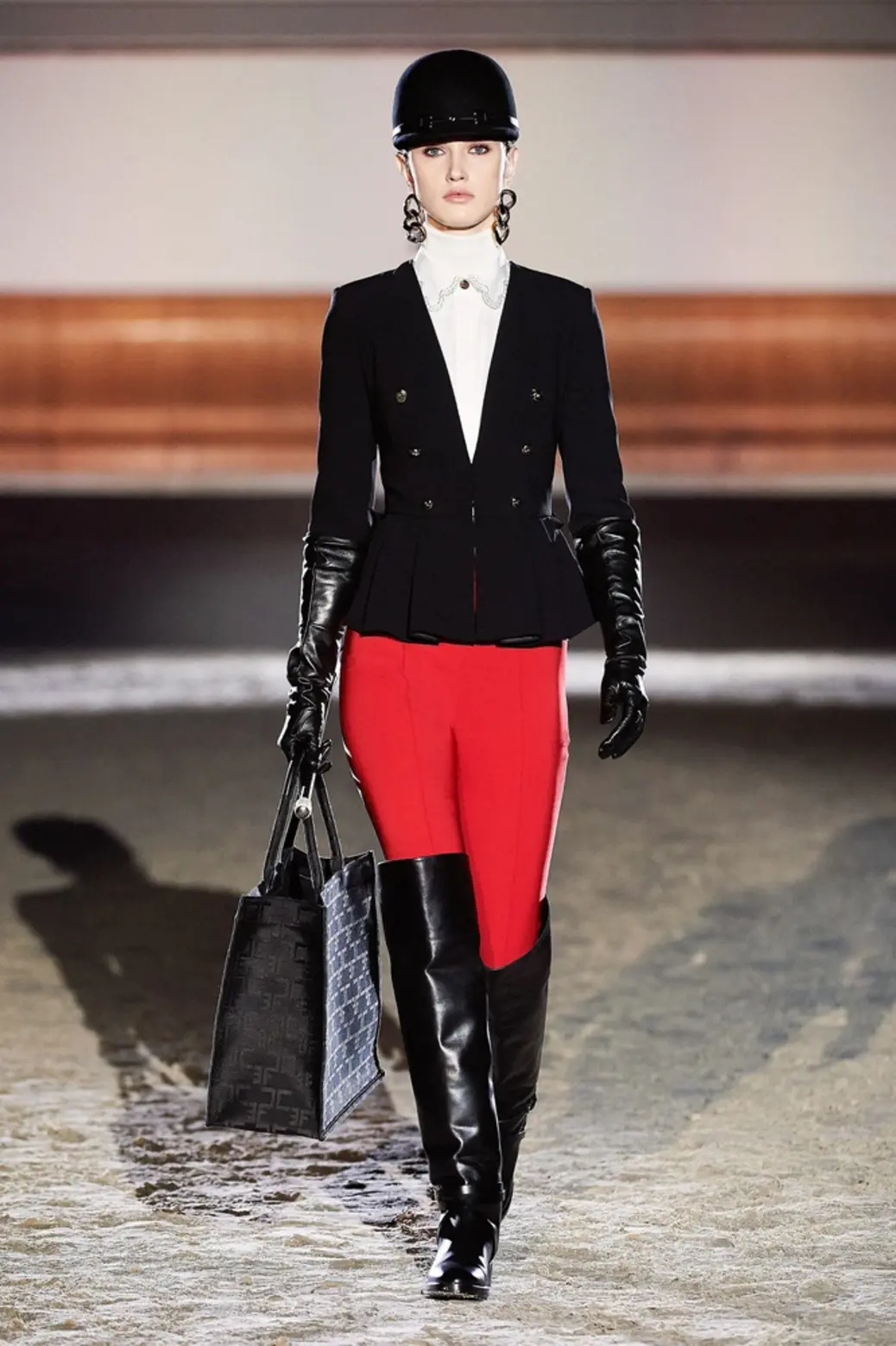
Etro rides with Pegaso, its winged horse emblem stamped like a myth you can wear, and Stella McCartney shapes equestrian codes into a vegan icon by sculpting silhouettes inspired by the horse’s lines. Ralph Lauren keeps the horse at the center of its world through the Polo rider insignia, a compact symbol that turns sport, heritage, and aspiration into everyday wardrobe language.
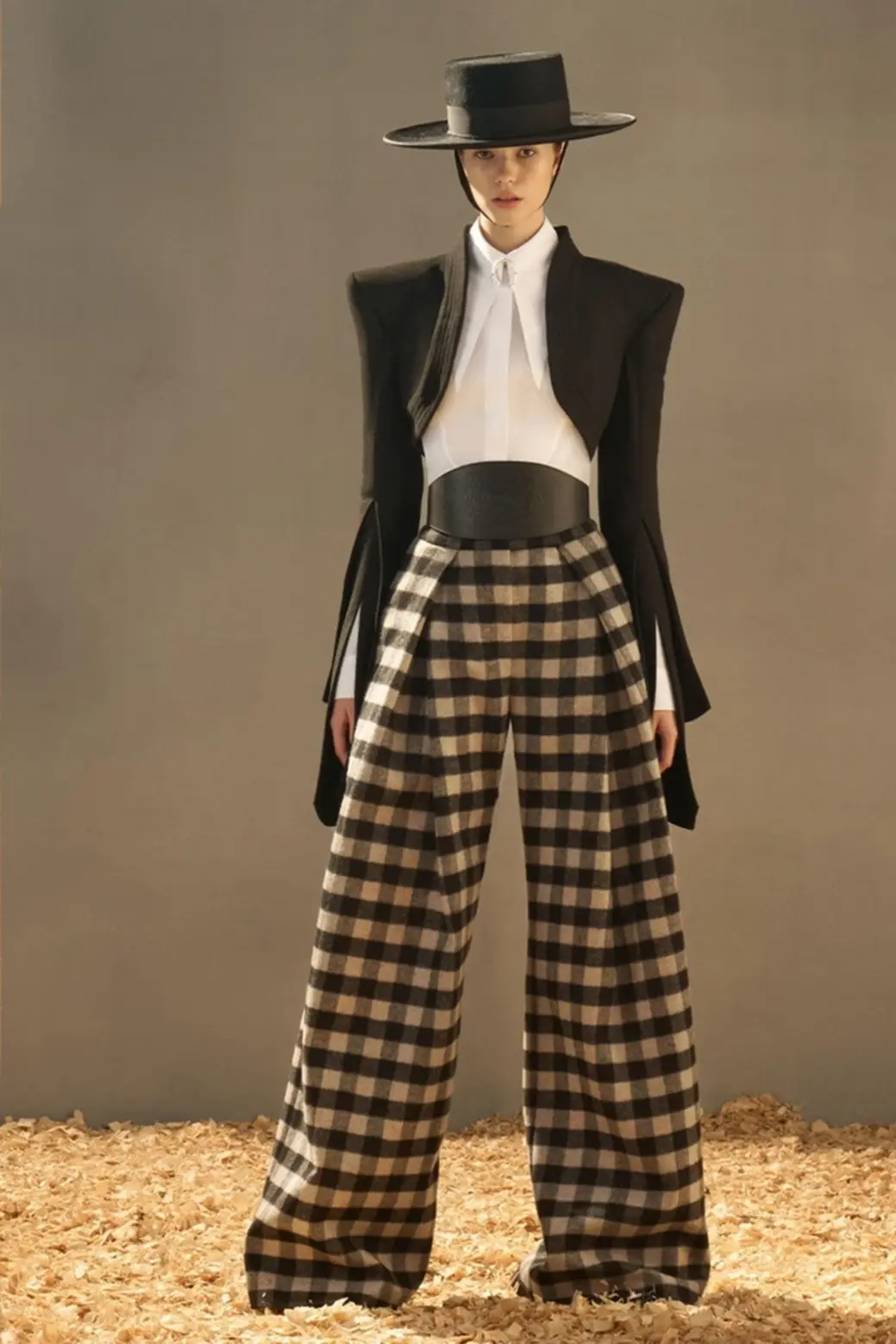
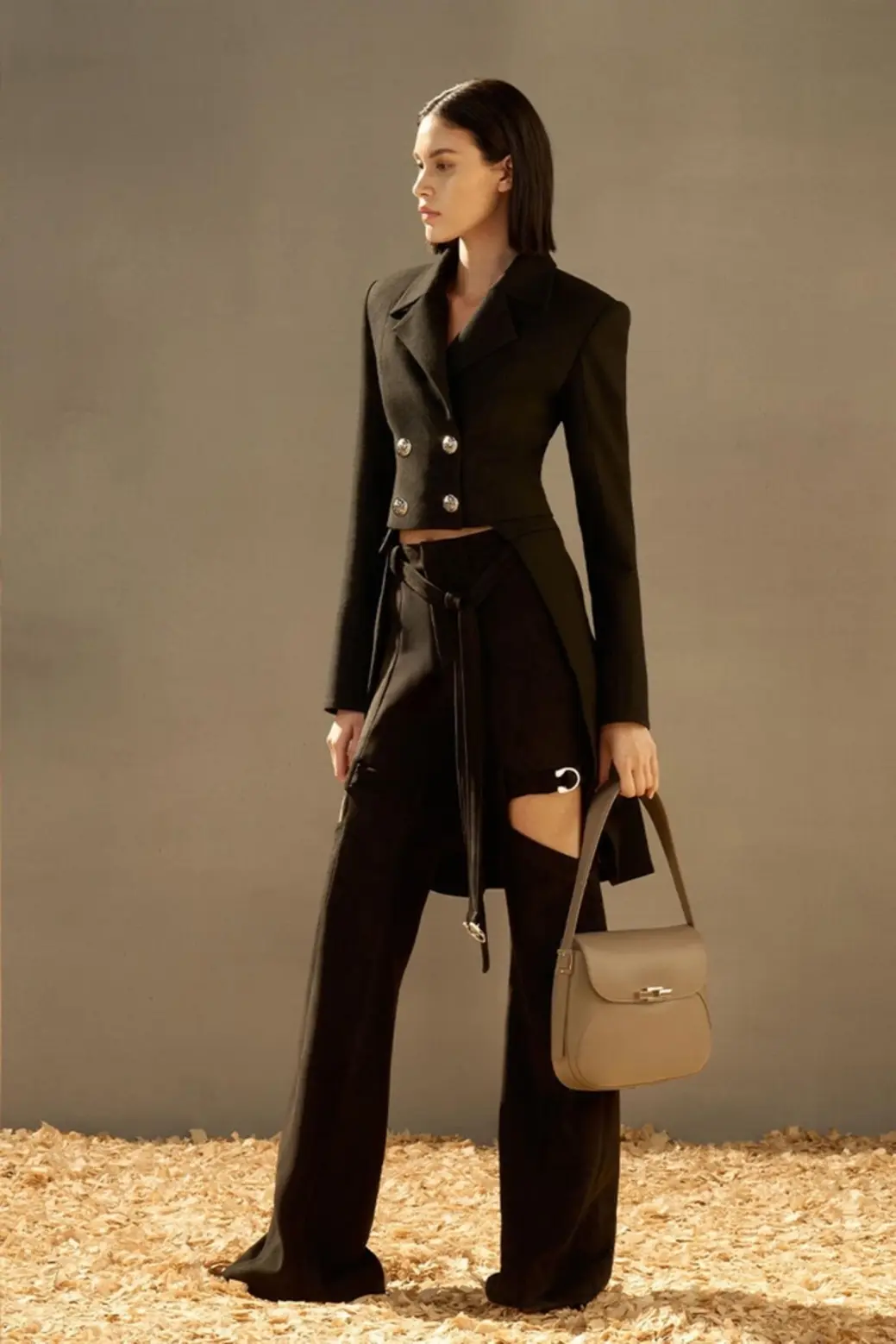
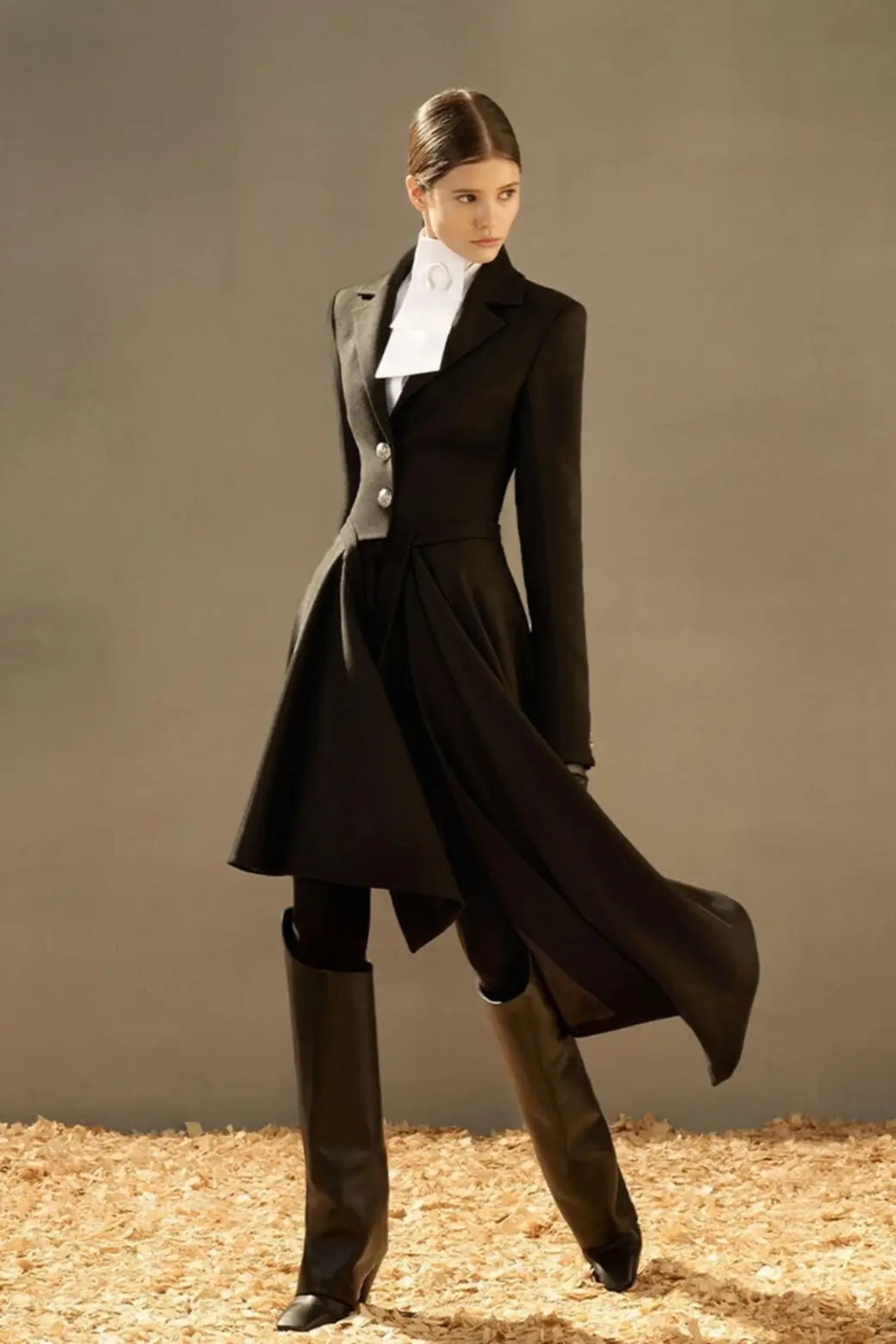
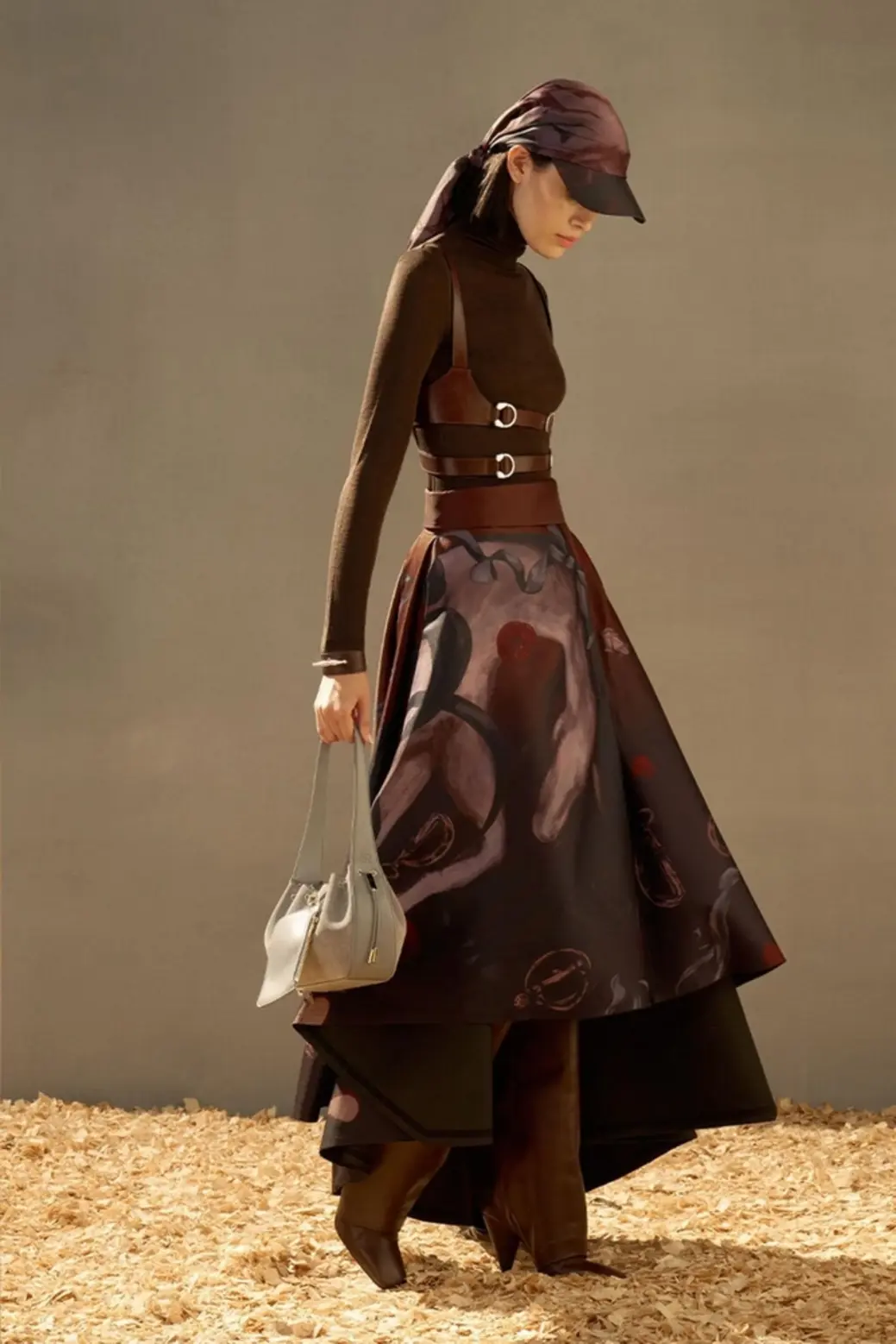
Equestrian style lasts because it serves real life. Structure feels luxurious when days feel chaotic. A jacket that shapes posture becomes a quiet form of support. Boots that ground the body change the way a person enters a room. Leather that endures suggests stability. A clean palette removes noise. Hardware adds a note of precision.
The style also survives because it is modular. A riding jacket pairs easily with denim. Tall boots elevate simple pieces. A crisp shirt brings ceremony to an ordinary day. A belt with a neat buckle carries the bridle’s logic into the street. The wardrobe adapts without losing its essence.
It survives because it carries quiet power. It speaks of readiness. It suggests a person who has standards, who respects craft, who chooses discipline as a form of beauty. In an era that celebrates speed, equestrian style honors patience. In a world addicted to novelty, it honors longevity. Leather gains patina. Tailoring holds shape. The look grows richer through wear.
It also survives because it tells a story. People read her lifestyle in the curve of her boots, in the restraint of her palette, in the way her jacket sits clean across her shoulders. They sense the early mornings, the care, the devotion. They sense the partnership behind the polish.
Tomorrow, she will return to the field. Fog will gather again. Lights will hum. Her horse will lift his head when he hears her steps. She will dress in the same codes, because those codes carry her into the version of herself she trusts most.
Equestrian style endures because it turns mechanics into poetry, a bond into a silhouette. Some mornings, the simple sound of metal meeting metal is enough to bring her back to herself. Then she steps out of the stable, walks into dawn, meets her four-legged friend, and rides on the path they have chosen together, as if the goal is a ritual only they understand. Nobody hands her that kind of presence. She earns it, one circle, one transition, one hoofbeat at a time.
Advertisement