MENU
Close





British brands are arriving in America with an unexpected strategy: stay small long enough to learn something.
British brands are arriving in America with an unexpected strategy: stay small long enough to learn something.
August 22, 2026


In 1814, British troops entered Washington carrying fire. In 2026, British brands are arriving with linen shirts, quilted coats, printed dresses and charm bracelets. This British invasion travels through trunk shows in Nantucket, run clubs in Los Angeles and tiny capsules inside Nordstrom. The question is why Britain suddenly wants America so badly, and why its fashion labels have learned to enter with such extraordinary patience.
A curious trail has appeared across the American fashion map.
RIXO turned a temporary SoHo experiment into a permanent store after direct U.S. sales rose 174 percent in 12 months. Marfa Stance staged 214 trunk shows in a year, while America came to generate 70 to 80 percent of its sales. With Nothing Underneath reported U.S. business rising 250 percent year on year and began cultivating Nashville creators months before an activation there.
Viewed separately, these look like retail decisions. Put them on the same evidence board and another picture appears.
This British invasion is about the economics of remaining British, the commercial seduction of America, the information hidden inside ecommerce data, and a generation of British brands discovering that international expansion can begin long before a lease is signed.
Marks & Spencer provides one of the useful ghosts haunting the present. Its twentieth-century international ambitions included ownership of Brooks Brothers, acquired in 1988 and sold in 2001 during a wider retreat from overseas holdings. British retail history contains plenty of similar stories in which international ambition grew through expensive physical commitments.
That history gives the company's March 2026 American move unusual significance.
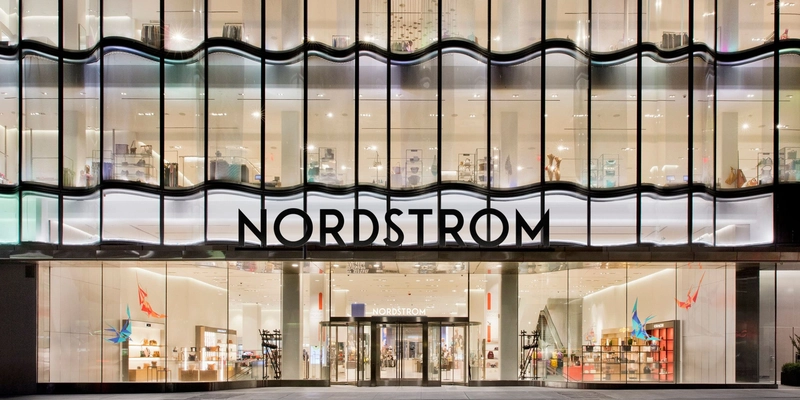
Marks & Spencer entered 30 Nordstrom stores from Los Angeles to New York with a curated womenswear assortment of just over 60 pieces. Its own customer research found that 51,000 shoppers already used the U.S. website every year, while only 13 percent of American consumers recognized M&S as a fashion brand. The company described its international strategy through “simple, scalable, repeatable operating models” that use partners' existing infrastructure and reach.
That mechanism runs throughout the current wave of British brands. Expansion has been broken into stages that can produce evidence: ecommerce, wholesale, trunk show, pop-up, temporary store, permanent store. Each stage answers another commercial question before the next cheque needs signing.
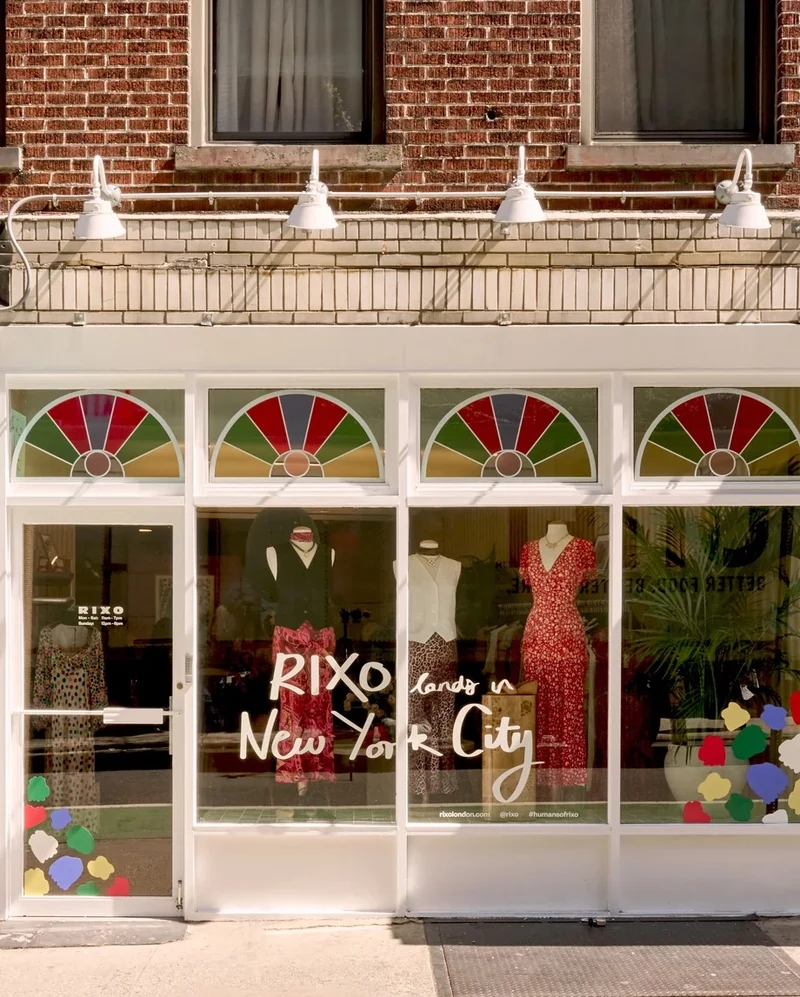
RIXO offers a particularly clean example. U.S. customer sales had grown 600 percent across five years before its first SoHo pop-up opened in April 2024. The assortment was selected using American buying behavior. New York furniture, auctions and local artisans shaped the interior. Supper clubs, styling sessions and community events gave the founders direct access to the people buying the dresses. When the pop-up generated strong results, it became permanent.
The important word here is sequence.
The new British invasion increasingly buys evidence before it buys permanence.
The outward movement begins with pressure at home.
Britain remains extraordinarily powerful as a producer of fashion culture. The British Fashion Council says the sector supports £67.5 billion in gross value added annually across the wider economy and over 1.4 million jobs. Yet its March 2026 BFC 2030 strategy describes the creative engine behind that impact as being under “critical strain.” The organization's strategic vocabulary has shifted from “promote and showcase” toward “support and sustain,” with BFC International tasked specifically with unlocking fundraising, trade partnerships and export growth.
Britain has mastered cultural production. Converting cultural heat into resilient independent companies requires another set of muscles: capital, operational infrastructure, customer scale and repeatable revenue.
Brexit adds pressure to that equation. The Independent Commission on UK-EU Relations estimates that SMEs represent around 90 percent of the British fashion industry and documents customs complexity, VAT friction, workforce issues and delays affecting trade with Europe. For a small fashion business, every piece of friction consumes resources that could have funded product, marketing or growth.
America appears on the other side of that pressure with an enormous invitation.
UK government data places the United States as Britain's largest export market, receiving £202.5 billion in UK goods and services during 2025, equivalent to 21.8 percent of total UK exports. The same official market guide advises companies to think about individual American states as distinct commercial environments because the federal structure creates different regulations and procedures across the country.
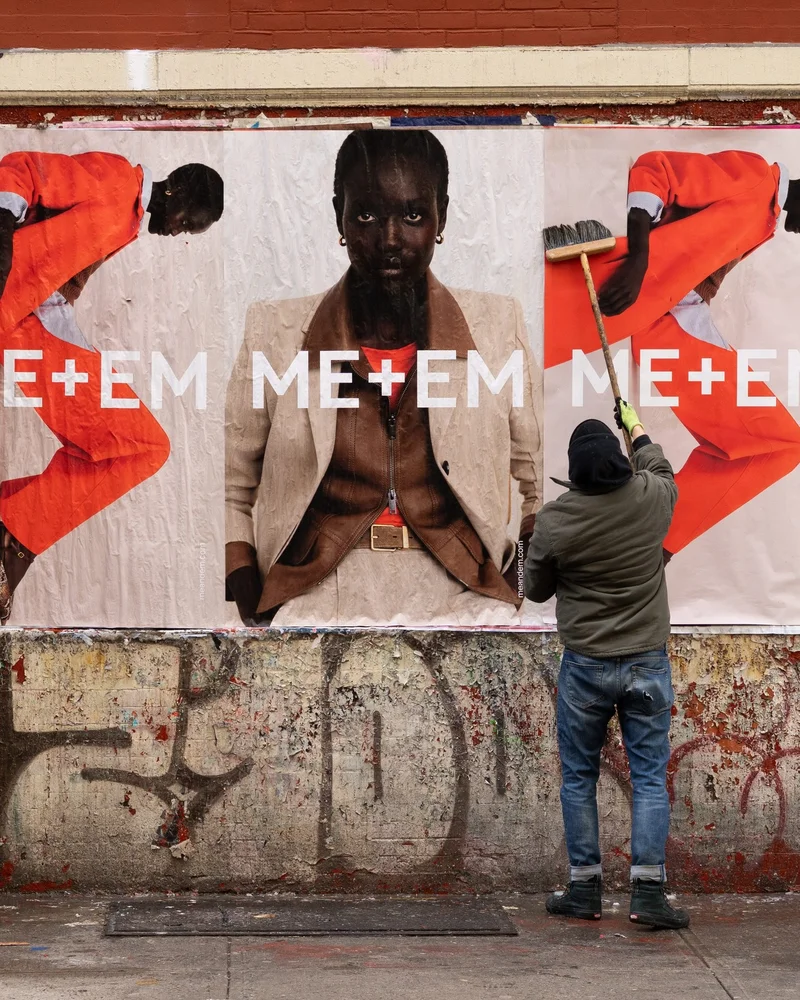
For ME+EM, the attraction has already turned into serious revenue. U.S. sales rose 61 percent to £47.3 million in the financial year to January 2025, helping push international revenues upward as new stores opened across American cities.
For Celtic & Co., America had already become its largest international market outside Britain when it entered Nordstrom and Macy's online. Managing director Zoe Bray described those partnerships as a way to reach customers while generating “learnings” that could guide further expansion.
The language keeps repeating: learn, test, listen, build. That reveals the underlying mechanism beneath the British invasion. America functions as both growth market and feedback machine.
For British brands facing a difficult domestic operating environment, a successful U.S. customer base can become a second commercial engine. The pursuit carries glamour on the surface. Underneath sits the much less glamorous business need for resilient revenue.
A woman buying RIXO in Manhattan lives inside a different wardrobe economy from a customer buying Marfa Stance in Aspen. Nashville creators communicate through their own local networks. Palm Beach reads British country dressing through another cultural lens. Nantucket, Charleston, Dallas, Los Angeles and Chicago each carry distinctive climates, wealth patterns and social rituals.
The current British invasion has learned to treat geography as culture.
Marfa Stance provides the clearest evidence. Its trunk-show circuit has reached Nantucket, Aspen, Rancho Santa Fe, Tulsa, Raleigh, Augusta and other affluent pockets scattered far beyond the standard New York and Los Angeles fashion route. The Wall Street Journal reported 214 trunk shows during one year, with U.S. customers generating 70 to 80 percent of sales and annual revenue rising 40 percent from 2023 to 2024.
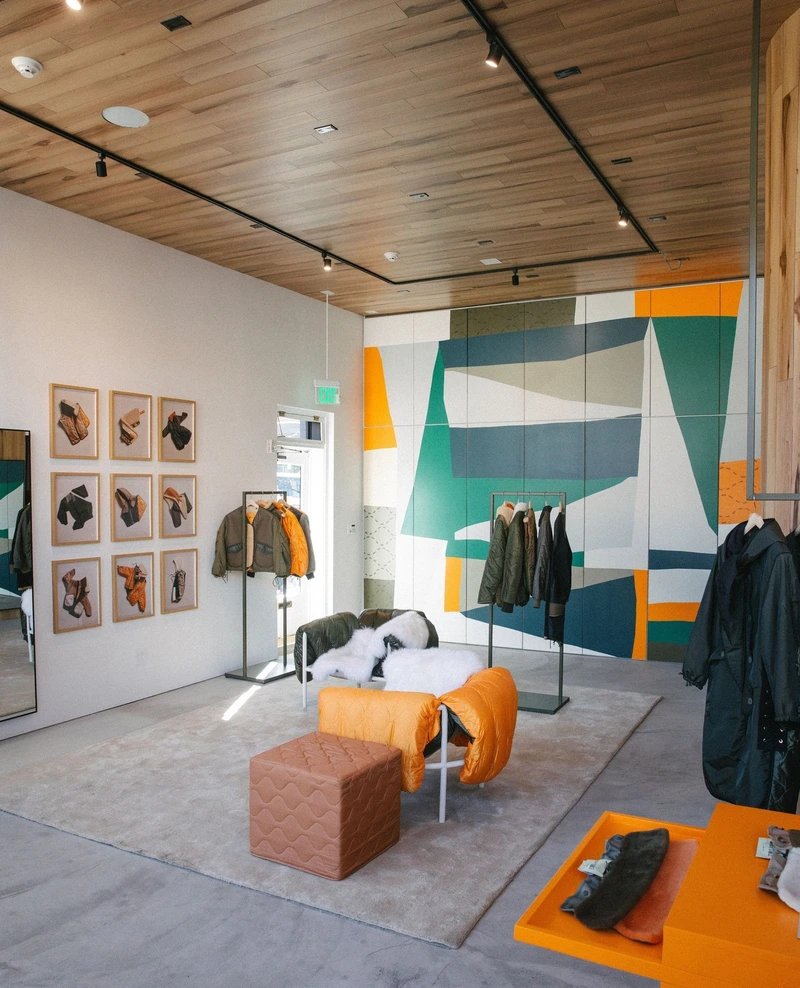
A local host lends trust. Existing customers bring friends. Product enters a social setting where staff can hear how people talk about it. Sales reveal which silhouettes travel. Reactions reveal which details require explanation. Return visits indicate whether excitement can survive beyond novelty.
A temporary event therefore becomes a store, focus group, customer-acquisition campaign and cultural laboratory compressed into one afternoon.
With Nothing Underneath demonstrates how far that reconnaissance can go. Ahead of its Nashville plans, the shirting brand began identifying relevant local creators through ShopMy. The activation begins culturally before the physical activation begins geographically.
Fashion has almost exhausted the word “community.” Every launch apparently has one. Every founder wants to build one. Every store opening claims to celebrate one.
The American expansion of British brands reveals why the word keeps surviving corporate language: community can generate information that sales dashboards struggle to capture.
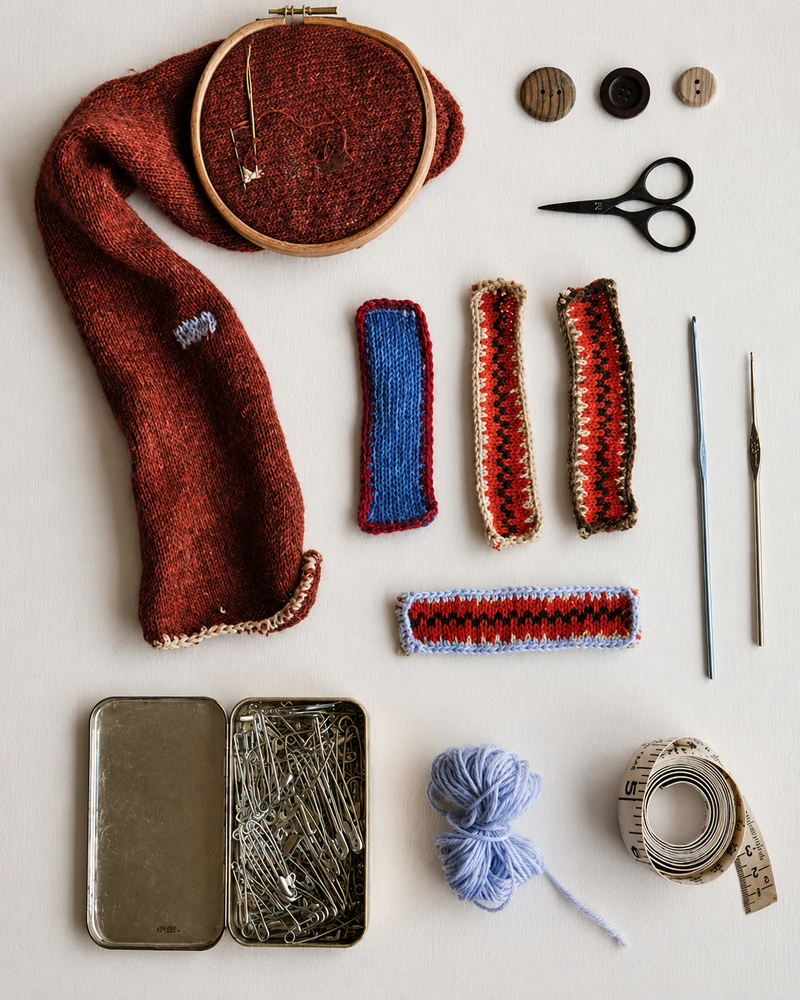
TOAST brings its own British cultural vocabulary into the same mechanism. Repair services, making workshops, clothing exchanges and discussions around craft give its American stores a reason to exist beyond transactions. The garment becomes an entry point into a philosophy of ownership.
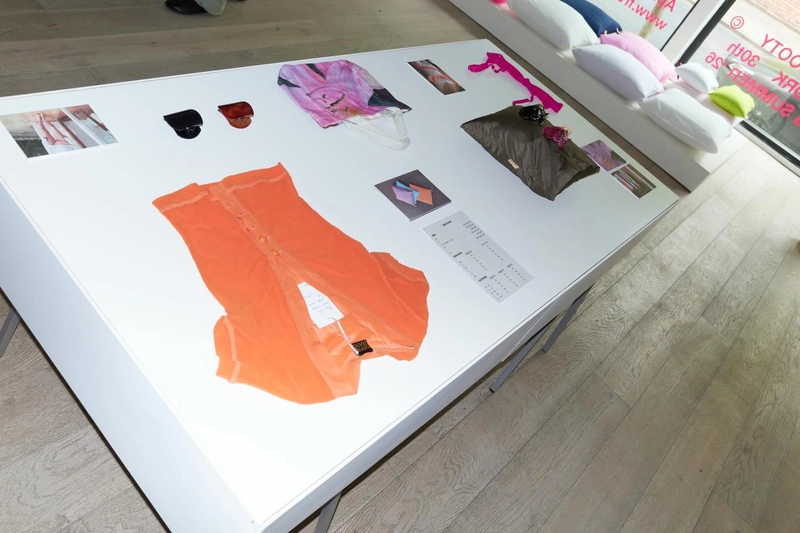
Fruity Booty gives the idea a younger, louder expression. Its American pop-ups have served as retail spaces, social encounters and storytelling environments. In summer 2026, its U.S. pop-up performance nearly doubled the prior year's result. Founder Hattie Tennant observed that American customers actively wanted to hear about the founder, lifestyle and culture surrounding the lingerie.

This reveals one of the British invasion's most valuable discoveries.
Community is qualitative data.
An ecommerce dashboard can tell RIXO that a black dress sells in New York. A conversation can reveal why she chose black, where she plans to wear it, what she paired with it and which friend asked about the label.
That information can shape assortment, marketing language, store design and future location strategy. The commercial challenge begins when intimacy becomes repeatable.
A run club can feel embedded in Venice. Copying the same run club through twenty cities can turn spontaneity into format. Community retains value while people feel genuinely seen within it. That makes cultural sensitivity part of growth infrastructure. The smartest British brands are building scale while protecting the sensation of being locally discovered.
Retail ambition once loved architectural proof. A flagship announced commitment through square footage, marble and rent.
The 2026 British invasion often announces commitment through somebody else's infrastructure.
This matters because the economics around small cross-border orders have changed. The United States removed the $800 de minimis threshold for commercial shipments on August 29, 2025, bringing tariffs, customs clearance and administrative requirements to low-value UK exports that previously enjoyed simplified entry. An additional 10 percent U.S. tariff also applies across many UK imports under the current tariff framework.
That creates pressure on a direct-to-consumer model built around individual parcels crossing the Atlantic.
Wholesale suddenly carries another strategic value.
American shoppers already possess abundant American fashion. A British label needs a reason to cross the Atlantic inside the consumer's imagination.
That reason is frequently Britishness itself.
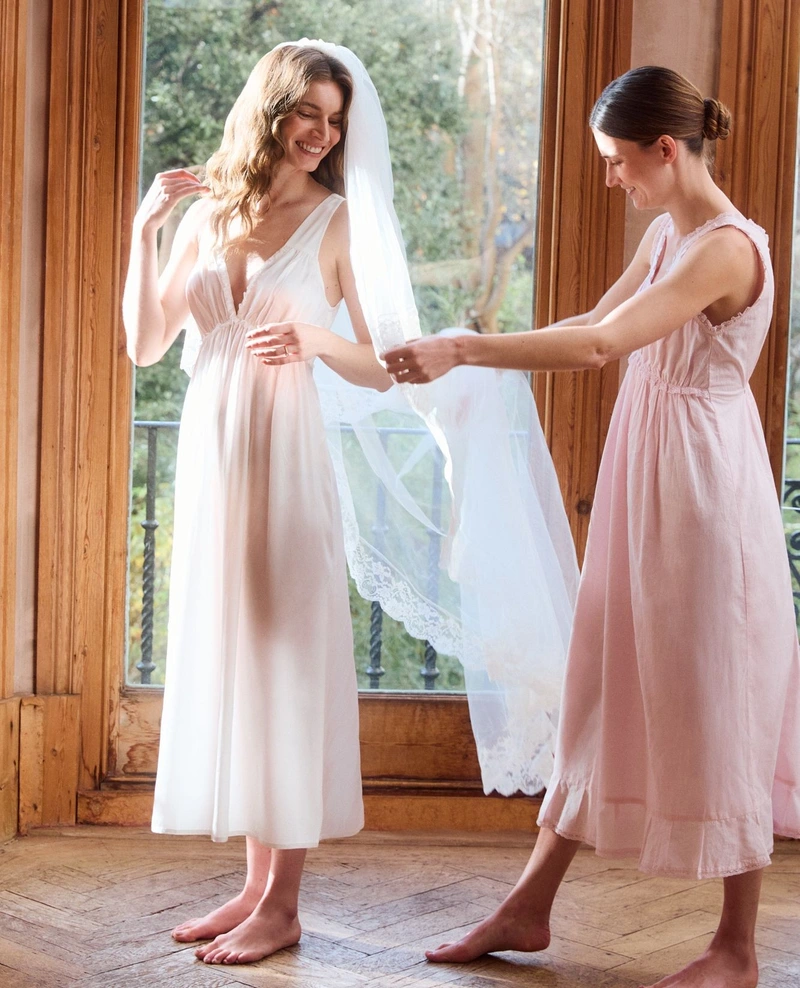
If Only If offers perhaps the sweetest example. Its old-fashioned nightdress vocabulary found enough appetite in the U.S. for American online sales to rise 500 percent in 2024. The garment carries a kind of English romanticism that becomes culturally legible precisely because it has a recognizable accent.

RIXO kept its visual identity intact in SoHo while filling the environment with New York-sourced furniture, local craftspeople and vintage collaborators. Its product remained British. Its setting learned the neighborhood.
This may be the deepest lesson of the current British invasion:
The product carries identity. The environment carries translation.
Britishness has commercial value because it functions as cultural soft power. The British Fashion Council explicitly places global influence and international access inside its 2030 strategy, describing fashion as a national creative asset with economic and cultural reach.
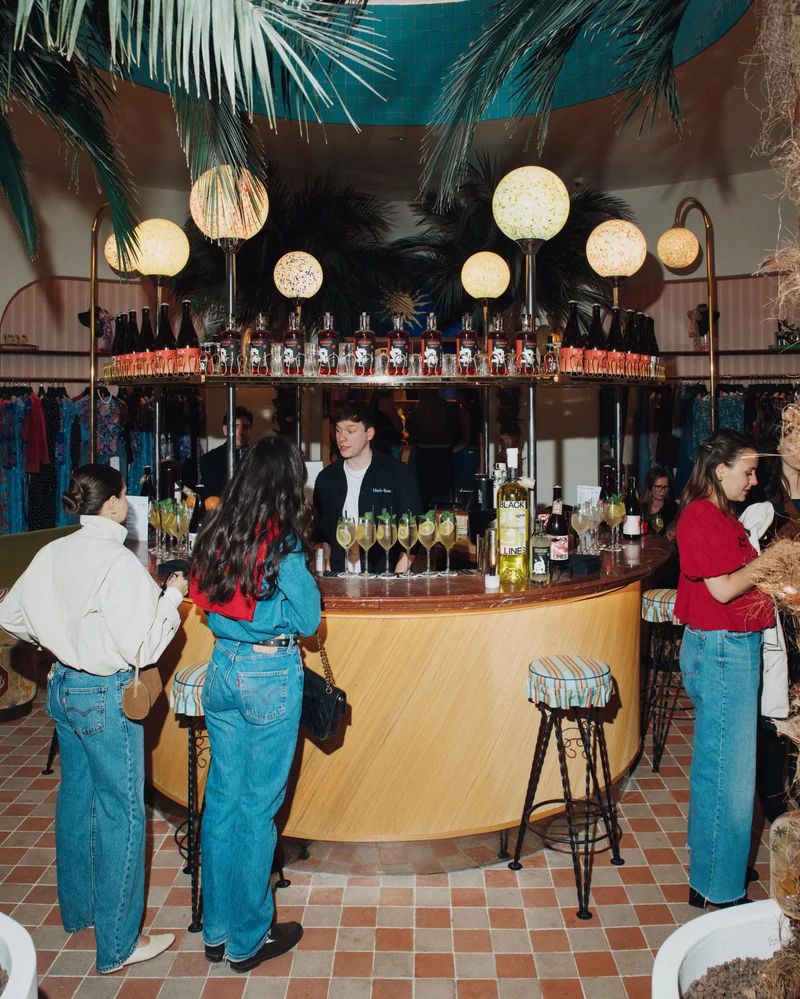
That soft power becomes tangible when an American customer buys a Welsh coat, a London dress or Cornish knitwear because the object carries a story she wants near her body.
Yet heritage can become a trap when it turns into export theatre.
Tea, tartan, equestrian, aristocratic eccentricity and romantic countryside imagery can quickly harden into a souvenir version of Britain. The brands with lasting potential will keep British identity active enough to evolve while preserving the cultural specificity that created desire.
America wants the accent. It also wants the brand to join the conversation.
A temporary store performs. Management signs a permanent lease. One permanent location performs. Expansion plans multiply. Inventory commitments rise. Teams grow. Logistics acquire fixed costs. Investor expectations accelerate the calendar.
Patience can evaporate precisely when patience proves successful.
Those cases carry a warning for every British brand reading America's numbers with hungry eyes. The strategy that opens America can disappear once American growth becomes the strategy.
That is where the ghosts of British retail history become useful. They remind the industry that international expansion becomes dangerous when geography itself starts being treated as achievement. The real achievement is repeat demand. The British invasion of 2026 feels intelligent because many of its protagonists understand that distinction.
In 1814, Britain entered Washington through war. Two centuries later, British brands are arriving through your friend's Charleston living room, a trunk show in Aspen, a run club in Venice, a SoHo courtyard or a Nordstrom rail in Dallas.
That may be why this wave of British brands feels so culturally interesting. They have arrived with ambition, yet ambition has learned manners. The British labels with the strongest chance of conquering America may simply be the ones patient enough to wait until America invites them in.