MENU
Close





What if the next great luxury pop-up experience isn’t something you buy or visit, but something that finds you, a moving moment, a taste, a scent, a sound, calibrated to make you feel seen, wanted, and briefly part of something larger than yourself?
What if the next great luxury pop-up experience isn’t something you buy or visit, but something that finds you, a moving moment, a taste, a scent, a sound, calibrated to make you feel seen, wanted, and briefly part of something larger than yourself?
October 24, 2025


Every interaction, whether digital or physical, now functions as a bridge between brand and individual experience. For much of the twentieth century, these touchpoints were static and ceremonial: the flagship store, the polished counter, the exclusive salon visit. Luxury expressed itself through permanence and place. Its power lay in immobility.
That model no longer holds. The new luxury consumer moves faster, feels more, and expects intimacy in motion. Brands are responding not by rebuilding, but by reimagining how and where they meet people. The touchpoint has become dynamic, a living interface that travels, adapts, and engages in real time. What was once defined by architecture is now defined by presence: a brief encounter that leaves an emotional imprint. And this is where the pop-up, once a marginal experiment in retail, has evolved into a strategic centerpiece. The question is no longer what luxury sells, but how it touches.
The pop-up, in its most sophisticated form, is not simply a store; it is an expressive touchpoint, a physical moment designed to activate curiosity and create connection outside traditional retail walls. It signals a shift in power from the brand’s territory to the consumer’s world. Coffee served from a Ralph Lauren truck, matcha poured under Louis Vuitton’s monogram, or sunlight refracted across Jacquemus’ beach club are not random spectacles. They are precise, portable mechanisms of engagement, designed to translate the aura of luxury into experiences that are human, shareable, and emotionally resonant.
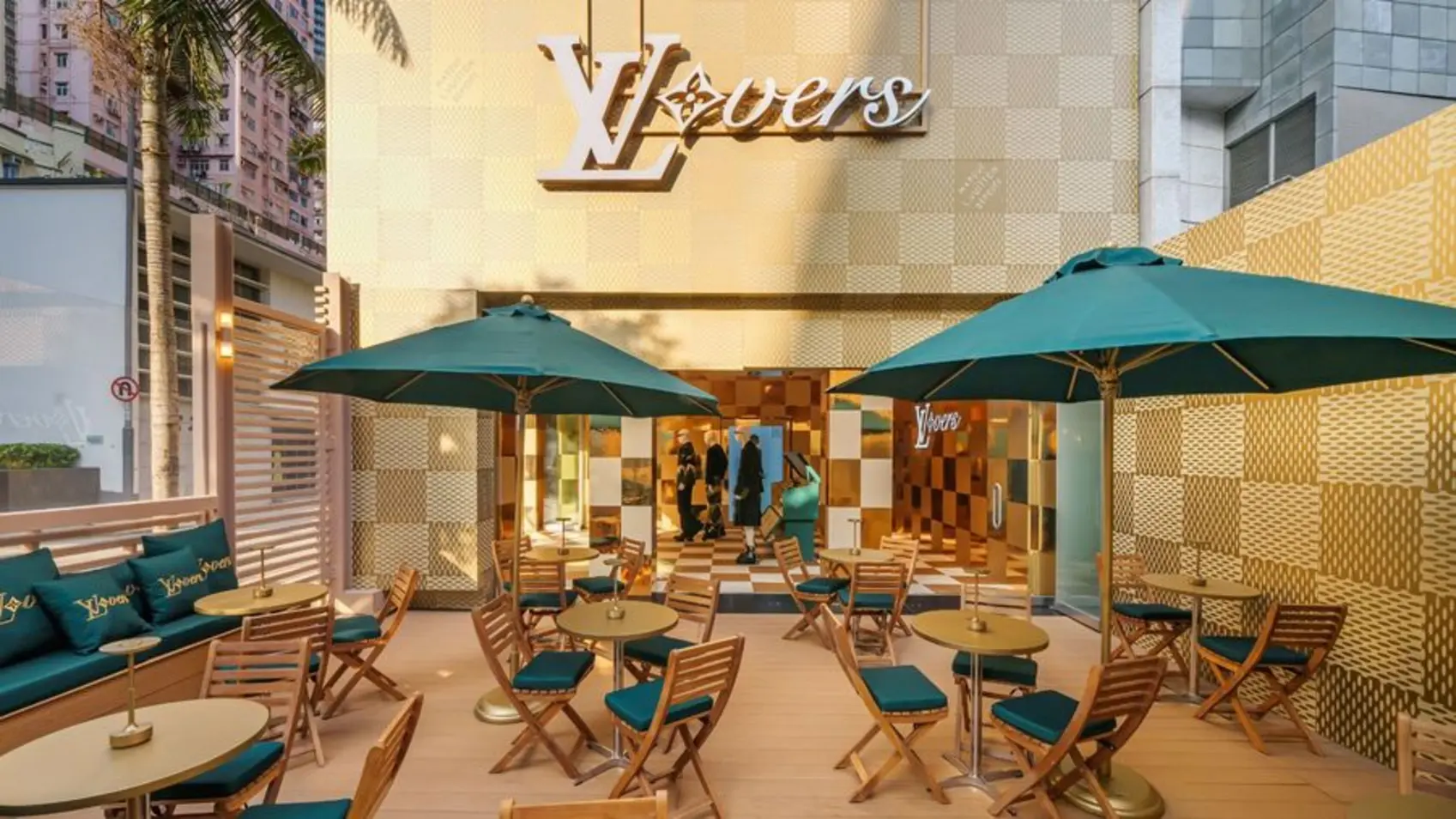
The shift from ownership to emotion is perhaps the most profound evolution in luxury’s recent history. The modern consumer no longer worships the product itself; they crave the story it carries, the feeling it evokes, and the validation it signals. Where once the purchase of a bag or suit was an end in itself, now it is a passport into a larger narrative, one that plays out across curated experiences and ephemeral spaces. Pop-up stores and experiential hubs serve as emotional architecture, places where consumers are invited to touch, taste, and momentarily live inside the world of a brand. According to Bain & Company’s 2024 Luxury Market Report, experiential retail accounted for an estimated 60 percent of new brand engagement investments globally, a signal that luxury houses have recognized that presence, not permanence, now drives power. These touchpoints are not static; they are fluid, playful, and designed to awaken desire by collapsing distance. Instead of the consumer traveling to the brand, the brand travels to the consumer, carrying with it a carefully crafted aura of invitation and exclusivity.

Few have executed this more poetically than Ralph Lauren. His Ralph’s Coffee Truck, with its pristine navy and cream palette, retro typography, and soft jazz ambiance, distills decades of Americana myth into a single, rolling experience. When parked in the streets of Tokyo or Paris, it functions not as a sales outlet but as a stage, a miniature theater of aspiration. Here, a cup of coffee becomes a performance of identity: one sips not for caffeine, but for belonging. The brilliance of Ralph Lauren’s strategy lies in how it extends the brand’s essence into daily ritual. The Ralph Lauren lifestyle has always been about ease wrapped in elegance, country clubs and city dreams, weekends in the Hamptons, the fragrance of leather and linen. By turning that lifestyle into a cup of coffee, the brand offers an entry point that is accessible yet emotionally elevated.

Every paper cup embossed with “Ralph’s Coffee” functions as a traveling monogram, a democratic token of a highly curated fantasy. People line up for hours not simply to drink but to participate in the performance of taste. It is, in many ways, the perfect modern luxury transaction: affordable yet aspirational, ephemeral yet emotionally rich. In marketing theory, this is the principle of “democratized exclusivity”, a paradoxical equilibrium that gives consumers just enough access to feel chosen, but never enough to feel it’s ordinary.
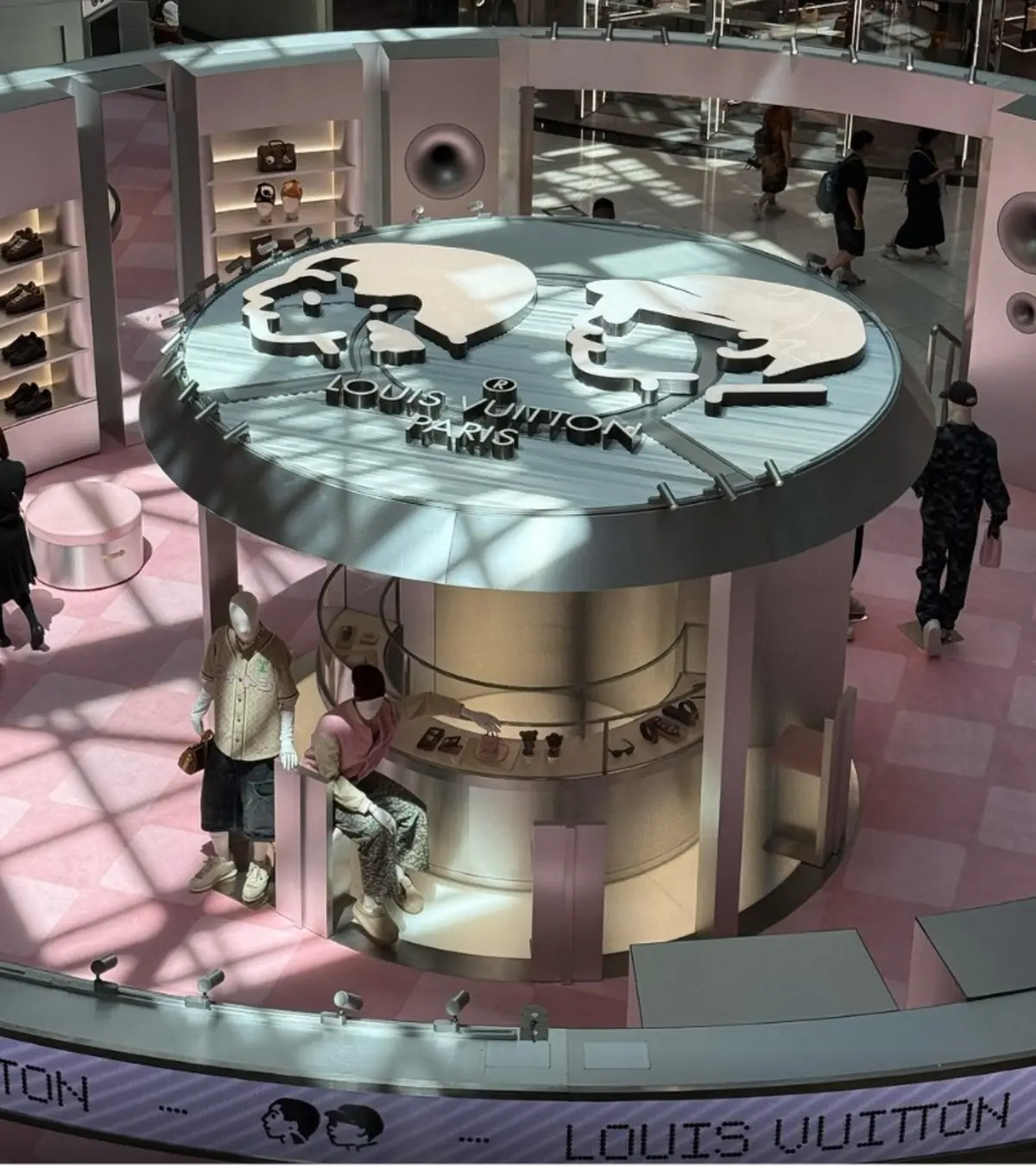
If Ralph Lauren’s café truck embodies nostalgia in motion, Louis Vuitton’s Matcha Pop-Up in Hong Kong reveals the power of cultural fusion as strategy. The installation, launched in 2023 within Harbour City, was a visual and sensory symphony, monogrammed cups, green Damier walls, minimalist counters glowing under soft gold light. Yet beneathaesthetic harmony was a deliberate act of localization. In choosing matcha, Vuitton tapped into one of Asia’s most profound cultural rituals, turning it into a vessel for French luxury. The result was not just a café but a dialogue between heritage and modernity, East and West, refinement and play.
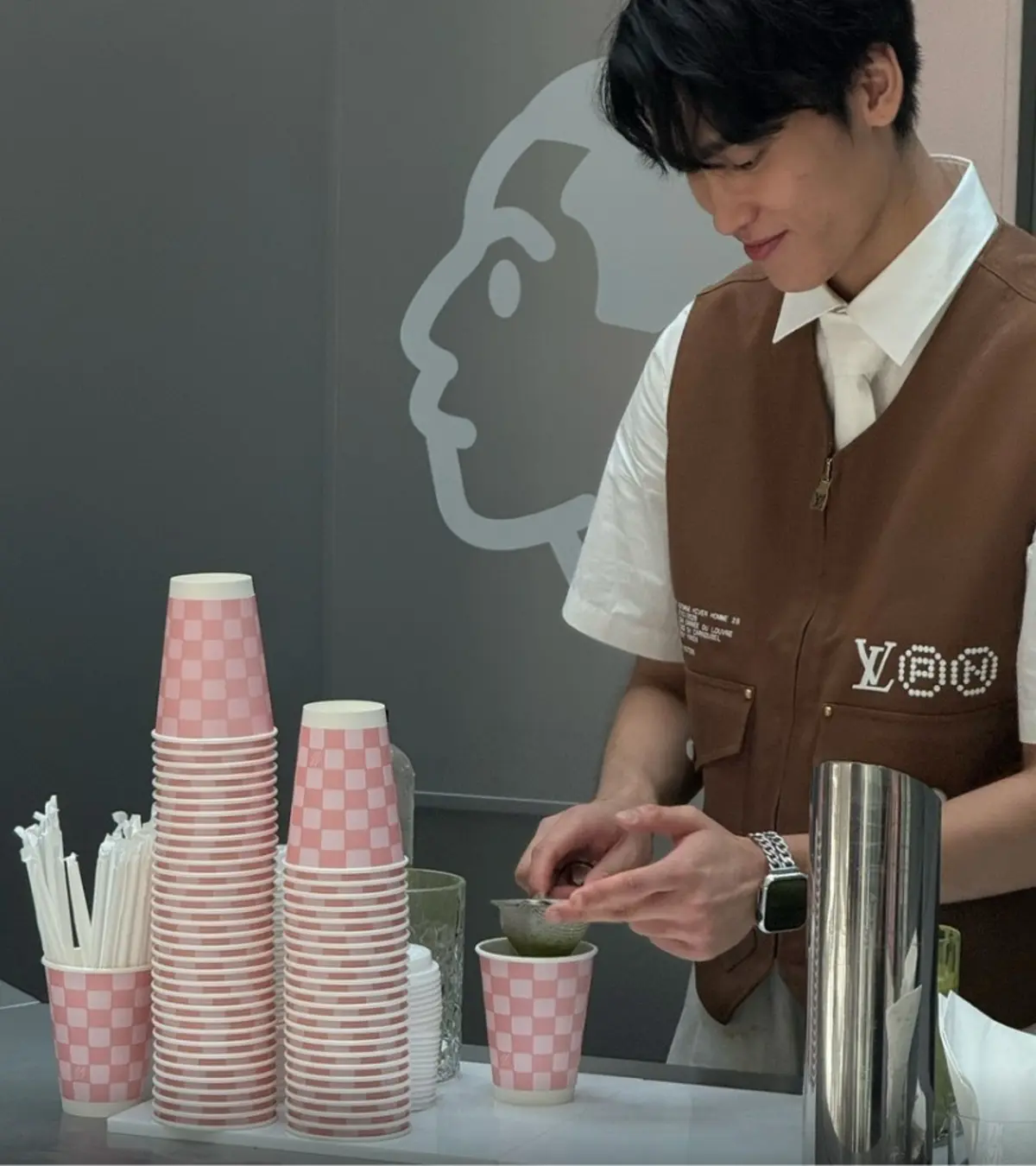
Patrons didn’t simply order drinks; they performed a ritual that wove together Vuitton’s monogrammed codes with the meditative calm of Japanese tea culture. In the process, Vuitton did something far more strategic than offer a beverage, it reinforced its identity as a curator of global lifestyles. The café became a touchpoint that lived equally on social media and in the heart of consumers who wanted to taste the brand’s evolution.
Such activations serve as soft power diplomacy for global maisons. They enable luxury houses to test markets without permanence, to collect data without friction, and to generate cultural resonance through hospitality rather than exclusivity. Each pop-up is a piece of mobile infrastructure, designed not only to sell but to sense, to measure the emotional temperature of local audiences, to observe how brand narratives travel across cultures, to test new forms of engagement. In Ralph Lauren’s case, the café truck transformed brand essence into cultural hospitality, allowing the brand to converse fluently with local rituals. For Louis Vuitton, the matcha pop-up signaled a willingness to expand luxury beyond fashion into lifestyle ecosystems. What unites both is the strategic brilliance of mobility: by moving toward consumers, the brand collapses psychological distance, replacing intimidation with intimacy. The transaction becomes an act of shared pleasure rather than a display of status.

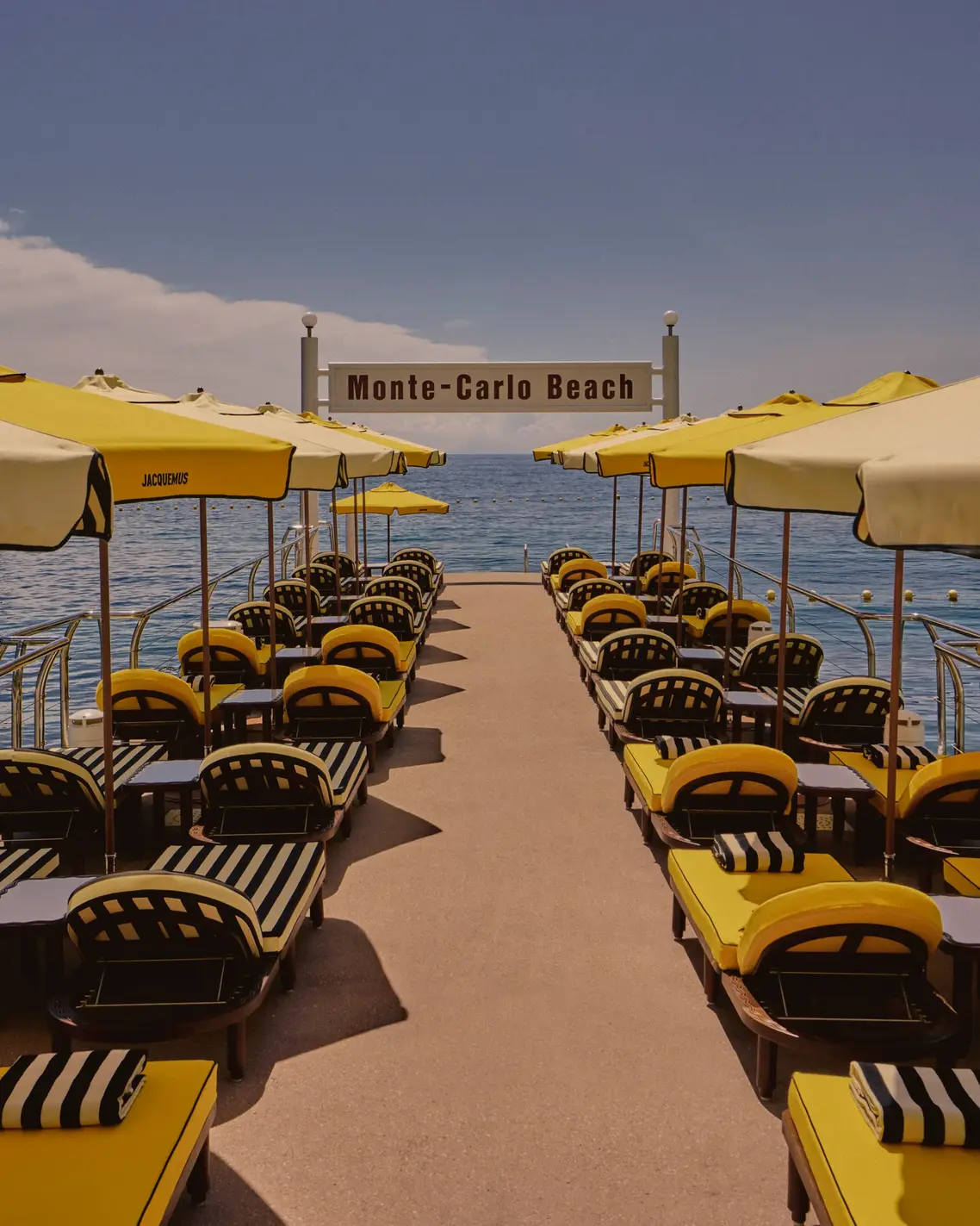
This emotional democratization reaches its most exuberant expression in Jacquemus’ Beach Club Pop-Up, a temporary universe drenched in sunlight and joy. Simon Porte Jacquemus has long understood that fashion today is not about product; it’s about feeling alive inside a story. His beach club activations, staged in the French Riviera and Ibiza, transformed the poetic minimalism of his designs into a tangible world of salt air, pastel parasols, branded towels, and peach-colored cocktails. Visitors didn’t attend as shoppers but as participants in an atmosphere of curated leisure. They lounged, laughed, and captured the experience in thousands of photographs, each image broadcasting the Jacquemus ethos of sensual simplicity to millions online.

Yet beneath this seemingly effortless pleasure lies shrewd business strategy. The beach club functioned as a content generator, a viral ecosystem of unpaid ambassadors who transformed leisure into brand capital. Each post became a ripple in Jacquemus’s storytelling network, where lifestyle, digital culture, and commerce converged seamlessly. In that sense, Jacquemus has cracked a code few brands dare to attempt: he has turned living beautifully into a product category of its own.
These new touchpoints no longer reside solely in flagships or campaigns; they appear where life happens, in shopping malls, on beaches, or in the middle of a city street. When observed collectively, these formats mark a decisive shift in how value is created and experienced. What once was an occasional experiment has matured into a structured system of brand communication, where each temporary space becomes a data-rich, emotionally charged node in the wider luxury ecosystem.
The so-called “pop-up” is only one expression of this broader evolution. It functions as a dynamic touchpoint that allows a brand’s world to move, breathe, and converse with its audience in real time. Unlike traditional retail, which speaks from a distance, this model invites participation. It brings scarcity and inclusivity into the same frame, limited in time yet open in invitation. For the consumer, it offers intimacy and curiosity: a chance to step inside the narrative rather than merely witness it. For the brand, it captures something far more valuable than foot traffic, it gathers insights, emotional resonance, and cultural visibility in one orchestrated gesture.

However, the brilliance of this movement also hides a tension. As more brands embrace experiential marketing, the industry risks overexposure and repetition. The emotional power of a pop-up lies in its sincerity, its ability to convey authentic connection rather than staged spectacle. The delicate art of touchpoint creation depends on coherence between brand essence and experience design. But for others, the danger looms: the transformation of luxury into a theme park of selfies. Authenticity, as ever, remains the ultimate currency.
Still, despite these risks, the strategic power of these experiences cannot be denied. Pop-ups are emotional laboratories where brands experiment with intimacy. They are the physical equivalent of storytelling algorithms, places where data meets delight. Every interaction, every shared image contributes to a new kind of brand capital that traditional advertising could never buy. The impermanence of these installations paradoxically makes them eternal, at least in memory and media. They exist precisely because they will not last, and that fleeting quality makes them desirable. Scarcity, once measured in product quantity, is now measured in time.
As we look ahead, the future of luxury may well be written in motion. The grand flagship will not disappear, but it will share the stage with a traveling constellation of brand moments, pop-up cafés, roving trucks, immersive beach clubs, digital activations that bridge the physical and virtual. Sustainability concerns, real estate shifts, and cultural fluidity all favor this lighter, more adaptable model. Tomorrow’s luxury will be less about possession and more about participation, less about static display and more about shared emotion. The technology will change, but the principle remains: to feel luxury is to experience it personally.
And perhaps that is the most profound realization of all, that luxury has ceased to be a product category and become a form of hospitality. When a Ralph Lauren truck rolls into your neighborhood, when the scent of Louis Vuitton matcha drifts across a Hong Kong mall, when the laughter from Jacquemus’s beach club echoes through social media feeds, these are not mere marketing stunts. They are invitations. They tell you, with quiet generosity, come be part of us. They transform the audience from spectator to participant, the shopper into a guest, the consumer into a co-creator of memory. In a world overwhelmed by digital noise, that sense of being personally seen, of being chosen, is what gives these touchpoints their extraordinary magnetism.
Luxury today travels lightly but carries meaning deeply. It no longer stands behind marble walls; it flows through cities, streets, and beaches like a visiting dream. And in doing so, it redistributes power, from brand to audience, from ownership to emotion, from display to experience.