London’s most desirable experiences are increasingly difficult to see from the pavement. Behind discreet entrances, private lifts and unmarked salon doors, the capital is privileged access.
London Luxury
London’s most desirable experiences are increasingly difficult to see from the pavement. Behind discreet entrances, private lifts and unmarked salon doors, the capital is privileged access.
July 9, 2026


London is a city where history and urban eccentricity collide, hiding strange secrets behind its iconic facade, like the "ghost houses" of Leinster Gardens built to hide Victorian railway steam. In 2024, London welcomed roughly 21 million international visitors who spent over £17 billion.
As a metropolis of 9.8 million people, London has never struggled to perform wealth. Its Georgian squares, royal parks, marble hotel lobbies and ceremonial dining rooms were built to make status immediately legible. Yet the city’s contemporary luxury landscape is becoming far less interested in spectacle for spectacle’s sake.
For high-net-worth travellers and culturally fluent tastemakers, the most valuable London experiences are now those that eliminate friction. A separate entrance matters more than an ornamental staircase. A curator who opens a collection after closing time is more compelling than another crowded exhibition. The finest suite is not simply larger; it allows its occupant to arrive, dine, work and leave without negotiating a public lobby.
London Luxury Begins with Geography
London is not experienced as one continuous metropolis. It is a collection of micro-neighbourhoods, each offering its own social tempo, architectural language and relationship with luxury. Choosing where to stay therefore determines much more than journey times.
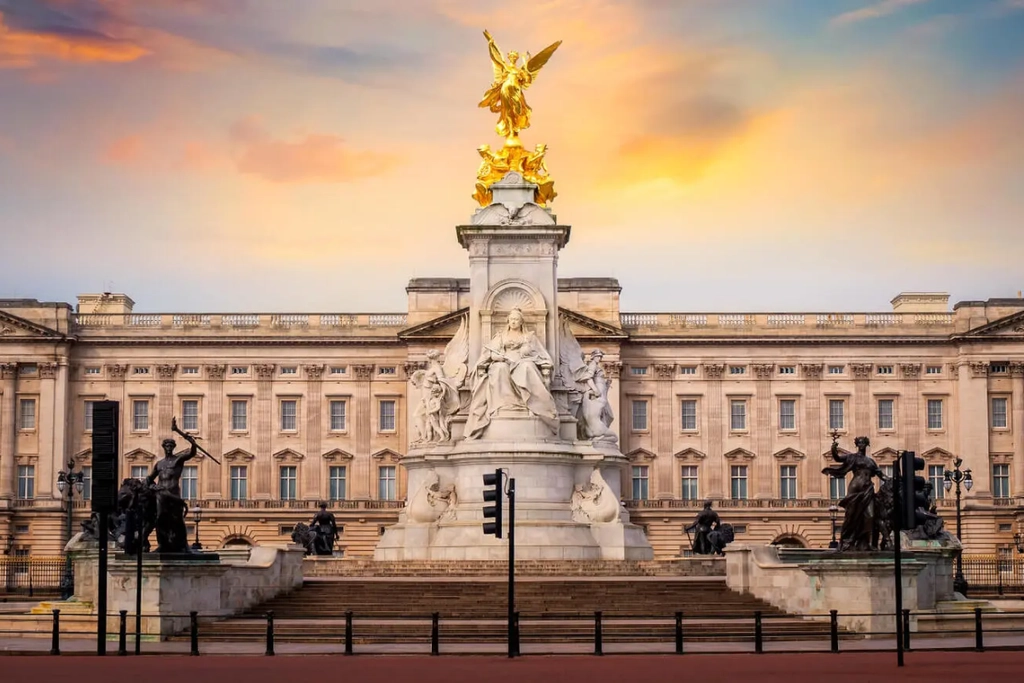
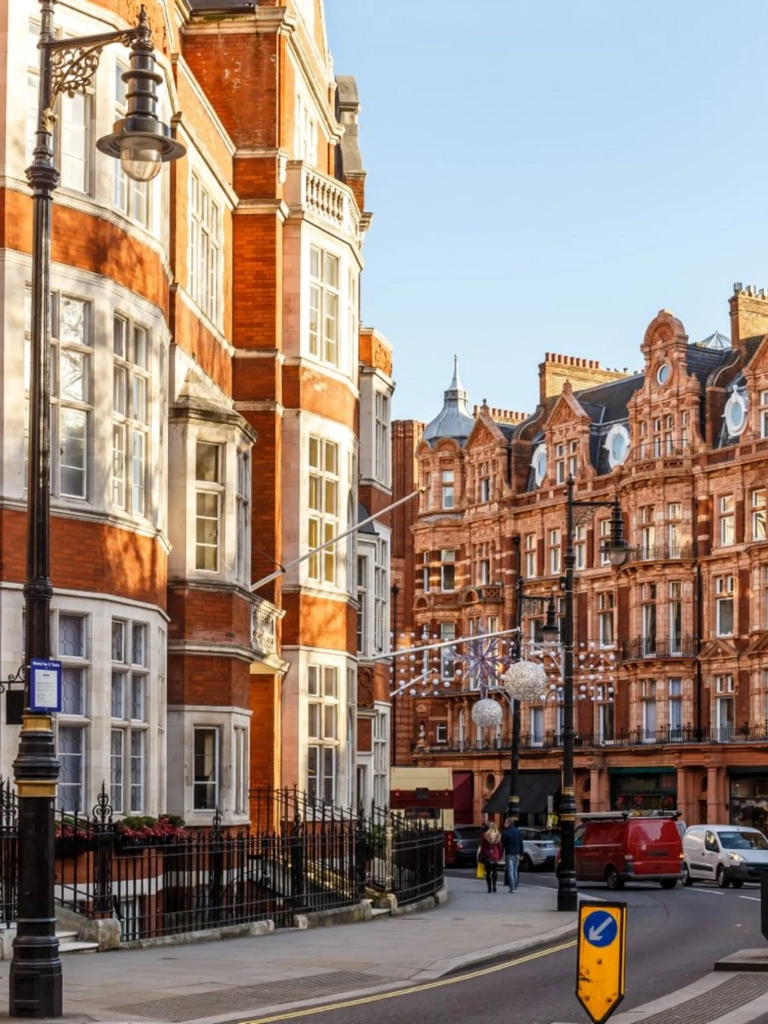
Mayfair and Belgravia remain the centre of gravity for established prestige, but neither district feels frozen in its past. Mayfair places guests within walking distance of the fashion houses of Bond Street and Mount Street, major auction houses, private galleries and some of London’s most closely guarded members’ spaces. Its Georgian façades may communicate restraint, yet increasingly experimental hotels and restaurants are operating behind them.

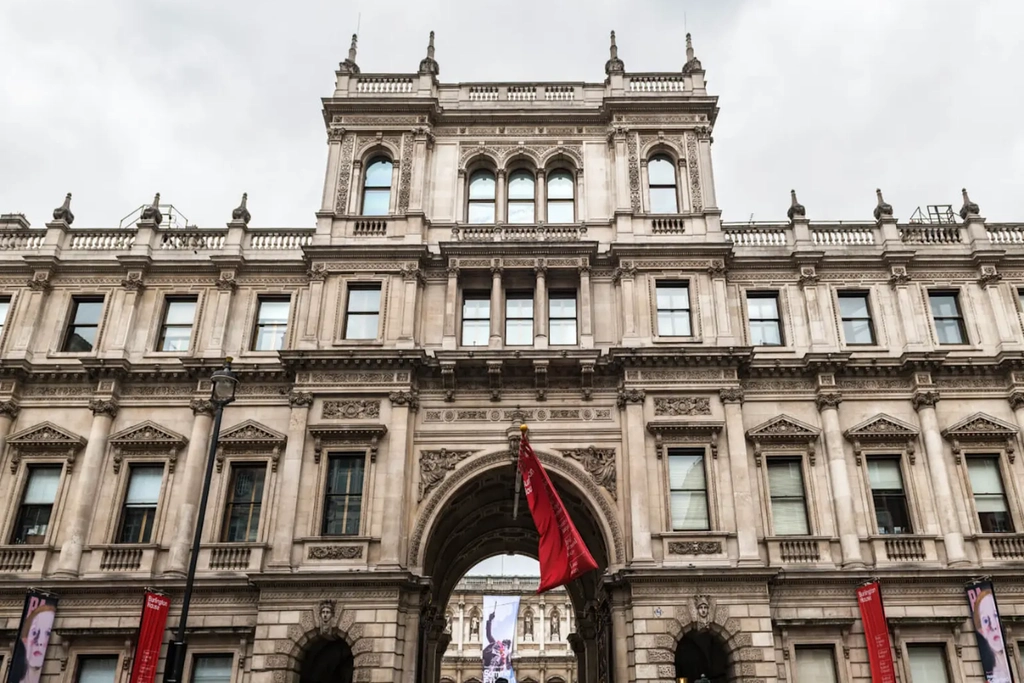
Belgravia offers a quieter expression of the same confidence. Its embassies, private gardens and stucco terraces create a residential atmosphere, while Hyde Park Corner provides access to both Knightsbridge and central Mayfair. The district suits travellers who want proximity without remaining visibly inside the commercial theatre of luxury.
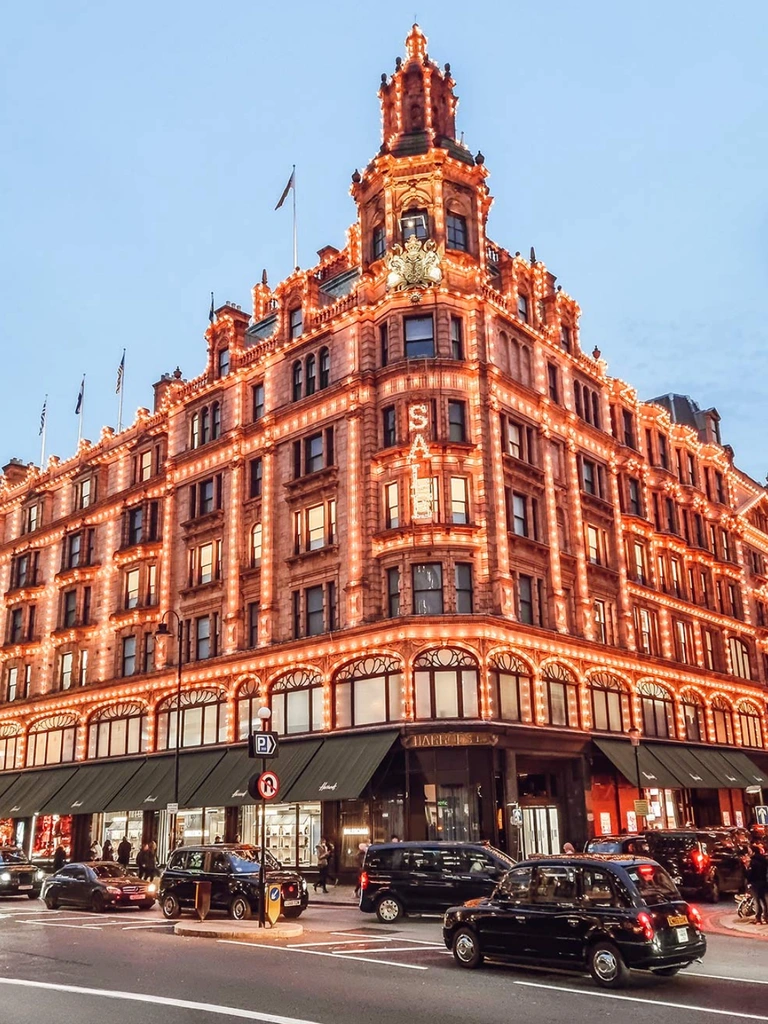
Knightsbridge and Chelsea offer a different rhythm. Harrods, Harvey Nichols and the international boutiques around Sloane Street provide the obvious retail anchors, but the more interesting pleasure lies in Chelsea’s design showrooms, garden squares, antiques specialists and domestic architecture. This is a base for travellers who want London to feel inhabited rather than simply visited.
Marylebone and Fitzrovia have become persuasive alternatives for those who find Mayfair overly formal. Marylebone High Street functions almost like a curated village, combining independent fashion, specialist food stores and discreet wellness addresses. Fitzrovia is more eclectic, placing modern restaurants and design studios alongside Georgian townhouses and traces of its literary past.
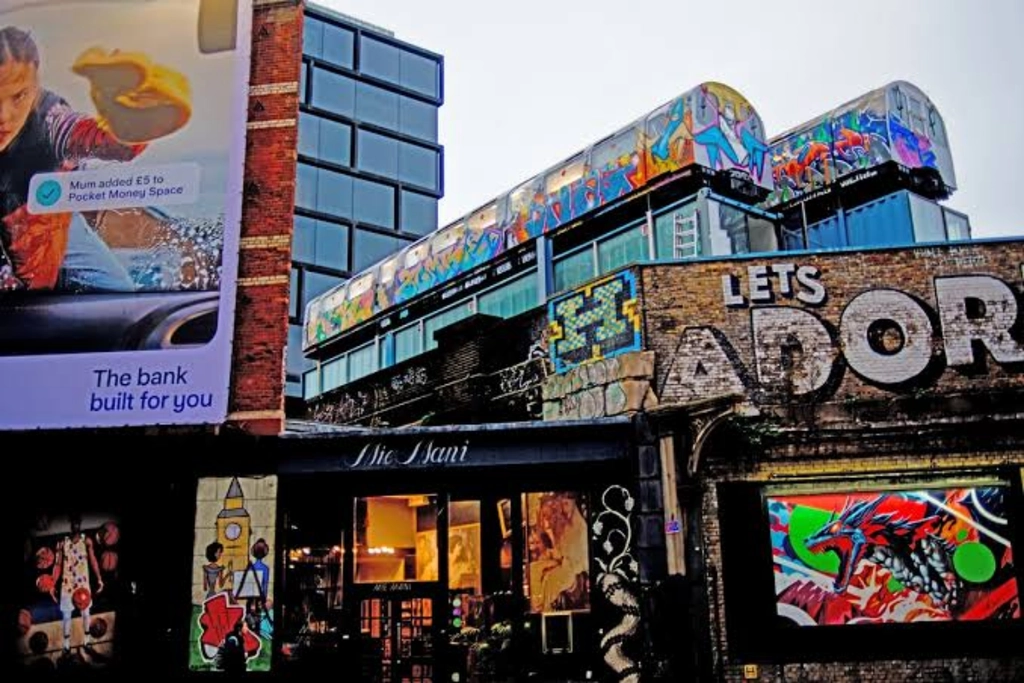
Further east, Shoreditch and the City replace polished residential calm with visual tension. Historic banking halls, medieval churches and contemporary towers sit beside converted warehouses, independent galleries and design-led hotels. The atmosphere is sharper and more experimental, making it particularly suitable for collectors, architects and travellers interested in London as a working creative capital rather than a heritage tableau.
The Grand Dames Have Entered Their Modern Era
London’s historic hotels have survived because they understand that heritage cannot remain static. Their chandeliers, liveried service and architectural rituals still matter, but they are increasingly being supported by major contemporary interventions.
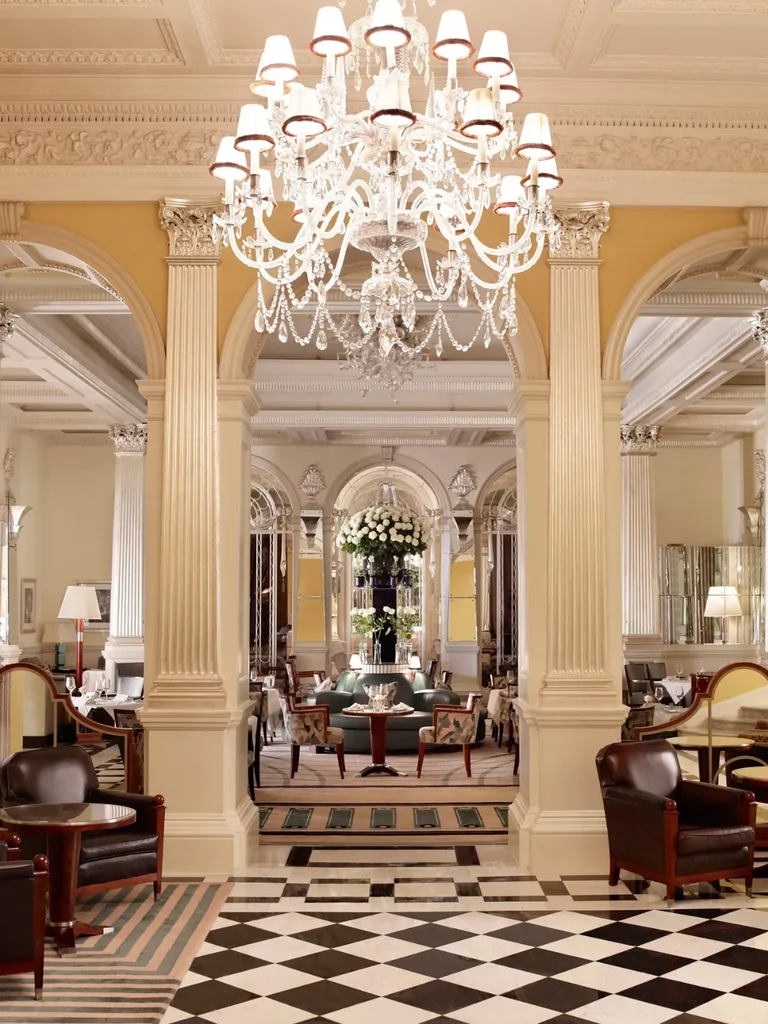
Claridge’s remains one of Mayfair’s defining hotels, yet its subterranean spa reveals how radically a grand dame can evolve. Designed by André Fu, the wellness space introduces Japanese-influenced calm, stone surfaces and an intimate relaxation pool beneath the Art Deco energy above. Rather than competing with the hotel’s history, it creates an entirely separate emotional register.

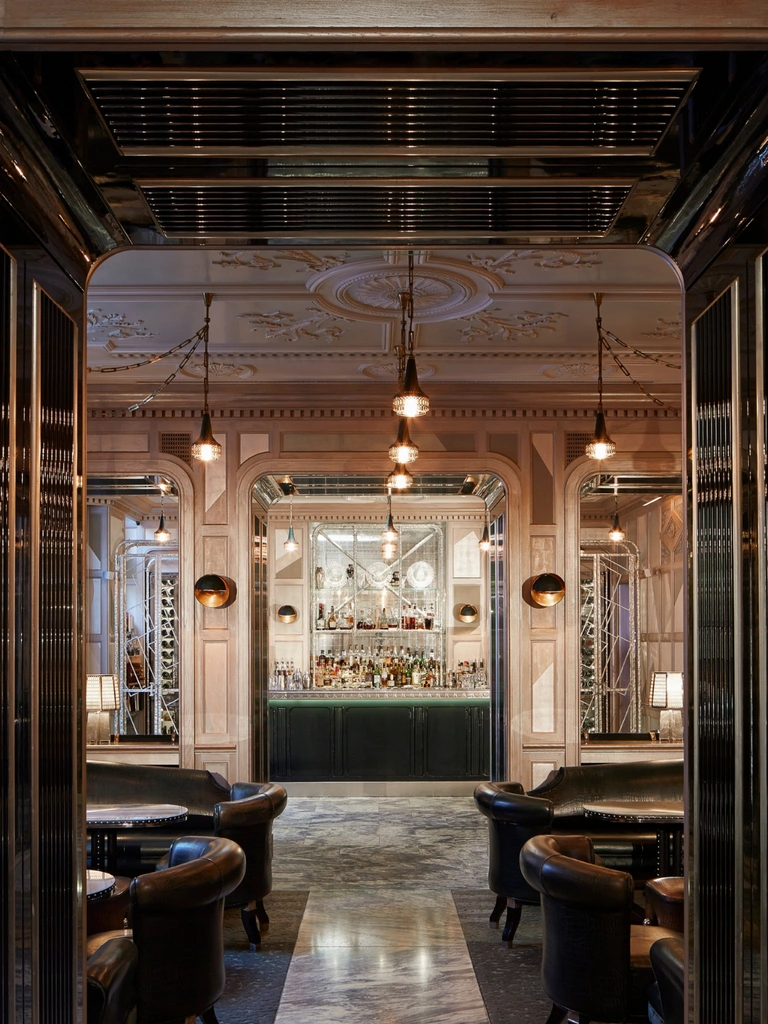
The Connaught works through a subtler dialogue between British formality and contemporary art. Its rooms and public spaces carry a residential restraint, while the hotel’s famous tableside trolley ritual turns service into a small, carefully choreographed performance. The appeal is not excess but precision: the sense that every gesture has been rehearsed without appearing mechanical.
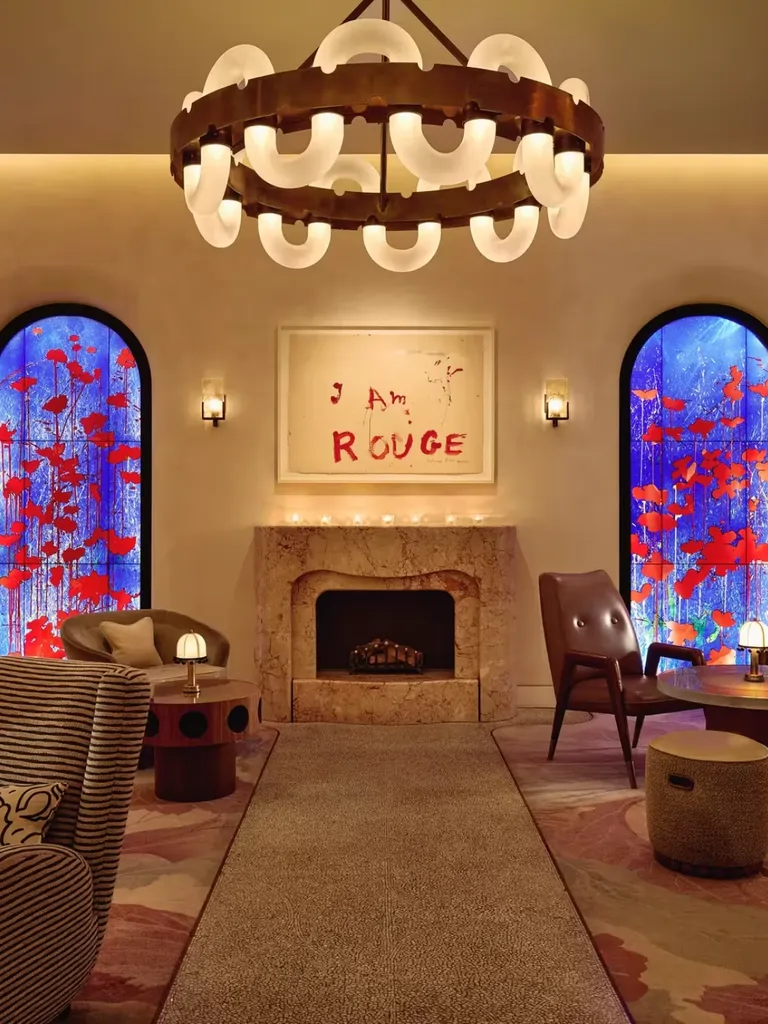

The Twenty Two, occupying an Edwardian manor on Grosvenor Square, represents Mayfair’s more sociable new wave. Hotel and private club overlap inside interiors shaped by decorative French references, theatrical pattern, richly upholstered furniture and a deliberate degree of maximalism. Hotel residents receive temporary access to the club, allowing the property to function less like conventional accommodation and more like an inhabited private house with a highly connected guest list.
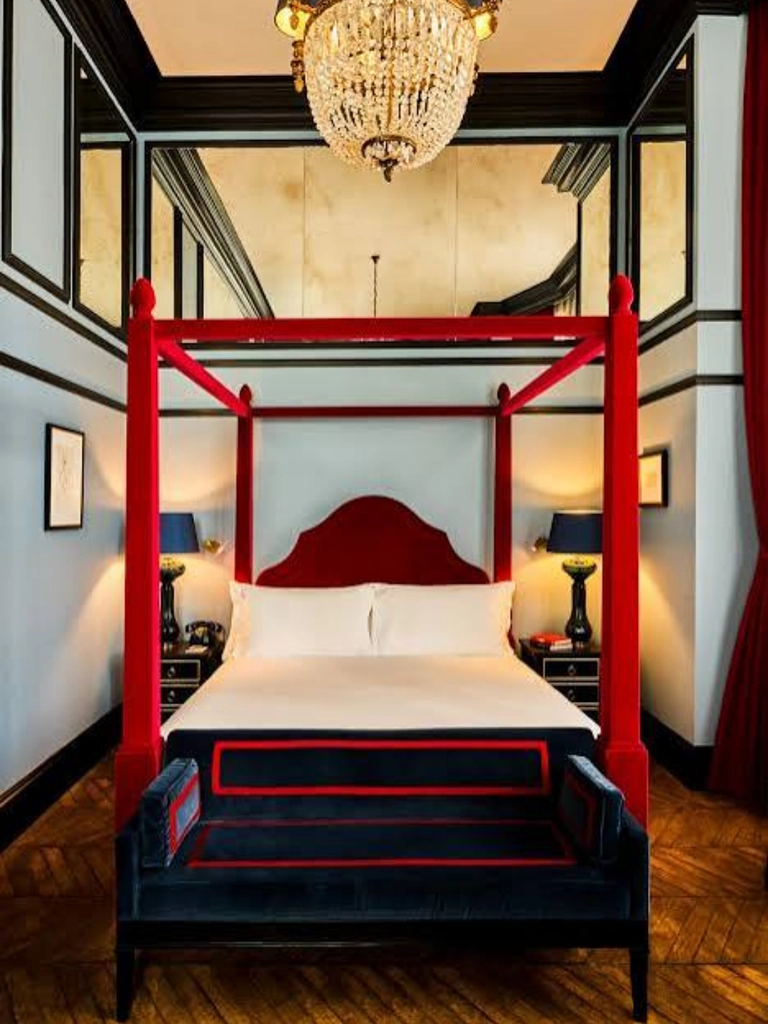
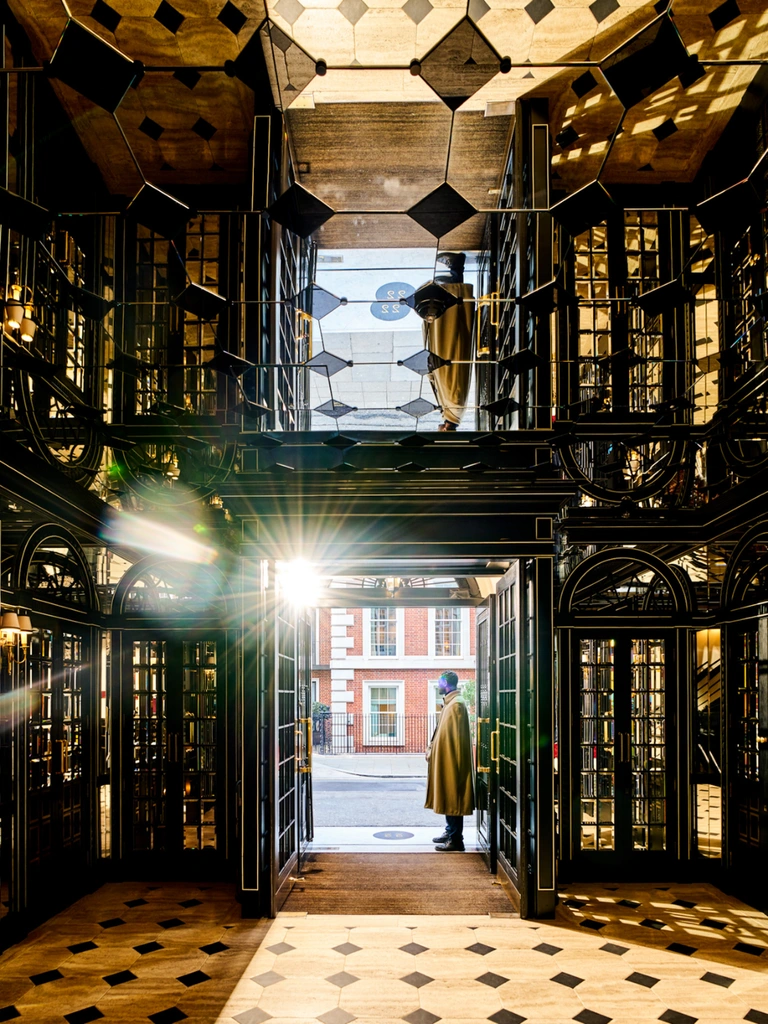
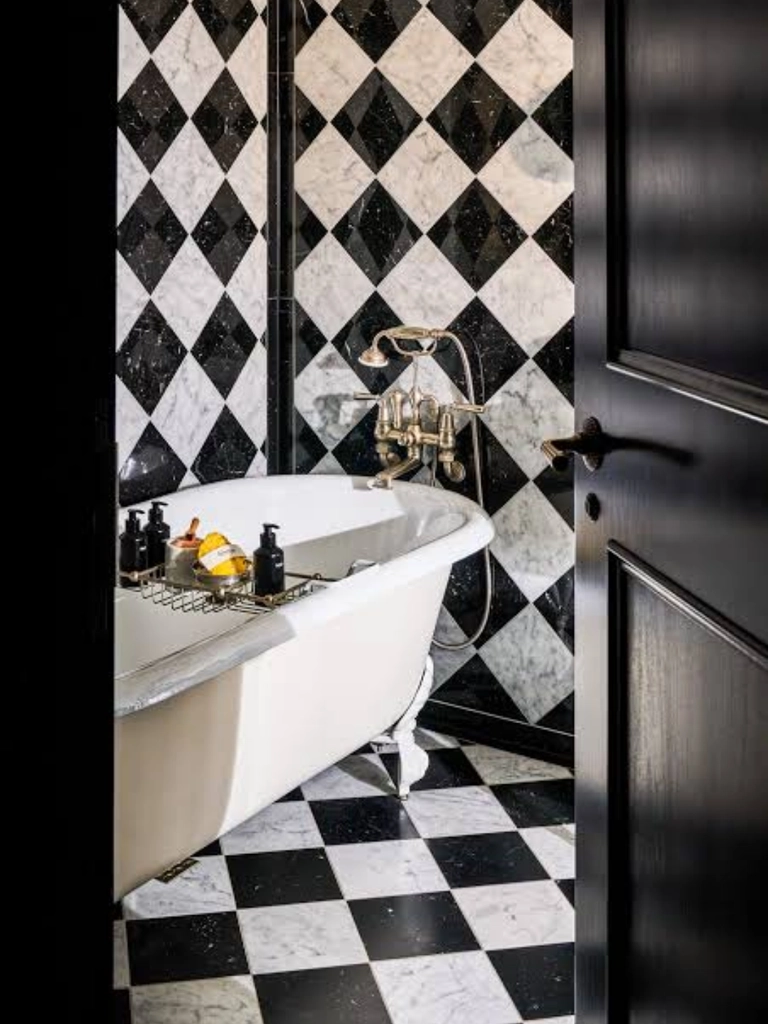
These properties demonstrate that London heritage is not being abandoned. It is being edited—its ceremonies preserved, its stiffness removed and its interiors opened to contemporary art, wellness and more informal forms of social life.
The Emory and the Rise of Invisible Hospitality
The clearest expression of London’s new hotel language may be The Emory, positioned at Hyde Park Corner between Belgravia and Knightsbridge. Conceived as London’s first all-suite hotel, it replaces the expected limestone grandeur with an exposed steel-and-glass structure associated with the late Richard Rogers and RSHP.
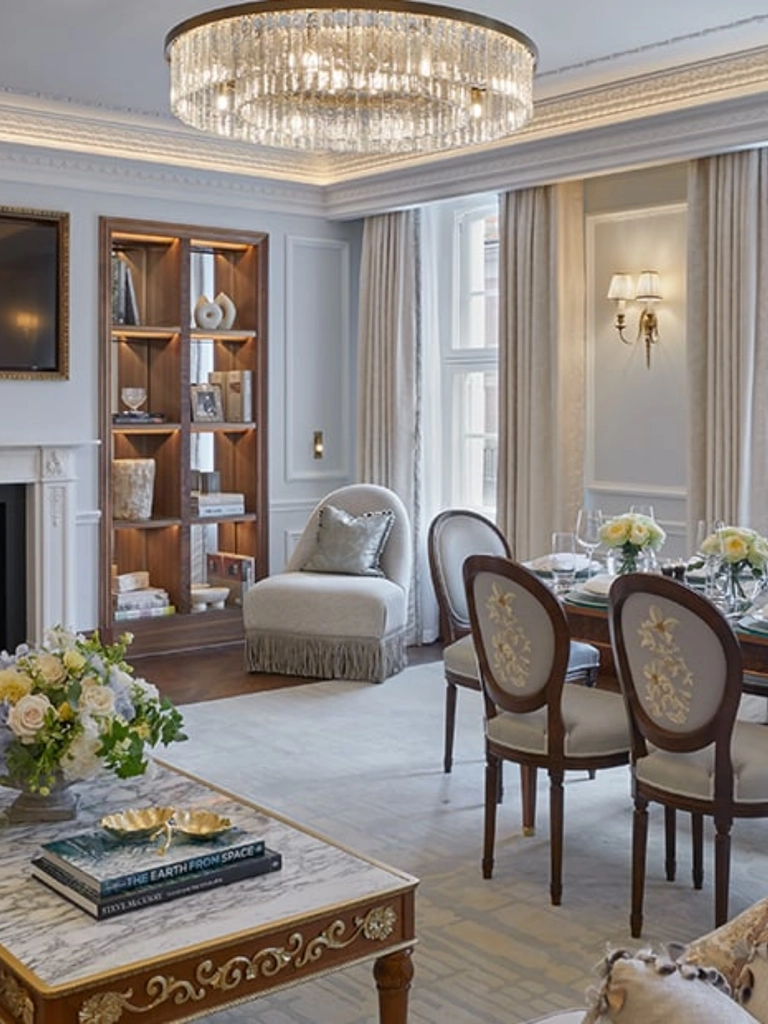
Its architecture feels deliberately distinct from the capital’s traditional palace hotels, but the real innovation lies in how the building handles privacy. Arrival is restrained, public circulation is reduced and the suites are intended to function as adaptable residences rather than enlarged bedrooms.


Different floors were entrusted to designers including André Fu, Patricia Urquiola, Pierre-Yves Rochon, Alexandra Champalimaud and Rigby & Rigby. The result is not one imposed house style, but several interpretations of contemporary domestic luxury united by generous space, warm materials and views across Hyde Park.
This approach reflects a broader shift in luxury travel in London. The conventional five-star suite is increasingly being judged by the systems surrounding it: private transfers, secure circulation, adaptable adjoining rooms, personal assistants, discreet dining and the ability to receive guests without turning the entire hotel stay into a public appearance.
The finest hospitality now anticipates what a guest may wish to avoid. It creates the option to participate in London’s social energy while maintaining almost complete control over exposure.
Dining Has Become a Form of Intellectual Access
London’s elite dining scene is no longer defined primarily by imported French ceremony. Its most interesting restaurants are building identities around British produce, regional culinary scholarship and the personality of the chef.
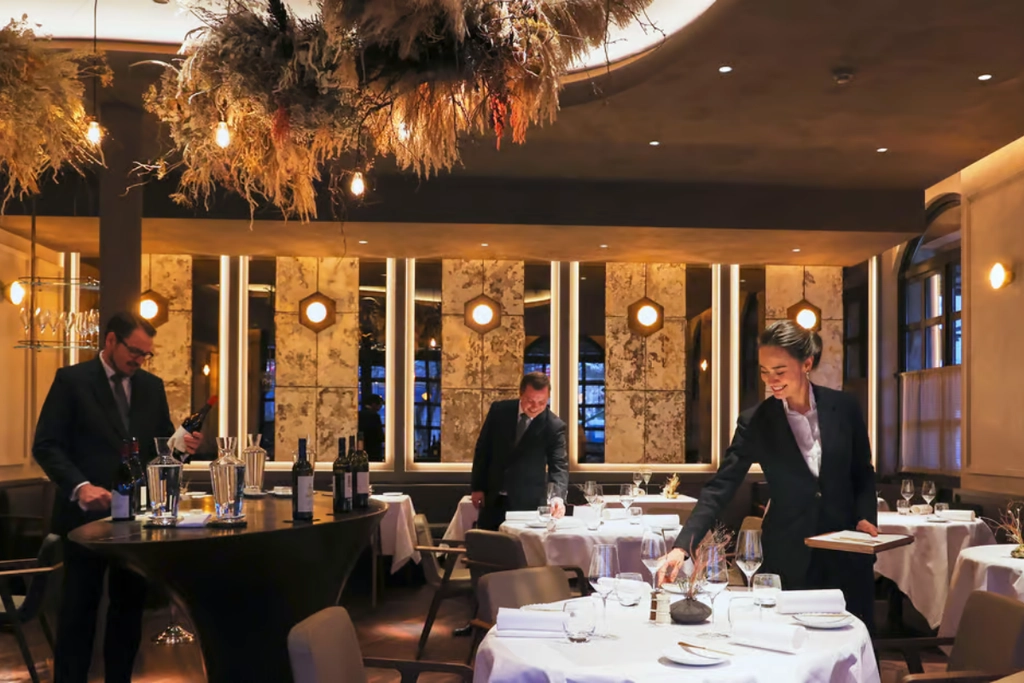
The Ledbury and Core by Clare Smyth remain among the city’s most important dining rooms, both holding three Michelin stars in the 2026 guide. The Ledbury approaches modern British cooking with remarkable technical detail, while Core gives familiar ingredients an almost architectural clarity. Their luxury lies not simply in rarity, but in the amount of attention devoted to products that might otherwise appear ordinary.
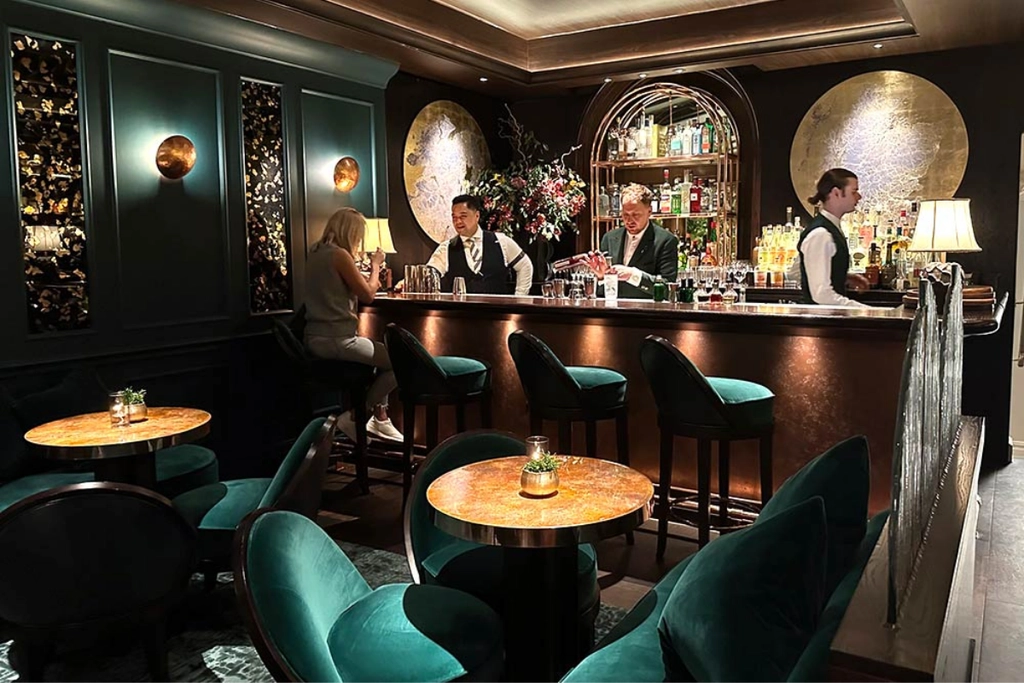
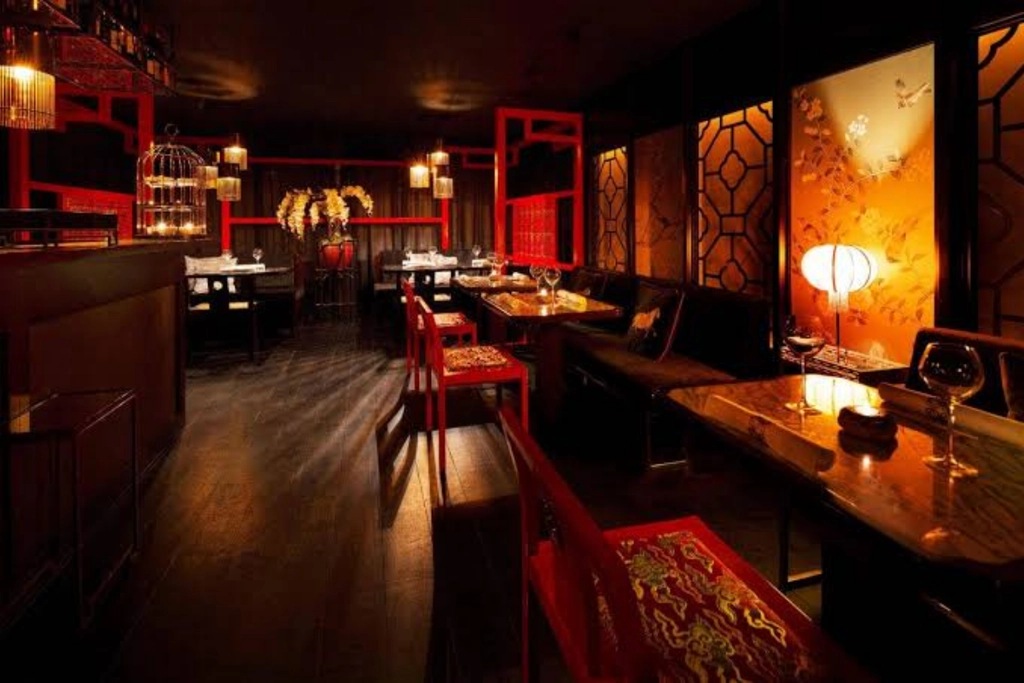
A. Wong in Pimlico offers a more scholarly form of immersion. Its two Michelin stars recognise a menu that examines Chinese regional traditions through historical research, refined technique and highly composed presentations. For the culturally curious traveller, this represents a richer experience than generic “international” fine dining because every course expands the geographical and historical argument of the meal.
Counter dining intensifies this sense of access. The distance between guest and kitchen disappears, allowing technique, pacing and conversation to become part of the experience. At The Araki, the tightly controlled counter format continues to provide an intimate interpretation of Edomae sushi, although references to its former three-star status should be understood as part of its earlier history rather than a current Michelin distinction.
Afternoon tea is undergoing a similar recalibration. Claridge’s remains the classicist choice, serving its traditional tea in the Foyer & Reading Room amid Art Deco detailing and live music. The ceremony works because it resists reinvention for reinvention’s sake.
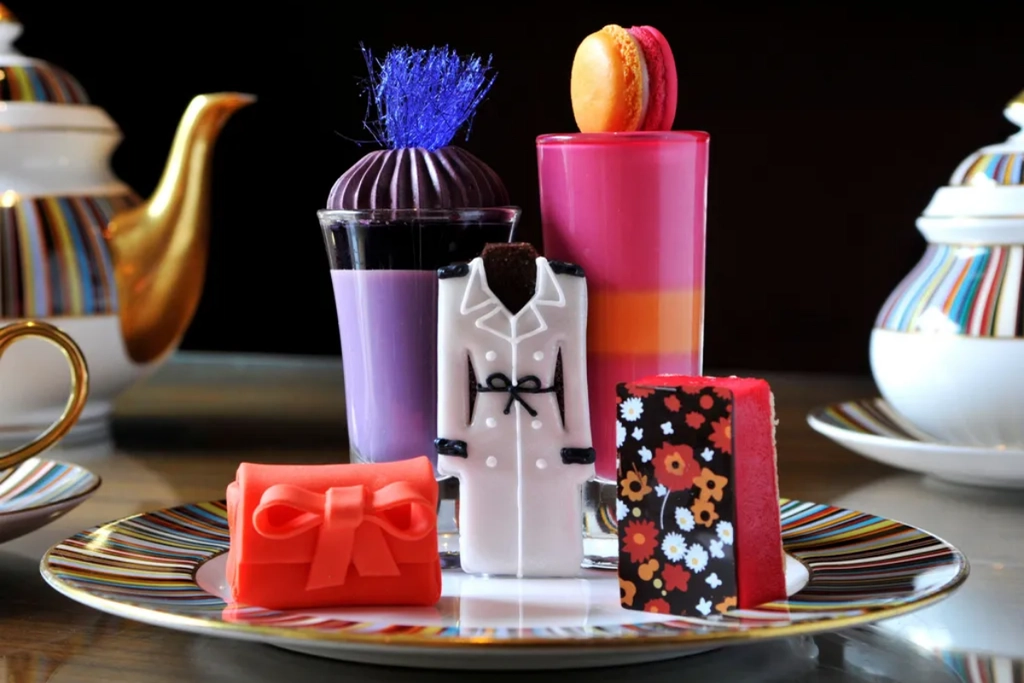
The Berkeley, meanwhile, helped establish fashion-inspired afternoon tea through its long-running Prêt-à-Portea concept. The hotel's pastry chefs study up at London fashion weeks to make sure the treats are as close to the real thing as possible. Its current Goûtea offering moves toward Cédric Grolet’s sculptural French pâtisserie, illustrating how even London’s most recognisable rituals must continue evolving rather than relying indefinitely on a successful formula.
The Most Valuable London Exists Behind Closed Doors
The difference between expensive tourism and genuine luxury often appears in the cultural programme. Anyone can enter a major museum during opening hours. Far fewer visitors experience a collection in quiet conversation with someone who understands why each object matters.
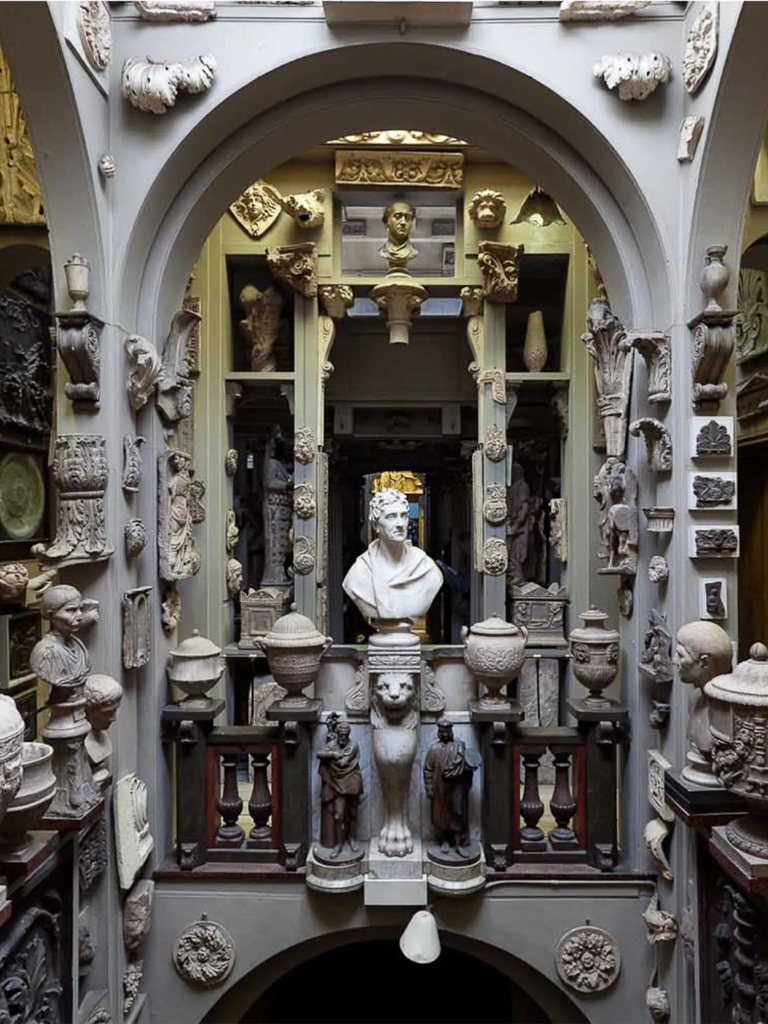
Sir John Soane’s Museum offers one of the capital’s most atmospheric private visits. The former home of the architect is filled with paintings, architectural fragments, models, mirrors and carefully manipulated light. Private tours, including after-hours formats, allow small groups to encounter its unusually dense interiors without the movement of ordinary visitor traffic.
A similar principle applies to London’s commercial galleries. Rather than attempting to cover every Mayfair exhibition, a specialist art adviser can arrange focused appointments around one artist, movement or collecting objective. The value lies in entering a conversation: understanding provenance, institutional interest and how a work might function within an existing collection.
Auction houses extend this model beyond scheduled sales. Sotheby’s private-sales division advises across fine art, diamonds, jewellery and watches throughout the year, while Christie’s offers private sales alongside its international auction calendar. For serious collectors, the attraction is not simply access to objects, but access to the specialists and private networks through which exceptional pieces circulate.
Floris on Jermyn Street translates the same idea into fragrance. Its bespoke appointments take place behind the historic boutique in a perfumery used by generations of the Floris family. A personal formula can be developed with an in-house perfumer and archived in the company’s ledgers for future replenishment, transforming scent from a retail purchase into a record of individual memory.
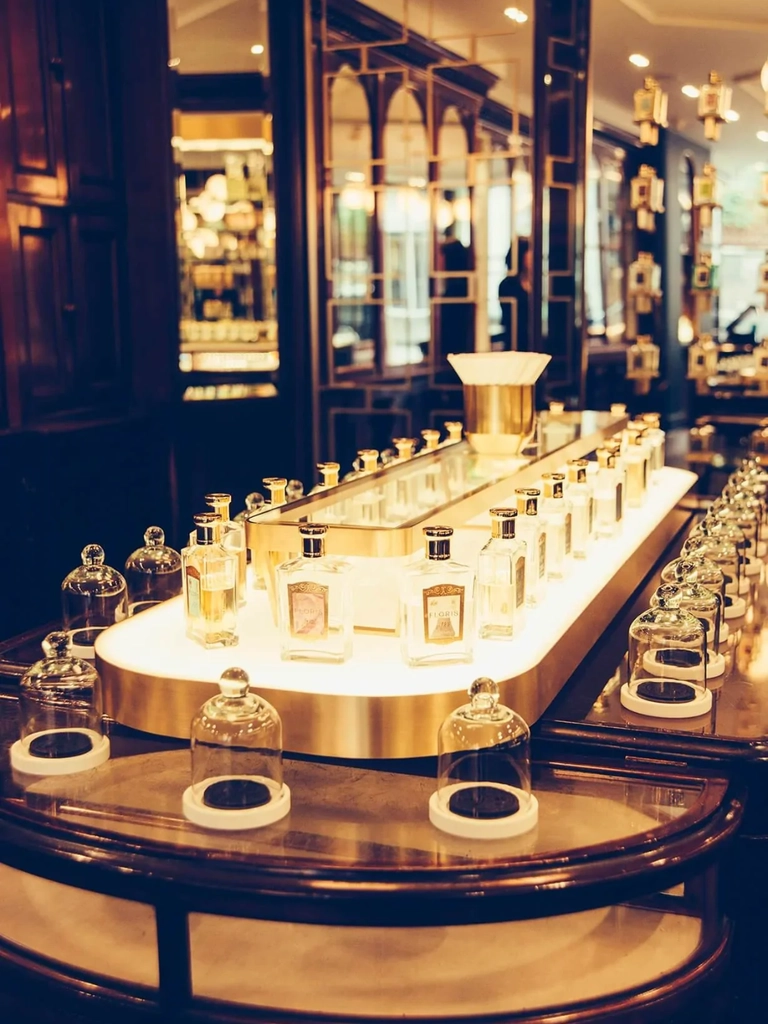
That permanence explains the enduring power of luxury travel in London. The city offers possessions, certainly, but its strongest experiences create private relationships with places, crafts and institutions. A hotel remembers how a guest prefers to arrive. A perfumer preserves a formula. A curator changes how a collection is understood.