MENU
Close





Paris rewards the visitor who stops treating art as something scheduled between museum opening hours. To experience Paris as a city as gallery, spend half the journey looking for art and the other half living inside it.
Paris rewards the visitor who stops treating art as something scheduled between museum opening hours. To experience Paris as a city as gallery, spend half the journey looking for art and the other half living inside it.
September 11, 2026


Paris has enough masterpieces to make even the most enthusiastic traveller develop museum fatigue.
The obvious itinerary is formidable: Louvre, Musée d'Orsay, Musée de l'Orangerie, perhaps Picasso or Rodin before dinner. Yet the more revealing art trip begins when the checklist loosens. Parisian culture exists through an ecosystem of museums, commercial galleries, private foundations, artist histories, architecture and hospitality. Sometimes the distance between them is only a street.
Think of the city as gallery and Paris starts behaving differently. A nineteenth-century department store can contain contemporary commissions. A former commodities exchange becomes an exhibition space. Saint-Germain turns an afternoon walk into an accidental gallery crawl. Then, when conventional exhibition hours end, art follows you back to the hotel.
Begin with one of Paris's most compelling collisions between old architecture and contemporary art.
Pinault Collection, a pinnacle of luxury art collecting, inside a building whose history stretches from the eighteenth-century Halle aux Blés to its later life as a commodities exchange. Its latest transformation brought in Tadao Ando, who inserted an immense concrete cylinder beneath the historic rotunda.
The architecture makes the visit unusually satisfying because Paris is never erased to accommodate contemporary art. Nineteenth-century murals, ironwork, glass, concrete and current exhibitions coexist, creating precisely the historical friction that makes the city's art landscape distinctive.
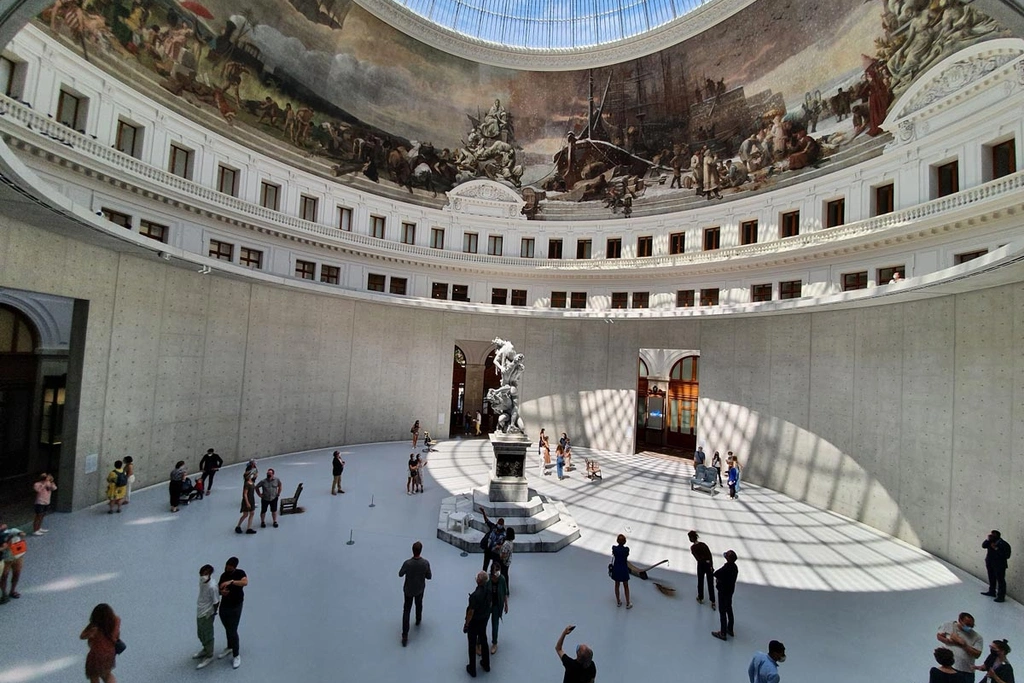
The collection itself draws from François Pinault's extensive holdings in contemporary art, with exhibitions changing instead of presenting one immutable greatest-hits display. The result encourages repeat visits and offers a useful counterpoint to Paris's encyclopedic museums.
Here, history provides the room. Contemporary art is allowed to argue with it. Among the recent spectacles at the Bourse de Commerce, the fog sculpture Cloud #07156 is likely the most immersive dialogue between contemporary art and history of the builidng.
Then leave central Paris. Frank Gehry's Fondation Louis Vuitton rises from the Bois de Boulogne as twelve glass sails, simultaneously museum, architectural spectacle and extremely elaborate argument against the rectangular exhibition box.
Since opening in 2014, the Fondation has established itself through major modern and contemporary exhibitions alongside presentations drawn from its collection. Yet Gehry's building continually competes for attention. Galleries lead toward terraces; glass catches the surrounding park; staircases create unexpected views across the structure.
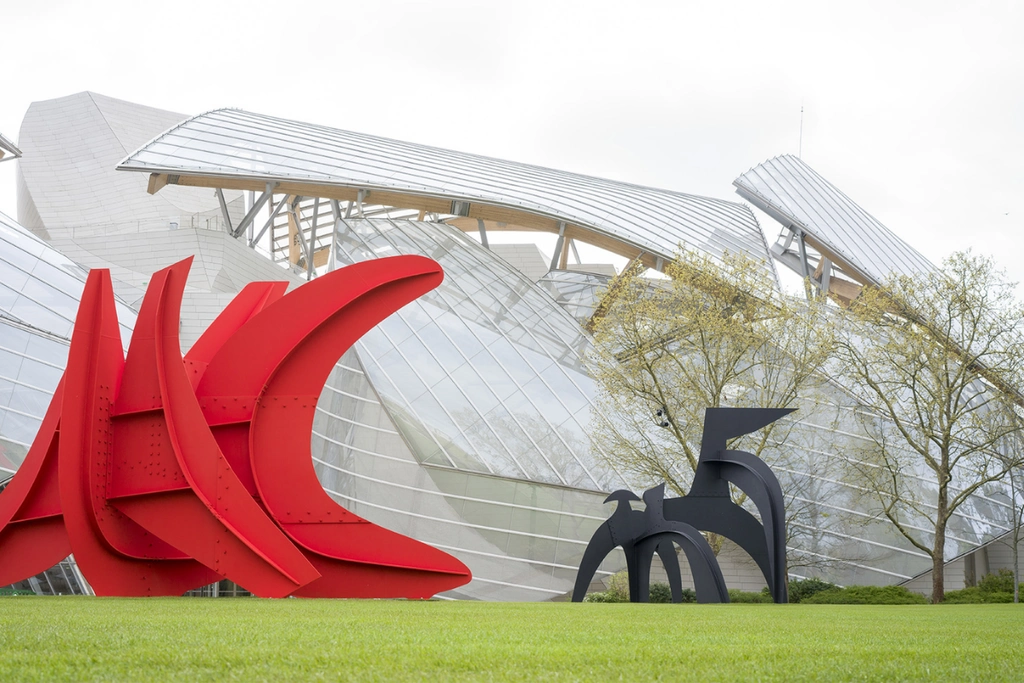
That distraction is part of the pleasure. For a city as gallery itinerary, Fondation Louis Vuitton also demonstrates how thoroughly luxury patronage has entered Paris's cultural infrastructure. Fashion's relationship with art is no longer confined to artist handbags or runway collaborations. Luxury groups now commission architecture, operate foundations and participate directly in exhibition culture.
Come for the exhibition. Allow additional time to get distracted by the building.
The next stop is deliberately not one.
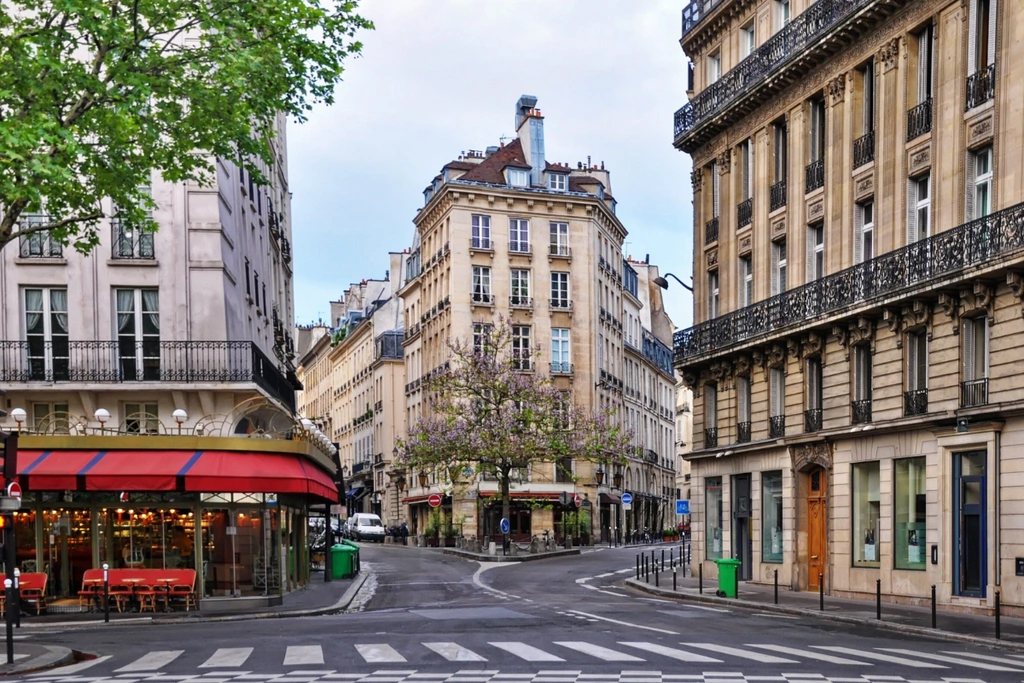
Around Rue de Seine, Rue des Beaux-Arts and the surrounding Saint-Germain streets, galleries sit close enough together that browsing becomes preferable to itinerary management. Contemporary work appears alongside antiquities, photography, modern masters and collectible design.
Historically, this side of Paris accumulated publishers, dealers, writers and artists alongside cafés that became unofficial cultural institutions. The area's mythology can become overwhelmingly romanticised, but its density still makes it excellent territory for looking without a predetermined masterpiece in mind.
Walk into whatever catches the eye. Commercial galleries offer something blockbuster museums cannot: uncertainty. Ten minutes may reveal an artist you have never encountered, while the next doorway may contain something you dislike completely. Both are useful.
And admission is considerably kinder than another museum ticket.
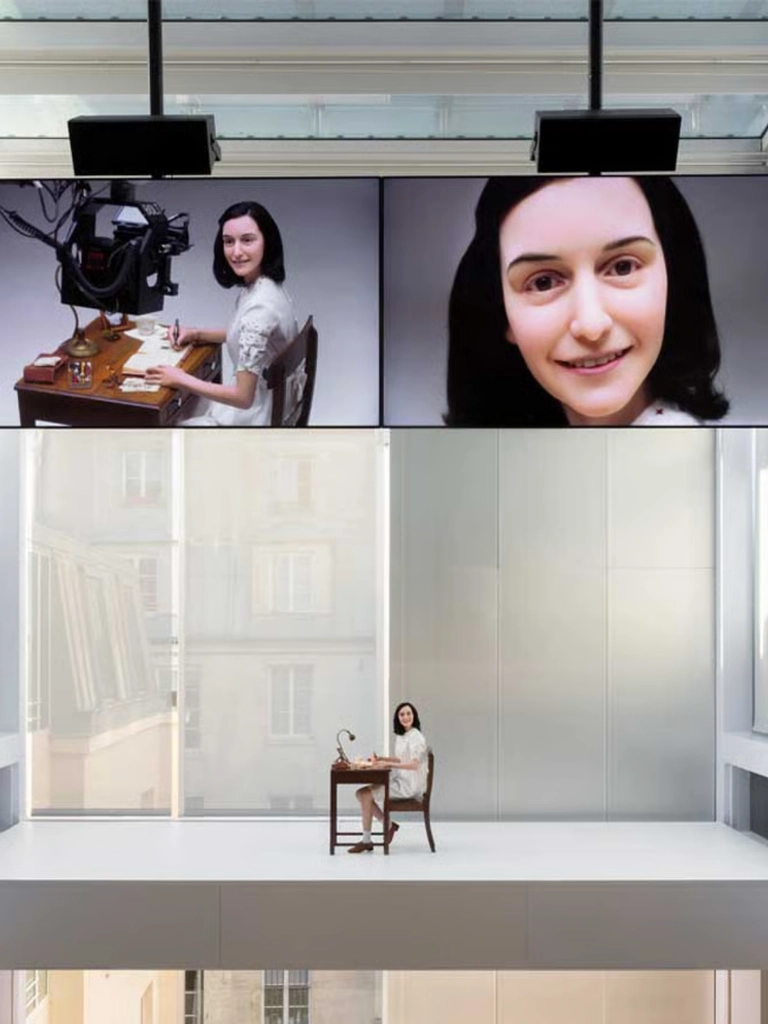
The Marais offers another version of contemporary Paris. Lafayette Anticipations occupies a nineteenth-century building renovated by Rem Koolhaas's OMA. Its movable exhibition floors allow the internal architecture to change according to the projects being presented, giving artists unusual freedom to manipulate the space.
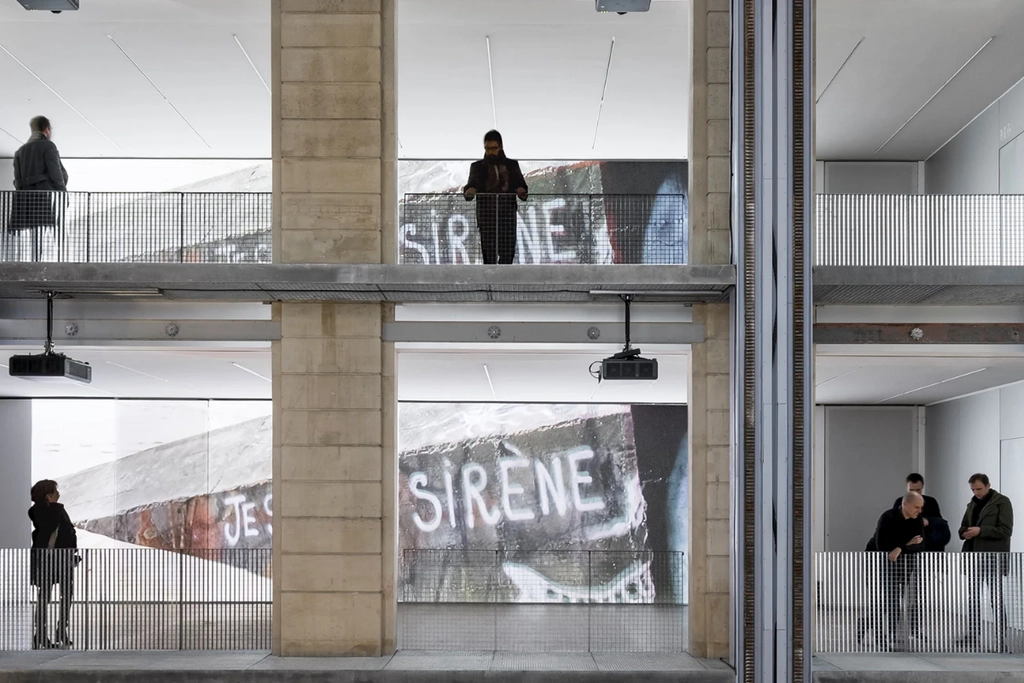
The foundation's programme moves across contemporary art, design and fashion, making it particularly appropriate for visitors interested in the point where creative disciplines stop behaving as separate industries.
Pair it with a slow Marais walk instead of rushing toward another institution. Galleries, fashion stores, archives and exhibition spaces are compressed into the neighbourhood, turning shopping and art viewing into overlapping activities.
By late afternoon, however, Paris's galleries begin closing. Time to check in.
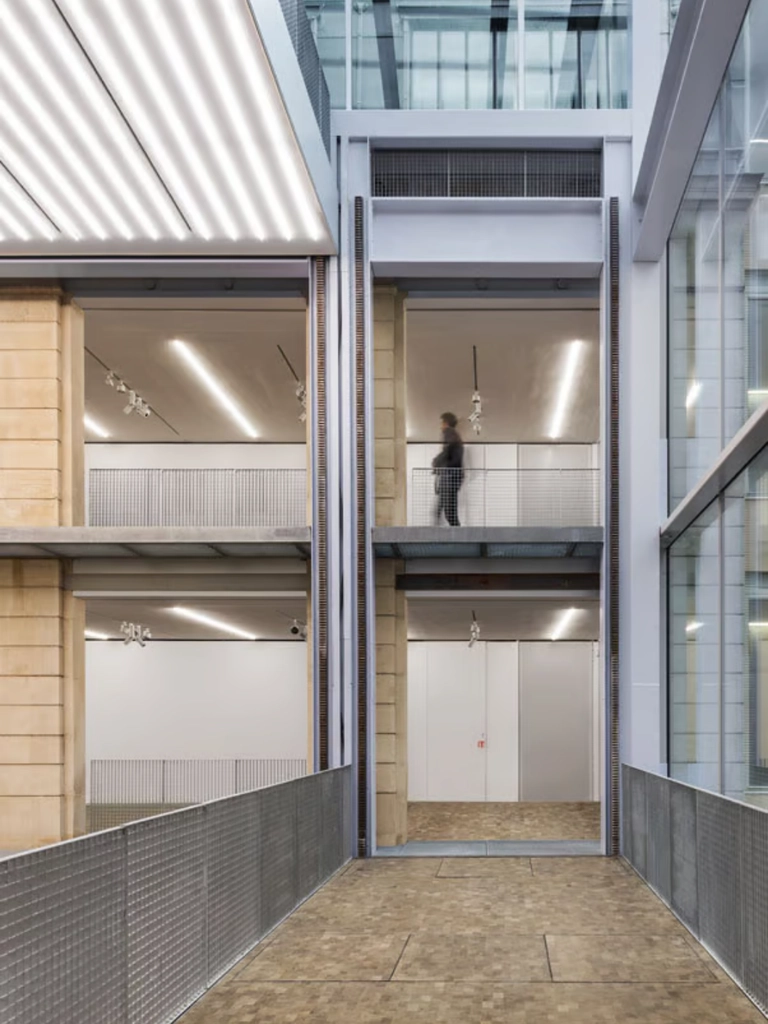
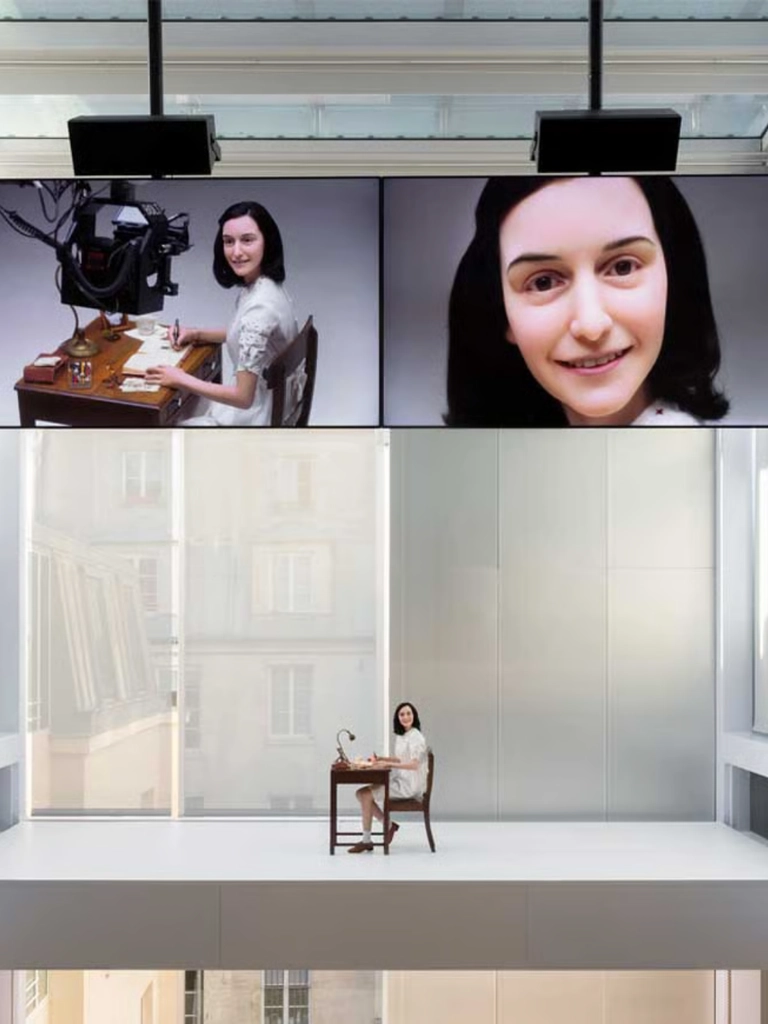
For the Saint-Germain route, L'Hôtel provides the neatest continuation.
The 20-room property occupies 13 Rue des Beaux-Arts, surrounded by the galleries that make this part of Paris so rewarding to wander. Jacques Garcia's interiors favour theatricality over contemporary minimalism: velvet, antiques, rich pattern and intimate lighting create the atmosphere of a private collector's fantasy.
Then comes the ghosts: Jean Cocteau, Jorge Borges, Frank Sinatra, Salvador Dali, Grace Kelly and most importantly, Oscar Wilde. He spent his final months here in 1900, when it was the Hôtel d'Alsace. He died in the hotel on November 30 that year after making a jab at the hotel's wallpaper. The current property treats that literary history as part of its identity, including an Oscar Wilde Suite.
L'Hôtel consequently works best for travellers who prefer cultural memory to the polished neutrality of a conventional five-star room. You leave a gallery, walk several doors, and find another chapter of Parisian artistic mythology waiting upstairs.
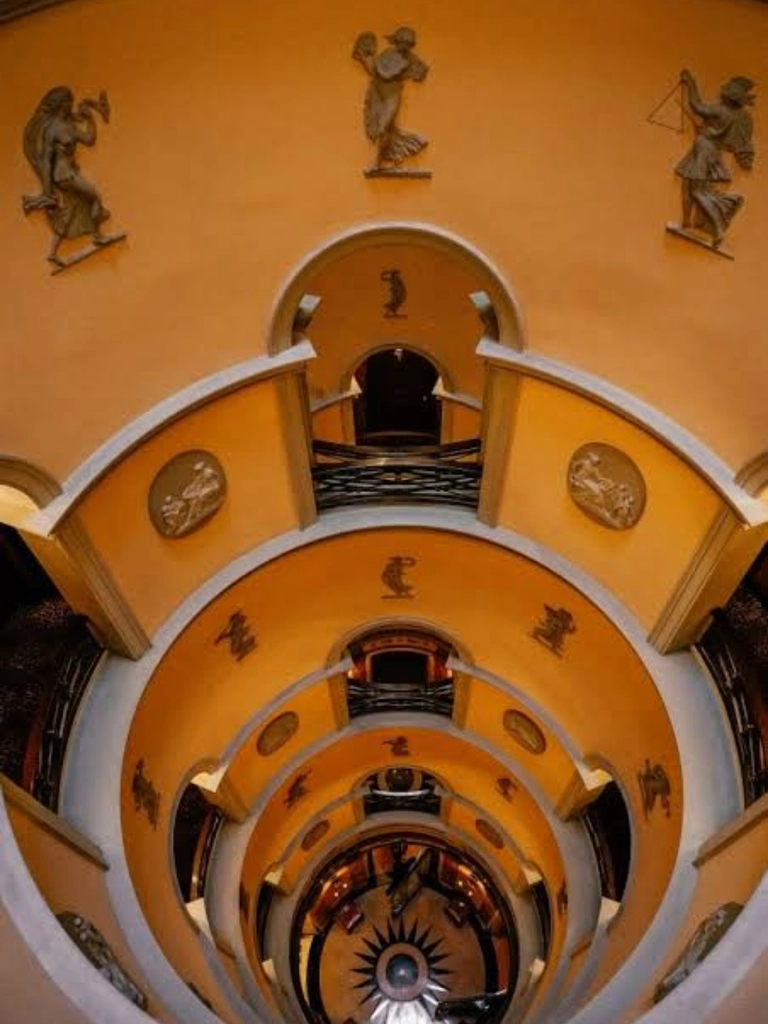
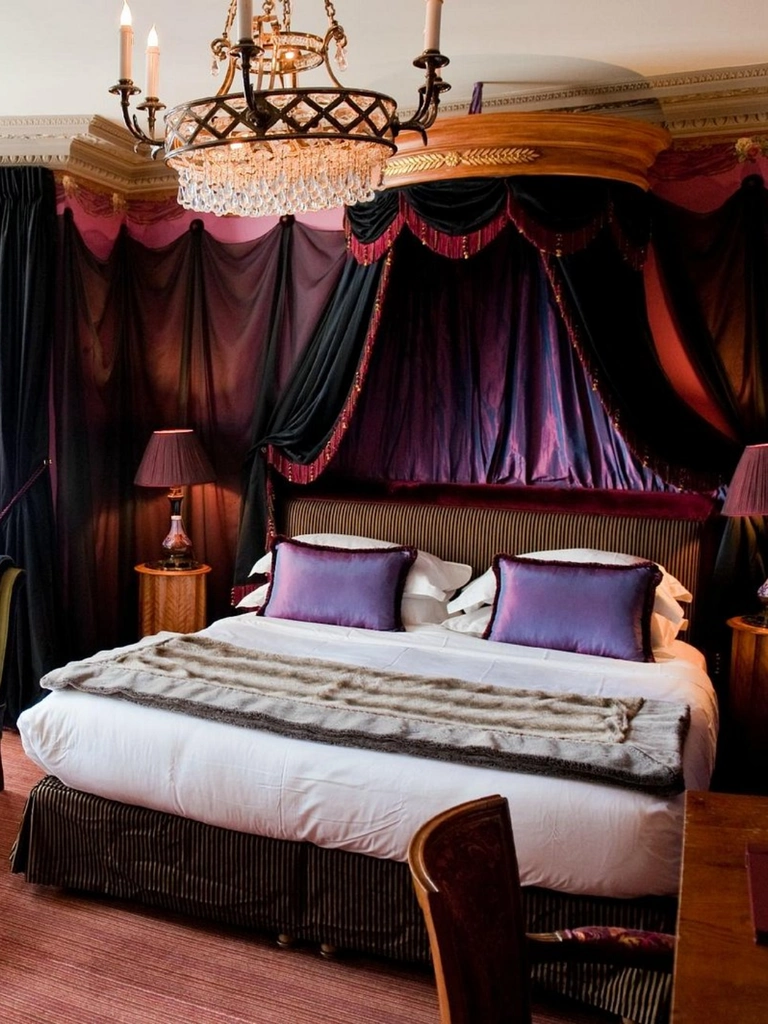
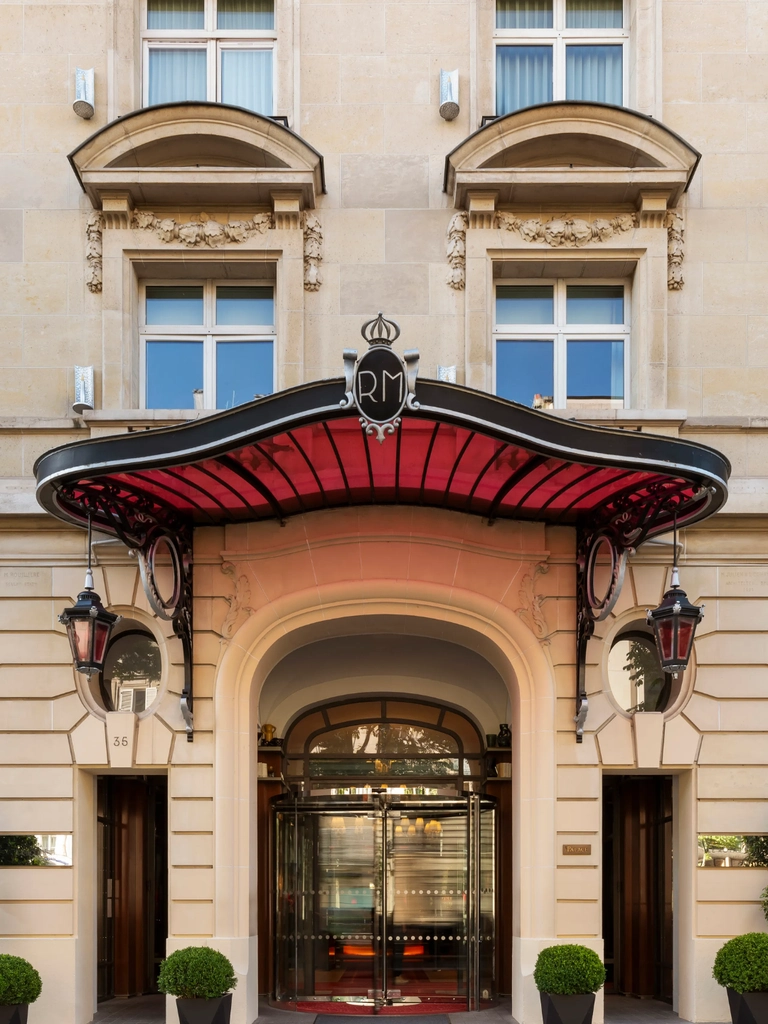
Le Royal Monceau approaches the art hotel with significantly more infrastructure.
Philippe Starck redesigned the property, but interiors are only the beginning. More than 300 artworks are distributed throughout the hotel, while Art District operates as an exhibition gallery. There is an art bookstore and the 99-seat Katara Cinema, too.
The cleverest amenity may be human. An Art Concierge helps guests navigate exhibitions and the hotel's collection, effectively turning luxury concierge culture toward contemporary art. For visitors arriving during a dense Paris art week, the service transforms luxury from having everything available into knowing what deserves attention.
It also makes Le Royal Monceau an effective base for someone who wants the art itinerary to continue after returning from the galleries. Even the hotel room refuses complete cultural silence.
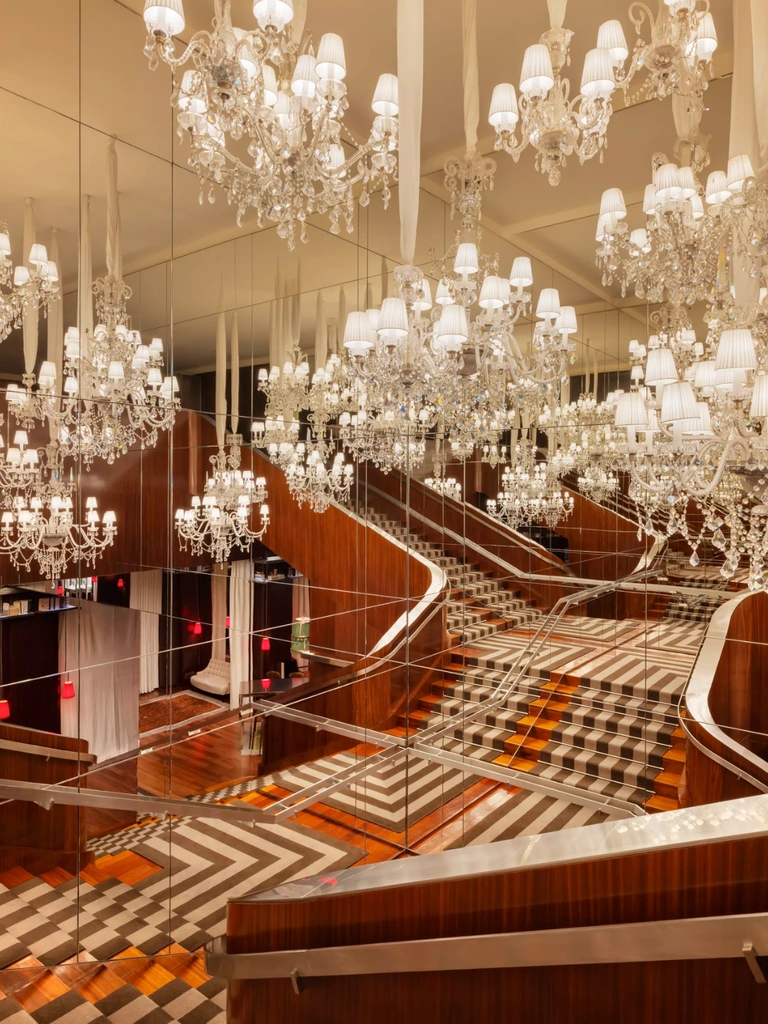
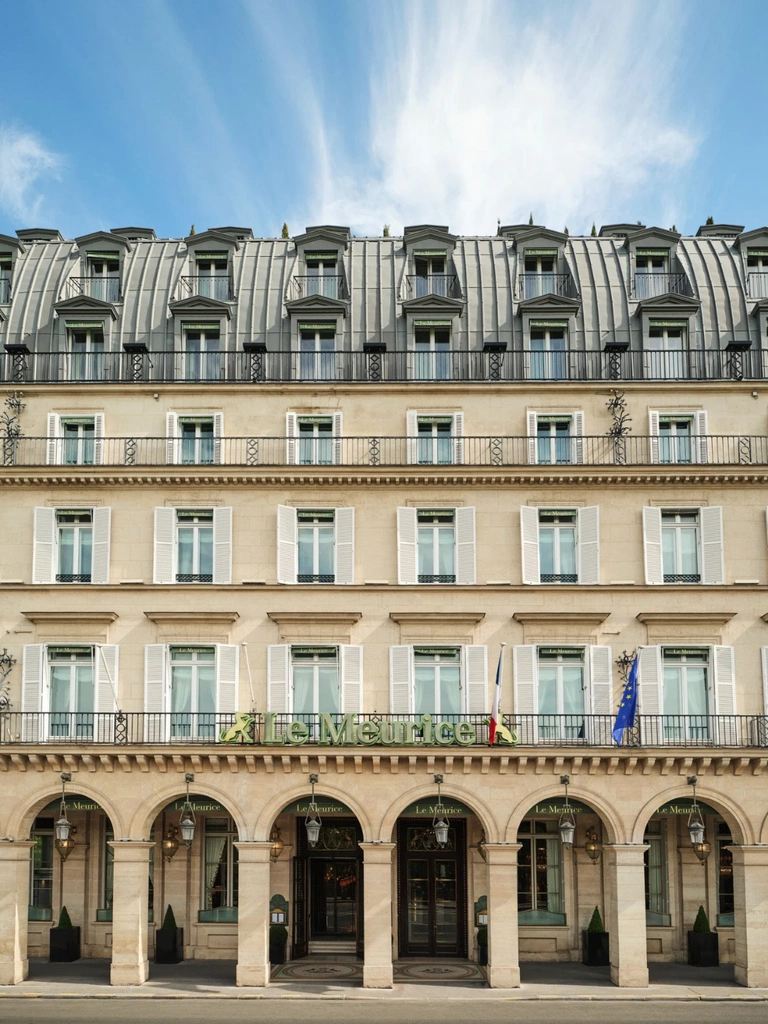
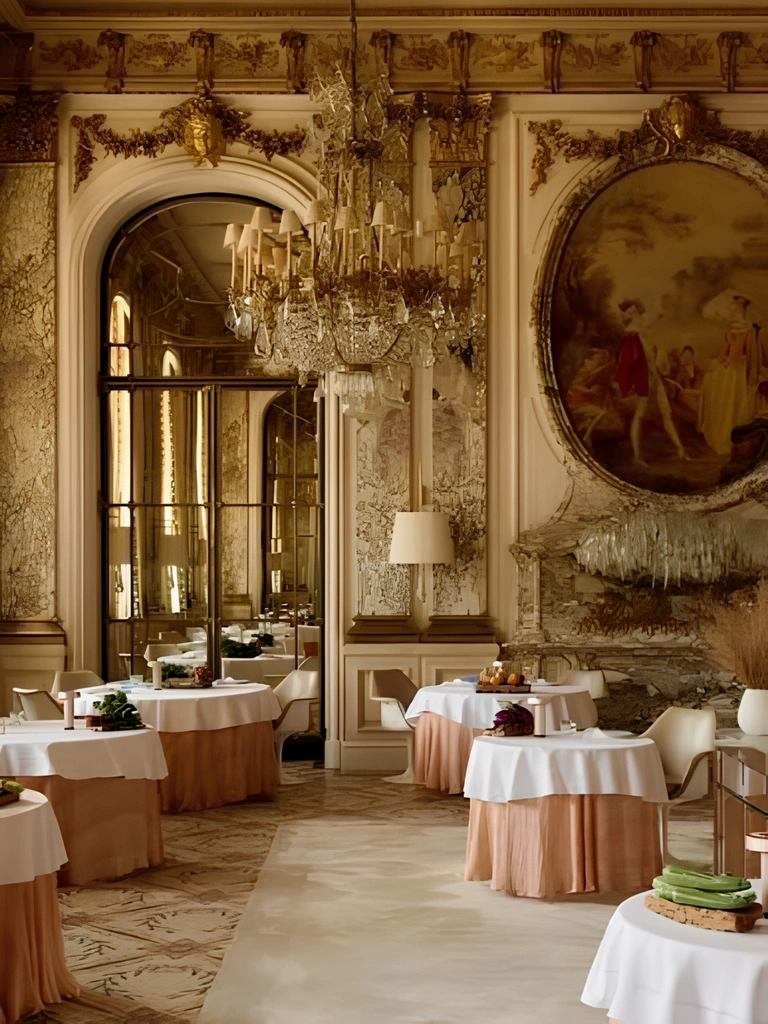
Le Meurice offers another species of art hotel: the grand hotel haunted by its creative clientele. Salvador Dalí stayed here regularly for more than three decades, and Philippe Starck's later interventions play with that surrealist inheritance without turning the palace into a Dalí theme park.
Classical French grandeur remains intact, then small disruptions appear. A conventional object behaves strangely. Reflections become part of the experience. Historical references collide with contemporary gestures.
Its location opposite the Tuileries also places the hotel within an extraordinarily concentrated cultural geography. The Louvre, Musée de l'Orangerie and Jeu de Paume sit within walking distance.
One could construct an entire Paris art weekend without straying particularly far from the breakfast table.
SO/ Paris belongs to a newer Paris.
The RDAI-designed hotel near the Seine incorporates contemporary commissions throughout its interiors, including Judith Darmont's digital Reflections of Love. Its most memorable artistic intervention waits upstairs.
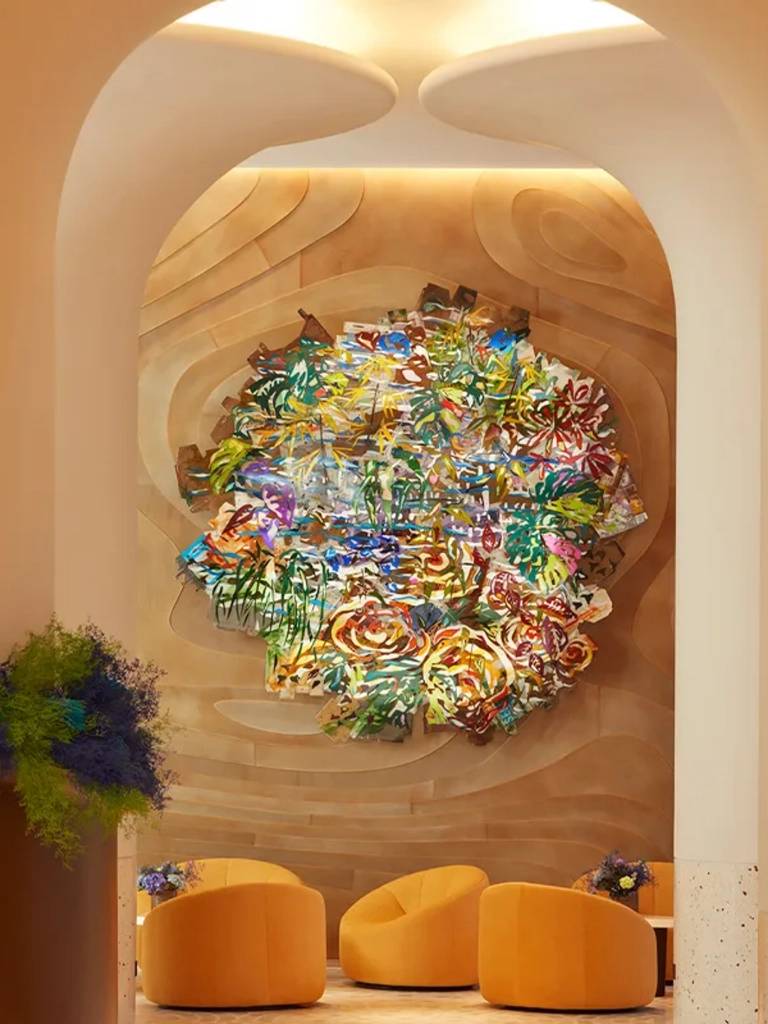
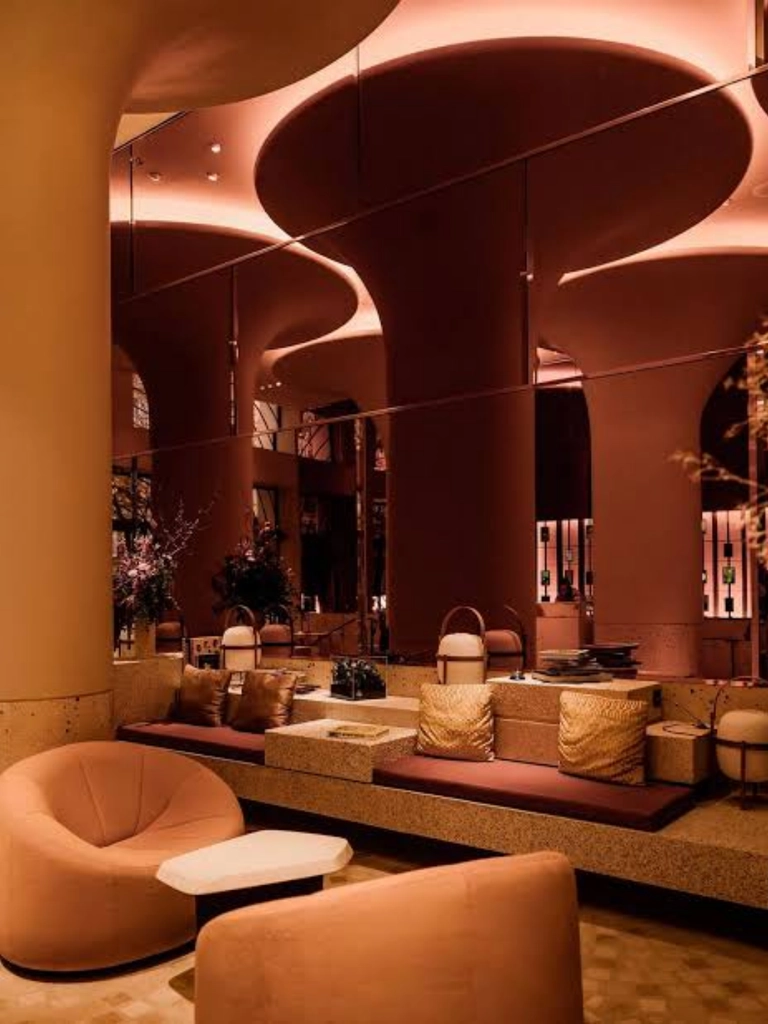
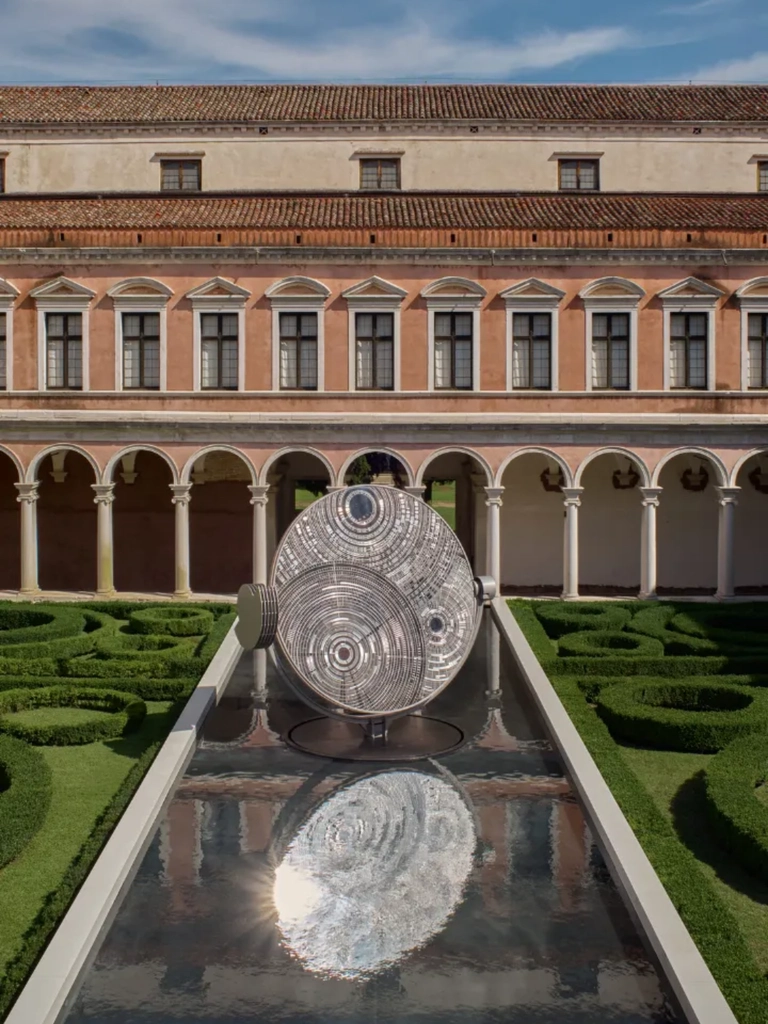
Created by Studio Other Spaces, founded by Olafur Eliasson and Sebastian Behmann, The Seeing City occupies the bay windows surrounding Bonnie restaurant, bar and club across the 15th and 16th floors. Mirrored surfaces fragment and redirect views of the capital.
Paris consequently supplies half the artwork. The installation does not ask visitors to retreat from Paris into an exhibition room. It asks them to look outward again, with the skyline, light and architecture reorganised through reflection.
After days spent looking at artworks, suddenly the subject is the city itself.
Perhaps this is the better way to approach an art weekend in Paris.
Visit Bourse de Commerce for the conversation between contemporary art and historical architecture. Give Gehry an afternoon at Fondation Louis Vuitton. Lose the itinerary around Saint-Germain. See what Lafayette Anticipations is doing before wandering through the Marais.
Then choose a hotel according to which Paris you want after dark. L'Hôtel keeps literary Saint-Germain alive behind velvet curtains. Le Royal Monceau supplies contemporary art with concierge service. Le Meurice lets surrealism disturb palace etiquette. SO/ Paris takes the opposite approach and turns your attention back through the window. If staying in is not on your agenda tonight, here is a list of wonderful Parisian bars.
The familiar museums remain essential, of course. Yet experiencing Paris as a city as gallery requires occasionally walking past the famous queue.