MENU
Close





Seoul rarely separates its visual culture into neat historical periodsAcross three days, Seoul reveals the city as gallery through the constant negotiation between preservation and reinvention.
Seoul rarely separates its visual culture into neat historical periodsAcross three days, Seoul reveals the city as gallery through the constant negotiation between preservation and reinvention.
September 11, 2026


Seoul can change architectural century in the length of a walk.
Around Jongno, tiled palace roofs and hanok lanes survive beside contemporary galleries, cafés and concrete interventions. Cross the river of traffic toward Hannam-dong and international modern architecture joins Korean antiquities and contemporary art. Continue east and Dongdaemun turns almost extraterrestrial, its metallic architecture illuminated against one of Seoul's oldest commercial districts.
Yet the contrasts seldom function as simple old-versus-new theatre. Seoul has developed a more complicated visual language. Traditional forms are preserved, borrowed, abstracted and occasionally commercialised. Contemporary architecture works around fragments of earlier urban history. Restaurants investigate culinary heritage with the seriousness of research institutions, while cafés occupy structures that elsewhere might have become static monuments.
Seeing Seoul as a city as gallery consequently requires looking between the official exhibits. The route matters almost as much as the destination.
Begin beside Gyeongbokgung Palace at the Seoul branch of the National Museum of Modern and Contemporary Art.
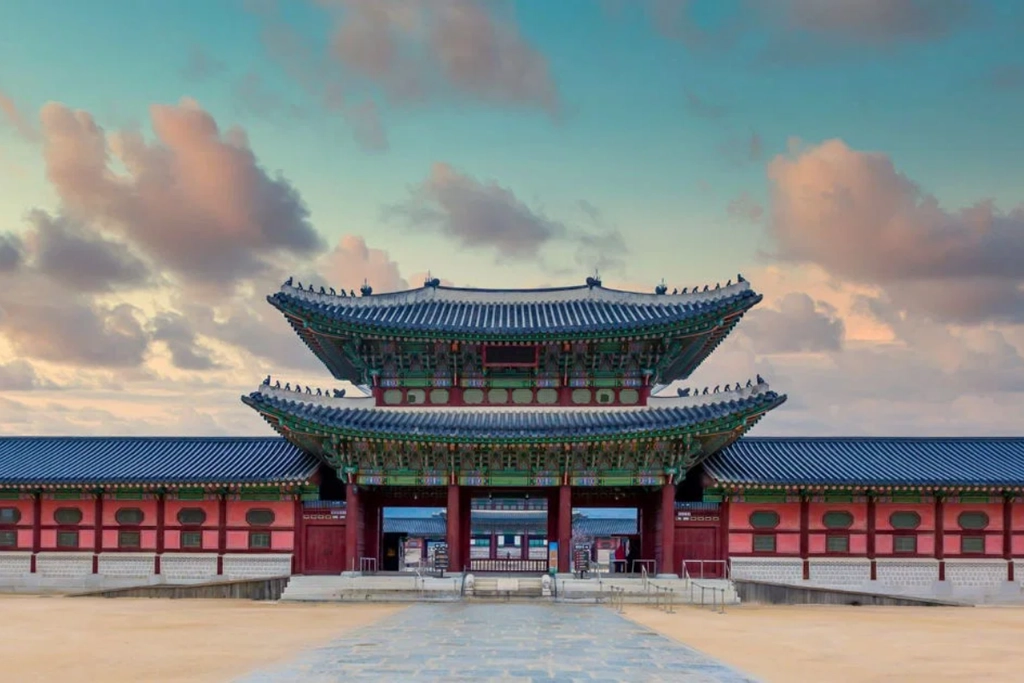
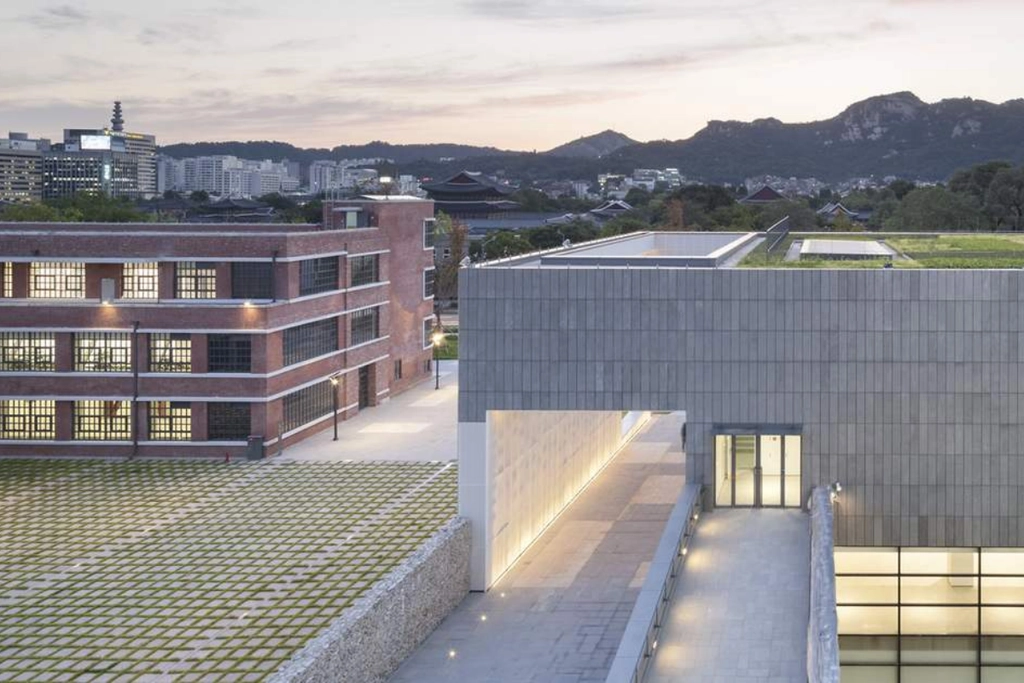
MMCA Seoul was conceived around the idea of a "museum in a city." Its architecture borrows the spatial logic of the Korean madang, arranging separate volumes around six courtyard-like open spaces. Historic structures on the site, including the former Defense Security Command building and Office of Royal Family Affairs, were incorporated alongside new construction.
That fragmented composition suits Seoul.
Instead of announcing itself as a single monumental object, the museum behaves more like a miniature neighbourhood. Courtyards interrupt galleries. Old brick appears beside restrained contemporary surfaces. Sightlines reconnect the museum with the city outside.
Its exhibitions provide a broad introduction to Korean modern and contemporary practice alongside international artists, moving between painting, installation, moving image, architecture and experimental commissions. The architectural arrangement makes those encounters particularly fluid: MMCA itself describes the Seoul site as encompassing galleries, a multi-project hall, film and video facilities, a digital library and educational spaces.
When you leave, resist immediately calling a taxi.
Walk into Samcheong-dong and Bukchon instead. The transition from institution to neighbourhood is part of the day. Small galleries, design stores and preserved hanok structures reveal how Seoul's contemporary art ecology spills into an older urban fabric.
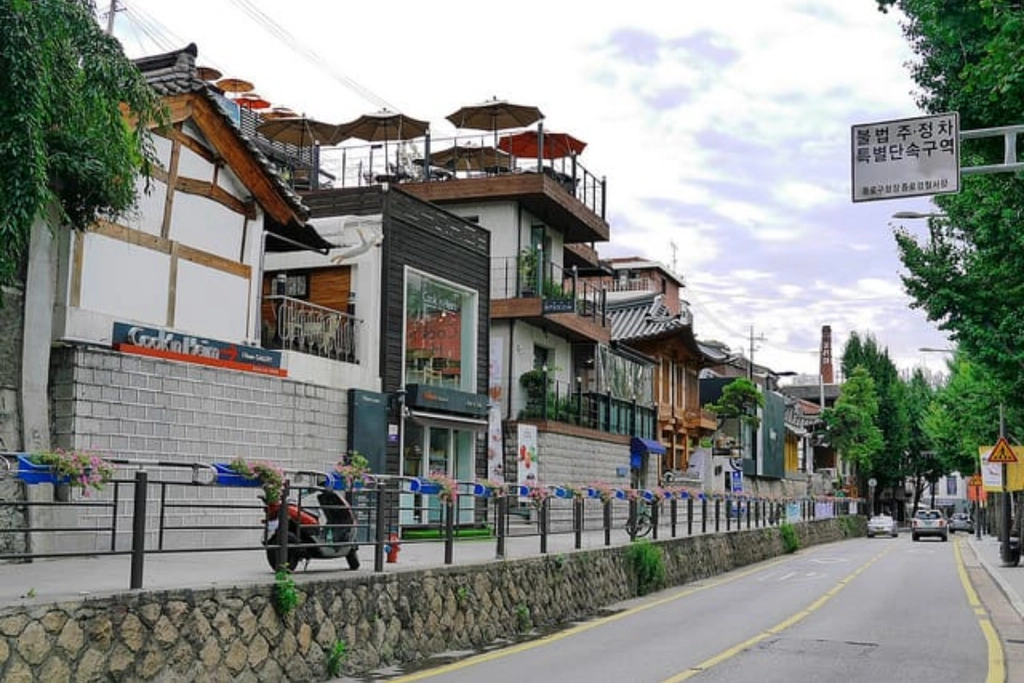
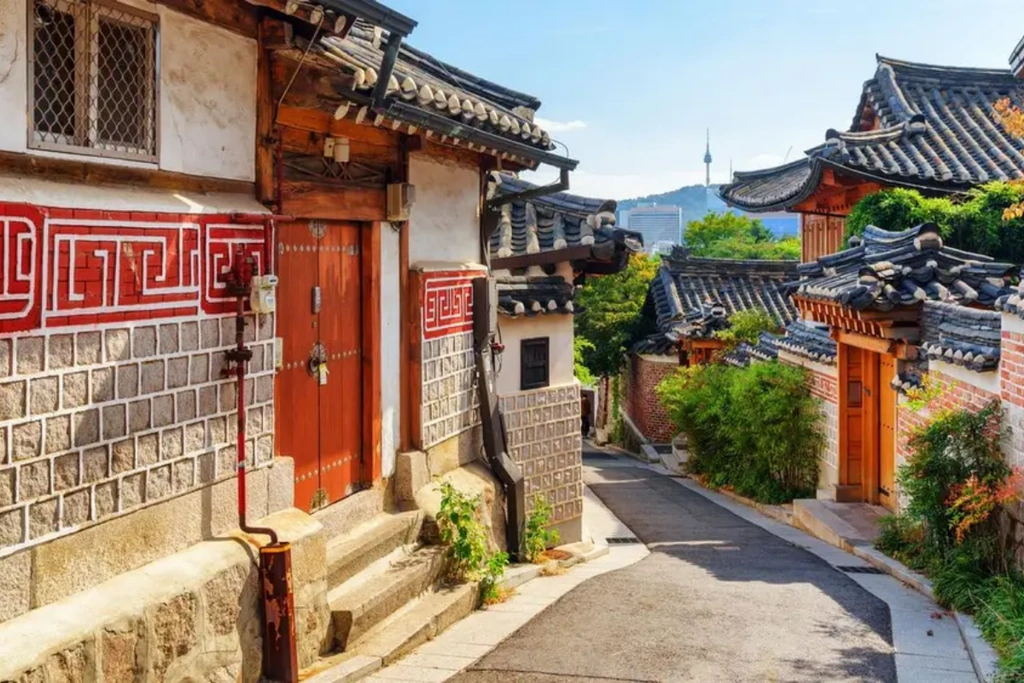
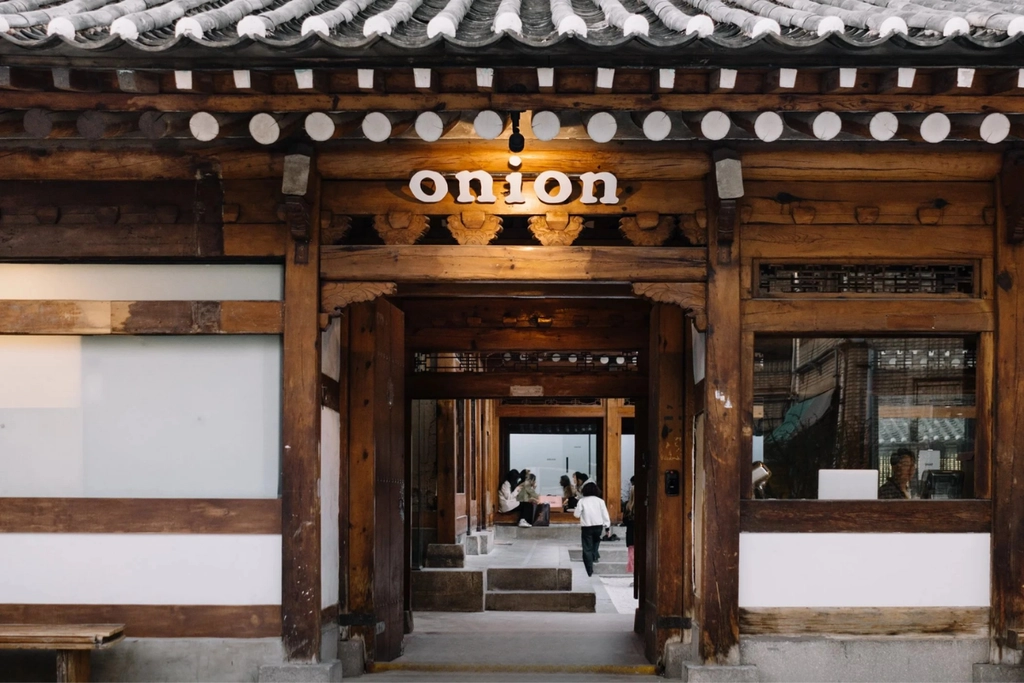
Café Onion Anguk offers a more commercial expression of the same architectural conversation.
Its popularity can make serenity difficult at peak hours, yet the setting remains worth examining. Traditional timber construction, tiled roofs and courtyard circulation meet contemporary glazing and the choreography of a modern bakery café. The low seating changes the body immediately. Shoes come off in designated areas; visitors settle around low tables; the courtyard becomes part of the room.
There is an important distinction here. This is neither an untouched historic house nor a museum reconstruction. Heritage architecture has been absorbed into Seoul's contemporary hospitality economy, complete with coffee, pastries, photography and queues.
That tension belongs within any serious city as gallery itinerary. Cities preserve culture not only by freezing it. They also negotiate what happens when old forms acquire entirely new functions.
Finish the first day close to where it began.
Onjium overlooks Gyeongbokgung, but the relationship with Korean heritage continues far beyond the view. The restaurant grew from research into traditional Korean food culture, treating historical recipes and techniques as material for contemporary cooking.
The distinction between preservation and revival is crucial. A recipe can be researched like an artefact, yet cuisine survives only when somebody cooks and eats it.
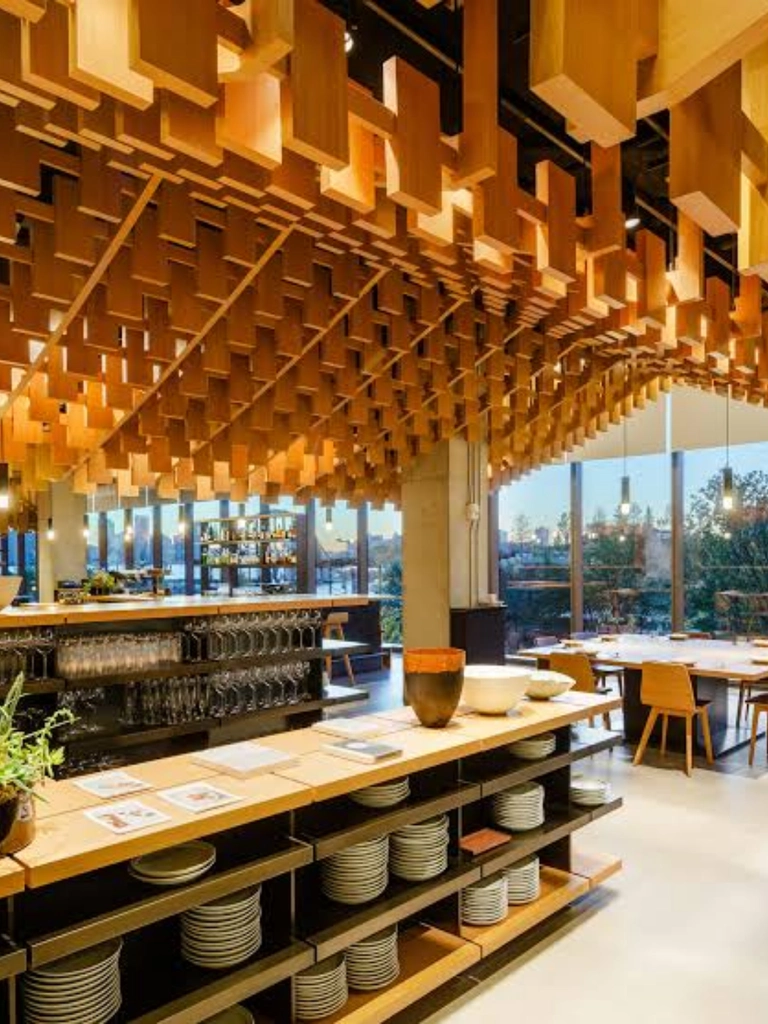
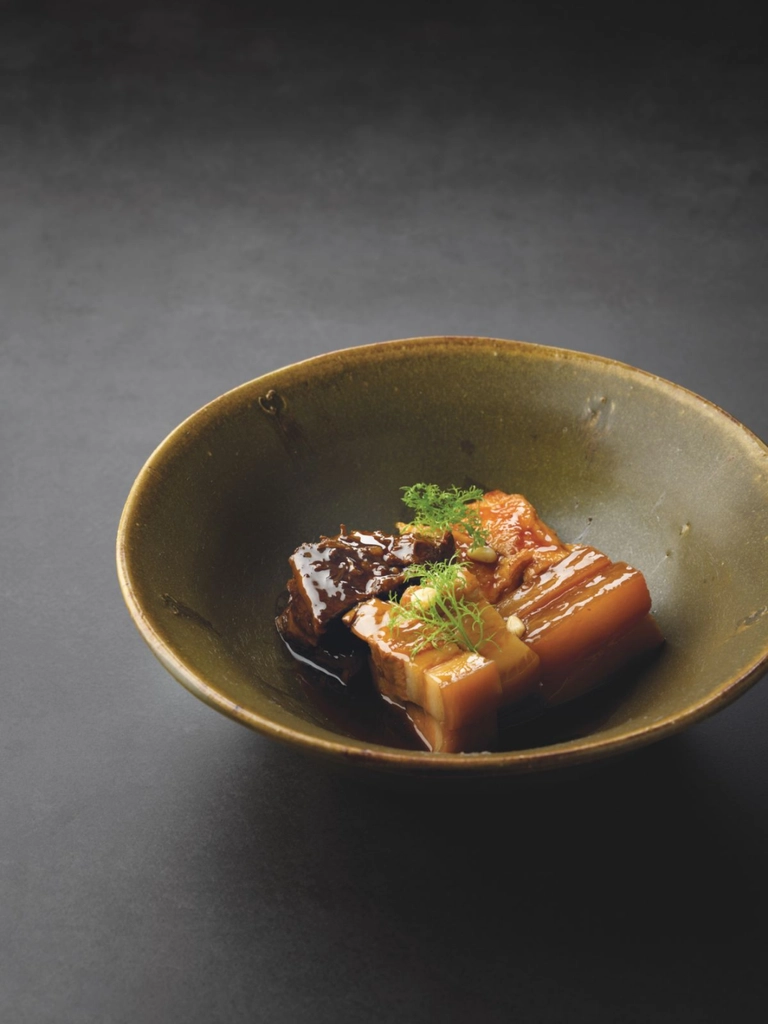
Inside, restraint replaces spectacle. Timber, controlled lighting and uncluttered surfaces give the meal visual space, while the food investigates regional ingredients, fermentation, seasonal rhythms and techniques accumulated across generations.
After MMCA's contemporary installations and Anguk's adapted hanok, Onjium completes Day 1 with another version of the same question: how can heritage remain alive without pretending that time has stopped?
Hannam-dong introduces a different Seoul.
Boutiques, steep residential streets, galleries and restaurants occupy the slopes beneath Namsan. At their centre sits Leeum Museum of Art, where the architecture alone justifies a long morning.
Three internationally prominent architects were brought into the project. Mario Botta designed M1, Jean Nouvel M2, while Rem Koolhaas designed the Samsung Child Education & Culture Center and contributed to the overall plan. Leeum itself describes the ensemble as an architectural collection.
Each speaks a markedly different language.
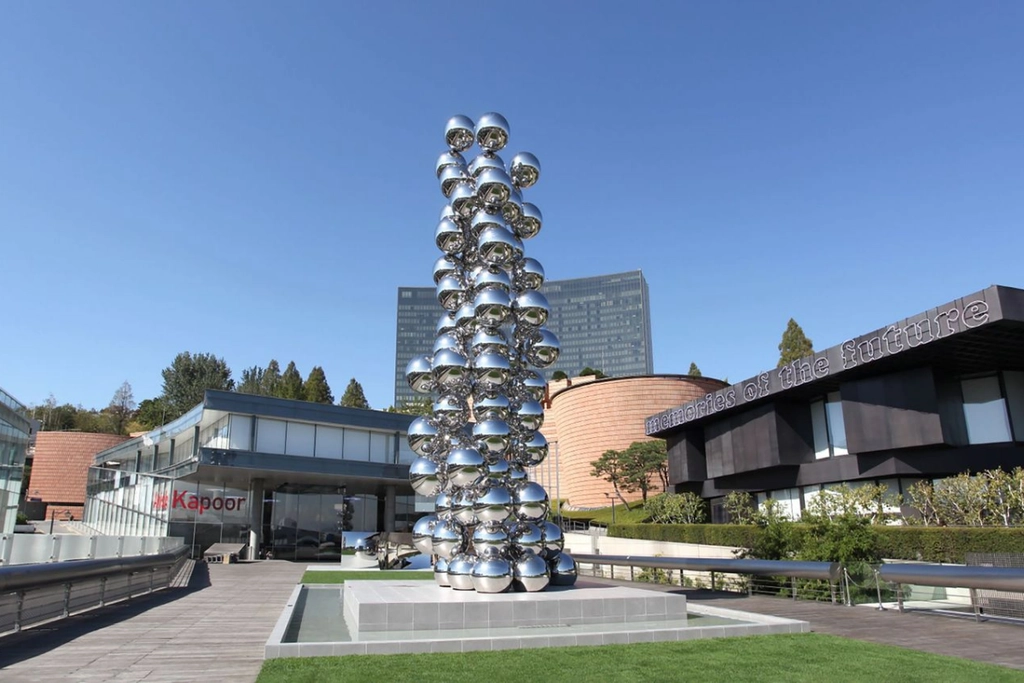
Botta's M1 uses terracotta brick and powerful geometric volumes to evoke permanence and the material traditions of Korean ceramics. Nouvel's M2 employs glass and specially treated stainless steel around contemporary-art spaces, including irregular exhibition boxes that project through the architecture. Koolhaas works more obliquely, using black concrete, ramps and a partially submerged programme to connect the complex while allowing the other structures to retain their identities.
Inside, the dialogue continues between Korean antiquities and modern and contemporary art. Ceramics, metalwork, Buddhist art and calligraphy encounter a collection that reaches into international modernism and contemporary practice.
The architecture therefore performs the collection's central tension before a single object has been studied. Past and present occupy separate buildings, yet visitors continually move between them.
For lunch, Michelin-star Zero Complex takes the visual discipline of contemporary Seoul into hospitality.
The room avoids the theatrical opulence historically associated with fine dining. Surfaces remain controlled; table settings are precise; the architecture allows ingredients to command attention.
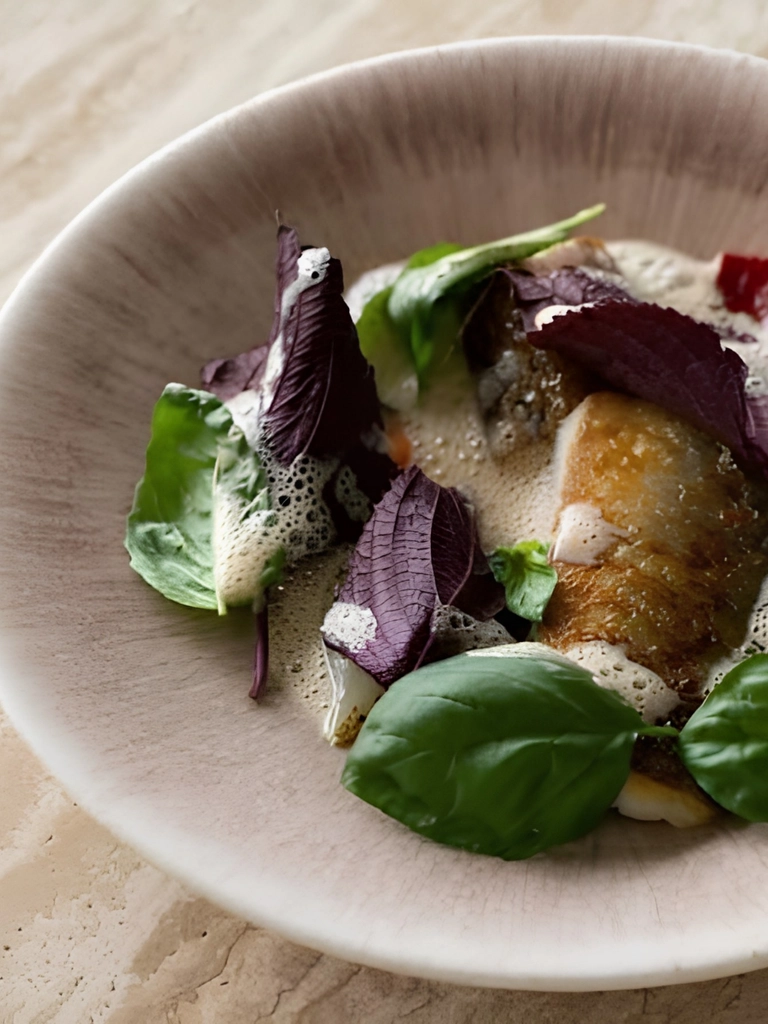
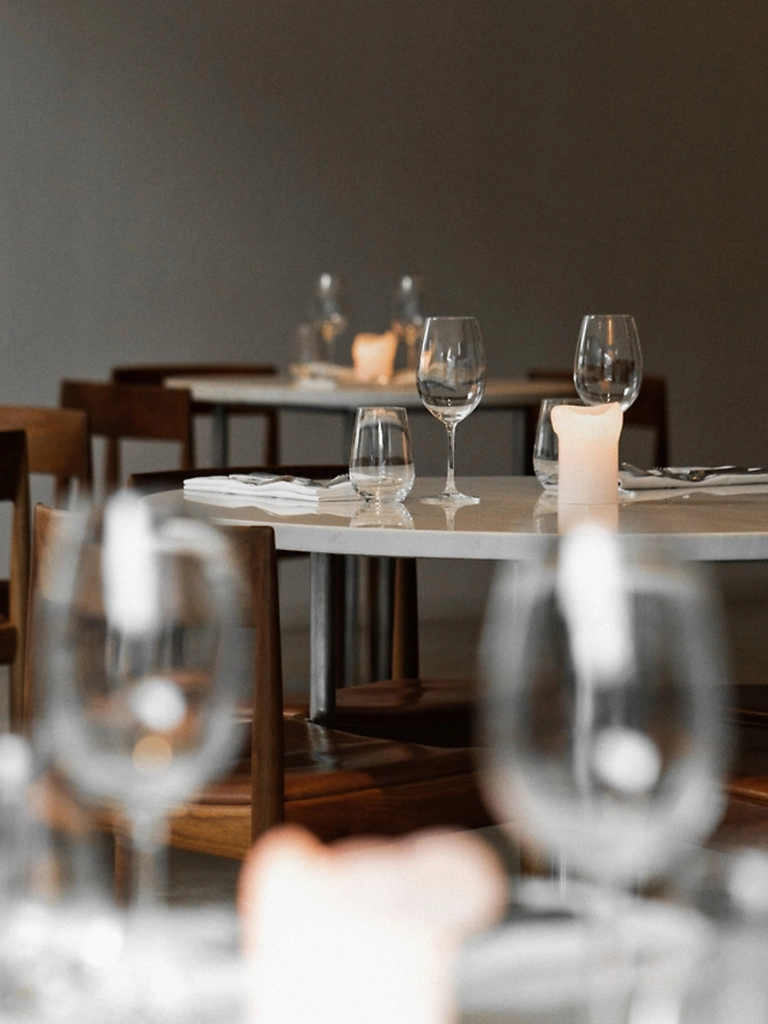
Its cooking has become associated with seasonal produce, herbs and a sensitivity to vegetal flavours, turning each course into an exercise in editing. The visual language is particularly compatible with a day at Leeum: space around an object can change the way that object is perceived.
This is one of Seoul's recurring design habits. Luxury often appears through removal.
Later, head toward Dohwa for Fritz Coffee Company.
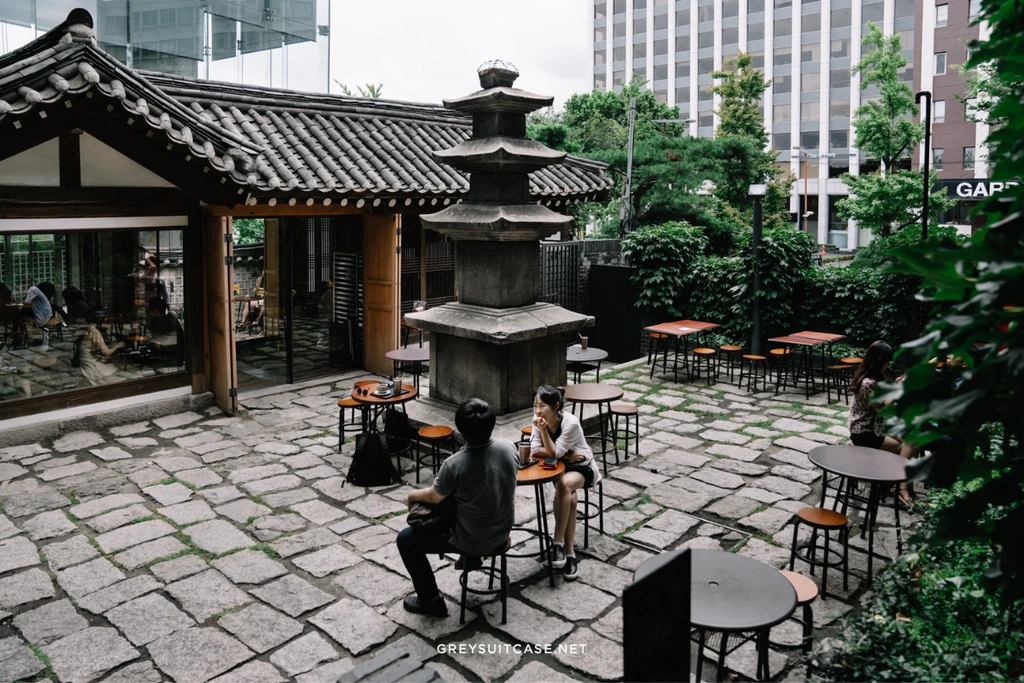
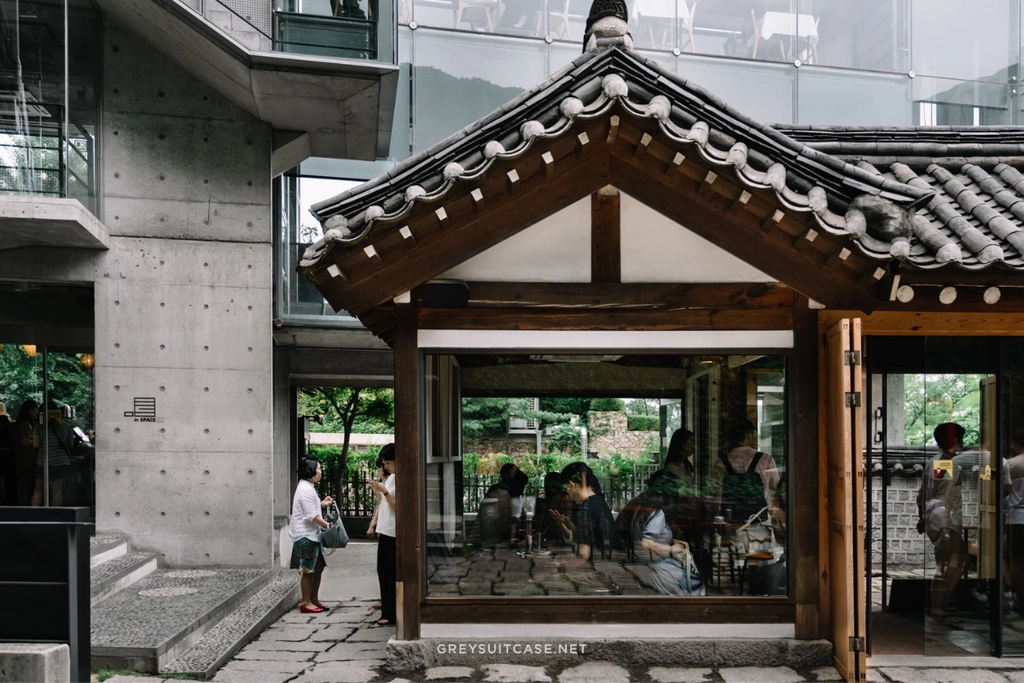
Fritz represents another side of the city: playful graphic identity layered onto architecture carrying a much older vocabulary. Its famous seal mascot appears across cups, packaging and merchandise, while retro typography and vintage visual references create an identity immediately recognisable across Seoul's crowded café landscape.
At Dohwa, tiled roofs and timber details meet the machinery and rituals of contemporary specialty coffee.
The combination could easily collapse into nostalgia. Instead, the brand treats the past as graphic material, mixing periods with the confidence of a city accustomed to rebuilding itself. One afternoon coffee becomes a compact lesson in Korean branding.
The final day begins with Seoul at its most futuristic.
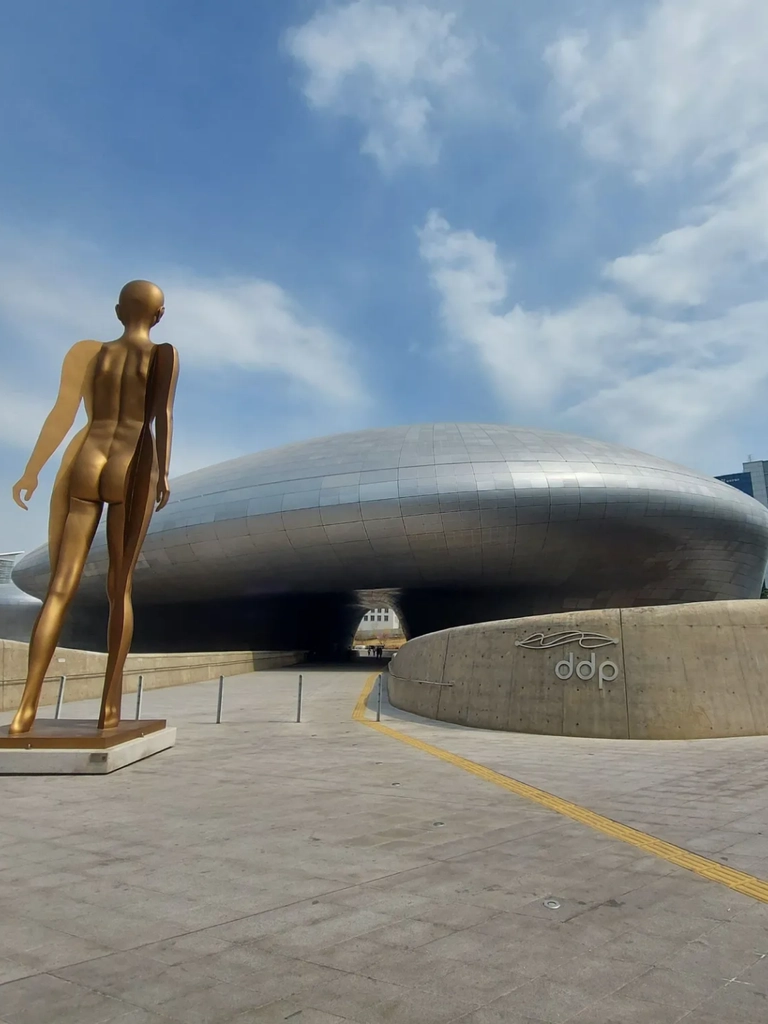
Dongdaemun Design Plaza sweeps across its site in enormous metallic curves, rejecting the conventional distinction between wall and roof. Designed by Zaha Hadid Architects with Samoo, DDP opened in 2014 and became one of Seoul's most recognisable contemporary landmarks.
The building is best experienced by walking around it before going inside.
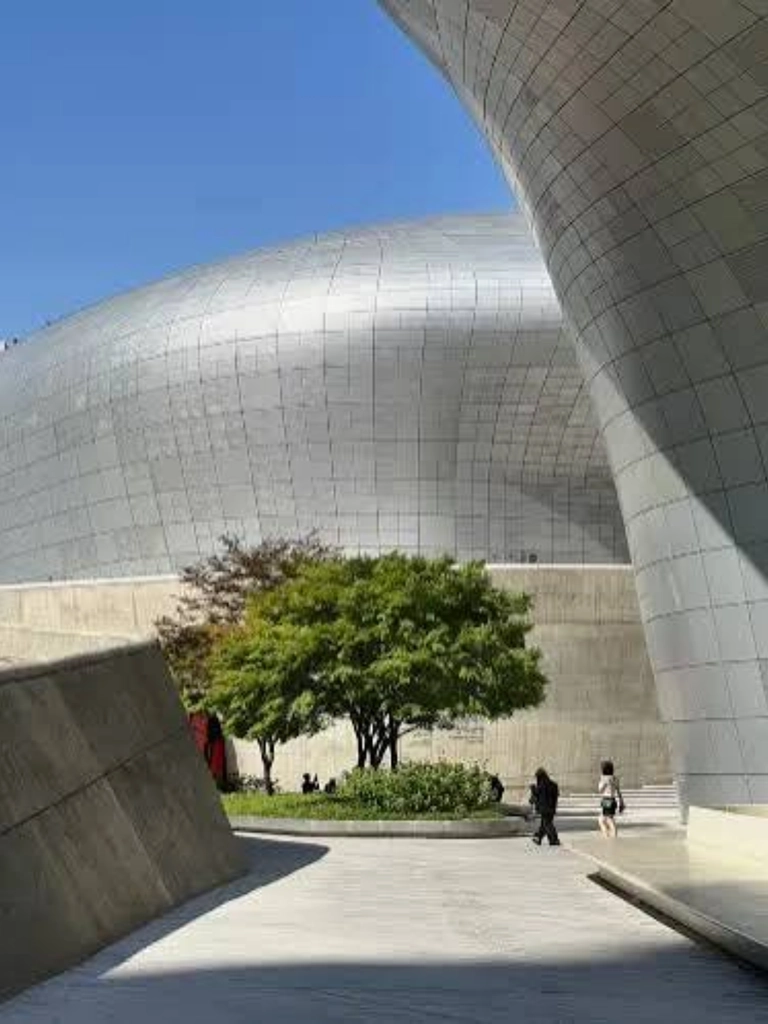
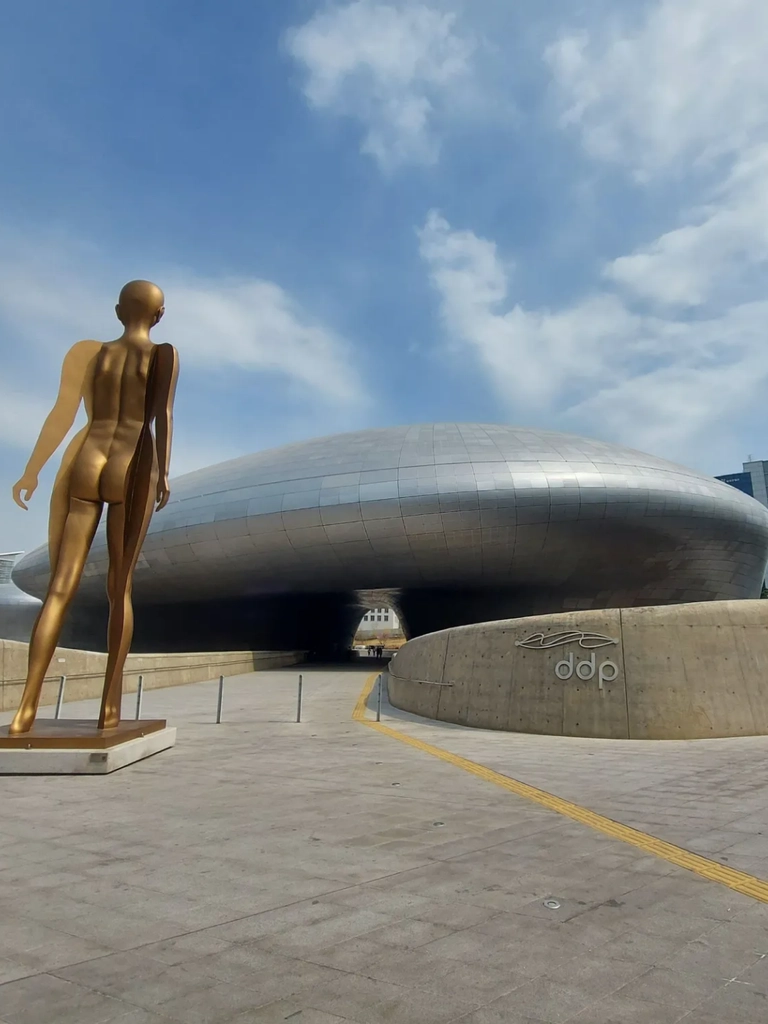
Curves pull pedestrians beneath, around and across the complex. Exhibition halls, design spaces and public routes merge into a continuous landscape. At night, the aluminium skin changes character under artificial light, turning DDP into something closer to an illuminated urban object.
Its location sharpens the effect. Dongdaemun has long been tied to markets, textiles, garment manufacturing and round-the-clock commerce. Futuristic architecture therefore sits within a district shaped by making and selling clothes.
Fashion, architecture and city infrastructure overlap on the same pavement.
After Dongdaemun's visual intensity, Anthracite offers useful contrast.
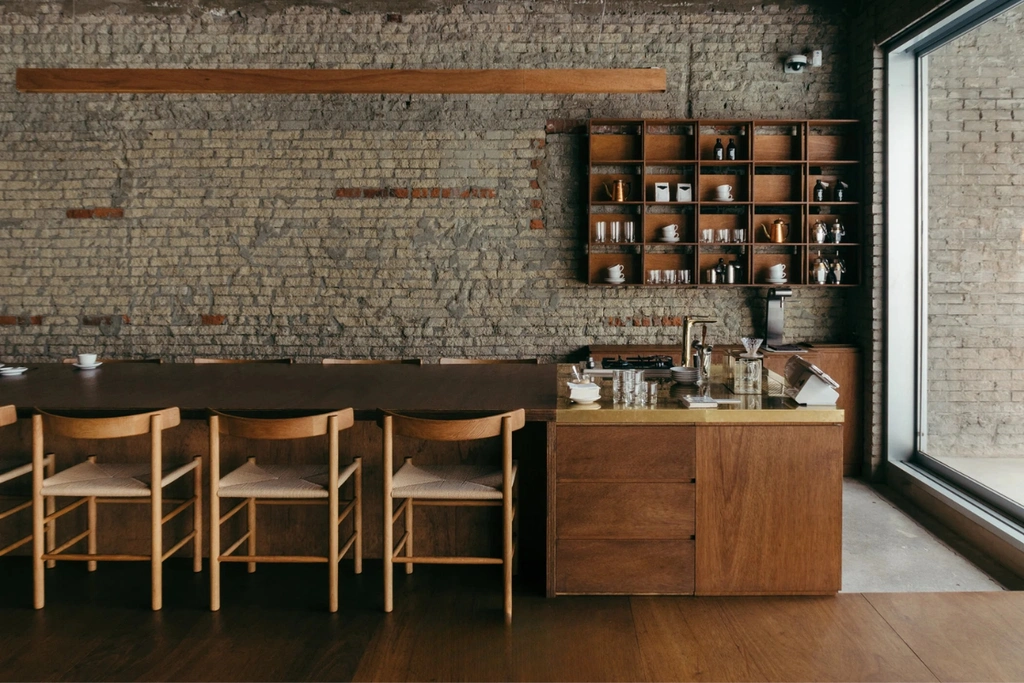
The coffee company's spaces helped establish an influential strand of Seoul café design built around adaptive reuse, rough surfaces, industrial remnants and carefully controlled atmosphere. Instead of disguising age, such interiors often leave concrete, old timber and traces of former use exposed.
Coffee becomes an excuse to occupy architecture slowly. That may sound trivial until one notices how central cafés are to contemporary Seoul's design culture. They function as testing grounds for furniture, branding, architecture, ceramics, sound and lighting. Some survive only a few years. Others influence an entire generation of hospitality interiors. The café is one of Seoul's unofficial galleries.
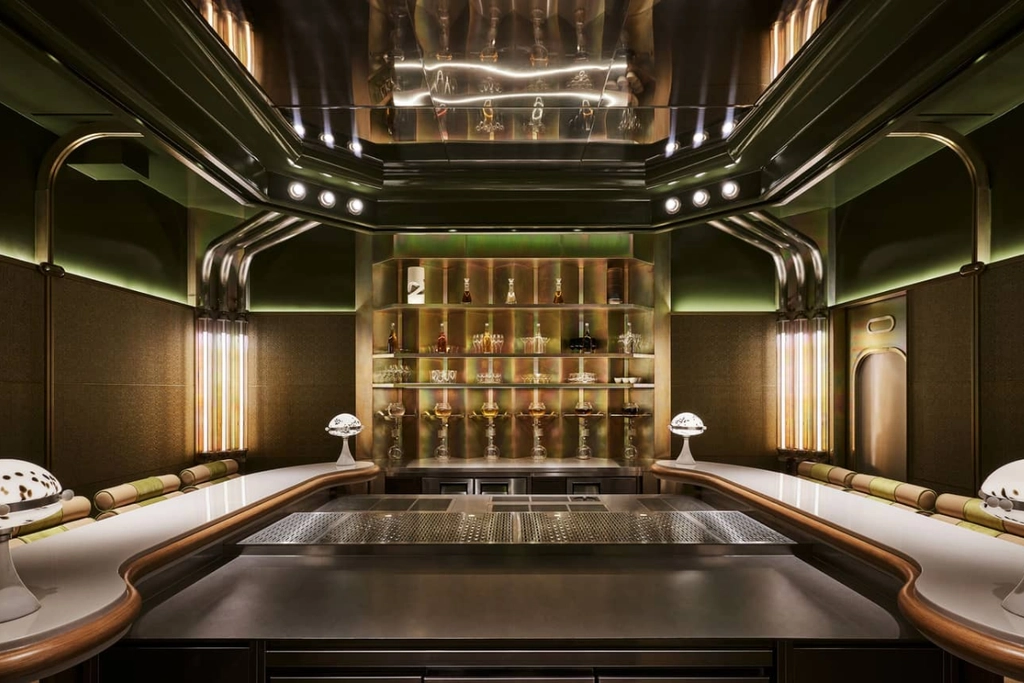
Finish after dark at Charles H. inside Four Seasons Hotel Seoul. The AvroKO-designed bar draws its name from writer and traveller Charles H. Baker Jr., translating the mythology of the international hotel bar through brass, patterned surfaces, rich upholstery and carefully controlled lighting.
After three days of pale galleries and open courtyards, darkness feels deliberate.
Cocktails draw on international references while Korean ingredients and techniques enter the programme, allowing the bar to participate in the same exchange between local culture and global design seen elsewhere across the itinerary.
The journey from MMCA to Charles H. reveals how elastic the idea of the city as gallery can become. Take your time to wander, but if you want a clear and concise museum architecture tour around Seoul, here is our recommendation.