MENU
Close





In New York, the exhibition rarely ends at the museum door. To see New York as a city as gallery is to follow art into the places where the city actually lives.
In New York, the exhibition rarely ends at the museum door. To see New York as a city as gallery is to follow art into the places where the city actually lives.
September 11, 2026


New York has always had difficulty keeping art in its assigned room. The evidence is easy enough to find inside the New York's impressive galleries. Yet another version of the city's visual culture exists beyond those monumental institutions, dispersed through former artists' homes, private museums, restaurant dining rooms and bars whose walls have accumulated histories of their own.
Following it produces an unusual cultural itinerary. There is no clean division between viewing and living, sculpture and furniture, museum and café, art history and nightlife. A Donald Judd chair can sharpen the eye before lunch. Viennese Modernism can continue from a Klimt portrait into a Josef Hoffmann light fixture. A cocktail lounge can possess murals important enough that removing them would destroy the identity of the room.
The city as gallery is less a metaphor here than a method for moving through New York.
At 101 Spring Street, the temptation to ask where the artwork ends and the building begins is almost unavoidable.
Donald Judd bought the five-storey cast-iron building in 1968, using it as his New York residence and studio. The Judd Foundation identifies the site as the place where he first developed his idea of "permanent installation": the conviction that the placement of an artwork was integral to experiencing it. Today, 37 artworks remain installed there, while the building itself has been preserved along with Judd's interventions, furniture and personal environment.
The distinction matters. This is no conventional museum that happened to move into an attractive historic building. Judd considered architecture, furniture and the position of individual works together. His own pieces coexist with works by figures including Dan Flavin, Marcel Duchamp, Frank Stella, John Chamberlain and Claes Oldenburg. Even David Novros' 1970 fresco is physically bound to the architecture, its pigment becoming part of the wall.
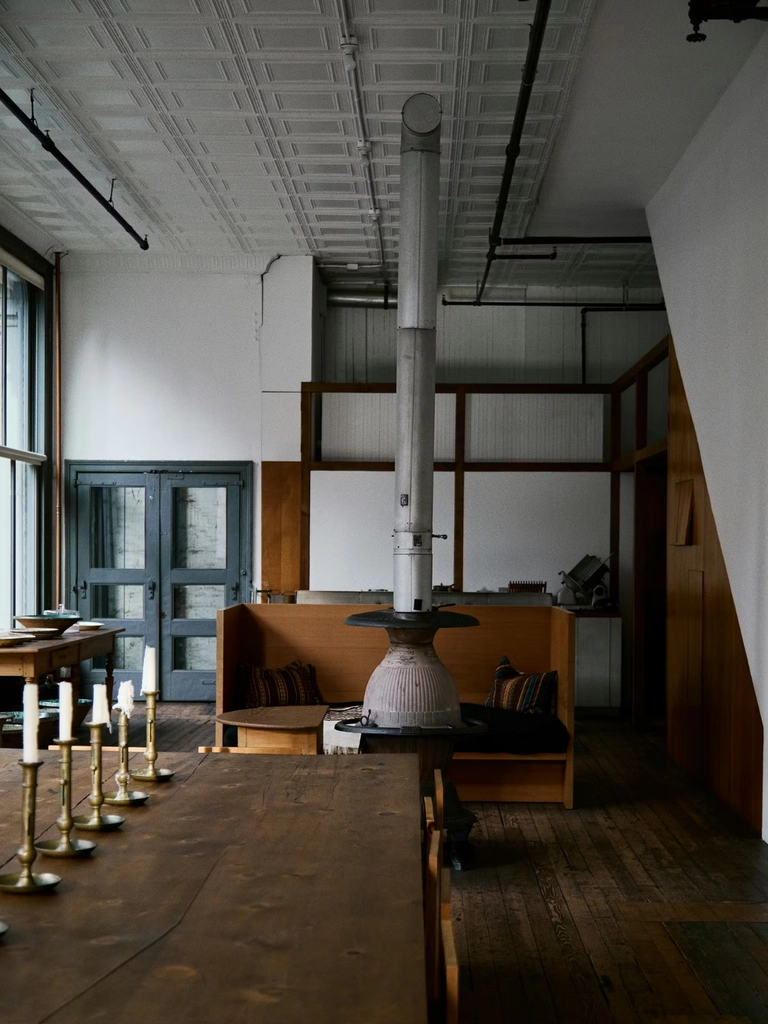
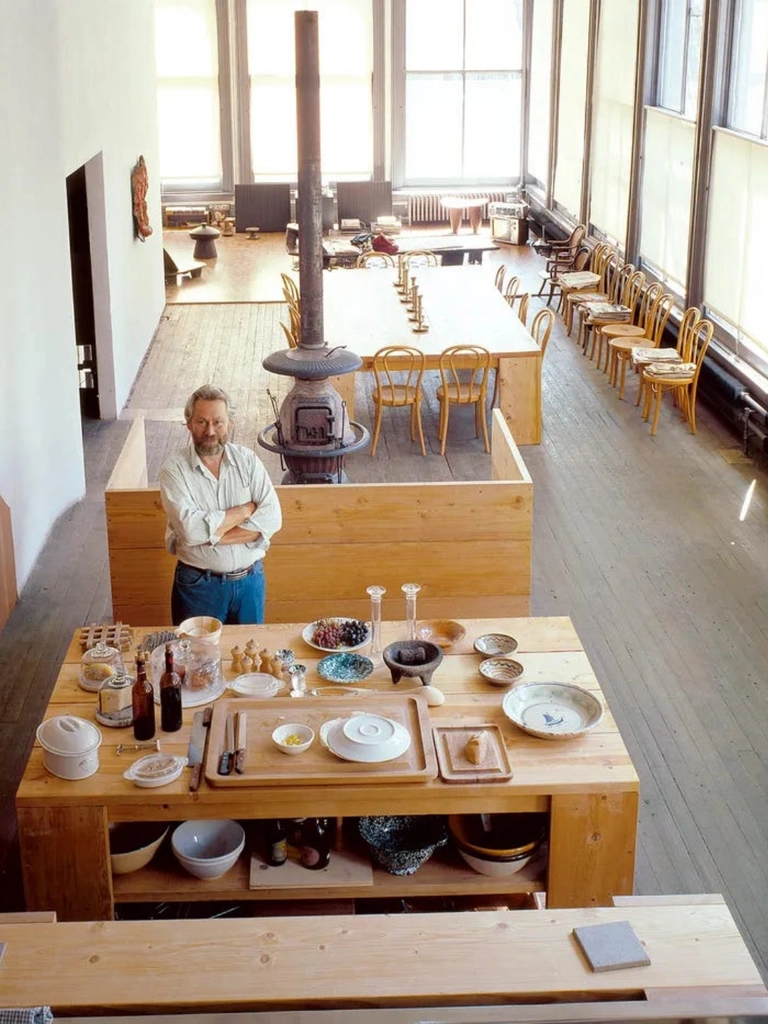
Walking floor to floor consequently feels closer to entering someone's visual logic than surveying a collection.
It is also an unusually appropriate introduction to SoHo. Outside, cast-iron façades recall the neighbourhood before global retail transformed its streets. Inside, Judd's insistence on proportion, placement and permanence slows everything down. A bed, table, fluorescent work or stretch of empty floor acquires unusual authority simply through its relationship with everything around it.
Visits to Judd Foundation are structured and guided, so advance booking is advisable. The controlled format suits the place. 101 Spring Street asks for attention instead of circulation.
Travel uptown and the vocabulary changes completely.
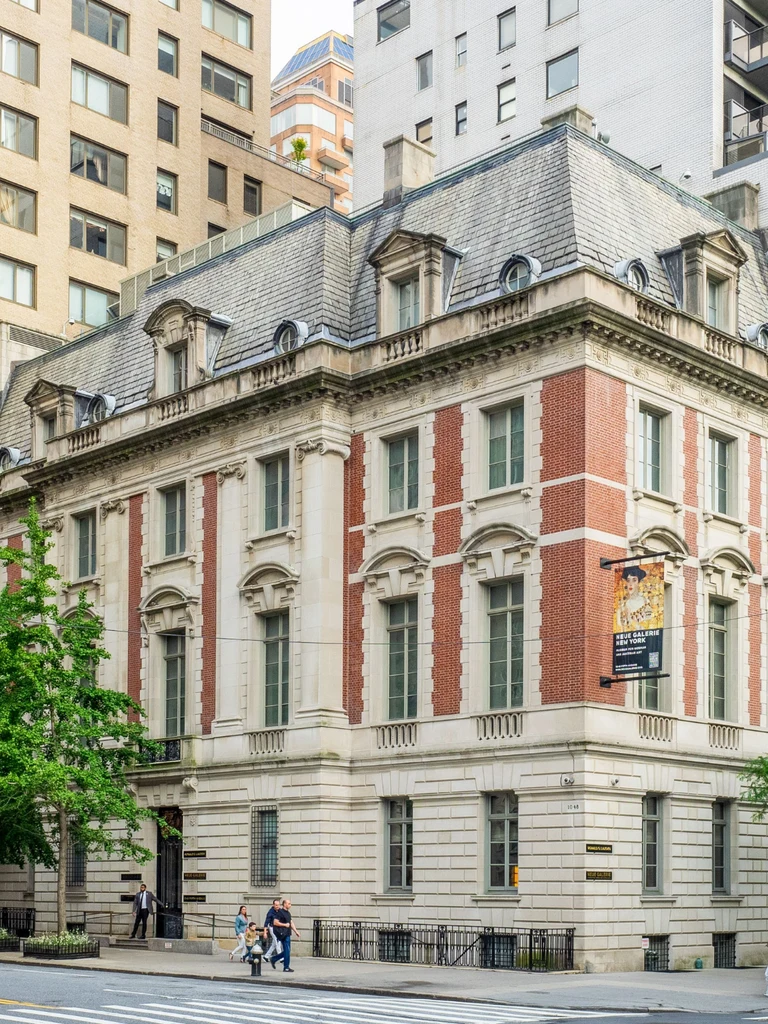
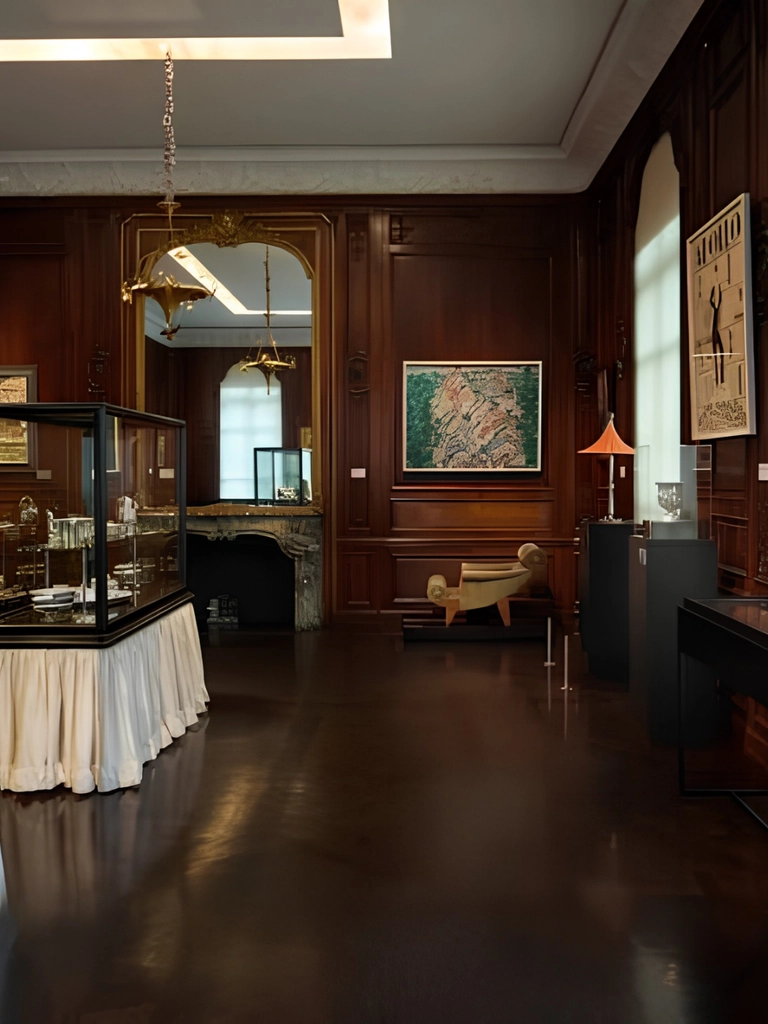
Neue Galerie New York occupies a Fifth Avenue mansion and concentrates on early 20th-century German and Austrian art and design. Gustav Klimt's Portrait of Adele Bloch-Bauer I is its celebrity, but the museum makes more sense when the painting is allowed to converse with Egon Schiele, the famous Expressionist, Wiener Werkstätte objects, furniture and the broader visual culture of Vienna around 1900. The institution was founded by art dealer Serge Sabarsky and Ronald S. Lauder and opened in 2001.
Its small scale is an advantage. Instead of exhausting the eye with encyclopedic ambition, Neue Galerie constructs a concentrated world.
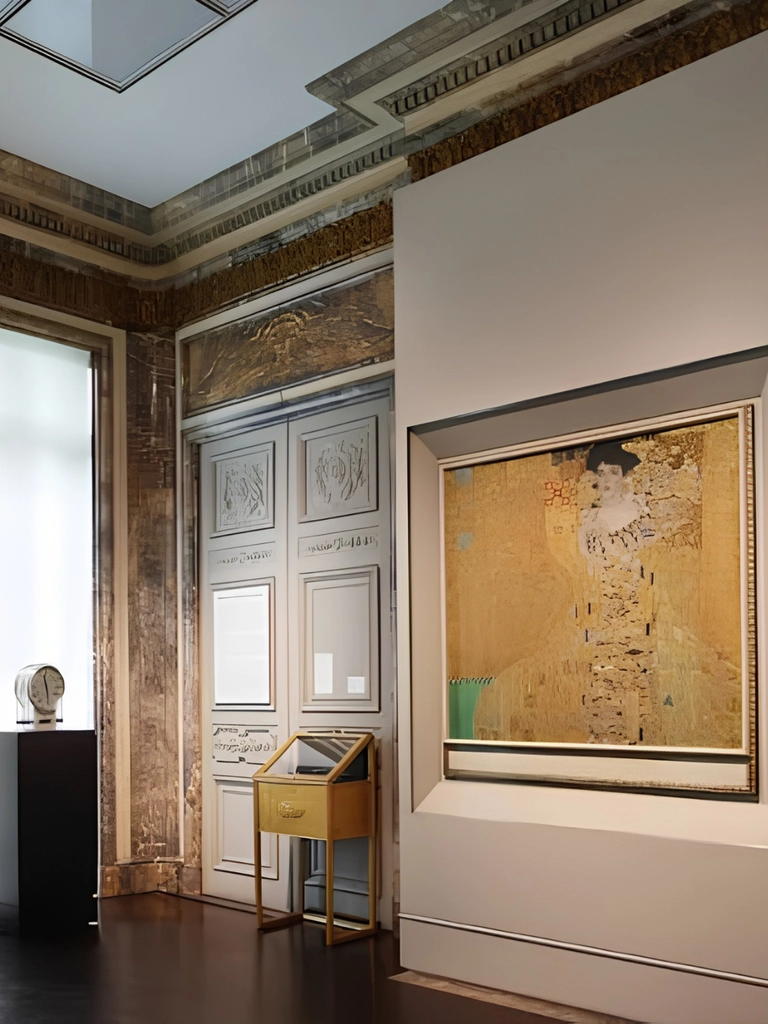
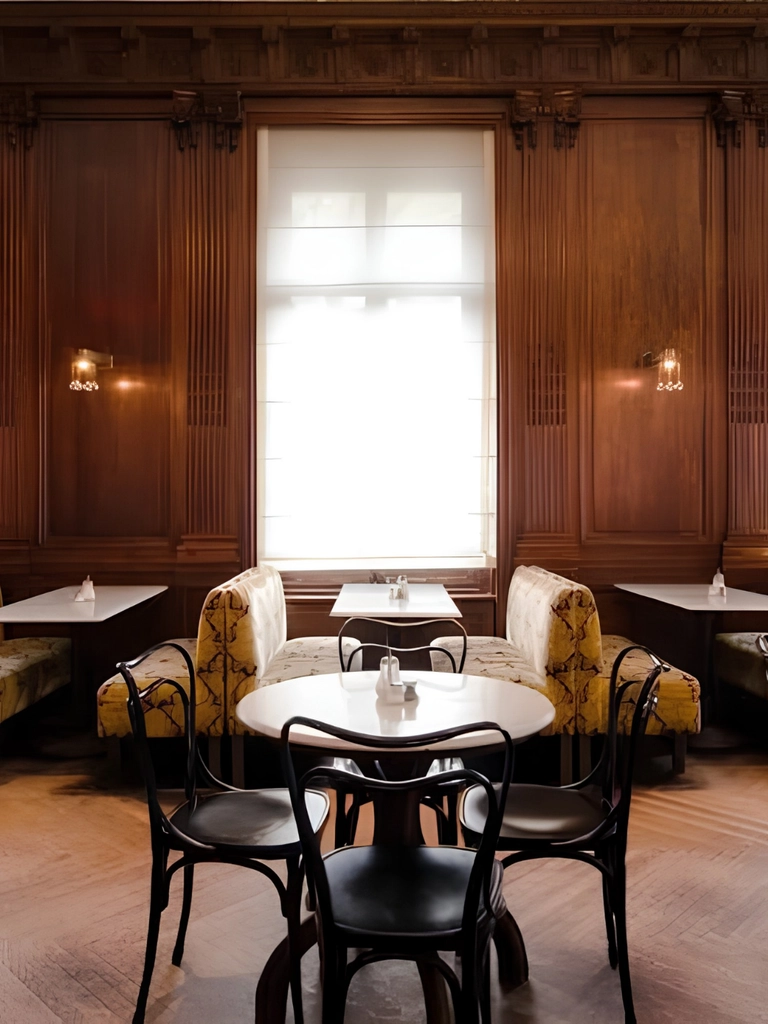
That world continues downstairs at Café Sabarsky.
Inspired by the Viennese cafés that became intellectual and artistic meeting places around the turn of the century, the café incorporates period design including Josef Hoffmann lighting, Adolf Loos furniture and banquettes upholstered in a 1912 Otto Wagner fabric. Coffee and cake suddenly belong to the curatorial experience.
It makes a persuasive argument for the city as gallery because culture here operates through atmosphere as much as display. Vienna is communicated through paintings, typography, metalwork, chairs, lighting and the ritual of sitting at a marble-topped table.
One current planning detail is important. As of September 30, 2026, Neue Galerie's galleries remain temporarily closed during work on its historic building. Café Sabarsky, the Book Store and Design Shop resume regular hours on October 1, while the galleries reopen November 12 with the museum's 25th-anniversary exhibition.
The trip to Queens changes the tempo.
The Noguchi Museum opened in 1985 in Long Island City, conceived by Isamu Noguchi as a place for experiencing his life's work. It occupies a converted industrial building alongside spaces created specifically around his sculptures and an outdoor garden. The museum describes itself as the first American museum established, designed and installed by a living artist to present his own work.
Stone, architecture, plants and light refuse to behave as separate categories here.
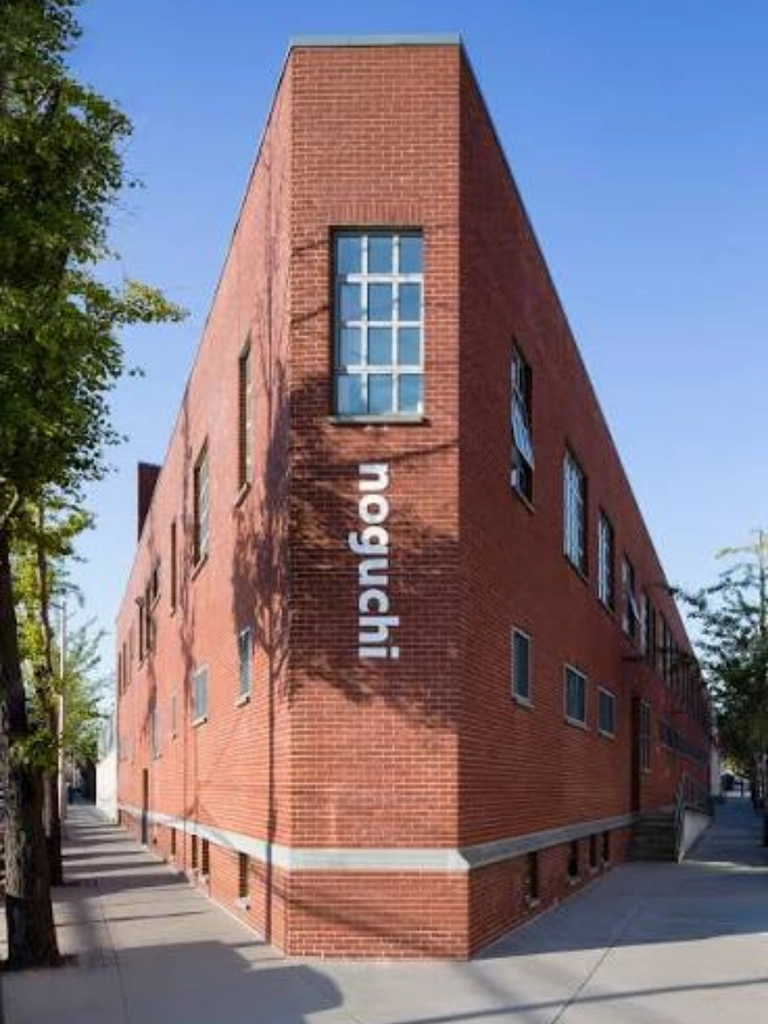
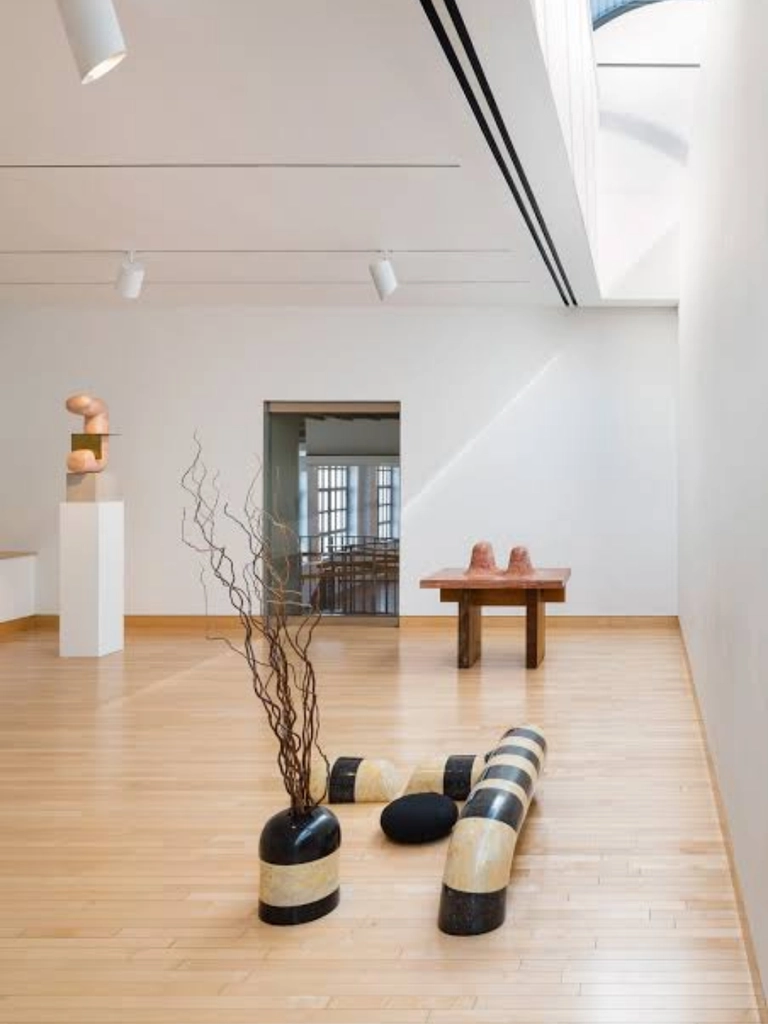
Noguchi's practice crossed sculpture, furniture, landscape, theatre and industrial design, and the museum preserves that resistance to categorisation. Monumental stone works sit near quieter forms; open space becomes part of the composition. His Akari light sculptures offer another lesson in how easily an artwork can cross into everyday life.
The garden completes the argument. Noguchi selected its plantings and imagined the museum as a place for reflection as well as display. Surrounded by Queens' industrial fabric, the calm seems almost improbable.
Yet that contrast makes it unmistakably New York. The city does not disappear. It becomes the pressure against which the space works.
Back downtown, art migrates from museum space to hospitality.
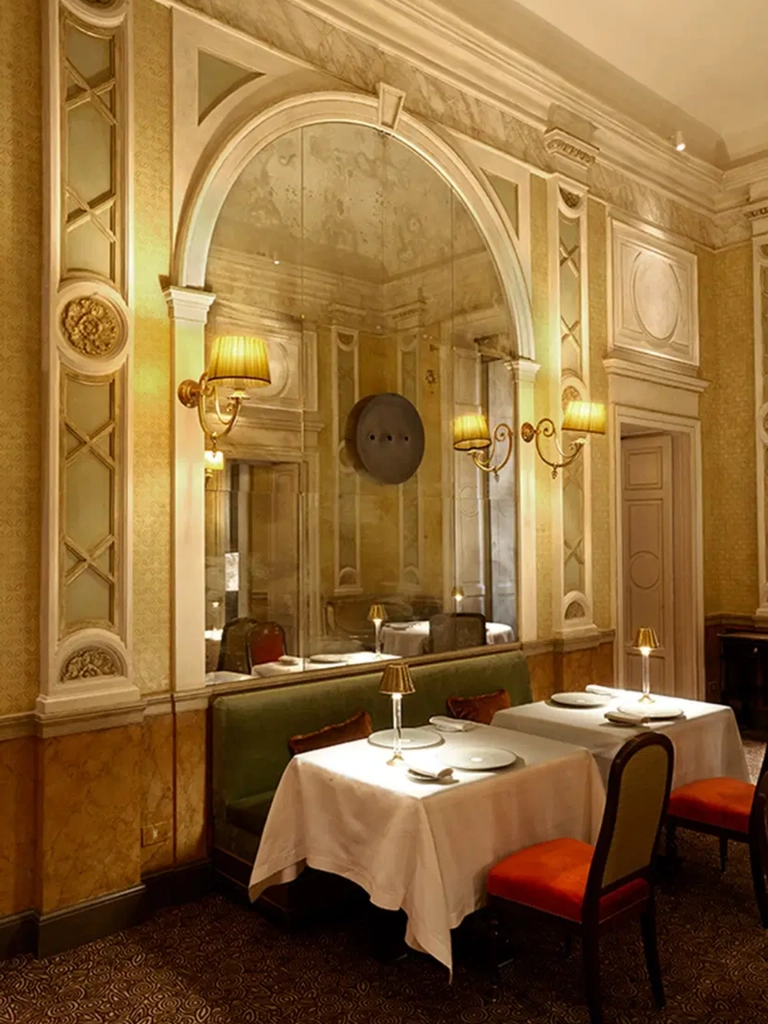
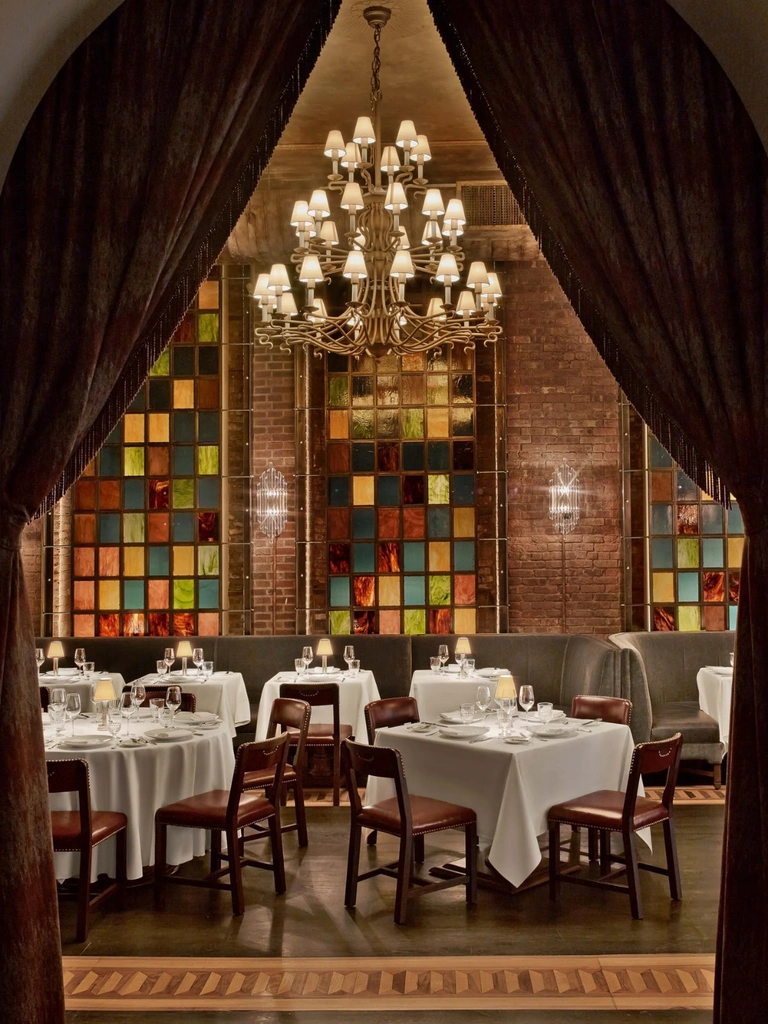
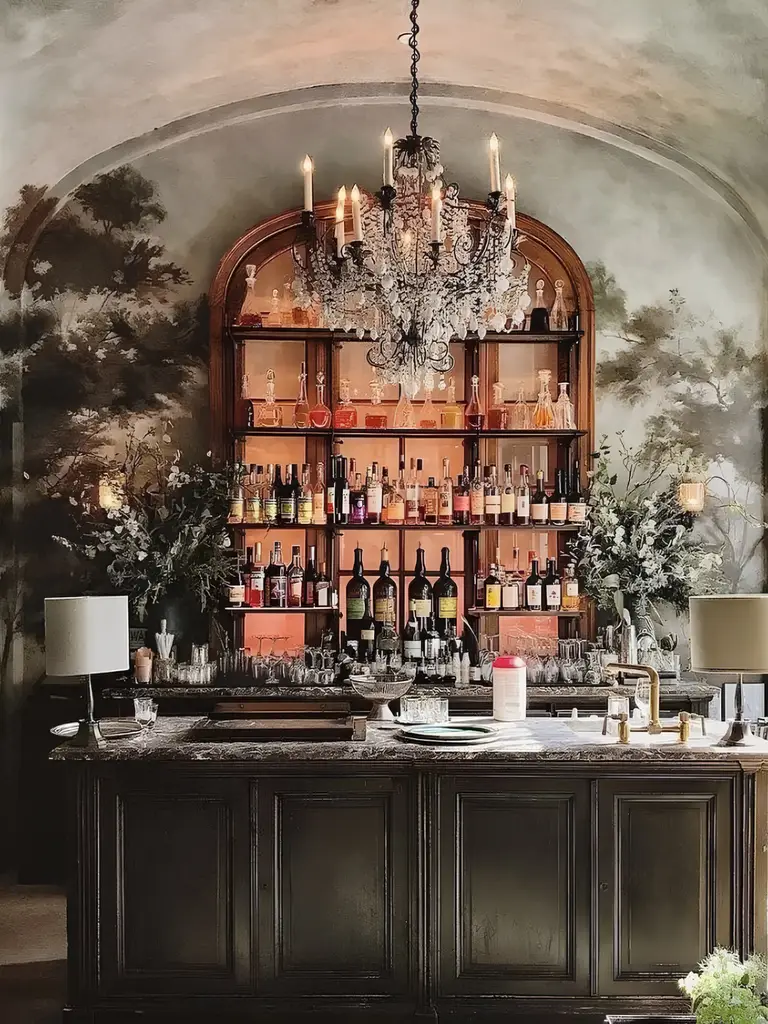
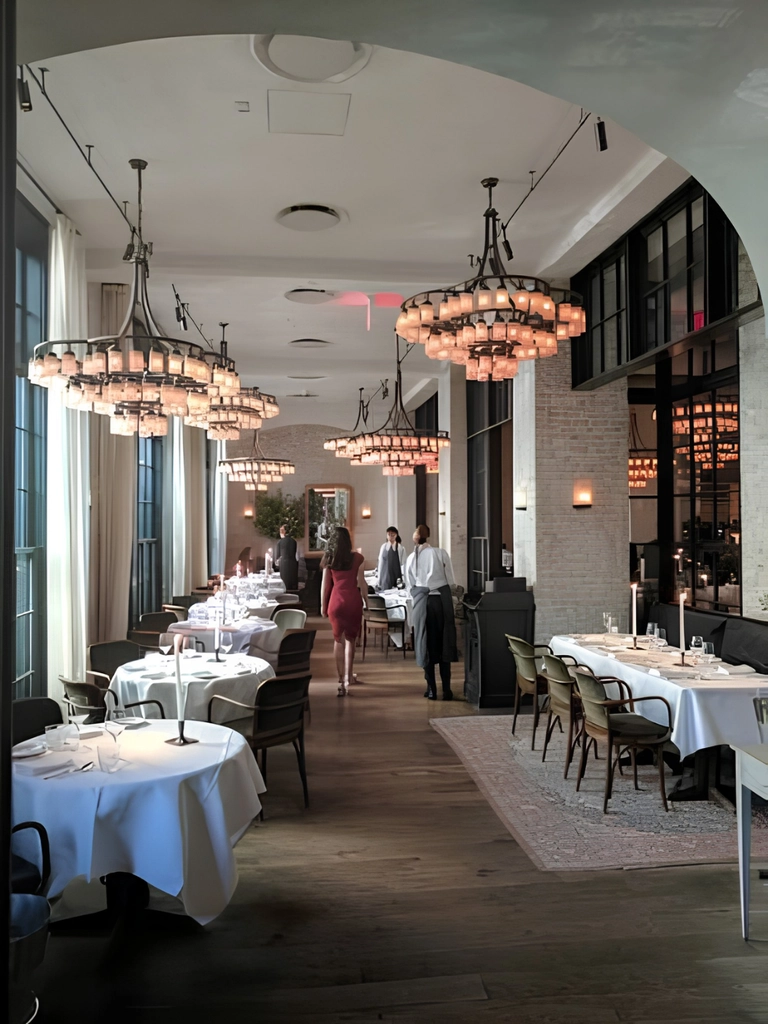
At Le Coucou, the room deserves attention before the menu arrives. Roman and Williams conceived the restaurant with the romantic confidence of a grand French dining room translated through downtown New York: high ceilings, brick, candlelight, chandeliers and an open kitchen produce a setting designed for a long evening.
Its murals push the room further into the territory of scenography. Landscapes stretch across the walls, making dinner unfold against a painted elsewhere.
The food follows a similar conversation between history and contemporary appetite. Classical French technique anchors dishes such as quenelle de brochet, rabbit and duck, yet the experience avoids feeling like a historical reenactment. The point is continuity. Old rituals survive because someone has found a seductive way to make people want them again.
In a city as gallery, restaurants matter because they demonstrate how design circulates outside institutions. Chairs are touched. Linen is stained. Candlelight changes over several hours. Murals become backgrounds for conversations nobody will archive. Culture here is being used, not merely observed.
Uptown again, the boundary between artwork and social room becomes even thinner.
Bemelmans Bar at is named for Ludwig Bemelmans, illustrator and creator of the Madeline books. His murals transform the room into an eccentric Manhattan fantasy populated by Central Park scenes, picnicking rabbits and ice-skating elephants. Bemelmans exchanged the commission for accommodation at the hotel for himself and his family.
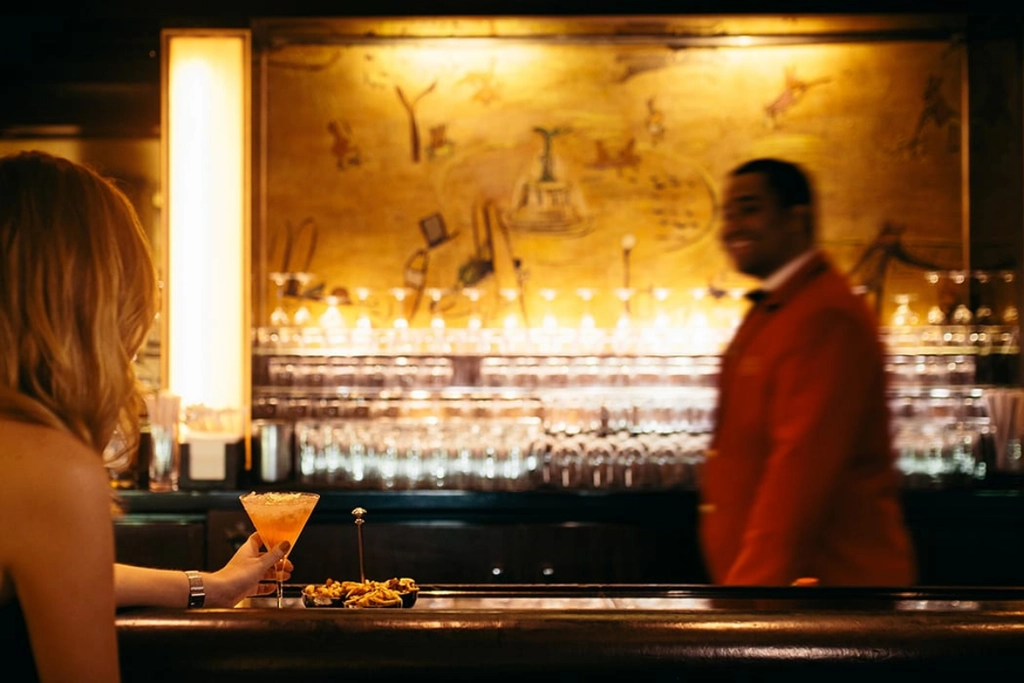
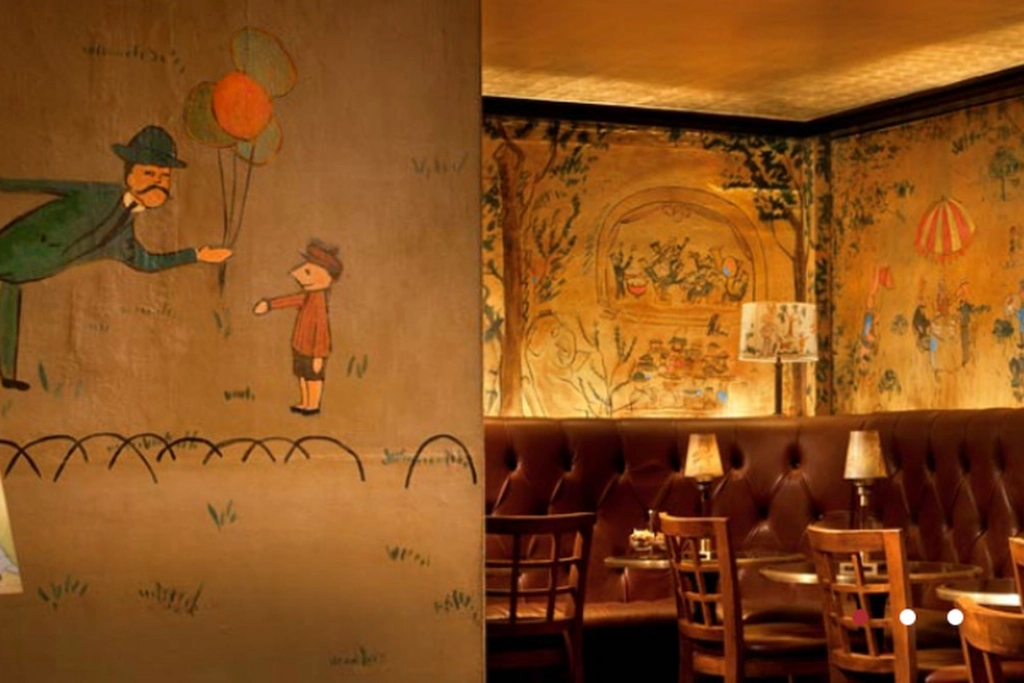
Gold-toned surfaces, leather banquettes and low light give the paintings a second life after dark. Nightly piano and late-night jazz remain part of the programme, with the hotel currently listing live music and an evening cover charge.
Order a martini and the absurdity becomes delightful: one of Manhattan's enduring illustrated interiors is functioning exactly as intended, surrounded by glasses, conversation and music. No velvet rope separates artwork from atmosphere. The paintings make the atmosphere.
Then there is downtown darkness.
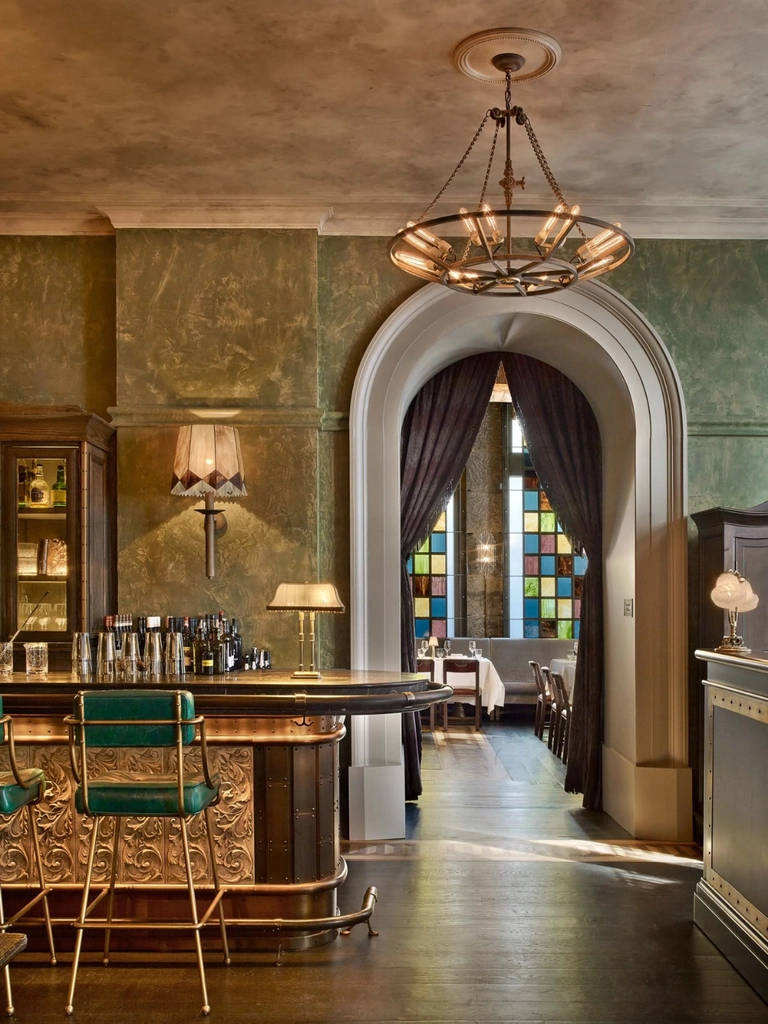
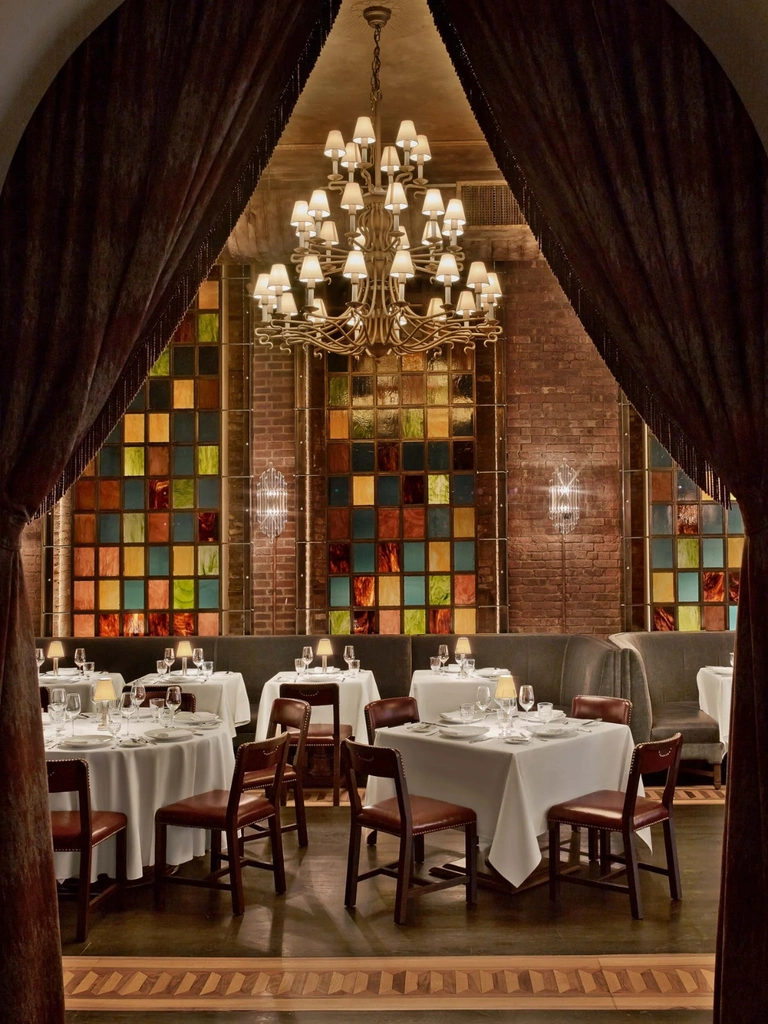
Temple Court Restaurant + Bar belongs to another lineage of New York aesthetics: the discreet cocktail room where darkness is almost an architectural material. Its low amber light and polished bar surfaces recall a version of downtown nightlife built around anonymity and intimacy. Unlike the Judd Foundation, nothing here asks to be studied in silence. Temple Bar's design works through seduction. Martini glasses, caviar, oysters and dimness turn the evening itself into the composition.
That final stop explains why New York suits the city as gallery idea so well. Even though you can find art everywhere in New York, the pulse of the art scene still lies, of course, in New York's art galleries. If you are around the East Side today, make sure you pay these galleries a visit and save this list for tomorrow!