MENU
Close





Anyone looking for art galleries to see in New York quickly learns that the city rewards appetite, stamina, and curiosity in equal measure. One hour brings museum-scale ambition, the next delivers a quiet room with a single devastating painting. In 2026, the art scene in New York feels especially alive.
Anyone looking for art galleries to see in New York quickly learns that the city rewards appetite, stamina, and curiosity in equal measure. One hour brings museum-scale ambition, the next delivers a quiet room with a single devastating painting. In 2026, the art scene in New York feels especially alive.
April 2, 2026


New York has always understood that art thrives best with a little friction. The city gives you steel, money, noise, ambition, and the occasional glorious overstatement, then asks artists to turn all of that into feeling. That is why any guide to art galleries to see in New York should do more than list addresses. The real pleasure comes from sensing how each neighborhood performs its own idea of culture. Chelsea still moves with the confidence of a blue-chip runway show. The Lower East Side feels quicker, warmer, slightly more feral. Uptown carries its old-money serenity like a perfectly tailored coat. Together, they create a city where seeing art still feels like participating in a live conversation rather than consuming a finished product.
A strong itinerary begins with heat, at the Whitney Museum of American Art. The institution feels less like a stop on the map than the place where the city is taking its own temperature, its history is laced with tension, conflicts and unapologetic conversation.
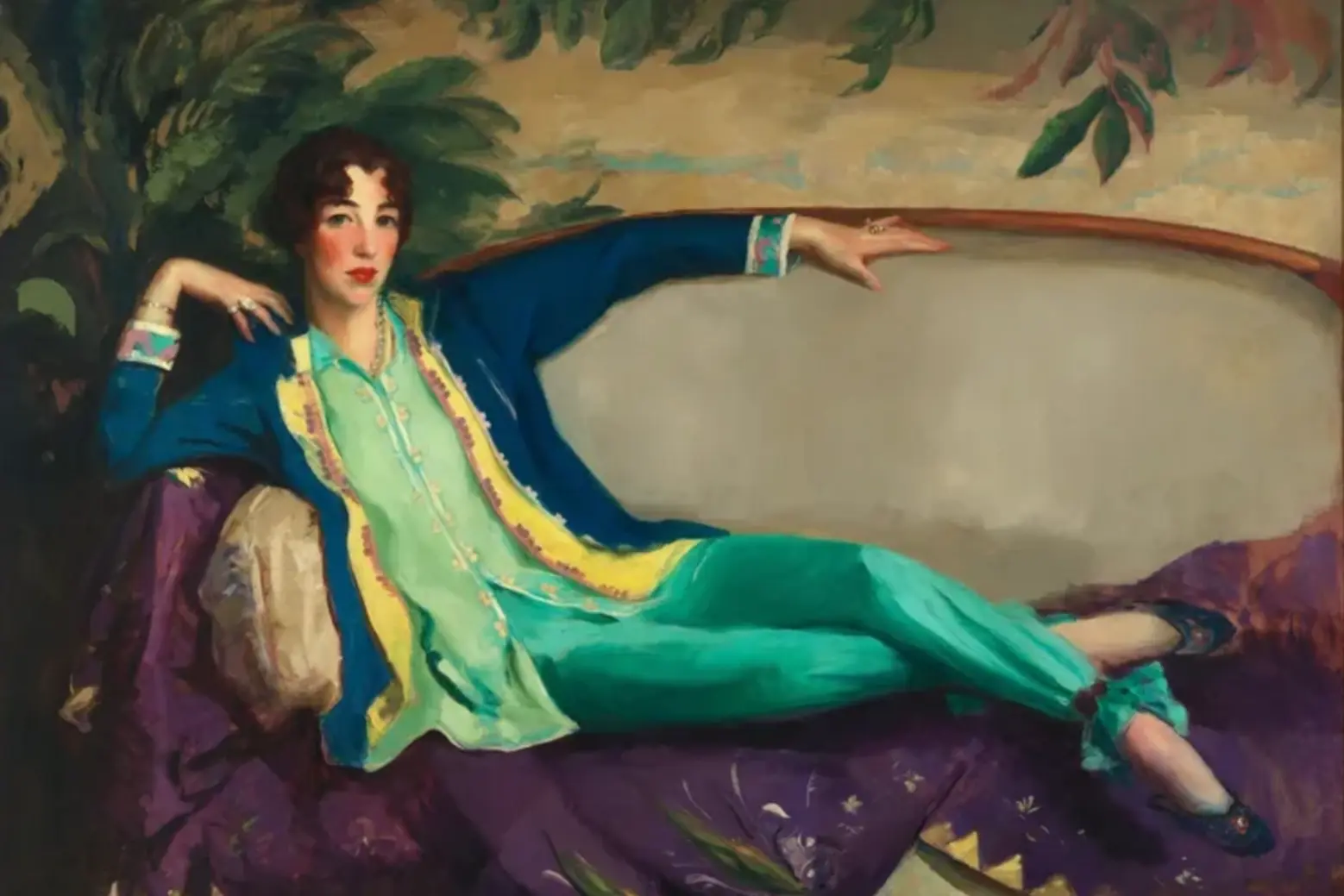
The Whitney has carried friction from birth. It was born from a rejection dramatic enough to feel almost cinematic. In 1929, Gertrude Vanderbilt Whitney offered the Metropolitan Museum of Art a gift of more than 500 works by American artists. The Met declined. So she founded her own museum instead, giving New York one of its great cultural counterpunches. This fighting spirit perseveres, as the institution's timeline would be laced with conversations about racial tension, aesthetic arguments, and political demonstration.
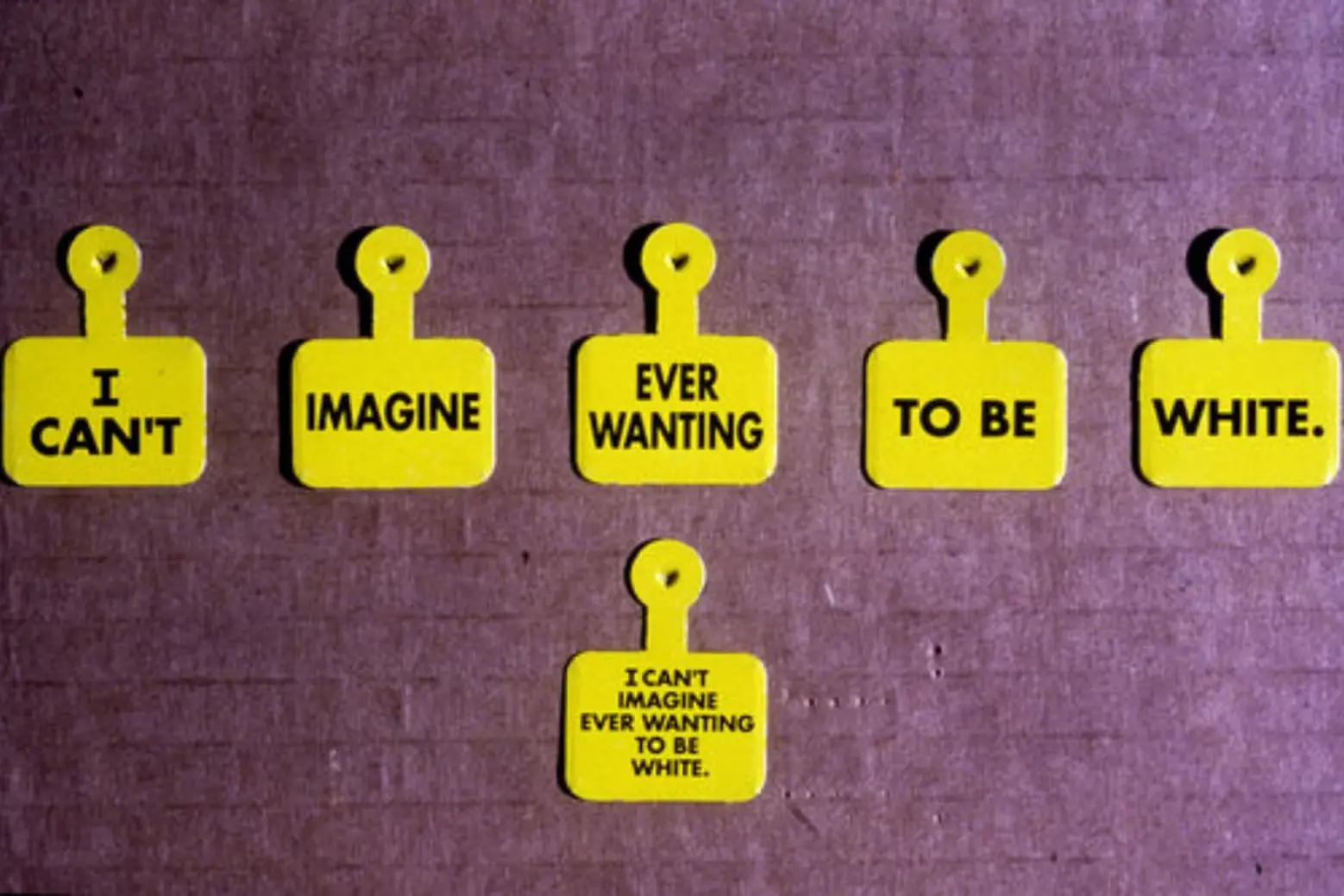
The Whitney 1993 Biennial remains one of the defining examples. Often remembered as the “identity politics” Biennial, it turned the museum into a battleground over representation, whiteness, and the politics of visibility, with Daniel J. Martinez’s button reading “I can’t imagine ever wanting to be white” becoming one of its most unforgettable provocations.
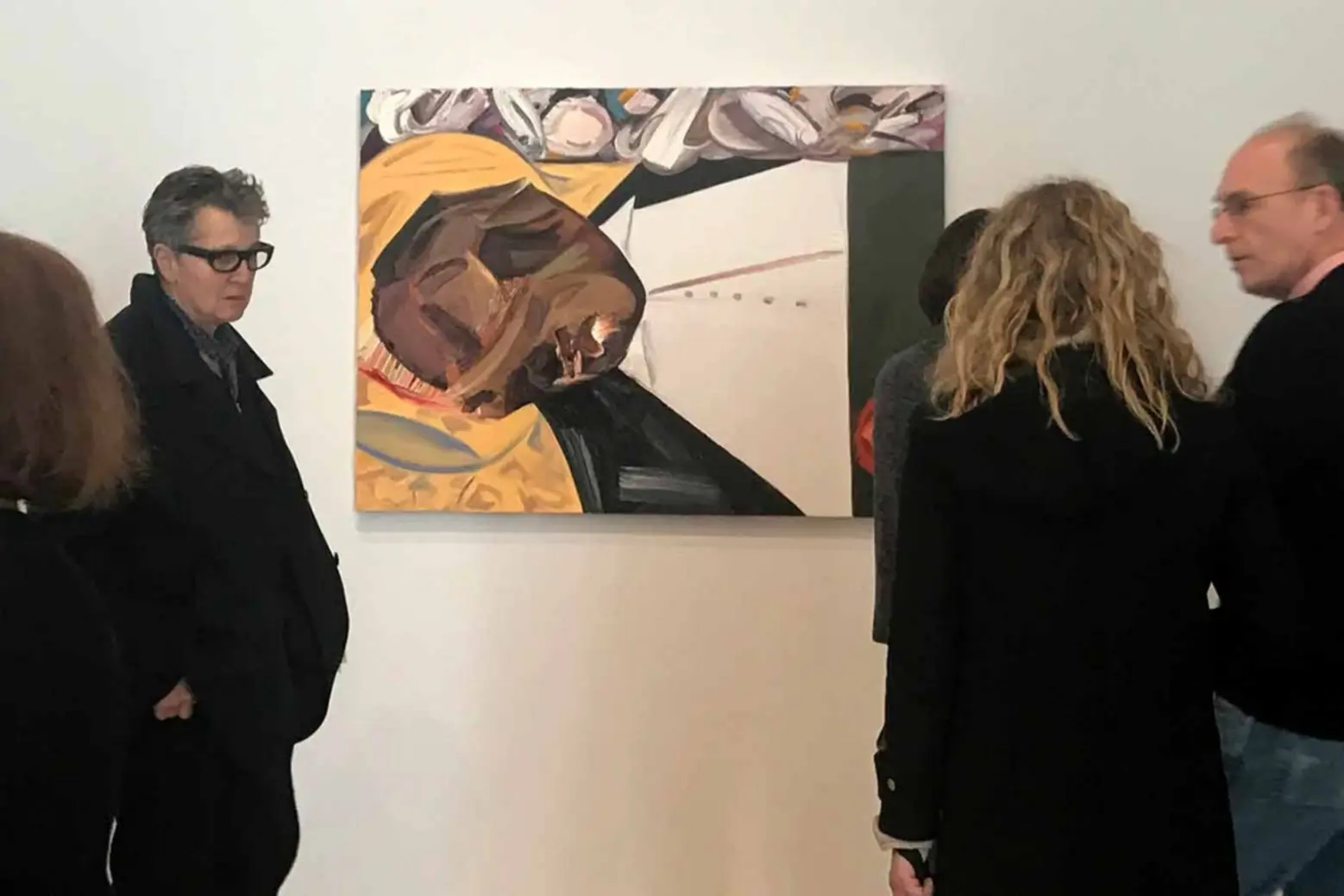
Decades later, Dana Schutz’s Open Casket at the 2017 Biennial reignited those questions with international intensity, forcing the art world to confront who holds the right to depict Black suffering, who profits from historical trauma, and how institutions frame racial pain for public consumption. Seen through that lineage, the Whitney museum stands as more than a museum of American art. It becomes a museum of American contradiction, where race keeps surfacing as one of the central truths beneath the nation’s visual culture.
This year, the eighty-second edition, running from March 8 to August 23, continues the institution’s long-running survey of contemporary art in the United States. The biennale centers around a question that carries particular racial weight: What does “American” mean, and who gets fully seen inside that category? At the Whitney museum, that question has always stretched beyond style.
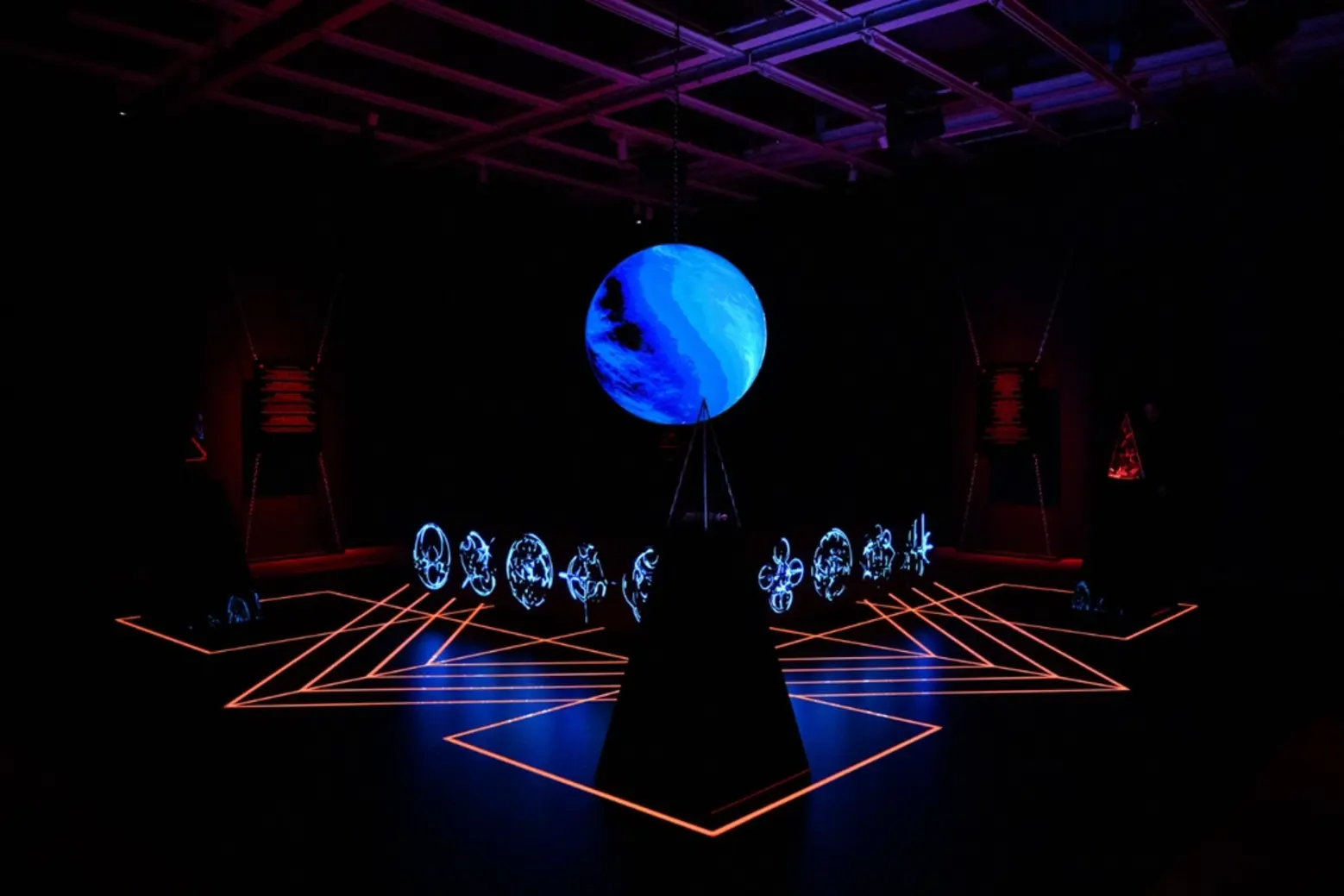
To enter this year’s Biennial, then, is to step into an exhibition shaped by atmosphere and scale while also stepping into a larger argument about how America sees itself, and whom it chooses to recognize. The Whitney also makes an especially smart first stop for a serious art day. Free Friday Nights, free daily admission for visitors 25 and under. It offers the rare combination of intellectual weight and genuine accessibility, inviting visitors into a major contemporary survey while opening the door wide enough for a broader public to join the conversation.
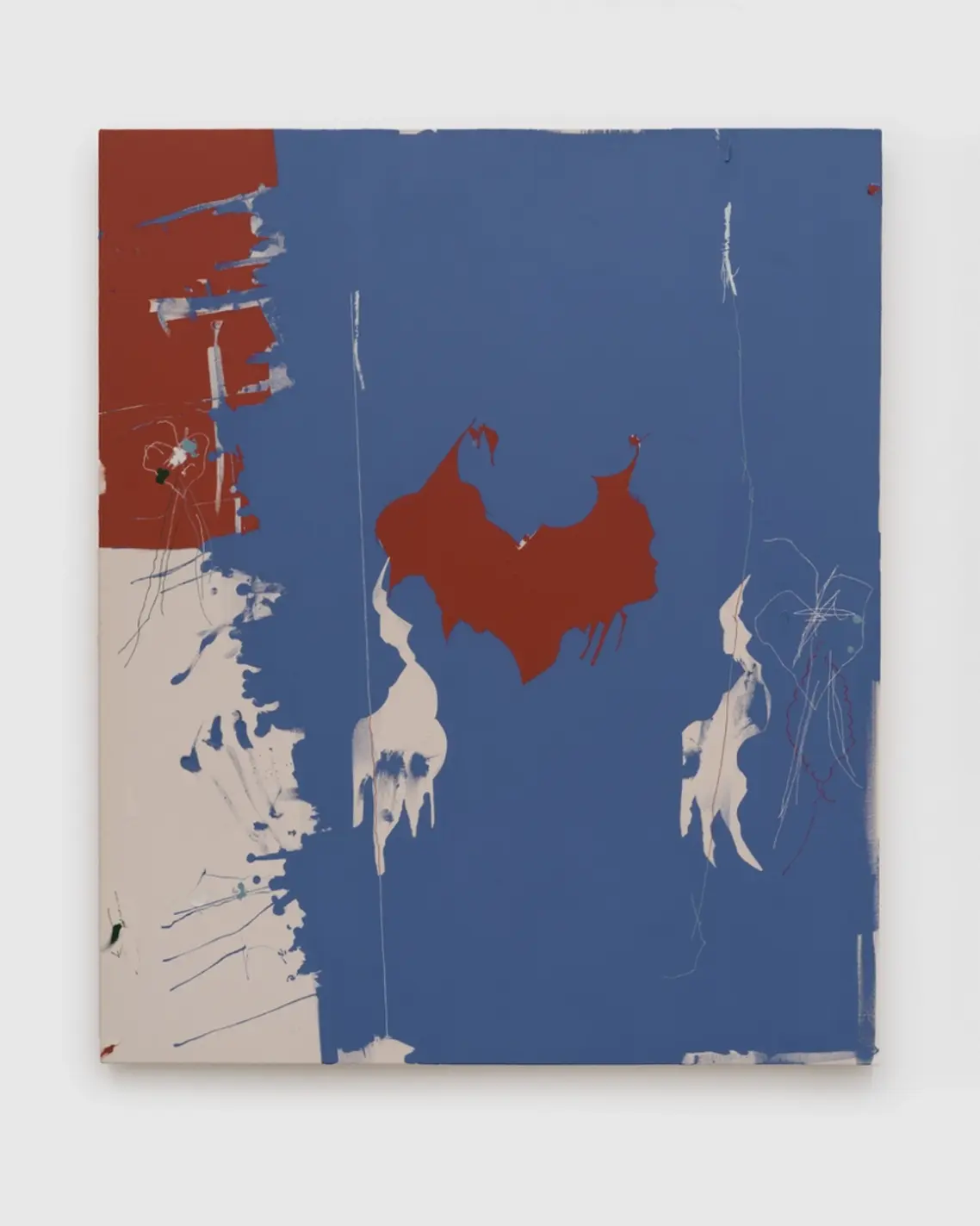
From there, Chelsea takes over with its usual immaculate confidence, and Pace Gallery makes a persuasive case for lingering. This spring, the gallery’s New York program unfolds like a study in different kinds of intensity: Maysha Mohamedi’s Maysha the Fool and Chuck Close’s On Paper are on view at the flagship at 540 West 25th Street, while Sam Gilliam’s STITCHED adds another register nearby at 510 West 25th Street. Together, they create a satisfying rhythm between painterly momentum, formal discipline, and material experimentation.
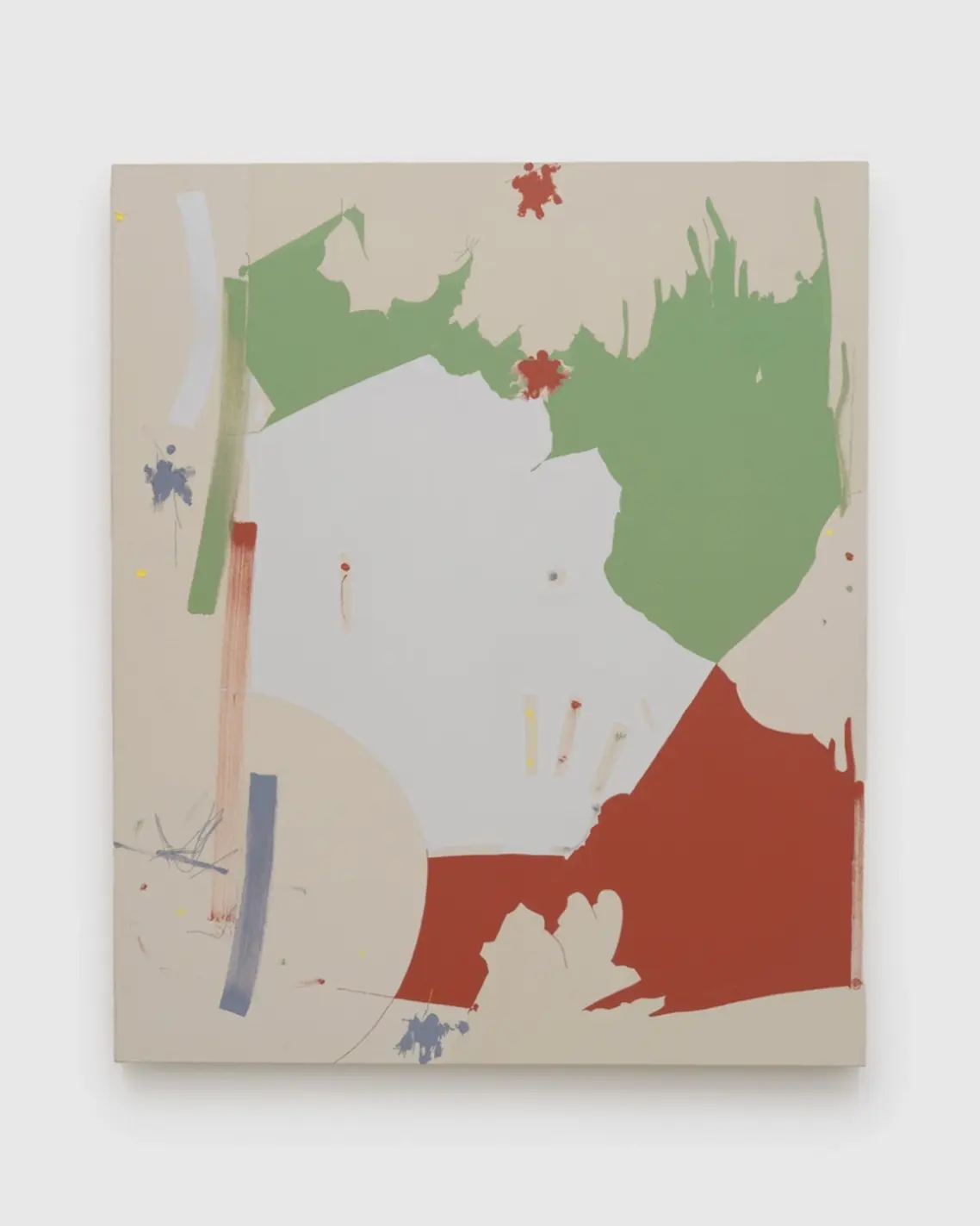
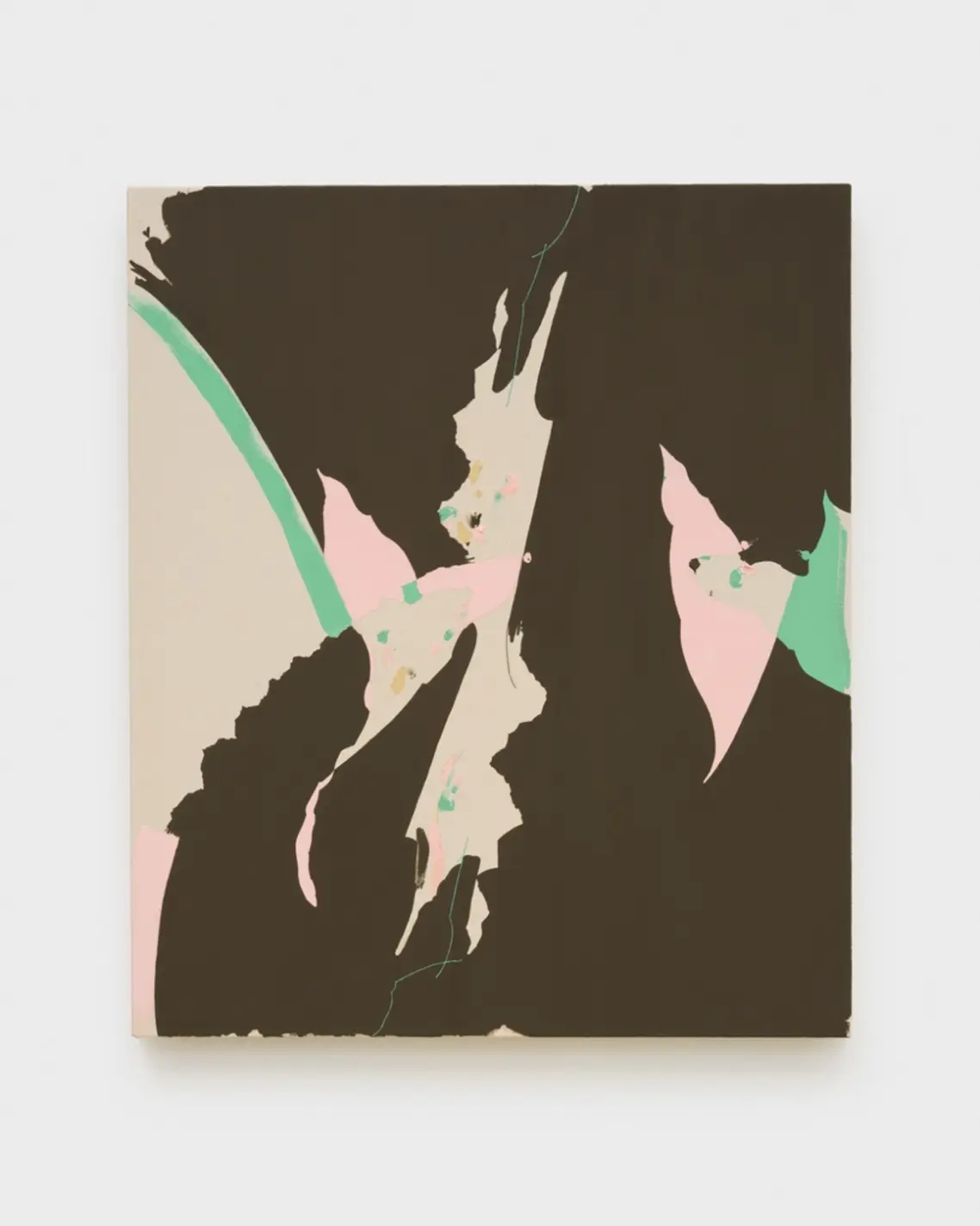
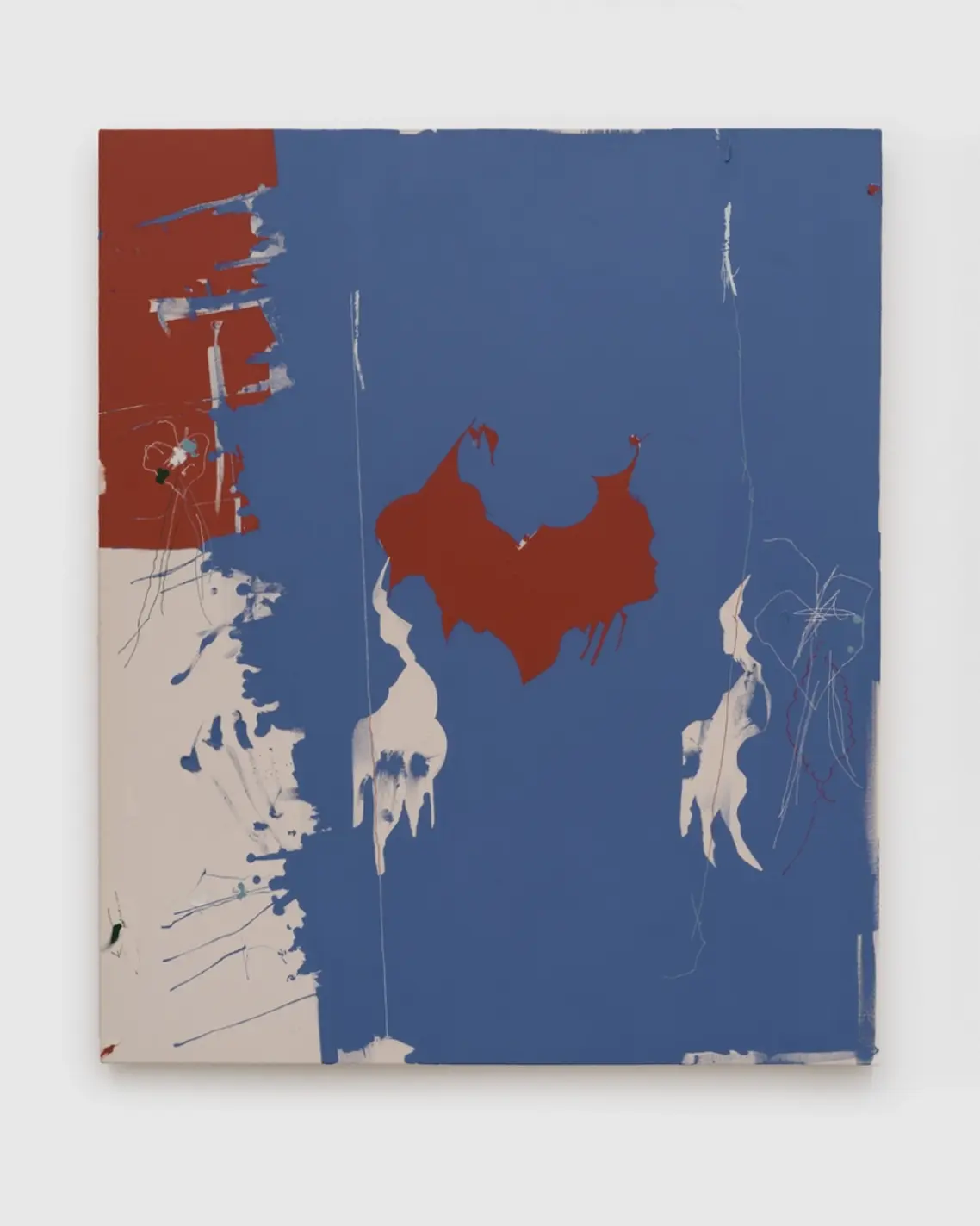
That sense of contrast is part of what makes gallery-hopping in New York so pleasurable, and Pace understands it well. One exhibition delivers vivid chromatic energy, another slows the eye through the intimacy of works on paper, and another lets late-career invention unfold with elegance and force.
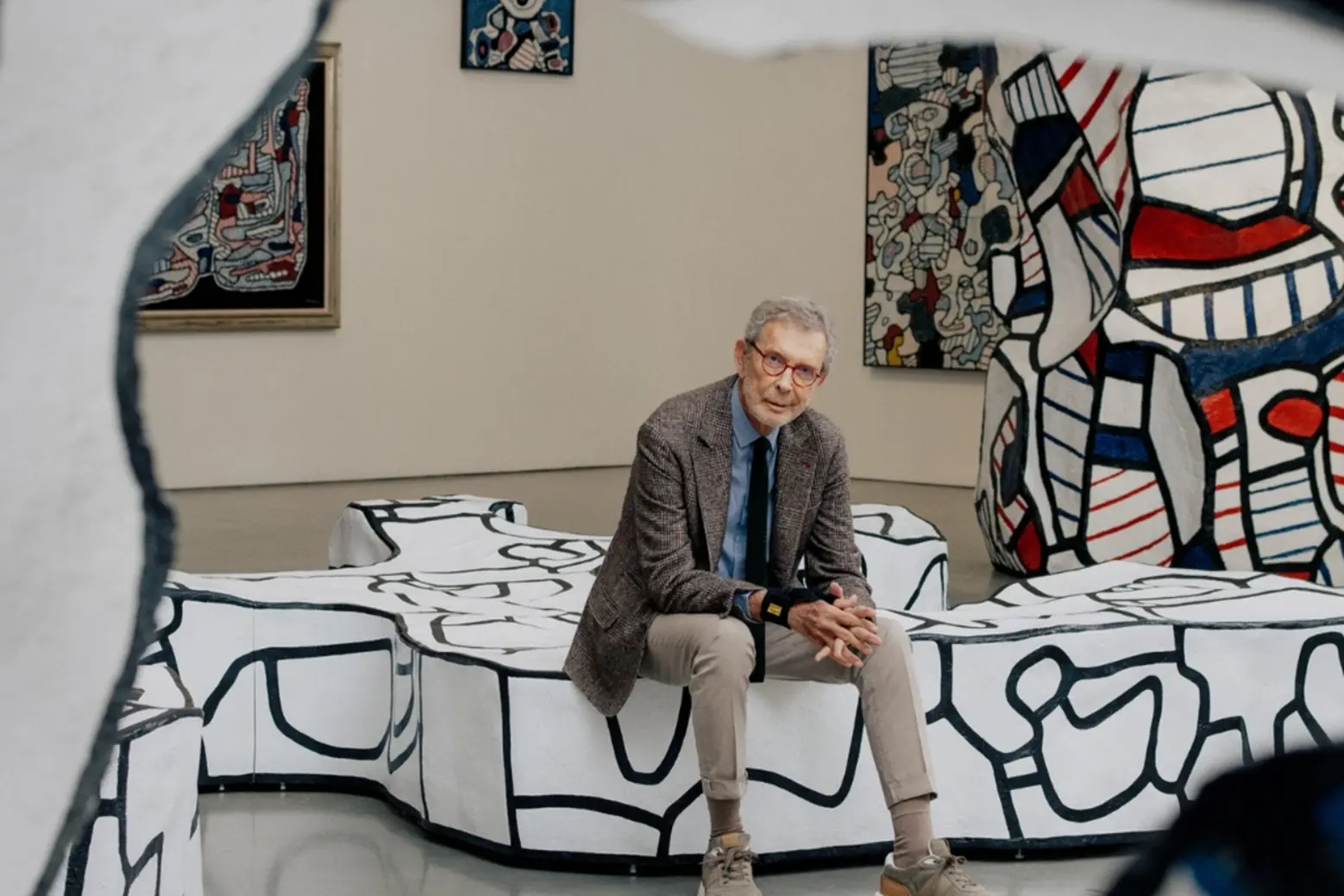
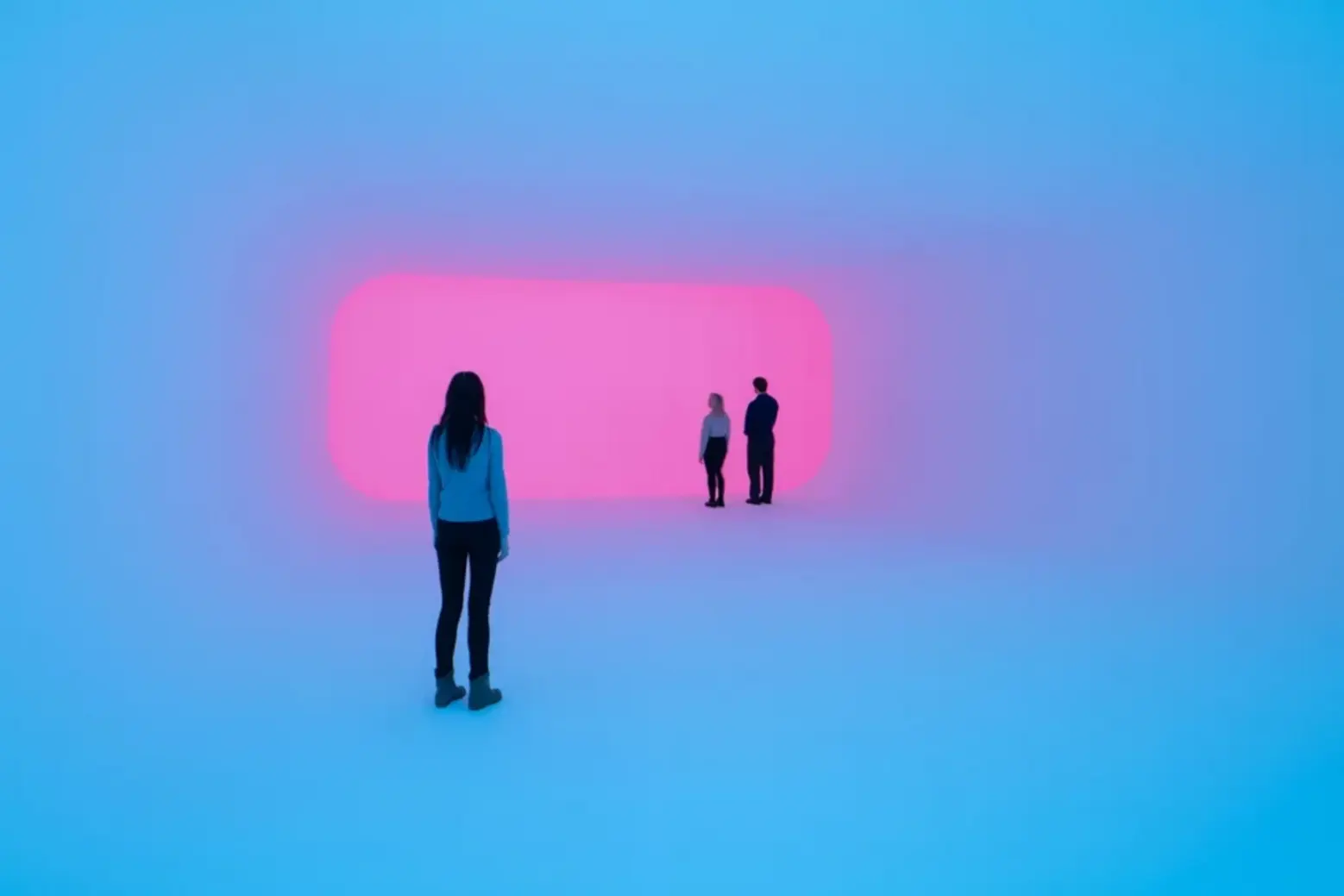
That curatorial confidence has deep roots. Founded by Arne Glimcher in Boston in 1960 before expanding into New York, Pace grew into one of the galleries that helped redefine what a contemporary gallery could be: Less a discreet showroom than a serious architectural and intellectual stage for art. It was also an early champion of artists associated with the Light and Space movement, including James Turrell (who famously helped design another contemporary art hub: Naoshima Island) and Robert Irwin, whose practices treated light itself as material. That legacy still shadows the gallery’s identity today, lending historical weight to its polished present tense.
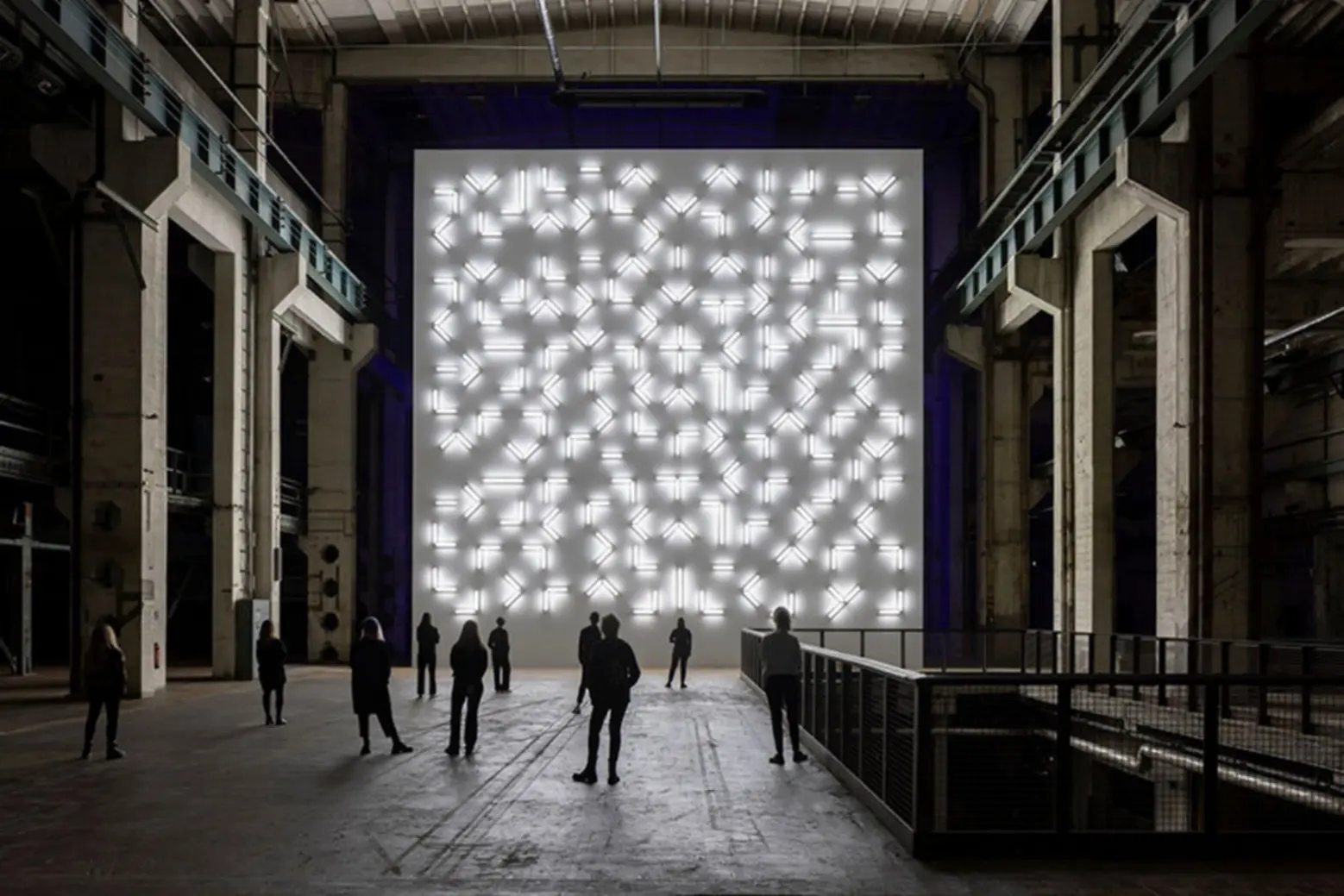
Chelsea still belongs to David Zwirner, especially for the visitor who wants museum-grade seriousness inside the sleek machinery of a commercial gallery. This season, one of its major draws is Elizabeth Peyton’s mountains in my heart (the death of Sarpedon) at the West 19th Street space, a show carrying particular charge as her first New York solo exhibition with the gallery. Peyton’s work has always possessed that rare and elegant intimacy that makes portraiture feel like confession, devotion, literature, and desire at once. In a city so fluent in spectacle, she offers something quieter and far more seductive: The art of sustained attention.
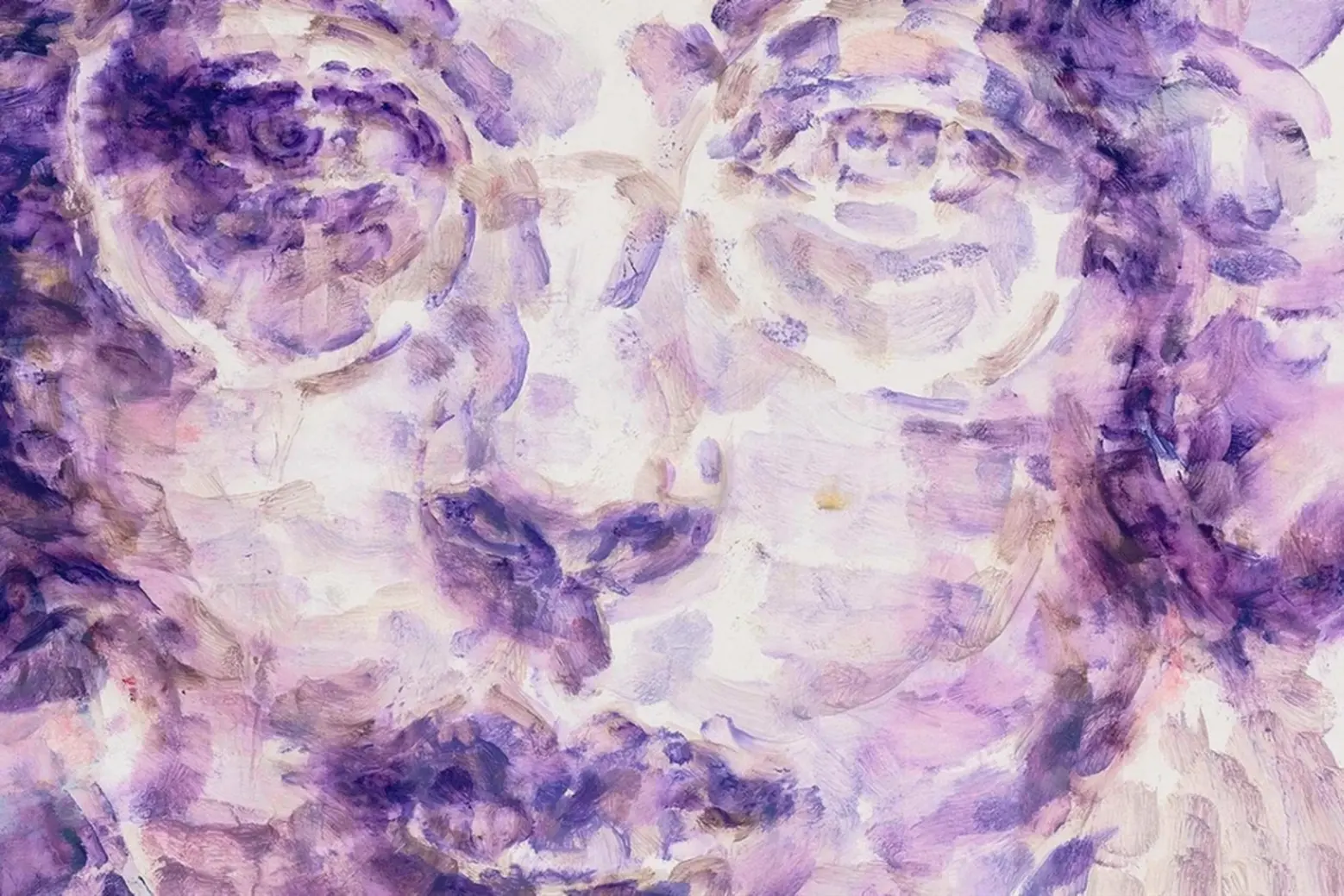
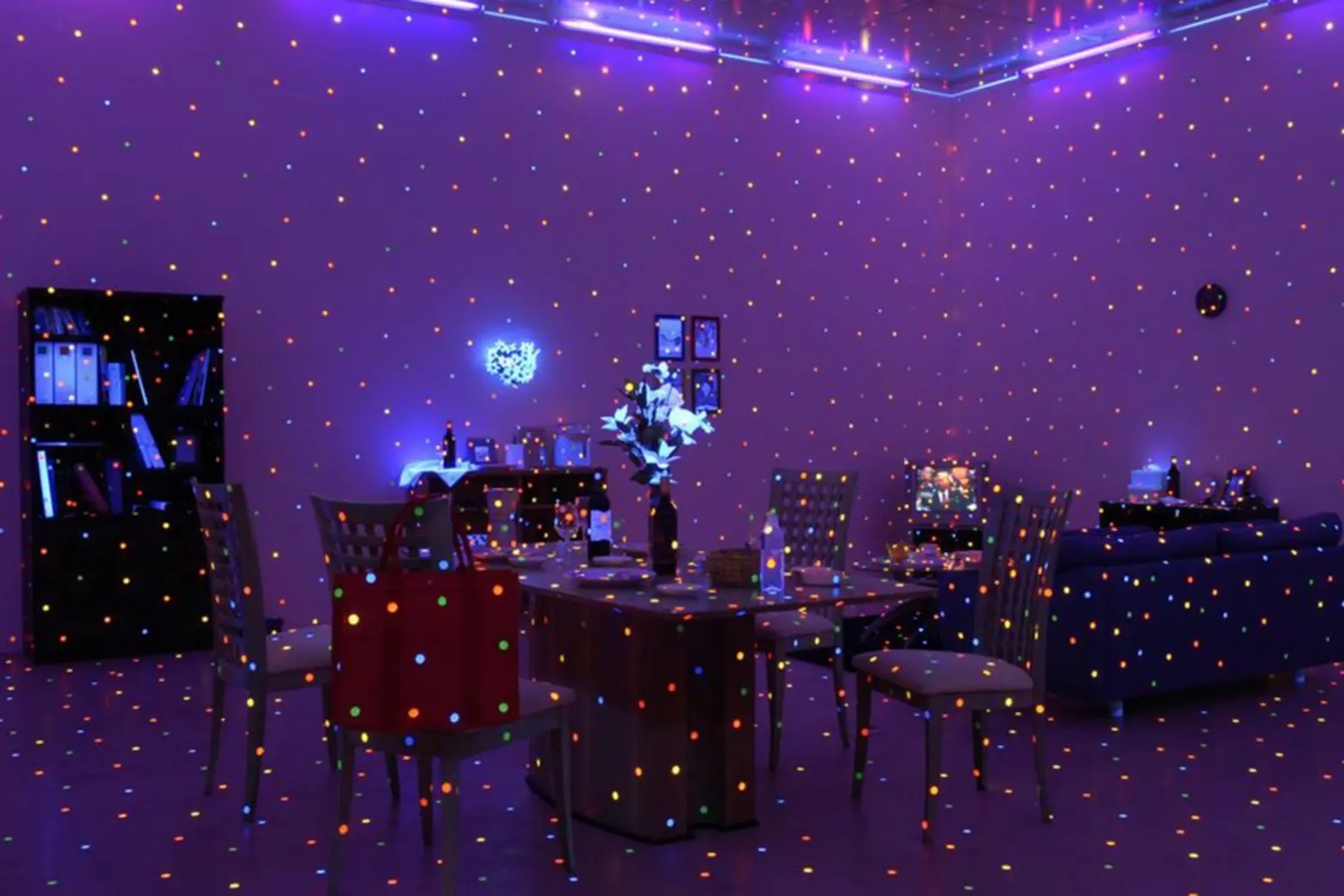
That atmosphere sits beautifully within David Zwirner’s larger identity. The gallery has built its reputation on blockbuster exhibitions with the intellectual weight and public pull of museum shows. Its 2013 Yayoi Kusama exhibition, I’m Here, but Nothing, became one of those landmark moments, with an Infinity Mirror Room captivating visitors so intensely that queues stretched around the block.
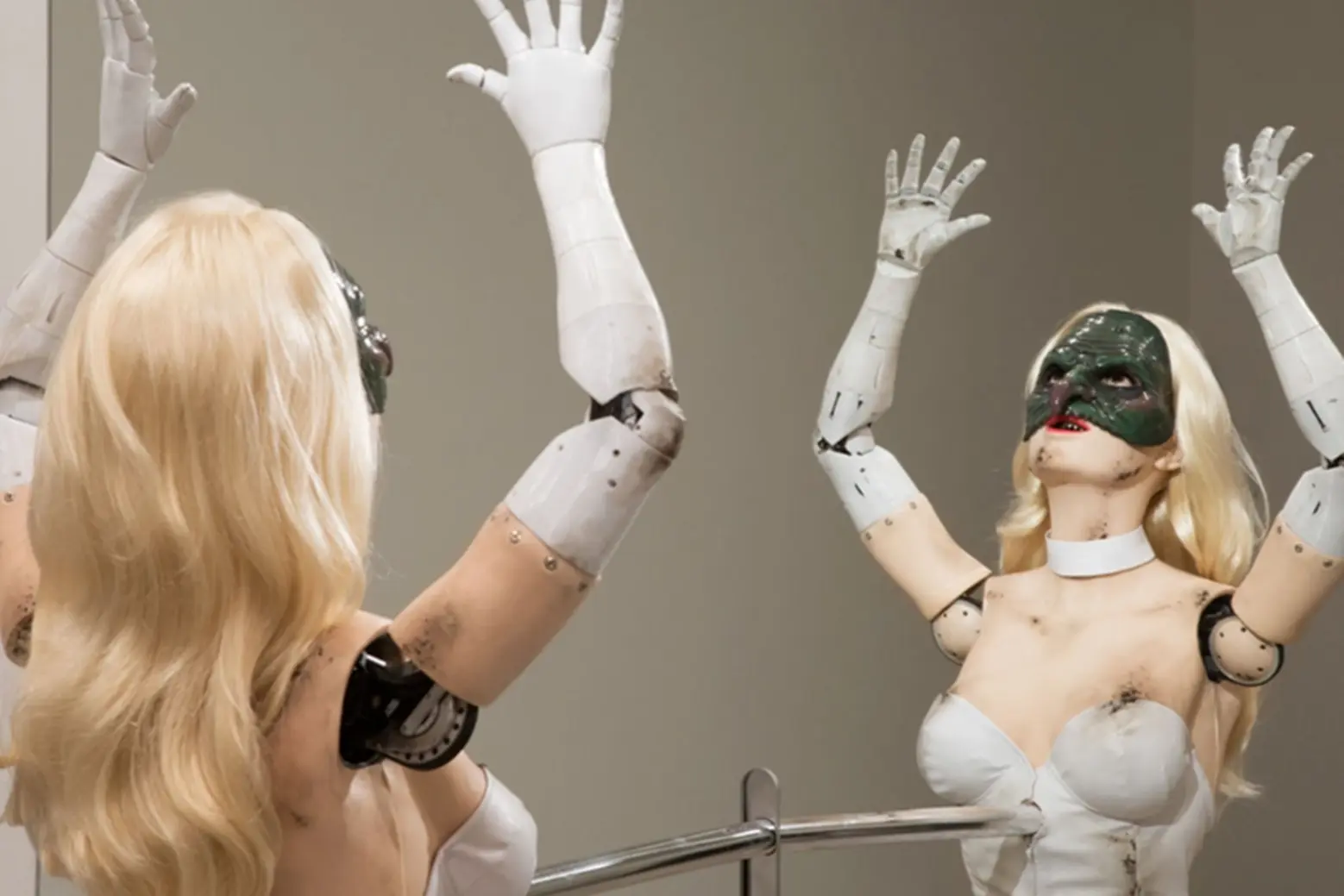
At the same time, Zwirner has often positioned itself at the frontier of how art is shown and circulated, becoming the first gallery to launch an Online Viewing Room in 2017, well before the digital exhibition model became an industry norm. Even within that polished reputation, the program has always allowed room for discomfort and confrontation. Artists like Jordan Wolfson have pushed the gallery into darker, more ethically volatile territory, with works such as Female Figure provoking fierce debate over the uncanny valley, the male gaze, and the unsettling mechanics of spectatorship itself.
So which one of these art galleries to see in New York to go first? Start where the city feels most awake to you. Start with the institution staging the loudest cultural argument. Start with the gallery showing the painting you cannot stop thinking about. Start with the downtown room that looks modest from the sidewalk and turns out to hold the best surprise of your week. In 2026, New York continues to offer all of those possibilities with style. The smartest way to see New York art, then, is by accepting that one day does not do the city justice. New York has much to give, save the Perrotin, the Gagosian and the FLAG for another day.