MENU
Close





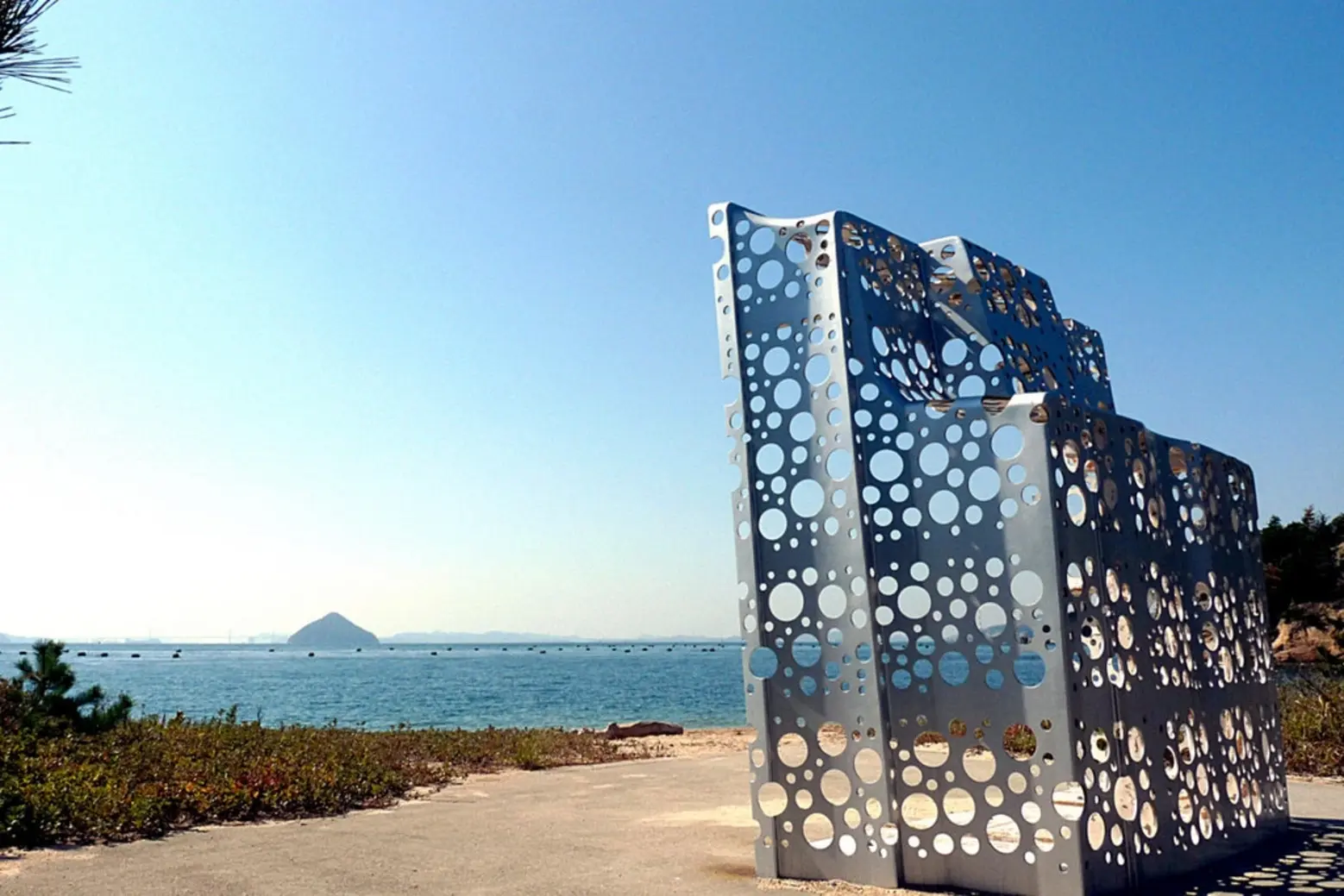
The first sensation of Naoshima island arrives before any museum ticket. A ferry glides into Miyanoura Port, the Seto Inland Sea flashing like brushed steel, and suddenly a polka dotted sculpture turns the harbor into a stage.
The first sensation of Naoshima island arrives before any museum ticket. A ferry glides into Miyanoura Port, the Seto Inland Sea flashing like brushed steel, and suddenly a polka dotted sculpture turns the harbor into a stage.
January 28, 2026


If Naoshima island has a signature material, it is Tadao Ando’s concrete — smooth, exacting, and strangely tender when paired with light.
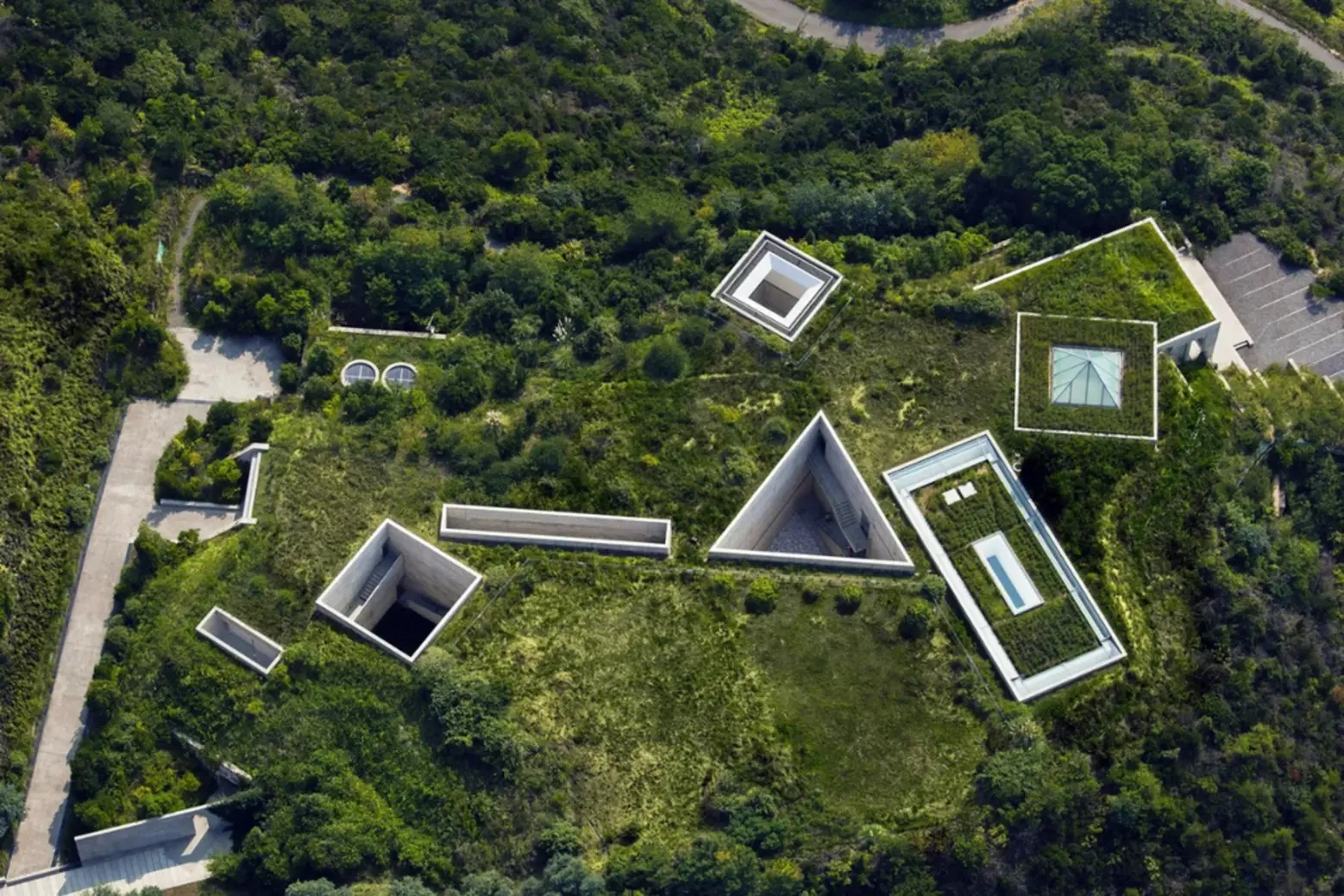
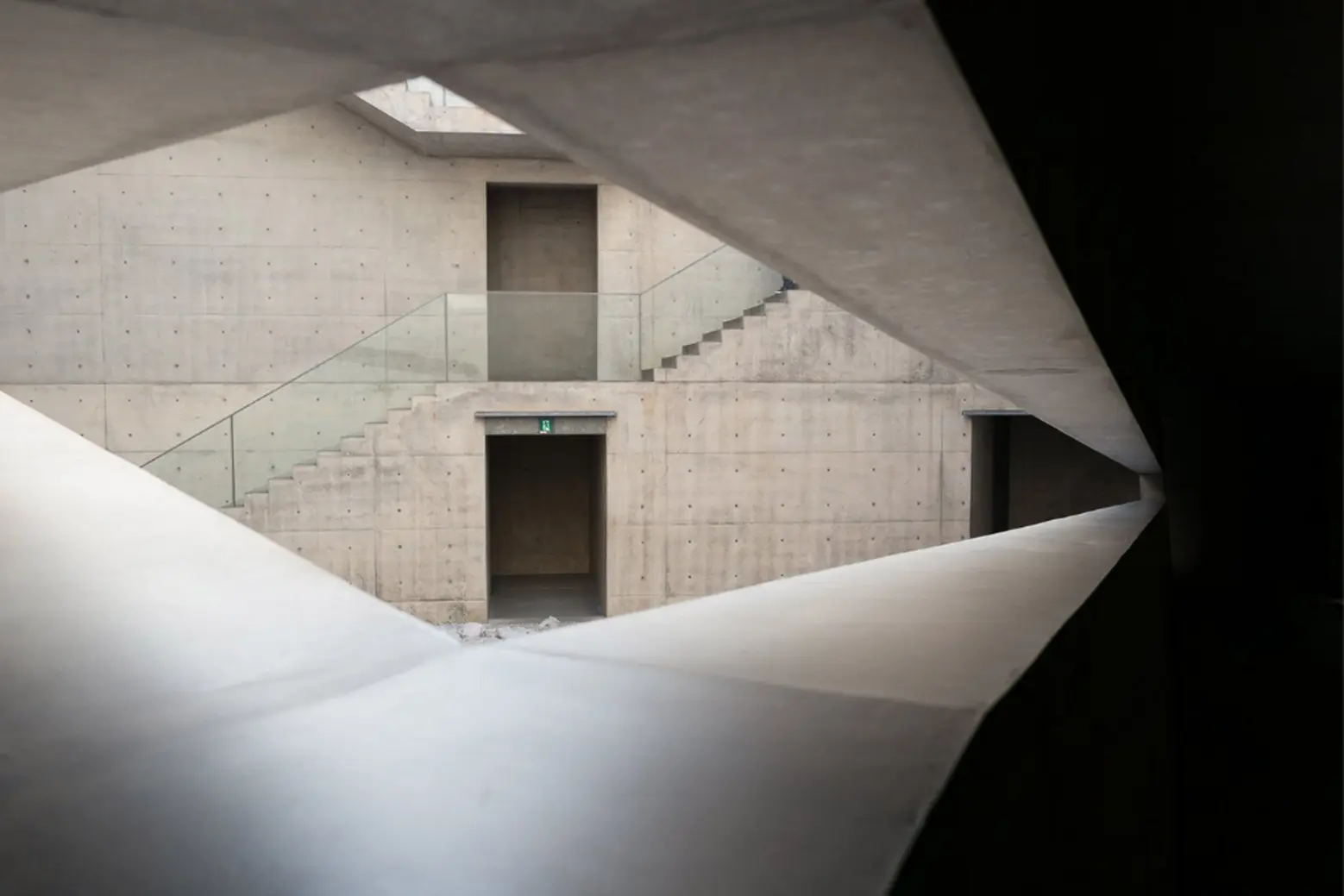
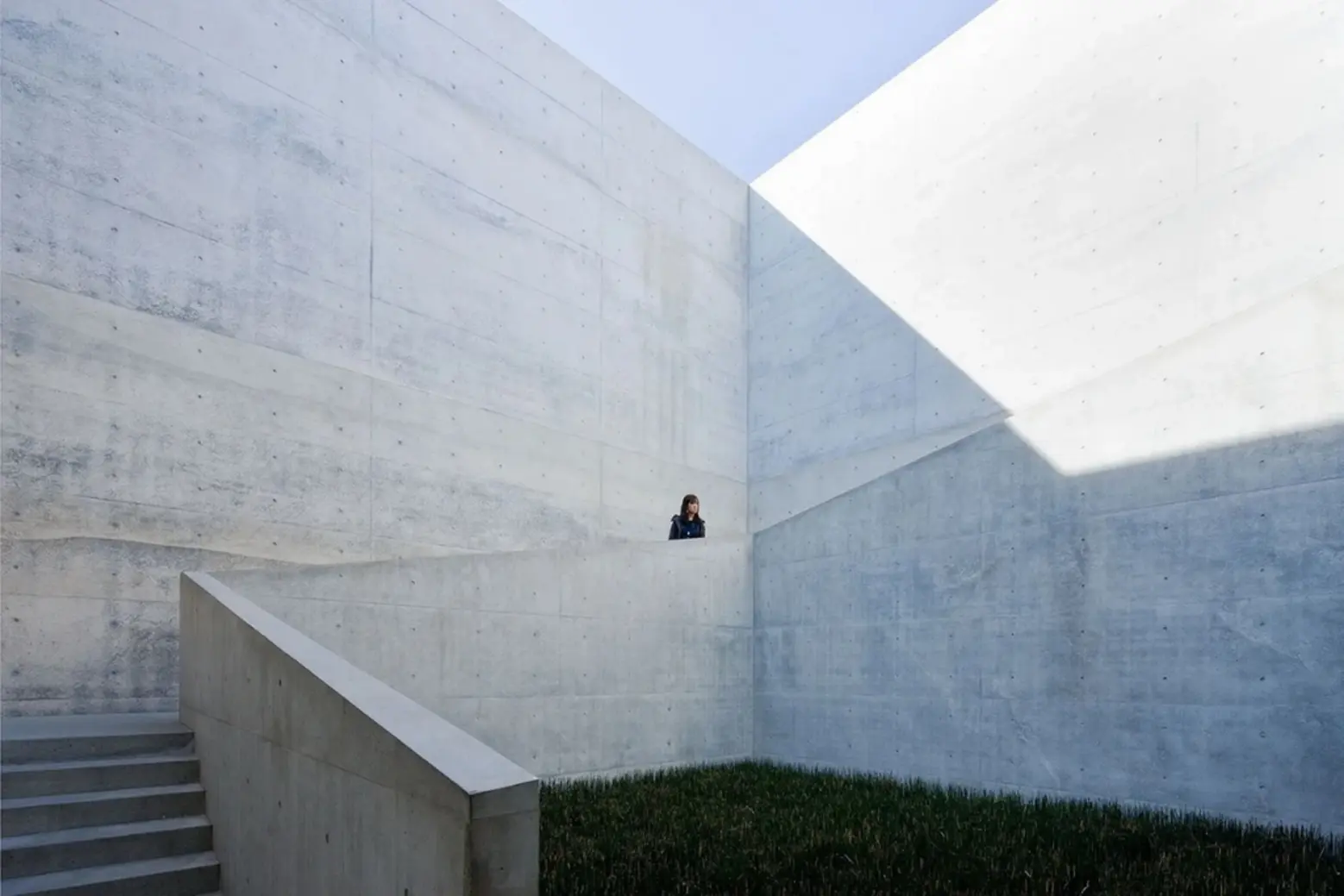
The Chichu Art Museum, completed in 2004, embodies the island’s ambition with almost theatrical restraint. Built mostly underground, it preserves the skyline while creating a sequence of geometric voids where daylight performs as a medium. Inside, permanent installations by Claude Monet, James Turrell, and Walter De Maria turn perception into the main exhibit: color shifts with passing clouds, a corridor becomes a calibration device for the eyes, and time feels measurable through brightness alone. Chichu Art Museum’s genius lives in its refusal to separate art from environment — every step is also a reading of weather.
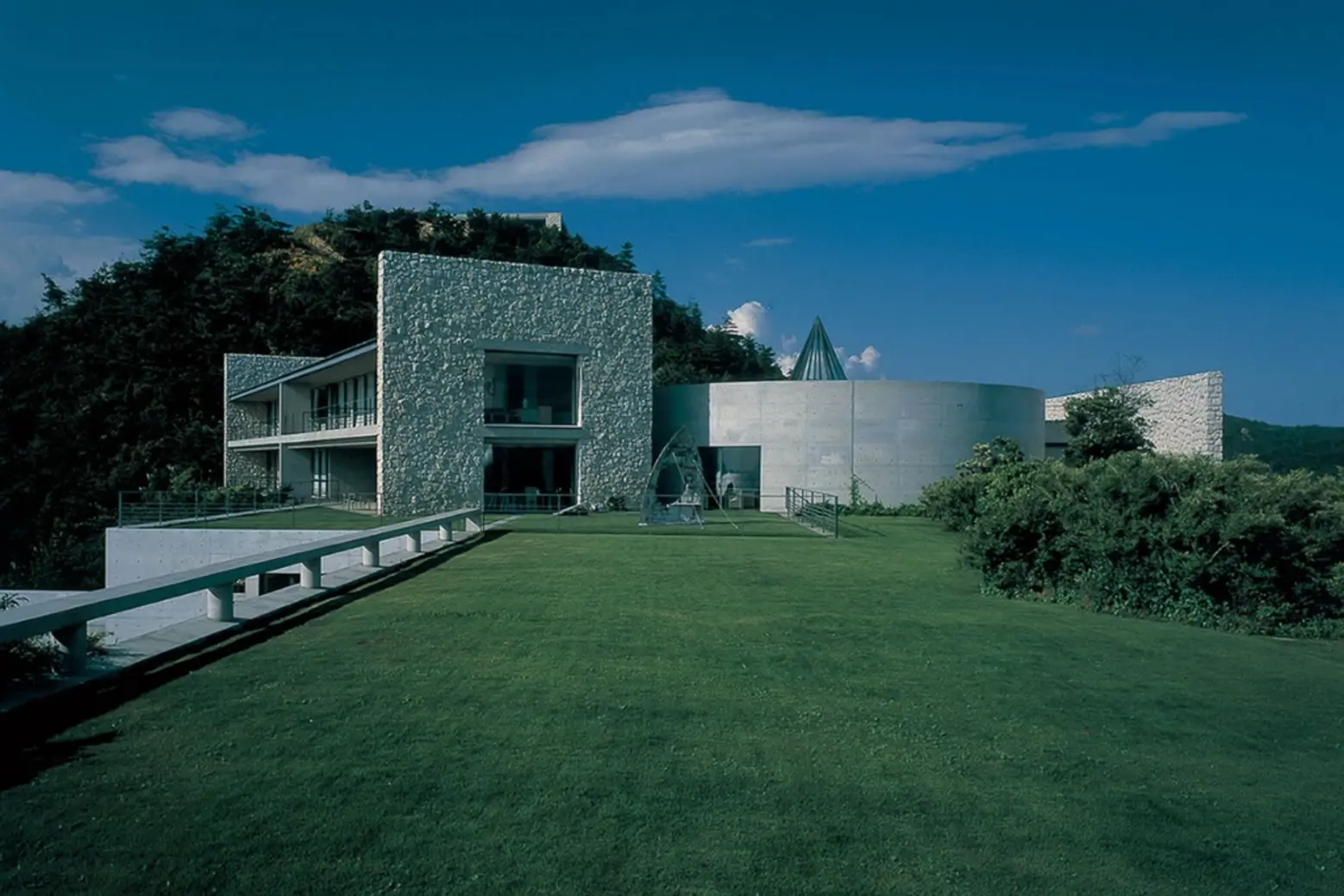
A short distance away, Benesse House Museum offers a different proposition: the museum as a place to live inside. Opened in 1992, it was conceived as an integrated museum and hotel, guided by the concept of “coexistence of nature, art and architecture.” Here, contemporary works inhabit galleries and outdoor paths with equal authority. A sculpture can appear at the edge of the sea like a private encounter, while a hallway window frames the Inland Sea as if it were a commissioned canvas. Staying overnight shifts the tempo of seeing: early morning becomes a VIP preview, dusk turns concrete into velvet, and the island’s quiet becomes part of the collection.
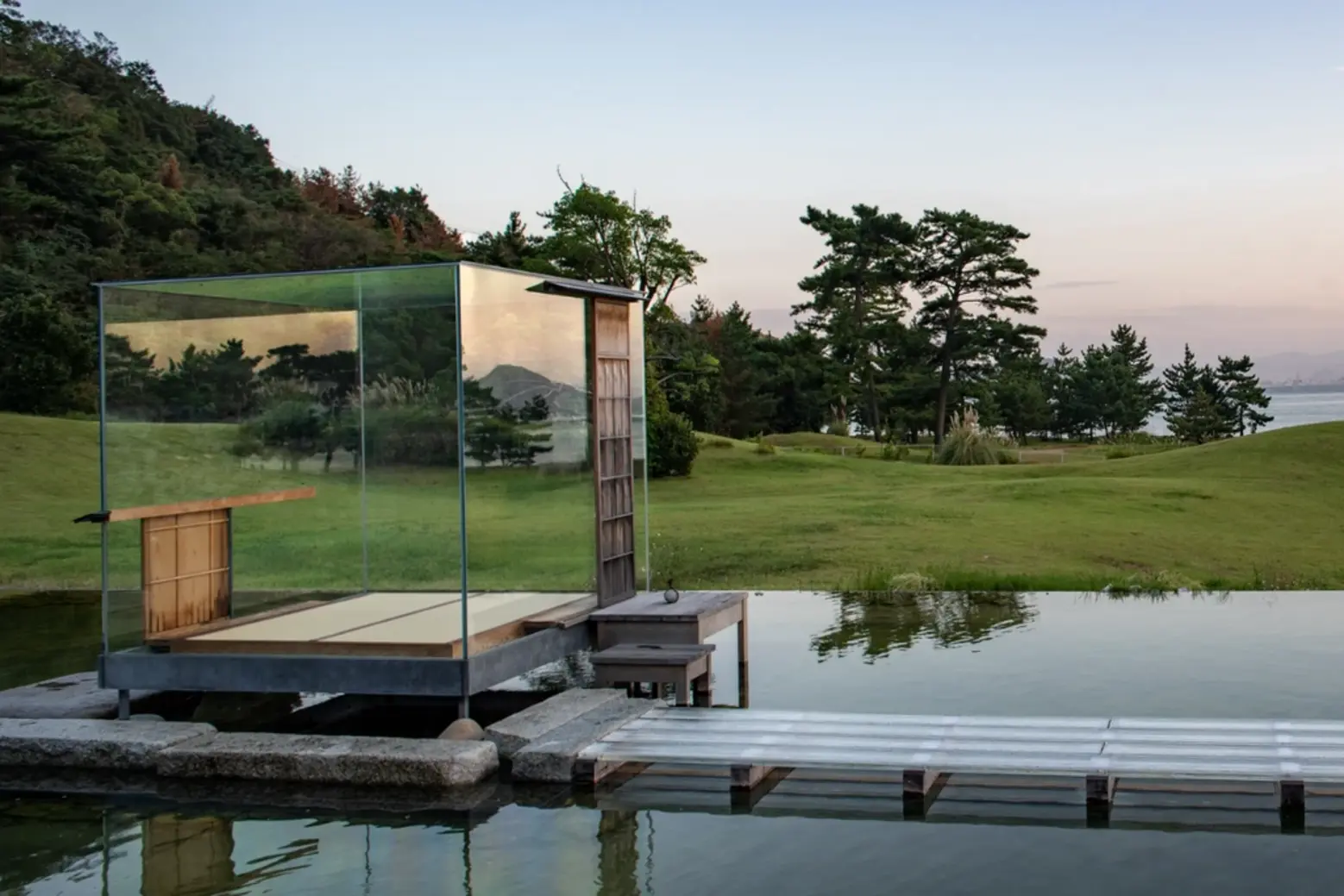
Minimalism reaches its purest emotional pitch at the Lee Ufan Museum. Designed by Ando as a semi-underground structure, the museum holds paintings and sculptures spanning decades of Lee Ufan’s practice, resonating with an architecture built for stillness. Lee’s vocabulary — stone, steel, measured intervals, makes space feel active. The distance between a slab of iron and a wall becomes a charged field; the hush around a work feels intentional rather than incidental. In Naoshima’s ecosystem, this museum reads like a thesis: less spectacle, more attunement.
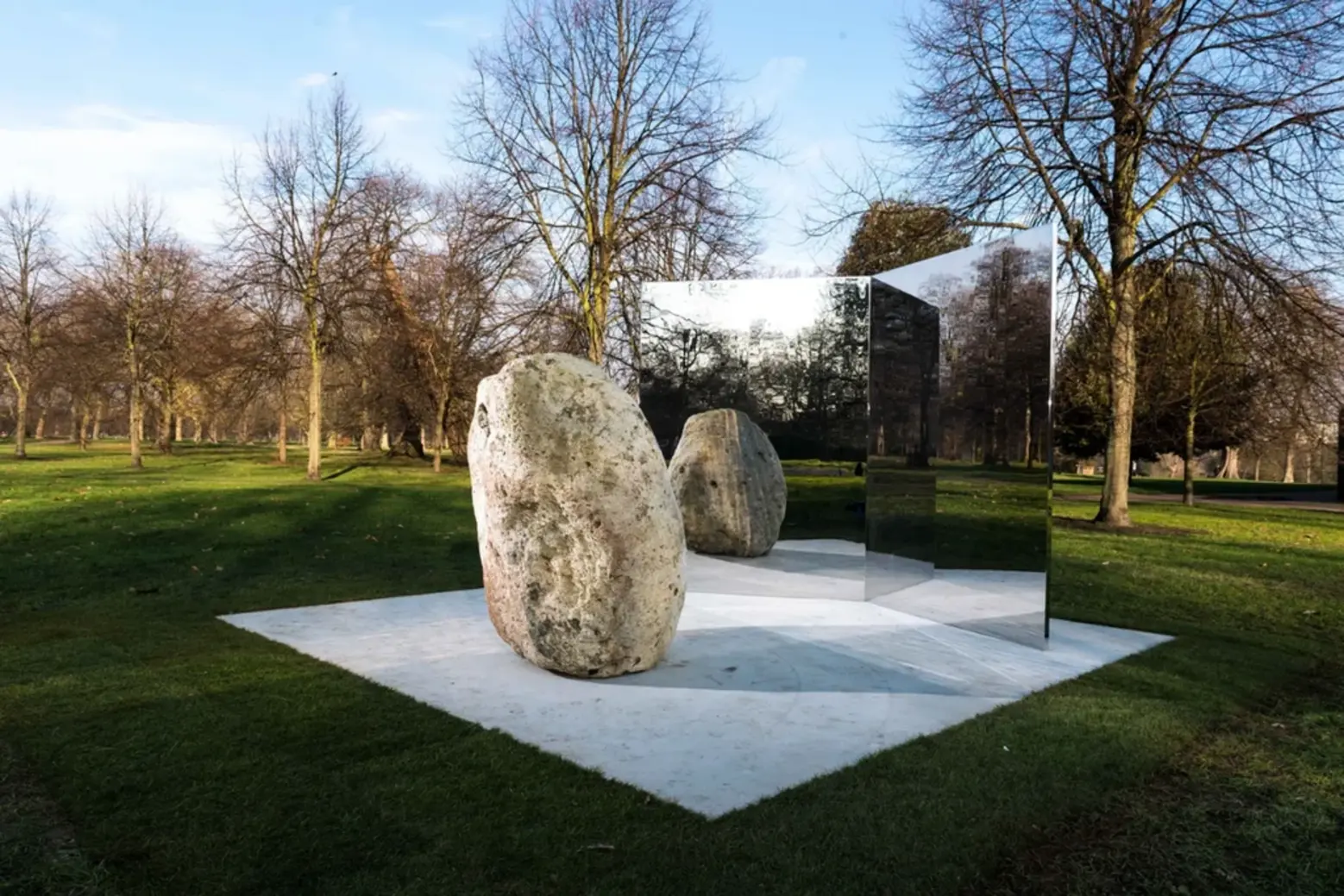
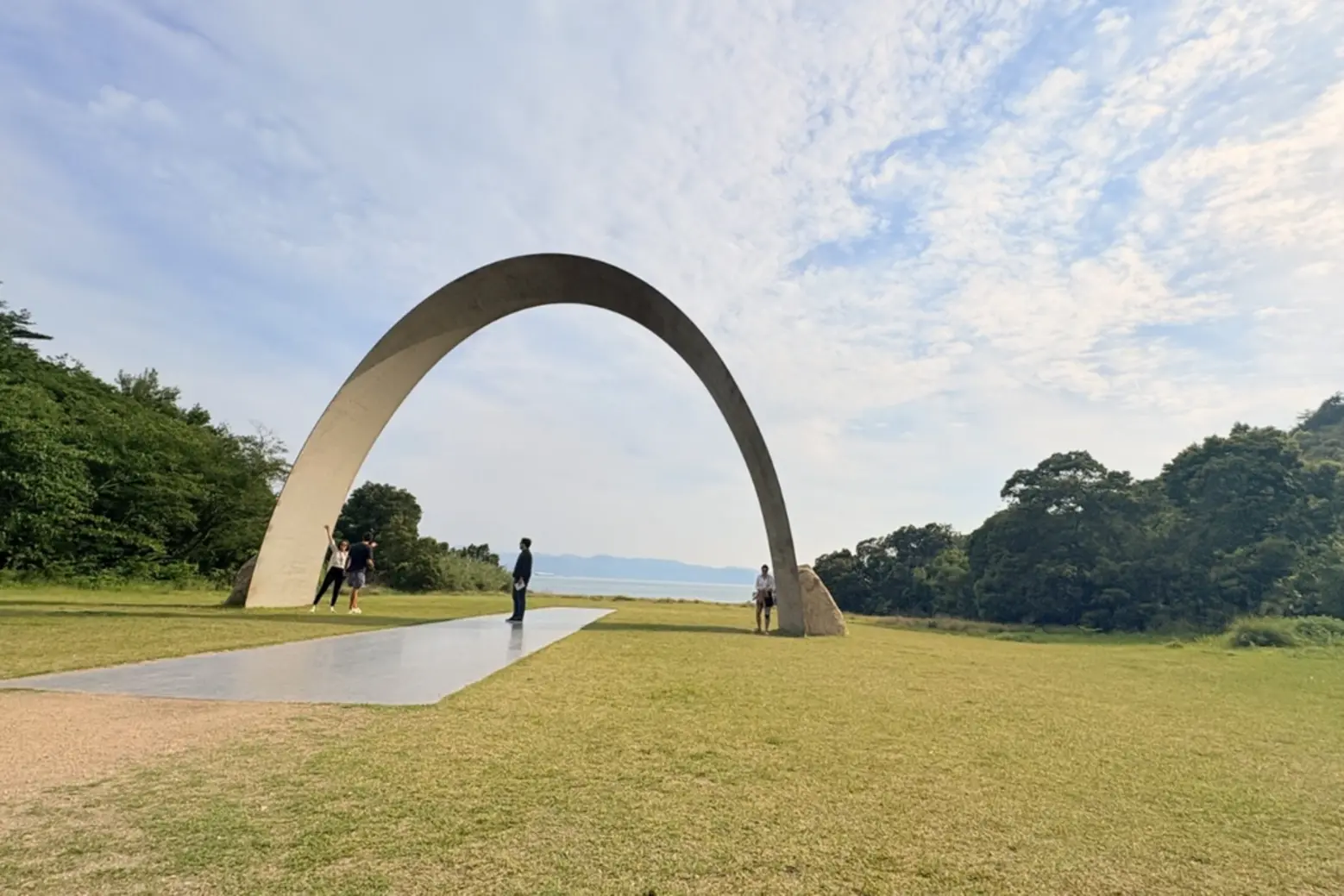
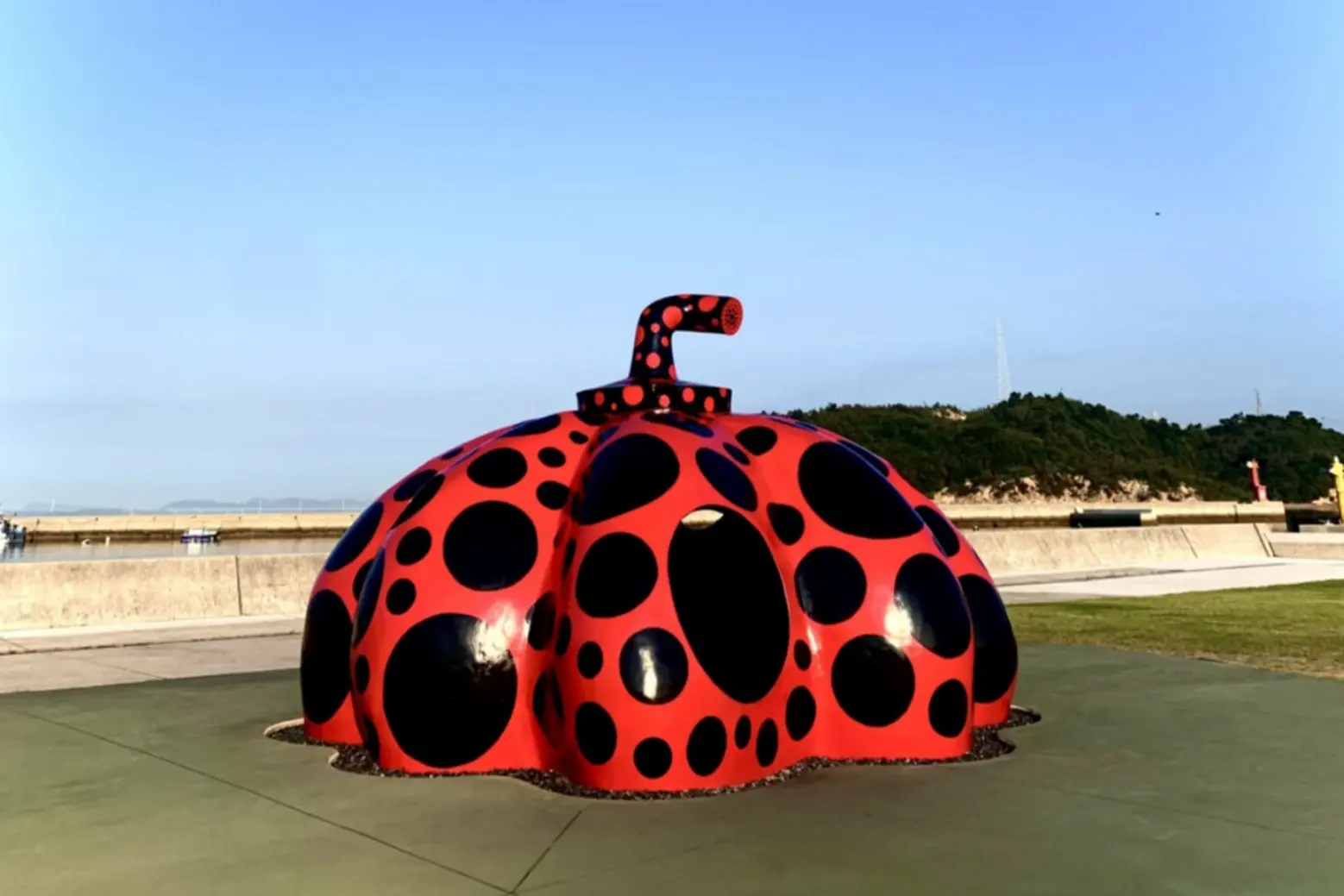
Outdoor icons complete the island’s visual mythology. Yayoi Kusama's Pumpkins anchor two emotional poles of arrival and pilgrimage: The Red Pumpkin at Miyanoura Port, installed in 2006, greets visitors as a bright, walkable landmark at the edge of the ferry terminal energy. Across the island, Yayoi Kusama's Yellow Pumpkin — first shown in 1994 as part of an open-air exhibition, sits at the end of a pier, its dotted skin set against a wide horizon, turning a simple waterfront into a global image. These works operate like punctuation marks in the landscape, helping visitors orient themselves by color, shape, and the promise of a photograph that doubles as a memory.
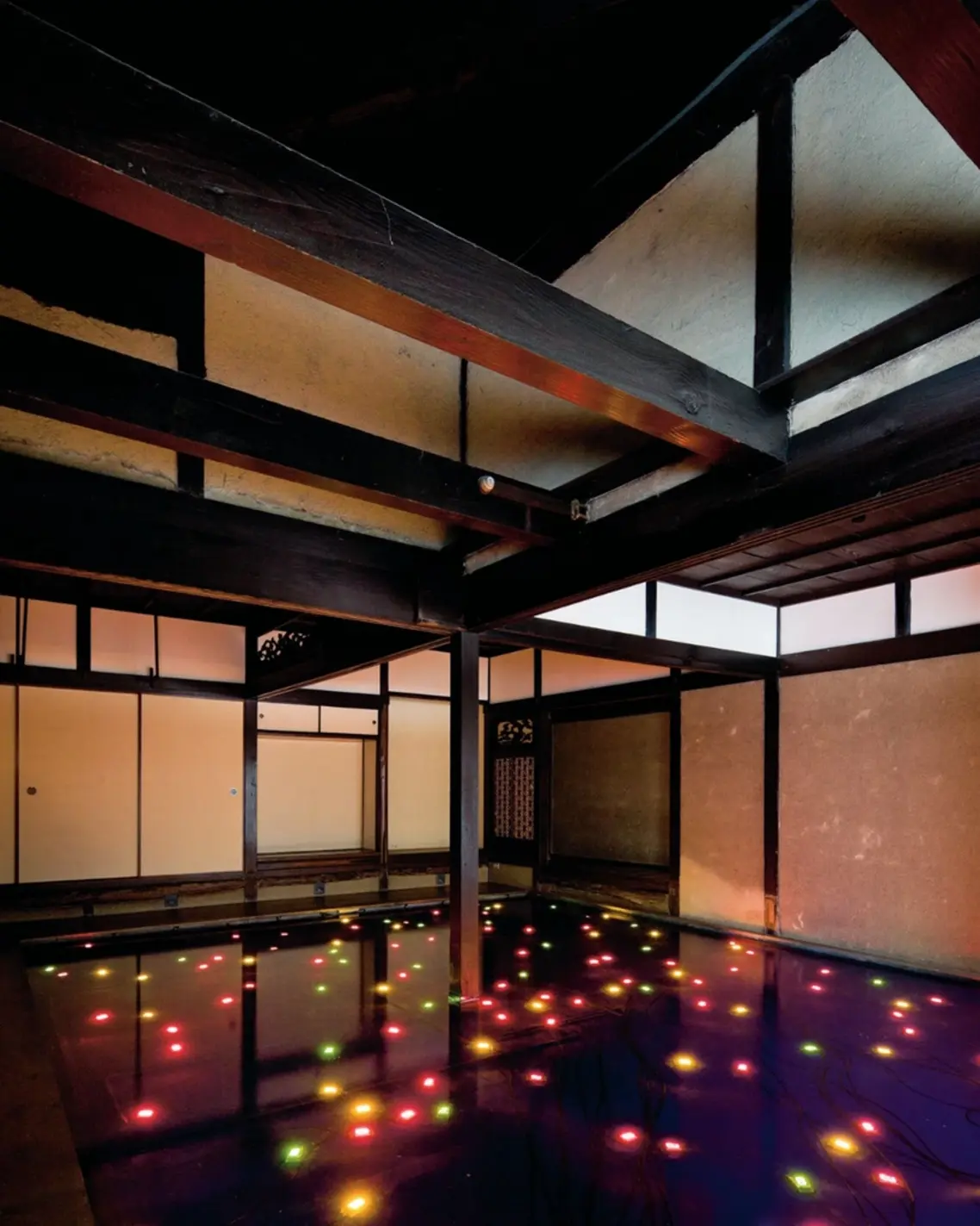
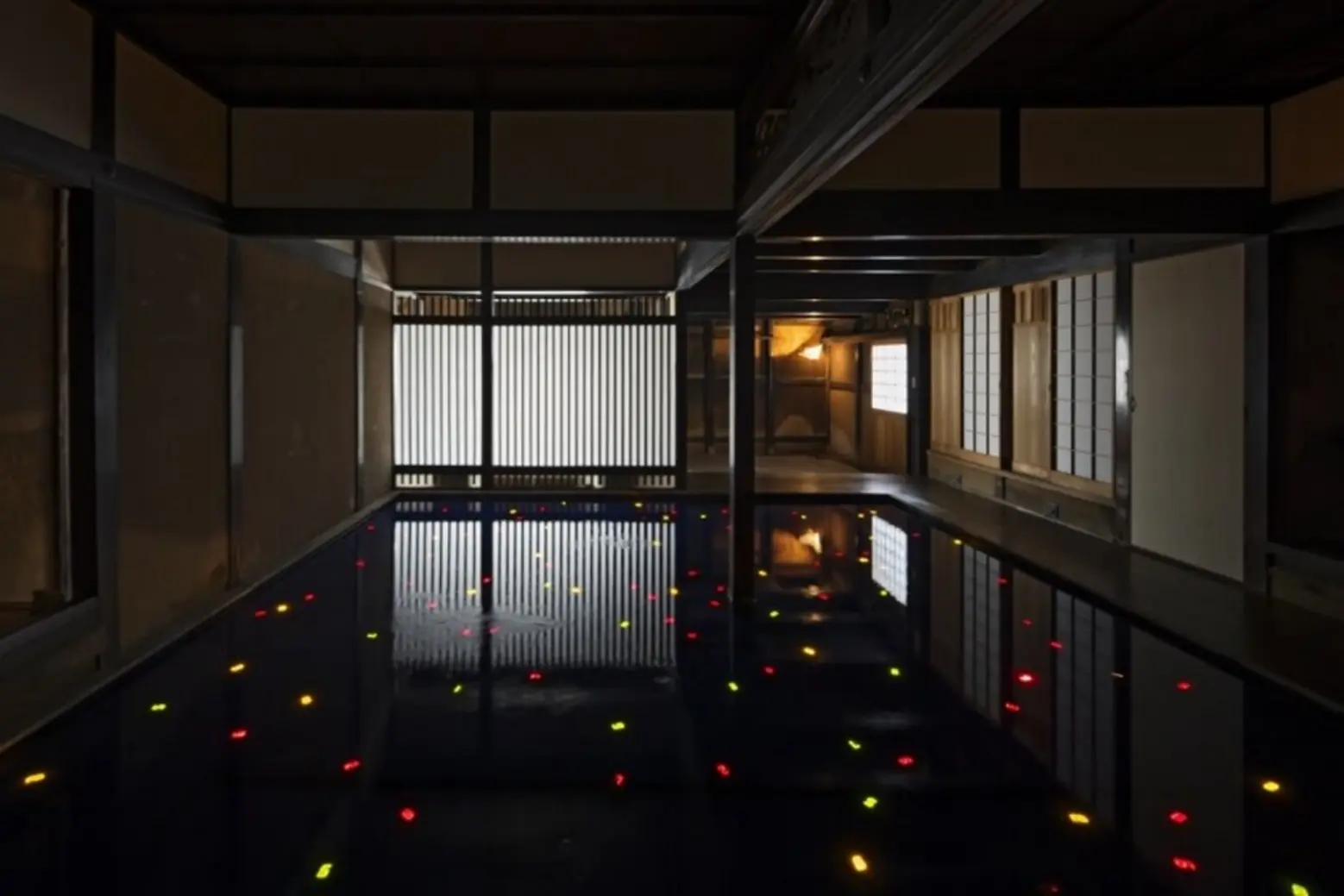
Naoshima’s most radical gesture may be the way art threads through an ordinary village. In Honmura, the Art House Project turns disused traditional houses, a shrine, and other structures into permanent installations. It began in 1998 with Kadoya, a roughly 200-year-old house restored with traditional finishes, where Tatsuo Miyajima’s “Sea of Time ’98” was created with the participation of townspeople. Nearby, Minamidera — designed by Ando on the former site of a temple — houses a James Turrell work that treats darkness and faint light as sculptural substances, with timed entry reinforcing the piece’s ritualistic rhythm. Walking between these sites, visitors pass laundry lines, small gardens, and quiet corners where island life continues, gently refusing to become a backdrop.
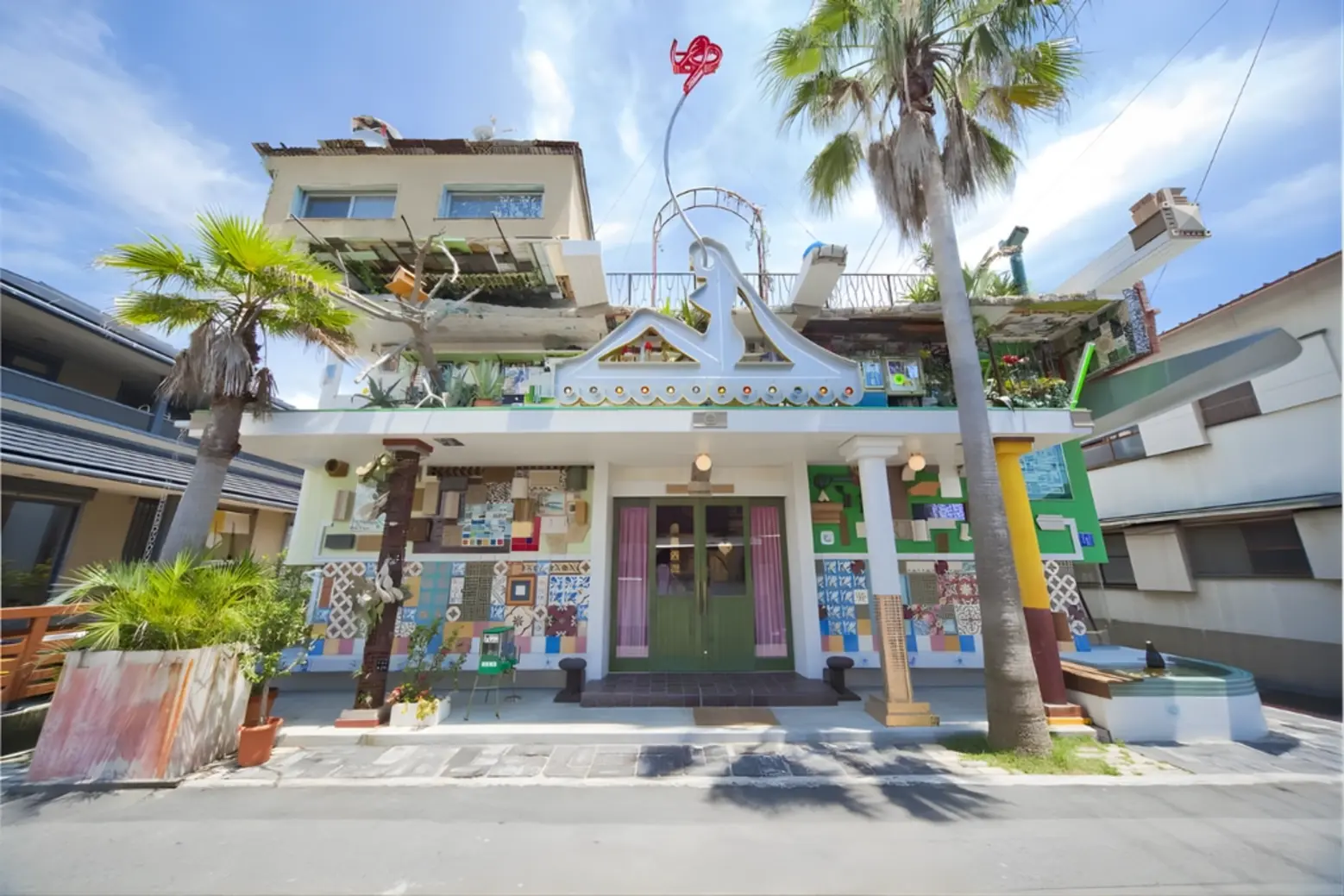
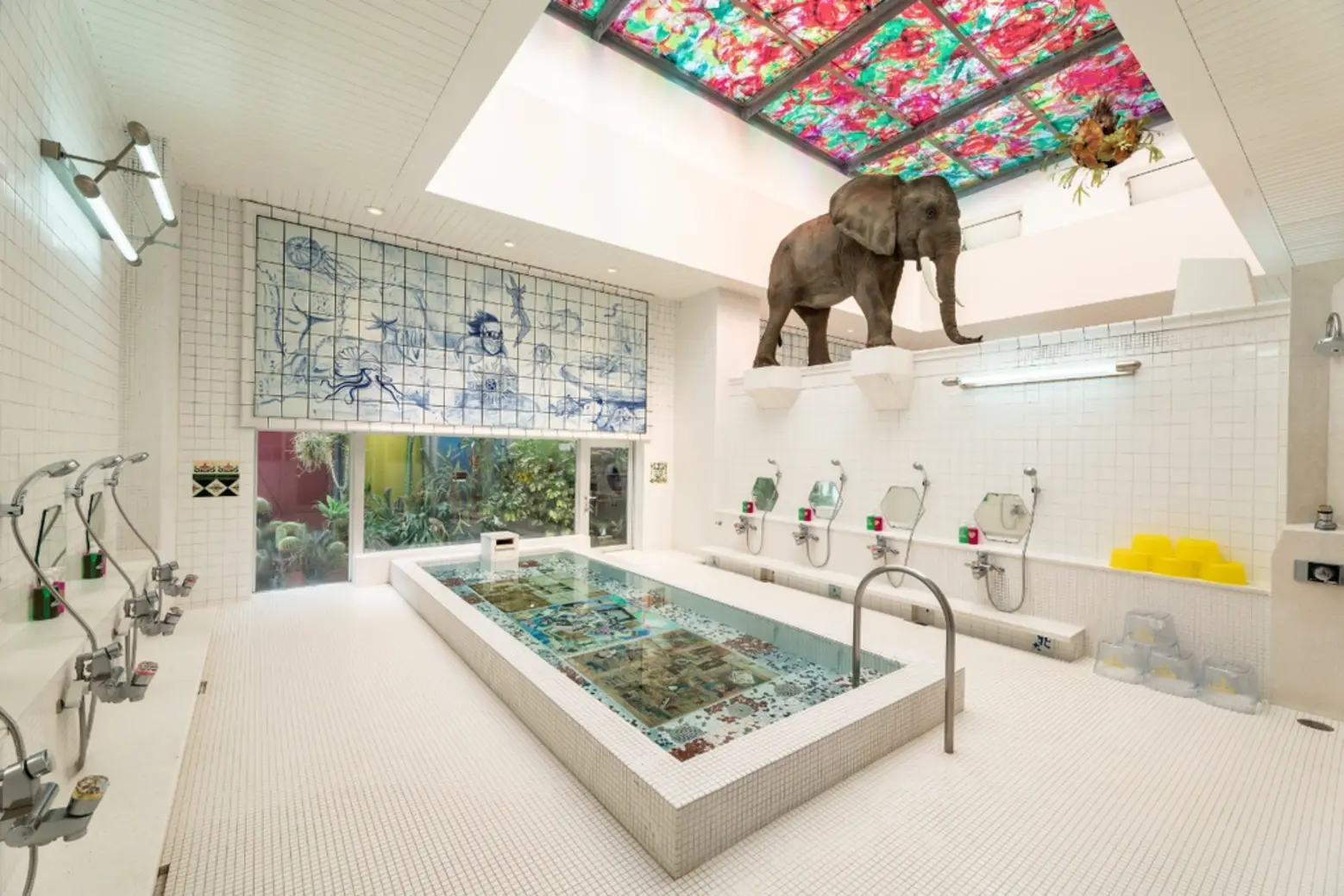
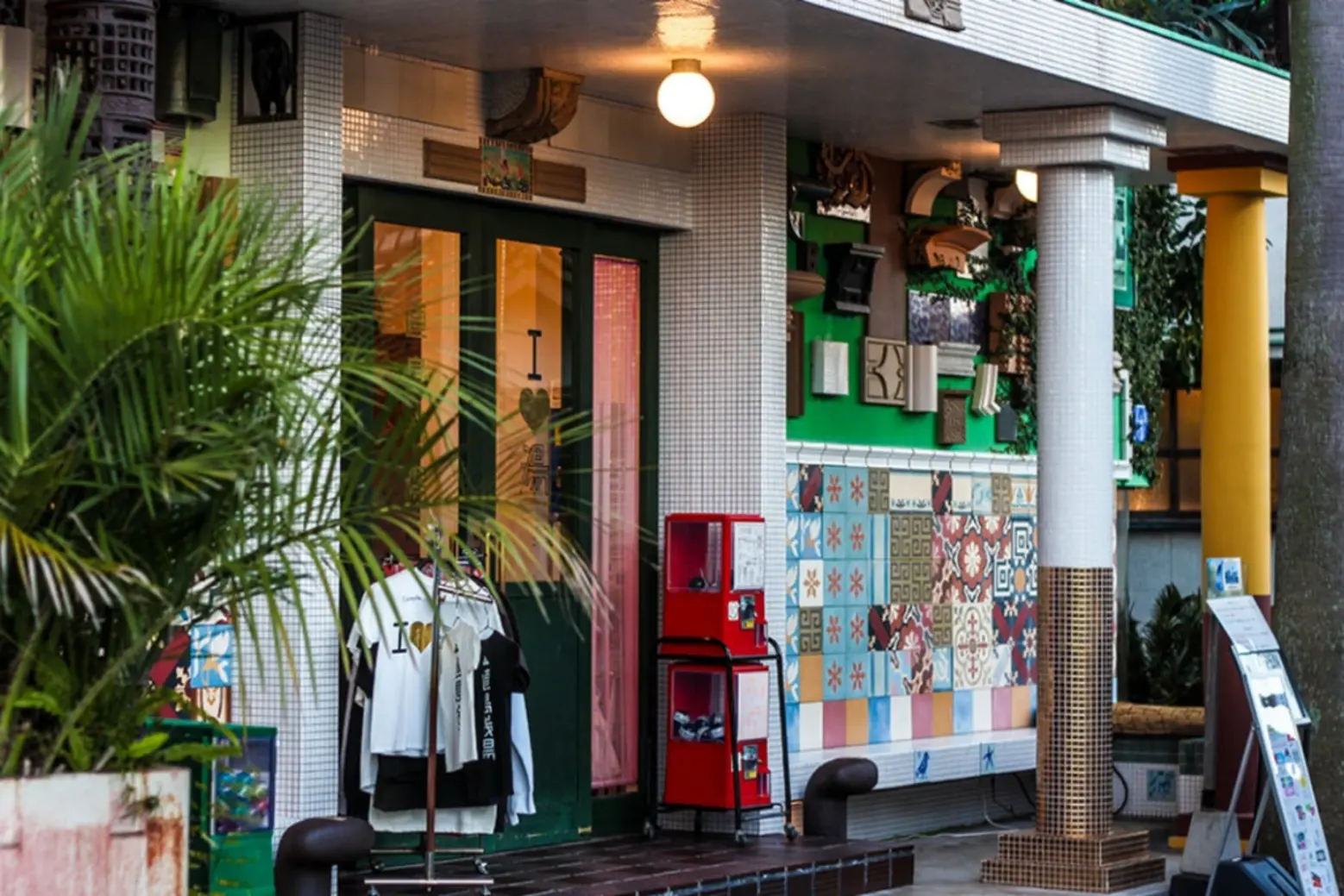
Then comes the delightfully unpretentious counterpoint: Naoshima Bath “I♥湯,” a functioning public bathhouse conceived by artist Shinro Ohtake. Opened in 2009, it was created to serve residents and to spark exchanges between locals and visitors, wrapping the ritual of bathing inside an exuberant collage of color, mosaics, and found imagery. In a place celebrated for minimalism, the bathhouse provides a necessary maximalist pulse — proof that community art can feel playful, social, and slightly surreal, all while remaining useful.
Naoshima’s story also keeps evolving. The Naoshima New Museum of Art opened on May 31, 2025, on a hilltop near Honmura, designed by Ando as his tenth architectural work within the Benesse Art Site Naoshima constellation. The museum focuses on contemporary art from the Asian region, combining collection building with special exhibitions and public programs. Its arrival signals something important: Naoshima is moving from a celebrated set of landmarks toward a broader conversation about regional voices and future-facing cultural identity, all while staying faithful to the island’s scale and atmosphere.
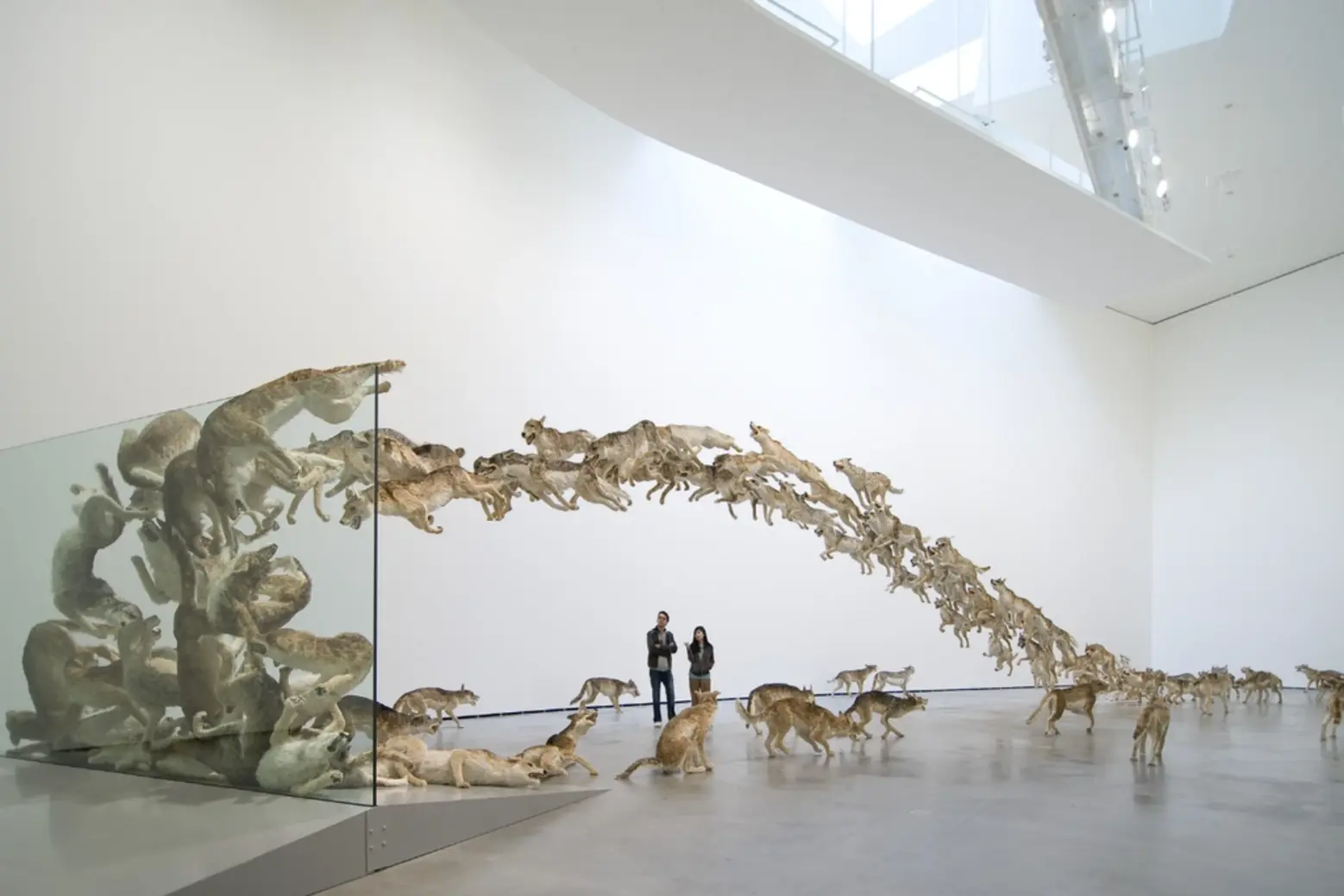
Naoshima New Museum of Art opens like a “living” debut: its inaugural exhibition, From the Origin to the Future, begins as an ambitious 12 artist survey and then keeps breathing through rotations and updates into 2026, with headline works that move from visceral spectacle to intimate memory, from Cai Guo-Qiang’s Head On (99 life-sized wolves surging toward a clear wall in a loop of collective will and collapse) to Takashi Murakami’s monumental 13-meter folding screen, Do Ho Suh’s translucent fabric “Hub” corridors that stitch Seoul, New York, London, and a newly added Naoshima-inspired passage into one autobiographical architecture, Heri Dono’s ceiling-suspended angels bearing torpedoes in darkly comic political allegory, and Thai artist Pannaphan Yodmanee’s Benesse Prize–linked mural-and-sculpture environment that fuses Buddhist cosmology with the visual language of modern science and industry.
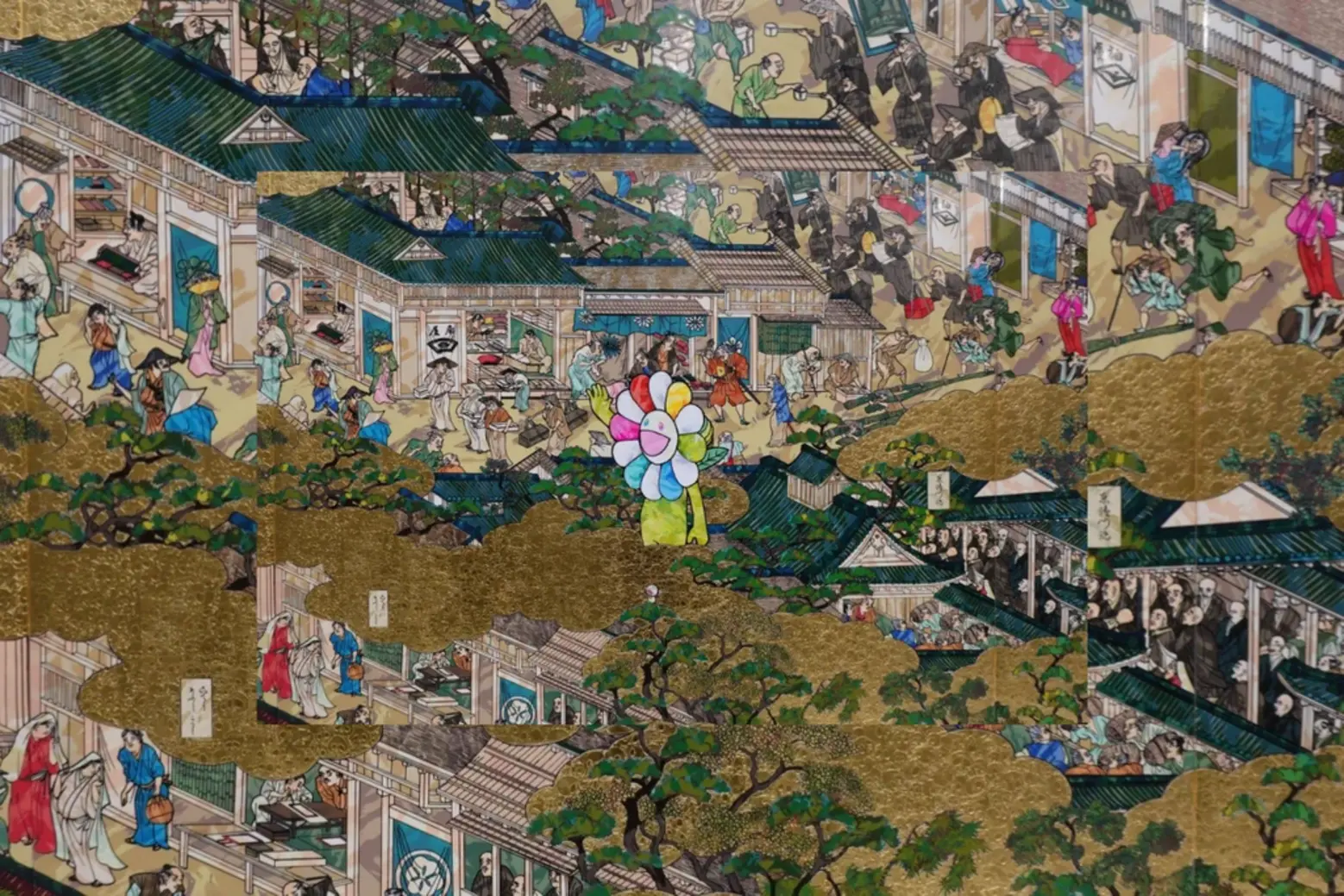
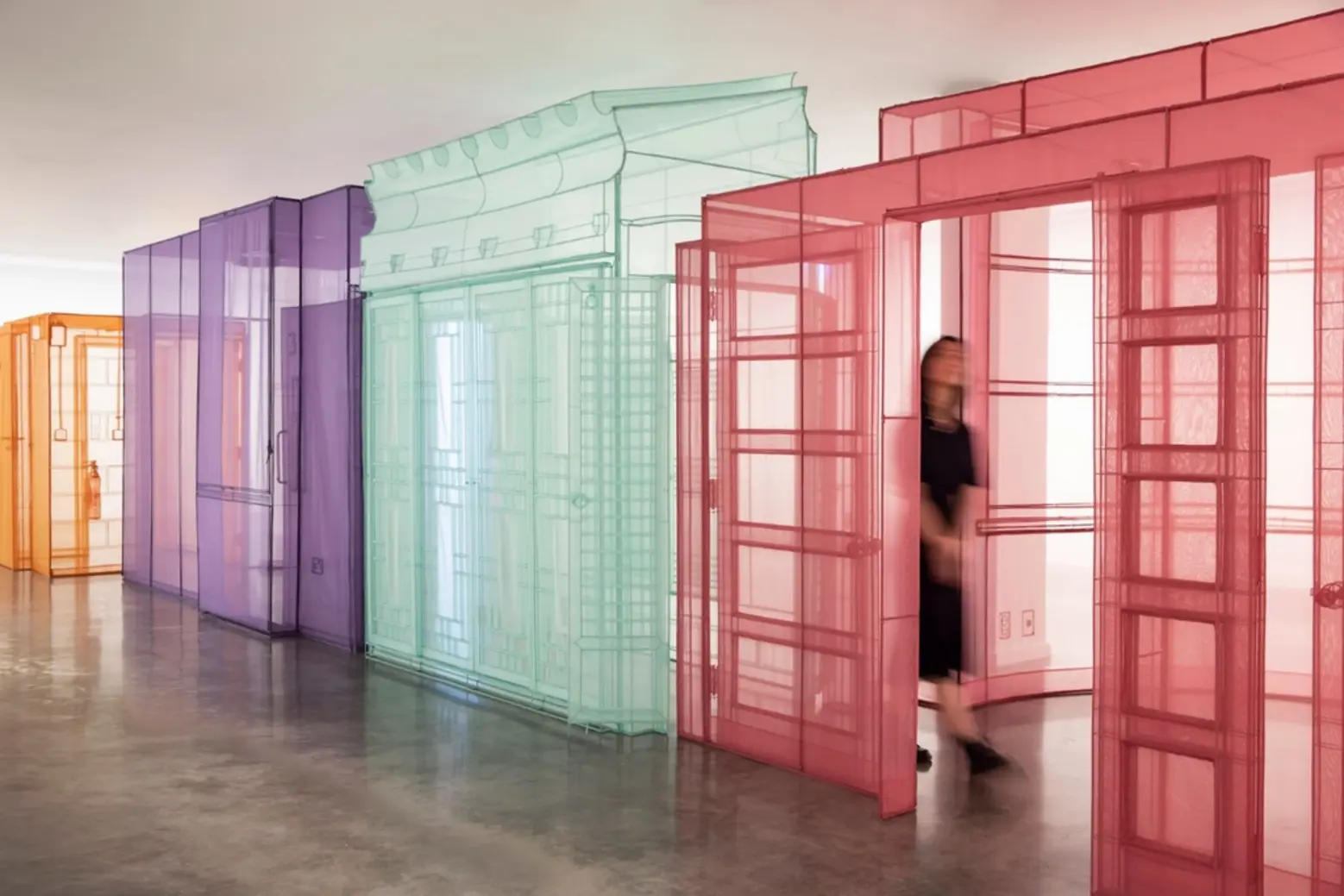
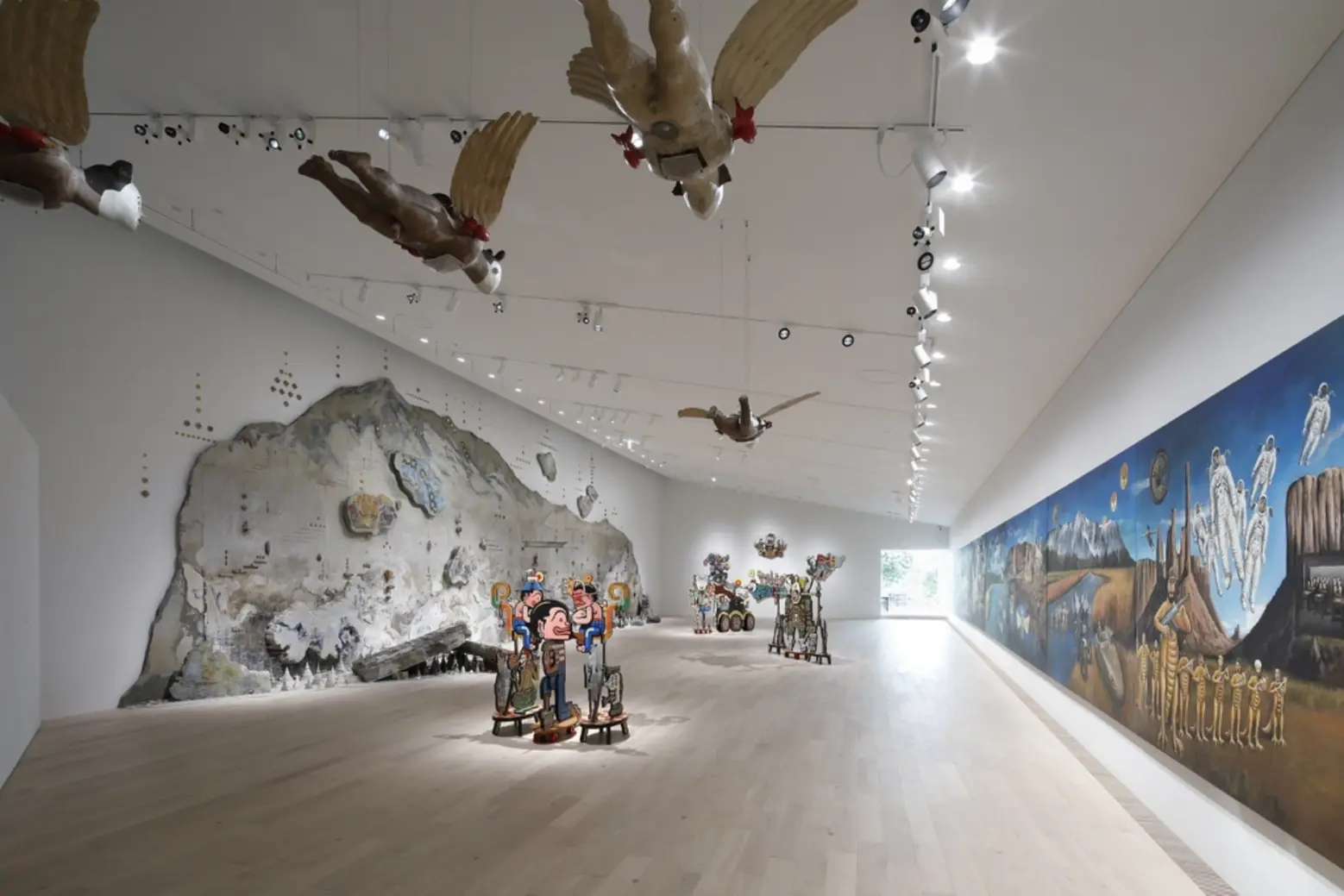
The building itself feels like the museum’s quiet co-author: Tadao Ando’s tenth project on the island and his first set directly within Honmura’s residential fabric, composed across one ground level and two basement levels beneath a sloping roofline that echoes the surrounding hills, wrapped in dark plaster and pebble walls that let the form sit harmoniously against village textures, then pierced by a linear light well where a skylit stair sends daylight down through concrete and shadow in classic Ando choreography.
Practical pleasures are designed into the flow: a north-side café terrace frames panoramic Seto Inland Sea views toward Teshima, the location keeps you within an easy stroll of Honmura’s Art House Project sites, and photography for personal, non-commercial use is welcomed across many areas with artwork-by-artwork exceptions, while video recording inside museums remains restricted.
Pull these threads together and you get what many observers call the “Naoshima Island Method”: a model of revitalization that uses site specific art to renew rural communities through long-term commitment, deep respect for place, and a practical understanding that culture needs infrastructure. Rather than treating art as decoration, the project treats it as a civic language — one spoken through architecture, public access, education, and the steady weaving of visitors into local rhythms — and the best way to feel that “language” is to walk it like a loop. Naoshima is romance on foot. Take a look at this guide for an art tour around Naoshima.