MENU
Close





Looking for luxury hotels in Cannes that feel equal parts cinema myth, seaside palace and private escape?

Looking for luxury hotels in Cannes that feel equal parts cinema myth, seaside palace and private escape?
May 7, 2026


Along the Boulevard de la Croisette, a hotel can be a palace, a film set, a power address, a lunch table, a beach club, a negotiation room and a piece of Riviera mythology before it is ever just a place to sleep. In 2026, the city’s most prestigious stays divide into two seductive camps: the Grandes Dames, those grand historic palaces that define the visual grammar of the festival, and a new wave of smaller, more private design hotels that trade scale for atmosphere.
For travelers searching for luxury hotels in Cannes, the choice is less about bed linen and more about proximity to a certain kind of fantasy. Do you want to wake up inside Belle Époque history, step into Art Deco cinema, watch the red-carpet machinery or retreat into a quieter world?
The Carlton Cannes, A Regent Hotel is the city’s grandest hotel myth, a Belle Époque landmark whose façade has become almost inseparable from the idea of Cannes itself. Reopened in March 2023 after a major transformation, the Carlton returned as part of IHG’s Regent portfolio, with its old-world silhouette polished for a new generation of luxury travelers. Its twin domes remain the hotel’s most famous architectural flourish, long linked in Riviera lore to La Belle Otero, the courtesan whose legend still clings to the Croisette like perfume.
The Carlton’s 2026 starting price often sits around €800 to €1,200 per night outside the most explosive peak dates, though festival-week rates can climb far higher. Its real value is symbolic. To stay here is to buy into Cannes as heritage theater.
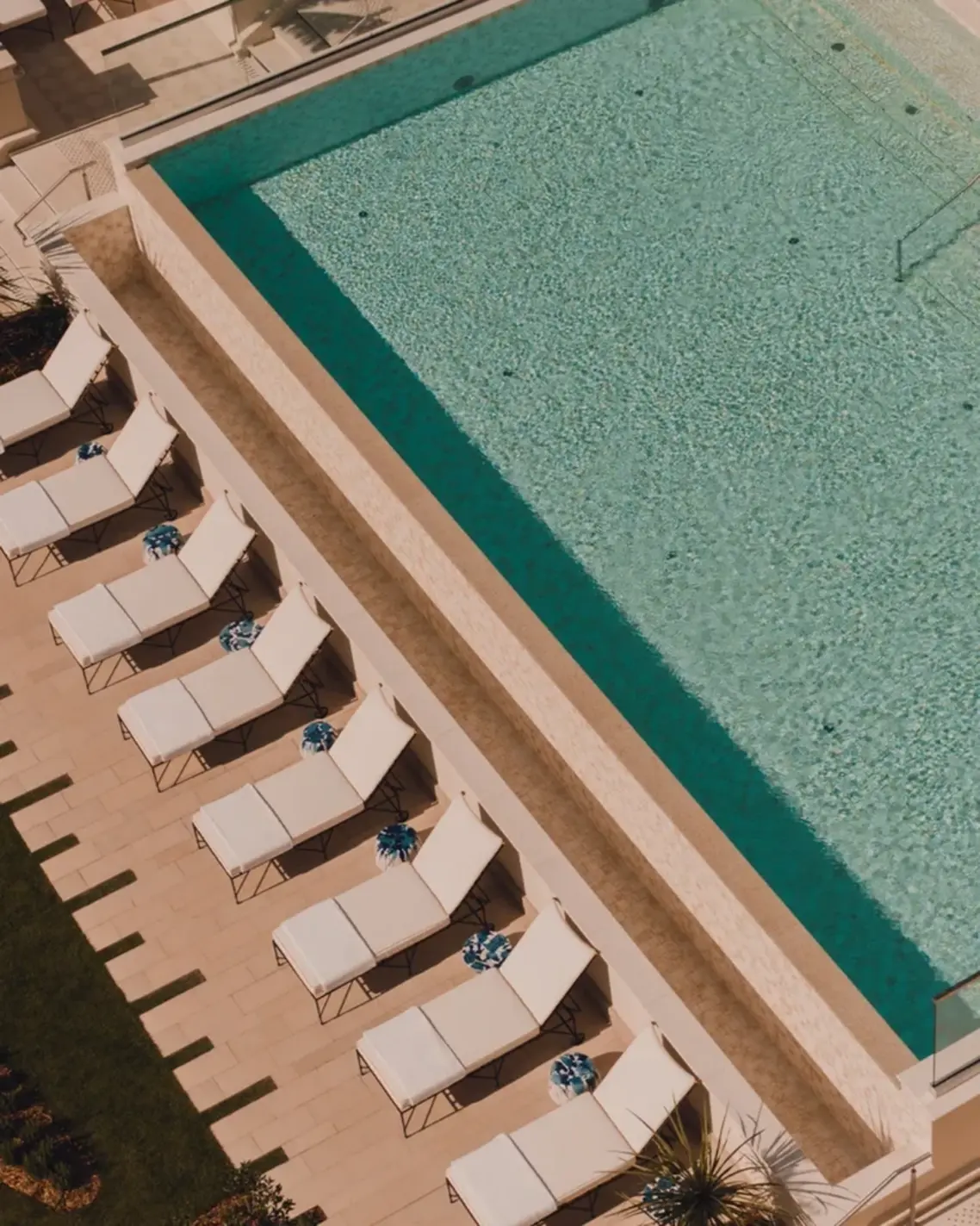
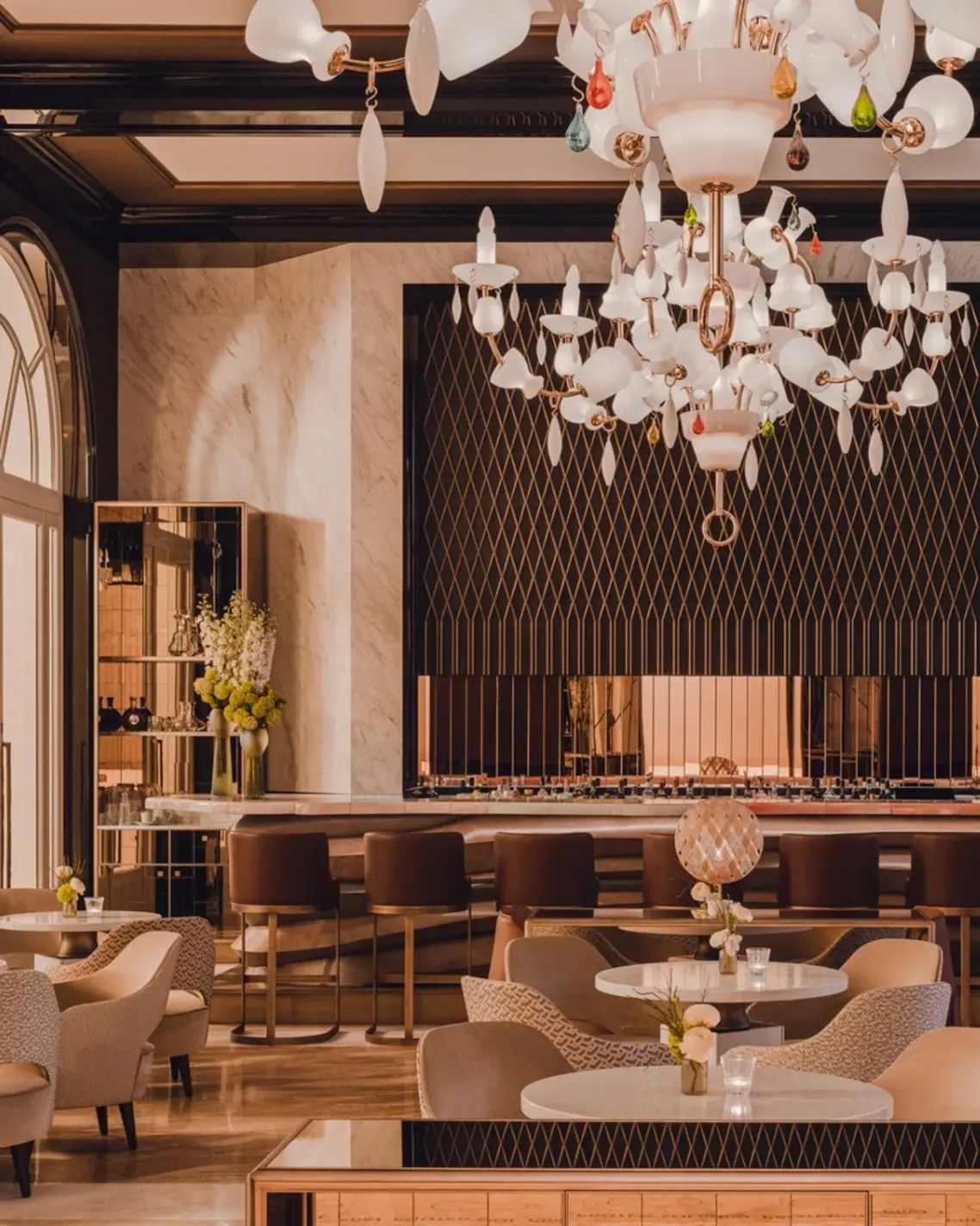

The Carlton’s great secret is that its glamour is rooted in narrative density. Grace Kelly, Alfred Hitchcock, film stars, presidents, fashion houses and gala guests have all moved through its mythology, which makes the hotel feel less like a property and more like a social archive. It is not the most discreet address in Cannes. It is the address that knows exactly how visible it is.
Hôtel Martinez offers a different kind of power. Built in the late 1920s and known for its white Art Deco presence, the Martinez has always felt slightly more cinematic, slightly more streamlined, slightly more modern in its glamour than the Carlton. Its façade faces the Mediterranean with the confidence of a hotel that understands the value of a perfect angle. Rooms may begin at around €750 to €1,100 in standard high-season luxury terms, while its penthouse universe belongs to a different financial atmosphere entirely. The hotel’s two interconnected Penthouse Apartments total 1,250 square meters, with sweeping views over the Bay of Cannes, making them among the most extravagant hotel spaces on the Croisette.


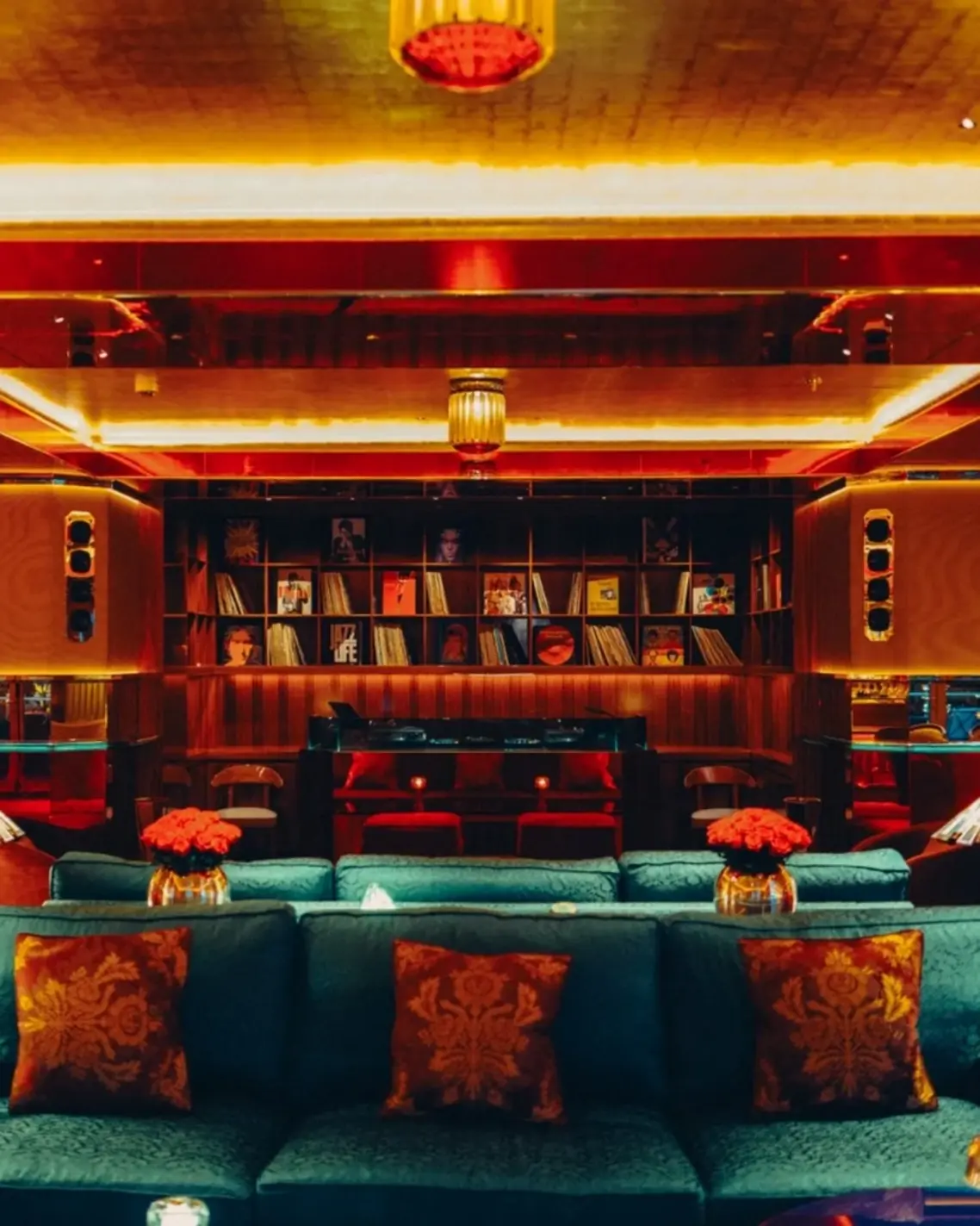

The Martinez is where Cannes becomes a private film within the public festival. It has the polished white exterior, the beach-club rhythm, the grand staircase, the haute-suite fantasy and the prestige restaurant culture that luxury travelers expect from the best luxury beach resorts in Europe. Its personality is not shy. It is dressed in white, lit by sea glare, and designed for people who understand that privacy in Cannes often requires a very visible entrance.
Hôtel Barrière Le Majestic occupies perhaps the most tactical address in the city: directly opposite the Palais des Festivals. That detail alone explains much of its appeal. During the festival, distance becomes currency, and Le Majestic spends it with ease. The hotel is almost a century old, gazing toward the sea and the festival steps with the composure of an institution that has watched several eras of cinema arrive and leave. Its rooms and suites lean into French elegance, Mediterranean views and a sense of refined proximity. Starting rates often move between €600 and €950, with red-carpet-adjacent suites rising far beyond that.


Le Majestic’s secret is not only its position, but its tempo. It is a hotel for people who want to be near the action without surrendering completely to chaos. The lobby has its own codes, its own choreography, its own soft hierarchy of who is waiting, who is being waited for, and who is pretending not to look.
The JW Marriott Cannes brings a more contemporary chapter to the Croisette. Built on the historic site of the former Palais des Festivals, it carries a modernist identity that contrasts with the Belle Époque and Art Deco grandeur around it. The hotel’s glassy profile and rooftop energy suit travelers who prefer sleek sea-view luxury over palace nostalgia. Its most distinctive asset is the 820-seat Palais Stéphanie theater, a rare cinematic infrastructure embedded within the hotel itself. Starting rates often sit around €550 to €850, depending heavily on season and event calendar.

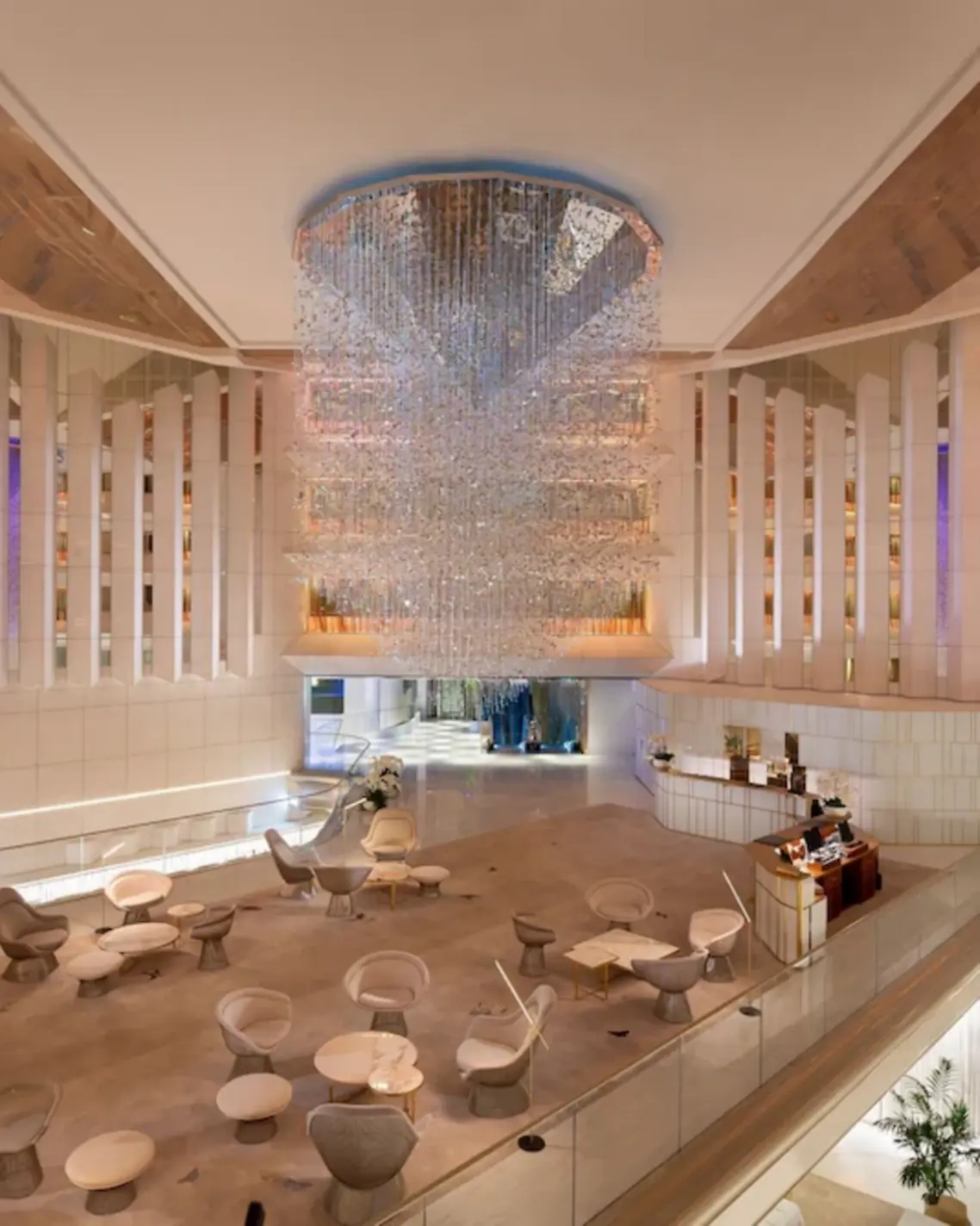
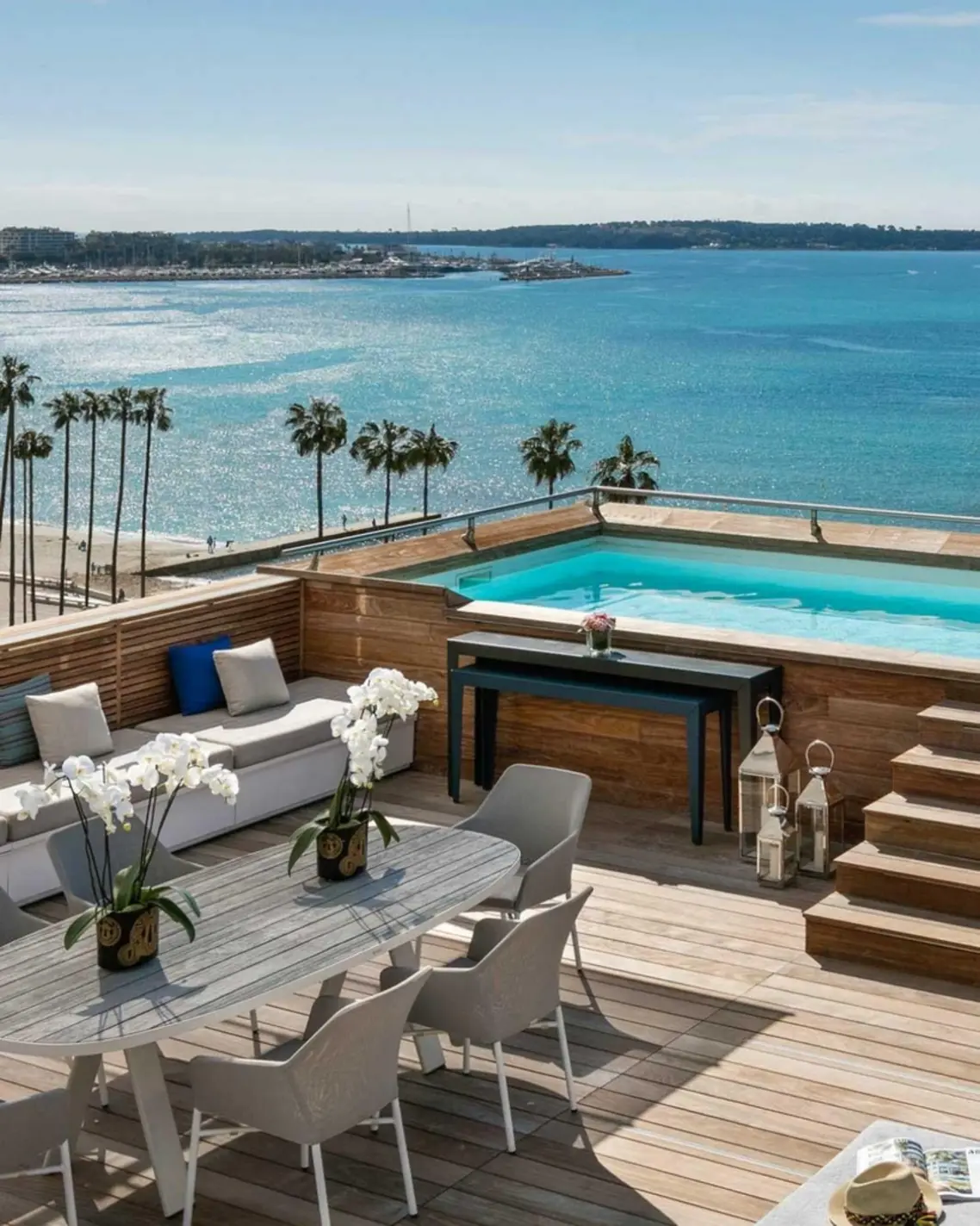

The JW Marriott’s appeal is architectural and practical. It is less about old Riviera fantasy and more about contemporary access: screenings, events, beach life, shopping and waterfront movement. For travelers who want Cannes with a modern gloss, it remains one of the Croisette’s sharpest choices.
If the Grandes Dames are Cannes in diamonds, the boutique hotels are Cannes in a private fragrance. Five Seas Hotel Cannes sits just steps from the Croisette and the Palais des Festivals, but its atmosphere feels intentionally removed from the avenue’s public theater. The hotel sells a “stationary journey” sensibility: handcrafted details, global decorative references, intimate spaces and a feeling of having entered the home of a collector rather than a conventional luxury property. Starting rates tend to sit around €400 to €700, giving it a softer entry point into high-end Cannes without sacrificing design ambition.

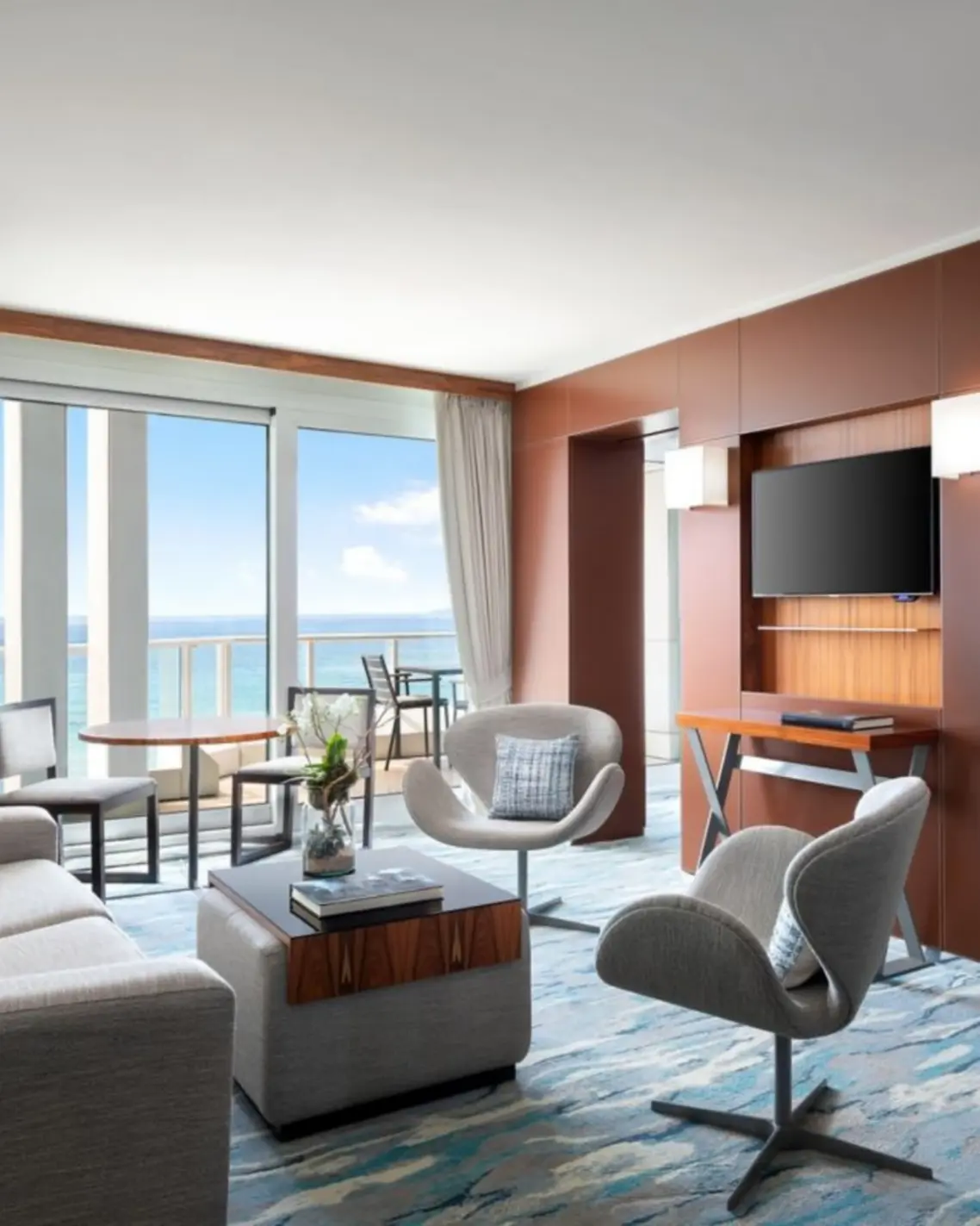
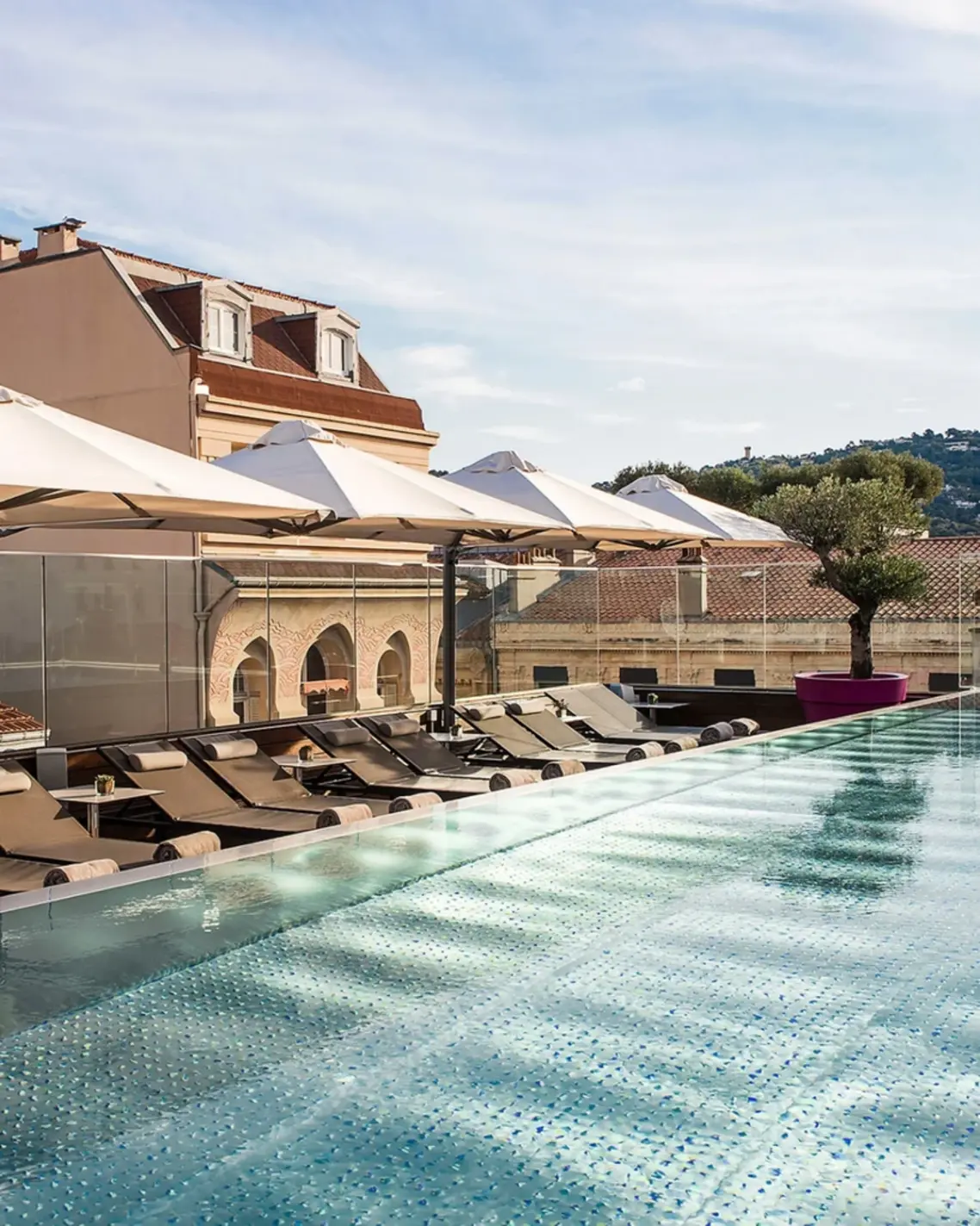
Five Seas is especially interesting in the broader language of boutique hotels Europe, where travelers increasingly want hotels that feel authored rather than merely expensive. Its most cinematic secret is the private yacht available for guests to rent, a detail that turns arrival itself into a performance. In Cannes, even transport can become mise-en-scène.
Mondrian Cannes, occupying the former Grand Hôtel spirit on the Croisette, belongs to the new Riviera: design-led, lifestyle-driven and more relaxed than the traditional palace addresses. The hotel has 75 rooms and suites across 11 floors, positioned beside the Mediterranean and close to the Palais des Festivals. Its mood is less gilded lobby, more contemporary oasis, with dining, beach culture and a more modern social rhythm shaping the stay. Indicative starting rates often fall around €350 to €600, making it a smart option for travelers who want Croisette presence without old-palace formality.


Its secret is space. Where many Croisette hotels lean into ceremonial grandeur, Mondrian Cannes offers a more edited, lifestyle-forward version of luxury. It suits guests who want the Riviera without feeling trapped inside a heritage postcard.
Villa Garbo is the most intimate of the group, a restored 19th-century mansion just off the main strip. It operates more like a serviced private residence than a palace hotel, with suites and apartments designed for travelers who prefer discretion, autonomy and a softer domestic rhythm. Rates often begin around €300 to €550, depending on season and suite type. The atmosphere is less paparazzi flash, more velvet-curtained retreat. Its small scale makes it especially appealing for longer stays, discreet work trips or travelers who want Cannes without performing Cannes every time they enter the lobby.
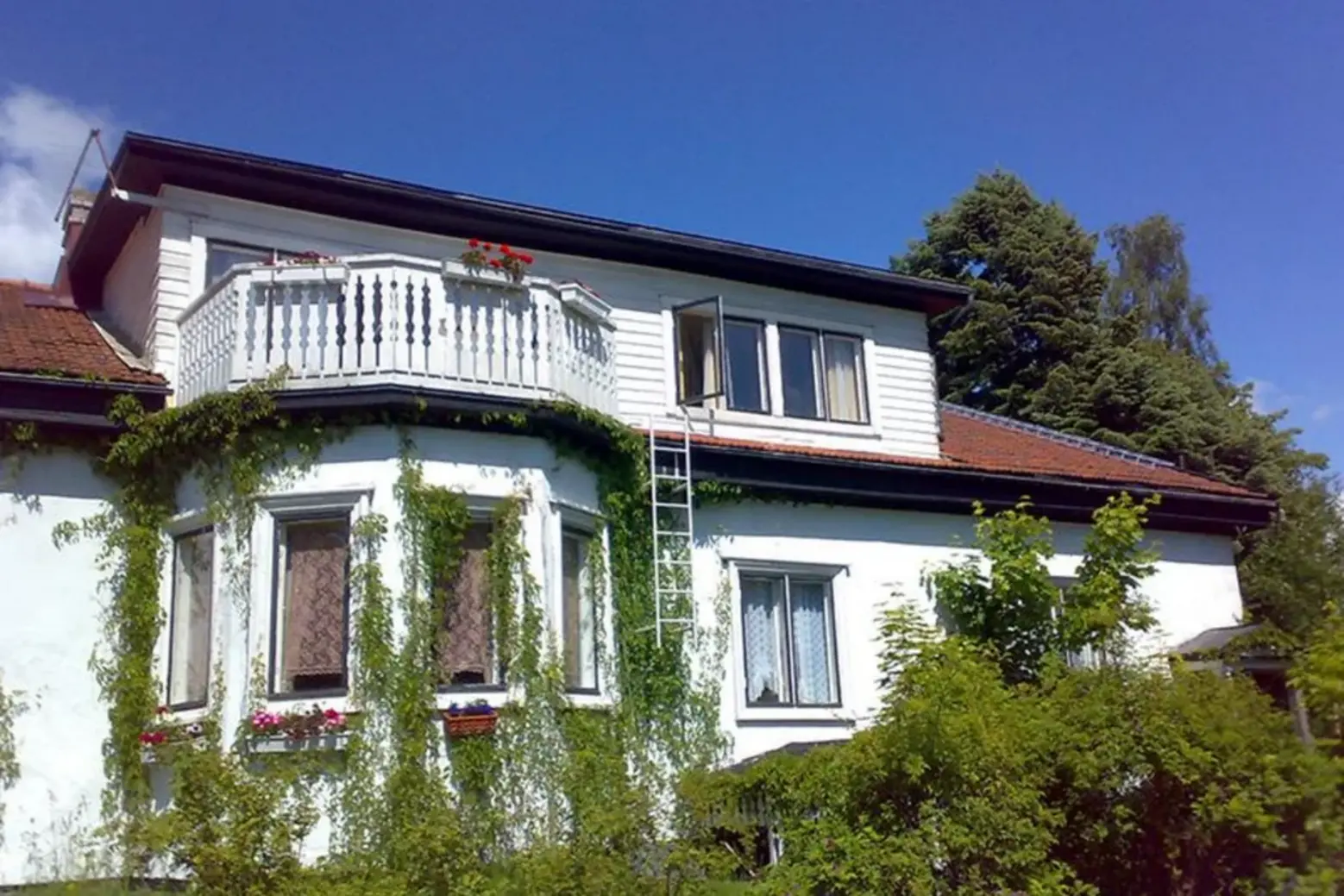
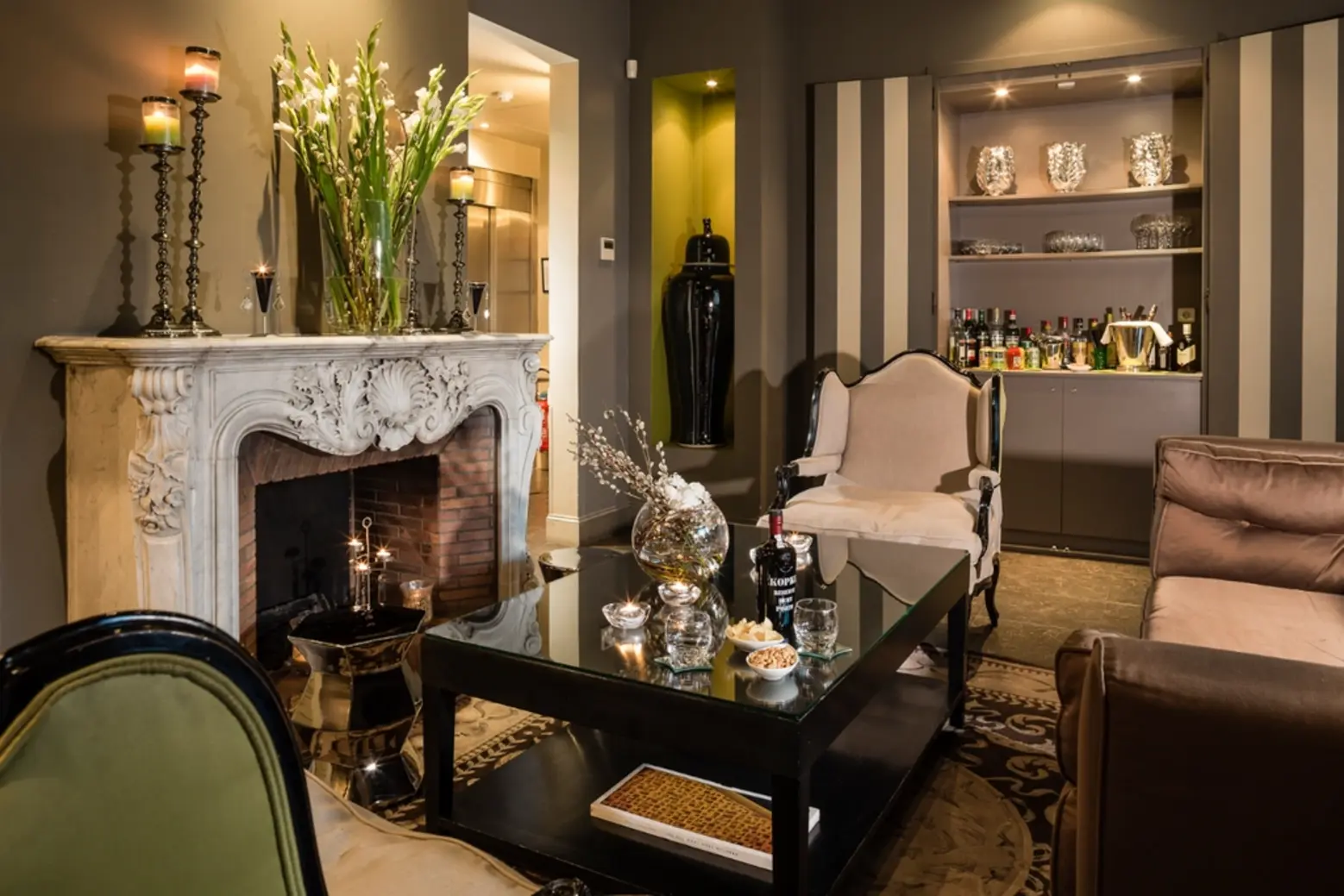

The most charming Villa Garbo detail is its evening cocktail ritual, often praised by guests as a rare personal touch in a market where luxury can become impressively impersonal. Cannes may be built on spectacle, but here the pleasure is quieter: a drink, a lounge, a conversation, and the feeling that the city’s noise is happening at a glamorous distance.
The smartest stay depends on what version of Cannes you want to inhabit. The city can be a palace, a beach club, a screening room, a private garden, a yacht deck or a quiet suite behind velvet curtains. The luxury hotels in Cannes understand this better than anyone else. In 2026, Cannes remains one of the rare destinations where architecture, cinema and hospitality still speak the same glittering language.