MENU
Close





Following Pritzker laureate Frank Gehry's recent death on December 5, 2025, let us honour this architecture powerhouse by revisiting his legacy.
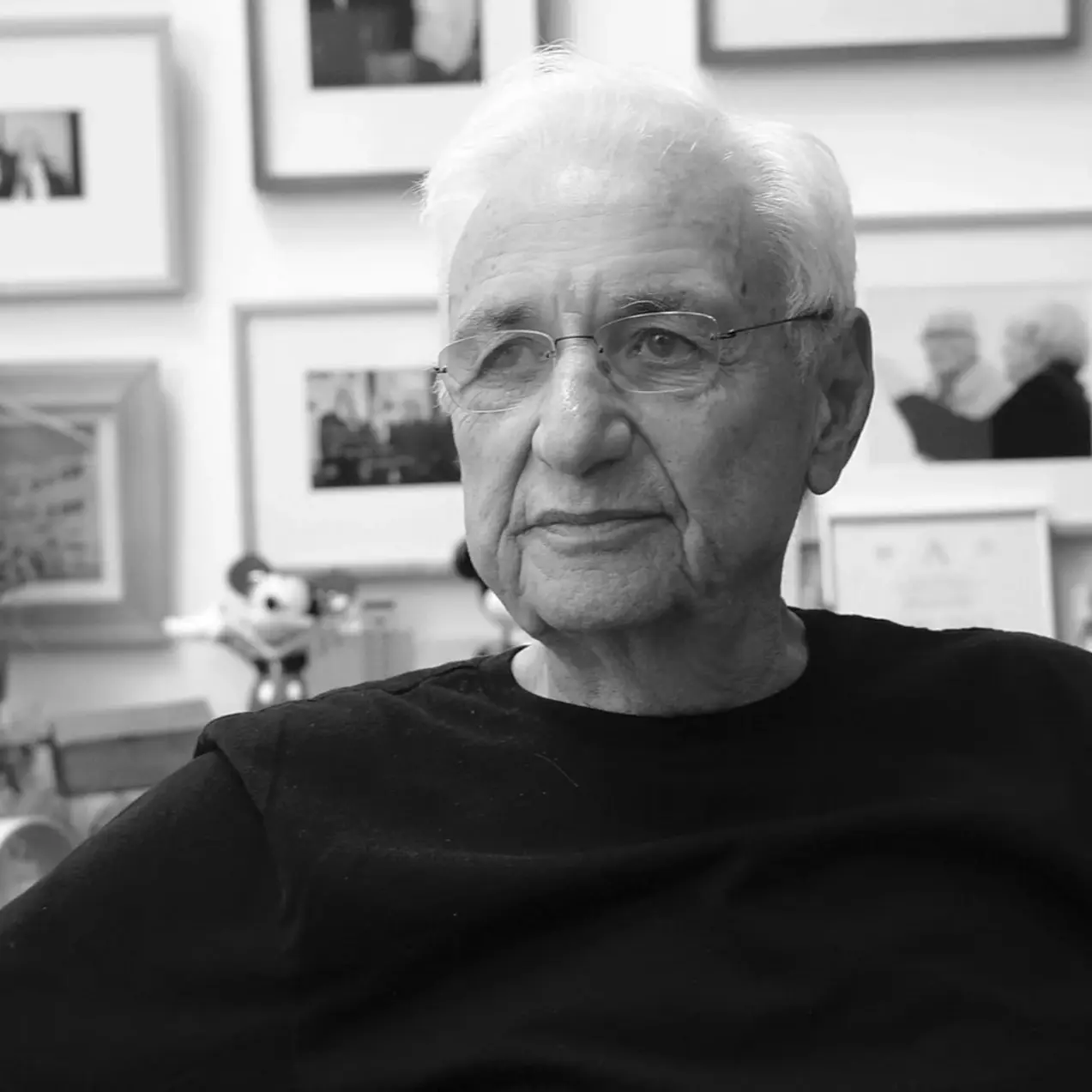
Following Pritzker laureate Frank Gehry's recent death on December 5, 2025, let us honour this architecture powerhouse by revisiting his legacy.
December 5, 2025


Frank Gehry did not simply design buildings. He taught architecture how to move, how to feel unstable, emotional, and alive. Emerging in a period dominated by rigid modernism and polite postmodern references, Gehry refused obedience. His early works already hinted at rebellion: raw materials, fragmented forms, an embrace of imperfection that unsettled critics and clients alike. He was dismissed, mocked, and misunderstood before he was celebrated. Yet this resistance only sharpened his resolve to push architecture beyond safe geometry and polite proportion.
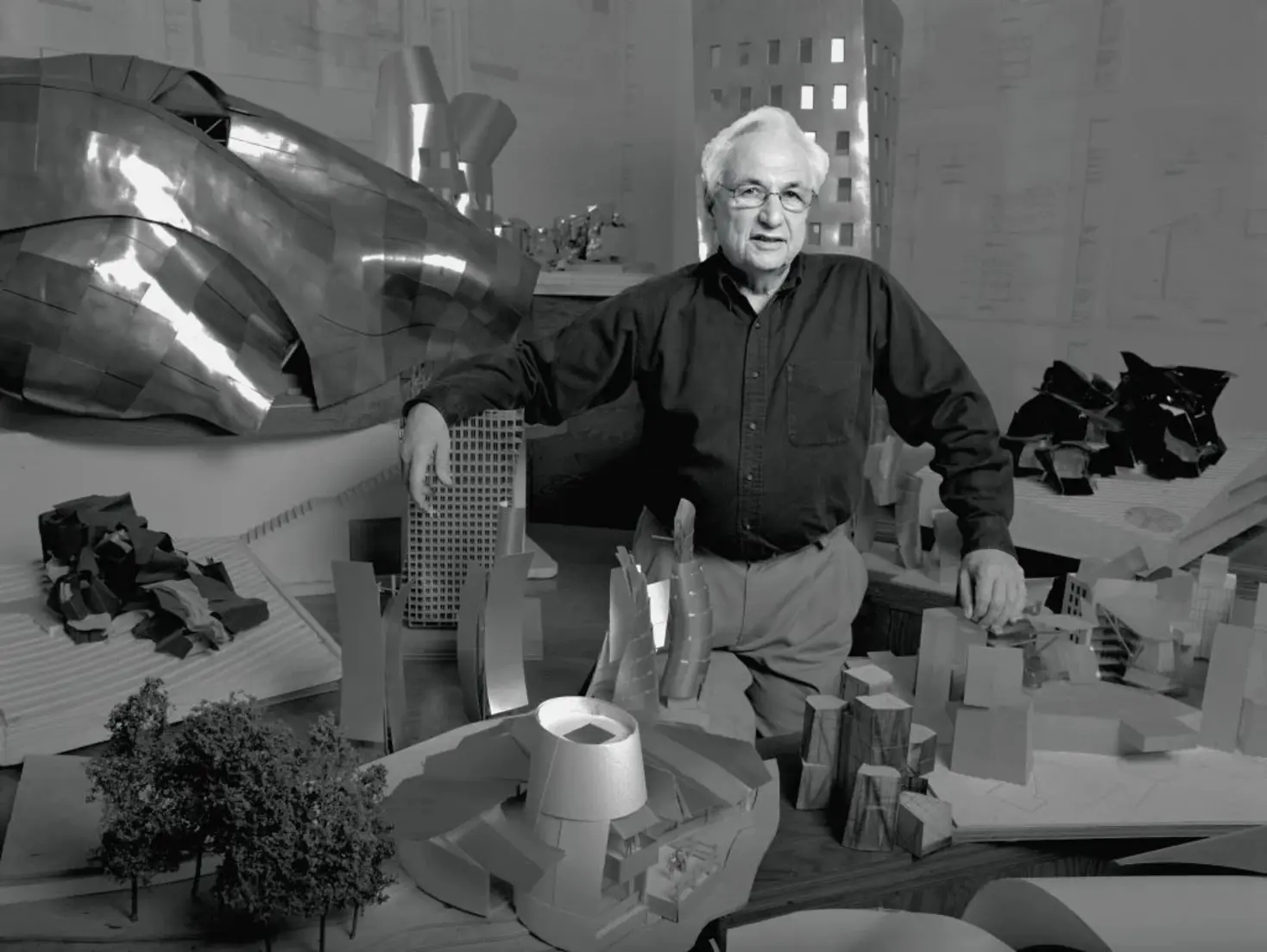
The turning point came when his buildings stopped being described as strange and started being described as transformative. The Guggenheim Museum Bilbao did not just redefine museum architecture; it redefined what a single building could do for an entire city. Its titanium curves caught light like water, movement like music, and emotion like sculpture. From that moment on, architecture was no longer required to stand still. It could swirl, fracture, and surprise.

What made Gehry exceptional was not only form, but method. He bridged intuition and technology, sketching instinctively by hand and translating those gestures into complex digital models that made the seemingly impossible buildable. This fusion changed professional practice worldwide. Today’s fluid parametric buildings, once unthinkable, owe their legitimacy to Gehry’s insistence that emotion belongs in structure.
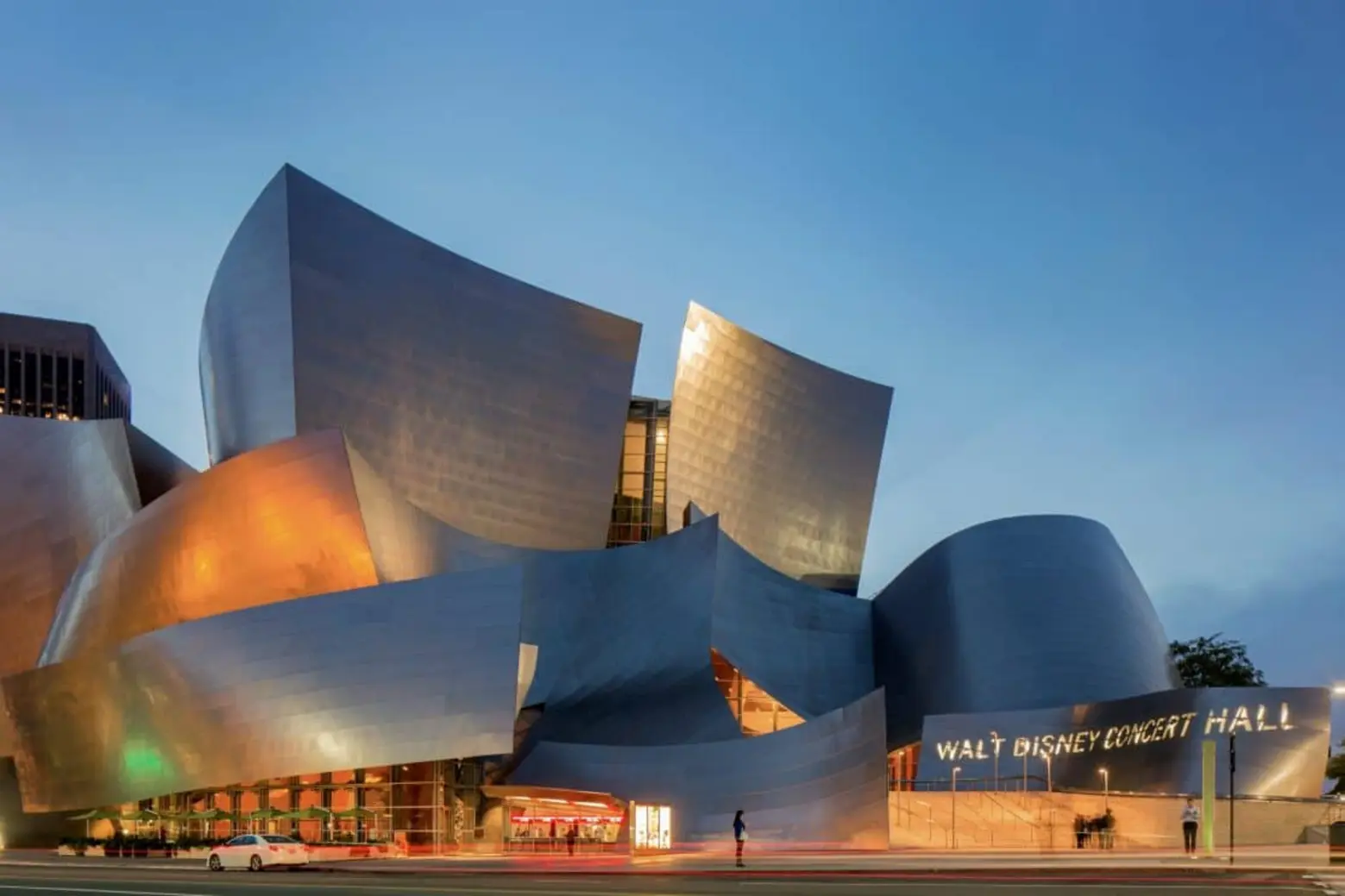
His later works, from the Walt Disney Concert Hall to the Foundation Louis Vuitton, revealed another side of his genius: generosity. Despite their bold silhouettes, these buildings are deeply civic, designed to welcome sound, movement, and public life. Gehry understood architecture not as monument, but as experience.
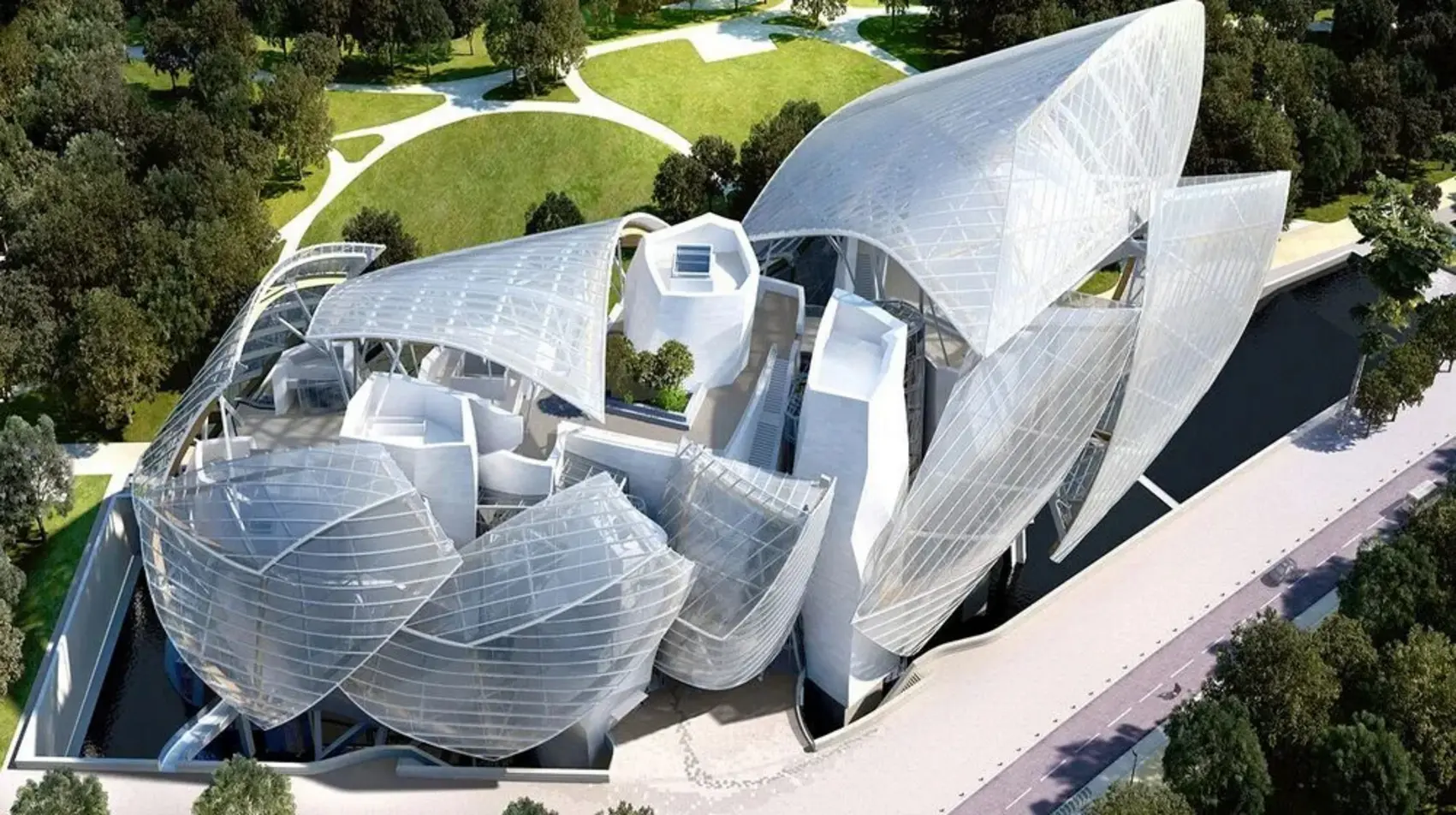
Critics often debated whether his work was too loud, too iconic, too singular. Yet history has a way of clarifying what matters. Gehry expanded the emotional register of architecture. He gave cities permission to be playful, imperfect, and expressive. He reminded the discipline that risk is not recklessness, but necessity.

Frank Gehry leaves behind more than buildings. He leaves behind courage in form, freedom in process, and the enduring belief that architecture, at its best, should never be afraid to dream out loud.