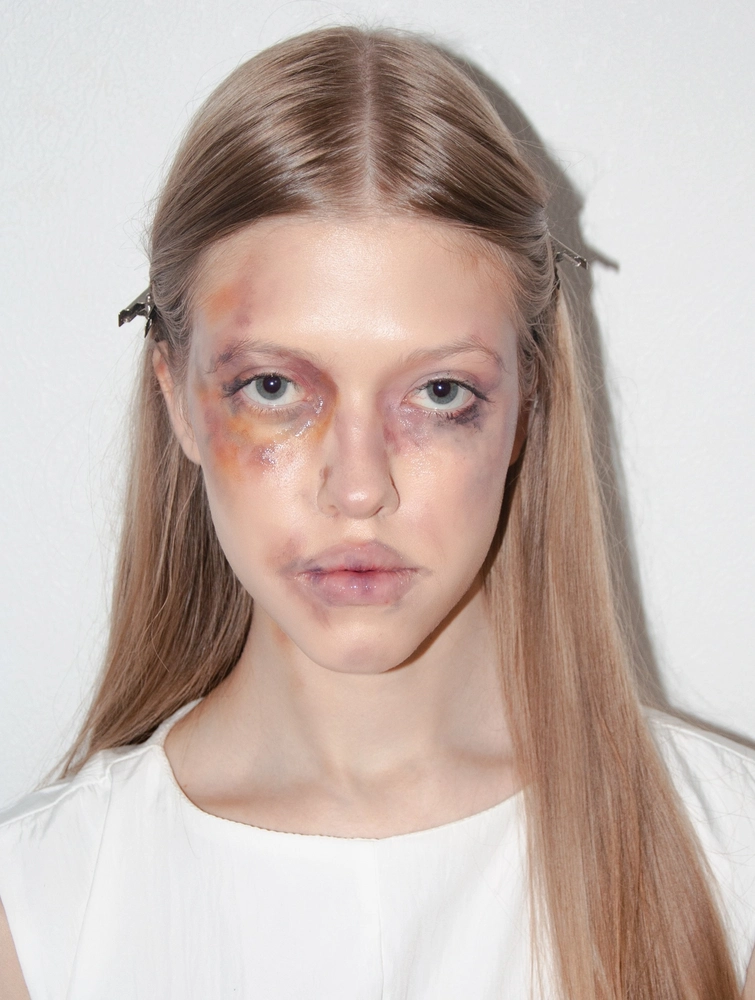
Fashion calls itself art, yet its fascination with ballet and painting raises a question: whose work survives when a beautiful reference becomes a commodity?

Fashion Loves Art Most When Art Stops Talking Back
Fashion calls itself art, yet its fascination with ballet and painting raises a question: whose work survives when a beautiful reference becomes a commodity?
October 22, 2026
Advertisement

Advertisement



Fashion spent 2026 making a confident claim for itself as art. At the Metropolitan Museum of Art, Costume Art brought together nearly 400 objects, placing garments alongside paintings, sculptures and historical artefacts to examine the dressed body across centuries of artistic production.
Curator Andrew Bolton positioned clothing within a history of representation in which the body carries social, political and cultural meaning, while the accompanying Met Gala 2026 adopted the dress code “Fashion Is Art”.
The two events exposed a tension within fashion's pursuit of cultural legitimacy: an industry seeking intellectual recognition for its own creations also operates through a commercial system that rewards the immediate recognition of art imagery borrowed from other disciplines.
A painting, performance or choreographic tradition emerges from a particular artistic practice, with its own technical knowledge and historical circumstances. Once translated into clothing, its visual characteristics acquire commercial value through associations that audiences already recognize.
The Art of Making Labour Disappear
Ballet provides a revealing case because its aesthetic depends upon a disciplined relationship between the body and the illusion of effortlessness. Classical technique demands precise control of balance, alignment and muscular engagement, producing the visual impression of weightlessness through years of repetitive training.
Fashion has developed an extensive vocabulary from these characteristics, drawing on dancewear, slippers, rehearsal garments and the visual associations of tulle and ribbon. Ballet flats and sneakerinas demonstrate how readily this vocabulary can become commercially desirable through the cultural authority ballet already possesses as a performing art.

The physical conditions sustaining that authority complicate the romantic image. A five-season study of professional dancers at the Paris Opera, covering 2018 to 2023, recorded musculoskeletal injury proportions ranging from 47.1 to 72.6 per cent per season, with injuries frequently affecting the feet and ankles.
The commercial significance of balletcore emerges from this relationship between invisible effort and recognizable beauty. Fashion benefits from a cultural system in which certain gestures and silhouettes already signify discipline, refinement and exceptional physical control.
A ballet flat allows consumers to participate symbolically in that identity through a purchase, while the training institutions, dancers and choreographers responsible for establishing its cultural meaning remain largely outside the resulting commercial transaction.
When Art Gains Authority Over the Design
Cecilie Bahnsen's Fall 2026 collection Practice provides an example of artistic collaboration influencing garment construction. Developed with Myrto Georgiadi's Oráma Atelier, the project involved ballerina Maria Kochetkova in fittings that brought the designer's silhouettes into contact with the physical demands of choreography. Fabric weight influenced movement, hem volume affected control, and the positioning of Bahnsen's characteristic waistline required adjustment to accommodate partnered dancing.
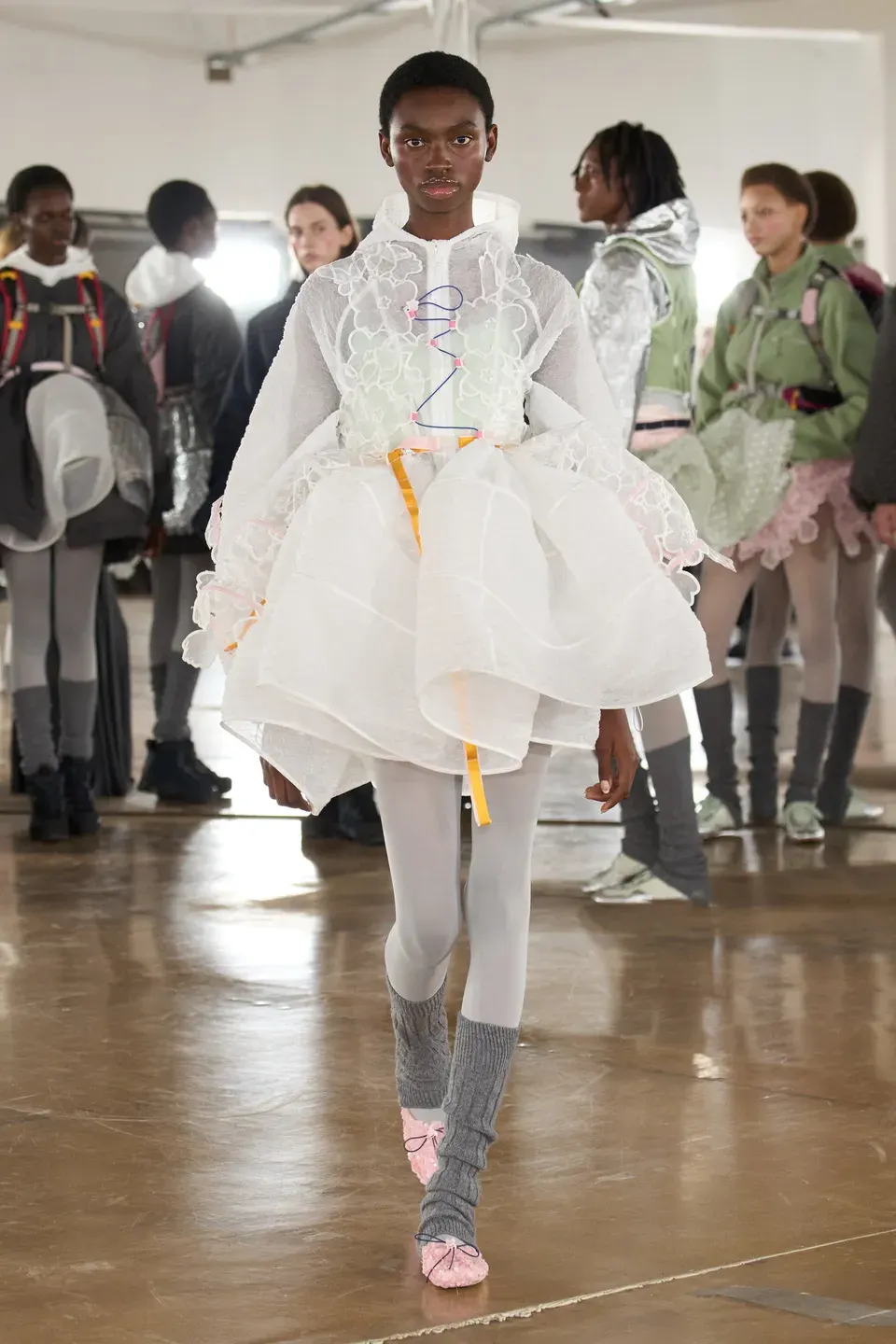
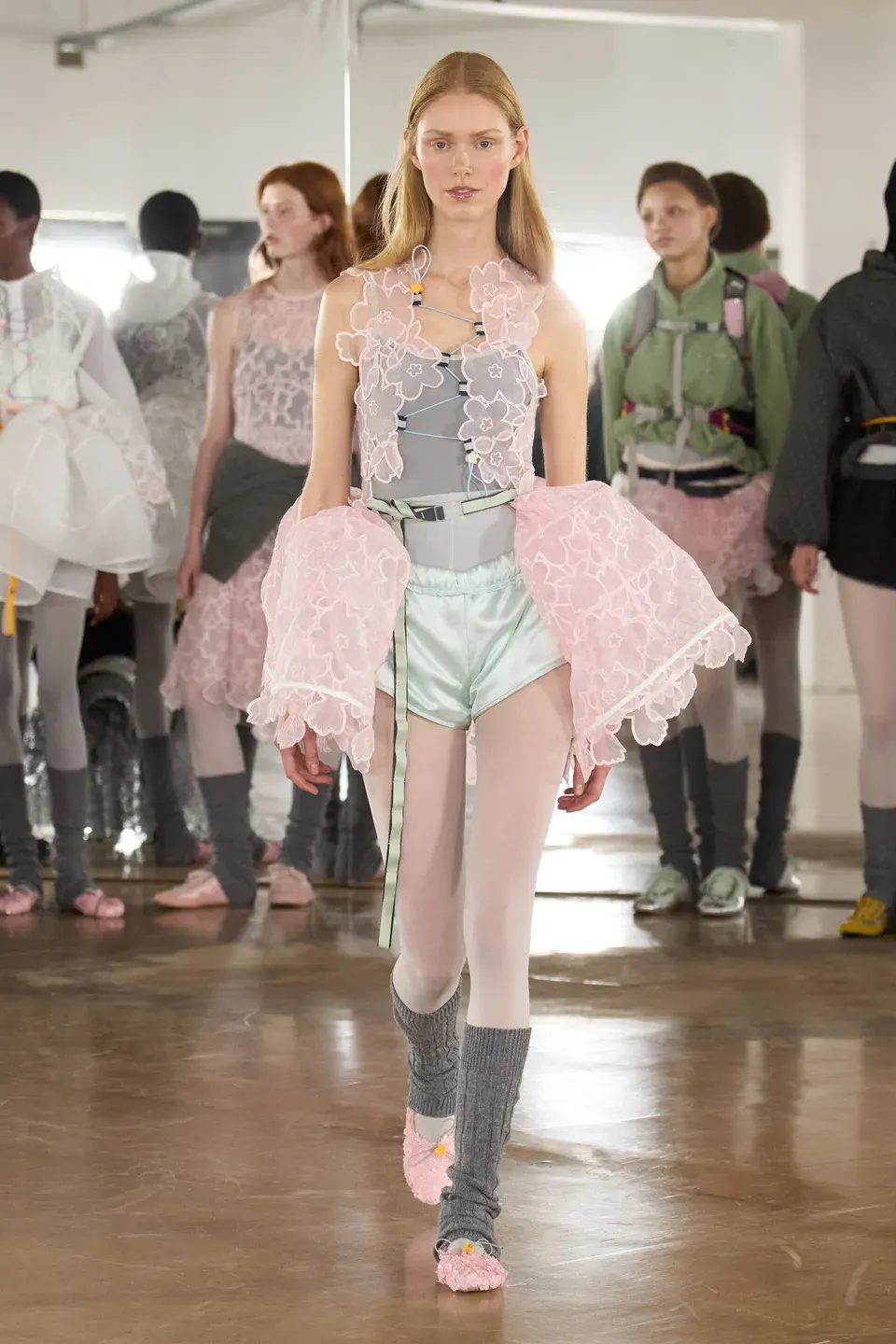
These modifications demonstrate how artistic expertise can shape the fashion object through technical requirements. Choreographic knowledge becomes an active part of design, giving the source art discipline authority over decisions concerning proportion, construction and material behaviour.
Alainpaul Spring 2026 collection approached dance through professional experience. Having trained as a contemporary dancer, Alain Paul transformed his presentation into an audition environment, drawing on memories of professional assessment and the institutional processes surrounding performance.
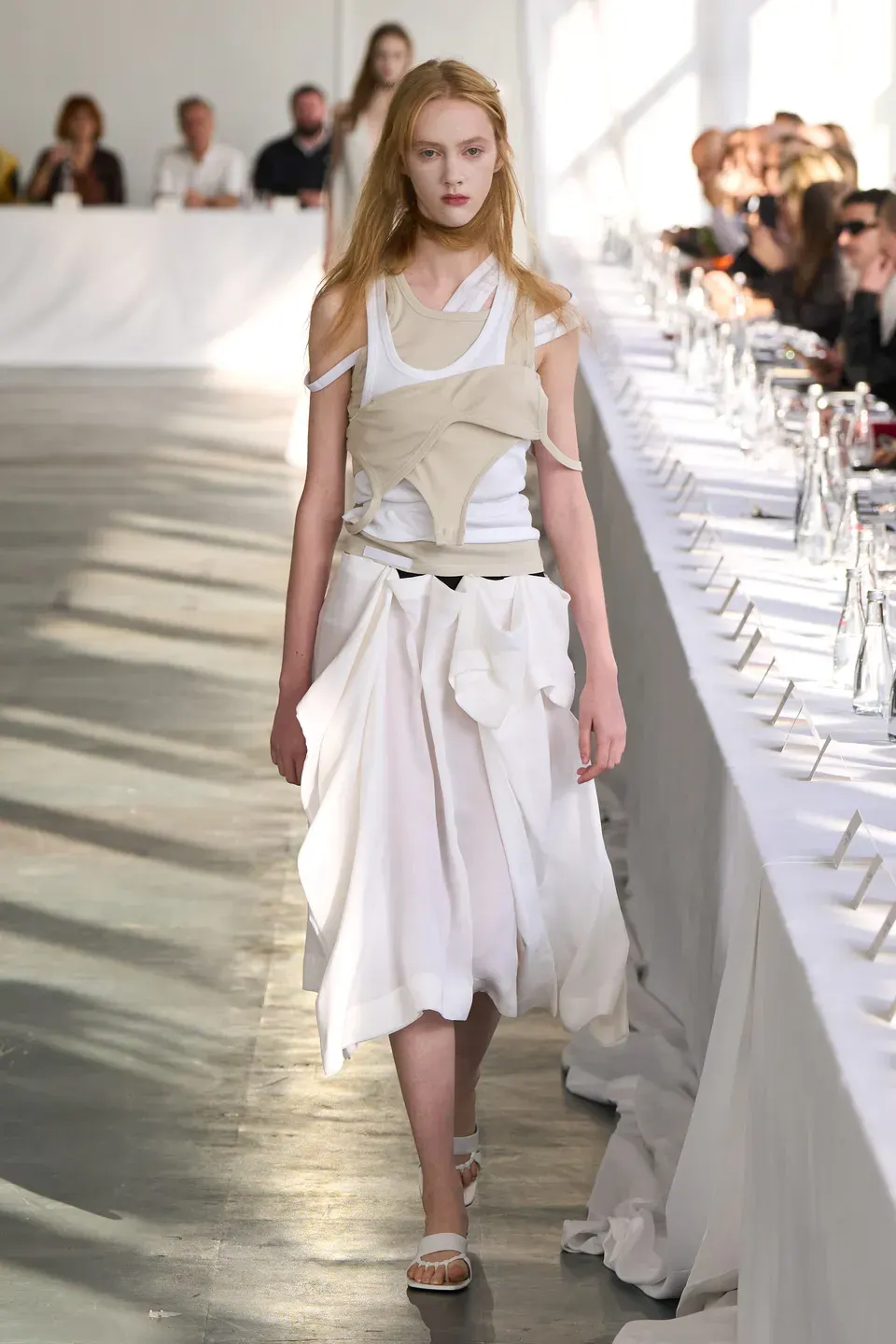
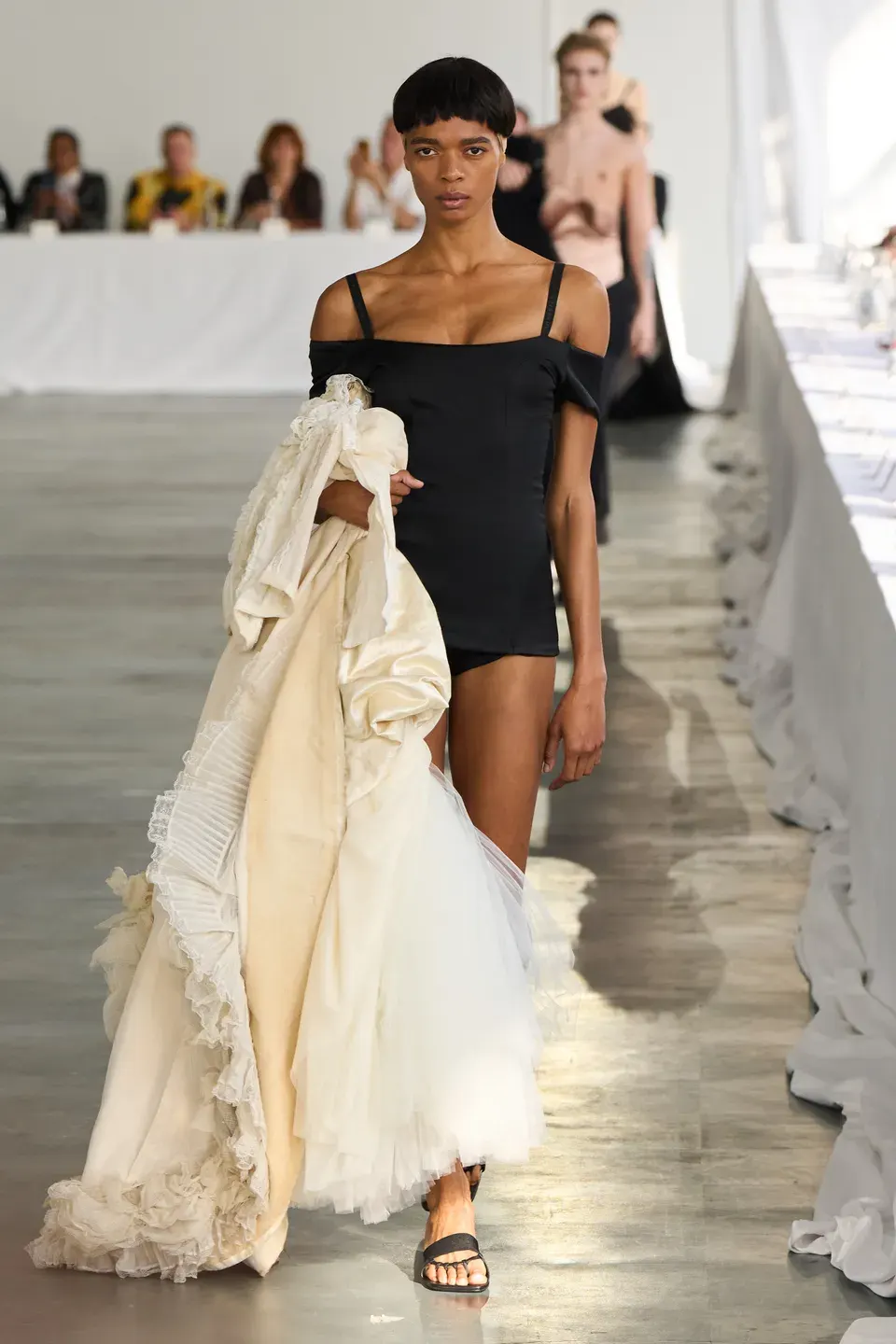
Paris Opera étoile Germain Louvet participated in the cast, while the collection explored dressing, undressing and waiting, activities through which dancers prepare for scrutiny. The reference consequently extended into the working rituals that produce performance, informed by the designer's experience within that art discipline.
Painting introduces related questions about historical authorship. For Diotima Fall 2026, Rachel Scott collaborated with the estate of Wifredo Lam, whose artistic language incorporates Afro-Cuban religious traditions, Caribbean histories and anti-colonial concerns. Scott translated imagery from Femme Cheval and Omi Obini through organza intarsia, merino knit and jacquard, connecting textile experimentation with research into the paintings and their cultural significance.
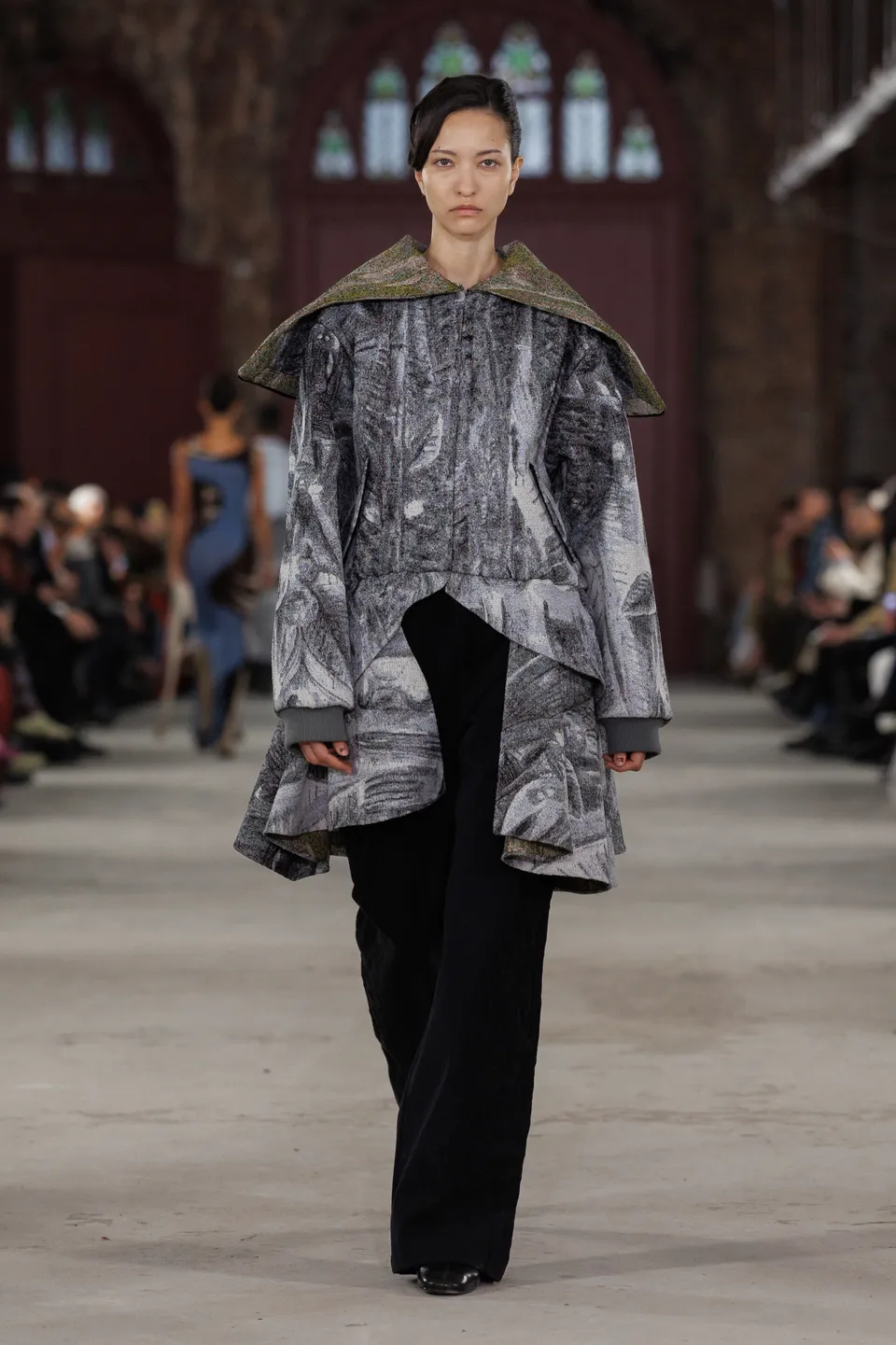

Lam's art emerged from historical circumstances that remain central to its interpretation, making the relationship between artistic imagery and its commercial adaptation particularly consequential. Estate participation and contextual research establish foundations for that exchange, while the treatment of materials and imagery determines how those ideas enter the finished garments.
The Art of Borrowing Cultural Authority
The ambitions expressed through Costume Art give this discussion broader institutional significance. Fashion's pursuit of museum recognition has involved establishing clothing as an art object capable of communicating ideas about identity, power and social organization. The Metropolitan Museum's exhibition supported that position by placing garments within the interpretive frameworks applied to other artistic disciplines.

Such recognition also invites scrutiny of fashion's own engagement with cultural material. When a designer incorporates painting, dance or cinema into a collection, the resulting product draws upon artistic associations developed through another discipline's history and authorship. The source contributes symbolic value to the fashion object, while commercial benefits circulate through arrangements established by designers, brands and rights holders.
Cinema demonstrates the importance of artistic context in shaping visual meaning. Films including The Red Shoes, Black Swan and Suspiria examine dance through narratives involving ambition, institutional pressure, bodily vulnerability and performance, allowing spectacular movement to acquire meaning through the circumstances surrounding it.
Fashion imagery frequently concentrates art references into instantly recognizable forms suited to runway presentation, advertising and digital circulation, where visual communication operates within demanding commercial timelines.

Yet fashion possesses extensive resources for developing artistic context beyond individual garments. Luxury houses routinely document embroidery, leatherworking and specialized construction through atelier films and exhibitions, presenting technical difficulty and human expertise as evidence supporting the cultural and financial value of their products. The growing emphasis on visible craftsmanship amid the proliferation of digitally generated imagery reinforces the commercial importance of identifiable human authorship.
Applying that attention to borrowed art practices would make the labor and expertise of collaborating dancers, painters and choreographers an integral part of how fashion communicates value.

Can Fashion Turn Art Into a Shared Cultural Investment?
The 2026 New York City Ballet Fall Fashion Gala demonstrates how art collaboration can operate through institutional commitments and financial relationships. Simone Rocha, Viktor&Rolf and Robert Wun created costumes for choreographic works, developing garments within the practical requirements of professional performance. The event raised $3.45 million for the ballet company, bringing cumulative fundraising beyond $40 million.

The collaboration connected fashion's cultural visibility with an established performing-arts institution, while choreographers and dancers contributed expertise that influenced the creative process. Fundraising provided an additional institutional benefit, translating the prestige associated with fashion participation into financial resources supporting ballet.
Such arrangements demonstrate how art collaboration can distribute creative authority and material value across participating disciplines. They also offer fashion houses opportunities to develop distinctive public experiences, strengthen cultural relationships and engage audiences whose interests extend beyond conventional luxury consumption.
Fashion has developed an increasingly sophisticated language for communicating the skill behind its own products, establishing craftsmanship and human labor as sources of cultural legitimacy. Applying the same intellectual attention to the art practices it draws upon would require recognizing their creators through the practical conditions of collaboration, including creative participation, institutional support and financial commitments.
Advertisement