MENU
Close





At the Met Gala 2026, art became body, costume, myth, pose, and provocation. From Klimt’s golden women to Leonora Carrington’s surreal temptation and Madame Yevonde’s theatrical portraiture, these ten Met Gala looks turned the red carpet into a living museum of desire, worship, spectacle, and self-invention.
At the Met Gala 2026, art became body, costume, myth, pose, and provocation. From Klimt’s golden women to Leonora Carrington’s surreal temptation and Madame Yevonde’s theatrical portraiture, these ten Met Gala looks turned the red carpet into a living museum of desire, worship, spectacle, and self-invention.
May 4, 2026
Advertisement
Advertisement


The Met Gala 2026 began with a seductive proposition: what if fashion stopped referencing art and started behaving like it? A great reference has to translate mood, tension, body language, power, and myth into something that can survive flash photography, stair choreography, and the ruthless speed of digital judgment.
This year, the strongest Met Gala looks treated the body as a moving archive. Some guests recreated paintings almost precisely, while others pulled out one secret nerve from an artwork and turned it into silhouette, texture, or attitude. What emerged was a red carpet fashion study in how art history still haunts celebrity culture. Klimt became a language of gilded girlhood and erotic sanctity. Carrington became a gothic procession. Manet, Braque, Monti, and Madame Yevonde became portals into masculinity, flight, veiling, and theatrical selfhood.
To read these Met Gala 2026 looks properly, the question is not whether a dress resembles a painting. The sharper question is what part of the artwork has been carried onto the body. Is it the surface, the myth, the posture, the erotic charge, the spiritual anxiety, or the strange theatrical silence inside the image?
Across the night, art history moved through fashion like a living current. Gustav Klimt appeared not as one fixed reference, but as several moods of femininity: gilded intimacy, strange girlhood, and floral melancholy. Elsewhere, Leonora Carrington brought surrealist temptation, Georges Braque offered flight, Raffaelle Monti turned veiling into sculpture, and Madame Yevonde transformed portraiture into performance. Together, they showed how the Met Gala 2026 made the museum feel less like a place of still images and more like a room full of bodies that had learned to return the gaze.
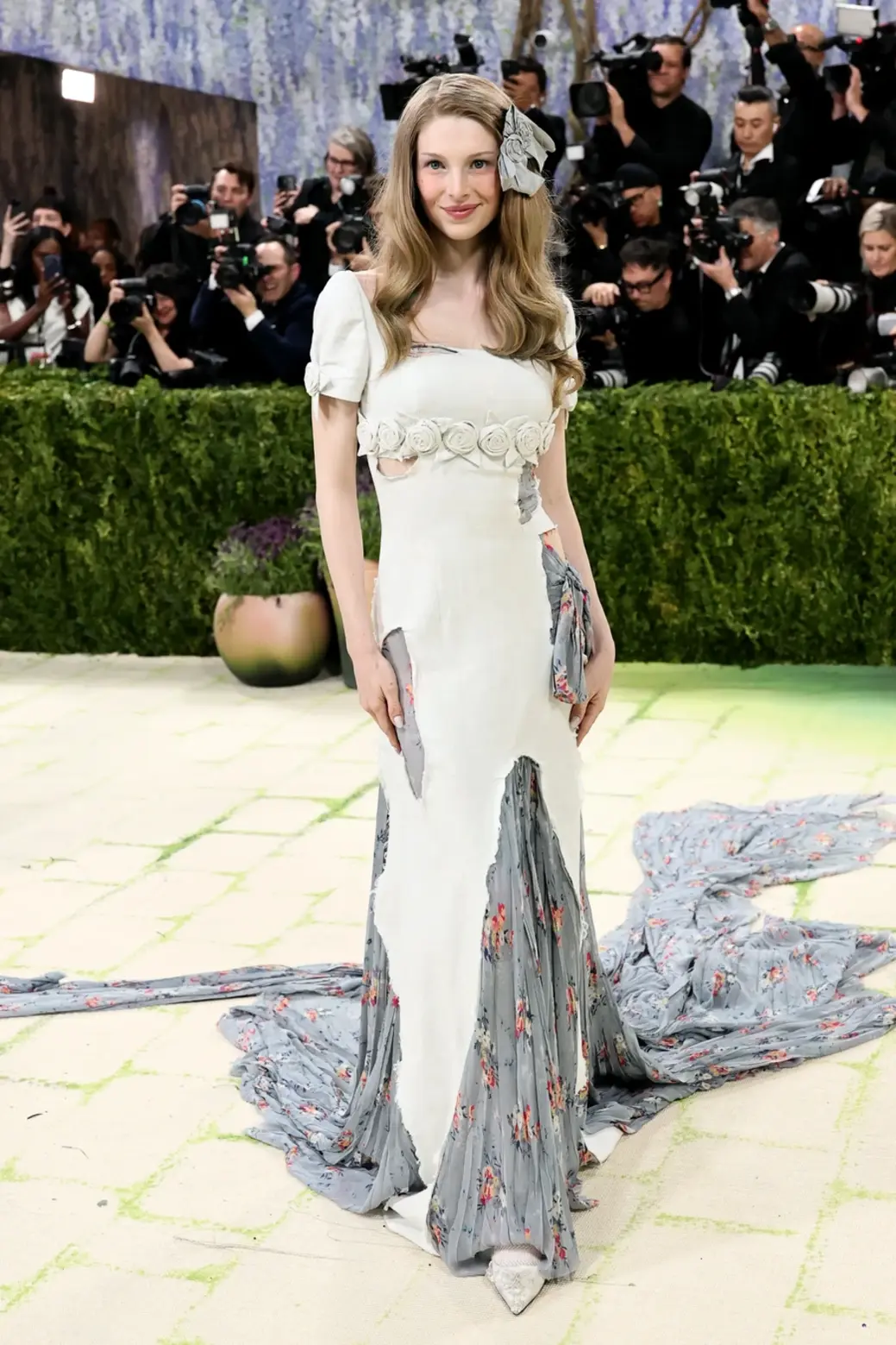
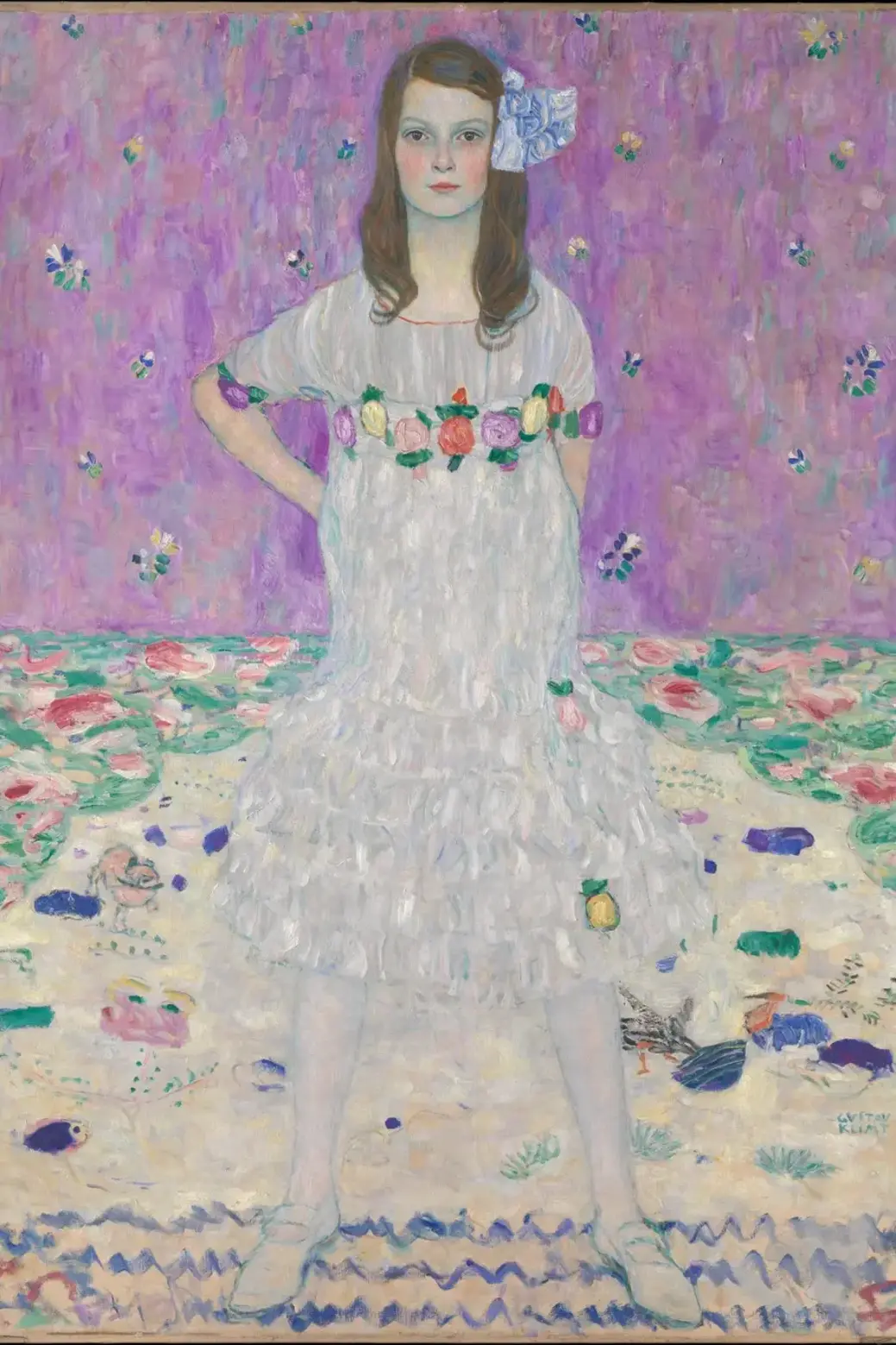
Hunter Schafer’s reference to Gustav Klimt’s Mäda Primavesi that understood the painting as more than a portrait of a young girl. The image has that strange collision of innocence, ornament, and psychological self-possession, where the child stands like she already knows she is being made into an icon. On Hunter Schafer side, the reference could become sharper, cooler, and more contemporary, taking Klimt’s decorative surface and filtering it through a modern fashion body. The result reads as girlhood after the museum glass has cracked, still delicate, yet fully aware of its own gaze.
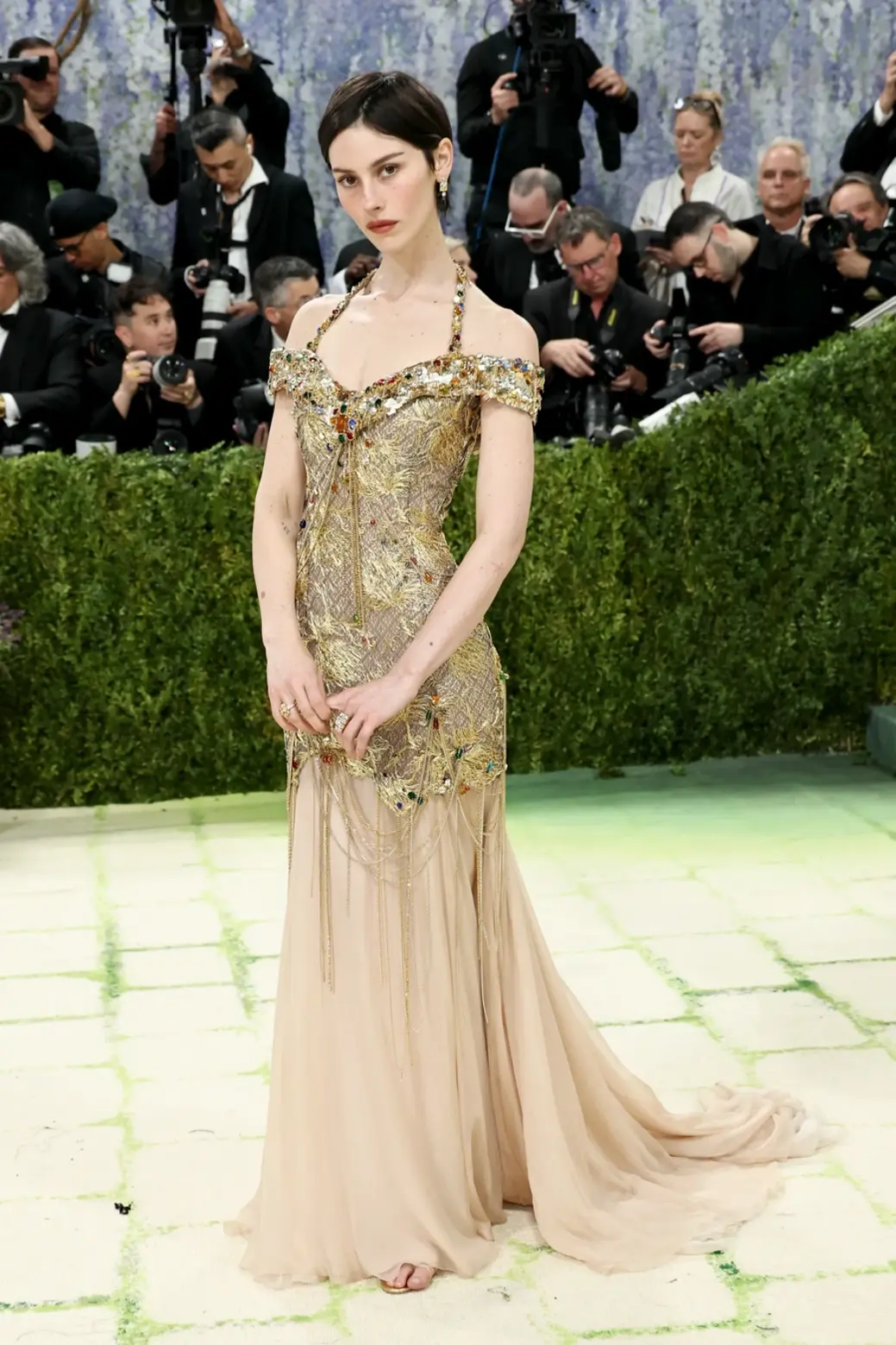
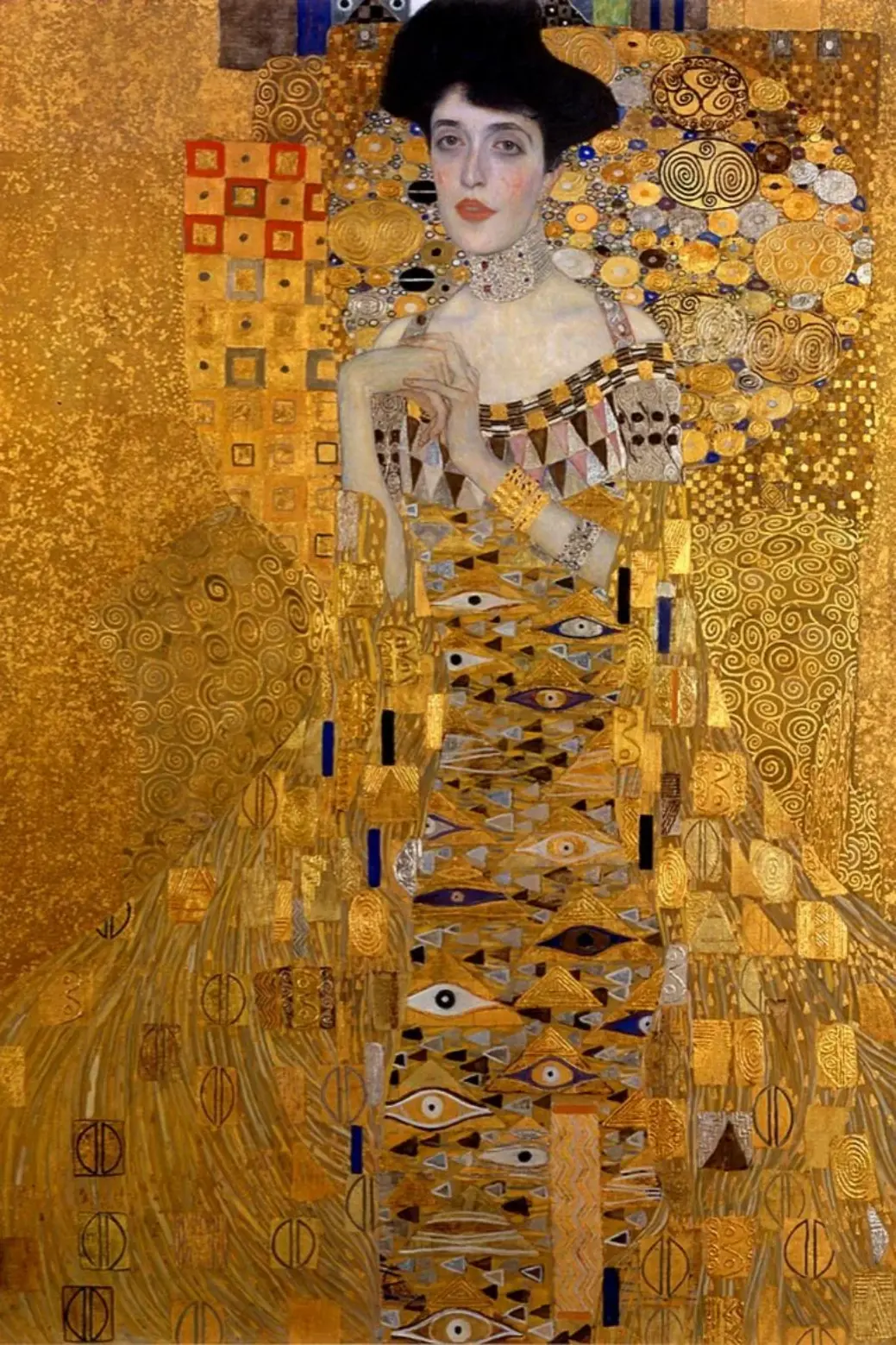
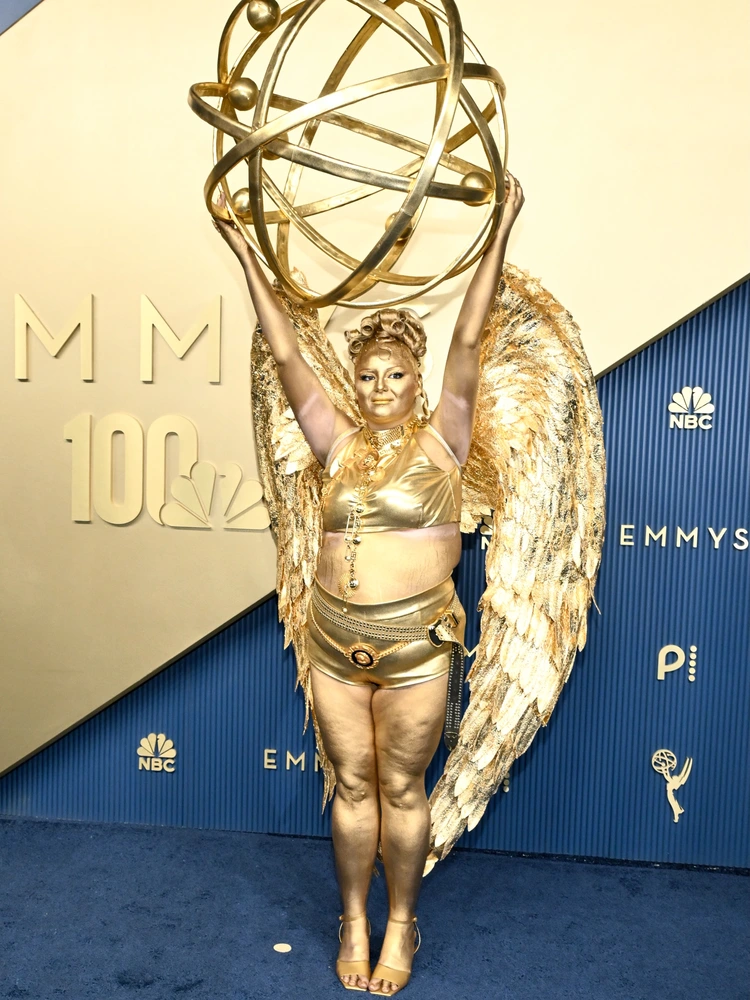
Gracie Abrams’ reference to Klimt’s Adele Bloch-Bauer I shifts the conversation from romance to worship. The painting is not simply golden. It is almost devotional, turning Adele’s face into the only human anchor inside a storm of pattern, symbol, and metallic excess. On Abrams, that reference gives glamour a quieter kind of intensity, where gold becomes less about spectacle and more about aura. The look read as a portrait of visibility itself: a woman emerging from ornament, half image, half icon.
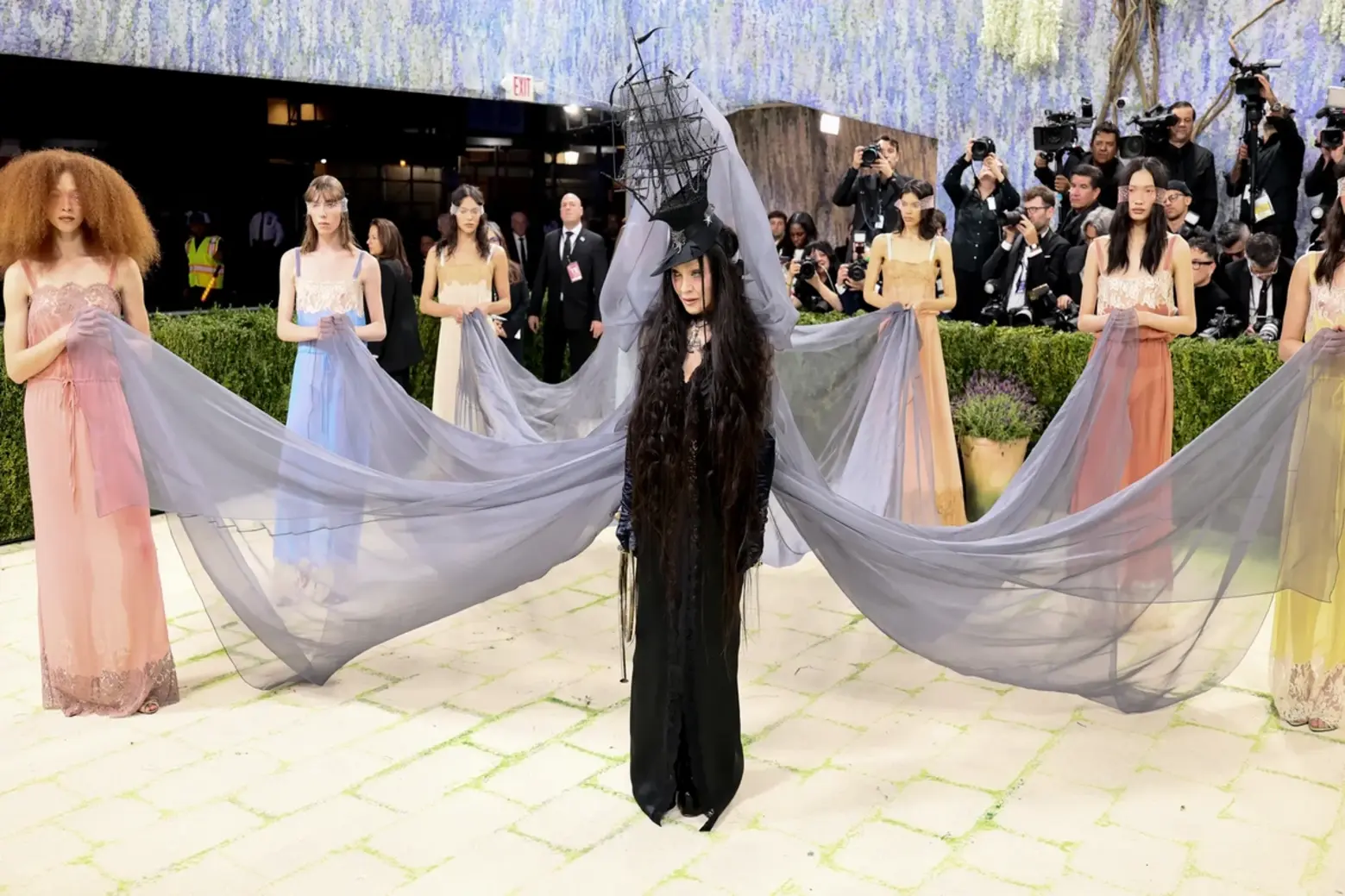
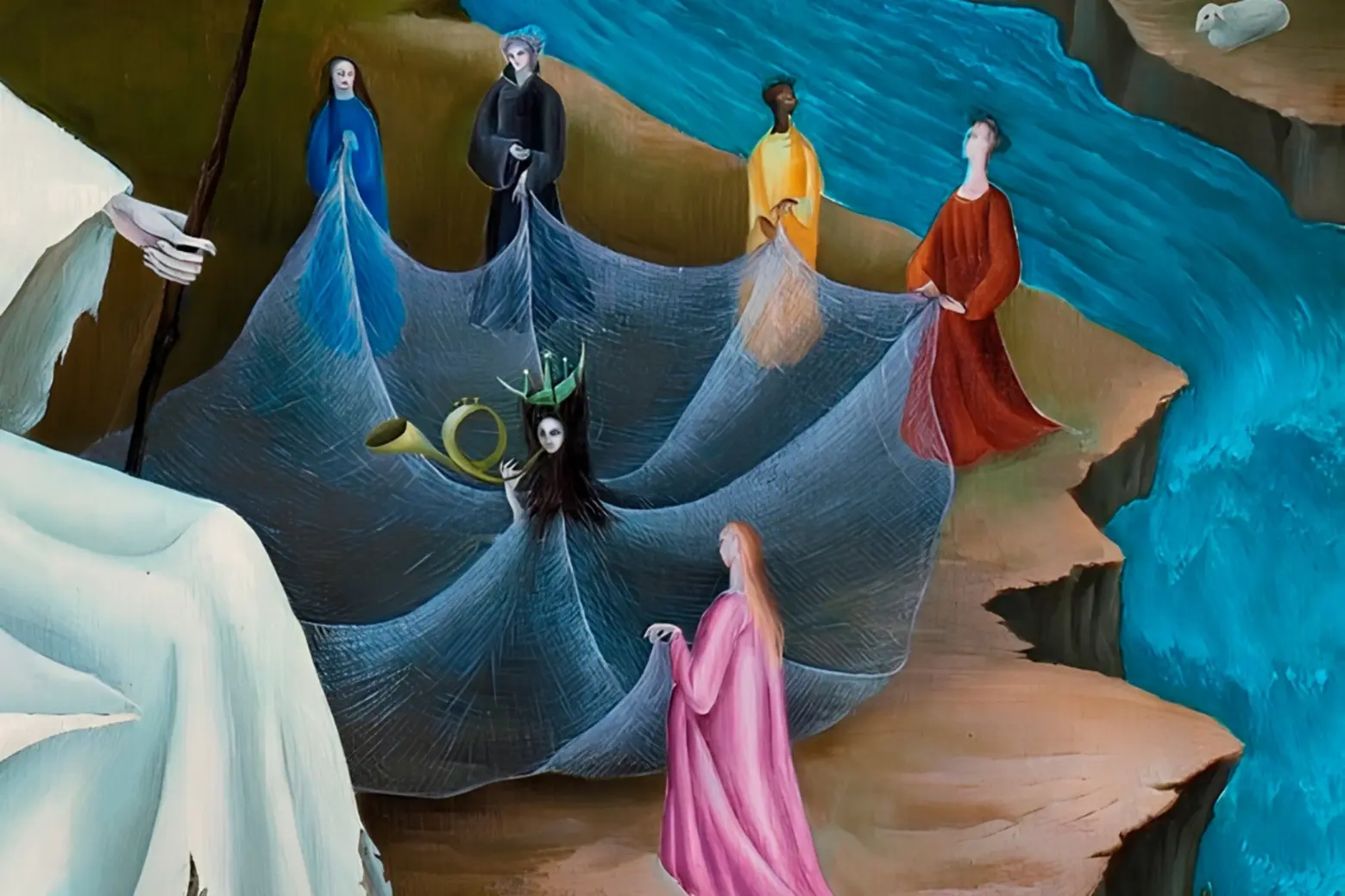
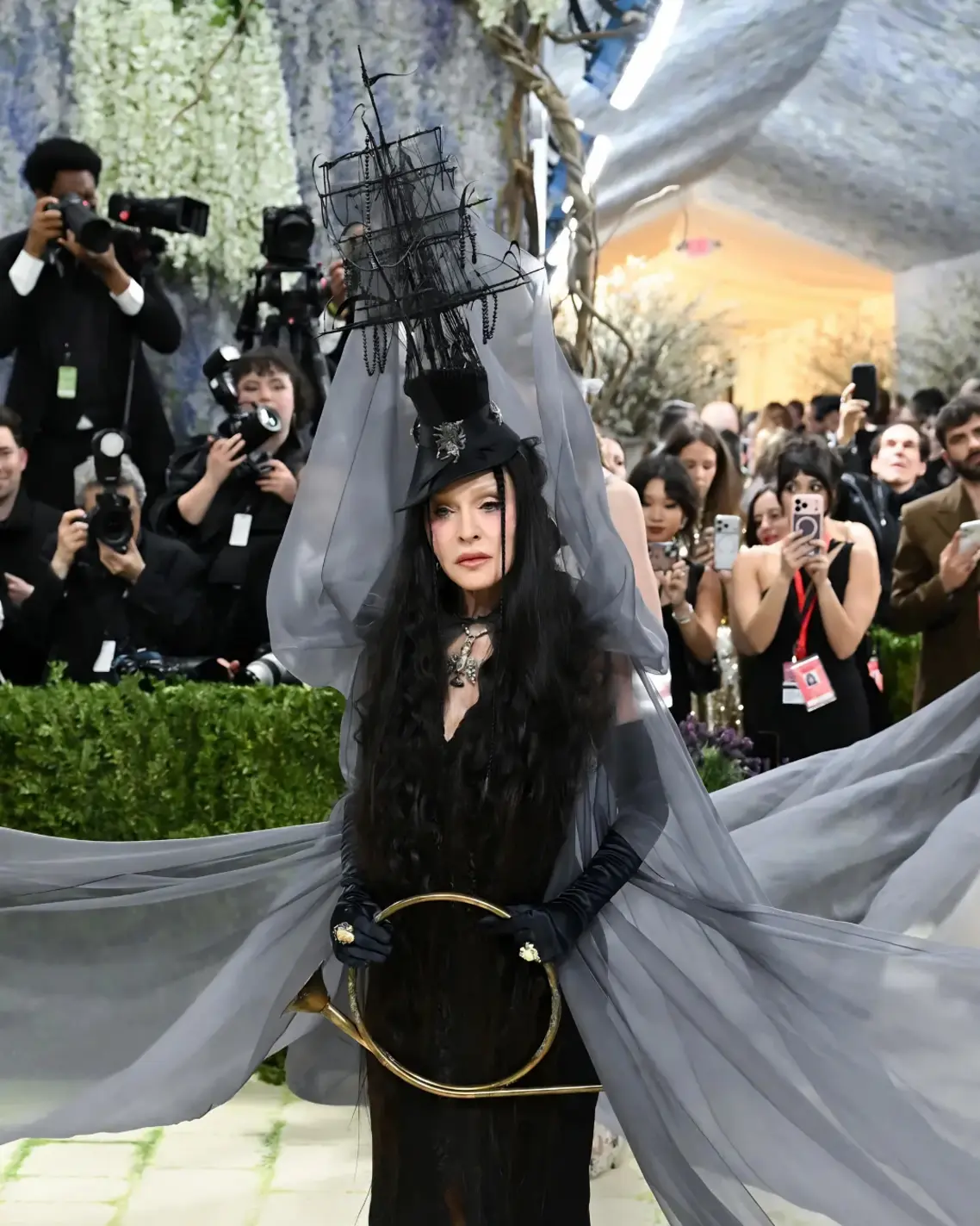
Madonna’s Leonora Carrington reference was one of the night’s most theatrical translations, a haunting melody that built around The Temptation of St. Anthony and its surrealist sense of spiritual danger. Carrington’s world is alchemy, ritual, fear, animal instinct, and dream logic as opposed to the politeness of tormenting fantasy. On Madonna, the reference became a gothic procession, complete with a ship-like headpiece and a sense of being both saint and stormy. Madonna has always understood that fashion is strongest when it behaves like an apparition entering the room before the person does.
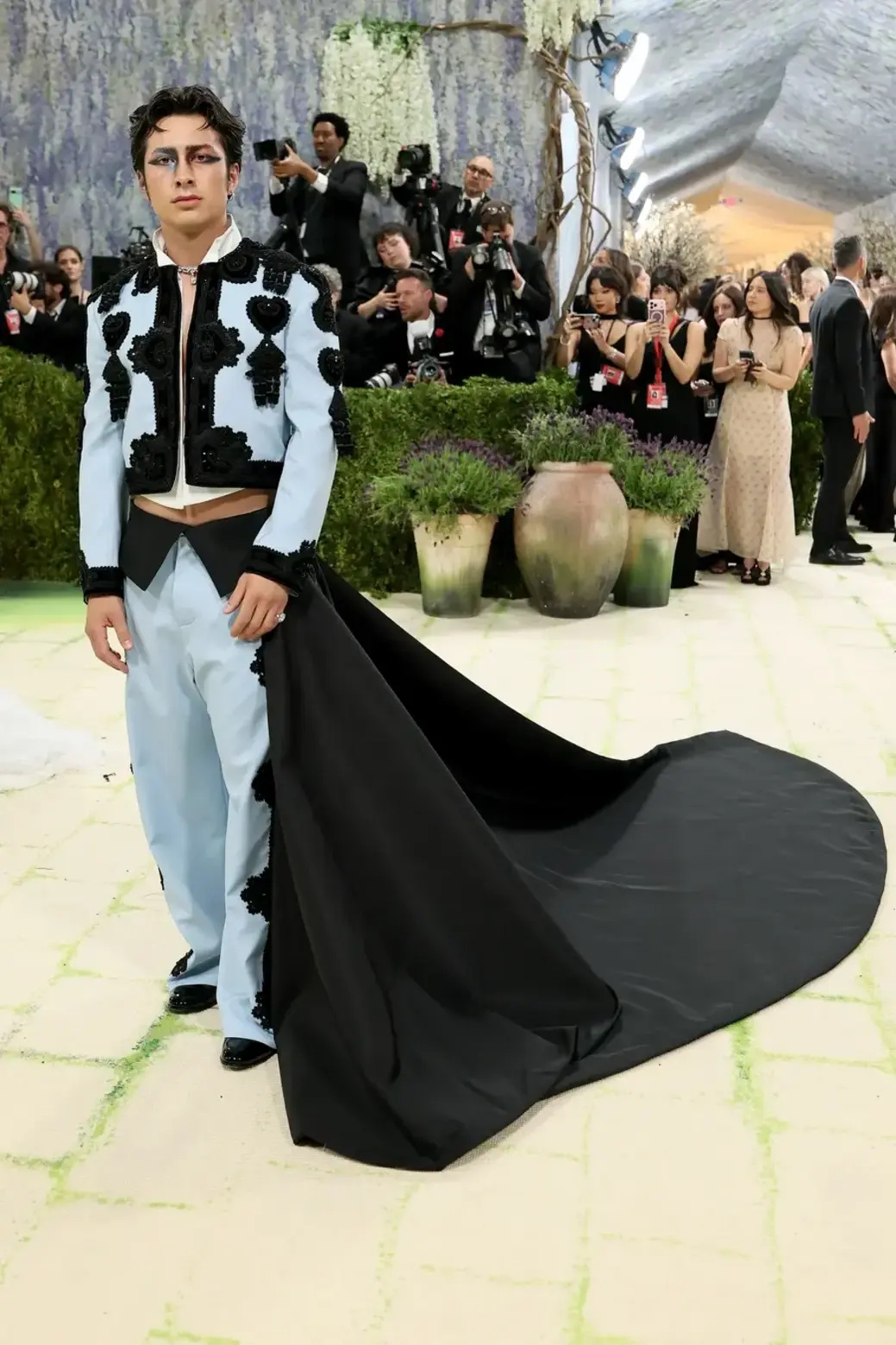
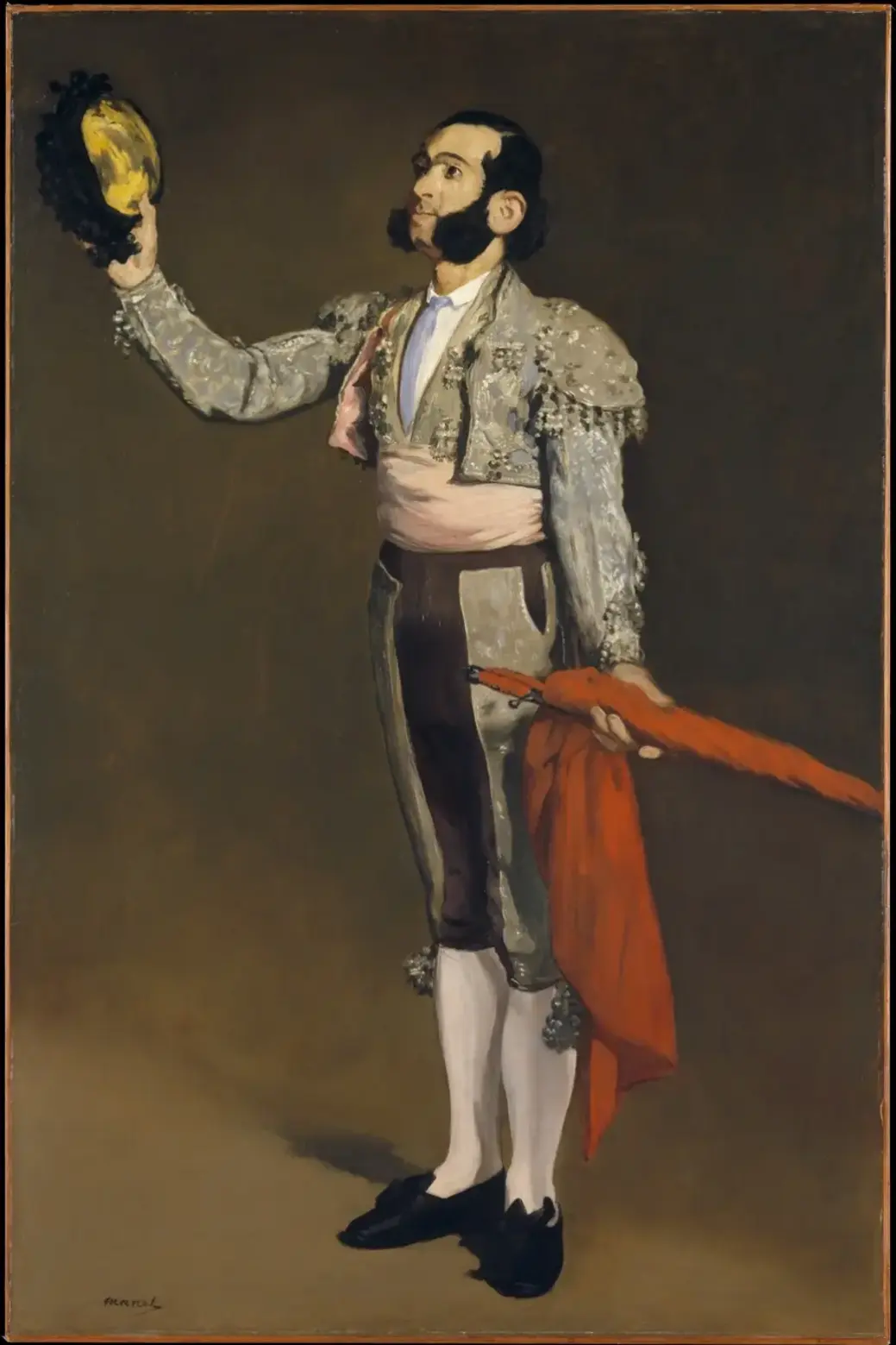
Hudson Williams referencing Edouard Manet’s The Matador Saluting gave the red carpet a study in masculine posture. Manet’s matador is not only about costume, but about theatrical control, the elegance of danger, and the ceremonial performance of bravery. For a Met Gala 2026 look, that reference opens a powerful lane between tailoring and spectacle. The best version of it would avoid simple matador cosplay and focus on stance, gesture, cropped authority, and the erotic discipline of a uniform made for being watched.
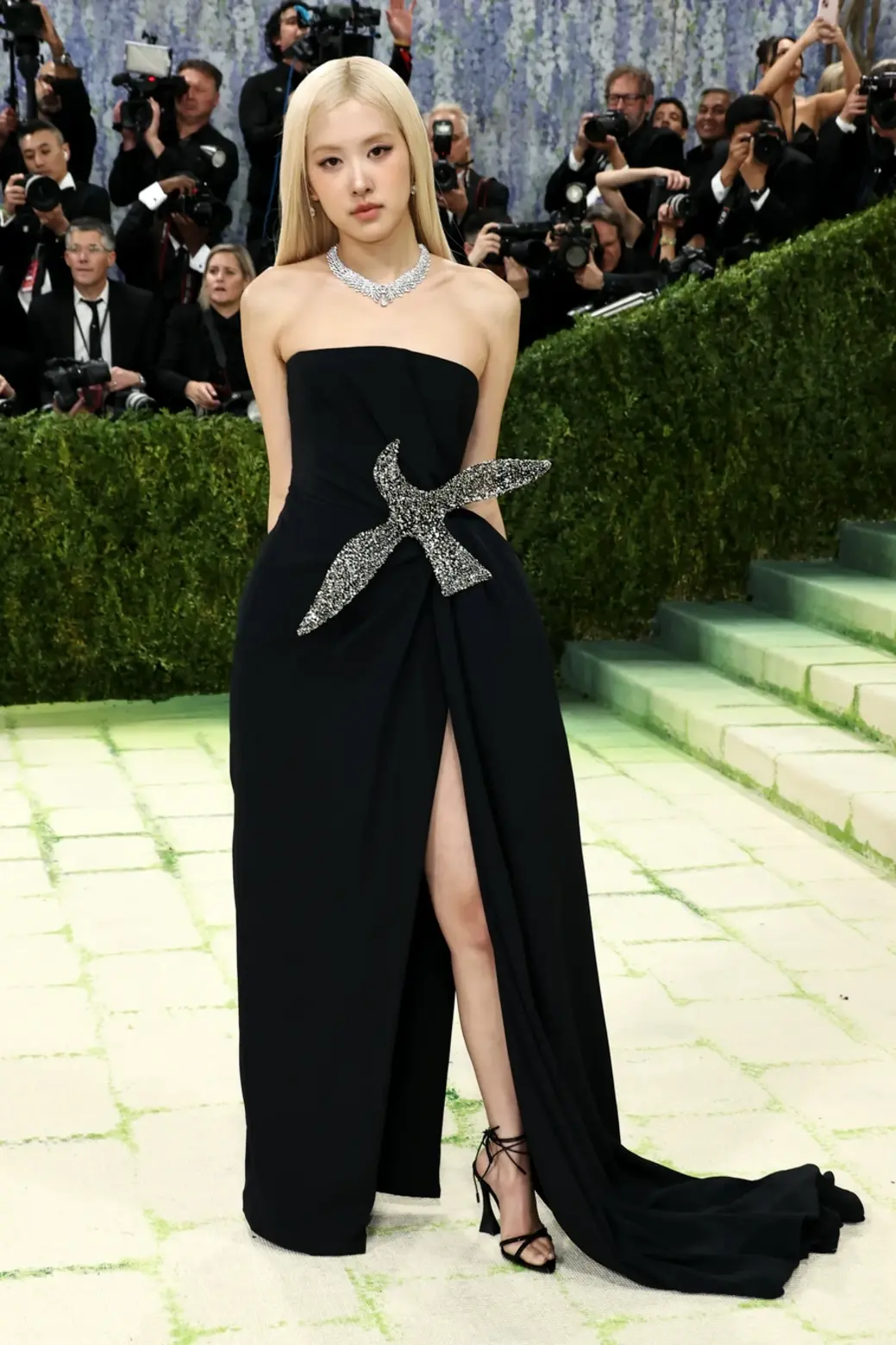
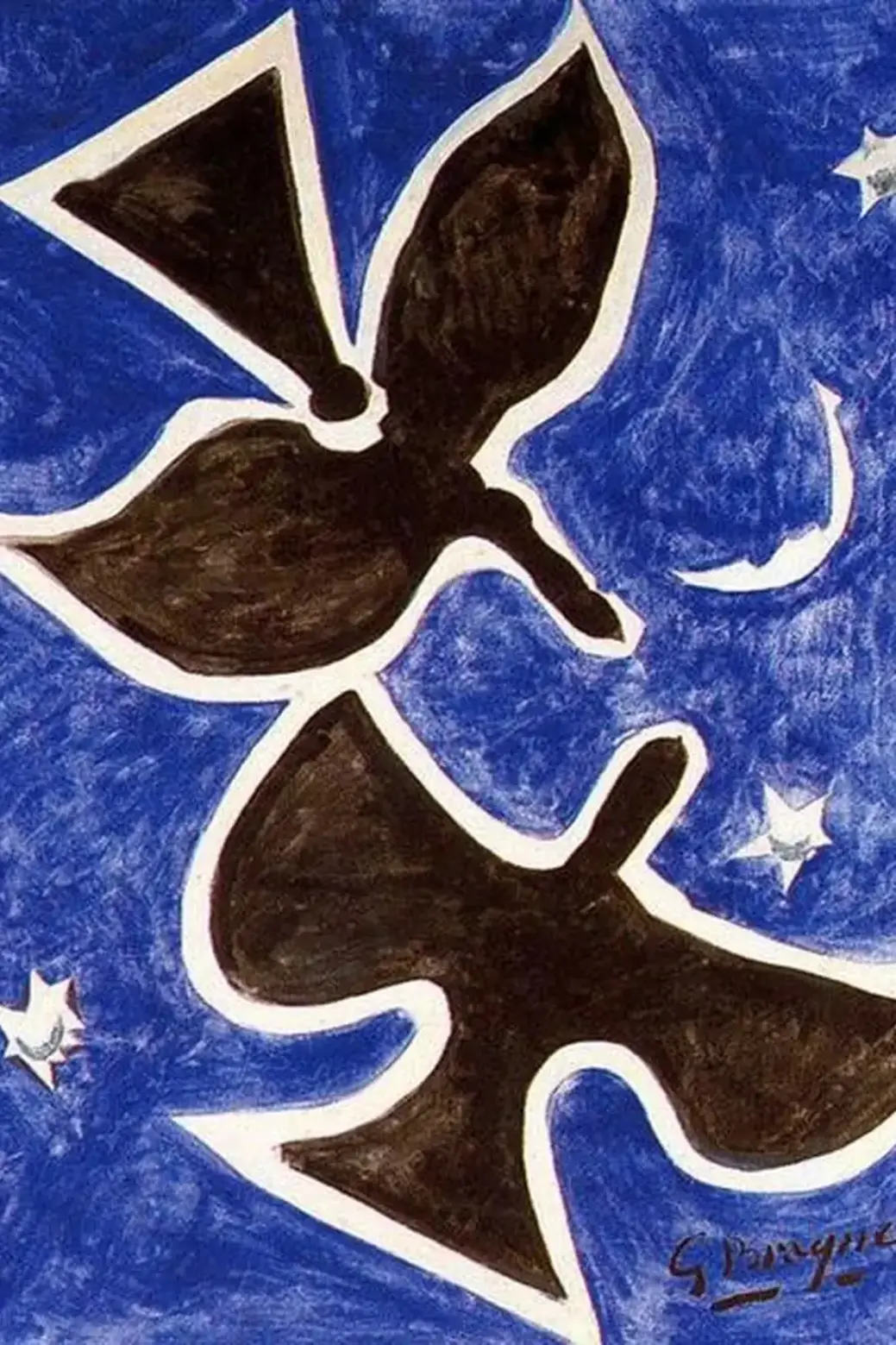
Rosé’s connection to Georges Braque’s The Birds offered a quieter, more poetic reference. Braque’s birds are the modernist symbols of flight, movement, and abstraction, built through shape as much as sentiment. On Rosé, this kind of reference suits a lighter red carpet language, where the body becomes an extension of wings, negative space, and soft graphic rhythm. It is the kind of Met Gala look that can whisper and still feel expensive, because its drama lives in restraint.
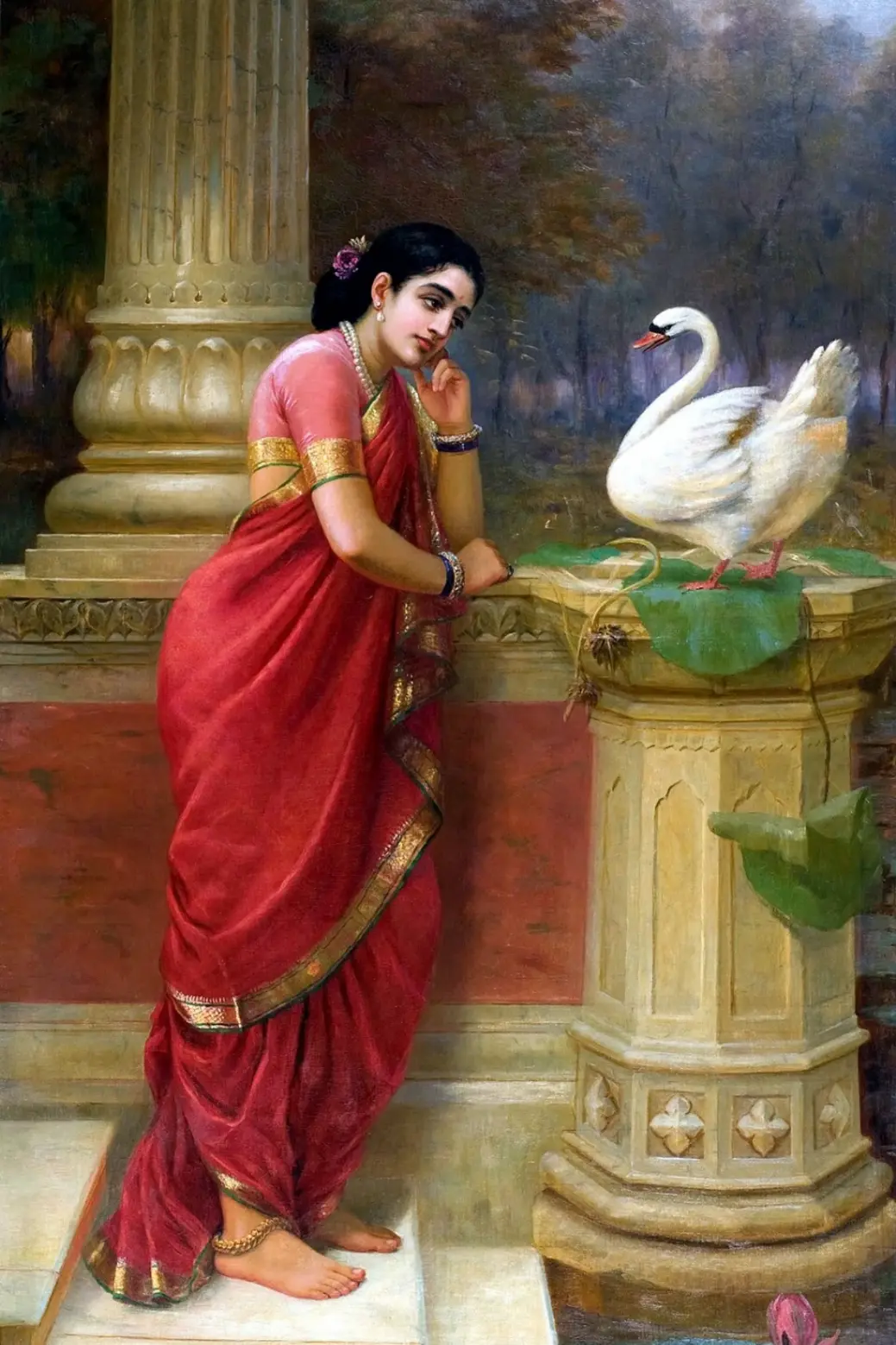
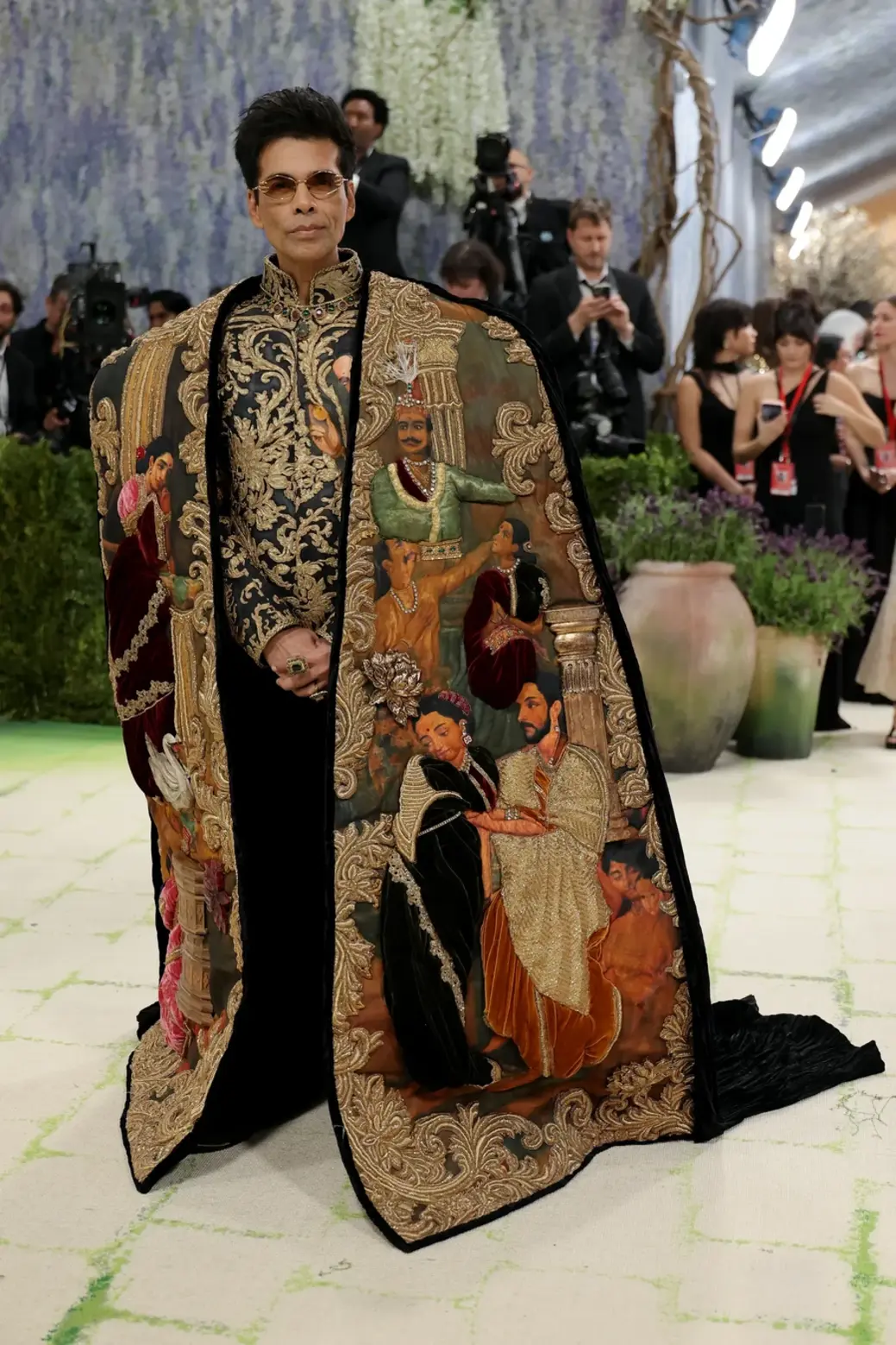
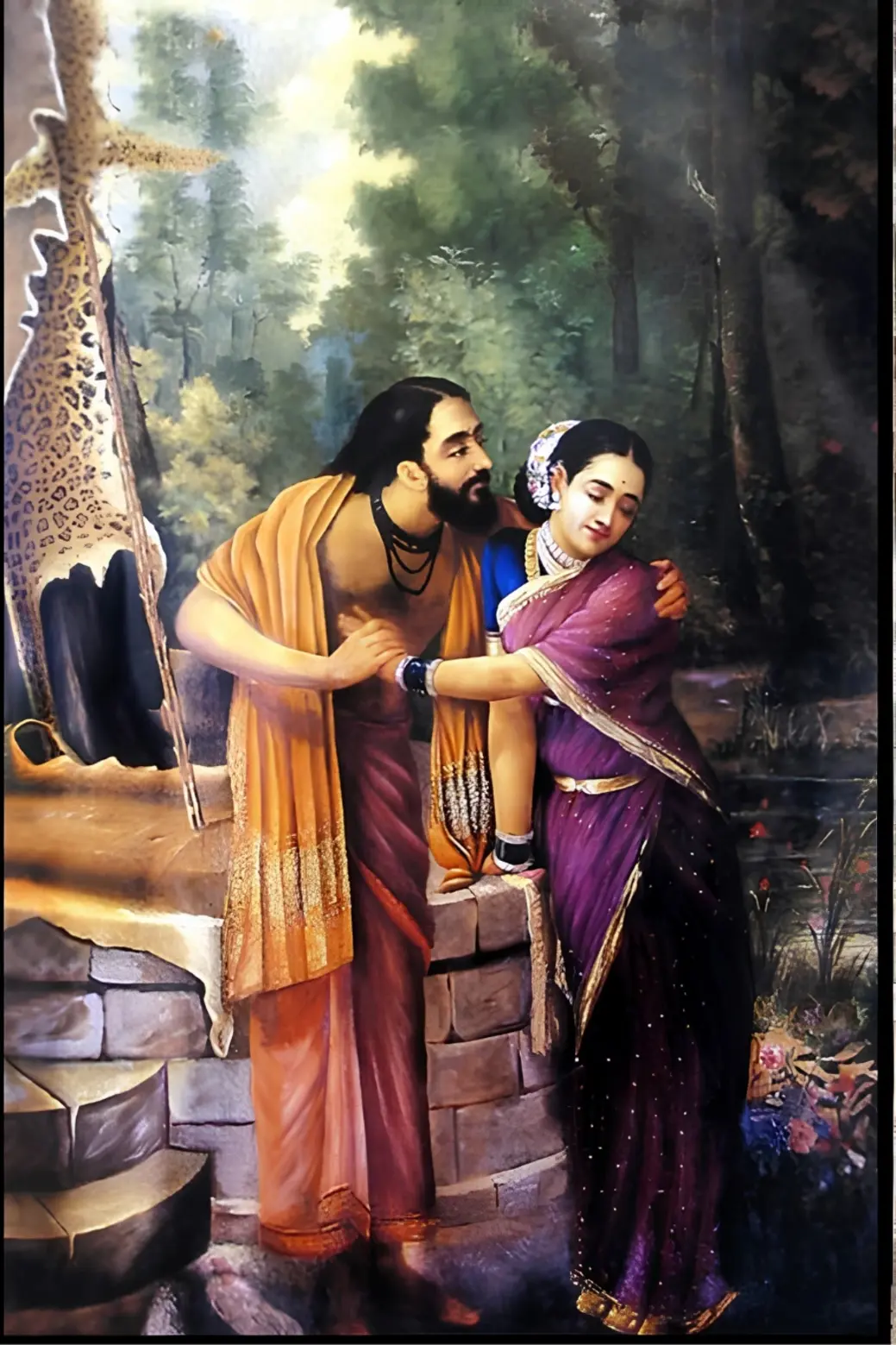
Karan Johar’s references to Damayanti and the Hamsa and Arjun and Subhadra brought the Met Gala 2026 beyond the usual Western art loop. These images carry a world of courtly romance, divine messaging, textile richness, and narrative beauty, where clothing is never separated from status, emotion, and mythology. Few menswear moments at the Met Gala 2026 carried history, craft, and cultural memory with such ceremonial force. The strength of this reference lies in its refusal to flatten Indian art into surface embellishment. At its best, the look becomes storytelling through drape, jewel tone, gesture, and presence, a reminder that art history moves way beyond the European museum wall.
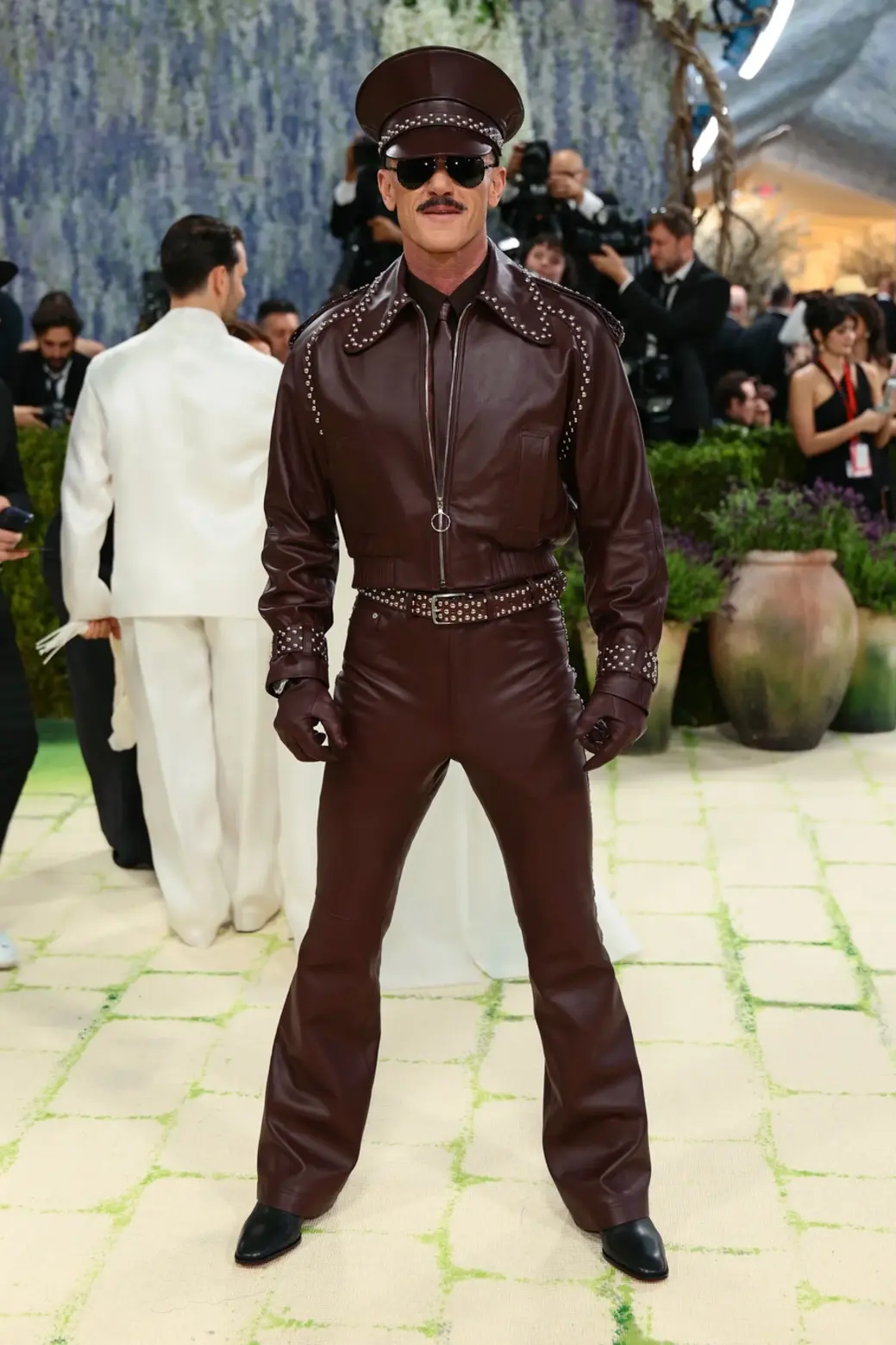
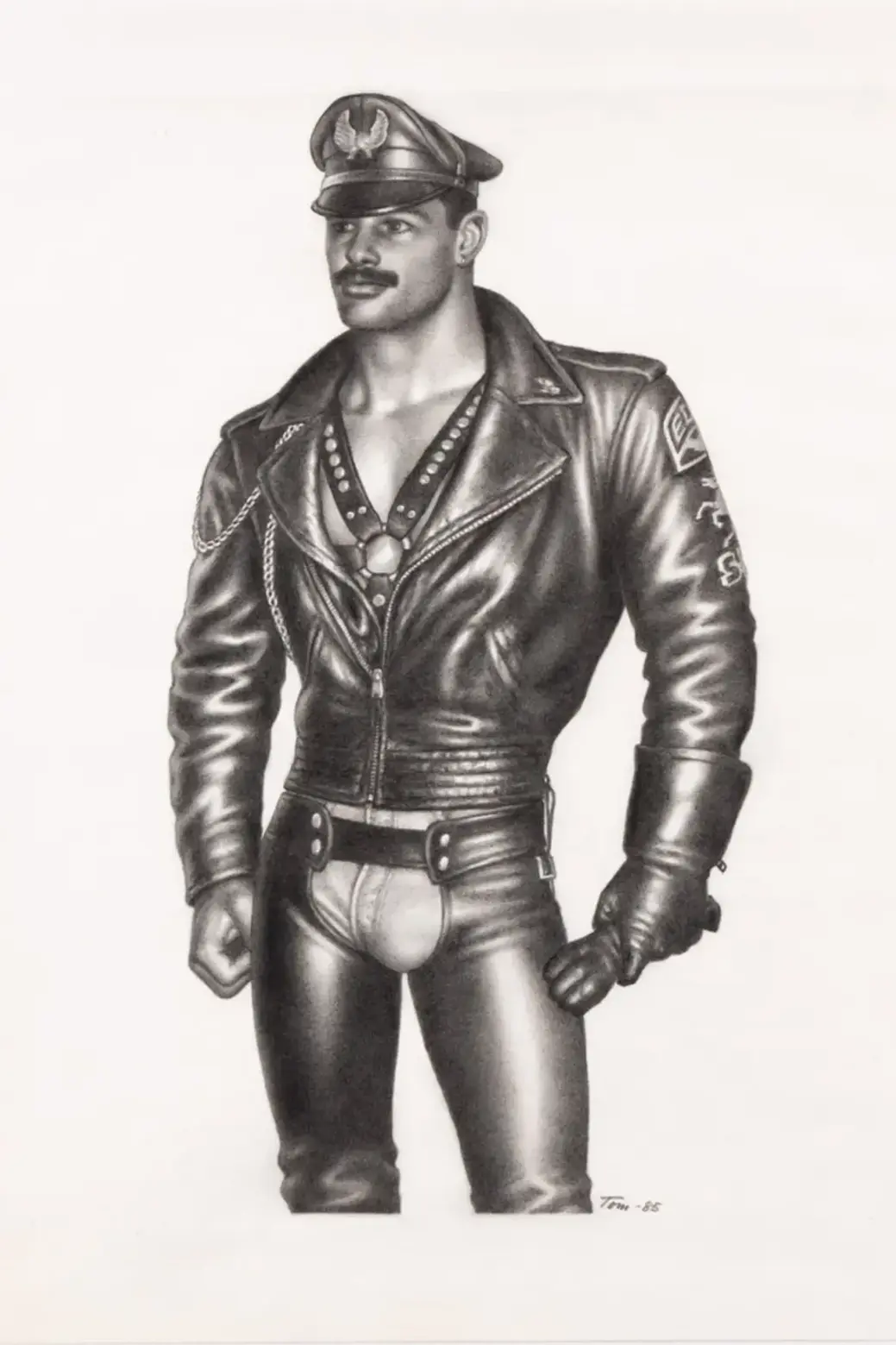
Luke Evans referencing Tom of Finland from 1985 gave the night a different kind of body politics. Tom’s work has long been tied to queer visual culture, coded masculinity, leather aesthetics, and the stylized performance of confidence. For the Met Gala 2026, this reference treats the dressed body as identity architecture. The look does not need to over-explain itself. Its impact comes from control, polish, and the transformation of subcultural imagery into red carpet authority.
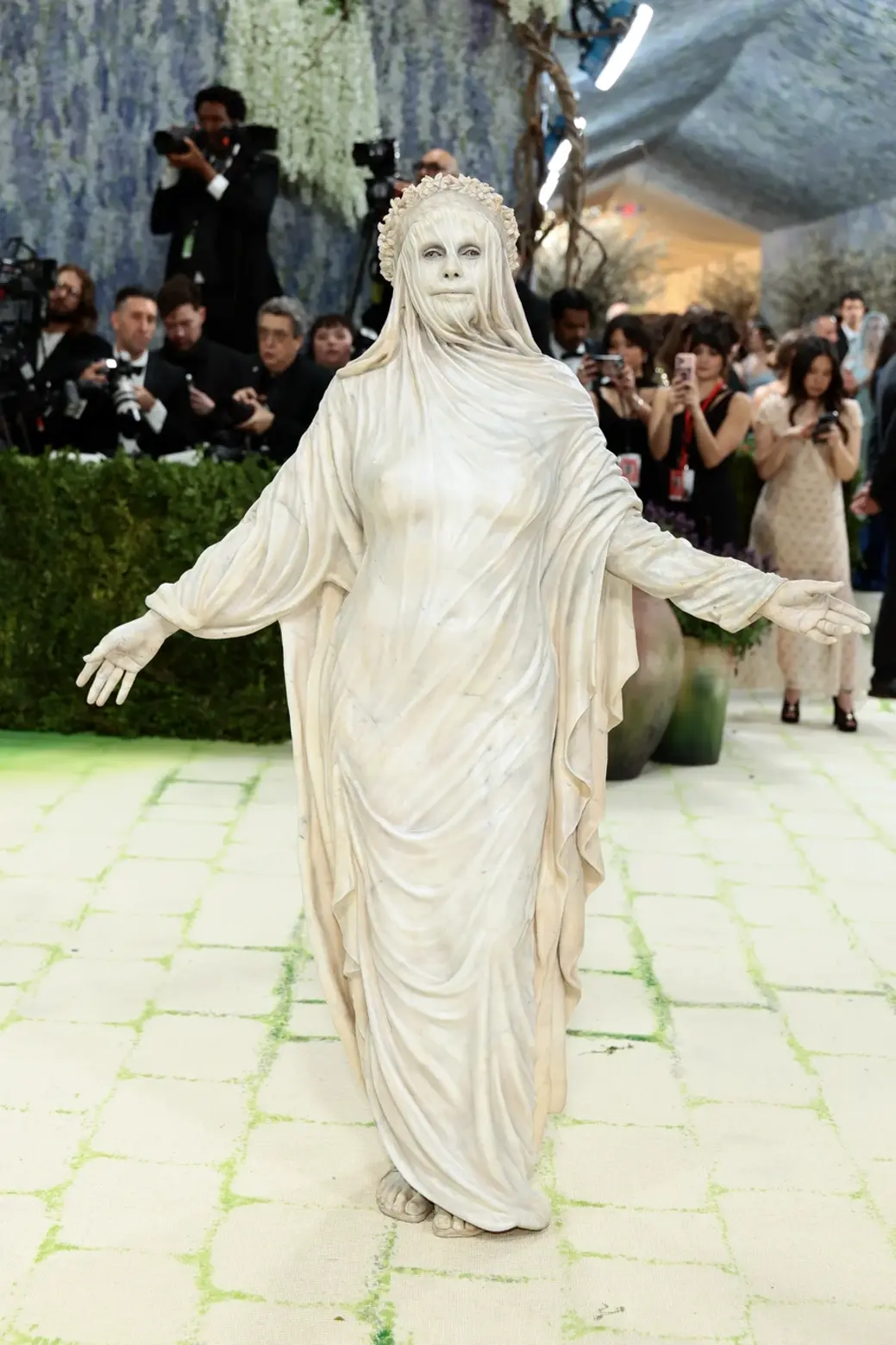
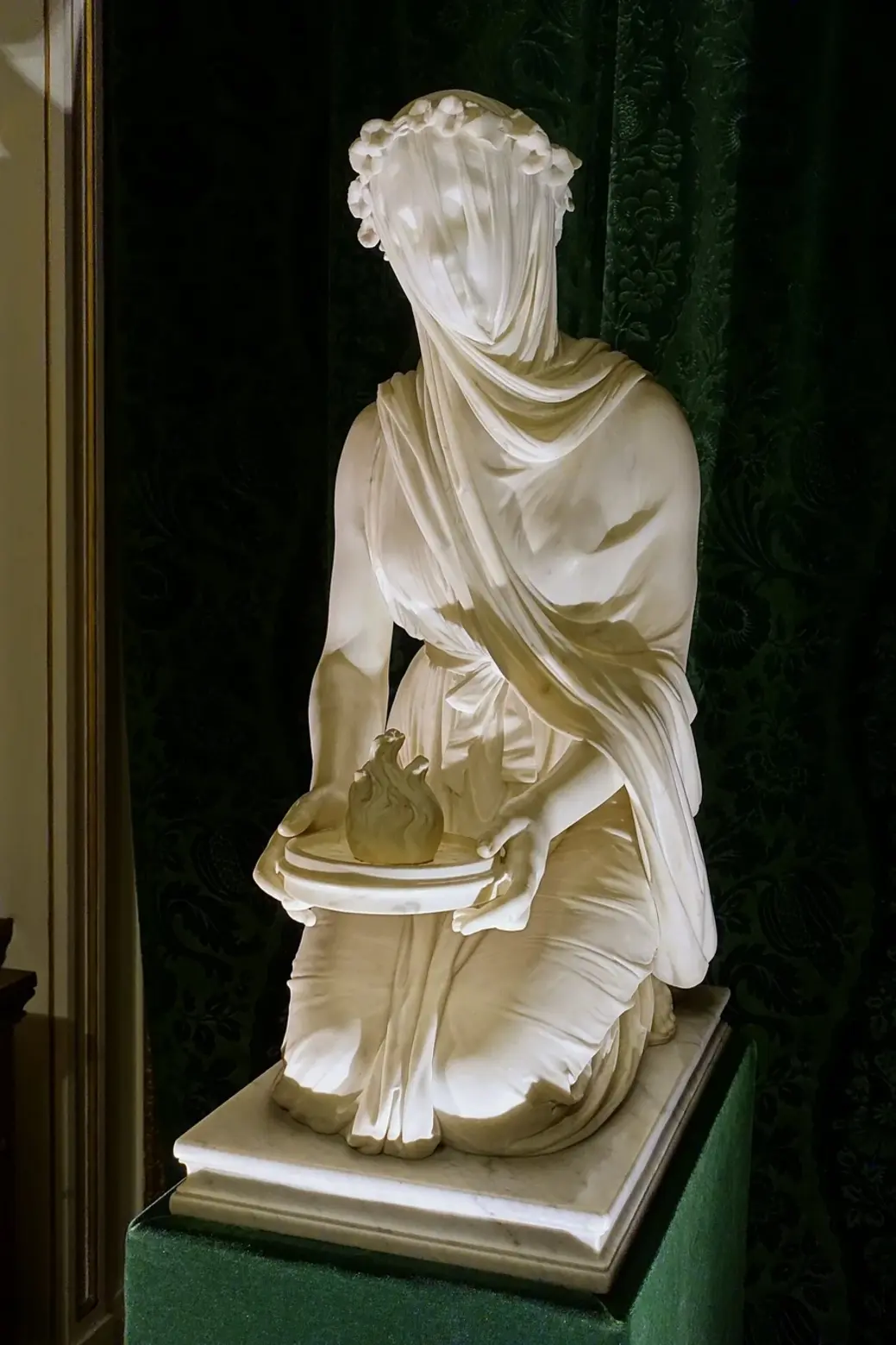
Heidi Klum’s reference to Raffaelle Monti’s Veiled Vestal was a direct invitation to think about fabric as illusion. Monti’s sculpture is famous for making marble behave like translucent cloth, turning stone into breath, modesty, and mystery. A fashion translation of that reference has to perform the opposite magic, making fabric feel sculptural while still keeping the softness of a veil. It also fits Klum’s long-running Met Gala language, because her appearances have often carried a real devotion to the theme, the kind of commitment that makes the internet joke that her dedication should be studied. On the Met Gala steps, the look turns concealment into drama, with face, body, and garment hovering between revelation and restraint.
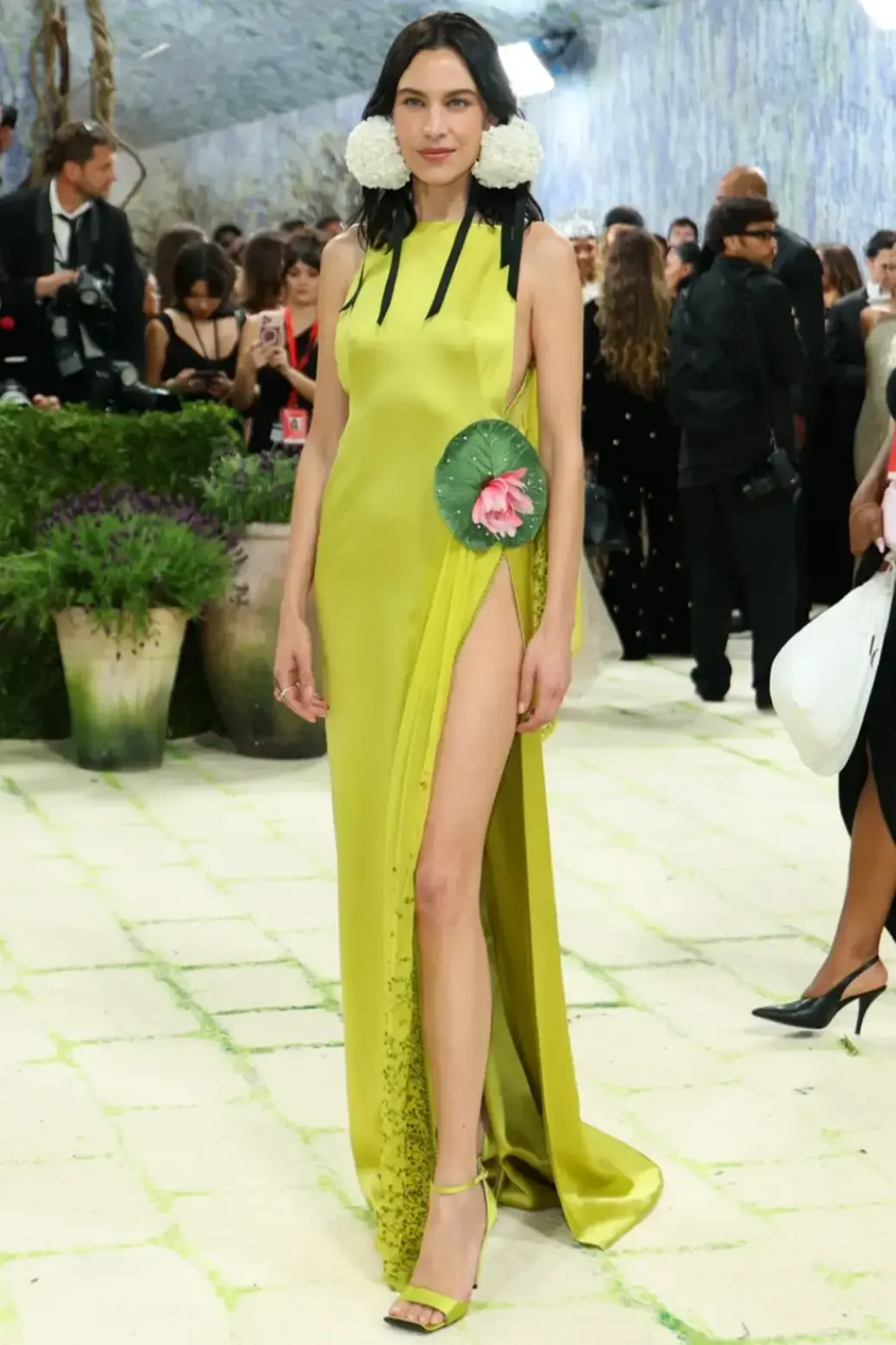
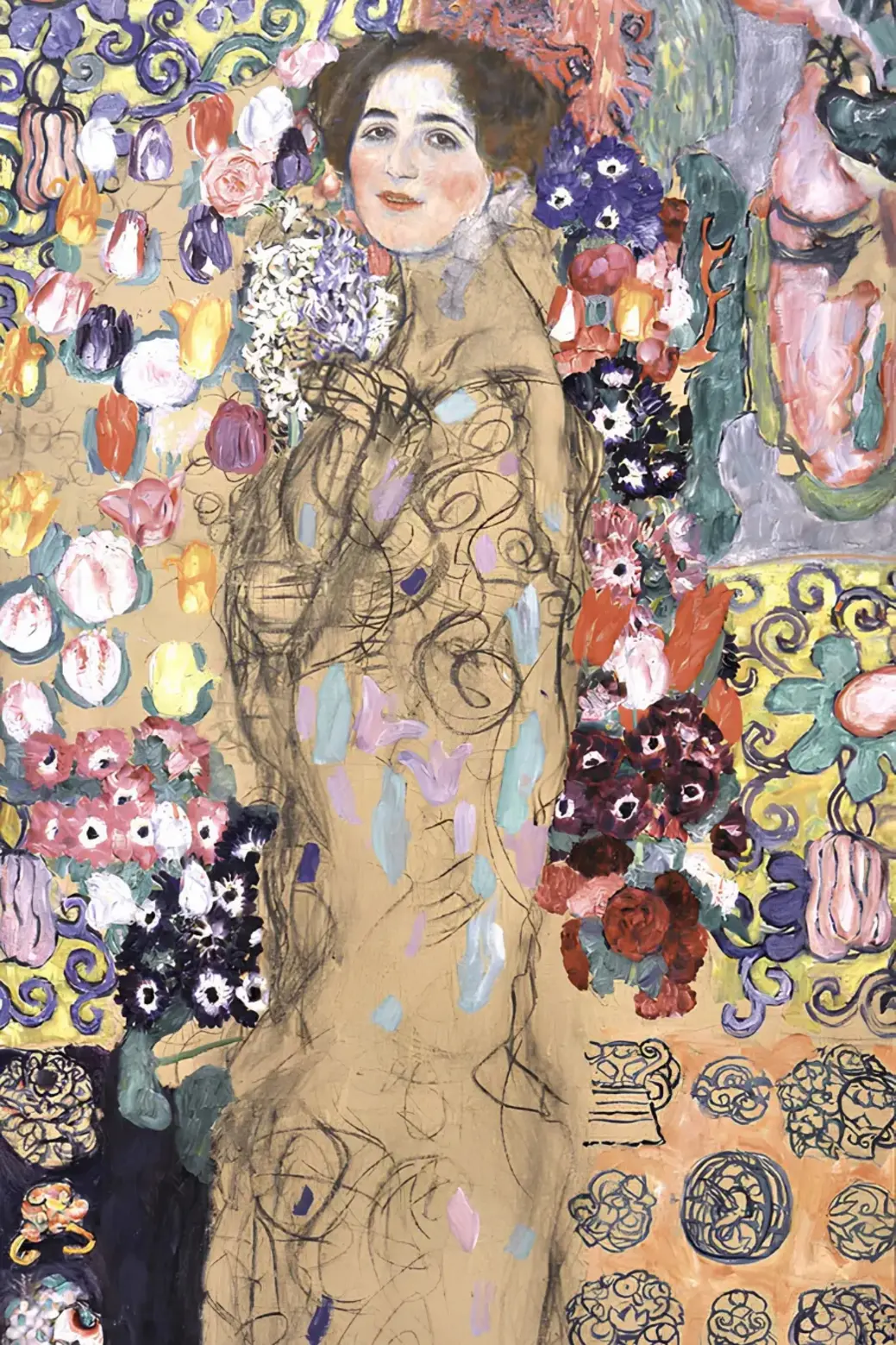
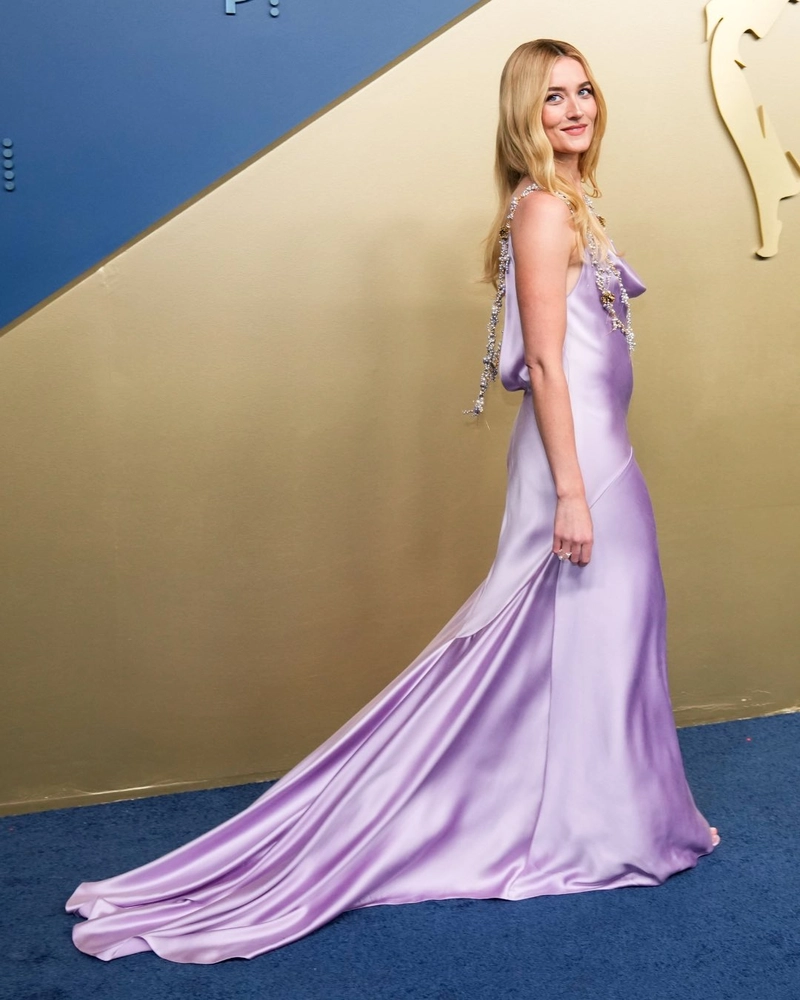
Alexa Chung’s Portrait of Ria Munk III reference moved Klimt away from obvious gold and into a more melancholic floral register. The painting carries beauty with a ghost behind it, a portrait that feels lush yet unfinished, blooming yet suspended. Chung has always dressed with a similar kind of tension, where vintage romance meets dry modernity and sweetness arrives with a raised eyebrow. The look can be read as garden, portrait, memory, and social mask at once, exactly the kind of layered charm that makes art references feel alive.
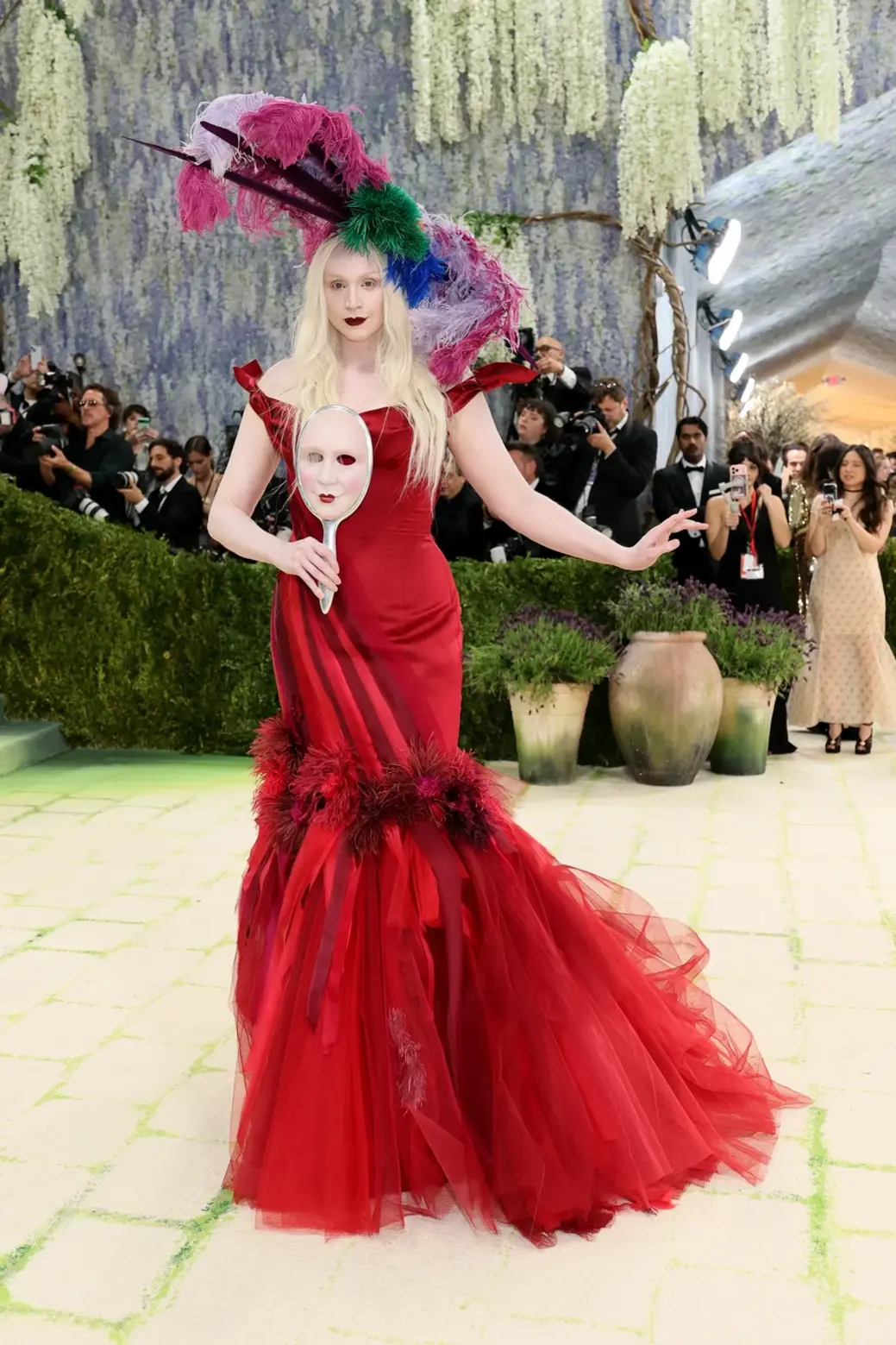
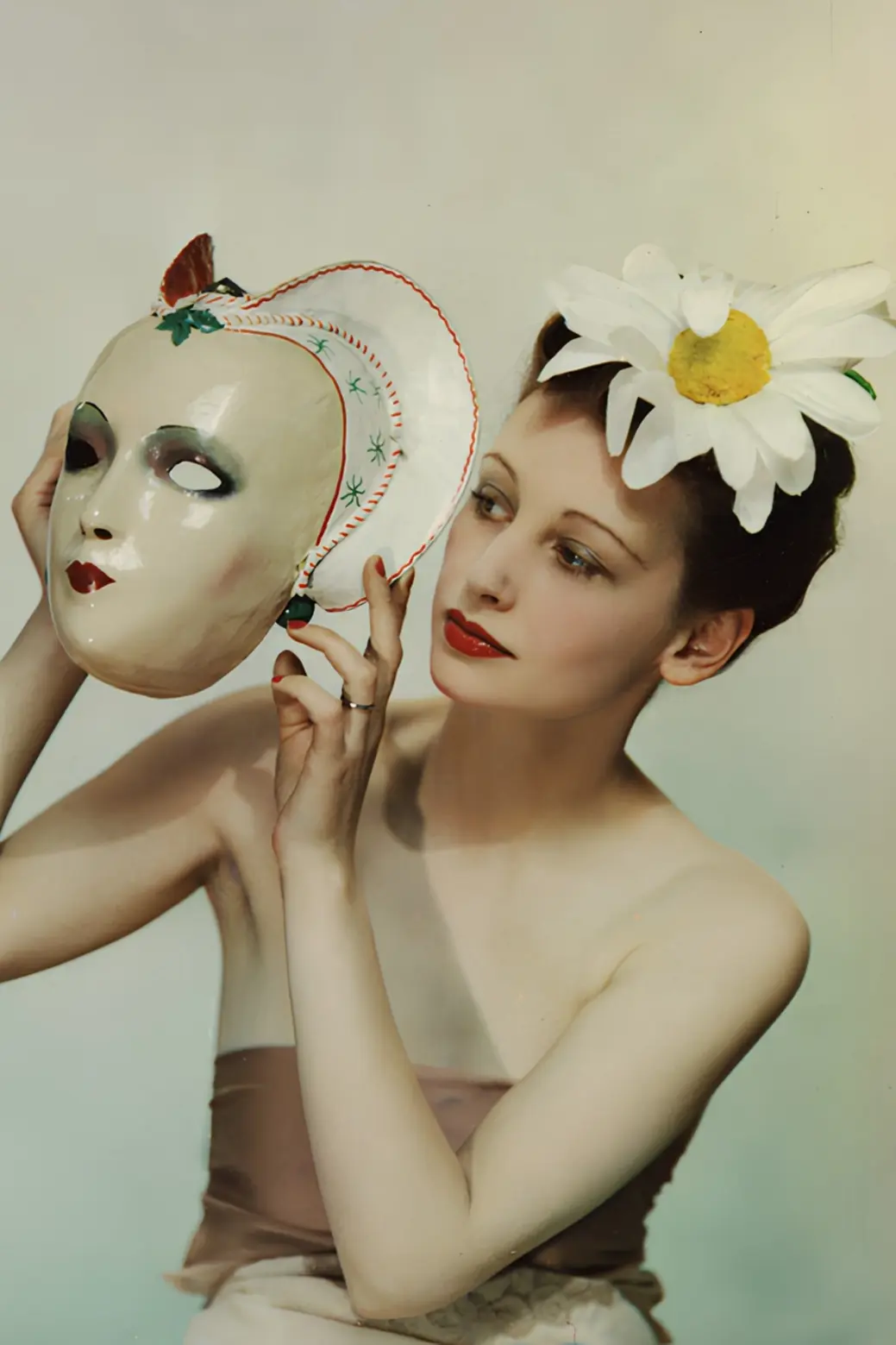
Gwendoline Christie’s Madame Yevonde reference was among the night’s most intellectually satisfying moments, turning portraiture into performance before the first flash even landed. Yevonde’s photography turned women into mythic, theatrical figures through color, costume, and controlled exaggeration. Gwendoline Christie, with her commanding height and instinct for character, is almost built for that kind of transformation. The look’s power comes from self-staging, not prettiness, turning the Met Gala 2026 red carpet into a séance of old glamour, surreal identity, and deliberate artifice.
The sharpest Met Gala 2026 art references held on to the private disturbance of the artwork, then let that feeling find a new shape on the body. A weak reference asks whether a dress resembles a painting. A strong one asks what the painting was doing to the body, to power, to desire, to history, and then finds a new costume language for that force.
At its strongest, the Met Gala is not about dressing up as art. It is about letting art disturb fashion until fashion discovers another body for itself. And the Met Gala 2026 still had more apparitions in Part 2 waiting in the wings, where other paintings, myths, and bodies would continue testing how far fashion could carry art without turning it into costume. At the Met Gala 2026, art history left the museum glass behind and found its most dangerous costume yet.
Advertisement