MENU
Close





At the Met Gala 2026, art history reached its most intimate form when paintings, portraits, photographs, and myths found new bodies to inhabit. Across the red carpet, fashion became a final chamber of the museum, where gardens turned feverish, icons sharpened their gaze, marble warmed into flesh, and old glamour returned with a darker pulse.
At the Met Gala 2026, art history reached its most intimate form when paintings, portraits, photographs, and myths found new bodies to inhabit. Across the red carpet, fashion became a final chamber of the museum, where gardens turned feverish, icons sharpened their gaze, marble warmed into flesh, and old glamour returned with a darker pulse.
May 4, 2026
Advertisement
Advertisement


Moving along with the Met Gala 2026 apparitions in Part 1, this chapter moves from the act of taking to the strange aftermath of possession. The museum has already been opened; its images have already been released. What remains is the more unsettling question of what those images do once they find skin, breath, and spotlight.
From there, the Met Gala 2026 movement feels more intimate and more dangerous. If the first chapter was about fashion stealing from the museum, this one is about what happens when the stolen image begins to breathe on its own. The artwork enters the body, changes its posture, and asks to be seen as something alive.
An enchanting yet intriguing parade of recognizable references begins to unfold, but the most memorable looks move past the game of matching celebrity to painting. They create a deeper exchange with the original image, letting its pressure settle into fabric, gesture, and atmosphere. In those moments, the Met Gala 2026 turns art history into a second skin, alive with glamour and unease.
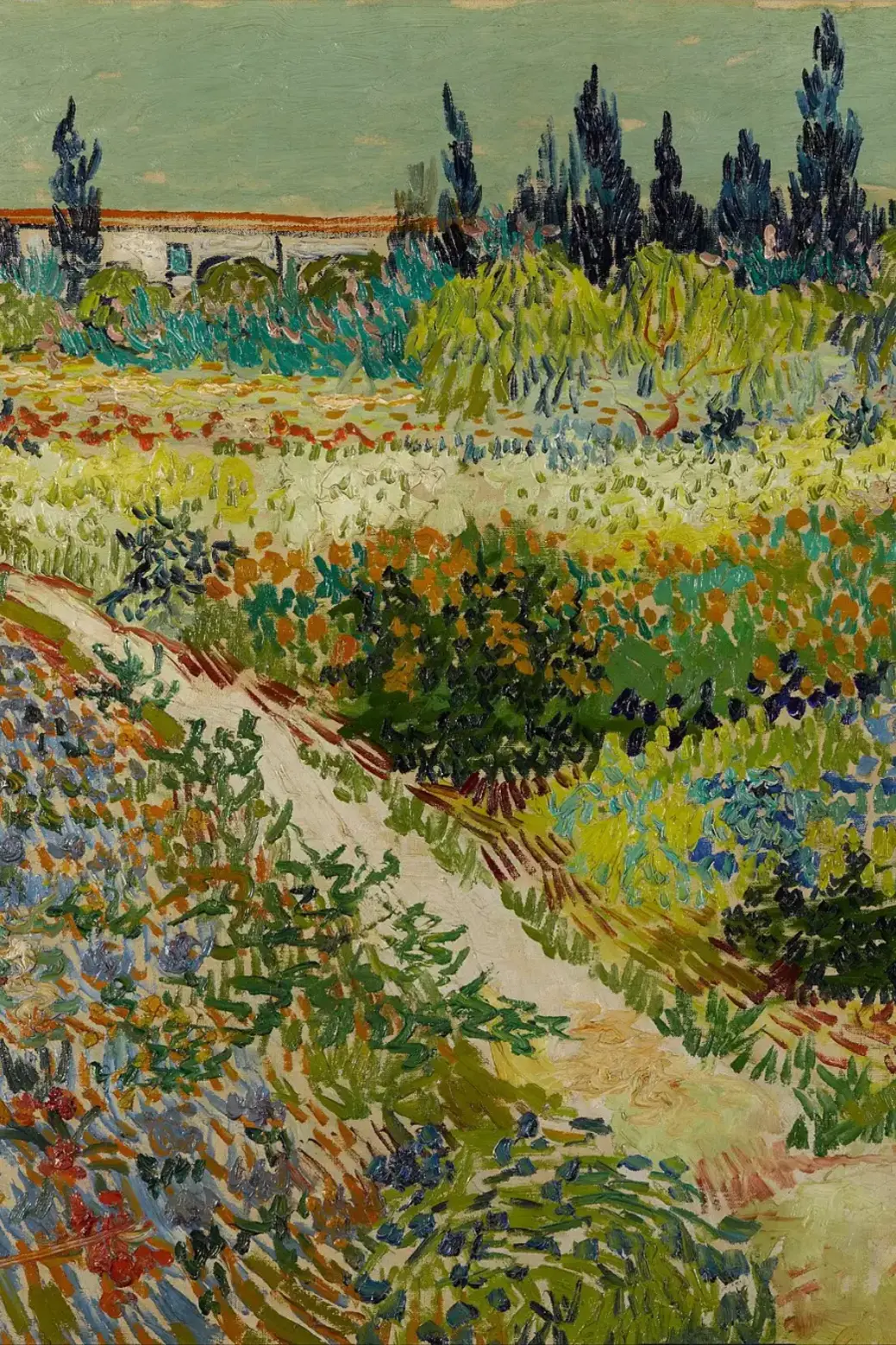
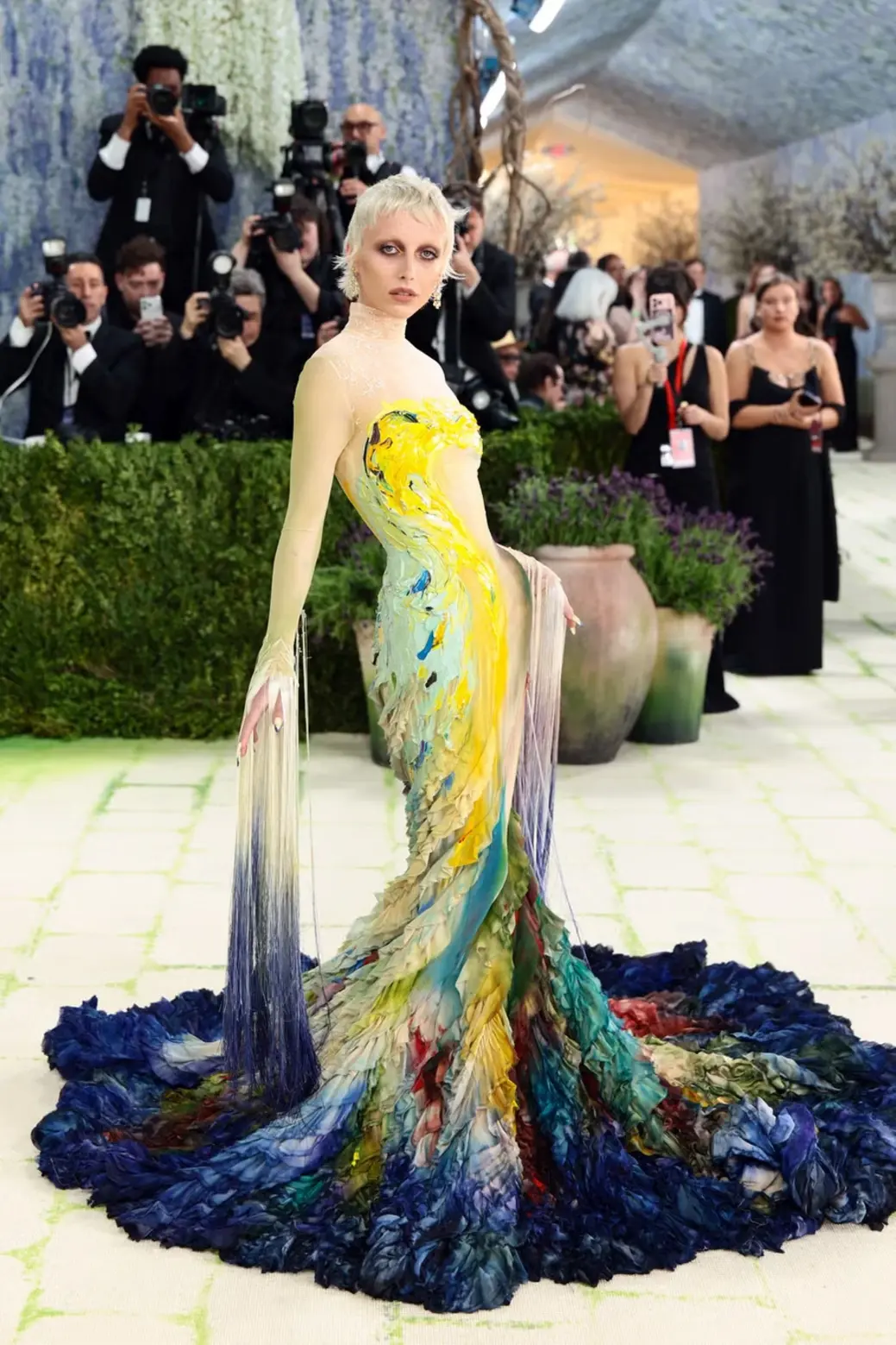
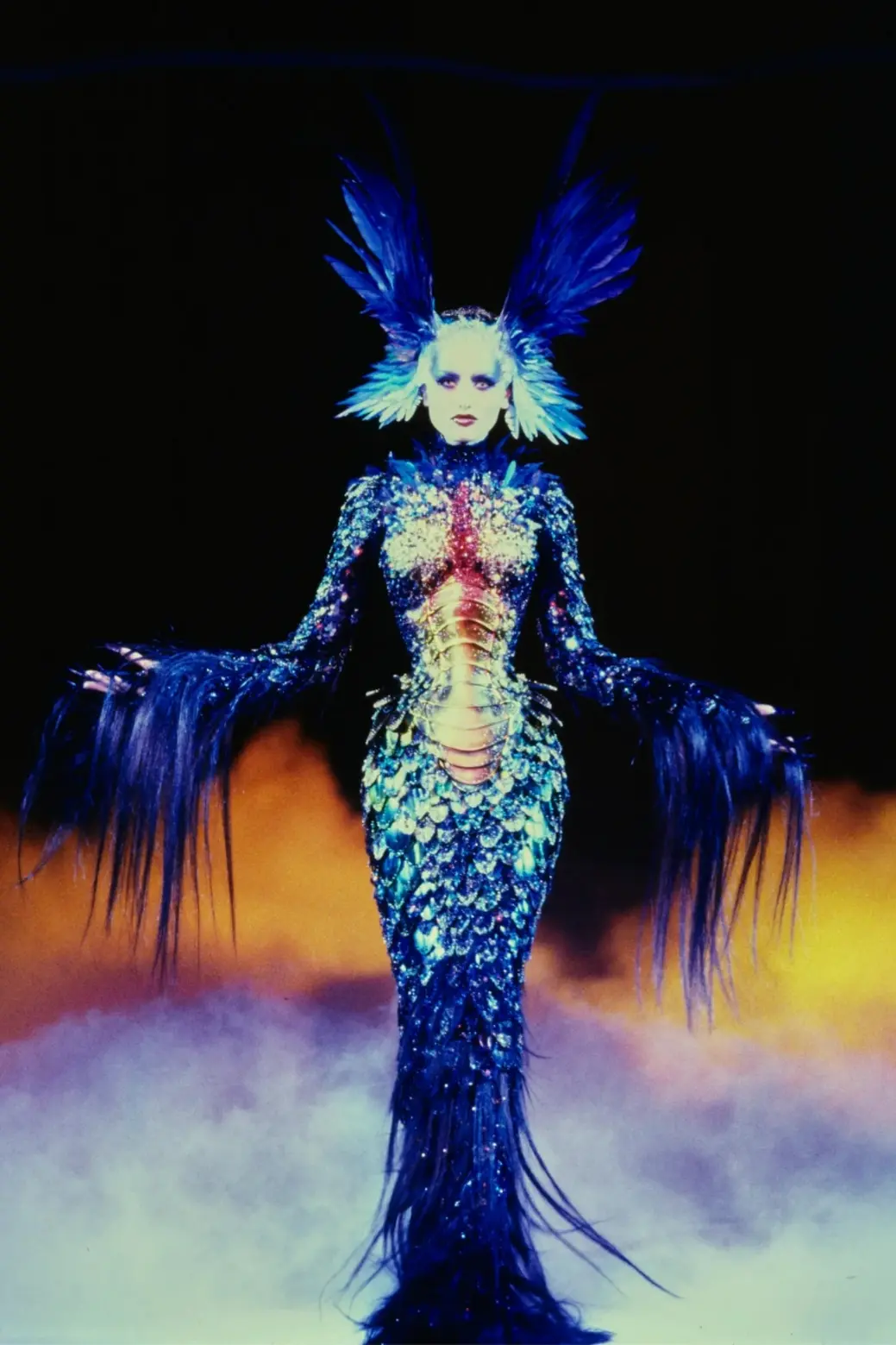
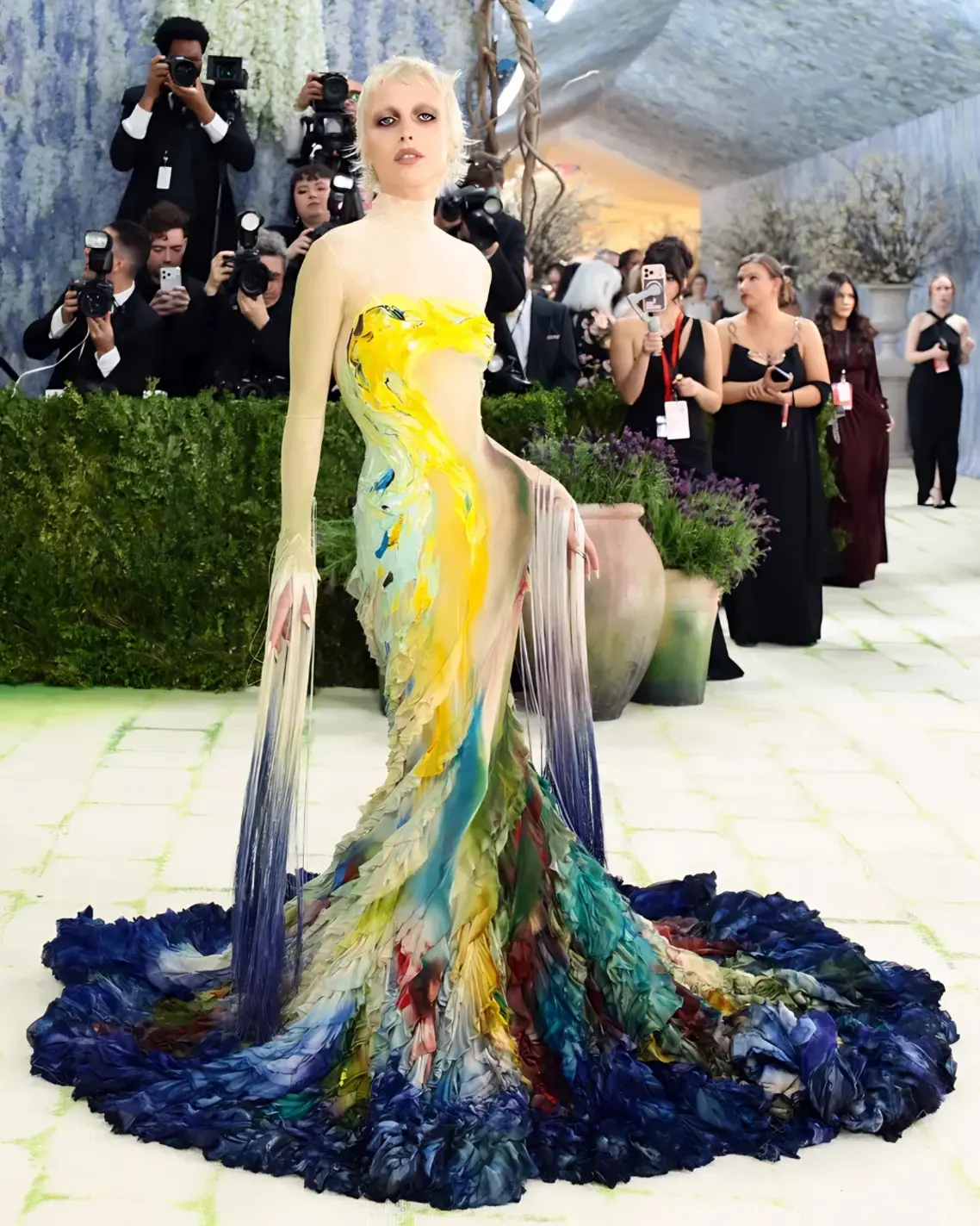
Emma Chamberlain’s Van Gogh reference through Garden at Arles found a dramatic accomplice in Mugler Fall 1997 Couture, where the body was already imagined as something between woman, creature, and apparition. The custom look carried reference through technique as much as image, with the design painted directly onto the dress, turning the garment into a literal canvas. Its power came from the sensation of paint becoming anatomy, with color moving across the body like heat, pollen, and hallucination. In conversation with Mugler’s archive, the garden became more feverish, a living surface that seemed ready to bloom, sting, or fly.
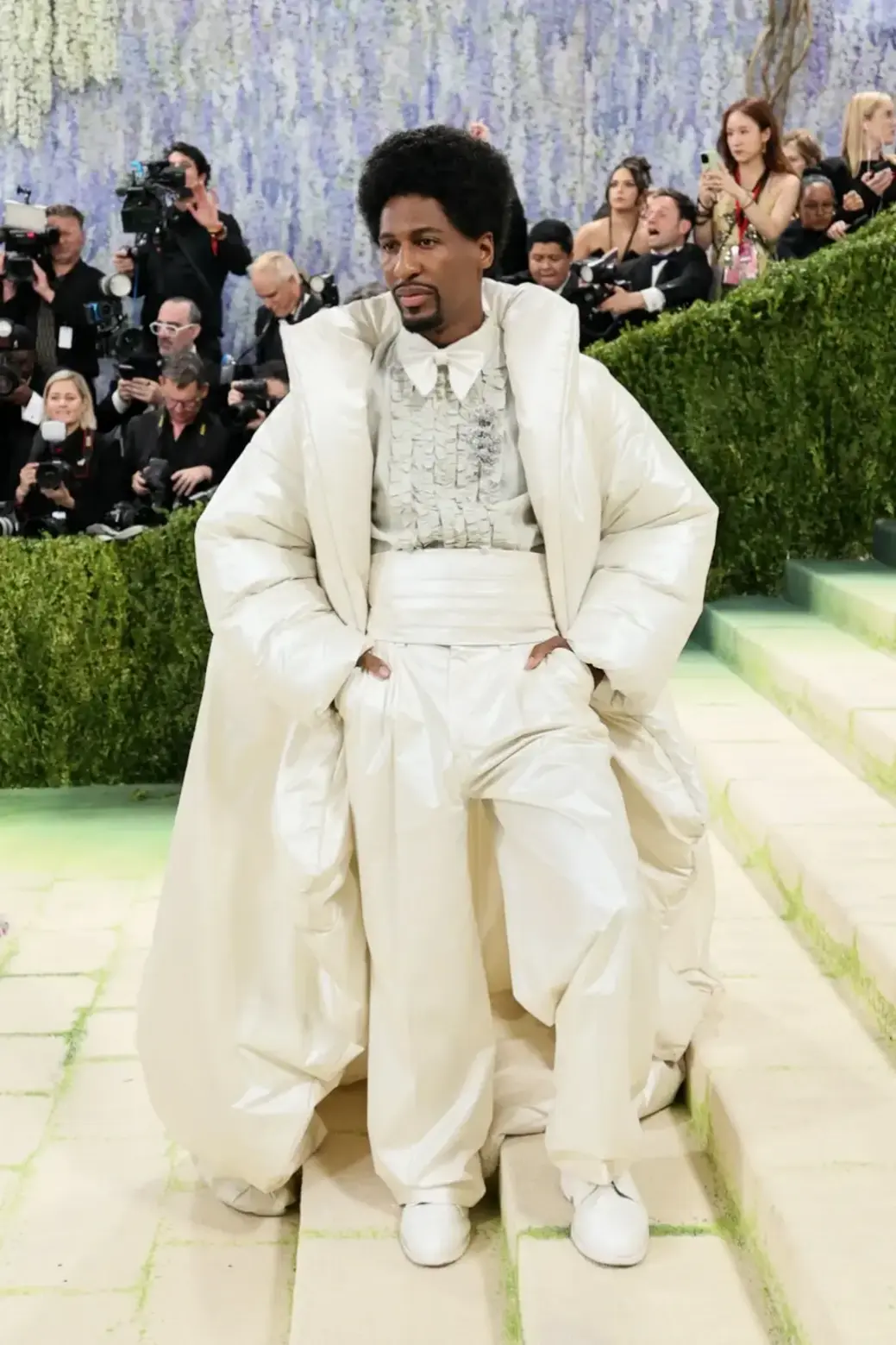
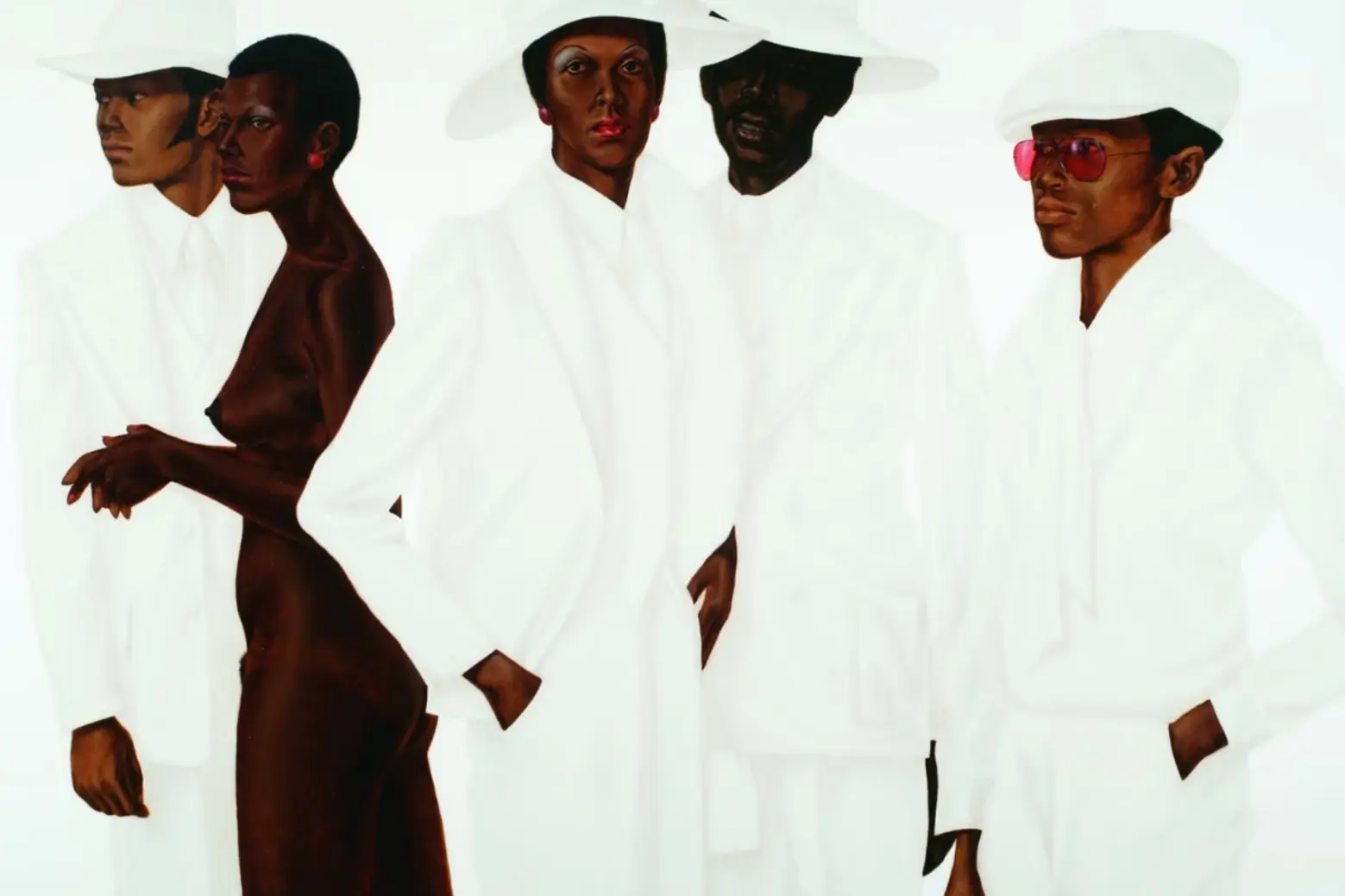
Jon Batiste’s dialogue with Barkley Hendricks’ What’s Going On turned menswear into a portrait of presence. Hendricks painted Black figures with a coolness that never collapsed into distance, giving style the force of self-definition. Batiste’s look carried that same clean command, where volume and ease became a kind of ceremonial confidence. The look carried Hendricks’ cool authority through clothing that seemed to hold music, stillness, and charisma in the same breath.
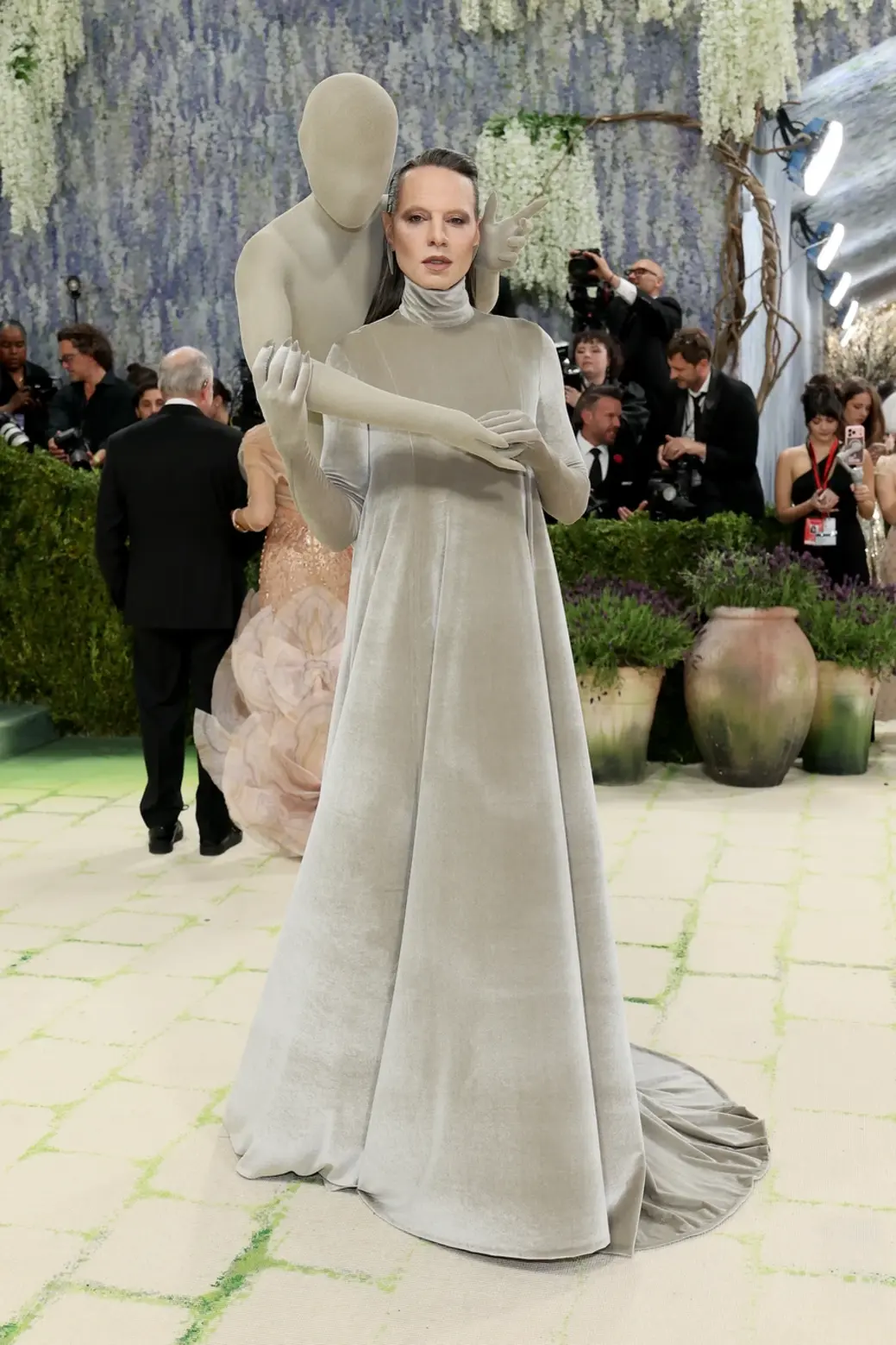
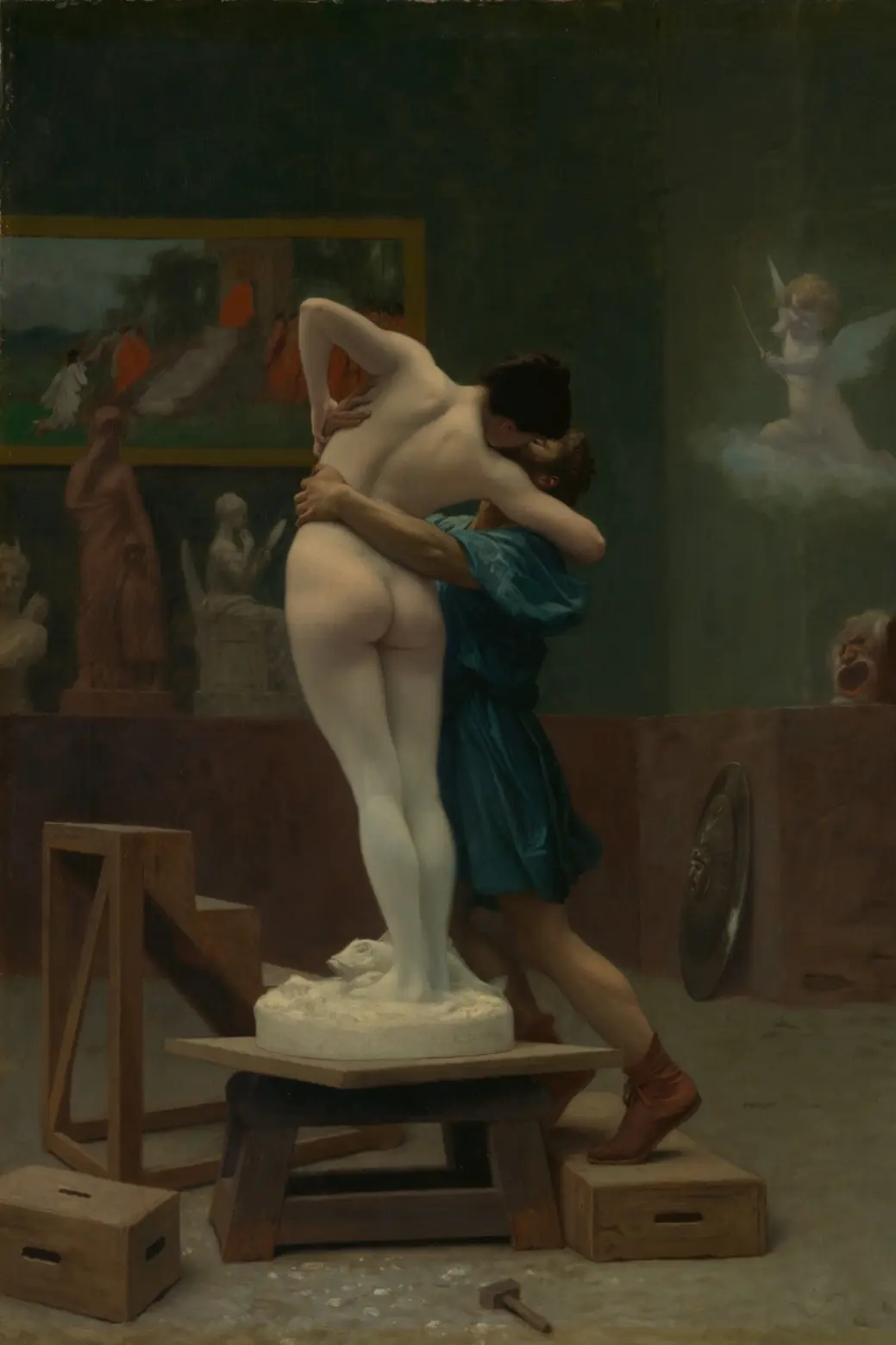
Jordan Roth’s reference to Jean-Léon Gérôme’s Pygmalion and Galatea opened one of the most theatrical questions of the night: when does a body become art, and when does art become flesh? Gérôme’s painting turns transformation into a charged, suspended instant, with sculpture crossing the border into life. Roth leaned into that threshold with a look that felt made for metamorphosis, not mere decoration. The result belonged to the Met Gala’s most dramatic tradition, where costume becomes a philosophical event with a pulse beneath the surface.
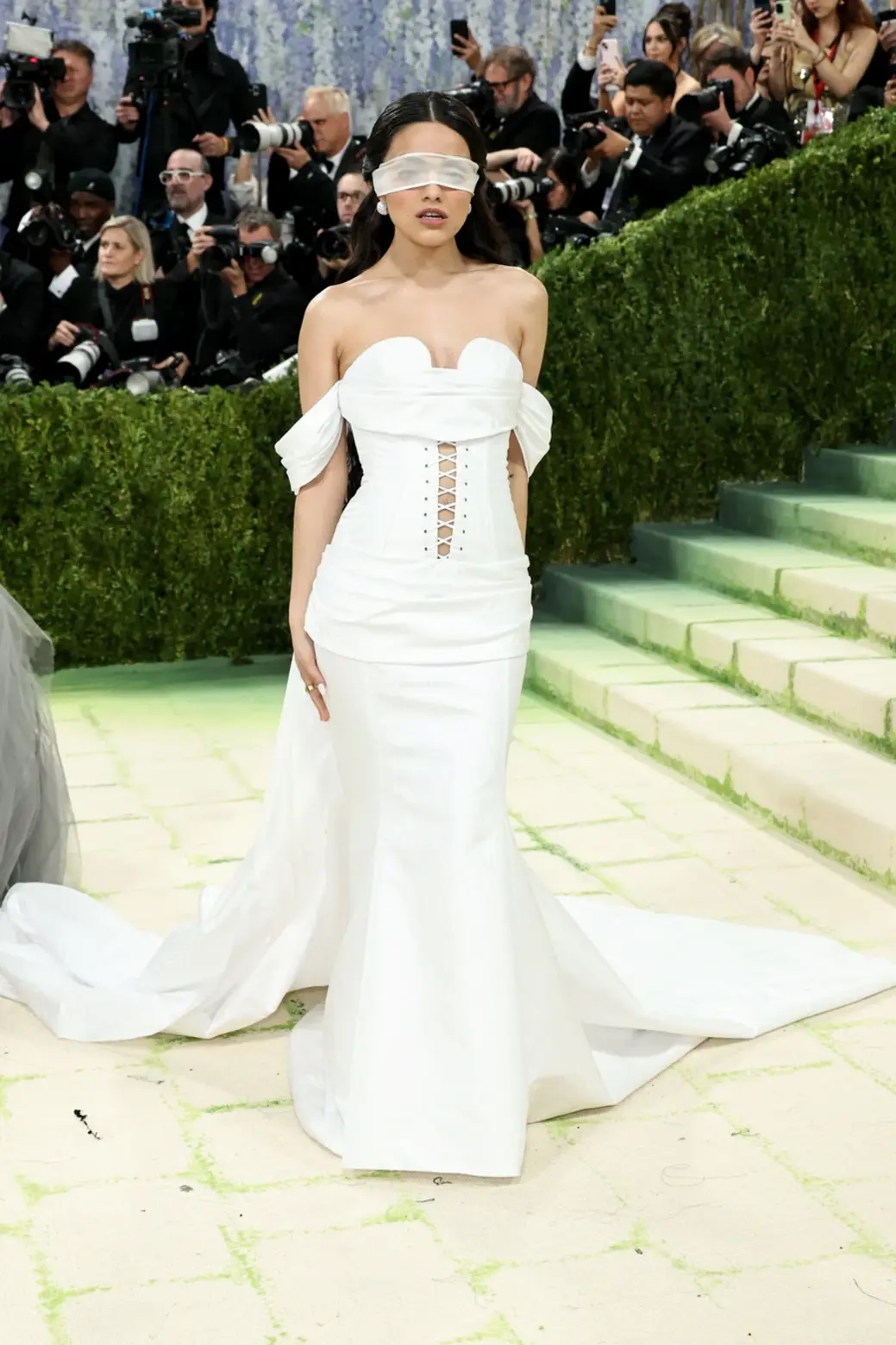
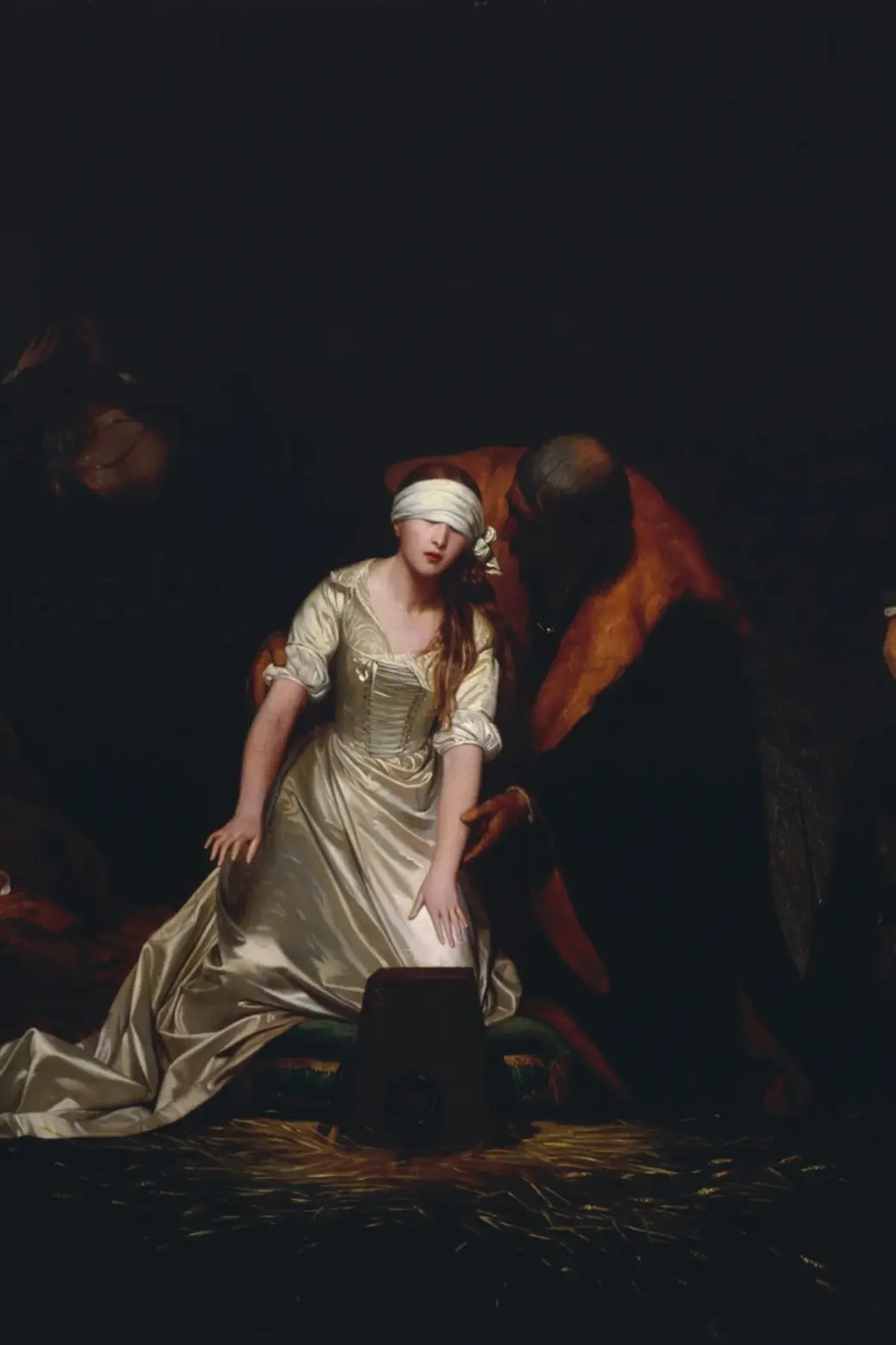
Rachel Zegler’s connection to Paul Delaroche’s The Execution of Lady Jane Grey brought tragedy into the red carpet without turning it into melodrama. Delaroche’s painting is remembered for its terrible stillness, the blindfolded figure reaching through darkness while history closes in. Zegler’s look could be read through that hush, where innocence, spectacle, and vulnerability gather in one severe image. It gave the Met Gala 2026 a moment of painted suspense, a devastating, haunted figure, as if the carpet had briefly become a stage lit for a final breath.
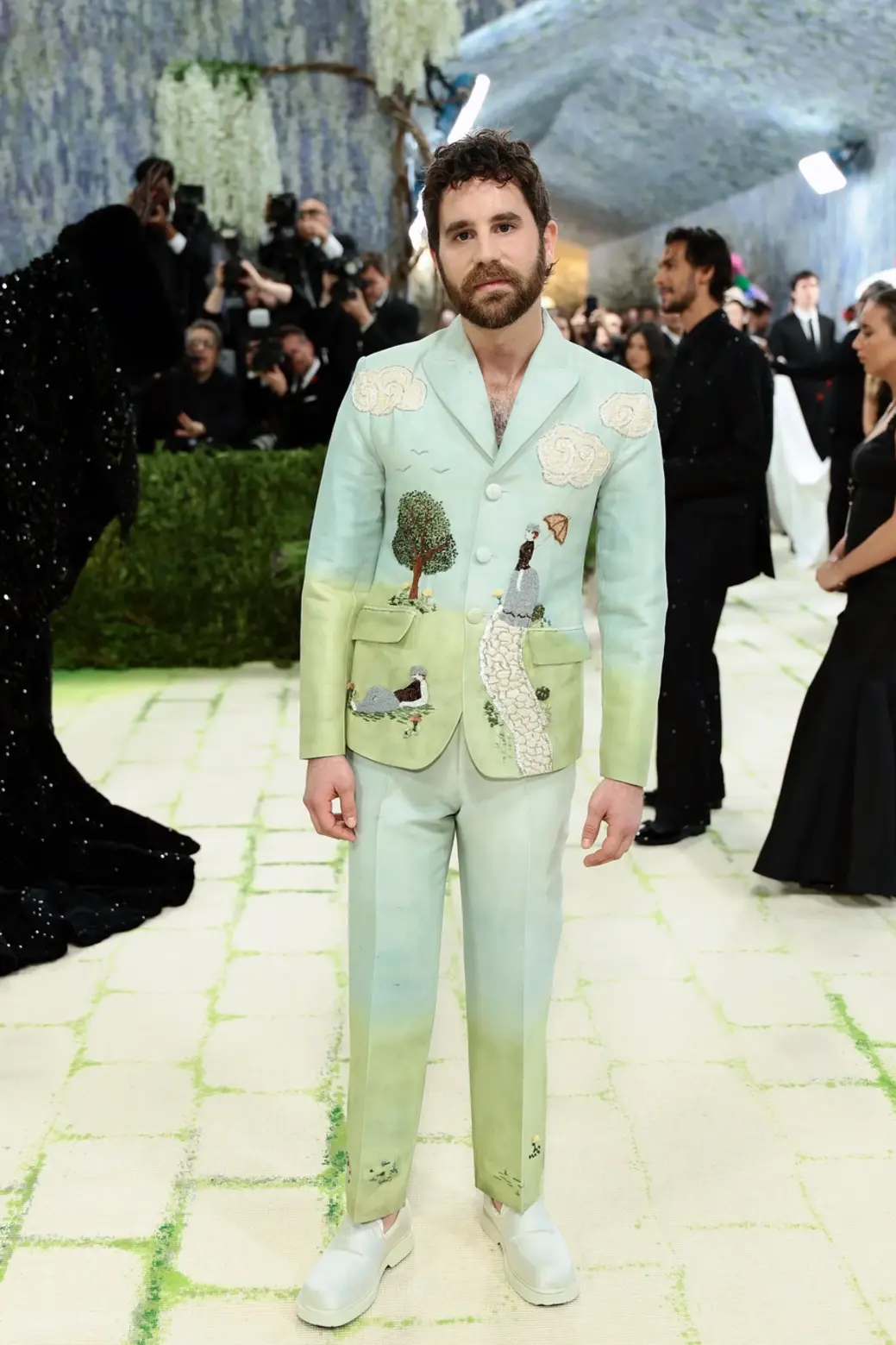
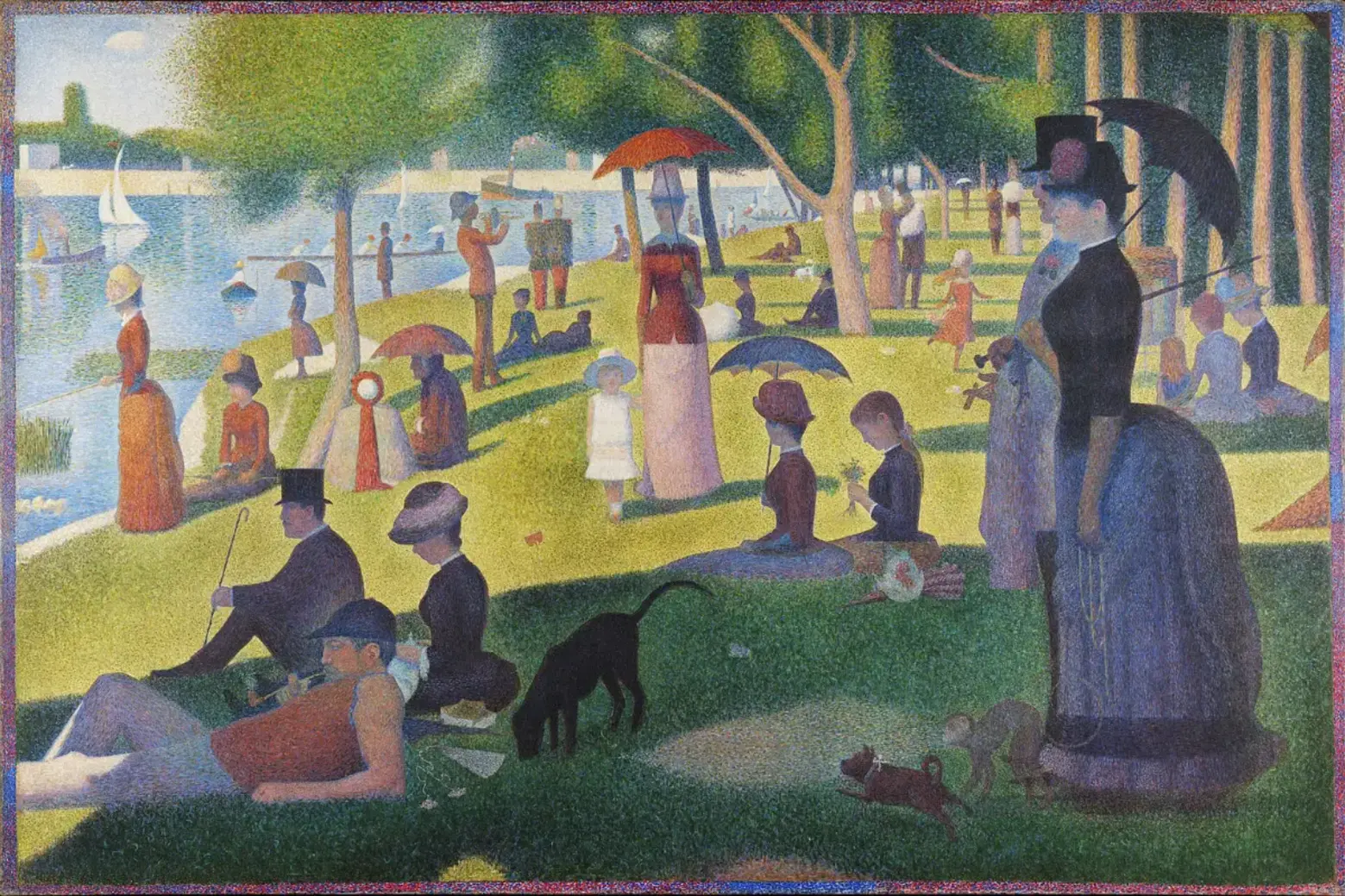
Ben Platt’s Seurat-inspired look took A Sunday Afternoon on the Island of La Grande Jatte into a gentler register. Seurat’s world is built from dots that hold together at a distance, a whole society assembled through tiny acts of color and discipline. On Platt, that logic moved into tailoring, where pattern could suggest landscape without turning the suit into a postcard. The charm came from restraint, with the body becoming a quiet field of perception rather than an obvious reproduction of the painting.
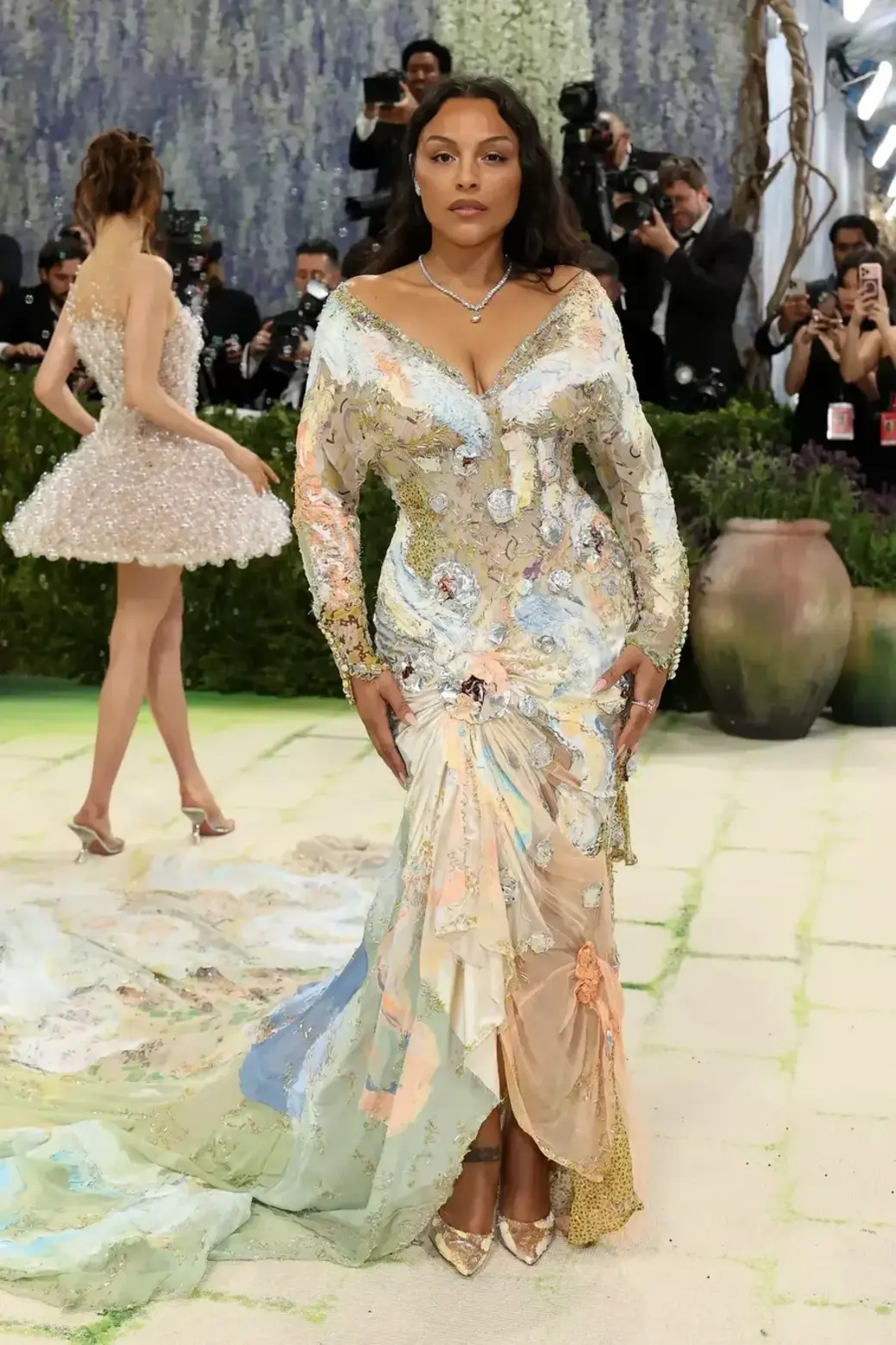
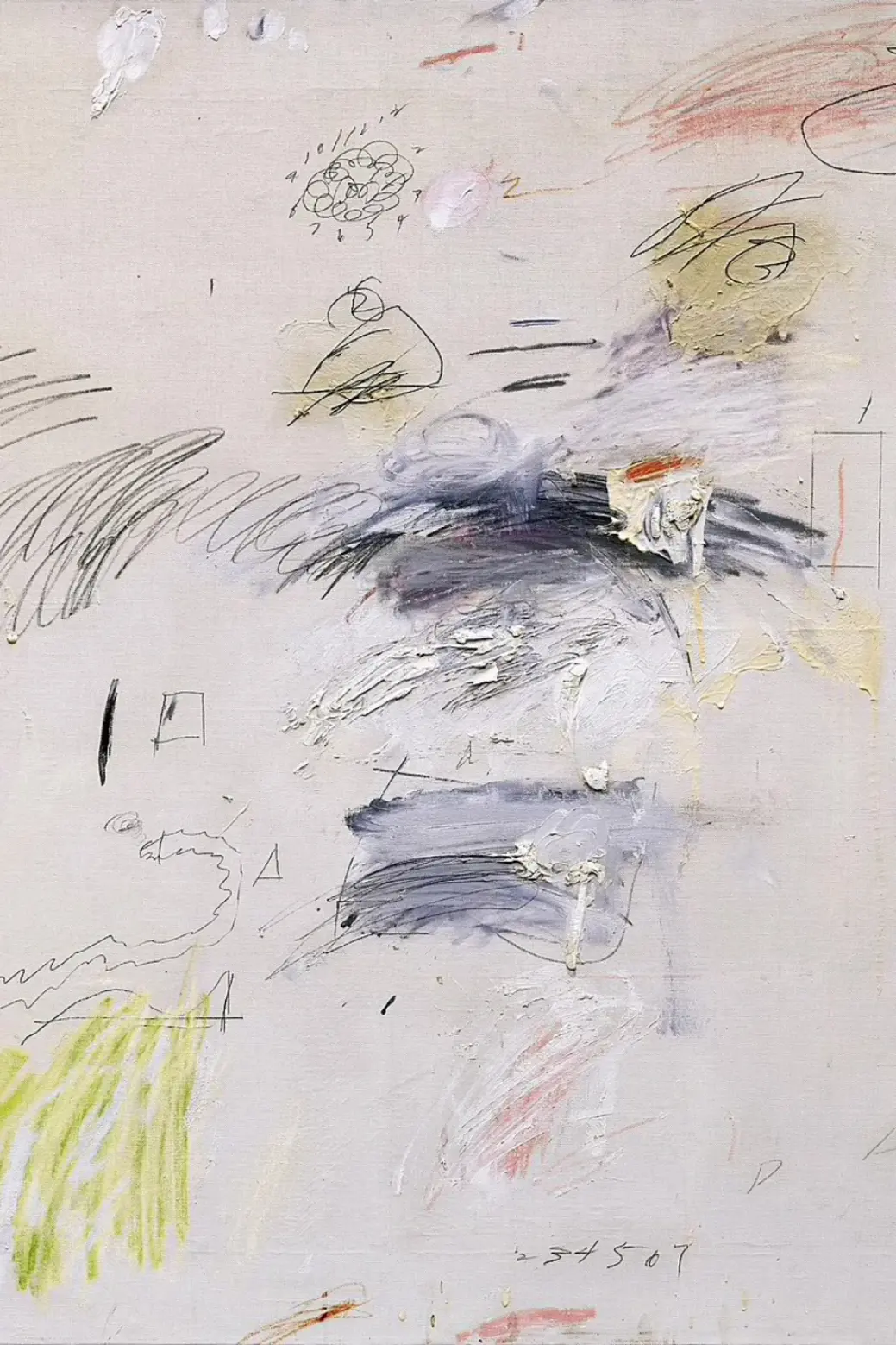
Paloma Elsesser’s Cy Twombly reference gave abstraction one of its most graceful red carpet translations. Twombly’s Untitled from 1960 resists the comfort of a clear figure, leaving marks that feel written, erased, interrupted, and felt before they are explained. Elsesser’s look embraced that instability, allowing the garment to behave like a surface still in process. It was a reminder that art does not need a face, a myth, or a grand narrative to possess fashion. Sometimes a line, a gesture, or a trace is enough.
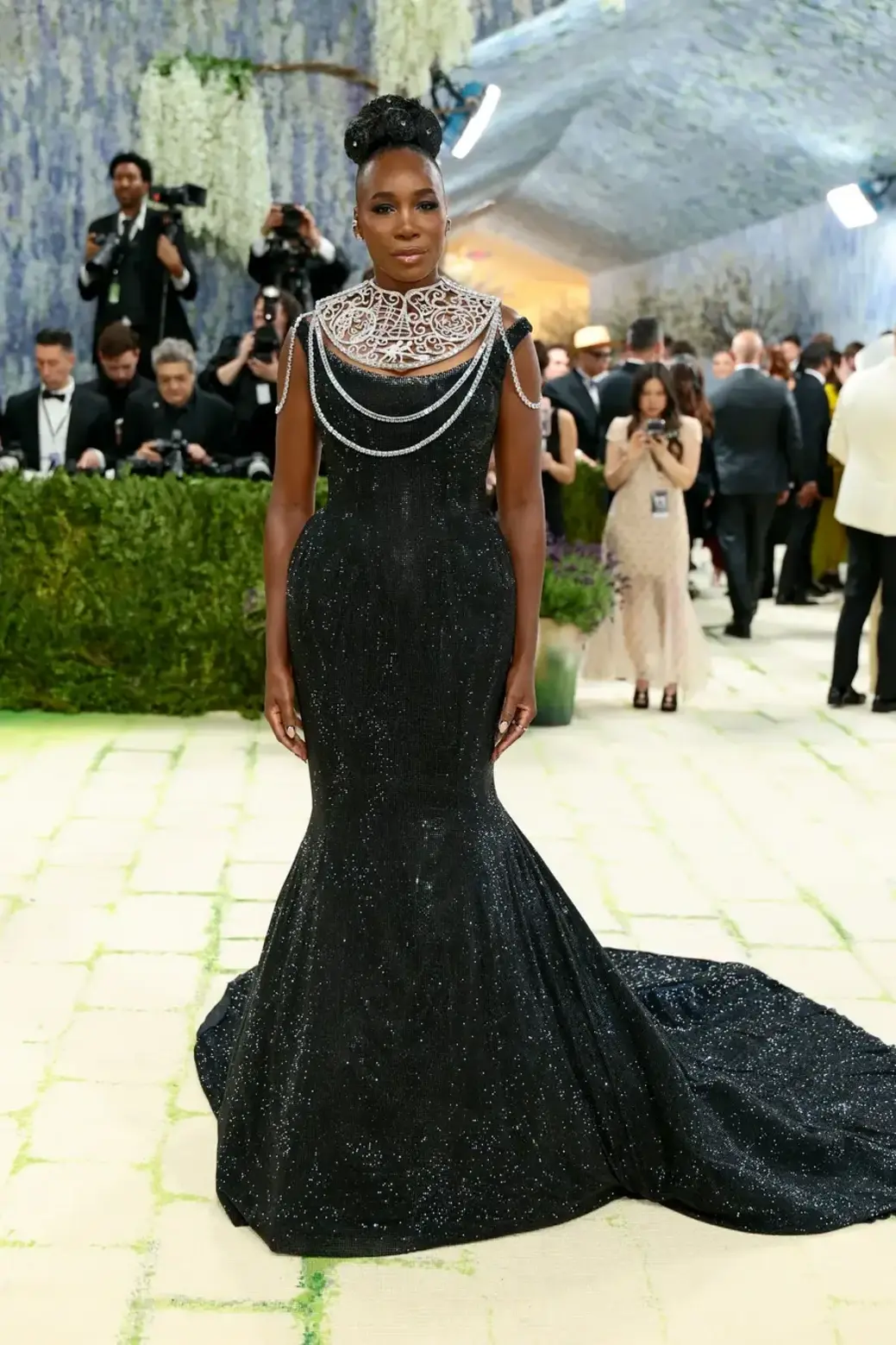
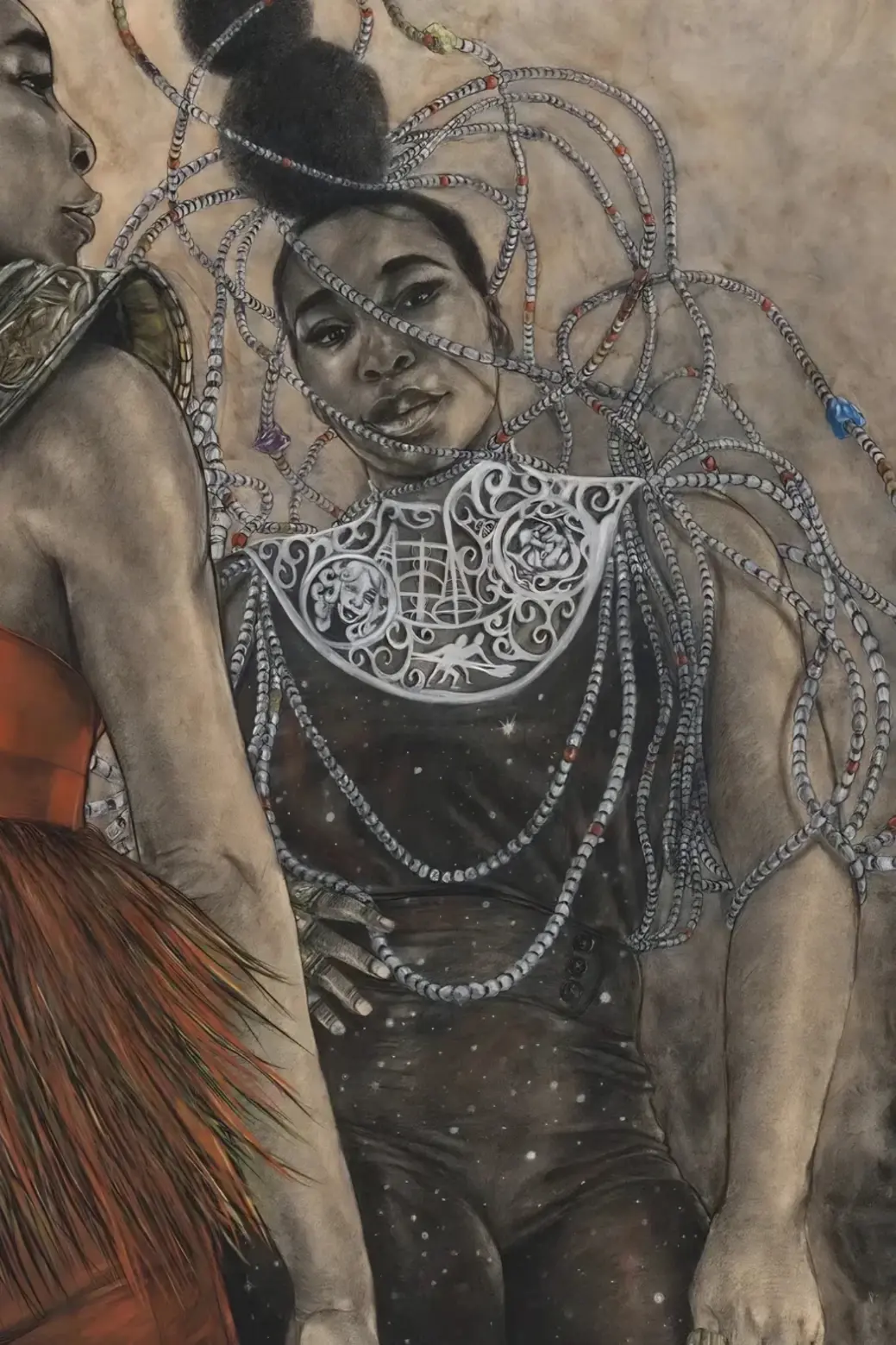
Venus Williams referencing Rob Pruitt’s Venus Williams Double Portrait gave the night one of its most satisfying loops of image and identity. Here, the subject was not borrowing someone else’s mythology. She was stepping back into an artwork already shaped around her own public body with the heroine's energetic athletic legend, and cultural presence. The look made glamour feel like a form of self-quotation, with sparkle operating less as decoration than as proof of endurance. On a carpet full of muses, Venus arrived as both muse and monument.
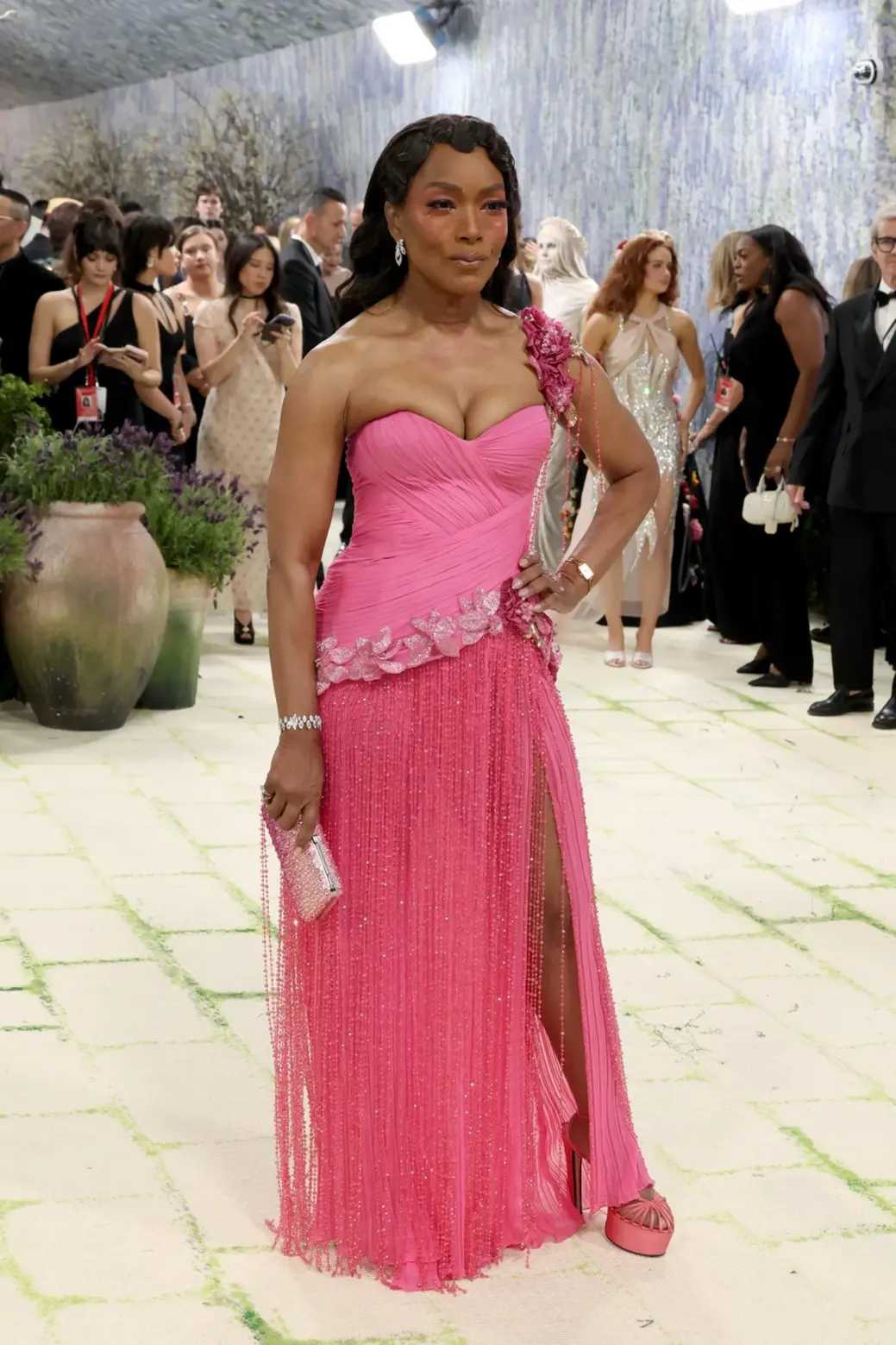

Angela Bassett’s homage to Laura Wheeler Waring’s Girl in Pink Dress brought portraiture into a state of poise. Waring’s work carries a tender authority, especially in the way Black femininity is rendered with dignity, softness, and interior life. Bassett translated that spirit through pink not as sweetness, but as command held in a quieter key. On the Met Gala 2026 red carpet, the look held its ground with a regal calm, letting elegance expand through stillness.
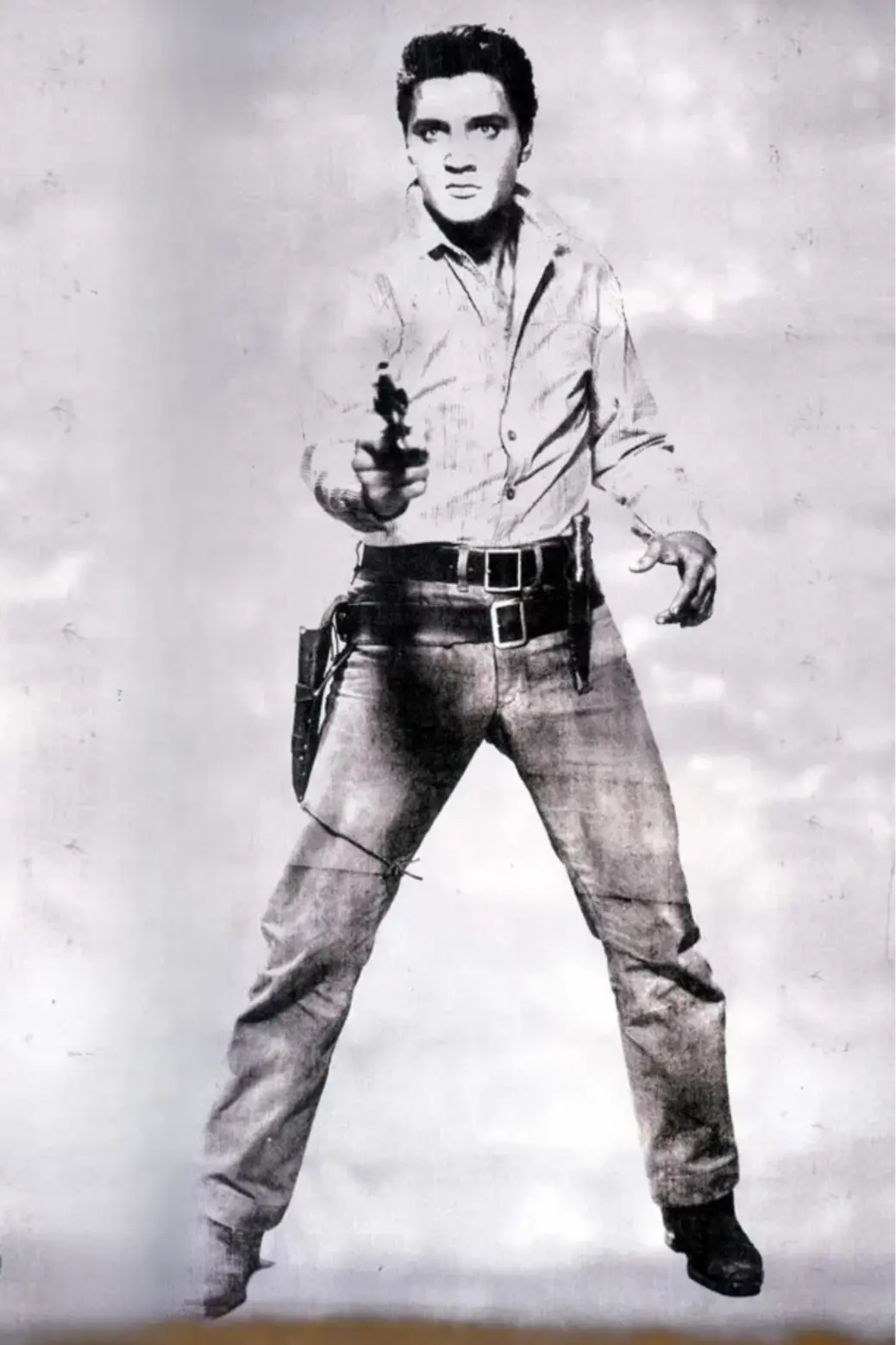
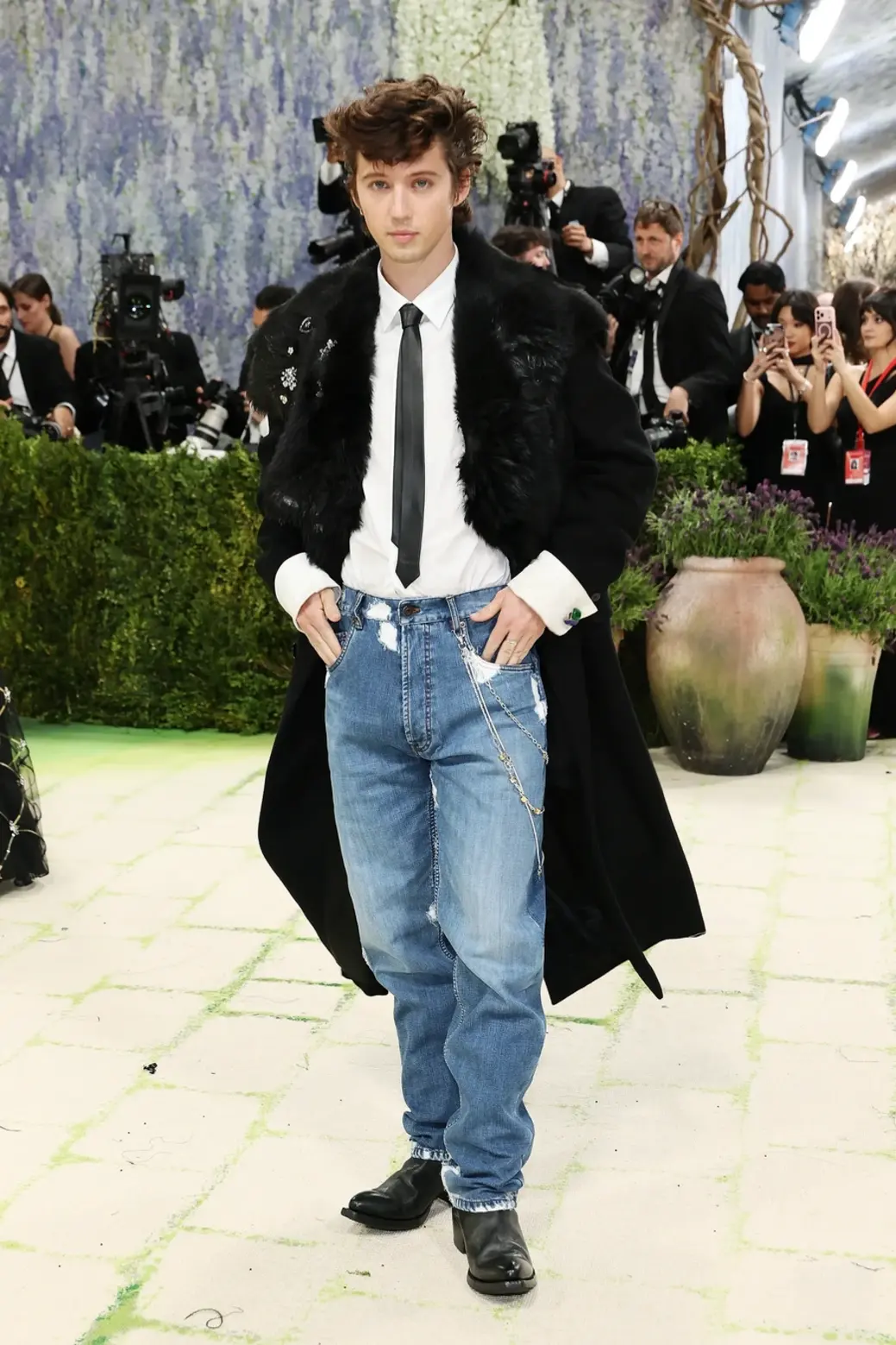
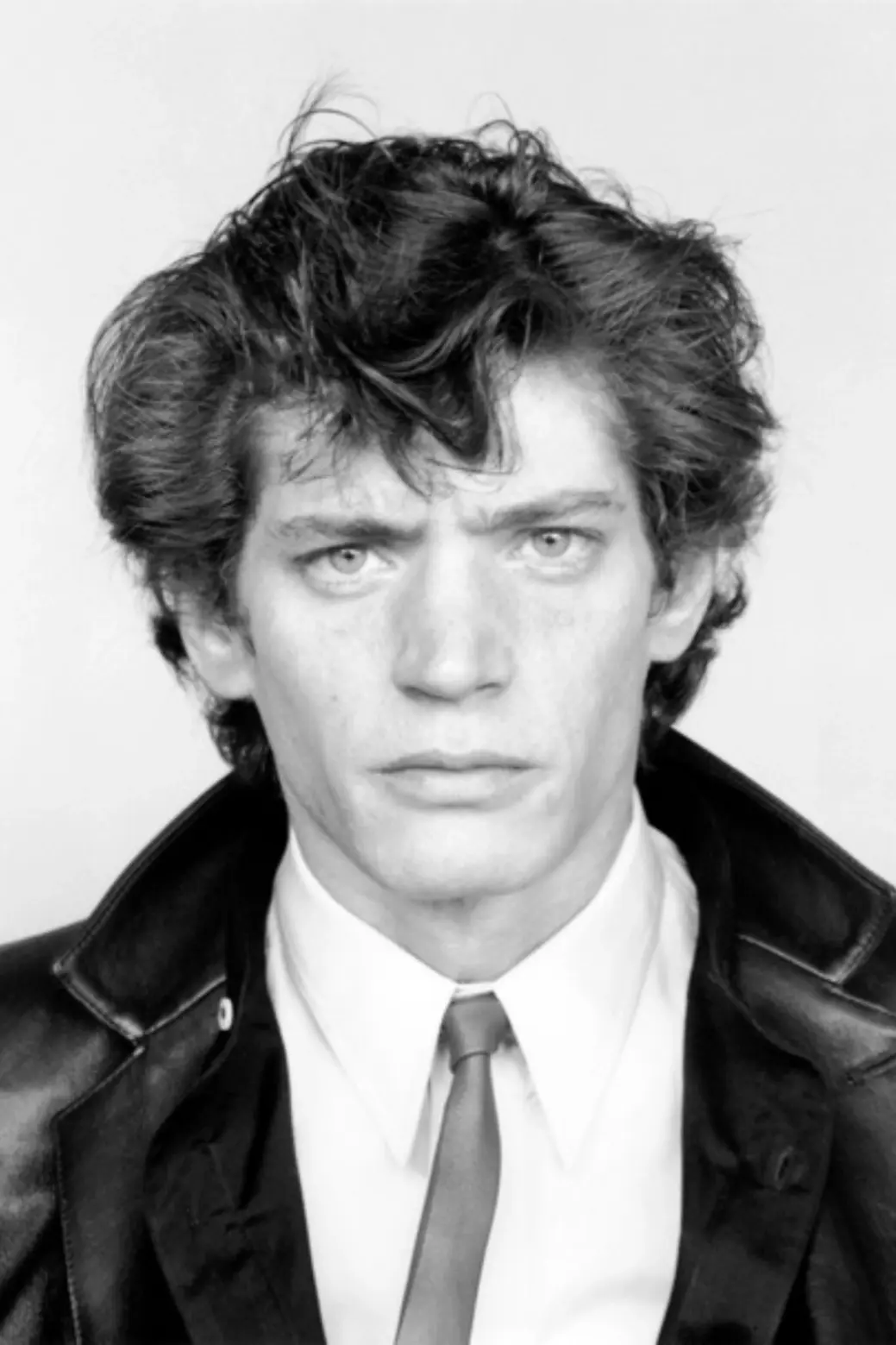
Troye Sivan’s pairing of Andy Warhol’s Single Elvis with Robert Mapplethorpe’s Self Portrait created a charged conversation between celebrity, image-making, and controlled performance. Warhol gives the figure its flat icon power, turning fame into repetition, pose, and surface. Mapplethorpe brings a sharper self-awareness, where the portrait becomes a negotiation between beauty, tension, and authorship. On Sivan, those references formed a sleek study of pop masculinity, less about nostalgia than about how an image learns to desire its own audience.
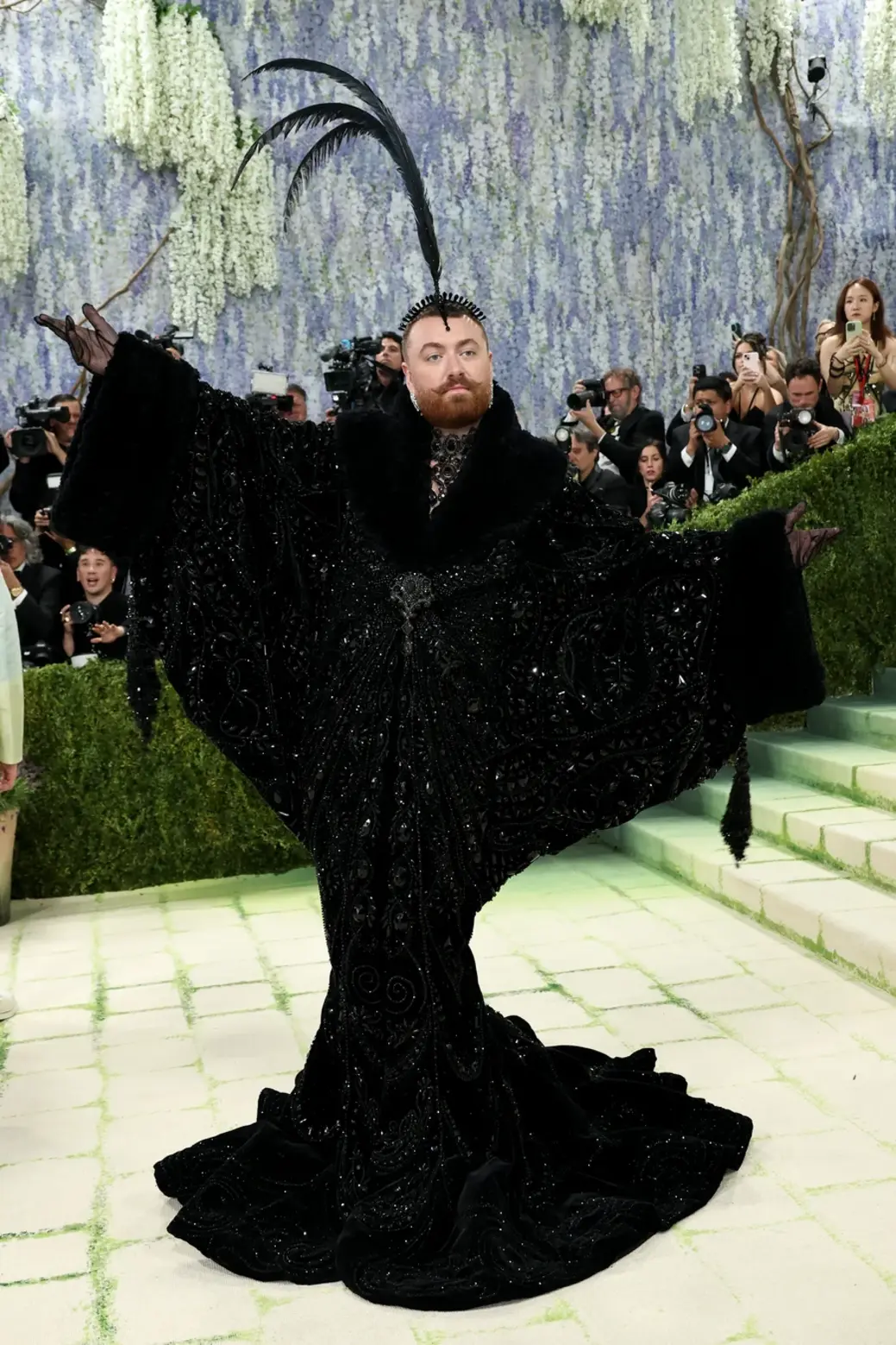
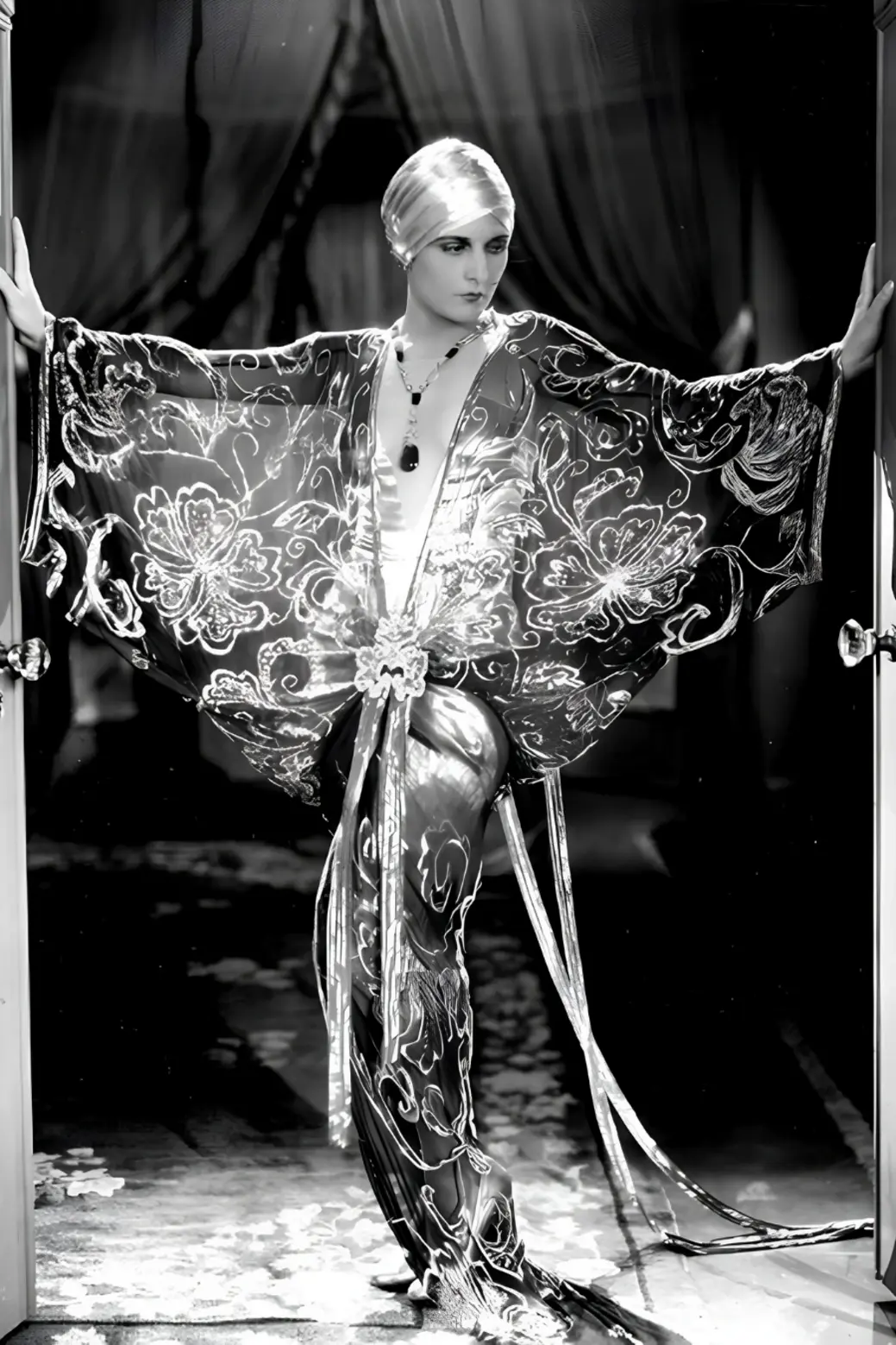
Sam Smith’s Evelyn Brent reference closes the sequence with a sharper, more cinematic kind of menswear drama. Brent’s screen presence belonged to the dangerous glamour of silent Hollywood, where a face could hold suspicion, desire, and control before a single line was spoken. Among the Met Gala 2026 menswear moments, Smith’s look stood apart through its precision: scarlet, severe, nostalgic, and edged with noir. It felt less like a costume than a final close-up, the kind of Hollywood starlet apparition that turns the red carpet into a closing scene.
The sharpest Met Gala 2026 art references carried more than visual resemblance. They moved like a quiet possession, taking the private disturbance of artwork and giving it a new charge on the body. By then, resemblance had given way to the afterlife, from a painted garden turning feverish in couture to a silent film shadow sharpening menswear into one final scarlet apparition.
Together, these looks show how the red carpet can become a space where art history is reactivated through presence. The museum gives fashion its images, yet fashion gives those images another body, another atmosphere, and another chance to disturb the present. Part 3 carries that charge forward, into the looks where art history becomes ritual, spectacle, and self-invention. At the Met Gala 2026, art history found its holy possession in red carpet fashion.
Advertisement