MENU
Close





Did Robert Wun’s Met Gala looks quietly steal the Met Gala by turning celebrities into ghosts, machines, warriors, saints and living sculptures?
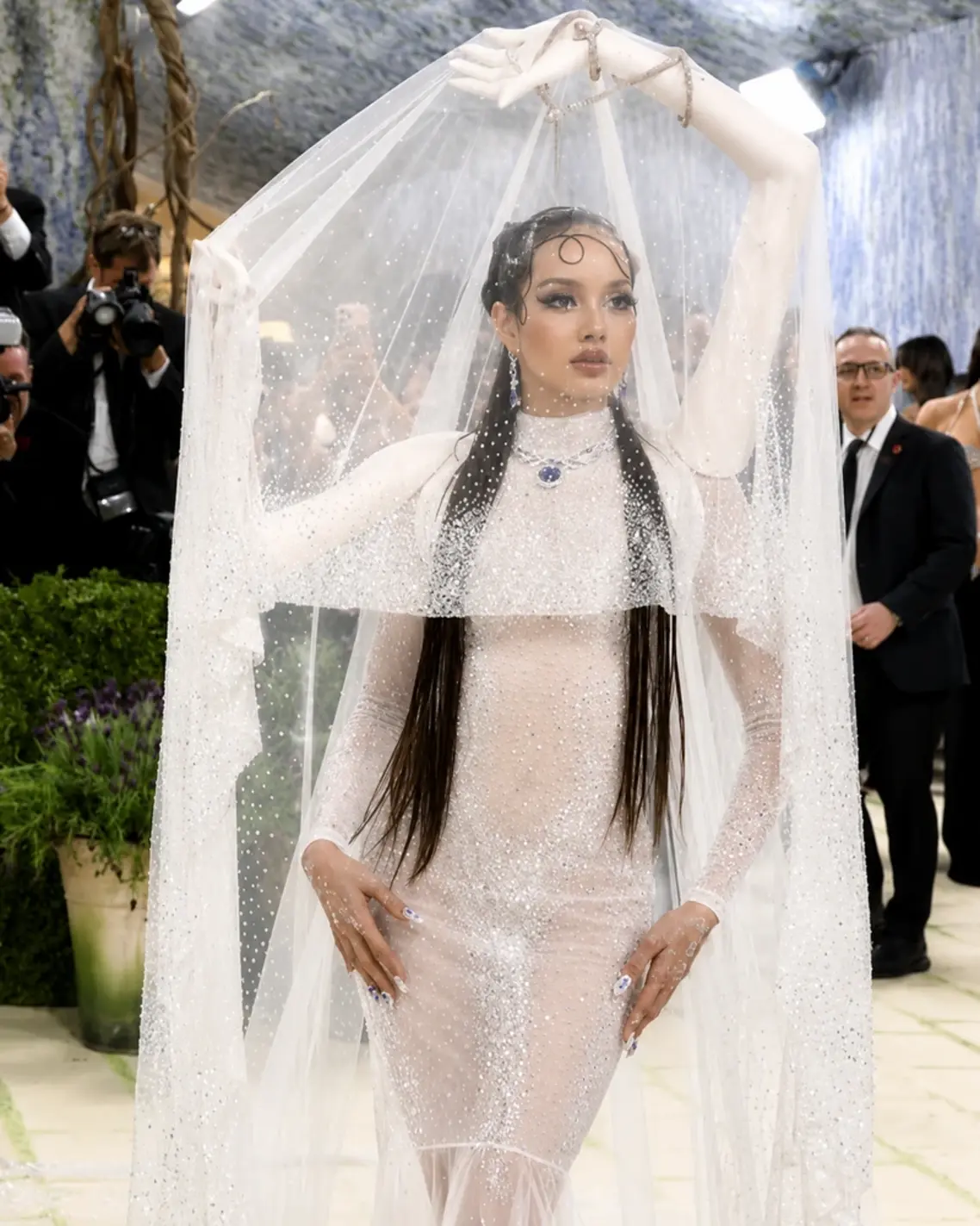
Did Robert Wun’s Met Gala looks quietly steal the Met Gala by turning celebrities into ghosts, machines, warriors, saints and living sculptures?
May 6, 2026
Advertisement
Advertisement


Robert Wun, the Hong Kong–born virtuoso of the needle, essentially transfigured the 2026 Met Gala into his personal proscenium, orchestrating a sartorial takeover that felt both inevitable and revolutionary. By swathing eight luminaries in garments that blurred the boundaries between theatrical costume and structural engineering, Robert Wun’s Met Gala looks proved him a titan of the contemporary avant-garde.
The ultimate sanctification arrived via Andrew Bolton, whose discerning eye led to the permanent acquisition of three Wun masterpieces for the Costume Institute, ensuring that Wun’s silk‑and‑boning poetry remains preserved within the hallowed archives of fashion history. This meteoric rise reflects a journey that began in the vibrant streets of Hong Kong, where an eleven-year-old Robert first felt the spark of aesthetic obsession after witnessing the creative fervor of a fellow churchgoer. That early curiosity blossomed into a rigorous education at the London College of Fashion, culminating in the 2014 birth of a label that treats womenswear as a medium for profound, sculptural storytelling.
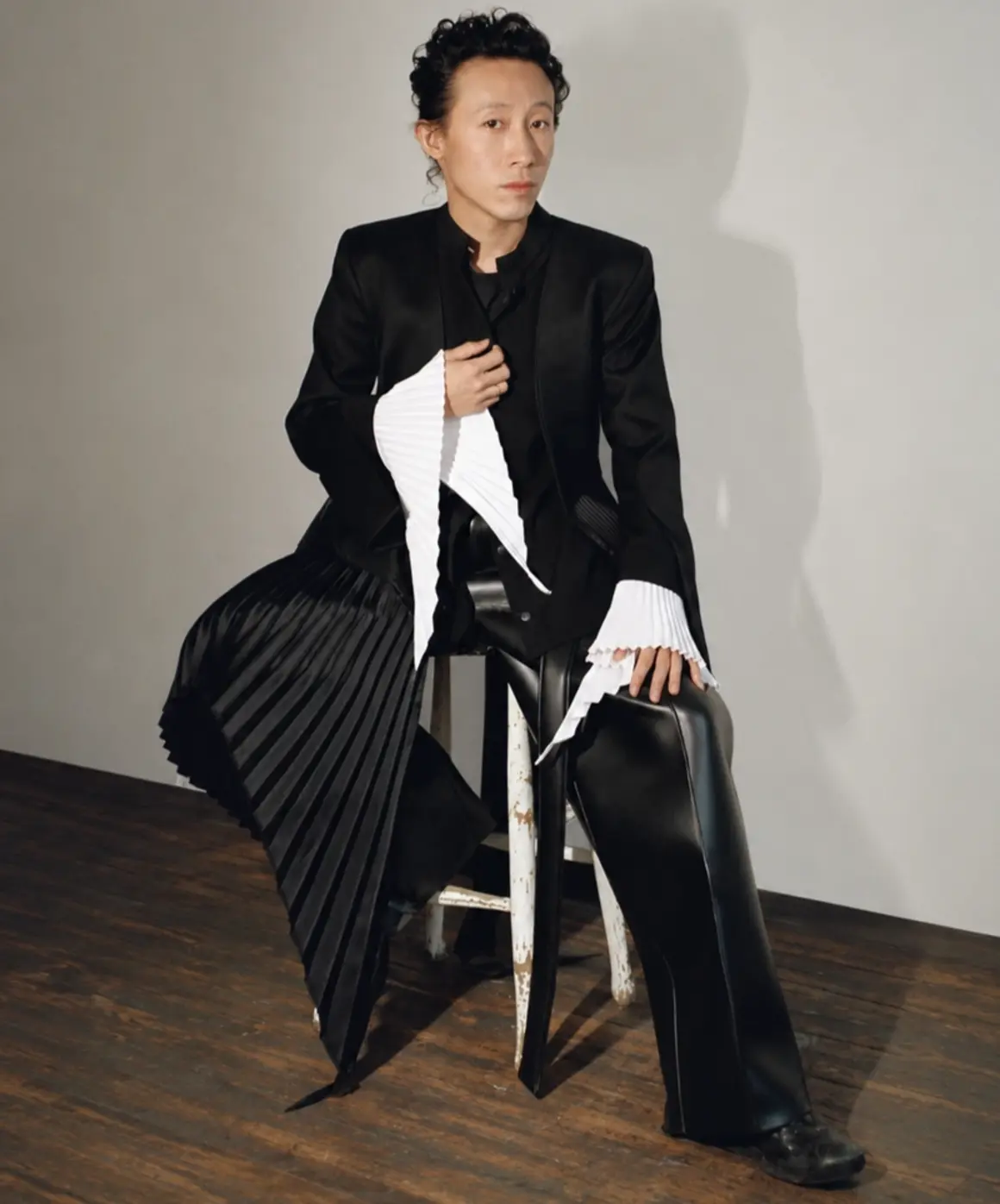
The designer’s trajectory resembles a masterclass in artistic momentum, punctuated by accolades that validate his distinct, narrative-heavy philosophy. His 2022 solo exhibition at SCAD FASH, "Between Reality and Fantasy," acted as a formal manifesto, preceding a triumphant win of the ANDAM Prix Spécial and its accompanying $100,000 windfall. When he finally graced the Paris Haute Couture Week stage in 2023, the industry witnessed a singular vision that felt both ancient in its craftsmanship and futuristic in its silhouette. This unique alchemy has earned him a devout following among the world’s most daring icons, with titans like Beyoncé, Björk, Lady Gaga, and Cardi B seeking out his work to amplify their own mythologies. These performers recognize in Wun a kindred spirit, someone who views a garment as an extension of the soul rather than a mere covering of the flesh.
For the 2026 Met Gala, the synergy between artist and wearer felt remarkably organic, blooming from a shared reverence for the "Fashion Is Art" mandate of the "Costume Art" exhibition. Since his 2020 pivot into the rarified world of pure couture, Robert Wun has cultivated a garden of collaborators who approach him with clarity and creative hunger. The design process for this particular evening involved a rigorous exchange of sketches and ideas, a demanding marathon of the imagination that Wun embraced with fervor. His connection with the Met Gala began in 2023, when he dressed Olympic medalist Eileen Gu in a wine-stained wedding gown. Afterwards, he channelled the chaotic energy he witnessed backstage into the creations of his Fall/Winter 2025 show. He found great joy in the sharpness of his clients' visions, discovering that when high-concept art meets high-octane personality, Robert Wun’s Met Gala looks transcend the red carpet to become something permanent, visceral, and undeniably sublime.
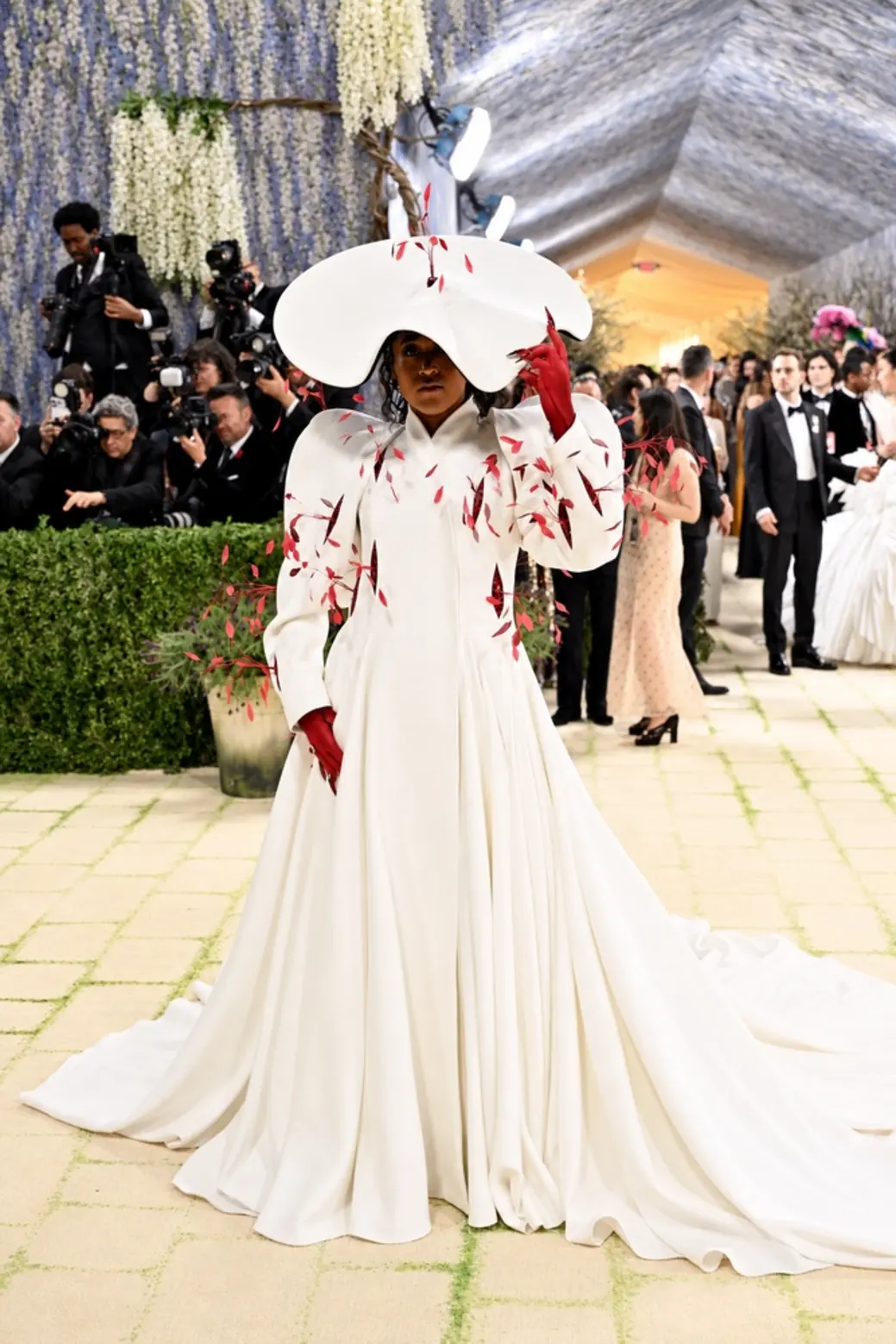
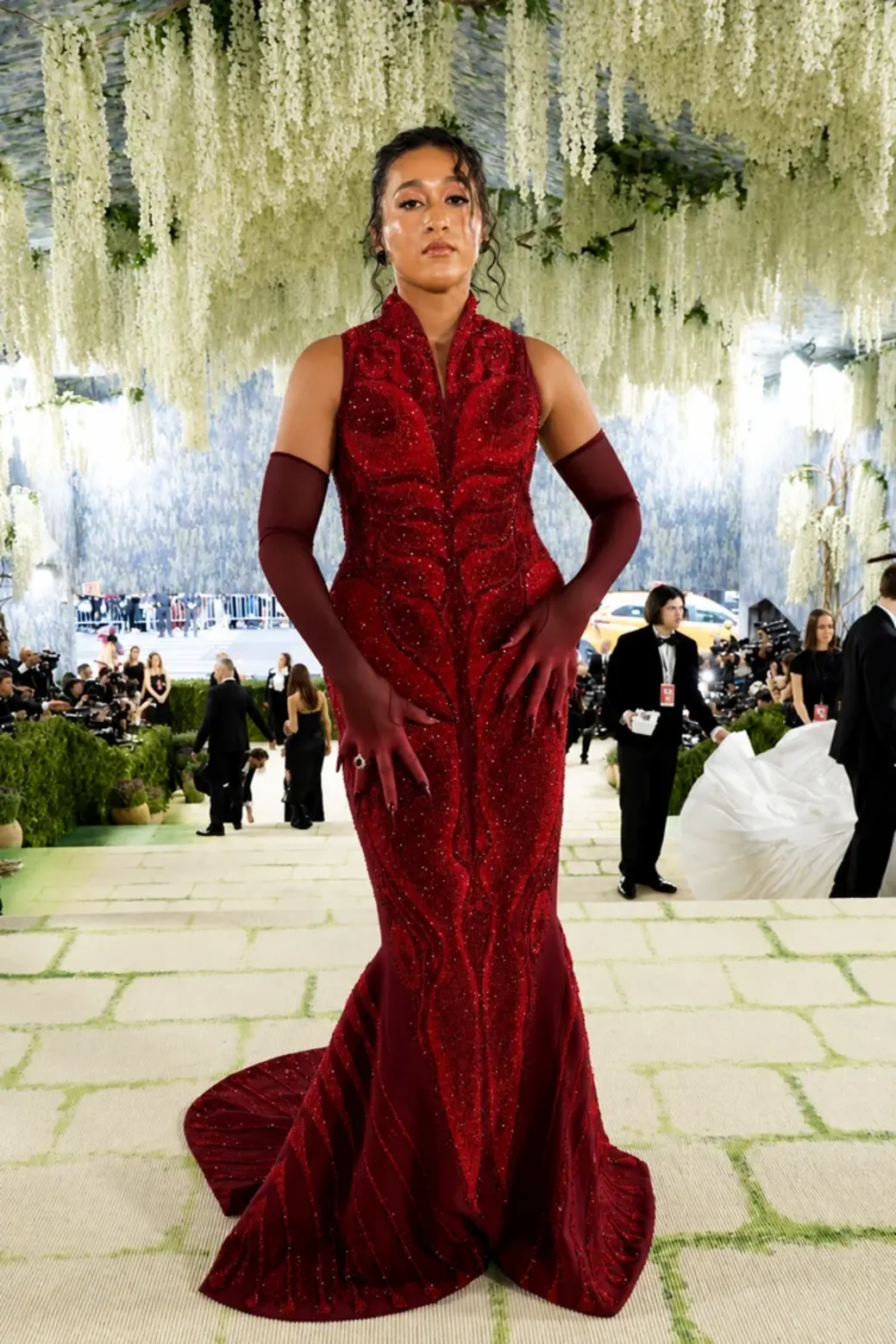
Naomi Osaka graced the Met steps as a living enigma, initially shrouded in a voluminous alabaster cloak and a hat adorned with striated plumage that reached for the heavens. This outer layer soon parted to reveal a smoldering core: a gown of four-toned Swarovski crystals that contoured her anatomy with surgical grace. Every one of the six hundred thousand stitches speaks to an obsession with detail, a project requiring over three thousand hours of manual artistry, while allowing a laced-up keyhole at the back to tease the eye with a glimpse of the skin.
Nearby, Lisa orchestrated a digital opera of heritage and innovation, her sheer mermaid silhouette accompanied by 3D-scanned arms that mimicked the elegant gestures of Thai dance. These additional limbs, dripping in BVLGARI diamonds, transformed her into a multi-armed deity of the modern age, proving that a gown can be both a garment and a technological miracle.
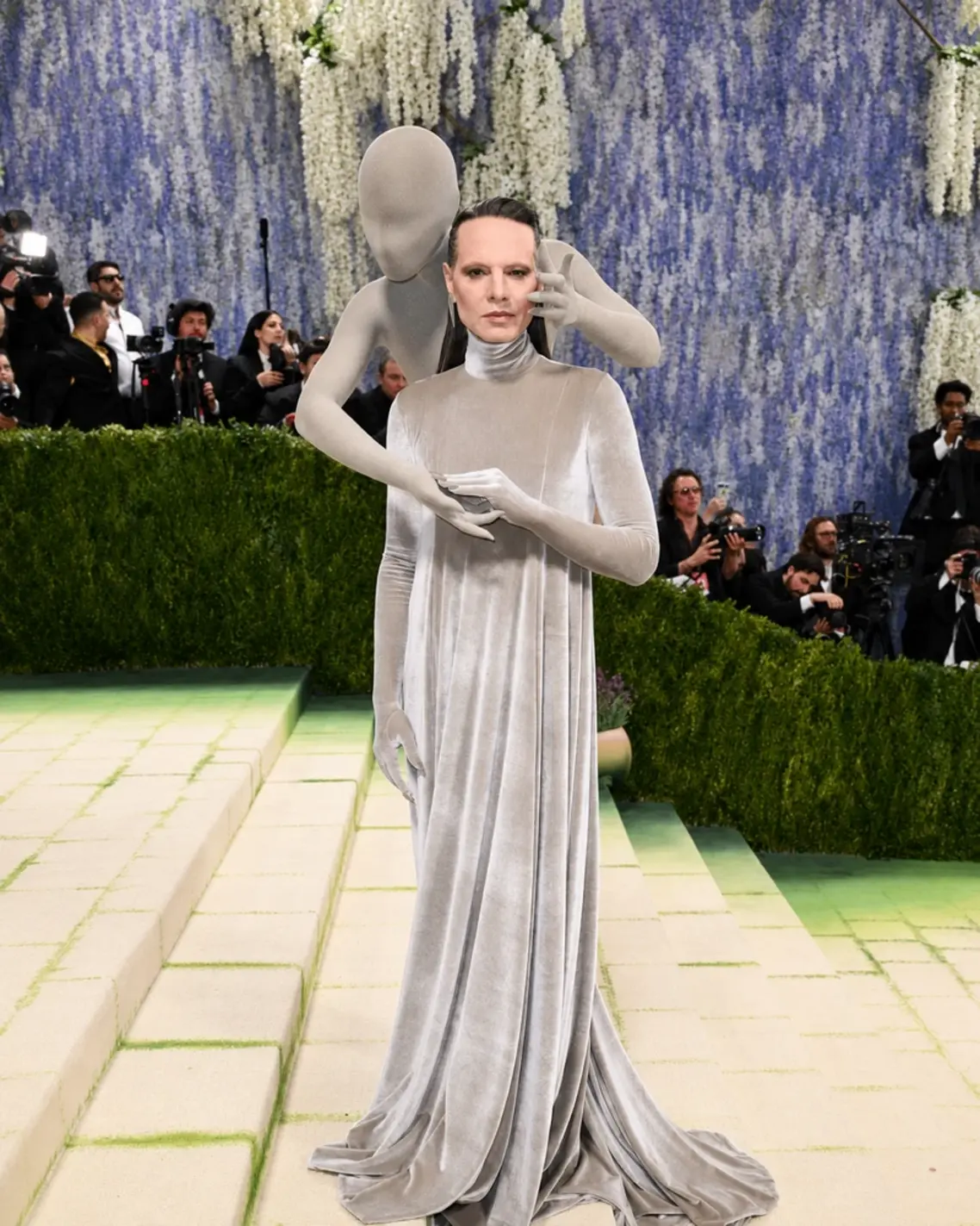
The collaboration between Robert Wun and Jordan Roth continues to yield poetic fruit, as Roth interprets fashion as a vessel for the spirit’s migration. He became a breathing monument in gray velvet, appearing as a man embraced by history itself, a classical sculpture clinging to his back as he moved toward his future. Roth favors narrative over mere specifications, tasking the couturier with the weight of a story about shedding the past rather than the length of a hem.
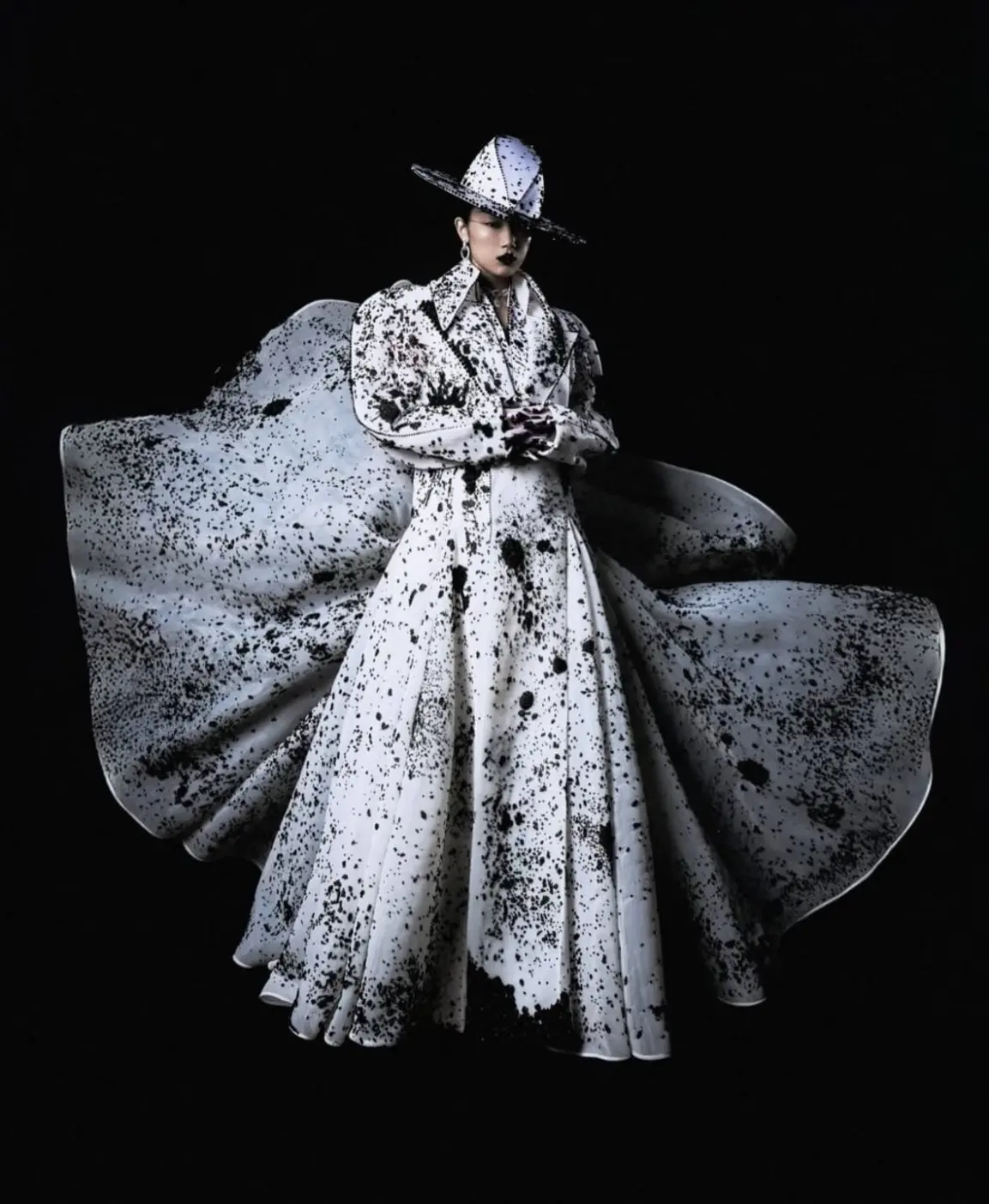
This theme of evolution found a distinct voice in Audrey Nuna, who radiated a frost-bitten elegance in a white coat punctuated by fifteen thousand black crystals. These dark specks mimicked the revelations of a UV lamp, suggesting a past full of secret stories and permanent marks.
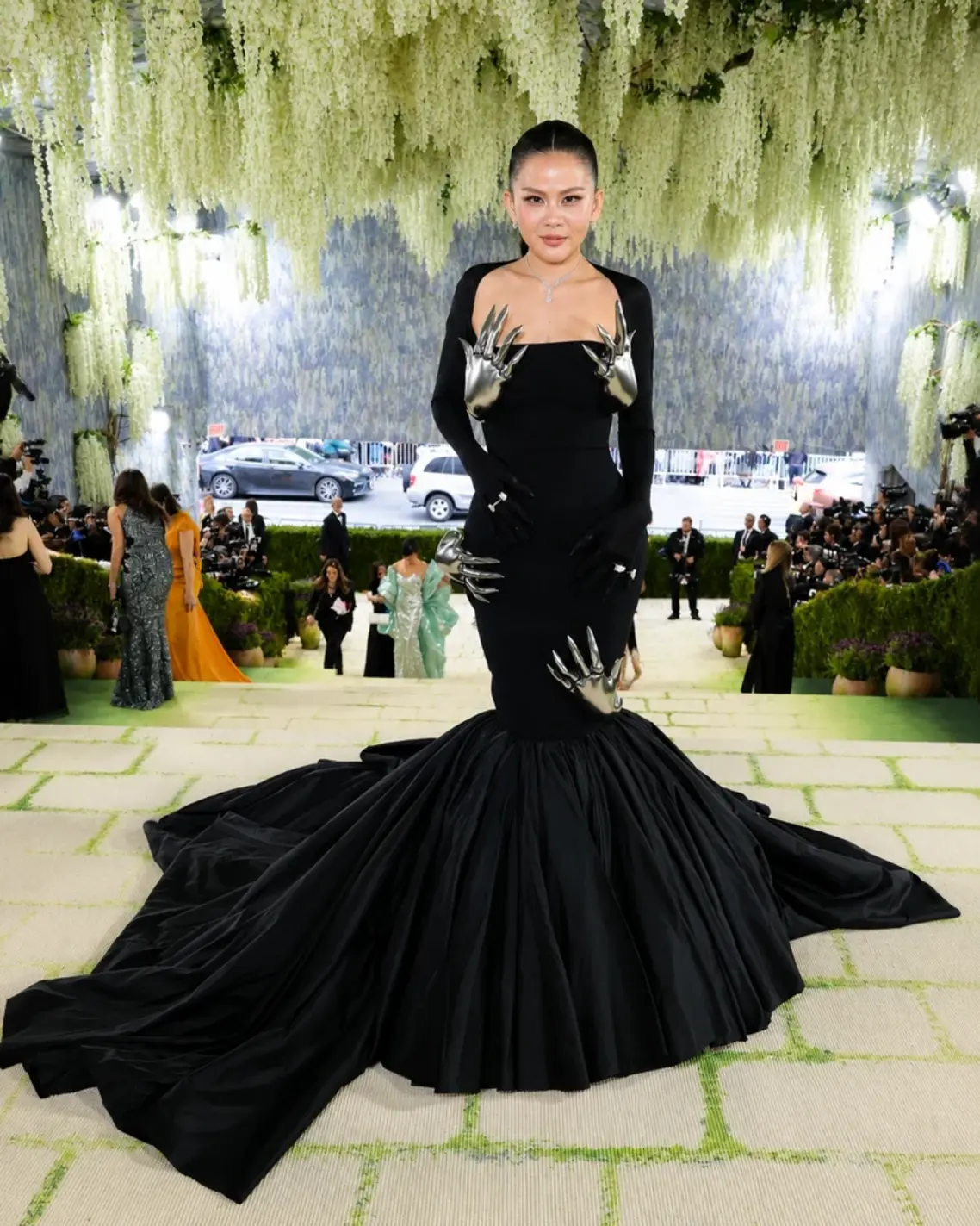
Meanwhile, Nichapat Suphap, the visionary Thai editor and founder, channeled the celestial energy of Michelangelo’s "The Creation of Adam" for her gala appearance. Working alongside Wun and kinetic artist Casey Curran, she wore a sleek black gown that served as a stage for moving hands, which reached across her bodice in a constant, mechanical homage to the divine touch.
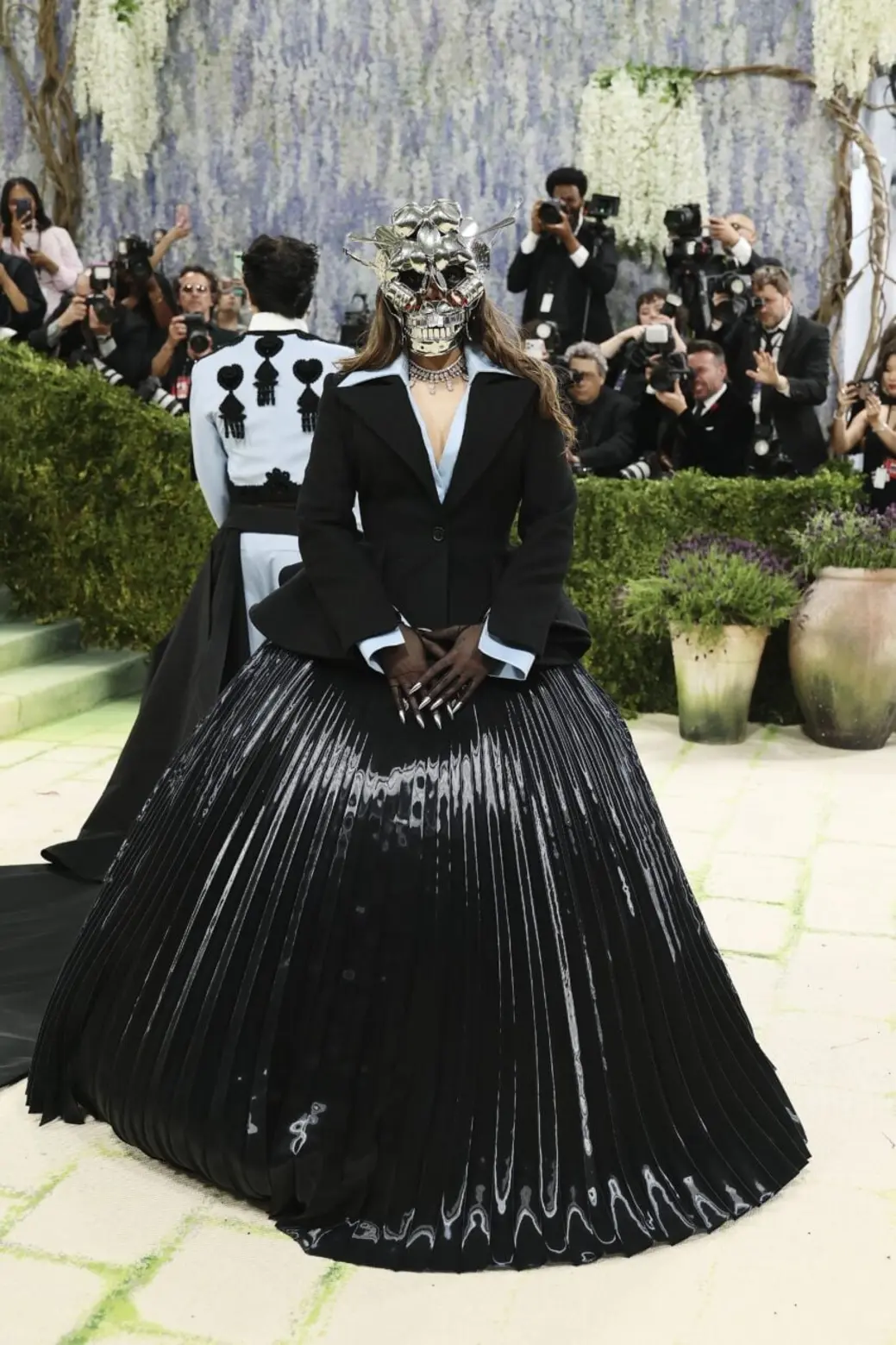
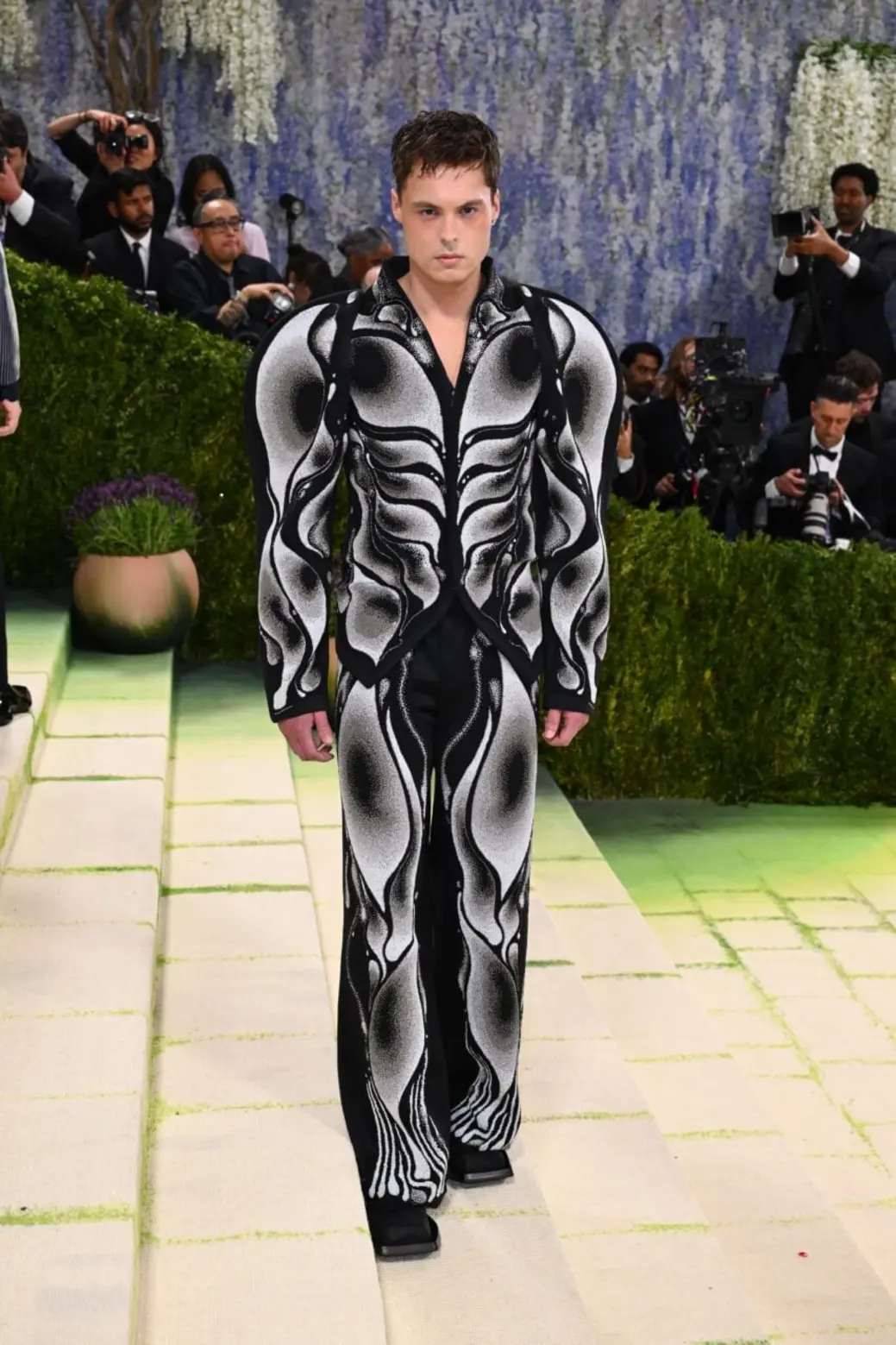
The evening further celebrated the body in its many forms, from Ananya Birla’s fierce, armored femininity to Gustav Magnar Witzoe’s anatomical artistry. Birla’s ensemble, a crisp blue shirt with a towering collar, a cinched black blazer, and a voluminous skirt, all crowned by metallic claws and a Subodh Gupta helmet, heralded the arrival of a corporate warrior. While Gustav Magnar Witzoe’s suit rendered the human musculature in sharp monochrome, a masterful tribute to the "Body As Canvas" concept.
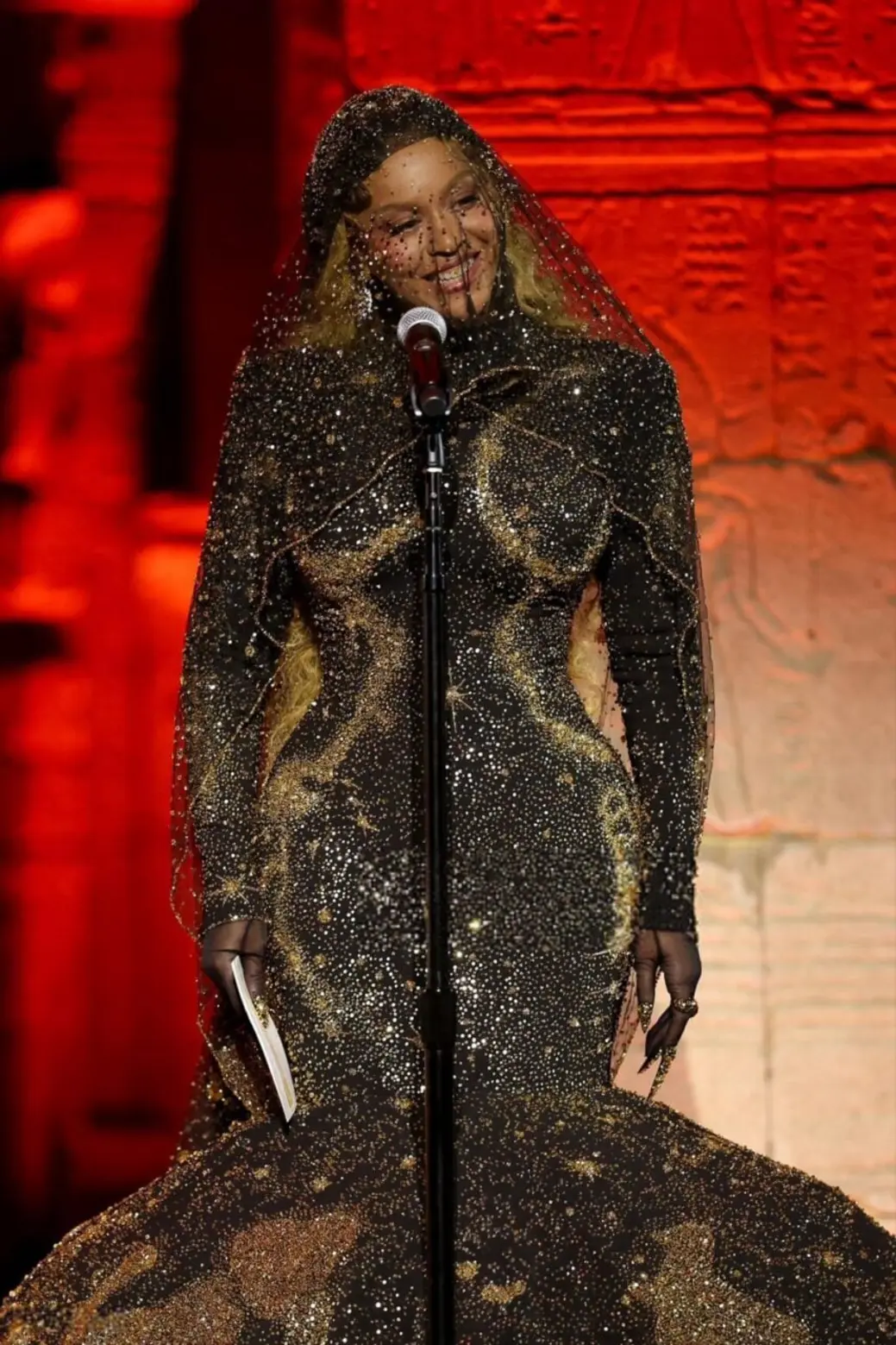
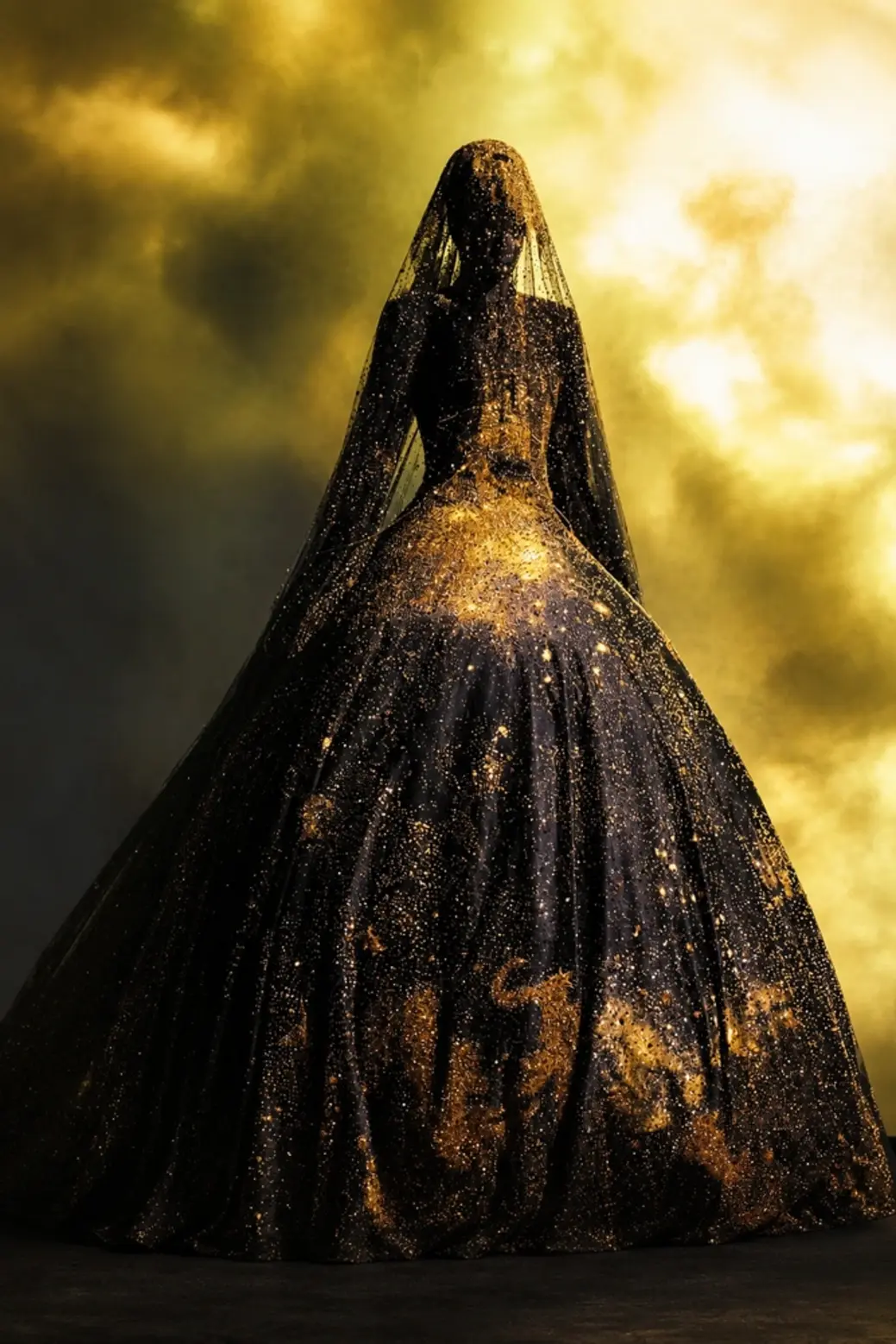
Every stitch of the night felt like a prelude to the appearance of Beyoncé, who shimmered in a secondary look of black and gold crystals. Cloaked in a cascading veil, the Queen offered the ultimate validation of Wun’s genius. When the Queen offers her definitive seal of glory, Wun’s ascent into the stratosphere remains certain, a testament to a designer who views the human frame as the primary canvas for the sublime.
The alchemical process behind Robert Wun’s Met Gala looks involves a profound understanding of how fabric behaves under the pressure of a story, turning silk into stone and tulle into smoke. This year, the "Fashion Is Art" theme acted as the perfect playground for a designer who treats every commission as a masterpiece worthy of a museum’s permanent archives. His work thrives in the tension between the familiar and the surreal, pushing the boundaries of what a dress can represent. By choosing to prioritize the soul of the wearer over the fleeting trends of the season, he has secured a position as the premier architect of the modern imagination.
Advertisement