MENU
Close





When Hollywood starlet style glamour turns a private body into public radiance, who holds the truth: the person beneath the light, or the image the world keeps polishing into legend?
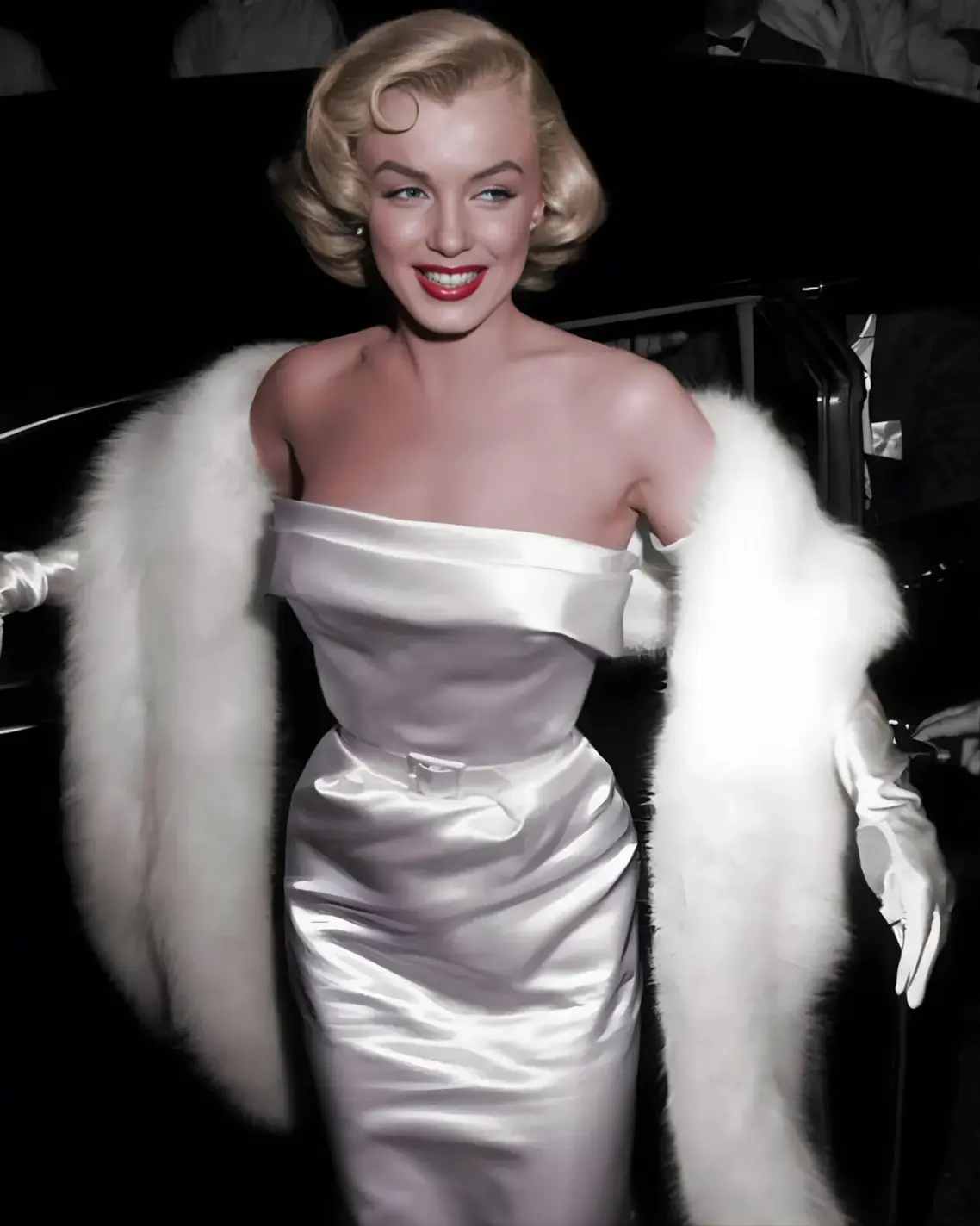
When Hollywood starlet style glamour turns a private body into public radiance, who holds the truth: the person beneath the light, or the image the world keeps polishing into legend?
April 15, 2026
Advertisement
Advertisement



The day Hollywood starlet style reveals itself begins before the carpet, before the applause, before the first flash turns air into lightning, it begins in a room that smells like steamed silk and warmed hairspray and the faint metallic chill of jewelry. A woman stands between two versions of herself, the private face that belongs to morning and the public icon that belongs to the world, and the moment she chooses the second one the whole house changes temperature as if glamour has its own weather. Hollywood starlet style begins here, in the private hours where glamour becomes labor. A gown hangs on a rack under a garment bag, heavy with silk, crystals, or satin that holds light in reserve. A jewelry tray rests on the table beside a glass of water, diamonds chilled from the air conditioning, metal edges sharp enough to remind the wearer that beauty carries weight.
The paradox enters the room. Visibility becomes the objective, and privacy becomes the requirement. The starlet agrees to be seen, intensely seen, and that agreement comes with rules. The look invites attention and sets a boundary at the same time. Eyes can travel. Cameras can consume. But distance stays respected.
What counts as Hollywood starlet style is not simply “beautiful.” It is iconographic. It reads instantly from a distance, then survives the brutality of the close up. It is built for flash photography and crowd noise, for the hard white glare of lenses that flatten ordinary fabrics and expose ordinary finishing. Hollywood starlet style refuses ordinariness through construction. It is clothing engineered to look inevitable, opulent, and controlled, as if the wearer arrived already mythologised.
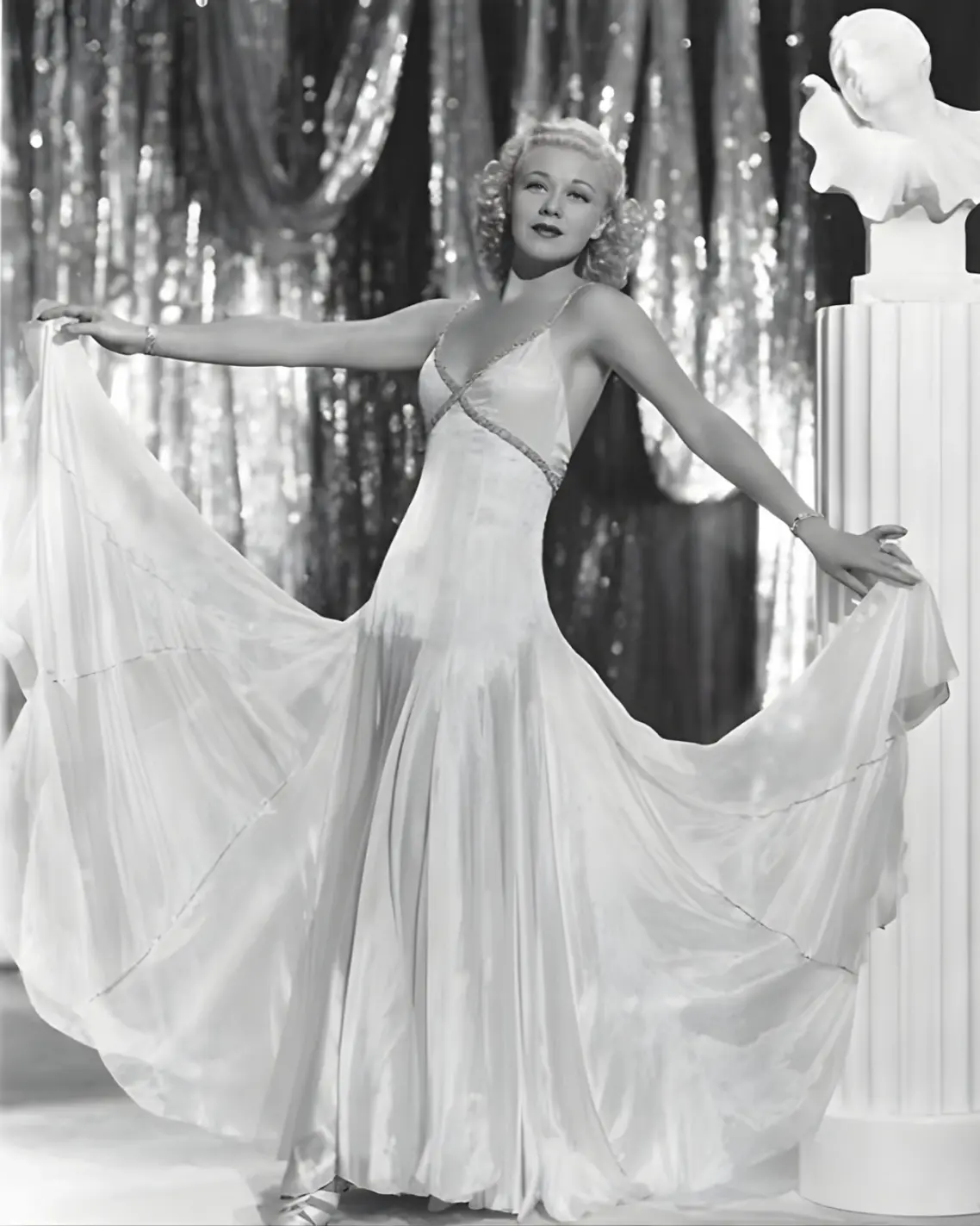
Tonight arrives as a single question that keeps changing shape.
The rack her stylist prepared reads like a script with multiple endings. One gown promises breath, the ease of a body that moves through attention as if attention belongs to it. Another promises discipline, a cinched line that changes her posture into architecture and turns her into something carved, something meant to endure. She can enter the night as a woman who glides, or as a monument that walks.
Outside this suite, the world already behaves like a jury; inside it, she decides what kind of evidence she plans to present.
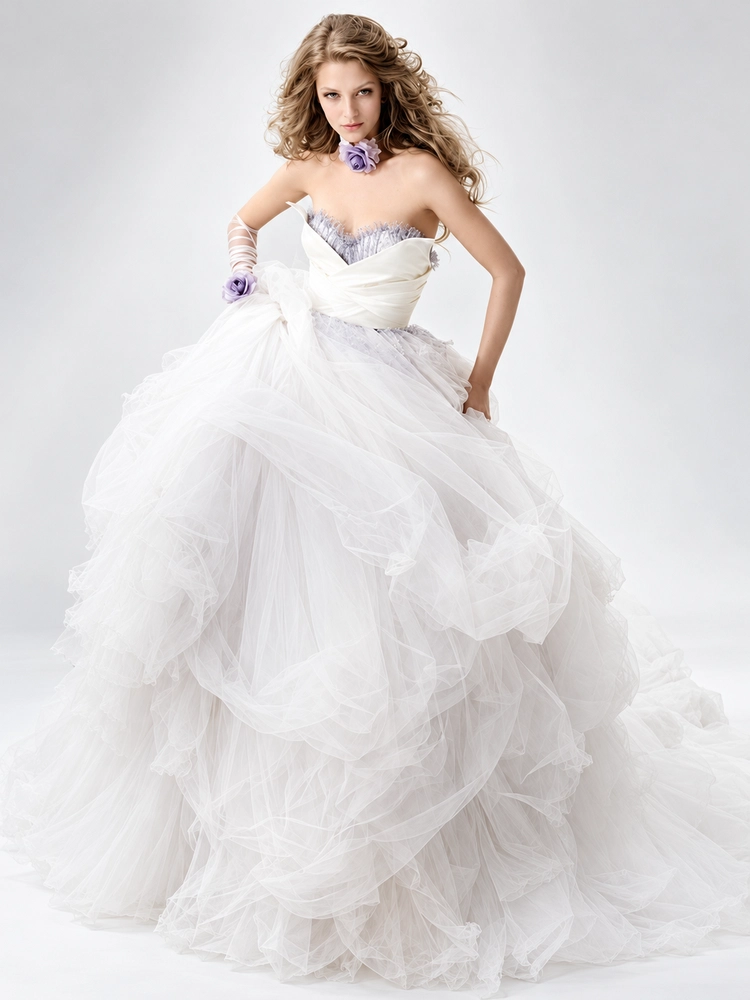
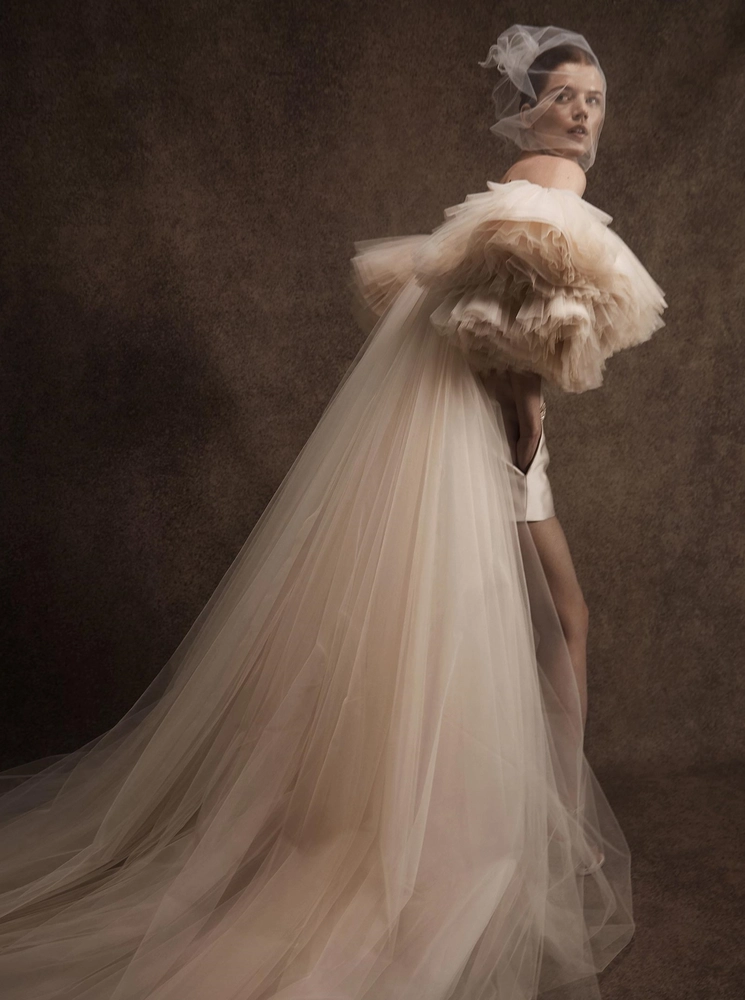
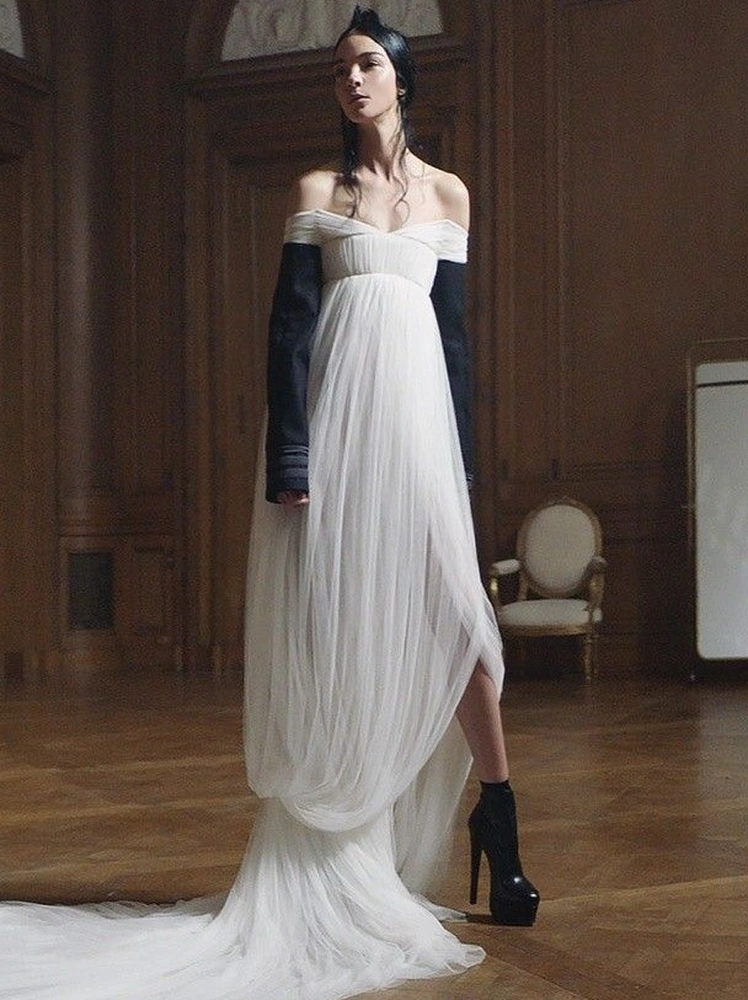
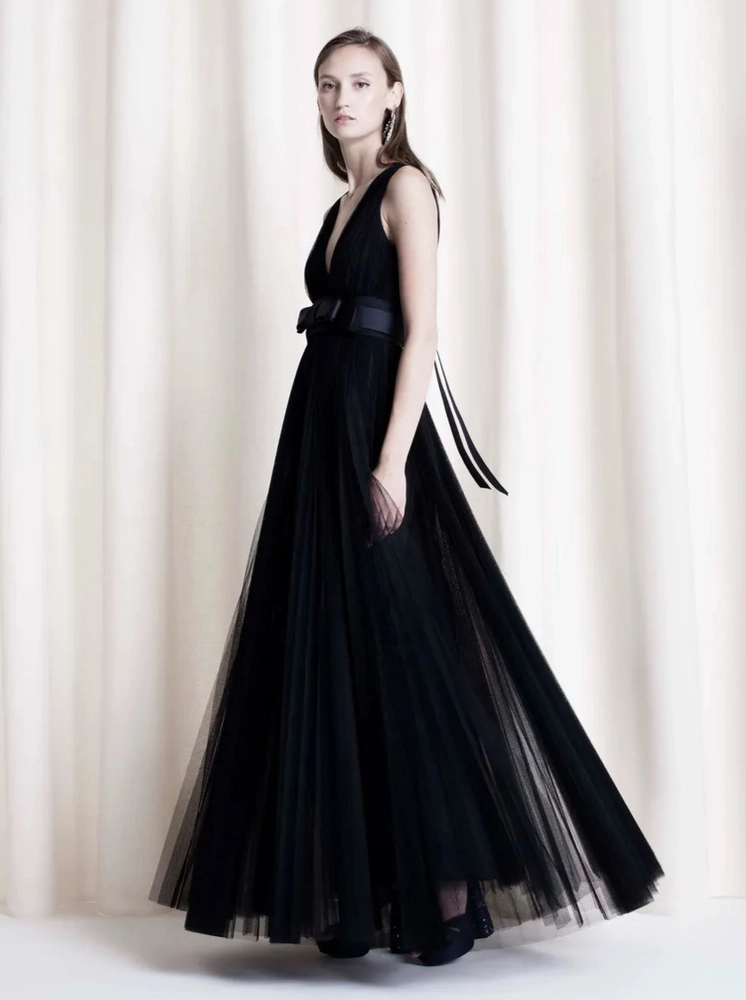
She reaches for feeling before silhouette, because feeling tells the truth about what she wants tonight. She knows what light will do to her. Light will enter every surface and report back with ruthless honesty. Satin, silk answers with a moving highlight that travels across her body like a controlled spotlight, making a small shift of shoulder look like choreography. Lamé offers the hardest answer of all, metallic flare that returns the flash with interest, a surface that refuses humility. Lace speaks in a different register, intimate without pleading, skin suggested through pattern and restraint. Tulle and organza hover nearby, promising volume and air, the kind of drama that creates distance simply by expanding the space around her, while crepe and mikado hold their ground with cleaner power, fabrics that look decisive in photographs because they keep their line even when the crowd presses close.
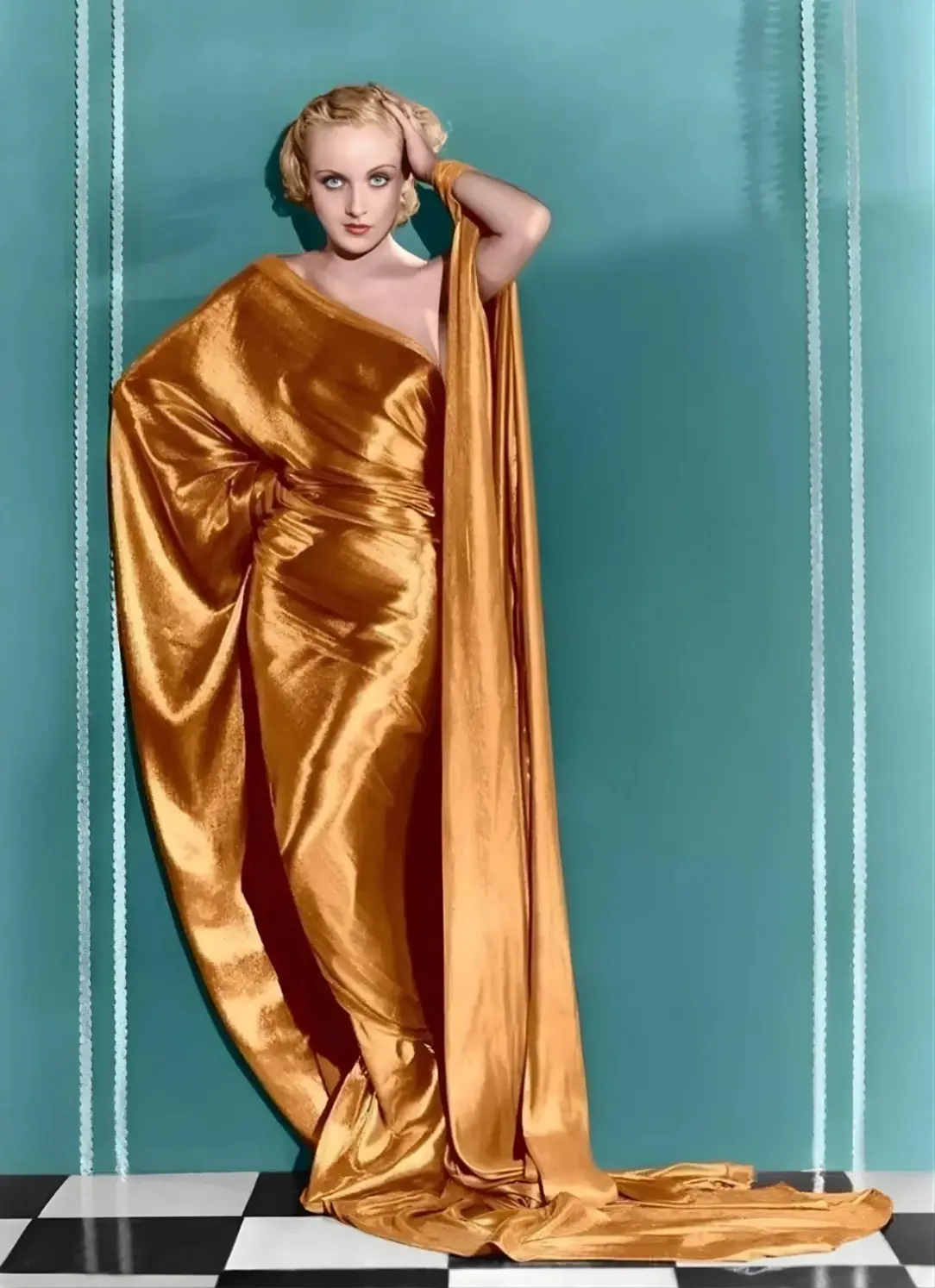
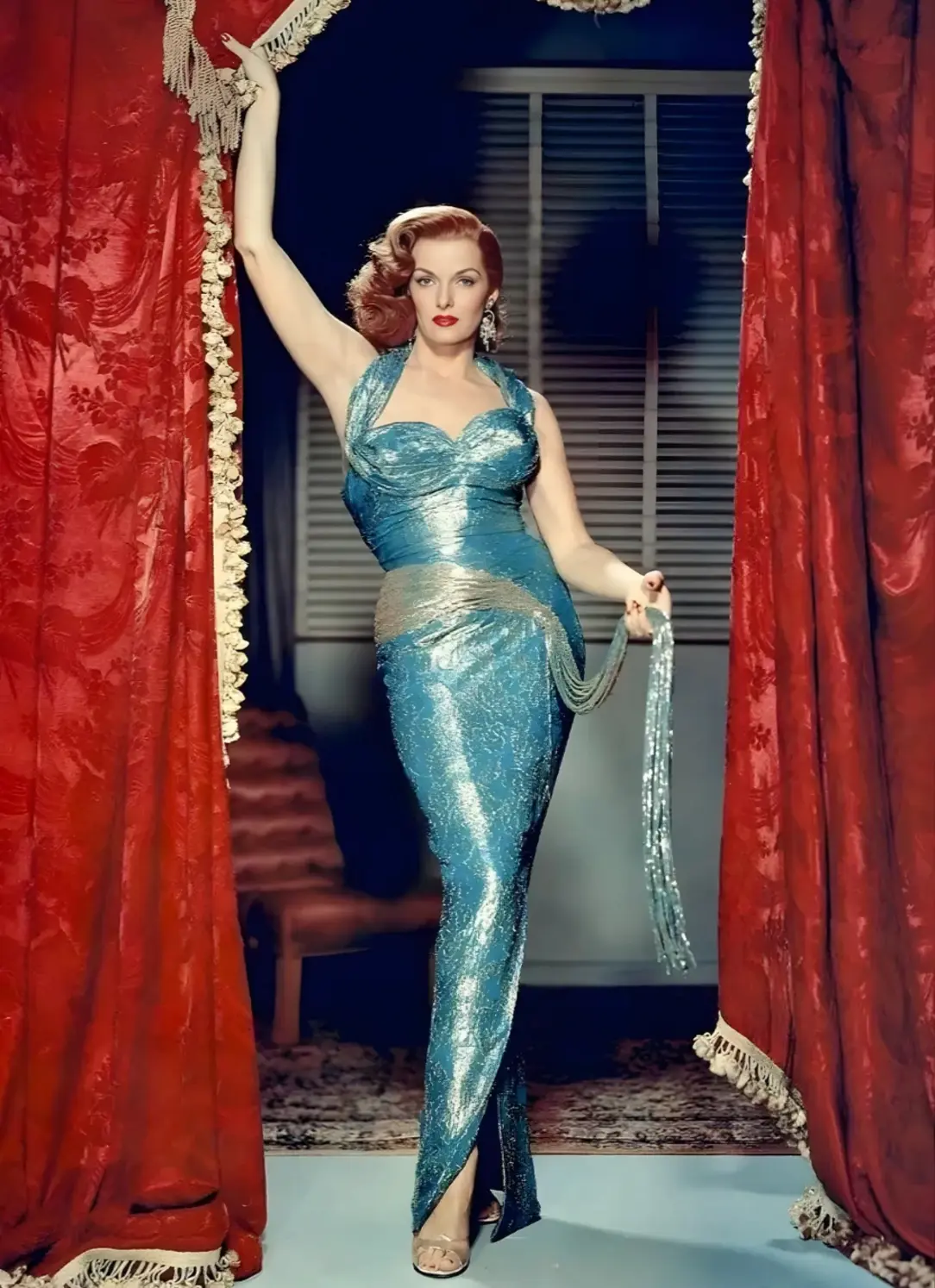
The choice tightens as her imagination starts running ahead of the night. Hollywood starlet style never lives only on the surface. It lives in planning, in containment, in the ability to give the public an image that feels intimate while keeping the self behind it protected.
That is why she thinks next about how she wants to glitter, because glitter is never only decoration here. Beading can make her read like a rare stone under pressure, the uncut gem fantasy translated into hundreds of tiny points that fracture light into sparks. Sequins can turn movement into a constellation effect, each step producing its own new sky. Yet she also knows that the deepest luxury sometimes arrives through labor that takes time to understand. Embroidery and appliqué speak with patience. They carry the hours inside them, the hands, the discipline, the devotion. They say she deserves craft at the level of obsession, that she treats herself as worthy of what other people spend days perfecting, that she offers the crowd spectacle while still demanding that spectacle be made properly.
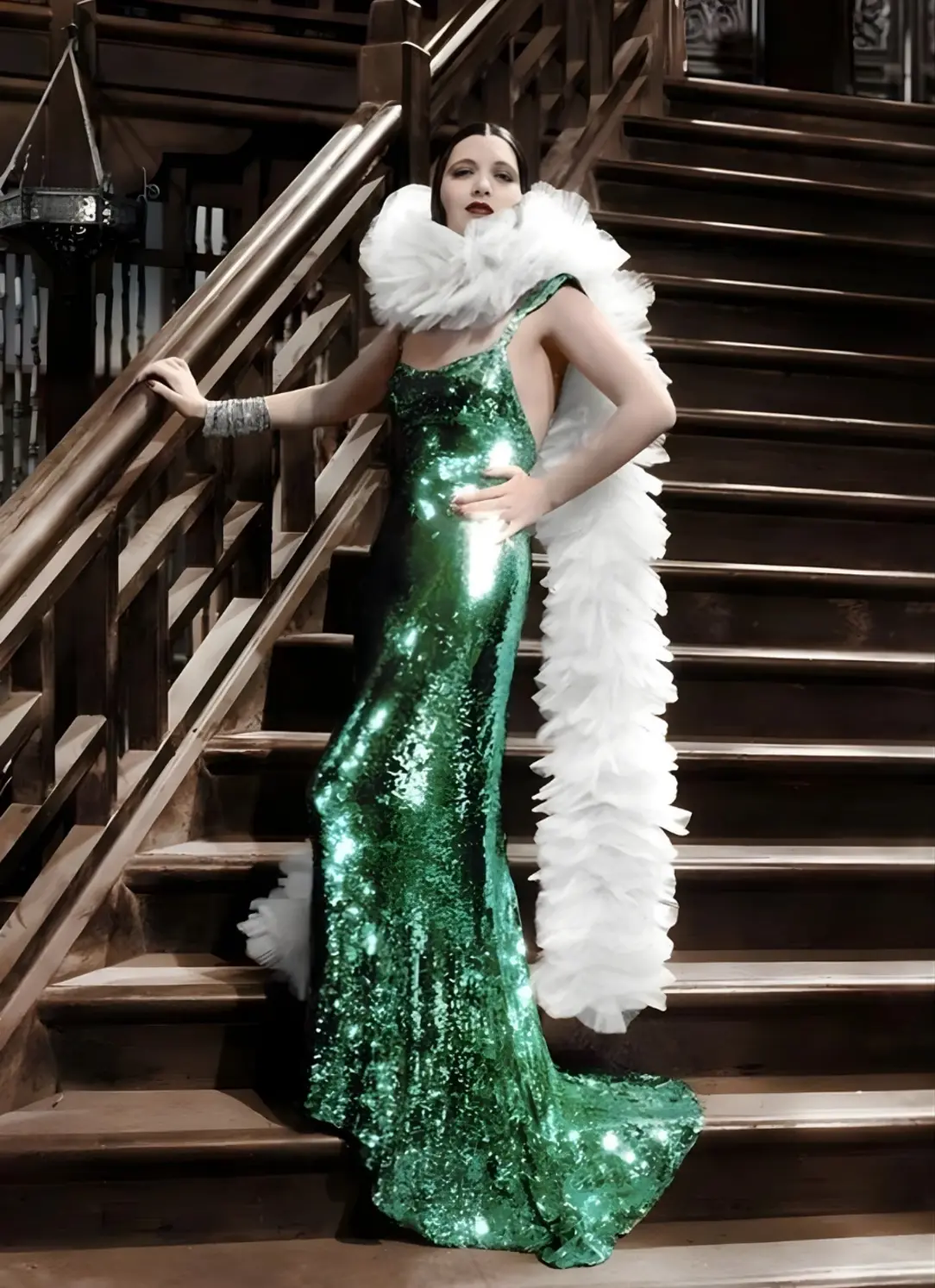
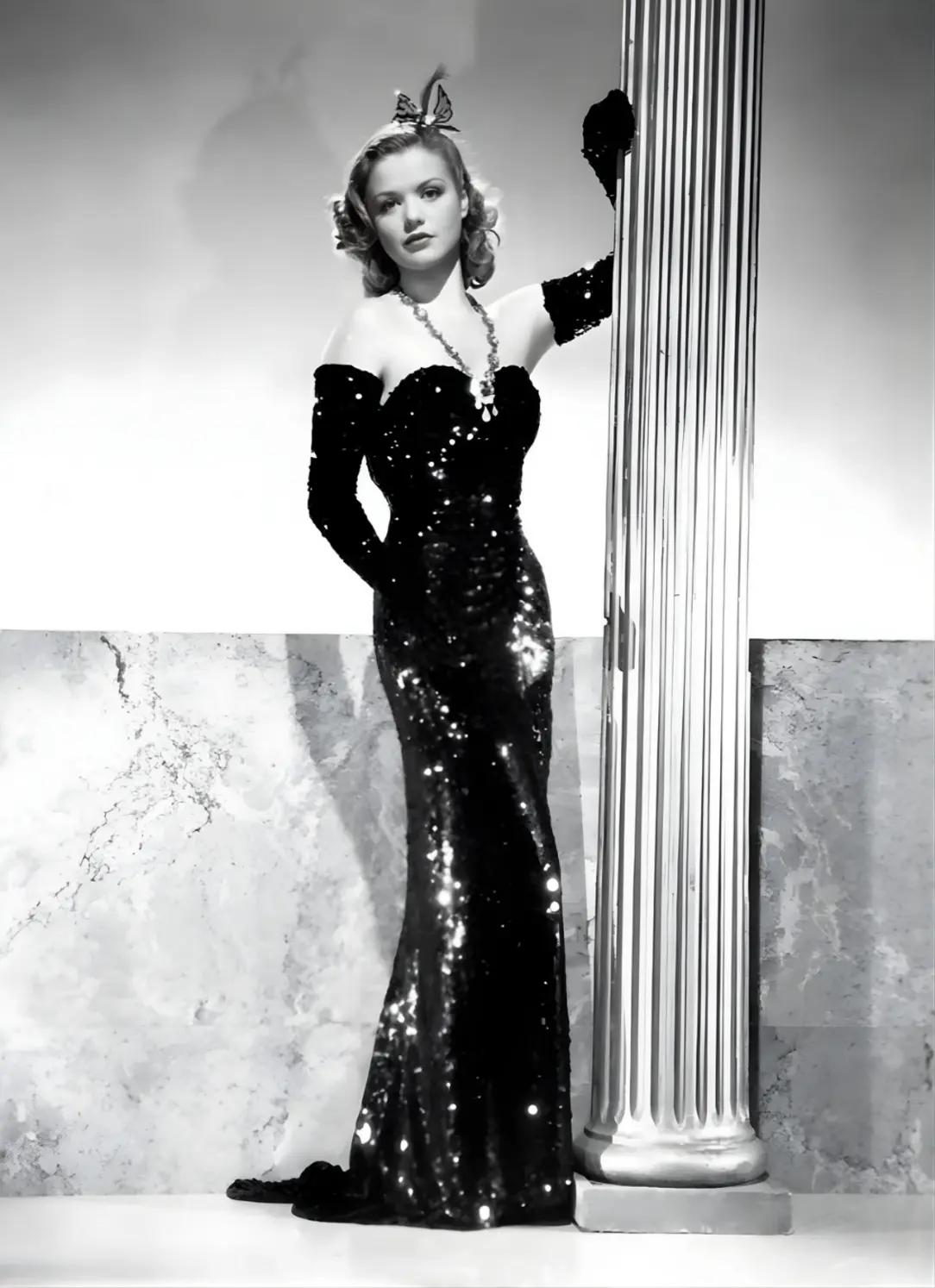
And underneath whichever surface she chooses, the real power waits in the part the public almost never names: the architecture. Hollywood starlet glamour depends on engineering because the camera rewards stability and punishes collapse. Corsetry decides where the waist lives. Boning holds the torso like a vow. Waist stays anchor the silhouette so it survives stairs, embraces, interviews, and the long stretch of being watched. Built in cups and strategic seams shape the body into the promise the dress makes from across the room. The public will see radiance. She will feel the garment training her posture into a kind of authority that looks natural only because the construction refuses to allow anything else.
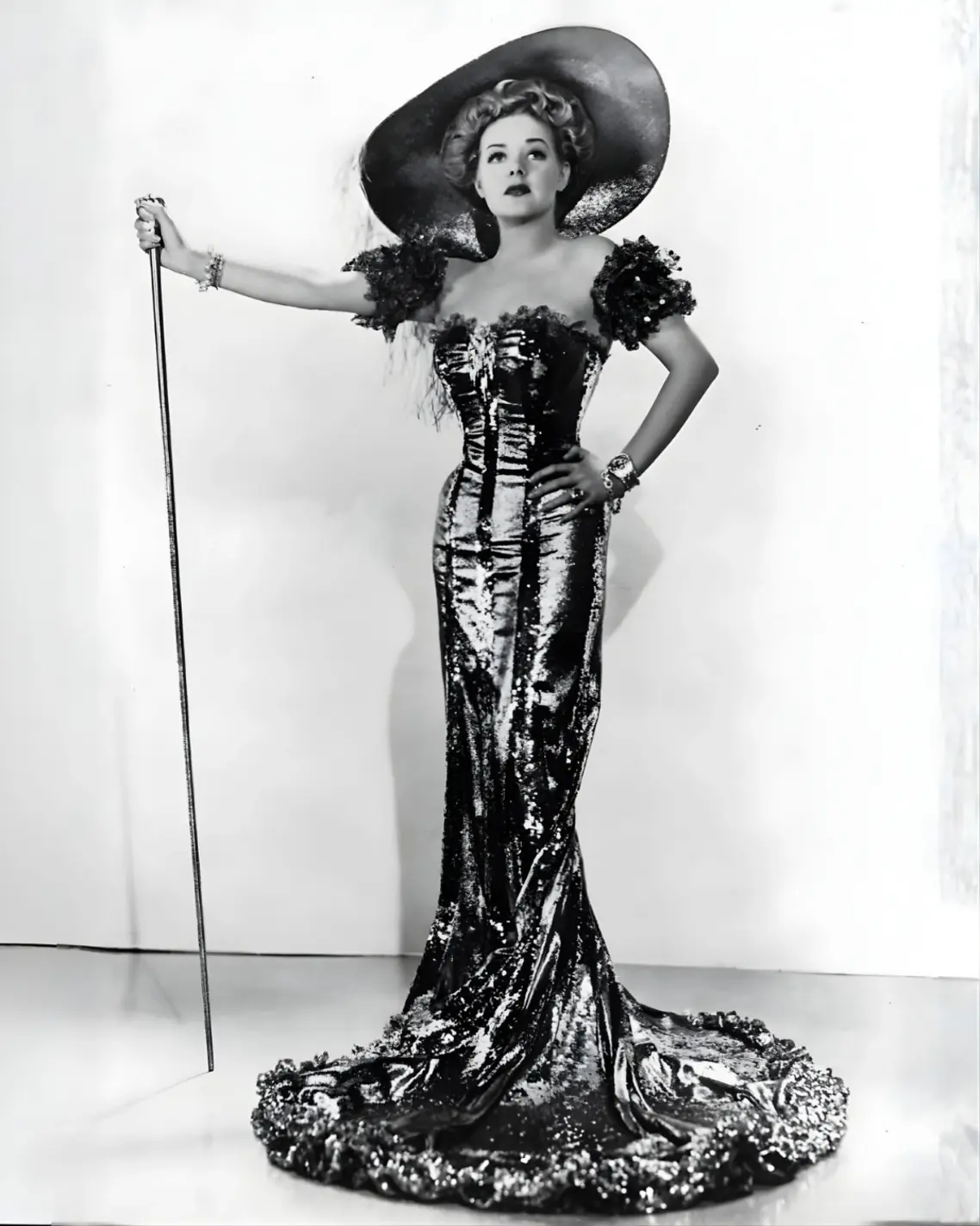
Only then does silhouette become inevitable, because silhouette is the headline that the body writes before the face even enters the frame. She considers the hourglass for its official balance, the way it makes her look ordained by tradition, shoulders and hips held in symmetry with the waist as a command point. She considers the mermaid line for its disciplined tension and its theatrical release, a shape that turns walking into a controlled crescendo. She considers the ball gown for its social dominance, the way it changes the geometry of any room and forces people to step back, granting her privacy through volume even while it crowns her in attention. She considers the column for its ruthless clarity, a single vertical statement that reads expensive because it stays composed.
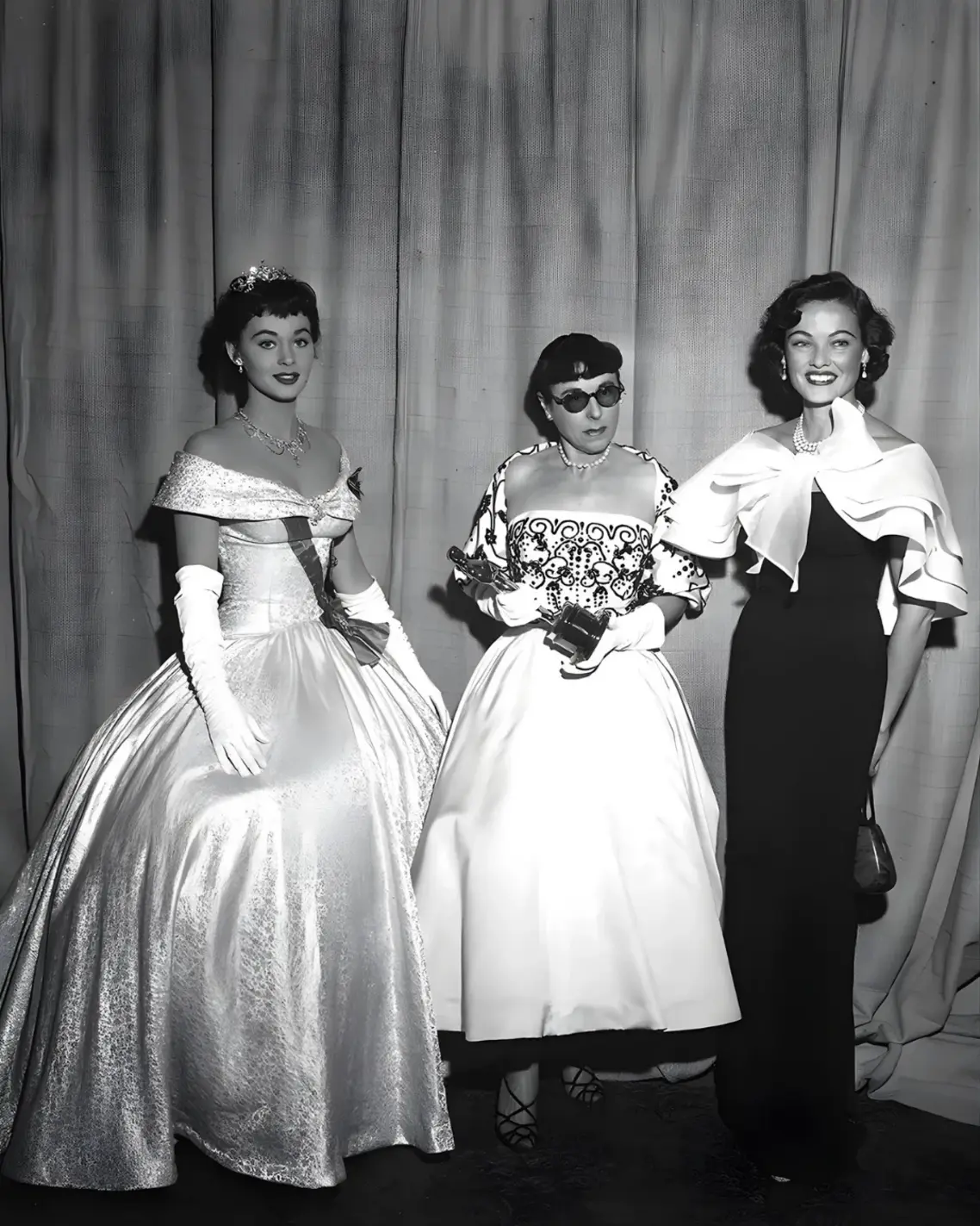
Because Hollywood starlet style exists for public events, premieres and award ceremonies. Crowds cheer as if they are feeding the image with electricity, this style requires an audience because it feeds on the gaze and transforms that gaze into prestige, and when the look is done right the world does not simply see her, the world circulates her, repeats her, debates her, praises her, tries to pin scandal to her shine and still ends up staring, because Hollywood starlet style is not only a dress, it is a controlled universe of glamour that makes attention feel like property and makes prestige feel like an estate worn on the body
Hollywood starlet style emerges from systems that treated image as industry. During the Golden Age, studios ran costume departments that shaped star identities with deliberate consistency. Costume designers became architects of glamour. Paramount’s Travis Banton dressed major stars of the 1930s and developed a visual language built on bias cut lines, rich fabrics, and extravagant textures. The Metropolitan Museum of Art describes his work as glamorous and evocative, tied to the era’s celebrated screen figures. At MGM, Adrian rose via studio power and fashion press influence, entering mainstream fashion discourse in the 1930s, including a Vogue editorial.
Magazines and studio photography departments amplified the template. The repetition made the style legible to millions. The audience learned the grammar, then demanded the grammar at premieres and awards nights, turning personal taste into shared ritual.
The Academy Awards introduced awards for Costume Design during the ceremony honoring films released in 1948. The Academy’s official ceremony archive for 1949 lists Costume Design categories and winners, and the Academy’s memorable moments page highlights the first presentation of Costume Design awards.

This moment matters because it formalized costume design as a prestigious craft inside cinema’s highest ritual. Hollywood starlet glamour gained a public proof point: the industry treated clothing as a category of excellence, judged and awarded. With television, the red carpet became the mass ritual. The Hollywood starlet look gained a wider public, and the codes became shared knowledge.
Edith Head, a central figure in Hollywood costume history, received recognition for her influence on classic Hollywood style. The Academy highlights her eight Oscar wins and her role in defining classic Hollywood through her designs, and Britannica documents her record winning history in the category.

These milestones show a shift from personal choice to codified ceremony, an environment where Hollywood starlet style gains structure and credibility.
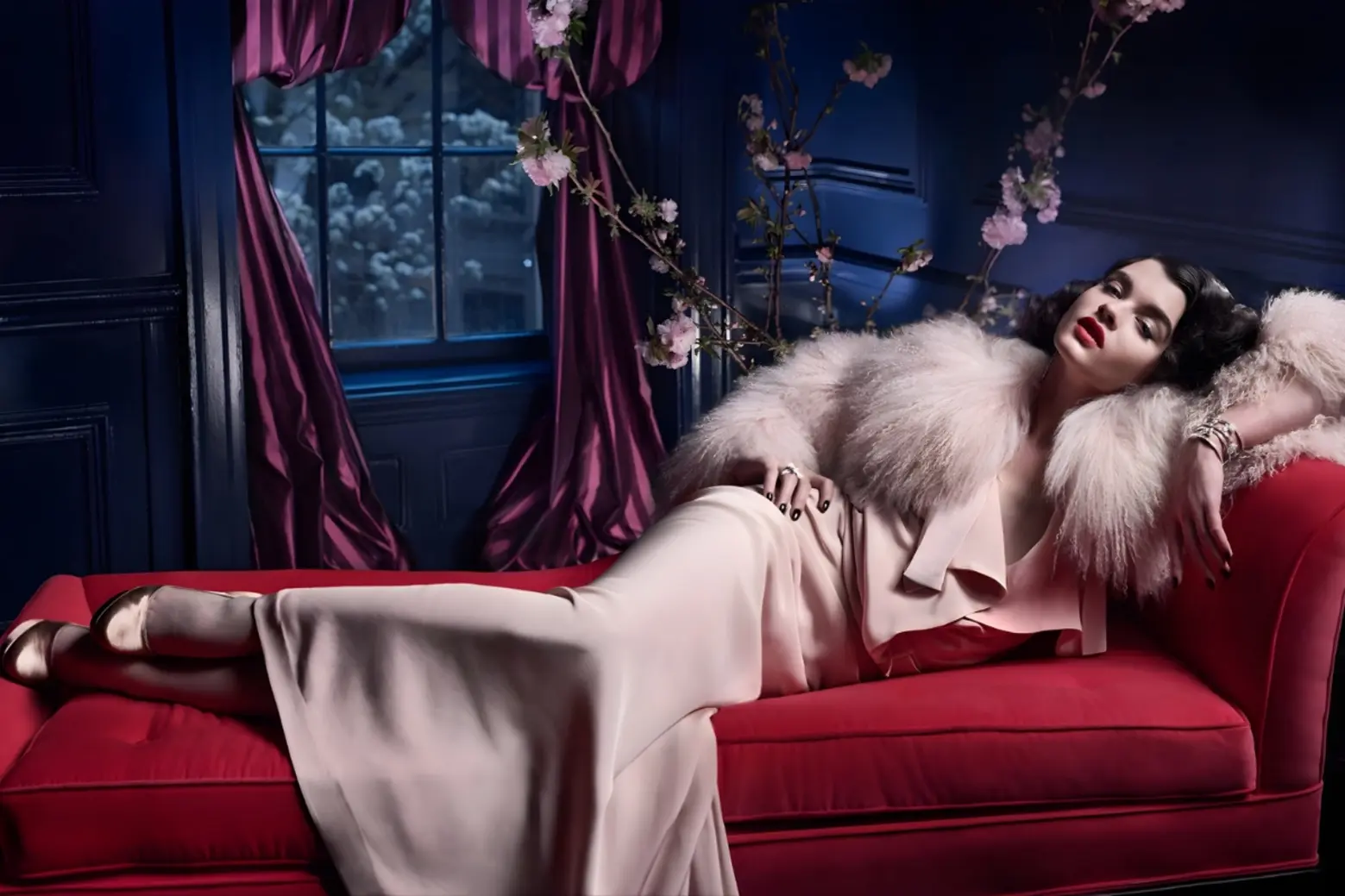
Hollywood starlet style behaves like a document you can feel in the air, a charter drafted in public radiance and ratified by collective attention. It confers status the way law confers personhood: through recognition, through ritual, through a shared agreement that this figure enters a higher jurisdiction for the duration of the ceremony. The halo arrives here as the visible seal of that jurisdiction, an untouchable circumference that divides the ordinary from the extraordinary, then obliges everyone nearby to read the boundary as etiquette, not merely desire.
Hollywood starlet style carries a philosophical tension that feels modern and ancient at once. It offers the public a spectacle, yet it also converts the public into a workforce that maintains the spectacle. The crowd participates by watching, sharing, repeating, and the wearer participates by providing an image worthy of repetition. The exchange looks romantic, yet it remains transactional. The culture receives beauty as an event. The star receives legitimacy as a structure. The cost becomes privacy, and privacy becomes a resource managed like wealth. Inside this logic, untouchability stops feeling like coldness and starts reading as principle. Untouchability becomes the visible proof that the extraordinary possesses its own rules. It signals that access has tiers. It signals that admiration has boundaries. It signals that the wearer belongs to herself first, even while the image belongs to everyone.
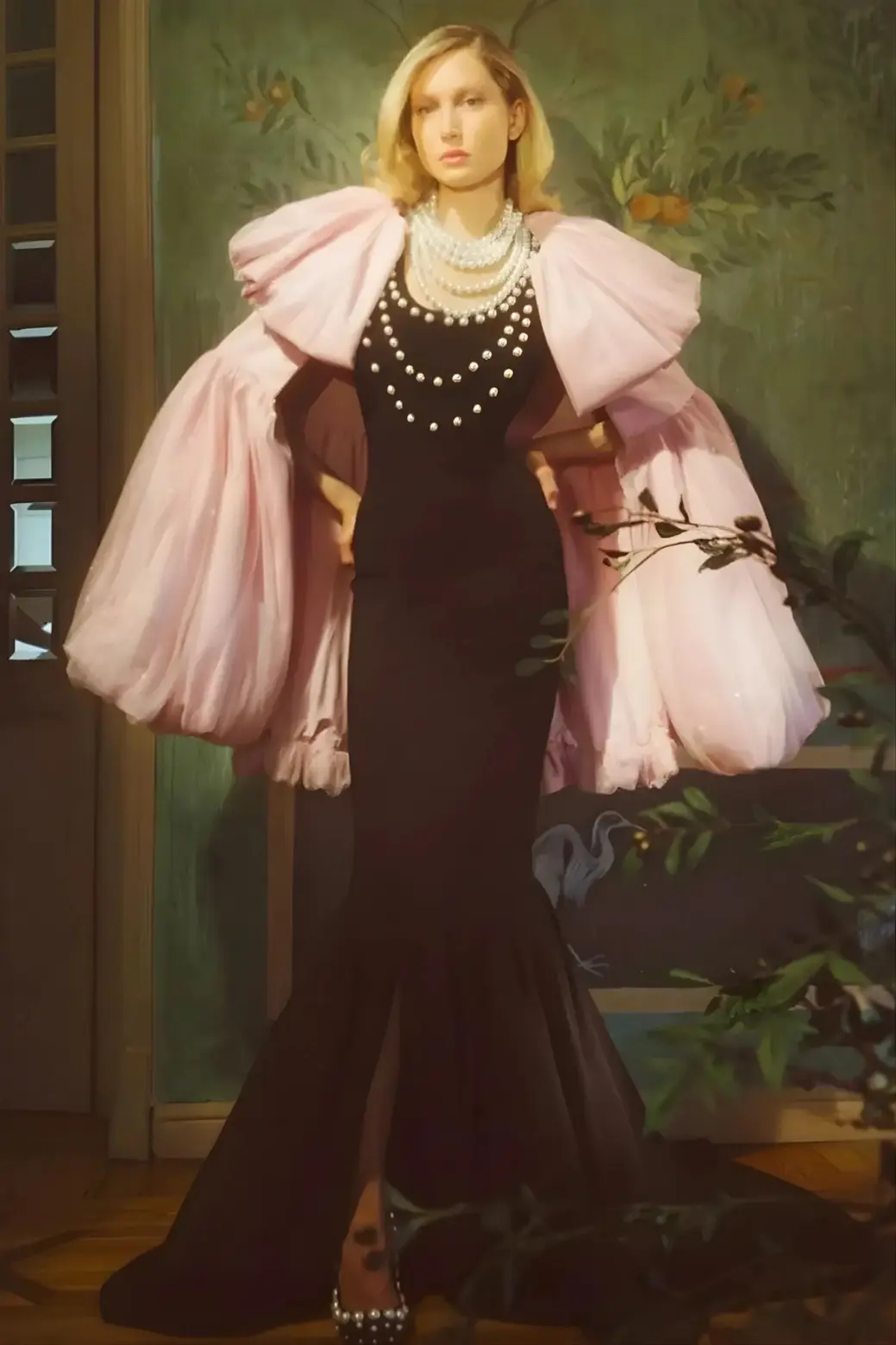
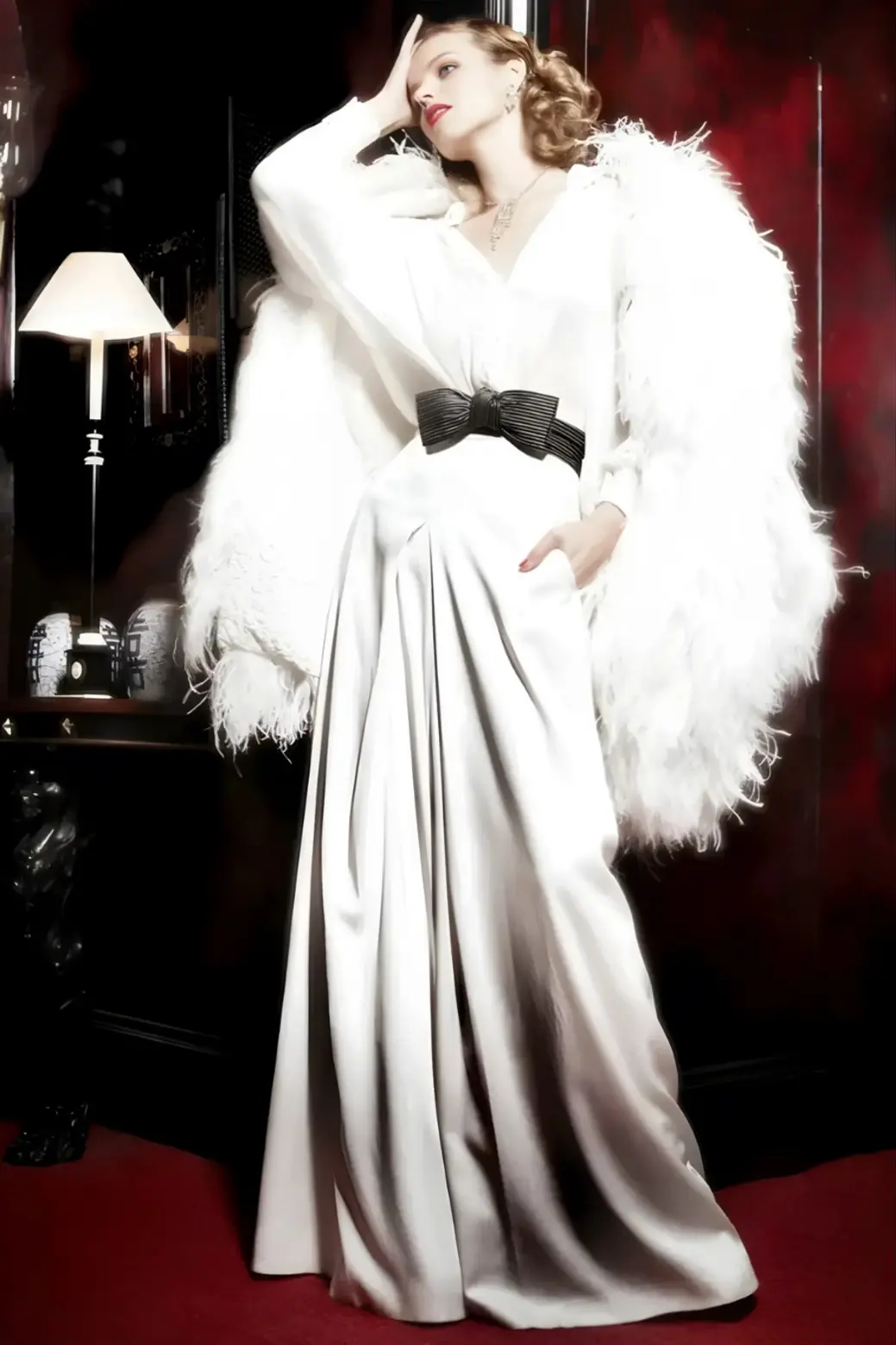
Hollywood starlet is a style that demands iconhood as a performance of character. It asks for composure that holds under interrogation, and confidence that survives the moment the crowd’s attention hardens into scrutiny. To wear it is to stand inside a concentrated gaze and remain steady, letting the image blaze while the nervous system stays disciplined. The stamina here is psychological as much as physical: the ability to keep breath even, posture exact, expression sovereign, while millions read meaning into every second. It is glamour with a cost paid in self-command, a look that requires a mind trained like steel so radiance can appear effortless when it is anything but.
The spirit of Hollywood starlet style lives inside that dual sovereignty. It is not merely a desire to shine. It is the will to legislate the terms of being seen. It is the audacity to claim central space as a right, then keep that right intact under pressure. It is glamour as governance: a luminous authority that turns a room into a domain, turns a gaze into a witness, turns a moment into something that behaves like property, held, defended, inherited through memory. The halo stays untouchable because it functions as a border marker, a sacred line drawn around the extraordinary so the ordinary can come close enough to worship, yet far enough to respect. In that distance, the style achieves its highest purpose. It makes the world look, and it makes the world behave.
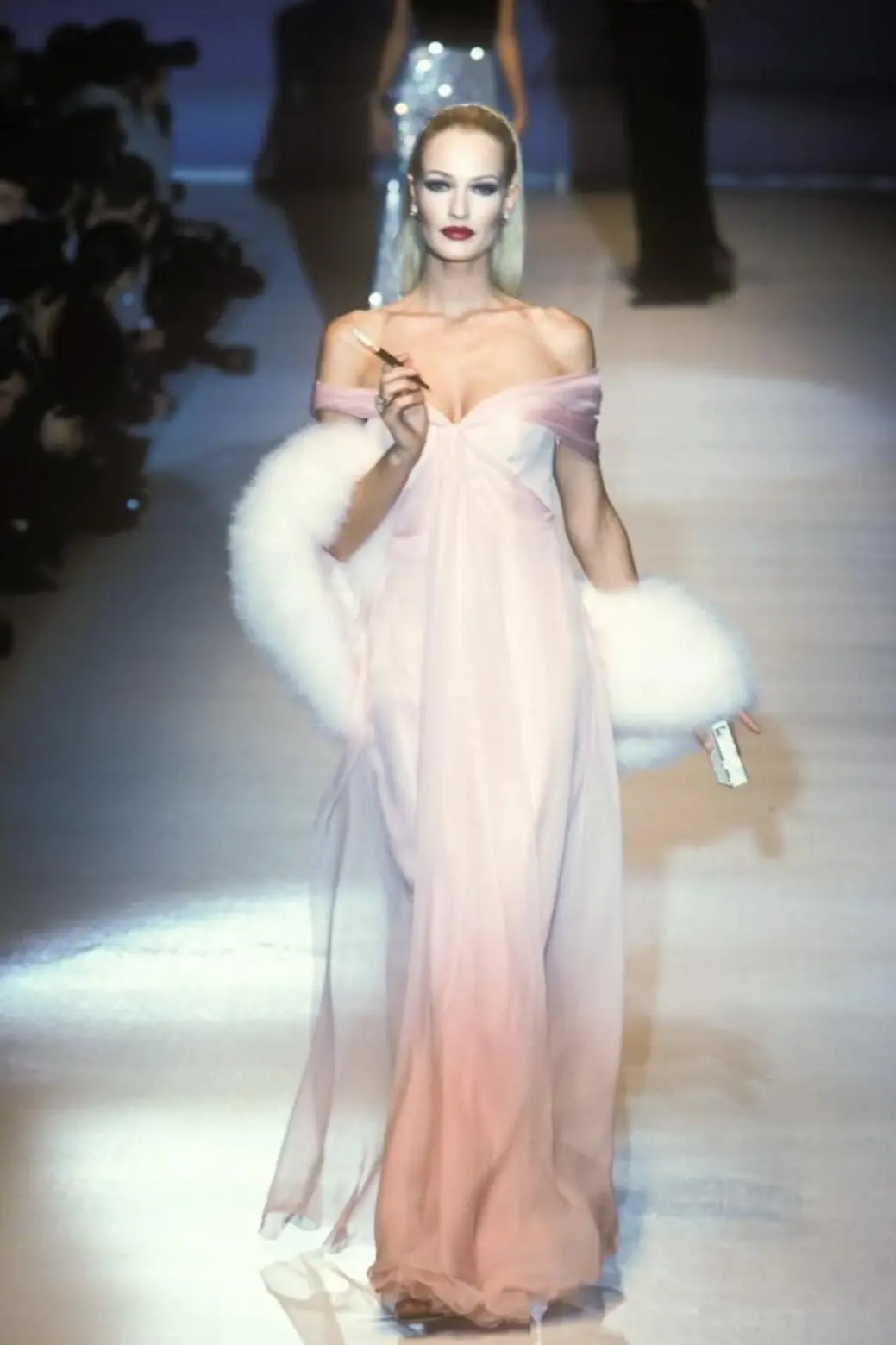
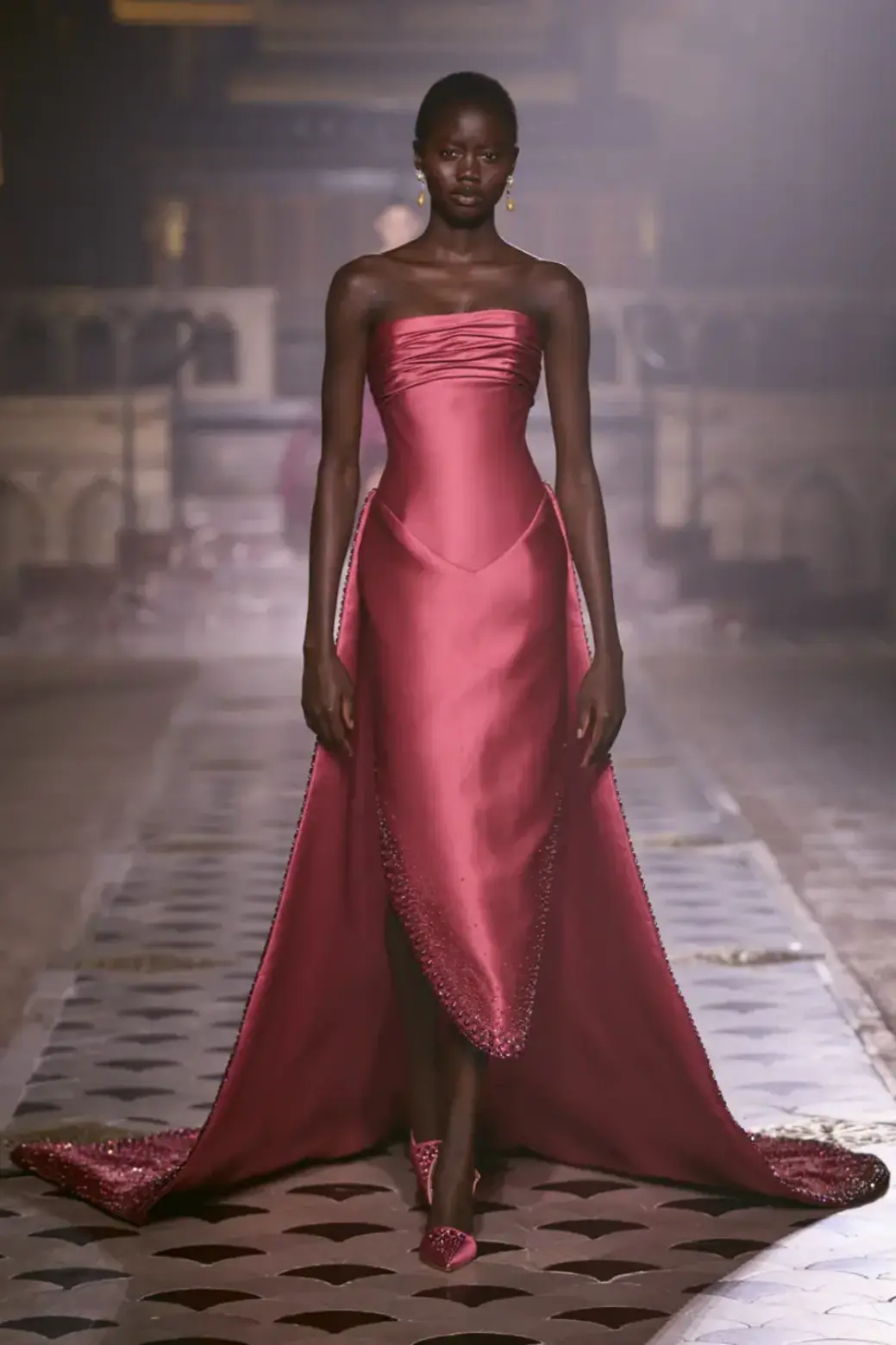
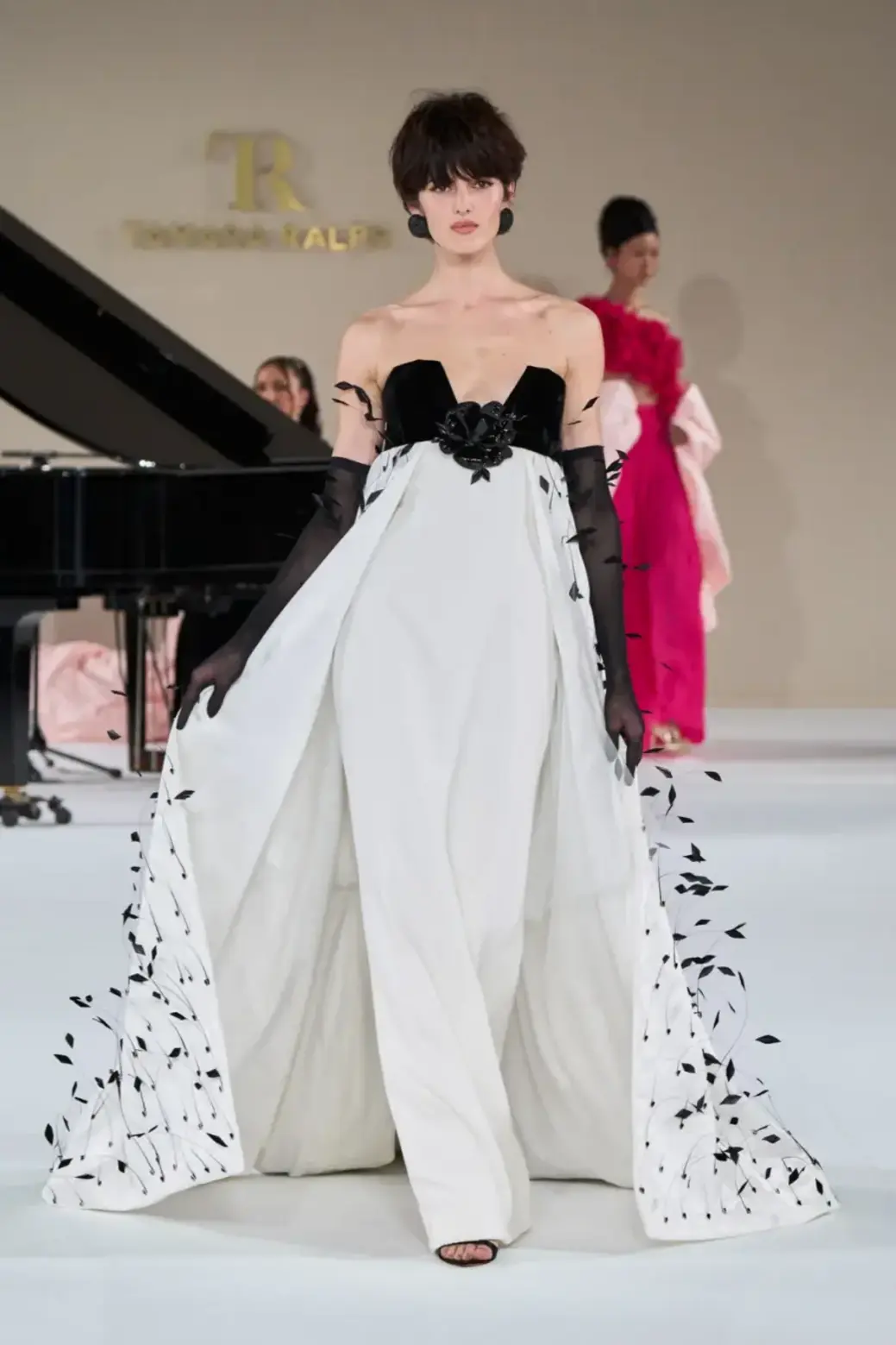
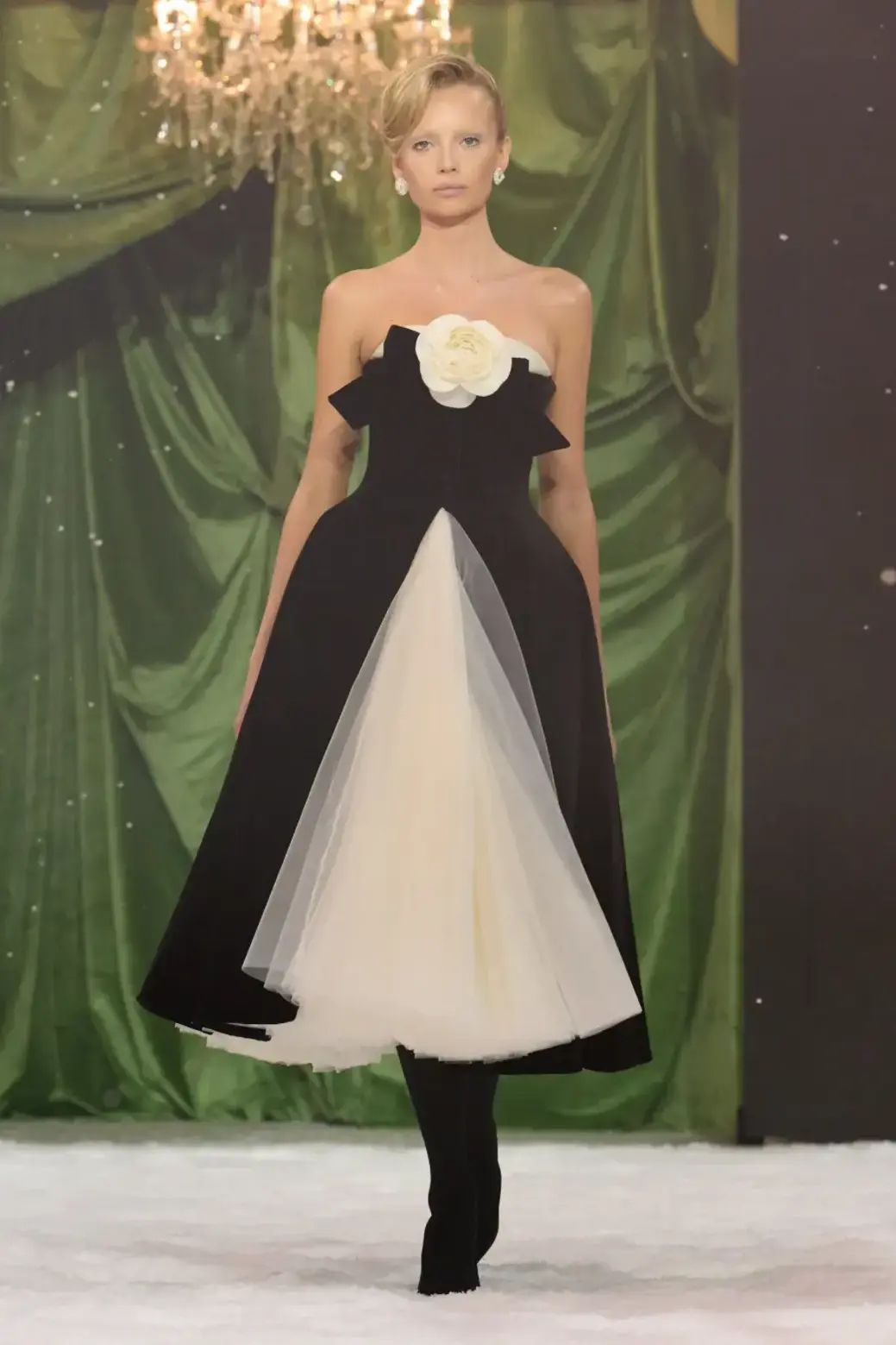
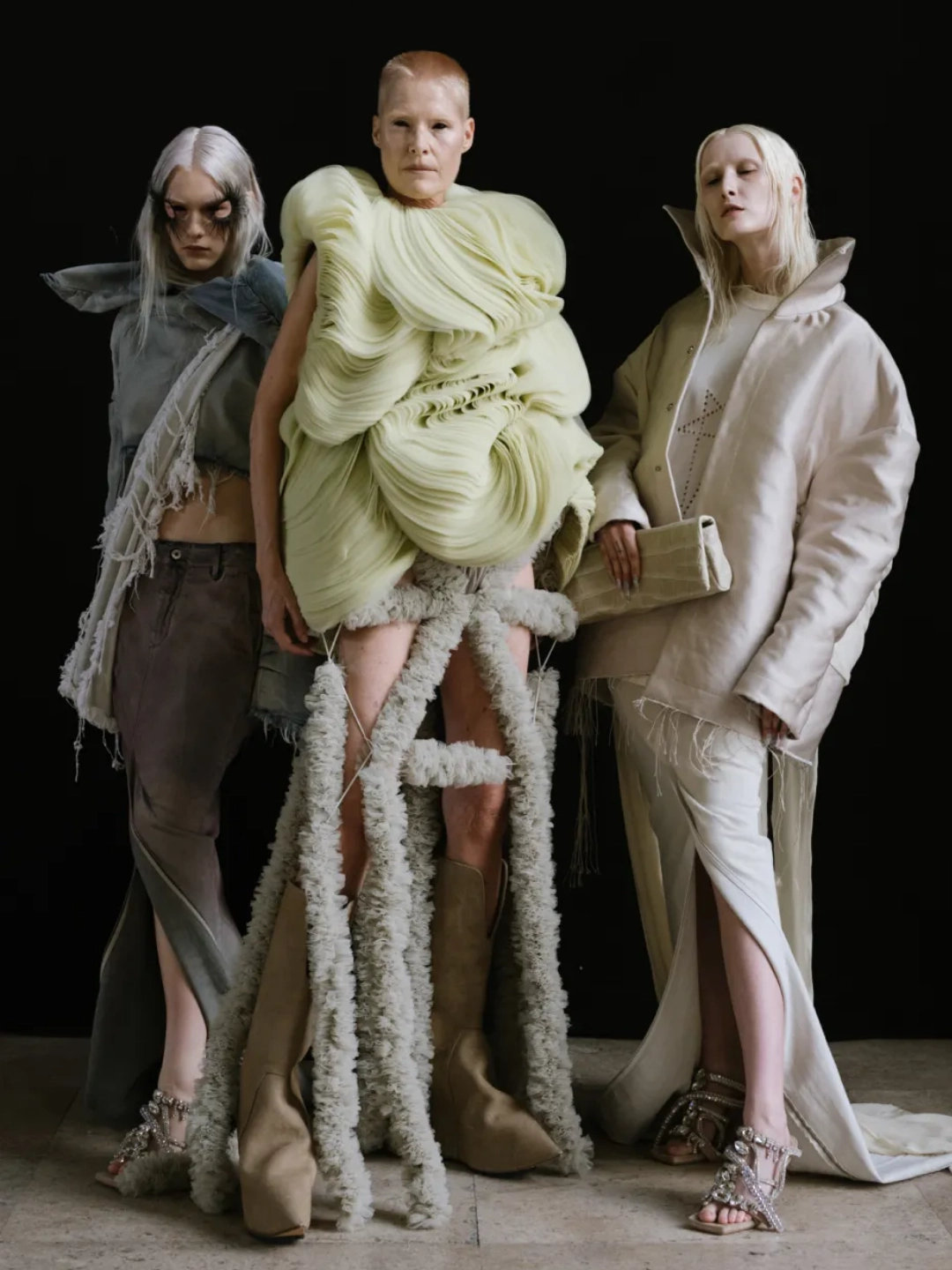
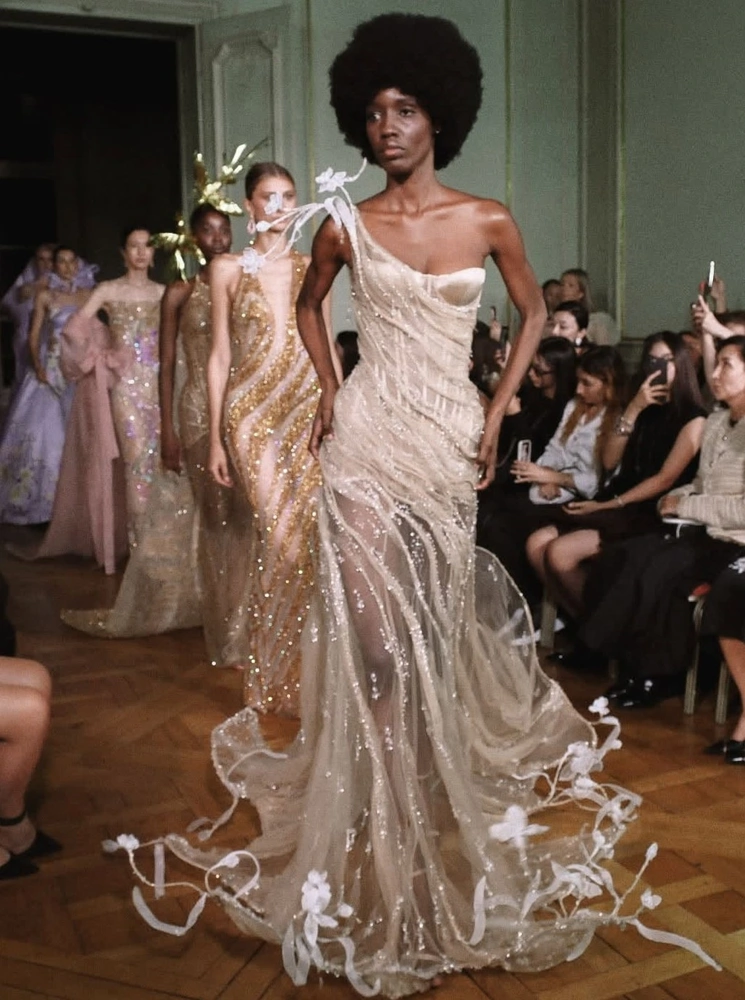
Hollywood starlet style and couture move as one language, because these houses specialize in the kind of glamour that reads as ceremony the moment it enters a room. Guo Pei treats grandeur as mythmaking, a world where the wearer becomes a living monument to fantasy and craft. Georges Hobeika and Zuhair Murad deliver a nocturnal, high-voltage elegance that feels engineered for premieres, the sort of beauty that arrives already famous. Richard Quinn twists that fame into drama with a sharper edge, turning classic glamour into a modern spectacle with bite. Miss Sohee brings a new-gen couture romance that feels playful yet regal, like a modern debutante stepping into legend. Dior holds the code with controlled majesty, Giambattista Valli amplifies it into operatic presence, and Valentino turns it into pure emotion, a kind of public poetry made wearable. Tony Ward, Tamara Ralph, and Ziad Nakad complete the constellation with a signature of maximal, camera-ready opulence that reads as red carpet destiny rather than outfit choice.
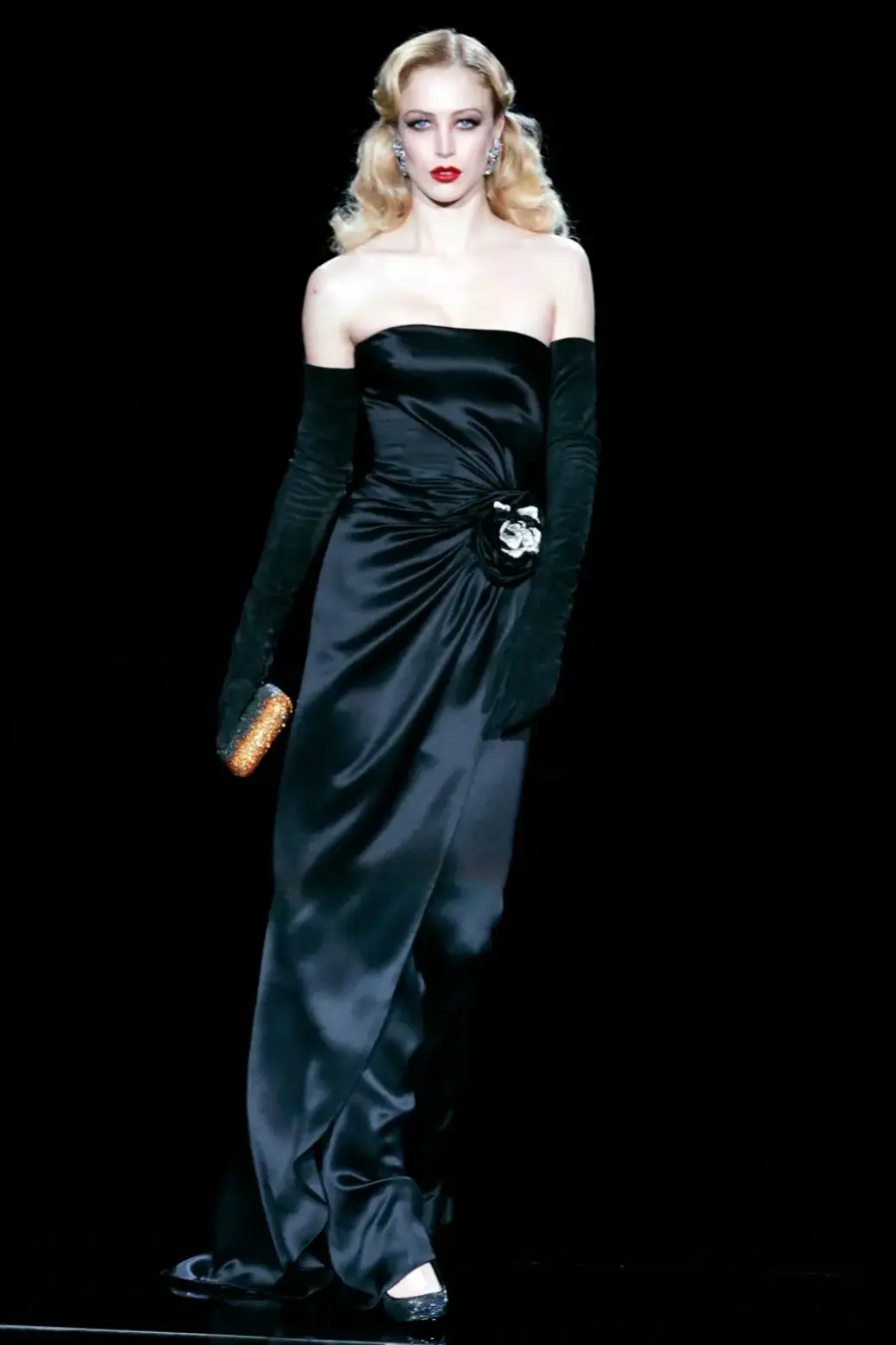
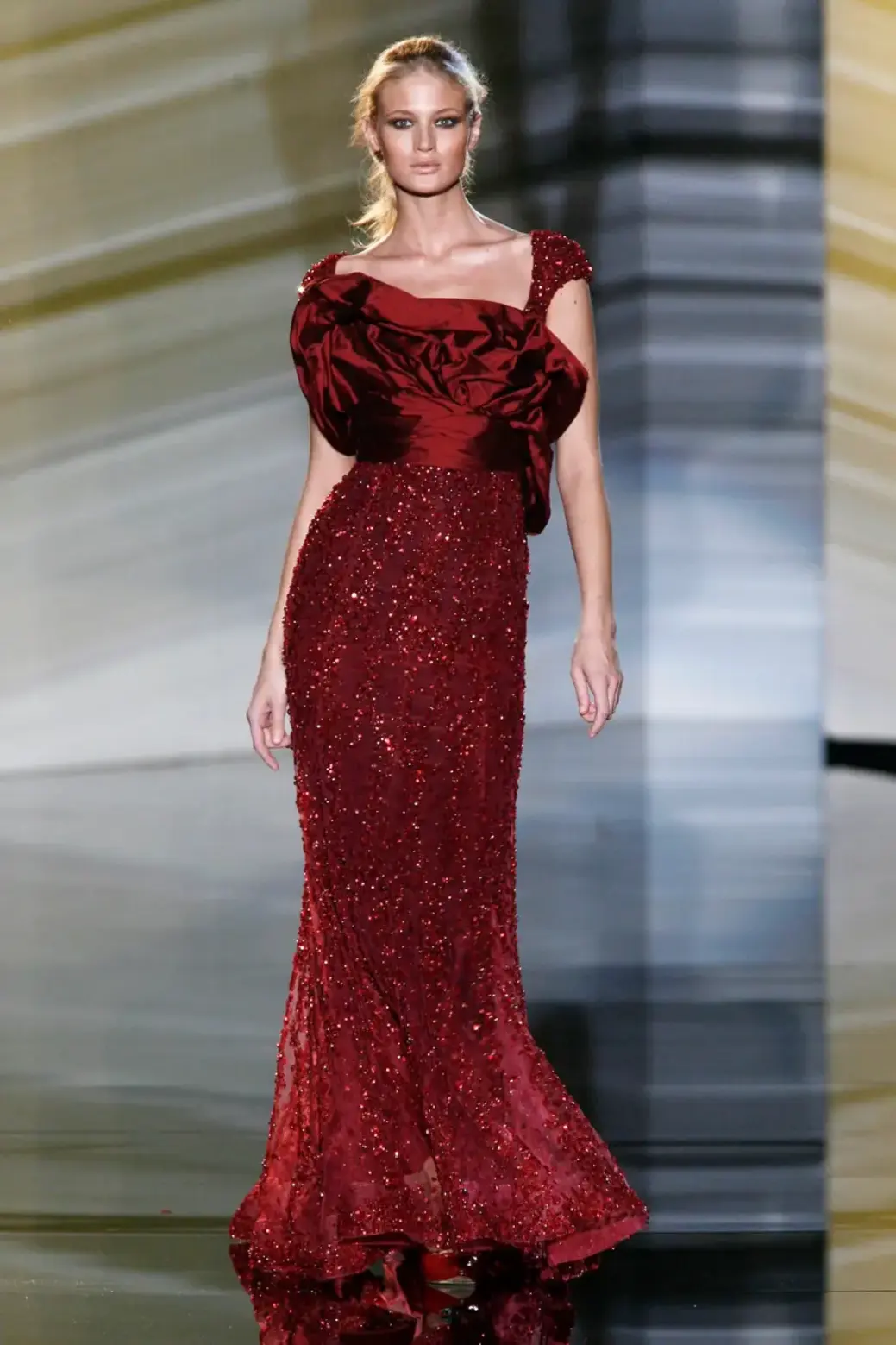
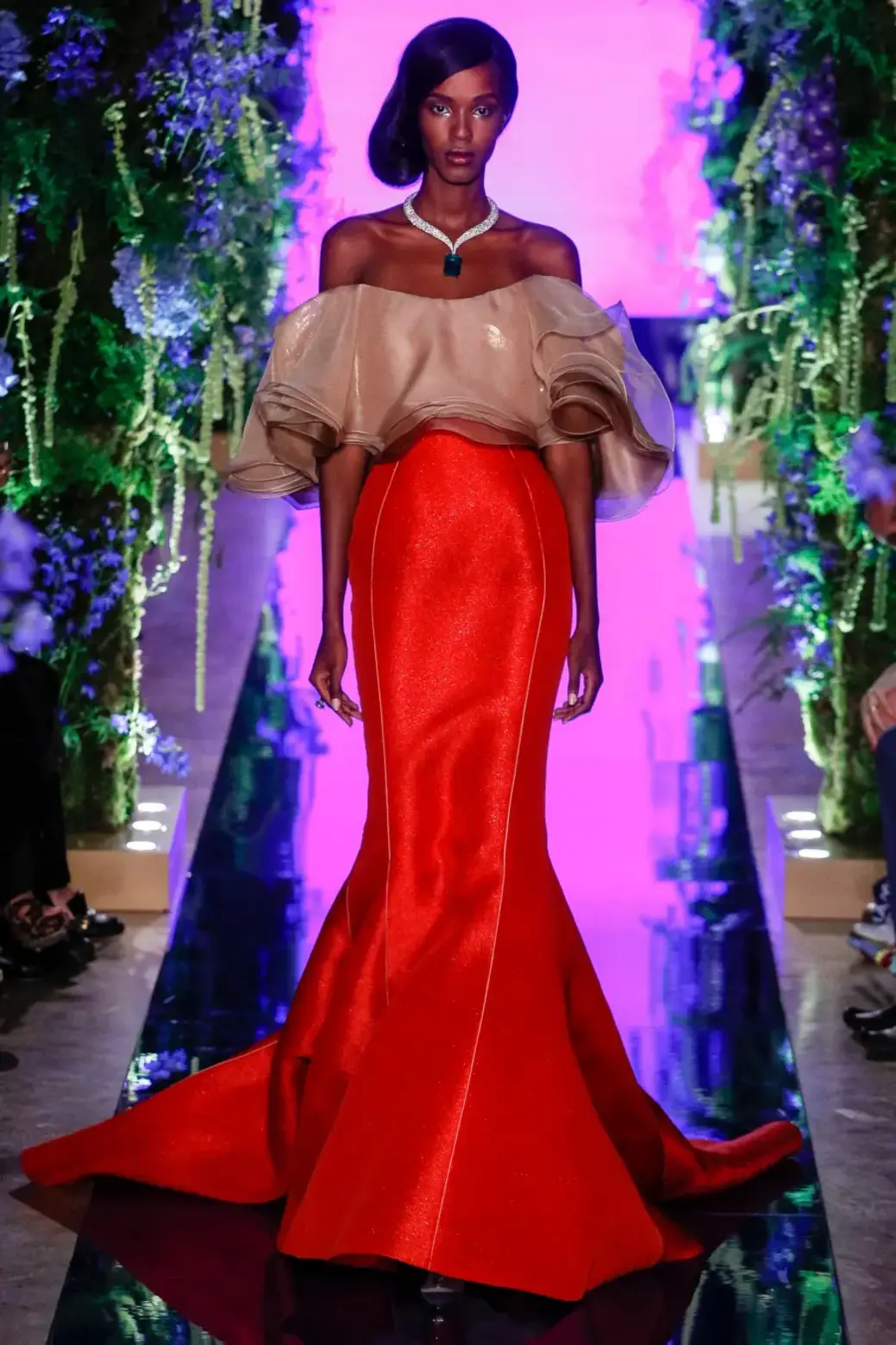
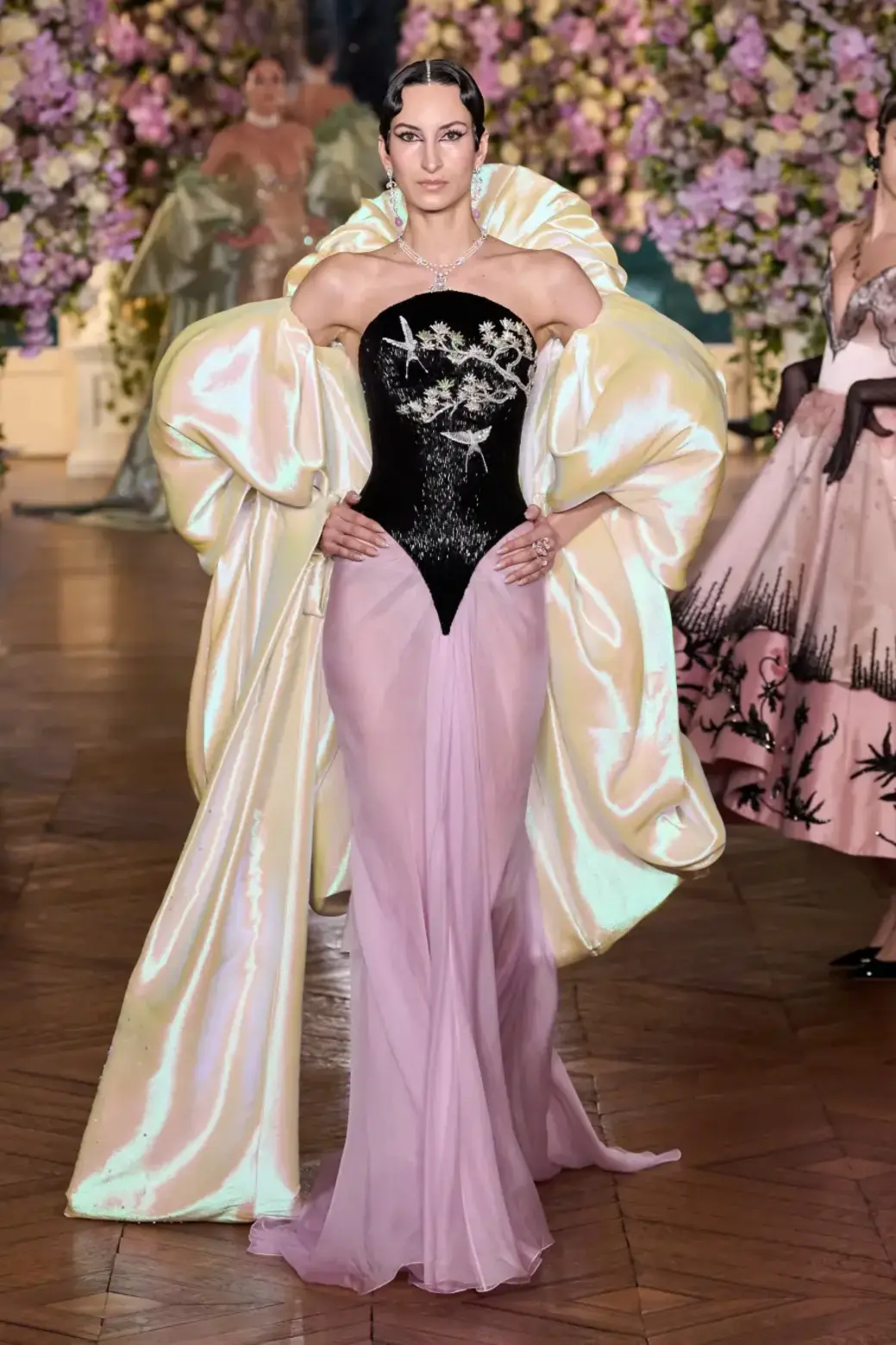
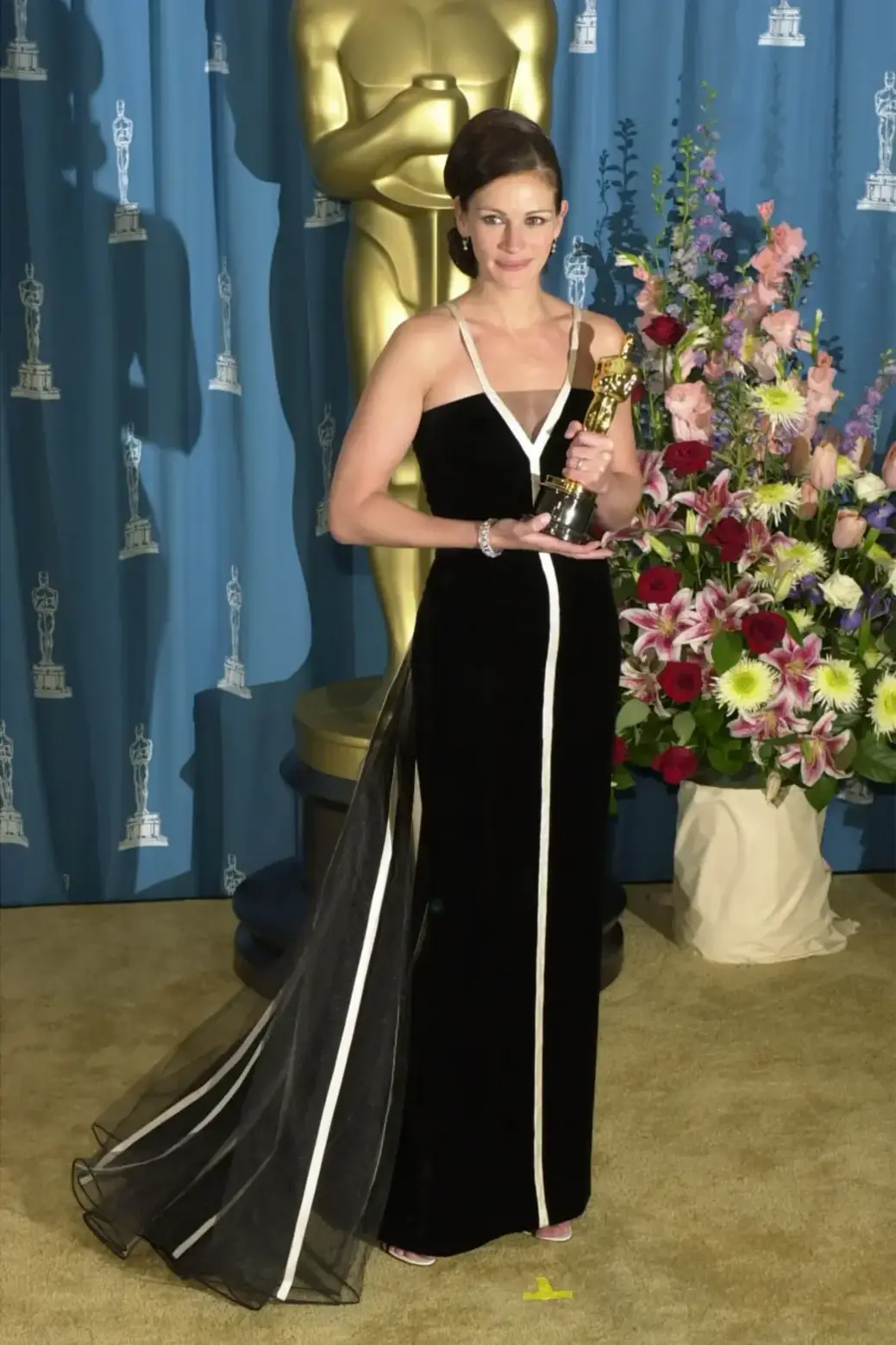
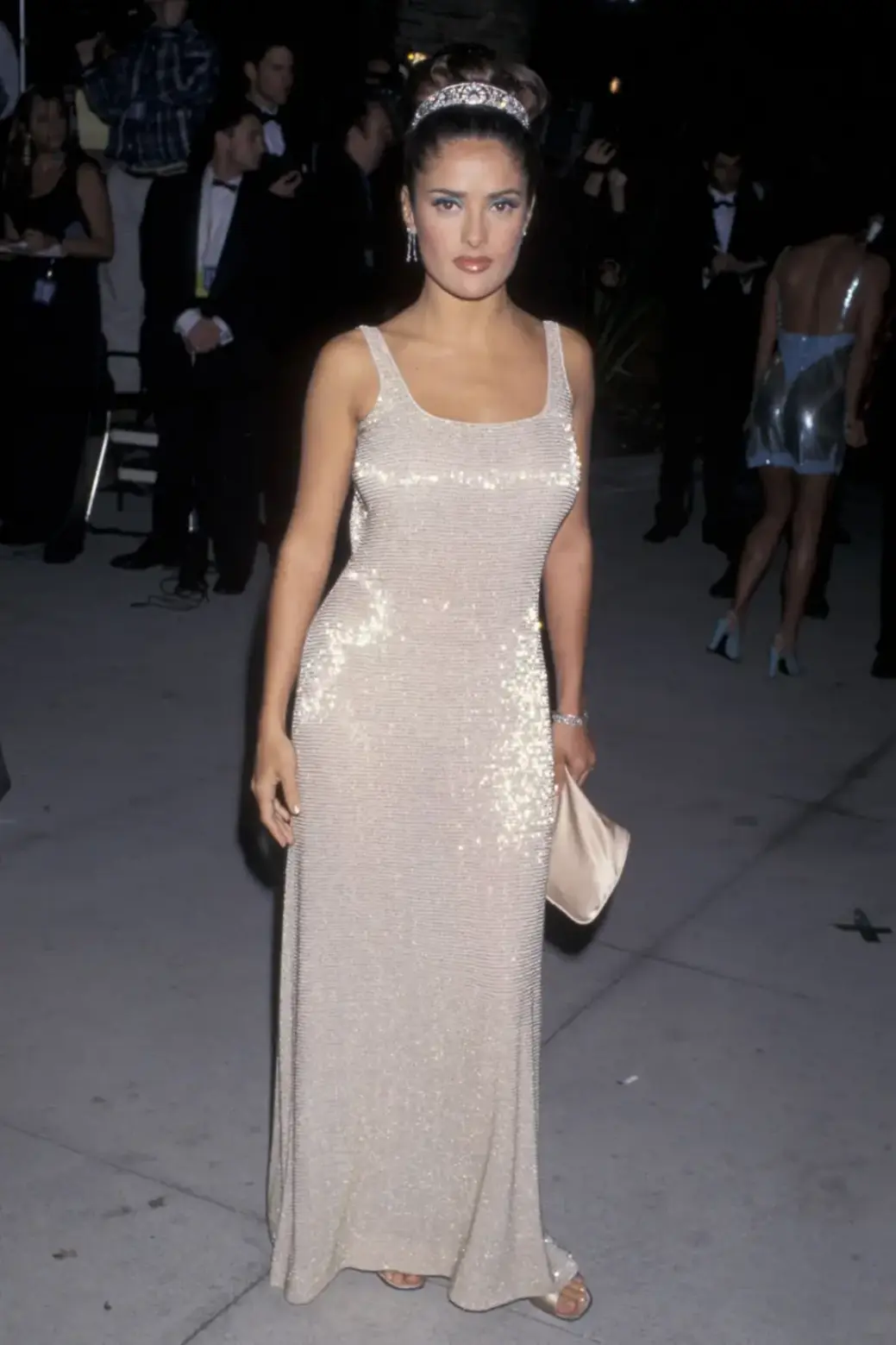
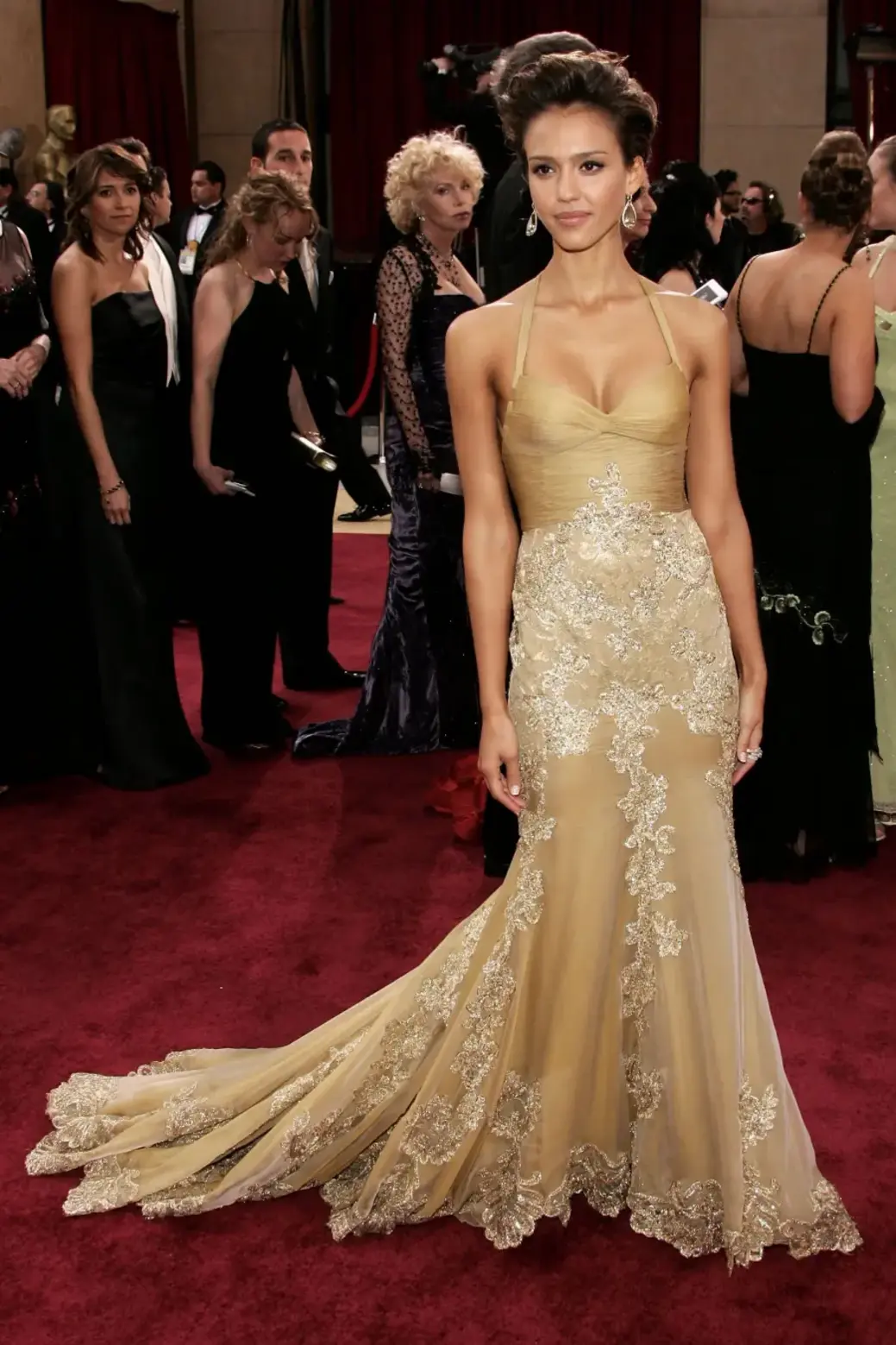
The core value stays steady: a person turns presence into ceremony, and ceremony into iconography.
This style no longer belongs to one category of woman, or one career stage, or one kind of fame. It becomes a formal language for anyone entering a moment that demands more than “dressed.” It is the chosen grammar of premieres, galas, award nights, global tours, festival staircases, museum dinners, headline anniversaries, comeback appearances. The code signals that the occasion receives reverence, and that the wearer arrives as the focal point of that reverence.
Classic Hollywood starlet glamour once lived in a slower climate of revelation. Today, revelation happens instantly, and the look evolves accordingly. Modern Hollywood starlet style acts like a signal designed to cut through noise. It leads with a clear thesis that lands in half a second, then rewards the next ten seconds with detail, then rewards the next ten hours with replay value.
Hollywood starlet style extends beyond starlets. It becomes an elevation ritual available to any figure who chooses to enter the public frame as more than a guest. Technology changes. The tempo changes. The language remains: ceremony, radiance, transformation, iconography.
Advertisement