MENU
Close





Could mushroom leather become the new skin of luxury, or is fashion falling for another beautiful sustainability illusion?
Could mushroom leather become the new skin of luxury, or is fashion falling for another beautiful sustainability illusion?
May 30, 2026
Advertisement
Advertisement


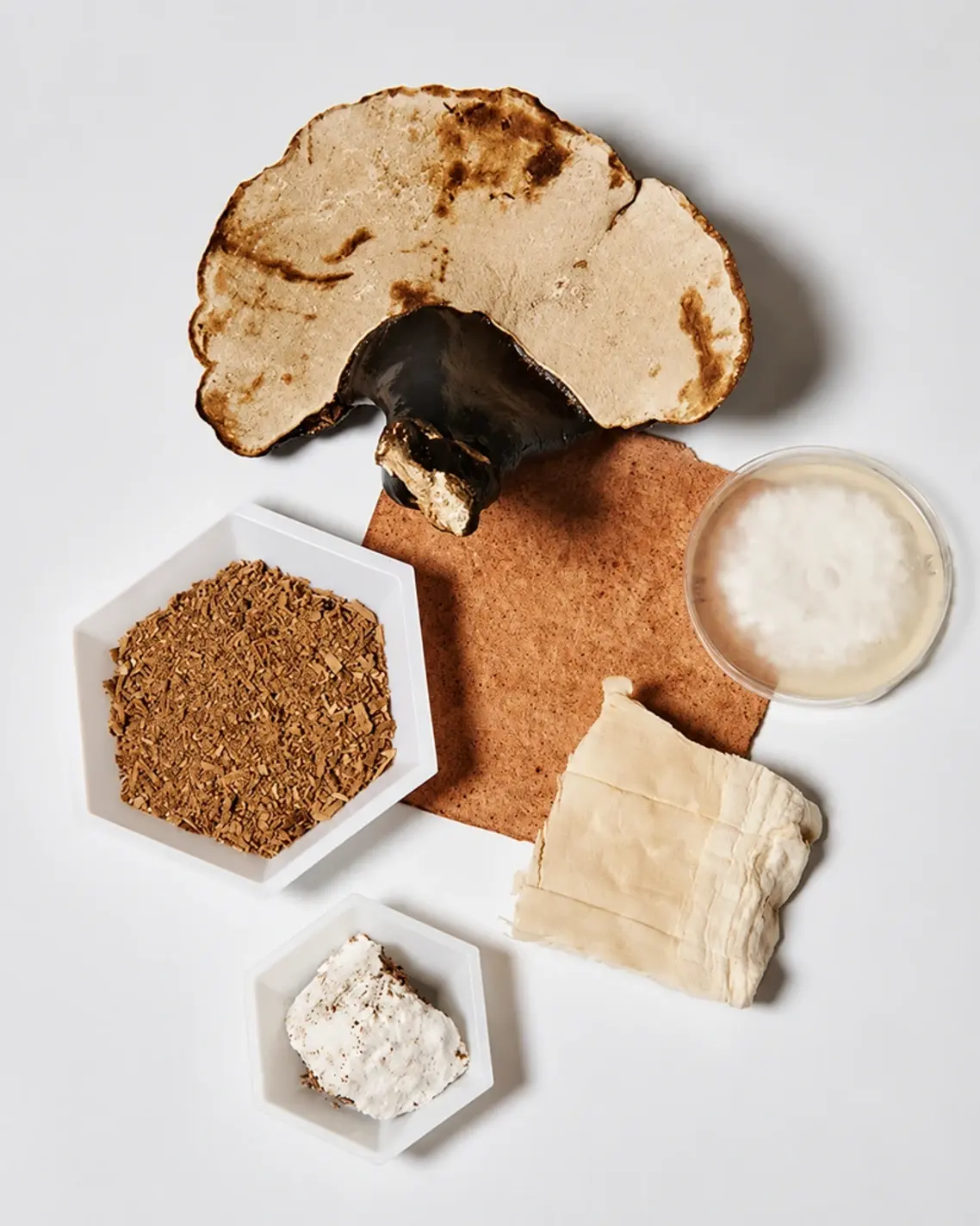
The contemporary luxury landscape is experiencing a profound material shift, bringing fungi from its humble origins in culinary and wellness culture straight to the vanguard of haute couture. At the center of this transformation is mushroom leather, a new generation of mycelium-based material designed to challenge fashion’s historical reliance on exotic animal hides such as crocodile, python, and calfskin. Emerging scientific research suggests that designer accessories may soon be shaped by mushroom-derived substrates that promise a softer, stranger, and more regenerative vision of luxury.
Furthermore, these mycelium-based leather alternatives possess remarkable regenerative capabilities, empowering the material to autonomously repair superficial abrasions. Corroborating this structural evolution, comprehensive analysis published within the New Zealand Journal of Botany proposes that fungal fiber-based "mycelium wearables" present a highly dynamic, bioactive successor to conventional, static textiles. This extraordinary structural network, cultivated from specific fungal strains, comprises biologically active, environmentally responsive threads that demonstrate measurable electrical conductivity, fundamentally redefining the intersection of biology and material science.
Translating this biological innovation into commercial reality, several prominent fashion houses are actively integrating mushroom leather into their collections. Stella McCartney, an esteemed eco-conscious designer and sustainability advisor to Bernard Arnault’s LVMH conglomerate, serves as a primary catalyst in this material revolution by championing a laboratory-cultivated material designated as Mylo. McCartney initially demonstrated the material's viability in 2021 by constructing a prototype bustier and coordinating trousers, subsequently escalating her efforts in 2022 with an exclusive capsule collection of one hundred luxury handbags.
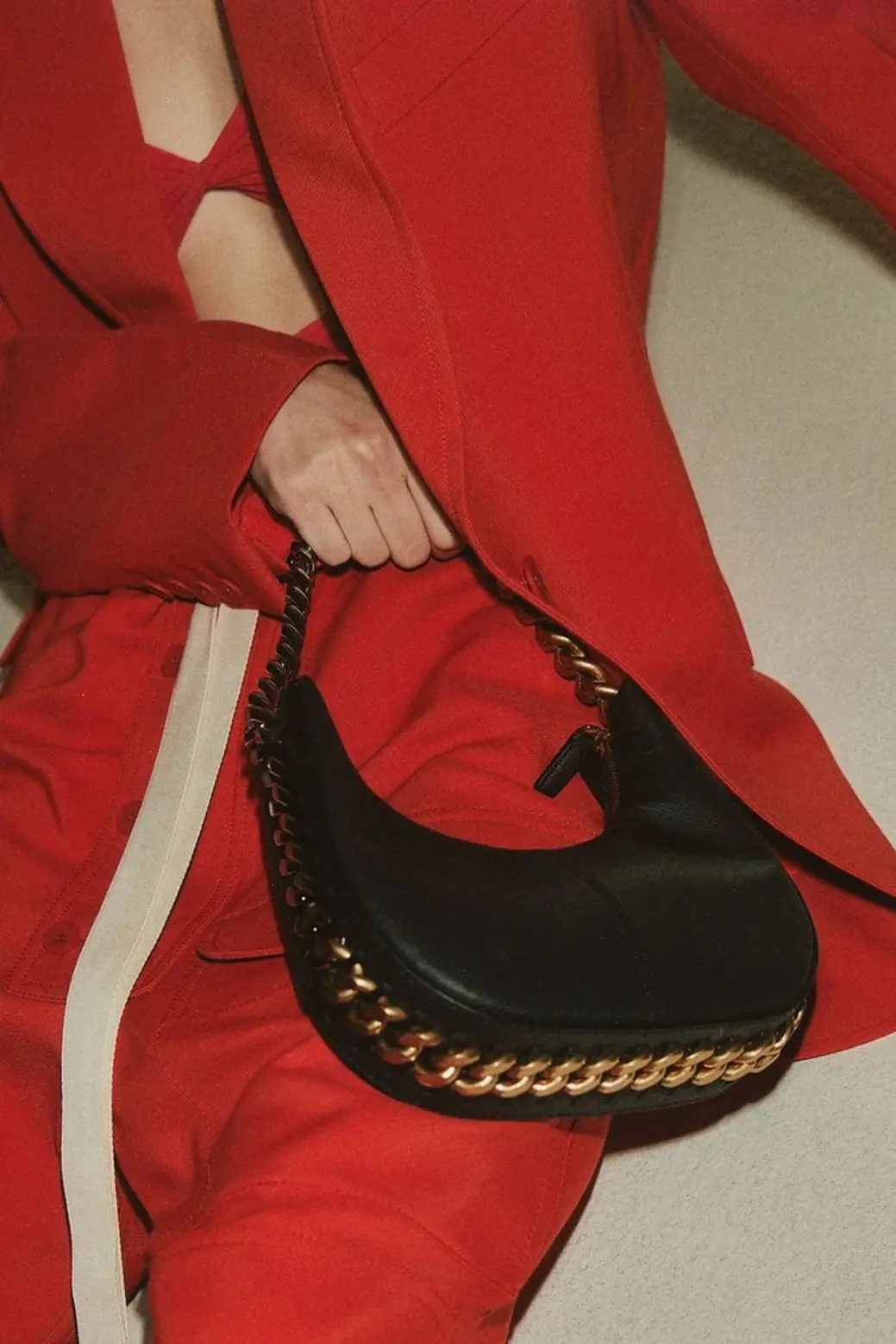
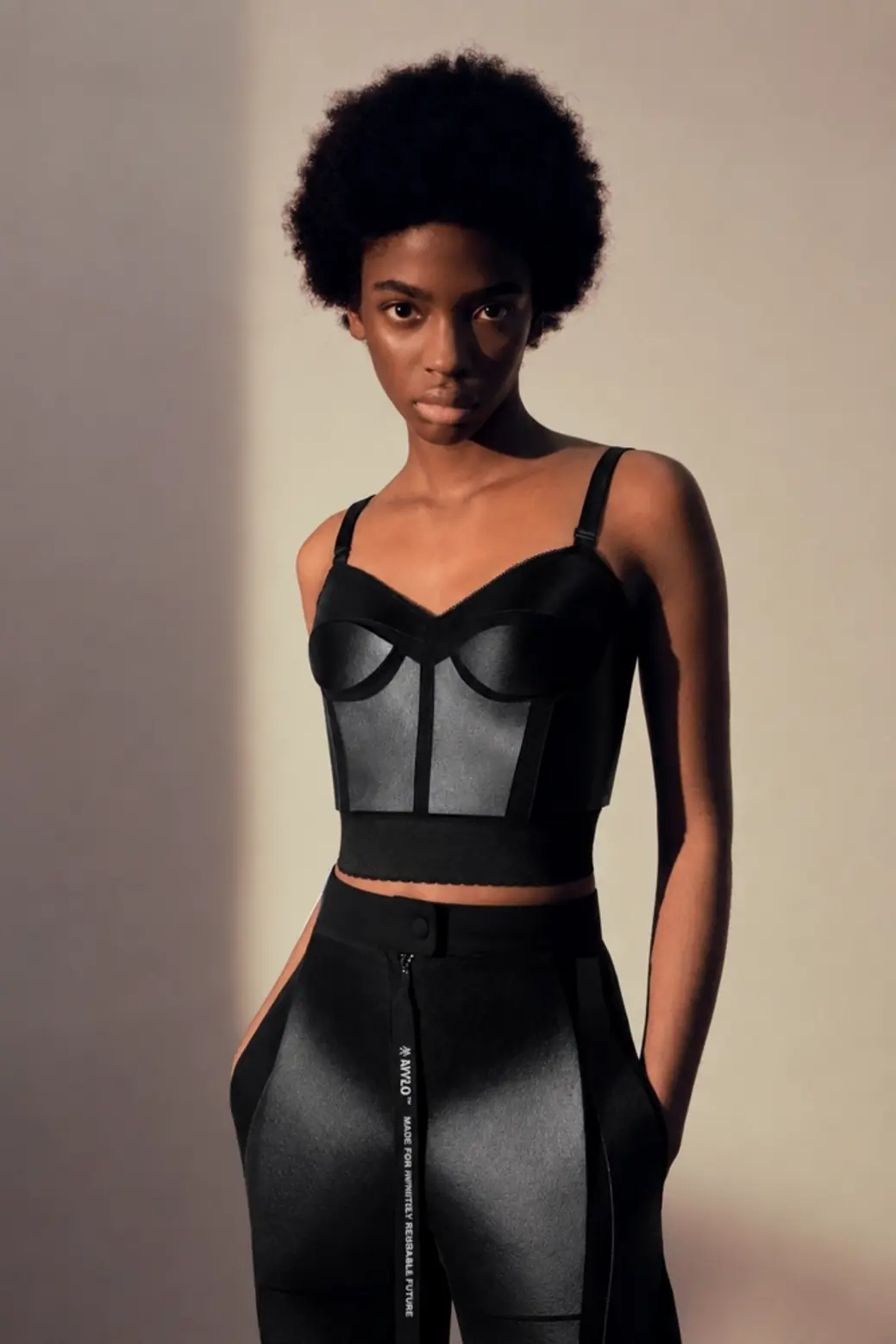
This specific iteration of the biological hide integrates eighty-five percent pure mycelium paired with fifteen percent recycled cellulose. Expanding upon these foundational achievements, McCartney declared a strategic commitment to transforming the industry's trajectory by establishing essential infrastructure and promoting widespread accessibility of mycelium textiles for the broader fashion market. As documented by visual contributors like Ik Aldama, Yatay M operates as McCartney’s premier leather alternative, leading her to engineer bags for the autumn 2025 season utilizing a composite of thirty percent recycled polyester and seventy percent mycelium-infused biobased polyurethane. McCartney characterizes this textile as exceptionally soft, supple, and highly durable, explicitly emphasizing its most crucial moral attribute: the manufacturing process preserves entirely the lives of all animals.
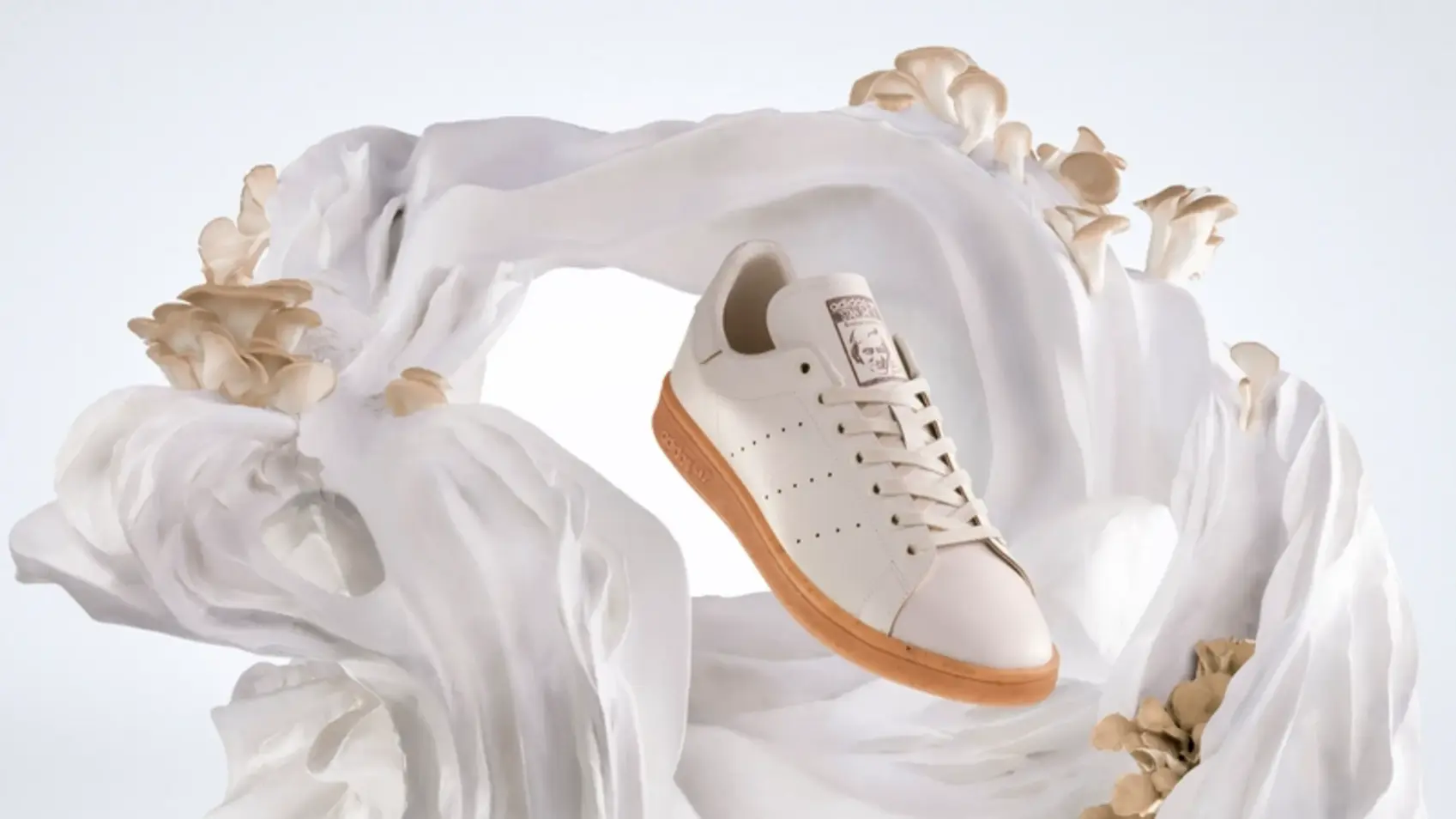
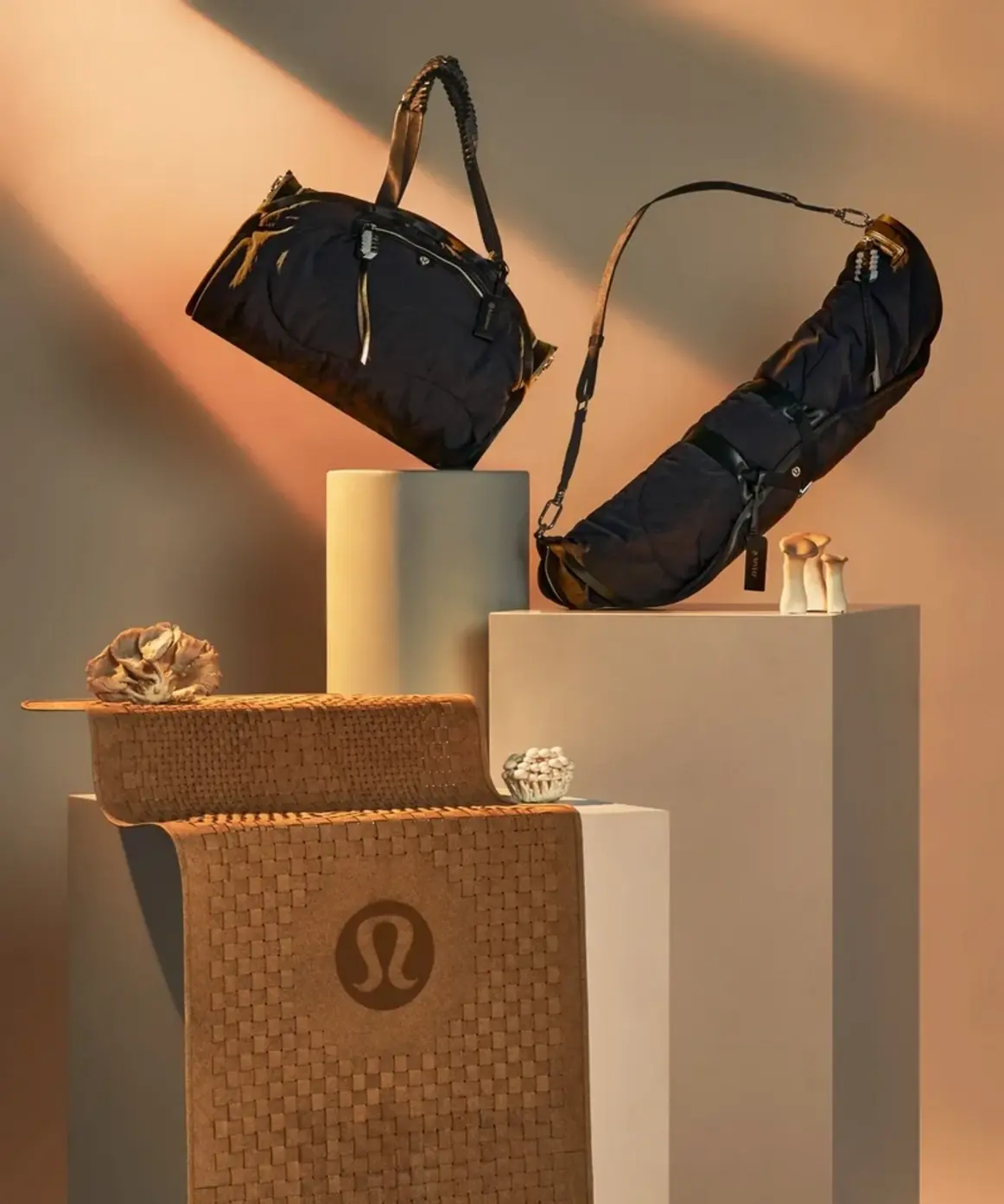
A fiercely competitive industrial ecosystem has rapidly materialized around mushroom leather, driving leading manufacturers to aggressively accelerate the commercialization of mycelium commodities. Major global enterprises, including Adidas, Lululemon, and the formidable luxury conglomerate Kering, the parent company of prestigious labels Gucci and Balenciaga, have established strategic partnerships with the California-based biotechnology firm Bolt Threads to engineer high-performance athletic footwear and yoga mats from the Mylo material.
Traditional industrial agriculture relies upon mechanized warehouse environments to cultivate mycelium; simultaneously, Aniela Hoitink, the pioneering founder of the Dutch enterprise Neffa (New Fashion Factory), champions an incredibly advanced liquid-culture technique to seamlessly engineer structural commodities ranging from bespoke crop tops and geometric lampshades to sophisticated accessories. Demonstrating the profound efficacy of this proprietary methodology, Hoitink recently exhibited a compact, jet-black handbag, manifesting the tangible results of their scientific innovation. The operational foundation of Neffa relies exclusively upon high-capacity bioreactor tanks, a sophisticated fermentation infrastructure closely mirroring advanced brewery systems, to meticulously synthesize a highly concentrated mycelial slurry. Technicians subsequently extract this dense biological matter from its liquid suspension and precisely cast it into customized three-dimensional molds, allowing the material to cure and solidify into any conceivable geometric configuration.
This revolutionary manufacturing paradigm revolutionizes conventional fabrication frameworks, allowing creators to conceptually design from the intended product's final form, entirely transcending the inherent parameters of a pre-existing textile. As Hoitink physically manipulated and stretched the bag's lustrous, obsidian exterior, a tactile marvel existing at the precise intersection of supple leather, resilient polymer, and organic licorice, she articulated the profound structural advantages of this methodology. For instance, the architectural base of any functional accessory demands maximum structural integrity; utilizing the slurry casting method, engineers simply deposit a greater concentration of organic biomass at the foundation, ensuring localized reinforcement and superior, targeted durability.
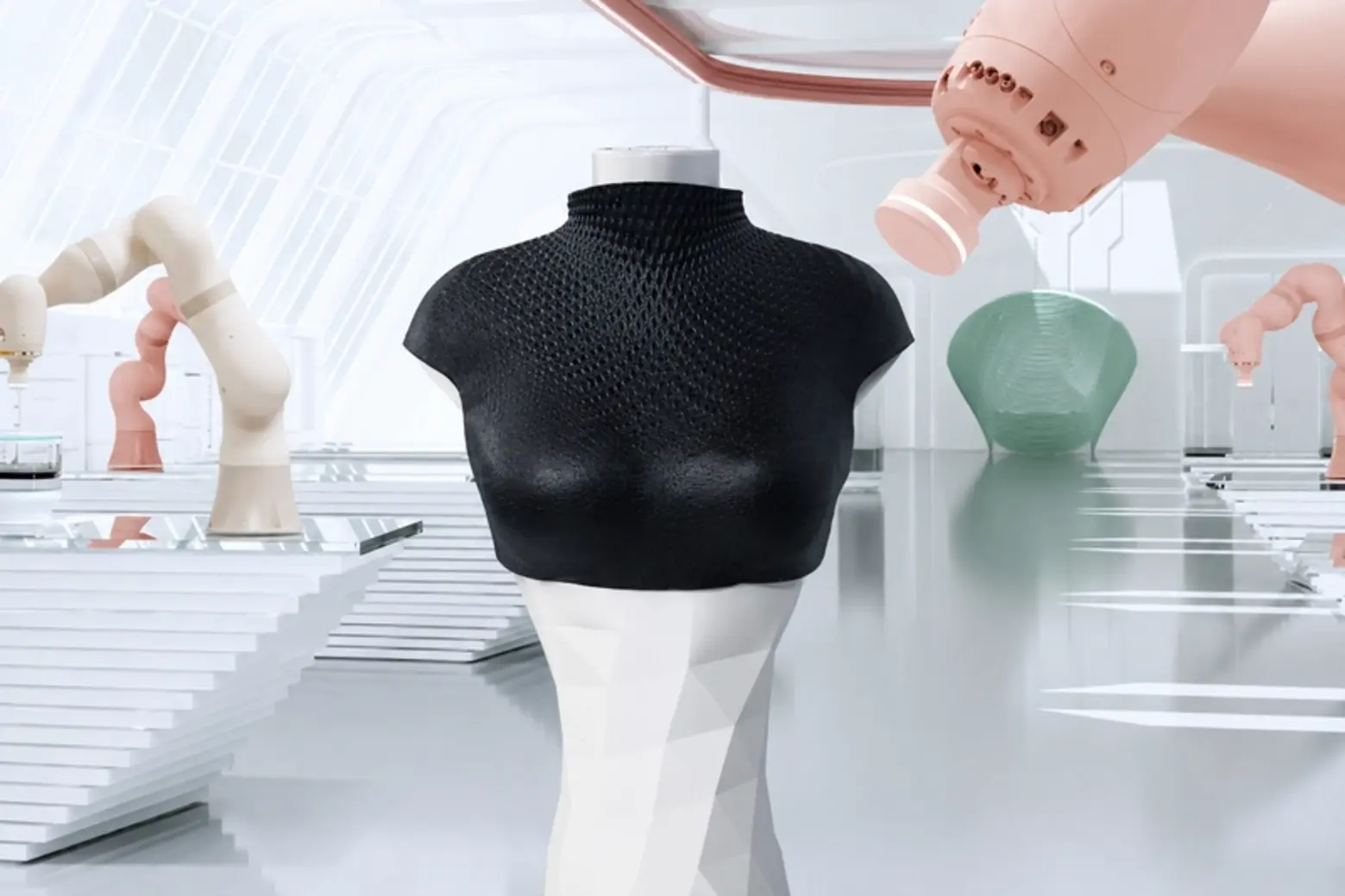
This streamlined production mechanism affords Neffa exceptional manufacturing versatility while simultaneously optimizing labor efficiency across the entire supply chain. Crucially, Hoitink emphasizes that the fluid dynamics of the liquid-culture process grant scientific teams the ultimate freedom to actively pursue highly speculative, avant-garde material integrations. The inherent viscosity of the biological slurry facilitates the seamless infusion of supplementary active ingredients directly into the matrix of the material.
Projecting into the immediate future, the enterprise plans to impregnate these textiles with bespoke, brand-specific olfactory profiles or infuse them with potent, clinical-grade dermatological compounds specifically formulated to actively treat and soothe conditions like psoriasis. This biological malleability establishes a profound evolution beyond the static nature of conventional animal hides. Furthermore, these pioneering biotechnology firms prioritize the comprehensive ecological footprint and the complete, circular lifecycle of their physical goods.
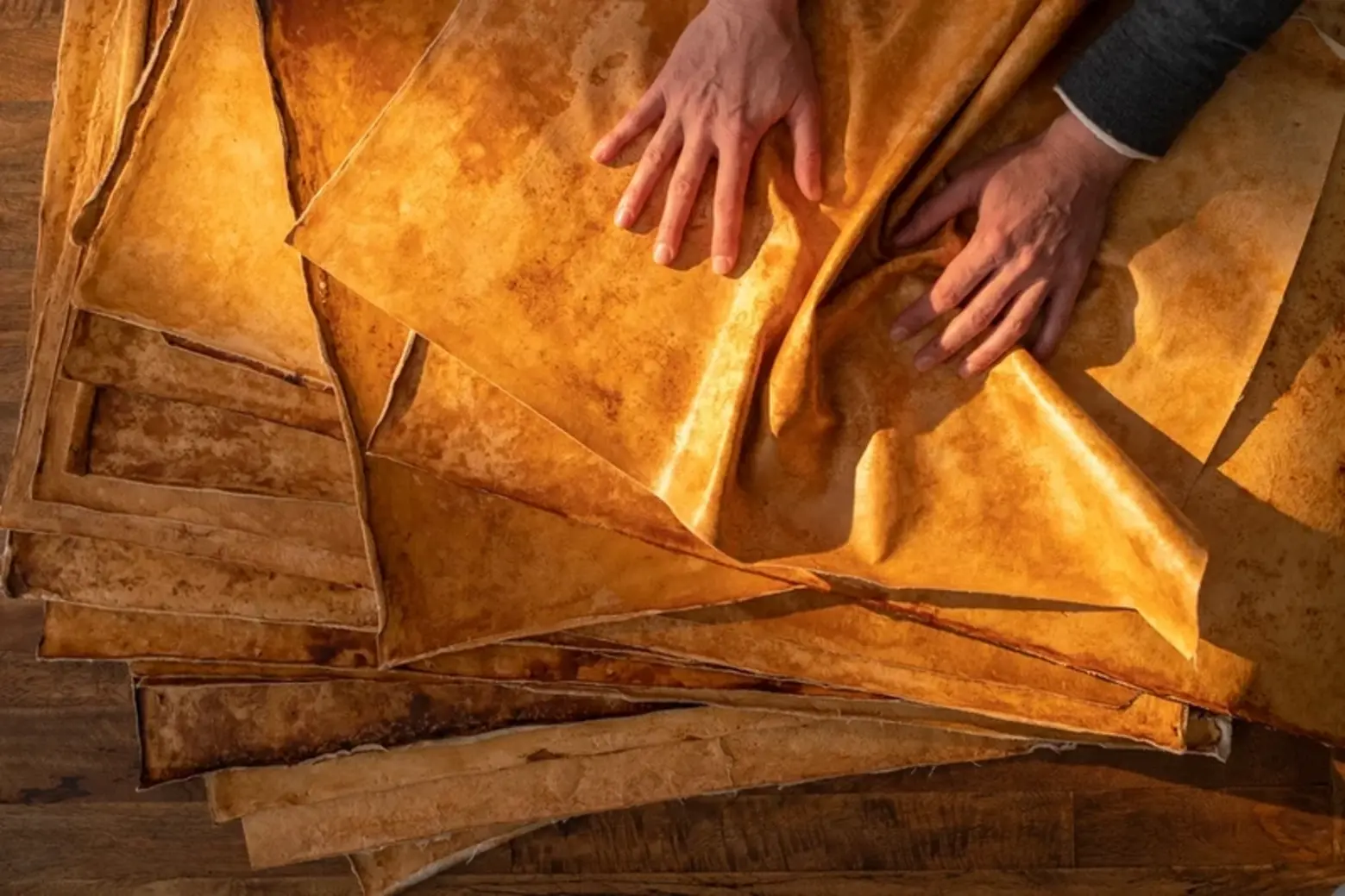
Simultaneously, a parallel technological advancement is progressing in South Carolina, where the competing enterprise MycoWorks has successfully secured capital investments exceeding one hundred and eighty-seven million dollars from heavyweight backers such as Hermes and GM Motors.
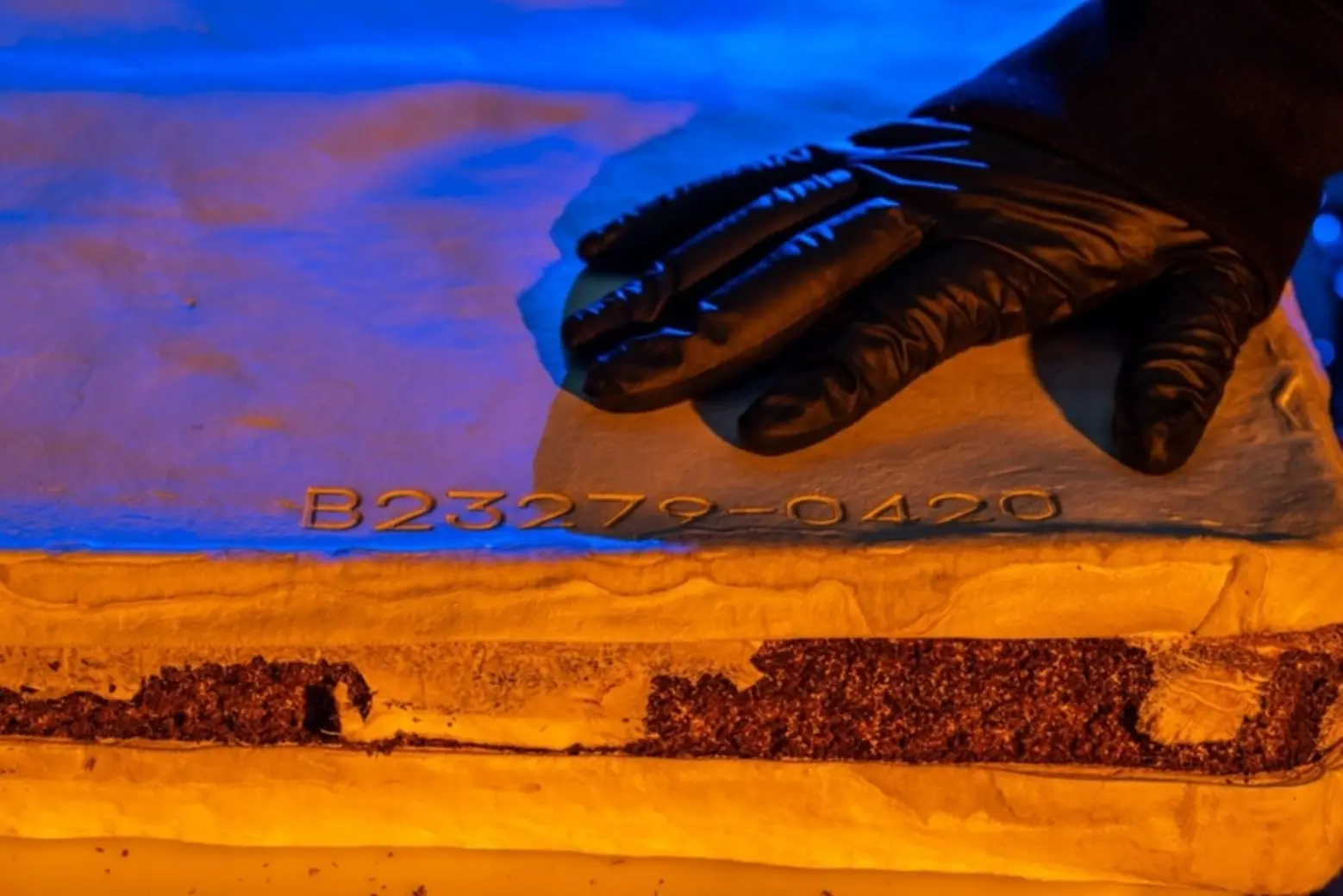
Exemplifying this commitment to total ecological harmony, MycoWorks’s Reishi material is completely and entirely biodegradable, guaranteeing a future paradigm where consumers simply return their worn footwear directly to the earth through organic composting, thereby closing the loop on sustainable fashion. This substantial financial mobilization is explicitly directed toward perfecting an ultra-premium material classified as Fine Mycelium, meticulously engineered to fulfill the rigorous material demands of both luxury handbags and sophisticated automotive upholstery.
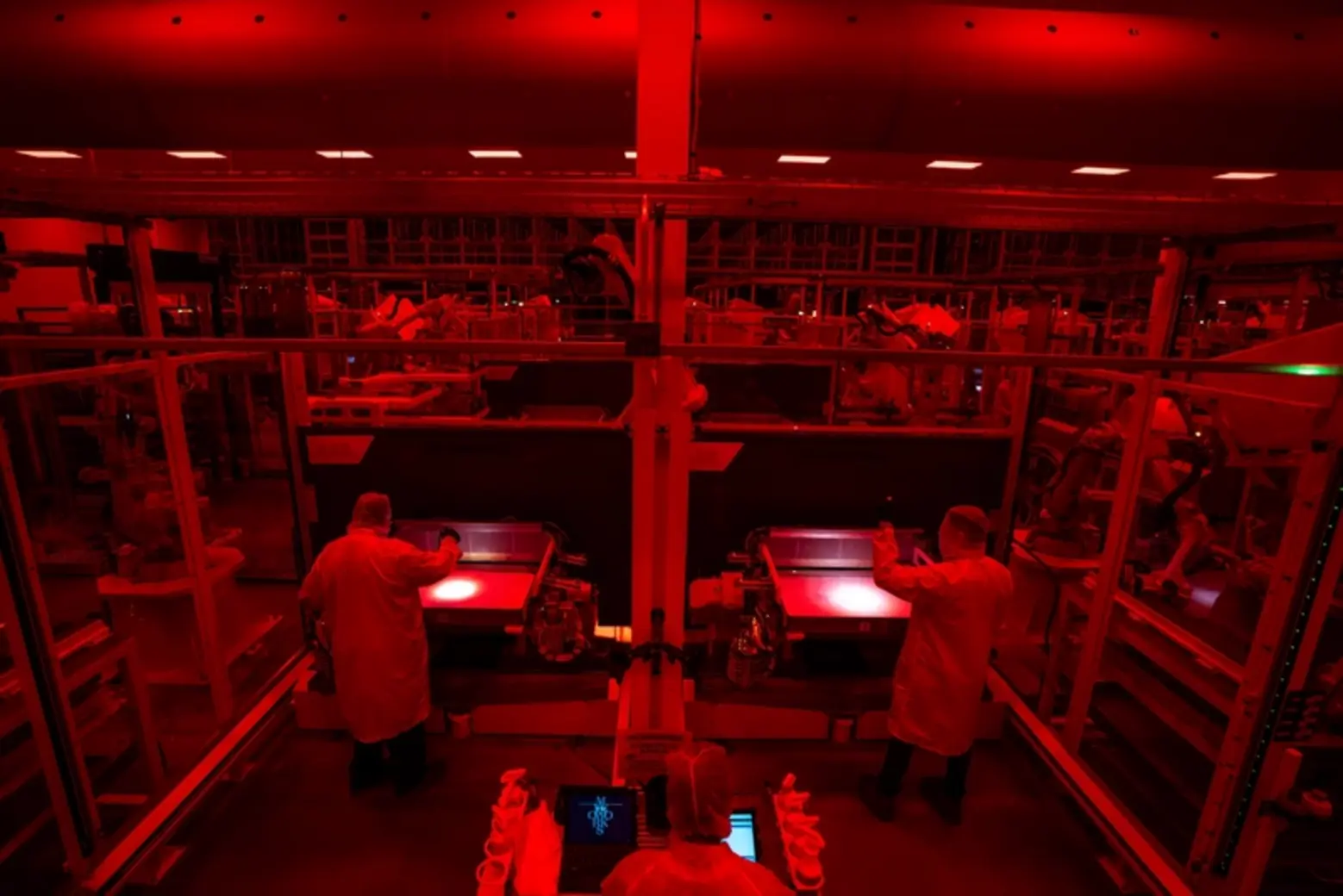
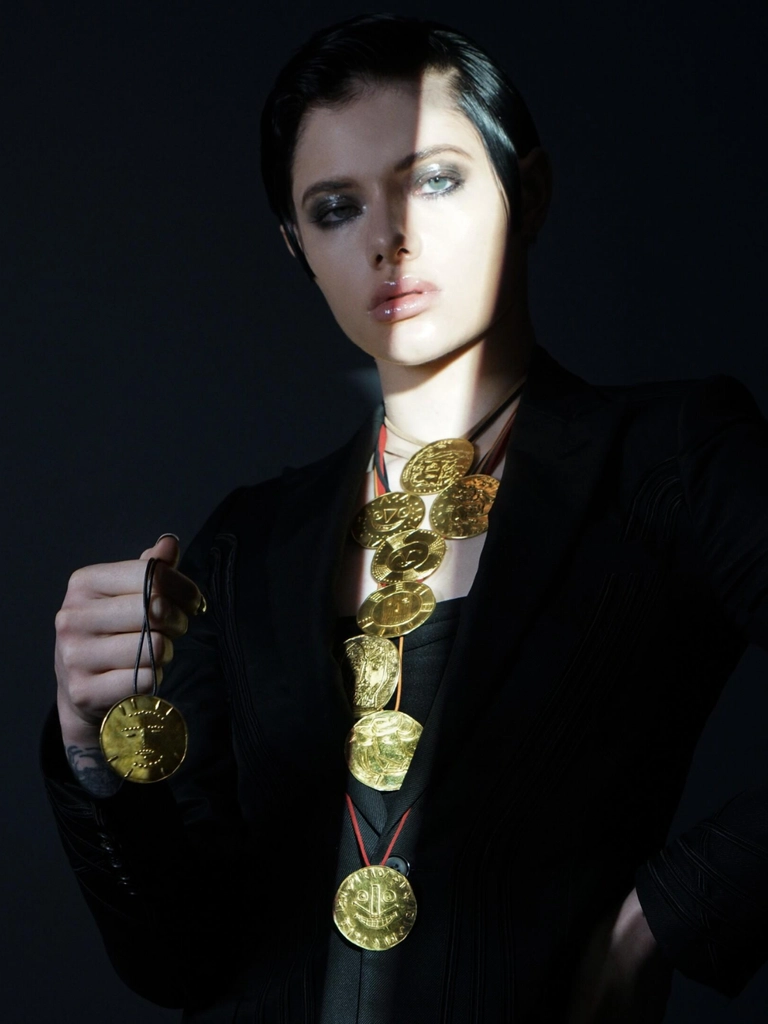
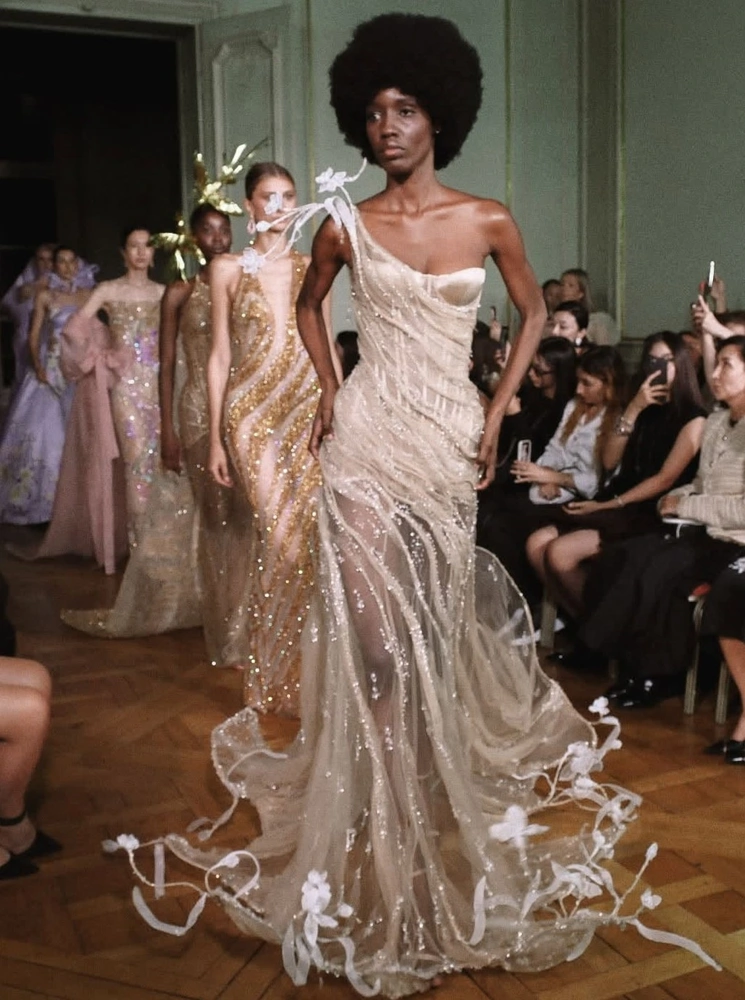
Patrick Thomas, the former chief executive of Hermès and initial-phase board member for MycoWorks, provides profound validation for this material revolution, stating that this botanical innovation currently equals or surpasses the quality, durability, and aesthetic supremacy of traditional animal derivatives. This explicit endorsement perfectly contextualizes a pervasive cultural fascination with fungi captivating the highest echelons of luxury consumerism. Chanel explicitly demonstrated this aesthetic infatuation during their Chanel Spring 2026 Couture presentation by populating the runway with monumental toadstool sculptures and dispatching mushroom charm necklaces as highly coveted invitations to esteemed editors and VIP clientele.
In this new luxury landscape, mushroom leather is not simply a substitute for animal hide. It is a fantasy of fashion rewritten through biology: part ethical promise, part industrial experiment, part couture provocation. Its future will depend on whether mycelium can move beyond symbolic beauty and prove itself through durability, scale, and commercial discipline. For now, fungi has already entered the wardrobe of luxury imagination, carrying with it the strange possibility that tomorrow’s most coveted leather may not come from an animal at all.
Advertisement