Handmade has become the signature of ambitious independent labels. Their success depends on preserving the slow, skilled work that makes growth so difficult.

Handmade Is Beautiful. Scaling It Gets Complicated
Handmade has become the signature of ambitious independent labels. Their success depends on preserving the slow, skilled work that makes growth so difficult.
October 22, 2026
Advertisement

Advertisement



The handmade object has acquired a remarkable new commercial privilege: the longer it takes to produce, the more convincingly its difficulty can be presented as desirable. Specialized techniques give independent designers recognizable products, a defensible identity and a reason for customers to accept limited quantities and waiting lists.
Yet admiration for a process hardly explains how a business survives on it. Every additional hour must be financed before the garment sells, and every expansion in demand requires decisions about staffing, training, lead times and the parts of production that can be standardized. The interesting development in contemporary handmade design is the emergence of labels treating these constraints as the foundation of their businesses. Their experiences reveal a different commercial logic, one in which protecting the distinguishing technique matters as much as increasing output.
Handmade Begins With the Method
The distinction has acquired commercial importance as crochet effects, irregular textures and visible stitching spread through ready-to-wear. Genuine crochet depends on manual manipulation of loops, while knitted textiles can reproduce a similar openwork appearance through machinery.
The resemblance can be convincing in a photograph; its production requirements differ substantially. A brand claiming handmade expertise therefore benefits from specifying the technique, the role of machinery and the stage at which skilled judgment shapes the result.

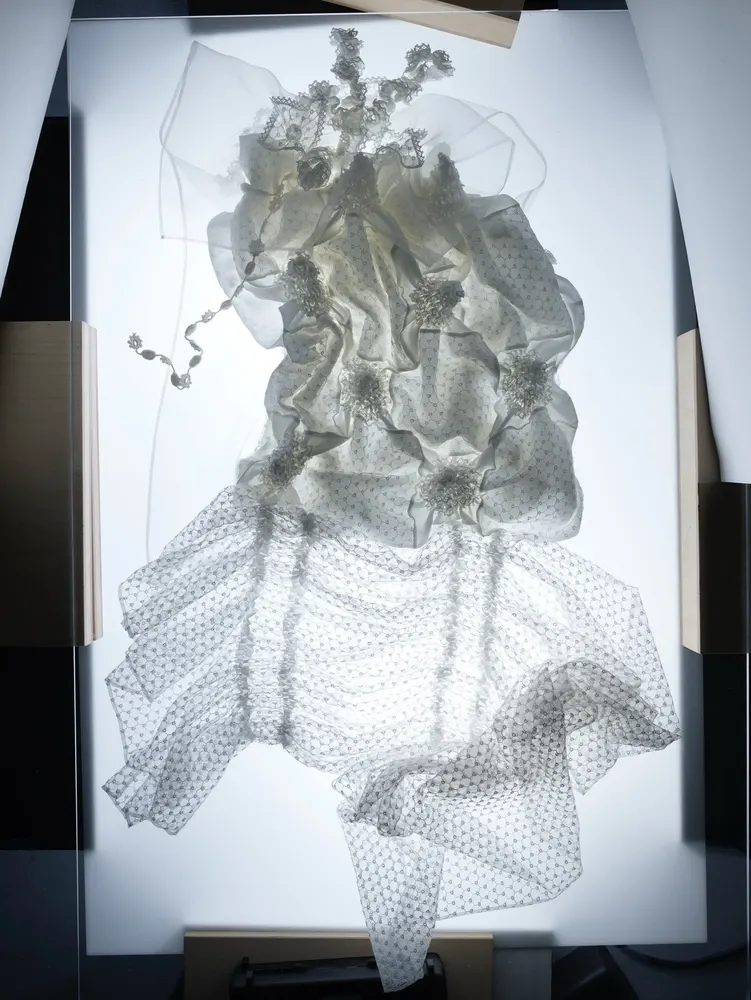
Róisín Pierce provides an example of why precision matters. Her elaborate white pieces develop Irish lace making, crochet and smocking into sculptural forms, supported by specialist knowledge that is integral to the design.
Their visual identity also carries a history: Irish needlework supplied livelihoods across generations, while Pierce has explored the legacy of institutions that controlled women's lives and labor. Preserving such knowledge involves giving the technique contemporary creative use and maintaining the expertise required to perform it.
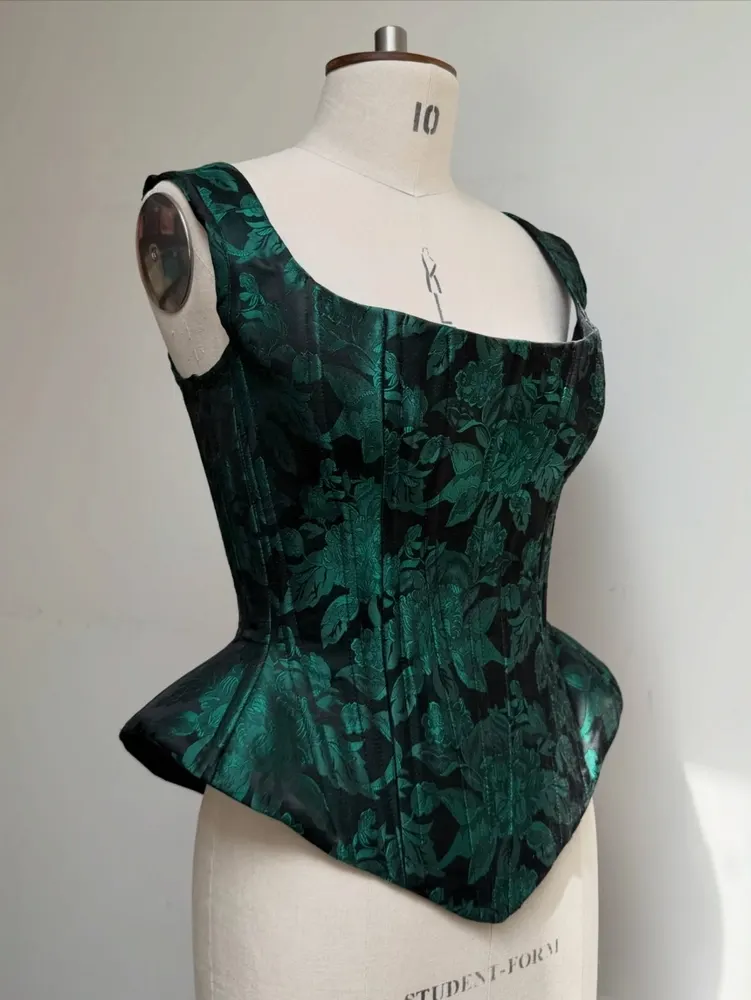
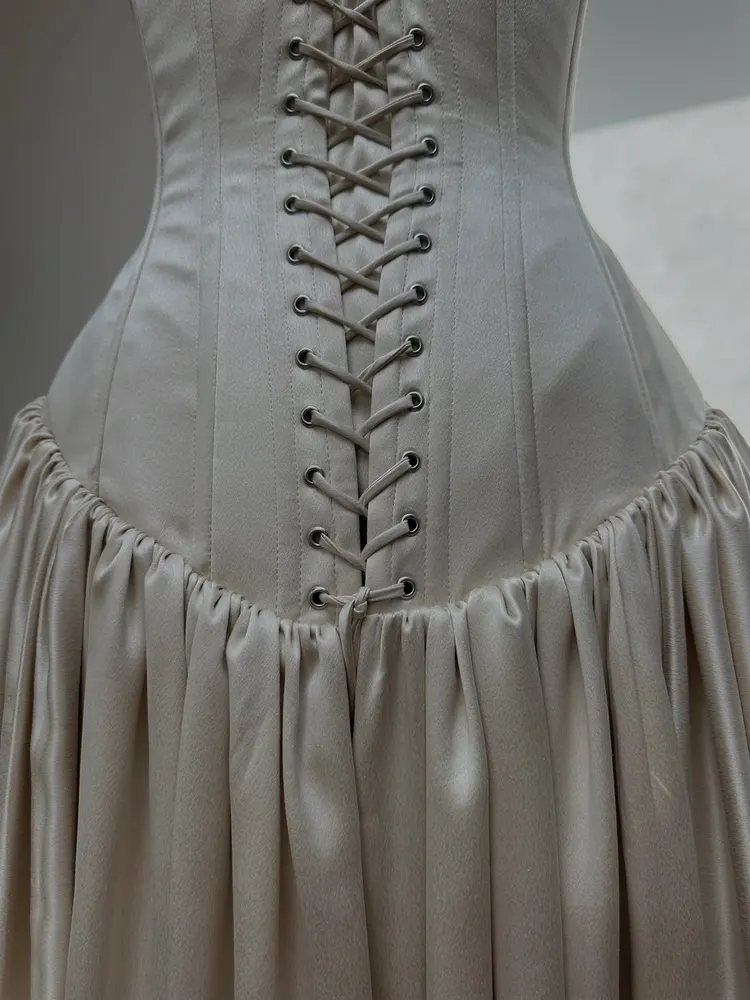
At Immoral London, founder Aimee Belle Johnson and a three-woman team handcraft made-to-order corsets using beadwork, embroidery and hand-stitching. Manufactured components coexist with fitting, shaping and ornamentation that require hands-on decisions. The useful measure of authenticity is the contribution of those decisions to the finished object, together with clarity about the process. A description grounded in construction protects the significance of craft far better than an atmospheric promise of authenticity.
The Growth Problem Is Built Into the Product
Traditional apparel manufacturing becomes more profitable when processes are repeatable and capacity can increase predictably. Specialist handmade production responds differently to growth. Additional orders require available hands with the right experience, and training a new maker entails time, supervision and sometimes costly rejected work. A popular design can consequently create a capacity problem even when demand appears healthy.
Hope Macaulay's Colossal Knit Cardigans have developed a recognizable silhouette through oversized yarn and a technique of knitting by hand without needles. The company says its network includes twenty knitters working from home across Northern Ireland. Its expansion illustrates one solution: distribute production among skilled makers while keeping design and coordination within a family-run company. The model creates a supply network, with its own requirements for quality control, scheduling and consistency across separate workplaces.
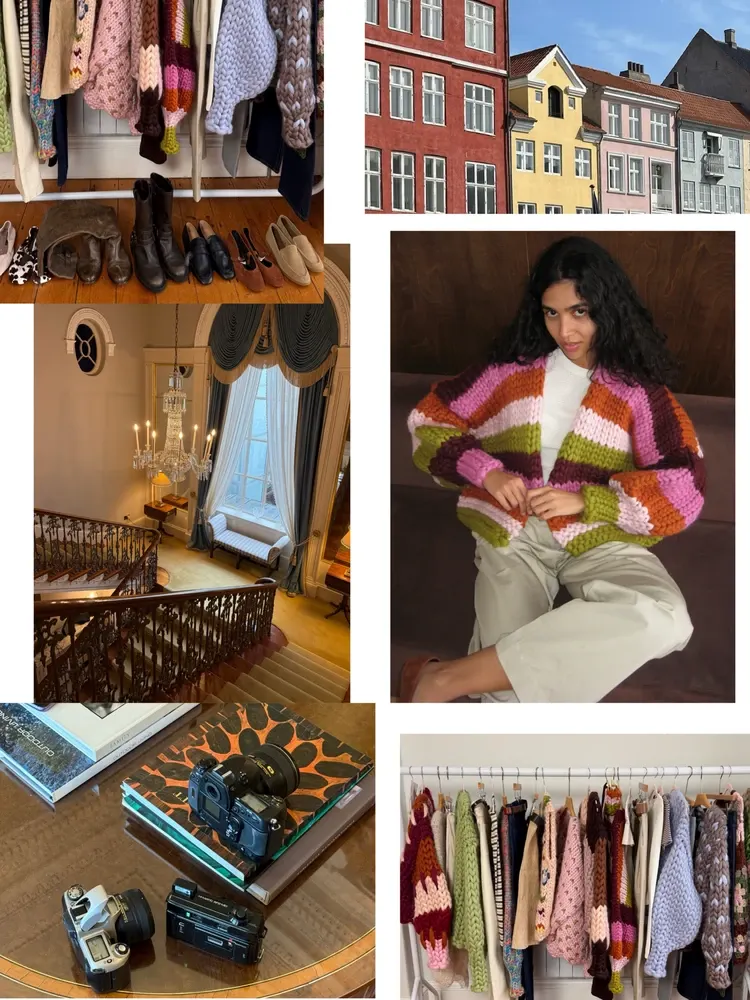
A development in the company's business is especially revealing. Hope's Wool sells yarn, patterns and kits, turning public fascination with the signature technique into a separate product category. The business can participate in demand for knitting without every sale requiring a finished cardigan from its production network. That creates a commercial extension of the original craft while preserving the highly skilled garment as the label's recognizable centerpiece.
Made-to-order corsetry poses another version of the same challenge. Immoral London's ability to accommodate individual measurements and elaborate decoration gives its product specificity, while each fitting and customization claims workshop time.
Scaling may depend on refining the ordering process, carefully distinguishing standard choices from bespoke commissions and pricing more demanding alterations accurately. In that environment, a growing order book is valuable only when workshop capacity, lead times and cash flow remain aligned.


These are operating decisions that actively protect creative integrity. The strongest small labels understand which aspects of a design require the founder's eye, which depend on experienced specialists and which administrative tasks can be systematized. Growth succeeds through this separation of responsibilities, allowing the defining handwork to remain technically credible.
A Craft Needs More Than an Audience
The commercial life of handmade goods also depends on relationships extending far beyond the designer's studio. A technique can attract international buyers while remaining vulnerable to shortages of materials, disappearing expertise or inconsistent orders. The survival of its distinctive surface depends on a productive network that photographs rarely reveal.
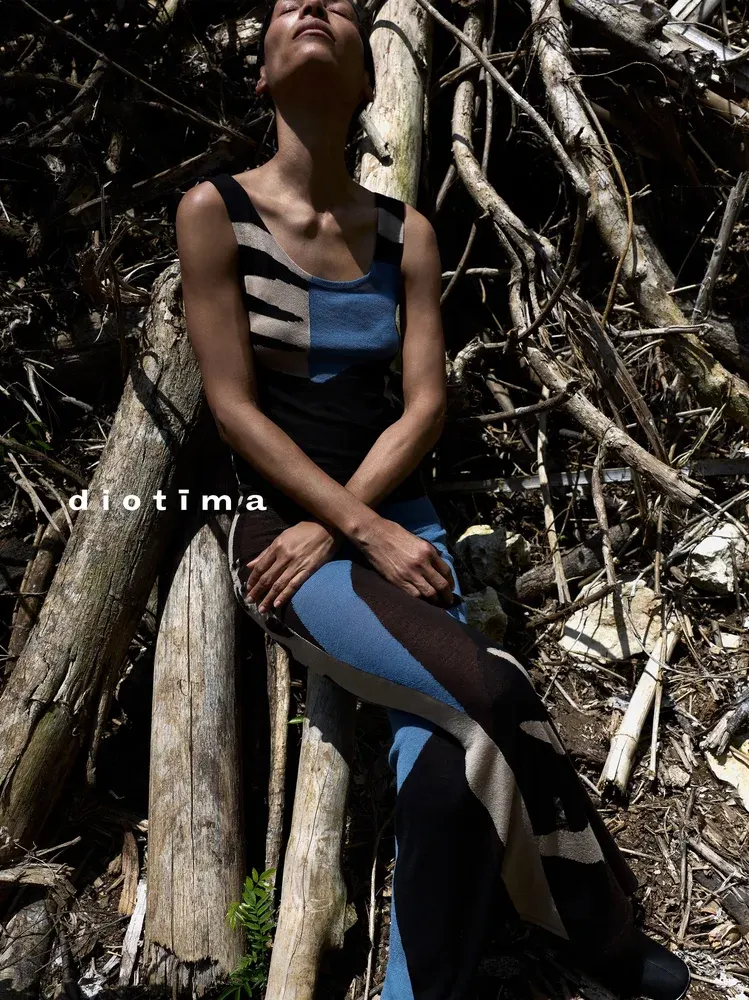
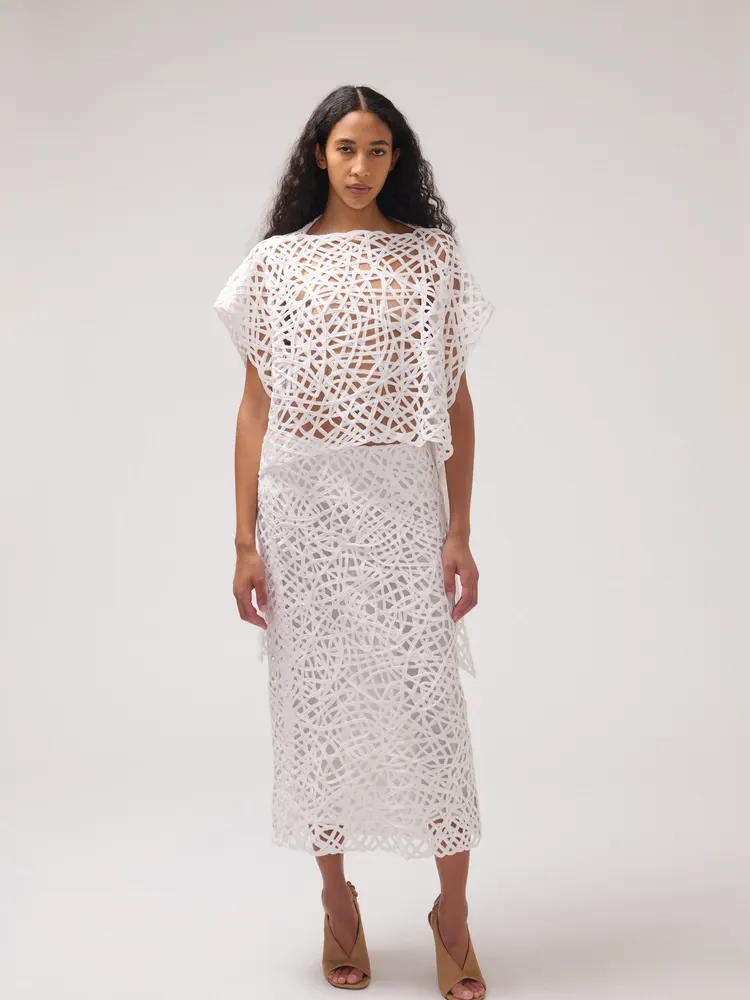
Diotima makes this relationship unusually visible. Rachel Scott combines tailored garments with crochet produced in Jamaica, drawing on a body of skills maintained by women whose work may coexist with other occupations. The label's international profile brings demand to that specialist network, while Scott's mother has helped coordinate crochet production locally. The arrangement makes the designers' commercial success inseparable from planning, communication and a continuing supply of experienced makers.
Scott has also discussed the ambition of developing a Kingston atelier and training facilities. Such infrastructure would move the project beyond commissioning finished pieces toward maintaining the conditions in which future makers acquire expertise. The distinction is consequential: a successful collection validates demand for an existing skill; training and stable production relationships help establish its continued availability. Ambition, of course, should be reported separately from completed investment.
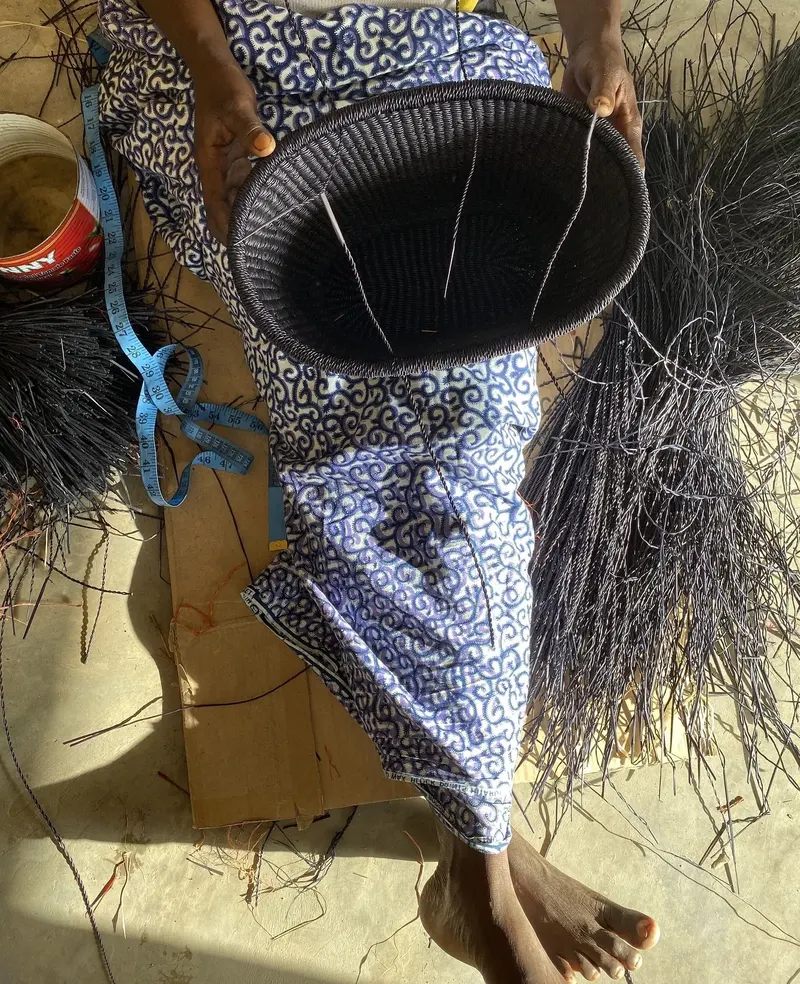
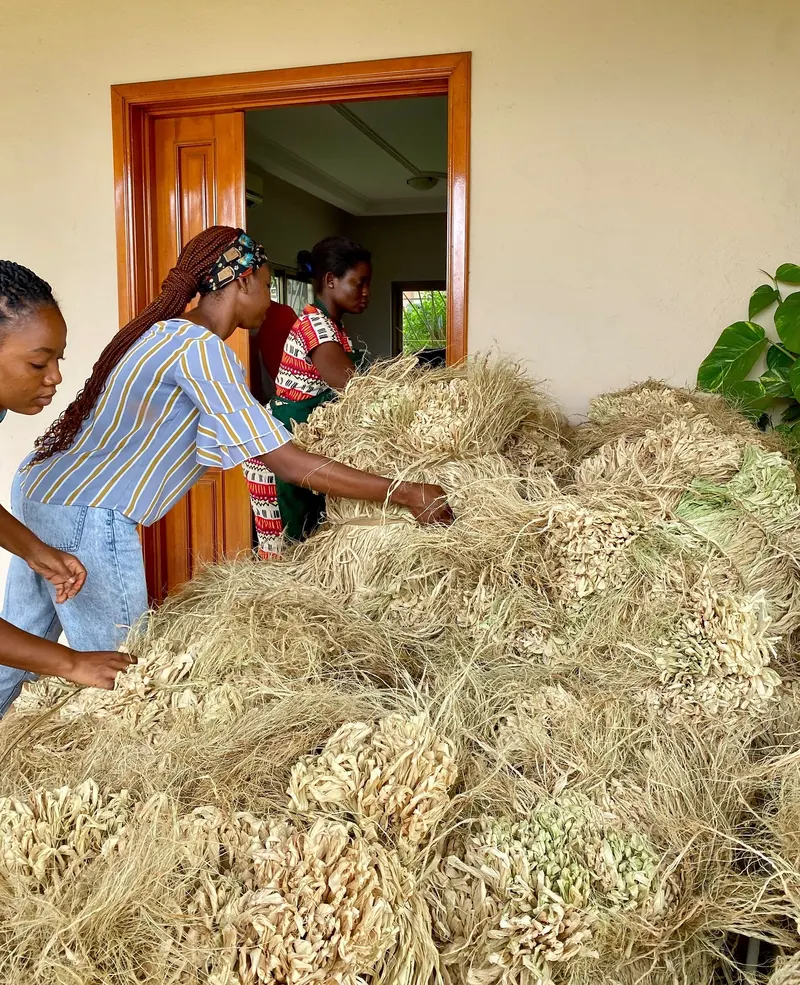
Ghanaian label AAKS offers an important warning about upstream dependencies. Its colorful raffia bags rely on weaving skills and access to appropriate plant materials. Founder Akosua Afriyie-Kumi has reported substantial difficulties sourcing raffia amid pressures associated with gold mining. A technique requiring days of work also requires the environmental and commercial system supplying its raw material. Growing international demand offers limited security when that supply becomes unreliable.
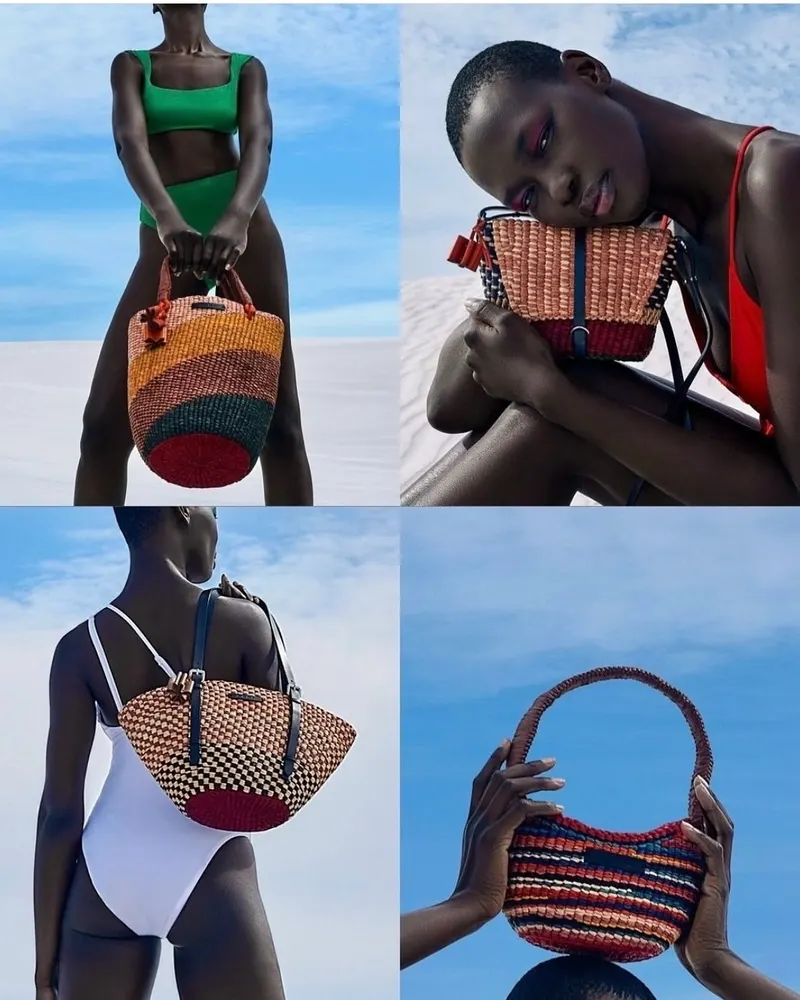
Sustaining handcrafted production therefore involves supplier coordination, material stewardship, skilled employment and continuing demand. Cultural appreciation can open the market, while these unglamorous activities determine whether it stays open. Independent labels become stronger when their business planning treats the craft ecosystem as infrastructure essential to the product.
Handmade Can Travel Beyond the Workshop
Susan Fang's experimental beadwork exposes another possibility: distinctive manual techniques can support an identity extending into products made through several manufacturing methods.
Her 2025 Nike collaboration incorporated hand-beaded elements and translated her visual language into apparel and footwear with broader distribution. The partnership demonstrates that a recognizable craft vocabulary can move between artisanal work and industrial systems, provided the differences in construction remain clear.

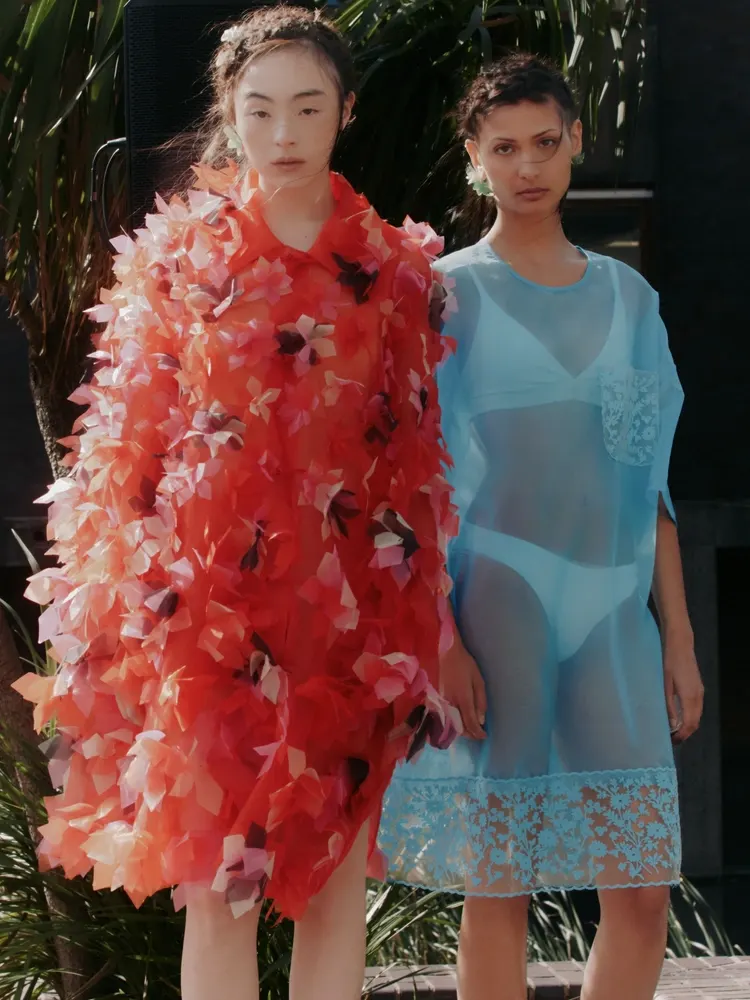
Industrial translation creates another commercial expression of original handwork. It provides a route through which a designer's artistic research can reach customers at different scales. Some objects retain labor-intensive techniques; others communicate related ideas through reproducible materials and processes. The commercial question becomes one of allocating the appropriate technique to each product, protecting the complex work where it contributes essential value.
Susan Alexandra has built a different kind of expansion around colorful beaded accessories. The brand says most of its goods are made by hand in New York City, while its retail footprint reached a second Manhattan location in 2026. Physical shops, partnerships and a broader product assortment create opportunities for revenue beyond a single signature handbag. They also increase the need for reliable production, inventory planning and coordination between the customer experience and the makers supplying it.

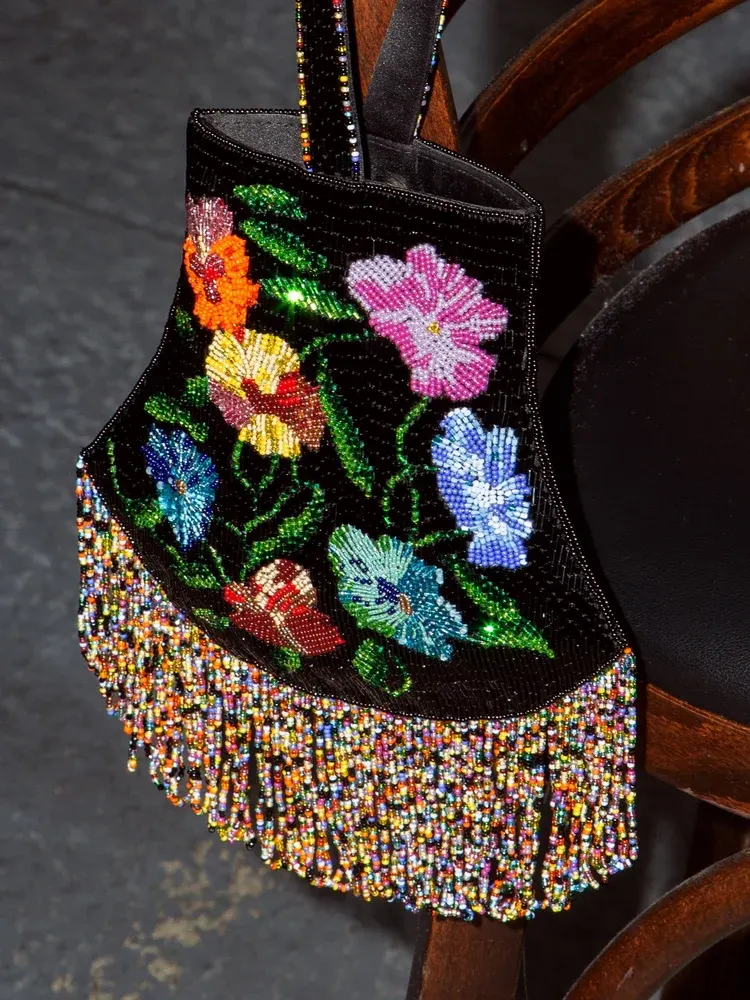
The examples challenge a rigid view of handmade as an object that must remain confined to a small studio. A business can grow through licensing, complementary products, retail experiences or selectively industrial partnerships while preserving specialist pieces at its creative center. Accurate product descriptions make those choices intelligible. Nest's Verified Handcrafted initiative, introduced in 2026, likewise distinguishes fully and partially handcrafted products, acknowledging that manual intervention occurs in different degrees and forms.
A Future Worth Making
An enduring handmade business is ultimately organized around the continued usefulness of specialist knowledge. That requires prices capable of covering skilled hours and development, but also consistent orders, training, dependable materials and management that keeps an increasingly complicated enterprise financially stable. Compensation belongs within this equation and deserves direct reporting from both makers and labels; production narratives alone cannot establish individual earnings.
For these labels, a convincing handmade claim describes a working system, extending from design decisions to the people and materials sustaining production.
The independent designers building careers from lace, crochet, corsetry, knitting and beading demonstrate the opportunities created by an exacting process. Their central task is to expand the business while preserving the skill that first gave the product meaning. Human effort has become a persuasive selling point. The larger achievement will be companies capable of supporting that effort through successive collections, changing tastes and new generations of craftspeople.
Advertisement