MENU
Close





What if the Victorian era never ended, and Victorian style is the ghost it left behind, tightening the corset, darkening the lace, and making every modern body feel as though it has wandered too far into the past?
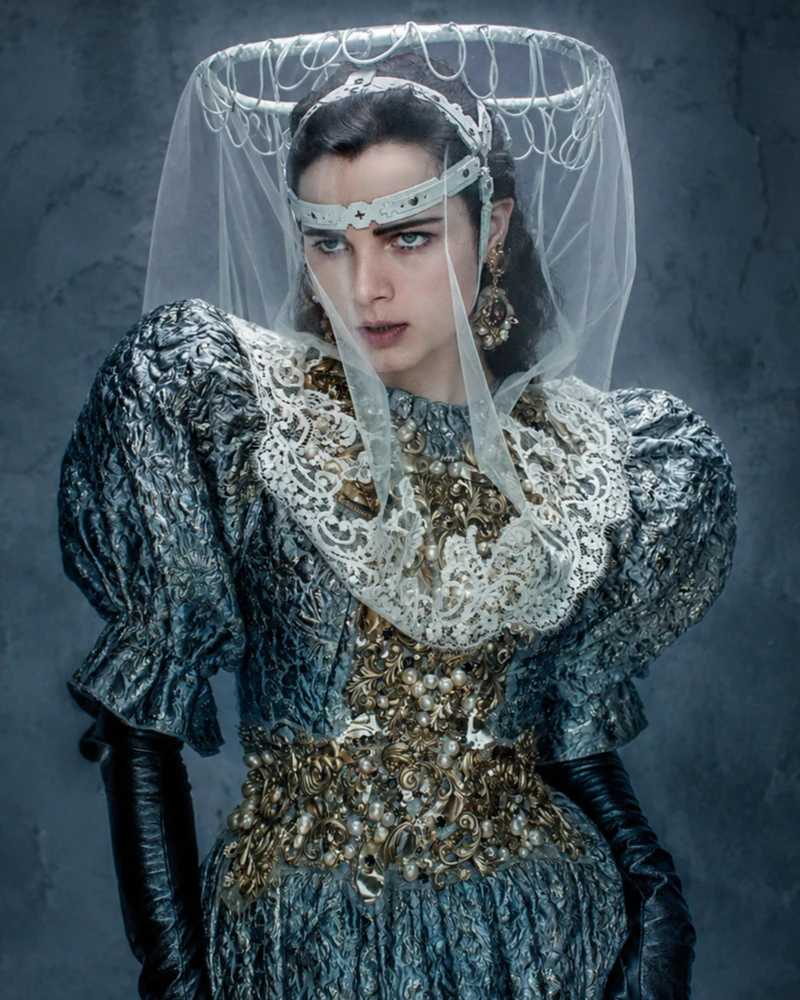
What if the Victorian era never ended, and Victorian style is the ghost it left behind, tightening the corset, darkening the lace, and making every modern body feel as though it has wandered too far into the past?
June 12, 2026
Advertisement
Advertisement



Step inside, past the heavy velvet curtains, where the air smells of coal smoke and lavender water. To understand Victorian style is to understand a holy ritual of construction, an era spanning from 1837 to 1901 where the human body was treated not as mere flesh, but as a sacred canvas for industrial engineering and social theater. It is a fashion language of becoming, a relentless pursuit of the designed object where every ribbon and bone serves as a boundary between the private soul and the public gaze.
The silhouette was a mechanical system, a cage of propriety that demanded total discipline. At the heart of this machinery lay the corset, a rigid exoskeleton of steel and whalebone that enforced a vertical, moral posture and a cinched natural waist. This was a sharp, disciplined departure from the loose, ghostly empire waists of the past, marking a time where the body was literally molded into a new, idealized shape.
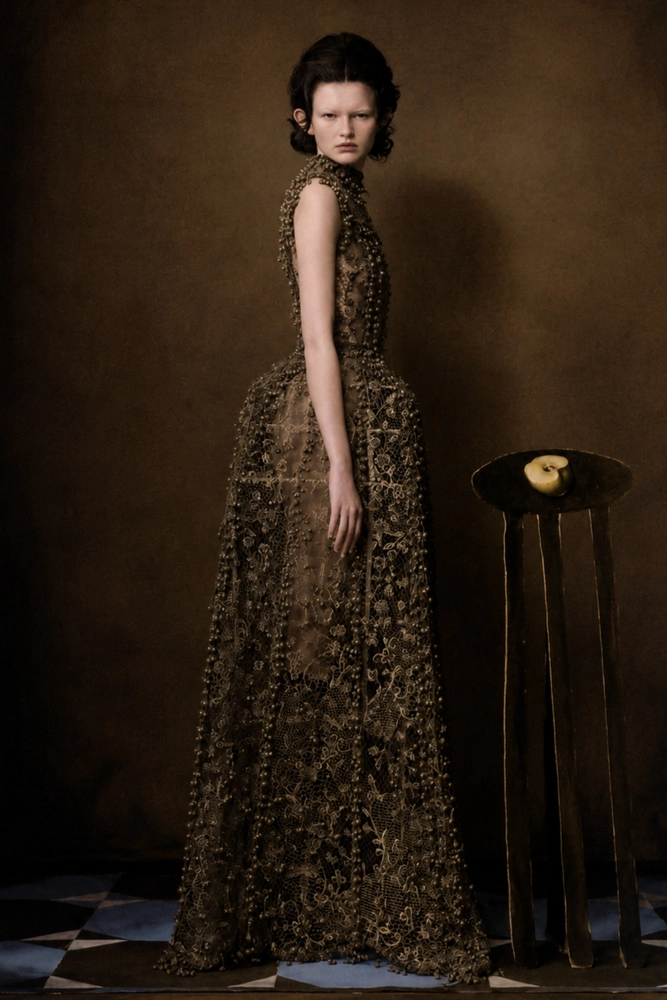
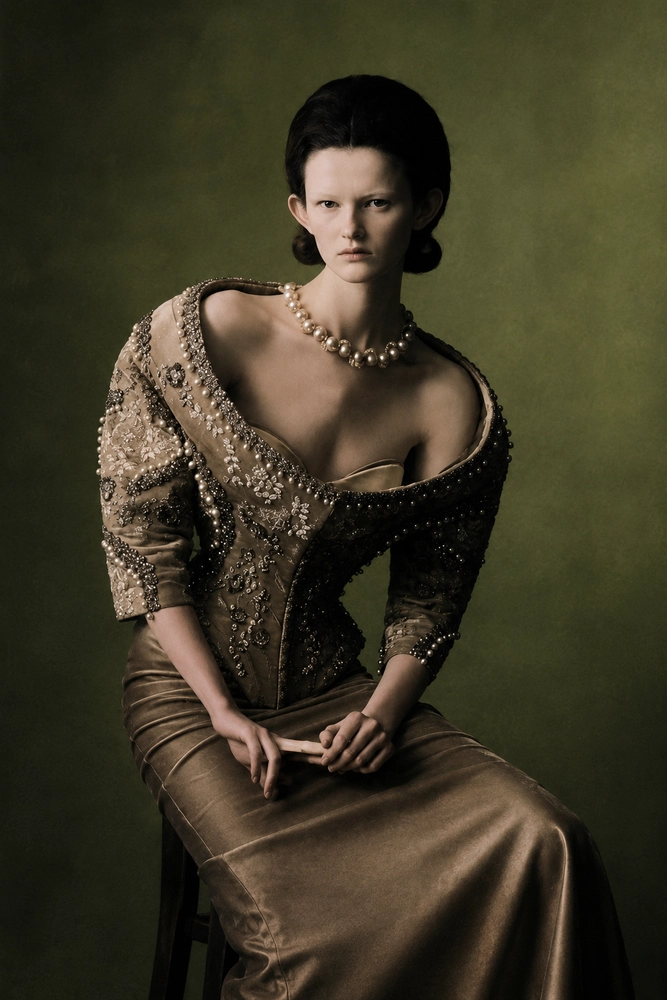
Beneath the silk, the hidden machinery hummed with the history of the changing decades. In the mid-century, the cage crinoline, a terrifyingly beautiful dome of spring-steel hoops, allowed a woman to occupy a vast, untouchable space, her skirts swaying like a great bronze bell. As the years bled into the 1870s and 80s, the dome collapsed and the volume was engineered violently to the rear. This was the bustle, or tournure, a shelf of wire and horsehair that turned the female profile into something sculptural and strange. By the sunset of the century, the silhouette sharpened into the hourglass, balancing the massive puffed sleeves against a flared skirt in a final peak of feminine symmetry.
To touch a Victorian garment is to feel the weight of the empire itself, chosen for its body and its ability to hold a shape against the wind of history. Stiff taffetas hissed with every step, while the luminous, heavy satin duchesse and jacquard waited for the flickering gaslight of the ballroom to reveal their depth. For the cobblestone streets, heavy wool serge and broadcloth provided the day discipline of the tailored walking suit, acting as a urban armor for the modern woman. Hidden against the skin were the foundations, whisper-thin cotton lawn and cambric, often veiled in lace that served as both fabric and skeletal ornament.
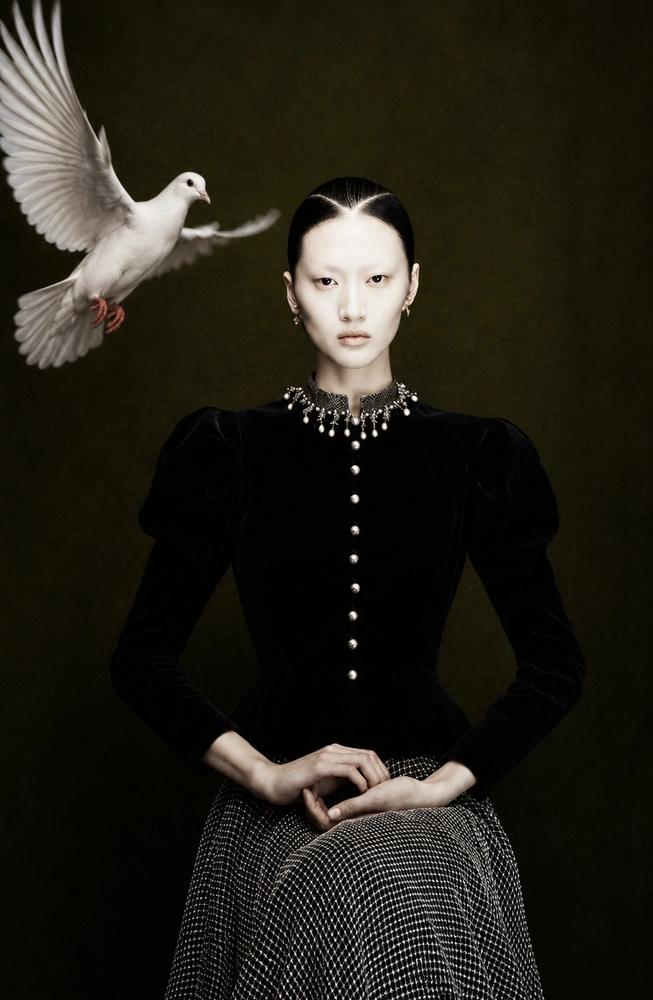
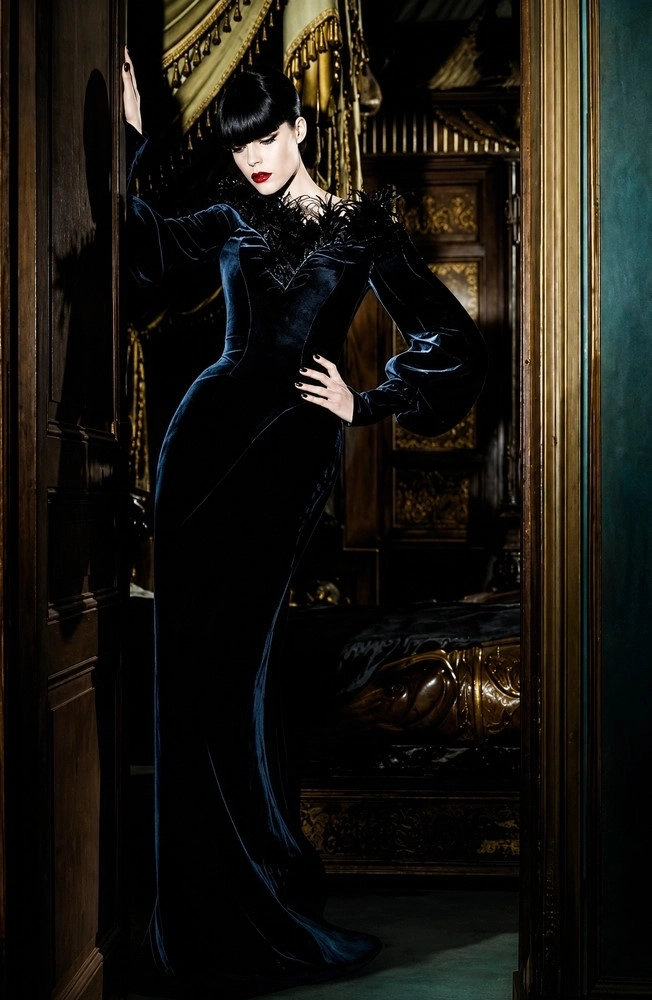
The surface of these gowns was a dizzying map of worked detail, for it was not enough for a dress to exist; it had to be obsessed over. The dark magic of passementerie saw heavy braids, soutache, and swaying tassels add gravity to every hem, while delicate lace insertions acted as windows of thread in the collars. Mathematical precision governed the knife pleats and box pleats that created rhythm in the heavy skirts, often draped in theatrical overskirt swags and ruched back emphasis to heighten the drama of the bustle. Row upon row of decorative buttons served as closures to this textile fortress, often glinting with the obsidian shine of jet beading, the fossilized coal ornaments that turned mourning into a haunting glamour.
In the day, the Victorian woman was a fortress, her neck encased in high lace and her hands gloved, her skin a secret kept from the sun. But as the shadows lengthened, the evening code allowed the armor to crack; necklines dropped to reveal the shoulders, and the discipline of the day gave way to the curated display of the night. This was the Victorian style paradox: a body bound in steel and heavy wool, yet draped in the most fragile textures of desire.
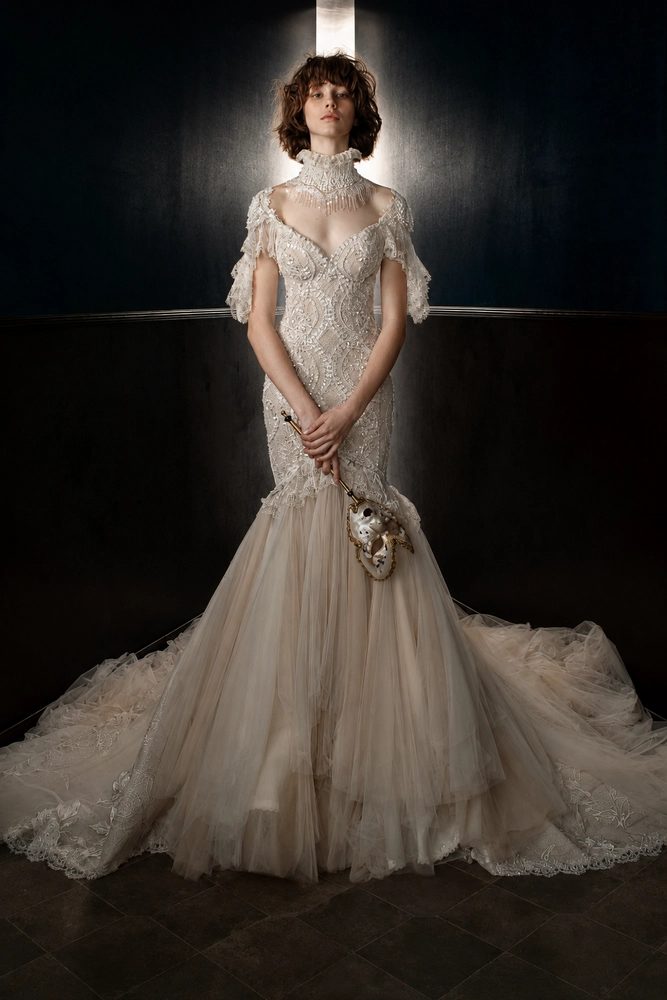
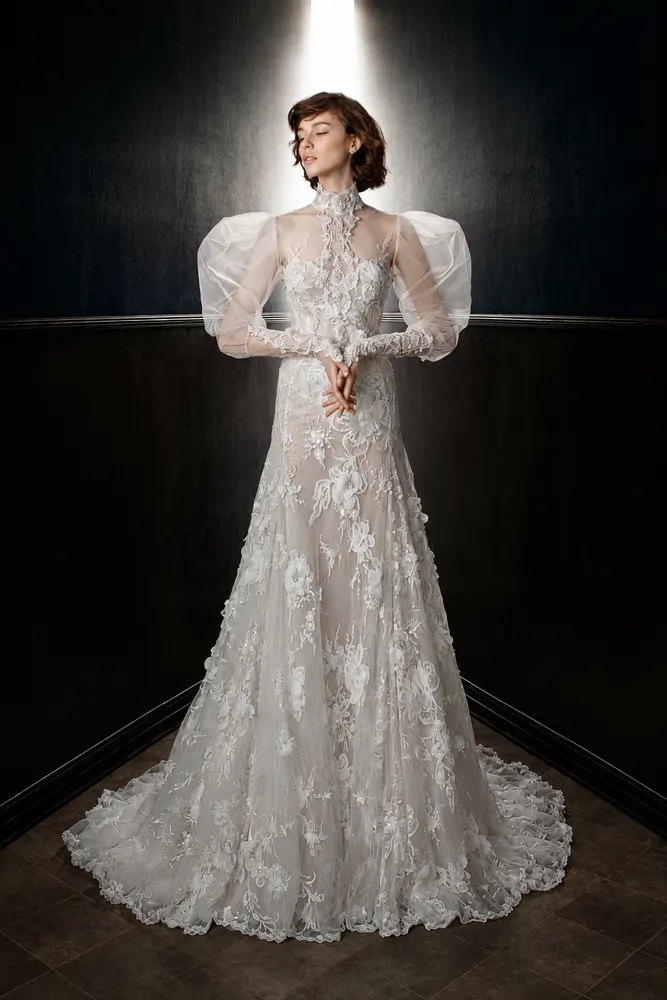
Beyond the grand geometry of the cage and the corset, the Victorian style was defined by minute, technical obsessions, specific instruments of style that acted as the teeth and bone of the social hierarchy. To understand the era is to know these hidden names, for they are the true signatures of a body that has been fully colonized by the prestige of the needle.
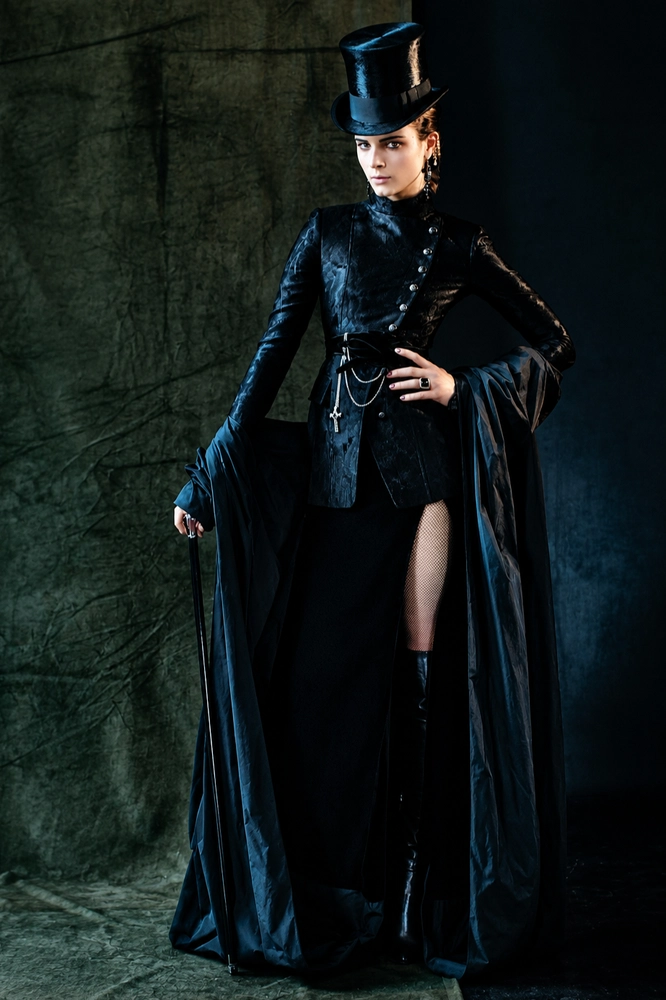
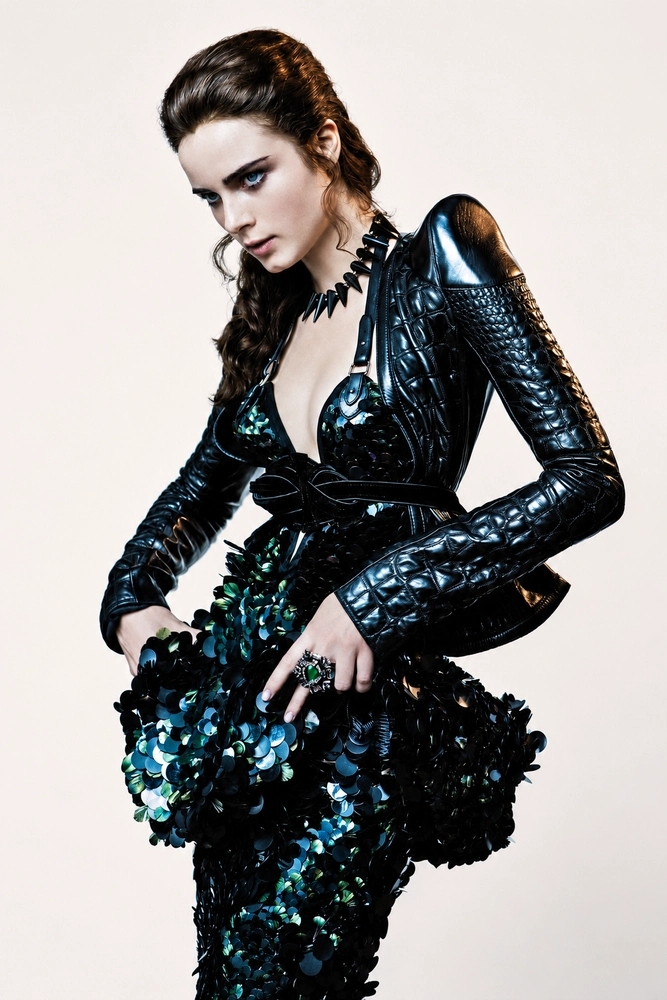
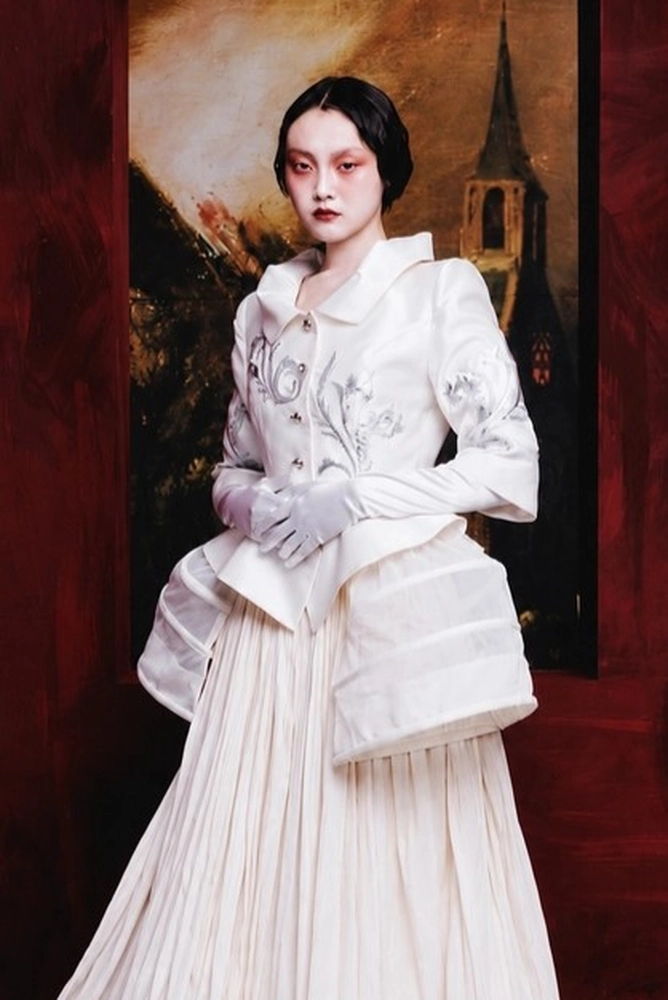
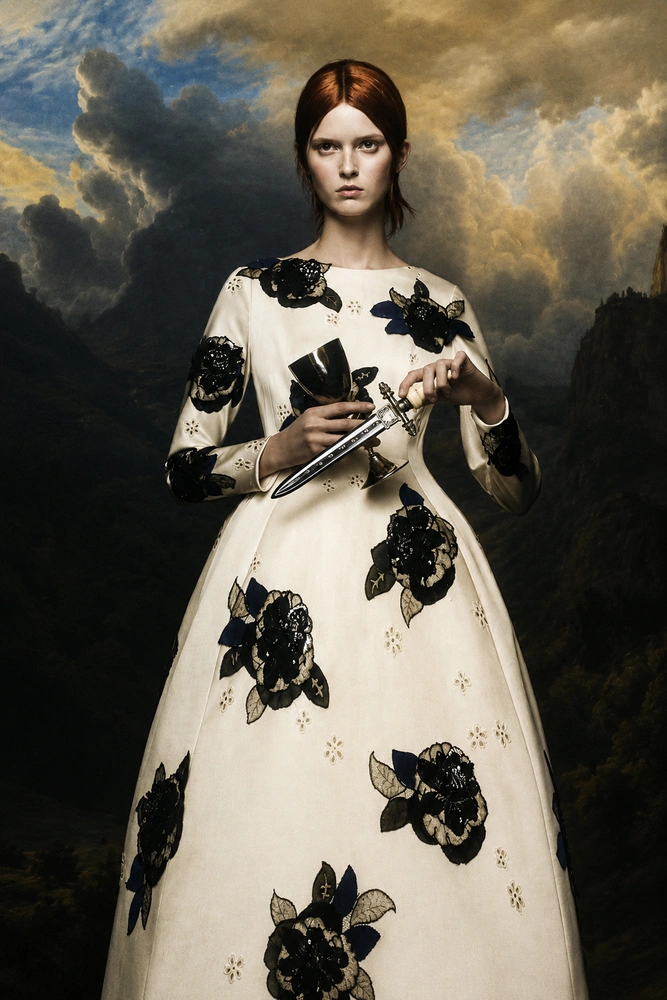
In the early years, from 1837 into the 1850s, Victorian style was one of romantic fragility; bodices were tight and narrow, and shoulders sloped downward in a gesture of demure submission, leading the eye toward skirts that began to swell like rising bells.
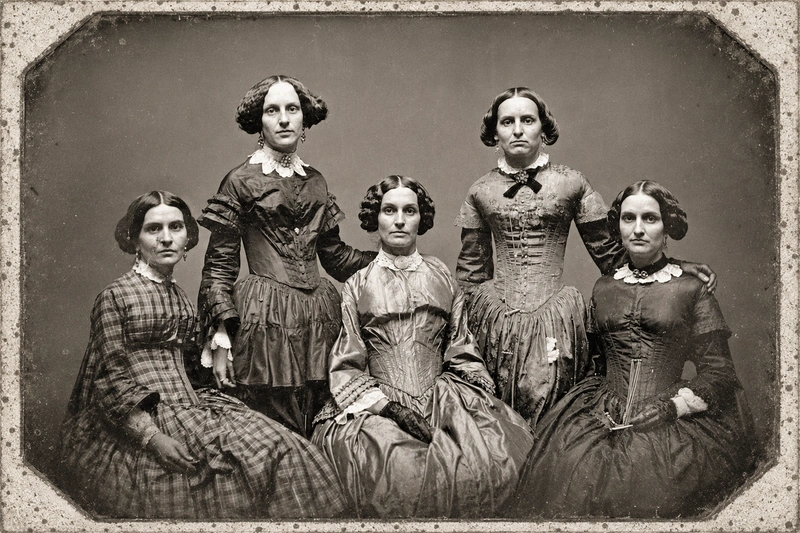
By the mid-century, this softness hardened into the era of the great dome. Between 1850 and 1860, the crinoline reached its magnificent, terrifying peak, turning women into vast, unapproachable monuments of silk.
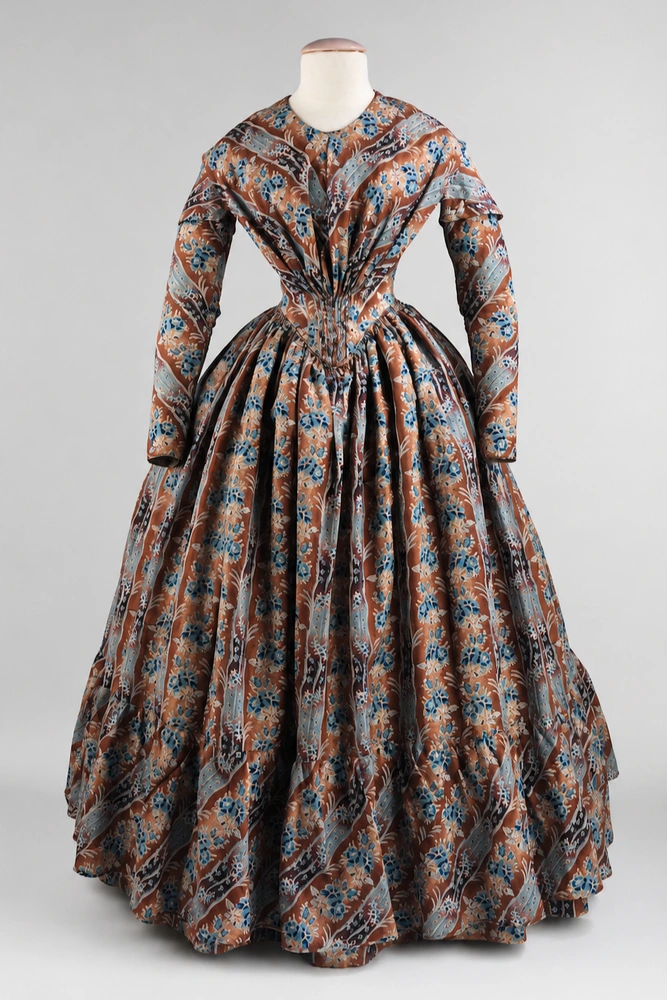
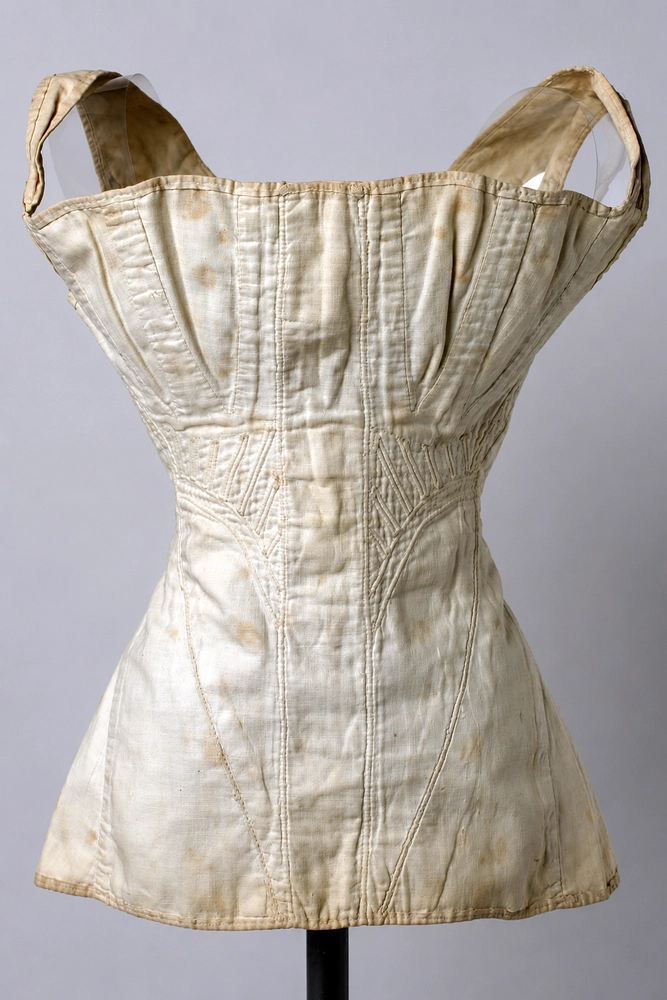
As the century waned into its final decades, the architecture shifted once more, collapsing the dome to push all volume into the aggressive rear projection of the bustle, before finally sharpening into the 1890s hourglass, a silhouette of power defined by shoulders that bloomed like poisonous flowers.
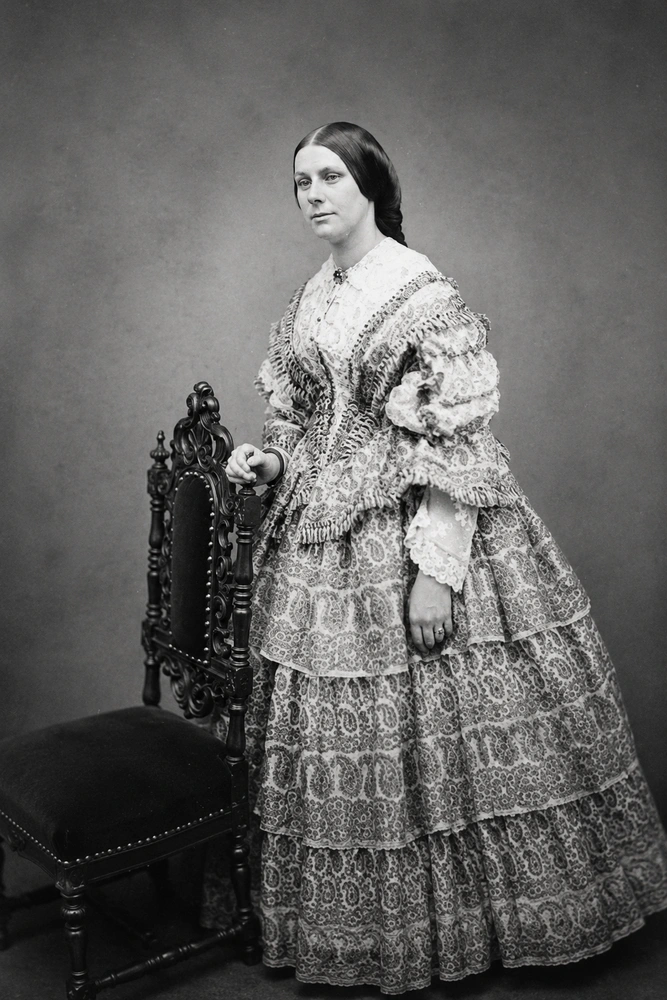
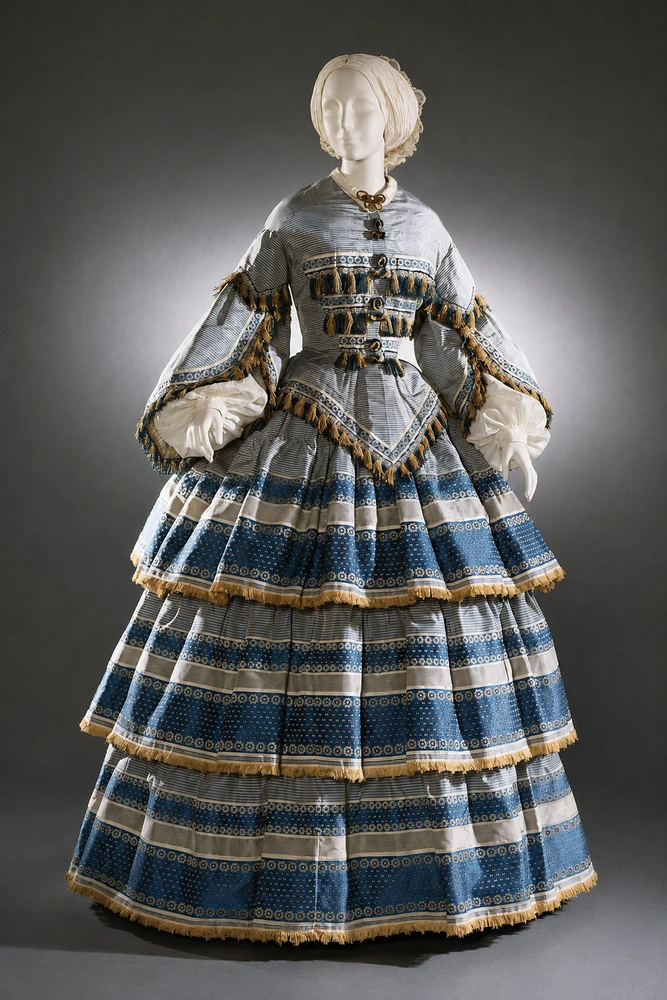
This metamorphosis was fueled by the cold iron and chemical fire of the industrial revolution, a milestone that forever reshaped the human form. The marriage of sewing technology and mass-produced steel meant that complexity was no longer a luxury but a standard; garments became elaborate machines of lace and metal. Perhaps most jarring was the birth of aniline dyes, an industrial spark that birthed colors the world had never seen, violets so vivid they seemed to vibrate and greens so saturated with arsenic they carried the scent of the grave. Amidst this chemical explosion, a new god of fashion emerged in Paris: Charles Frederick Worth. By sewing his name into the waists of gowns and demanding seasonal presentations, Worth birthed the modern logic of couture, establishing a hierarchy where the designer’s label became the ultimate seal of social authority.
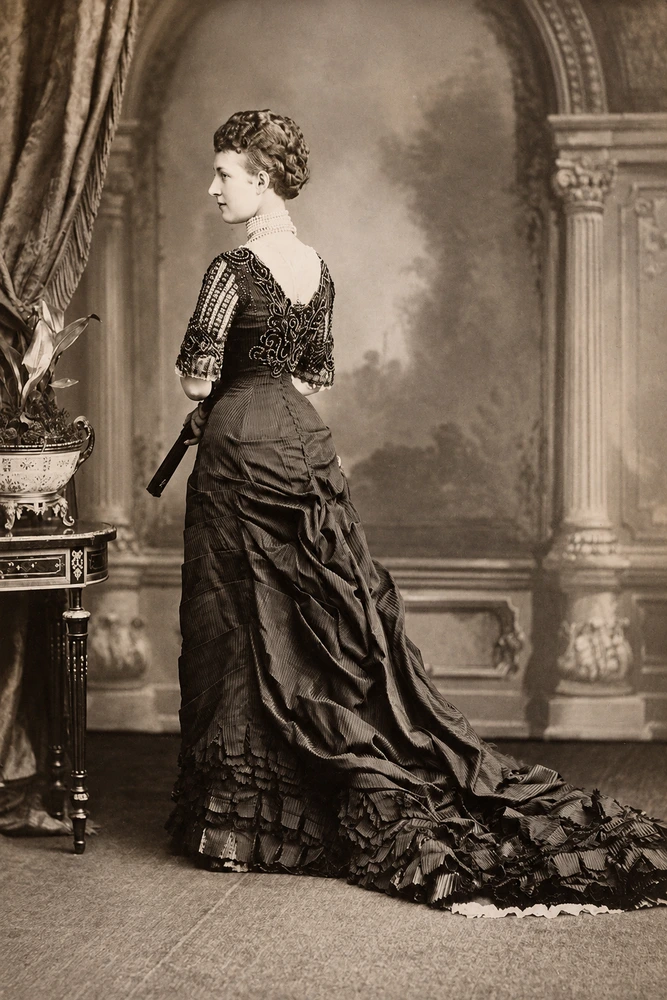
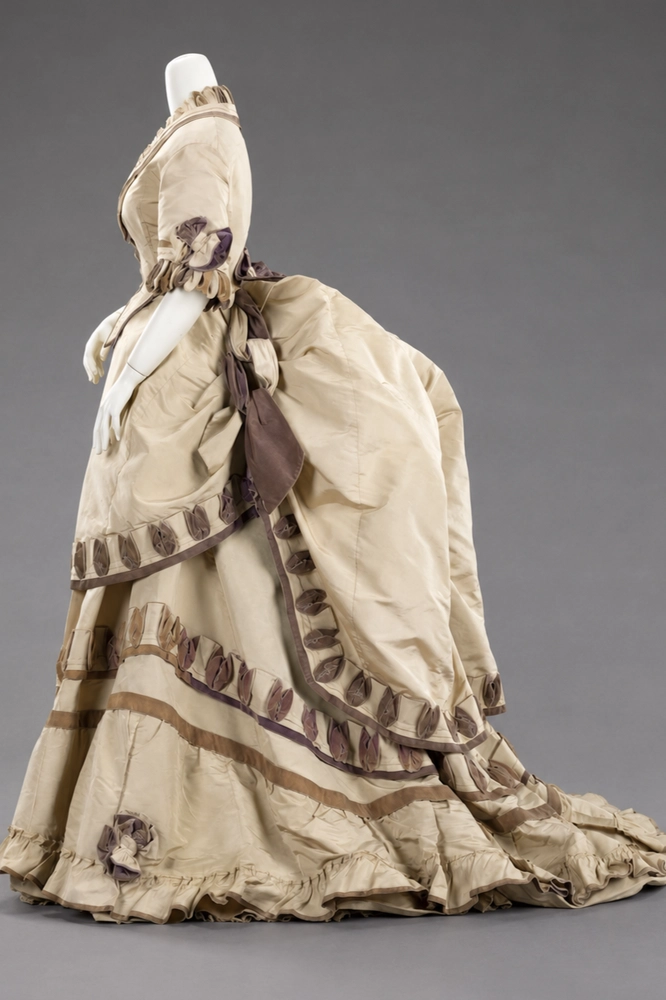
However, every action of the corset invited a reaction of the spirit. The Victorian era became a battleground for the body through the dress reform movement, a cultural backlash against the very silhouettes it had perfected. Advocates of aesthetic and rational dress began to whisper of health and mobility, mocking the "crippled" beauty of the corseted waist and the heavy, sweeping skirt. This was the dawn of a sartorial feminism, where the debate over bloomers and unlaced bodices became a war over morality itself. Fashion was no longer just about beauty; it was a struggle for the right to move, to breathe, and to claim ownership over the flesh that lived beneath the steel and silk.
To step into this world is to ascend into a stratosphere of cold, glittering prestige, where fashion serves as the ultimate surveyor of the social divide. You are a Contessa, you feel the heavy, intoxicating gravity of rank in the sheer volume of your presence, the way your skirts require a wide, reverent path through the drawing room.
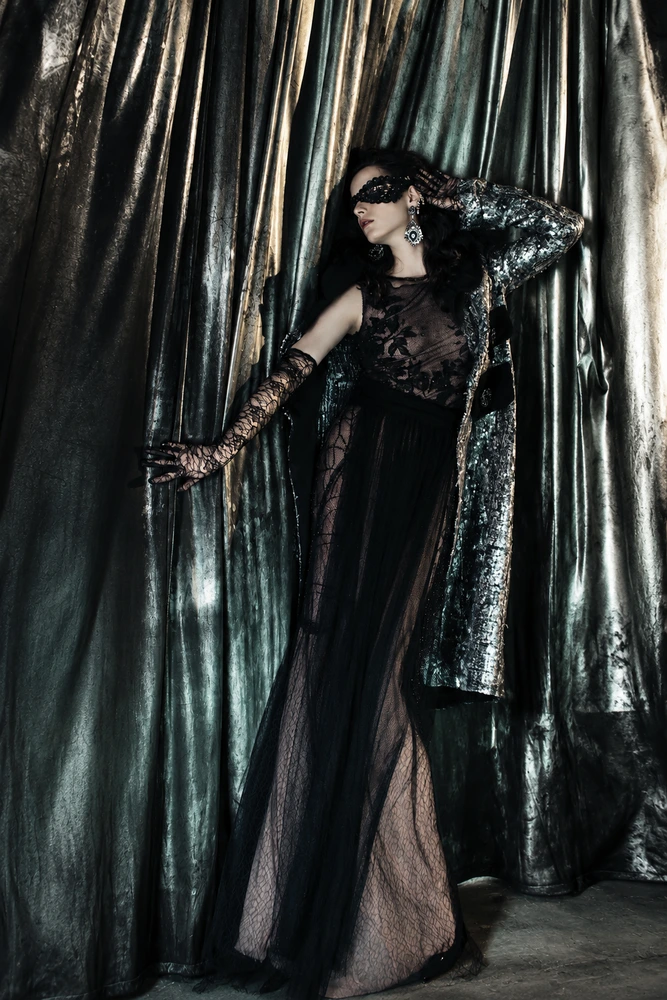
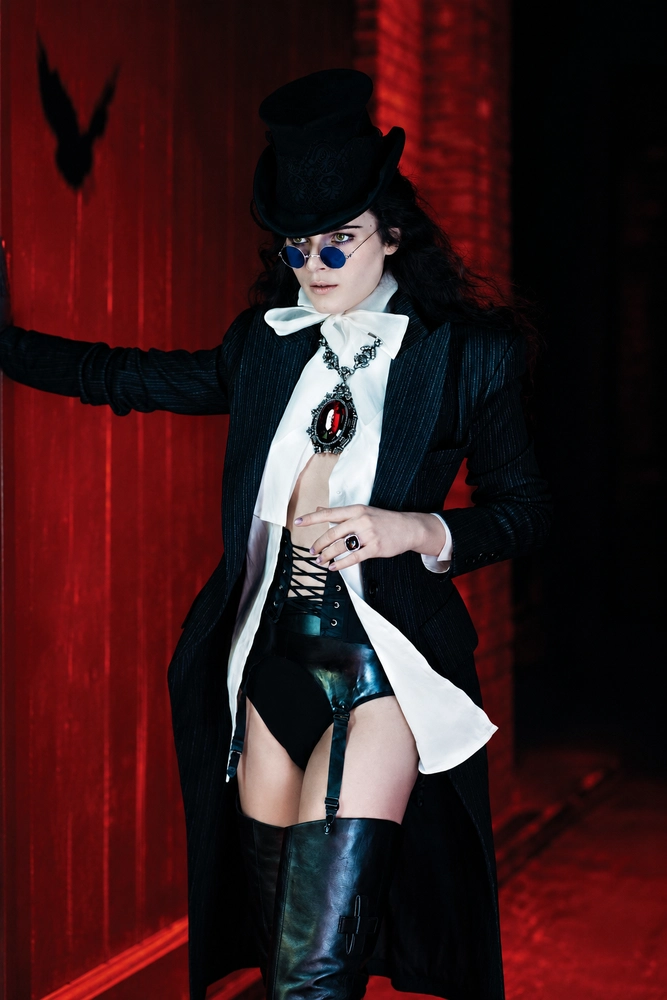
The prestige is tactile: the cool, haughty touch of duchesse satin that only a hand never calloused by labor could stroke, and the suffocatingly high collars that force the chin upward in a permanent expression of aristocratic disdain. It is the eroticized power of the "more covered, more charged" effect. It is a romantic agony, a physical control that grants the wearer a regal, otherworldly presence, turning a simple woman into a statue of engineered grace. It is a hierarchy written in the impossible, dresses so complex they require a choir of silent maids to fasten, and fabrics so delicate they would perish at the mere suggestion of a city street’s soot.
Beneath the flickering hiss of the gaslight, the spirit of Victorian style reveals itself as a fever dream of discipline and desire. It is a world where every garment is a prayer whispered in silk, a sacred architecture designed to heighten the tension between the untouchable soul and the hunger of the flesh. You can feel the weight of it, the immense, gravity-defying pull of a velvet train dragging across polished oak, sounding like the low, rhythmic breathing of a ghost.
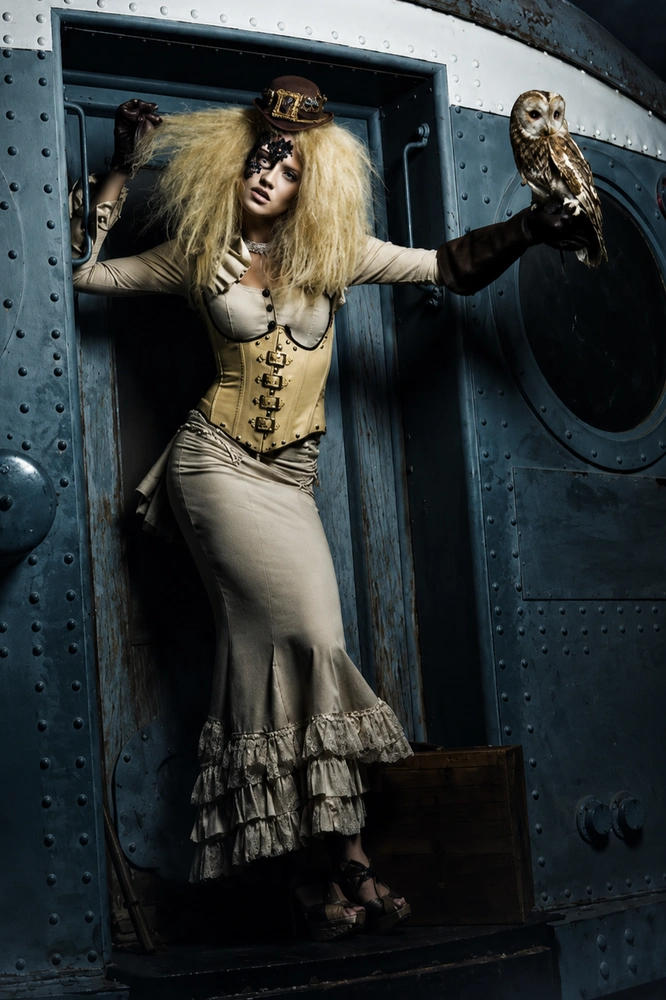
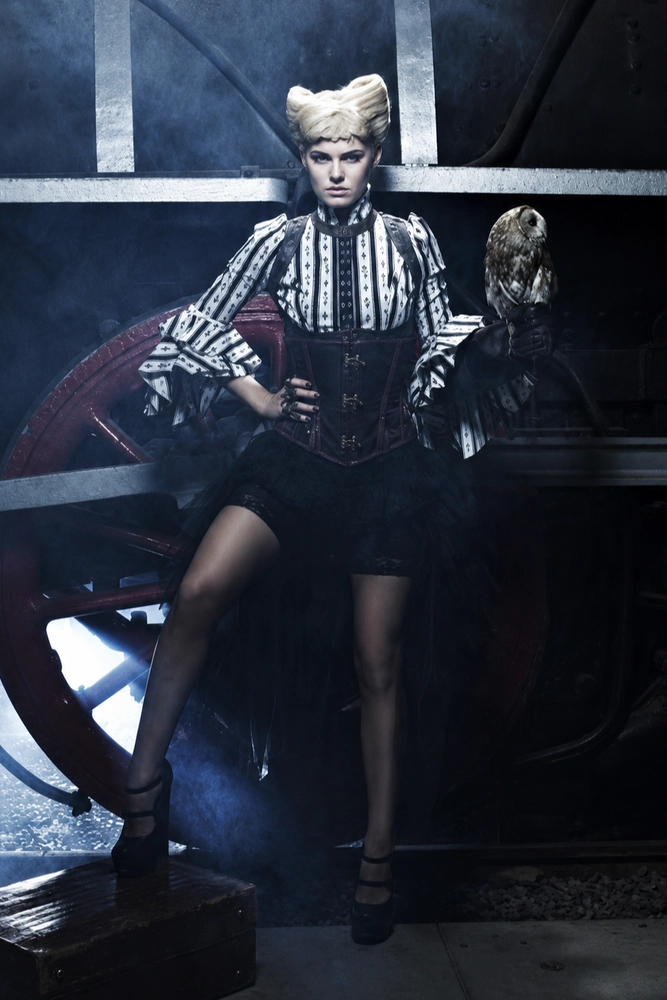
You can touch the history in the textures: the mourning-black jet beads that feel like cold, smooth pebbles against your palm, and the heavy taffeta that screams with a dry, papery rasp at every movement. These clothes were meant for space, for hierarchy, for the theater of the ballroom.
To live in this time is to understand that beauty is a struggle, a sacred burden. It is a symbol of presence that says the wearer is too precious, too holy, or too powerful to be touched.
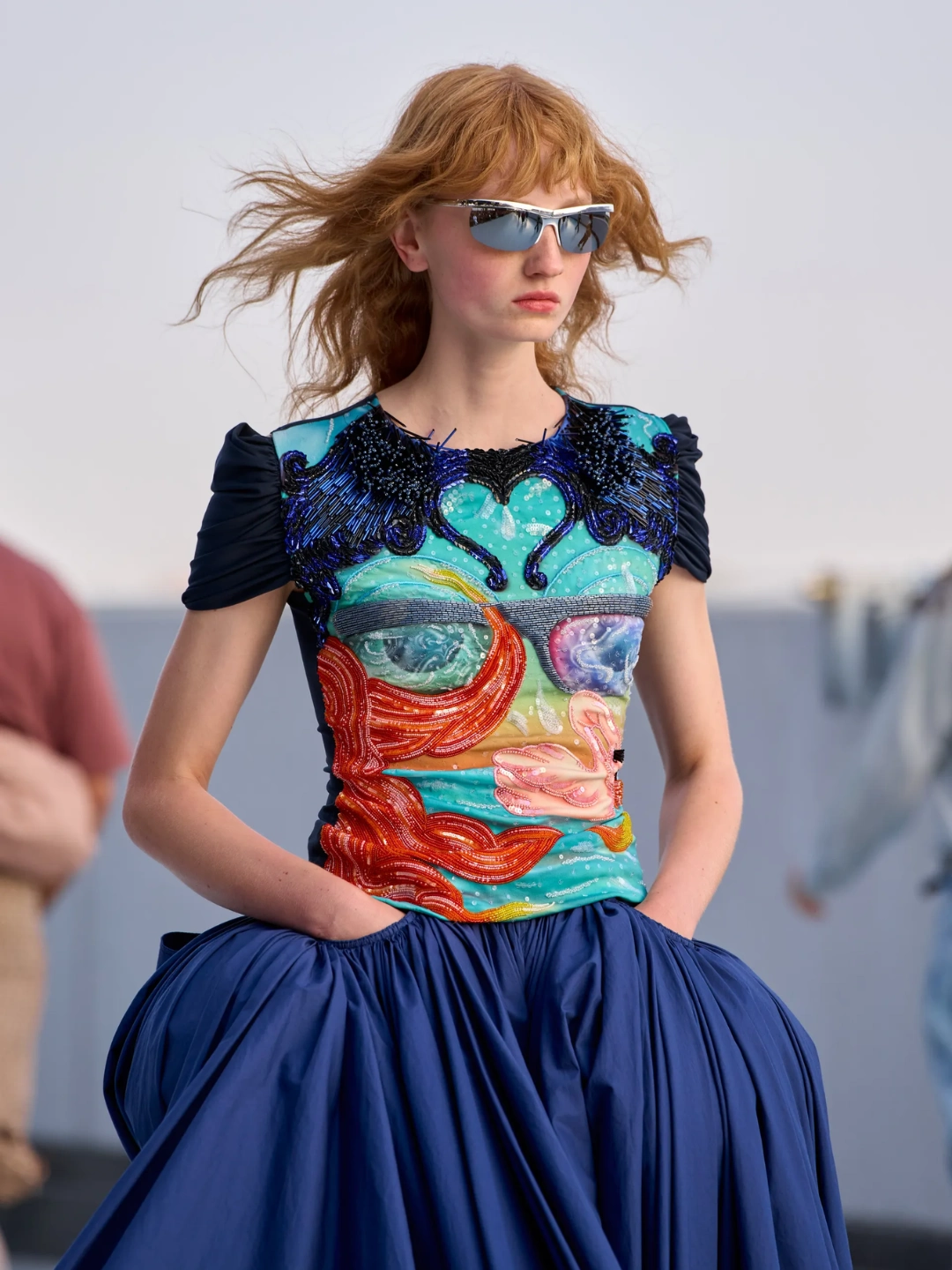
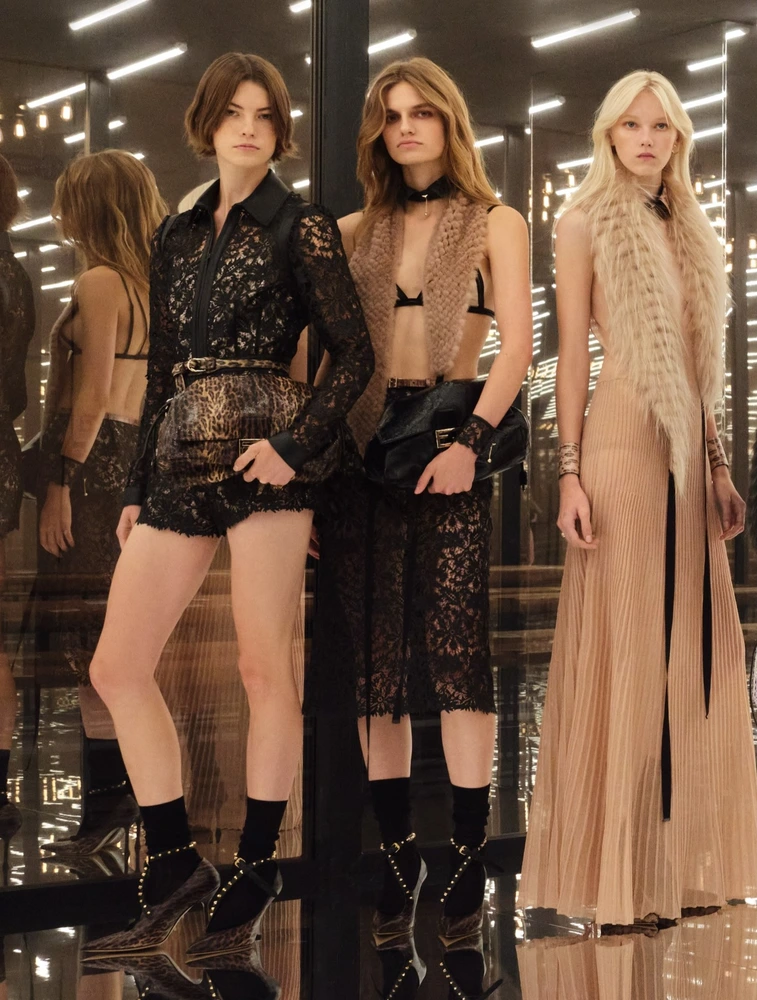
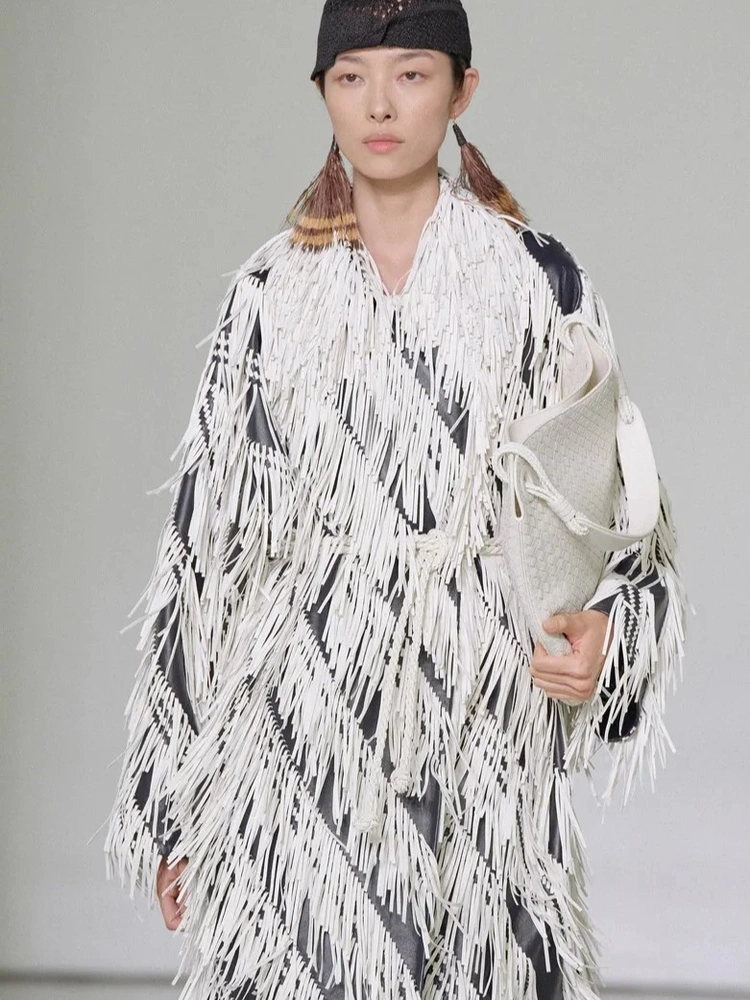
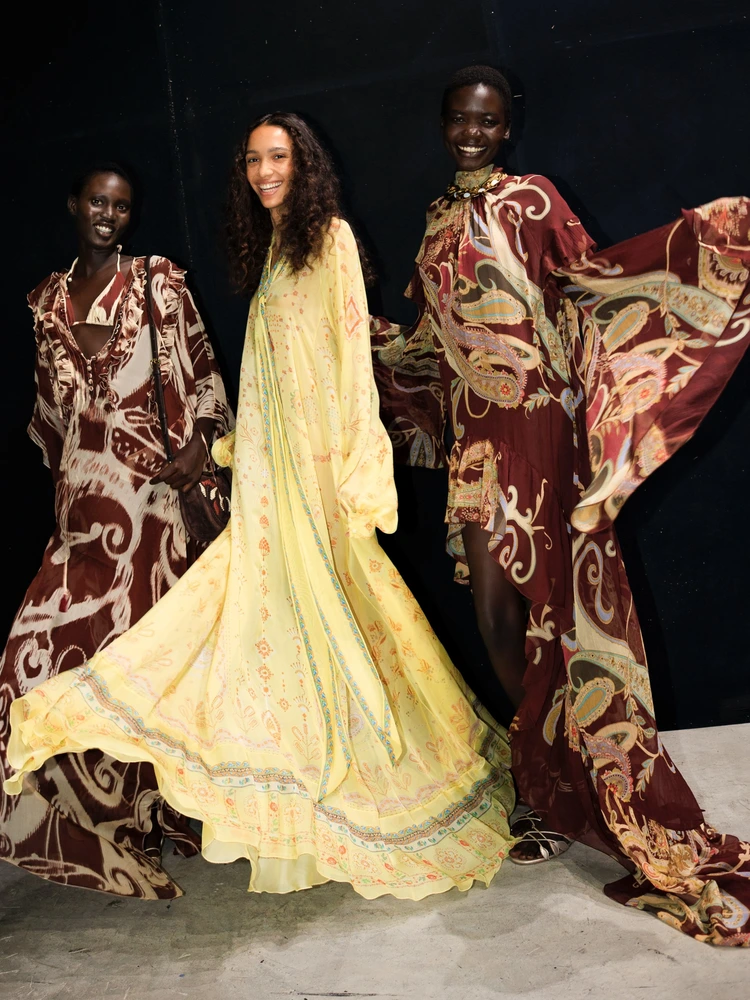
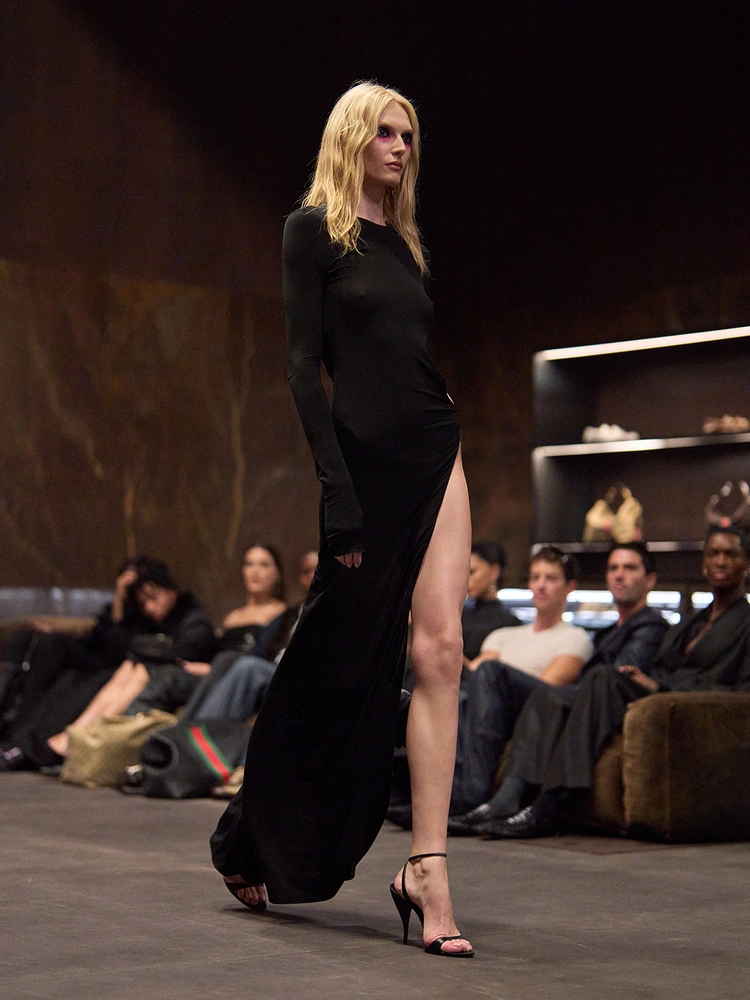
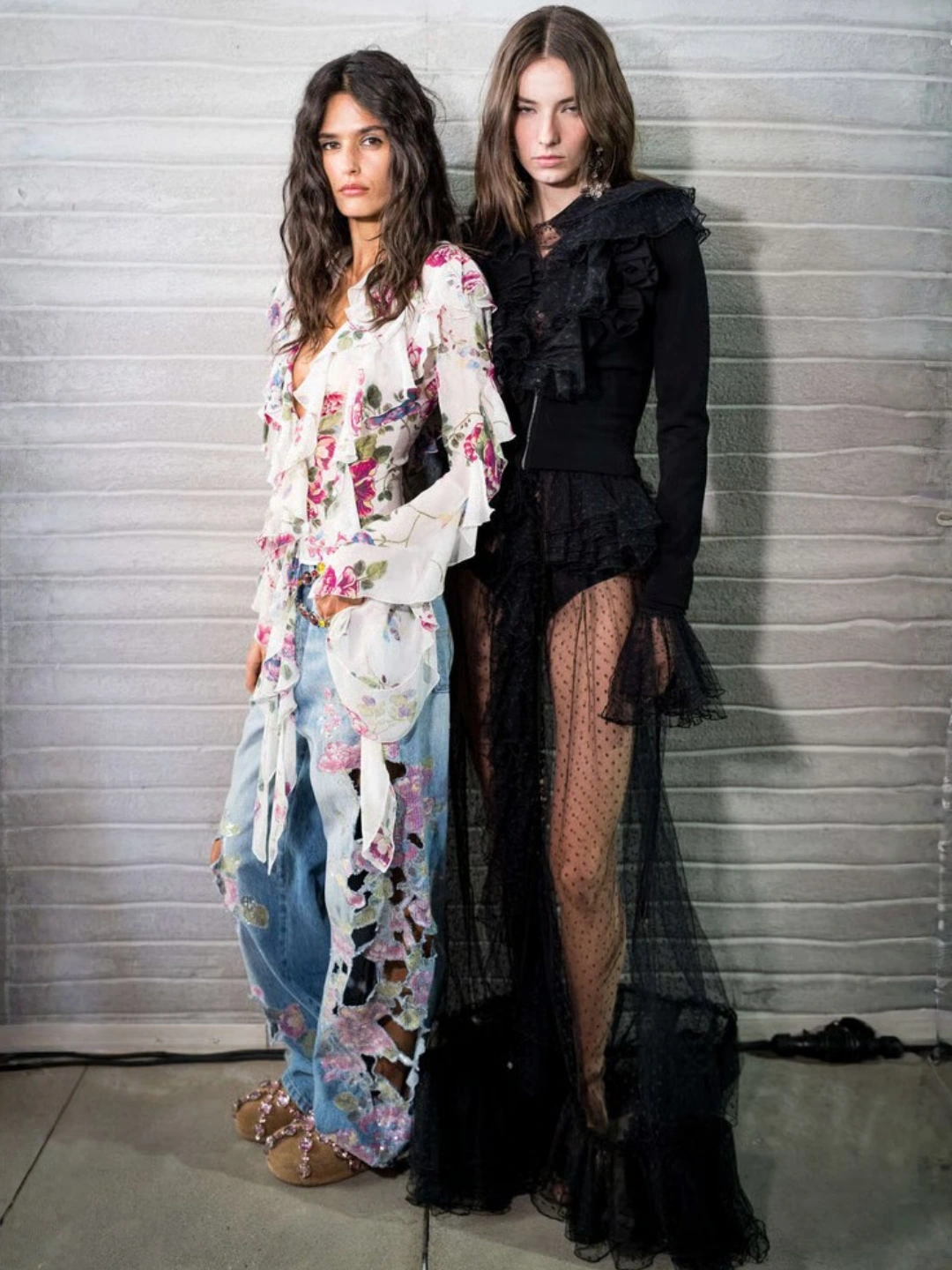
On the 21st-century runway, Victorian style returns like a beautiful haunting, carrying the pressure of old rooms, inherited manners, and bodies trained to perform mystery. Its modern power comes from the feeling that fashion has opened a sealed house and allowed every ghost inside to walk again.
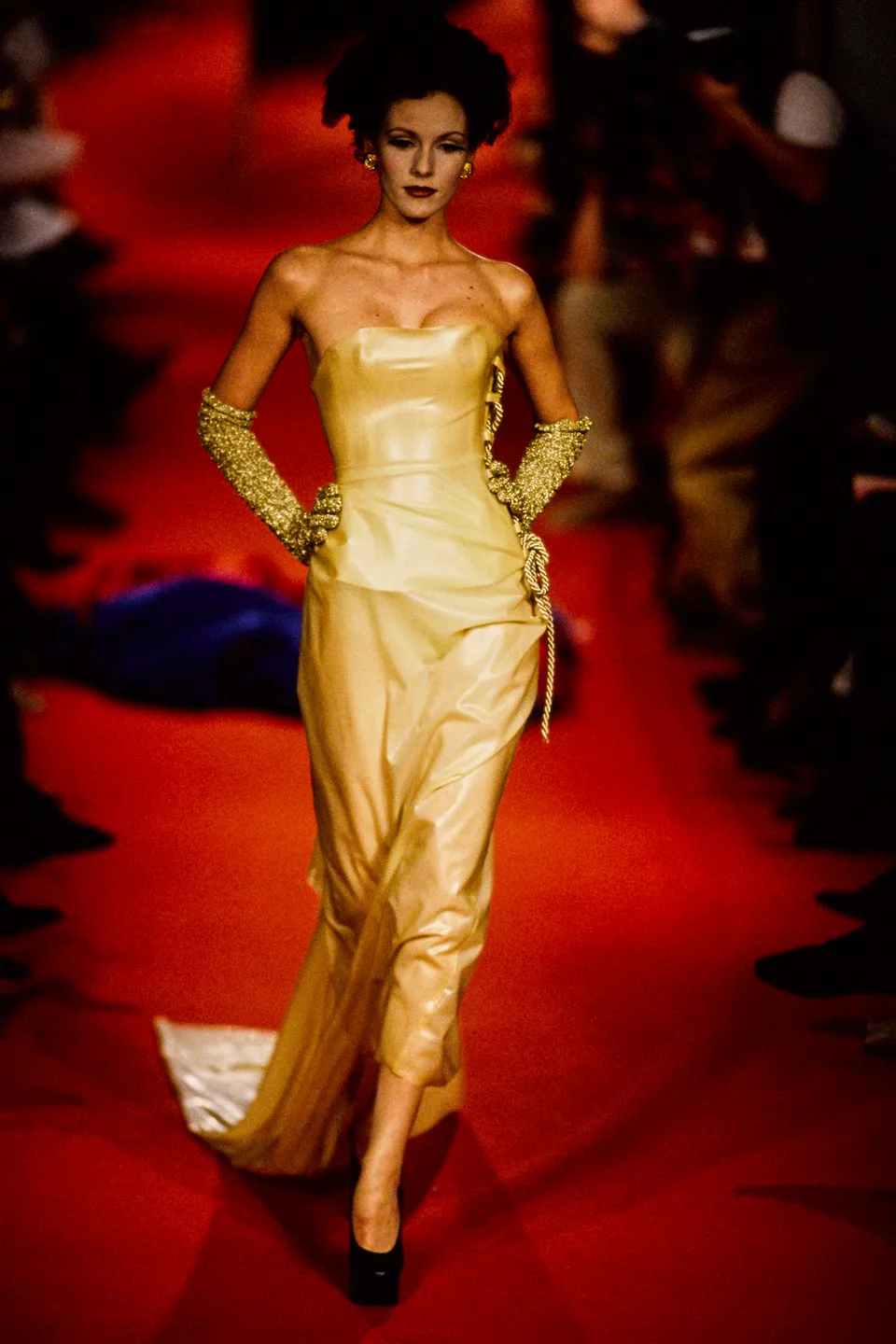
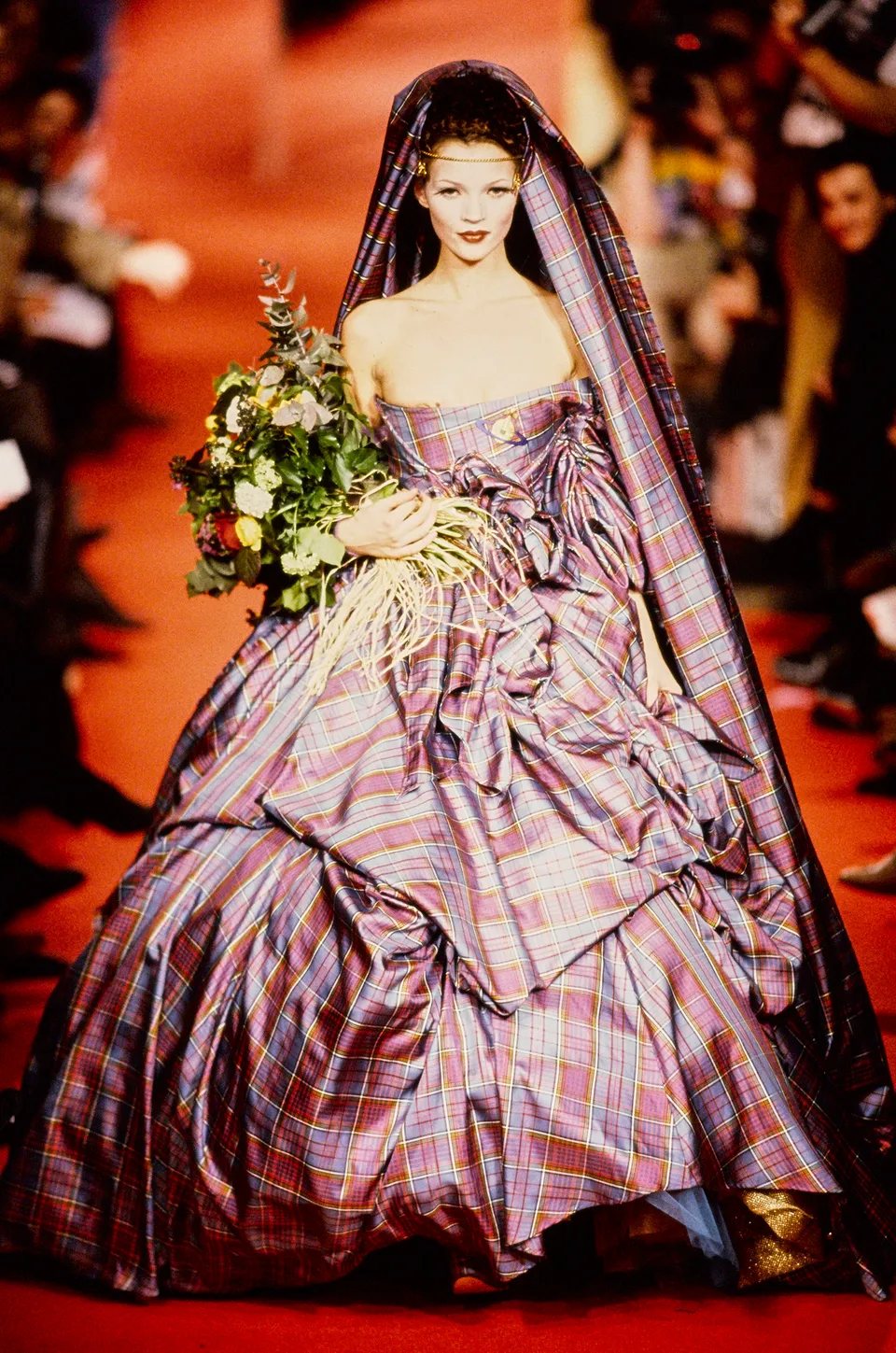
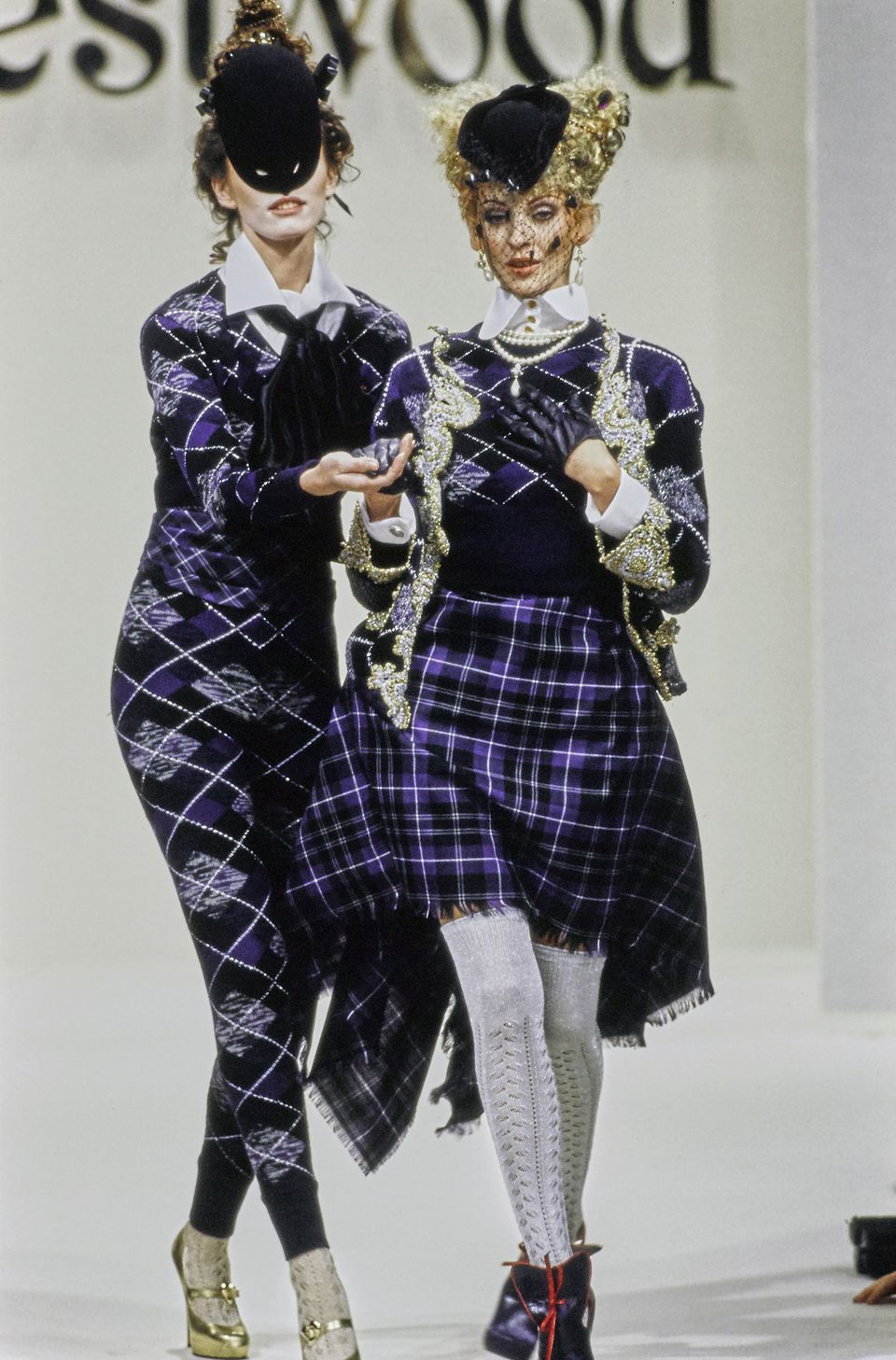
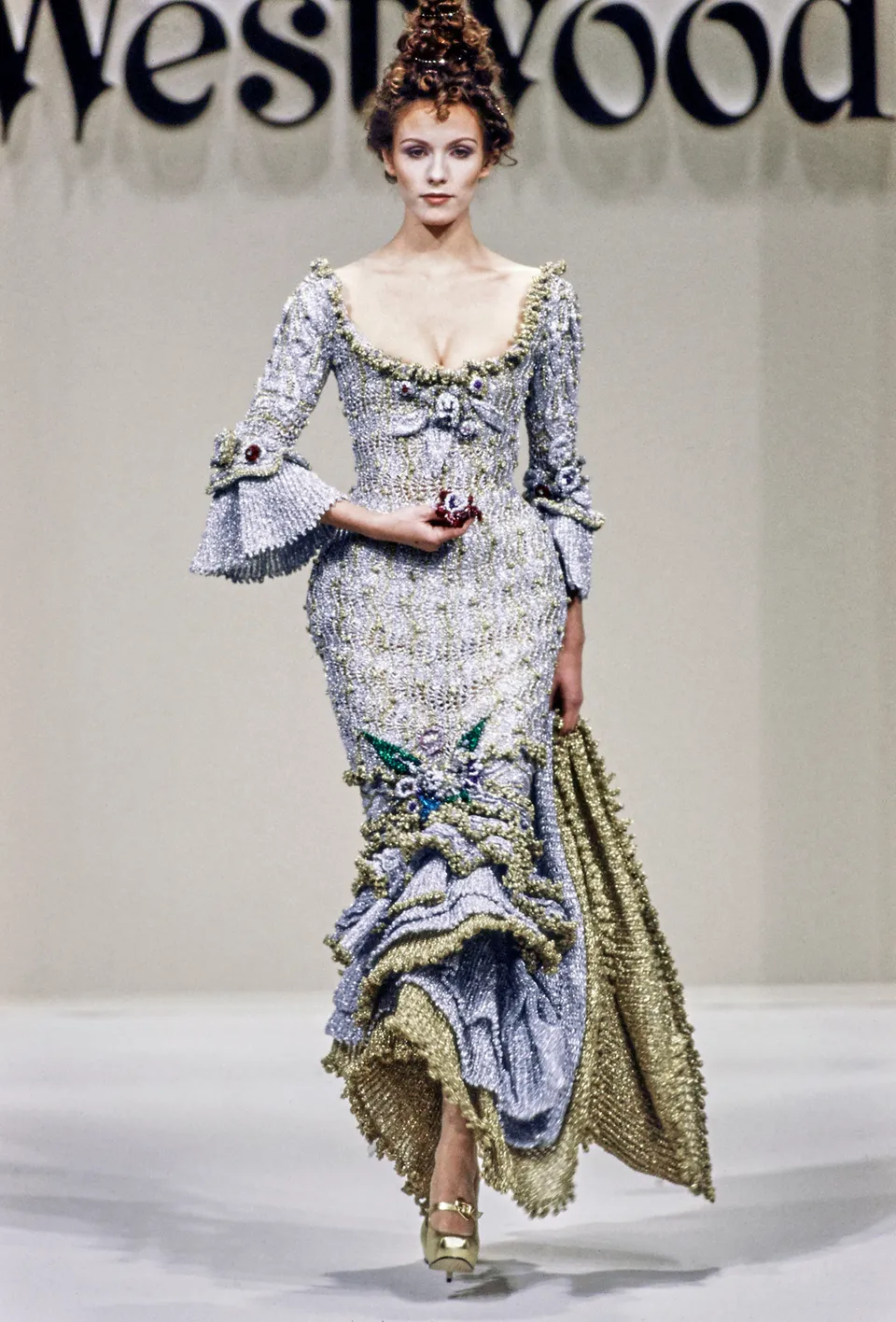
For Vivienne Westwood, Victorian style becomes an act of aristocratic rebellion, where the past arrives with a wicked smile and a revolutionary pulse. Her women seem to inherit the manners of old Britain, then turn those manners into theatre, seduction, and political electricity. The spirit is grand, unruly, and beautifully disrespectful toward every institution that once tried to discipline the body.
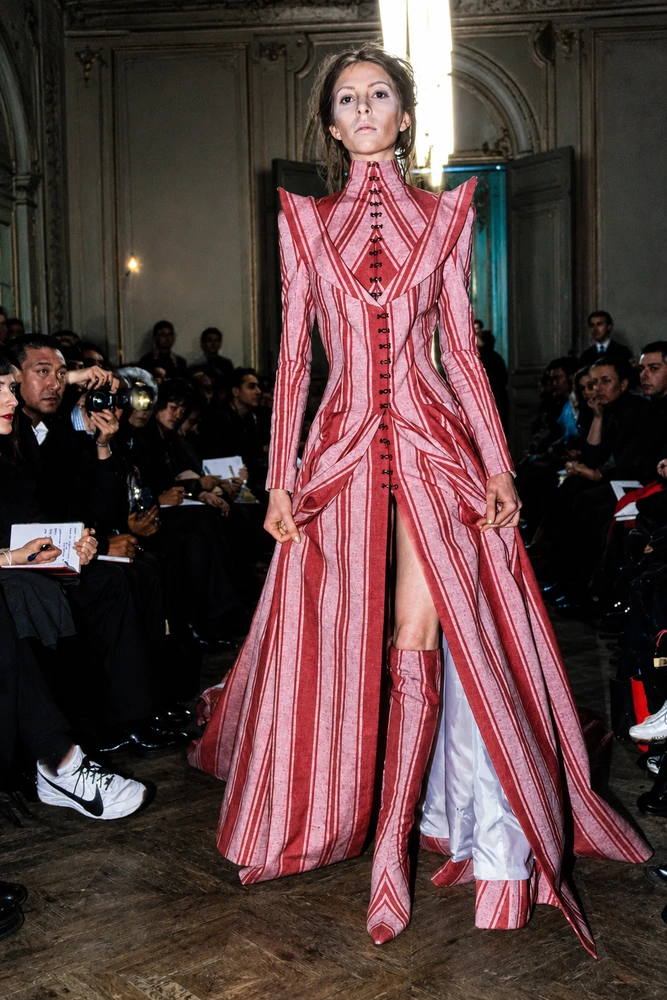
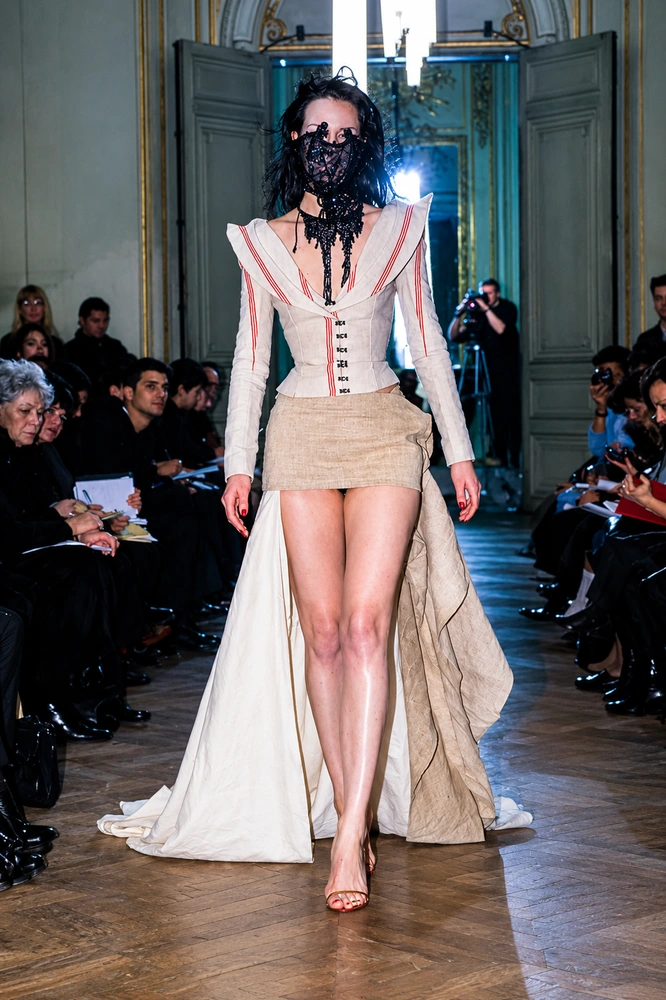
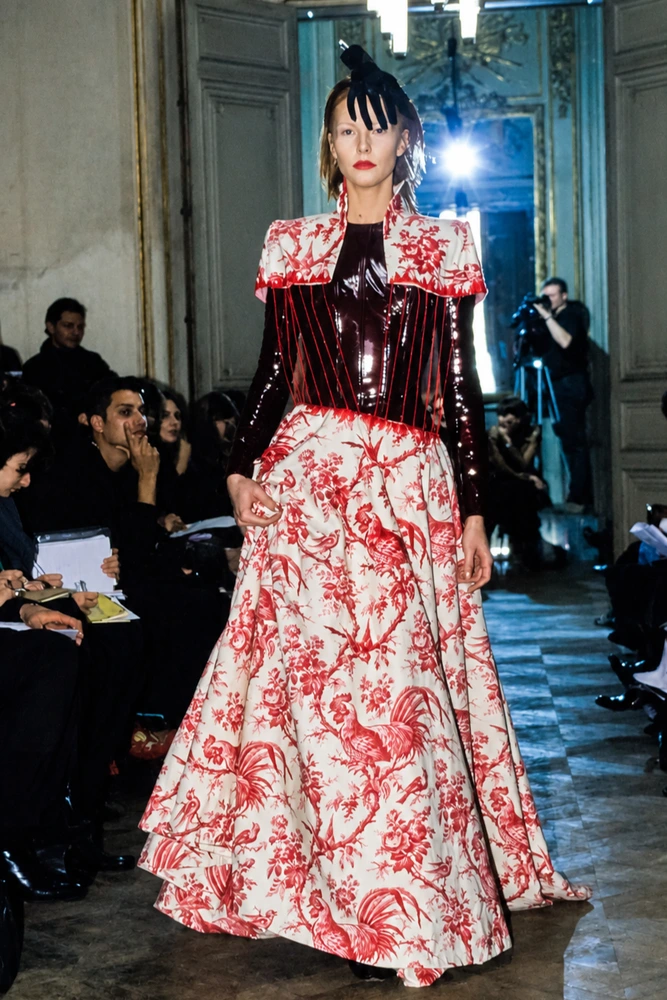
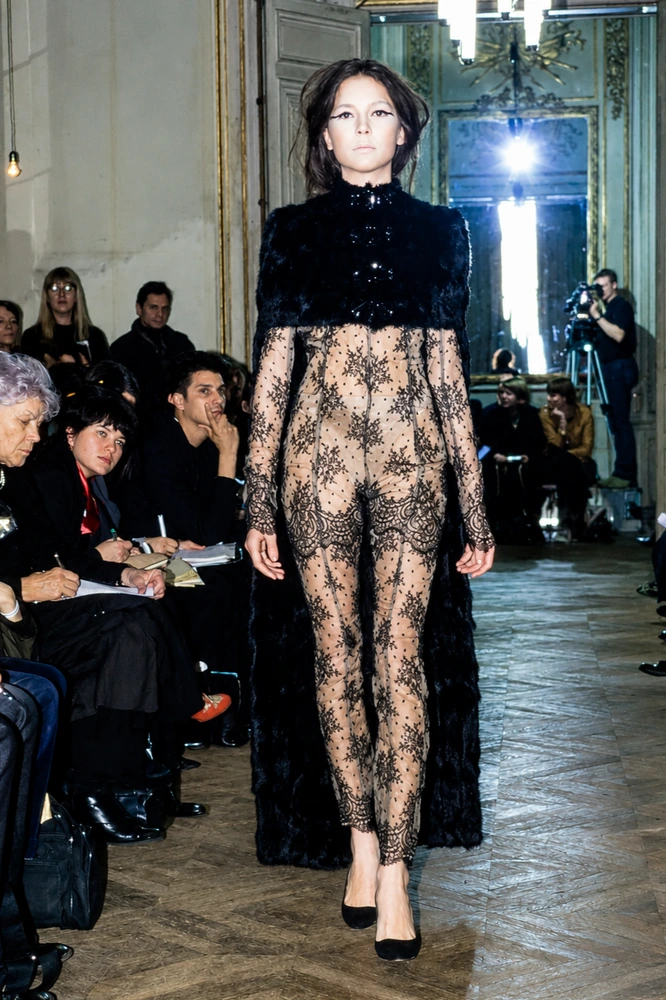
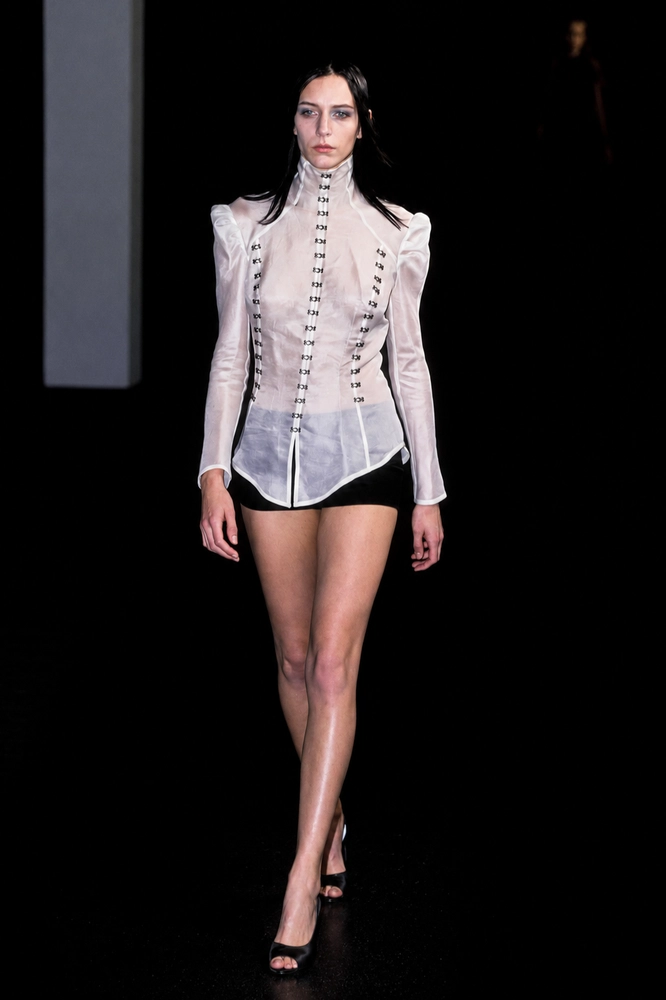
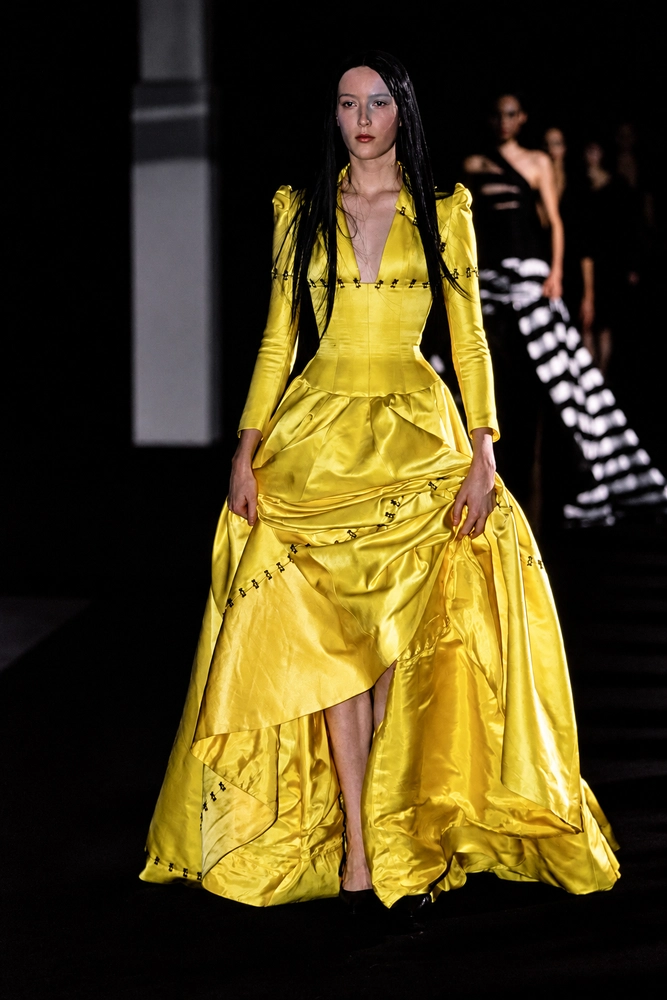
Olivier Theyskens turns Victorian darkness into something fragile, nocturnal, and almost devotional. His vision feels like a candlelit corridor where beauty has learned to whisper, carrying the romance of doomed heroines, secret rooms, and youth standing too close to the edge of history. In his hands, Victorian style becomes a fever dream of elegance, fear, and desire.
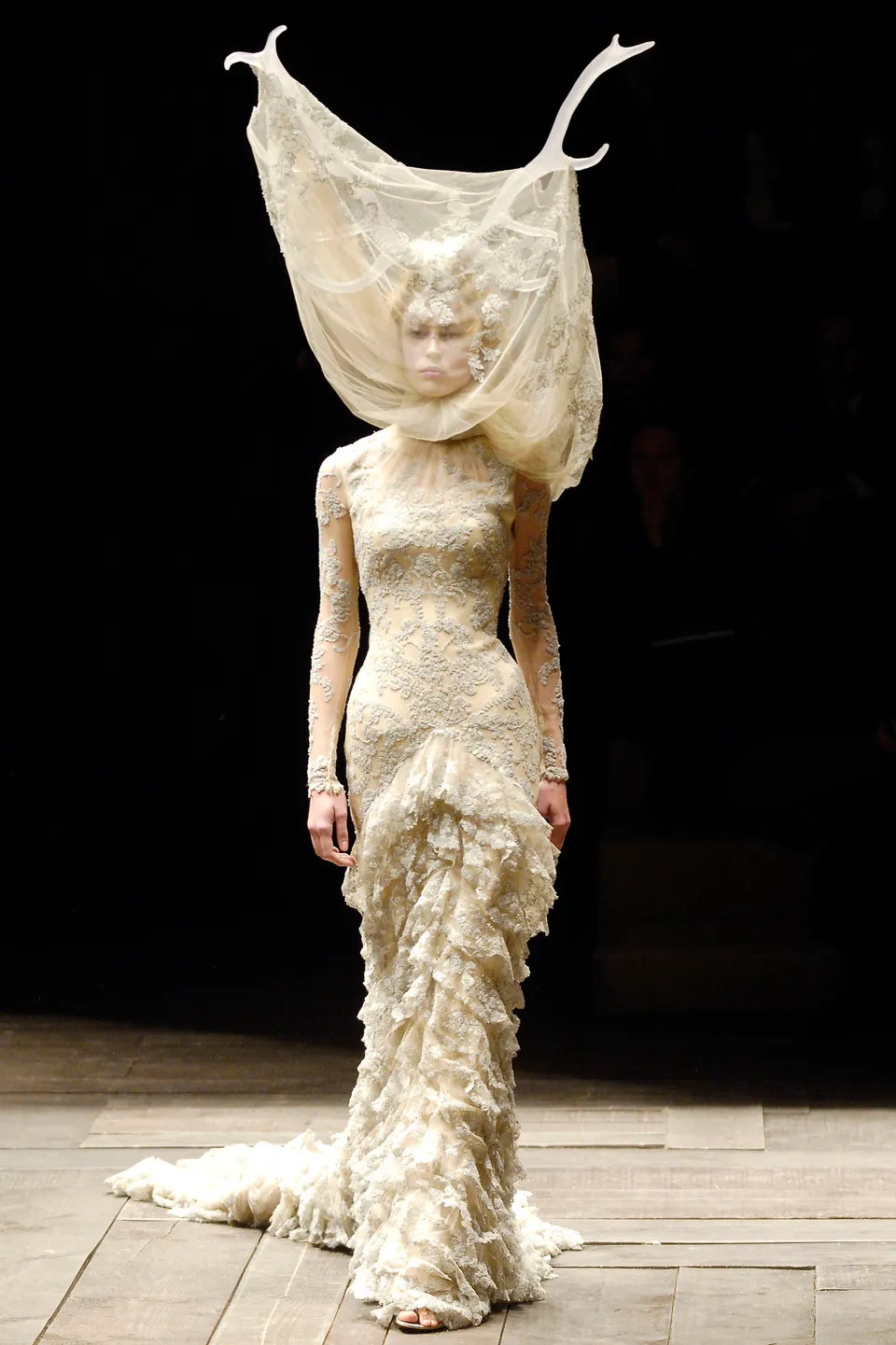
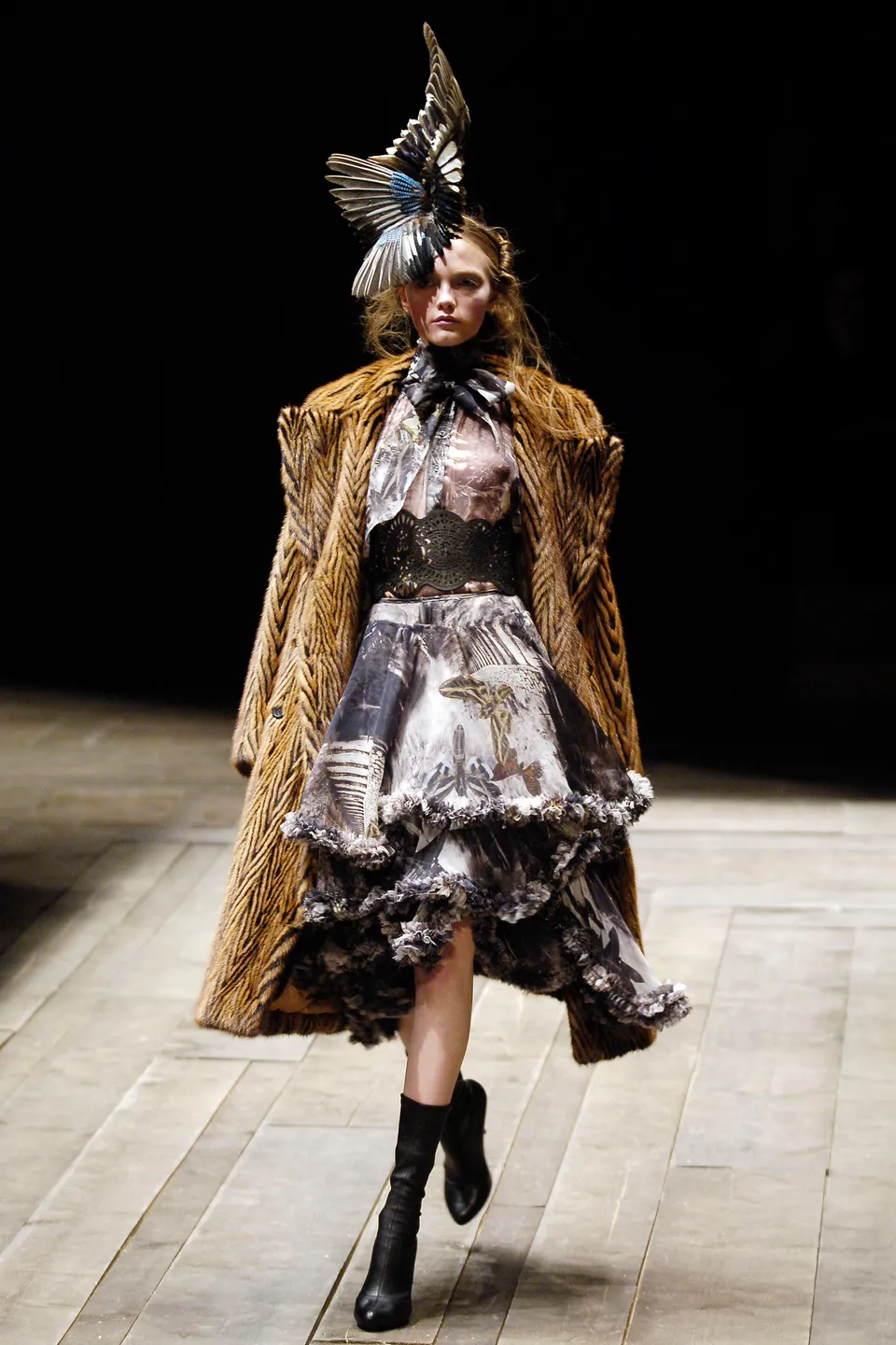
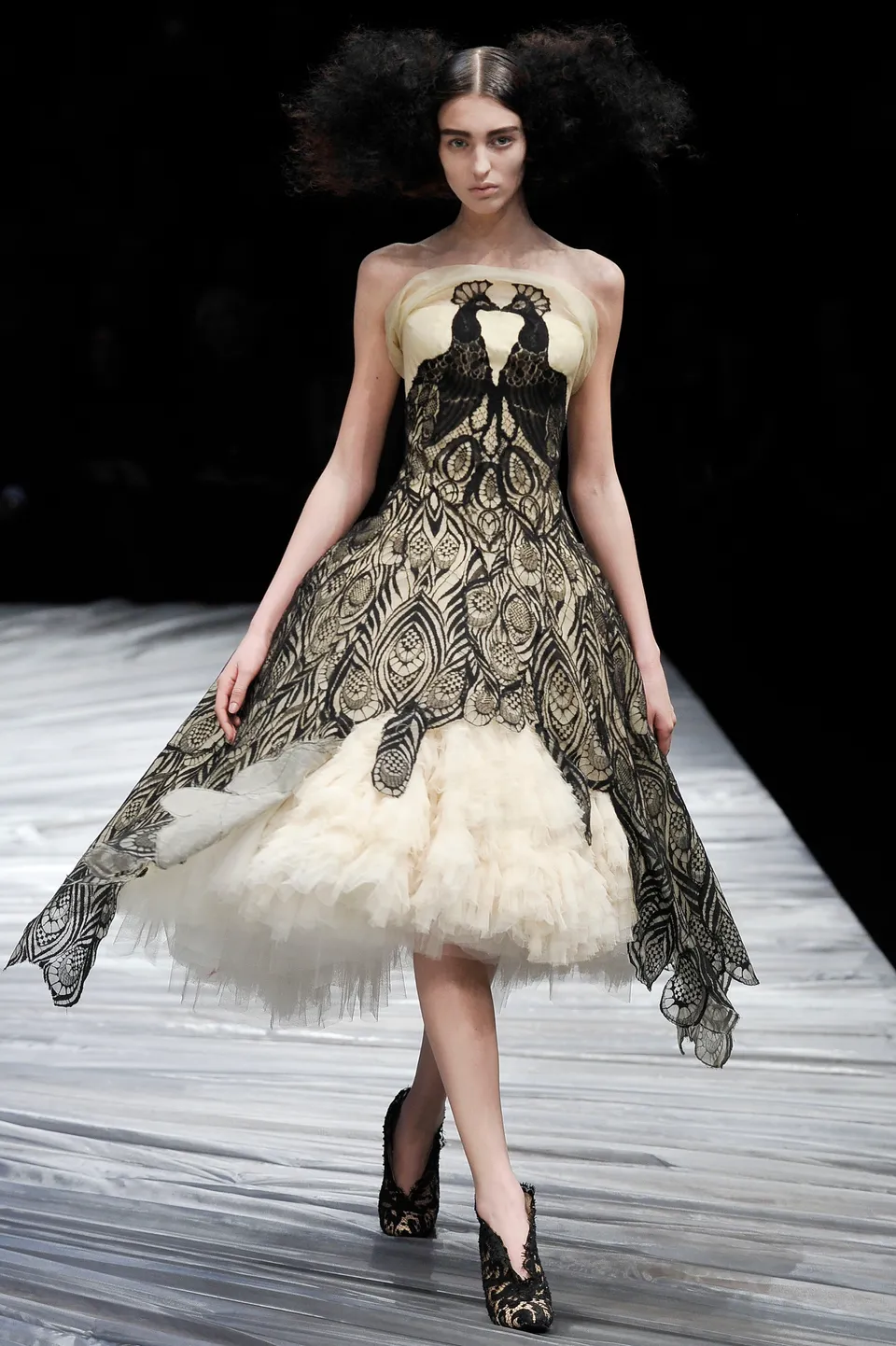
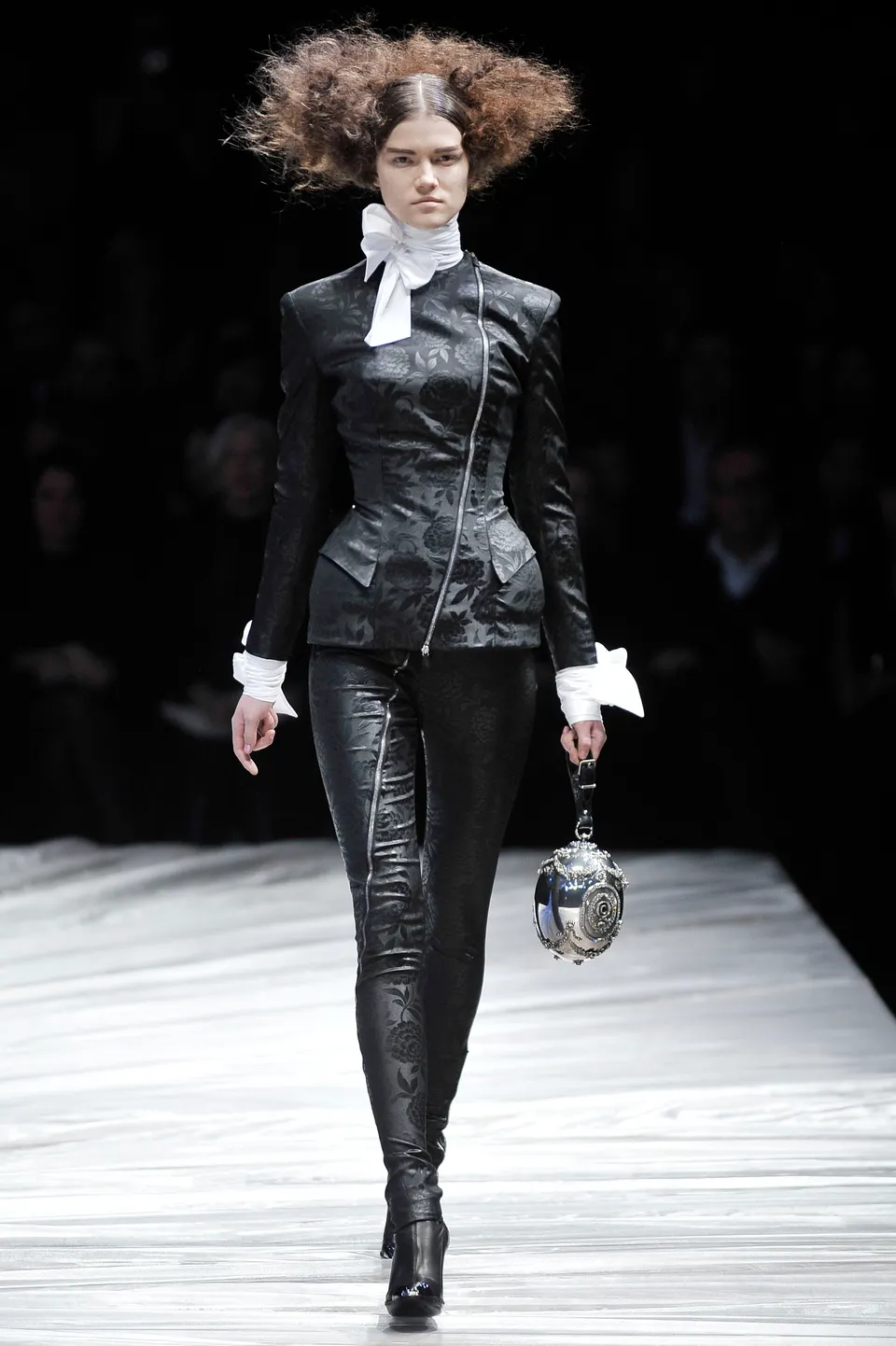
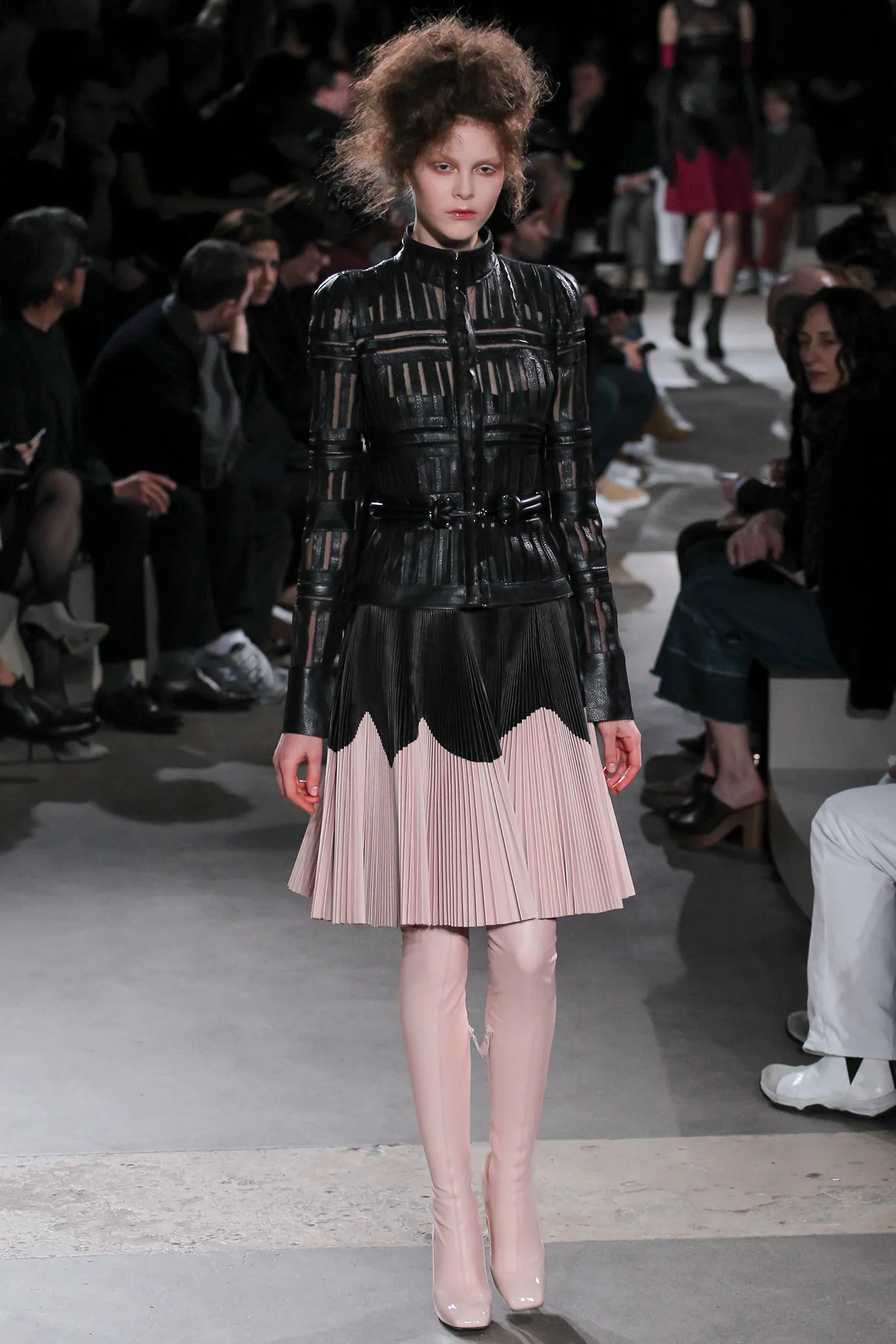
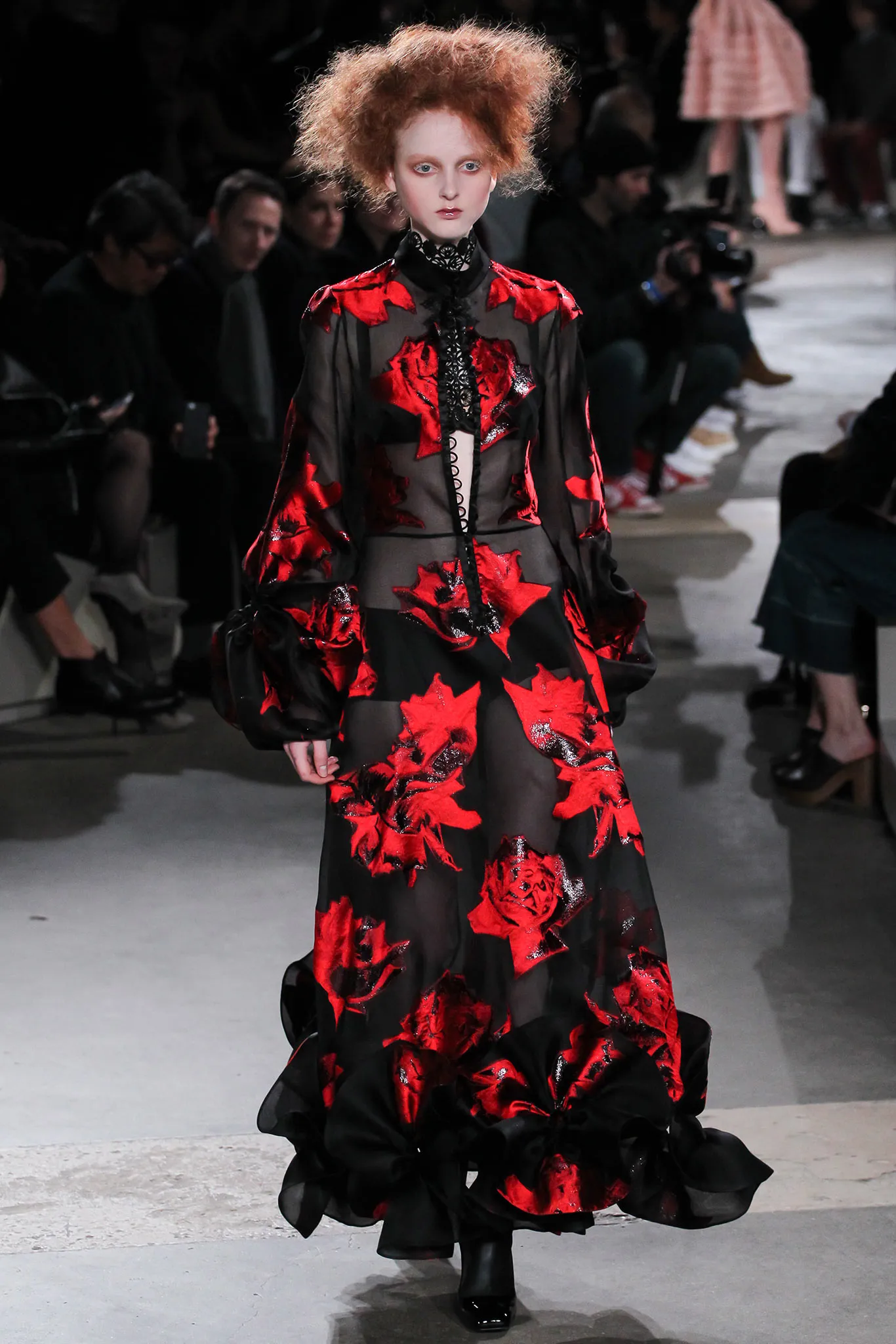
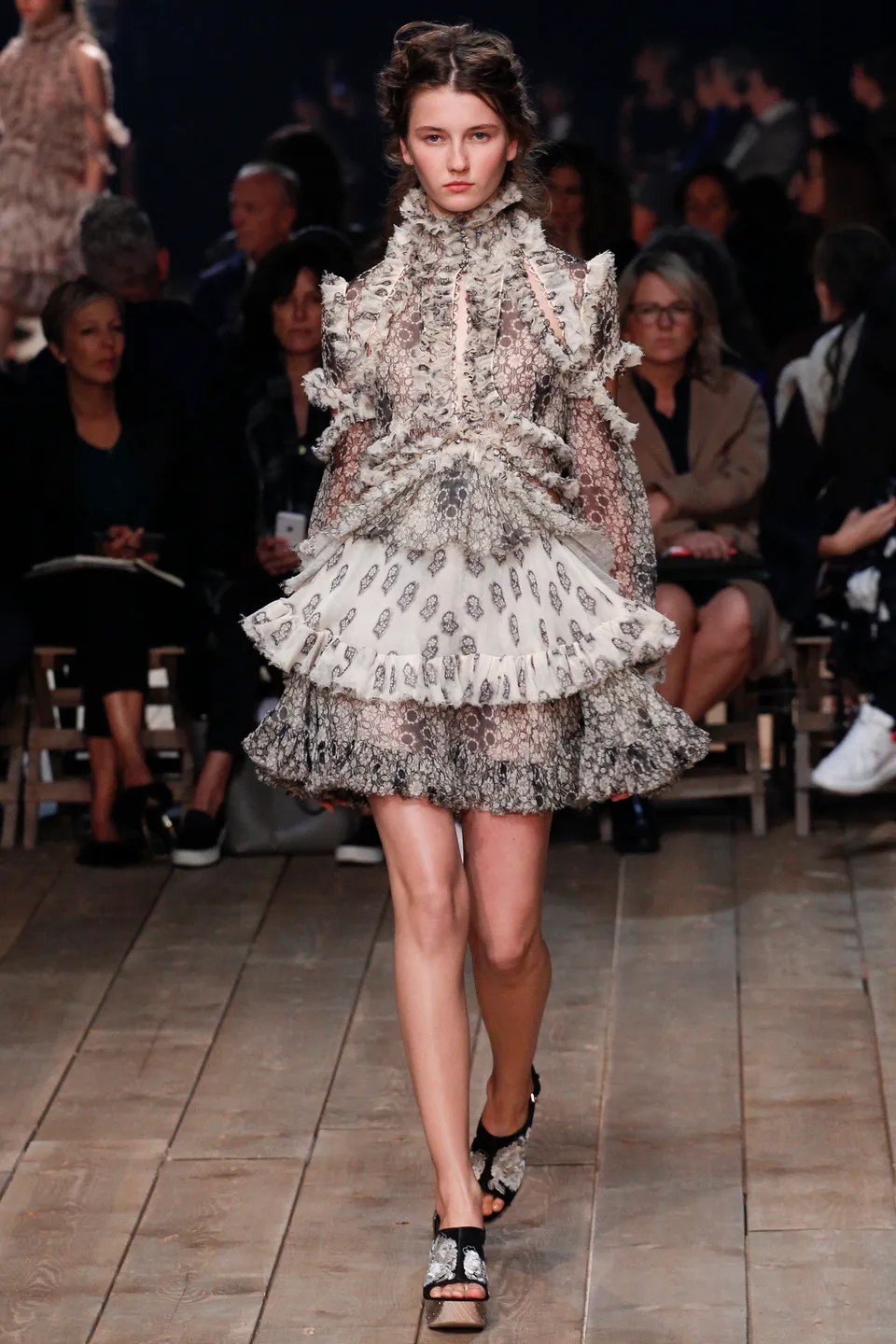
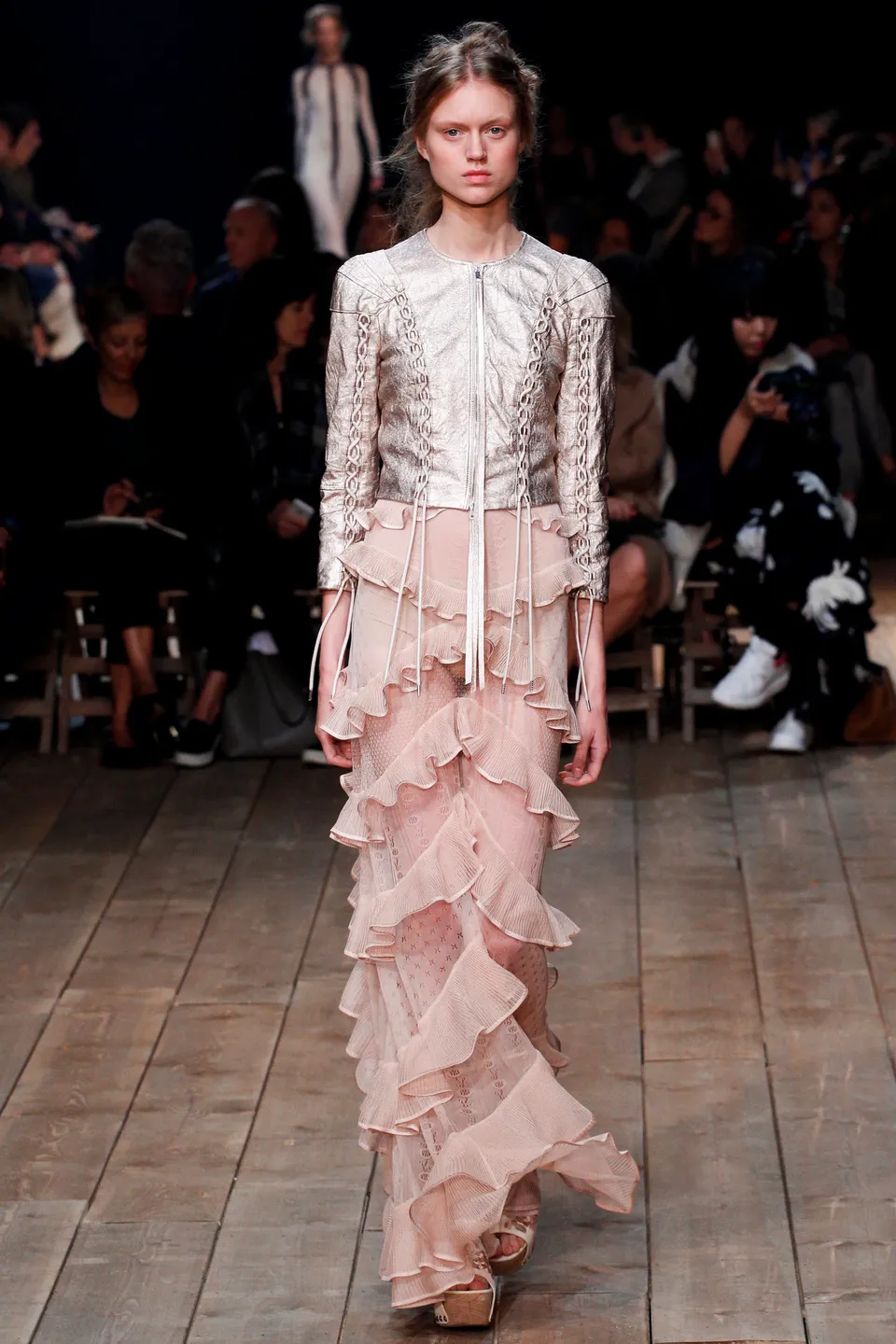
At McQueen, Victorian style carries the weight of bloodline, empire, grief, and myth. The runway becomes a haunted national archive, where beauty feels sharpened by violence, romance, and ancestral pressure. His Victorian phantoms stand like survivors from a ruined manor, magnificent because they seem to understand both power and its curse.
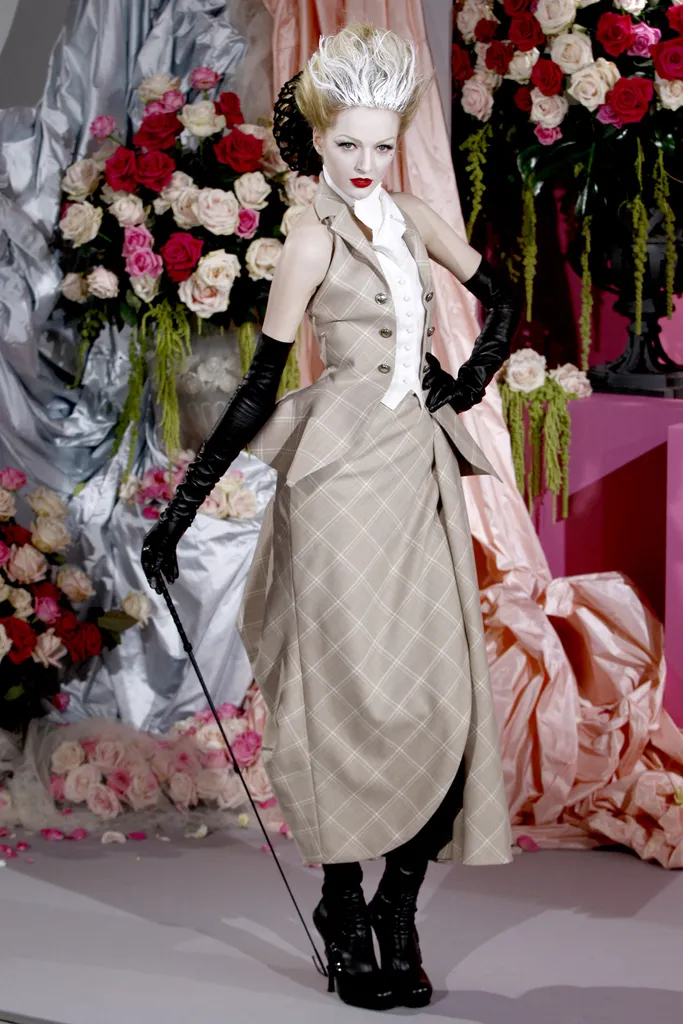
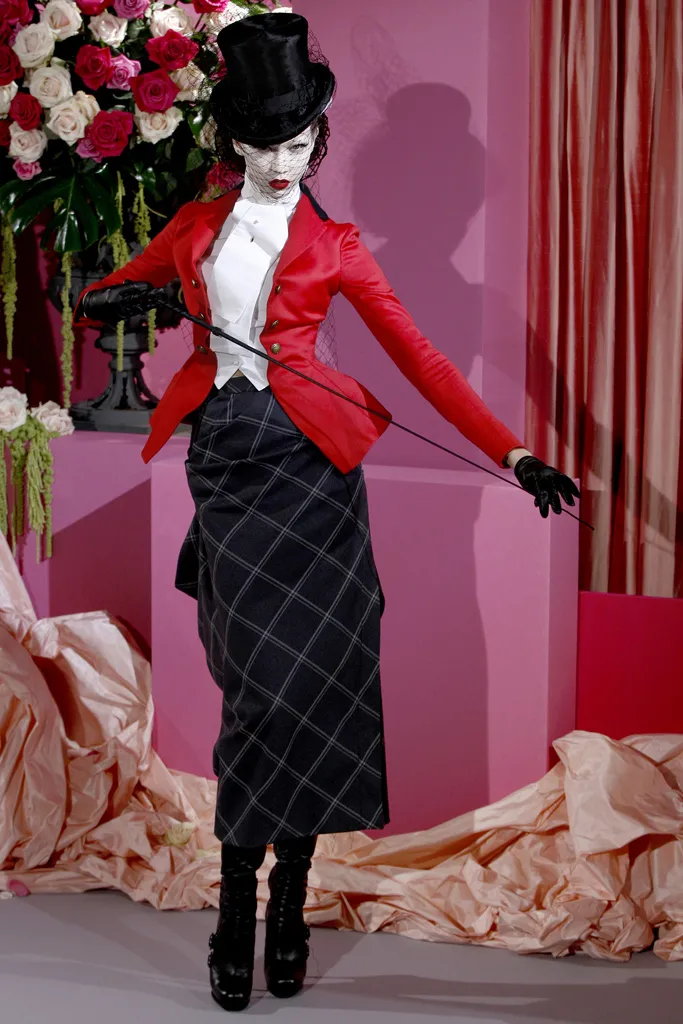
John Galliano treats Victorian style as a stage where memory, decadence, and delirium all perform at once. His runway phantoms move with the intensity of characters pulled from old portraits, half society woman and half apparition, dressed for a world where fantasy has swallowed etiquette whole. The spirit is excessive, theatrical, and intoxicated with the pleasure of becoming someone from another century.
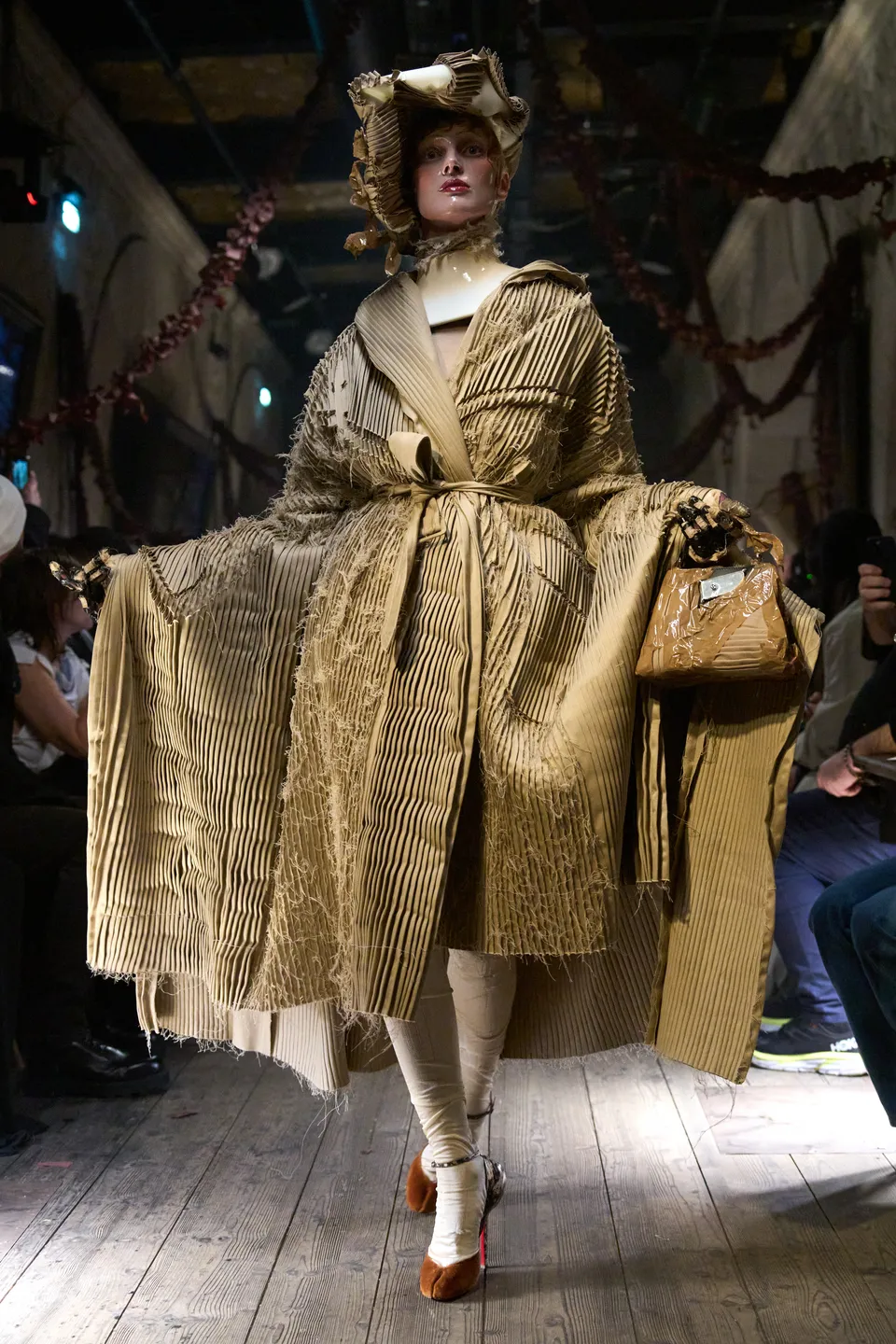
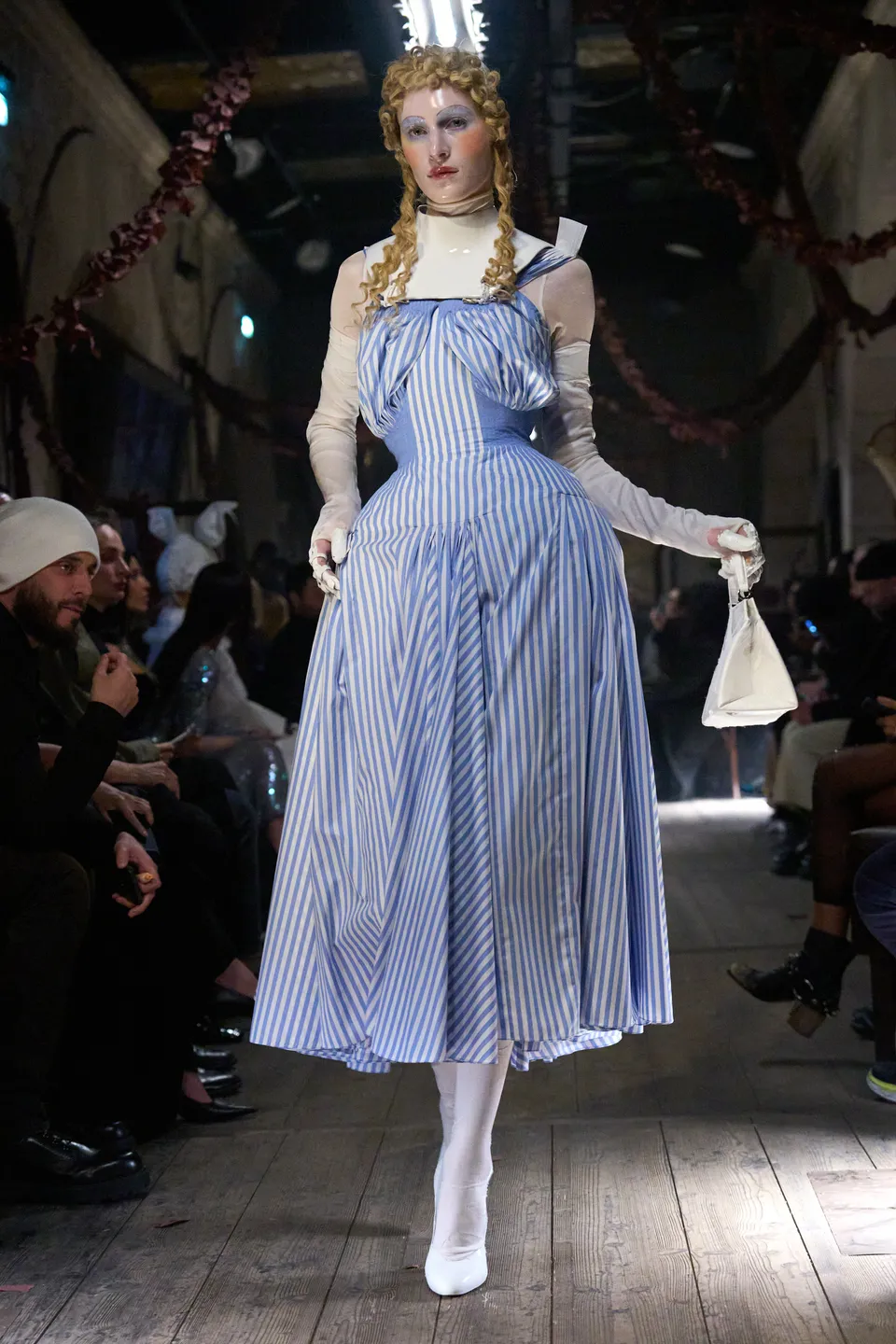
At Maison Margiela, especially through John Galliano’s Artisanal vision, Victorian style returns as possession. The body appears caught between human presence and historical spirit, as though couture has become a séance and every gesture summons another life. The mood is intimate, unstable, and spellbound, transforming the runway into a chamber where the past breathes directly against the skin.
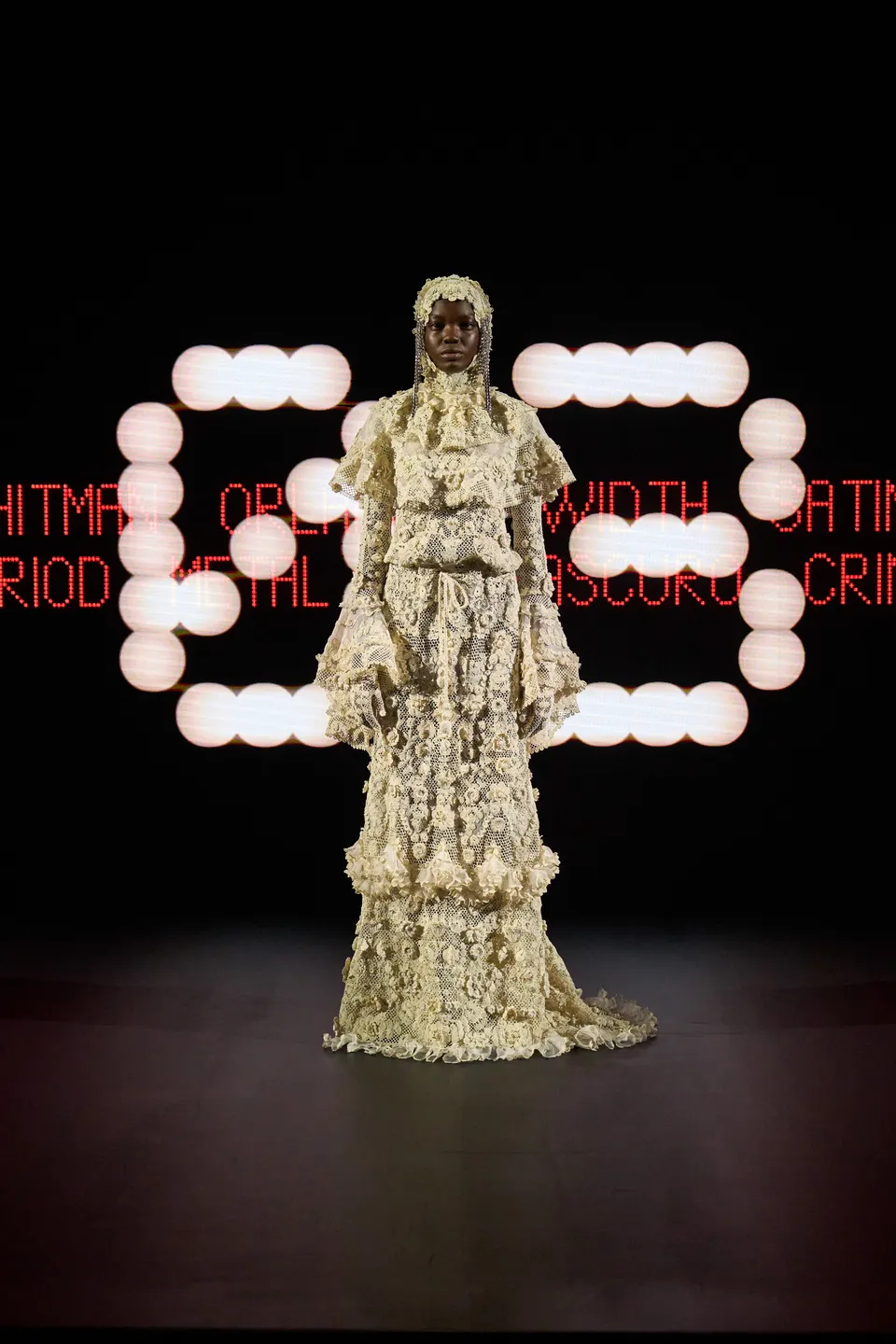
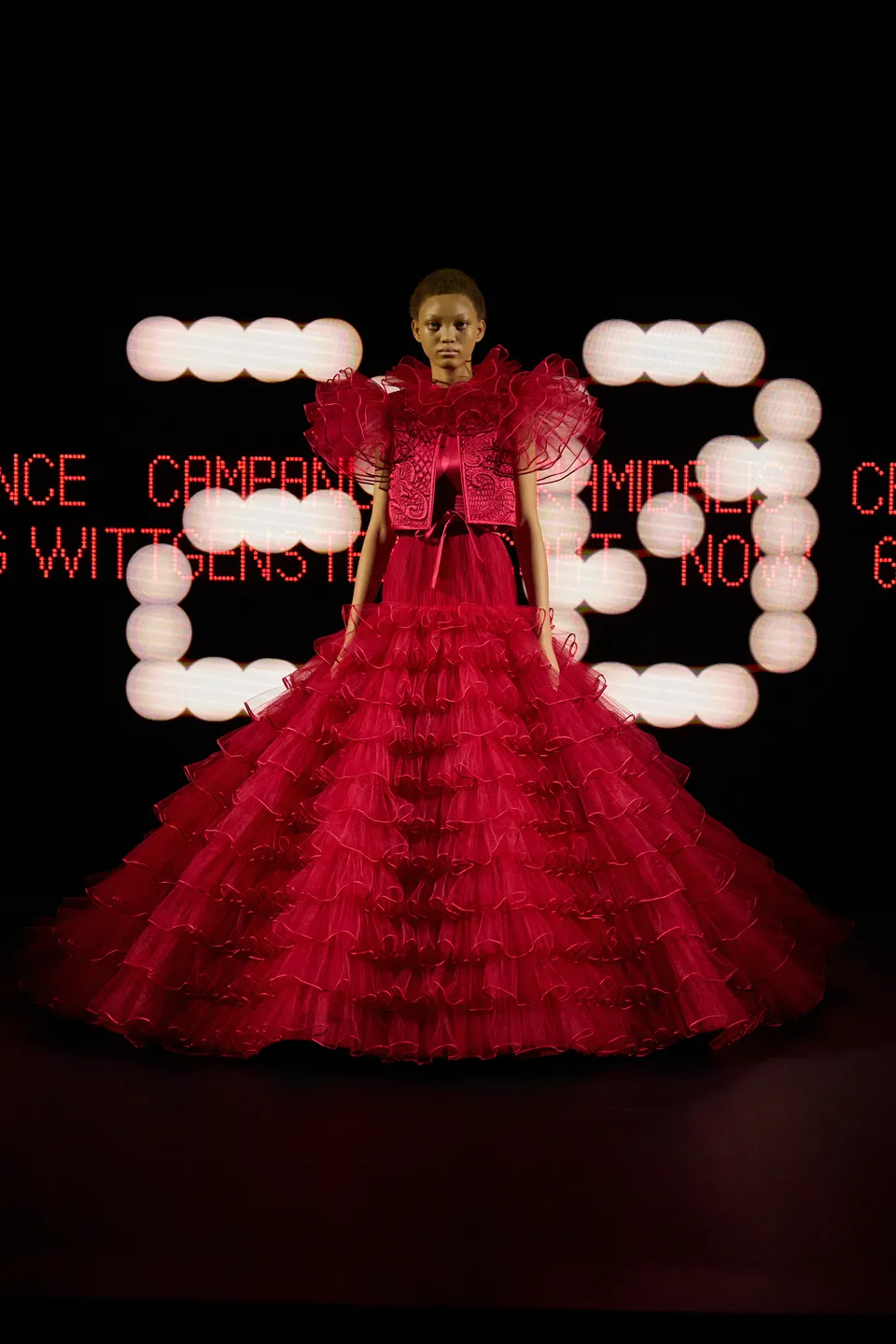
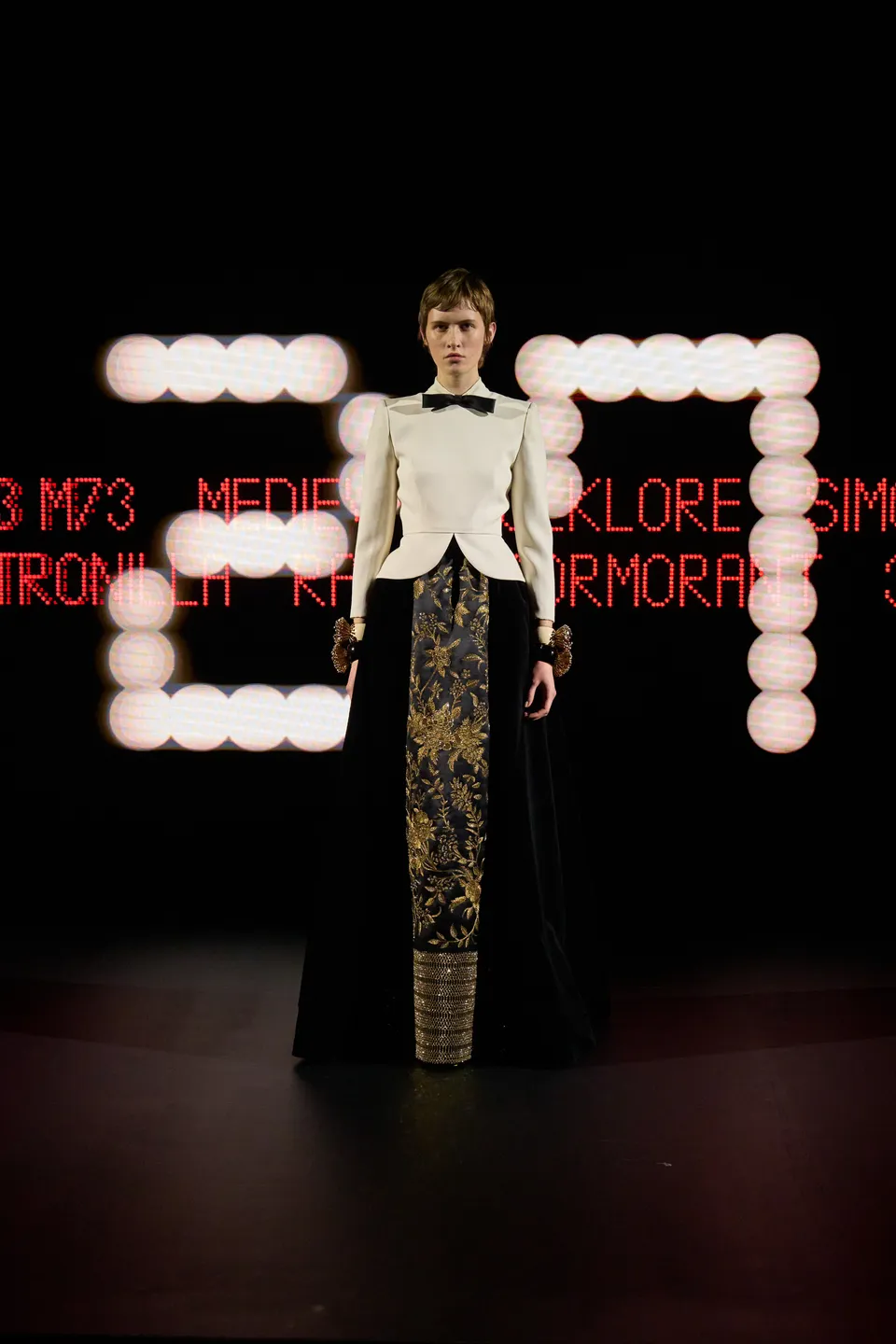
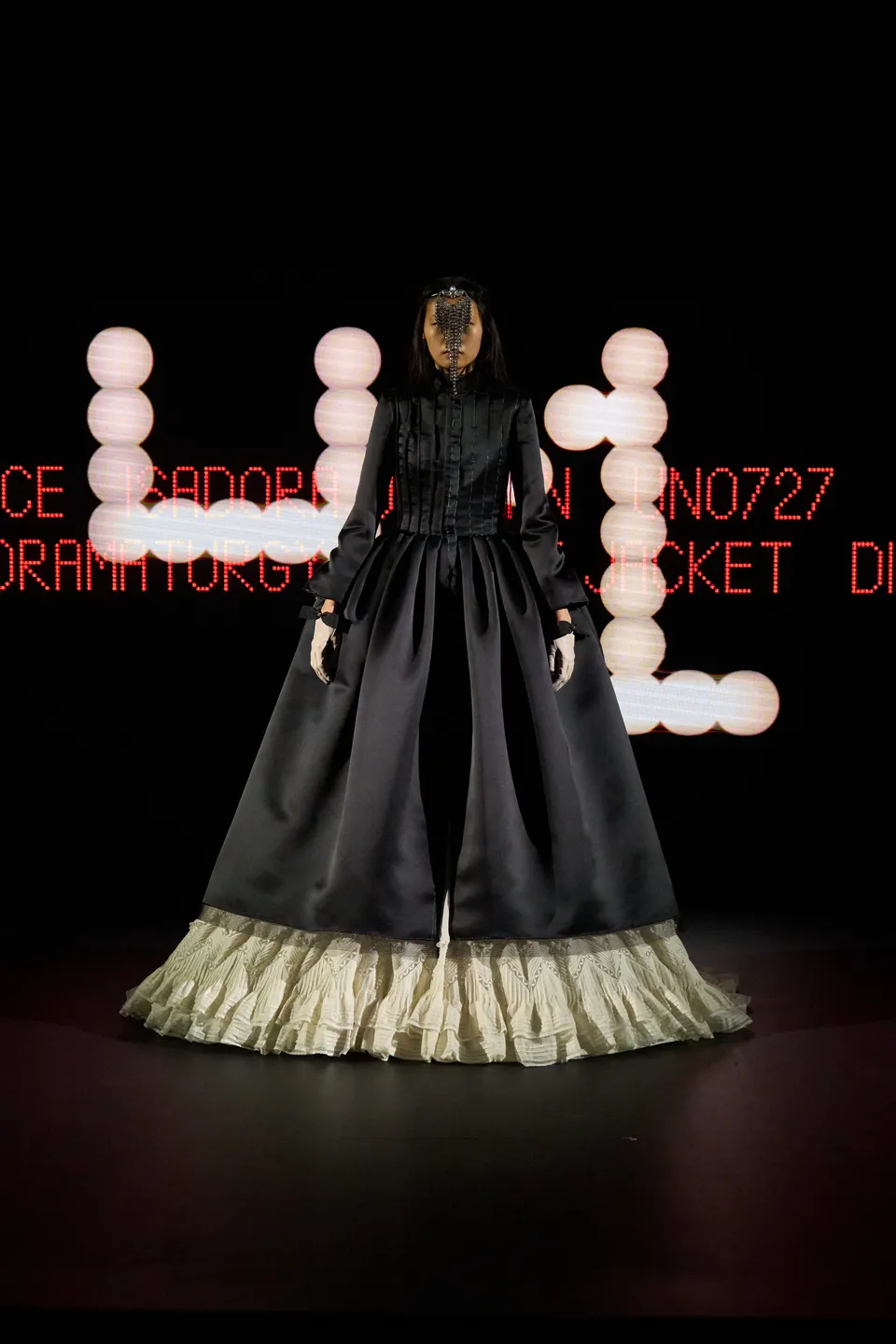
Valentino brings Victorian style into a realm of ceremonial beauty, where extravagance feels tender, strange, and almost sacred. The house allows old-world romance to bloom with theatrical confidence, turning historical fantasy into an emotional language of grandeur and longing. Its phantoms feel less like shadows and more like noble figures stepping through a dream of inheritance, spectacle, and desire.
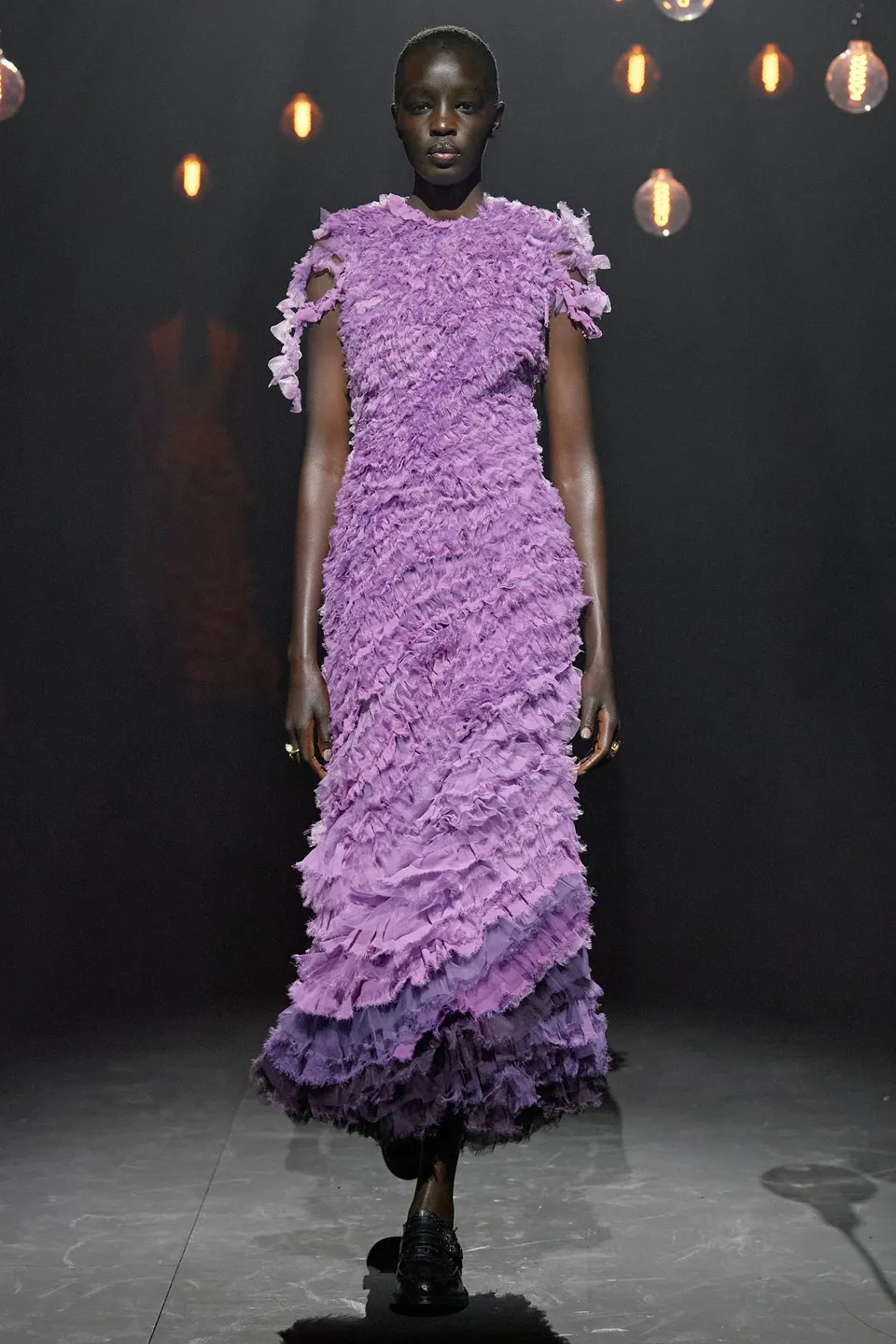
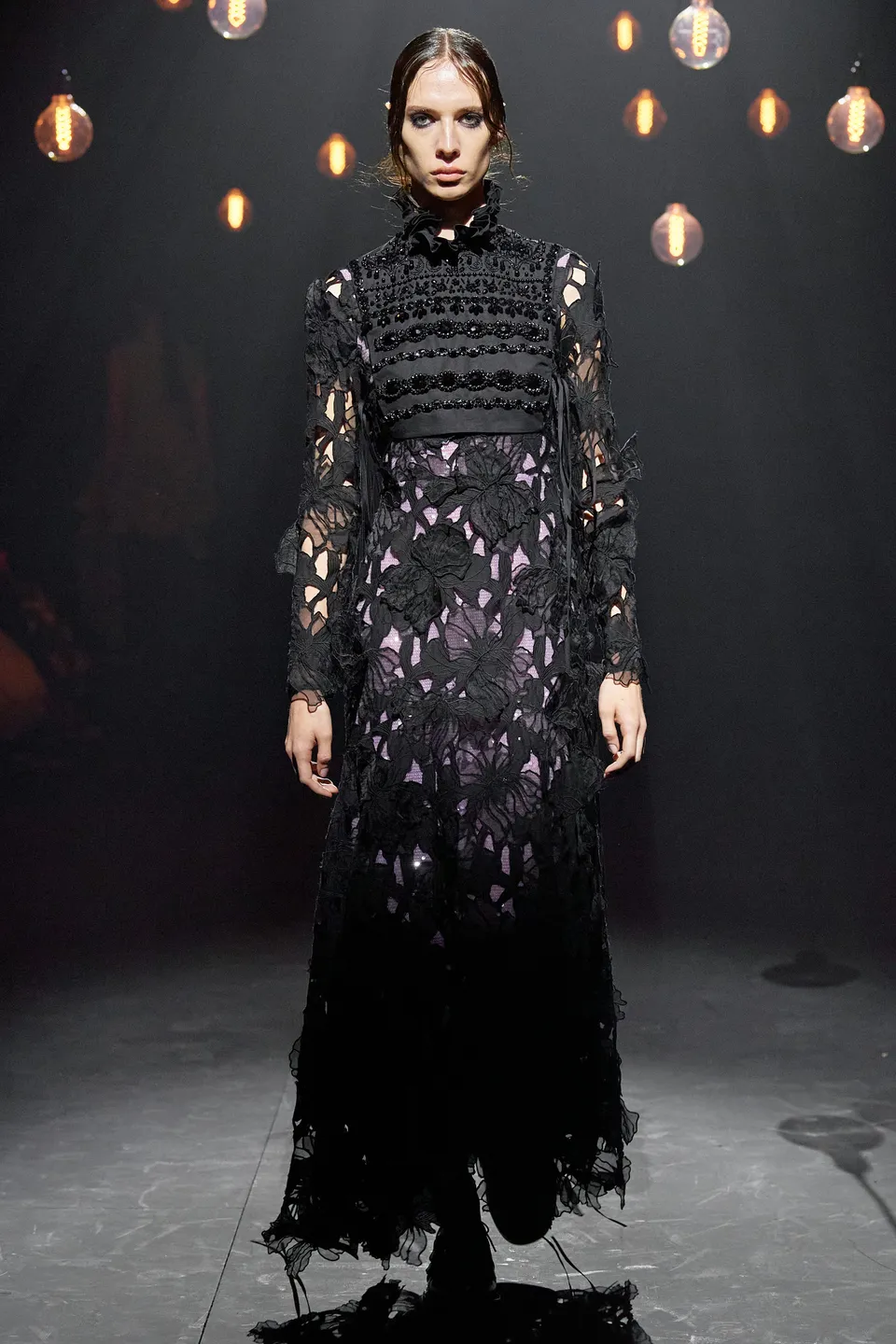
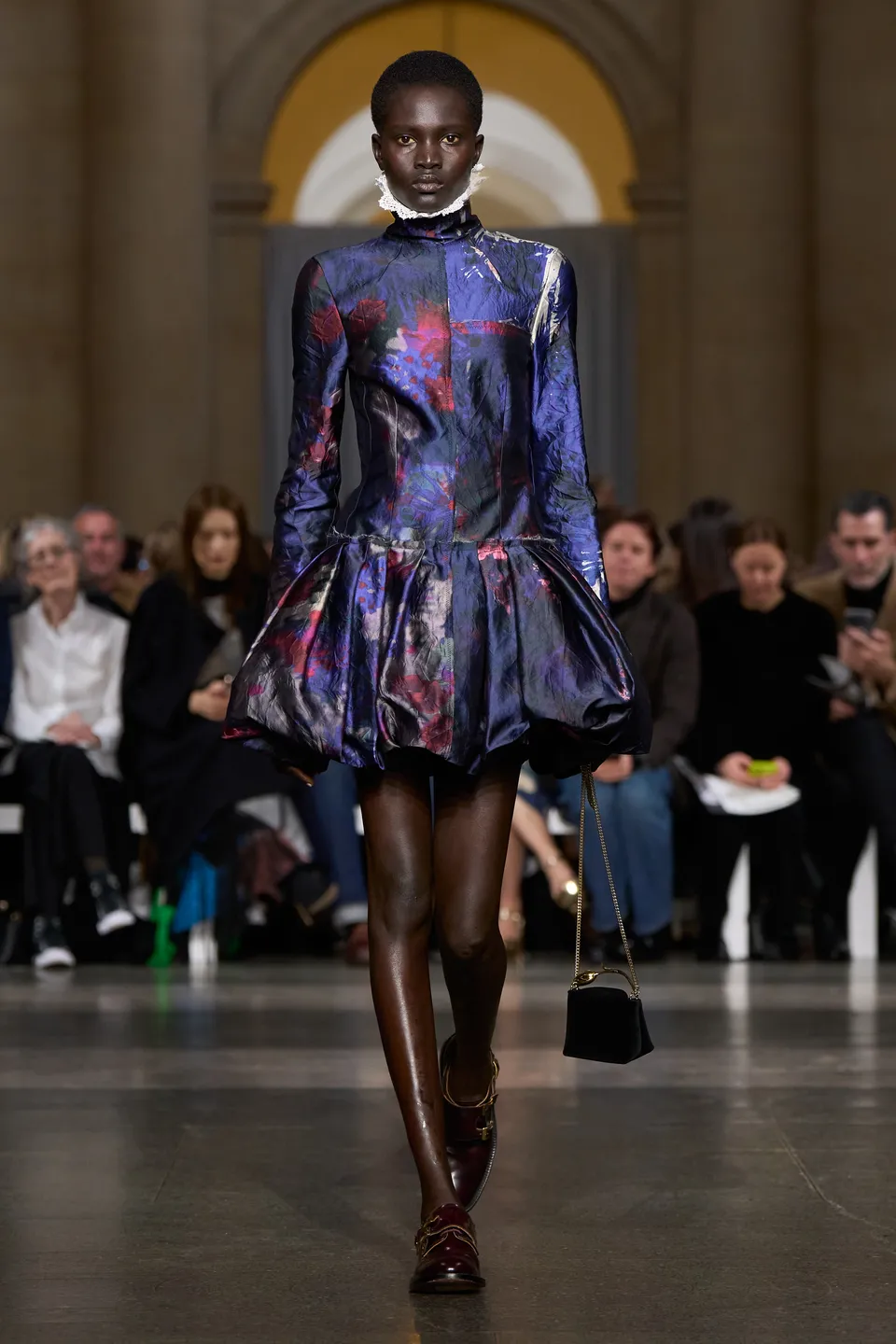
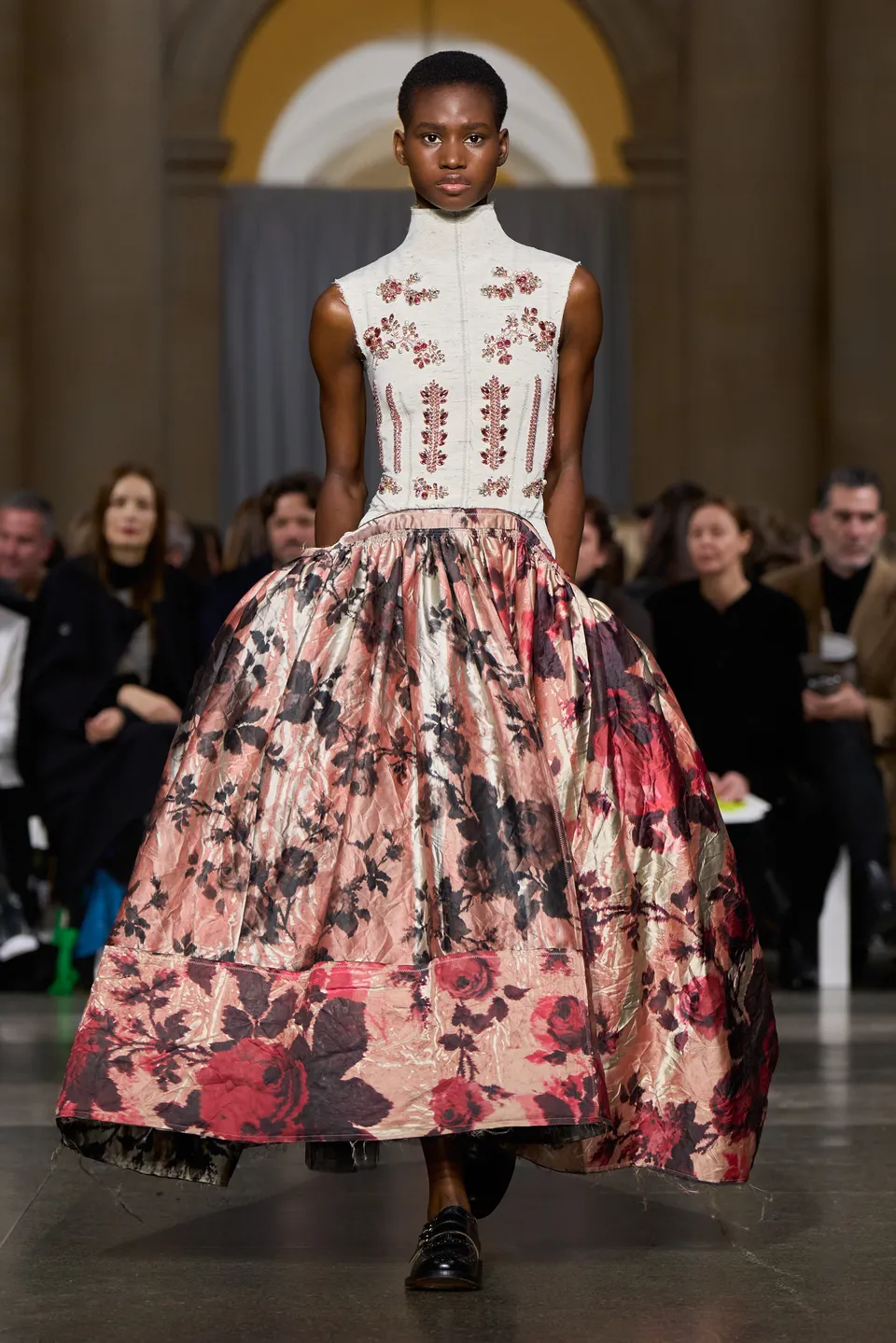
Erdem approaches Victorian style through literature, memory, and the quiet violence of social codes. His runway women often seem to carry entire novels inside them, moving through the world with restraint, melancholy, and private intensity. The spirit is intellectual and haunted, as if beauty itself has been preserved inside a locked diary.
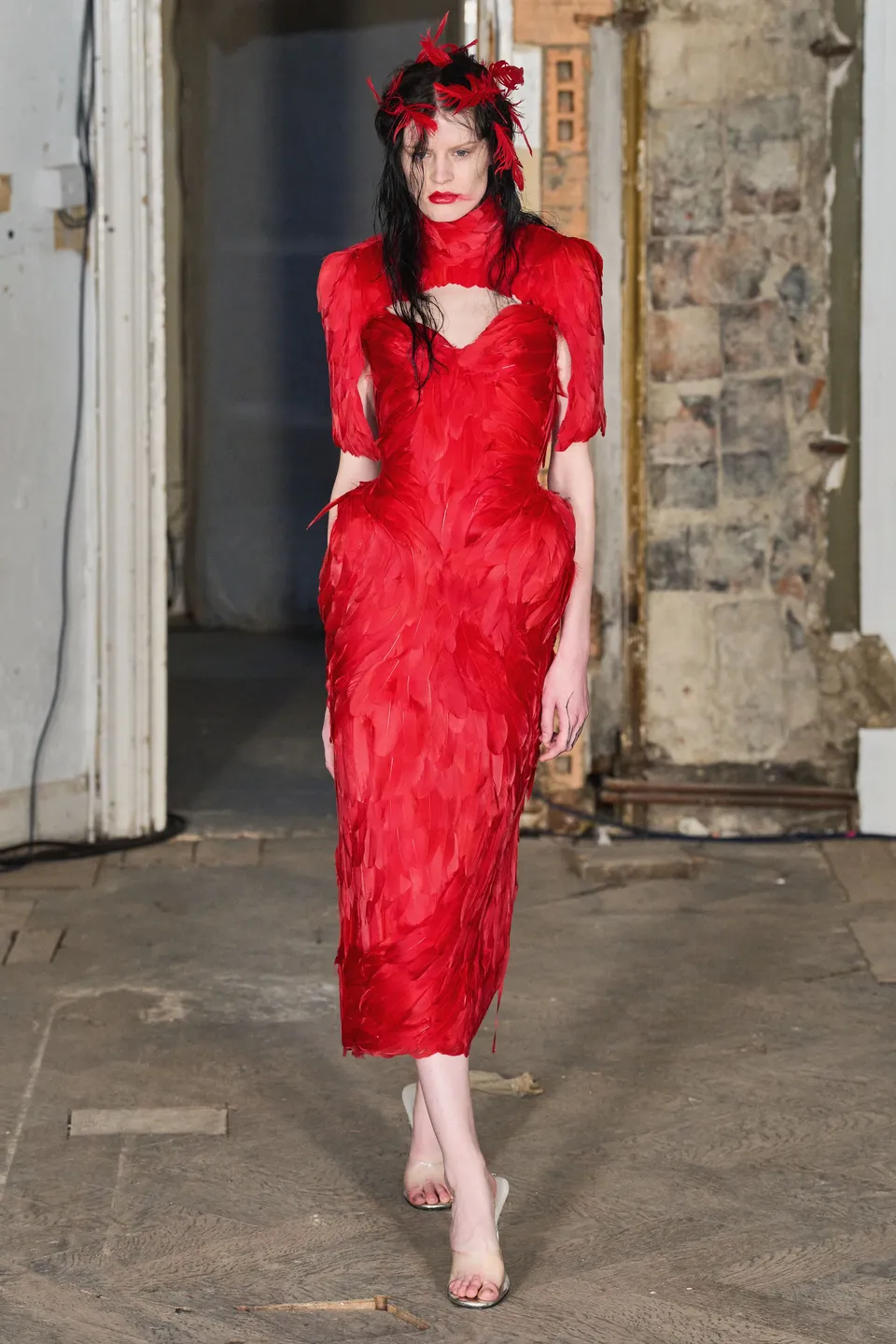
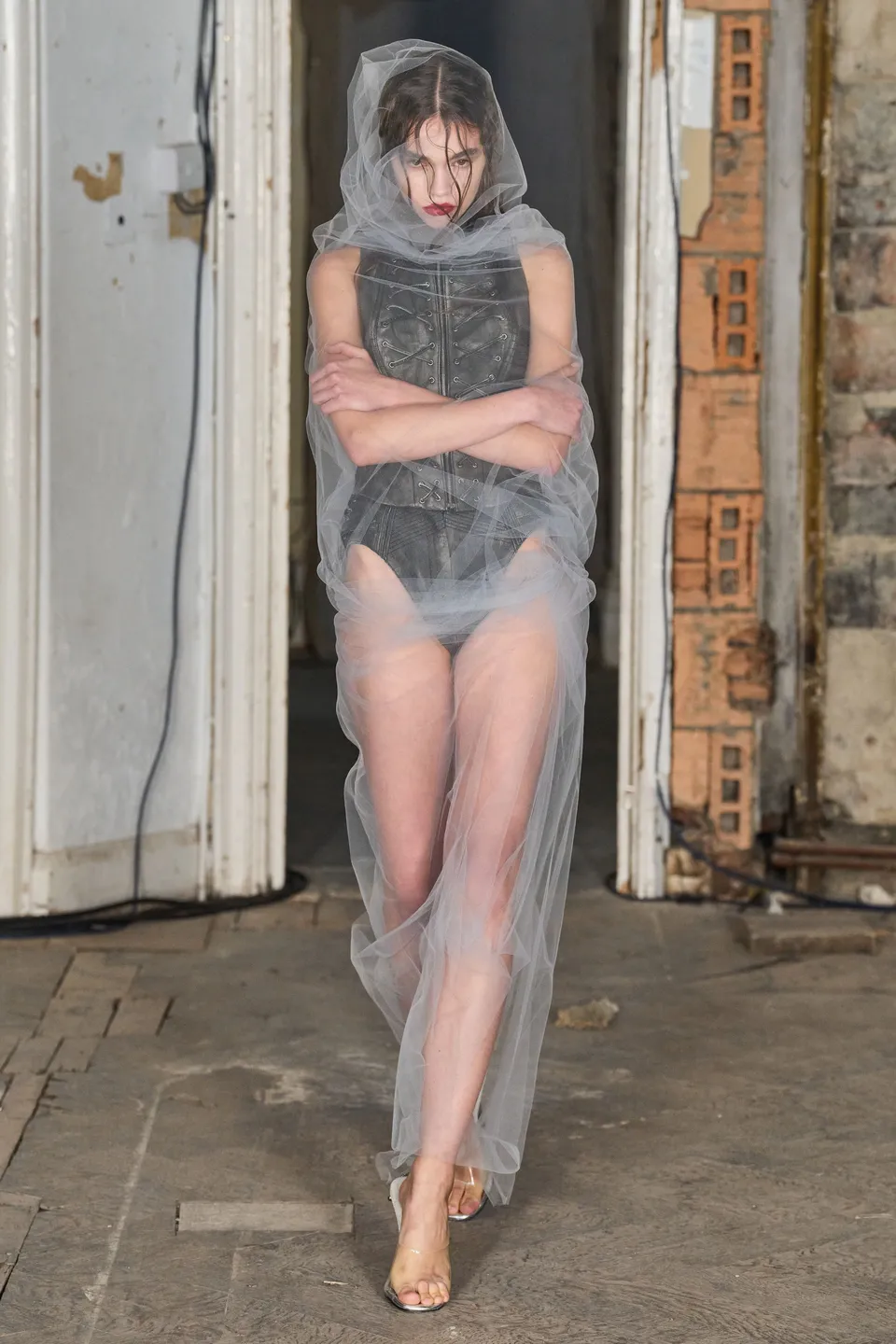
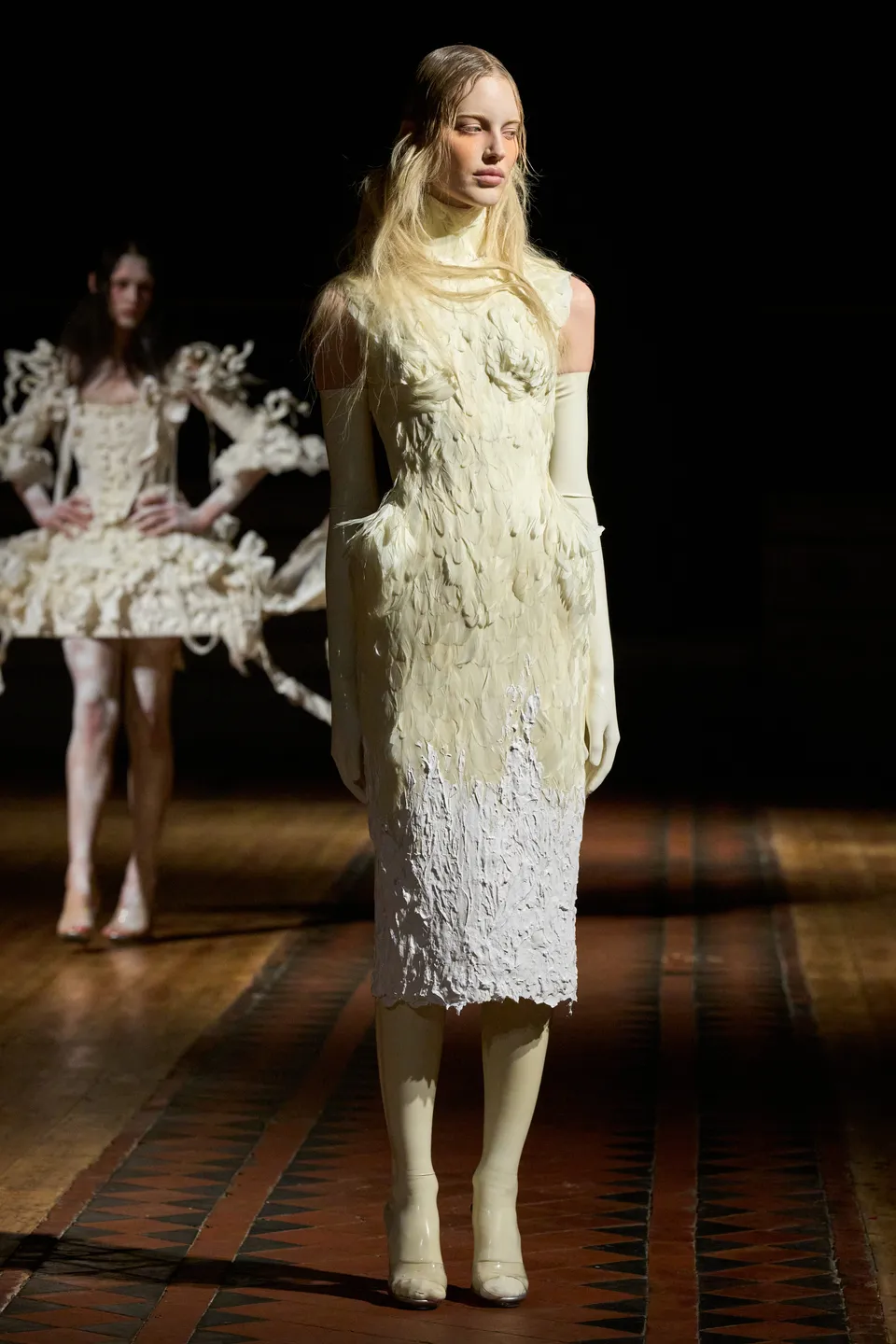
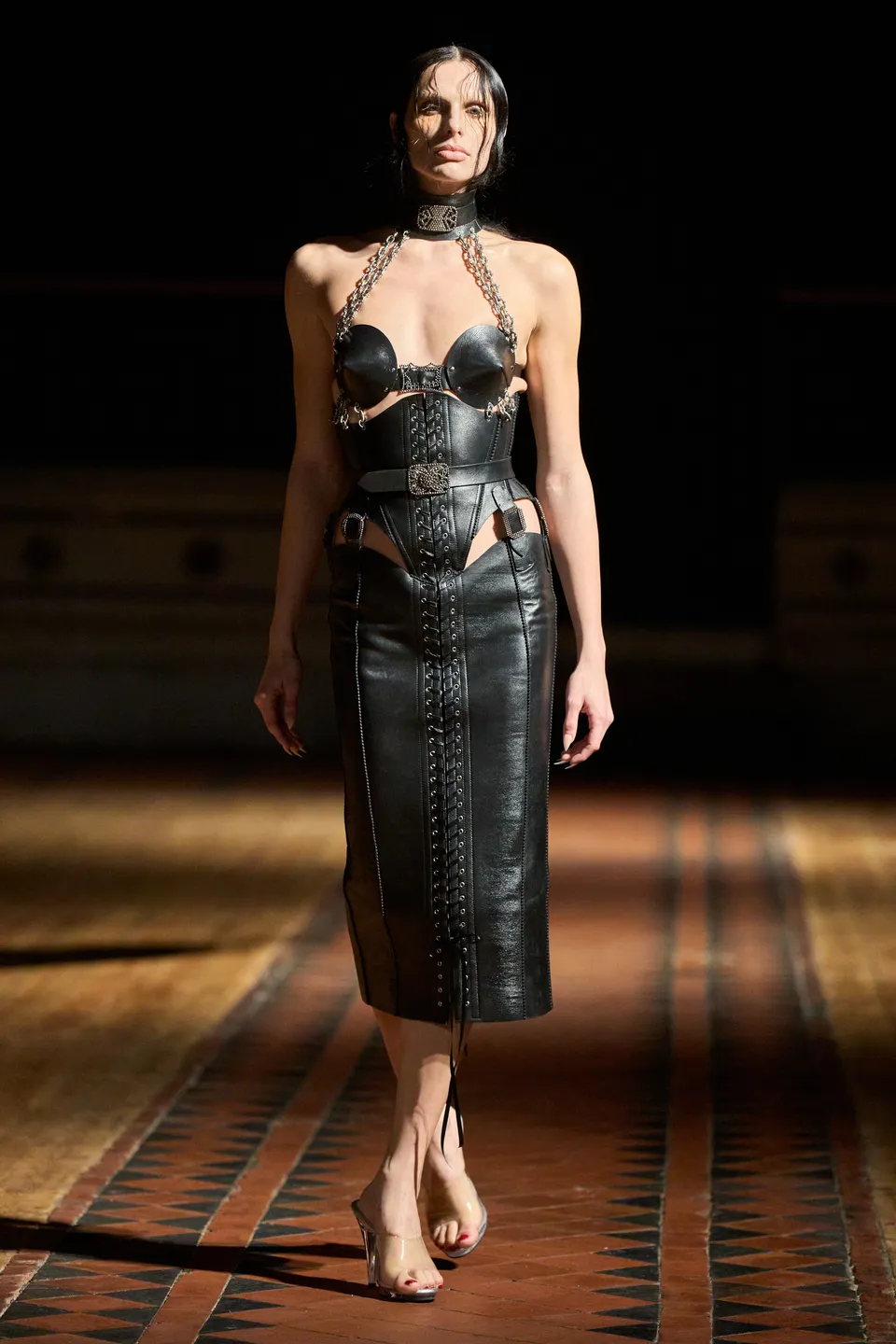
Dilara Findikoglu makes Victorian style feel dangerous again, charged with female rage, ritual, and forbidden glamour. Her world turns the historical body into a weapon of self-possession, where the ghost of the past becomes a force of defiance. The spirit is occult, rebellious, and fiercely alive, as though the Victorian phantom has finally chosen to speak in its own voice.
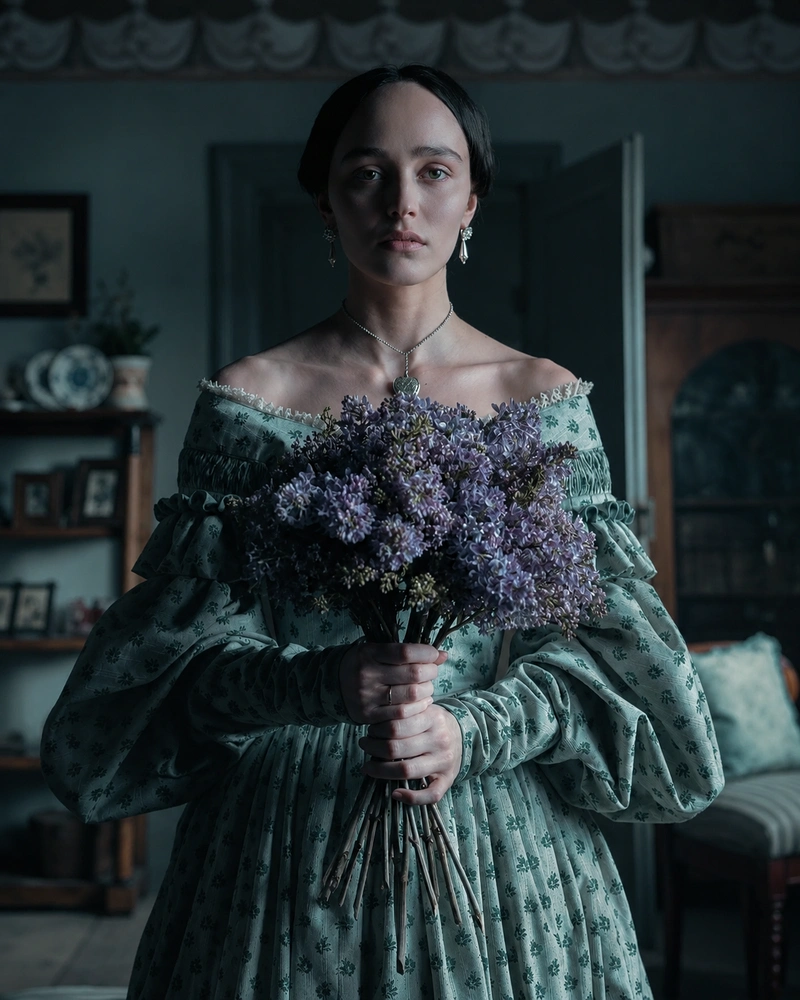
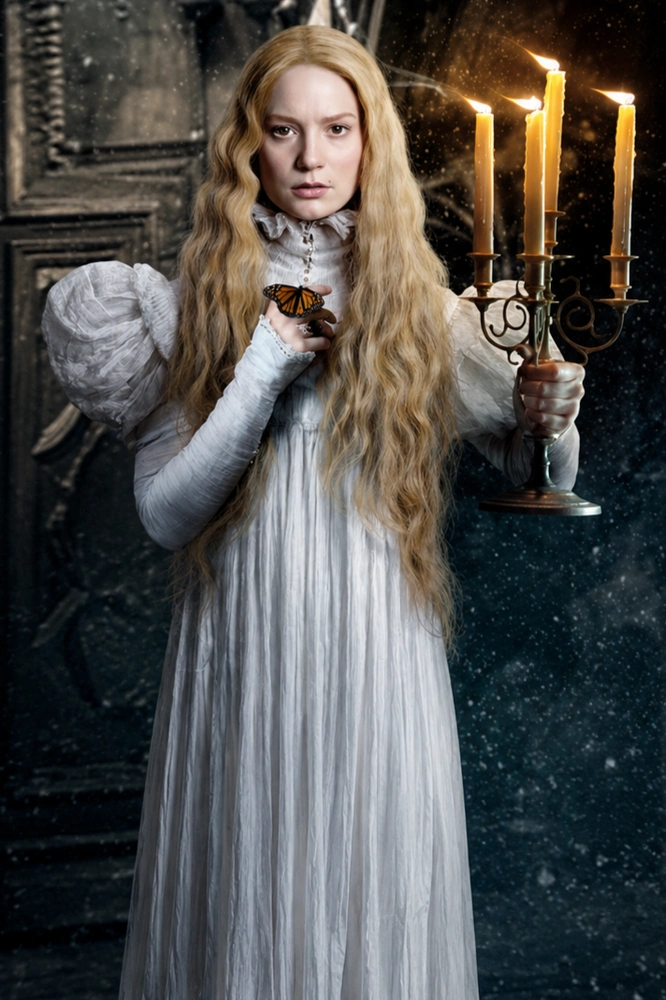
Cinema does not merely dress its actors; it exhumes the Victorian style, wrapping the viewer in a damp, velvet atmosphere where costumes breathe with a life of their own. To watch these films is to be mesmerized by a beauty that is simultaneously a warning, a haunting invitation into a world of flickering gaslight, heavy drapery, and the sharp, metallic cold of a hidden heart.
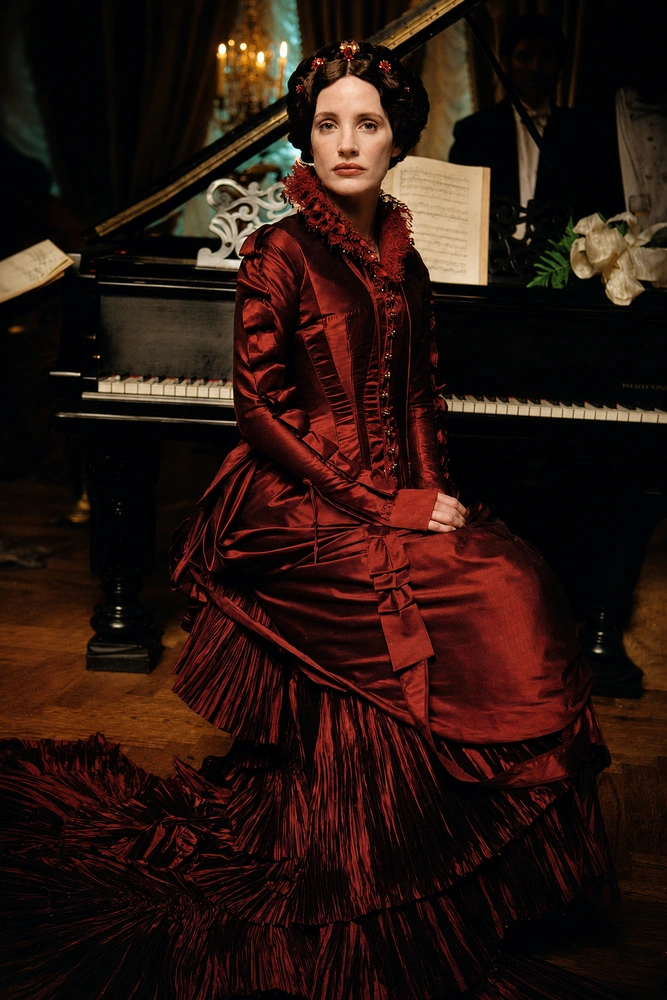
The Victorian era did not die with the Queen; it simply shed its mortal flesh to become the deep, gnarled roots of couture, digging down through layers of historical soil until it reached the very bedrock of our imagination. Victorian style is a living phantom that refuses to leave the ateliers of the world, an eternal anchor in a sea of disposable threads. Like a tree that has survived a century of storms, this style reaches its dark, wooden fingers into the subconscious of every designer who craves more than just a garment. It takes our breath, literally, through the holy constraint of the stay, and then it takes our soul, replacing it with a thirst for a time when a dress was a monument and a woman was a divine event.
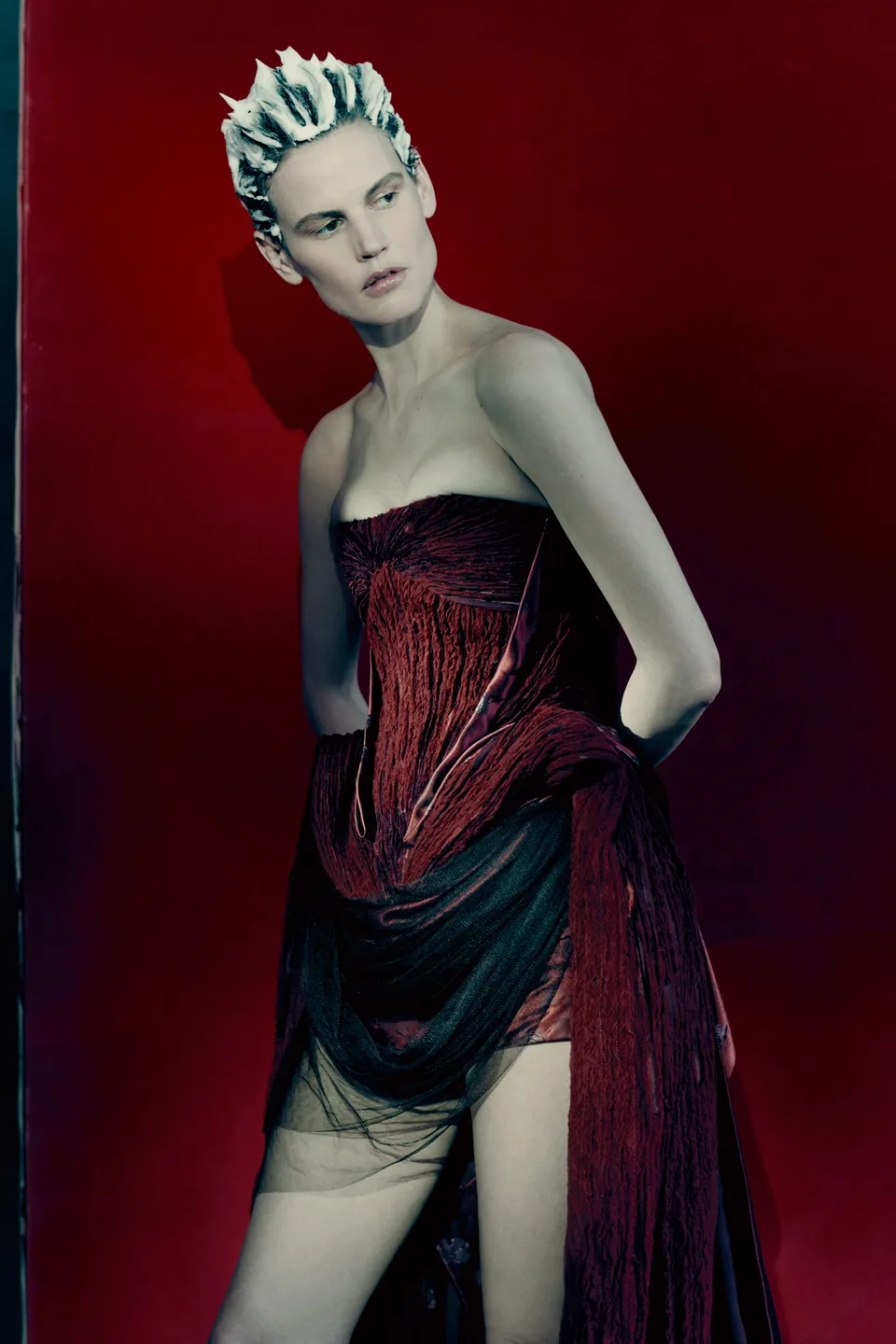
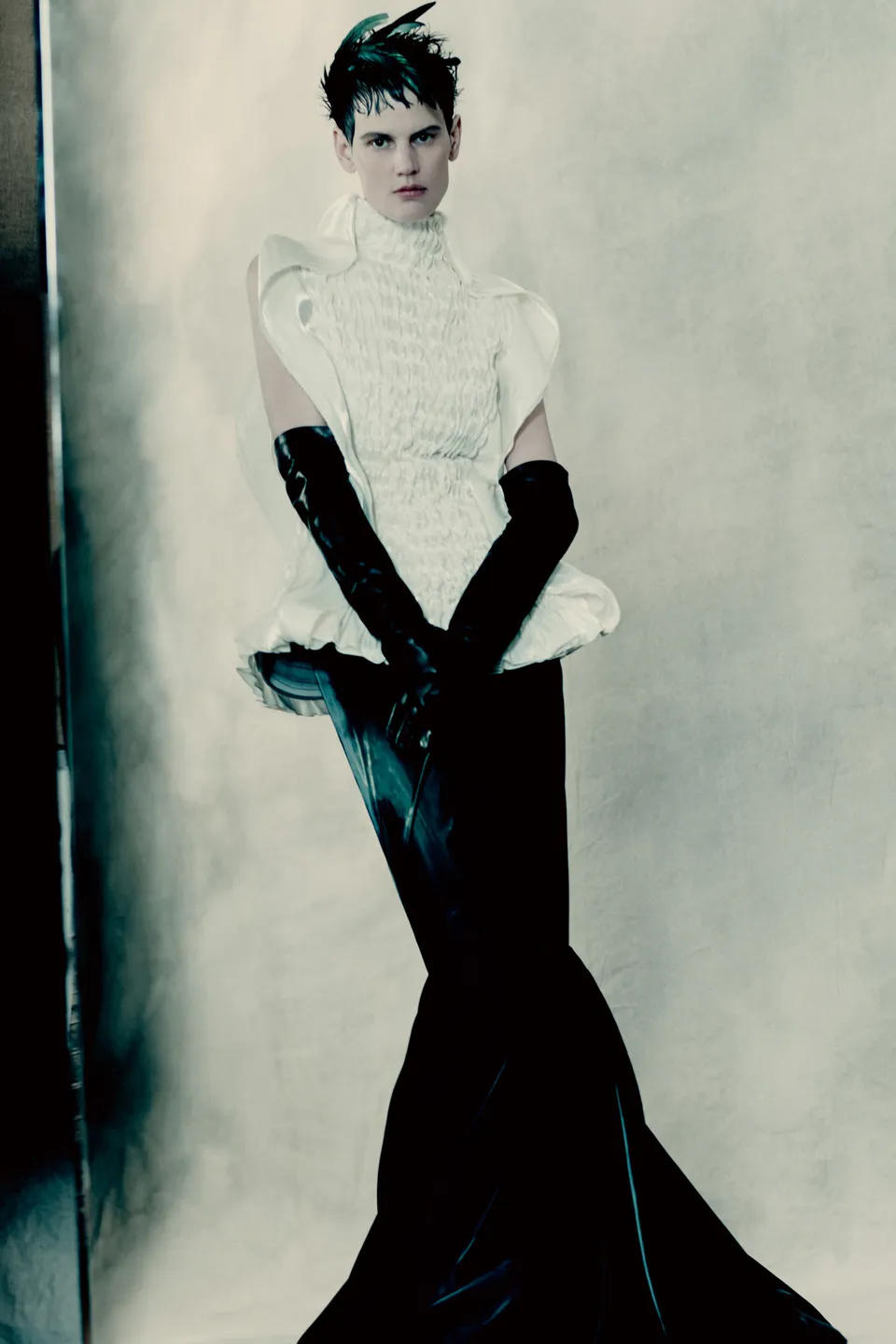
Long live the Queen, for she still reigns over the cutting table and the mannequin. Her spirit survives in the heavy, papery hiss of silk taffeta and the architectural arrogance of the bustle. Victorian style haunts us because it captures the beautiful, agonizing charge of constraint, proving that the most profound elegance is a ghost that can never be exorcised. It remains the fertile soil from which all high drama grows, a sacred, spooky, and prestigious lineage that ensures as long as we seek the divine, the Victorian heart will continue to beat beneath the ribs of the future.
Advertisement