MENU
Close





For The New Ultras, how the meaning of luxury is changing as wealth becomes more global, private and experiential.
For The New Ultras, how the meaning of luxury is changing as wealth becomes more global, private and experiential.
August 17, 2026


Luxury is entering a more complicated phase. The familiar symbols of wealth have not disappeared: watches, jewellery, handbags, houses, yachts, private aircraft and exceptional cars remain highly desirable, and the markets surrounding many of them continue to expand. What is changing is the context in which these objects are acquired and the questions increasingly asked around them. At the highest levels of wealth, the price of an object can become the least interesting part of the conversation. Its provenance, the time it saves, the people it brings within reach, the privacy it provides, the experiences it makes possible and the history it carries may matter just as much.
This transformation is taking place against a remarkable expansion of global private wealth. Knight Frank's 2026 Wealth Sizing Model estimates that the global population of ultra-high-net-worth individuals, defined as people with more than US$30 million in net wealth, increased from 551,435 in 2021 to 713,626 in 2026. That represents 162,191 additional people crossing the threshold in only five years. Capgemini, using a broader definition of high-net-worth individuals, estimates that global HNWI wealth reached US$98.3 trillion at the end of 2025, an 8.7 per cent increase during the year, while the global HNWI population reached 25.3 million.
The significance of these figures is not simply that there are more wealthy people. As wealth expands at the upper end of the spectrum, the traditional language of luxury becomes less sufficient. A logo, a price tag or a famous address can still communicate status, but they cannot fully explain what increasingly sophisticated consumers are buying. Once financial scarcity ceases to be the dominant constraint, other forms of scarcity become more important: time, privacy, access, provenance, knowledge and experiences that cannot easily be reproduced.
This is the environment in which The New Ultras are beginning to emerge.
One of the most interesting characteristics of contemporary extreme wealth is how little of it may be visible from the outside. This is sometimes confused with quiet luxury, although the two ideas are not quite the same. Quiet luxury is primarily an aesthetic proposition, expressed through discreet clothing, exceptional materials and the absence of obvious branding. A broader phenomenon is taking place among some of the world's wealthiest individuals: their financial position itself can be almost invisible to the public.
They may own property in several countries, work with private banks and family offices, travel by private aircraft and maintain extensive investment portfolios without developing any meaningful public profile. The people who need to know who they are generally already know. A private banker knows, a wealth manager knows, a specialist property adviser knows and the relevant family office knows. Once the relationships that actually matter are concentrated within a relatively small network, recognition by the general public becomes considerably less important.
Luxury real estate offers an unusually clear illustration of this change. Christie’s International Real Estate operates through a global network of affiliated brokerages and presents itself as a highly connected international platform for luxury property, linking local specialists with buyers and sellers across multiple markets. The significance of such a network extends beyond the sale of expensive houses. It reflects a world in which the wealthiest clients increasingly operate across several cities and may no longer regard one particular location as the definitive centre of their lives.
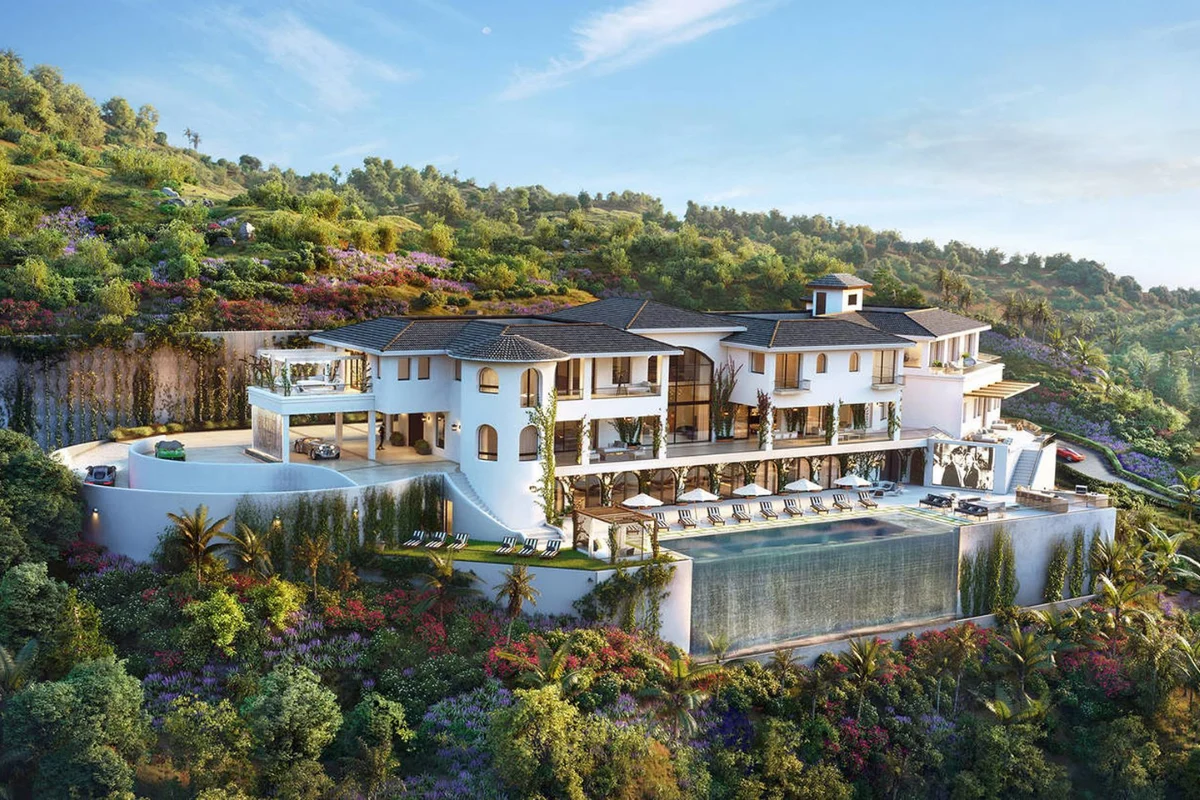
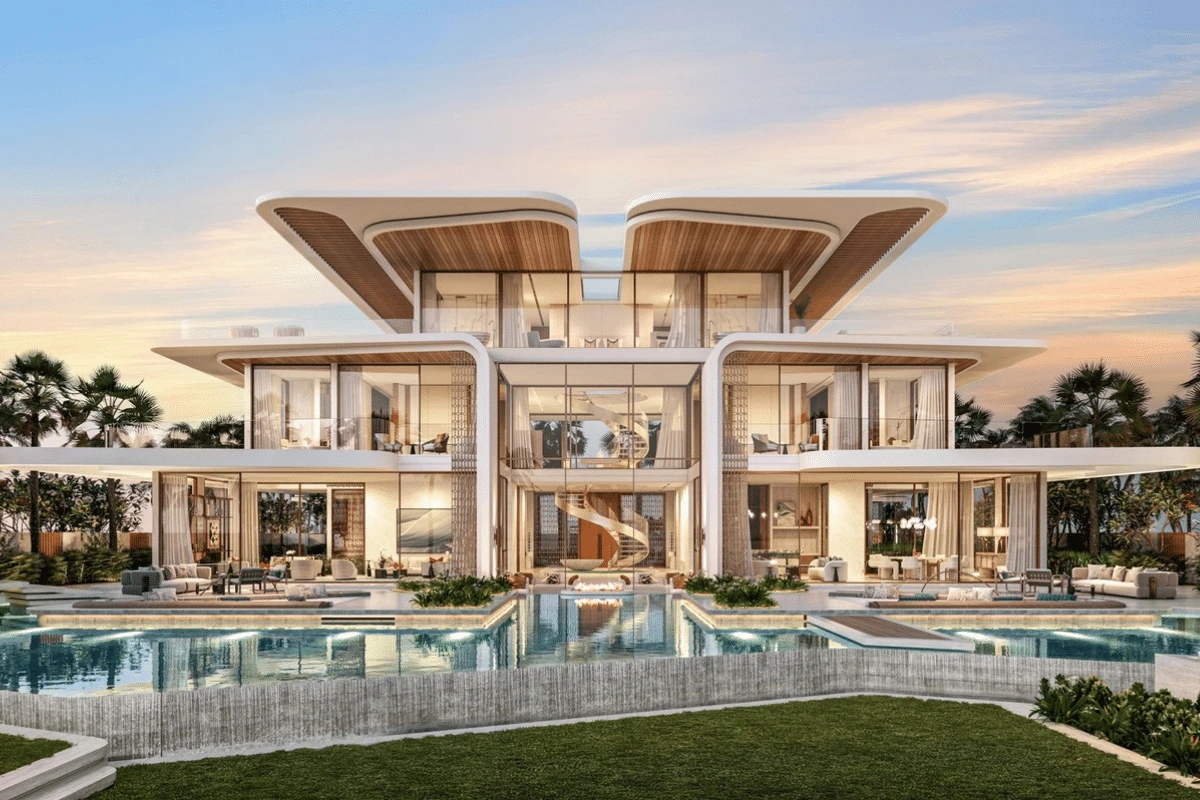
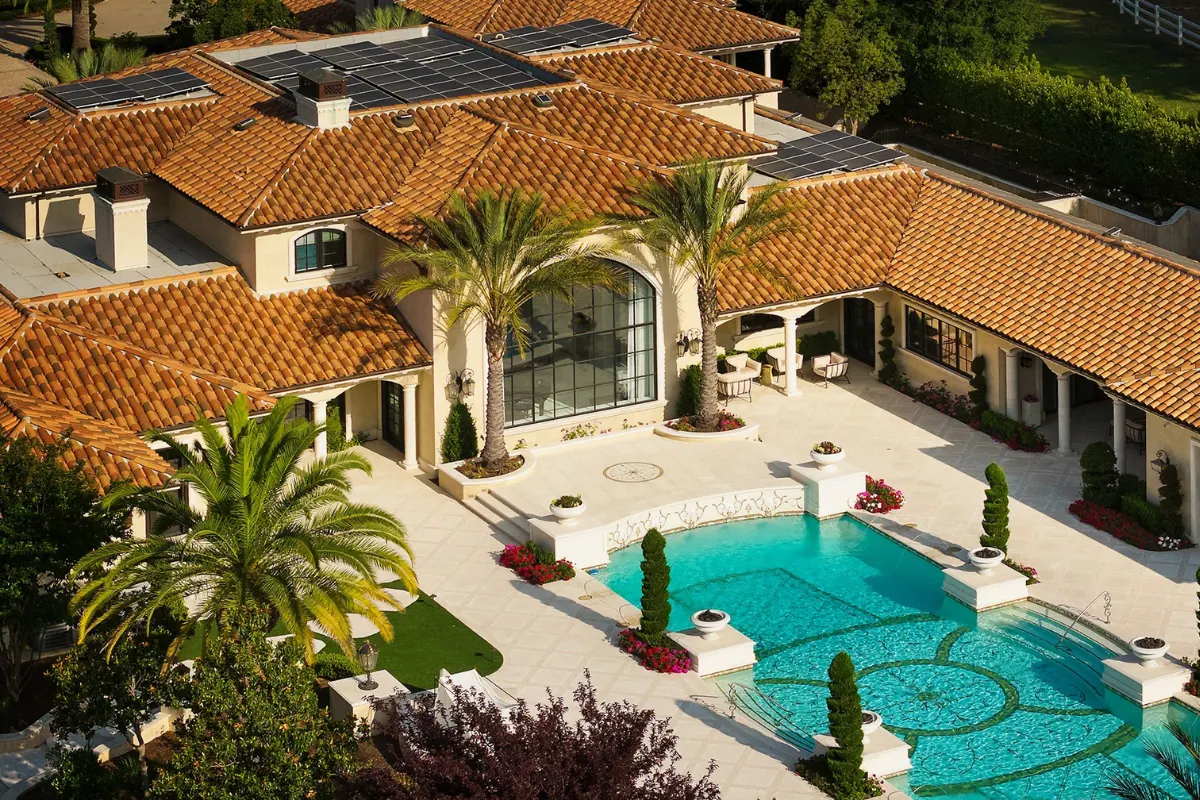
A residence in London may provide access to business, culture and education; a property in Dubai may function as a regional base; a Mediterranean residence may primarily serve family life and summer; another house may exist principally for privacy. The question is no longer necessarily, “Where do I live?” It can become, “Where do I need to be, and what should each place allow me to do?” For a highly mobile class of wealth, a city can become less an expression of identity and more a piece of infrastructure within a larger personal network.
That is an important distinction because extreme wealth does not simply allow a person to purchase a more expensive version of an ordinary lifestyle. It can reduce their dependence on a single place, a single market and even a single definition of home. Ownership becomes part of a broader architecture of mobility, access and choice.
The value of multiple residences therefore lies partly in the optionality they create. A second or third home is not necessarily about having another place to sleep. It can be a strategic component of a family's wider infrastructure. One property may be close to financial markets and cultural institutions, another may provide access to a particular region, while another may exist simply because it offers a degree of privacy or a way of spending time together away from the demands of public life.
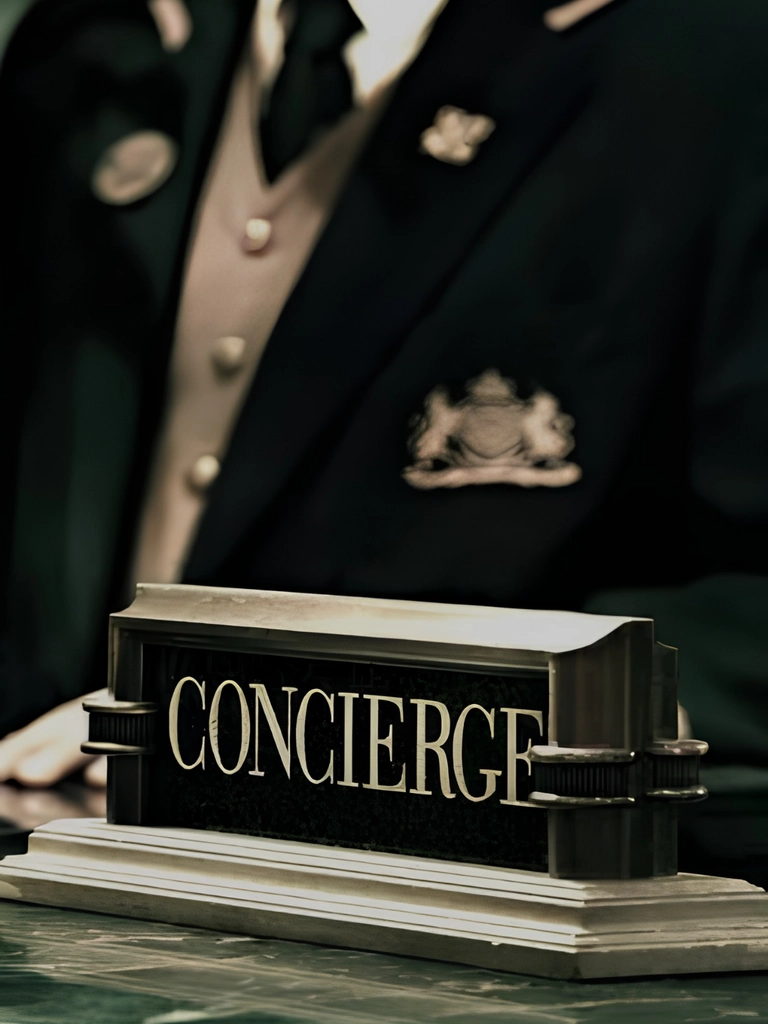
The same principle extends far beyond real estate. Private aviation reduces dependence on commercial schedules; a yacht changes the geography of a holiday; a concierge removes logistical friction; and a family office can coordinate investments, real estate, education, philanthropy and succession. Wealth management itself is increasingly becoming more complex as clients diversify across markets and providers. Capgemini's 2026 research, for example, found that 88 per cent of HNWIs work with multiple wealth-management firms specifically to gain access to better alternative investment opportunities.
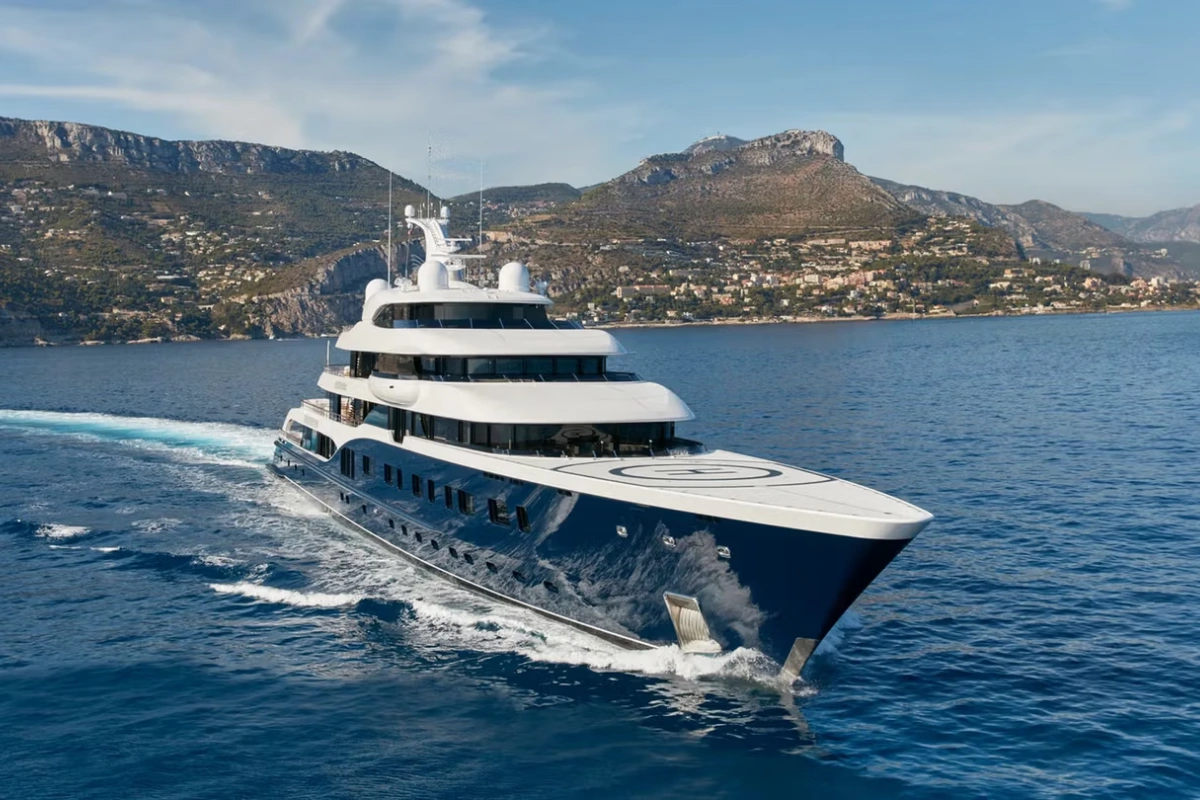
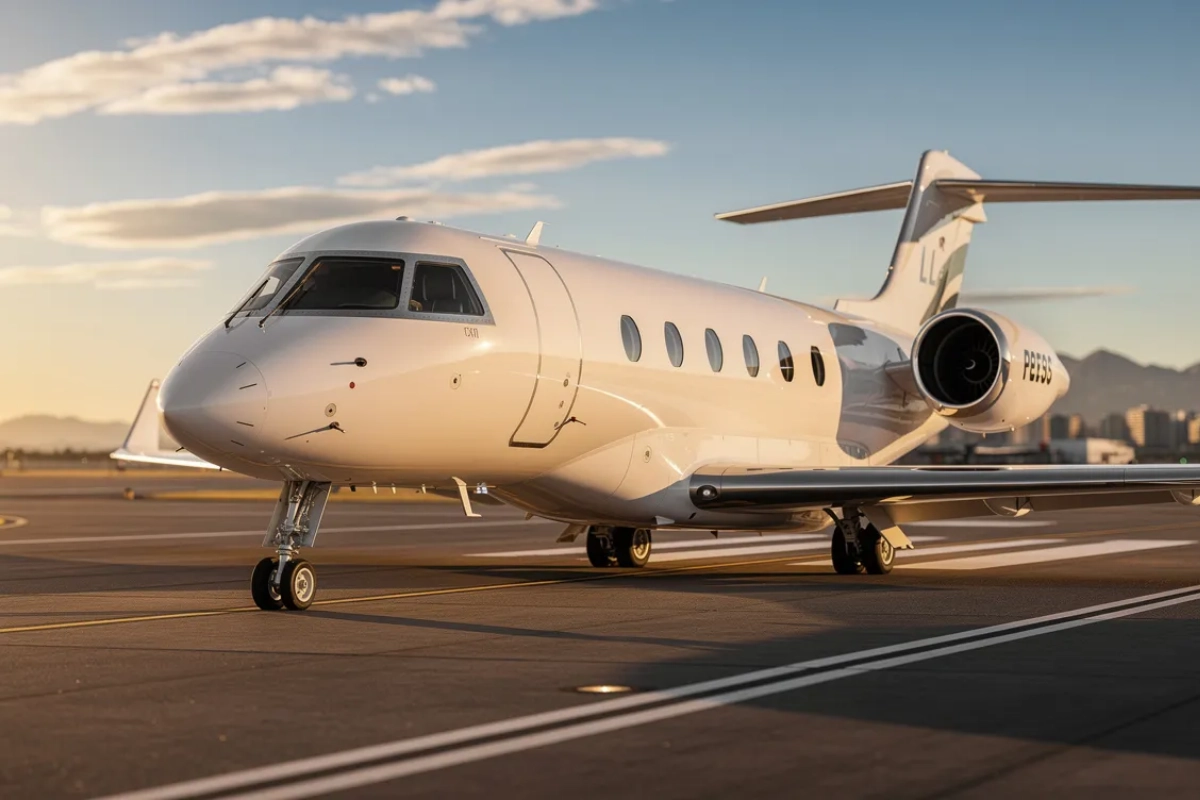
At this level, wealth creates the ability to keep several possibilities open at once. That is one of the least visible forms of luxury because it does not necessarily produce an object that can be photographed or displayed, yet it may be among the most consequential. The ability to decide where to spend the next month, where to establish a business presence, where to take the family or where to retreat when privacy becomes necessary is a form of freedom that is considerably more difficult to replicate than another expensive possession.
The luxury is therefore not simply about having more. It is about having fewer constraints on where one can live, how one can travel, whom one can access and how one chooses to allocate one's limited time.
Travel provides an even clearer illustration of this transformation, although it is important not to confuse Jet Set culture with bespoke travel. Private aviation, yachts, villas and exclusive events are fundamentally about control, privacy and comfort. Bespoke travel goes further because the experience itself can be constructed around the traveller, sometimes in environments where conventional hospitality infrastructure barely exists.
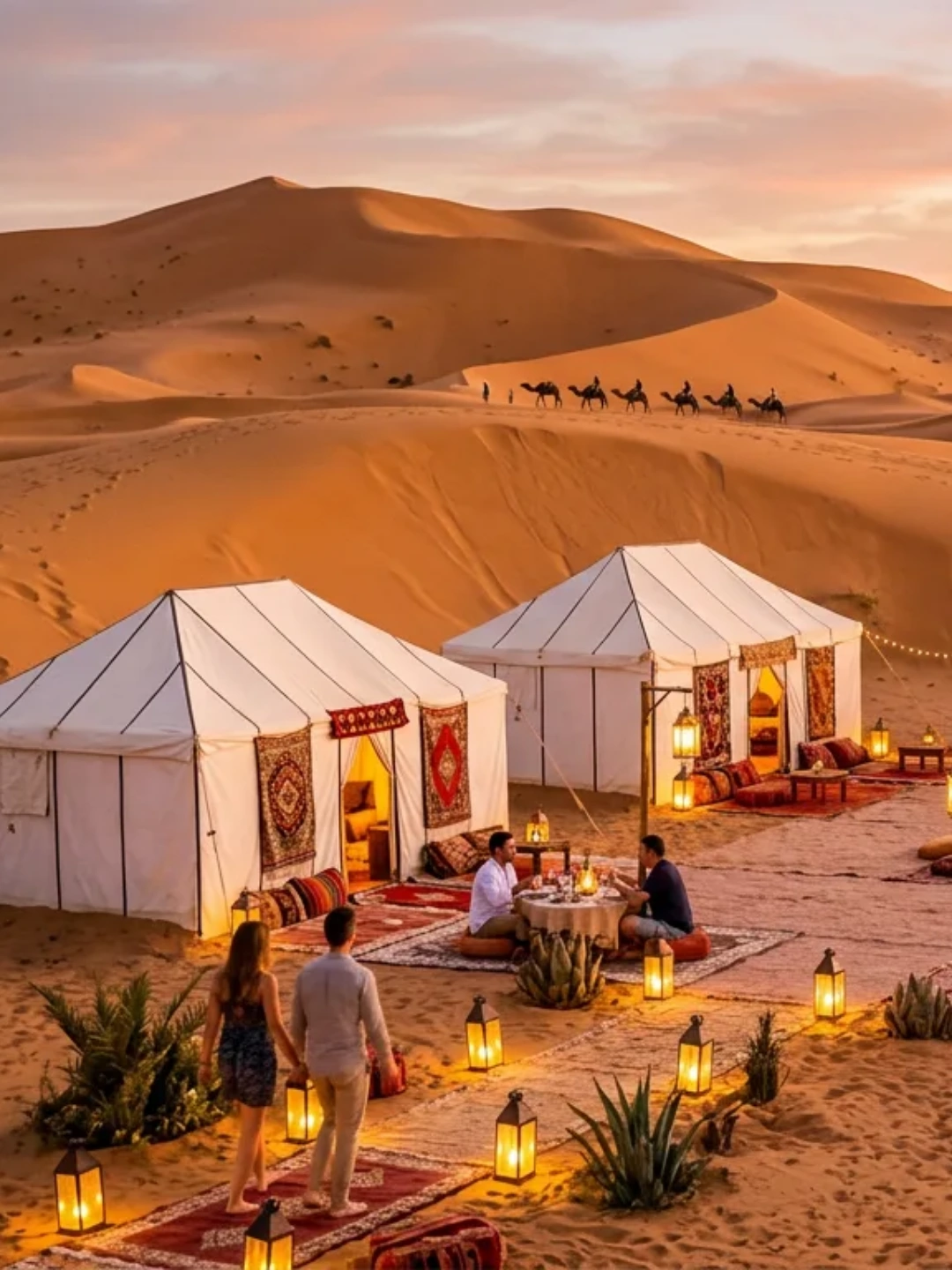
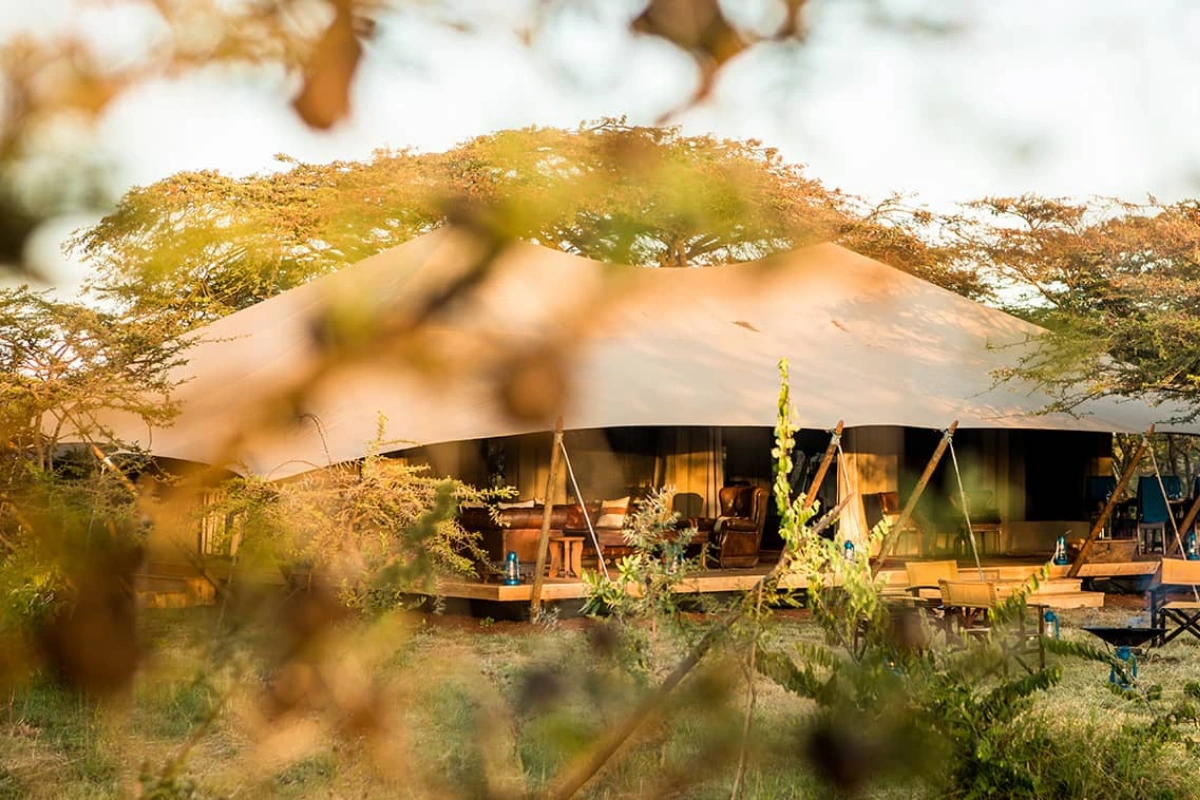
The Sahara offers a particularly vivid example. Luxury camps in the desert can provide king-size beds, en-suite bathrooms, electricity, air-conditioning and sophisticated dining in the middle of a landscape that was never designed for conventional hospitality. The appeal is not merely that the accommodation is comfortable; it lies in the ability to transport the infrastructure of a luxury hotel into a place where that infrastructure would not otherwise exist. The same principle can be applied to private dining. A dinner does not necessarily require a restaurant when a chef, a temporary kitchen, service staff and a carefully chosen location can recreate the entire experience for a handful of guests in a place where no restaurant has ever existed.
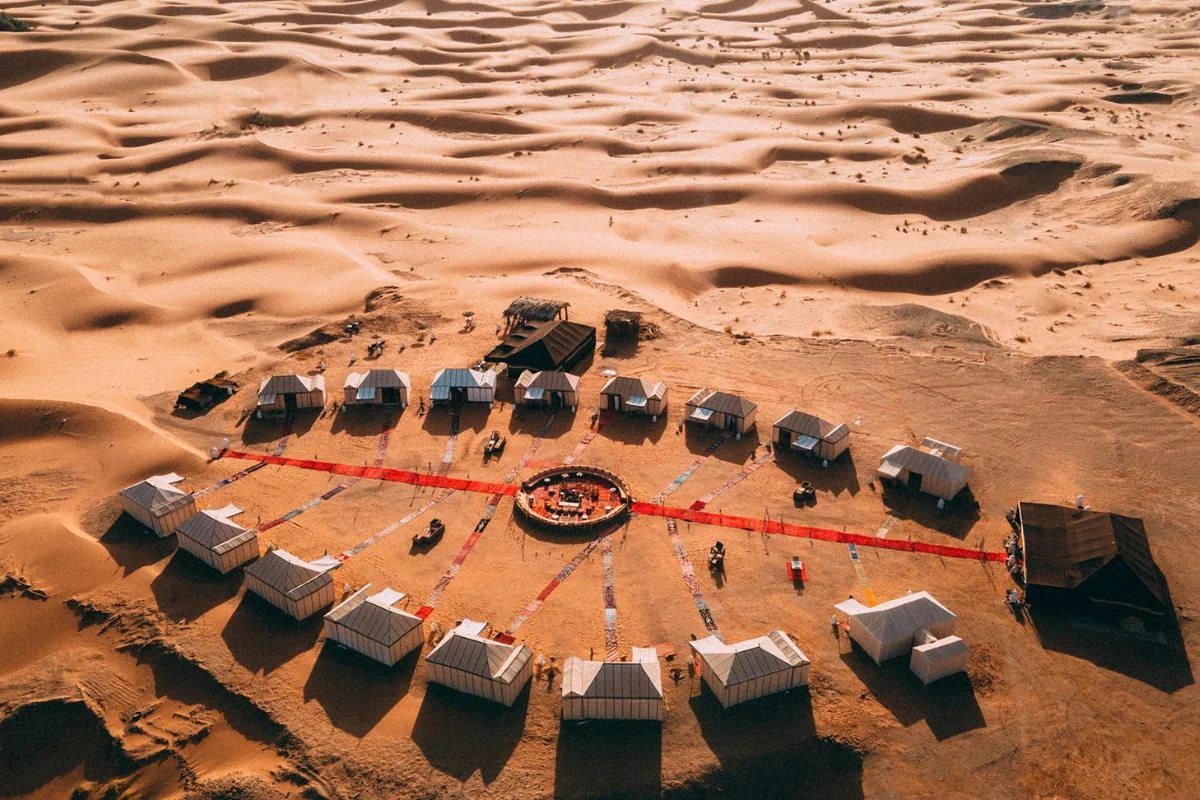
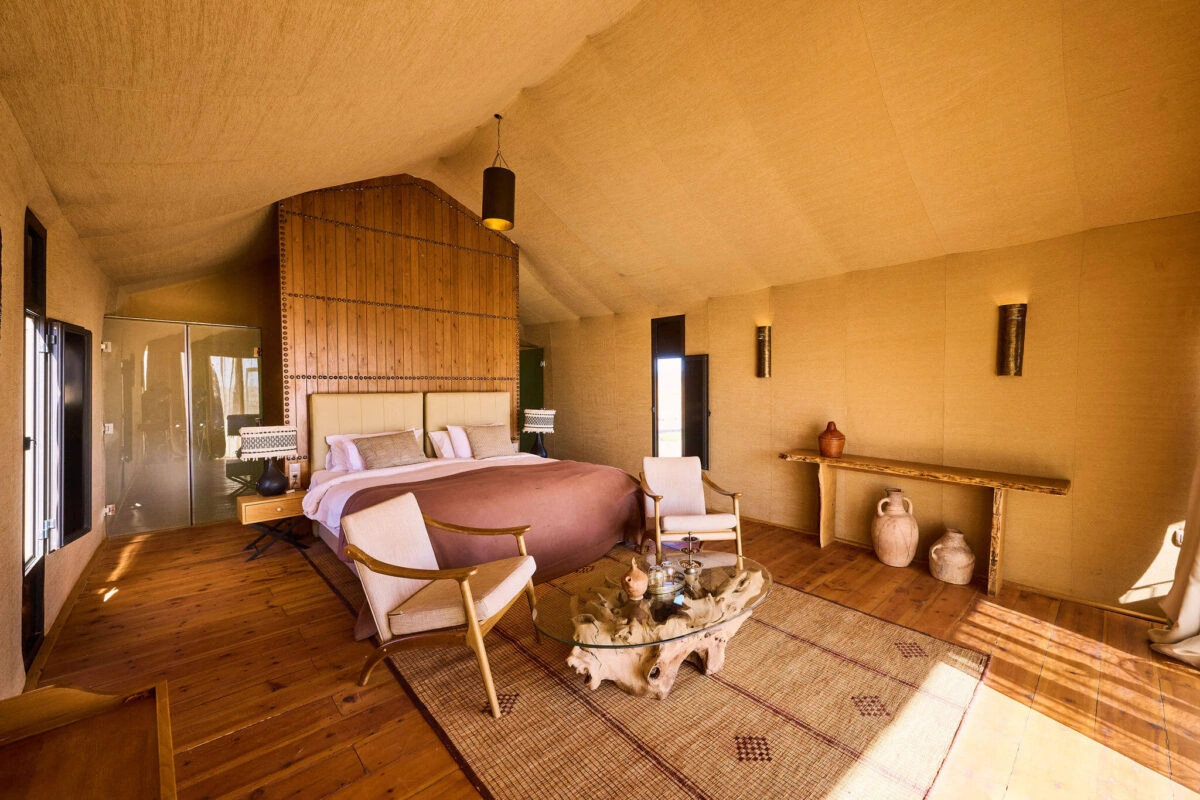
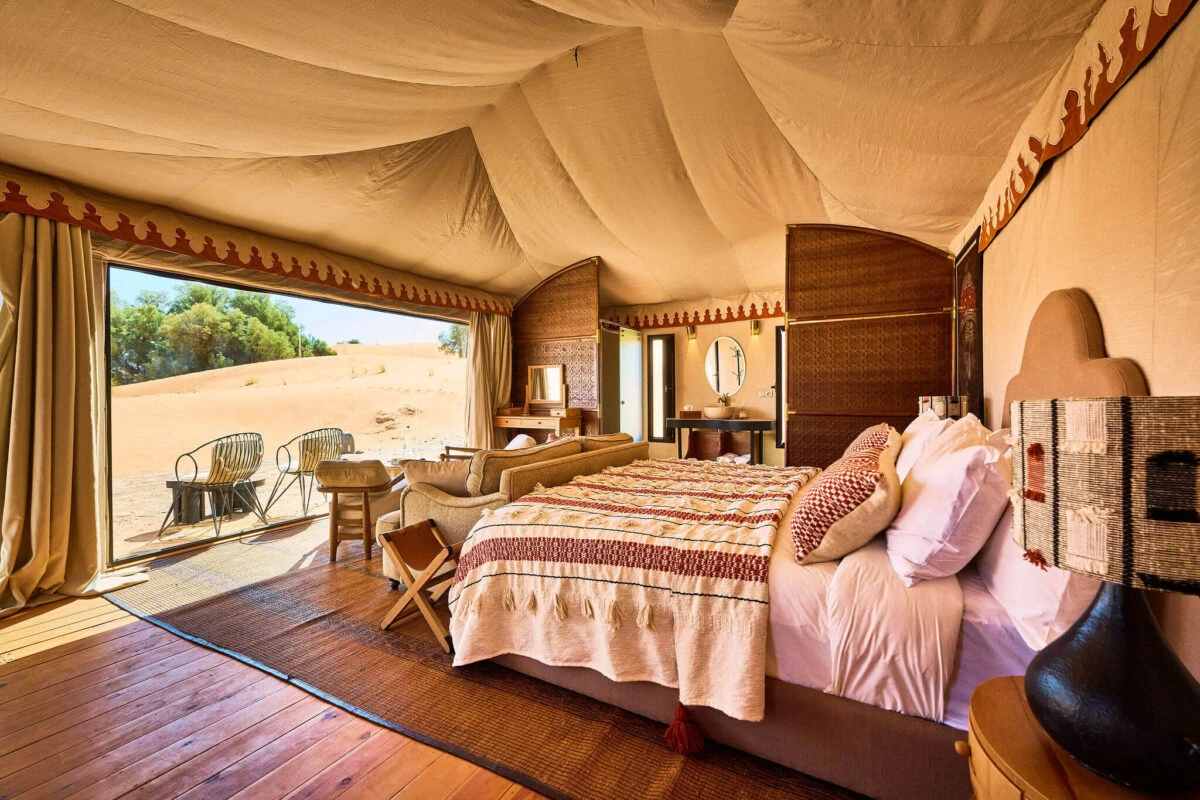
This represents a subtle but important movement from luxury destination to luxury experience to luxury circumstance. Instead of travelling to an established luxury environment, the environment itself can increasingly be constructed around the client.
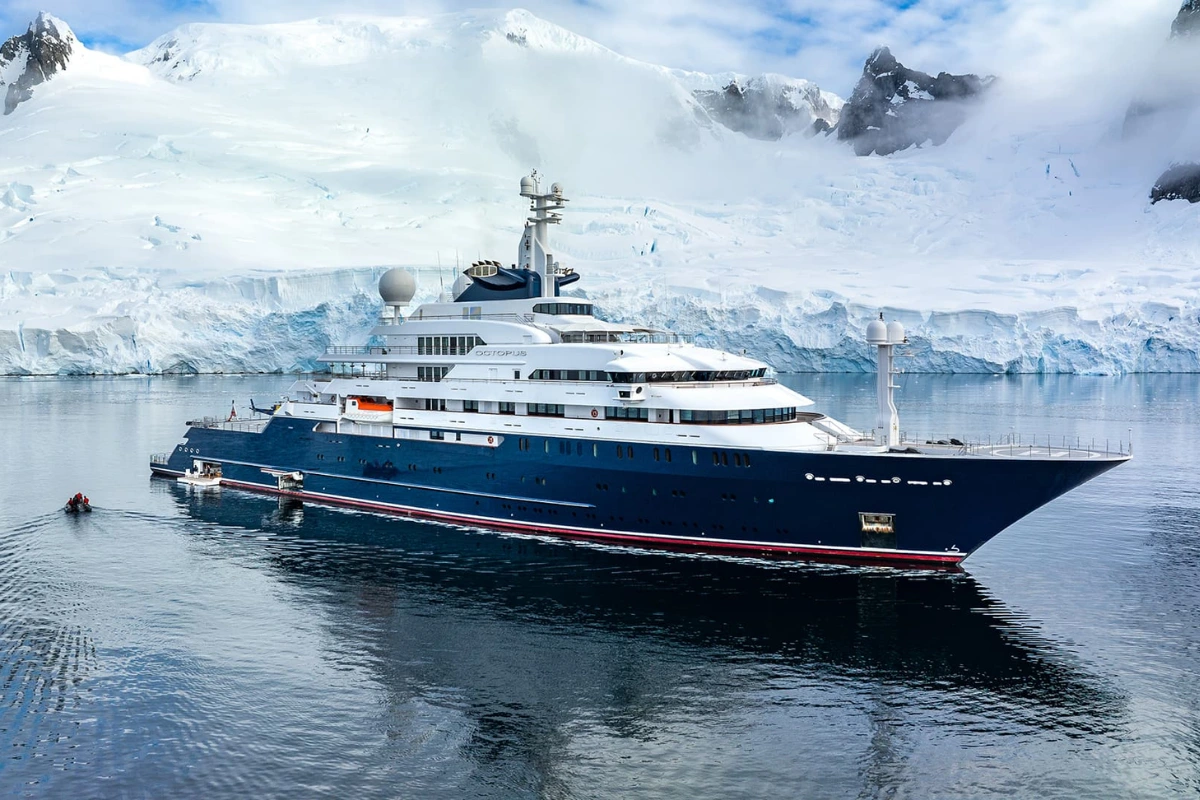
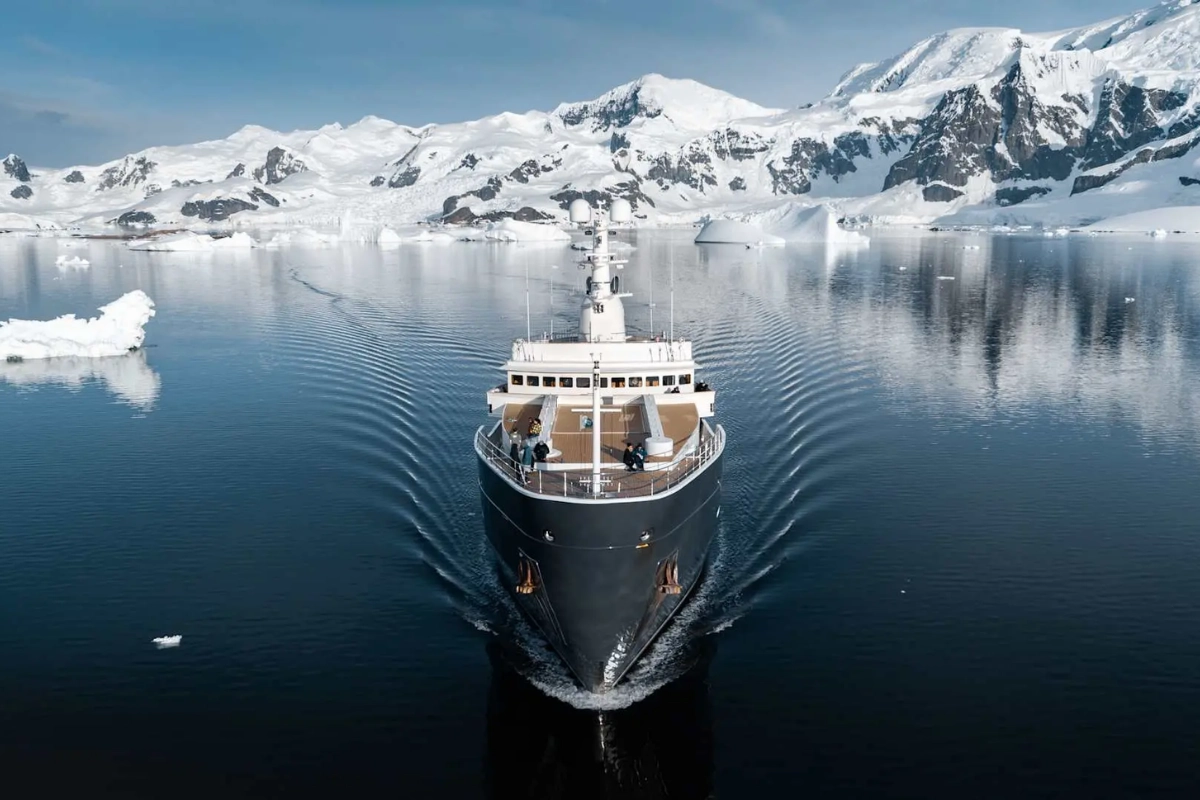
Expedition yachts demonstrate how far this logic can go. Aqua Lares, formerly known as Legend, is a 77.4-metre ice-class expedition superyacht capable of carrying 22 guests and 28 crew, with helicopter operations, a submarine and a range of equipment designed for Arctic and other remote expeditions. A vessel such as this is not simply a yacht in the traditional sense. It can operate simultaneously as a residence, hotel, restaurant, exploration platform and mobile base camp, bringing an extraordinary level of comfort into environments where conventional luxury infrastructure is limited or absent.
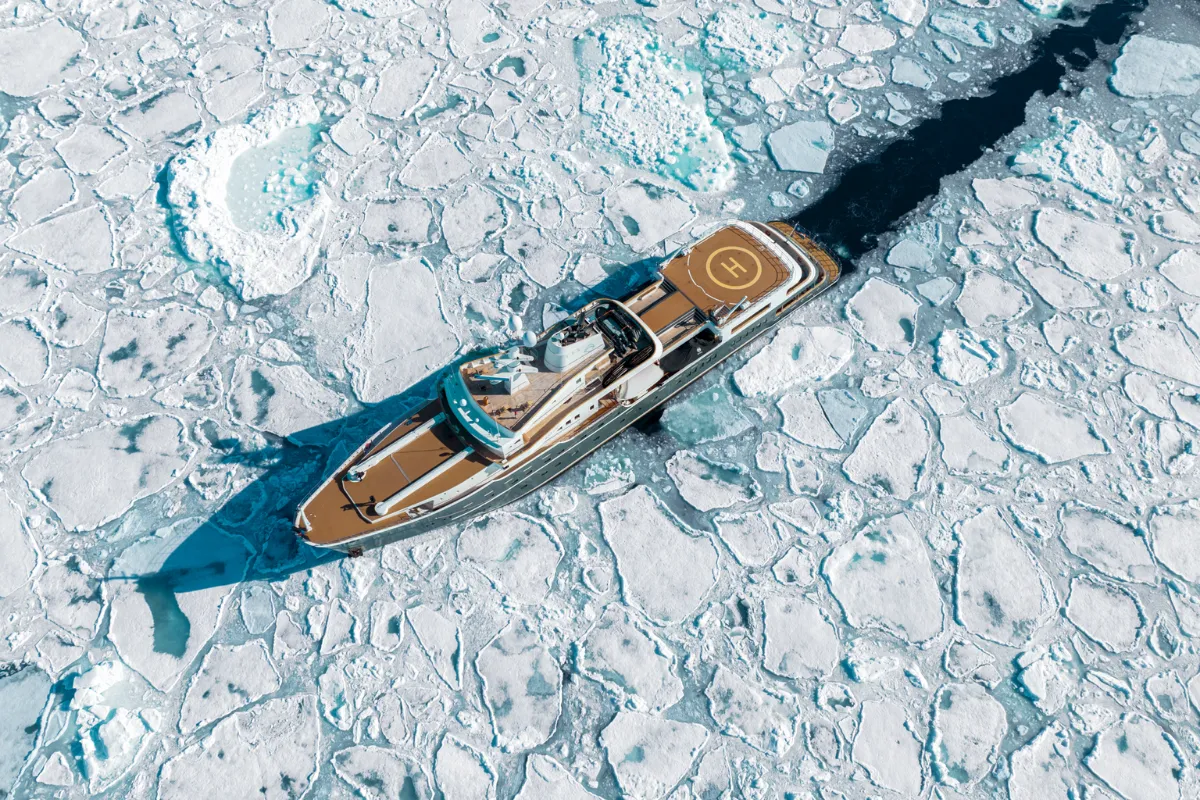
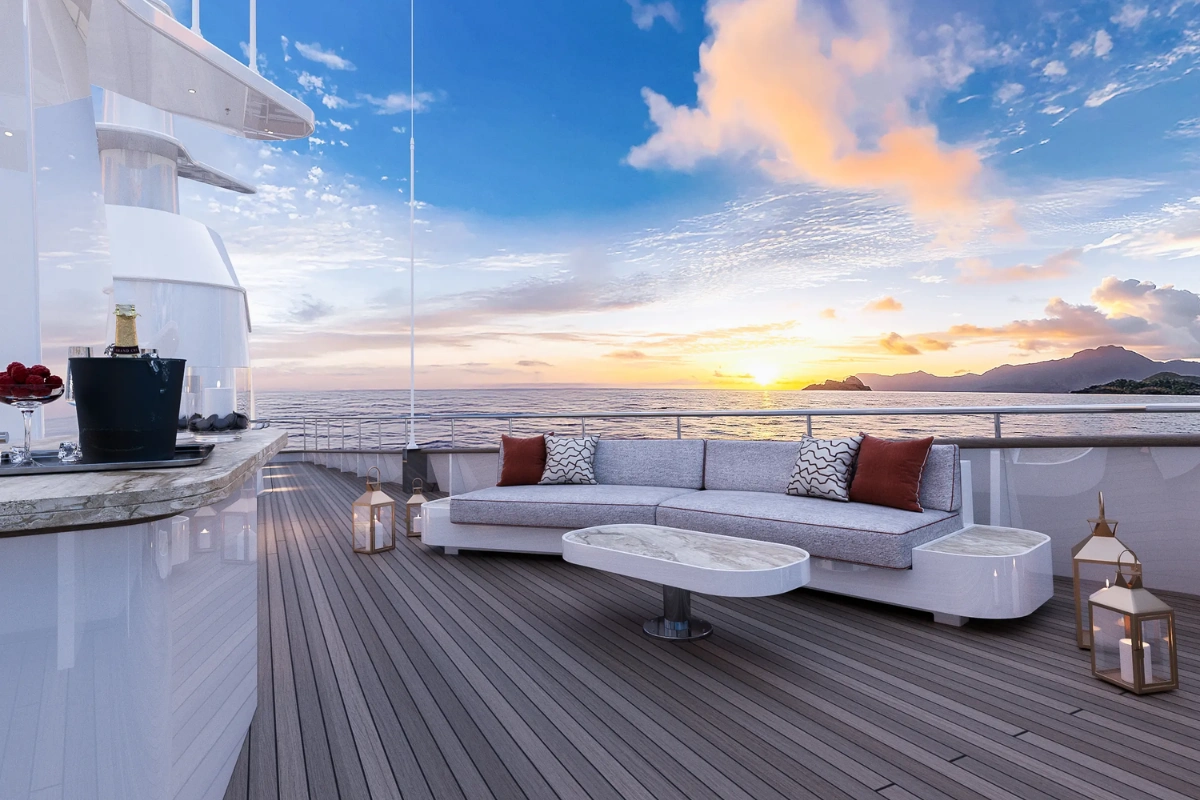
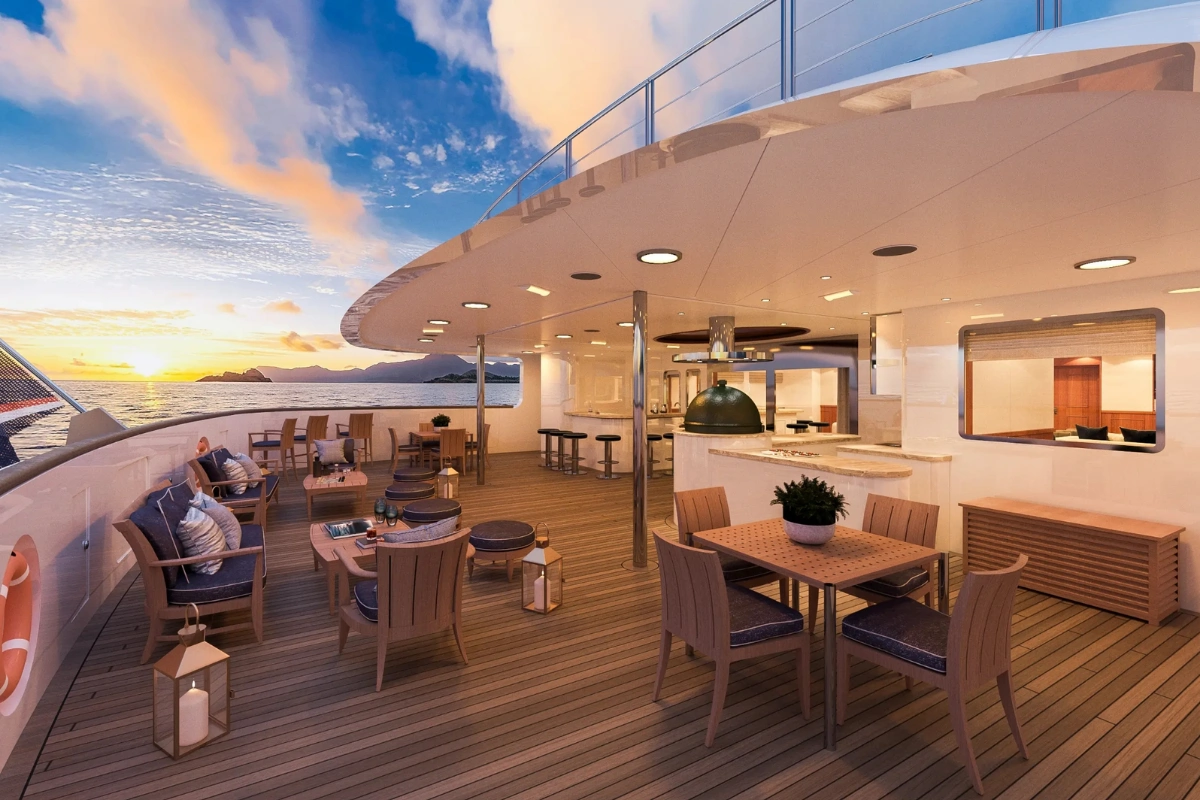
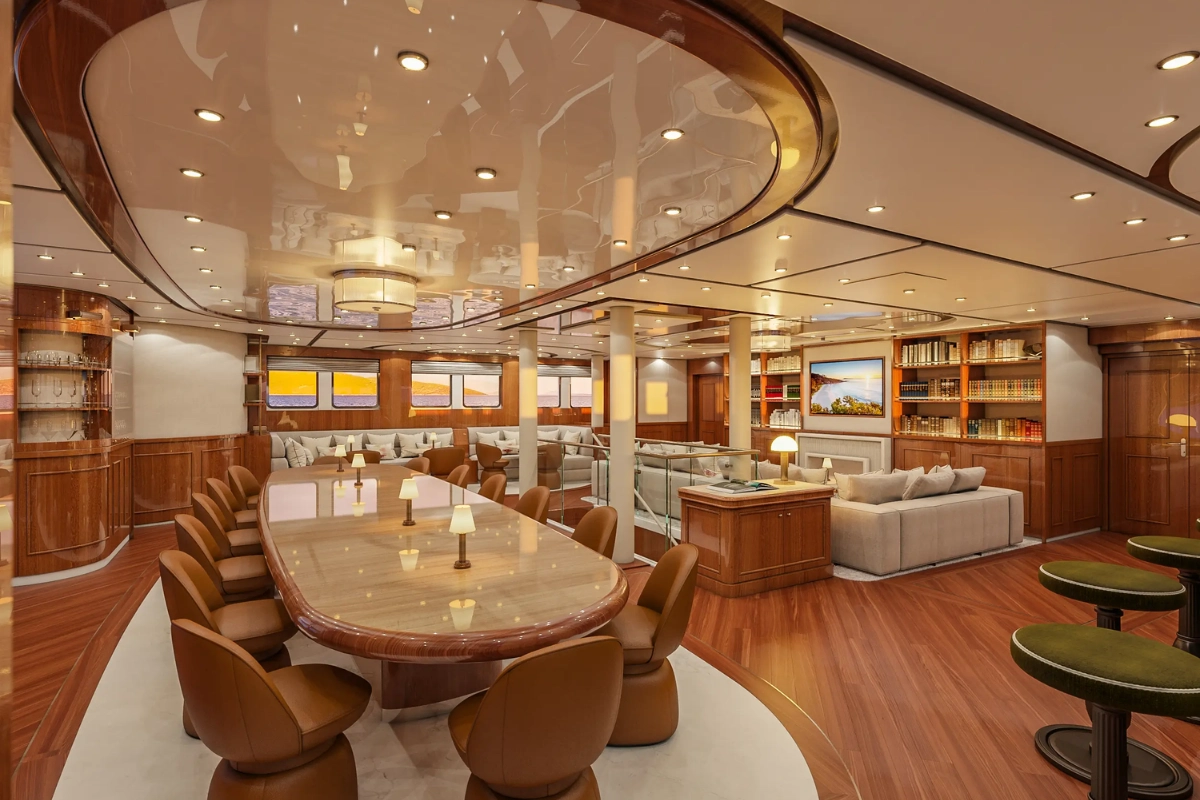
The yacht consequently becomes something closer to a piece of private territory that can move.
That distinction matters because it shows how extreme wealth can change the relationship between luxury and geography. The wealthy traveller is no longer necessarily choosing between destinations that already exist. They can increasingly purchase the ability to reach environments that were never designed for mass tourism and bring a carefully constructed version of luxury with them.
This is where luxury travel begins to overlap with exploration. Once the world's major cities, resorts and private islands have become relatively familiar to affluent travellers, the appeal of another beautiful hotel may become less compelling than the possibility of experiencing something genuinely difficult to reproduce.
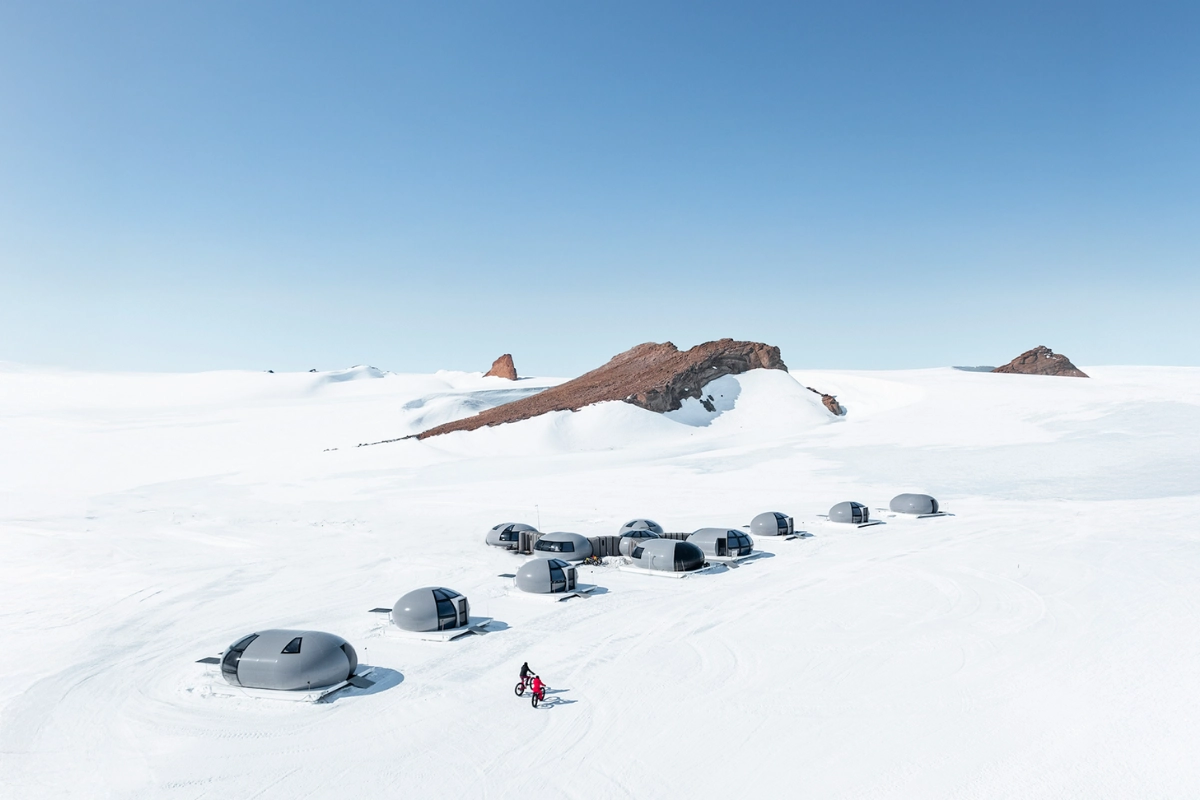
Antarctica is particularly revealing because its remoteness is itself part of the value. It cannot simply be transformed into another St Barts. Luxury therefore does not remove the difficulty of reaching Antarctica; it builds an infrastructure around that difficulty. White Desert, for example, has developed private-jet journeys into the Antarctic interior, including bespoke itineraries and access to locations such as the South Pole and emperor penguin colonies. Expedition specialists such as EYOS similarly arrange complex polar journeys involving helicopters, submersibles and highly specialised expedition vessels.
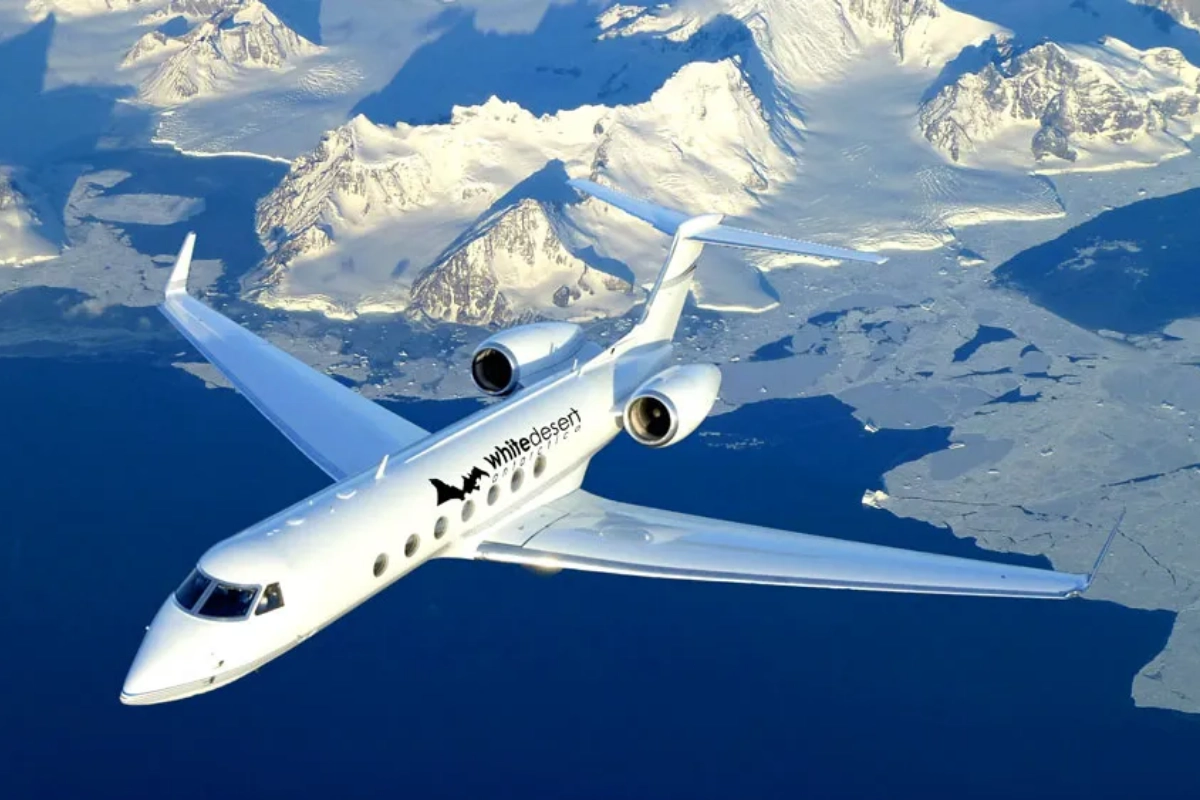
The progression is revealing. The affluent traveller moves from the resort to the desert, from the desert to the polar regions, from the polar regions to the deep ocean and, for those who have access to it, eventually beyond the atmosphere. Space tourism receives enormous attention because of its novelty, but the deeper phenomenon is broader than commercial spaceflight. As conventional luxury becomes easier to obtain, rarity of experience can begin to matter more than rarity of object.
There is a fundamental difference between buying another luxury car and travelling somewhere that only a very small number of people will ever see. The car can be reproduced. The journey may not be. An object can be displayed to others; an expedition can remain intensely personal. The experience acquires value precisely because it is difficult to scale.
This is why the most interesting luxury journeys increasingly include environments that were once associated with scientific exploration rather than leisure: Antarctica, the Arctic, deep-sea environments, remote deserts and, at the extreme edge of the market, outer space. The wealthy traveller is not necessarily looking for more comfort. They may be looking for a new relationship with the world.
There is another reason why this form of luxury matters. Money can solve an extraordinary number of practical problems, but it cannot extend a person's lifetime. Once financial constraints stop determining most major decisions, the allocation of time becomes increasingly important.
Private aviation is therefore not simply about avoiding the inconvenience of commercial travel. It can be about recovering hours. A private residence eliminates the repeated process of booking hotels. A concierge removes logistical work. A family office can take over responsibilities that would otherwise consume the attention of the family. At this level, wealth does not merely purchase objects; it purchases the ability to delegate.
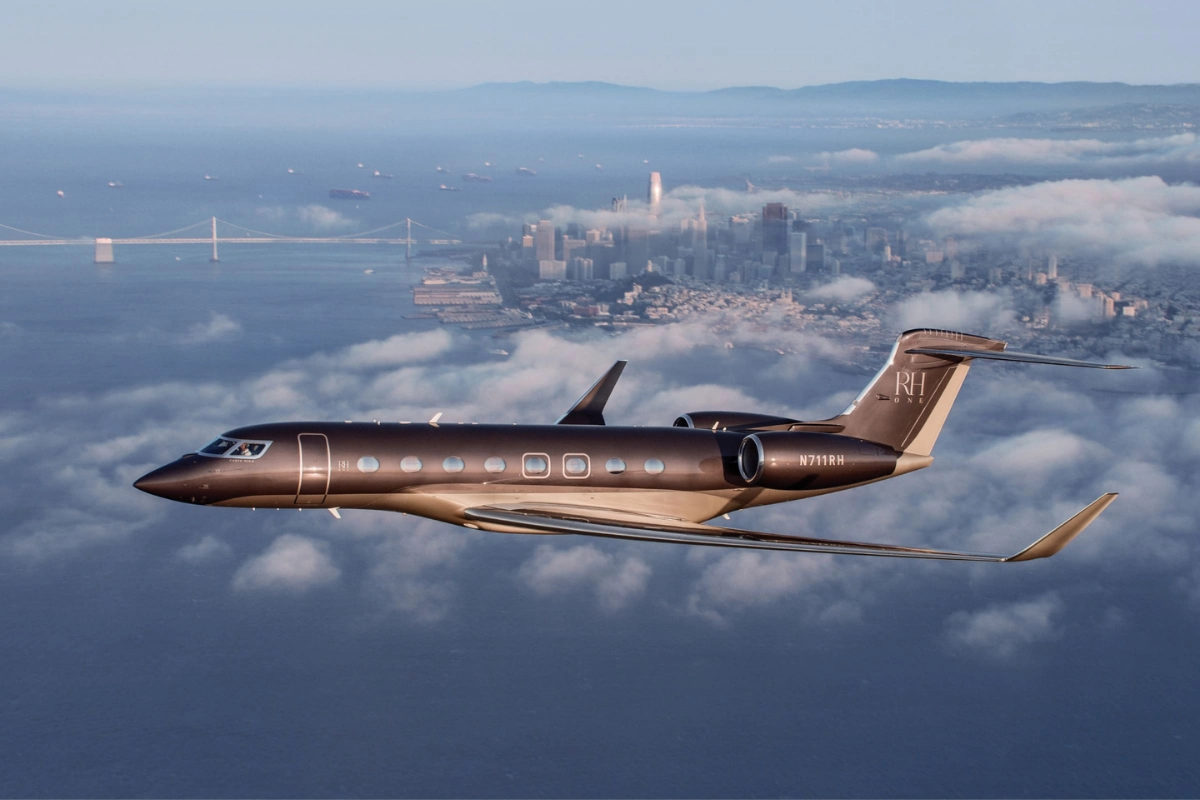
That may be one of the least visible forms of luxury. A person who never has to personally arrange a complex journey, negotiate a property transaction, coordinate household administration or monitor an investment portfolio has effectively purchased something more valuable than convenience: attention. The less time spent on low-value decisions, the more time becomes available for family, business, culture, relationships or simply for doing nothing at all.
This also helps explain the growing interest in transformative travel. Someone who has already experienced the world's major cities, resorts and cultural destinations may not find another luxury hotel sufficiently compelling. What becomes more difficult to find is an experience capable of changing their perception of ordinary life.
There is a deeper psychological dimension to this. When material security is no longer the central economic problem, other questions have room to become louder. What is time for? What constitutes a meaningful experience? What remains after money has been spent? What kind of memory is worth creating? Transformative travel does not necessarily answer these questions, but it can create the conditions in which they are asked.
The journey becomes valuable not simply because of what happens during it, but because of what remains after it.
The same transformation can be seen in luxury objects, particularly in categories where history and provenance can become part of the product.
Consider the handbag. A new luxury handbag communicates immediately through its brand, craftsmanship, scarcity and price. A vintage piece can communicate something more complicated. Years of use alter the leather, soften its structure and leave marks that cannot simply be ordered from a manufacturer. Christie’s notes that vintage leather can develop an individual patina through exposure to air, sunlight and use, creating an appearance that cannot be replicated. The auction house also emphasises the importance of provenance when evaluating exceptional vintage pieces.
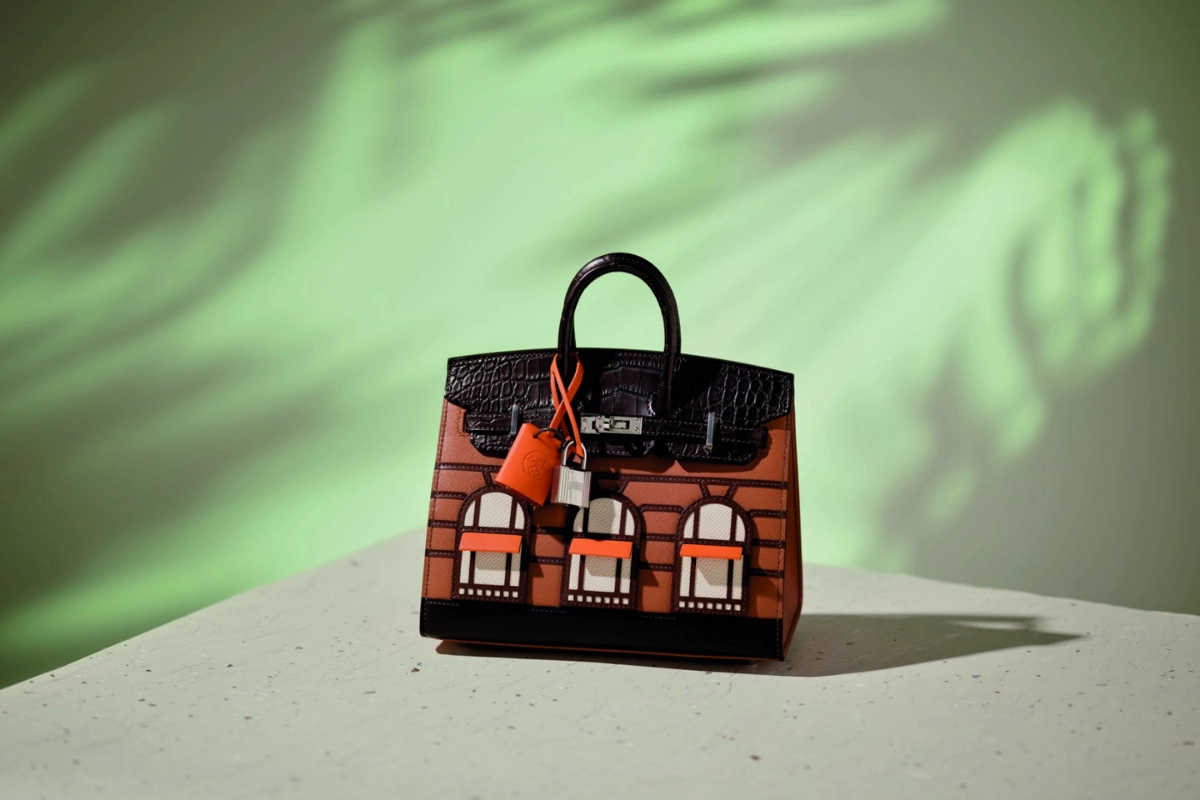
This helps explain the fascination with well-used pieces among experienced collectors. The attraction is not simply that the handbag is old, nor does age automatically indicate inherited wealth. What matters is the relationship between the object and time. Who owned it? How long was it used? Where did it travel? Was it repaired? Was it passed between generations? Why was it preserved?
At a certain point, a luxury object begins to acquire a biography.
That is particularly interesting because the first stage of luxury consumption is often about newness. A new object proves that it can be acquired now, at a particular price, from a particular brand. A historical object can tell a different story. It can demonstrate continuity, knowledge and familiarity with the category. Its value may lie partly in what cannot be recreated: the particular leather, the particular production year, the particular owner and the particular life the object has already lived.
This is why provenance can become so powerful in the secondary luxury market. Christie’s has documented how pieces associated with significant collections or famous owners can command exceptional interest, because the history of ownership becomes part of the object's desirability.
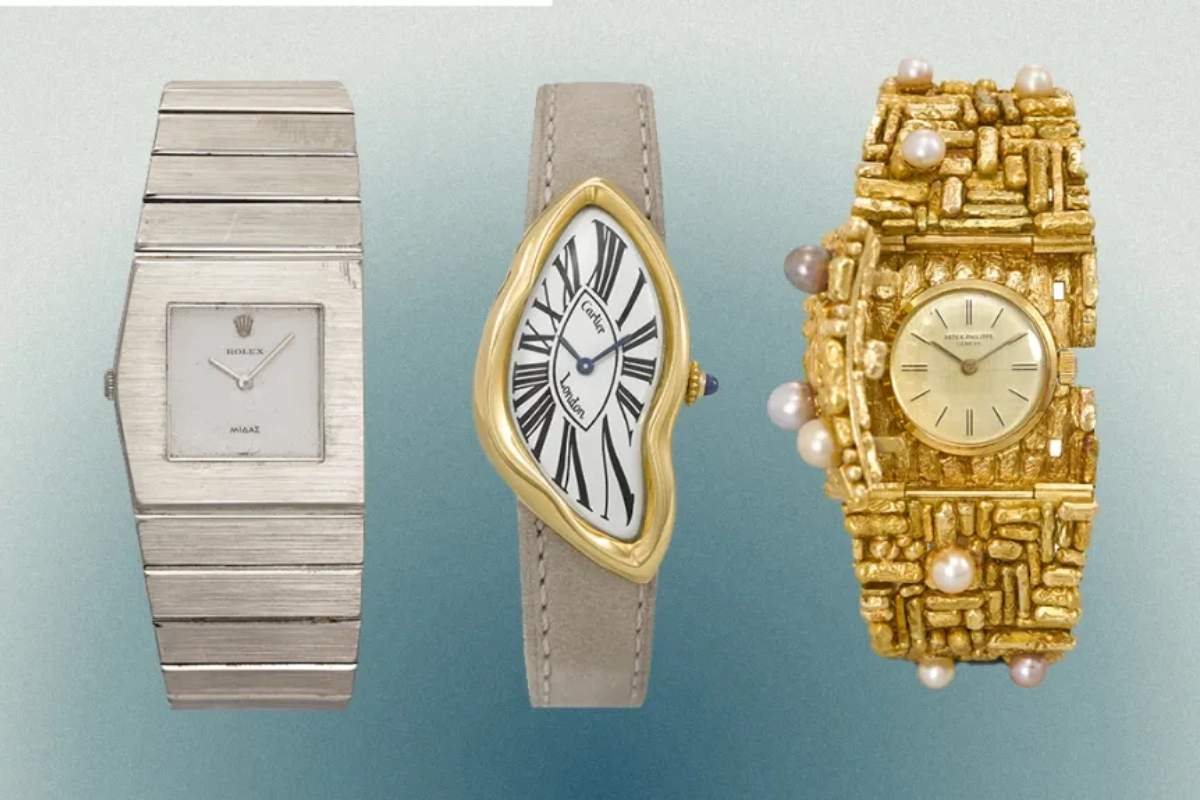
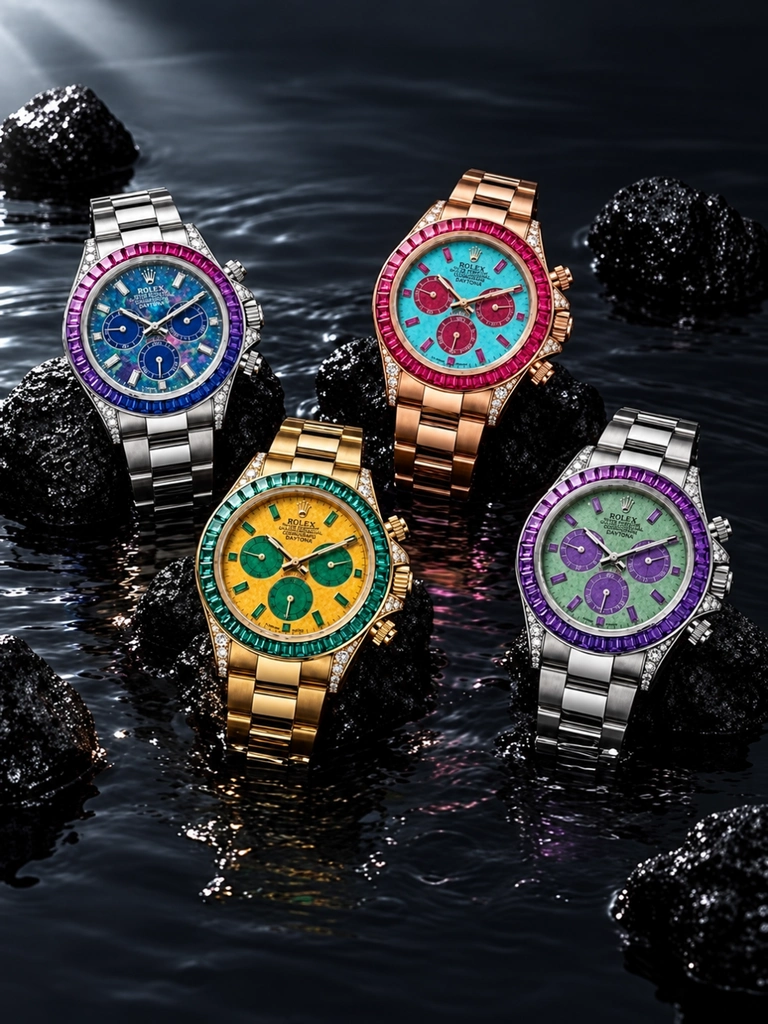
The same principle applies to watches. A newcomer may see the brand first. A collector may look at the reference, production year, movement, dial, case, originality, service history and provenance. The object becomes a document, and understanding the document requires knowledge.
This is what luxury literacy ultimately creates: the ability to recognise distinctions that are invisible to someone who knows only the price and the logo.
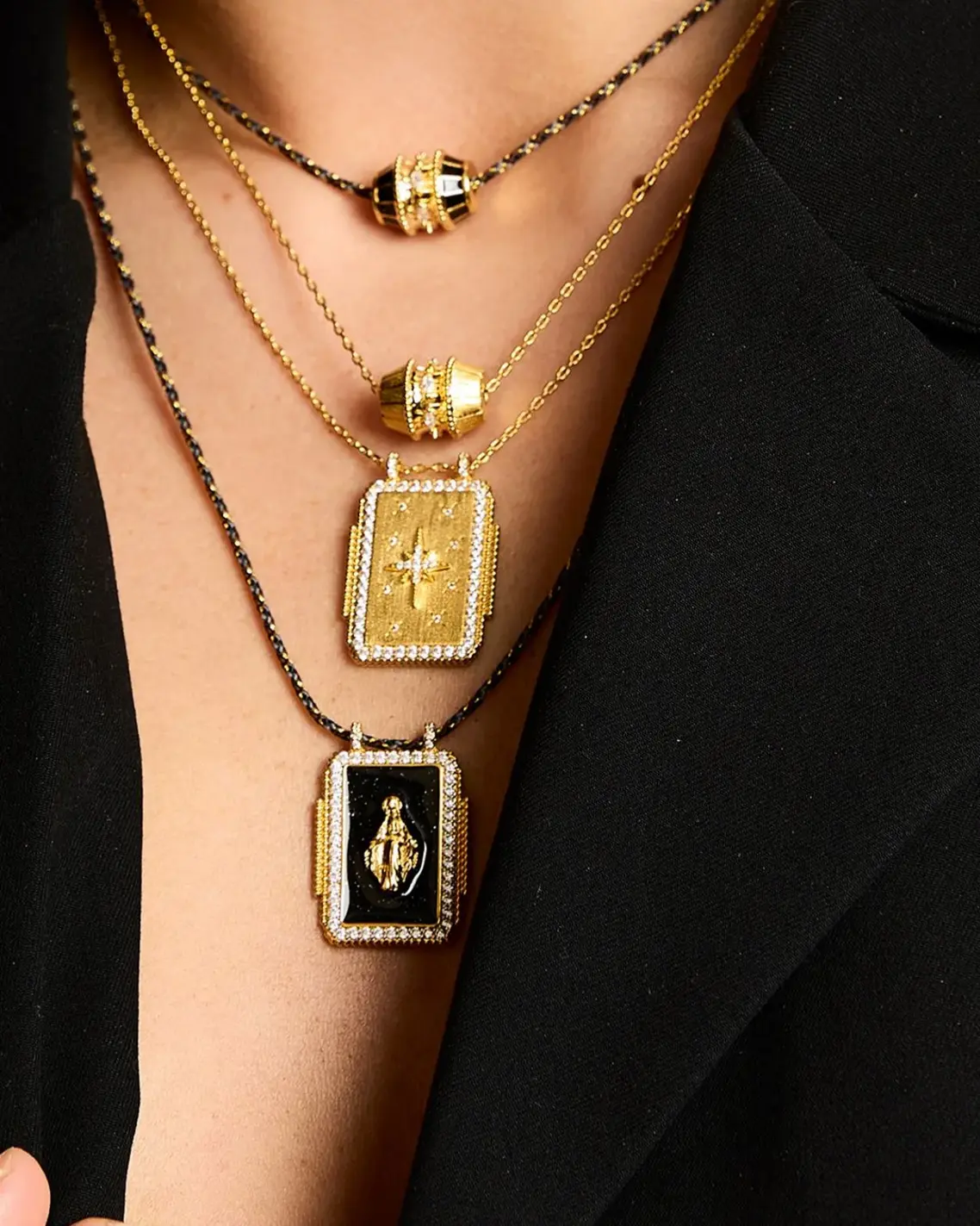
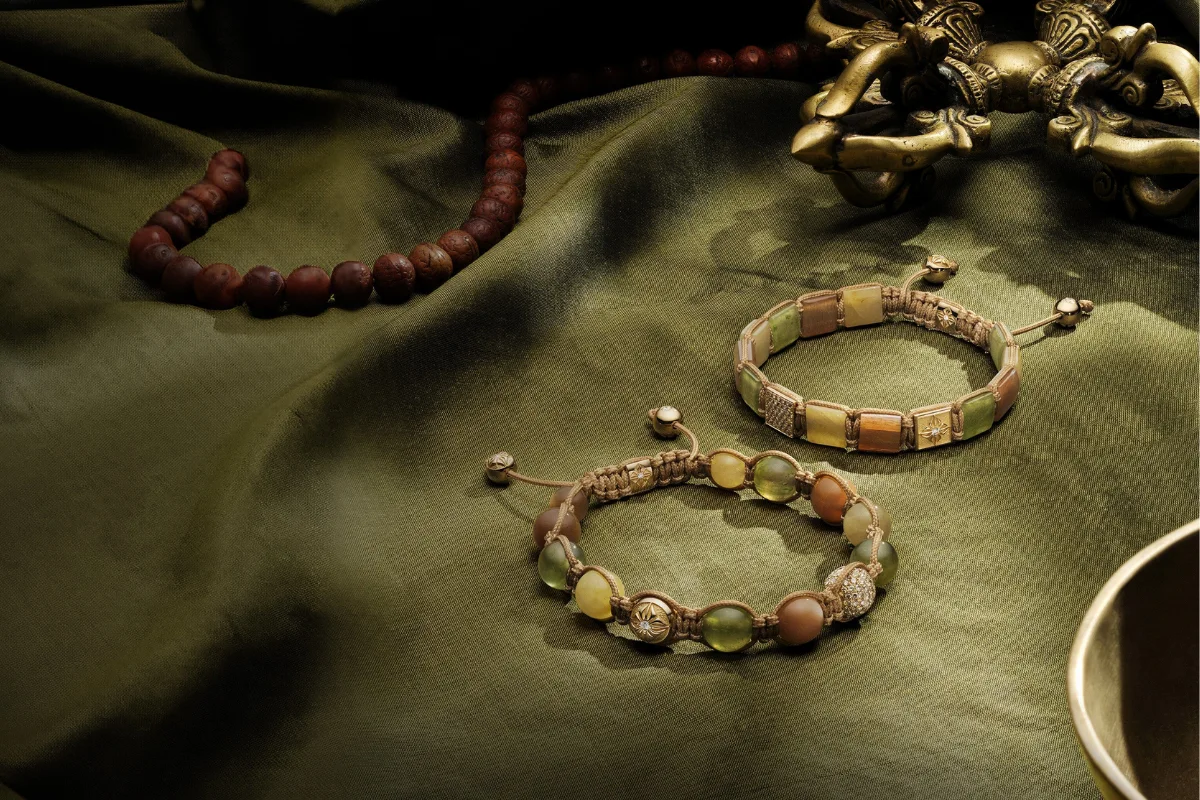
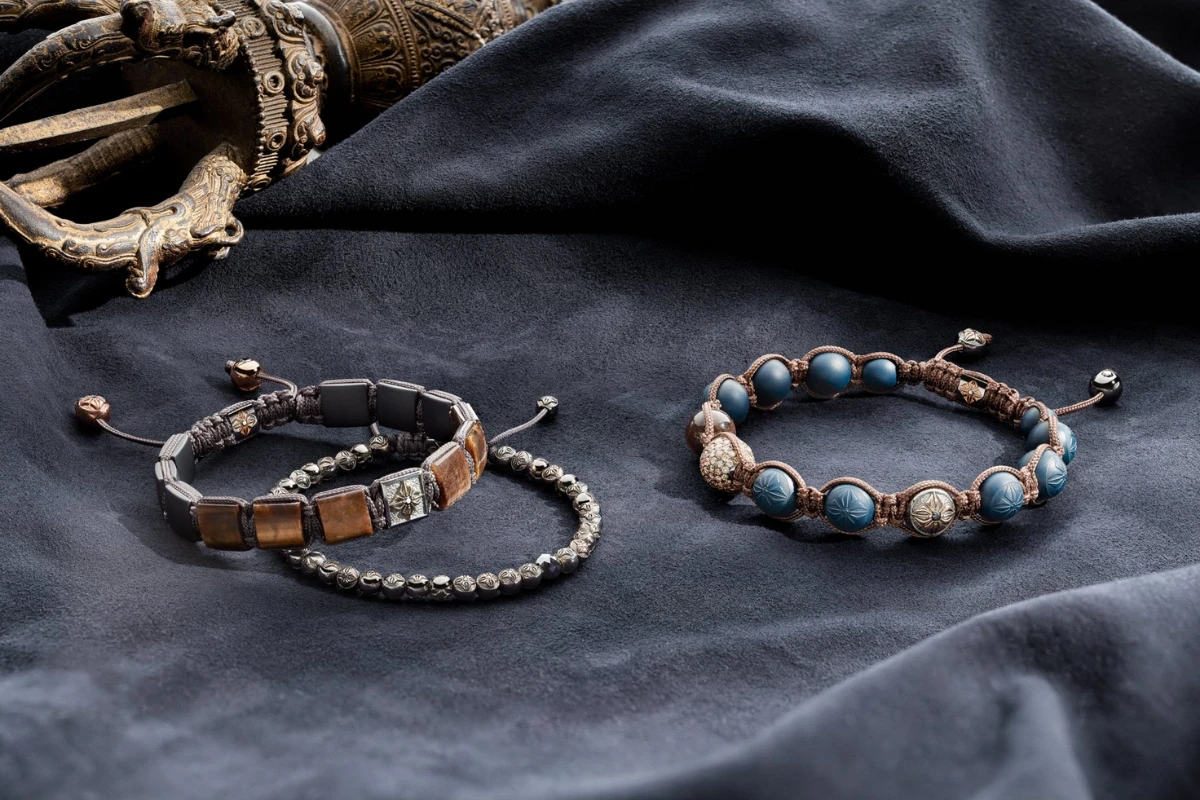
Jewellery provides another illustration of the same transformation. Shamballa Jewels is particularly interesting because its history demonstrates how symbolism, identity and provenance can sit alongside precious materials. According to the brand's own history, Mads Kornerup designed a bracelet for Jay-Z in New York in 2001 using evenly sized gold beads connected through macramé. Mads and his brother Mikkel subsequently founded Shamballa Jewels in Copenhagen in 2005, building the brand around Eastern philosophies and Nordic design principles. Its diamond pavé bead, introduced in 2007, later became an important part of the brand's identity.
The significance of this story is not simply that a celebrity wore a bracelet. It is that the bracelet's value cannot be explained entirely by the quantity of gold or diamonds it contains. The name itself refers to a concept drawn from Tibetan Buddhist mythology, while the brand has consistently presented jewellery through a combination of symbolism, spirituality, design and craftsmanship.
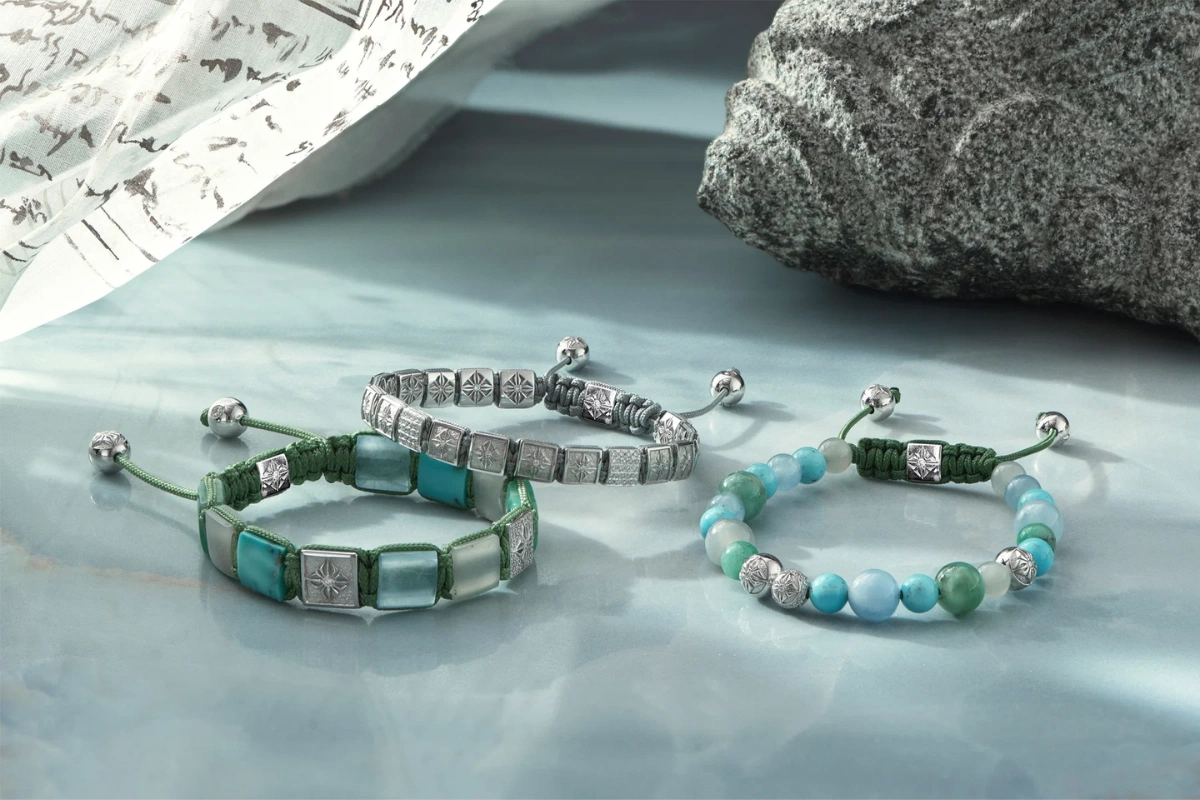
This illustrates a wider change in how jewellery can be valued. Gold can be measured, diamonds can be graded and gemstones can be assessed according to rarity and quality, but meaning operates according to a different system. A piece can become more significant because of who created it, who commissioned it, who wore it, what it represents or what happened around it.
For a consumer entering luxury for the first time, material value may be the most obvious component of a purchase. For someone who has spent years inside the category, symbolism and provenance can become equally important. The question gradually changes from “How much precious material does this contain?” to “Why does this particular object matter?”
That is a more sophisticated form of consumption because it requires knowledge rather than simply purchasing power.
This may be one of the most important changes taking place in luxury.
The experienced consumer increasingly asks not only what an object is, but what surrounds it. A handbag becomes more interesting when its provenance is known. A watch becomes more interesting when its production history is understood. A piece of jewellery becomes more interesting when its symbolism is clear. A painting becomes more significant when its ownership history is documented. A house becomes more fascinating when one understands who built it, who lived there and what happened there.
The physical object remains the same, but the information surrounding it changes its meaning.
This is why provenance can function almost like an additional material in luxury. It cannot be manufactured in the same way as leather, gold or diamonds, because it depends on events that have already happened. A famous owner cannot simply be added retrospectively. A historic journey cannot be recreated. A patina formed over decades cannot be ordered from a factory.
The scarcity is therefore not only physical. It is historical.
And historical scarcity is one of the few forms of scarcity that becomes more difficult to reproduce as time passes.
This leads to another defining characteristic of The New Ultras: access.
Exclusivity is increasingly moving beyond limited quantities and towards limited access. A handbag can be produced in a restricted number; a watch can be released as a limited edition. But some of the most desirable experiences are scarce for a completely different reason: they cannot easily be scaled without destroying the circumstances that made them valuable.
A private dinner in an inaccessible location, a collector's preview before a public exhibition, an invitation-only fashion presentation, a private museum experience, a meeting with an artist or designer, an expedition for a handful of guests or a yacht itinerary built around a particular interest all derive value from relationships and circumstances that cannot simply be multiplied.
This creates a meaningful distinction between affordability and access. A person may be able to afford the object without being part of the network surrounding it. They may be able to purchase the watch without entering the collector's circle, buy the painting without knowing the curator, book the hotel without receiving an invitation to the private event, or charter the yacht without possessing the network required to organise a genuinely specialised expedition.
At the highest level of luxury, access can therefore become part of the product itself.
This is also why the luxury market is increasingly concerned with the quality of relationships around a purchase. The adviser, curator, broker, designer, collector, concierge or specialist can become part of the value proposition. The transaction is no longer simply between consumer and object. It becomes a relationship between consumer and ecosystem.
The New Ultras are not abandoning traditional luxury. They are becoming more sophisticated about the layers of value surrounding it.
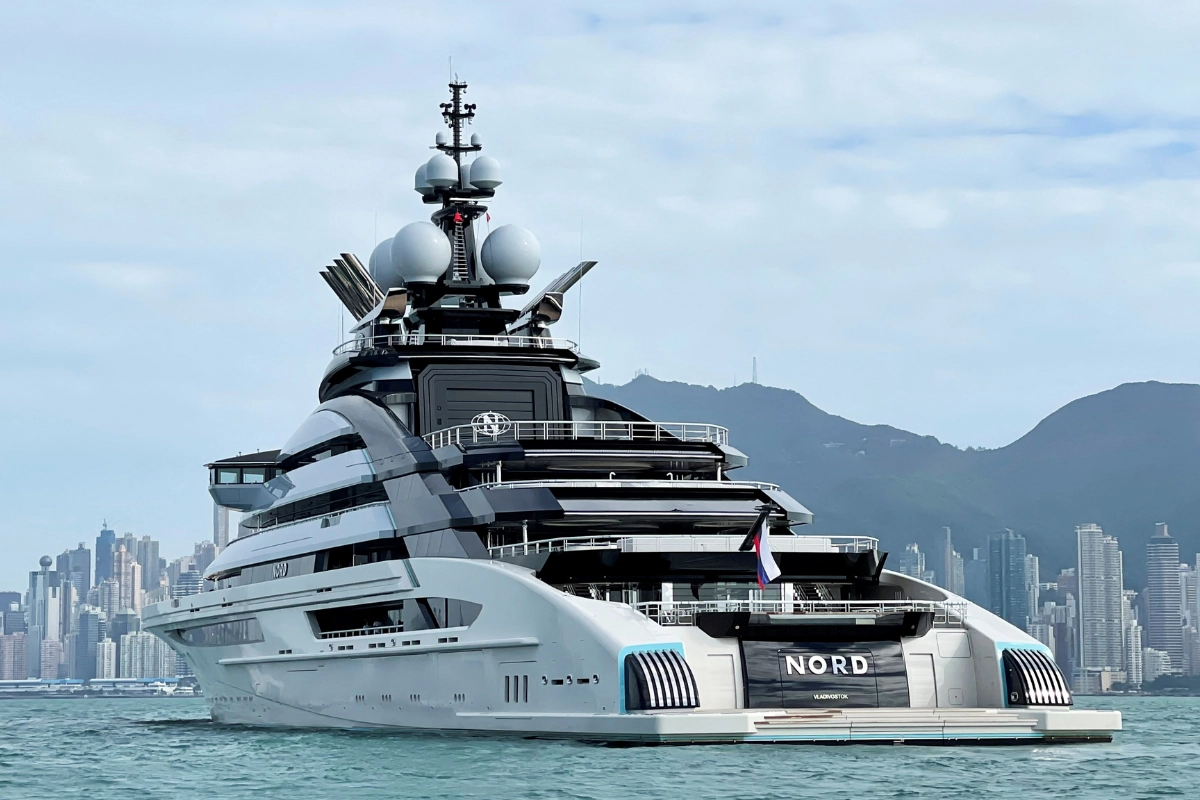
They can still appreciate a beautifully made watch, commission extraordinary jewellery, purchase a remarkable house or spend millions on a yacht simply because they want it. What changes is the context in which these objects exist. A yacht can be a vessel, but it can also be a private residence, an exploration platform and a place where a family spends time together. A house can be real estate, but it can also provide privacy, access to a city, a business base and a position within an international network. A handbag can be a fashion object, but it can also carry provenance, memories and evidence of decades of use. A bracelet can be valuable because of its materials, but its significance can also come from symbolism and the people connected to it. A journey can be extraordinarily expensive, yet its real value may lie in the fact that the experience cannot easily be repeated.
This is why the new luxury economy is becoming increasingly difficult to understand through price alone. The most sophisticated forms of luxury are often found in everything surrounding the purchase: the time it saves, the access it provides, the history it carries, the privacy it protects, the relationships it enables and the experiences it makes possible.
Wealth does not eliminate scarcity; it changes its nature. For previous generations, scarcity was often defined by the inability to possess something. For the wealthiest consumers today, scarcity increasingly appears in other forms: scarce time, scarce privacy, scarce access, scarce provenance, scarce experiences and scarce circumstances. The object may still be expensive, but its price is only one part of the story.
This is why apparently contradictory signals can coexist within the luxury market. A billionaire may acquire a private island while remaining almost completely invisible in public. A collector may prefer a worn handbag to a pristine one because the former carries a history that cannot be reproduced. A client may spend more on an Antarctic expedition than on another car because the journey provides an experience that cannot be replicated simply by spending more. A jewellery buyer may care as much about symbolism and provenance as about the number of diamonds contained in the piece. A family may own several residences across different continents without considering any one city its definitive home.
These are not signs that material luxury is disappearing. They are signs that material luxury is acquiring another layer.
As global wealth expands, luxury is becoming less about the visible evidence of wealth and more about the invisible infrastructure surrounding it: mobility, privacy, access, provenance, optionality, memory and meaning. The objects remain important, but the circumstances surrounding those objects increasingly determine their significance.
Perhaps this is why some of the most sophisticated expressions of wealth can look surprisingly ordinary from the outside: a vintage handbag with a worn handle, a discreet residence, a piece of jewellery whose symbolism is understood by only a small circle, a family office operating almost entirely outside public view, or an expedition whose photographs may never appear on social media.
The distinction is not necessarily how expensive these things are. It is how much context surrounds them.
Luxury, therefore, is not becoming less material. It is becoming more contextual. As wealth gives more people access to the traditional symbols of success, the most sophisticated consumers are moving towards forms of value that are harder to imitate: provenance that cannot be manufactured, access that cannot simply be purchased, experiences that cannot easily be scaled, privacy that cannot be displayed and memories that cannot be transferred.
For The New Ultras, the ultimate privilege may consequently have less to do with owning the most expensive version of everything and more to do with possessing the freedom, knowledge and network to decide what is actually worth having. The question is no longer simply whether something can be bought. It is whether it deserves a place within a life in which money has already removed many of the ordinary constraints.
That is where the meaning of luxury begins to change. The object remains, but context determines significance; price can establish rarity, but provenance can establish meaning; money can create access, but only certain forms of access remain genuinely scarce. In a world where an extraordinary amount can be purchased, the most valuable things may increasingly be those that cannot be reproduced simply by spending more.
The New Ultras are not necessarily consuming less. They are becoming more selective about what deserves to become part of their lives.