MENU
Close





From eighteenth-century Geneva workshops to collaborations with the Louvre, The Met, Japanese lacquer masters and contemporary artisans, the Maison has built a luxury brand history around one continuous idea: preserving craft means keeping knowledge in use.
From eighteenth-century Geneva workshops to collaborations with the Louvre, The Met, Japanese lacquer masters and contemporary artisans, the Maison has built a luxury brand history around one continuous idea: preserving craft means keeping knowledge in use.
September 28, 2026


Luxury houses often tell their histories through dates, founders, archives and iconic products. Vacheron Constantin can certainly do the same. Founded in Geneva in 1755, it has more than two and a half centuries of uninterrupted watchmaking history to draw upon. Yet another story runs underneath those milestones.
It is a history of hands.
Engravers cutting fractions of a millimetre from gold. Enamellers controlling colour through successive firings. Guillocheurs guiding century-old machines by touch. Gem-setters adjusting stones under magnification. Watchmakers, lacquer artists, ceramicists, furniture makers and museum conservators carrying forms of knowledge that are difficult to fully document because much of what they know exists through repetition and physical experience.
Seen from this perspective, handcraft in haute horlogerie becomes more than ornament. It provides a different way of understanding luxury brand history itself. For Vacheron Constantin, heritage survives when somebody still knows how to make it.
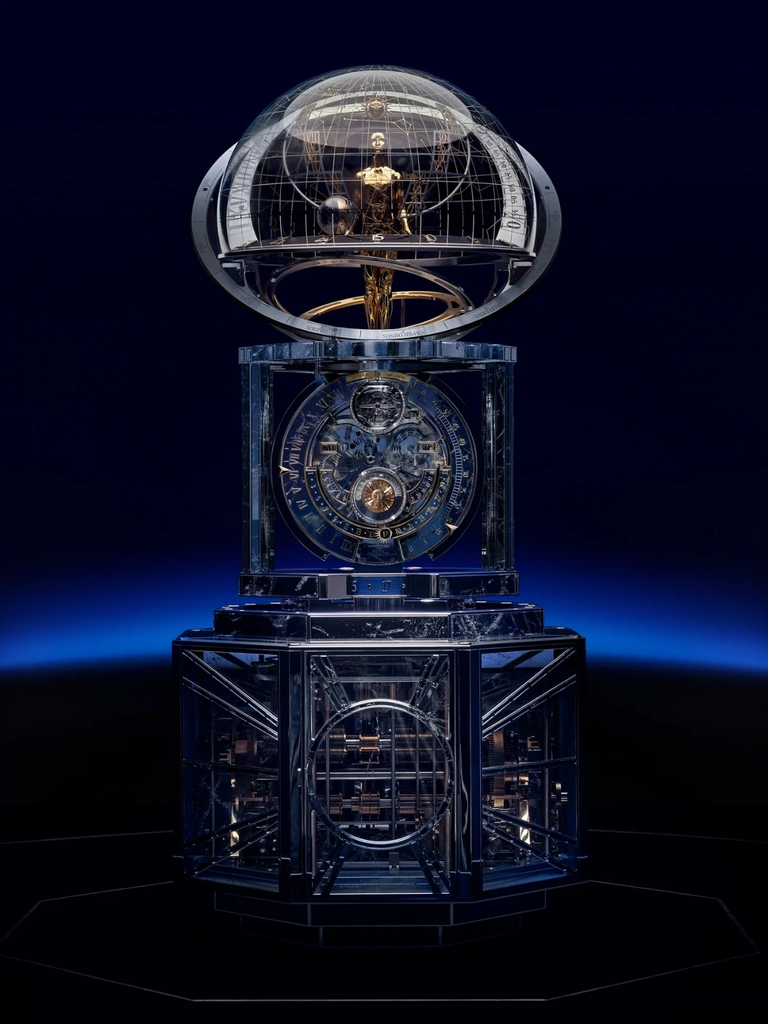
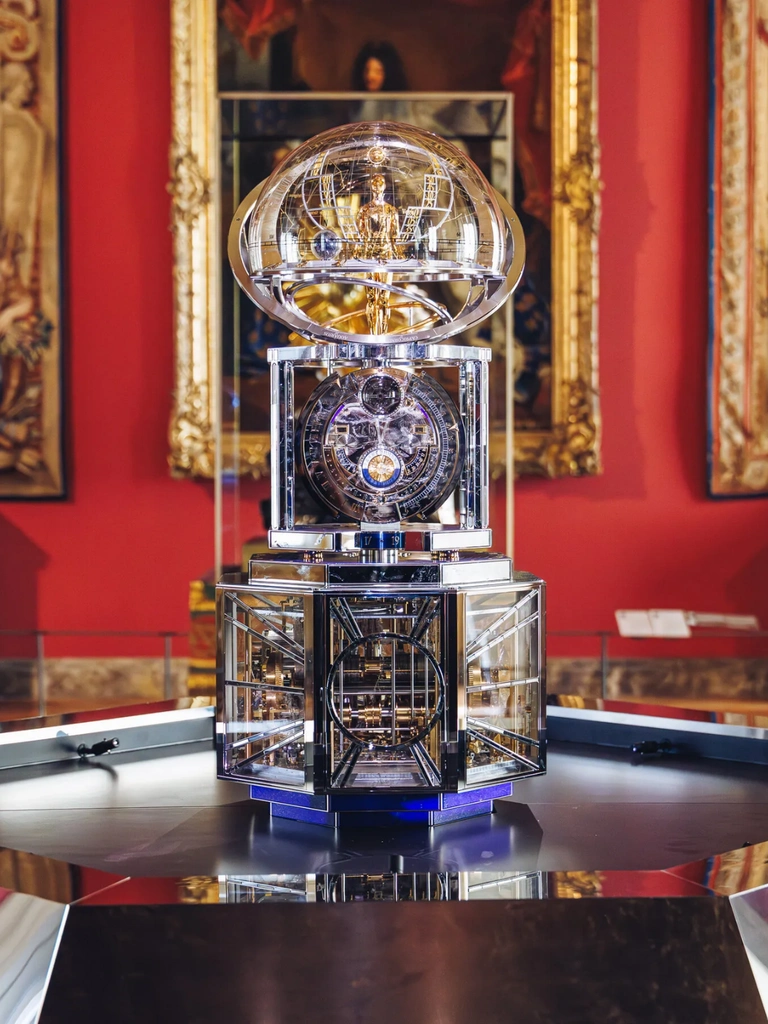
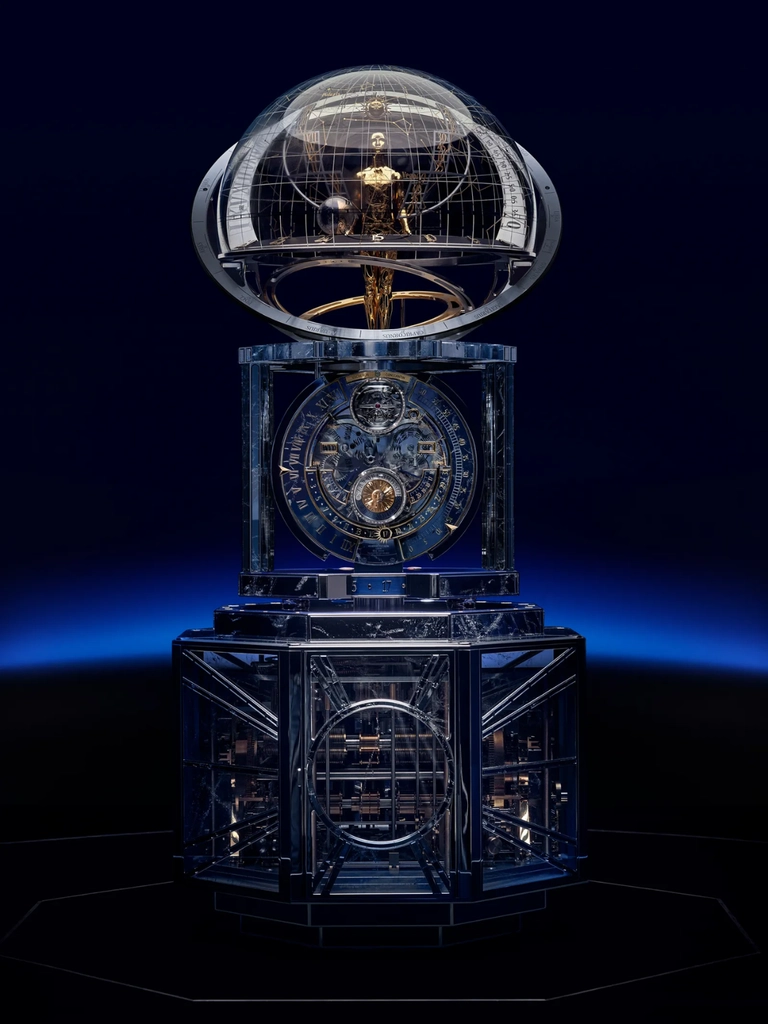
On its 270th birthday, Vacheron Constantin revealed the La Quête du Temps, where highwatching met monumental mechanical theatre. Created over seven years, the automaton clock contains 6,293 components, 23 complications and 15 patents, crowned by a gilded bronze Astronomer whose 144 movements point toward the Moon, constellations, hours and minutes. Beneath a glass dome recreating the Geneva sky of September 17, 1755.
Under this sky, Vacheron Constantin's luxury brand history unfolded.
Jean-Marc Vacheron established his workshop in Geneva in 1755 within a city already shaped by highly specialised artisanal production. Watchmaking belonged to an ecosystem traditionally associated with La Fabrique, where watchmakers, enamellers, engravers, goldsmiths and other skilled makers contributed to precious objects and complicated timepieces.
The celebrated cabinotiers — craftsmen working in Geneva's small upper-floor workshops,became closely associated with this culture of specialised production. The model was inherently collective. A watchmaker could construct and regulate a movement while other specialists worked on its case, dial, engraving or enamel. One object therefore carried the knowledge of multiple professions.
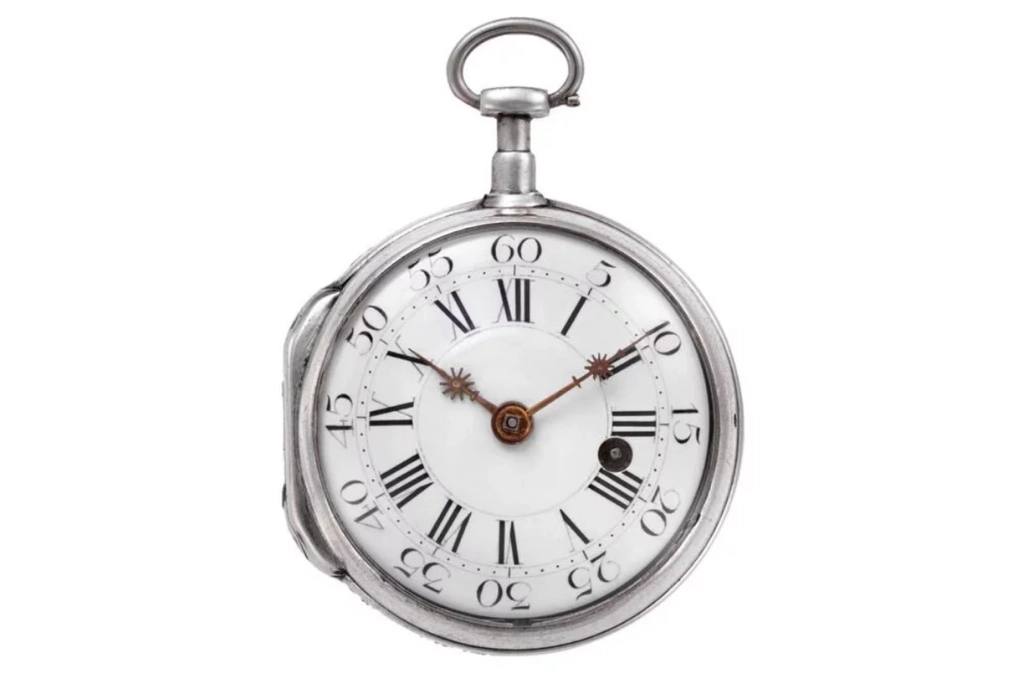
Vacheron's earliest known pocket watch from 1755 already reveals this dual structure. The movement serves the functional purpose of measuring time, while its balance cock is extensively engraved and openworked. Mechanics and decorative skill occupy the same object from the Maison's earliest surviving chapter.
That connection remains visible in the modern Les Cabinotiers department. Complicated bespoke creations can require collaboration between watchmakers, engravers, enamellers, guillocheurs and gem-setters. Even the department's name reconnects contemporary haute horlogerie with Geneva's historic craft workshops.
Continuity lies in the method: one watch becomes a meeting point for many hands.
The most direct expression of this philosophy appears in Vacheron Constantin's Métiers d'Art universe.
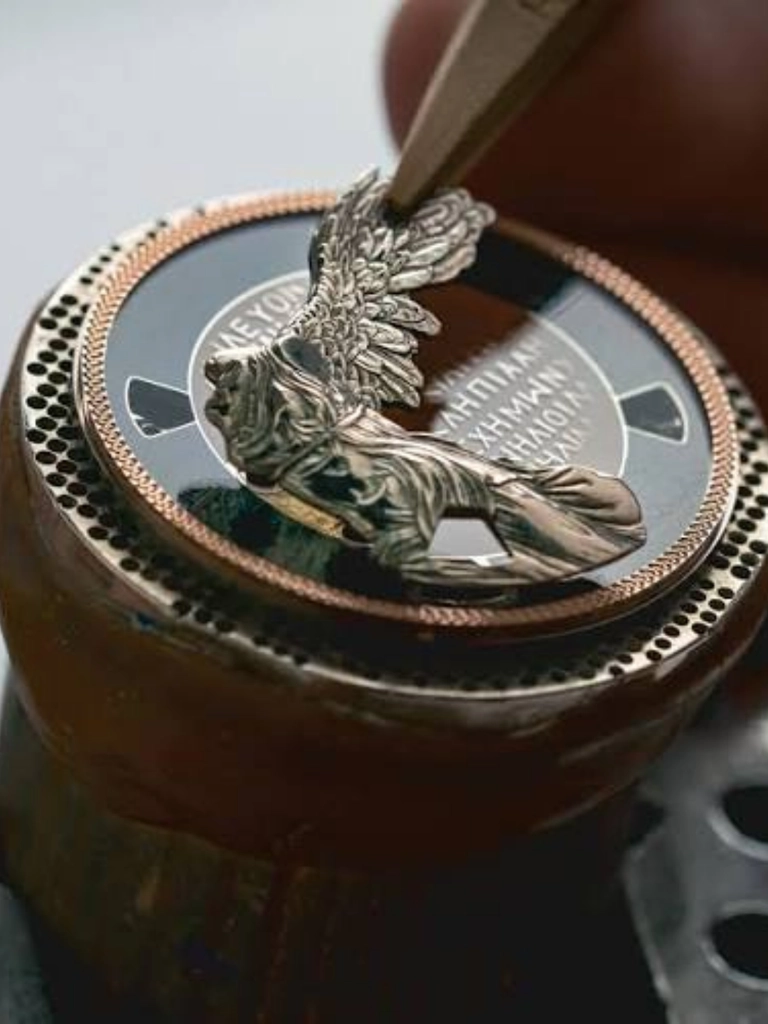
Here, decorative craft moves to the centre of the watch. Engraving, enamelling, guillochage and gem-setting form four major fields of expertise, each demanding manual control developed over years of practice.
Enamelling alone reveals how complex the idea of "handmade" can become. Grand Feu enamel passes through repeated high-temperature firings, with every cycle capable of changing colour or damaging the work. Cloisonné requires fine metal wires to define tiny compartments before enamel is introduced. Champlevé works from the opposite direction: the artisan removes material from the metal surface, creating recesses that receive enamel.
Guilloché brings another relationship between human and machine. A rose engine or straight-line machine provides the mechanical system, yet the artisan determines pressure, rhythm, alignment and reaction to the metal. The machine creates the possibility of the pattern. Human control decides whether it succeeds.
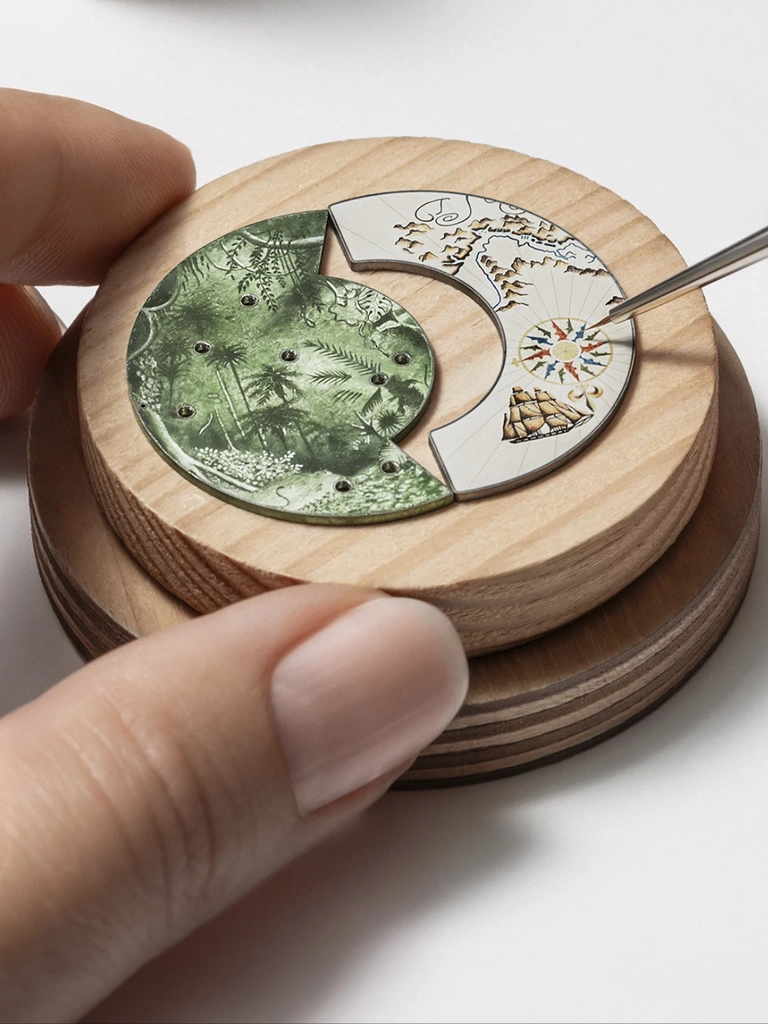
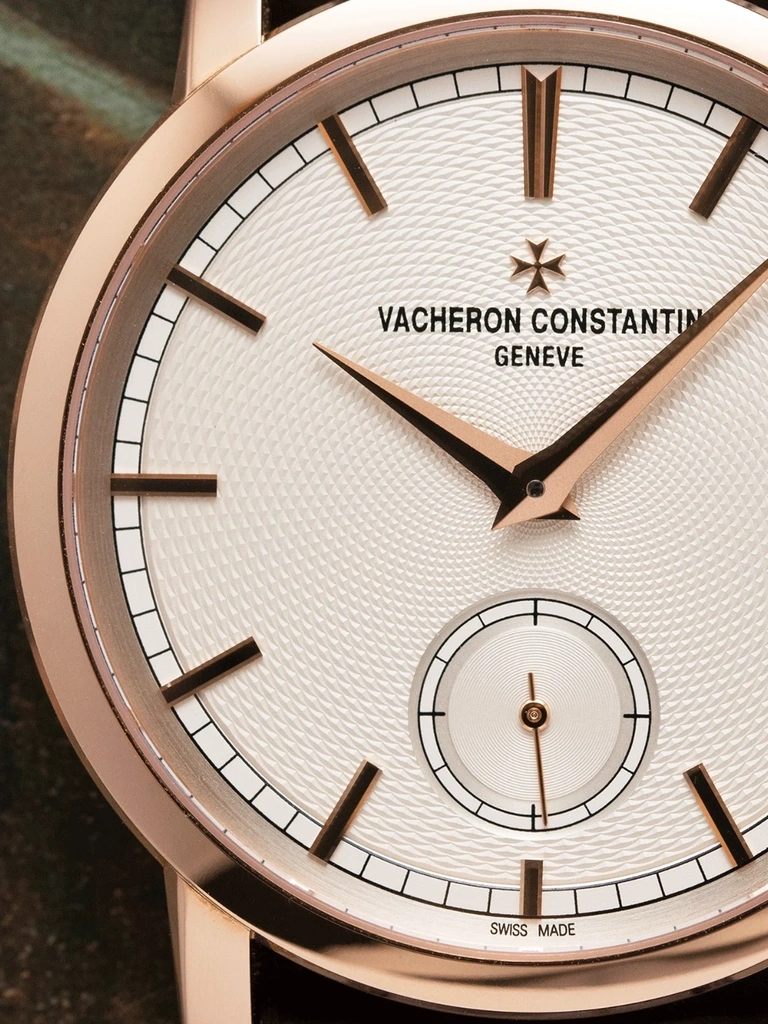
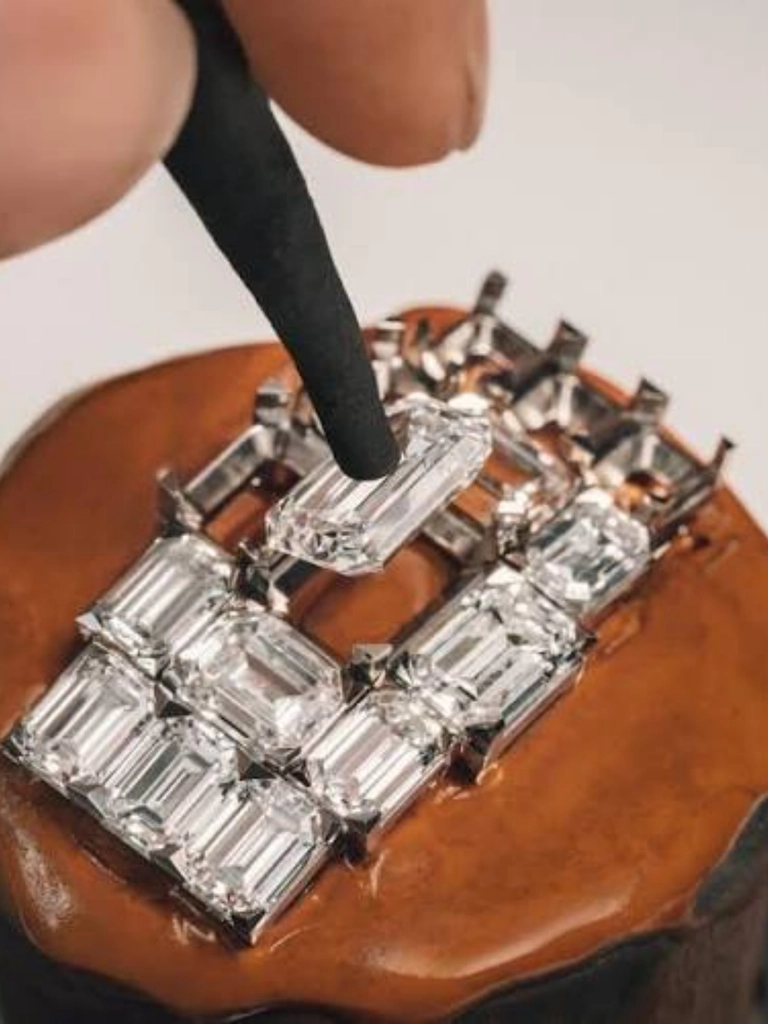
This distinction is fundamental to handcraft in haute horlogerie. Craft does not necessarily mean the absence of tools or machinery. It means that skill, judgement and physical intervention remain integral to the final object.
Vacheron Constantin has even constructed mechanical movements around this priority. Its calibre 2460 G4 moves time and calendar indications into four apertures positioned near the edge of the dial, leaving the centre largely open for engraving, enamelling and other decorative techniques. The movement itself therefore creates space for craftsmanship.
Watchmaking architecture and decorative art are designed together.
Preserving craft presents a paradox. A historic technique can survive in a museum or demonstration and still gradually lose relevance. It may be technically preserved while becoming detached from the creative problems that once made artisans develop it.
Vacheron Constantin's Métiers d'Art projects repeatedly approach preservation through new challenges.
Between 2010 and 2012, the Maison collaborated with Kyoto lacquer specialist Zôhiko for Métiers d'Art La Symbolique des Laques. The project brought Japanese maki-e techniques into the proportions and technical constraints of the watch dial. Powdered precious metals, lacquer and Japanese decorative traditions had to operate at a radically different scale. Swiss watchmaking did not simply borrow Japanese imagery. Two craft traditions had to adapt to each other.
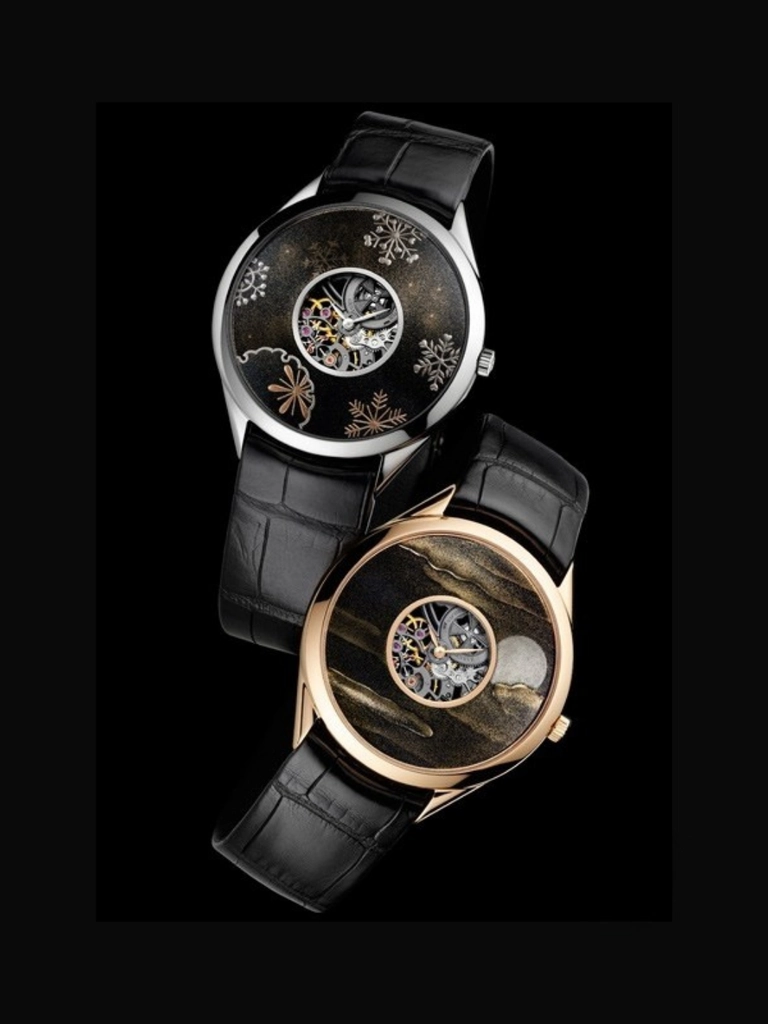
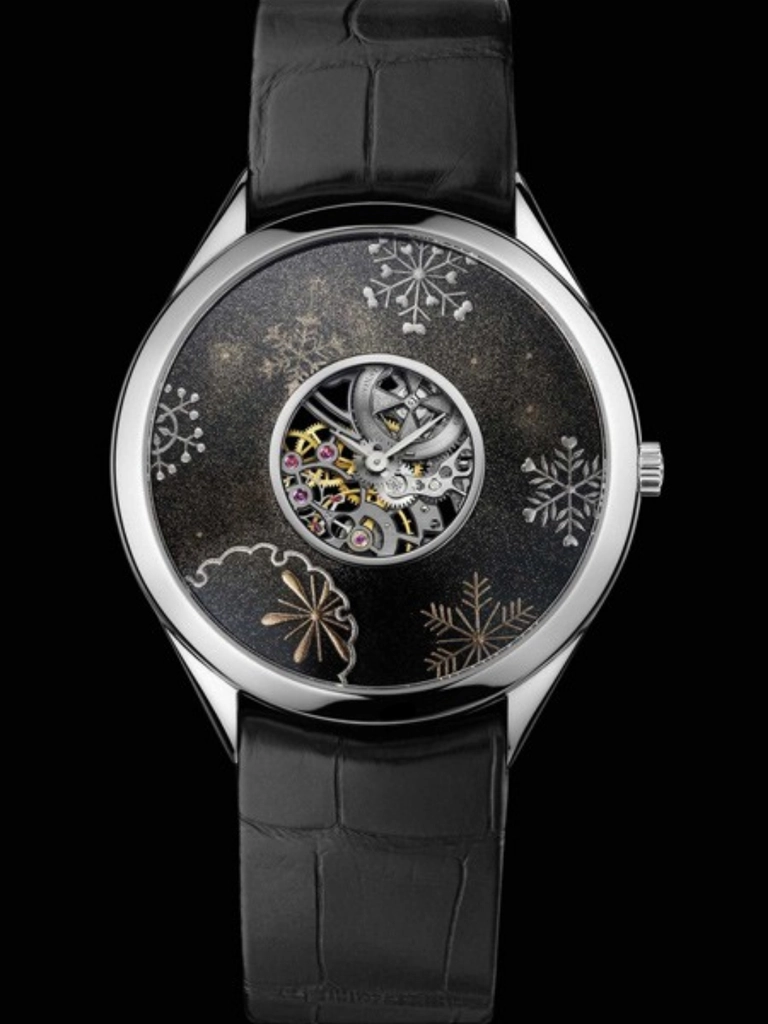
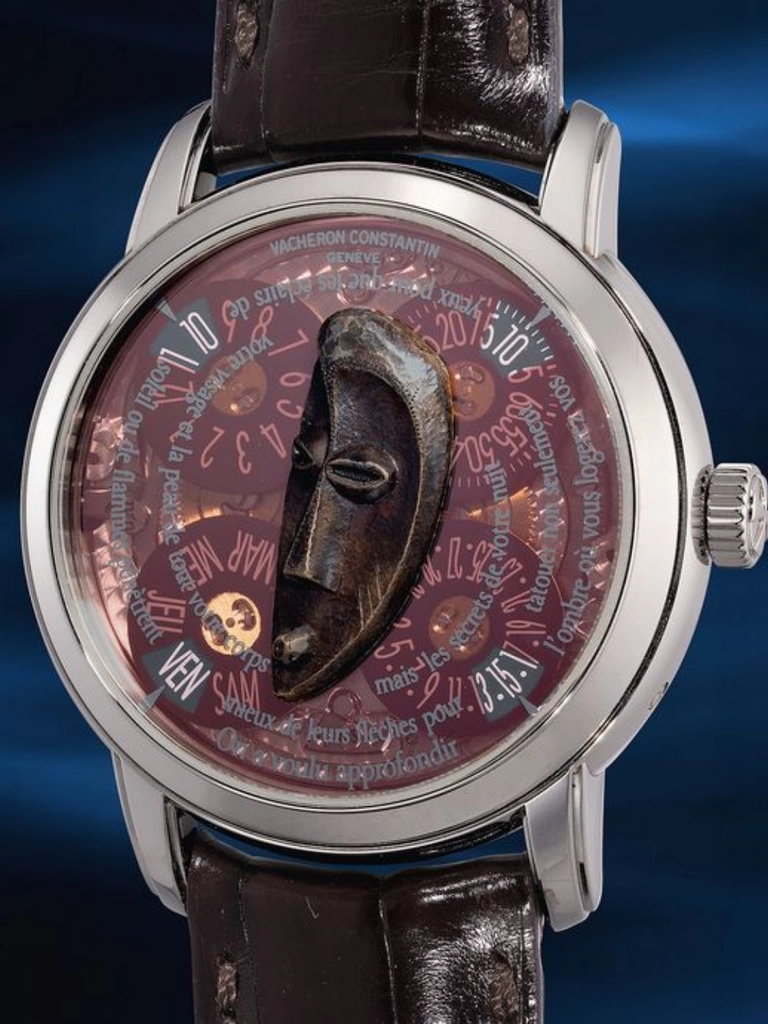
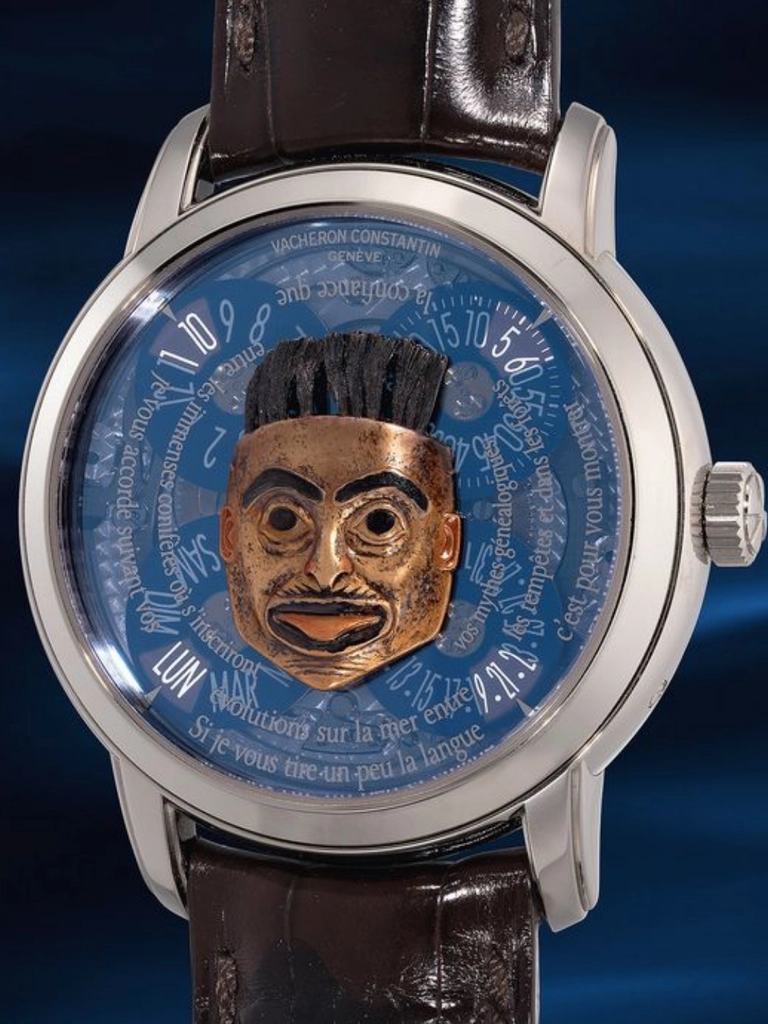
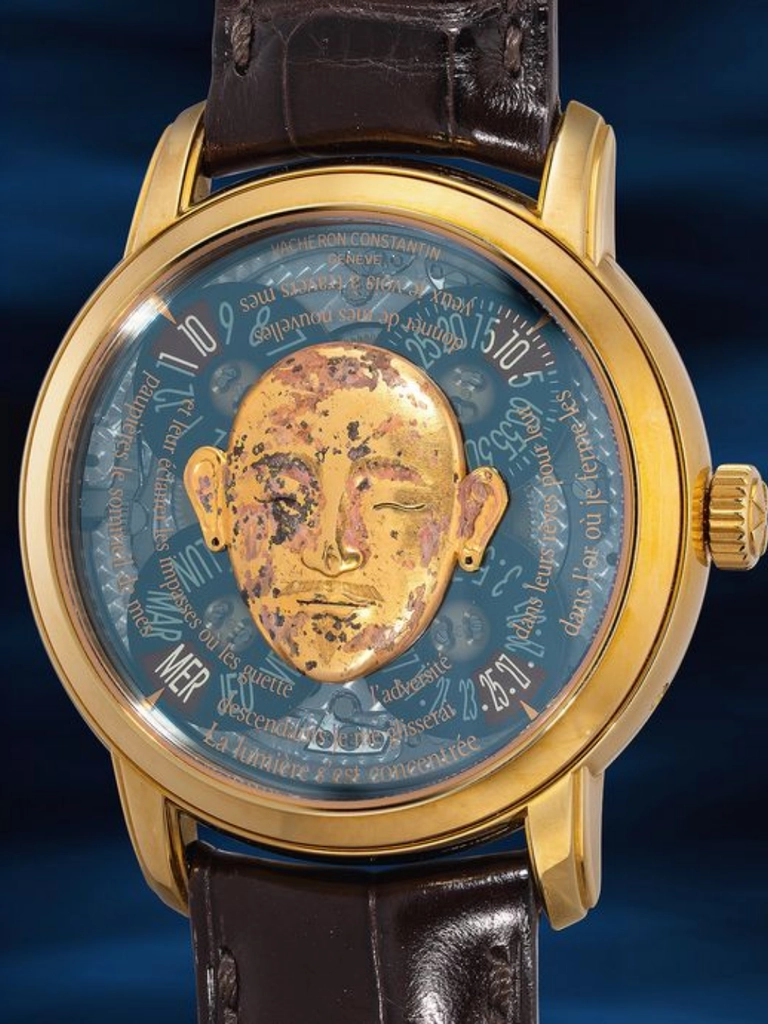
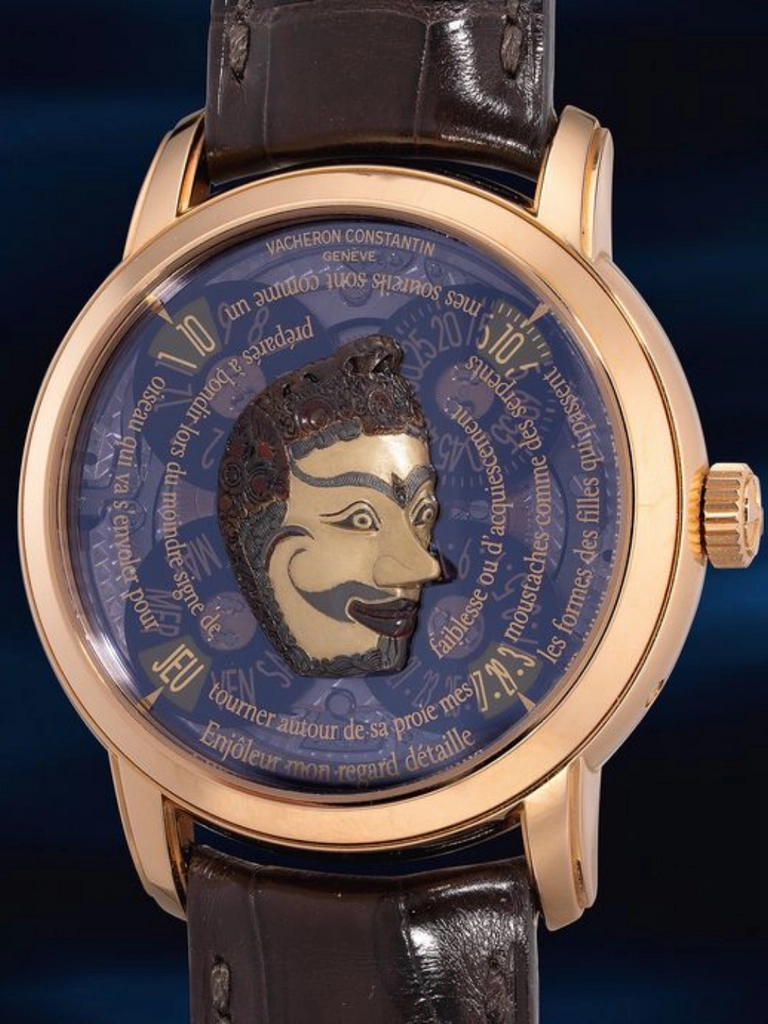
The earlier Métiers d'Art Les Masques collection worked through another form of translation. Historic masks from the Barbier-Mueller Museum were reconstructed as miniature gold sculptures placed above sapphire dials, forcing engravers and micro-sculptors to convert ceremonial objects into forms only millimetres across.
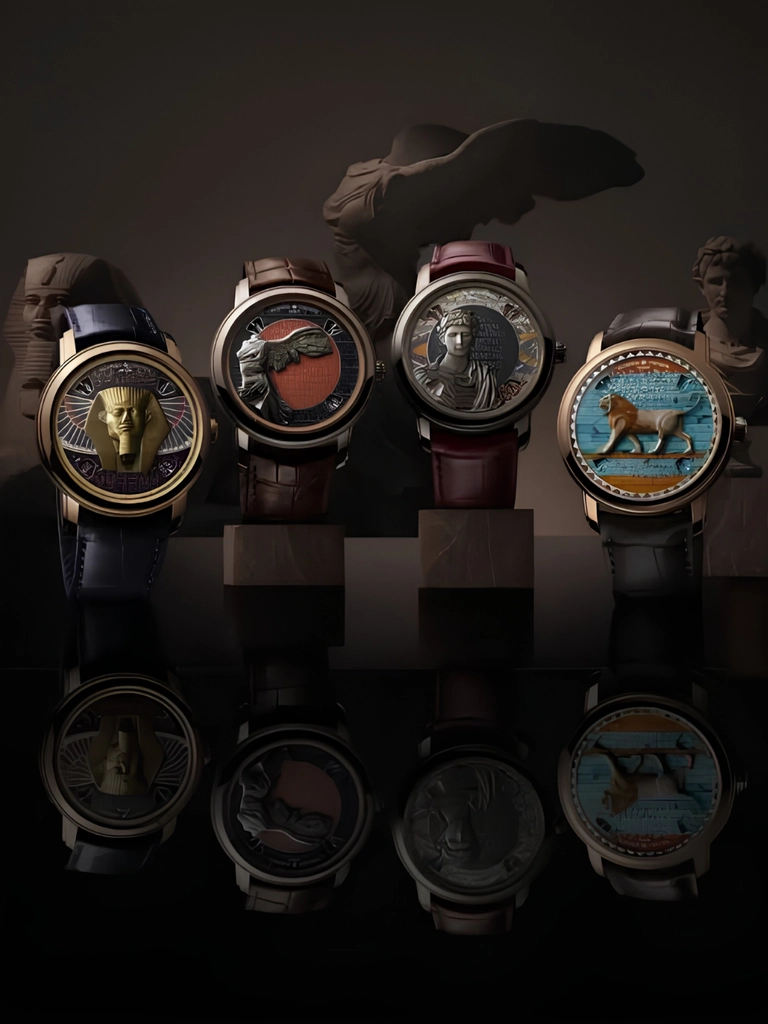
The Louvre partnership expanded this philosophy beyond manufacture. Before Vacheron Constantin and the museum formalised their relationship with the Métiers d’Art – Tribute to Great Civilisations collection, the Maison supported restoration work on the eighteenth-century astronomical clock La Création du Monde, a complex object combining timekeeping with representations of planetary movement, lunar phases and the terrestrial globe. The house and the museum continued this chapter in 2026 with the Chapter II of the Métiers d’Art – Tribute to Great Civilisations collection.
The significance is subtle: Vacheron Constantin was contributing to the preservation of mechanical craftsmanship embodied by an object it had never produced. Its luxury brand history therefore becomes connected to a broader material history.
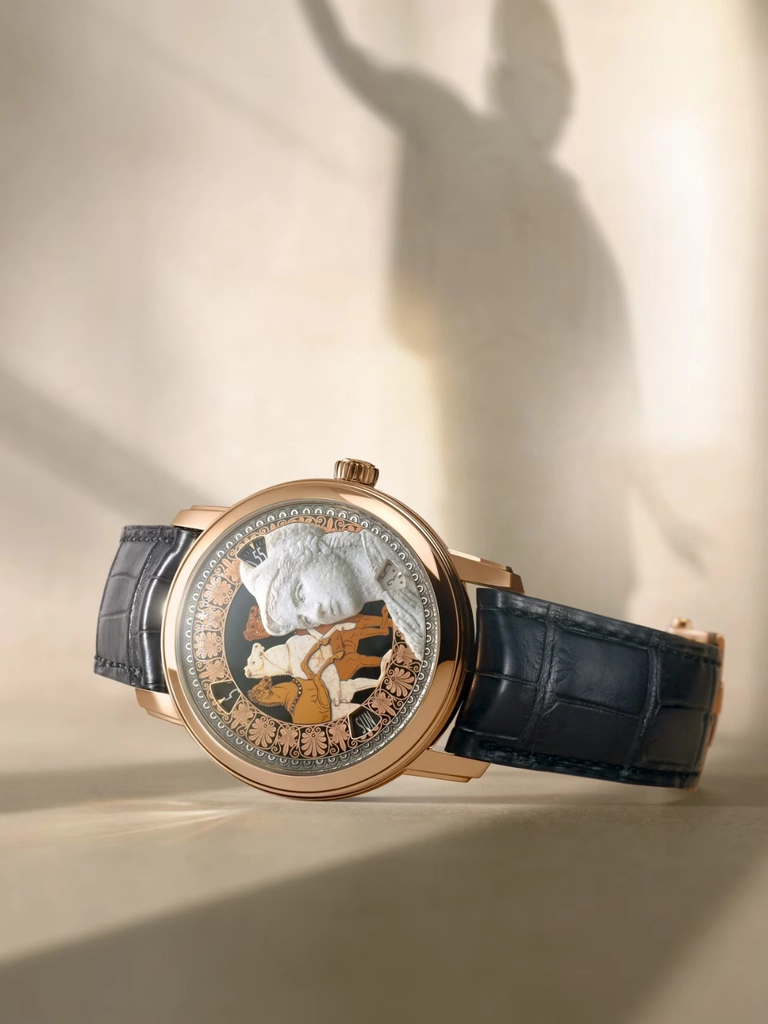
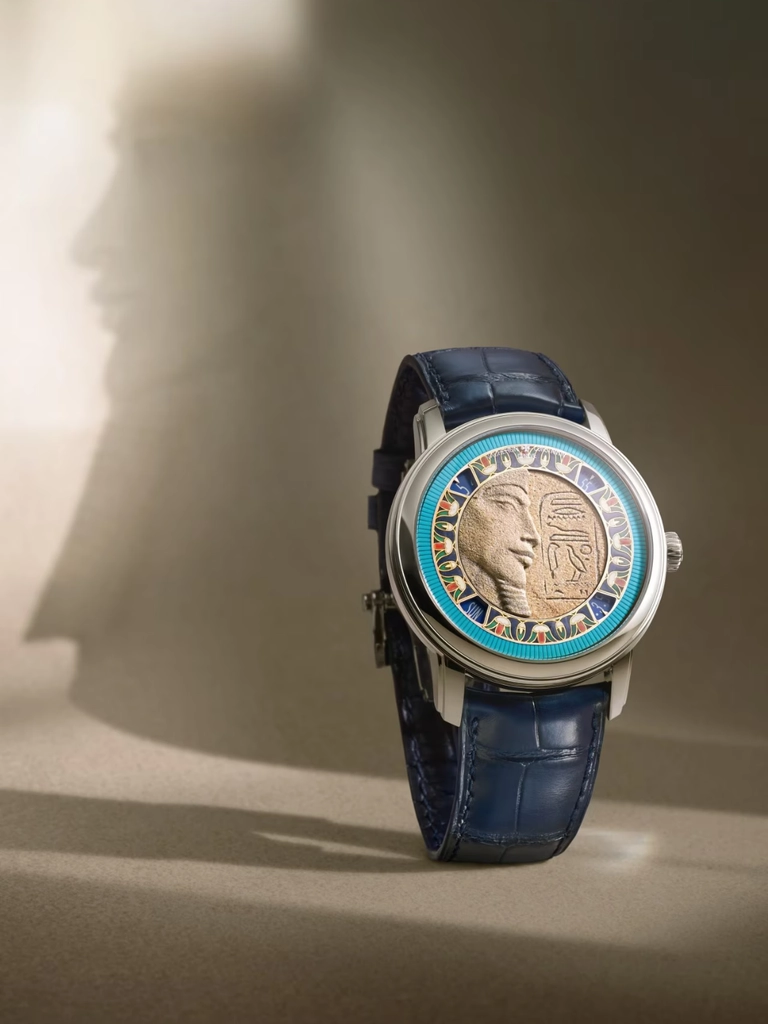
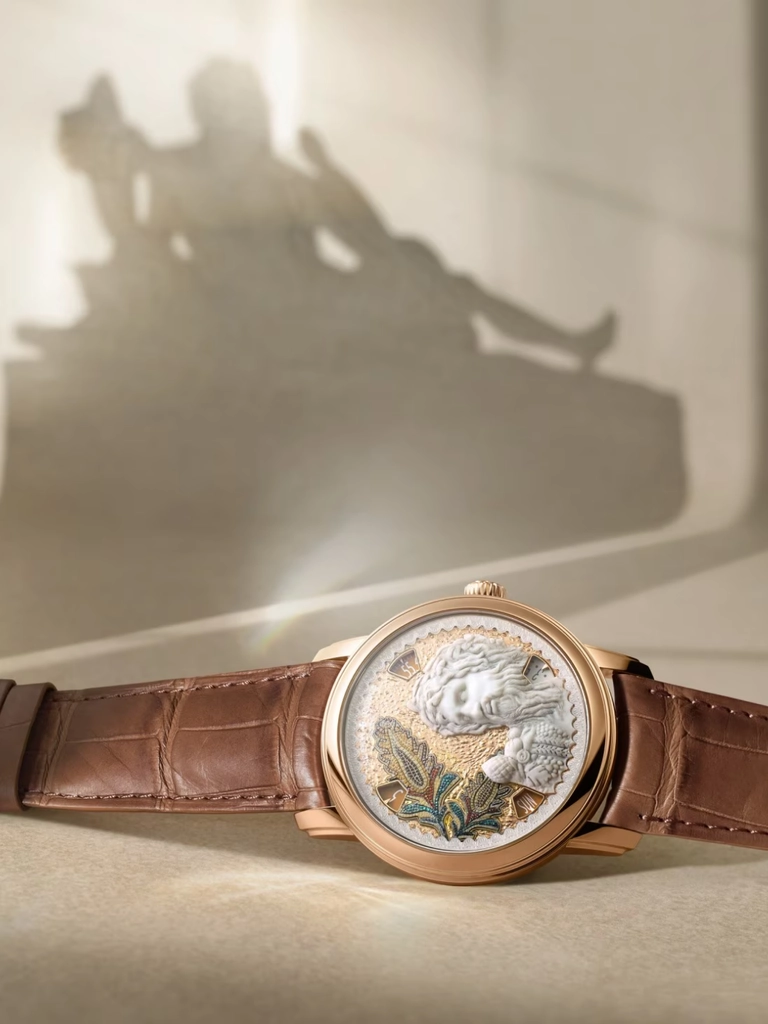
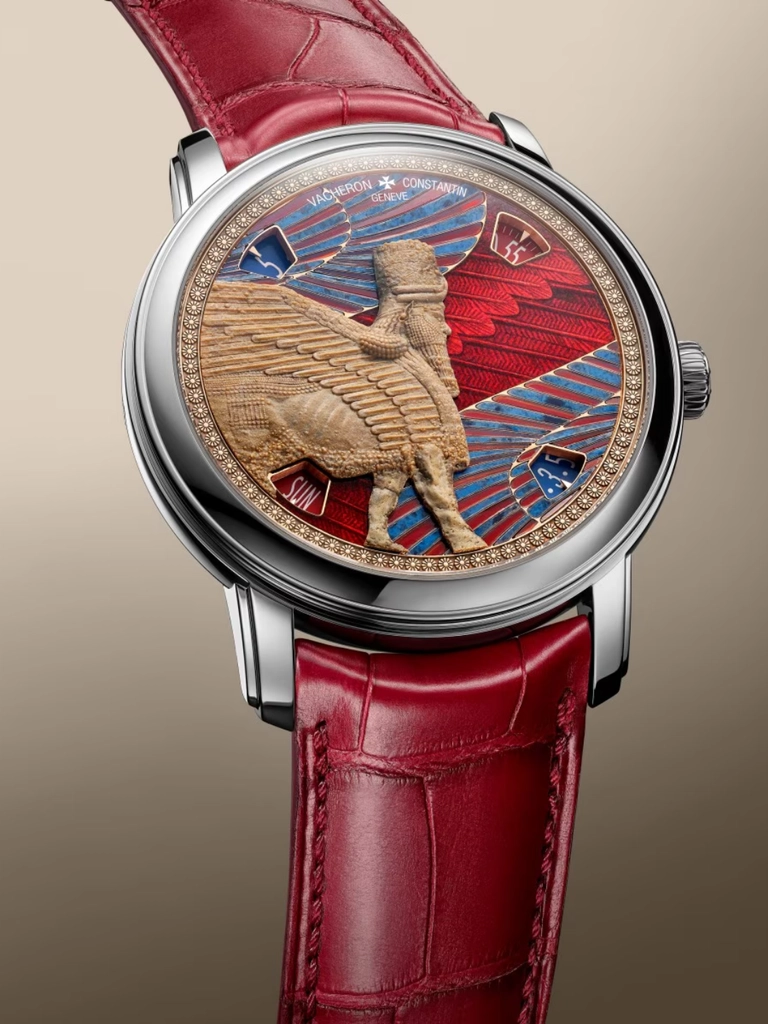
Later Métiers d'Art projects developed this museum relationship into creative interpretation. Louvre objects were studied and translated through engraving, enamelling, stone work and miniature sculpture. Museum expertise entered the watchmaking process, while horological artisans reconsidered archaeological objects through their own materials and techniques.
In this model, heritage becomes exchange instead of possession.The Louvre preserves objects and historical knowledge. The manufacturer contributes craft knowledge. The watch becomes the point where both systems meet.
The partnership with The Metropolitan Museum of Art pushes the argument further. When Vacheron Constantin and The Met announced their collaboration in 2023, education, mentorship and the transmission of craft knowledge became central themes. The subsequent artisan residency placed independent makers inside that system of exchange.
In September 2026, The Met unveiled new works by furniture maker Aspen Golann, ceramicist Ibrahim Said and jewellery artist Joy Harvey after an 18-month residency involving research into the museum's collections, interaction with specialists and visits to Vacheron Constantin's manufacture in Geneva.
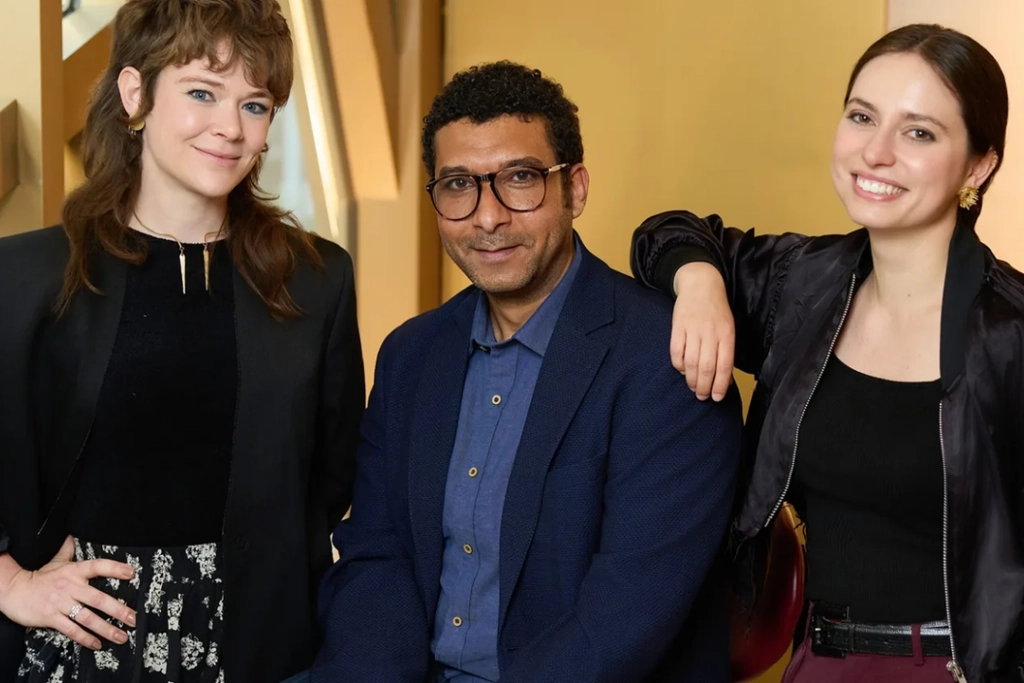
None of the three is a watchmaker. The common subject is craftsmanship itself.
Woodworking and watchmaking both depend on intimate material knowledge and precision. Ceramics and enamelling share an understanding of firing and transformation through heat. Jewellery connects naturally to metalwork, stone-setting and miniature construction.
Vacheron Constantin therefore functions as a connector between museum scholarship, independent makers and luxury manufacture. The finished object can change completely while the philosophy remains recognisable.
The Maison's network now extends across continents and disciplines.
Its relationship with the educational arm of Beijing's Palace Museum connects Swiss horology with one of the world's great collections of Chinese decorative art and historical timepieces. The museum's watch and clock holdings also document centuries of exchange between European makers and China's imperial court, placing contemporary partnership within a much older movement of techniques, objects and ideas across borders.
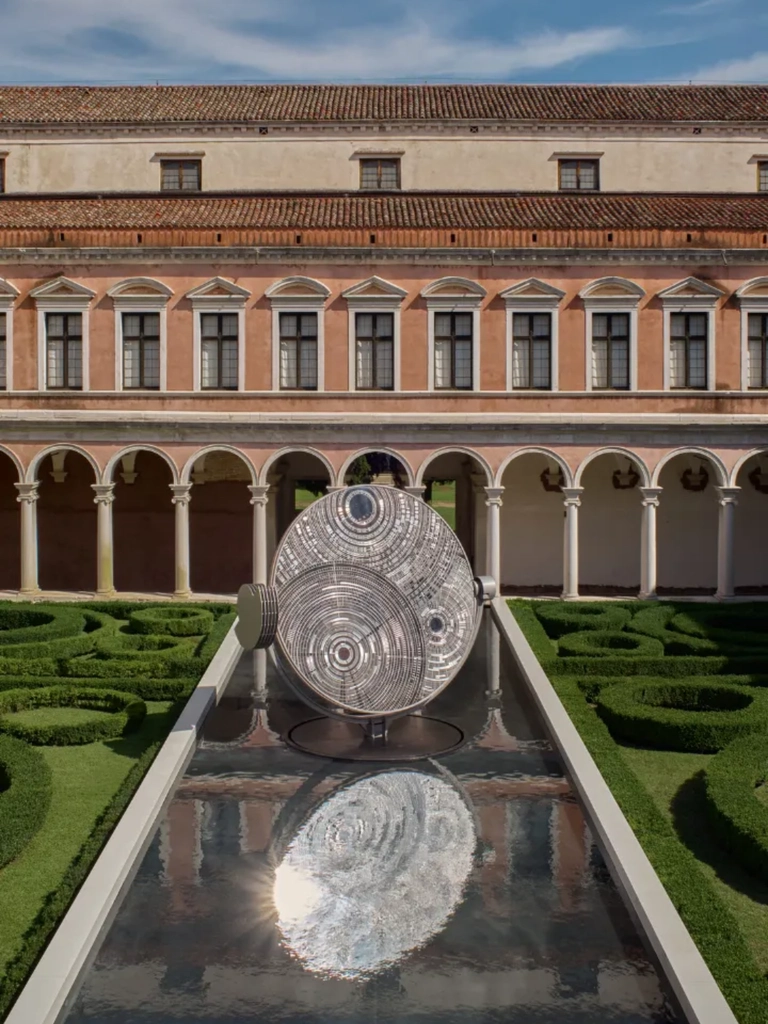
In Venice, Vacheron Constantin's participation in Homo Faber places horology alongside glassmaking, textiles, woodwork, jewellery, paper, metal and numerous other disciplines.
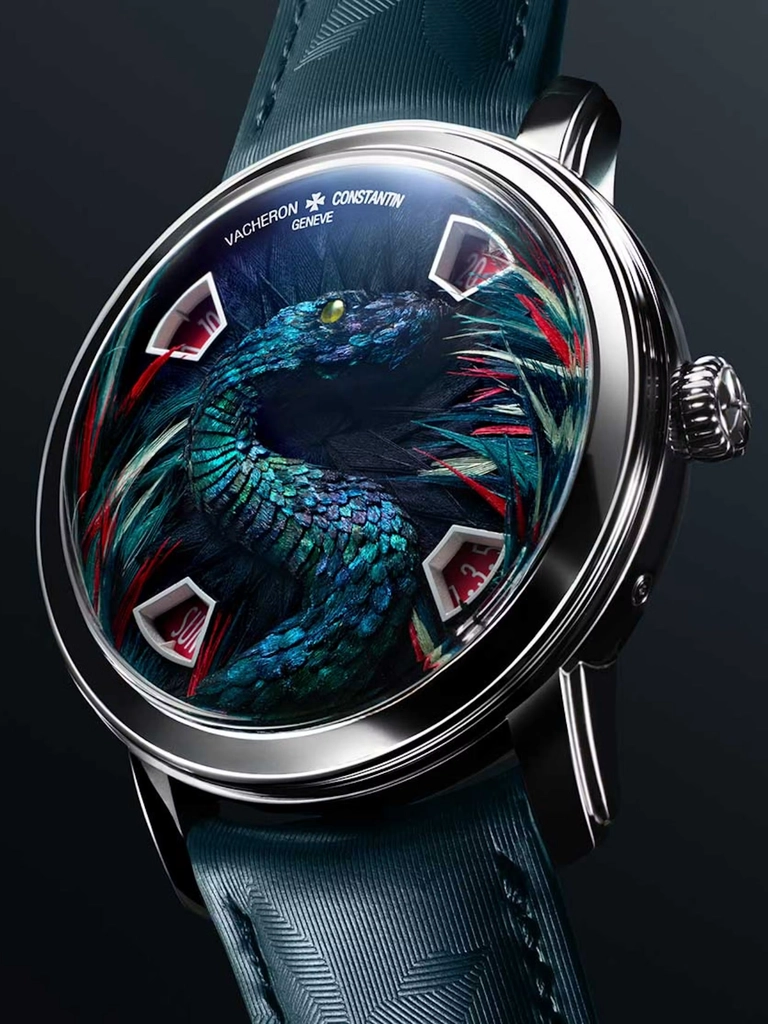
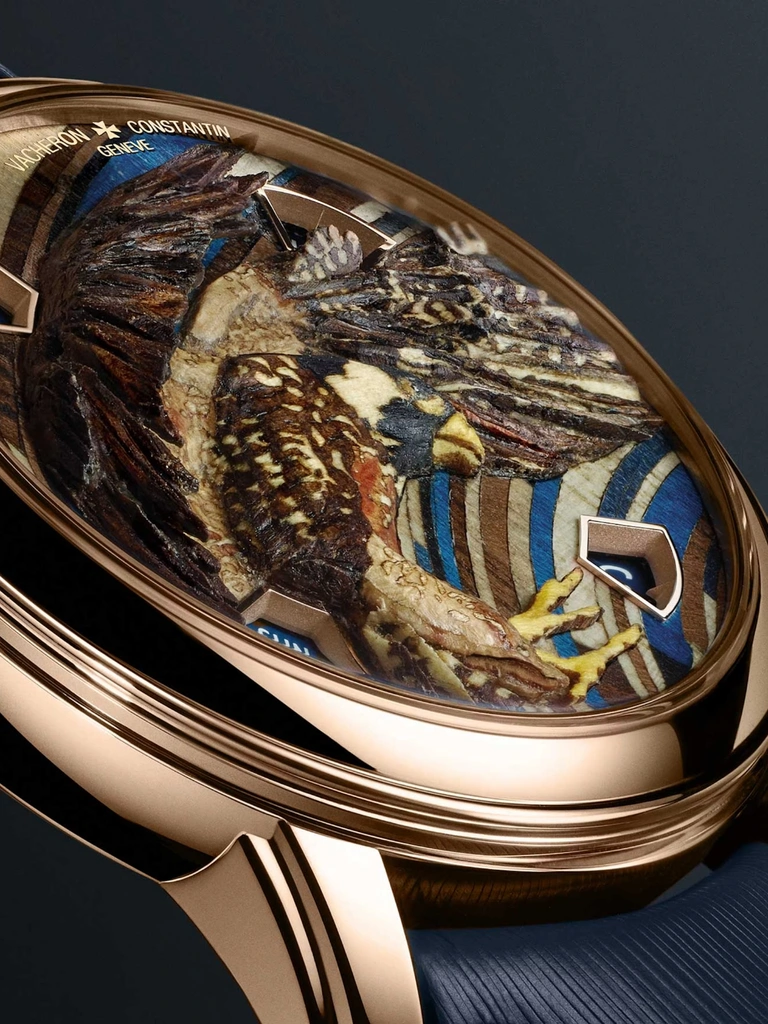
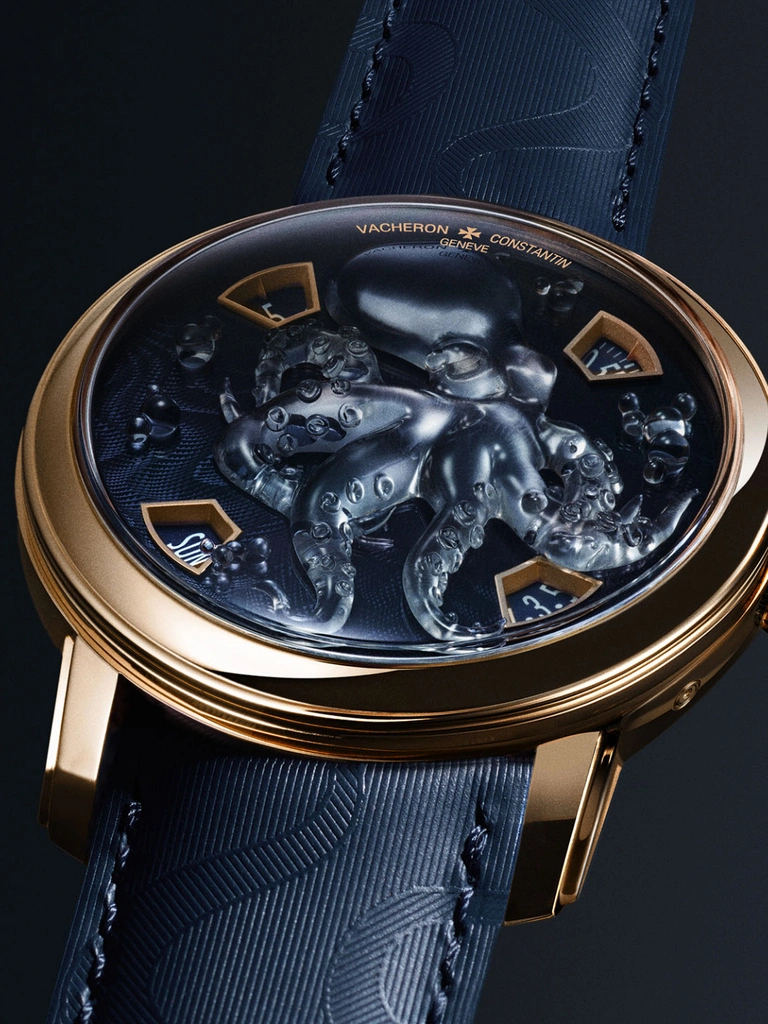
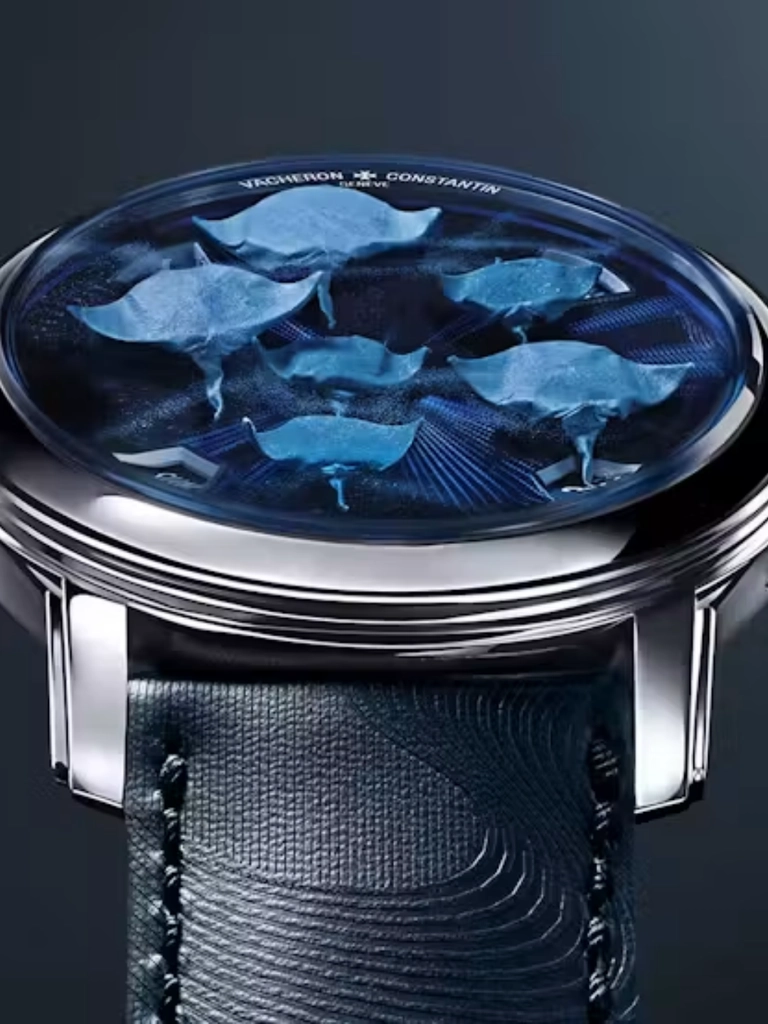
This context changes the way haute horlogerie can be understood. A watchmaker may manipulate components measured in fractions of millimetres, while a textile artist works across metres of cloth. Their tools and materials differ, yet both depend on embodied knowledge, repetition and a relationship between hand and material that cannot be reduced to industrial consistency.
Watchmaking becomes one branch within a much larger culture of making.
A conventional understanding of luxury brand history centres on physical archives: early watches, drawings, advertisements, patents, catalogues and iconic references. Vacheron Constantin's cultural projects suggest that an equally important archive exists outside the cabinet. It lives in people.
An enamel formula remains useful because an artisan understands how it responds to heat. A rose engine continues to matter because somebody still knows how to guide it. An eighteenth-century mechanical object can survive because conservators understand how its systems were constructed.
This knowledge cannot be perfectly stored through photographs or written instructions. Much of it exists through touch, repetition and accumulated judgement.
From Jean-Marc Vacheron's engraved pocket watch of 1755 to contemporary Métiers d'Art pieces, Japanese lacquer collaborations, Louvre conservation, The Met's artisan residency, Palace Museum education and Homo Faber, the objects and institutions continually change. The connecting idea remains remarkably stable.
For Vacheron Constantin, preserving time has never concerned movements alone. Its deeper project is preserving what human beings have learned to do with their hands across time. That may be the most compelling definition of handcraft in haute horlogerie, and one of the most enduring forms of luxury brand history.