After several punishing years of correction, fine wine has recovered a quieter kind of allure: less frenzy, more confidence, and a renewed appeal for collectors who prefer provenance, timing, and a bottle worth opening over market noise.
After several punishing years of correction, fine wine has recovered a quieter kind of allure: less frenzy, more confidence, and a renewed appeal for collectors who prefer provenance, timing, and a bottle worth opening over market noise.
May 28, 2026


The most persuasive thing about fine wine in the first quarter of 2026 is that it no longer feels theatrical. For much of the past three years, the market worked its way down from pandemic-era exuberance into something colder and more sceptical. That process now appears to be easing. Liv-ex, the London exchange that remains the trade’s clearest benchmark, shows the Fine Wine 100 up 0.6 per cent year to date, with the broader Fine Wine 1000 up0.4 per cent. Those are modest gains, yet that is precisely why they matter. The market is no longer trying to impress. It is beginning to behave.
What has changed is not simply price direction, but atmosphere. Westgarth Wines, in its 2026 outlook, described the market as entering the year with a “renewed sense of stability”, noting that prices began 2026 near five-year lows and had edged higher for four straight months. That is a useful distinction, because a floor in fine wine rarely arrives with fanfare. It usually begins as a change in collector behaviour: fewer panic sales, less appetite for indiscriminate buying, and a greater willingness to move only when the wine, the price and the provenance all feel right. In other words, the market looks less excited and more adult.
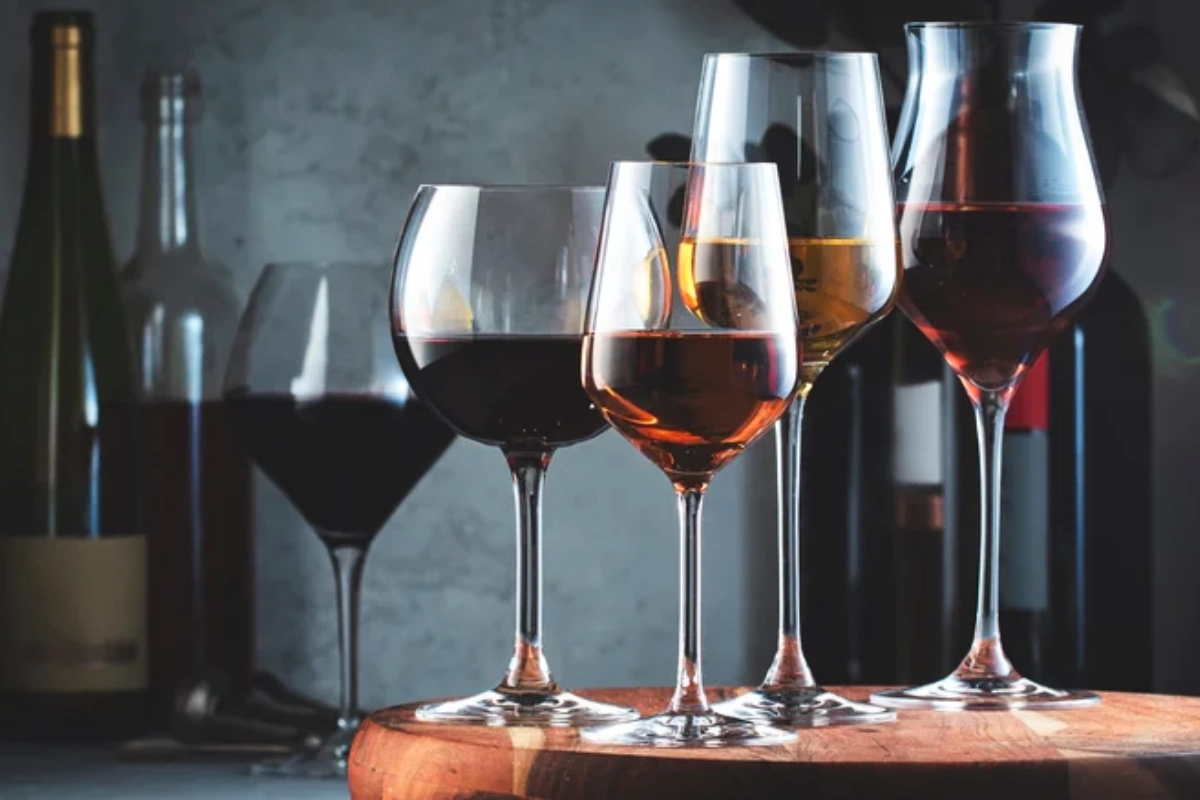
The clearest beneficiary of that shift is Bordeaux. For a time, the region risked becoming too financialised to feel seductive. Its greatest names still carried power, naturally, but too often they looked like instruments of value before they looked like objects of desire. Lower prices have helped correct that balance. Liv-ex’s latest Power 100 placed Château Cheval Blanc at number one, with the exchange explicitly framing the current moment as a question of pricing and pointing to Yquem as an example of how fair release strategy can help a brand in a difficult market. That matters because luxury, especially now, depends on credibility as much as image. Prestige alone is no longer enough. The price has to make emotional sense as well.
The trading data reinforces that view. In early March, Bordeaux’s share of traded value on Liv-ex rose to 47 per cent, its strongest week in recent memory. Burgundy followed with 16 per cent and Champagne with 10.5 per cent, while US buyers accounted for 27 per cent of purchased value that week. Read plainly, that means the market is returning first to the labels it already understands. Bordeaux still functions as the default language of blue-chip wine. It offers history, hierarchy and immediate recognisability, all of which matter in a luxury climate where wealth still prefers labels that can be read at a glance.
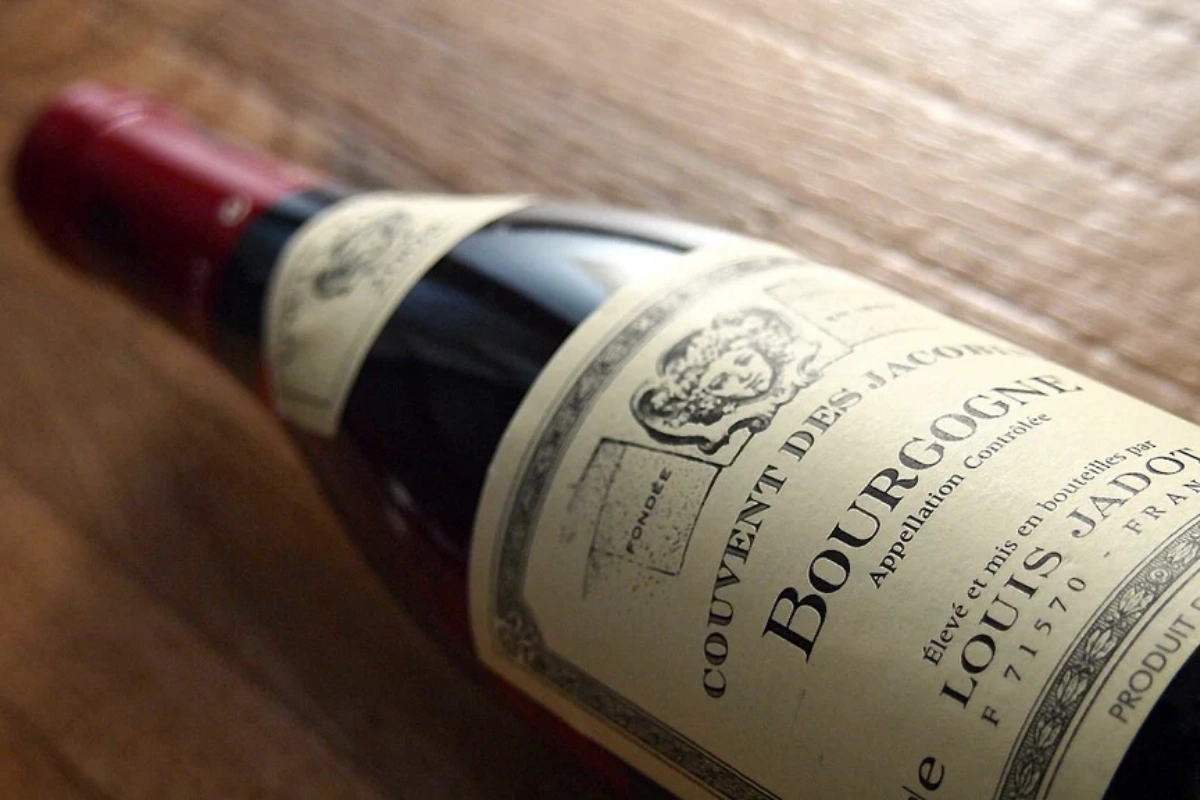
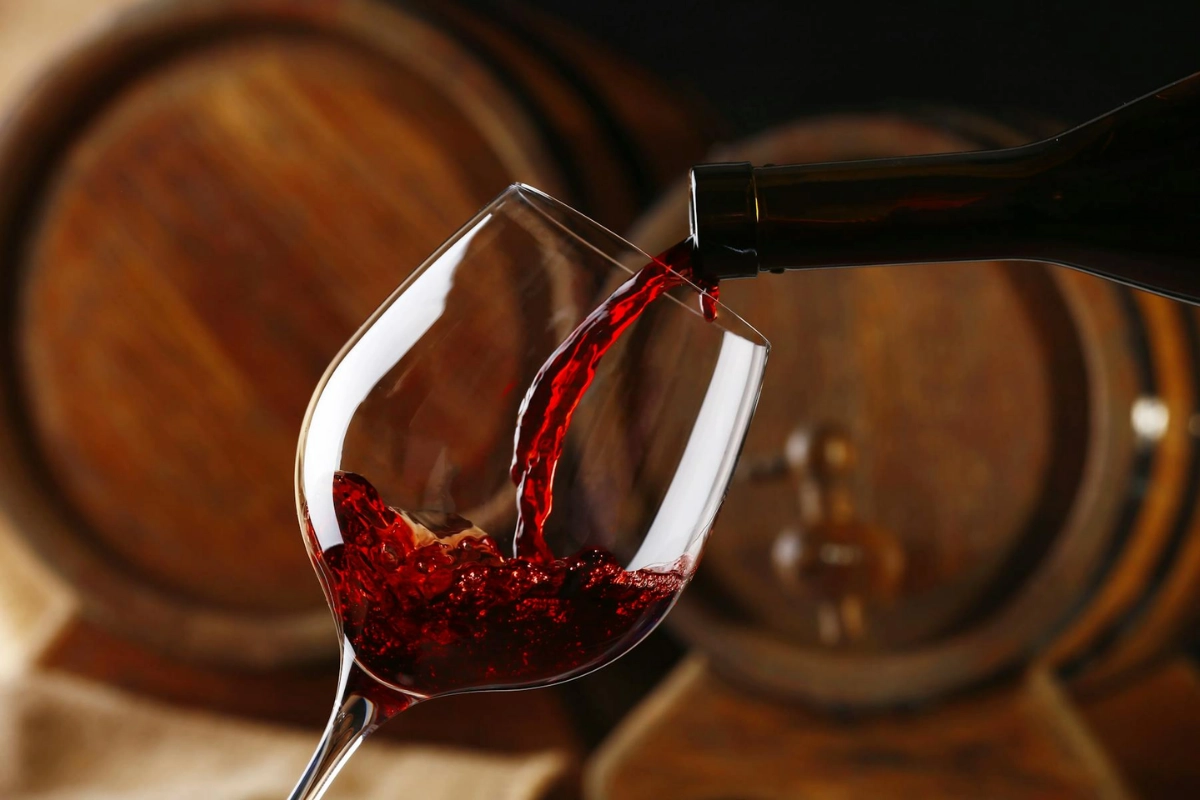
Search behaviour tells the same story, perhaps more revealingly because it captures desire before money changes hands. In March, Wine-Searcher reported that in the United States 15 of the top 20 most-searched wines were from Bordeaux, and that Bordeaux classed growths accounted for 50 of the top 100 searches, up from 46 a year earlier. Outside the US, Mouton and Lafite led searches. This is not merely a sign of curiosity. It is a sign of instinct. When collectors begin looking again, they do what luxury consumers often do in uncertain moments: they drift back towards names that already possess social meaning.
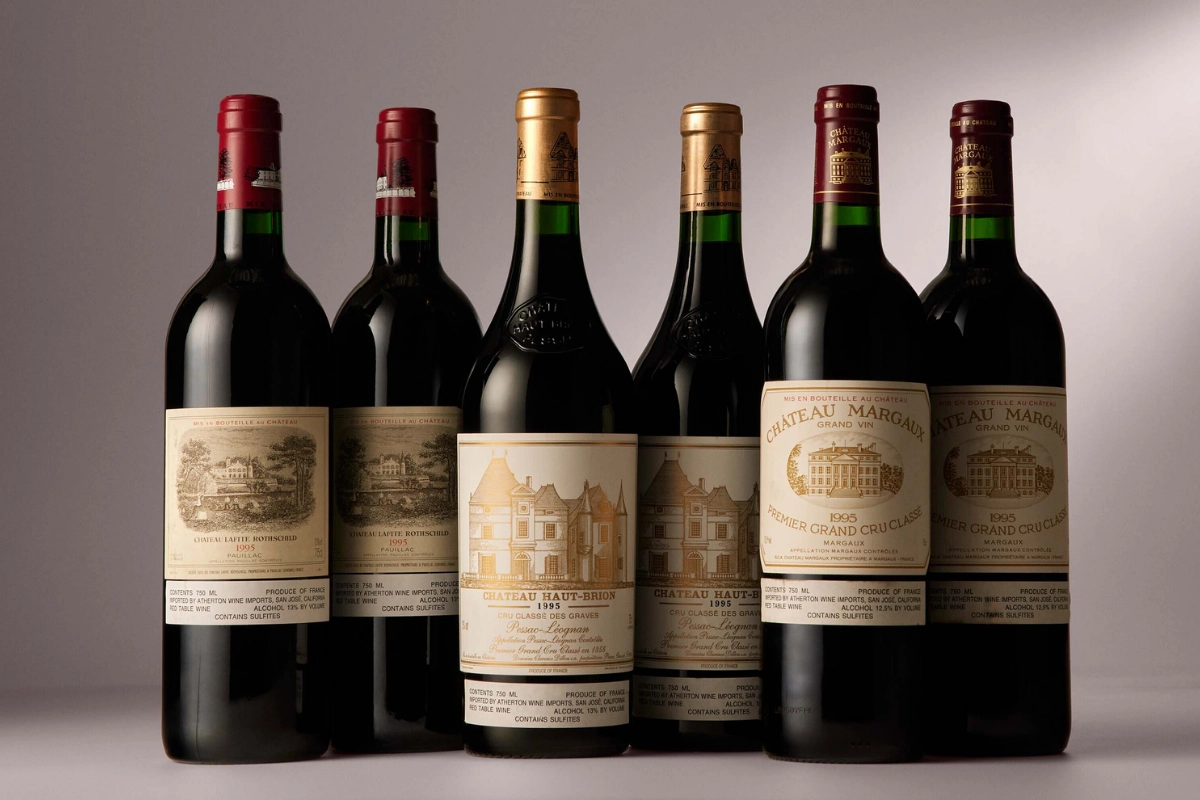
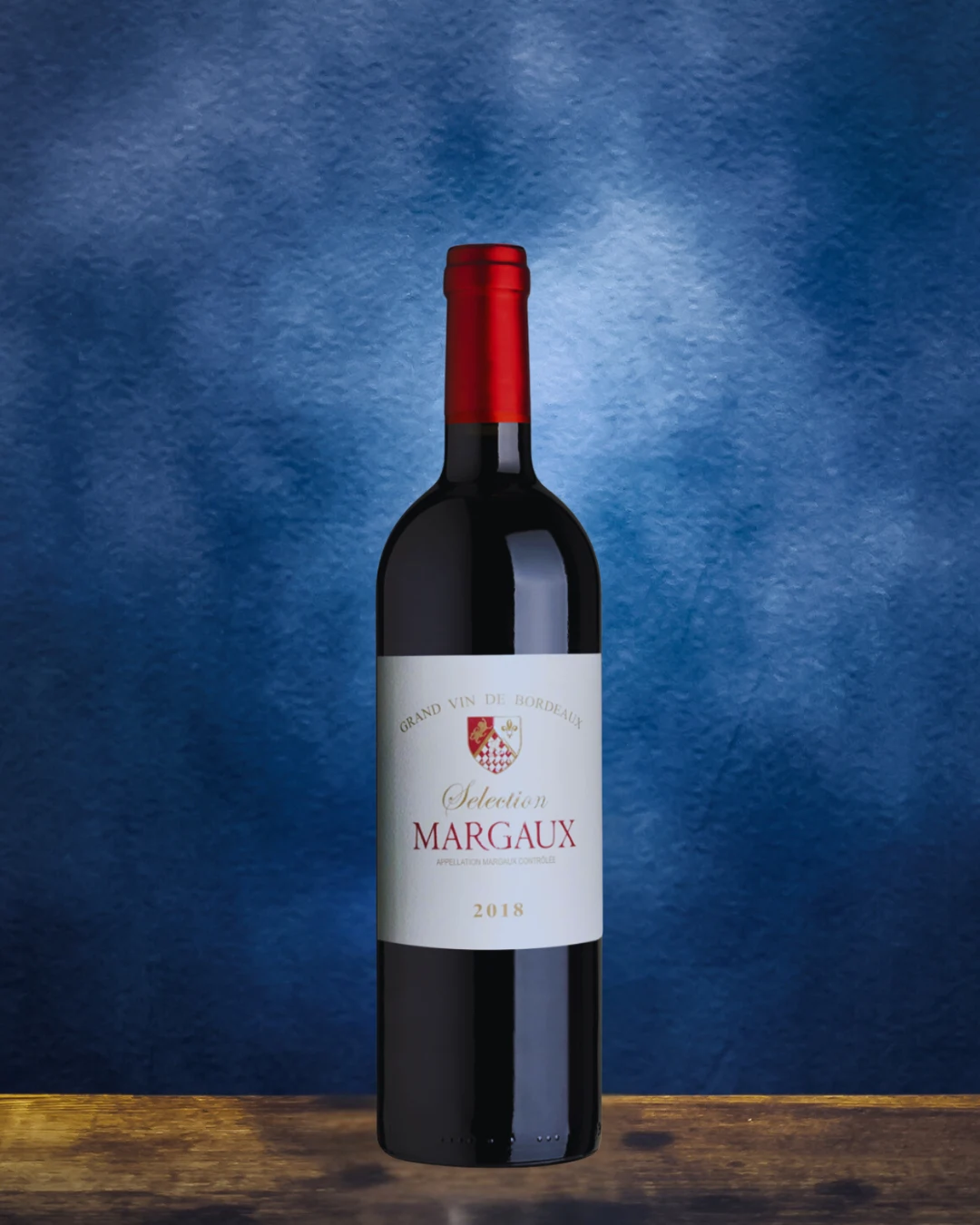
This is why Bordeaux has become the centre of gravity again. It remains the region richest in instant signal. A bottle of Cheval Blanc, Lafite or Margaux does not require explanation. It arrives with its own cultural shorthand. That matters in a world where the wealthy do not always want to educate the room. Often they simply want the room to understand. In that sense, the correction has been useful. It has allowed the strongest Bordeaux labels to recover something closer to glamour. They are once again difficult to dismiss, yet no longer look quite so aggressively priced.
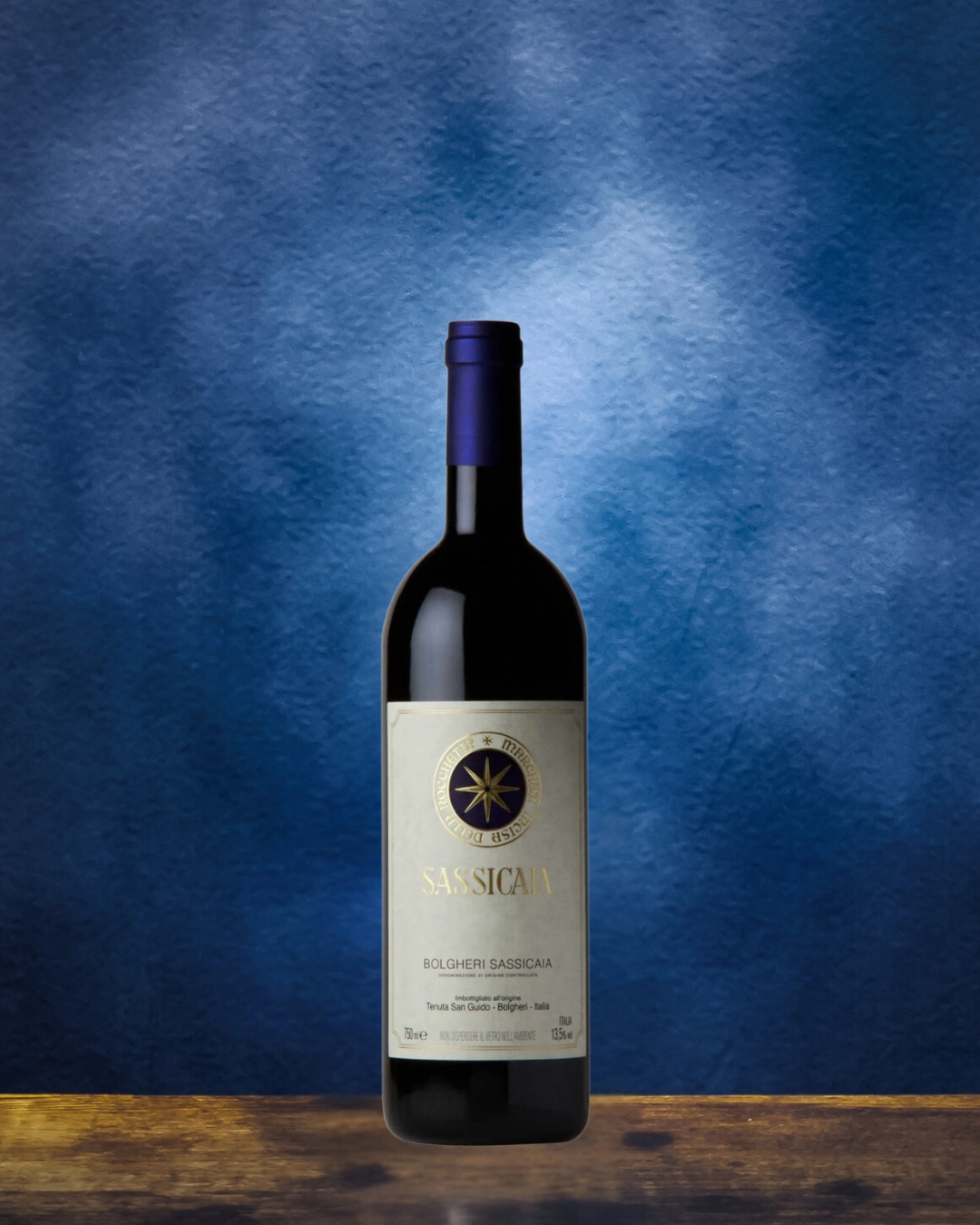
Where, then, does Sassicaia sit in this picture? Importantly, it occupies a different role. If Bordeaux supplies structure, Sassicaia supplies sheen. Liv-ex shows the Italy 100 up 0.7 per cent year to date, ahead of the Bordeaux 500 at 0.5 per cent, while Tenuta San Guido, Sassicaia’s producer, ranked second in the latest Power 100. That is a meaningful position, though it does not make Sassicaia the same kind of luxury object as a first-growth Bordeaux or a headline trophy bottle. Its appeal is subtler. Sassicaia speaks less to instant status projection and more to polished taste. It sharpens a cellar beautifully, but it does not announce itself with the brute social clarity of the grandest Bordeaux names. In a luxury article, that distinction matters. It is a wine of refinement, not necessarily of dominance.
This is why the current fine-wine market feels more sophisticated than it did a few years ago. The loudest cellar still has its uses, certainly, but it no longer looks automatically the most interesting. The collector of 2026 appears slightly more edited. Coherence matters more. So does timing. Bottles increasingly need to justify themselves both as assets and as experiences. That shift is one reason mature vintages have become newly compelling. Westgarth has argued that mature bottles are often available at prices comparable to new releases, while offering better value once storage costs and proven quality are considered. Decanter’s recent look at Bordeaux 2016 sharpened that point further: 31 of 45 red wines in the Liv-ex Bordeaux 500 were trading below their original ex-London release prices, suggesting that buyers can now access proven, more mature wines at more attractive prices than those offered at release.
There is a broader luxury lesson in that. Mature wine fits the current mood because it reduces the distance between acquisition and pleasure. It allows a collector to buy something rare without waiting a decade for it to become truly expressive. It also flatters a certain kind of confidence. Serving an older, ready bottle says something slightly more nuanced than simply serving an expensive young one. It suggests timing, fluency and the pleasure of knowing when a wine is ready rather than merely knowing what it costs. That is the sort of quiet sophistication luxury has been moving back towards in other categories as well. The best purchases are no longer always the loudest ones.
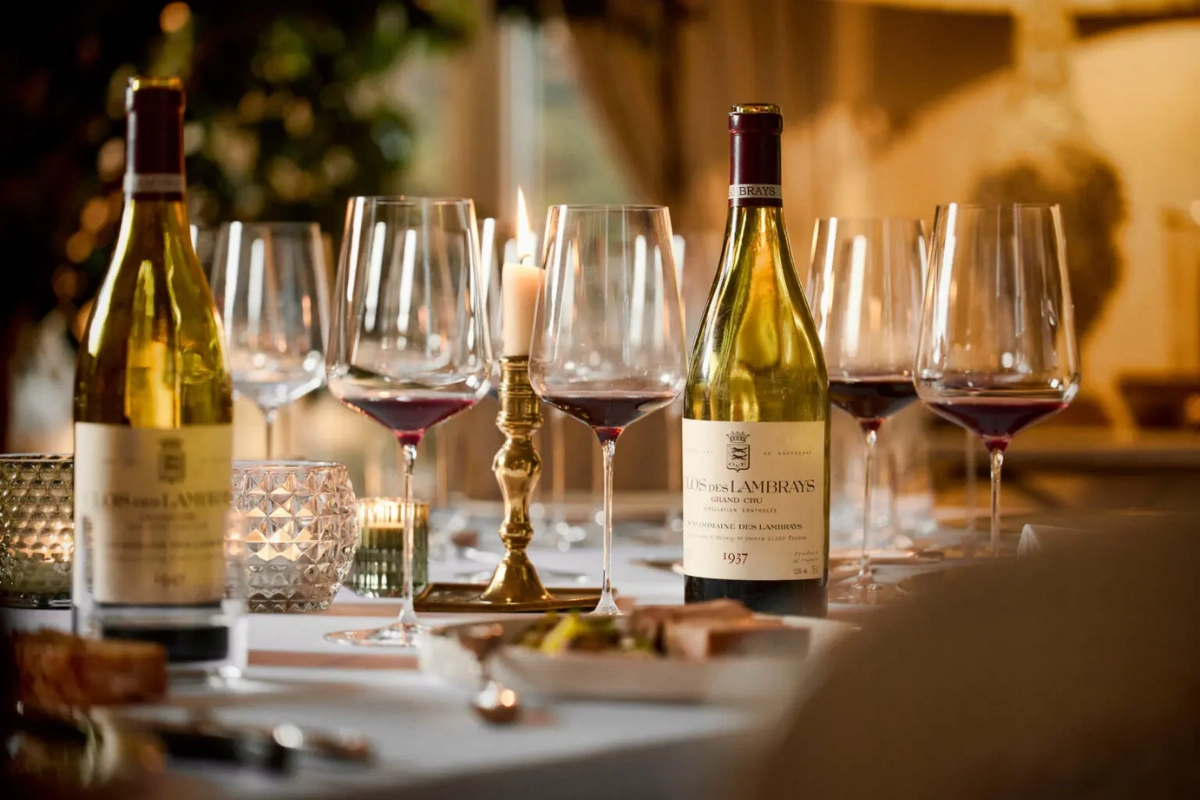
A few details make the reset feel especially vivid. Among Liv-ex’s major regional indices, the Champagne 50 is the strongest performer so far this year, up 1.4 per cent, while the Burgundy 150 is positive but subdued at 0.2 per cent. Sotheby’s 2025 Wine & Spirits Market Report said auction sales reached $127.5m, up 12 per cent year on year, with Bordeaux rising to 28 per cent of sales and Burgundy leading on 39 per cent. The implication is clear enough. Fine wine still belongs to the world of luxury, but it is one of the few luxury markets in which mood can be read simultaneously through auction results, search behaviour, exchange data and restaurant desire. It remains social even when it is financial.
None of this means the market has roared back. It would be overstating things to call early 2026 a bull phase. Liv-ex still shows the Fine Wine 100 down 9.9 per cent over two years and the Fine Wine 1000 down 11.8 per cent over the same period. That matters because it keeps the current recovery honest. The market does not feel overheated. It feels repriced. Even Decanter, writing about Bordeaux 2016, described a mood in which buyers were stepping back in without expecting prices to rocket. That blend of confidence and restraint may be exactly what fine wine needed.
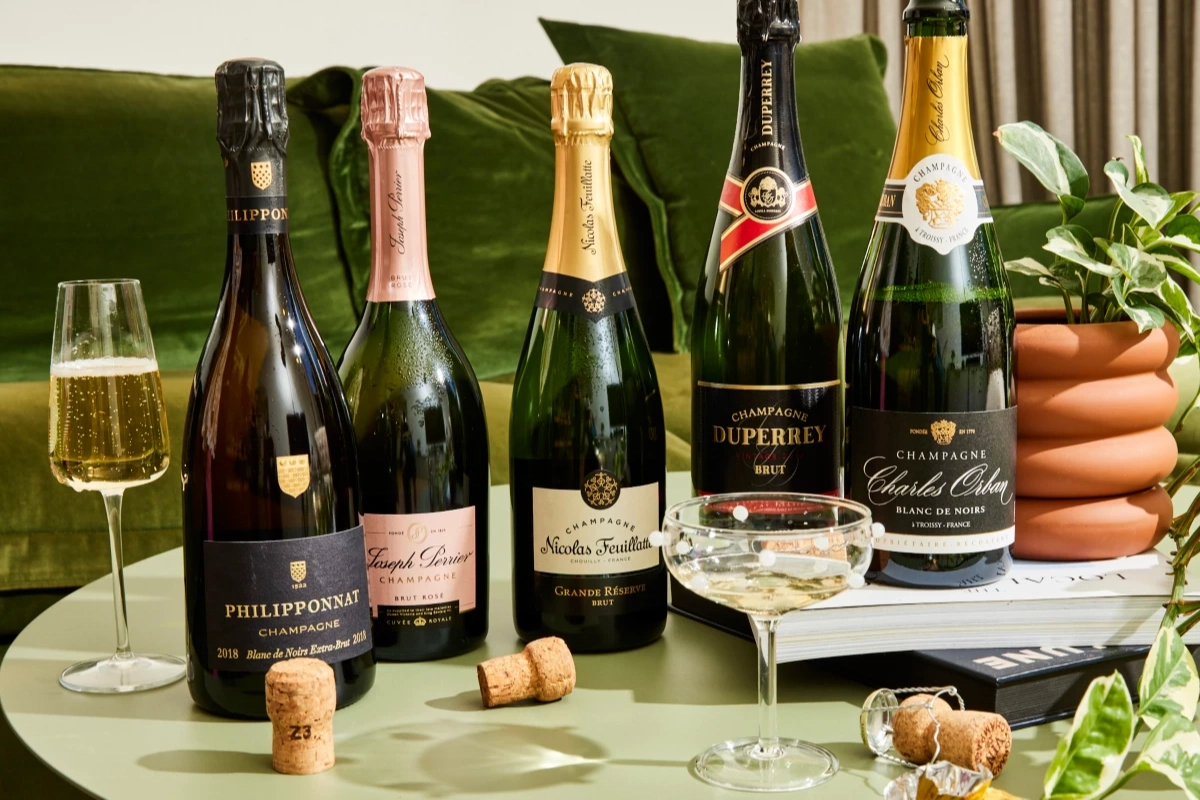
That, finally, is what this moment means for fine wine. It has become desirable again because it feels believable again. The strongest bottles still carry status, still reward knowledge and still preserve the thrill of scarcity. But the market has also recovered something more useful than hype: judgement. Bordeaux is back at the centre because its labels remain instantly legible to wealth. Sassicaia remains desirable because it adds polish and culture to the picture. Mature bottles look newly seductive because they promise pleasure without delay. After the excess of recent years, that feels like a more credible form of luxury. And for collectors returning to the category, credibility may be the most persuasive asset of all.