MENU
Close





If an iPhone can tell time more accurately than almost any mechanical watch, why do watchmakers still obsess over chronometers, tourbillons, testing robots and daily deviations measured in seconds?

If an iPhone can tell time more accurately than almost any mechanical watch, why do watchmakers still obsess over chronometers, tourbillons, testing robots and daily deviations measured in seconds?
May 21, 2026


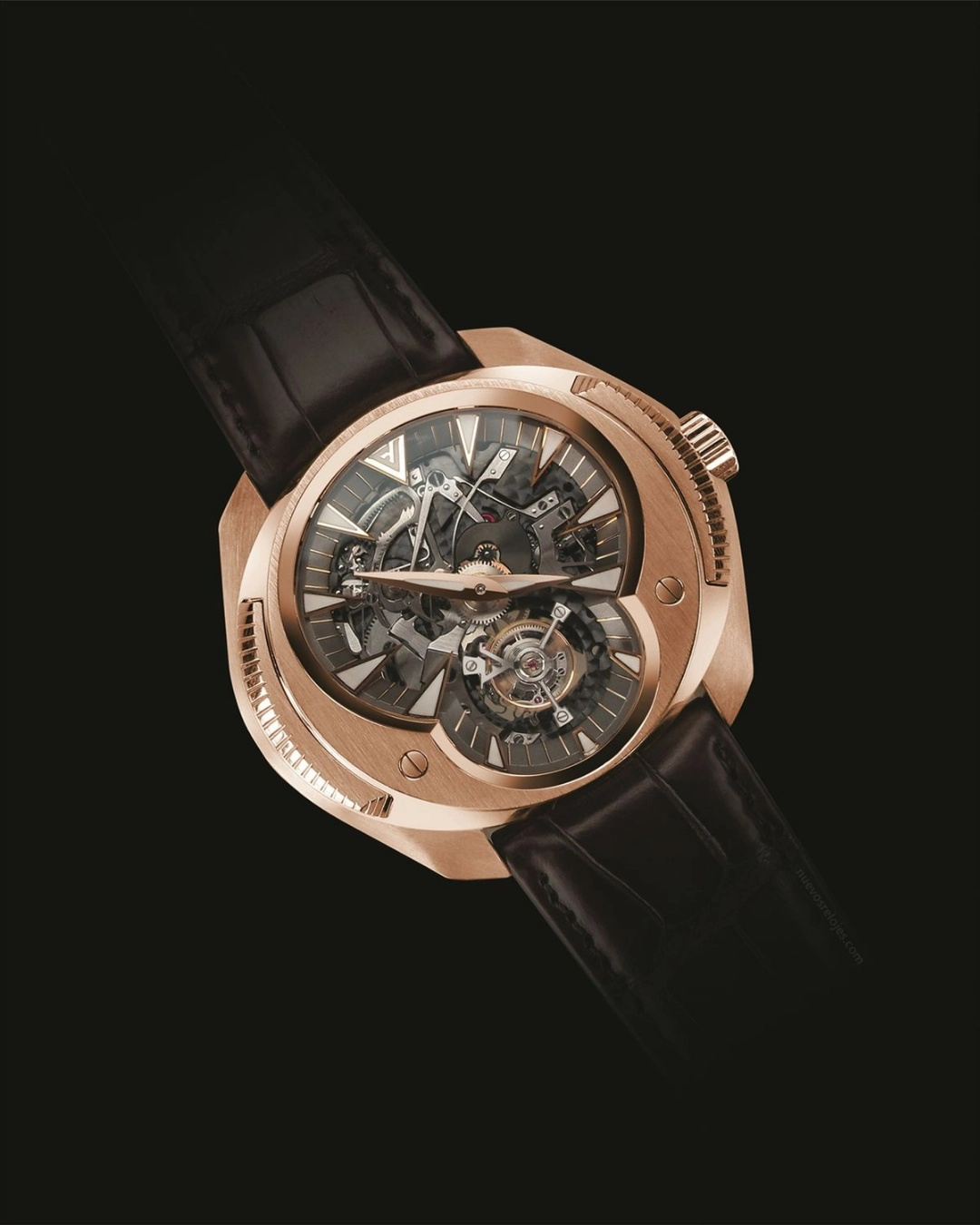
Franc Vila, once one of the names associated with the independent, eccentric and slightly rebellious spirit of contemporary watchmaking, once offered a view that was bound to provoke debate: the accuracy of a mechanical watch is a minor matter when placed beside the wonder of the machine itself. For a brand like Franc Vila, that does not sound entirely unreasonable. His watches often come from a world where form, material, structure and mechanical theatre matter as much as the act of reading the time.
With watches like these, one does not look down at the wrist simply to see where the minute hand has landed. One looks to see a material statement, a miniature architecture, a small object that refuses to be modest. If one needs the exact time down to the second, the phone in the pocket will do the job better, cheaper and more calmly. It updates time zones, synchronises through networks, tells world time and asks for no winding, adjustment or forgiveness.
So if an automatic watch runs a few minutes fast or slow each week, is that really the end of the world? Of course not.
But if accuracy truly no longer matters, a more difficult question appears at once: why does the Swiss watch industry still invest so much money, time and prestige in proving how accurately a mechanical watch can run?
The word Chronometer on a dial is not a decorative flourish. It is a promise. COSC, or Contrôle Officiel Suisse des Chronomètres, is the independent Swiss body responsible for certifying the precision of Swiss watches. According to COSC, in 2025 it certified around 2.1 million movements, and since its founding in 1973 it has certified roughly 57 million movements. COSC also states that more than 60 brands currently have products certified through its system.
In mechanical watchmaking, deviation is not a foolish defect. It is the physical destiny of a system made of mainsprings, gears, jewels, balance wheels, hairsprings, lubricants, gravity, temperature, magnetism and the habits of the wearer. A mechanical watch never lives in a vacuum. It lives on the wrist: tilted, shaken, warmed, cooled, placed dial-up, placed dial-down, left on a table, worn while walking, typing, driving or making sudden movements.

That is why a chronometer does not merely say that the watch is “on time”. It says the mechanism has passed through a disciplined system of testing. Under the traditional mechanical chronometer standards associated with ISO 3159, a watch is evaluated in different positions and temperatures, with the well-known tolerance for a mechanical movement often cited as around -4/+6 seconds per day. COSC now describes testing durations ranging from 12 to 20 days, reflecting the broader range of products and certifications covered by its contemporary system.
The important point is this: a chronometer is not a competition between a mechanical watch and a phone. Mechanical watches lost that competition long ago, at least if absolute accuracy is the only measure. Chronometry is another contest entirely: a contest between the watchmaker and physics, between mechanical tradition and modern expectation, between a spring-powered system and the ambition to control time at the scale of a few seconds.
This is the great paradox of high-end watchmaking. If the only goal is to know the correct time, one does not need a tourbillon, a perpetual calendar, a minute repeater or a hand-bevelled movement. A cheap quartz watch will do. A plastic Casio may be more reliable than many expensive mechanical watches if the only function being judged is timekeeping.
But that is precisely what makes the mechanical watch interesting. It does not exist because it is the most efficient way to know the time. It exists because it is the most complicated, romantic and expensive way for humans to keep doing something apparently simple: measuring time mechanically.

In that sense, Franc Vila is half right. Accuracy is not the only reason a mechanical watch becomes valuable. A high-end watch also matters because of its design, material, structure, finishing, mechanical idea, rarity, brand story and feeling on the wrist. But if one takes that argument too far and concludes that accuracy is a secondary detail that can be ignored, the claim becomes dangerous. After all, a watch is still a watch. It can be art, but it must also obey the discipline of a tool.
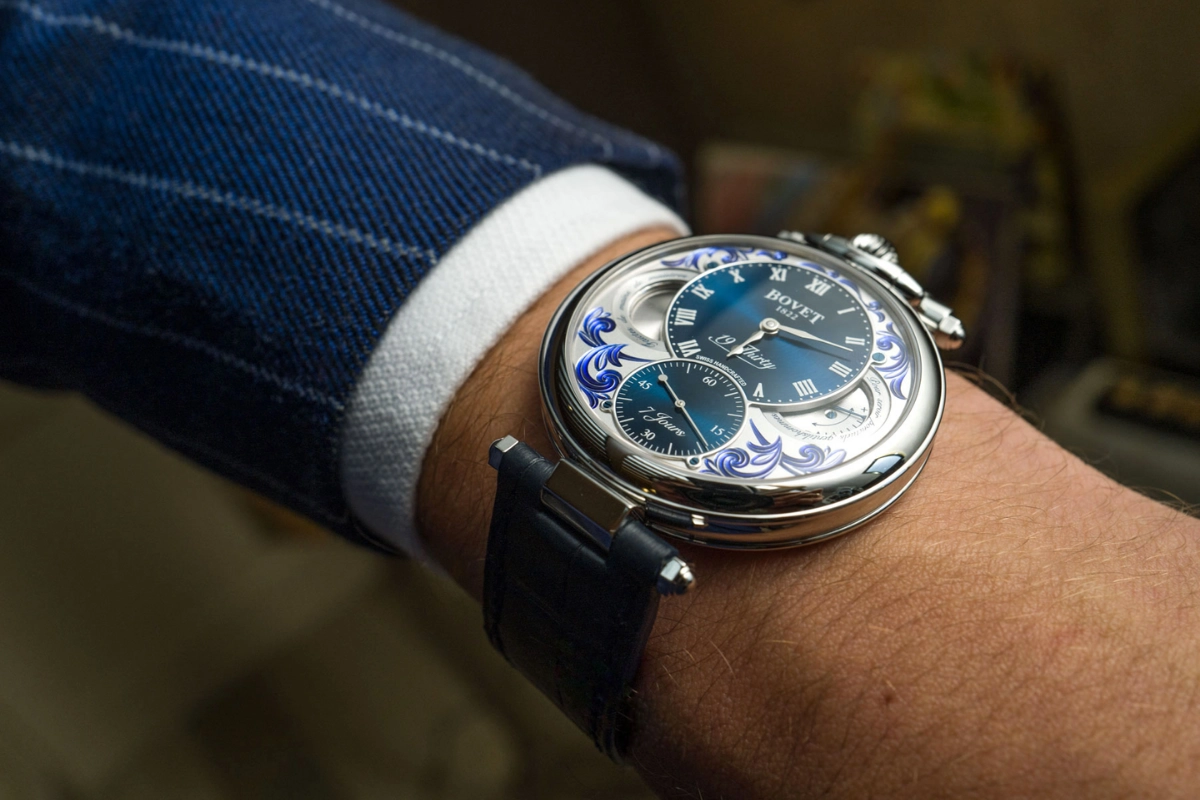
This explains why some haute horlogerie houses do not stop at COSC. Chopard, Parmigiani Fleurier and Bovet Fleurier are the founding brands associated with the Fleurier Quality Foundation, a certification system that is more demanding because it does not only look at the movement. It evaluates the watch as a completed object.
The most fascinating element is Fleuritest. This is a robot that simulates real wrist movement over 24 hours, putting the finished watch through different phases of activity to measure how it performs when fully cased and ready for sale. Fleurier Quality Foundation documents describe Fleuritest as a 24-hour test on a robot that reproduces a day-night cycle, alternating between active and quiet phases. Rate variation is analysed through a digital camera system, and the watch must remain within a precision range of 0 to +5 seconds per day.
Chopard has also described Fleuritest as a 24-hour simulation of real-life wear, alternating between rest and activity. Before that, the watch must satisfy criteria relating to Swiss production, aesthetic finishing, COSC certification and Chronofiable reliability testing.
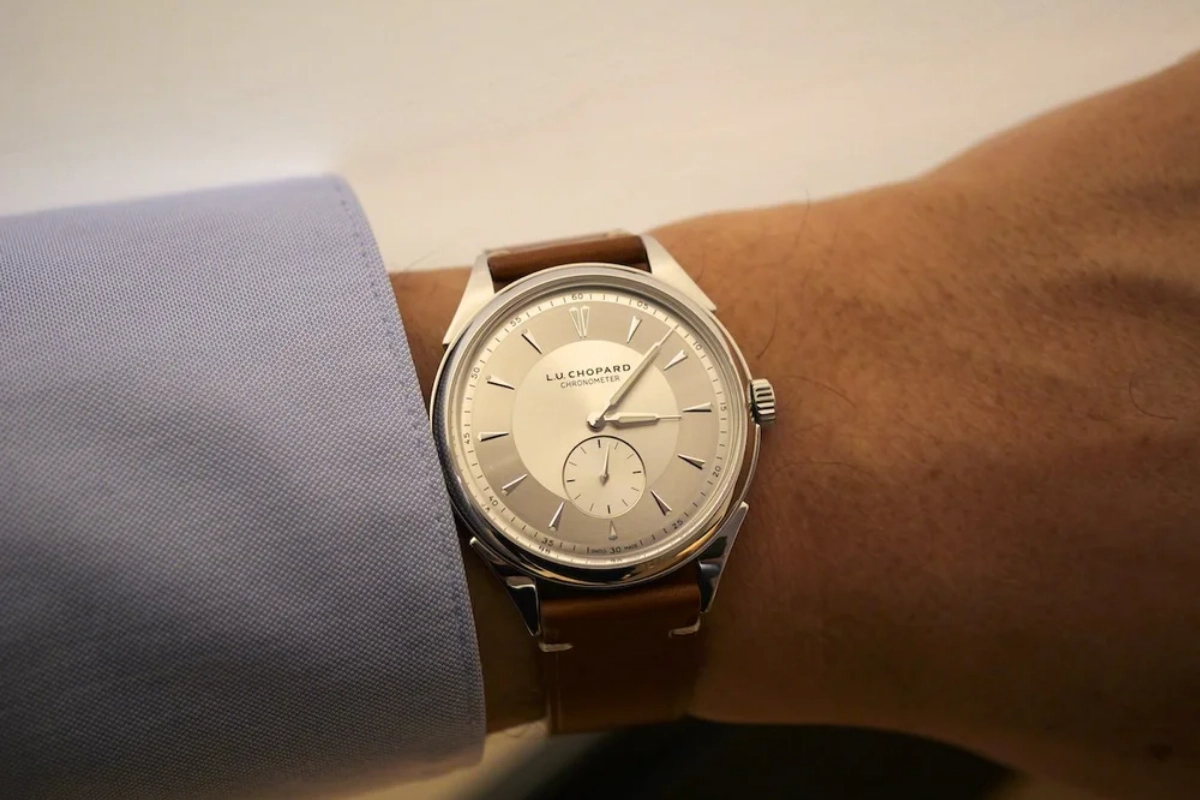
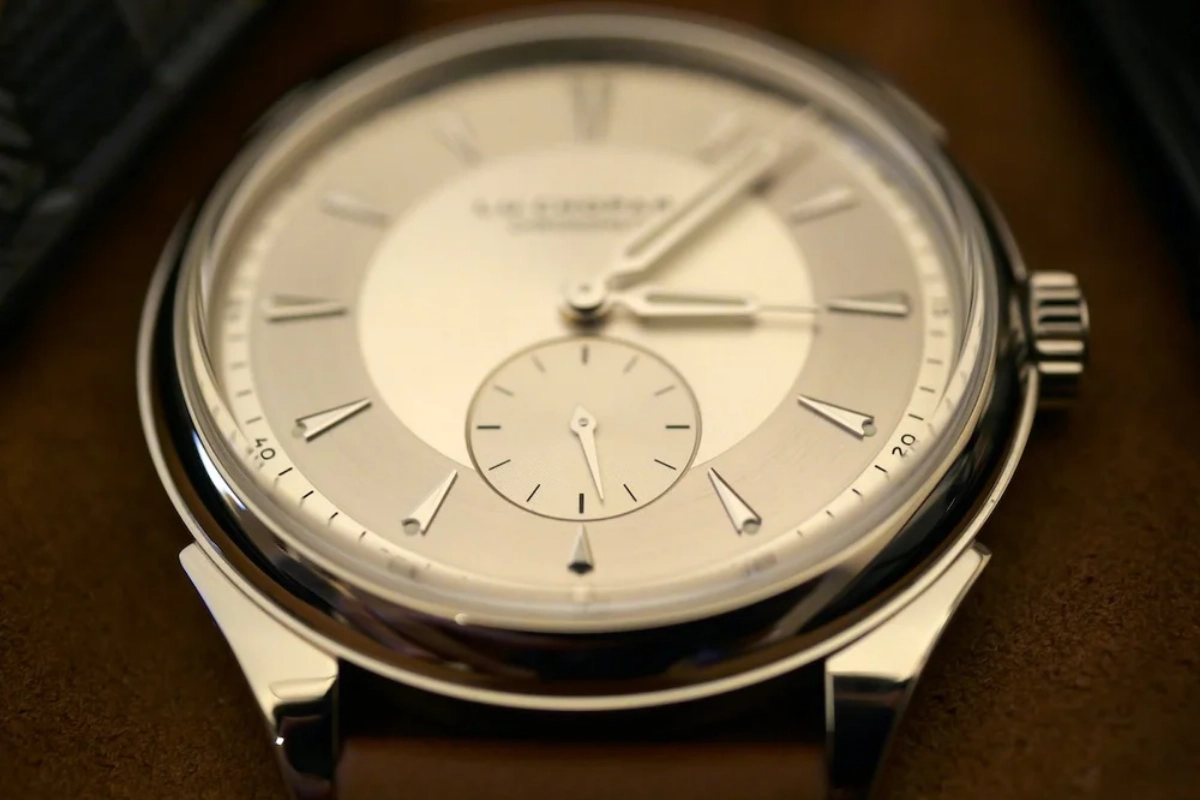
Here, precision is no longer a dry number. It becomes an ethical philosophy: do not merely prove that the movement looks good on a testing bench; prove that the finished watch can behave properly on the wrist of the buyer. Serious haute horlogerie does not only ask: “Can this movement impress?” It also asks: “Once it is placed inside a case, once it lives through the reality of the wrist, does it still retain its technical dignity?”
Think of Greubel Forsey, a brand that has turned the tourbillon into something close to mechanical sculpture. A Greubel Forsey watch is not bought because the owner lacks a way to tell time. It is bought because inside it lies an almost extreme view of engineering: layered bridges, three-dimensional architecture, hand-finishing, gravity, energy and mechanical philosophy.
But precisely for that reason, accuracy cannot be treated as unimportant. A watch priced like a house does not need to defeat GPS. But it must show that the watchmaker understands responsibility to the buyer. When a client spends an enormous sum on a mechanical object for the wrist, they are not merely buying a miniature sculpture. They are buying the promise that this beauty is not empty. That it can function. That its complexity is not an excuse to ignore the foundation of horology.

The tourbillon was originally created as a technical attempt to counter the effect of gravity on the regulating organ of a pocket watch. In the modern wristwatch, its practical role is more widely debated. Yet that does not make the question of accuracy disappear. On the contrary, the more complex the watch becomes, the more it must prove that it is more than a stage set of wheels and bridges.
A temperamental complication may still be beautiful. But a high complication cannot use beauty to conceal carelessness.
The watch industry is now entering an interesting moment. Even COSC, long regarded as a symbol of chronometer certification, is evolving. Financial Times has reported that COSC is preparing to introduce a stricter “Super-COSC” standard, expected from September 2026, to reflect more modern expectations around accuracy, magnetic resistance and the performance of the completed watch. According to the same report, COSC issued 2.38 million certificates in 2024, down 5 per cent from 2023, and has not published certificate numbers by brand since 2016.
That detail matters. It shows that chronometry is not an outdated obsession. It is being redefined. When Rolex speaks of Superlative Chronometer, when Omega speaks of Master Chronometer and METAS, when Fleurier speaks of a cased watch being tested as if it were living on the wrist, they are all answering the same question: in an age when phones are almost perfectly accurate, how can a mechanical watch still defend its dignity?
The answer is not: by being more accurate than a phone. The answer is: by being accurate within its own mechanical world, in a way serious enough that luxury does not become performance theatre.
Accuracy, in a mechanical watch, is a form of elegance. It does not need to boast. It does not sit in the diamonds on the bezel or the gloss of a hand-polished bridge. It lies in the fact that the watch keeps its promise after leaving the boutique, after the photoshoot is over, after it begins living with the wearer.
Franc Vila is right to remind us that the magic of a mechanical watch lies in more than accuracy. A mechanical watch is design, material, handcraft, mechanics, symbolism and sometimes a beautiful absurdity. It is no longer the most efficient instrument for knowing the time. It is a way for humans to turn time into an object.
But the more beautiful, expensive and complicated a mechanical watch becomes, the more it must maintain a level of precision worthy of its ambition. If a watch cannot perform the first task it was born to perform, every layer of beauty placed above it becomes fragile.
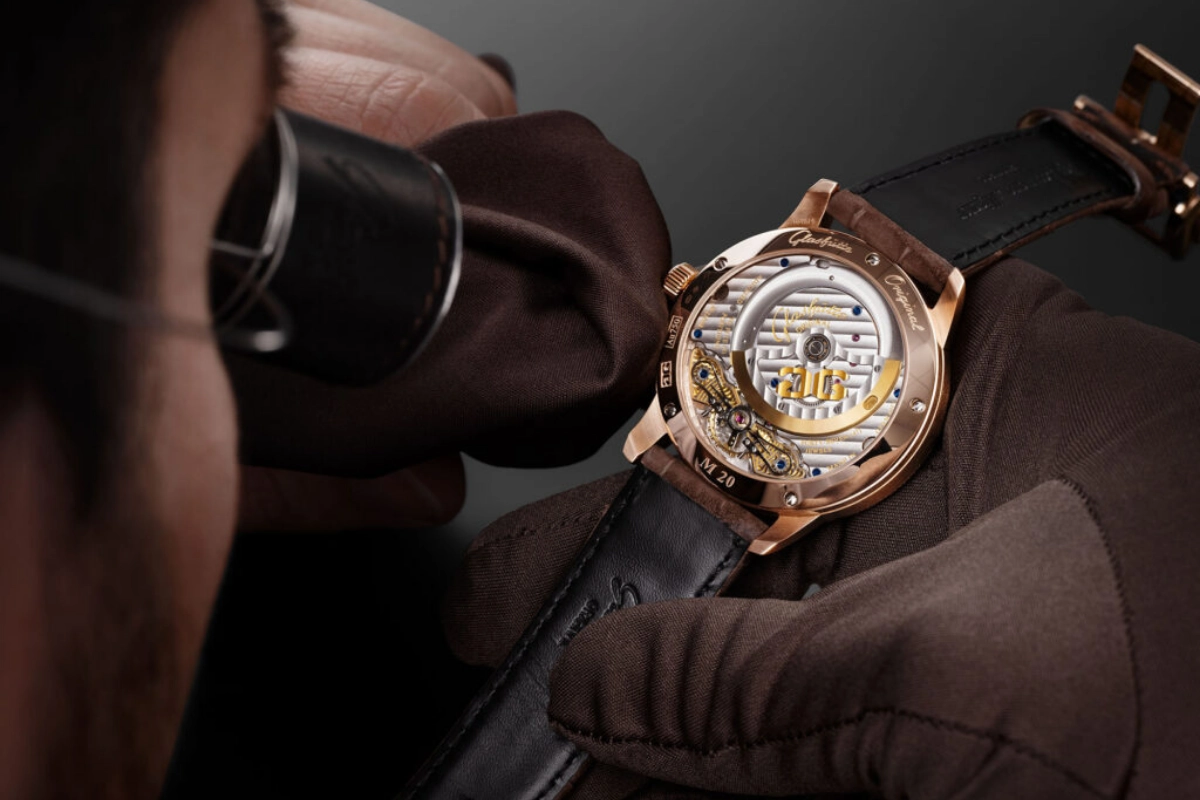
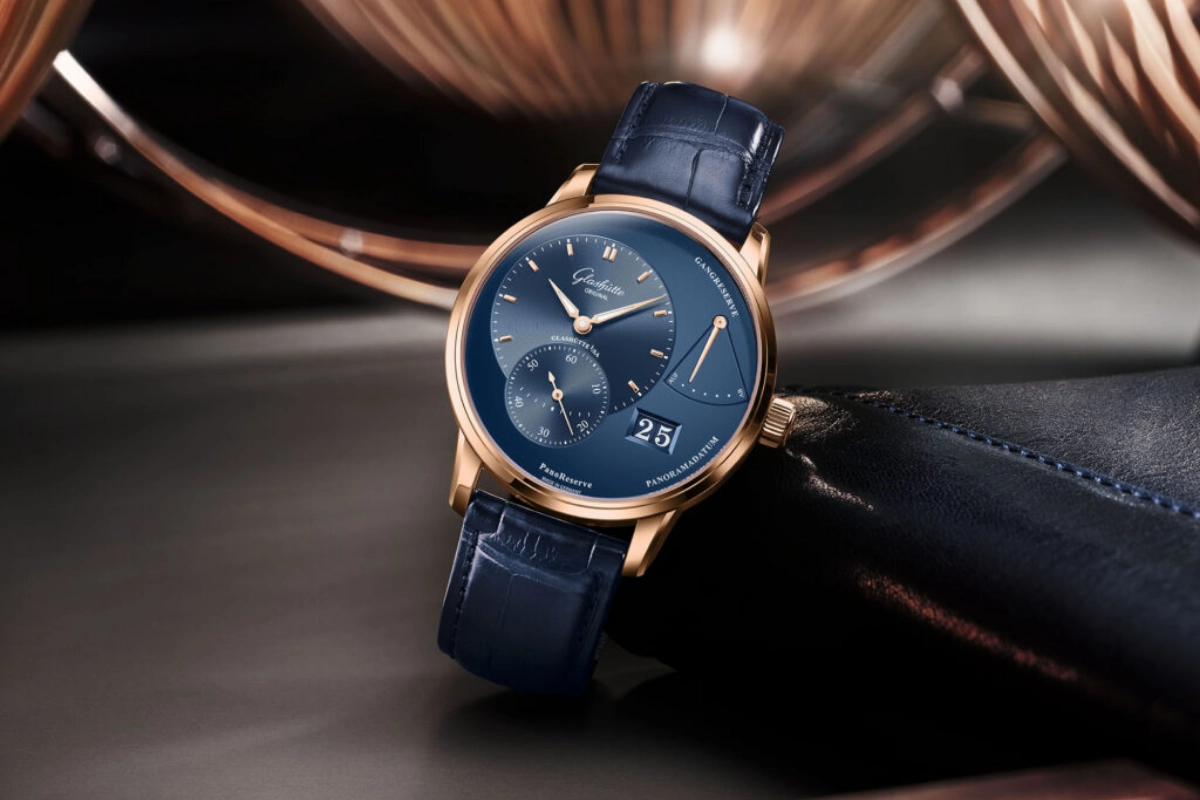
A high-end watch does not need to beat the iPhone. It does not need to beat quartz. It does not need to beat the satellite. But it must defeat carelessness.
In the end, a mechanical watch is not worn only to tell time. It is worn to prove that human beings can still create a tiny, irrational, beautiful and disciplined machine. And if that machine cannot keep time at a respectable level, it is no longer magic on the wrist. It is merely an expensive object making its owner lose face.