MENU
Close





How did ceramic, a material born for kilns, engines, sensors and extreme environments become something Chanel, Dior, IWC, Hublot and Audemars Piguet use to define modern luxury?
How did ceramic, a material born for kilns, engines, sensors and extreme environments become something Chanel, Dior, IWC, Hublot and Audemars Piguet use to define modern luxury?
May 21, 2026


Ceramic began as a material of fire. The English word “ceramic” traces back to ancient Greek, associated with clay, pottery and objects shaped by hand before being hardened by heat. In ordinary memory, ceramic is easily pulled toward bowls, cups, tiles, glaze and domestic objects.
But on the wrist of a high-end watch, ceramic has left that fragile image behind. It is no longer the cup that can break in the sink. It is a high-tech material: hard, light, inert, scratch-resistant, difficult to machine and dependent on a production discipline closer to a laboratory than a traditional craft workshop.
From a materials-science perspective, ceramics are generally understood as inorganic, non-metallic materials, including oxides, carbides, nitrides and borides. They are prized for high hardness, high melting points, chemical stability, low electrical and thermal conductivity, and one defining weakness: brittleness. Ceramic can be extremely hard, but it is also sensitive to structural flaws and sharp impact. That tension between strength and fragility is exactly what makes it so compelling in luxury watchmaking.
Traditional pottery and high-tech ceramic share a basic principle: a material is shaped, treated with heat, and transformed into a harder, more stable structure. But while traditional ceramics begin with clay, kaolin, quartz and glaze, high-tech ceramic begins with ultra-pure powders, often controlled at a microscopic particle level.
This is where ceramic leaves craft and enters engineering. Alumina, zirconia, silicon carbide, boron carbide, silicon nitride and titanium carbide can all belong to the wider family of technical ceramics, depending on their composition and intended use. These materials are chosen not because they are decorative at first glance, but because they can resist heat, wear, corrosion and deformation in conditions where many other materials would fail.
It is important to be precise: not every hard, shiny or heat-formed material is “ceramic” in the way the watch industry uses the term. Glass is amorphous and lacks the long-range crystalline structure found in many technical ceramics. Sapphire crystal, used for watch glasses, is a single crystal of aluminium oxide and sits close to the world of technical materials, yet in watchmaking language it is usually separated from a “ceramic case” or “ceramic bezel”. Diamond, ruby, sapphire and glass may share some qualities such as hardness or heat resistance, but they are not grouped under the same commercial language. In luxury watchmaking, “ceramic” usually refers to a technical material that has been synthesised, pressed, sintered and finished into a case, bezel, bracelet or movement component.
What makes ceramic expensive is not always the raw powder itself. The cost lies in turning that powder into a flawless finished object. High-tech ceramic often begins as an ultra-fine powder, mixed with a binding agent so it can be pressed or injection-moulded into the desired form. It is then heated to remove the binder before being sintered at very high temperatures. During this process, the particles fuse, densify, harden and shrink.
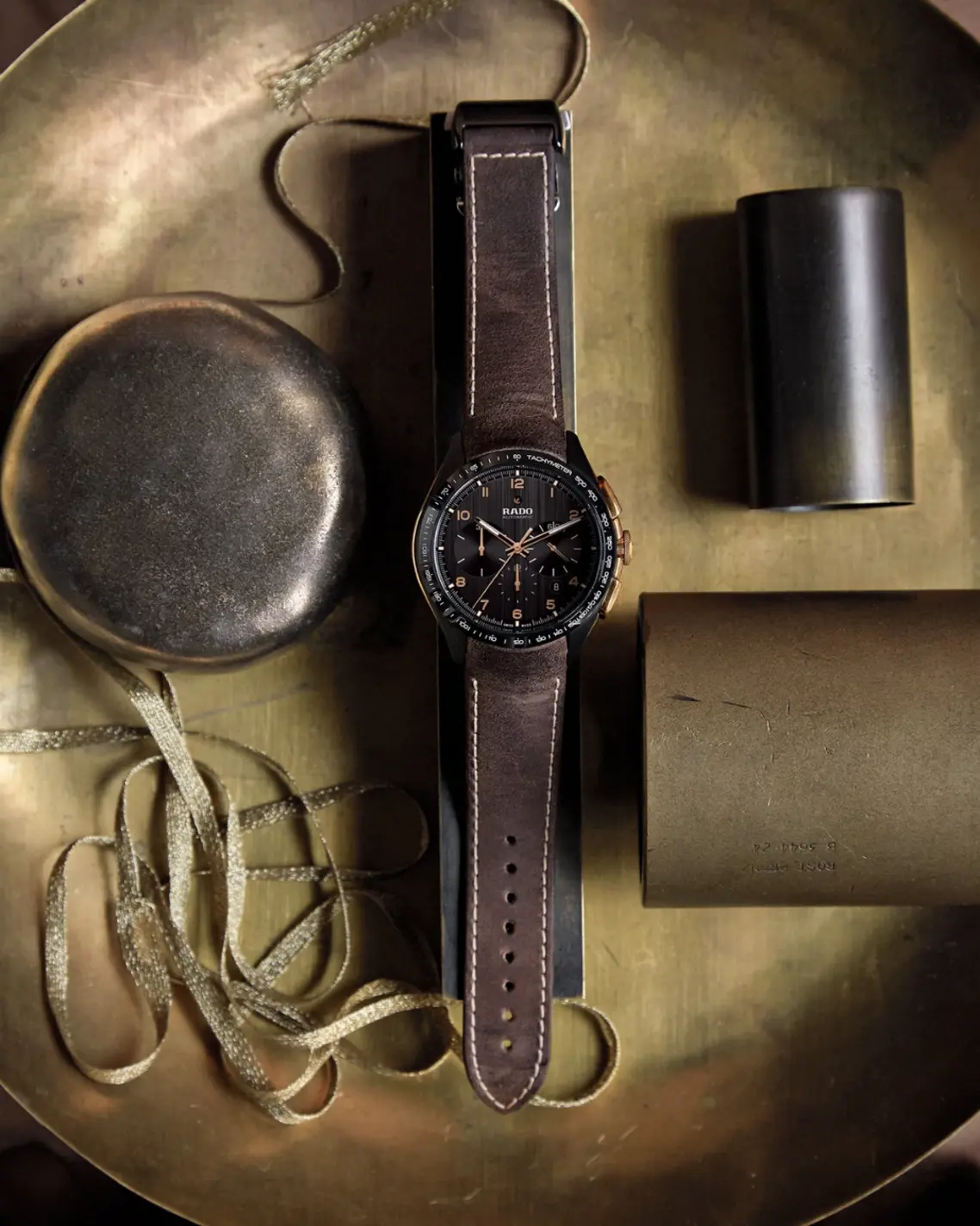
Rado, one of the brands most closely associated with high-tech ceramic, describes its process as a chain of control that takes weeks: pure zirconium oxide powder is mixed with pigments, combined with a polymer binder, injection-moulded under high pressure, sintered at high temperature, then machined with diamond tools and finished to achieve its final surface. The key point is not only hardness. It is predictability. Ceramic has to be calculated before it becomes beautiful.
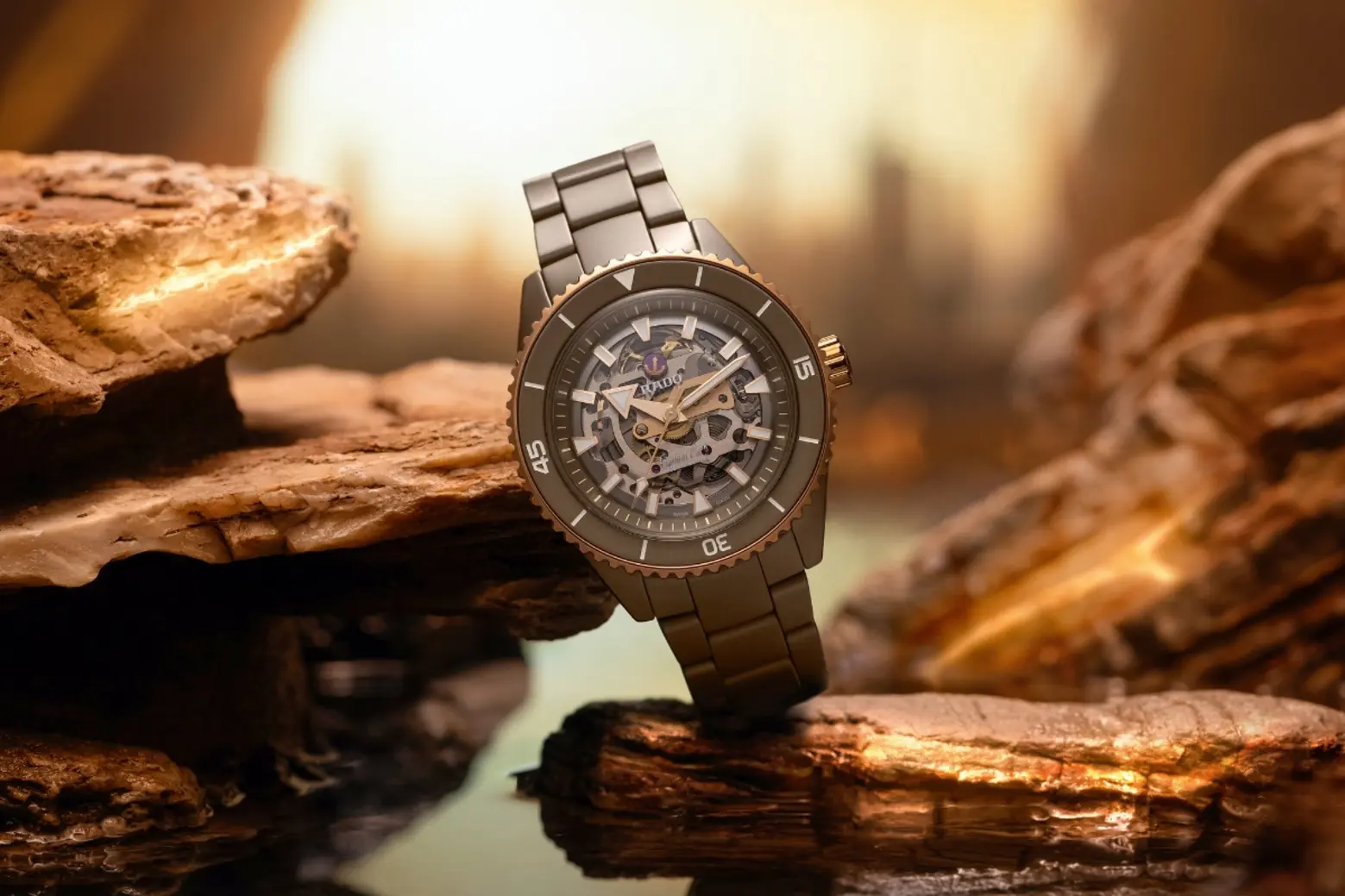
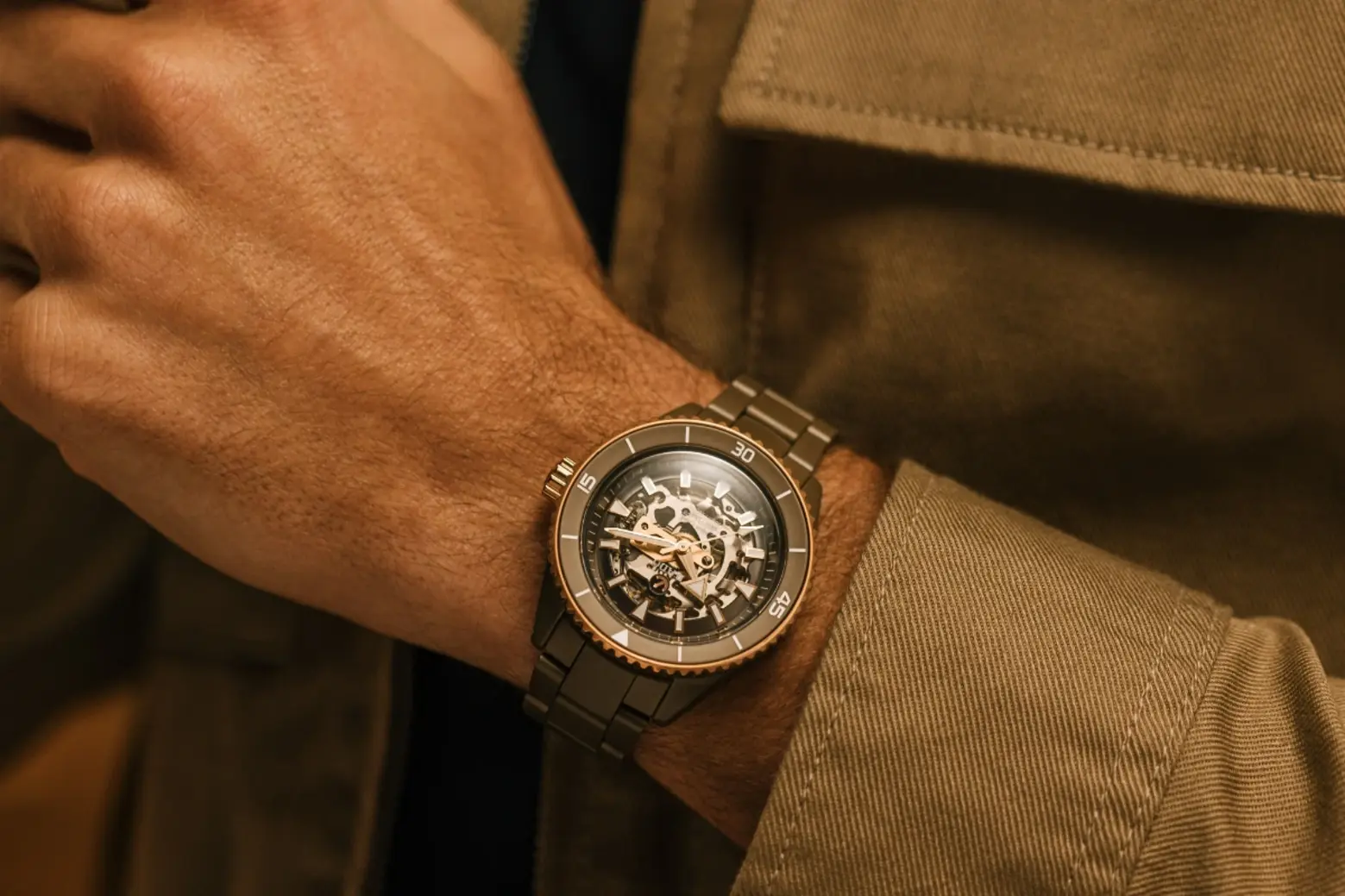
Thatshrinkage makes ceramic especially difficult in watchmaking. If a material contracts during firing, the manufacturer has to calculate the original dimensions with extreme precision so the final part meets the required tolerance. In a watch case, a tiny deviation can affect the fit of the caseback, crystal, gasket, crown or movement. Ceramic does not forgive carelessness.
Once sintered, ceramic is also too hard to be finished by ordinary methods. It often has to be ground, polished and refined with specialised tools, sometimes using diamond powder. Chanel describes the ceramic of its J12 as being polished to achieve a smooth, almost soft sensation on the skin, despite the material’s very high resistance to wear. That is the paradox that makes ceramic so attractive to luxury: it is hard, but must feel soft; industrial, but must appear immaculate; durable, but must behave like jewellery. Gold is luxurious because it is rare and historically symbolic. Ceramic is luxurious because it is difficult to make beautiful.
In watches, ceramic has one obvious advantage: scratch resistance. The bezel is one of the most exposed parts of a watch, especially on sports watches and daily-wear pieces. A ceramic bezel can keep its clean, sharp appearance far longer than many conventional metals. This is why ceramic first became common on bezels before expanding into full cases and bracelets.
But ceramic does something deeper than resist scratches. It changes the feeling of a watch. Compared with steel, ceramic can be lighter, cooler, smoother and less tool-like against the skin. It also allows brands to create colours with unusual depth: piano black, cold white, matte blue, grey, brown, green or other tones that are difficult to achieve in the same way with traditional metals. With ceramic, colour does not merely sit on the surface like paint; it can be built into the material itself, giving the watch a more seamless, monolithic presence.
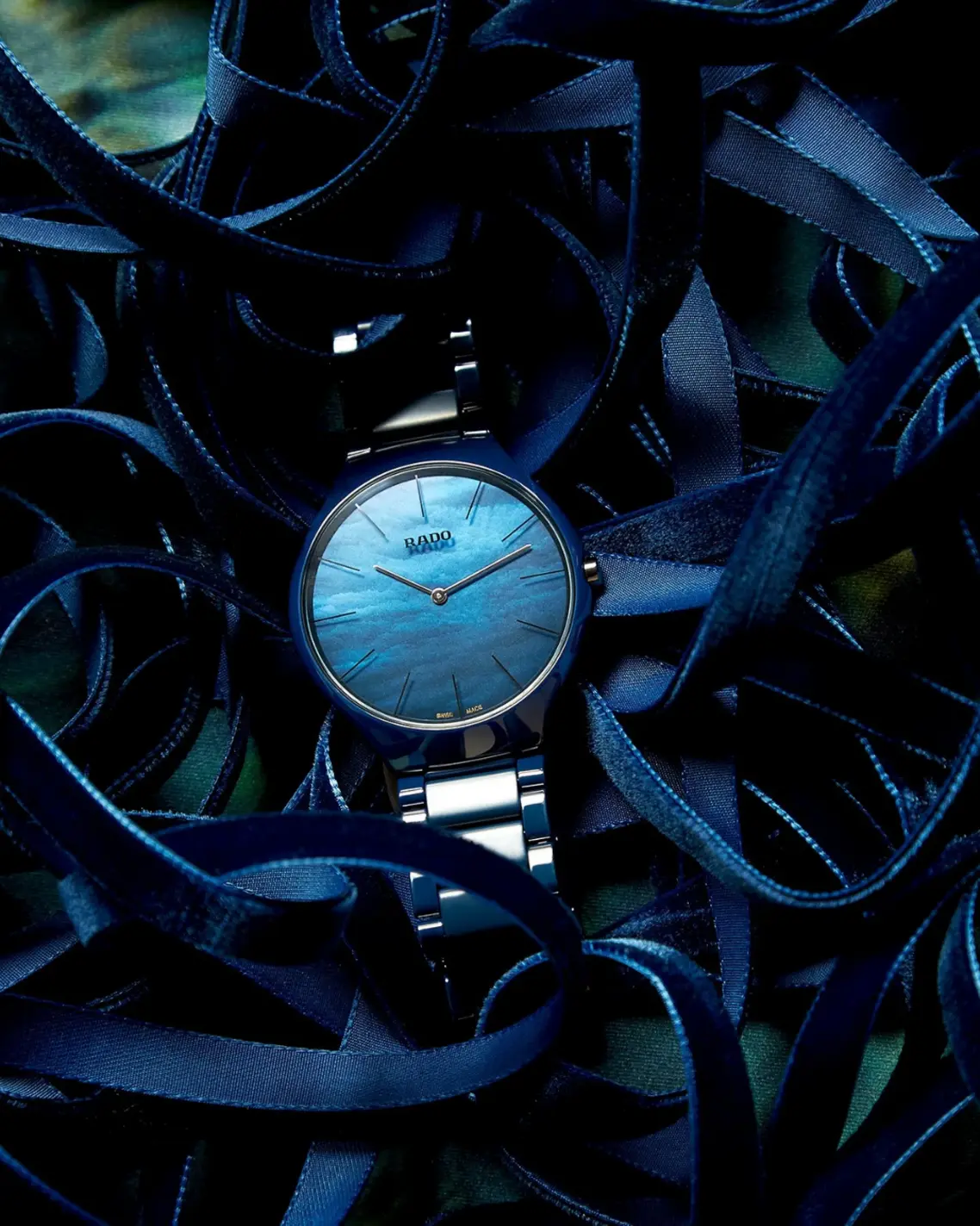

Here, luxury shifts from precious material to controlled material. A gold watch tells the wearer that the substance itself is expensive. A great ceramic watch says that the substance has been conquered.
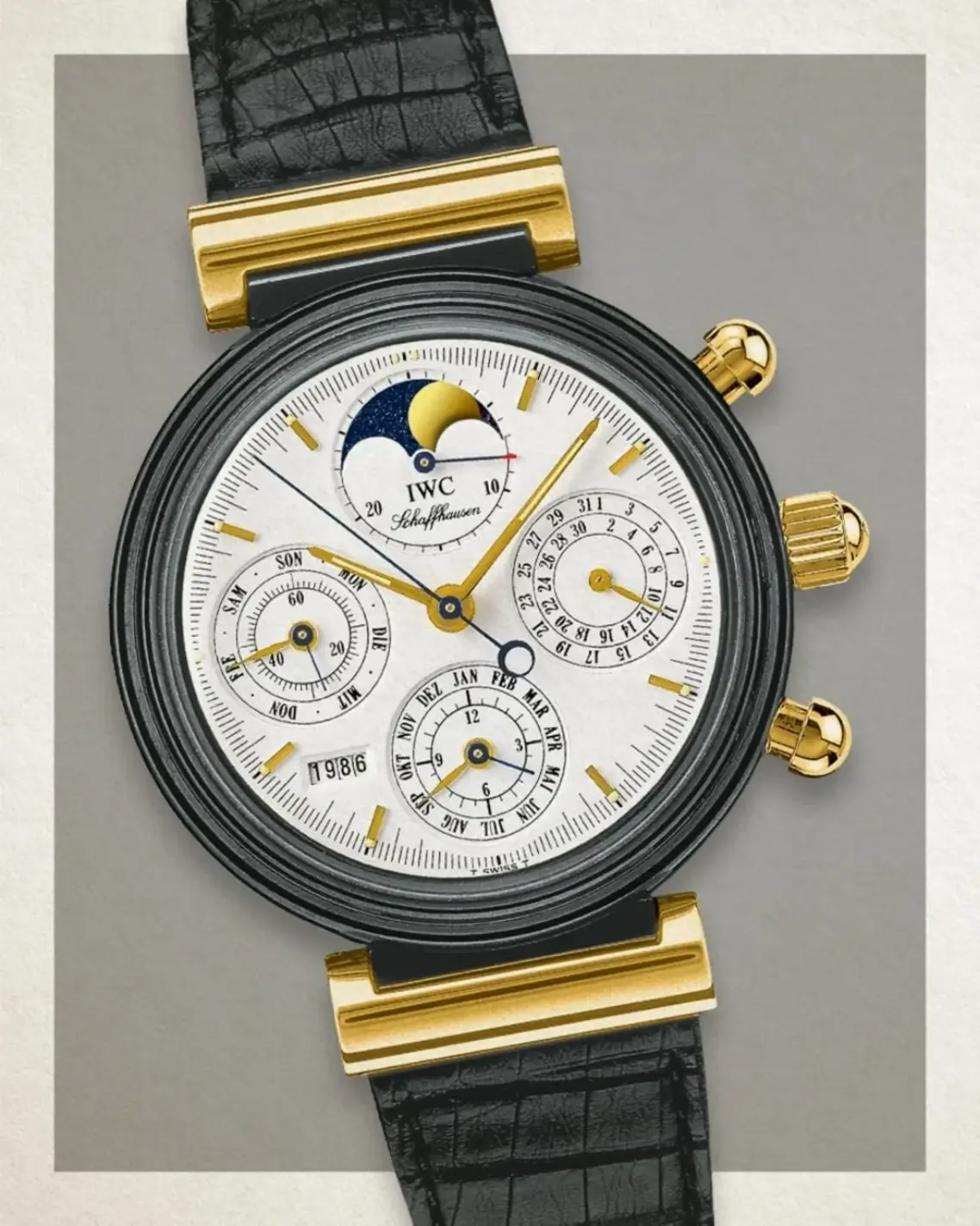
The history of ceramic in watchmaking is not only about function. It is the story of how an industrial material entered the visual culture of luxury. IWC is an important milestone: in 1986, the brand introduced zirconium oxide ceramic into the case of the Da Vinci, marking one of the earliest moments when ceramic appeared in high-end wristwatches as a true material statement.
Rado built much of its modern identity around the material. The brand calls itself a “Master of Materials”, with high-tech ceramic as one of its defining signatures. At Rado, ceramic is not merely a technical detail. It is a design philosophy: seamless surfaces, smooth touch, lightness, and an aesthetic that feels almost architectural.
Yet if one moment pushed ceramic into the broader luxury imagination, Chanel’s J12 is difficult to ignore. Chanel describes the J12 as the house’s first unisex sports watch, an icon made in highly resistant ceramic, first in black and white, and now in blue. The J12 matters because it did not ask permission from traditional watchmaking. It did not try to make ceramic look like gold, steel or platinum. It turned ceramic into a black-and-white declaration: cold, glossy, sporty, fashionable, masculine and feminine at once.

That was the moment ceramic was released from the role of “alternative material”. It became an aesthetic. Not because ceramic imitated precious metal, but because it allowed luxury to speak another language: sharper, colder, more modern and less nostalgic.
If Rado spent decades turning high-tech ceramic into an identity, the recent wave of luxury watches shows that ceramic has fully entered the highest tier of watchmaking. The material is no longer used only to speak about durability or scratch resistance. It is now used to speak about colour, form, proprietary technology and the ability to master a difficult material that is almost anti-fashion in nature: cold, hard and durable, yet refined enough to touch the skin.
At Chanel, ceramic is part of the J12 legend. After black and white, the Maison opened a new chapter with the J12 Bleu, introduced at Watches and Wonders 2025 in matte blue high-resistance ceramic. Chanel describes the shade as an exclusive blue developed for the house, paired with the automatic Calibre 12.1, designed and assembled in Switzerland. The luxury here lies in the colour itself. Ceramic is not as easily dyed as plastic or treated like metal, so achieving a blue that feels distinctly Chanel becomes a material achievement, not merely an aesthetic choice.

Dior offers another direction: ceramic becomes couture. While Chanel uses ceramic to create a sharp unisex icon, Dior has brought ceramic into a more theatrical, feminine register through the Dior VIII Grand Bal. Certain versions of the Dior VIII Grand Bal use high-tech white ceramic with white gold, while the “Dior Inversé” movement places the oscillating weight on the dial side, like the movement of a ball gown. In Dior’s hands, ceramic is not simply a durable shell. It becomes a stage for diamonds, gold, mother-of-pearl and mechanical motion to perform a very Dior kind of choreography: technique wrapped in couture language.
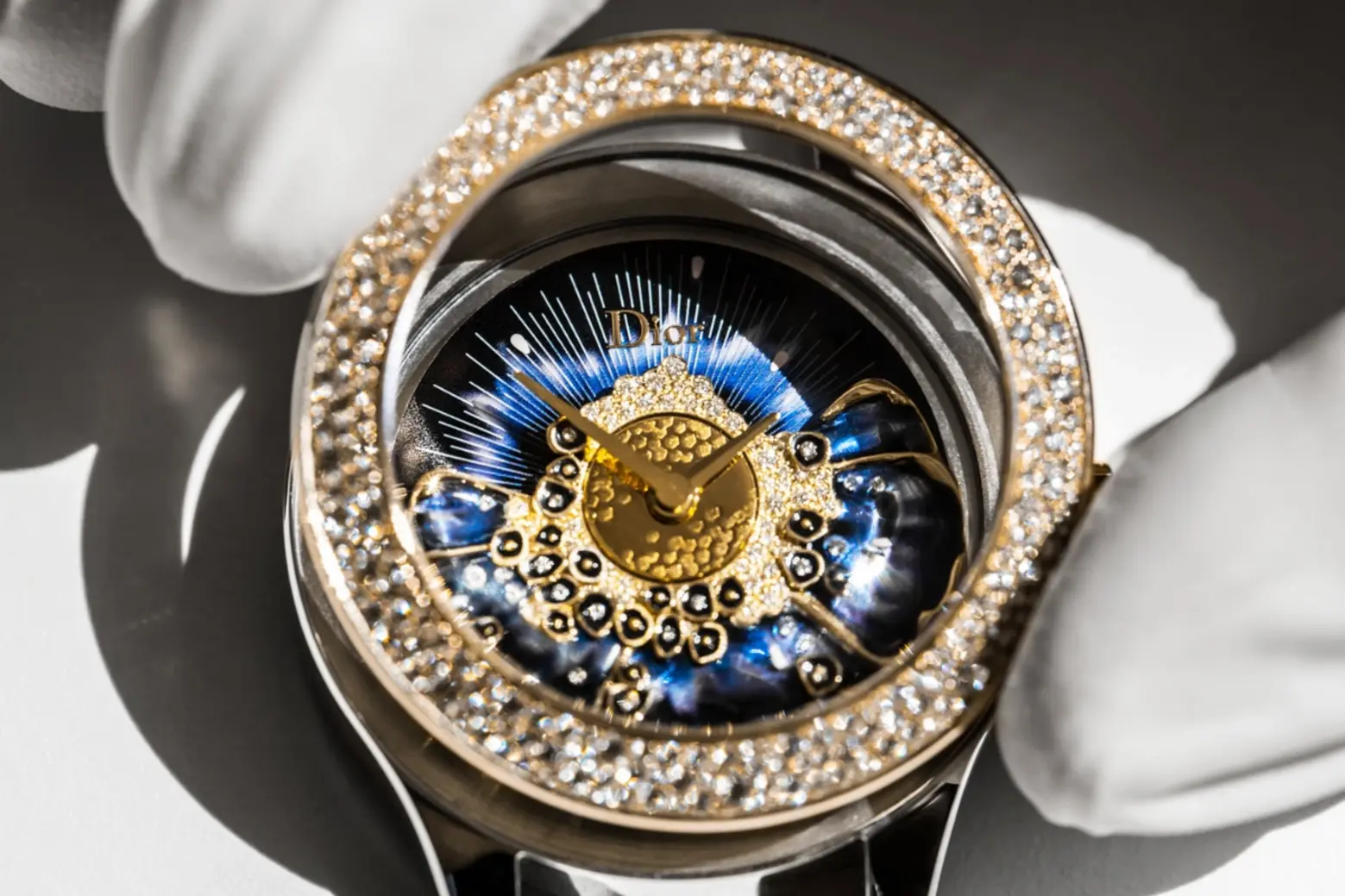
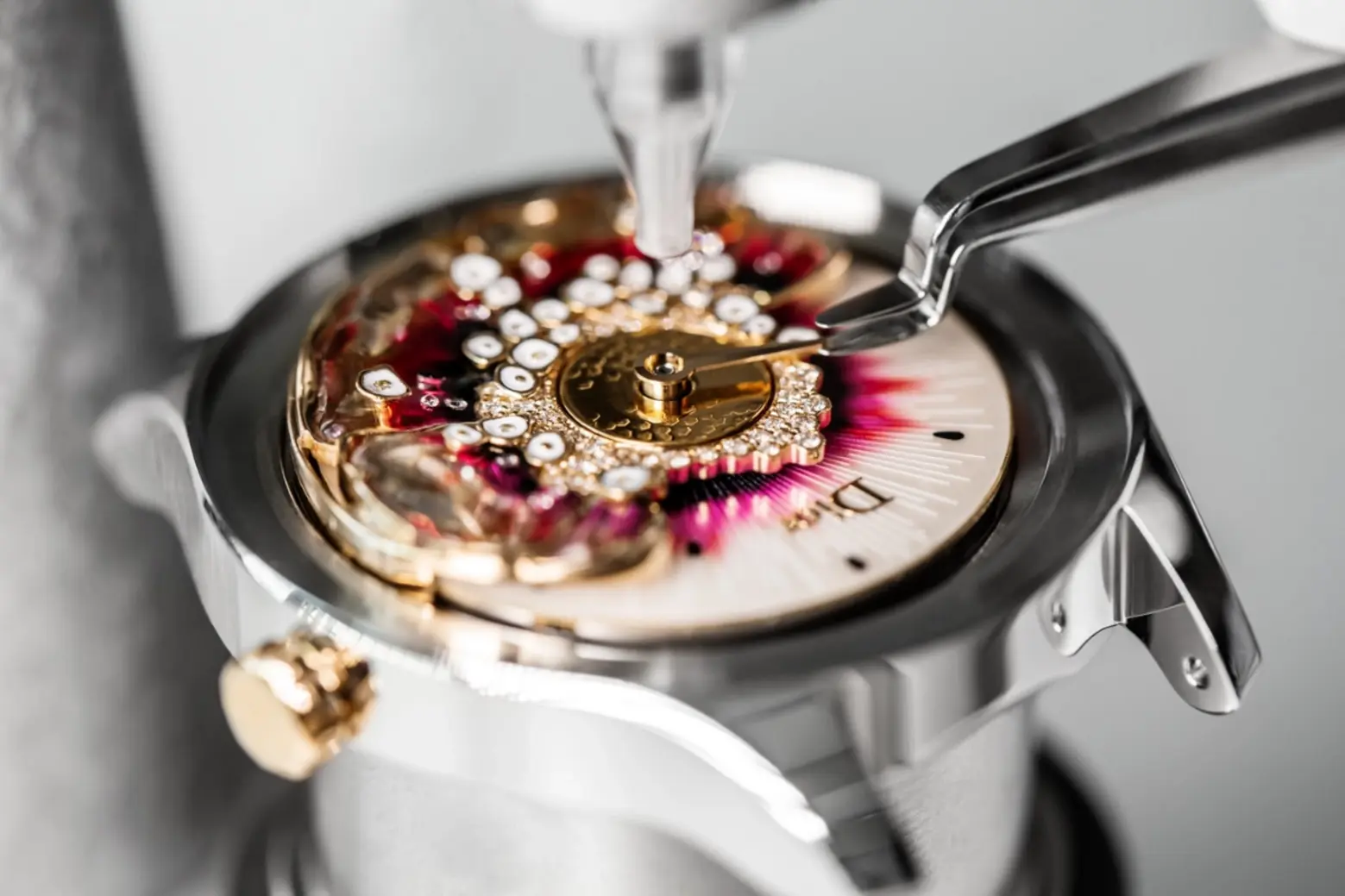
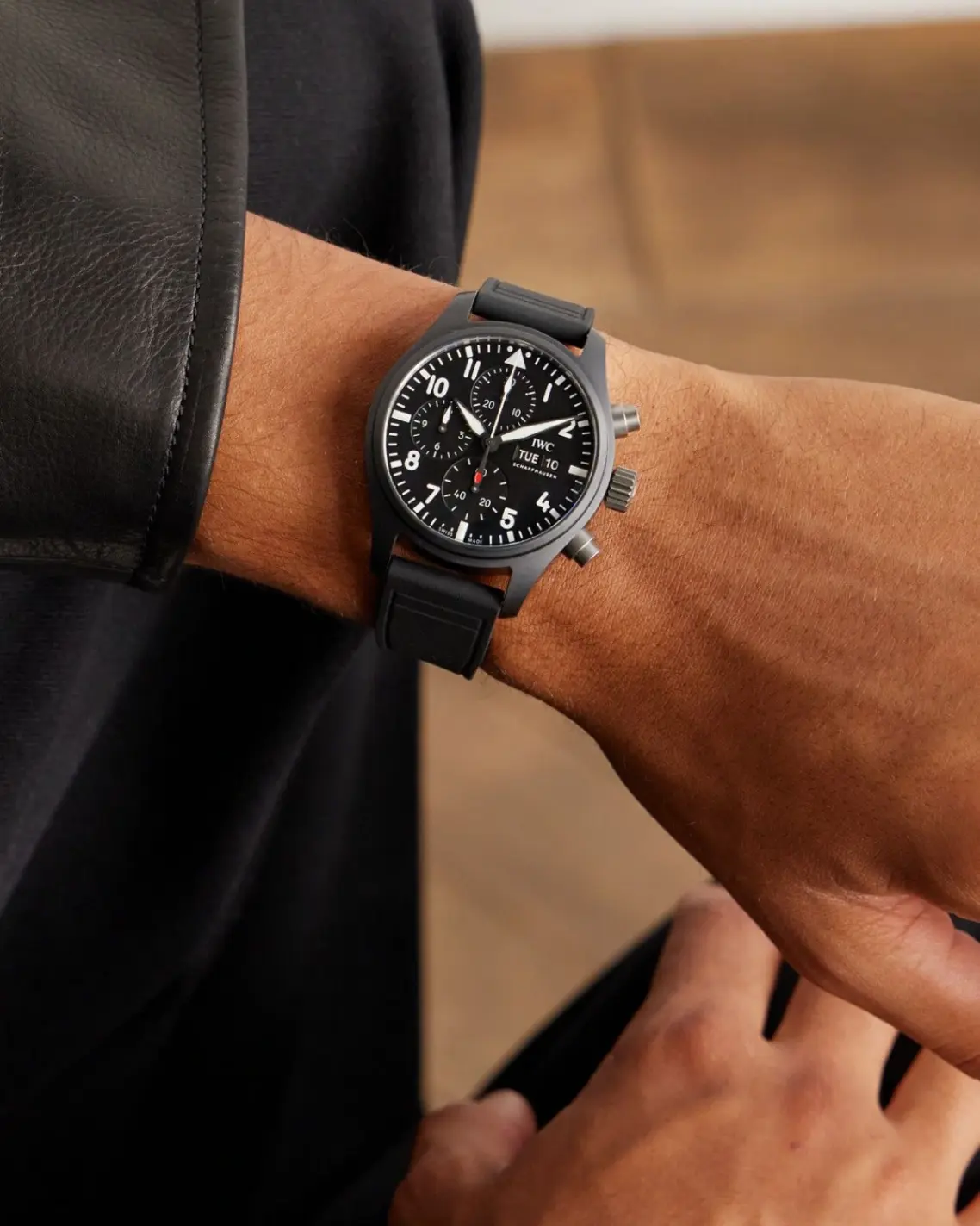
IWC approaches ceramic from the engineering side. With the Big Pilot’s Watch Perpetual Calendar Ceralume®, the brand pushes ceramic into another register: not only hard, light and scratch-resistant, but luminous. Ceralume® is developed by IWC’s experimental engineering division, using ceramic powder combined with Super-LumiNova® pigments through a specialised process. In this case, ceramic becomes a research platform. The watch does not merely receive light; it turns itself into light.
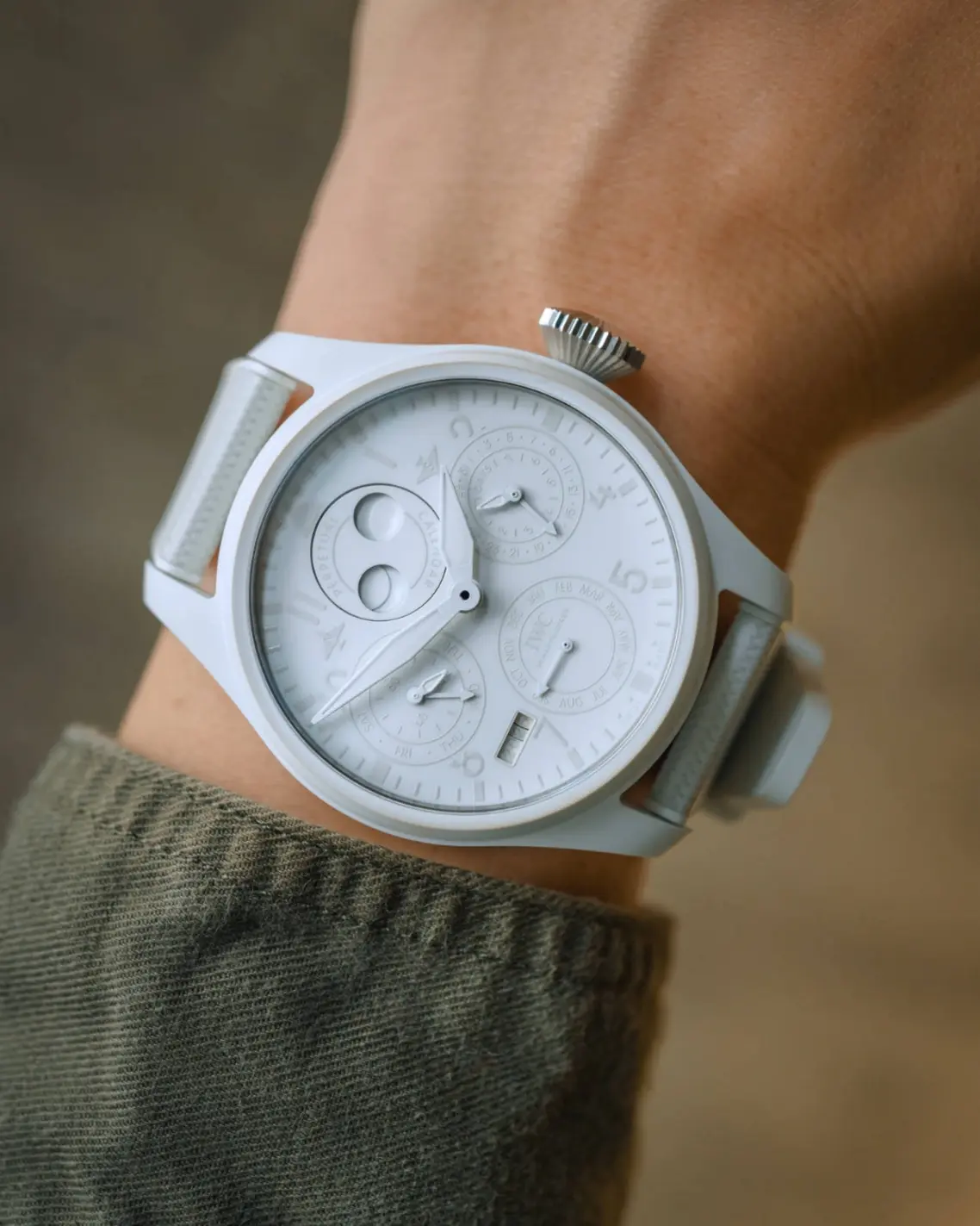

IWC also uses ceramic to renew the language of the luxury sports watch. The Ingenieur Automatic 42 in black ceramic brings the integrated-bracelet design associated with Gérald Genta into a full-ceramic structure. In later colour developments, IWC has also emphasised the difficulty of coloured ceramic: zirconium oxide must be mixed with metallic oxides in precise proportions, while the final shade can change during sintering. Achieving a consistent tone across multiple components is therefore not simple decoration. It is engineering.

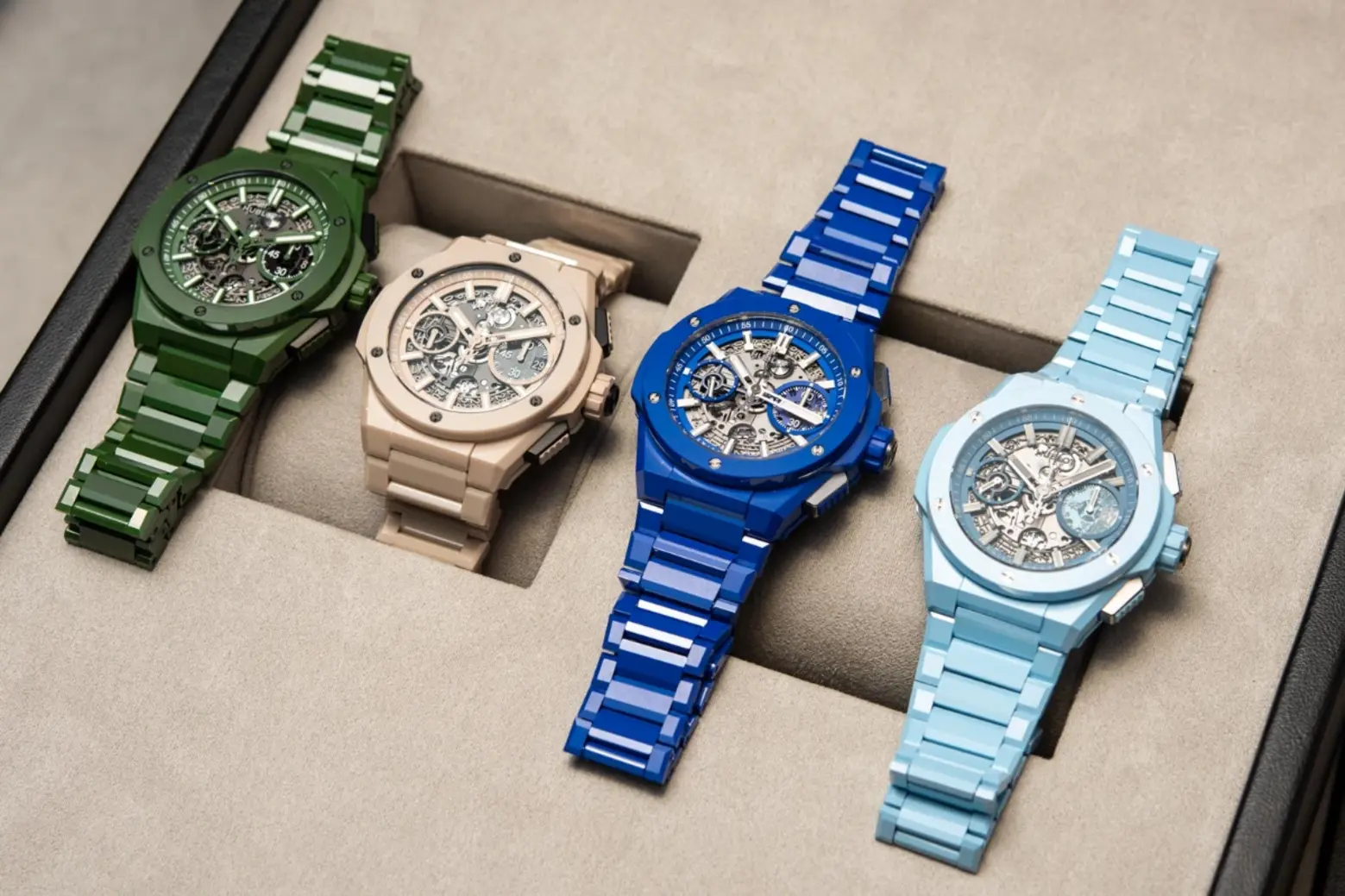
At Hublot, ceramic moves into the territory of colour and spectacle. The brand has explored vivid high-tech ceramic through models such as the Big Bang Unico Magic Ceramic and bright seasonal editions that use ceramic in unexpected shades. Hublot shows that ceramics can be pop, saturated and almost fashion-like while still belonging to a sports-haute-horlogerie structure. Its use of ceramic is loud, physical and intentionally theatrical.
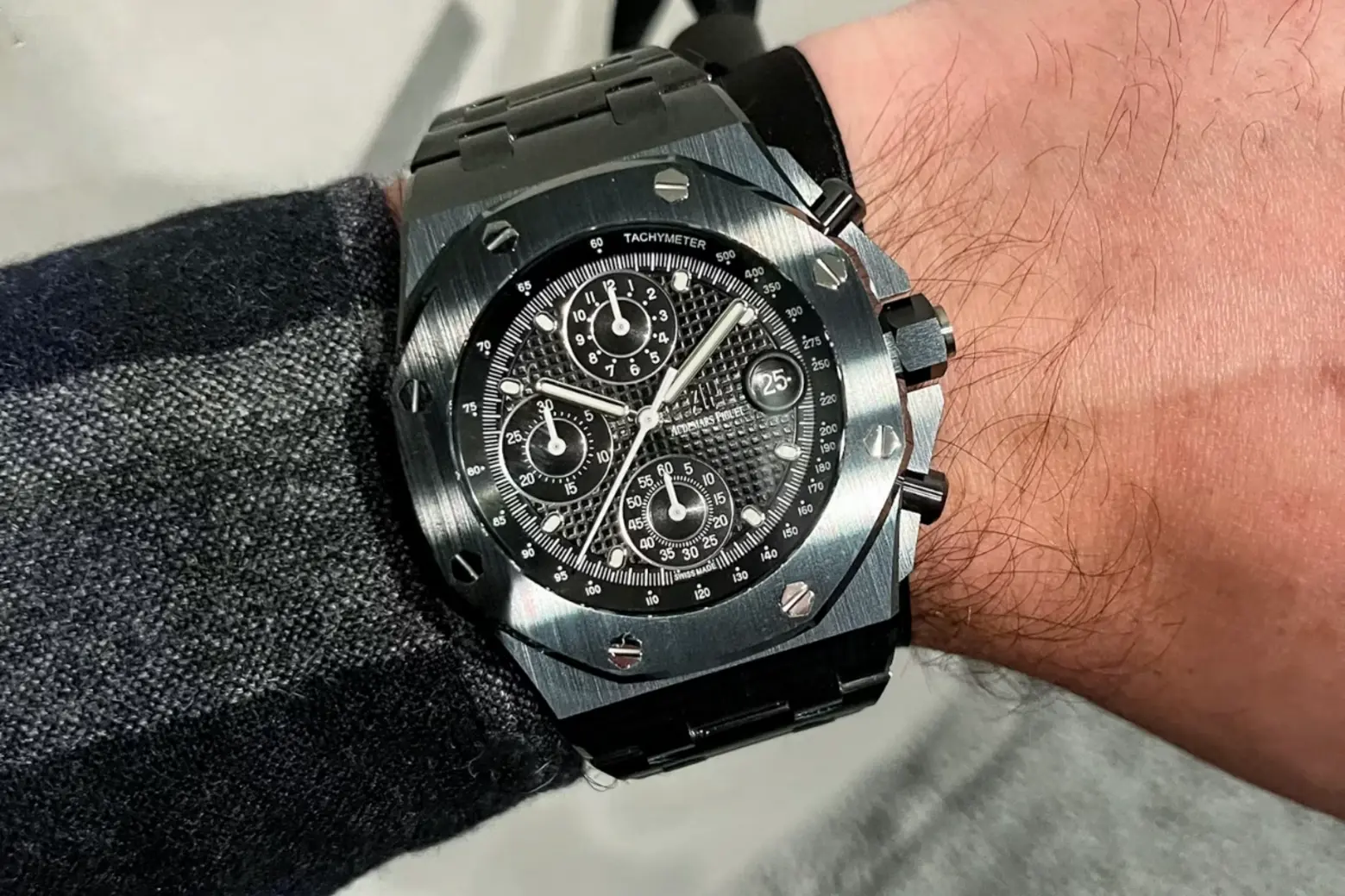
Audemars Piguet gives ceramic another kind of power: the power of iconography. In the Royal Oak Offshore line, blue, black, white and brown ceramic versions show how the material can sharpen an already muscular silhouette. On the Royal Oak Offshore, ceramic is not only a scratch-resistant material. It is a way of making an already forceful shape feel colder, more modern and more untouchable.
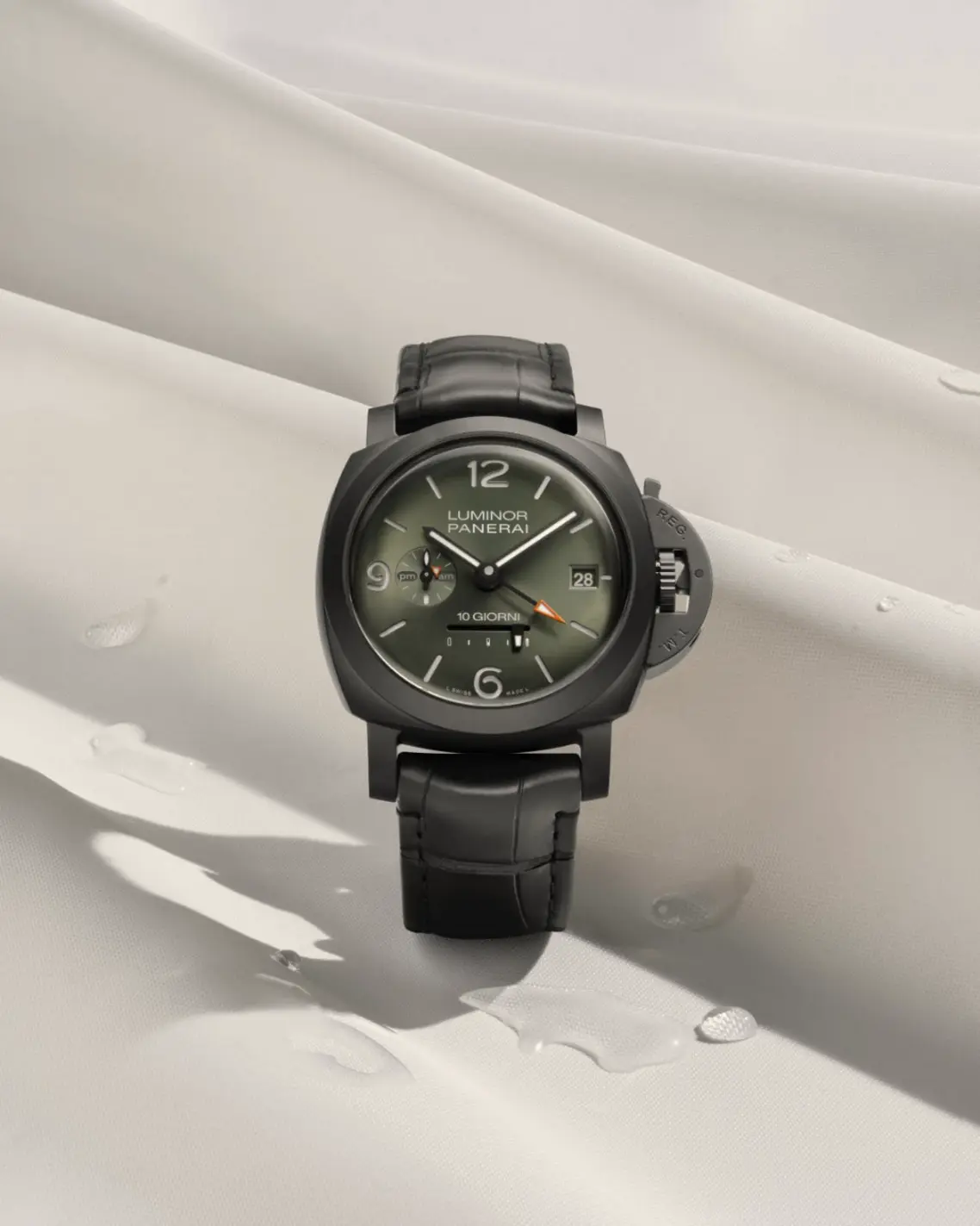
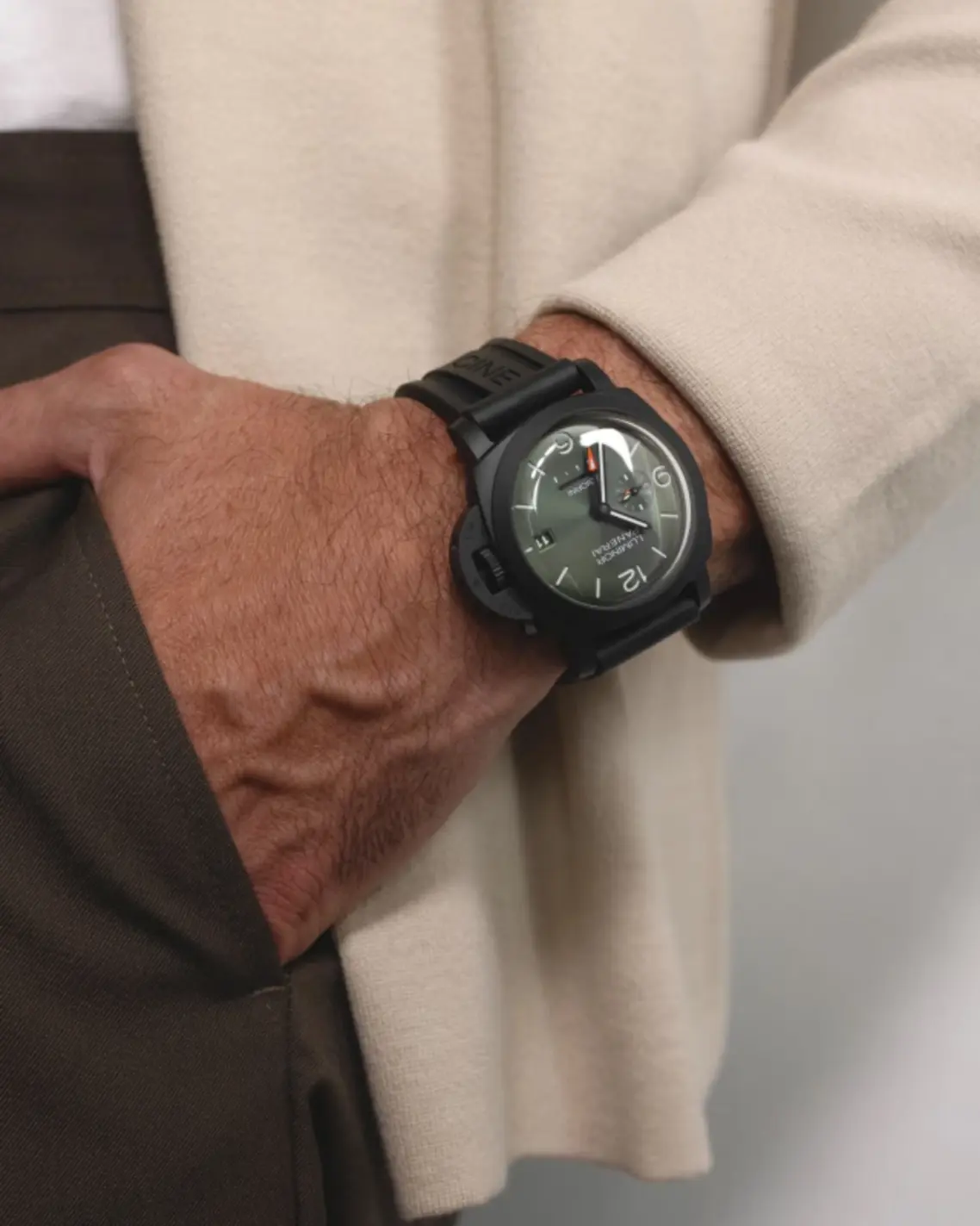
Panerai uses ceramic in a more martial, tool-oriented language. With pieces such as the Luminor Dieci Giorni GMT Ceramica and Luminor GMT Ceramica, the brand uses zirconium oxide ceramic to create matte, dark, resistant cases that feel like armour. Panerai’s ceramic does not shout. It deepens the mystery of a watch whose identity was already built around utility, legibility and the architecture of a protective crown guard.
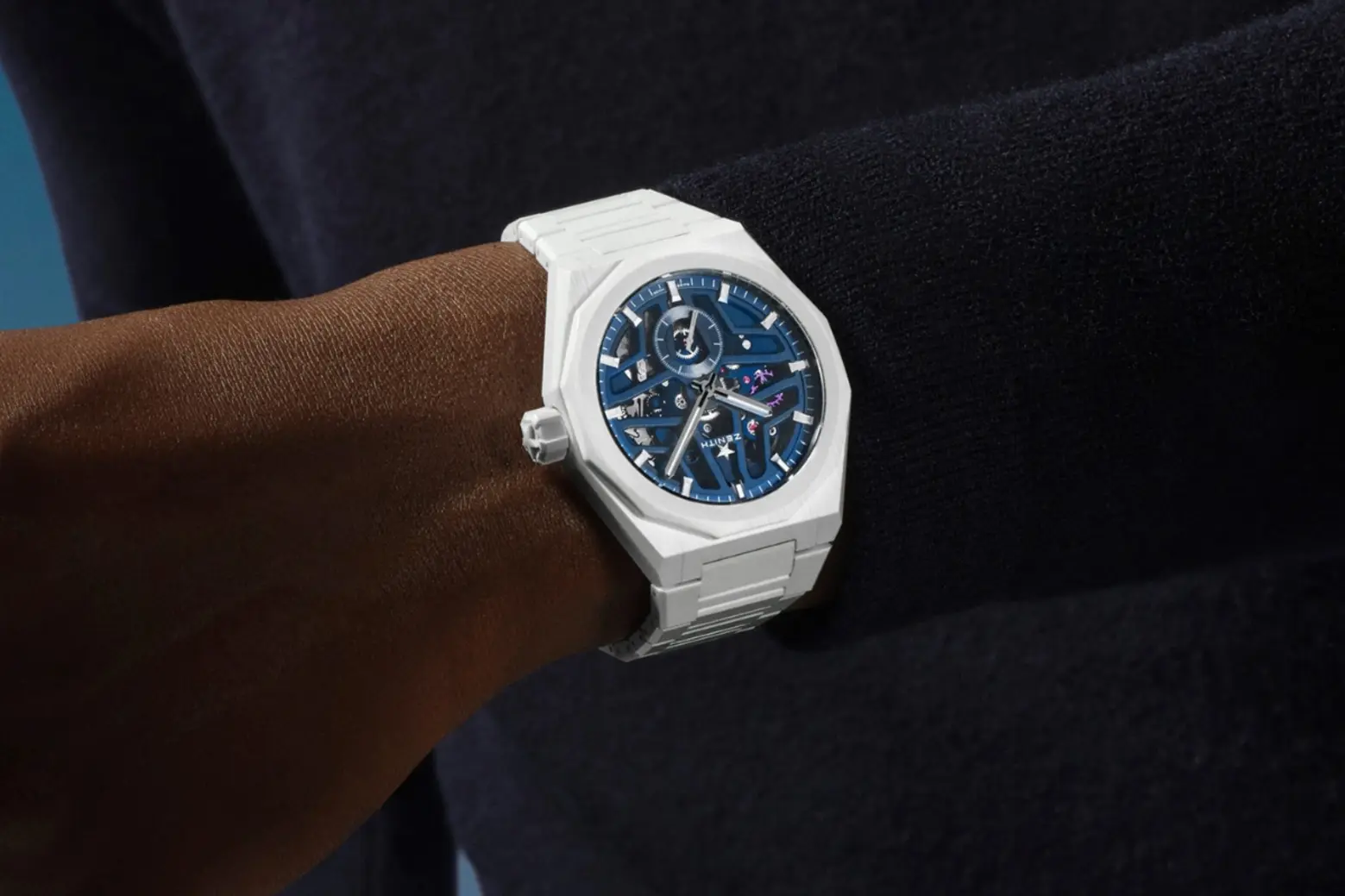
Zenith uses ceramic to sharpen the futuristic geometry of DEFY. In black ceramic versions of the DEFY Skyline Chronograph, the material reinforces the line’s angular case, urban tension and sense of technical architecture. Ceramic here does not merely make the watch darker or cooler. It clarifies the shape, making the watch feel like a machine-object from the near future.
Seen through these examples, ceramic has moved far beyond the role of a substitute material. At Chanel, it is colour and fashion iconography. At Dior, it is mechanical couture. At Rado, it is material identity. At IWC, it is technical experiment. At Hublot, it is chromatic theatre. At Audemars Piguet, it is the authority of form. At Zenith, it is future architecture. At Panerai, it is the armour of a tool watch. Ceramic becomes luxury not because it pretends to be gold or platinum, but because each Maison can force it to speak in its own voice.
For much of the history of jewellery and watchmaking, luxury was judged through three questions: is the material precious, is it rare, does it shine? Gold, platinum, diamonds and gemstones answer those questions easily. Ceramic comes from another direction. It is not precious in the sense of being mined like gold. It does not carry the fire of a diamond. It does not display value through weight. In fact, one of its virtues is lightness.
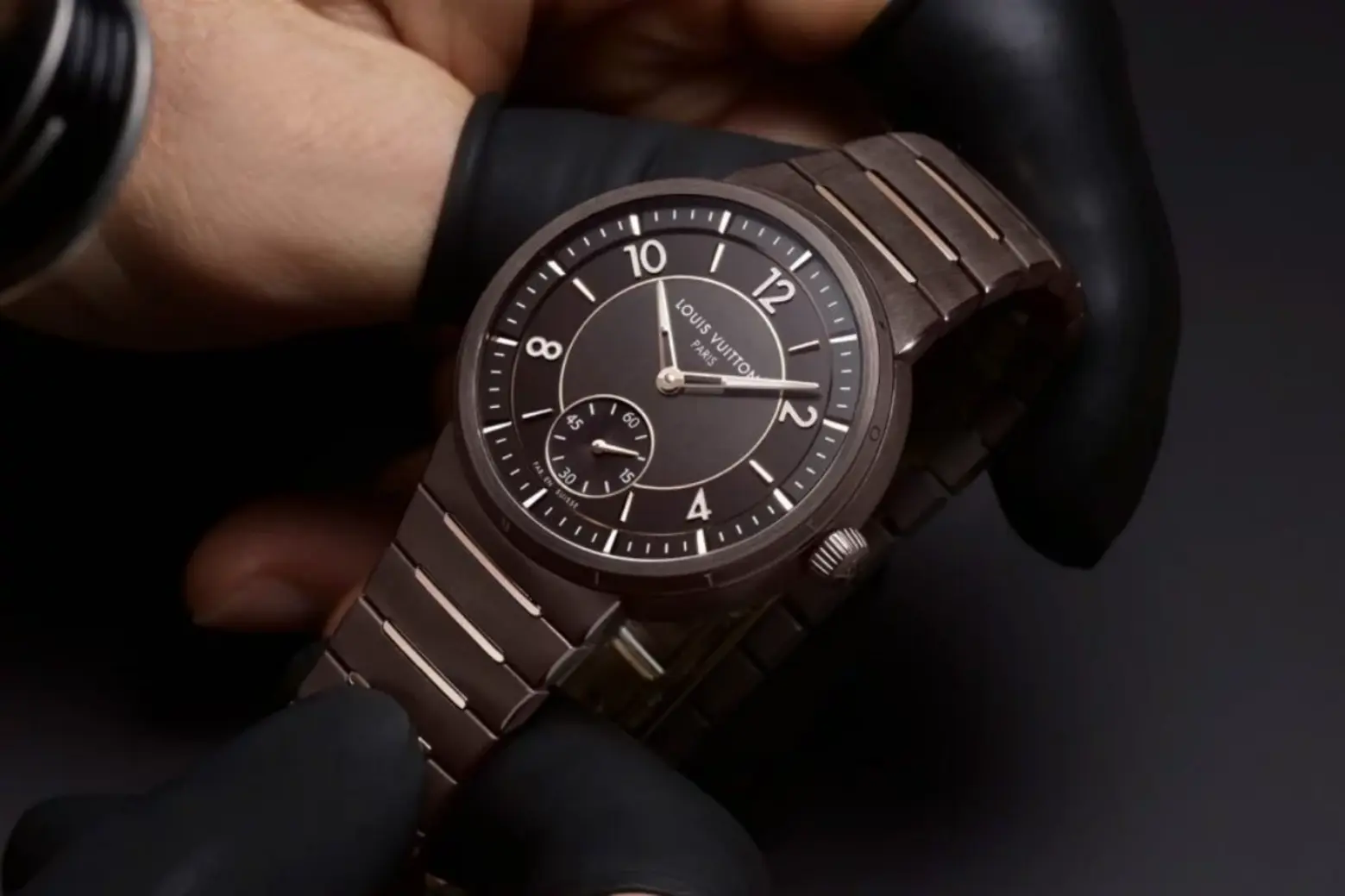
So why is it luxurious?
Because ceramic is the luxury of control. Control of powder, colour, pressure, temperature, shrinkage, polish, tolerance and surface. It is the material of precision industry inserted into an emotional object. A good ceramic watch does not make one think of a kiln; it makes one think of the absolute silence of a surface that refuses to let daily life mark it too easily.
Here, ceramic reflects a larger shift in modern luxury. Luxury is no longer only a material with intrinsic value. Luxury is also a material that demands competence. A brand that uses gold can lean on the history of gold. A brand that uses ceramic has to prove it can master a difficult process.
Ceramic is not perfect. It is hard, but it can be brittle. It resists scratches, but it does not have the ductility of metal. Metal can dent, scratch, bend, be polished again or repaired in familiar ways. Ceramic, when struck hard enough at a vulnerable point, can crack or break. This is the price of a material with high hardness but lower impact toughness than metal.
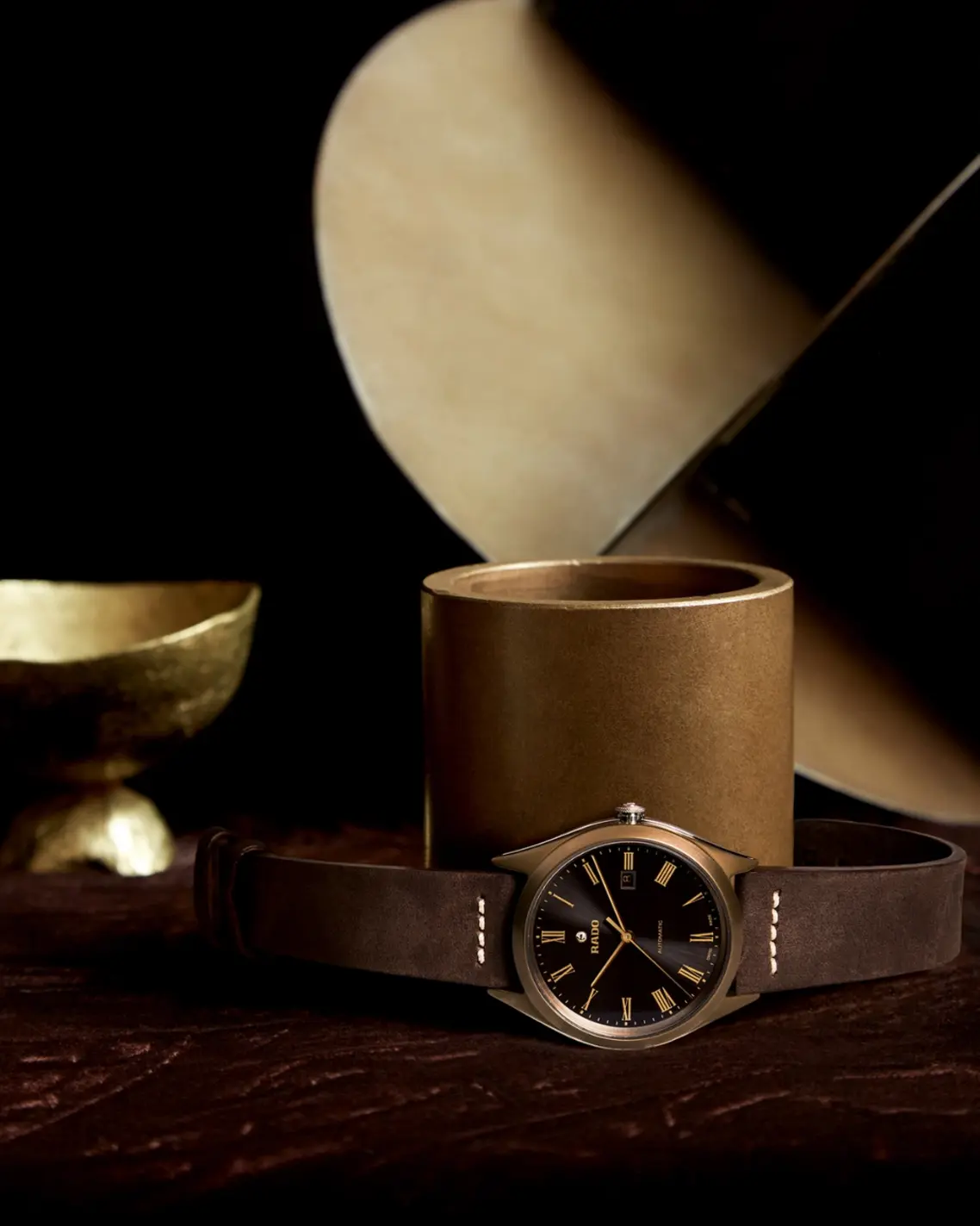
That is why high-end ceramic is not only about choosing the right material. It is about designing the right structure. Case thickness, edge geometry, contact with metal, screw placement, bracelet construction, bezel shape, caseback, gasket and crown all have to be considered to reduce risk. A ceramic watch is not simply a block of ceramic made beautiful. It is a technical system disguised as minimalism.
This also explains why ceramic is often oversimplified in marketing. People say it is scratch-resistant, light, durable and premium. The real difficulty is more interesting: how do you make a brittle material live with the body every day? How do you make an industrial material feel intimate? How do you turn something born for hostile environments into a surface that touches the skin?
Ceramic in watchmaking does not stop at cases or bezels. Certain technical ceramics can also appear in components related to friction and wear, where hardness, inertness and abrasion resistance have direct functional value. In a mechanical watch, energy is always fragile: how much is transmitted, how much is lost to friction, how much disappears as materials wear?
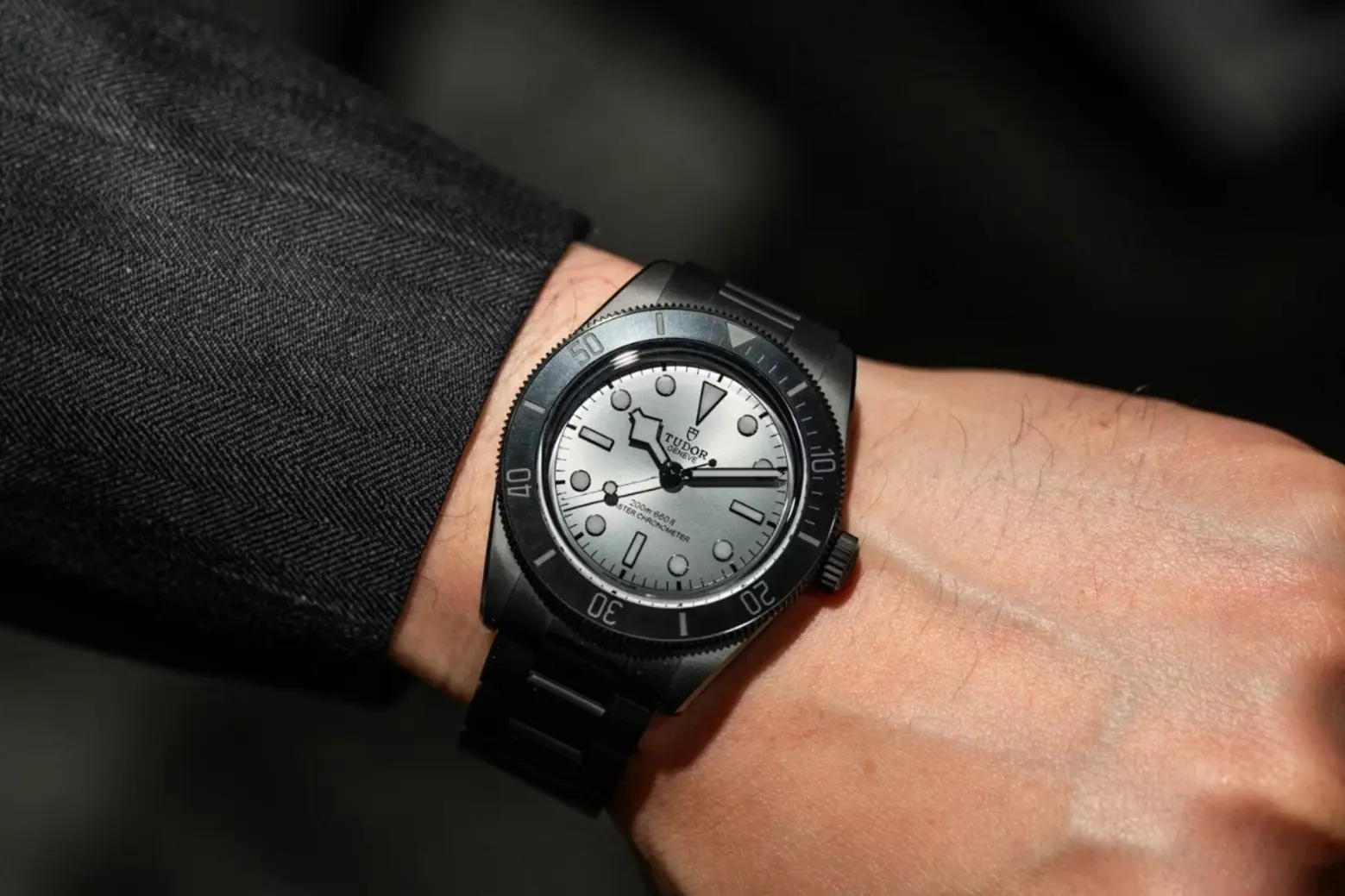
That is why ceramic can also be appealing inside the movement. Used correctly, a wear-resistant material can help stabilise motion, reduce energy loss and prolong the life of certain components. Yet this is a highly specialised field. Ceramic cannot simply be thrown into a movement as a decorative label. It has to appear in the right position, with the right geometry and the right function.
In high watchmaking, a good material is not enough. A material must know how to behave.
Ceramic once belonged far away from boutique vitrines: factories, engines, sensors, heat shields, wear-resistant surfaces and extreme technical systems. But when it entered watchmaking, it did not lose its industrial origin. On the contrary, that origin is what makes it interesting.
It does not have the warmth of gold. It does not have the theatrical flash of diamonds. It does not suggest inheritance in the way platinum or vintage steel can. Ceramic is beautiful in another way: cold, clean, precise, resilient, almost unwilling to let daily life leave a mark too easily.
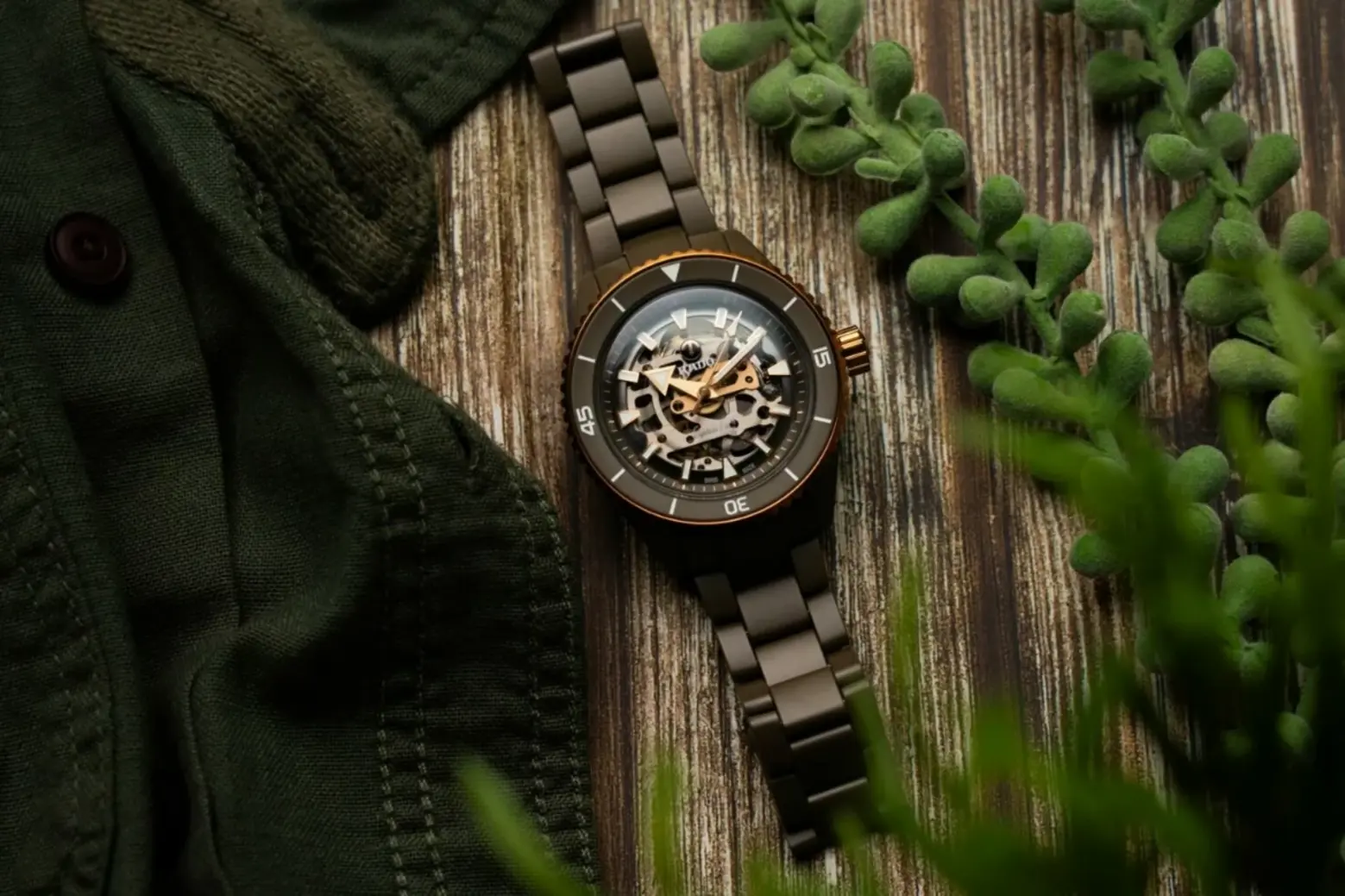
The story of ceramic in luxury is therefore not the story of a cheap material inflated by marketing. It is the story of an industrial material pushed through processes difficult enough to become the symbol of a new kind of luxury. The luxury of this century does not always need to be heavier, brighter or rarer. Sometimes, it needs to be smarter.
Ceramic becomes luxury precisely because it was not born to be loved. It was born to endure. And when a material made for endurance is transformed into something that can touch the skin, hold light, hold colour, hold shape and hold silence for years, it crosses the final boundary: from industry into desire.