MENU
Close





A lip product can now cost $58, contain peptides, and sound suspiciously like your dermatologist wrote the copy.
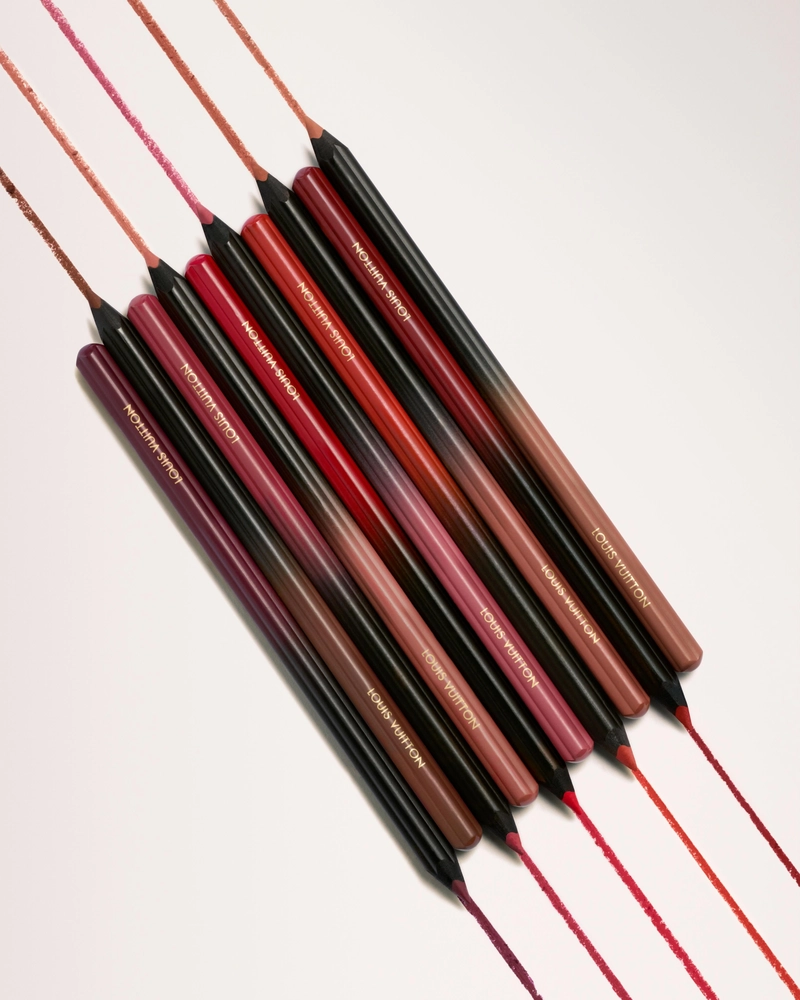
A lip product can now cost $58, contain peptides, and sound suspiciously like your dermatologist wrote the copy.
August 17, 2026
Advertisement

Advertisement



Your liner has peptides. Your tint talks about barrier support. Your balm carries the vocabulary of a face serum and sometimes the price tag too. The lip product has learned that skincare language sells, yet the ingredient receiving top billing may have surprisingly little to do with the result you see five minutes after application.
A lipstick once had a wonderfully clear job: put color on the mouth. Lip liner drew the shape. Balm kept dry lips comfortable. Beauty brands have now discovered commercial value in giving each of those jobs a second identity.
Call the product a treatment, add peptides, mention the barrier, and a purchase suddenly carries the promise of tomorrow’s lips alongside today’s makeup.
Consumers are responding with money. Hybrid lip product sales grew 73% during the first half of 2026, while lip liner grew 42%. In the U.S., lip treatments and liners were among the categories gaining both dollar sales and units during the first quarter of 2026. The appetite had already been building: prestige lip treatments reached $207.9 million in 2023 after a 58% sales increase.
These figures reveal the important part of the trend. Consumers increasingly expect a lip product to justify itself after the pigment, shine or contour has disappeared.
Brands have built an entire price ladder around that expectation. e.l.f. x Bubble Glow Talk brings skincare language into a roughly $10 tinted balm. Rhode Peptide Lip Shape, at $24, gives a contouring pencil the peptide identity that already made the brand’s lip treatments famous. Louis Vuitton LV Crayon, priced at $58, carries peptides into luxury lip liner.
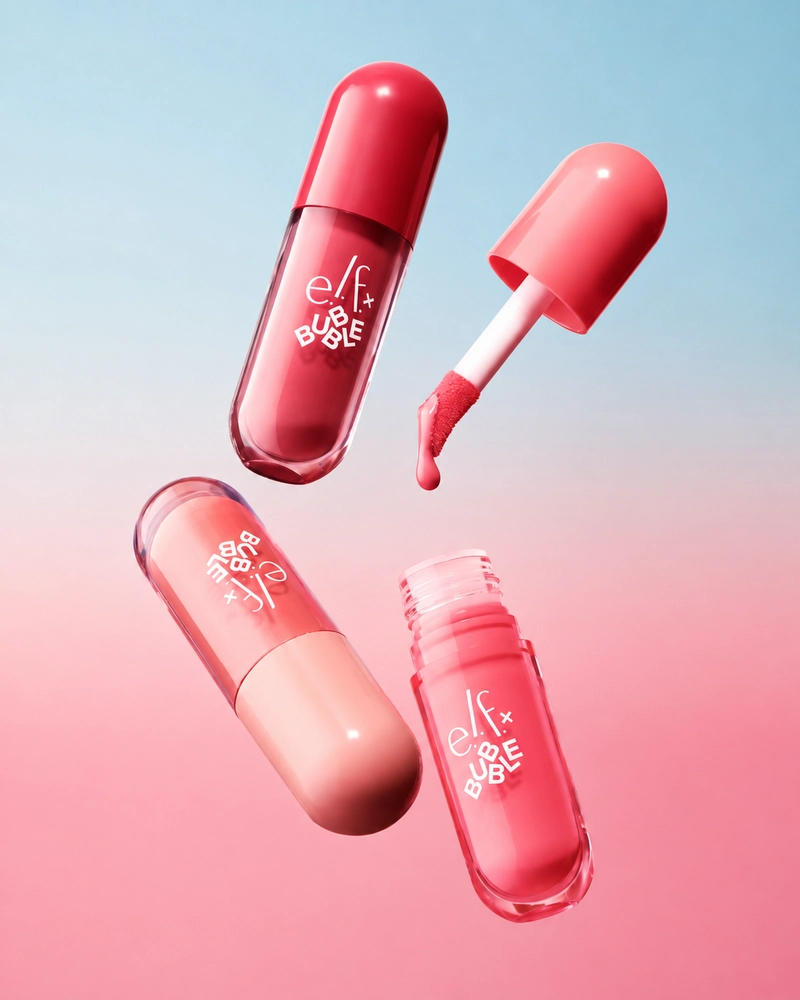
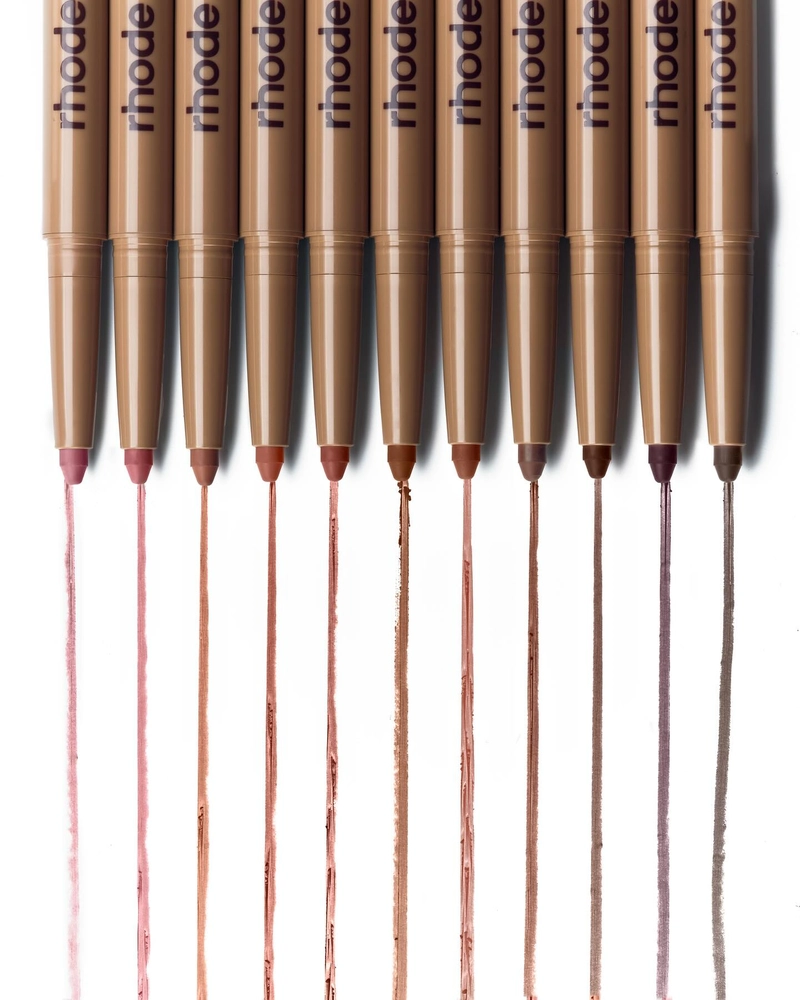
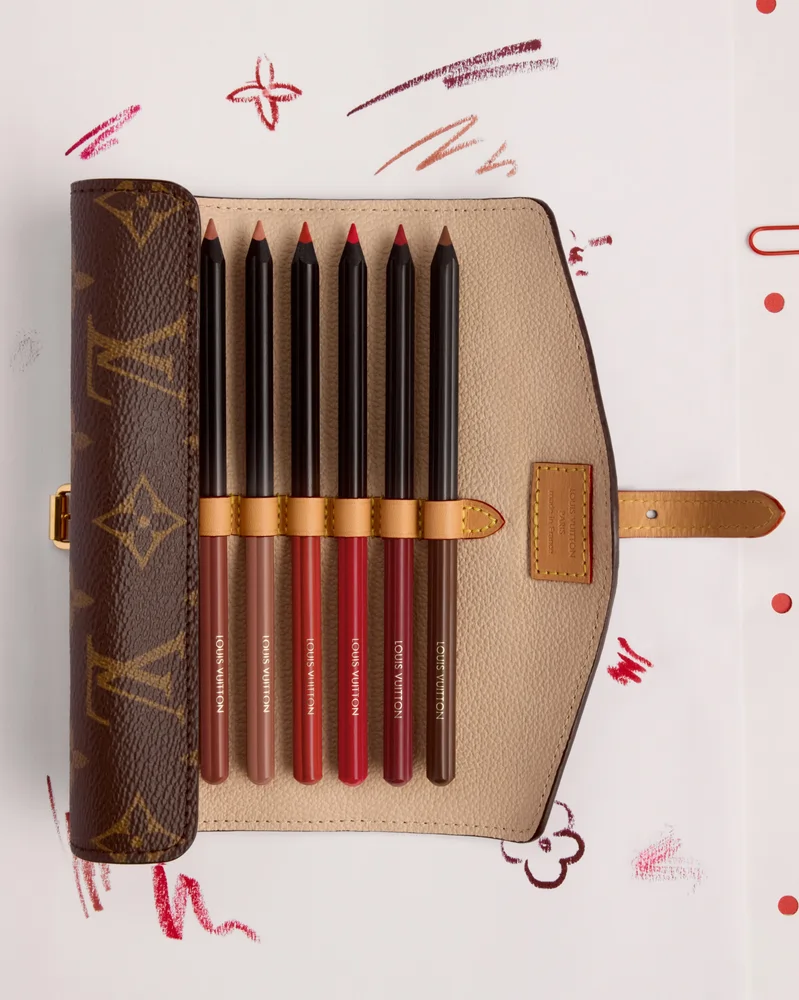
Three radically different brands have reached the same commercial insight: skincare language gives makeup another source of value.
A $58 liner can earn its price through pigment, texture, shade development, packaging, luxury positioning and the emotional pleasure of owning it. Peptides introduce a separate proposition. They imply that drawing around your mouth may also be caring for the biology underneath.
That implication has become enormously useful.
Rhode provides the clearest business lesson. Its Peptide Lip Treatment reportedly passed one million units sold during its first 18 months. “Peptide” then travelled across the franchise into Lip Tint and Lip Shape. By that point, the word functioned as brand identity as much as ingredient information.
The industry has learned that “moisturizing” describes a benefit.
“Peptide treatment” creates a story.
Many skincare-infused lip product formulas genuinely make lips look excellent. The mistake comes from automatically crediting the ingredient printed in the largest letters.
A lip product contains an entire support system. Glycerin and hyaluronic acid attract water. Oils and emollients soften rough texture. Waxes and occlusive ingredients help retain moisture. Ceramides support barrier function. Glossy films smooth the optical surface of the lips, allowing light to reflect across them cleanly.
All of those effects can translate into what consumers describe as “plumper,” “smoother” or “healthier” lips.
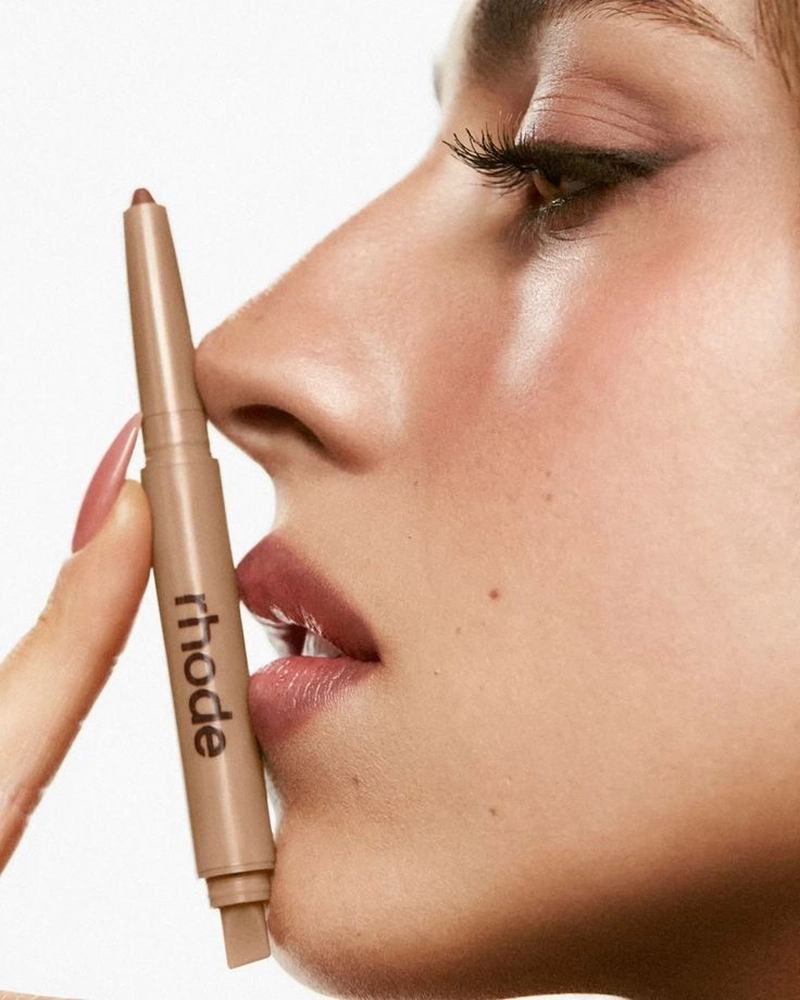
Peptides enter a different conversation. Certain peptides have credible biological roles connected with signaling, repair and collagen-related pathways. Their performance inside a finished lip product depends on formulation, concentration, stability, delivery and contact with the tissue.
The word peptide alone tells us none of those things. This creates one of beauty marketing’s most useful illusions. The complete formula gives the consumer an obvious result, while the fashionable active receives the applause.
Imagine applying a peptide gloss. Five minutes later, dehydration lines appear softened and the mouth looks fuller. The immediate change can come from water, emollience, occlusion and reflective shine. The consumer sees “Peptide” on the tube and mentally connects the two.
The lip product worked. The explanation may be doing considerably more marketing work. This distinction matters because brands increasingly borrow language associated with serious skincare and aesthetic treatments: repair, contour, barrier, volume, collagen support, treatment, plumping. Those words give a lip balm physiological ambition.
Sometimes that ambition is appropriate. A sophisticated lip product can support lip condition through repeated use. Yet the entire formula deserves credit for the result.
Did the peptide transform the lip, or did a beautifully formulated lip product make dry lips look healthy?
Both outcomes have value. They describe different achievements. That is why ingredients such as glycerin, oils, waxes and ceramides deserve far greater attention in this conversation. Their names lack the glamour of biotechnology, yet they often perform exactly the work consumers can see and feel every day.
Consumers recognize peptides, ceramides, hyaluronic acid and niacinamide from their face routines. Moving those words onto a lip product allows makeup to inherit the authority skincare spent years building around ingredients and efficacy.
That creates a problem for shoppers: ingredient presence and product performance begin to sound like the same thing. They are separate questions.
“Contains peptides” establishes that a lip product formula contains peptides.
“Hydrates lips for eight hours” makes a measurable performance claim.
“Improves the appearance of dry lips after four weeks” describes an outcome over time.
“Supports youthful-looking volume” creates a much softer promise whose meaning can stretch considerably.
The smartest shopping question therefore has little to do with hunting through the ingredient list for whichever active is trending. Ask what the finished lip product claims to do. Then ask what evidence the brand gives for that exact result.
A lip product claiming hydration has an easy biological story. A product claiming immediate smoothing can support that through hydration, emollience and film formation. Claims involving structural volume, collagen remodeling or lasting changes to lip architecture carry a much heavier scientific burden.
A luxurious lip product can be worth its price because it performs beautifully as makeup. Skincare language should earn its own value through evidence. A famous ingredient name gives the brand a compelling headline; it gives the consumer very little information about dosage, delivery or finished-formula performance.
That distinction becomes increasingly important as treatment-led lips continue growing commercially. The 73% surge in hybrid lip products tells brands exactly where consumers are spending. Every successful launch gives the industry another incentive to place skincare vocabulary inside color cosmetics.
The result is an interesting evolution, because the modern lip product genuinely has become more treatment-conscious. Comfortable textures, barrier-supporting ingredients and hydration are meaningful improvements.
The critical line sits somewhere else: a good formula can make your lips look fantastic, and a trendy active can make that same formula sound scientifically extraordinary. Those two achievements deserve separate credit. A peptide can earn its place in your lip product. Its name alone is never the proof.
Advertisement