MENU
Close





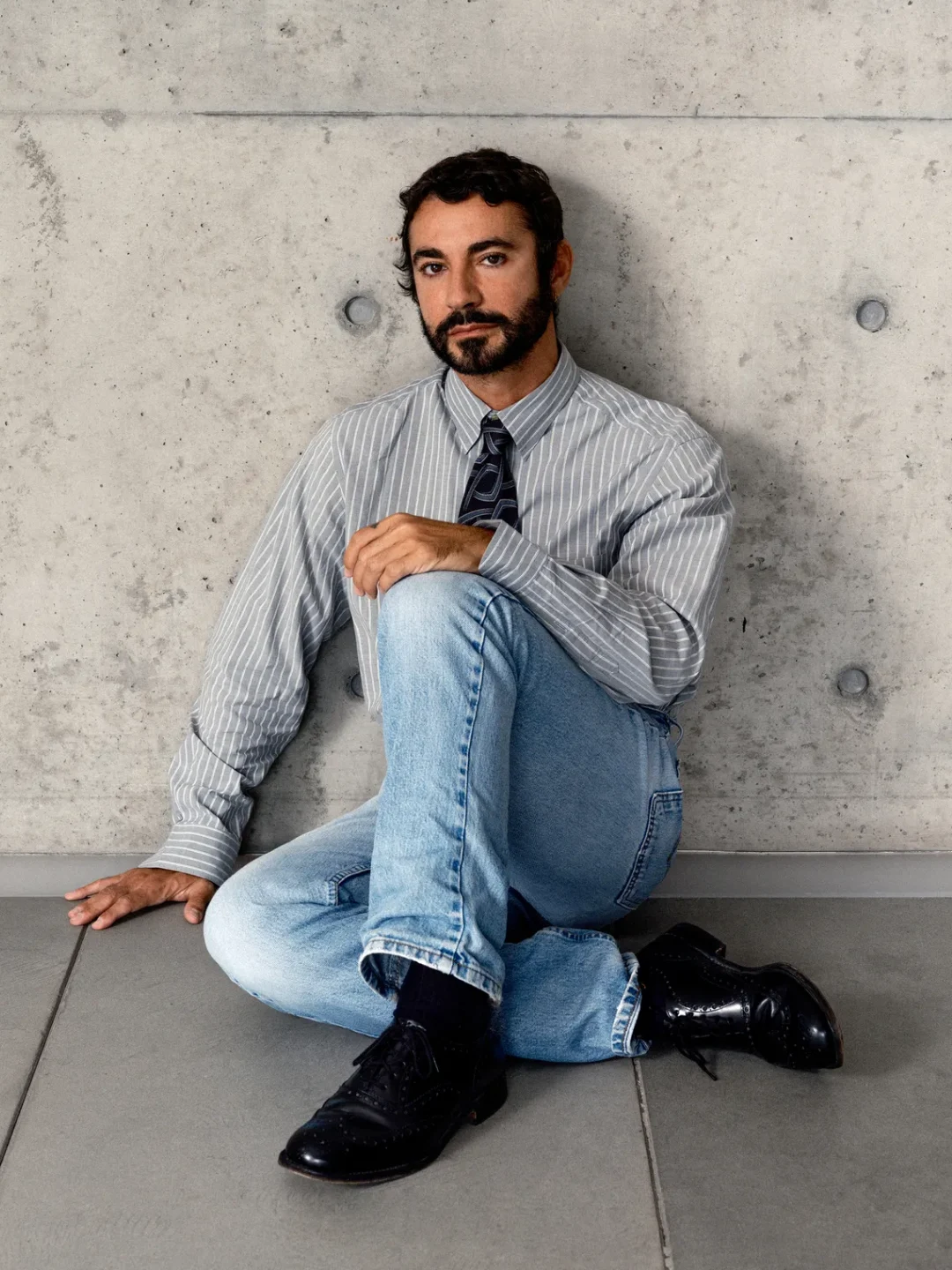
New York minimalism built its myth on discipline and immaculate control. In a fashion moment drunk on color, texture, and spectacle, it survives by swallowing the drama and selling it back as sharper, richer luxury.
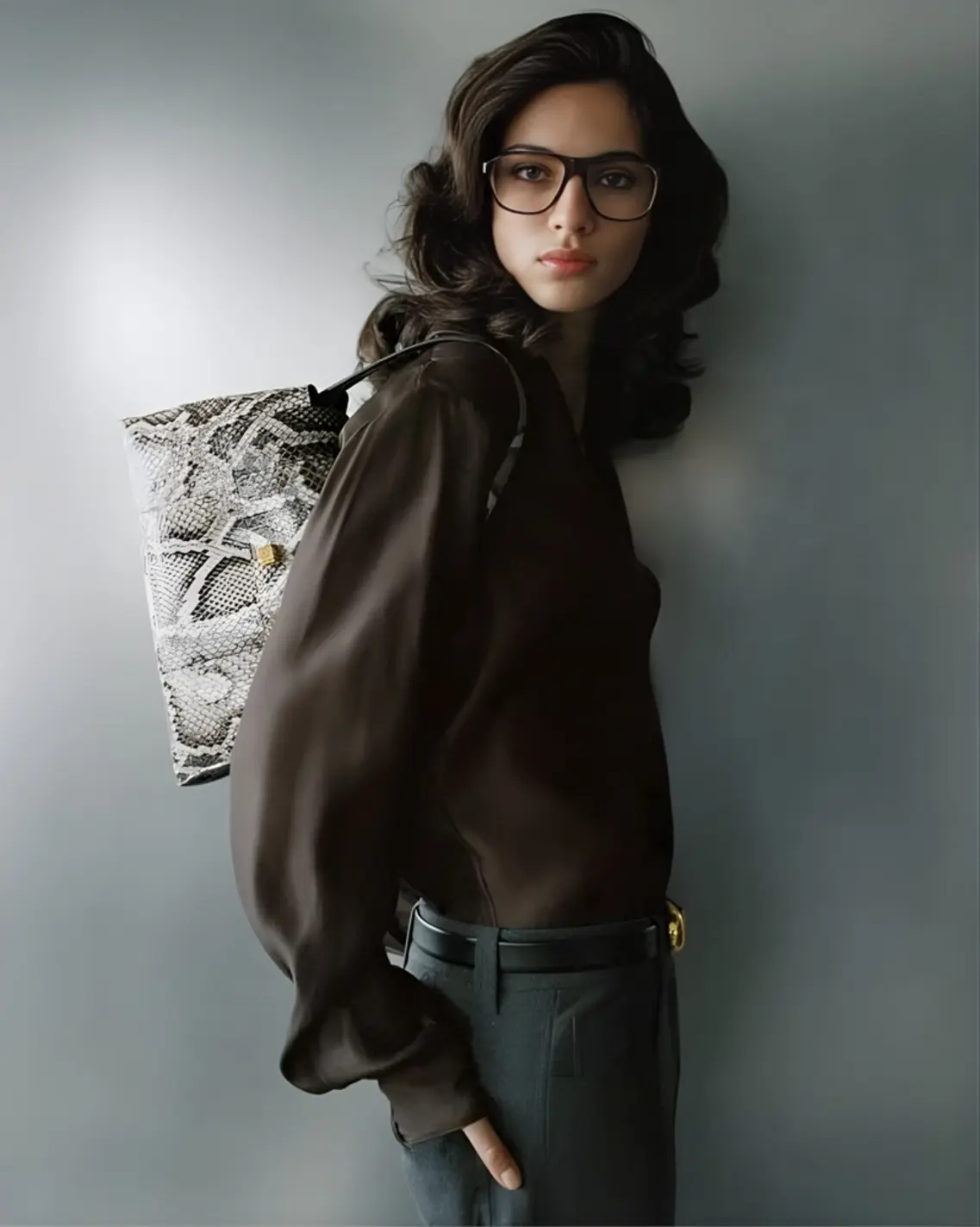
New York minimalism built its myth on discipline and immaculate control. In a fashion moment drunk on color, texture, and spectacle, it survives by swallowing the drama and selling it back as sharper, richer luxury.
March 24, 2026
Advertisement
Advertisement


The popular myth treats minimalism as an aesthetic of absence, as if clean lines and neutral palettes emerge from some moral devotion to purity. Fashion history tells a more intelligent story. The Museum at FIT frames minimalism and maximalism as a recurring dialogue, a design continuum shaped by broader social, economic, and cultural change. Minimalism, in that reading, functions as concentrated meaning rather than visual emptiness. It sharpens construction, hierarchy, and attitude.
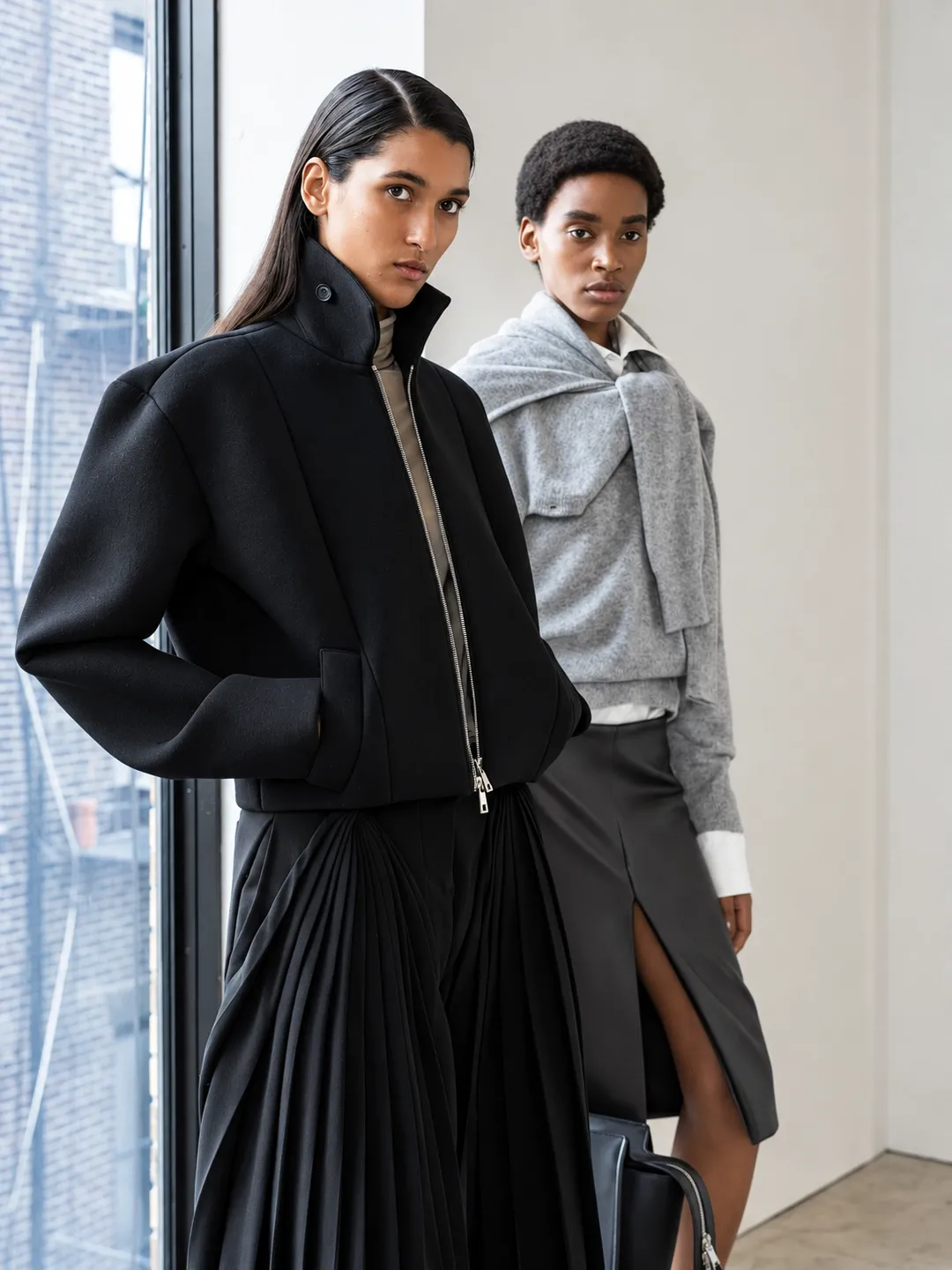
That distinction matters in New York, where minimalism became a civic language. It suited the tempo of the city, the mythology of work, and the fantasy of expensive ease. Over the past few years, brands such as Khaite, Kallmeyer, Another Tomorrow, and Fforme helped define a contemporary version of that sensibility, building wardrobes around tailored silhouettes, edited palettes, and what Vogue described as a modern uniform for consumers who prefer slow fashion, quality, and repeat wear. The Financial Times likewise grouped Khaite, Another Tomorrow, and Kallmeyer among the modern masters of minimalism, which shows how deeply this visual code had embedded itself in the luxury conversation.
The shift toward maximalism has less to do with taste fatigue than with market pressure. Once quiet luxury became fully legible to the mass market, it also became easier to copy, easier to flatten, and harder to charge a premium for. A beige coat with superior cut still seduces a trained eye, yet the algorithm rarely rewards subtlety with the same enthusiasm it gives feathers, color clashes, shine, or exaggerated proportion.
That broader turn has already been documented across fashion media. Who What Wear’s 2026 style report described a macro shift from staunch minimalism to modern maximalism, with even The Row, long treated as a patron saint of restraint, showing a full feather skirt. The same report tied louder dressing to a desire for personality, selective investment, and cultural cachet rather than simple novelty. In other words, fashion’s current appetite centers on visible conviction. Clothes now need to signal a pulse.
This creates a dilemma for the New York school of polished understatement. A brand built on control cannot suddenly start shouting in sequins and survive with its identity intact. Yet a brand that clings too tightly to old codes risks reading as inert, museum-grade, or spiritually adjacent to office wear. The answer, increasingly, lies in calibrated disturbance.
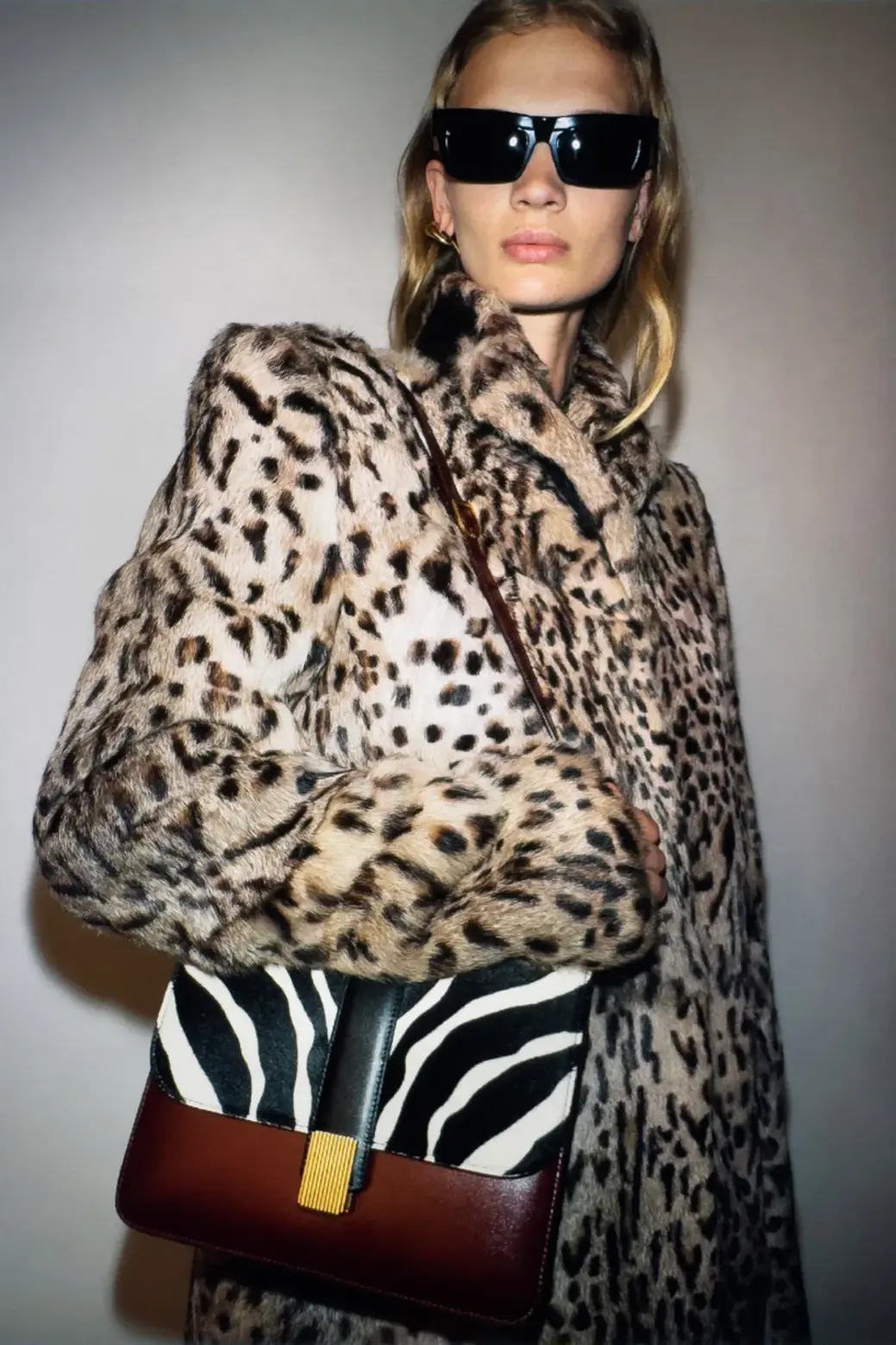
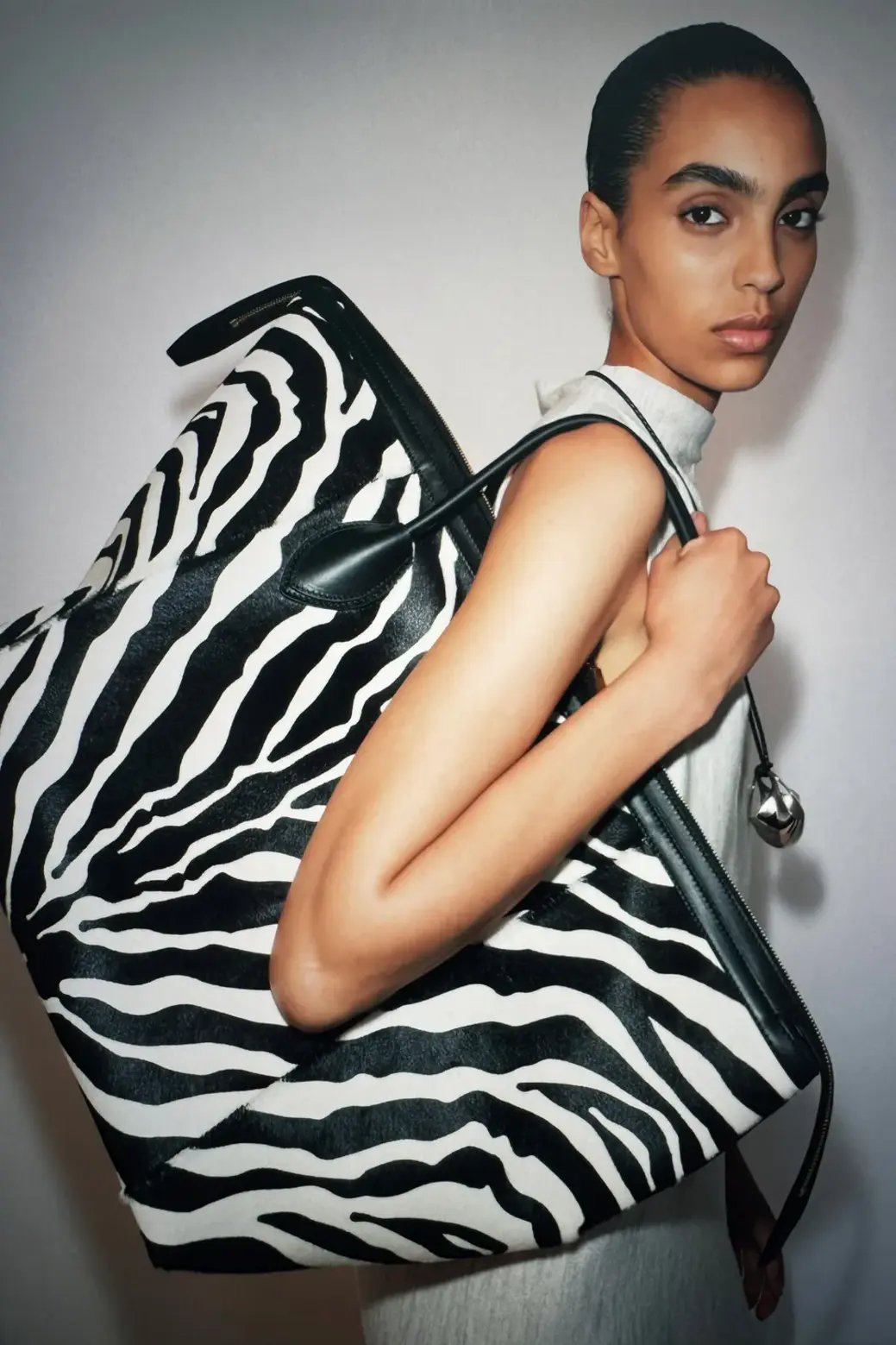
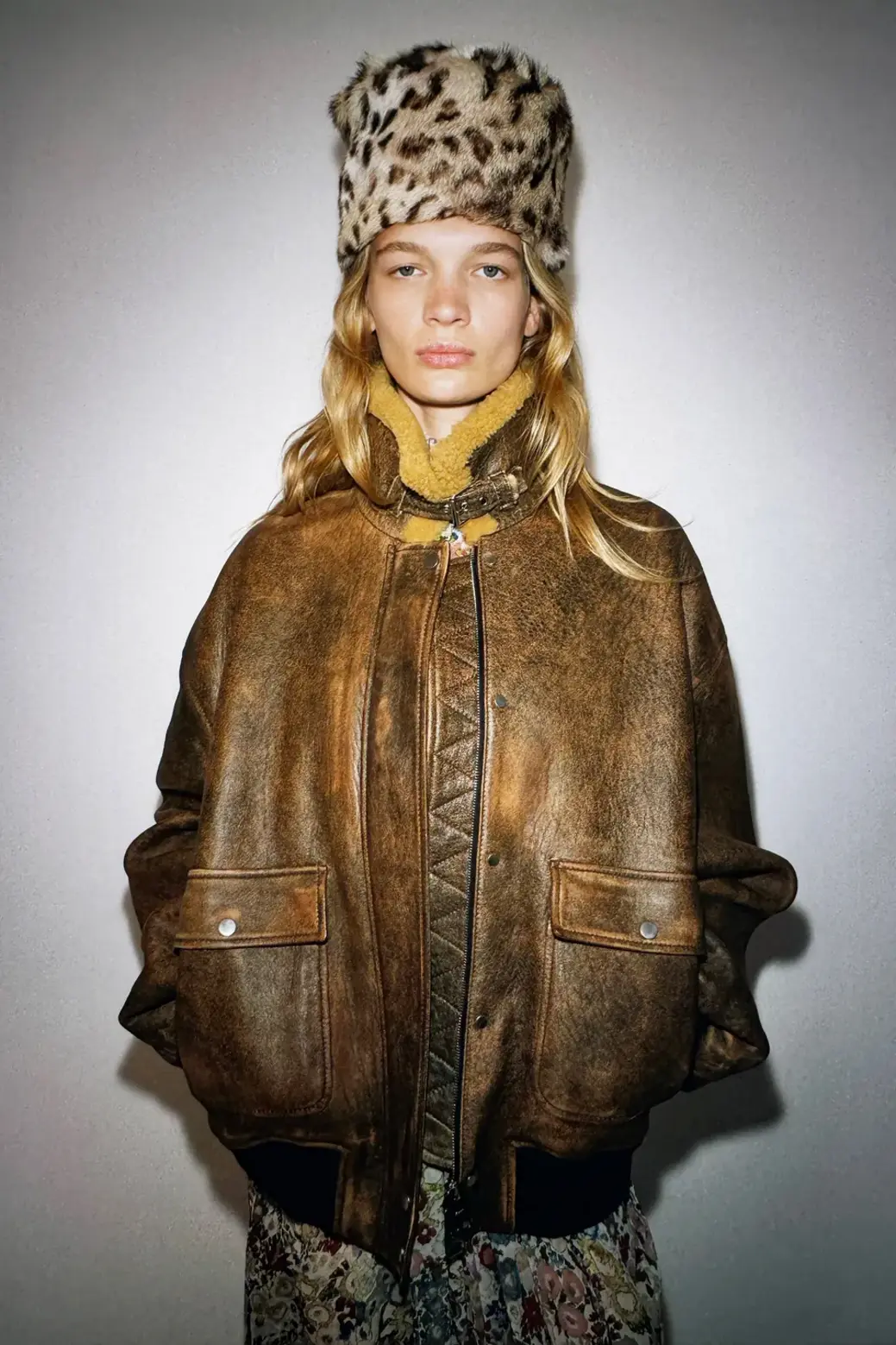
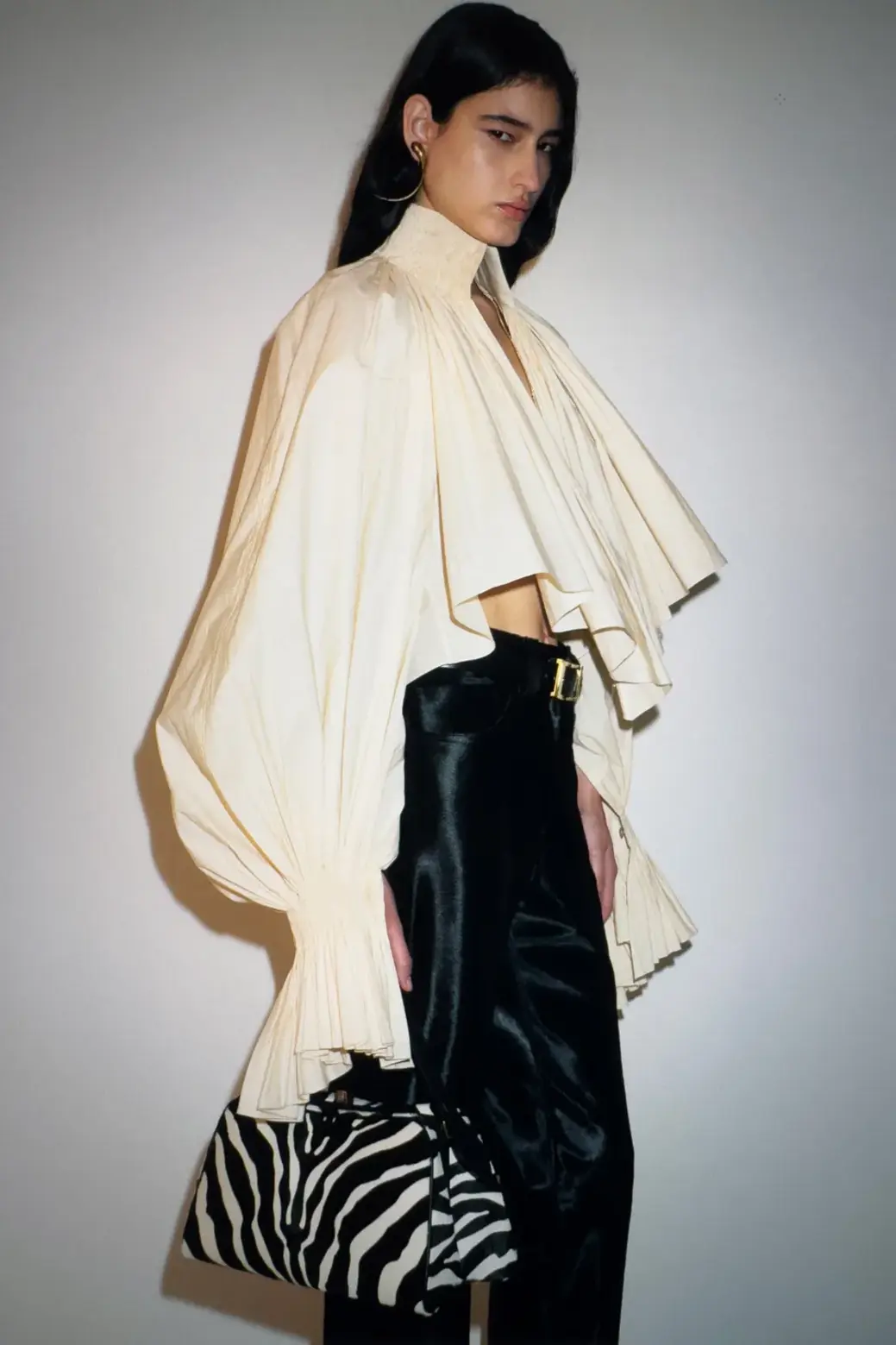
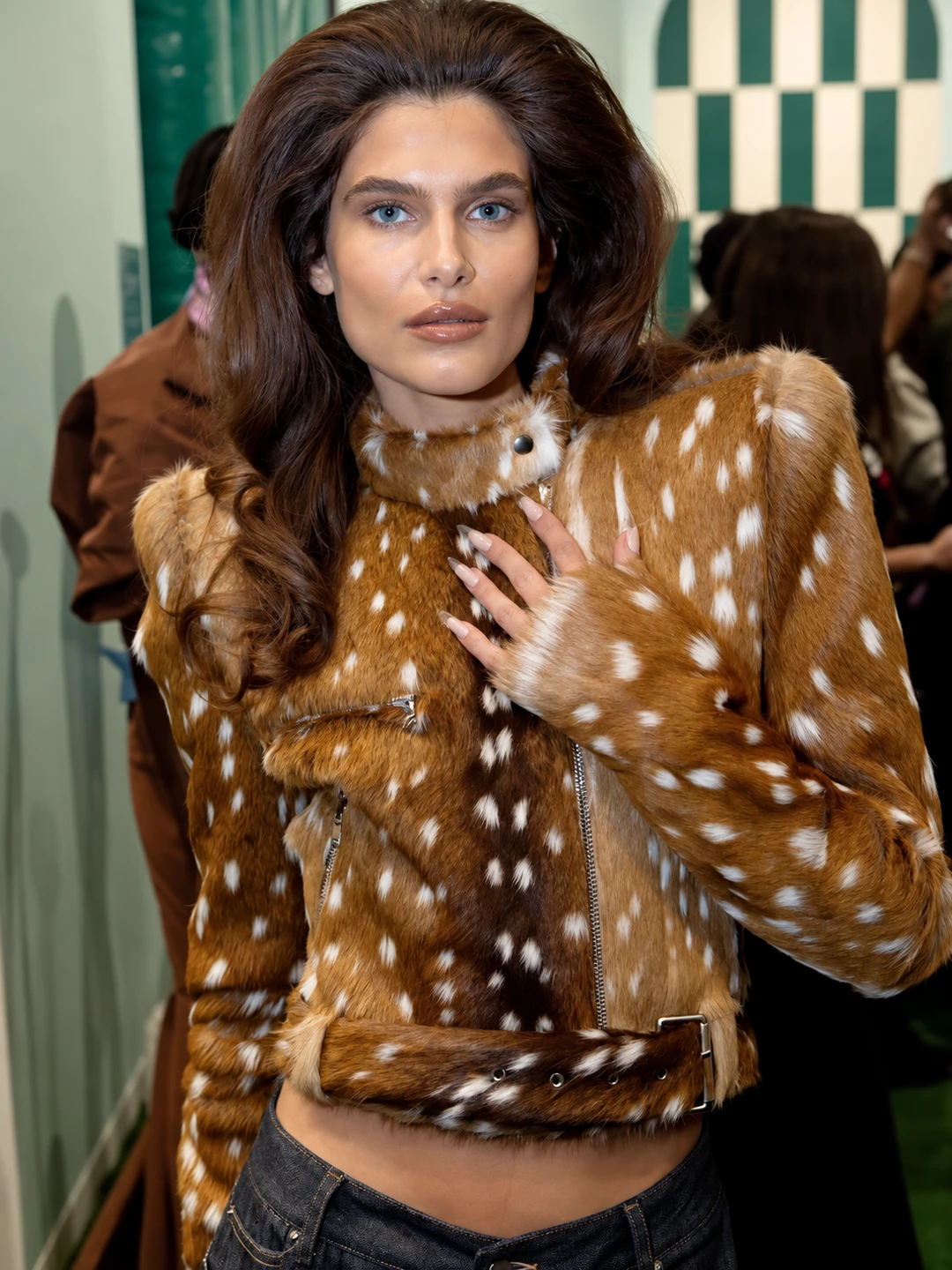
New York brands such as Rùadh and Khaite are responding to the shift away from minimalism by introducing bold colours, prints, and sculptural details. That language captures the strategy perfectly. These labels are adding impact, though they are adding it through form, material, and emphasis rather than through total surrender to excess. A second summary of the same article noted that designers are leaning into personal heritage and innovative techniques to differentiate themselves in a crowded market.
That is the key. The new version of minimalism in New York thrives on interruption. A severe coat arrives with a harder shoulder. A neutral dress twists into something architectural. A column silhouette picks up a liquid finish, an unexpected print, a sensual cut, or a metallic surface. Spectacle enters through pressure points rather than through wholesale transformation.
Rùadh offers a particularly telling example because its public positioning was built around simplicity, intentional luxury, and quiet resilience. CFDA described the label as celebrating simplicity through denim and clean lines, while Vogue introduced it as a small-batch brand rooted in craftsmanship and quality over quantity. Once a label like that begins to absorb stronger visual codes, the gesture reads as strategic rather than accidental. It tells us that even brands founded on quiet power now require a louder edge to hold attention.
Fforme points toward the same logic from another angle. Who What Wear called it the “true definition of quiet luxury” and a favorite among New York’s chicest dressers, yet even that category now survives by carrying enough shape, polish, and tension to register instantly. Quiet luxury, at this stage, succeeds when it performs clarity with enough charisma to cut through content overload.
A romantic reading would call this evolution growth. A more rigorous reading calls it adaptation under pressure. Minimalism remains valuable, though its old promise of superior taste through understatement has weakened because the market learned to imitate its surface too quickly. Once every tier of fashion can produce cream tailoring, black knits, and a worthy leather tote, the elite version needs fresh distinction.
Maximalism provides that distinction, though New York uses it with local discipline. Paris may indulge fantasy. Milan may indulge gloss. New York still prefers intelligibility. Even when it grows decorative, it wants the result to retain purpose, velocity, and a faintly executive edge. That is why the city’s strongest brands are moving toward sculptural silhouettes, richer textures, and more expressive details rather than toward costume. They are keeping the architecture and changing the voltage.
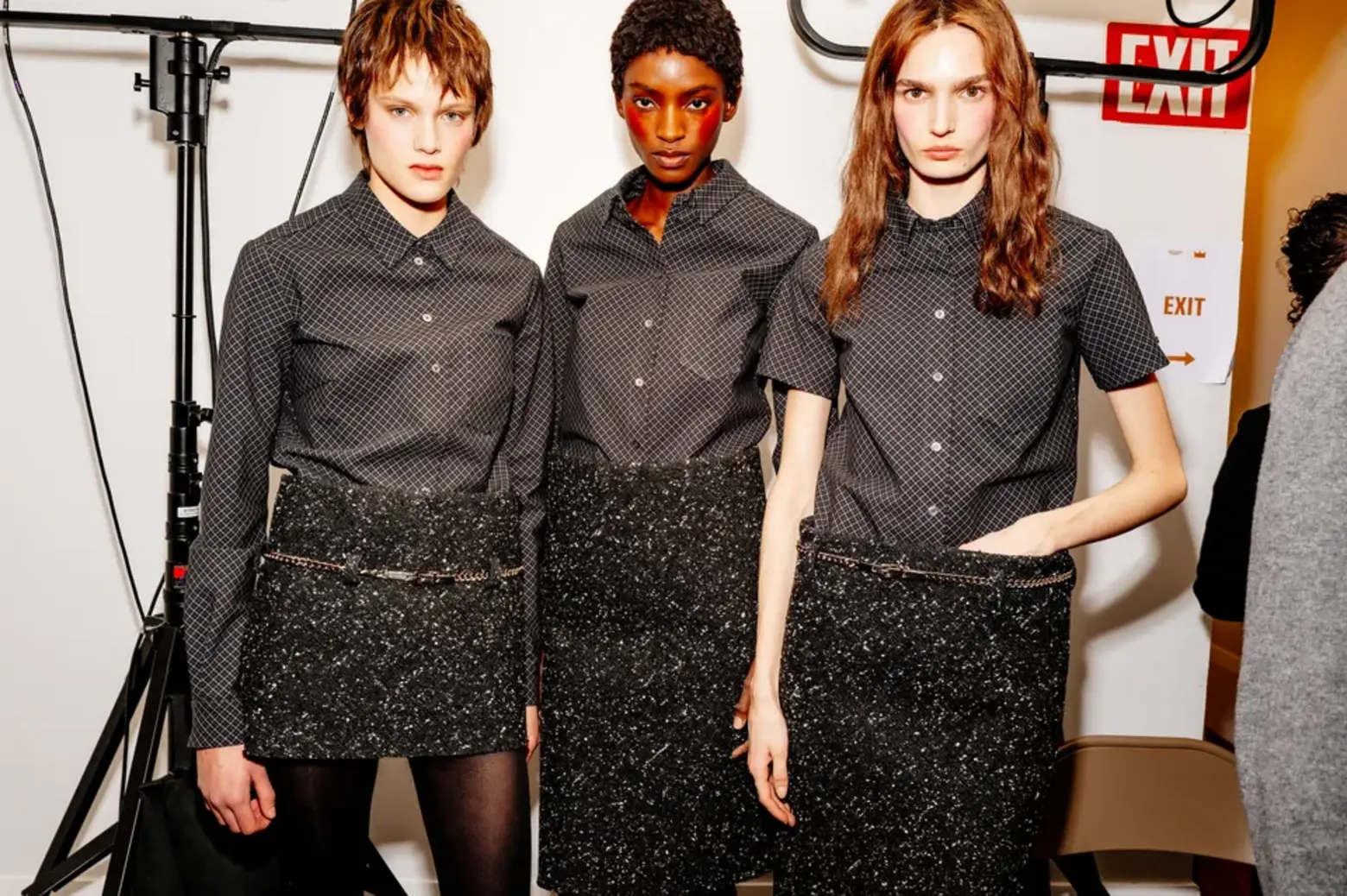
At the same time, another current runs alongside this louder turn: the continuing return of late 1990s minimalism. Marc Jacobs Spring 2026 explicitly referenced his spring 1998 collection, alongside Helmut Lang and Prada, as that aesthetic resurfaced on the runways. This overlap reveals fashion’s deeper mood. The market craves both precision and stimulation, both order and emotion. The strongest labels now sell a hybrid: the authority of minimalism with enough drama to feel newly alive.
The phrase “adapting to a maximalist world” sounds almost defensive, as if minimalism were under siege. The stronger interpretation sees something more cunning. New York minimalism has entered its post-pure phase. It still values cut, rigor, and wardrobe logic, yet it now understands that clarity alone rarely dominates the cultural frame. The current winner wears restraint like a foundation and spectacle like a controlled accent.
That makes this moment revealing. It exposes how minimalism always contained performance, status, and seduction under its polished surface. Today those qualities simply rise closer to visibility. The result feels less like betrayal than confession. New York minimalism survives by letting desire show a little more of its hand.
Advertisement