MENU
Close





When light cuts through darkness with such precision, it feels like a revelation. That is Minimalism in fashion. Not an absence, but a distillation. Not silence, but the space between notes where meaning thrums loudest. This is the root of the modern minimalist style: fashion at its most dangerous, so quiet it deafens, so simple it hypnotizes, so pure it becomes revolutionary.
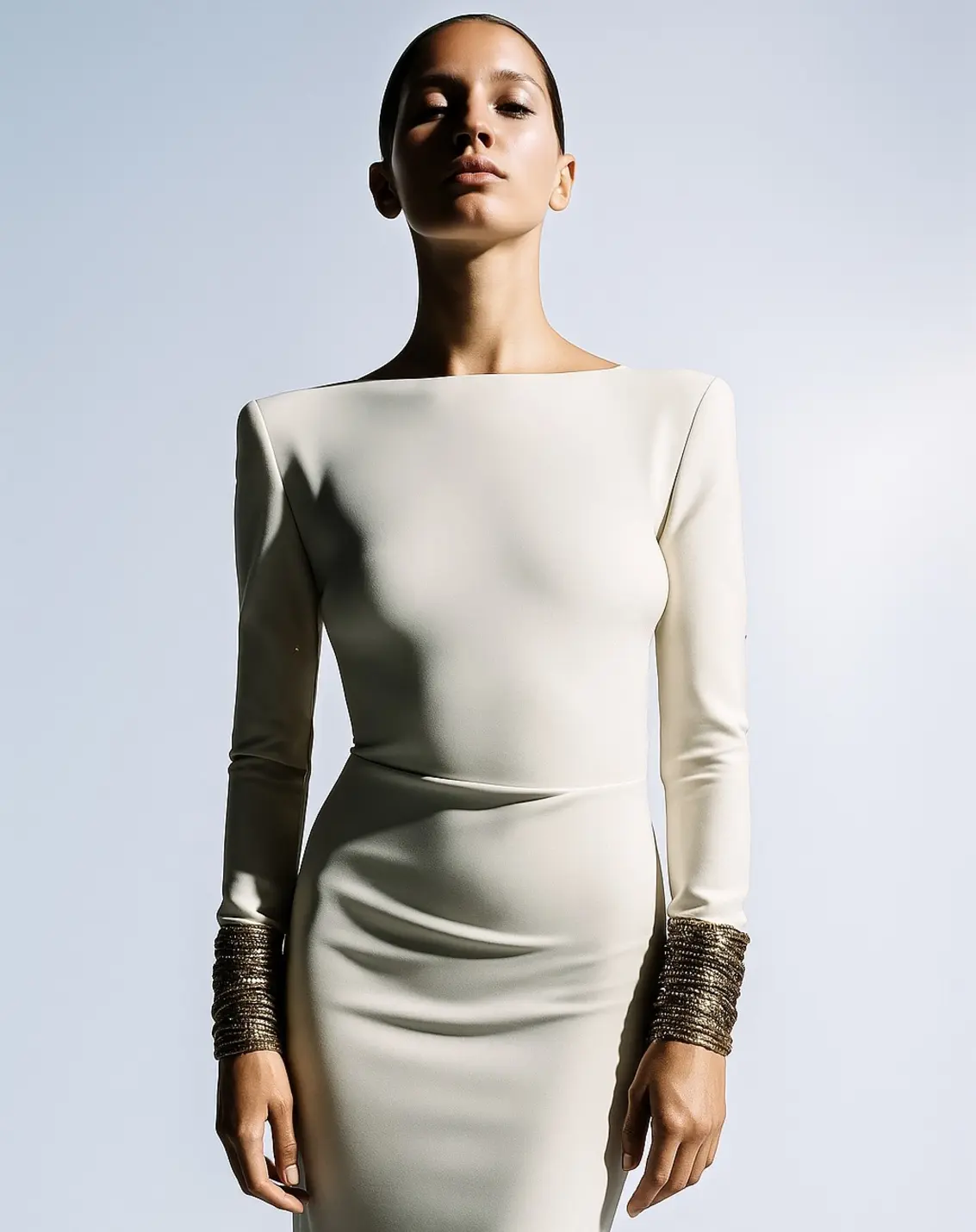
When light cuts through darkness with such precision, it feels like a revelation. That is Minimalism in fashion. Not an absence, but a distillation. Not silence, but the space between notes where meaning thrums loudest. This is the root of the modern minimalist style: fashion at its most dangerous, so quiet it deafens, so simple it hypnotizes, so pure it becomes revolutionary.
November 20, 2025
Advertisement
Advertisement



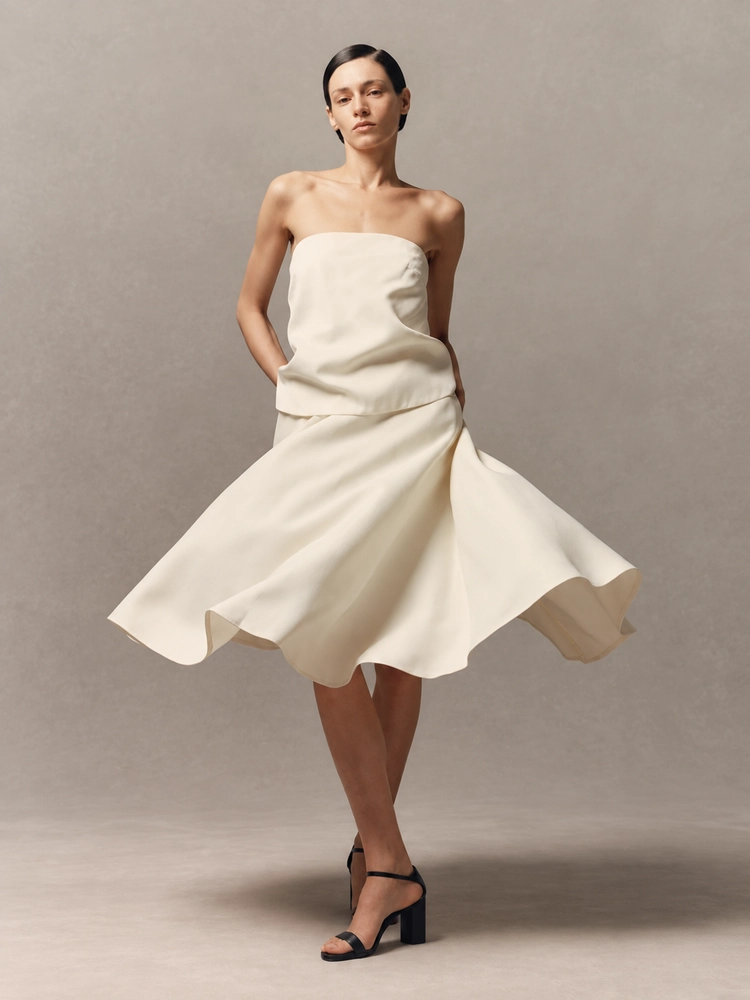
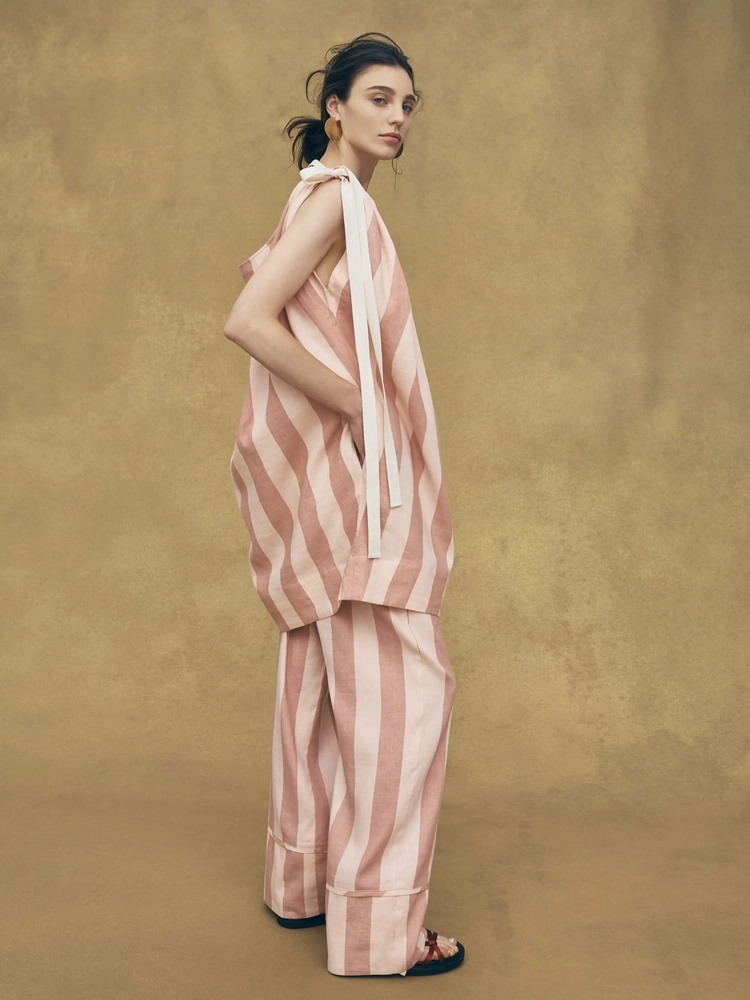
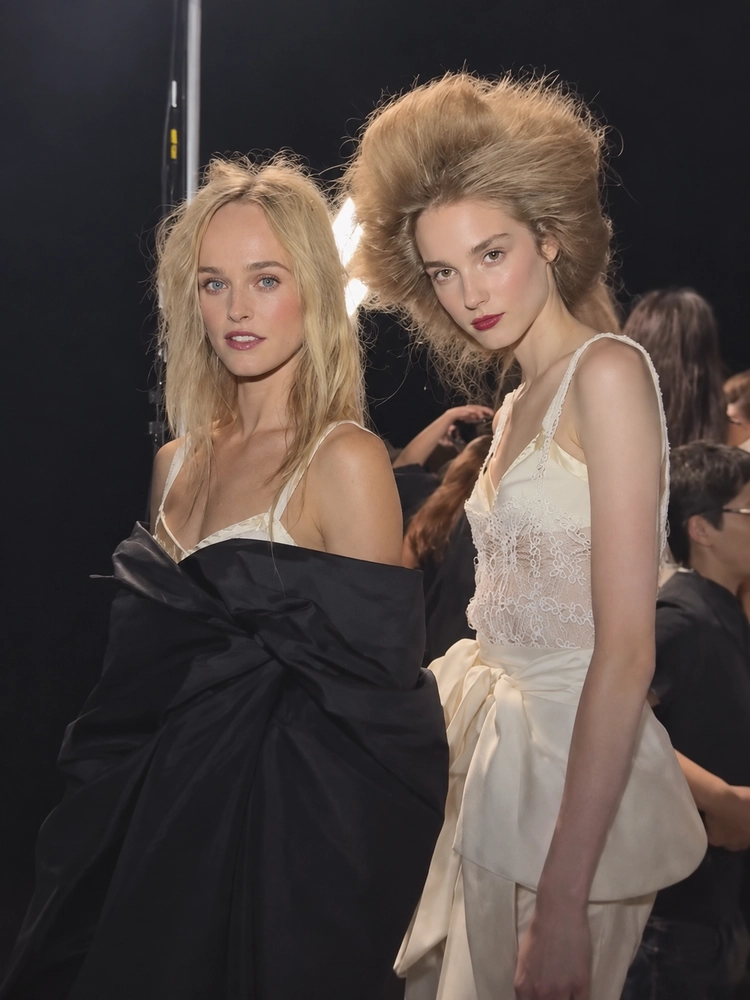
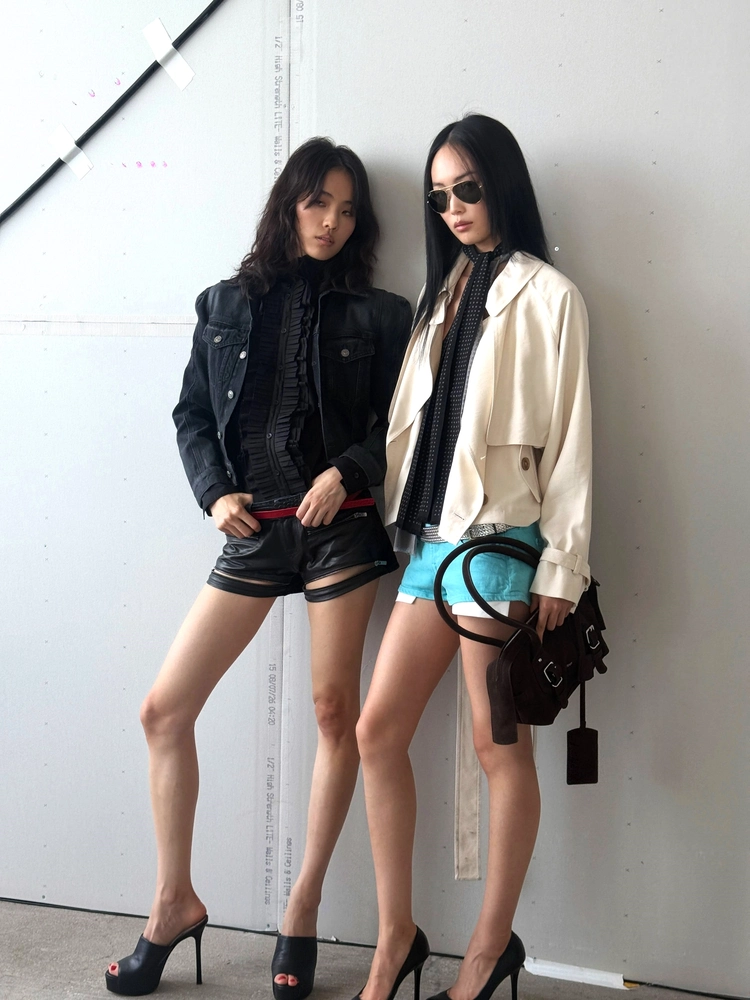
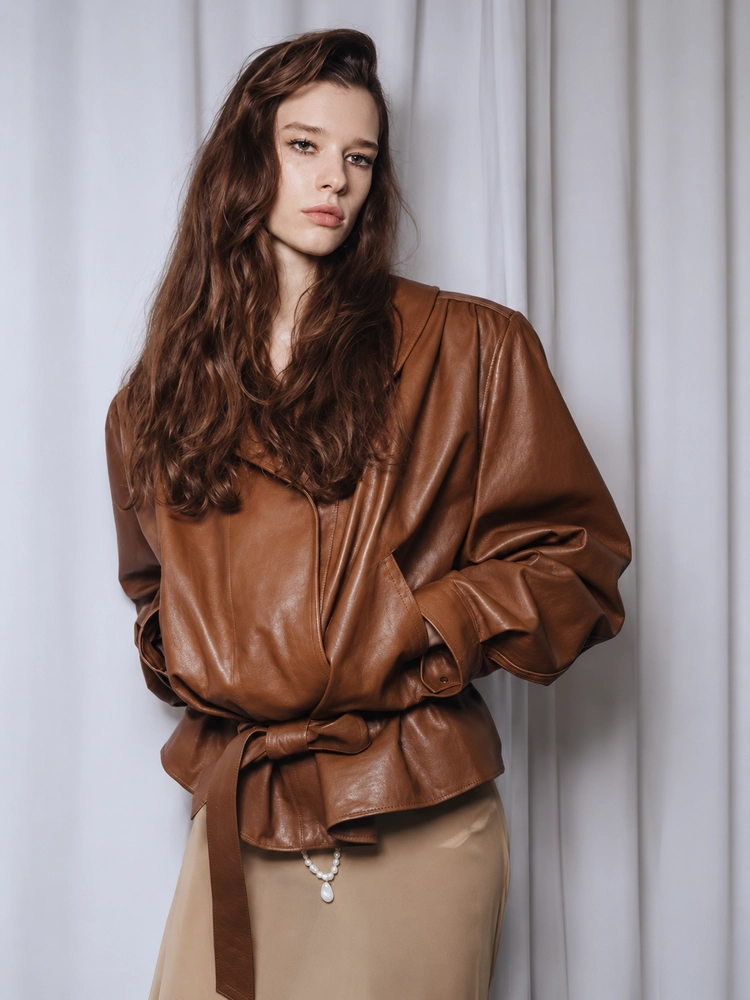
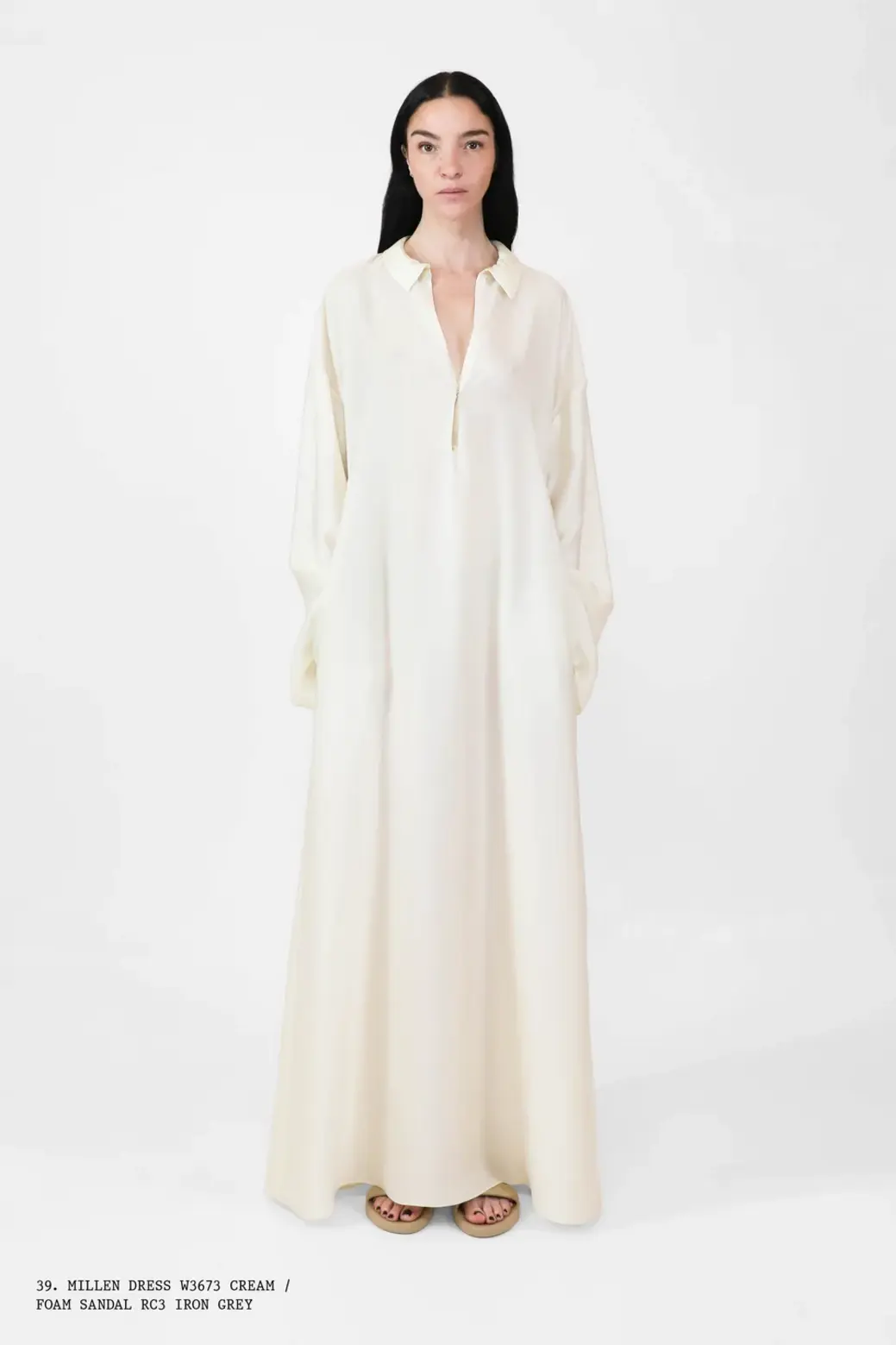
Minimalism fashion celebrates purity, intention, and clarity in every line. It speaks through calm silhouettes, serene palettes, and fabrics that carry a quiet depth. Each piece feels deliberate, an elegant coat sculpted with architectural precision, a silk top that moves like breath, a monochrome palette that creates harmony with every step. Its beauty lies in precision: the weight of fine wool, the smoothness of polished cotton, the gentle drape of linen. Neutrals serve as its language, ivory, stone, charcoal, sand, tones that create space for the wearer’s presence to shine with quiet authority. Minimalism reveals the essence of a garment. Form, proportion, and texture shape its poetry, offering a sense of ease that feels both modern and timeless.
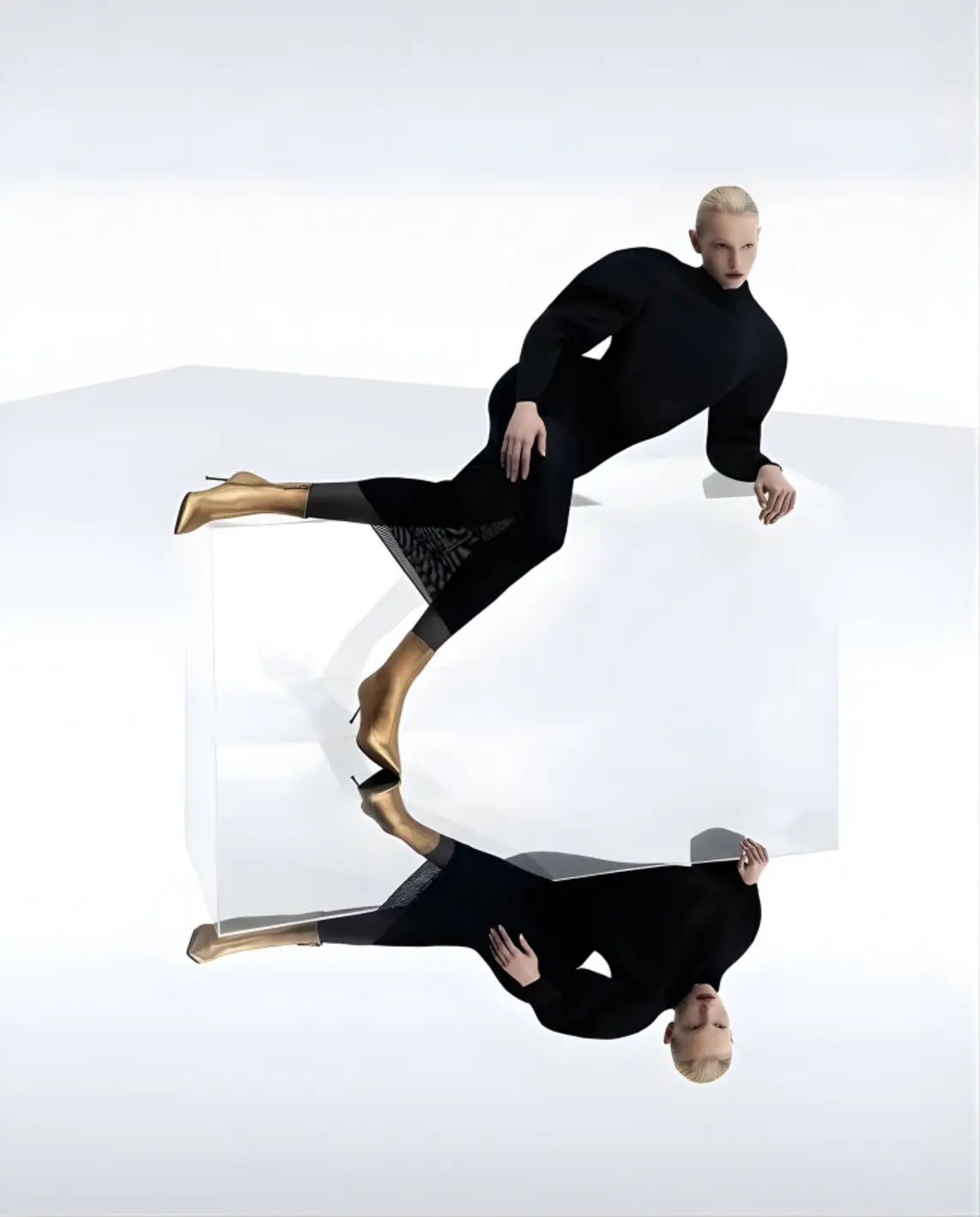
Picture this: Paris, 1926. Coco Chanel, cigarette perched between fingers, unveils a dress so scandalously simple it sends shockwaves through a world drunk on embellishment. A black sheath. No corset. No frills. Just a woman's body, celebrated rather than constrained. The fashion elite scoff, until they witness how it moves—how refinement, in the hands of a visionary, becomes an early form of quiet luxury long before the term existed. They learn that in the right hand, less doesn't diminish power; it concentrates on it.
Fast forward sixty years. Tokyo’s avant-garde rebels enter Paris like a thunderclap in a library. Rei Kawakubo sends models down the runway in garments that appear wounded, holes yawning like missing puzzle pieces. Critics call it “Hiroshima chic.” She smiles. Because she knows what they don’t: she is forging an entirely new minimalist aesthetic—one where stripping away is an act of excavation, revealing the architecture of desire itself.
Now, step into any major city today. Watch the woman who turns every head without trying.
Her coat? A single perfect stroke of camel wool that swings like a pendulum with each step.
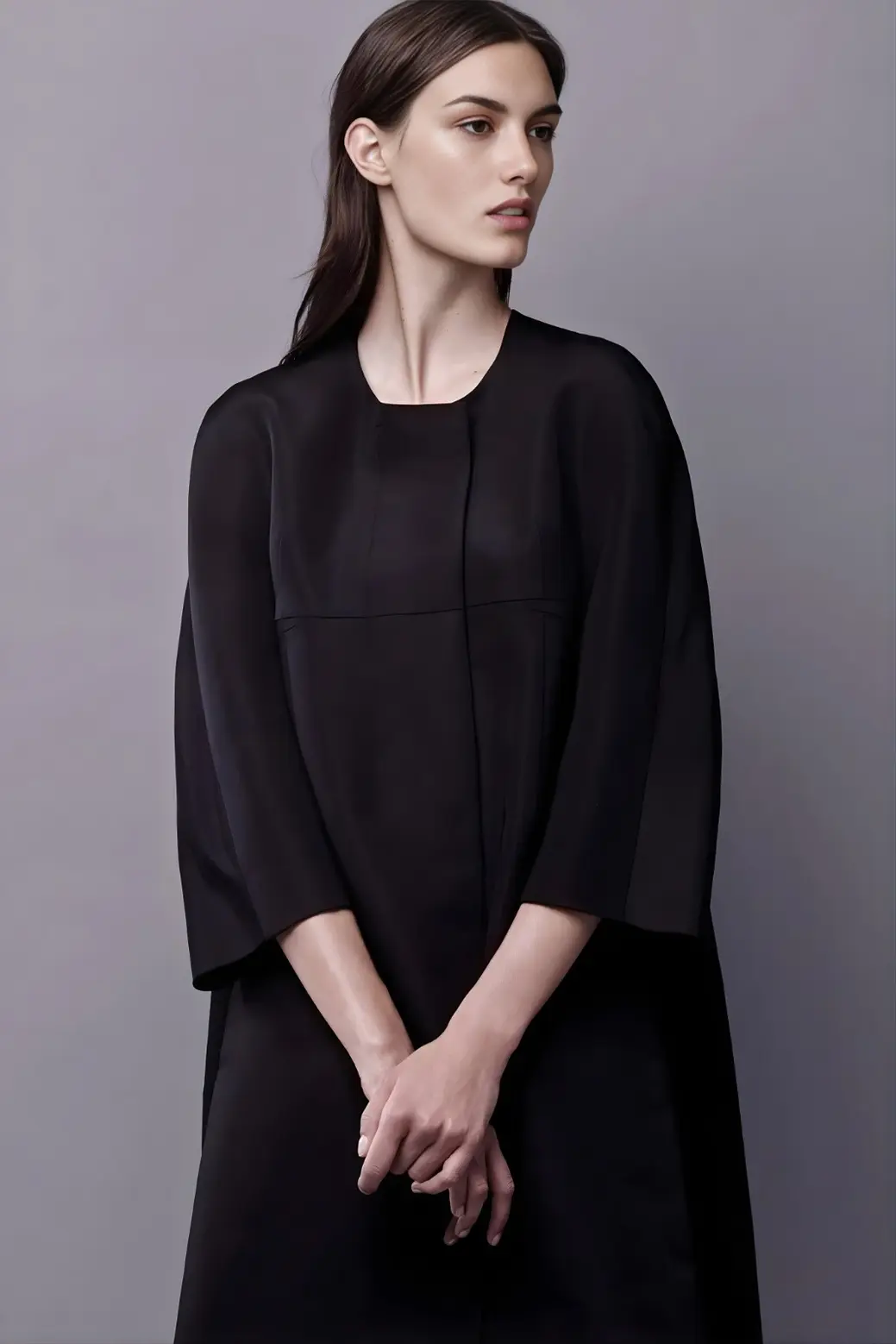
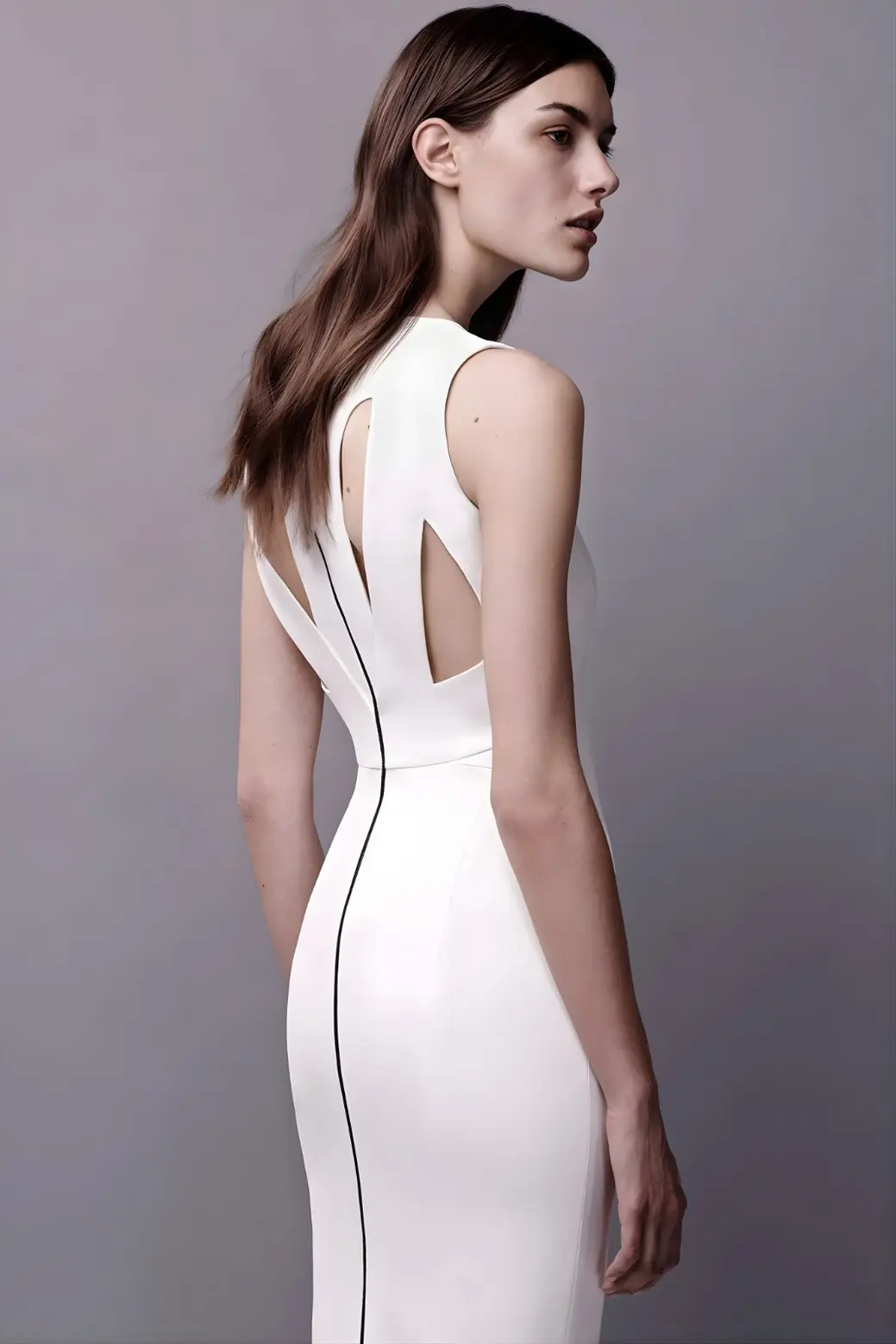
Her bag? No logo, yet unmistakable, the leather so supple it seems to breathe. This is modern minimalism: not deprivation, but curation so exacting it becomes alchemy. The white shirt that makes you feel invincible. The trousers that fit like they were grown from your bones. These aren't clothes, they're discoveries. And like all great discoveries, their power lies not in what they are, but in what they reveal about the wearer.
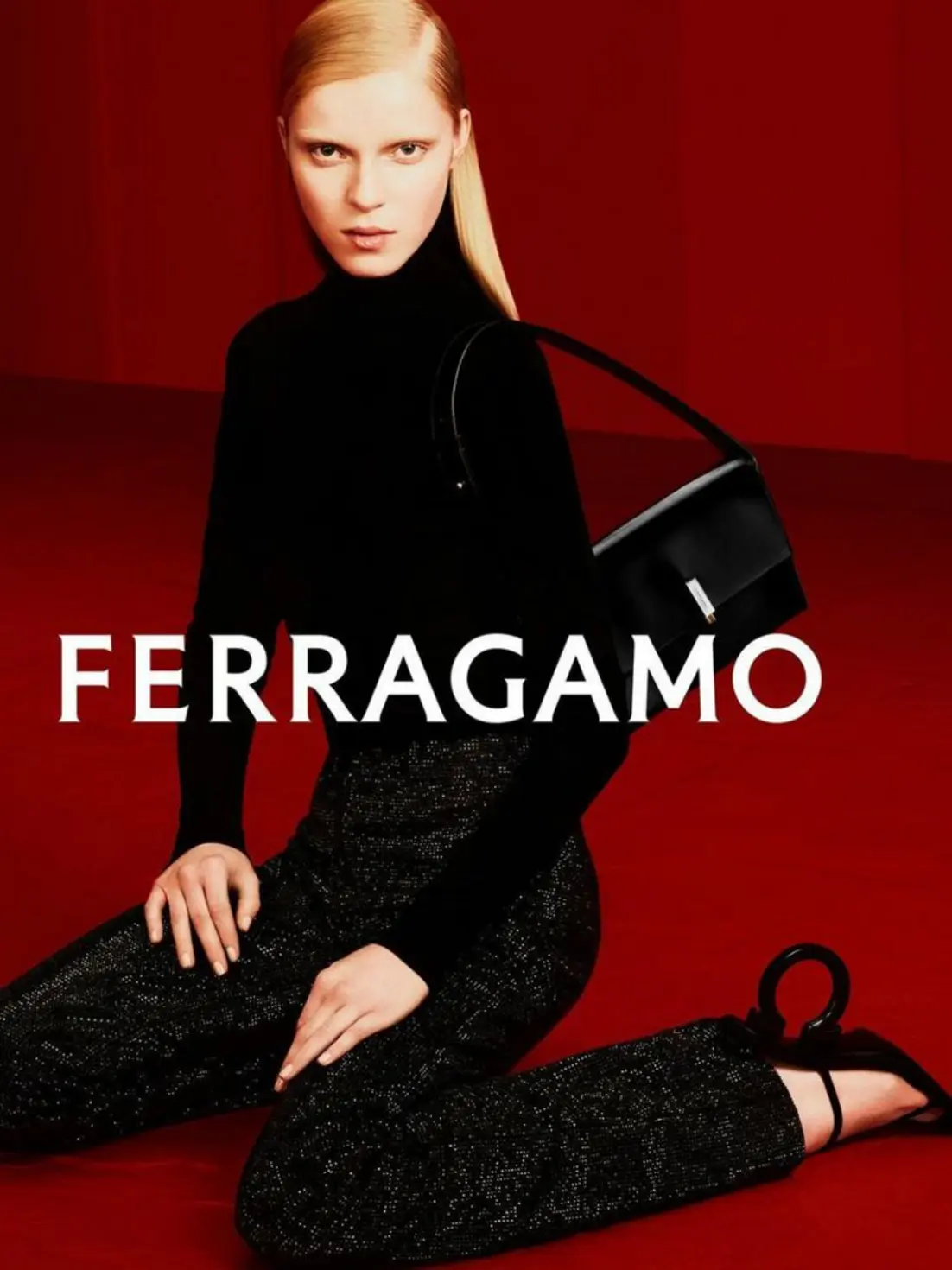
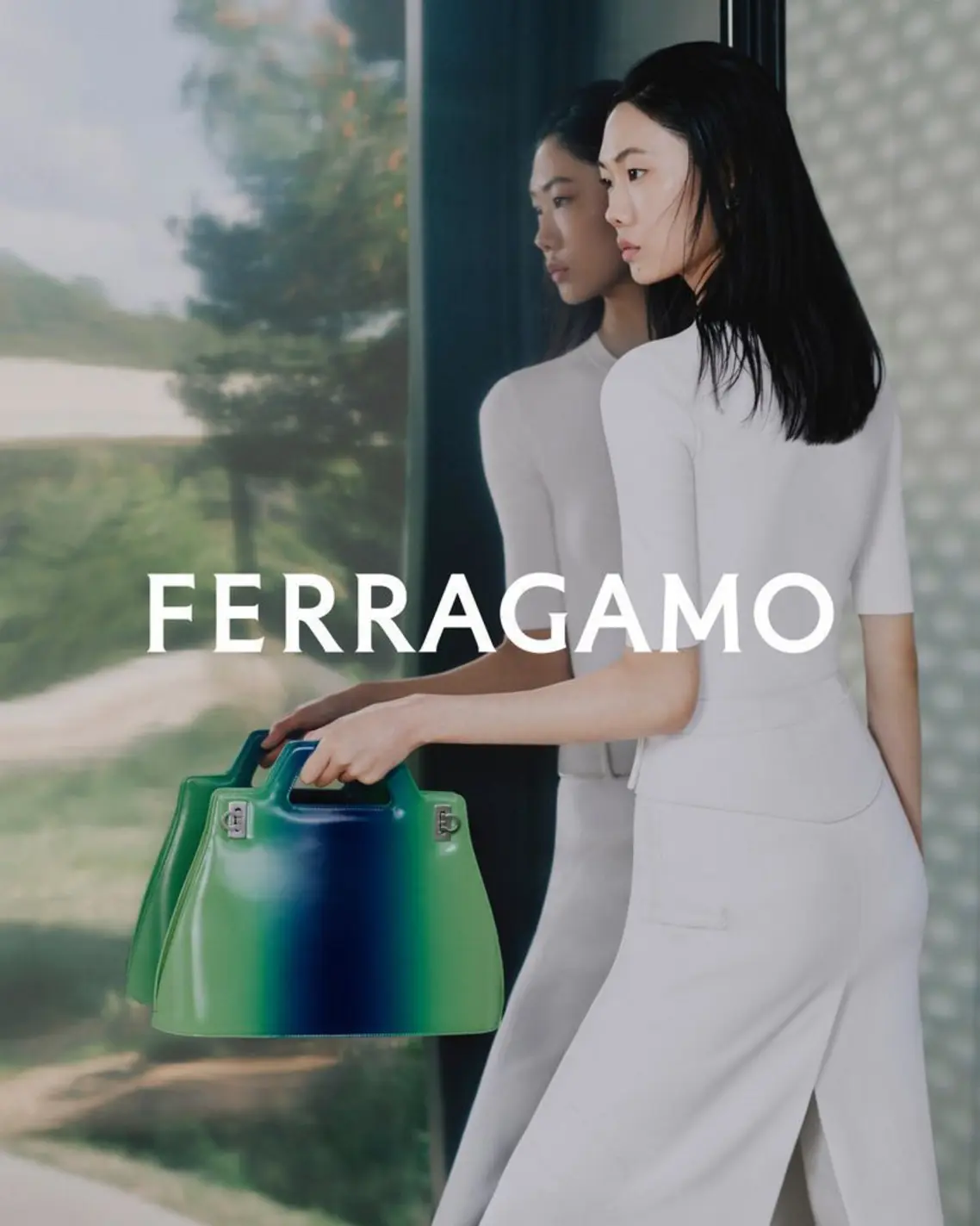
The magic lives in the details you almost miss: the way a Helmut Lang seam curves, the precise weight of a DKNY silk skirt that drapes like liquid.
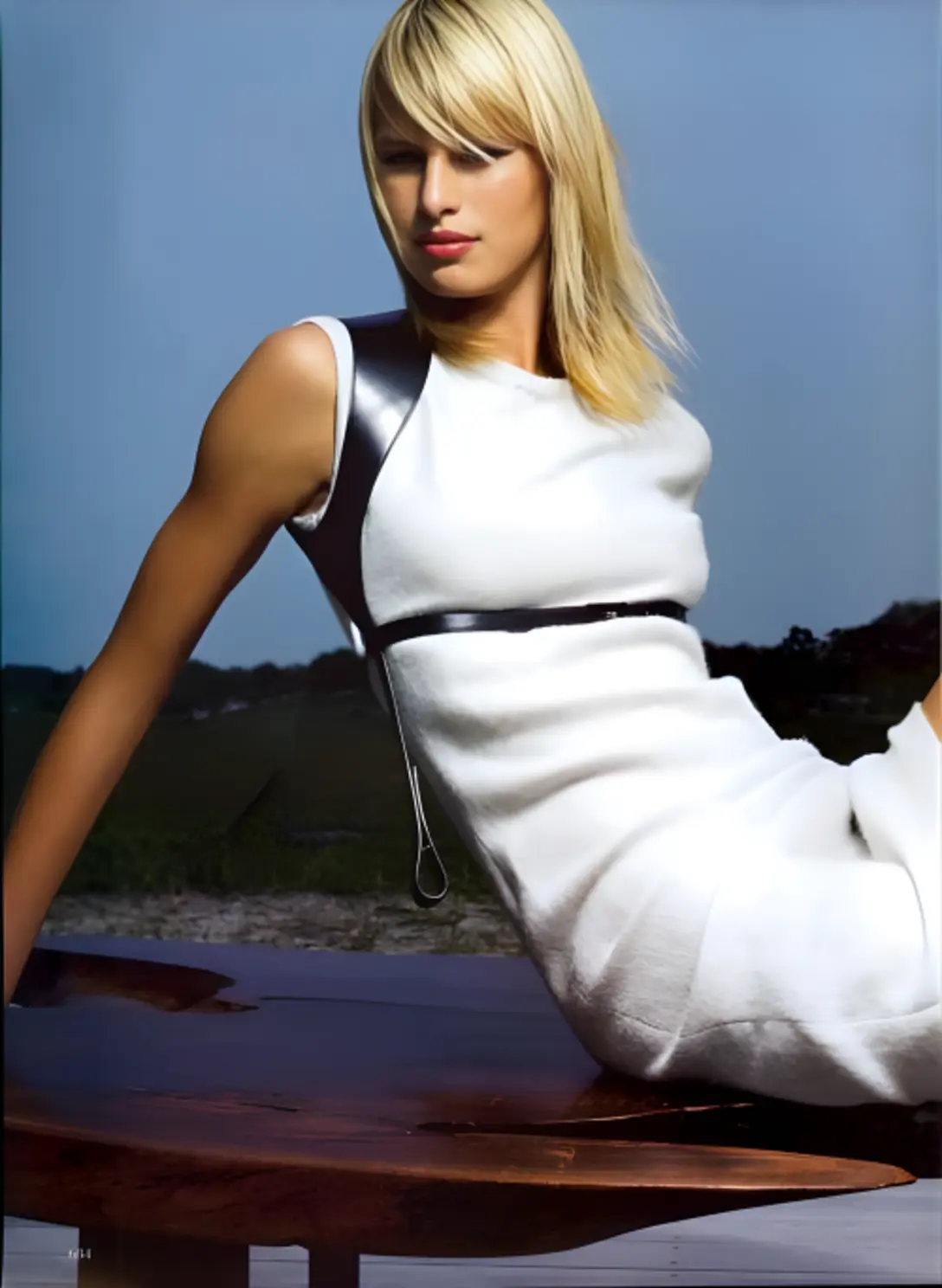
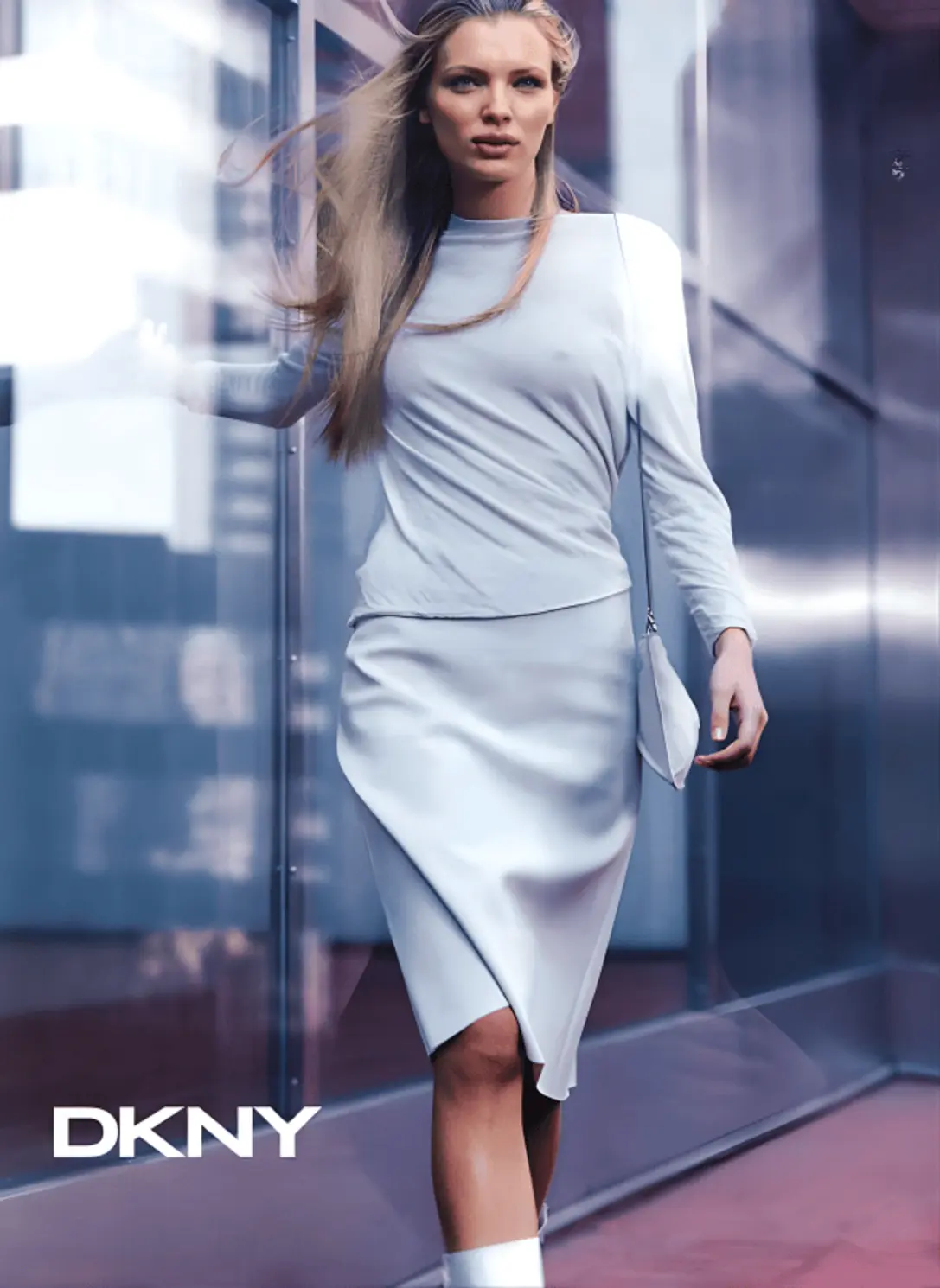
This is why minimalism never dates, because it speaks the oldest language of all: the body itself. Not decorated, but revealed. Not hidden, but honored.
So here's the real secret they don't tell you: Minimalism isn't a style. It's a spell. And once it touches you, once you experience the power of a single perfect line, you'll never see fashion the same way again.
The year is 1926 when Coco Chanel unleashes what American Vogue would declare "the frock that all the world will wear", a calf-length black crêpe de Chine sheath so radically simple it becomes known as "Ford's Model T of dresses." Nearly a century later, Phoebe Philo sends a camel cashmere sweater with precisely three seams down a Céline runway, and the internet collapses in collective desire. Between these two seismic moments stretches an unbroken lineage of fashion's most dangerous proposition: that true power wears no disguise, no excess, no apology. This is not a trend report. This is a manifesto.
The surgeons of early 20th-century fashion operated with ruthless precision, an original chapter etched into fashion history minimalism. In 1916, Coco Chanel dared to dress women in jersey knit, a fabric previously relegated to men’s underwear. The establishment gasped at the audacity. “Simplicity is the keynote of all true elegance,” she declared, slicing through the corseted excess of the era like a razor. By the 1930s, Madeleine Vionnet was no longer designing dresses; she was engineering them. Her bias cut wrapped the body like a second skin: fluid, unforced, pure minimalist aesthetic decades before the term existed. She laid the groundwork for the modern minimalist style long before it had a name.

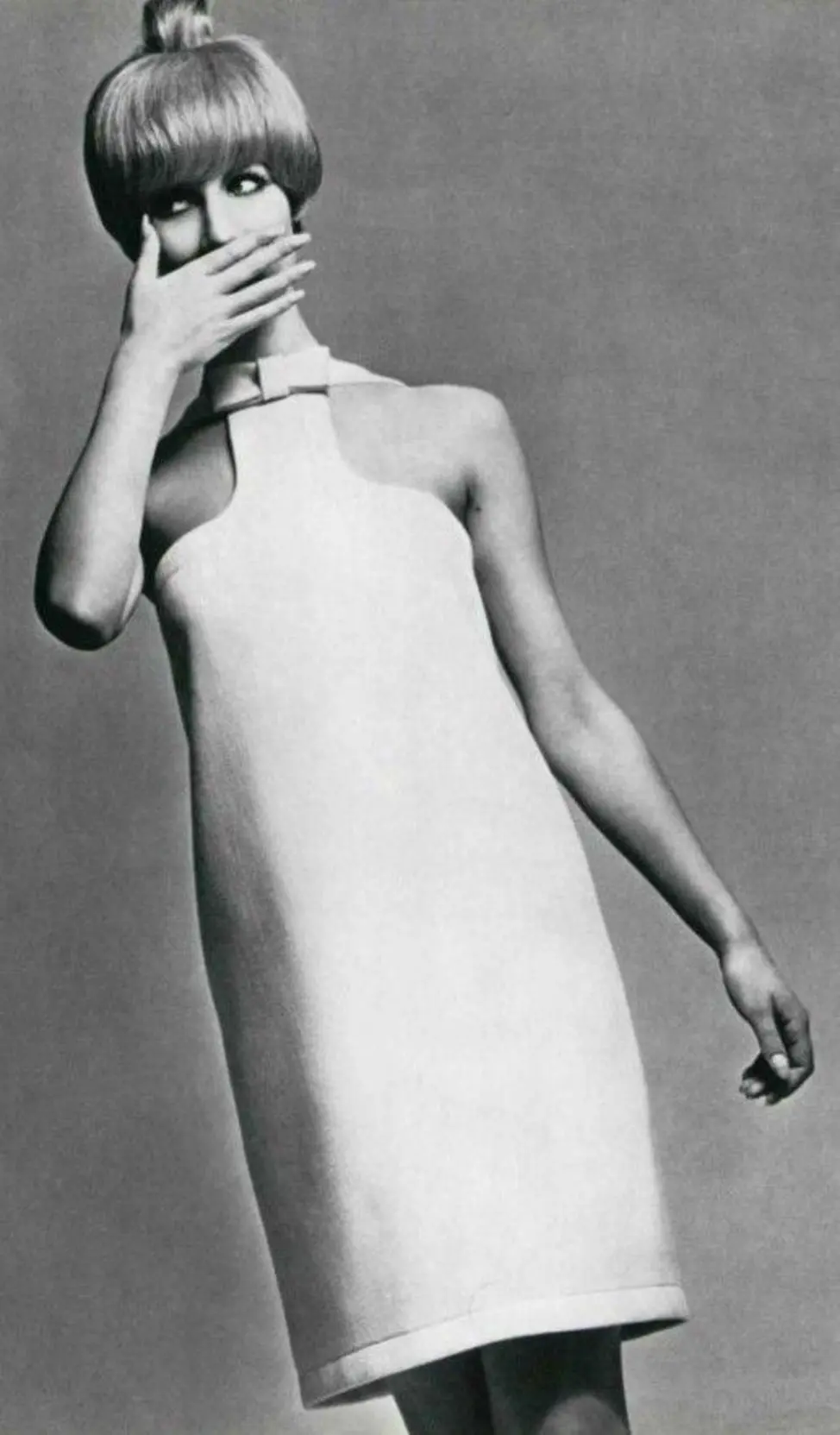
Then came the space race of the 1960s, mirrored on runways through André Courrèges’ futuristic geometry. His 1964 collection wasn’t clothing—it was propulsion: white PVC trapezoid minis, moon-boot silhouettes, and orbital goggles. Precision over excess. Function over decoration. It was the early whisper of quiet luxury: pieces designed for clarity, purity, and intent. Meanwhile, in America, Halston distilled glamour to its softest, most essential form. His Ultrasuede shirtdresses and liquid-silk gowns flowed through Studio 54 under strobe lights, proving that pared-back lines could still command a room. The pivot of the decade came in 1965 when Yves Saint Laurent translated Mondrian’s color-blocked paintings into dresses—sixty-three perfect rectangles placed with surgical restraint. A landmark of fashion history minimalism.
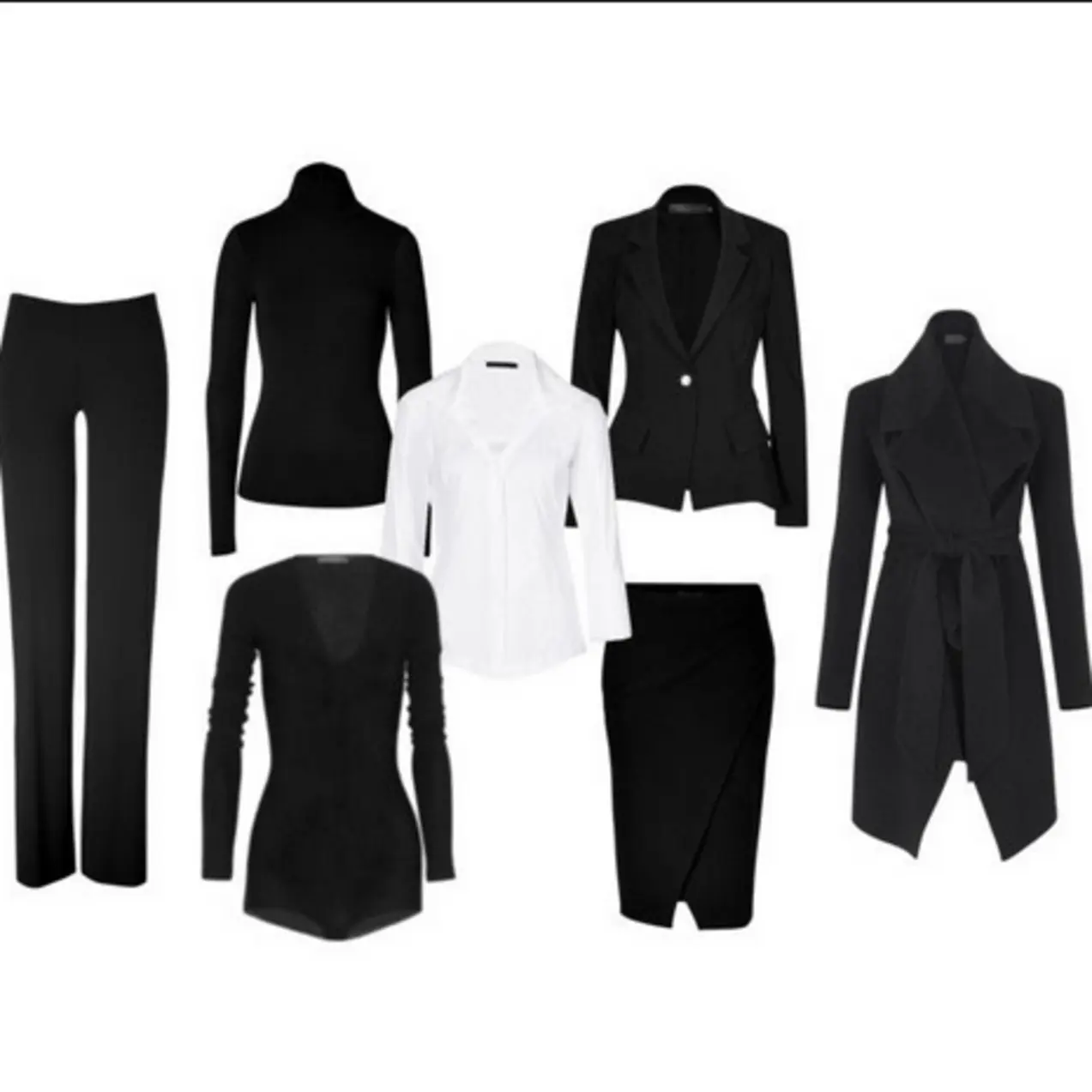
As grunge exploded in Seattle, a cadre of Belgian anarchists emerged from Antwerp's Royal Academy. Martin Margiela sent models barefoot with faces obscured by wigs, his "artisanal" line featuring sweaters knit from unraveled military socks. Ann Demeulemeester pioneered gothic minimalism where a single black leather glove became the ultimate status symbol. Across the Atlantic, Calvin Klein and Donna Karan were building empires on restraint, Klein's 1994 "heroin chic" campaign featuring Kate Moss in nothing but white cotton briefs boosted sales by 300%, while Karan's "Seven Easy Pieces" system offered women infinite combinations from a bodysuit, skirt, pants, blazer, dress, coat, and evening wrap.
In Germany, Jil Sander sharpened minimalism with mathematical discipline. Seam allowances narrowed to 0.1cm. Garments floated with monk-like purity. She became “The Queen of Less,” elevating Minimalism in fashion into a form of quiet, nearly monastic luxury.
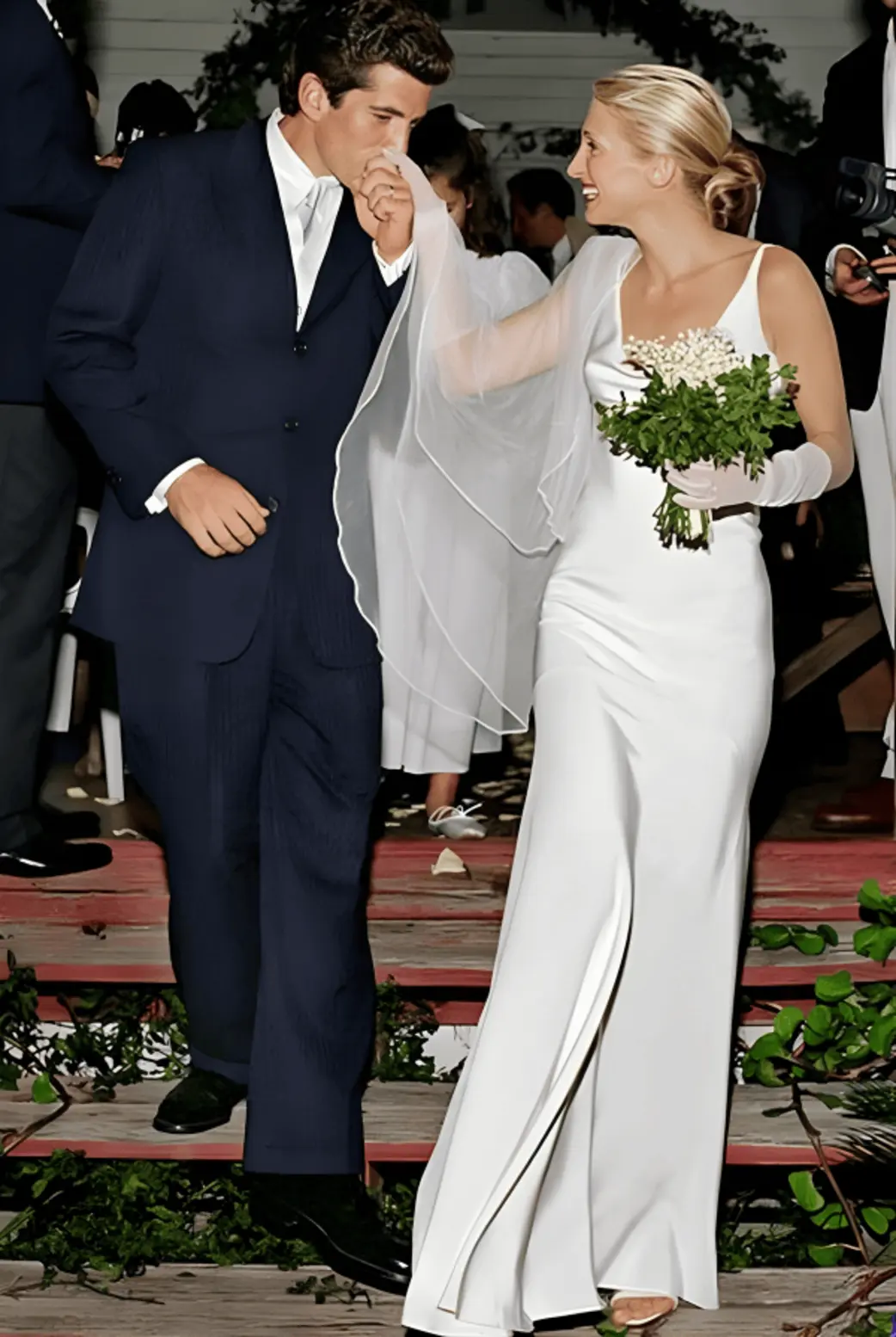
The era’s defining cultural moment arrived when Carolyn Bessette-Kennedy married John F. Kennedy Jr. in a $90 Calvin Klein slip dress. No embroidery. No crystals. Just purity of line and confidence of form. It scandalized traditionalists, electrified the modern world, and cemented minimalism as the uniform of contemporary power.
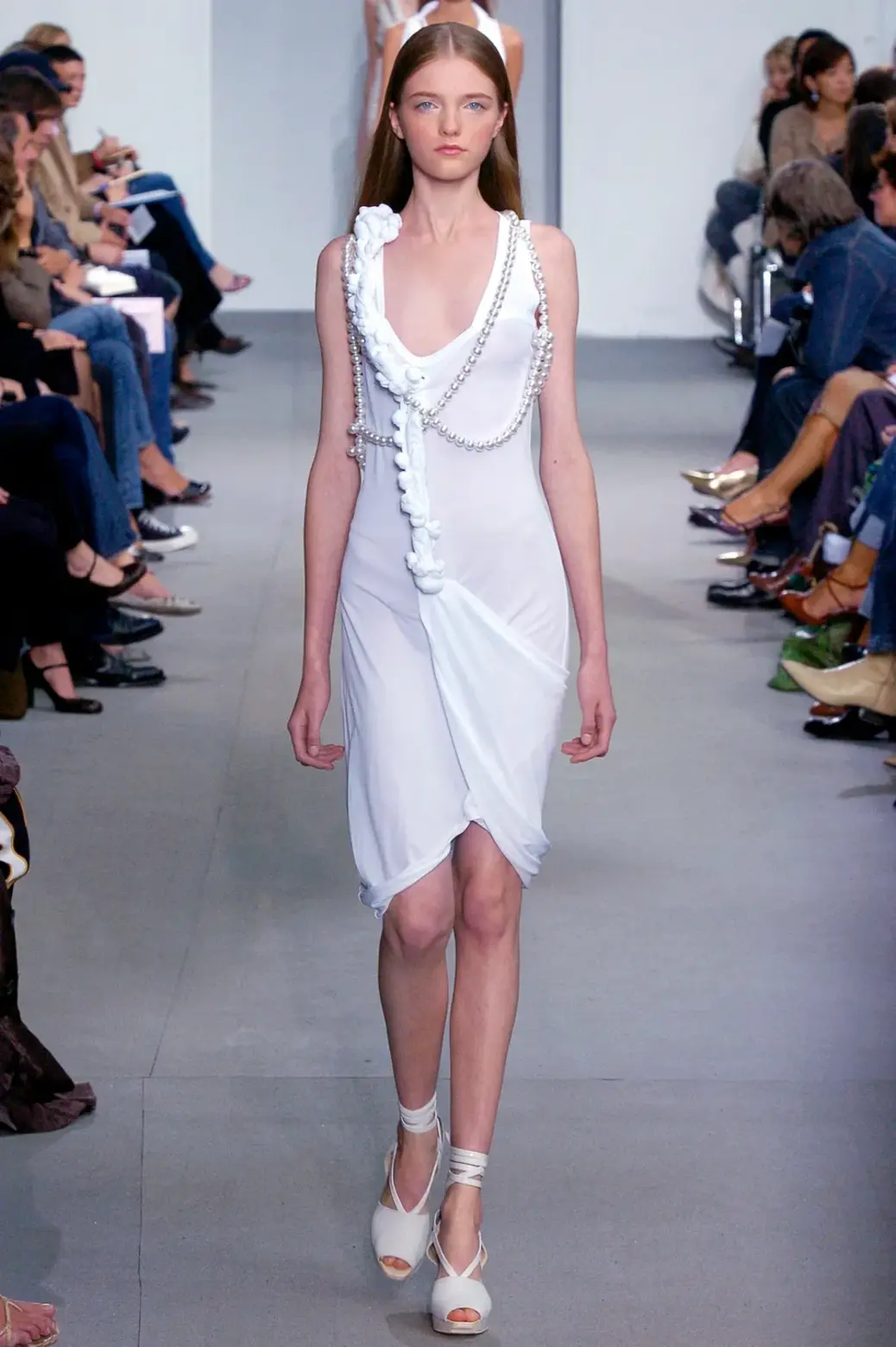
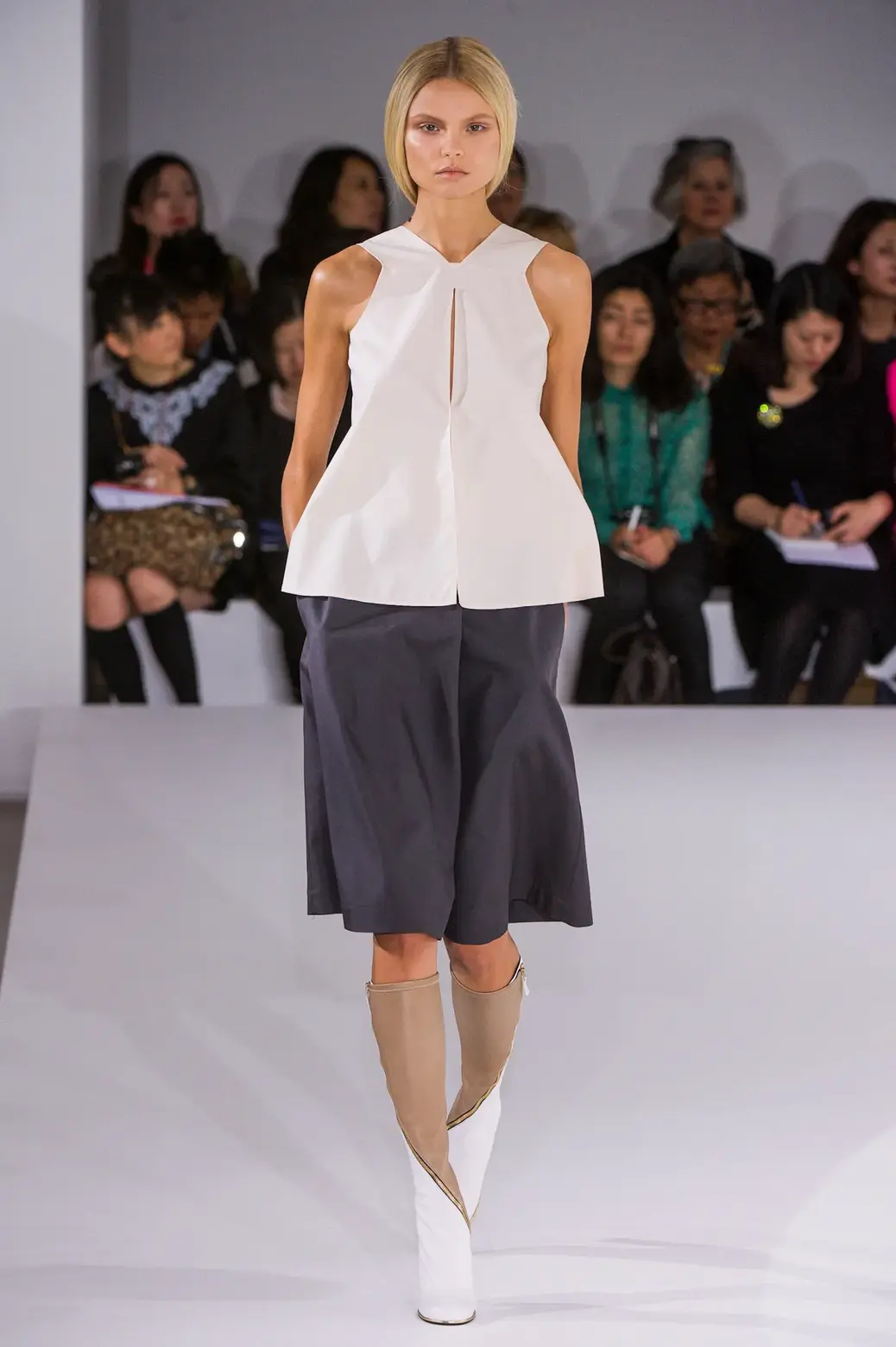
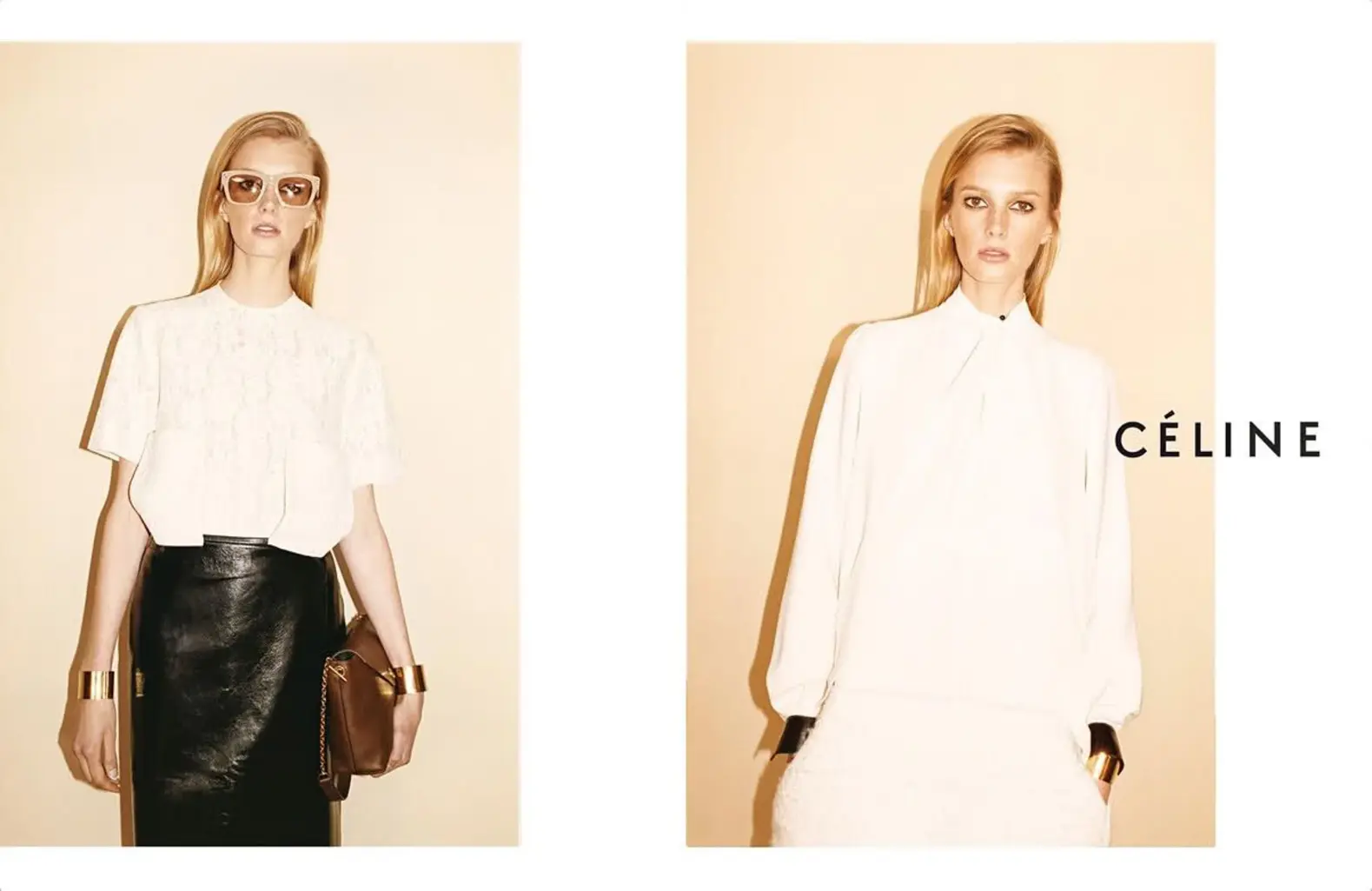
Phoebe Philo's 2008-2017 tenure at Céline remains one of the most influential chapters in Minimalism in fashion, birthing "luxury normcore", $4,000 sweatpants and the cult-favorite "phantom bag" that spawned armies of imitators. On TikTok, "Old Céline" girls hunt Philo-era pieces like holy relics, while the #CapsuleWardrobe movement has generated 4.2 million Instagram posts and counting. This isn't mere aesthetics, it's a reformation.
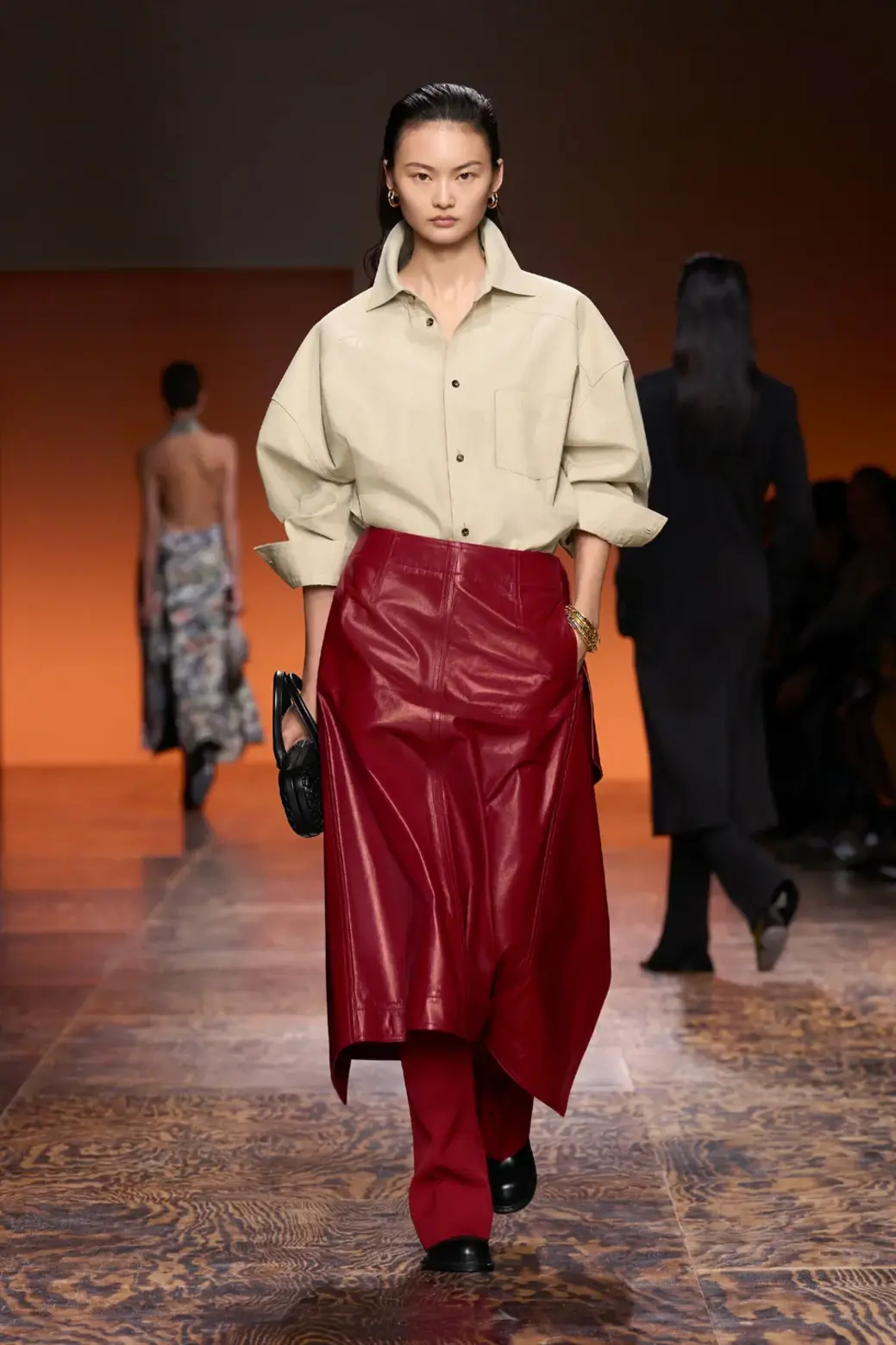
The Olsen twins' label The Row took minimalism to its logical extreme with $34,000 alligator tote bags devoid of visible branding, the ultimate flex in an age of logo mania. Today, Bottega Veneta's "quiet luxury" speaks through supple intrecciato leather that whispers rather than shouts, while Peter Do reinterprets Helmut Lang's 1998 bondage straps in aerospace titanium at the revived house.

The future of Minimalism in fashion isn’t theoretical, it’s environmental necessity. The numbers are devastating: fast fashion produces 92 million tons of waste every year (Ellen MacArthur Foundation). A well-built capsule wardrobe, the backbone of modern minimalist style can reduce an individual’s carbon footprint by 30% (Journal of Industrial Ecology). Minimalism, once an aesthetic, is now an act of ecological clarity. Stella McCartney, one of the most outspoken voices in sustainable fashion, warns: “We will be legislated into sustainability.” It’s not a prediction. It’s a countdown. Jonathan Anderson sharpens the point: “The next luxury is emptiness.” The ritual is clear: purge anything unworn in 12 months, build around one perfect black pant/white shirt/neutral coat trinity, invest in timeless colors like Bottega's "parakeet" green or The Row's "elephant" gray, and worship at the altar of the steamer.
When archaeologists unearth our climate-ravaged planet in 2184, three artifacts will tell our story: a Chanel flapback bag, a Margiela tabi boot, and a single Jil Sander seam. The message will be unmistakable, we knew what mattered. Minimalism isn't fashion. It's the antidote to everything fashion became. It's the scalpel that cuts through centuries of excess. It's the only style that grows more dangerous with time. Because when the world ends, only the essential will remain.
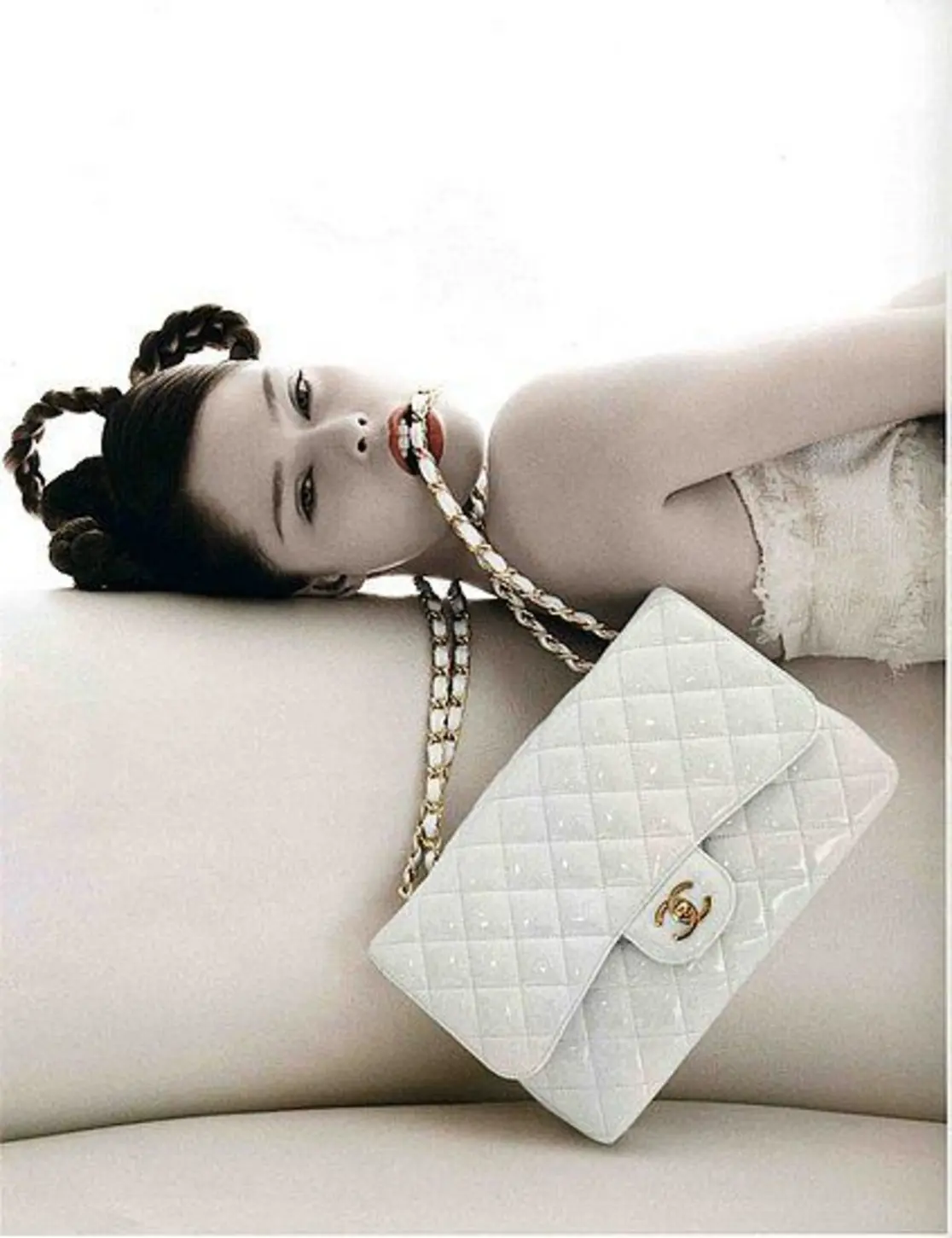

Minimalism isn't just a style; it's a powerful, quiet rebellion. It's a philosophy that believes in the profound significance of what we leave out, not what we put in. The impression it makes is one of intentionality, of a life lived with purpose and without excess. This aesthetic communicates a certain competence and control, an image of someone who is thoughtful in their choices, a silent nod to a mind that is decluttered and focused. It's an armor of sophistication in a world that often demands we shout to be heard.

Minimalism's cultural meaning is deeply intertwined with the life cycle of consumption and the search for significance beyond the material. It emerged as a counter-movement to the post-war boom of consumerism, a quiet protest against the relentless cycle of buying and discarding. In an age of fast fashion and endless digital scrolling, minimalism inspires a more sustainable and thoughtful approach to living. It champions the idea that true value lies in durability, quality, and timelessness, not in fleeting trends. It's about finding satisfaction in a curated wardrobe that tells a personal story, rather than a collection of items that tell a collective one.
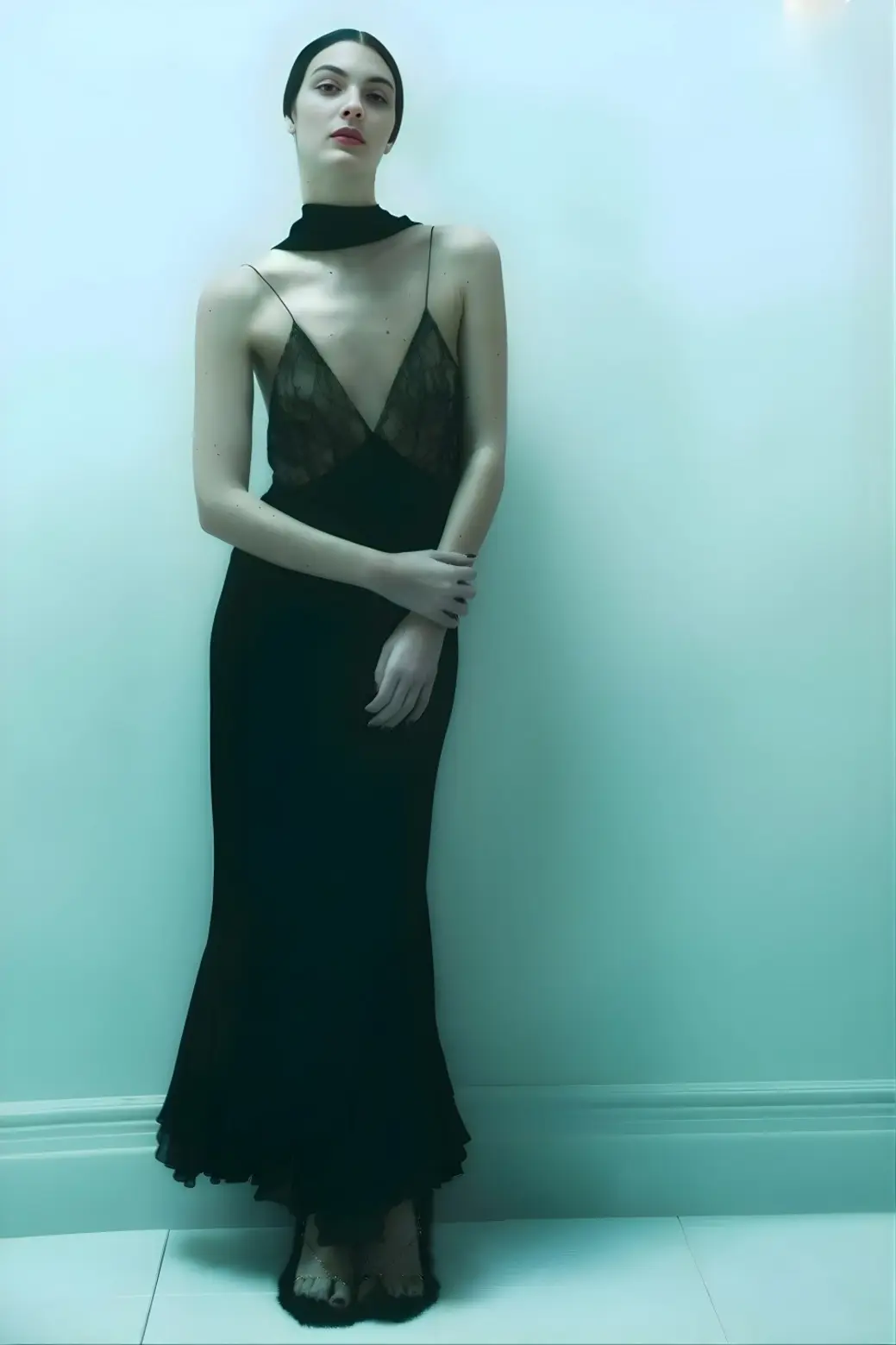
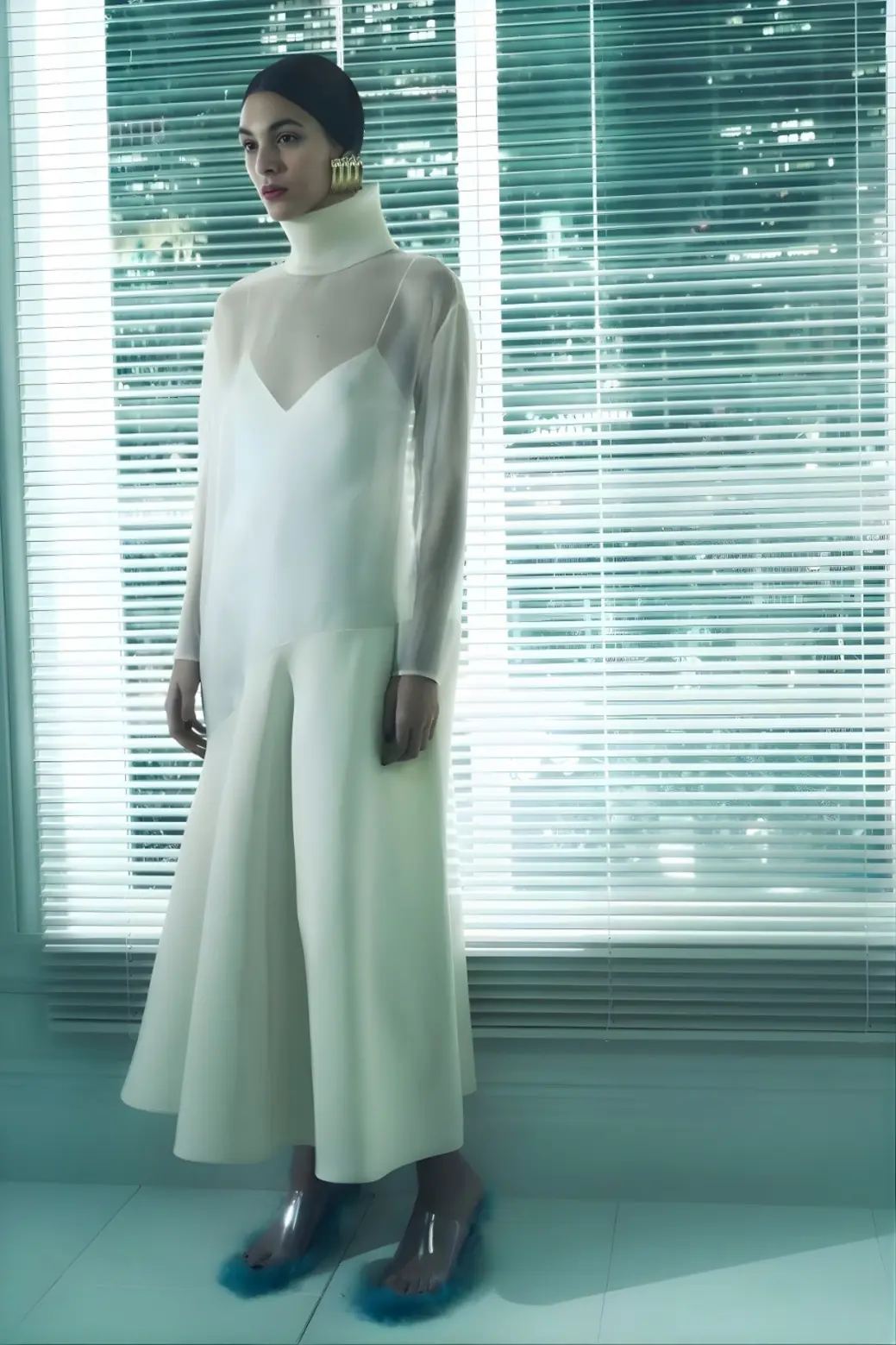
The movement toward minimalism isn't just about clothes; it's a desire for a different way of being. It's a rejection of the noise and a turn toward a more introspective, conscious existence. It's found in the serene beauty of a Japanese Zen garden, where simplicity is not a lack of detail but the highest form of it. It's discovered in the surprising elegance of a perfectly tailored seam, a detail that speaks volumes without a single word. This is a mission to restore balance, to find freedom in a pared-down life.
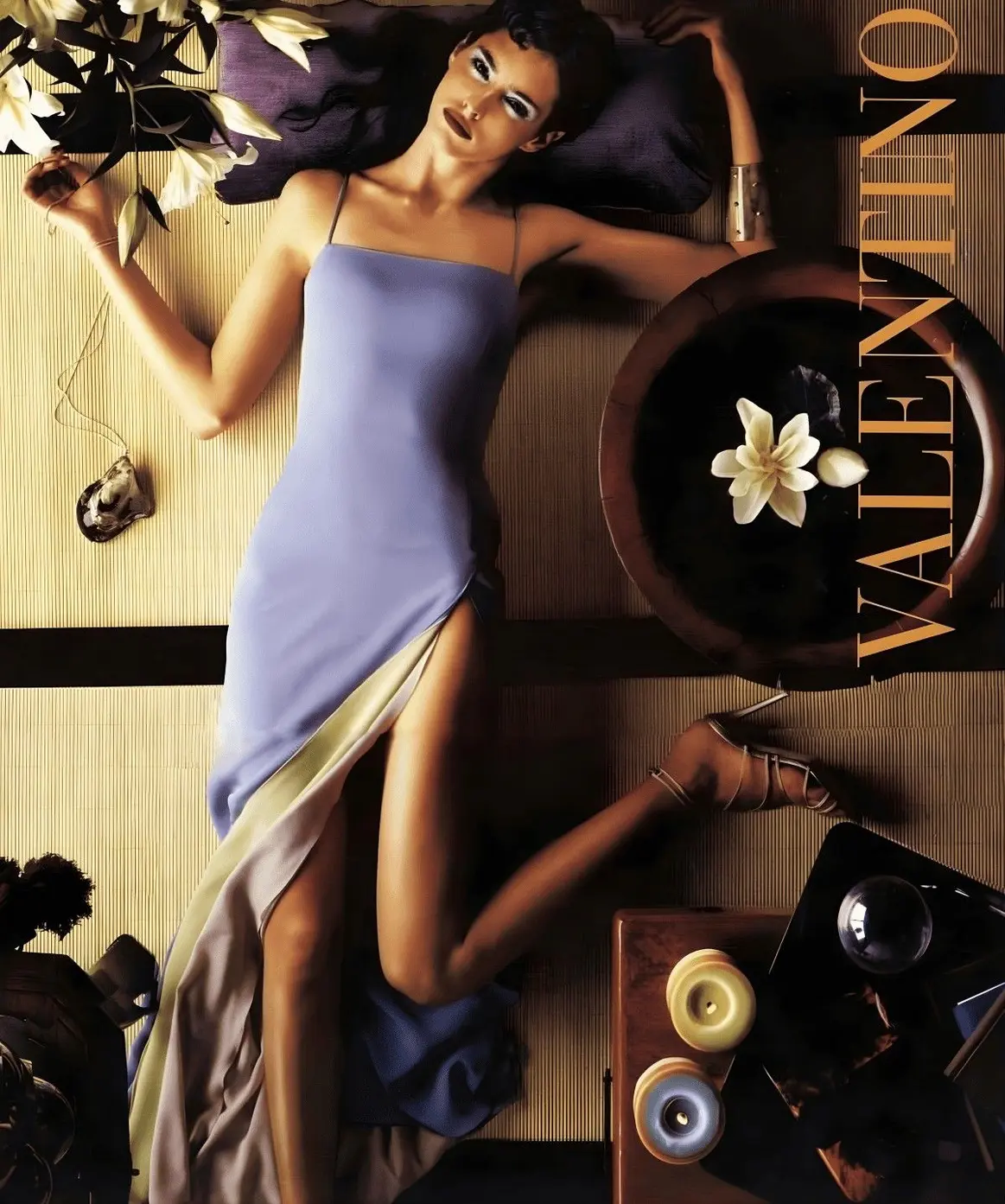
This quiet confidence is what makes it so desirable. It's a style that seems effortless, but in reality, is born from a deep understanding of proportion, quality, and form. It inspires us to embrace the beauty of simplicity, not as a limitation, but as an opportunity for clarity. It's a reminder that sometimes, the most profound statements are made in the most understated ways.
Advertisement