What do you wear when your past comes back glossy, your grief turns tailored? Marc Jacobs makes Spring 2026’s Memory. Loss. feel like a forgotten love letter with a razor edge.
Marc Jacobs Spring 2026: Memory. Loss. A Tender Detonation
What do you wear when your past comes back glossy, your grief turns tailored? Marc Jacobs makes Spring 2026’s Memory. Loss. feel like a forgotten love letter with a razor edge.
March 15, 2026


Do you ever think about the fact that our experience of time divided into seconds, hours, and years, is a human-made framework rather than an inherent feature of the universe? Events occur, of course, but the 60-minute hour is a social convention, created to organize society, navigate daily life, and measure duration, often varying by culture. Time in fashion takes an even funnier turn. Something is awkward, but cool, today; tomorrow, it’s the hottest thing on the planet; the day after, it gives us the ick. Fifteen years later, it’s back, and people act like it never happened before: the next new thing. Add to that the cardiac-arresting rhythm of the industry and time becomes a topic nobody truly wants to acknowledge.
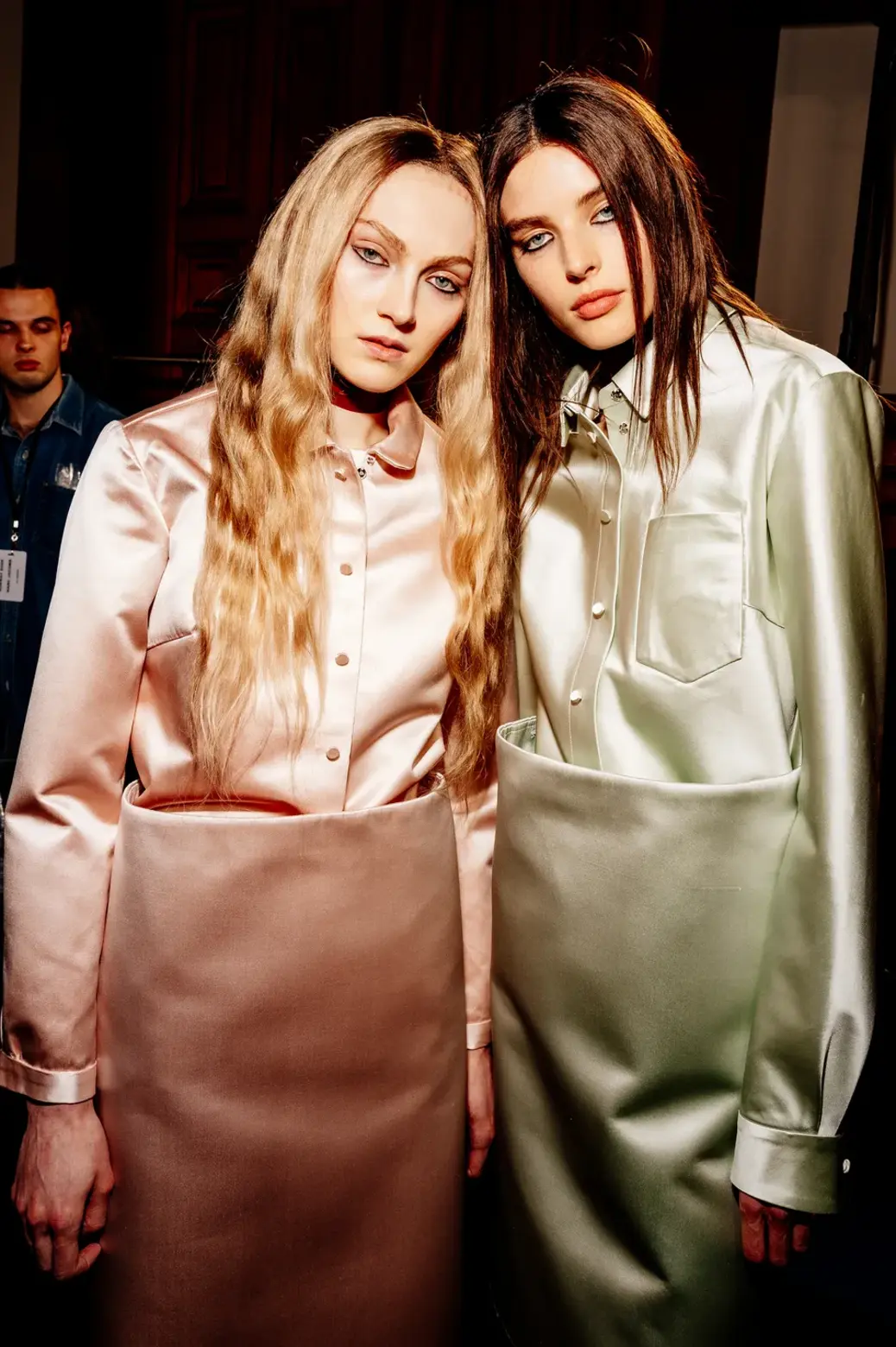
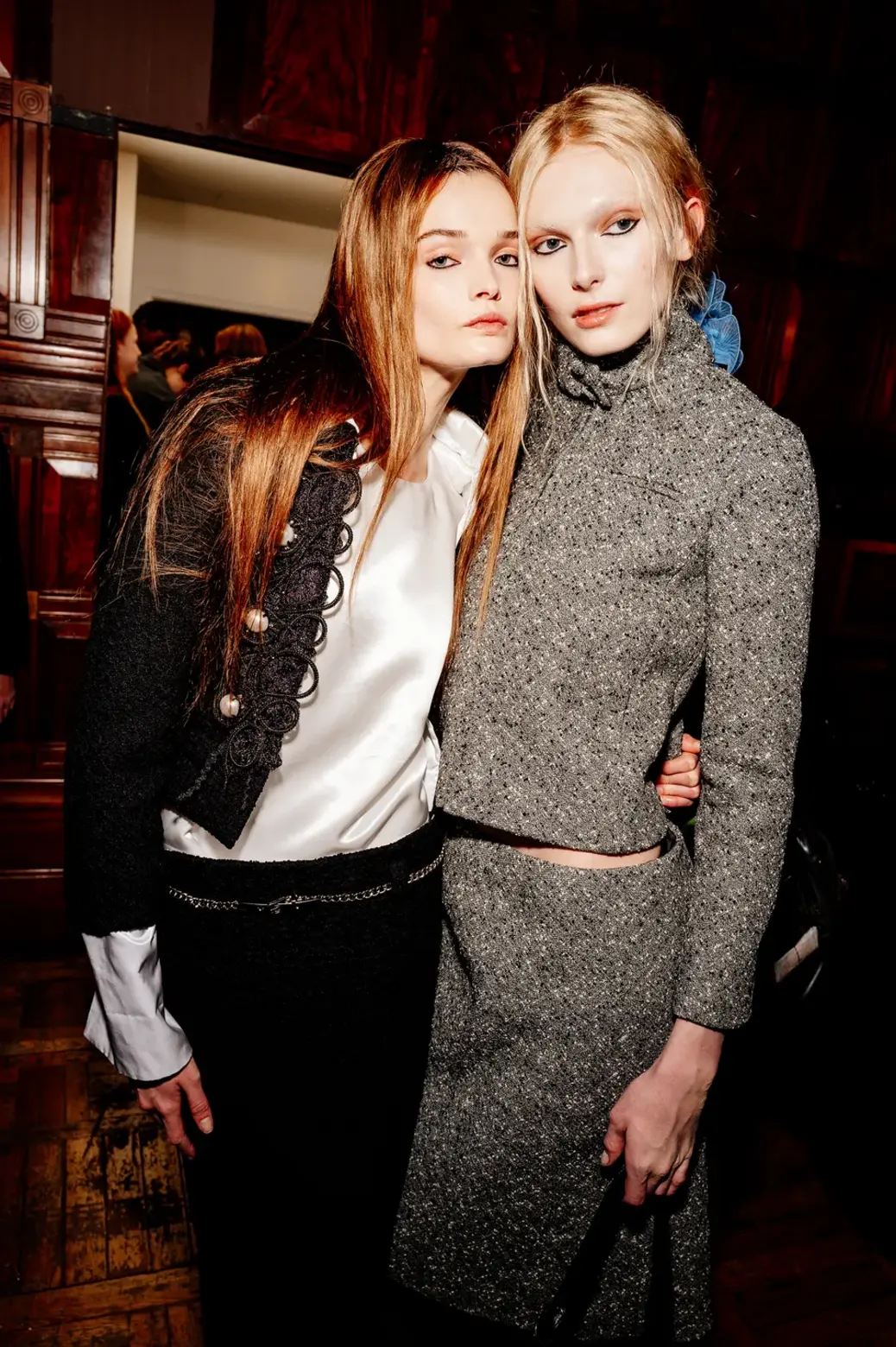
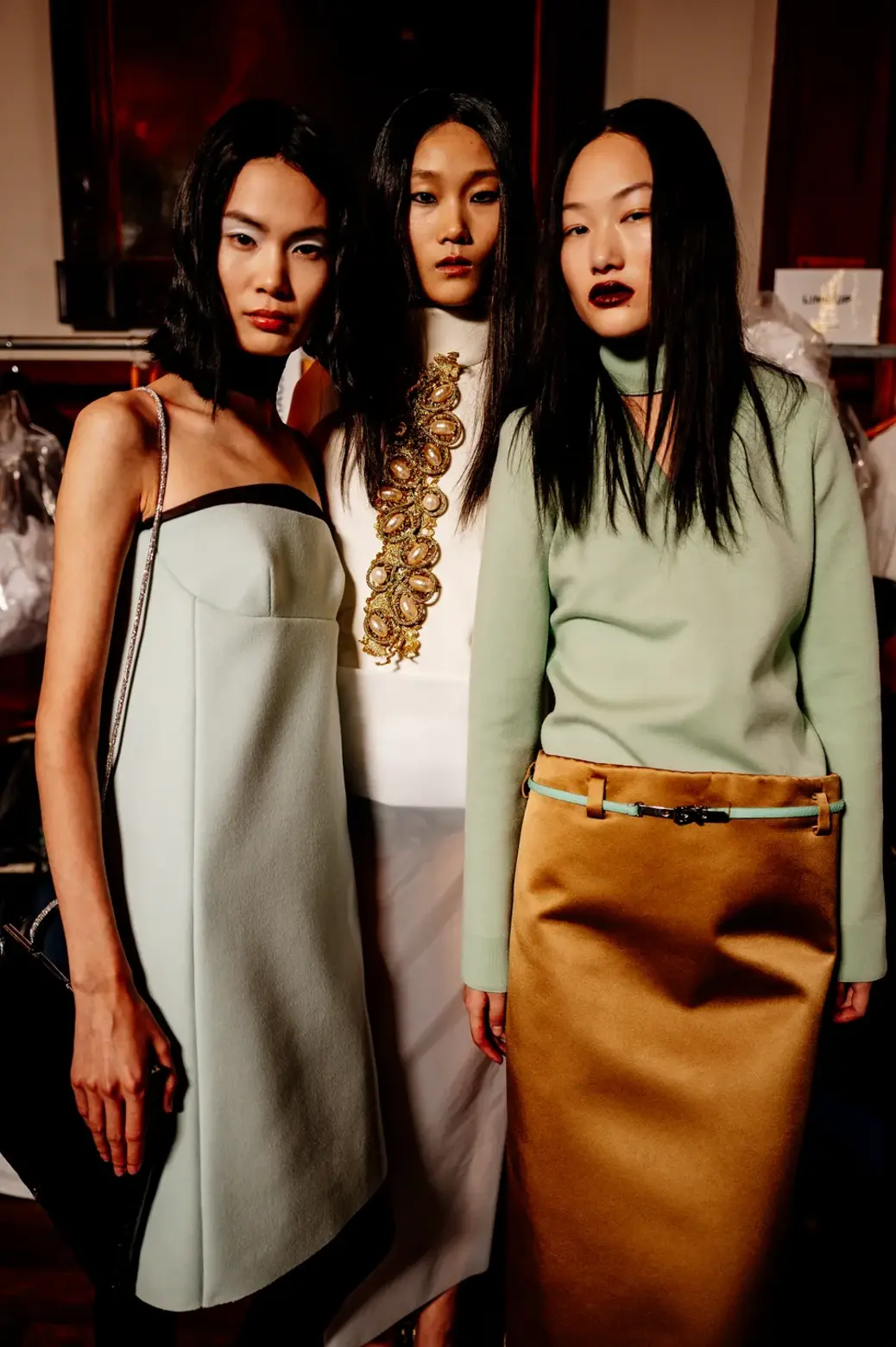
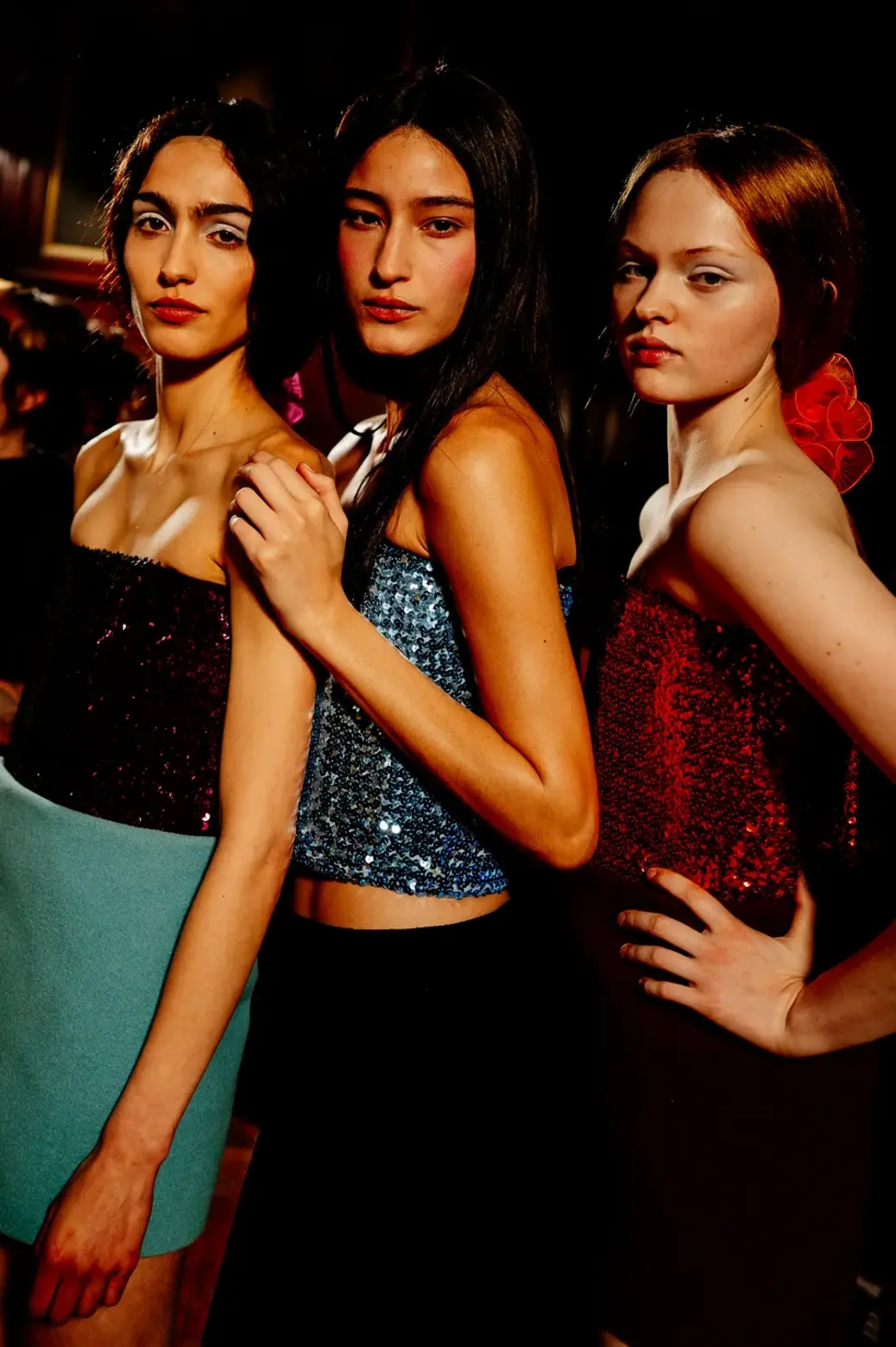
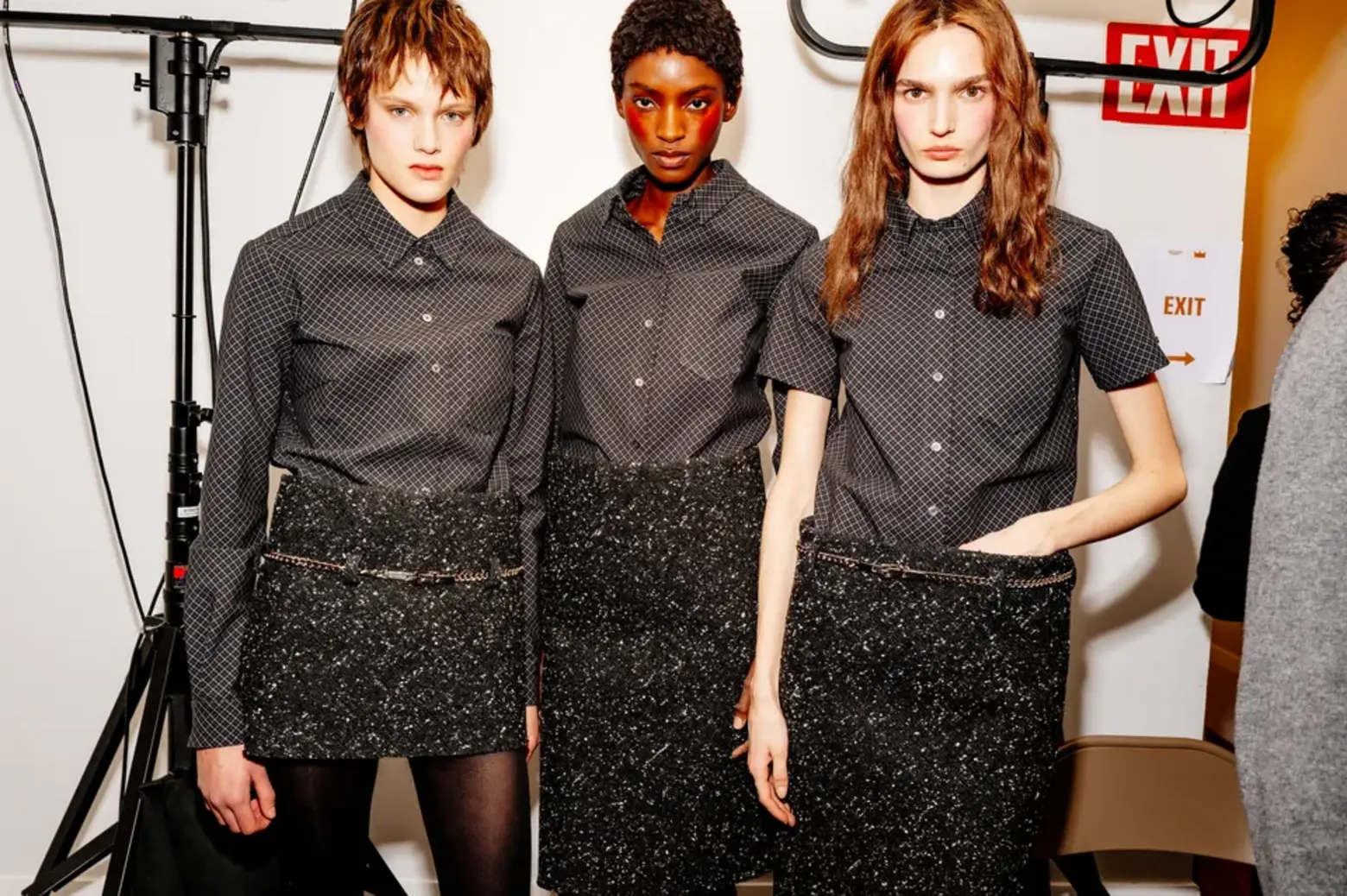
That’s why Marc Jacobs Spring 2026 runway show felt so on point, and so honest. He titled it “Memory. Loss”, referring to the way our memories mingle, disperse, disappear, or stay with us forever, good or bad. He approached this abstract theme by revisiting his favorite moments in fashion history. While most designers shy away from straightforwardly referring to other creators, Marc Jacobs is a proud student of fashion. Yves Saint Laurent, Miuccia Prada, Rei Kawakubo, and Martin Margiela are his all-time heroes, but he also considers his own work worth revisiting. As a result, the show became a walk down 1990s and 2000s memory lane - one that delighted avid fashion observers with Easter eggs (Margiela’s flat silhouettes, Prada’s notion of ugly chic, and Marc Jacobs’ own cookie-cutter downtown New York femininity), while also carrying strong commercial potential - those boxy mini-dresses and baby-doll coats are undeniably cool. You can feel the ghost of his Perry Ellis grunge era in the plaid and greige knits, then the sharper late-’90s American sportswear mood in the prim skirts, button-downs, and neat little suits. And that’s the crucial point. In the post-COVID years, Marc Jacobs leaned into pure avant-garde exaggeration on the runway, with pieces produced in extremely limited quantities and available solely at Bergdorf Goodman. It now seems that LVMH has rediscovered its affection for the brand, and this reinvestment promises to return Marc Jacobs to its former glory. On top of that, the ultimate king of New York is nearly back on the New York Fashion Week calendar, which officially starts today. Good memories are back.
A Bare Runway, and Nothing Left to Mask the Feeling
The space is almost aggressively bare, lit hard, arranged like a rehearsal for honesty, with folding chairs and unforgiving spotlights doing what set design rarely dares to do: refusing to distract you. Then, quietly, a small daisy painting appears like a pinprick of tenderness that makes everything else feel louder, because now you’re watching clothes with your throat instead of just your eyes.
That restraint carries a dedication, too, and you can feel it in the way the show holds its posture, because it isn’t chasing escapism tonight, it’s letting memory show its teeth and its softness in the same breath.
Marc Jacobs has spent recent seasons flirting with extreme shape and theatrical distortion, so the shock here isn’t that he toned it down, it’s that he made reduction feel almost scandalous, like a woman walking into a party in a perfect pencil skirt and refusing to explain herself.
Marc Jacobs frames memories as a faculty of purpose, a force that shapes who we are and what we carry forward, and the collection behaves like that idea rather than merely repeating past aesthetics.
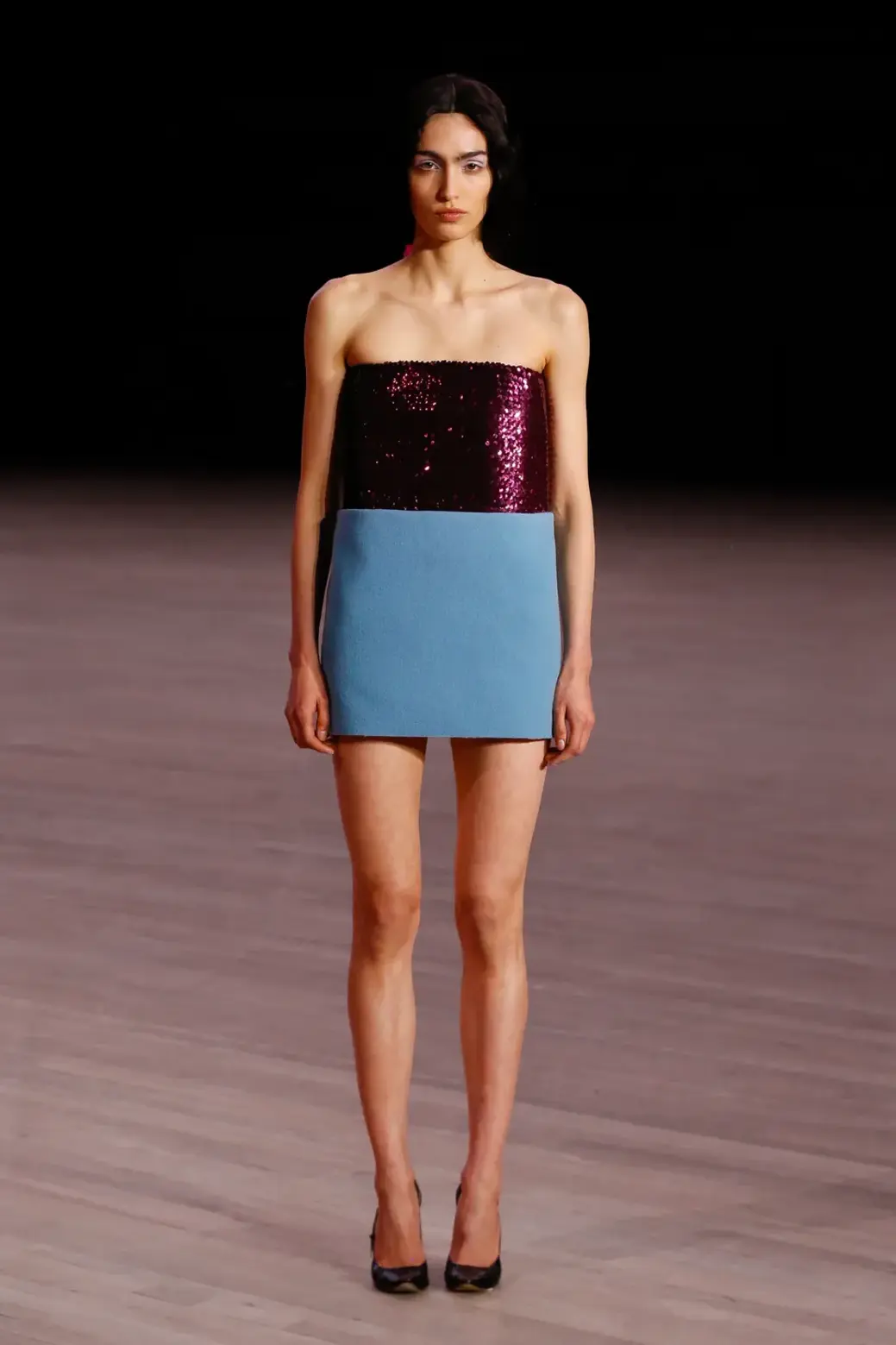
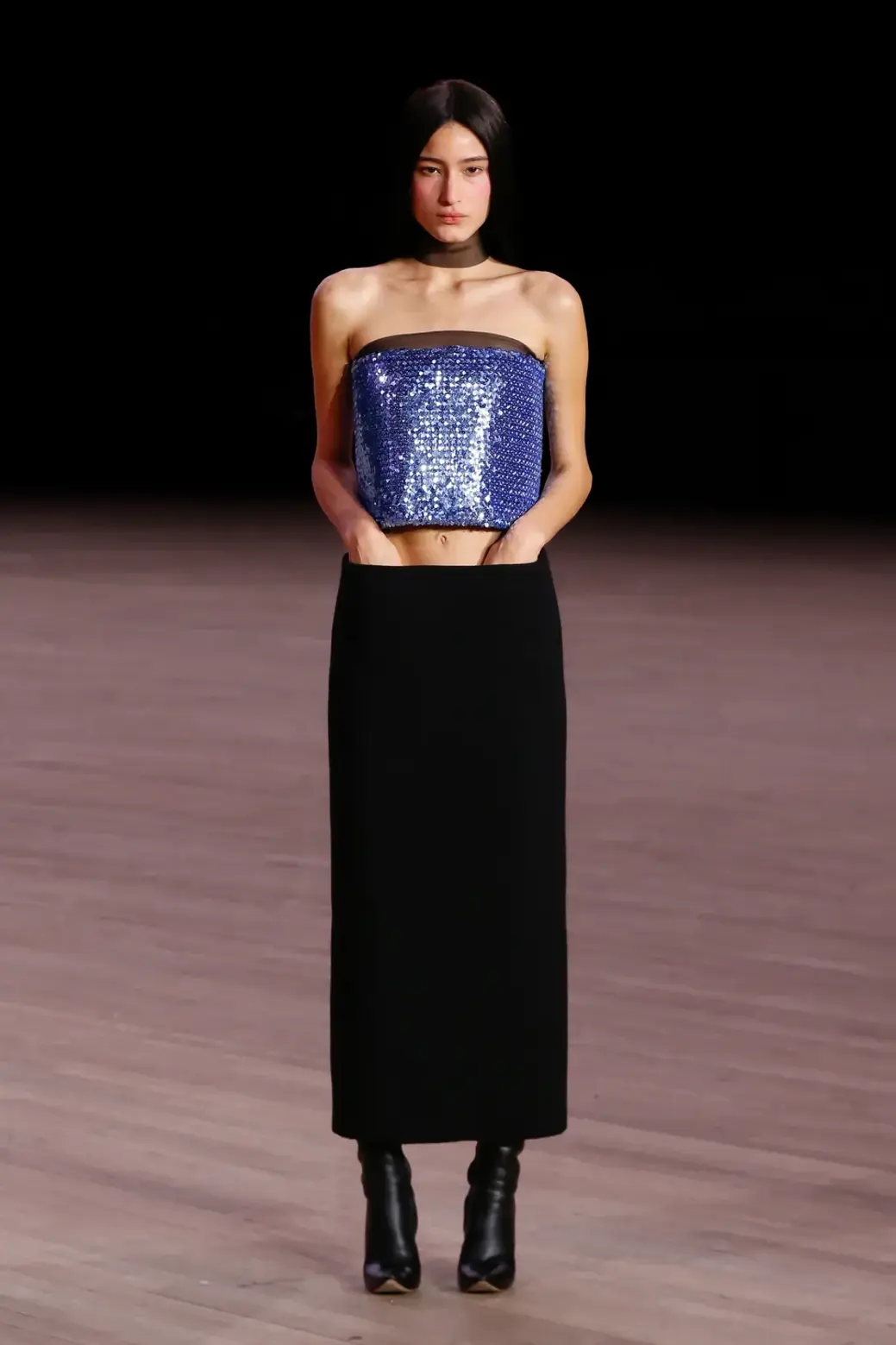
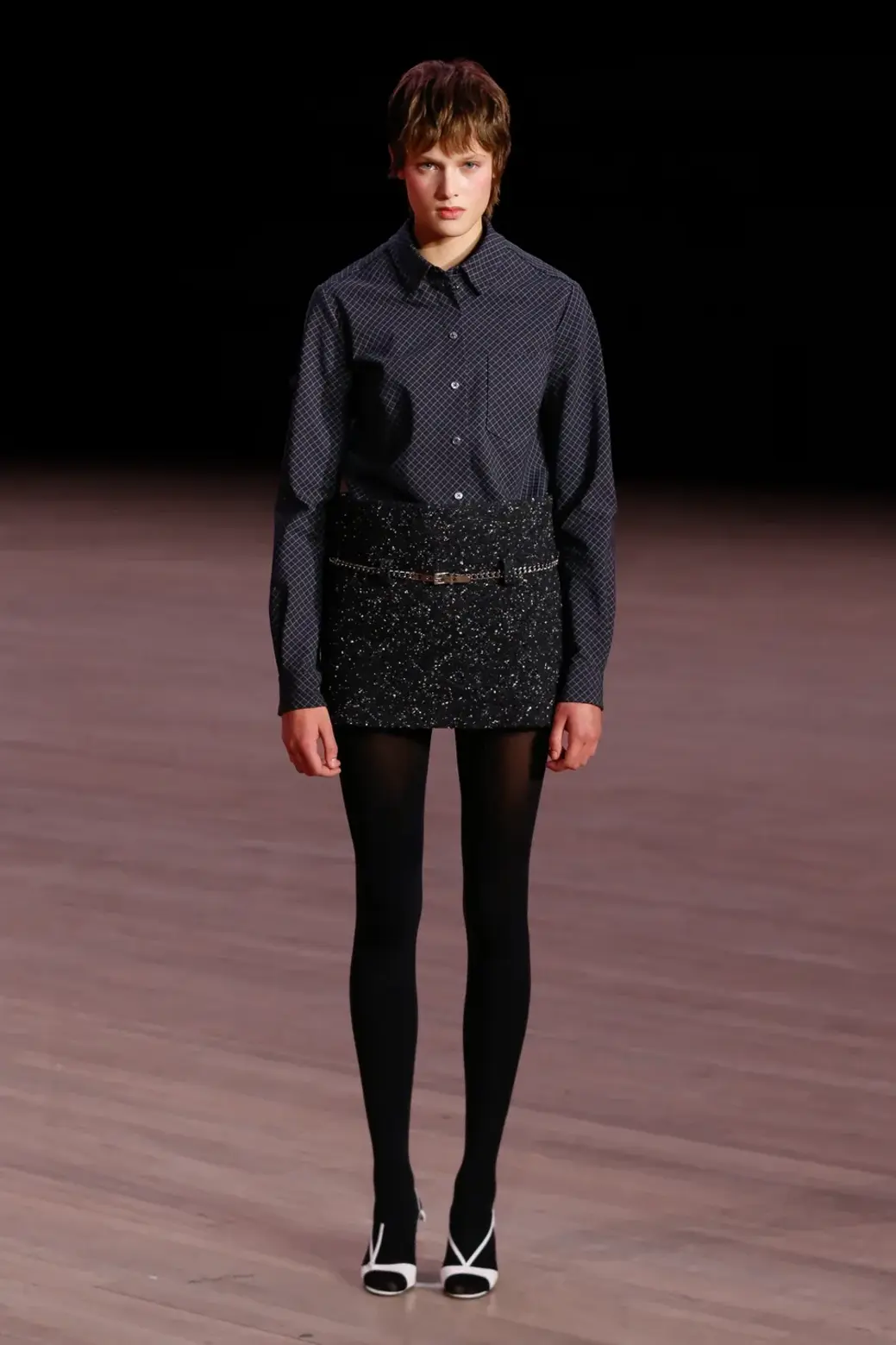
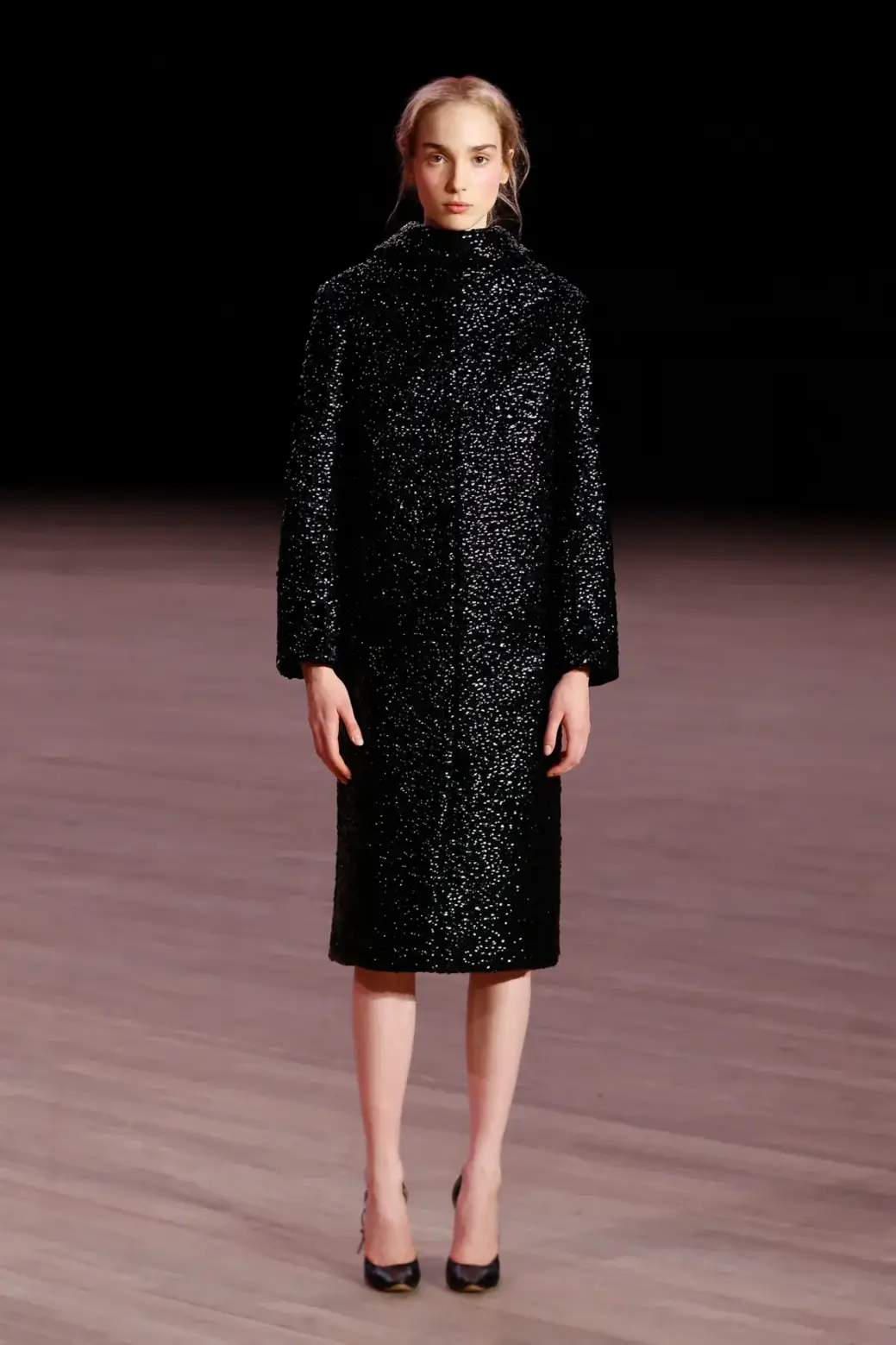
The references arrive like half-recognized faces across a crowded room: familiar, slightly blurred, and more intense because you can’t fully pin them down.
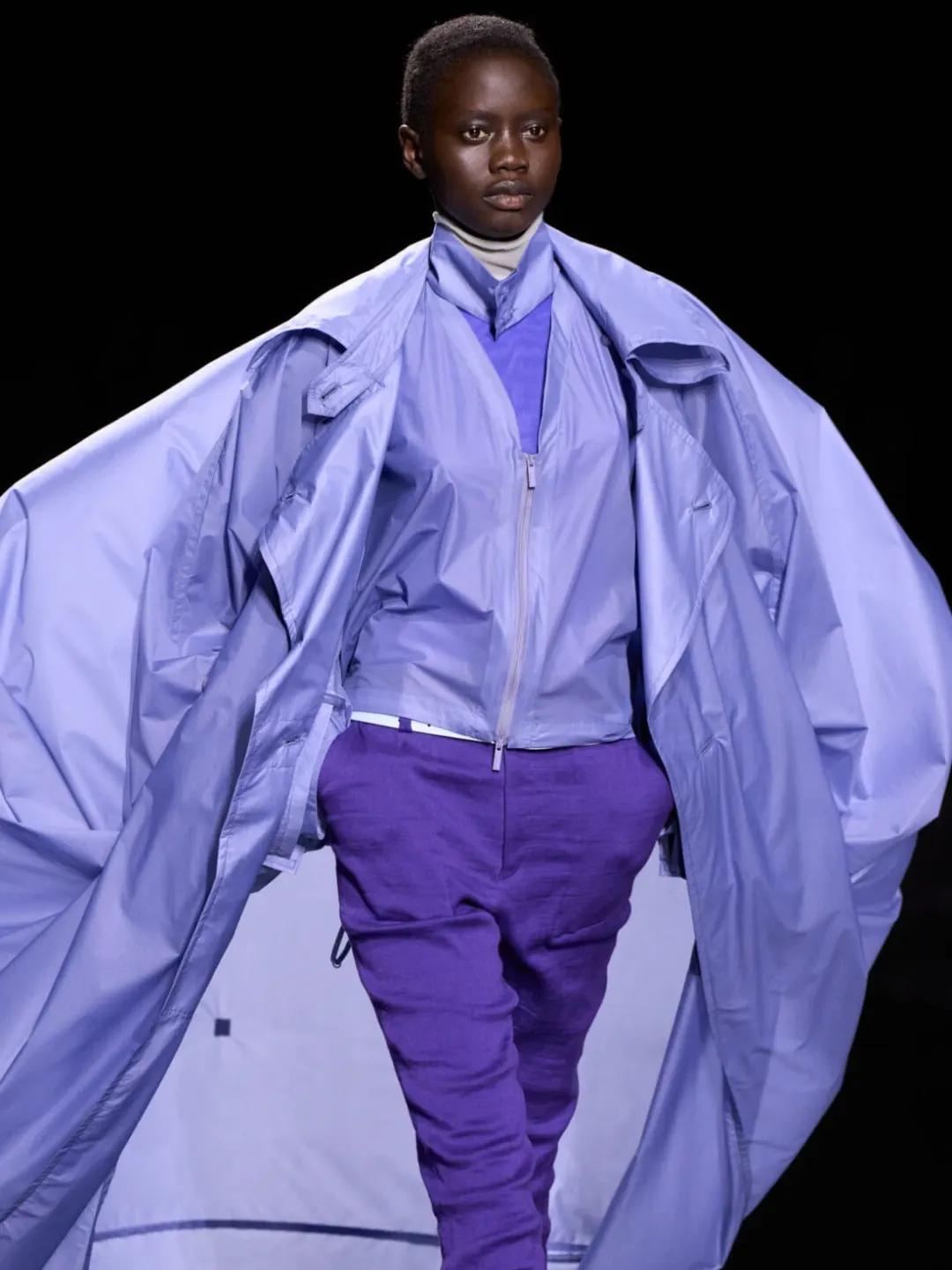
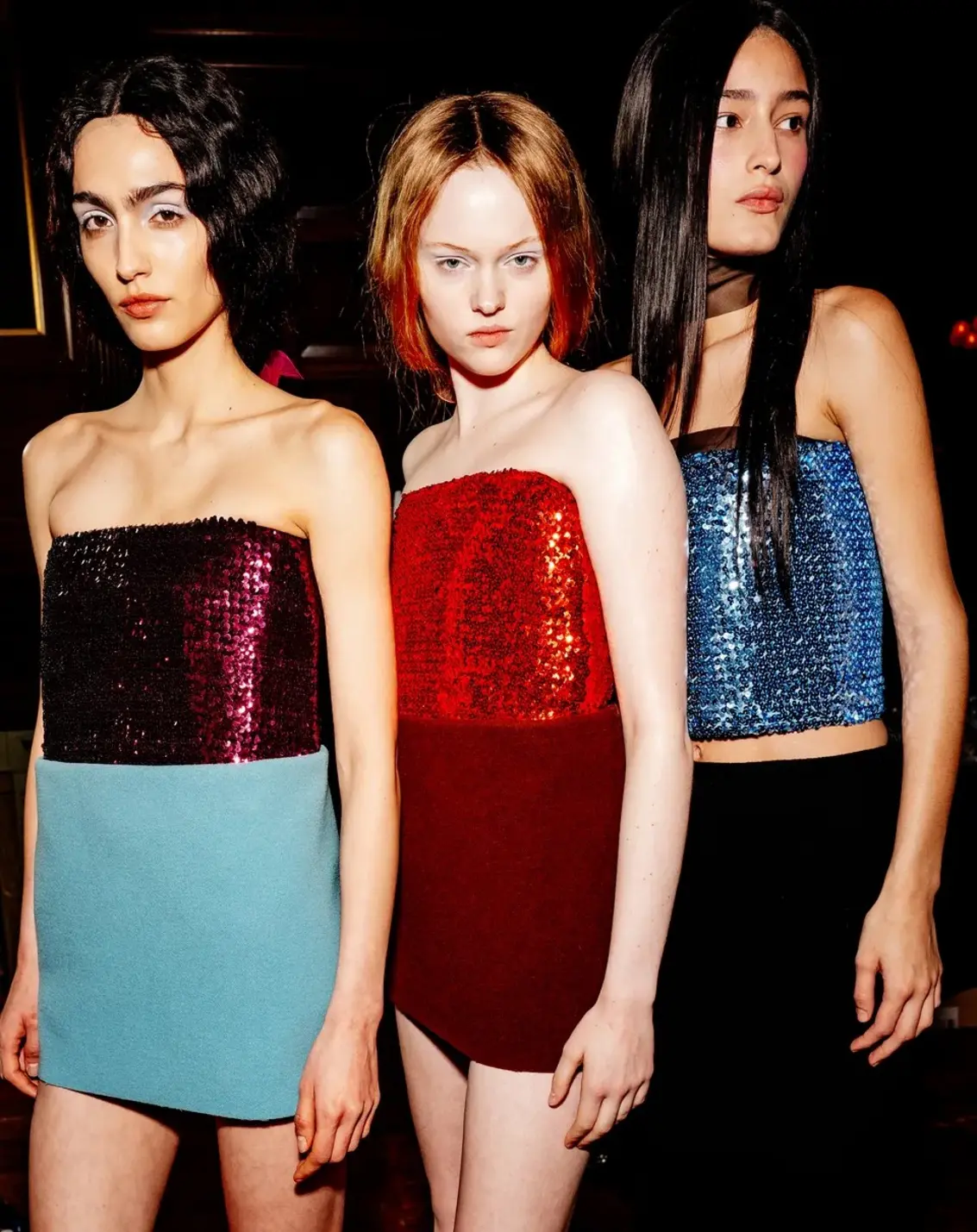
The runway swings through wardrobe archetypes with wicked control: skirt-and-sweater combinations that feel late-’90s clean, demure jackets that sit polite until you notice the proportions, and then sudden jolts of nightlife, sequined bandeaus, color hits, geometry that snaps the silhouette into something less “workaday” and more “don’t follow me home unless you can keep up.”
One of the sharpest moves is repetition with options: the same idea offered in different lengths and moods, like Jacobs is giving you multiple timelines to choose from, each one equally valid, each one equally capable of becoming your personality for the next six months.
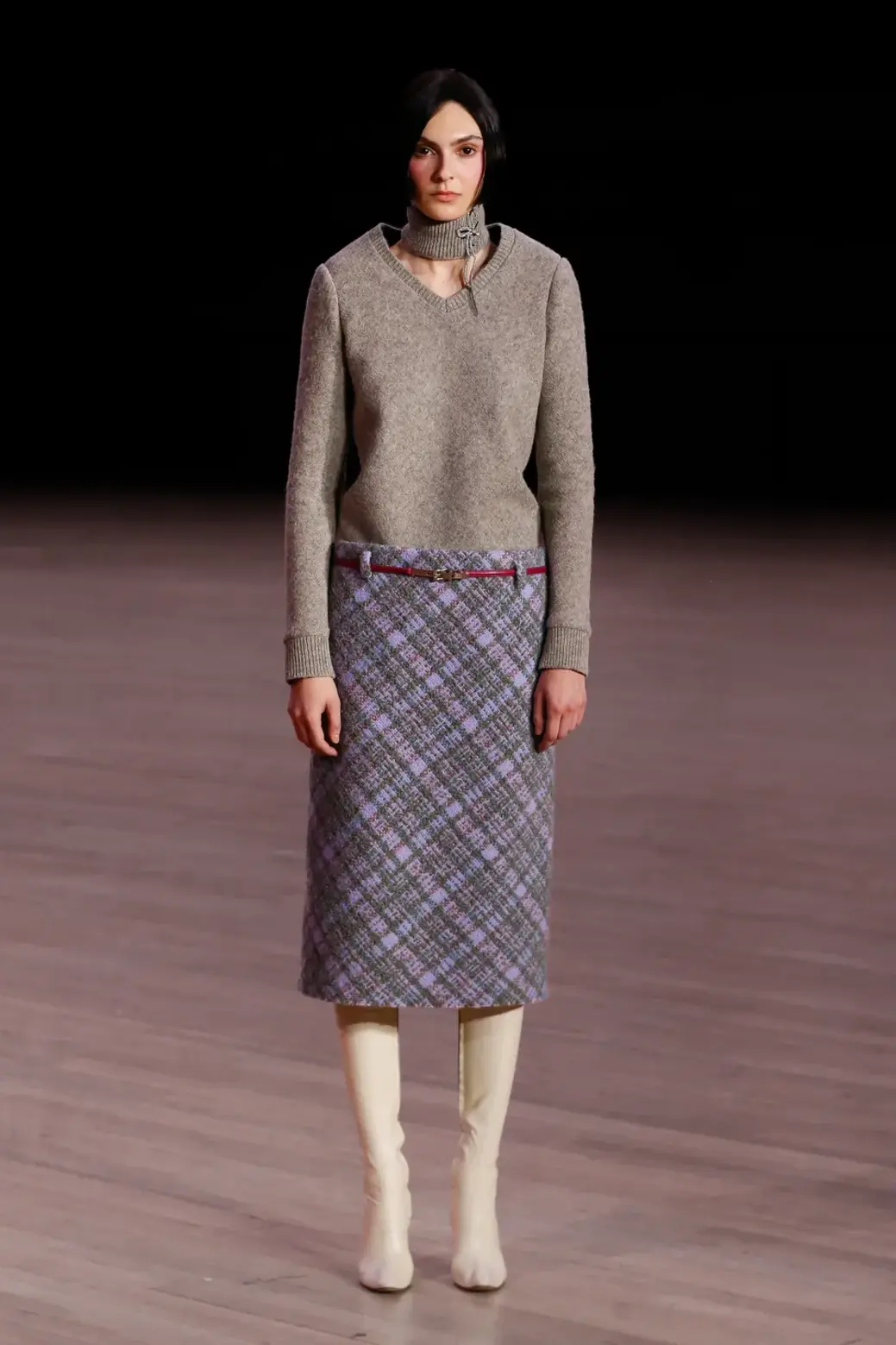
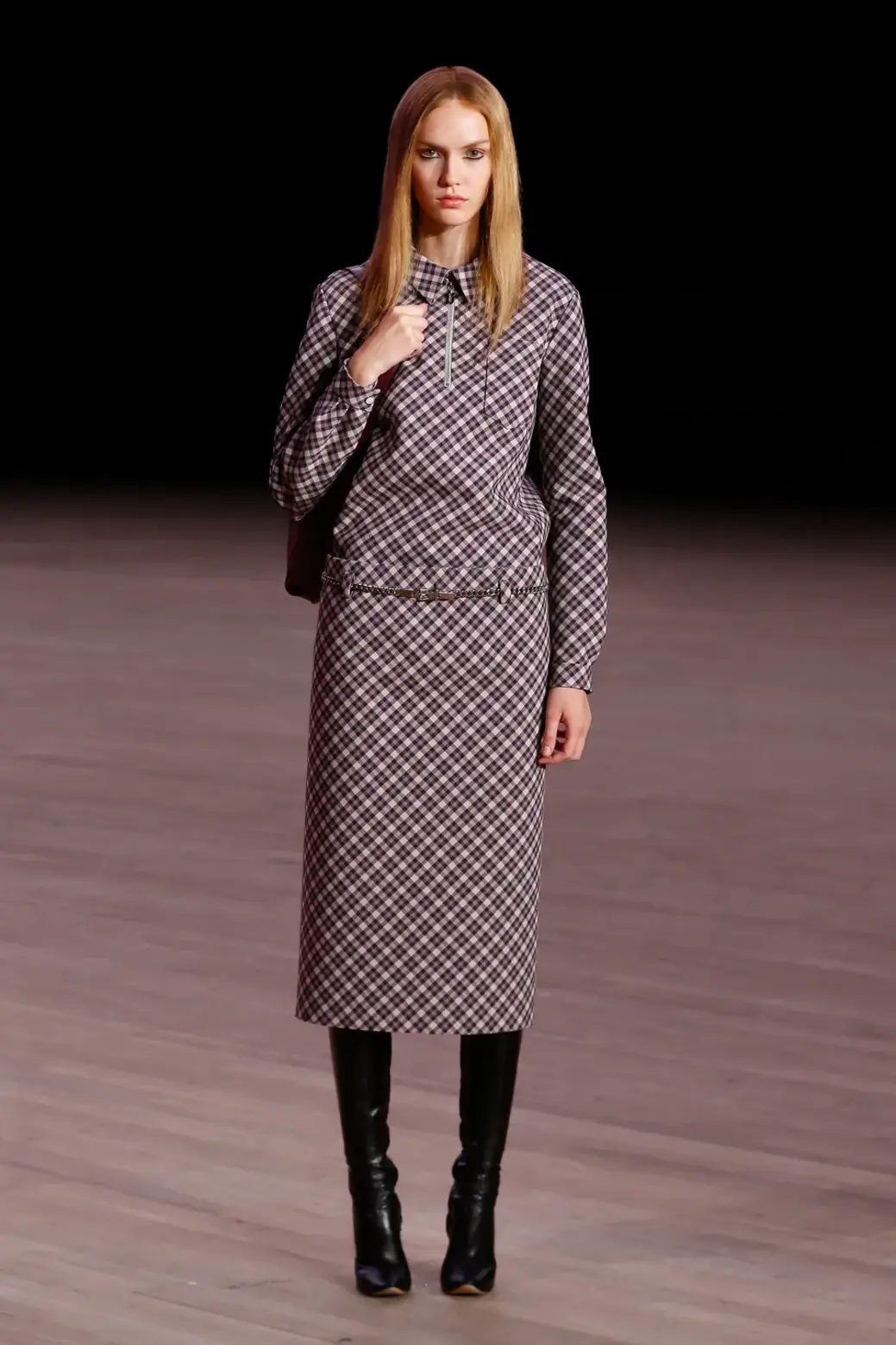
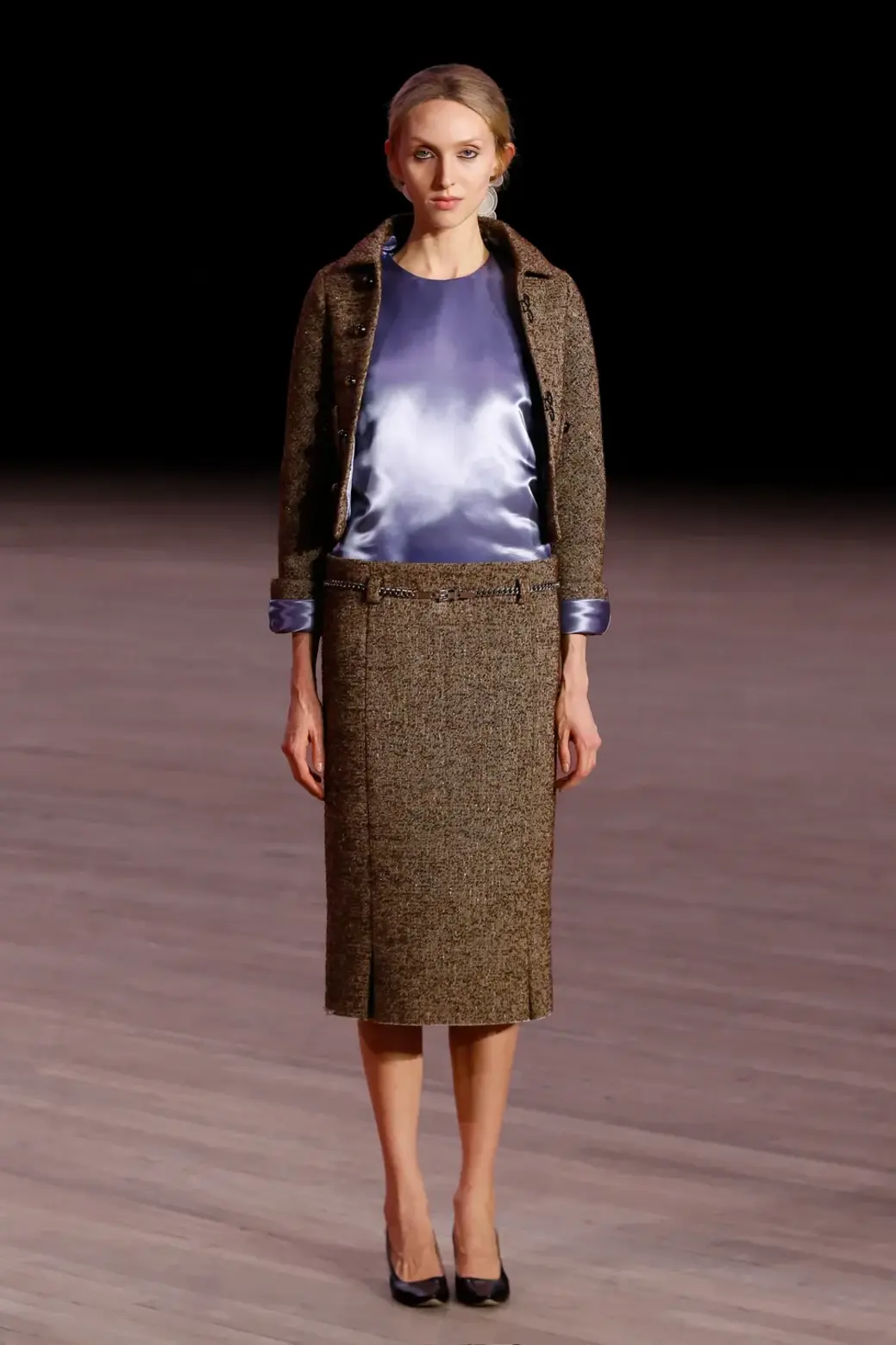
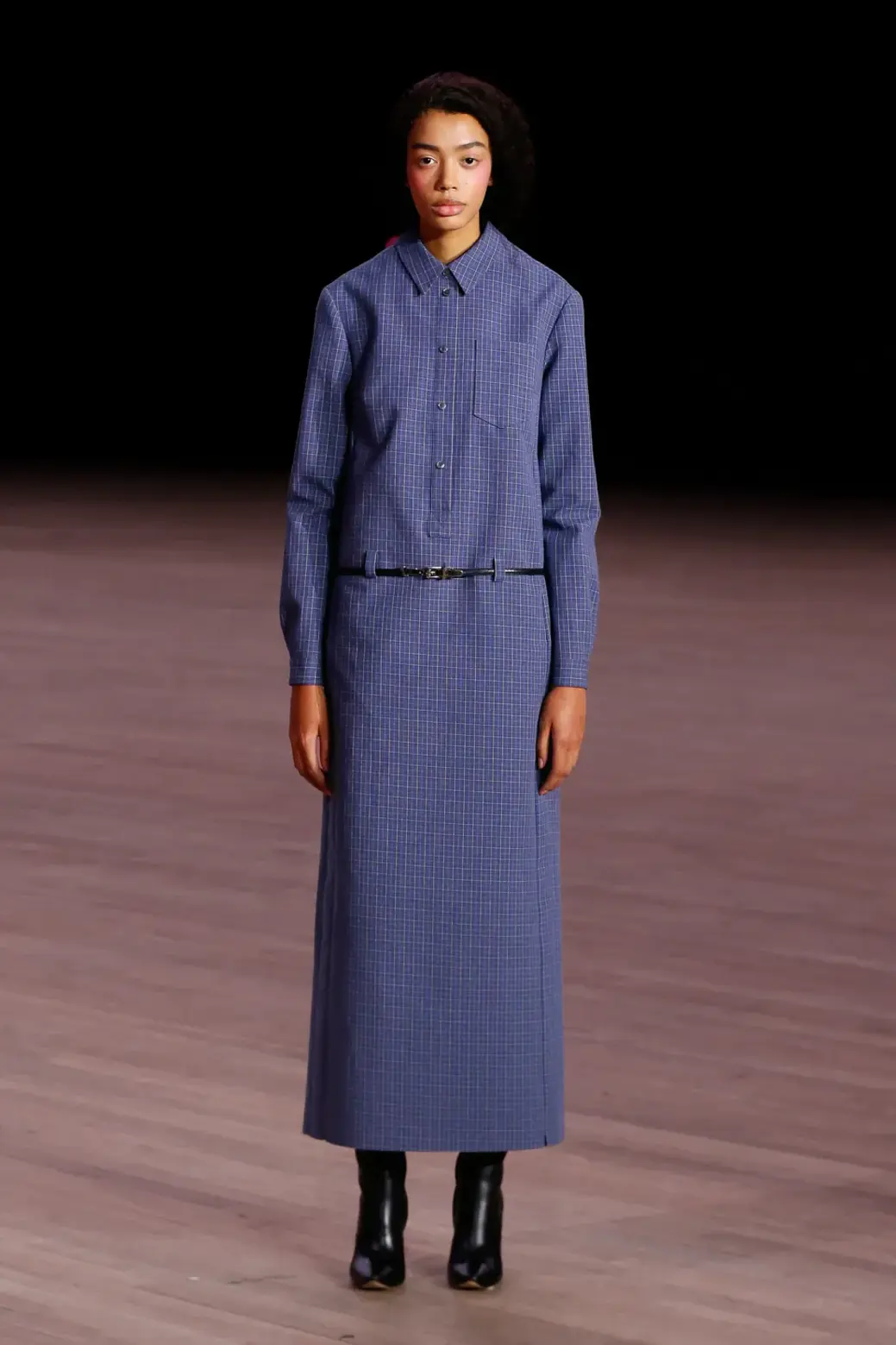
Plaid enters as autobiography, tangled up with Marc Jacobs’s own past and the way one risky idea can become a life-defining memory, only now it’s cut with the precision of someone who has already survived the backlash and learned to wear it like jewelry.
There are also deliberate redits and receipts energy in the background: fashion history references spanning couture discipline and ’90s minimalism, streetwear touchstones, and Jacobs’s own archive, but the trick is that the clothes don’t feel like a museum tour; they feel like you woke up, got dressed fast, and accidentally dressed like your entire past in one look.
The Weird, the Precise, the Very Marc Jacobs Thing
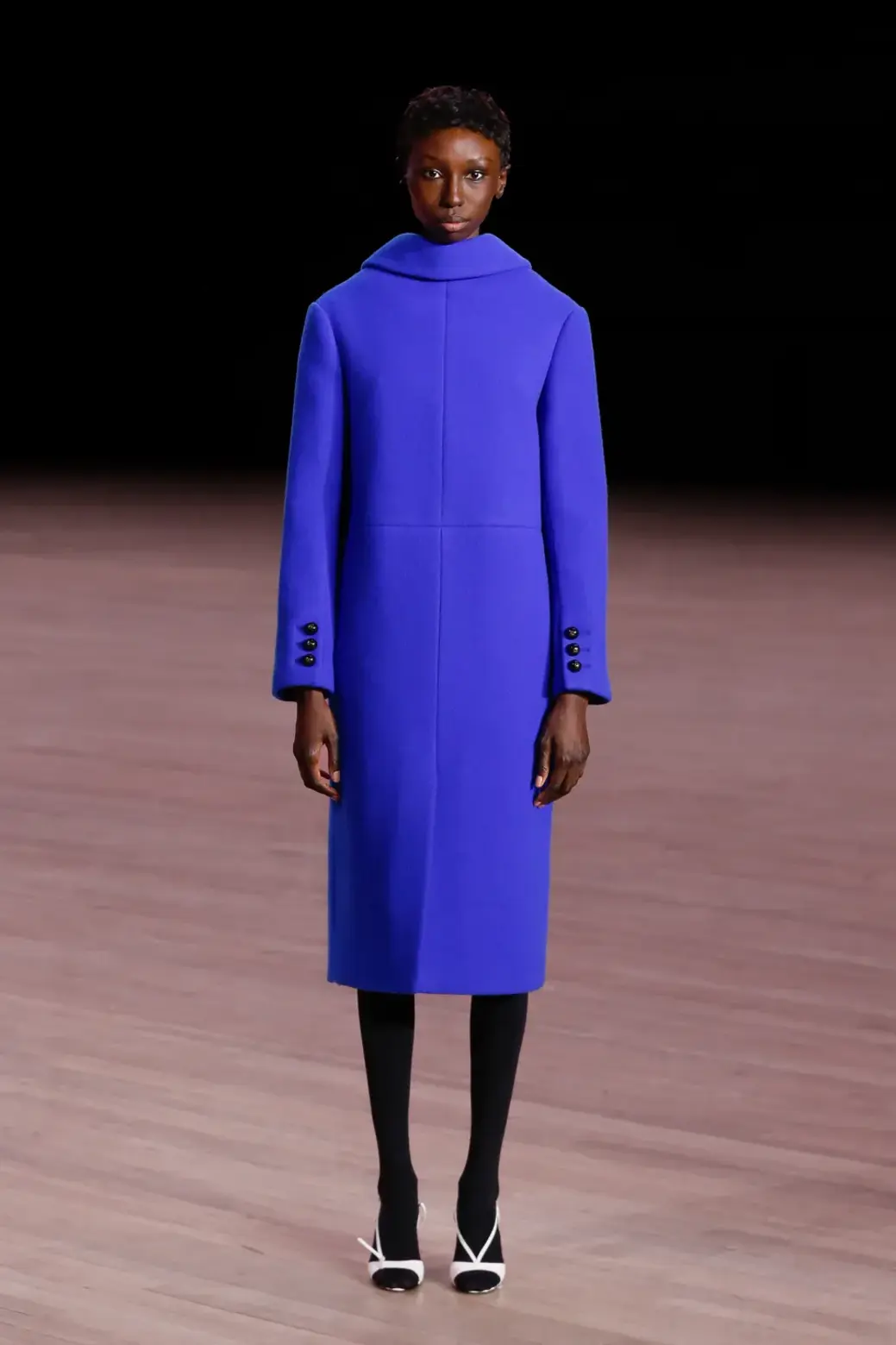
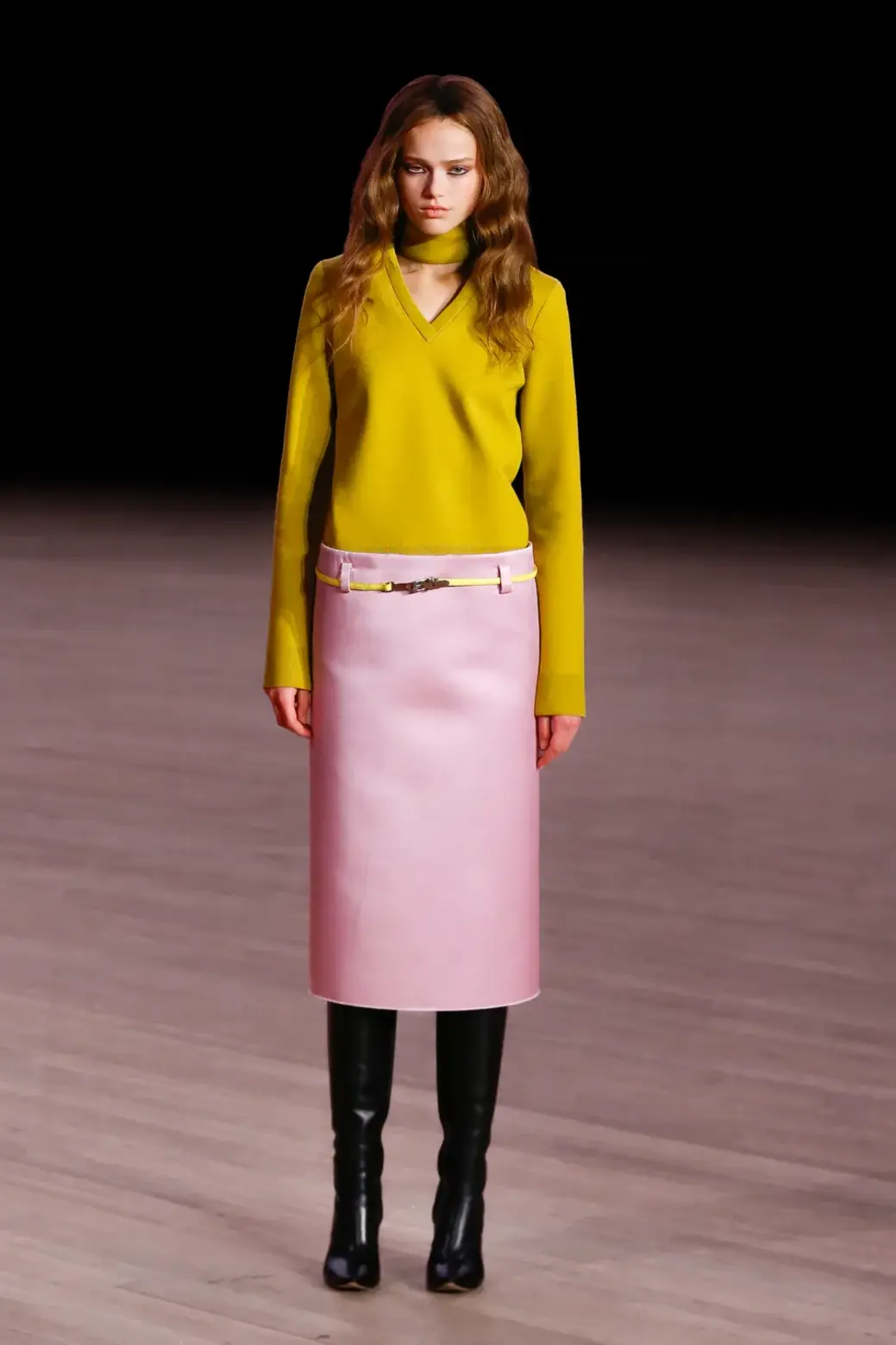
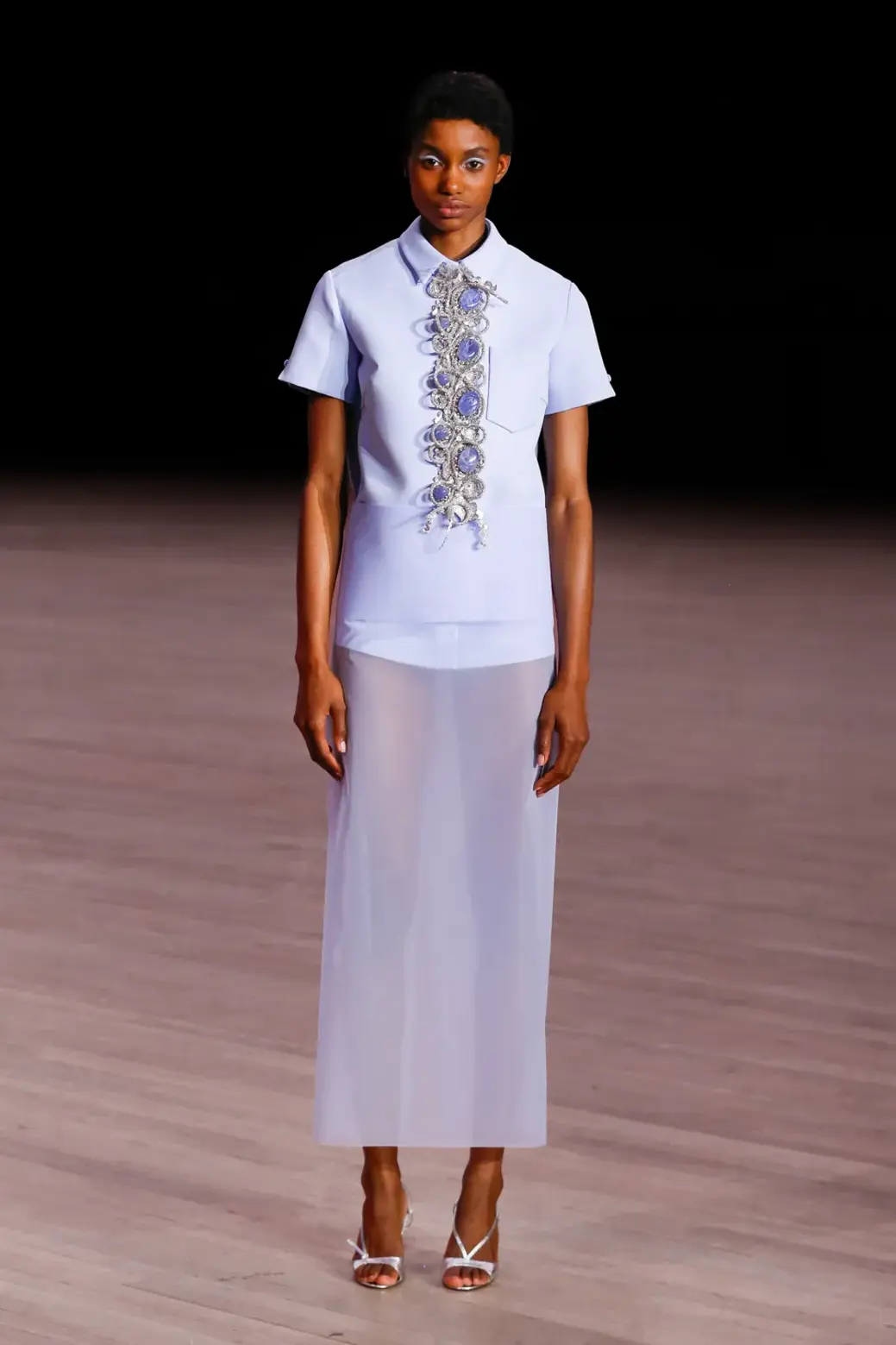
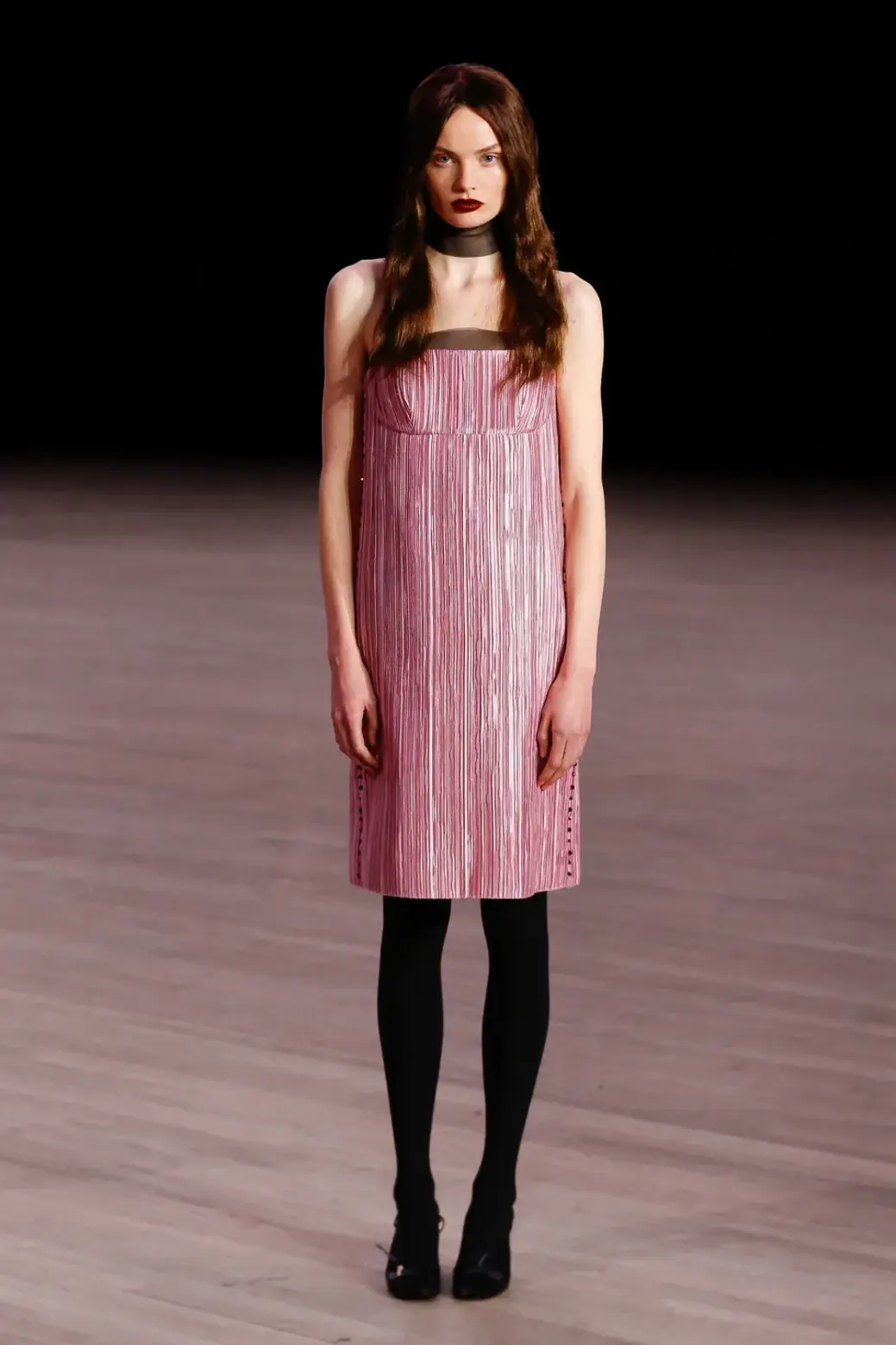
This is where he’s most lethal: the odd little pivots that make normal collapse into something smarter. Squared-off skirts that look like they were drafted with a ruler and a grudge. A coat turned the wrong way on purpose, like a private joke for anyone who remembers. Color pairings that shouldn’t work, yet do, because Jacobs understands discord the way some people understand harmony.
Even the pacing feels like a choice: a fast, compressed run of looks, like memory itself, brief, vivid, over before you’re done feeling it.
The styling leans into that romance-of-the-past effect without turning it precious: hair pulled back with scrunchies, curls and structure that feel like old photos re-entering the present, and a face that reads polished but human, as if the glamour is real life, not fantasy.
Björk’s music hangs over the show like a mood you can’t shake, reinforcing that this isn’t just about clothes, it’s about the emotional temperature of remembering.
Marc Jacobs Spring 2026 Verdict: Minimal, Not Innocent
There’s also an ethics here, which is rare to say about a runway without sounding pious. The show doesn’t romanticize the past; it interrogates it. It treats nostalgia as material, and it asks what it means to keep creating when loss exists, when memory blurs, when the self changes faster than style cycles. In that sense, Marc Jacobs isn’t selling a season so much as staging a method: fashion as a way to organize grief, desire, humor, and identity into something you can actually wear through the day.
This is Marc Jacobs being deeply sincere and still slightly unhinged in the most expensive way: the clothes look wearable, yes, but they also look like they can rewrite you, which is the whole point of him.