MENU
Close





What used to be an insider’s event, a whispered tradition among fashion people, has erupted into a mania so intense that The Row and even publications like Vogue and The Daily Mail now track the lines like they’re documenting a natural disaster.
What used to be an insider’s event, a whispered tradition among fashion people, has erupted into a mania so intense that The Row and even publications like Vogue and The Daily Mail now track the lines like they’re documenting a natural disaster.
November 29, 2025
Advertisement
Advertisement
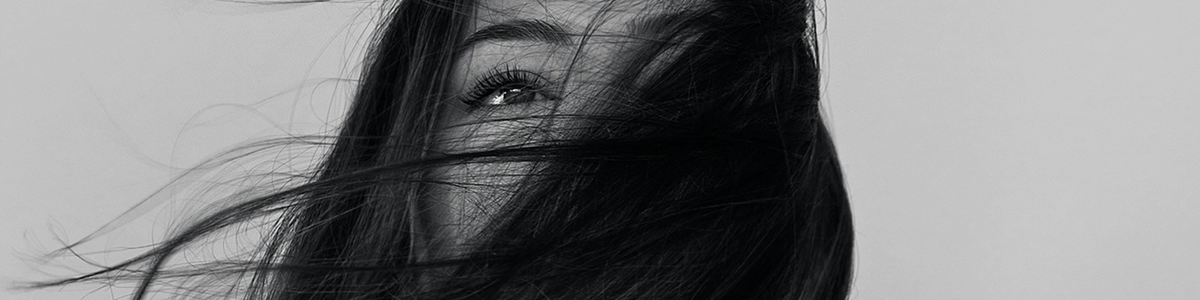


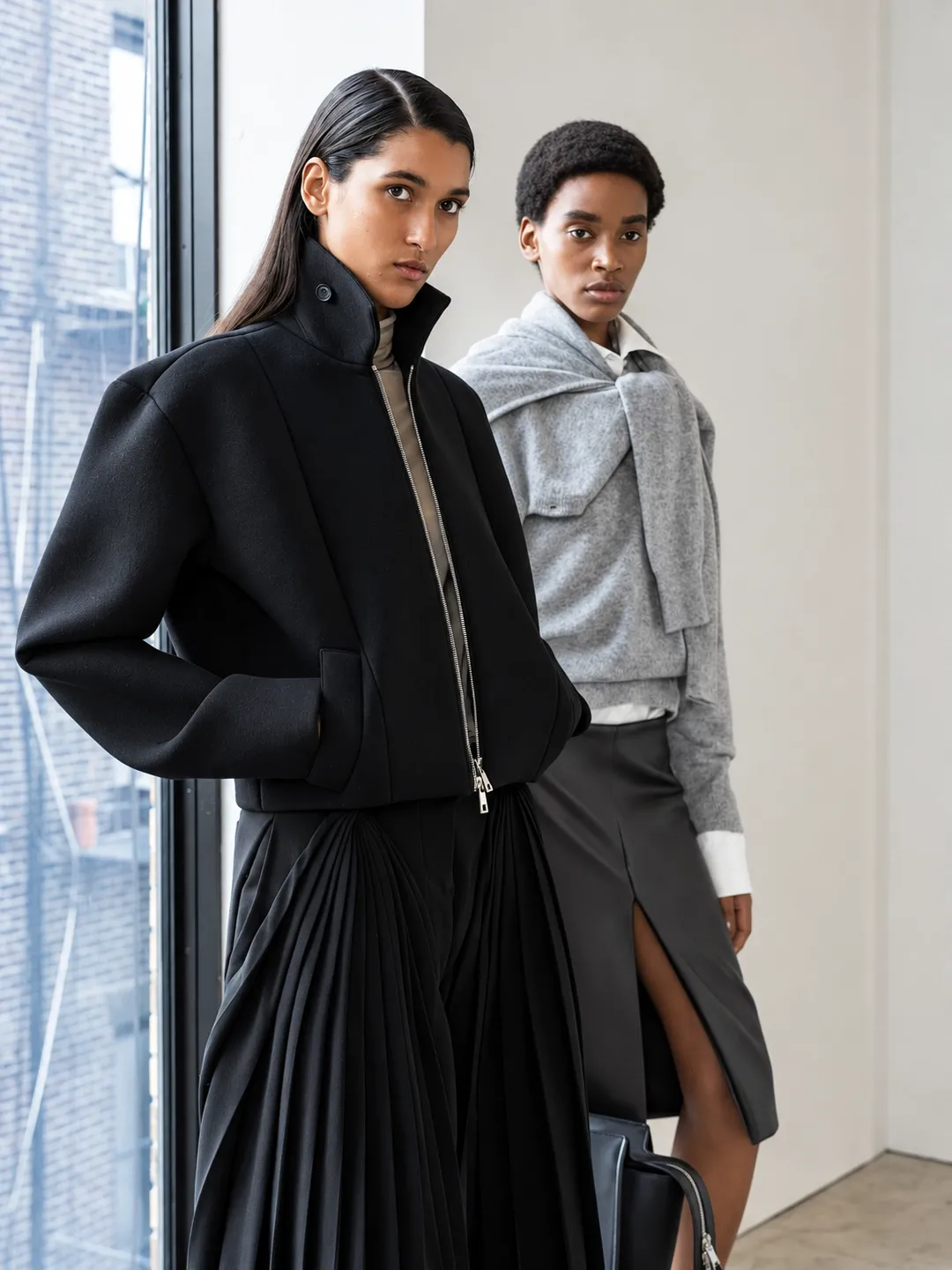
The Row has perfected the art of gatekeeping. It is not just a brand; it is a carefully engineered hierarchy. From the astronomical prices to the minimalism-as-status aesthetic, everything about it is designed to attract a very specific type of consumer: the self-proclaimed connoisseur. A person who believes they can identify quality without a logo, while simultaneously wanting everyone to know exactly what they are wearing. “If you know, you know” often disguises the real intention: “I hope you know.” Quiet luxury speaks softly but craves recognition loudly.
Nowhere is this performance of exclusivity clearer than at The Row’s annual sample sale. Tents, paid line-sitters, overnight queues, crowds surging the moment merchandise refreshes, a ritual of modern luxury consumerism that borders on the theatrical.
And yet, the psychology behind the frenzy is ancient: hunting, gathering, competing for scarce prey. Humans are wired to chase what feels hard to get. The sale simply repackages primitive instinct into sleek Manhattan chaos. The dopamine hit of “scoring” a 75% discount is intoxicating. The irony? Economically speaking, The Row still wins. These pieces often sell above the brand’s wholesale costs, meaning the brand is monetising excess inventory at massive margins while the public believes they are getting the deal of a lifetime.
On the surface, this should be a PR nightmare, proof of overproduction, a flood of content from influencers showcasing towers of shoe boxes, TikTok hauls bragging about “saving $20,000,” and resellers buying by the bagful. But for The Row, it’s a strategic goldmine. The sale acts as a sorting mechanism. True affluent clients, the ones the brand actually cares about, get the earliest access. Everyone else is filtered through layers of discomfort: long lines, unpredictable stock, no photos allowed, strict bag limits, and an atmosphere that borders on ritualistic austerity. If the brand could engineer a psychological maze to separate high-net-worth consumers from aspirational ones, this is it.
In line, a dichotomy emerges: uptown loyalists and downtown aspirational girls. Seasoned Upper East Side shoppers compare tailoring and thread counts. Downtown girls film TikTok hauls in “Tom Ford dupe sunglasses.” Both share the same belief: this sale is an investment. The Row’s pieces are described as “timeless,” “lasting forever,” “worth the splurge.” Yet this reveals the core illusion The Row sells, not craftsmanship itself, but the feeling of craftsmanship, the nostalgia for a time when clothes were made with care. Today’s luxury rarely surpasses vintage quality. It sells the memory of quality back to us at inflated prices.
Behind the scenes, the brand strength comes not from what it sells but how it silences. The Row rarely posts products on Instagram, instead curating an art-book aesthetic. Its fashion shows often ban social media posts. It cultivates scarcity not by being rare but by acting rare.
But here lies a deeper contradiction: timeless basics priced at $5,000 cannot be “quiet.” They can only be conspicuous in a different language. Calling it elevated is a psychological coping mechanism. We have confused simplicity with superiority. A plain shirt used to be a neutral garment; now it’s a social signifier. And we applaud this shift because our own insecurities make us cling to the price tag as proof of taste.
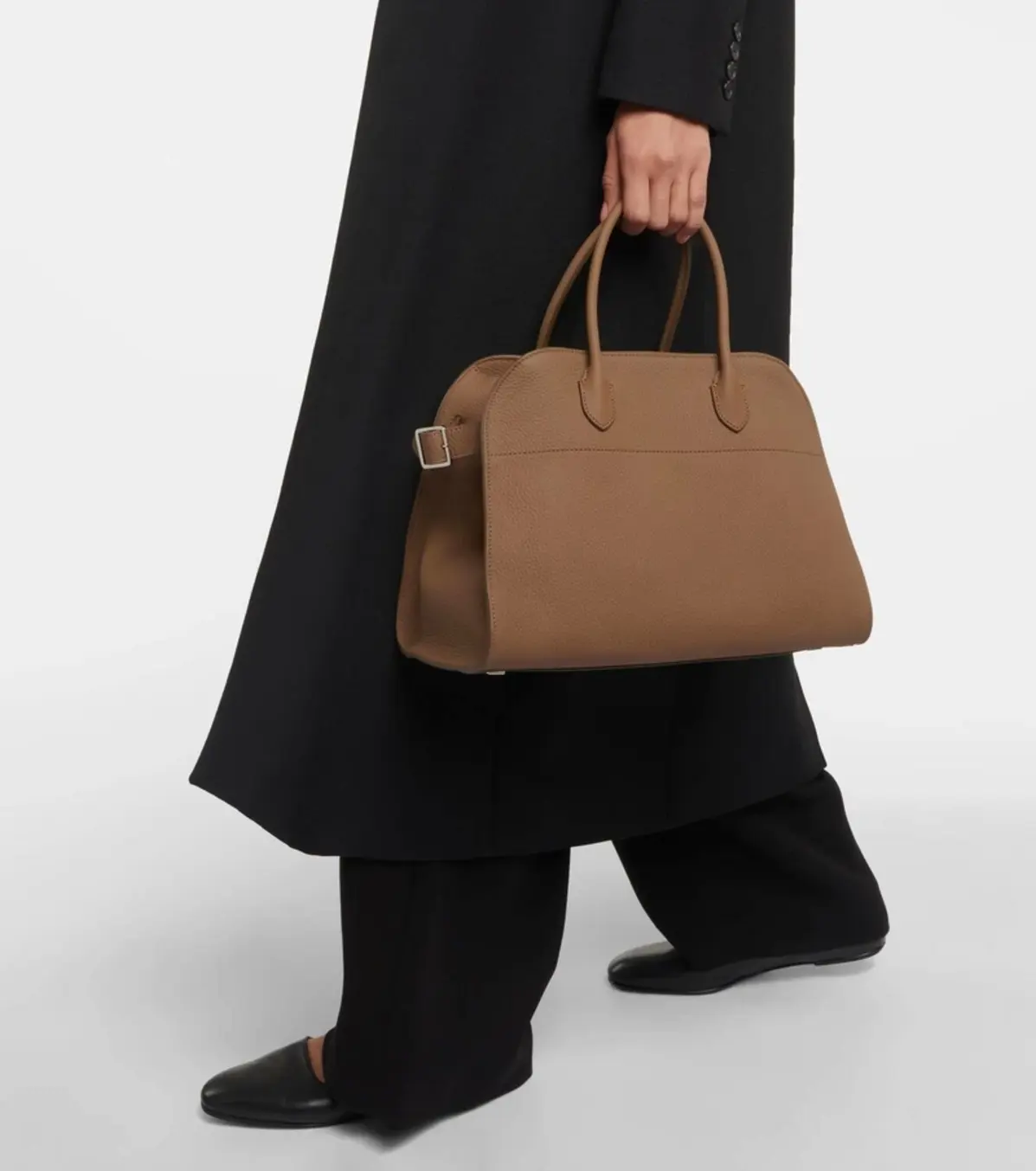
As one anonymous Parsons professor noted, the industry is now shaped by designers who grew up rich enough to believe that “real design” equals the most expensive fabrics: the heaviest cashmere, the thickest wool, the most luxurious satin. Their collections of “elevated basics” elevate nothing but cost. This mindset has trickled down into the consumer psyche: we think we want minimalism, but what we actually want is validation, an illusion of belonging to an elite club.
And the truth is uncomfortable: The Row isn’t the problem. The buyers are. We have become detached from what real quality means. We rationalize high prices as evidence of craftsmanship. We perform luxury instead of questioning it. We mistake heavy materials for good design. We confuse algorithm-fed taste for personal style. And instead of demanding accountability, we reward brands for creating barriers.
So why do people queue for hours?
Because scarcity is seductive. Because luxury is a mirror reflecting our insecurities back at us. Because hunting feels more exciting than having. Because being seen in the line, even before buying anything, is already a statement. Because the idea of “timelessness” soothes our guilt over consumption. Because waiting 15 hours for a coat that costs a month’s rent feels like sacrifice, and therefore like proof of taste.
And at the end of the day, The Row understands human psychology better than any of us. It doesn’t matter whether the quality truly surpasses a vintage piece or whether the basics are actually worth the price. What matters is that consumers believe they are. The Row sells an illusion of stability in a chaotic world. Its buyers purchase not just clothing but identity. And no line, no matter how long, is too long for that.
This is not the democratization of luxury; it is the performance of it a spectacle dressed up as inclusivity. Democratized luxury should mean broader access, lower barriers, and genuine inclusion. The Row’s sample sale delivers the opposite: it stages the illusion of access while tightening the very hierarchy that keeps luxury powerful. Discounts, long lines, and mixed-income crowds may look like openness, but they’re simply a controlled simulation engineered to energize the brand’s aura, not dilute it. True democratization flattens status distinctions; The Row sharpens them.
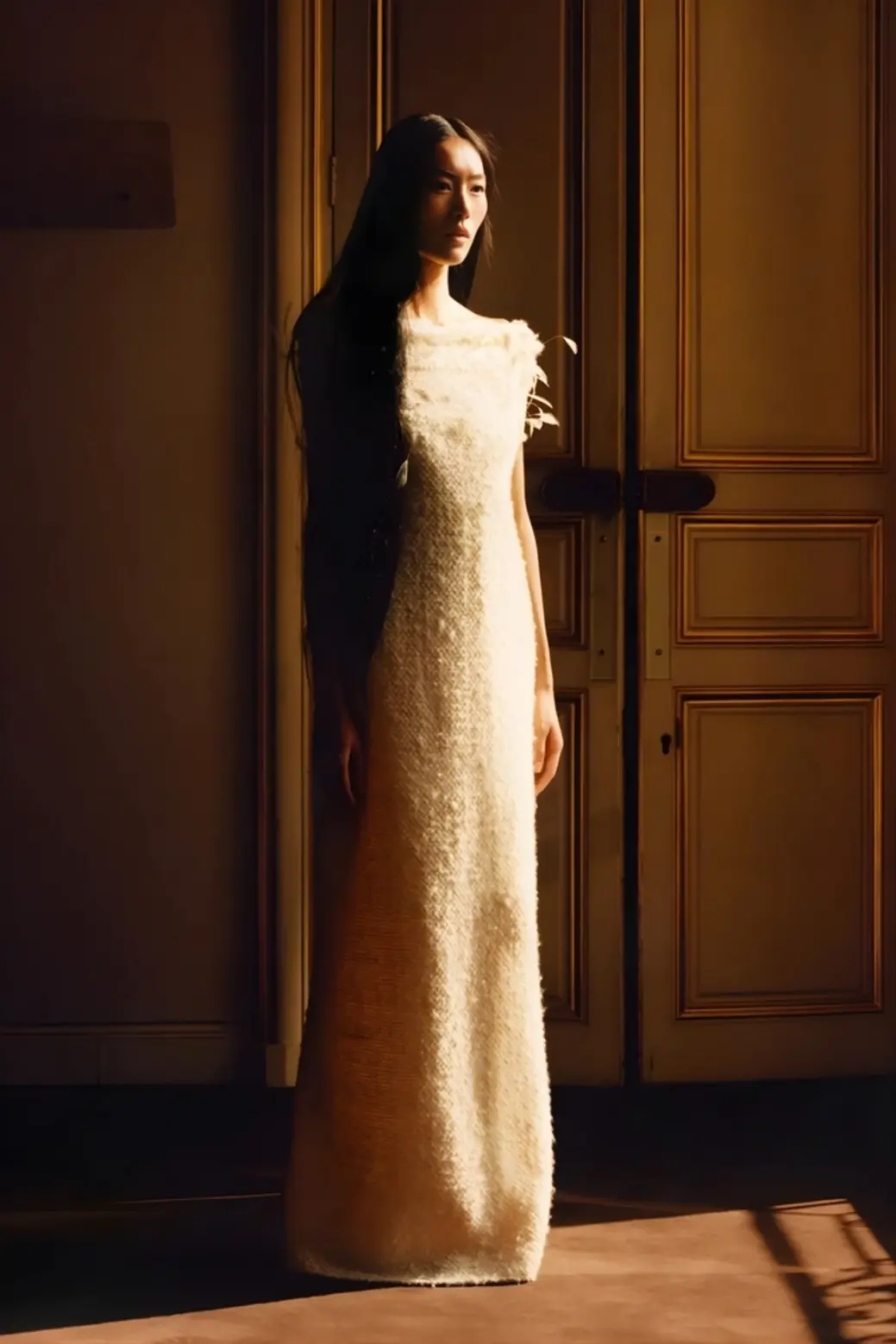
Collecting “error pieces” doesn’t democratize luxury either, it romanticizes the hunt. What feels like broader access is a carefully curated illusion: the brand isn’t opening the gates, it’s changing the rules of entry. The thrill of discovering a rare prototype satisfies the collector instinct, not the equality instinct. This obsession with rarity reinforces the hierarchy instead of dismantling it, creating a new form of gatekeeping based on endurance, insider knowledge, and the desire to belong. Access arrives only through discomfort, scarcity, and spectacle, rewarding people not with actual belonging but with the feeling of it. And paradoxically, this pseudo-access strengthens the brand’s exclusivity: by letting more people chase the fantasy, The Row elevates the meaning of being a true full-price customer. This is not democratization; it's luxury’s most evolved survival tactic, letting the crowd gather at the gate not to let them in, but to remind them why the gate exists.
Advertisement