MENU
Close





A wooden Fabergé egg from a forgotten heist film exposes luxury's secret: the most coveted treasures aren't made of gold, but of story. We trace how this paradox fuels a multi-million dollar market.
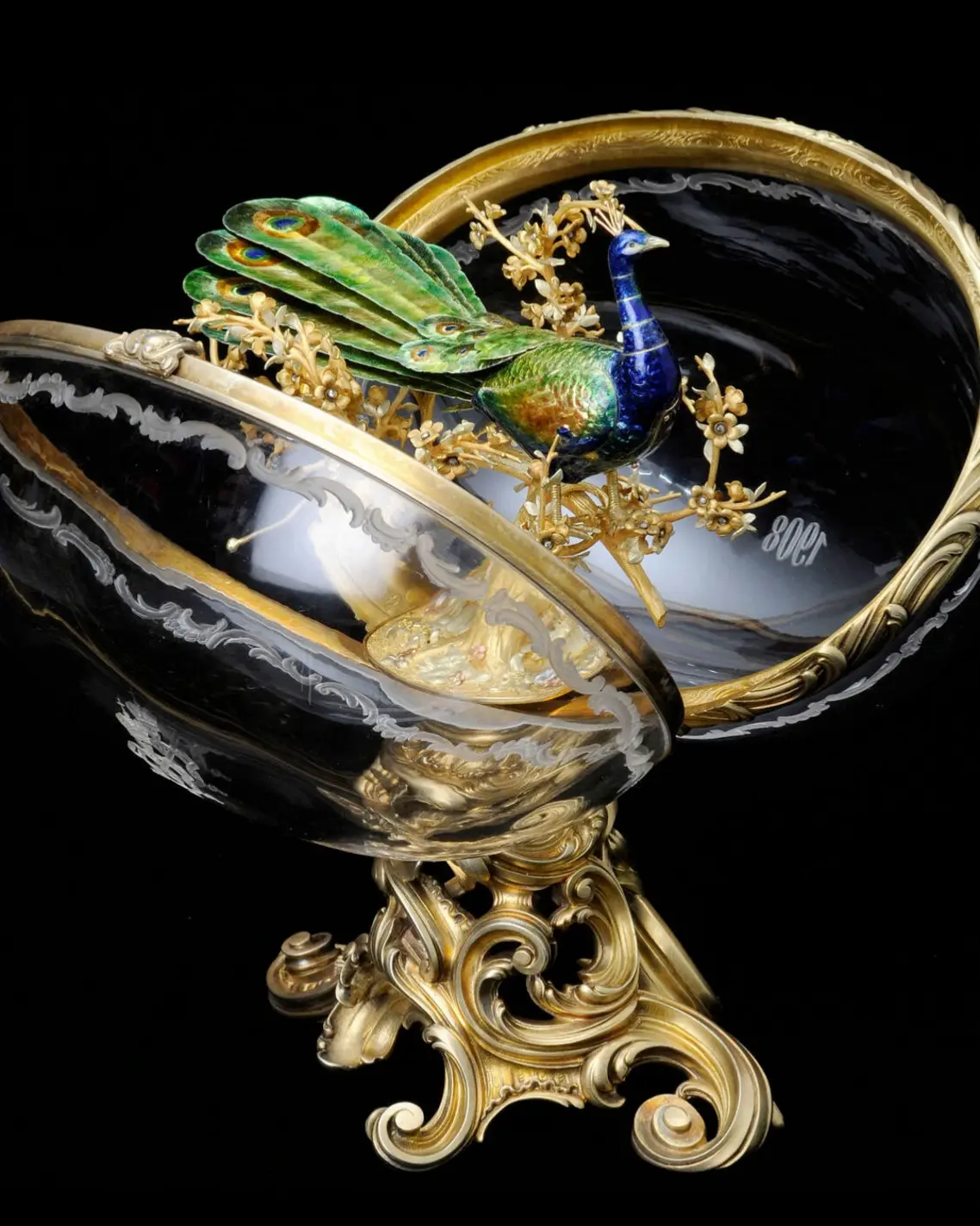
A wooden Fabergé egg from a forgotten heist film exposes luxury's secret: the most coveted treasures aren't made of gold, but of story. We trace how this paradox fuels a multi-million dollar market.
December 17, 2025


In the climax of the 2009 heist film The Code, the payoff for a complex robbery is a profound disappointment. The criminal mastermind opens the case to reveal not a gem-encrusted Fabergé egg, but a simple, carved wooden one. “People needed something to hope for,” he explains, framing it as a relic from a time of despair.
This fictional twist highlights a central truth in high art and luxury: ultimate value is often vested not in material, but in narrative. The egg form’s journey, from a symbol of czarist excess to a modern motif of personal renewal, mirrors the evolution of luxury itself. Today, craftsmanship and story command valuations that rival, and often surpass, raw preciousness, creating a market where the most compelling assets balance tangible rarity with intangible meaning.
The original Fabergé eggs, 50 of which were commissioned by the Russian Imperial family between 1885 and 1917, were feats of art and engineering. Their value was multifaceted: the outer shell of gold, enamel, and gemstones displayed wealth, while the inner “surprise” - a miniature yacht, a singing bird automaton, showcased unparalleled ingenuity. They served as diplomatic gifts and personal mementos, embedding intimate narratives within objects of statecraft.
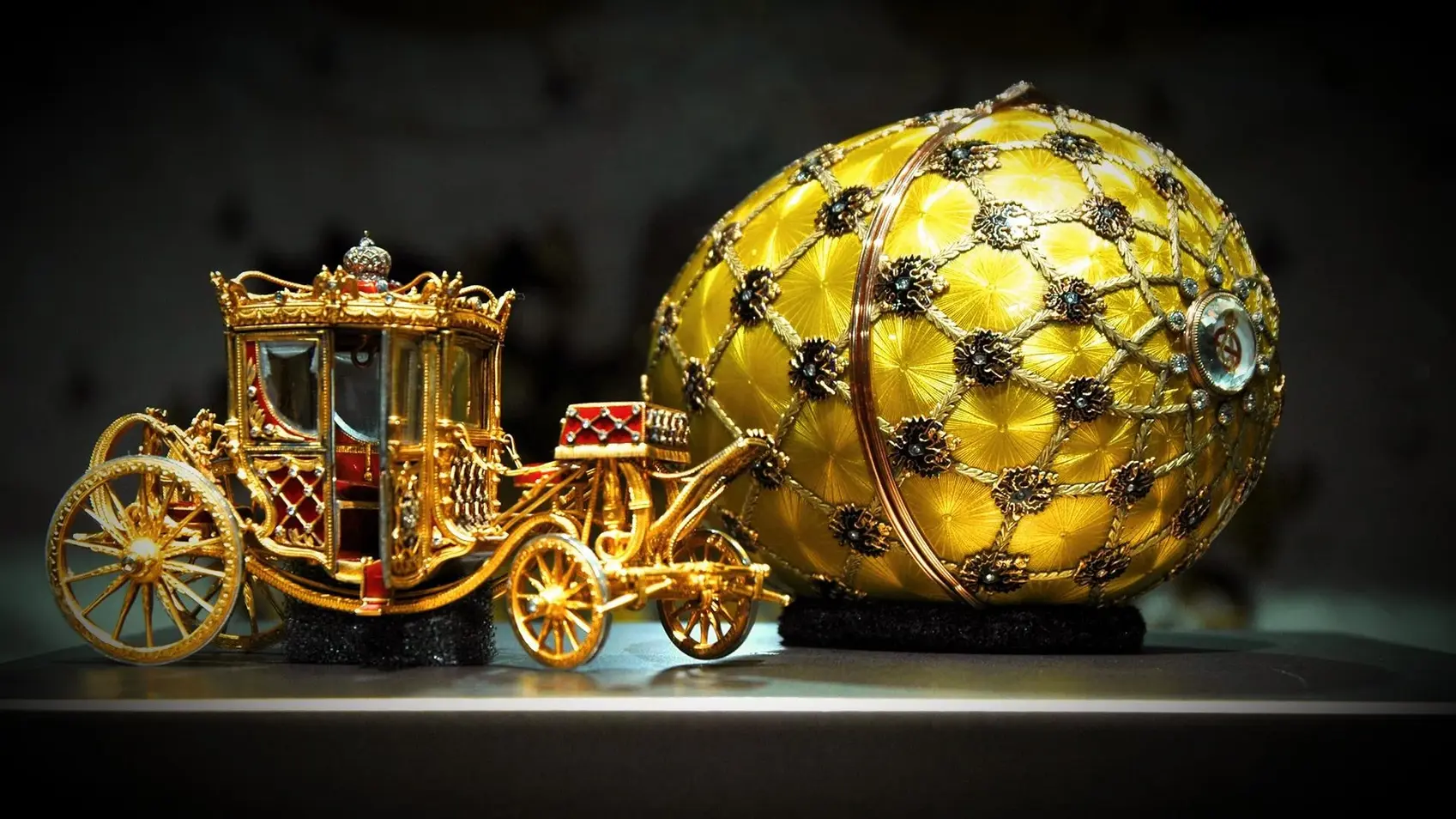
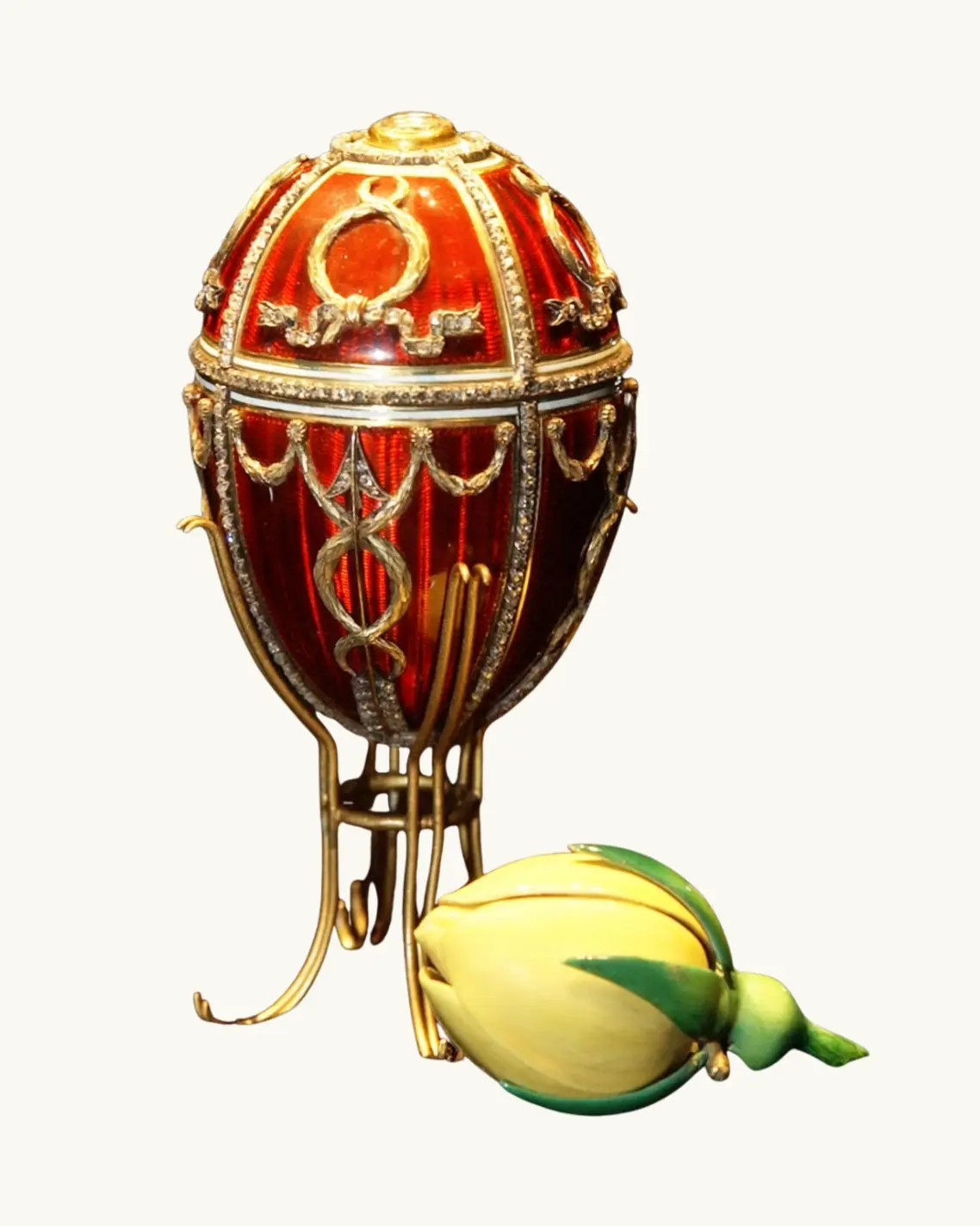
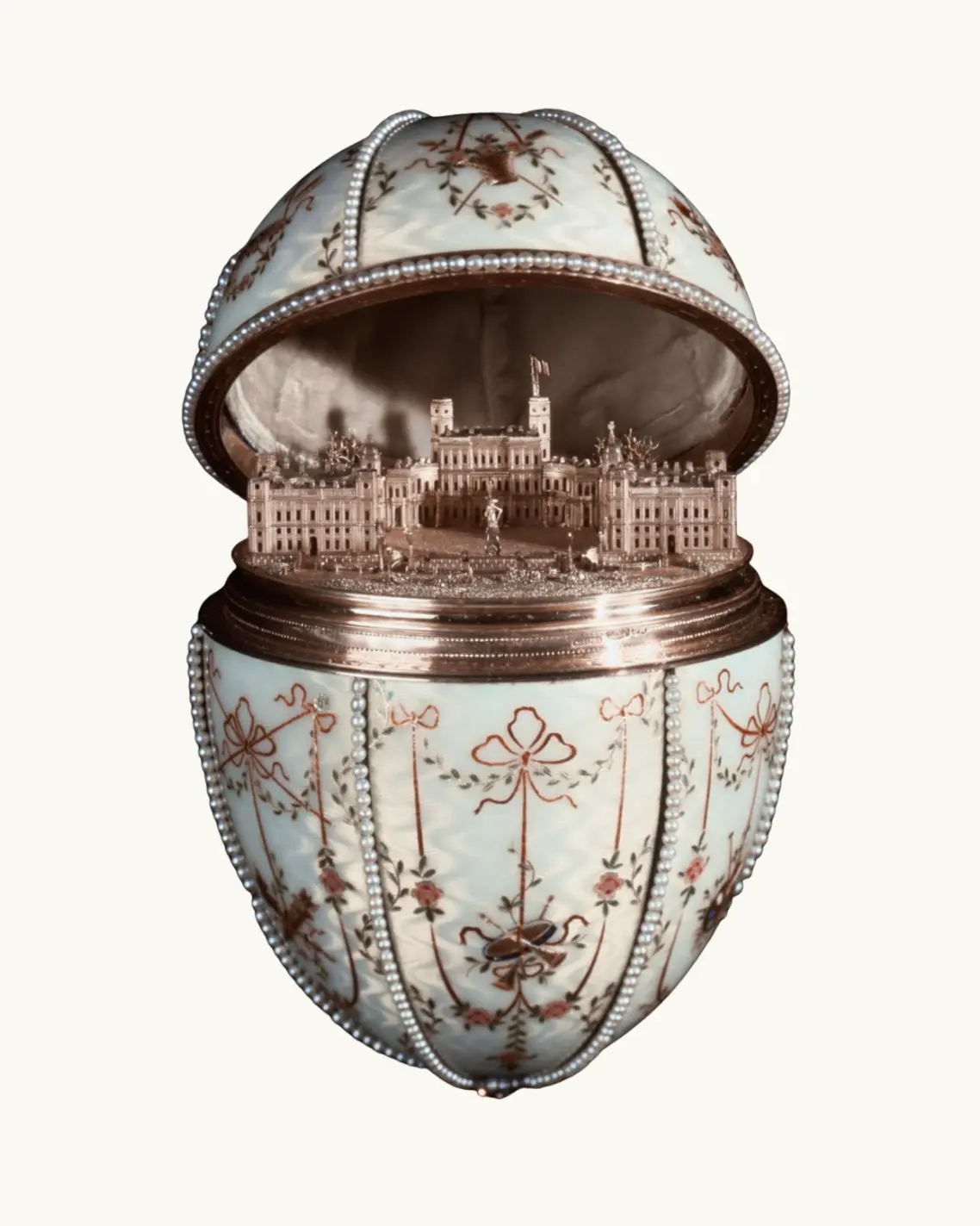
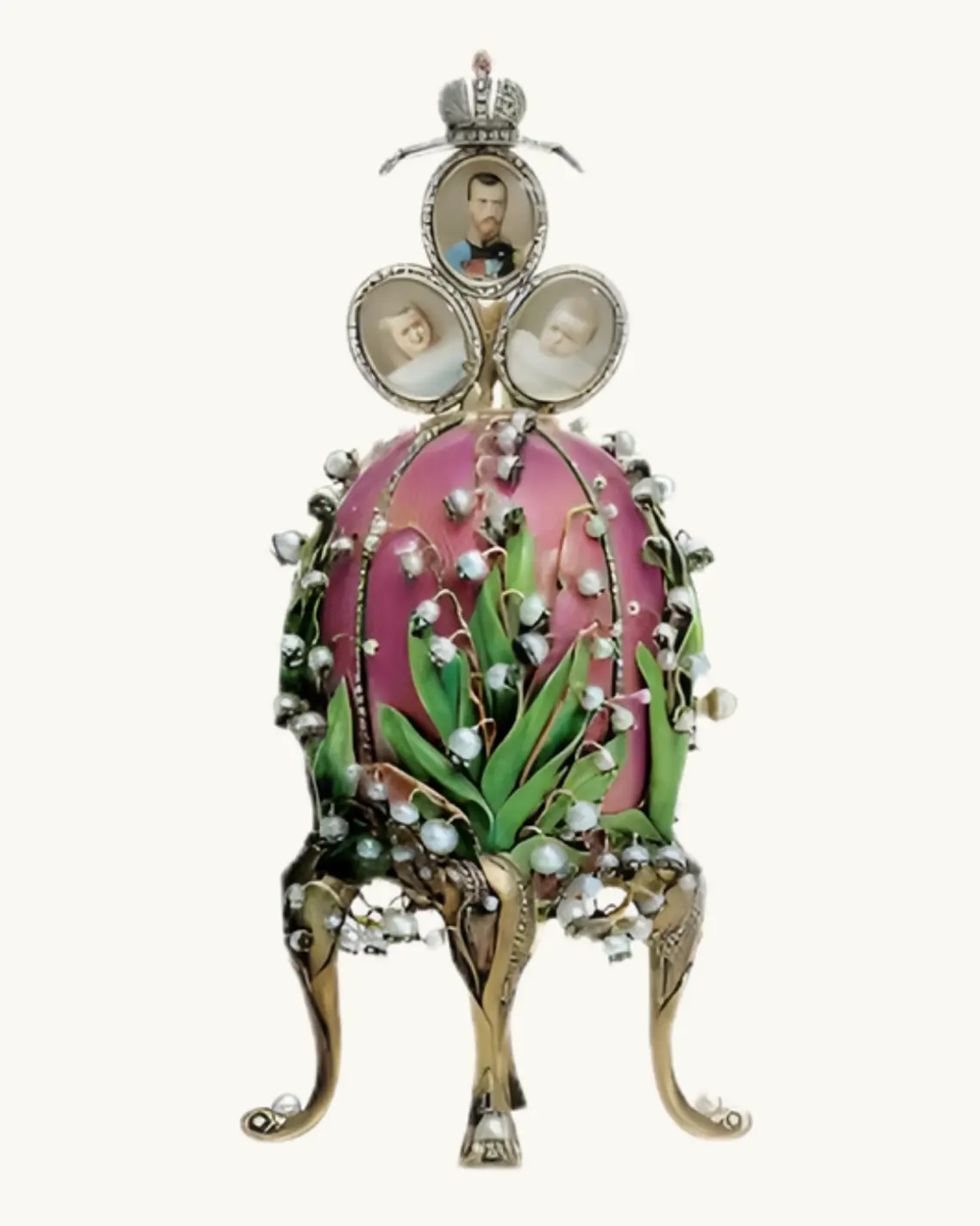
Their creation, however, coincided with the twilight of the Romanov dynasty. The eggs’ legendary opulence became inextricably linked with the court’s isolation from a nation in turmoil. The 1917 revolution that executed the royal family and scattered their treasures only deepened the mythos, transforming the eggs from royal baubles into symbols of a lost world. This historical tension - between exquisite artistry and fatal hubris, forms the foundational narrative that continues to power their market appeal. According to Sotheby’s, Fabergé works have consistently outperformed broader art market indices, with the 1913 Winter Egg selling for $30.2 million dollars at Christie's on December 2, 2025. A comparable imperial piece today would command an estimate well above $30 million.
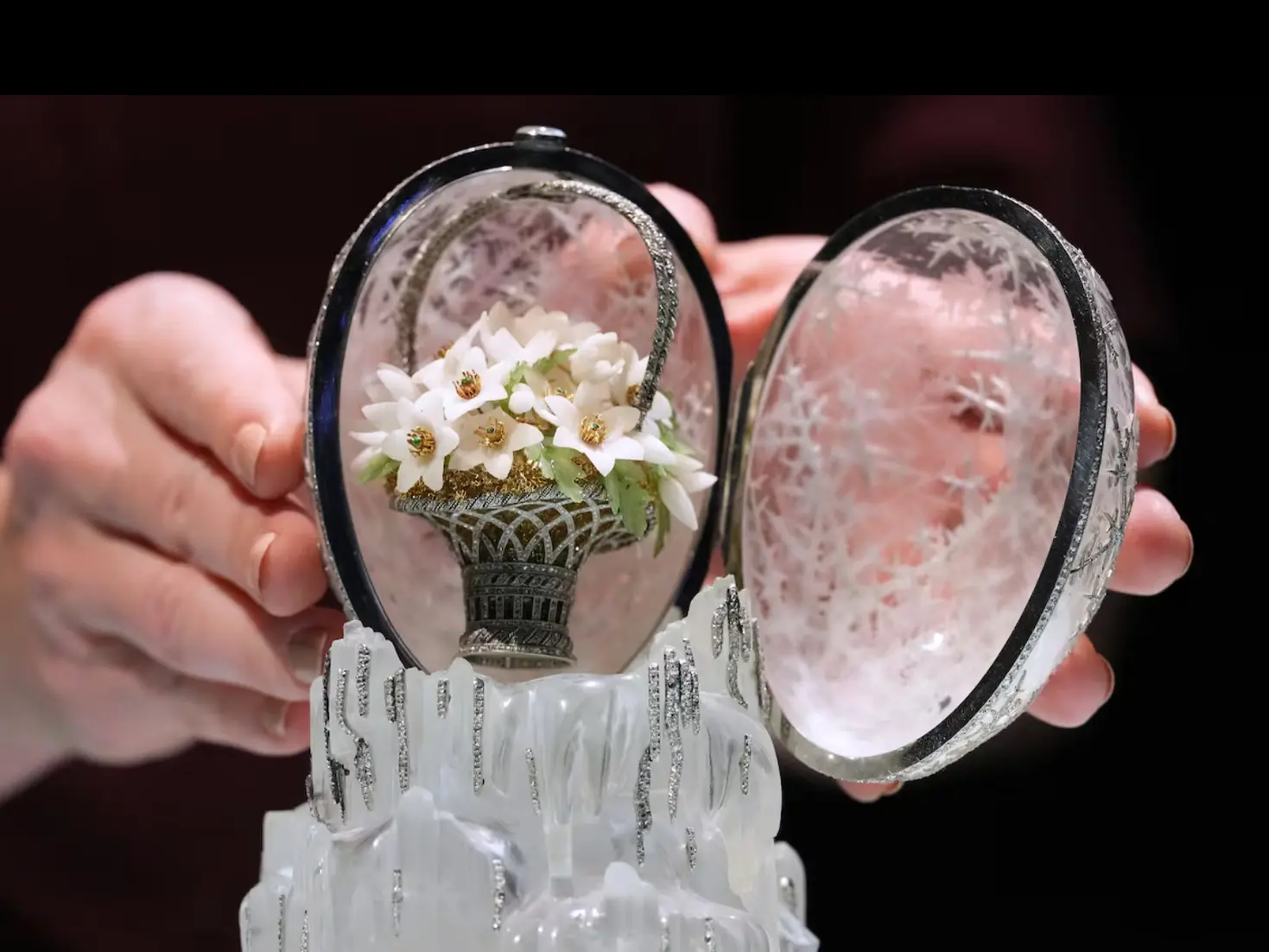
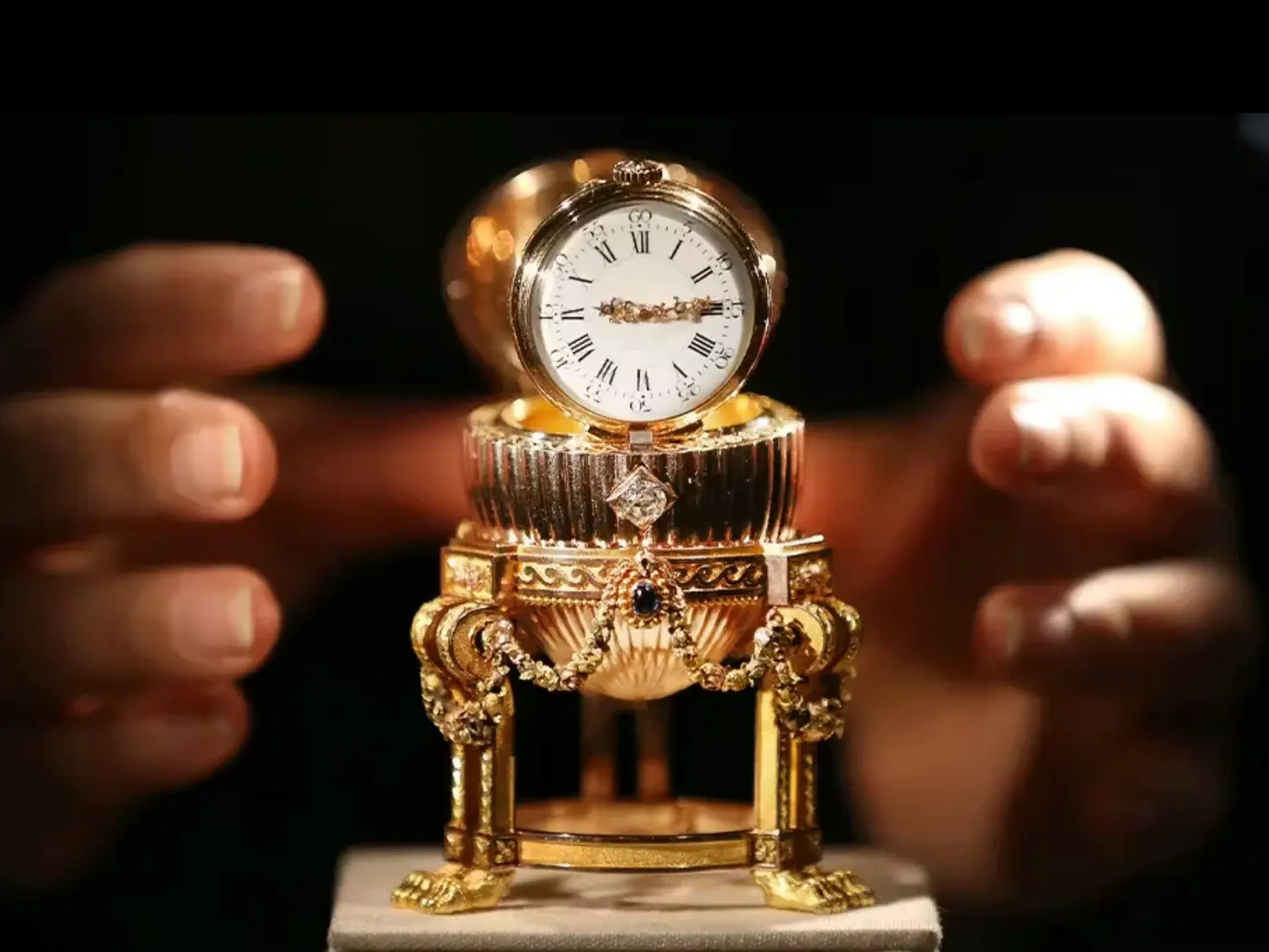
The contemporary luxury market has adeptly reframed the Fabergé narrative, shifting its emphasis from imperial power to personal significance and masterful craftsmanship. The brand’s 21st-century revival under investors like Gemfields has focused on limited, high-art pieces that echo the original grammar of surprise while catering to a global elite seeking heirlooms.
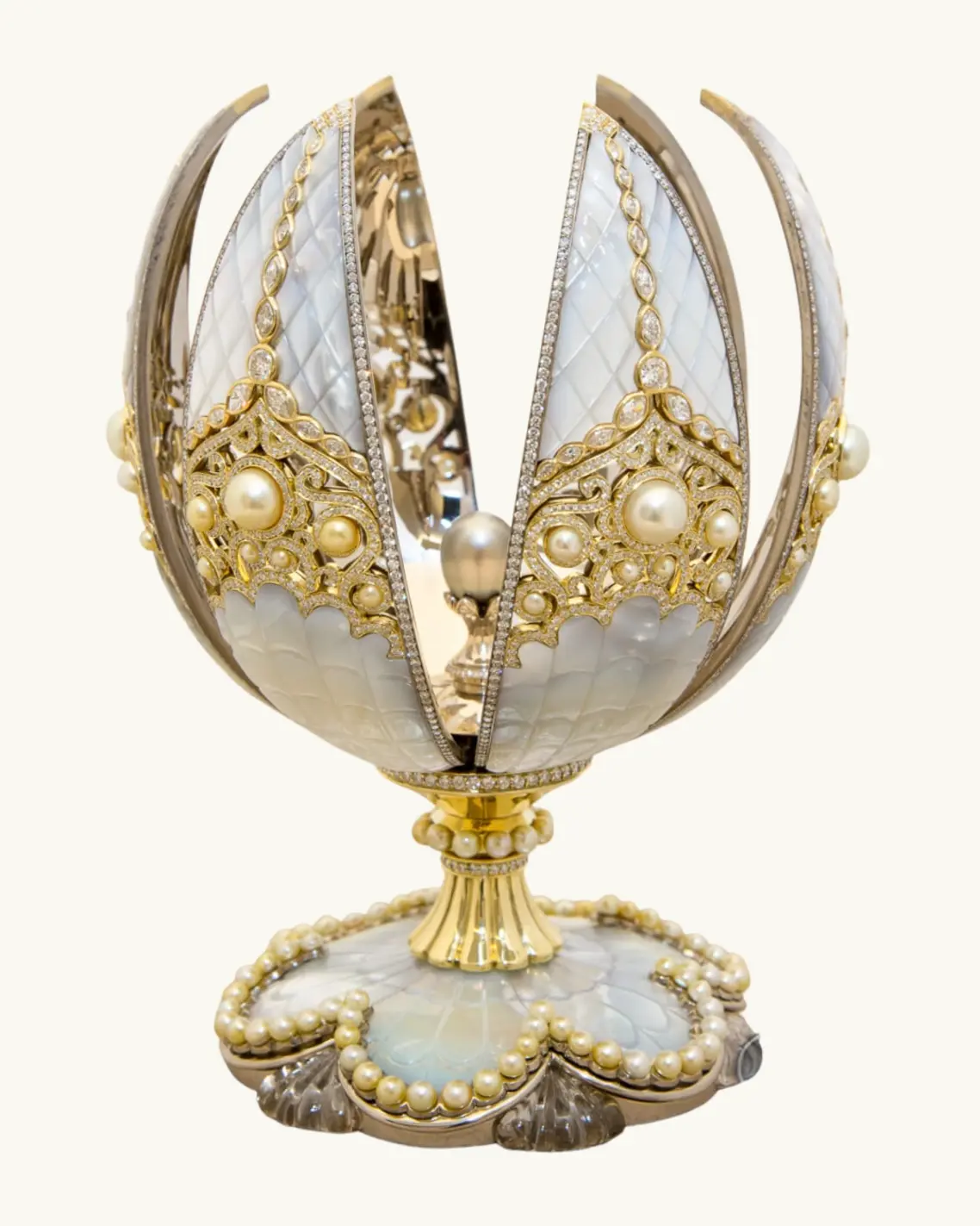
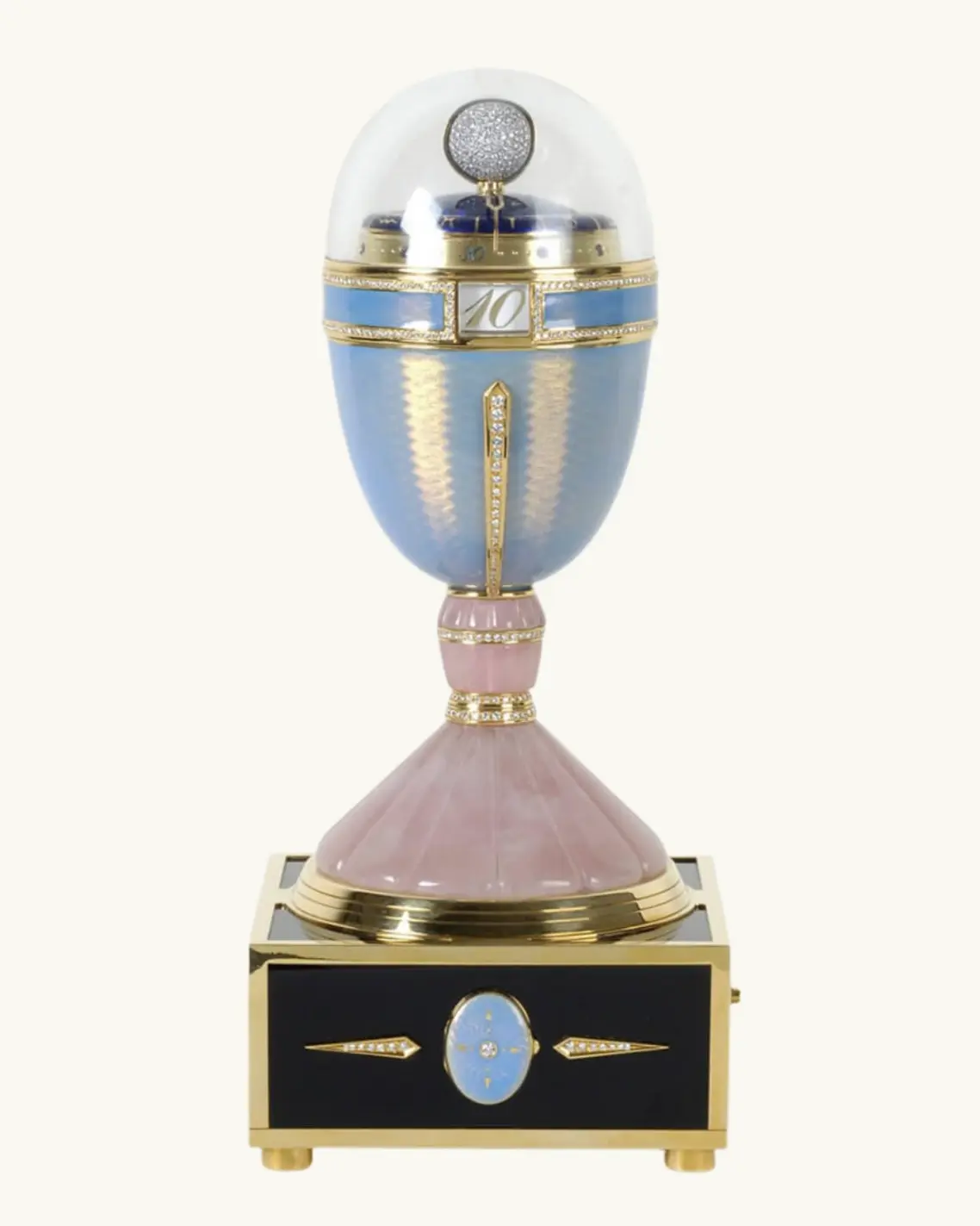
This strategy is evident in pieces like the Pearl Egg, unveiled in 2015. It retains the classic form and mechanical revelation - a rare grey pearl inside, but its aesthetic is one of refined artistry rather than overwhelming ostentation. The commercial logic is clear: in an era where transparency and authenticity are prized, objects with a legible, profound story hold distinct value. This is confirmed by auction trends. Major houses report a significant increase in interest for oviform objects, not only Fabergé but also Art Deco vanity cases and contemporary art pieces, suggesting collectors are buying into the broader symbolism of the form.
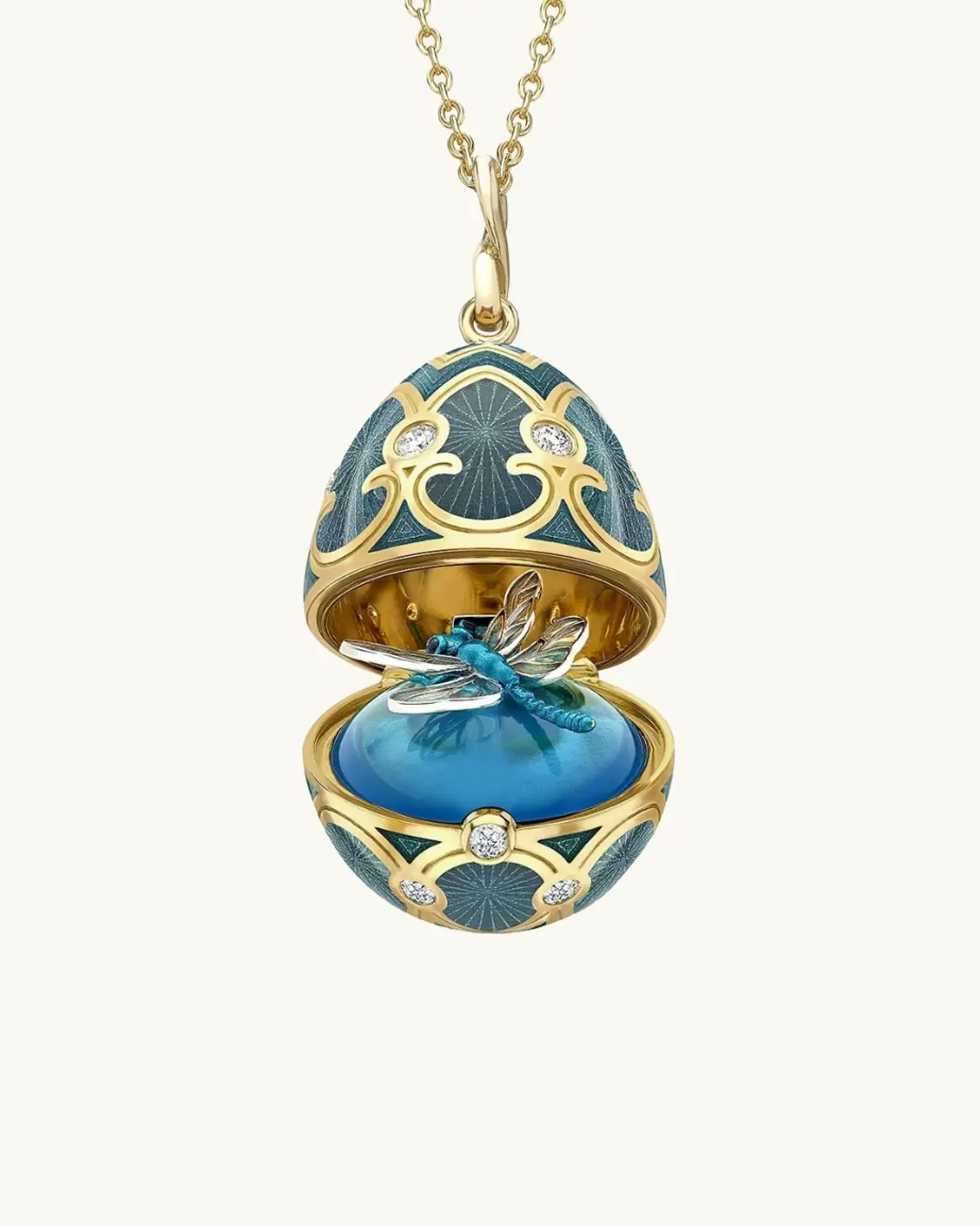
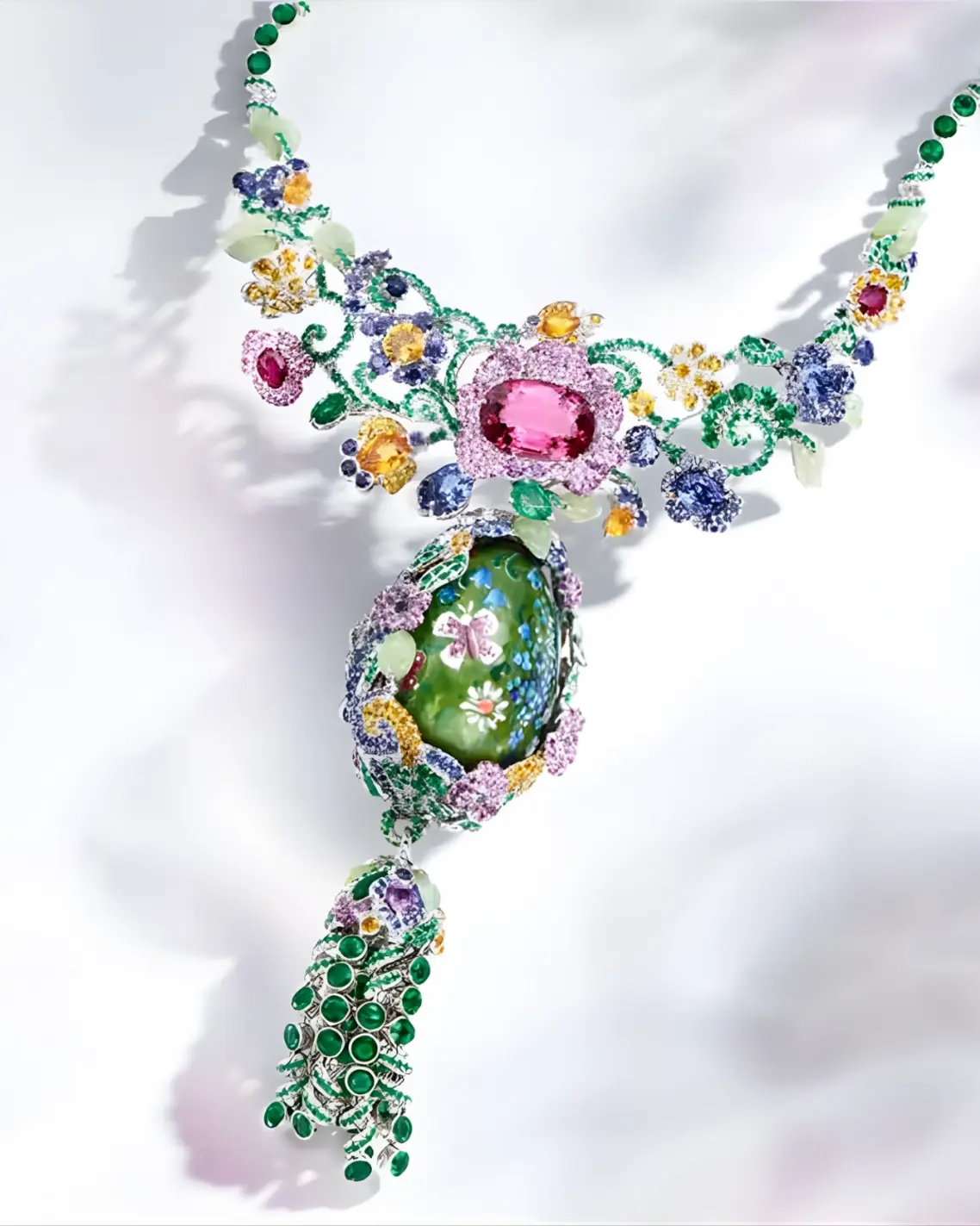
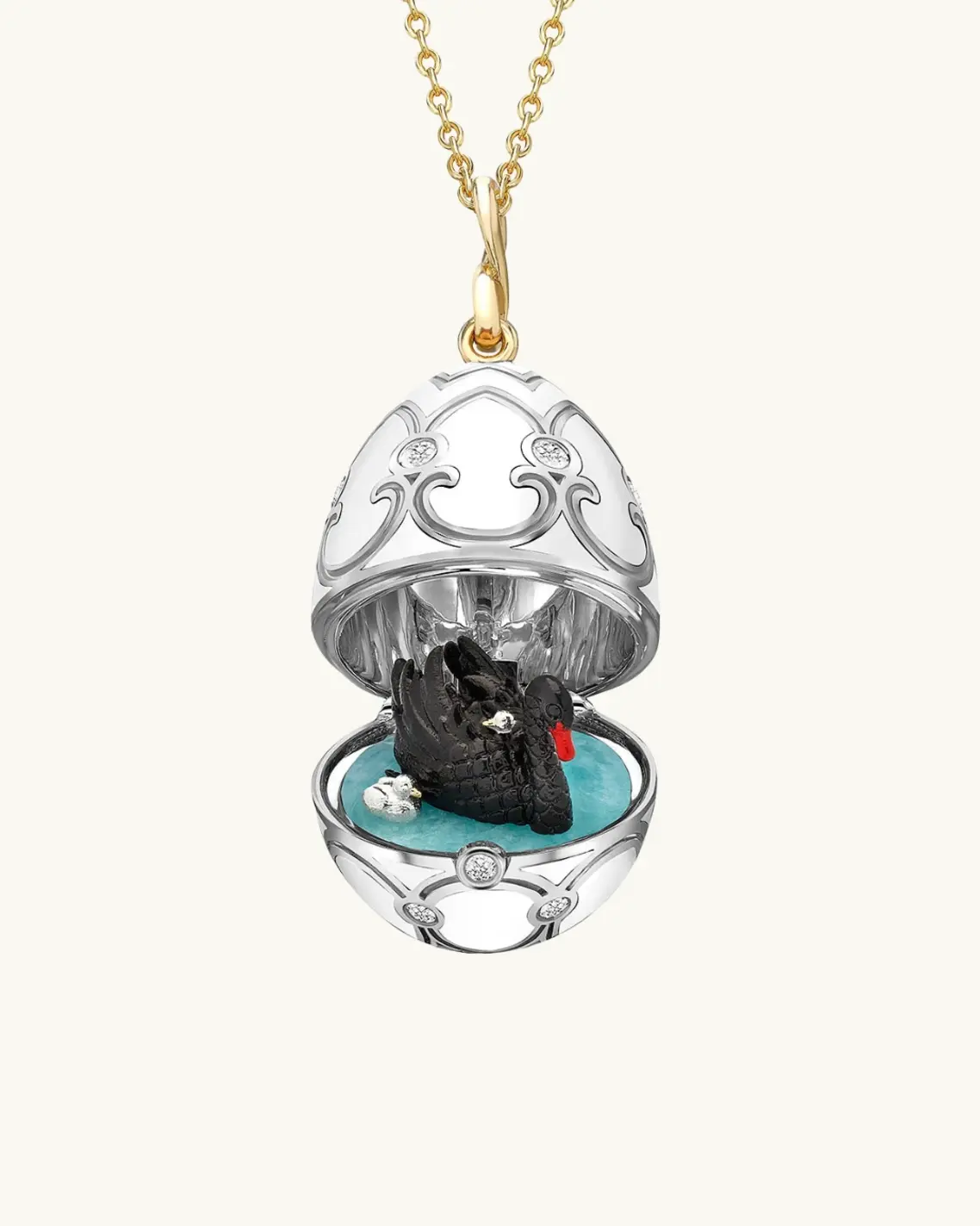
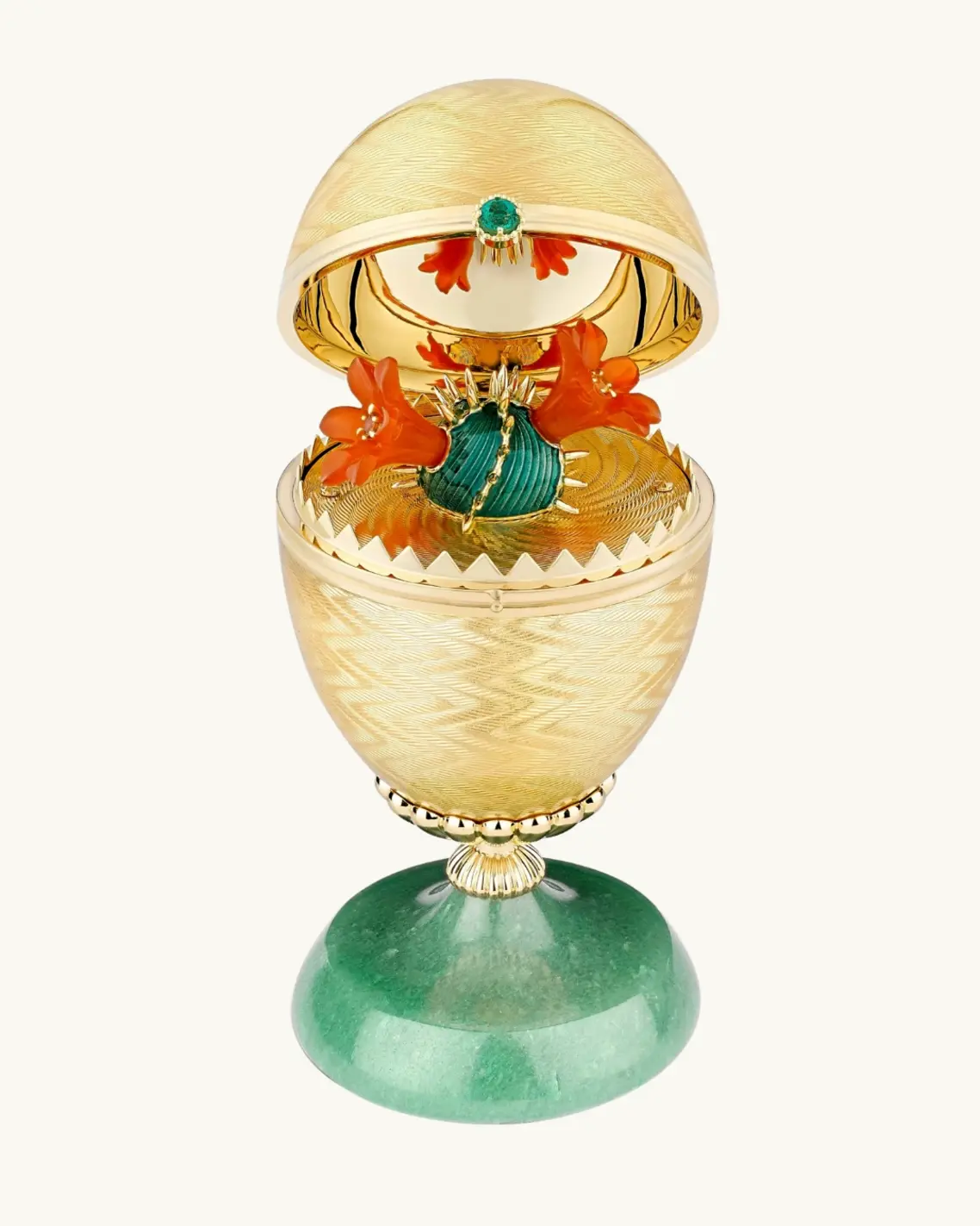
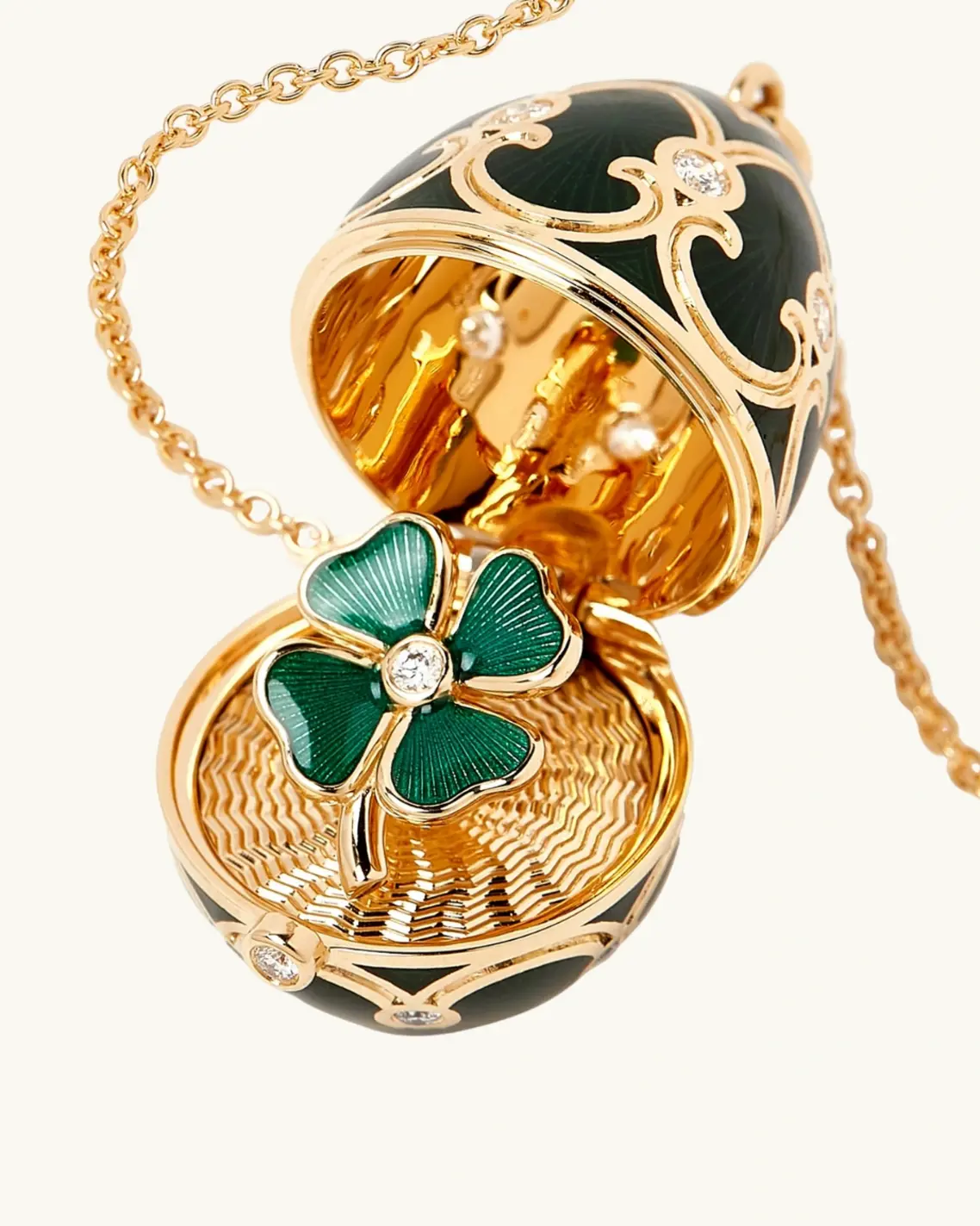
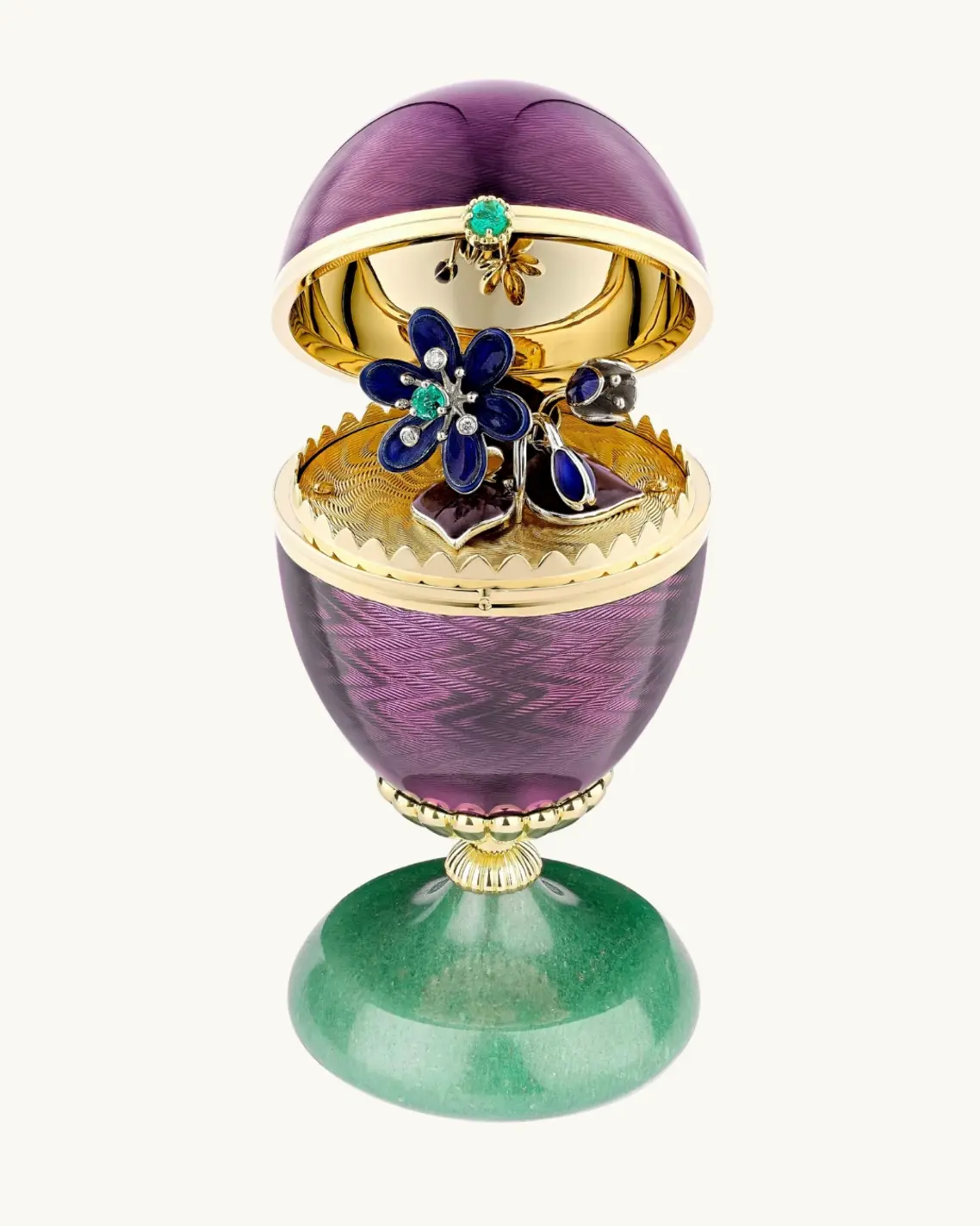
The egg’s symbolic potency has led to deliberate reinterpretations across luxury, with each major house filtering the form through its own aesthetic lens.
At Cartier, the egg is refined into pure sculpture. Pieces like the Pendentif Oeuf often present a flawless, unadorned curve of gold, embodying a mid-century modern ideal of silent, confident luxury. This approach connects to Cartier’s legacy of clean, architectural forms, appealing to a clientele for whom heritage and understatement are paramount.
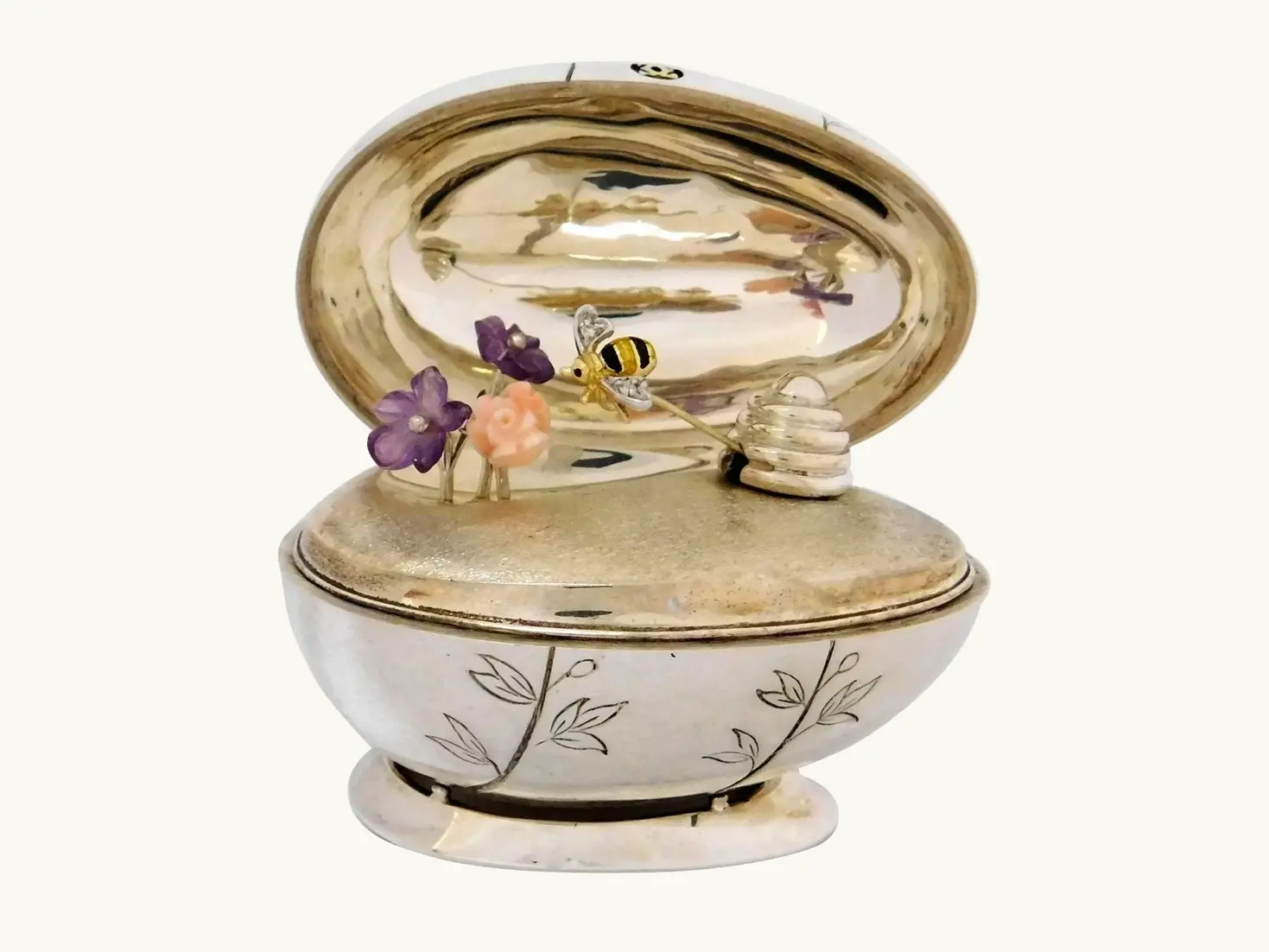
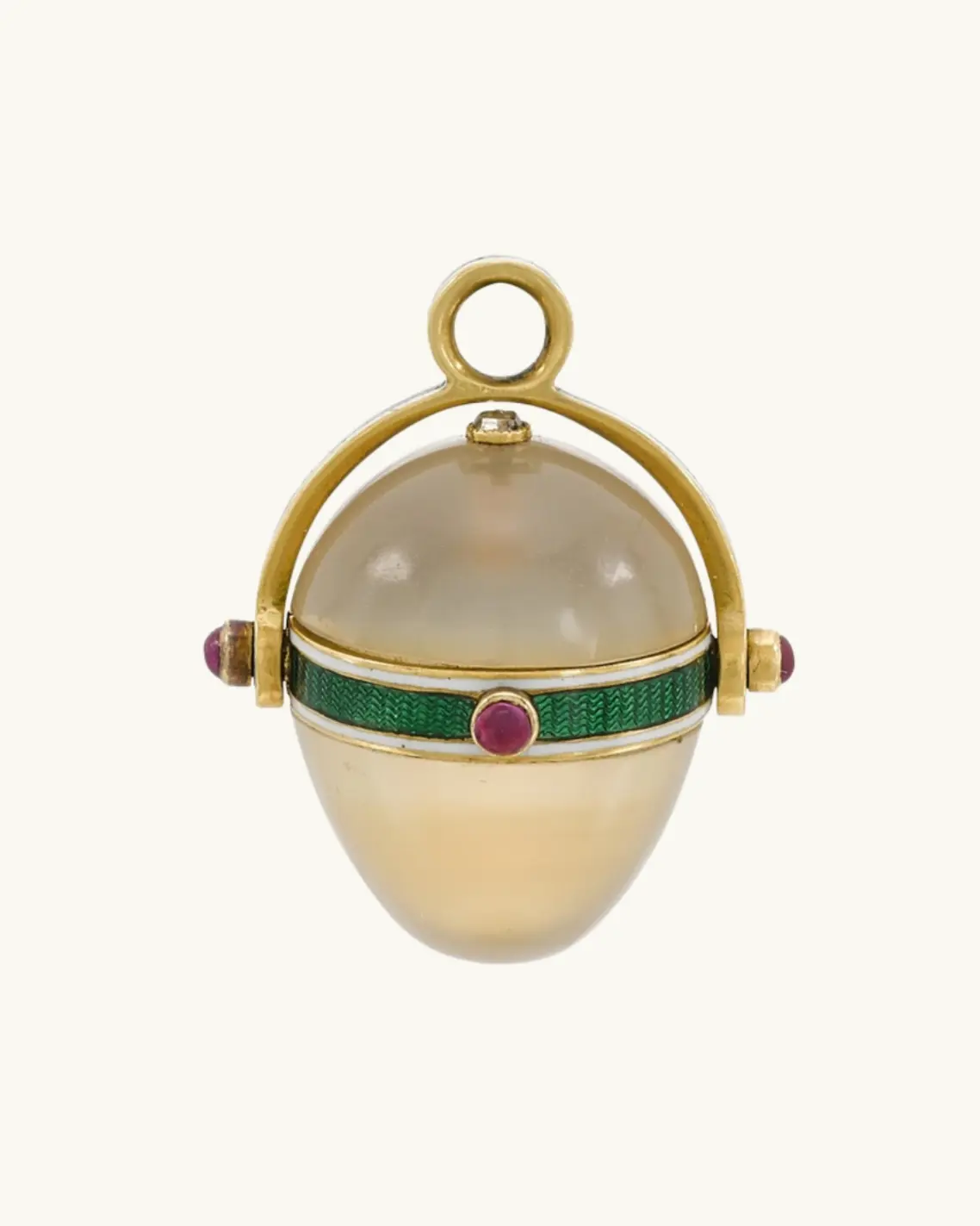
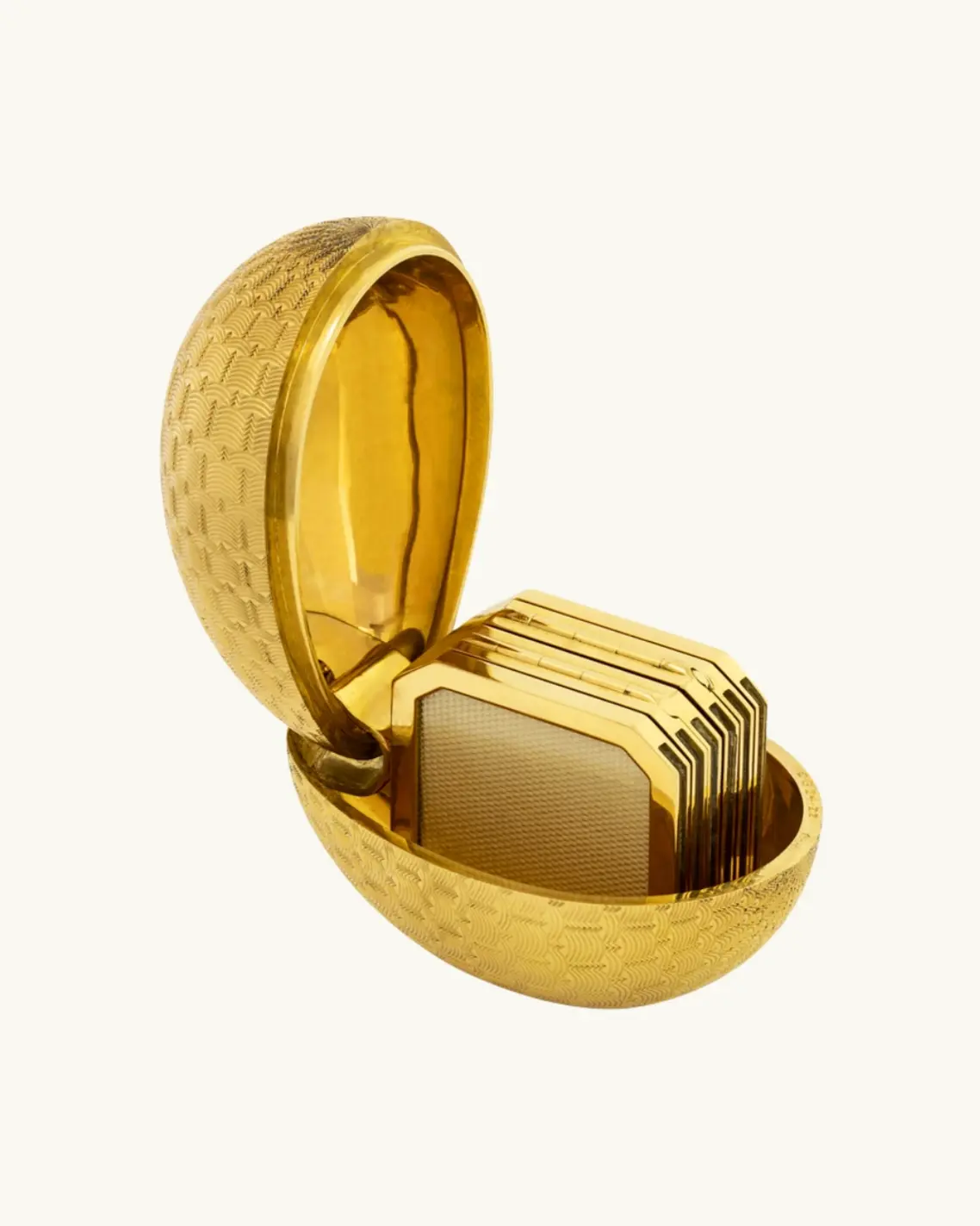
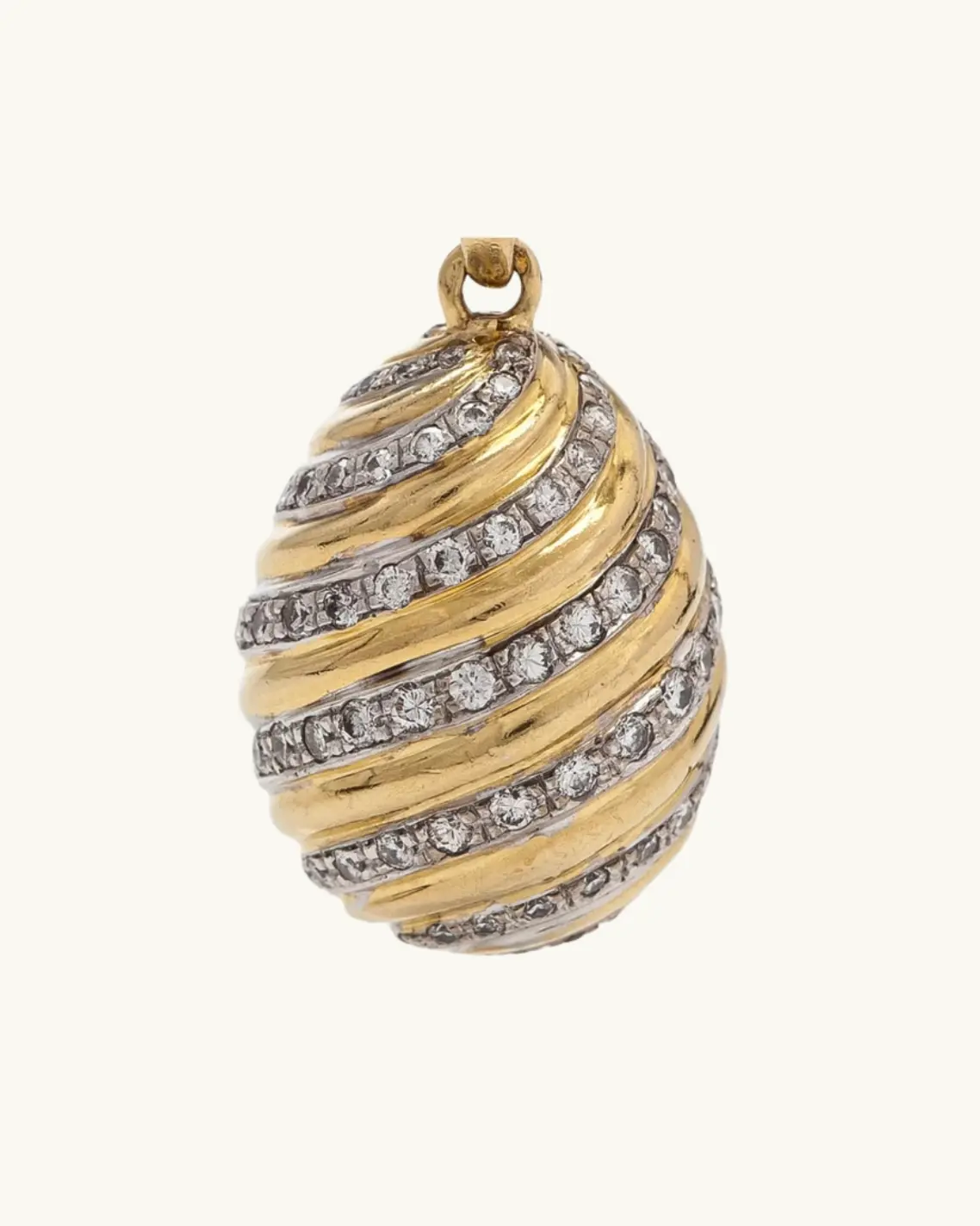
Dior’s approach, particularly in its Oval Glass Cabochon collection, leans into the form’s ethereal and romantic qualities. By using milky glass or delicate stone slices set in fine gold, the house captures the idea of fragility and potential, positioning the egg as a dream object rather than a display of material weight.
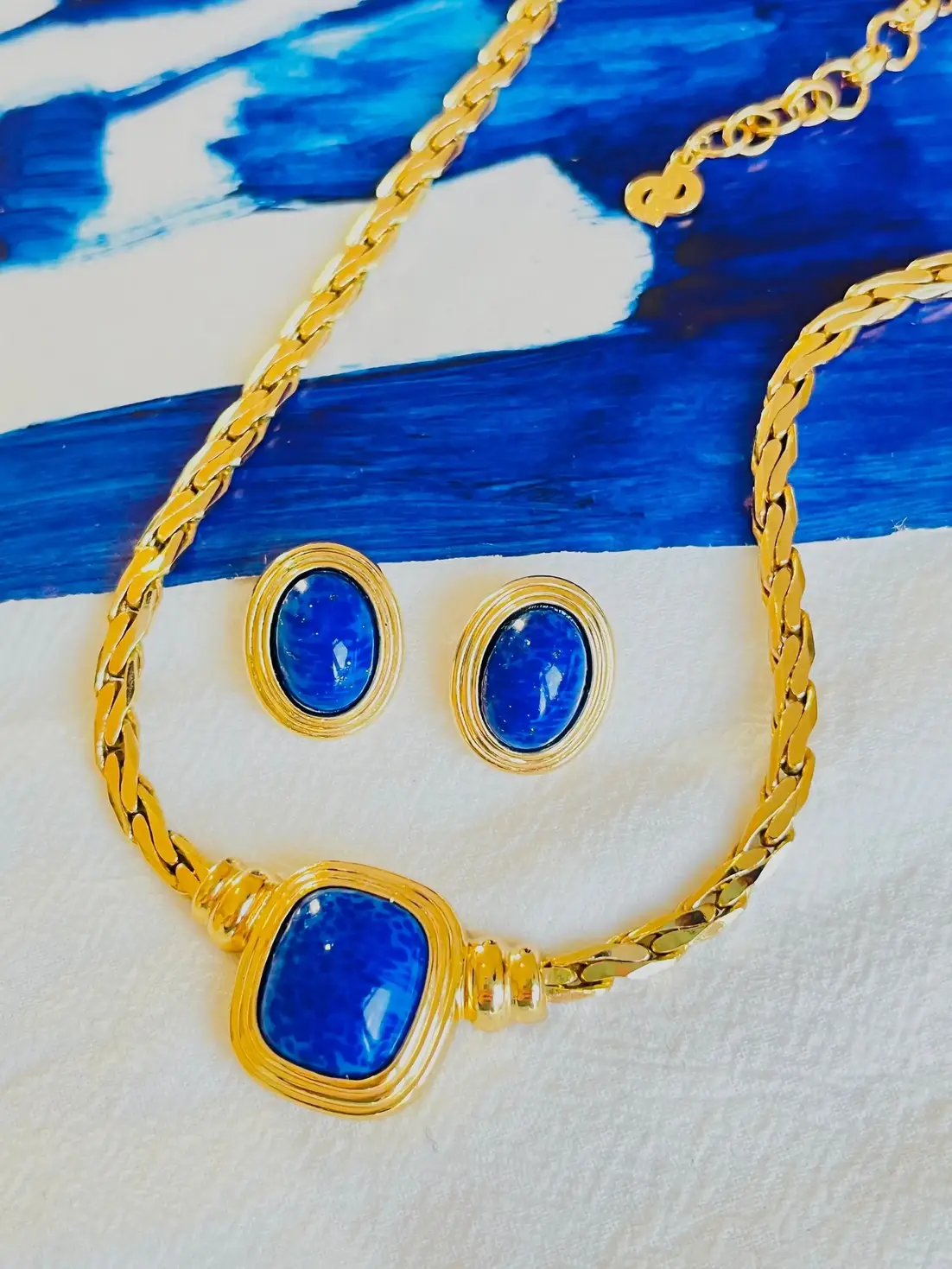
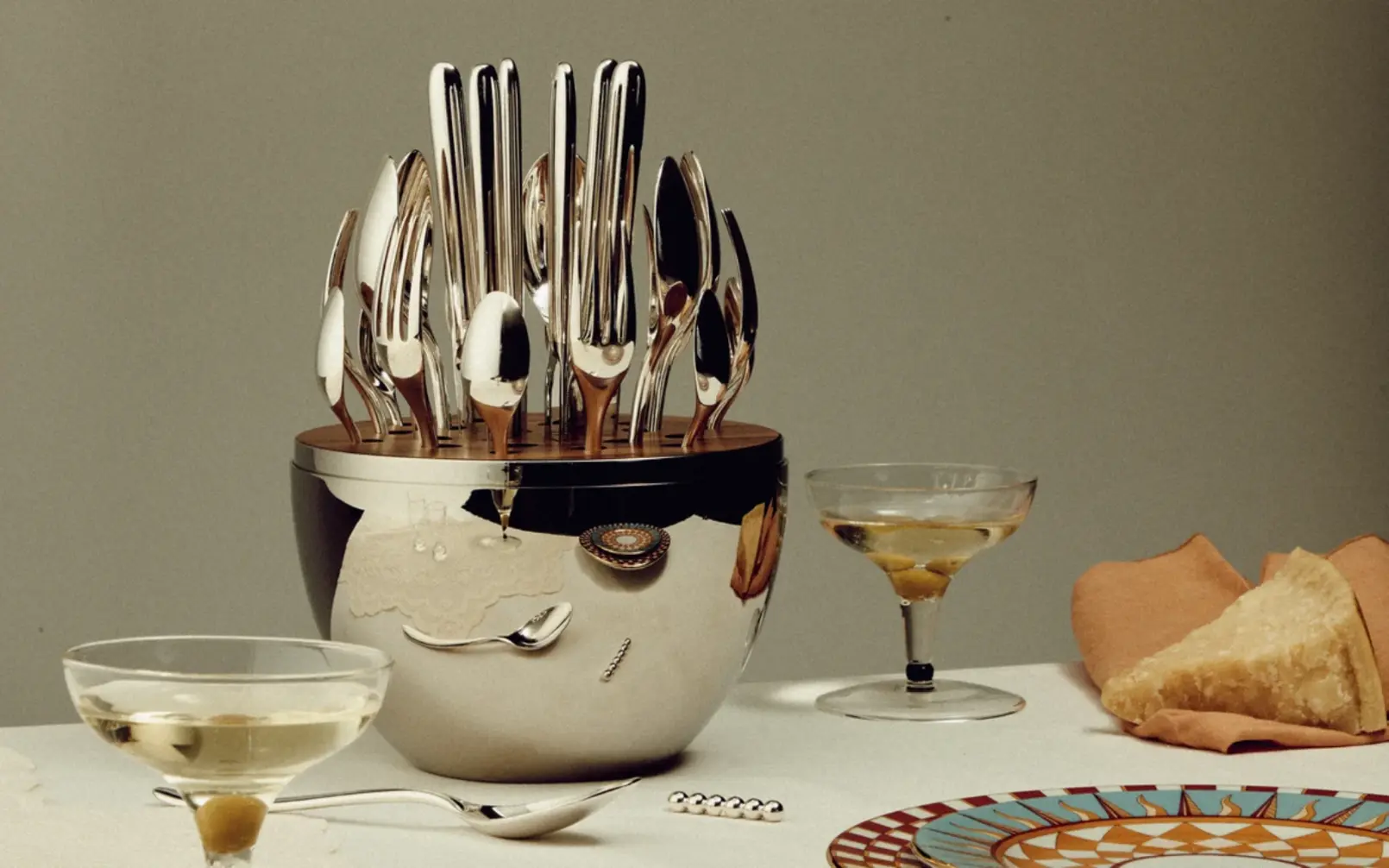
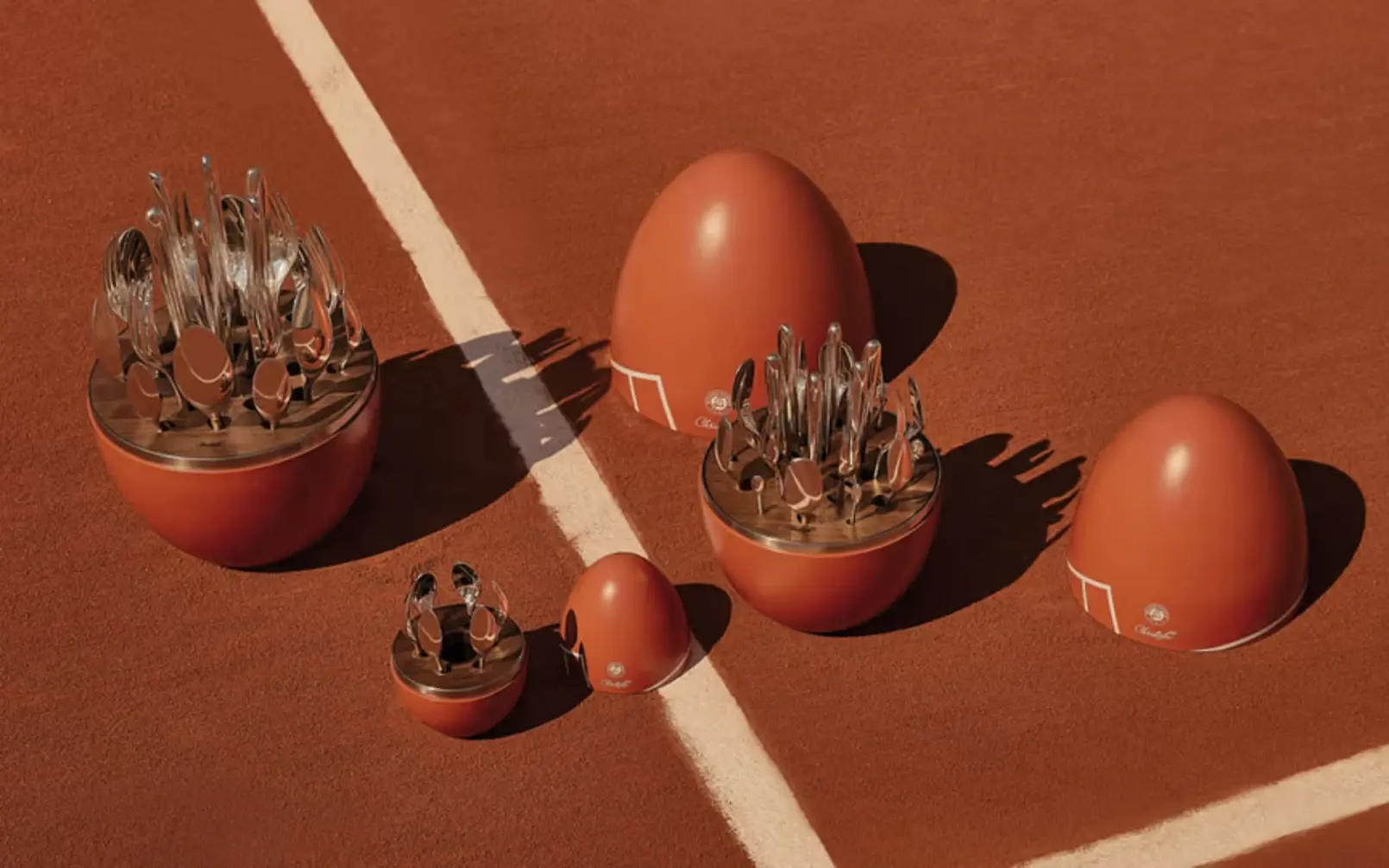
Beyond jewelry, the form is elevated to pure objet d’art. Christofle’s iconic polished silver egg exemplifies this, transforming the organic symbol into a stark, minimalist sculpture of industrial perfection for the home, appealing to a design-led sensibility that values form and material purity above ornament.
The appreciation for narrative-driven luxury has been amplified by broader post-pandemic consumer shifts. Market analyses from firms like Bain & Company note a move from conspicuous consumption toward “investment emoting”—the purchase of high-value items with deep personal or intellectual resonance. In this climate, an object that embodies concepts like new beginnings, resilience, and enclosed beauty holds potent relevance. Consumers are increasingly allocating funds to items that feel authentic and storied, seeking future heirlooms rather than transient accessories.
The lesson of the wooden egg in The Code is not that material luxury is obsolete, but that its highest form is alchemical. It successfully transmutes gold, gemstones, and enamel into something more enduring: a vessel for memory, a token of hope, a piece of wearable philosophy. The market quantitatively validates this, with provenance and narrative directly driving auction premiums. The egg, in its perfect, closed form, remains the ultimate promise of value within. Whether that value is a pearl, a portrait, or the simple, steadfast idea of renewal, is what the modern connoisseur ultimately seeks to acquire. The shell, whether gilded or of humble wood, is merely the elegant beginning of the story.