MENU
Close





Steel reclaimed from the Titanic may be precious, mother-of-pearl with perfect iridescence may be rare, and enamel-coated porcelain may be unique. Yet few materials command the enduring reverence of gold. In haute horlogerie, the gold watch is not merely a choice, it is a philosophy. One that reflects humanity’s long-standing relationship with time, power, and permanence.
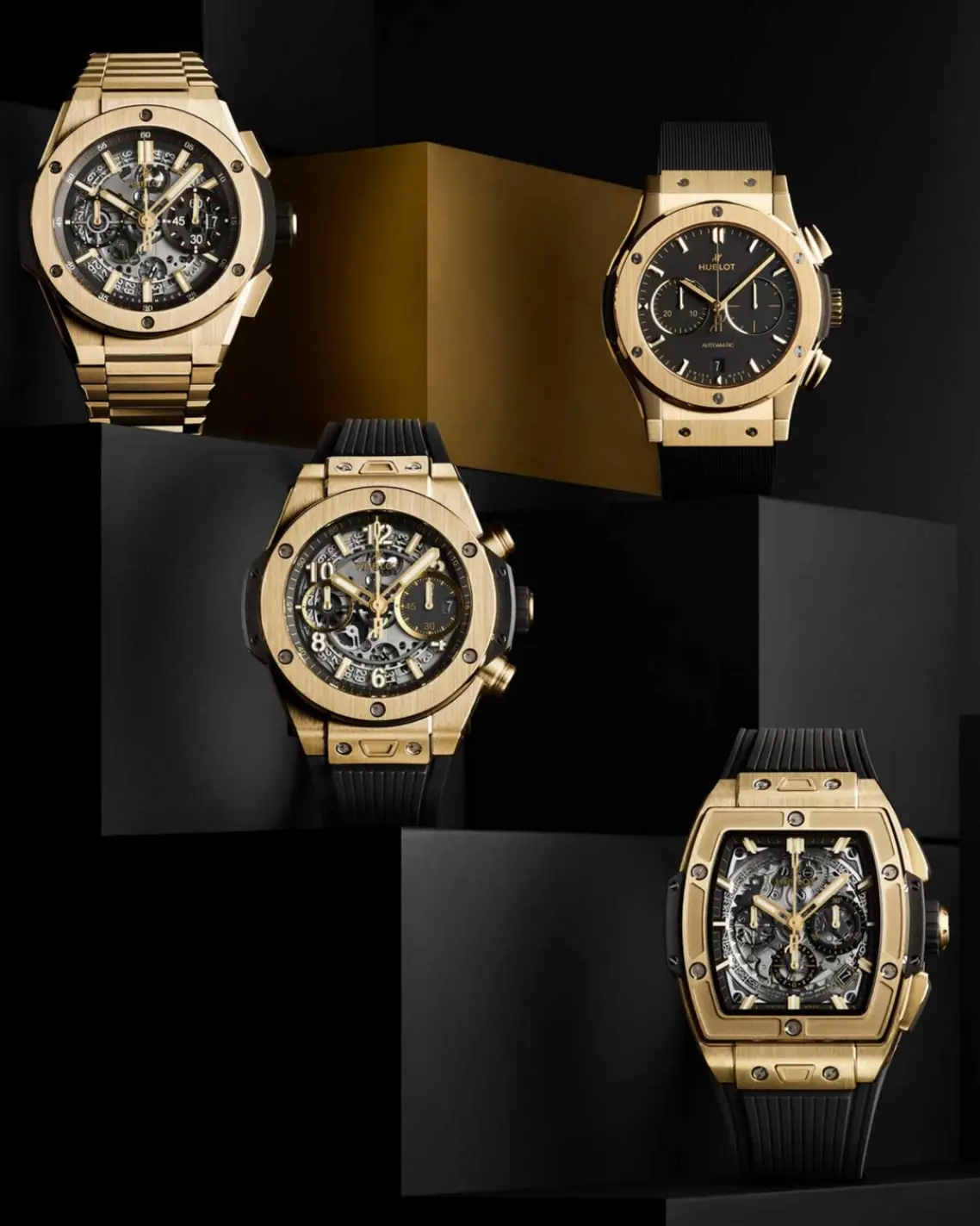
Steel reclaimed from the Titanic may be precious, mother-of-pearl with perfect iridescence may be rare, and enamel-coated porcelain may be unique. Yet few materials command the enduring reverence of gold. In haute horlogerie, the gold watch is not merely a choice, it is a philosophy. One that reflects humanity’s long-standing relationship with time, power, and permanence.
January 7, 2026


In Hans Christian Andersen’s The Emperor’s New Clothes, the foolish emperor grows anxious because no tailor can conceive of a new design for him. “Collars must hug the neck, sleeves must attach to the shoulders, the waist must sit at the middle of the garment,” he laments, trapped by convention rather than imagination.
What sounds absurd in fairy tale form has, paradoxically, become a guiding principle in many creative industries today. Luxury watchmaking is no exception. By questioning tradition, watchmakers have expanded their material vocabulary, introducing elements that once seemed unthinkable.
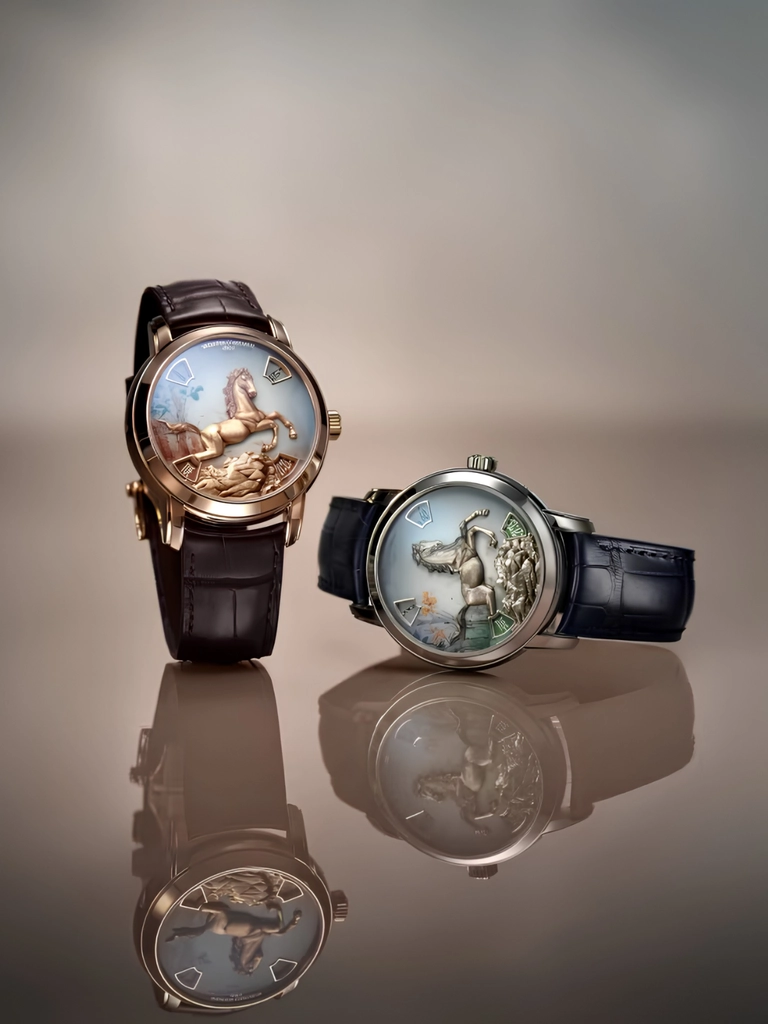
Van Cleef & Arpels transforms enamel into miniature poetic landscapes. Chanel employs mother-of-pearl to create dials that shimmer with organic depth, while ceramic porcelain lends its watches a hypnotic, polished black surface. Romain Jerome famously reclaimed rusted steel from the Titanic, re-smelting it into cases that carry the patina of history itself.
Yet amid this proliferation of experimental materials, one truth remains uncontested: gold still occupies a realm entirely its own.
Gold is among the earliest metals known to humankind. According to historical records, it was discovered as early as 6,000 BC, around the same time grapes were first fermented into wine in Europe and rice cultivation began in Asia. Alongside copper, gold shaped early craftsmanship, yet the two metals followed radically different destinies.
Copper proved indispensable for tools and weapons, enabling civilization’s functional growth. Gold, by contrast, served no utilitarian necessity. Its power lay elsewhere: in beauty, rarity, and symbolic force. Its malleability made it ideal for intricate craftsmanship, while its resistance to corrosion rendered it eternal, untouched by time.
The earliest gold artifacts were not tools, but adornments. Across cultures, gold became synonymous with wealth, divinity, and immortality. From Homer’s Iliad and Odyssey, where gold symbolizes divine favor and eternal glory, to ancient Egyptian burial rituals designed to secure passage into the afterlife, gold consistently represented transcendence beyond mortal time.
This enduring symbolism makes gold uniquely suited to watchmaking - a craft devoted to measuring time itself.
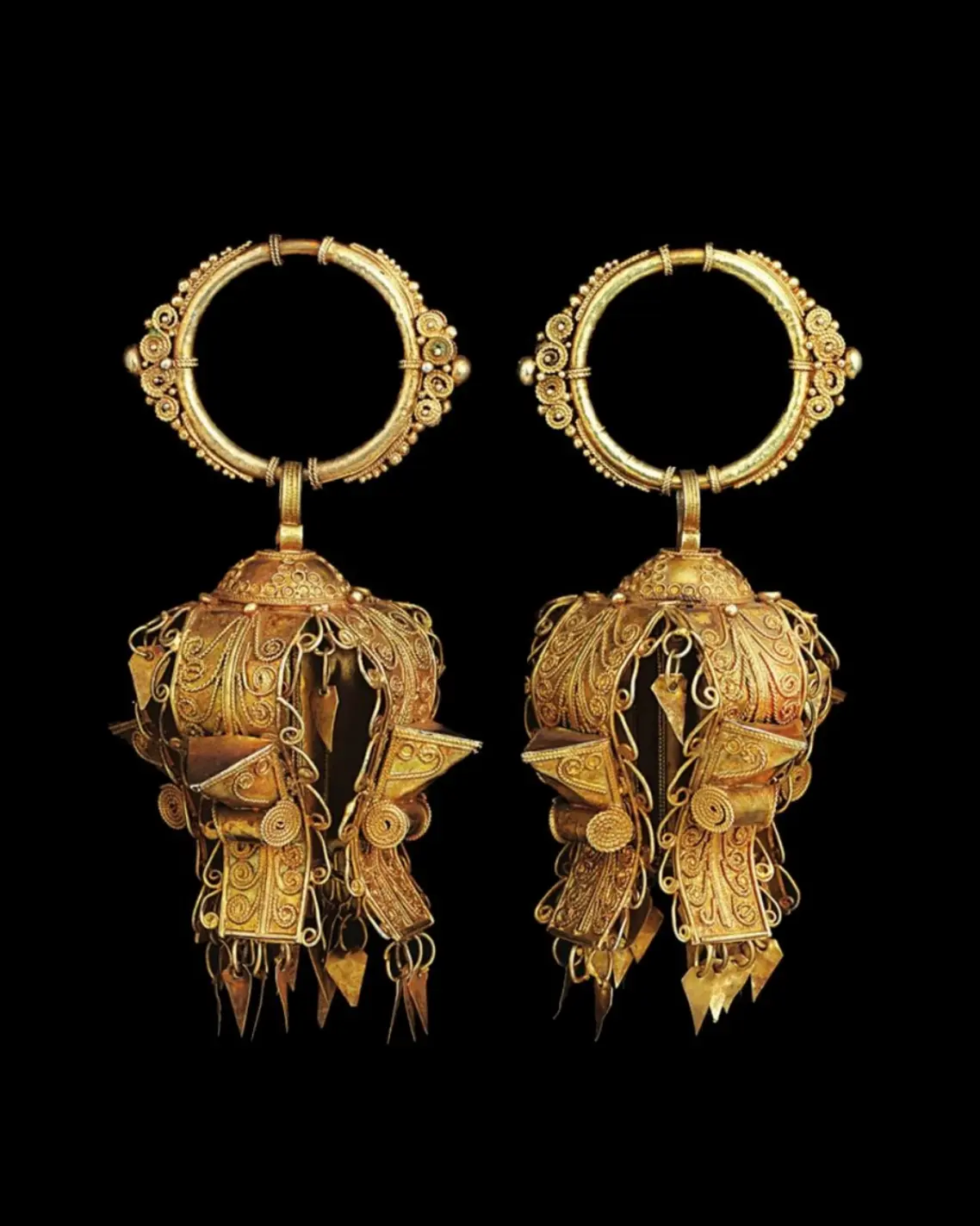
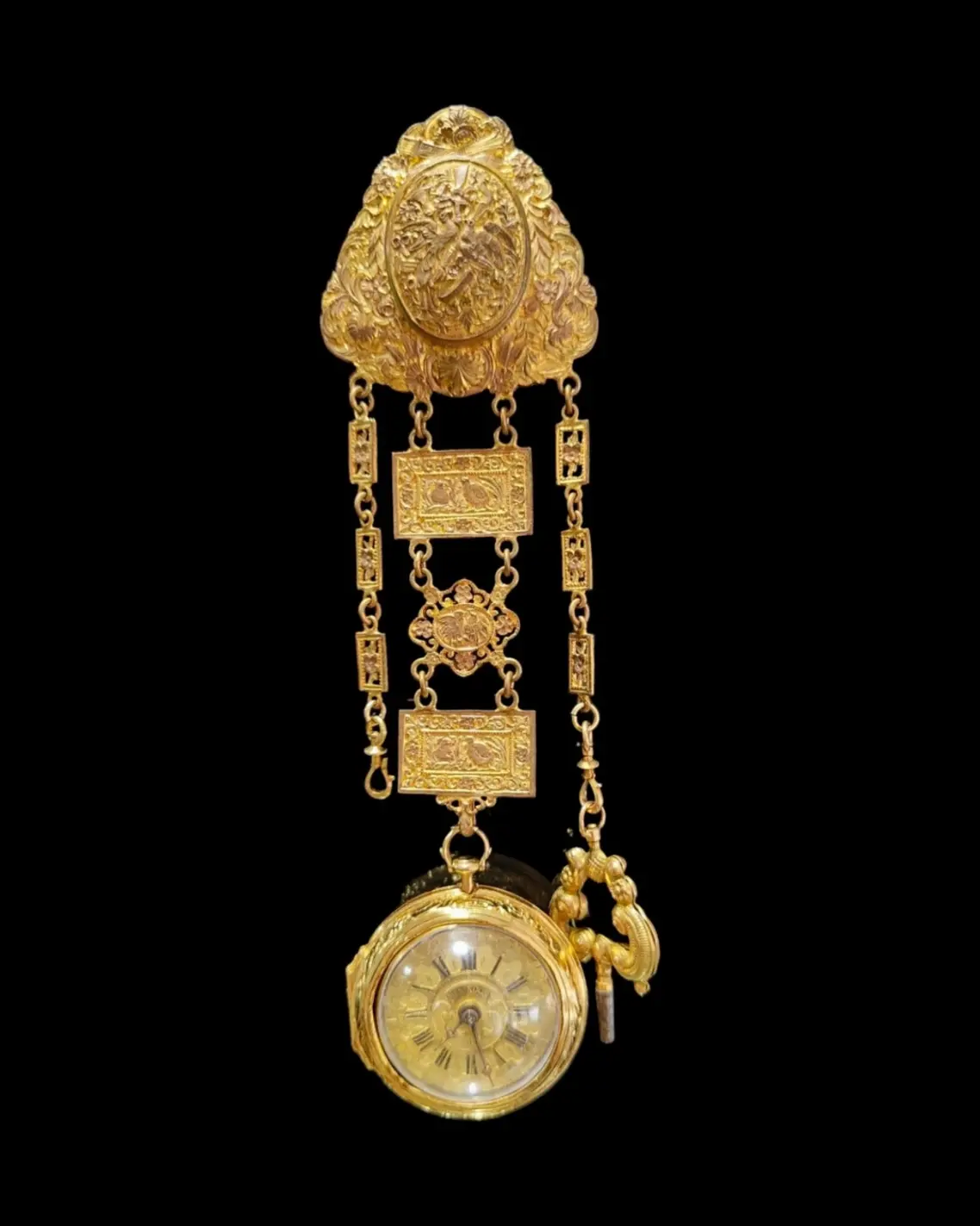
Interestingly, gold was not initially used in watches. Early timepieces were constructed from copper and wrought steel. As watches evolved from functional instruments into personal accessories, gold began appearing first in chains and decorative elements.
By the late 17th century, advancements in horology, most notably the introduction of the balance spring in 1675, necessitated larger cases. These were commonly made from gilt copper, silver, or pure copper. Silver remained prevalent until the early 20th century, though its susceptibility to oxidation and wear eventually led to its decline.
During this period, many highly skilled goldsmiths, fleeing religious persecution, relocated to Switzerland. Their craftsmanship would later become foundational to the country’s dominance in luxury watchmaking.
By the 18th century, watches had firmly entered aristocratic culture. Gold increasingly replaced silver as the preferred material for both men’s and women’s timepieces. Enamel artistry flourished alongside gold cases, elevating watches into wearable works of art.
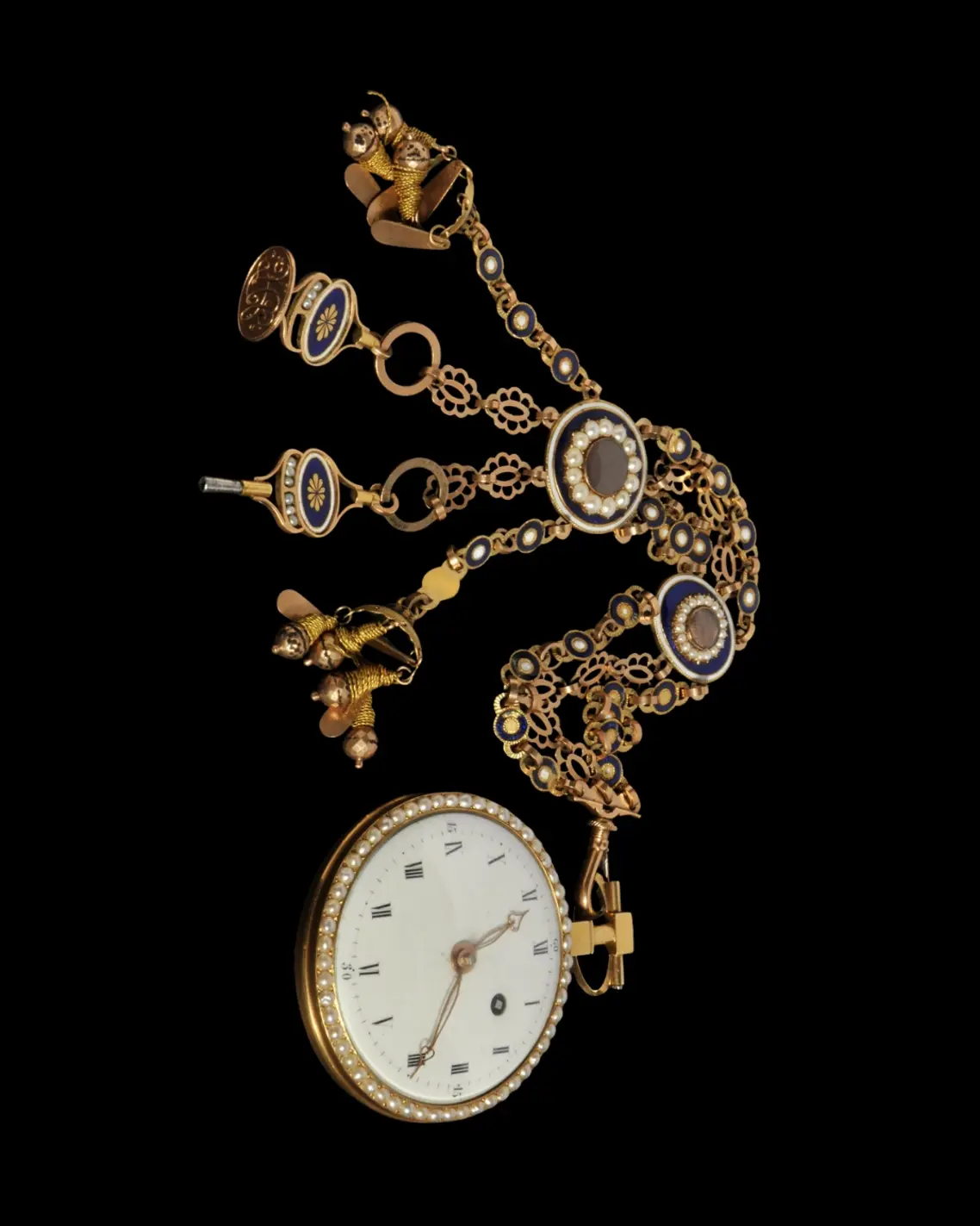
The early 20th century marked a decisive shift. Wristwatches gained popularity, and watches were widely regarded as jewelry rather than standalone instruments. Decorative value - gem-setting, enameling, and precious metals, became paramount.
Gold emerged as the ultimate signifier of luxury. More than decoration, it embodied permanence. A gold watch was not merely worn; it was passed down. As Patek Philippe famously articulated, “You never own a watch. You merely look after it for the next generation.”
Today, that symbolism endures. A gold watch often marks a milestone: a promotion, a business success, a personal triumph. In professional settings, it signals respect and authority. In personal contexts, it becomes an heirloom, an object that outlives its owner.
Much like a mechanical movement, gold’s defining quality is its resistance to time.
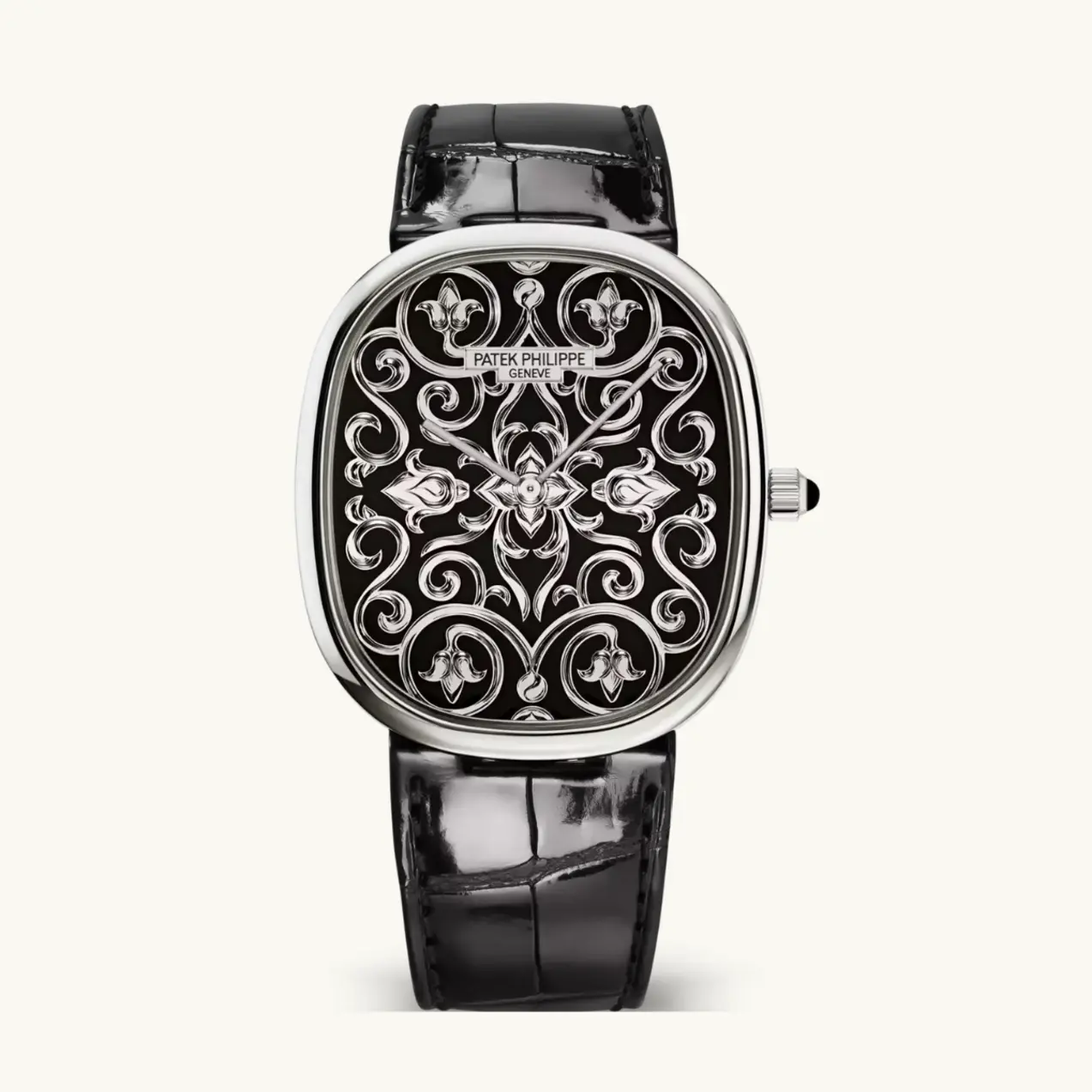
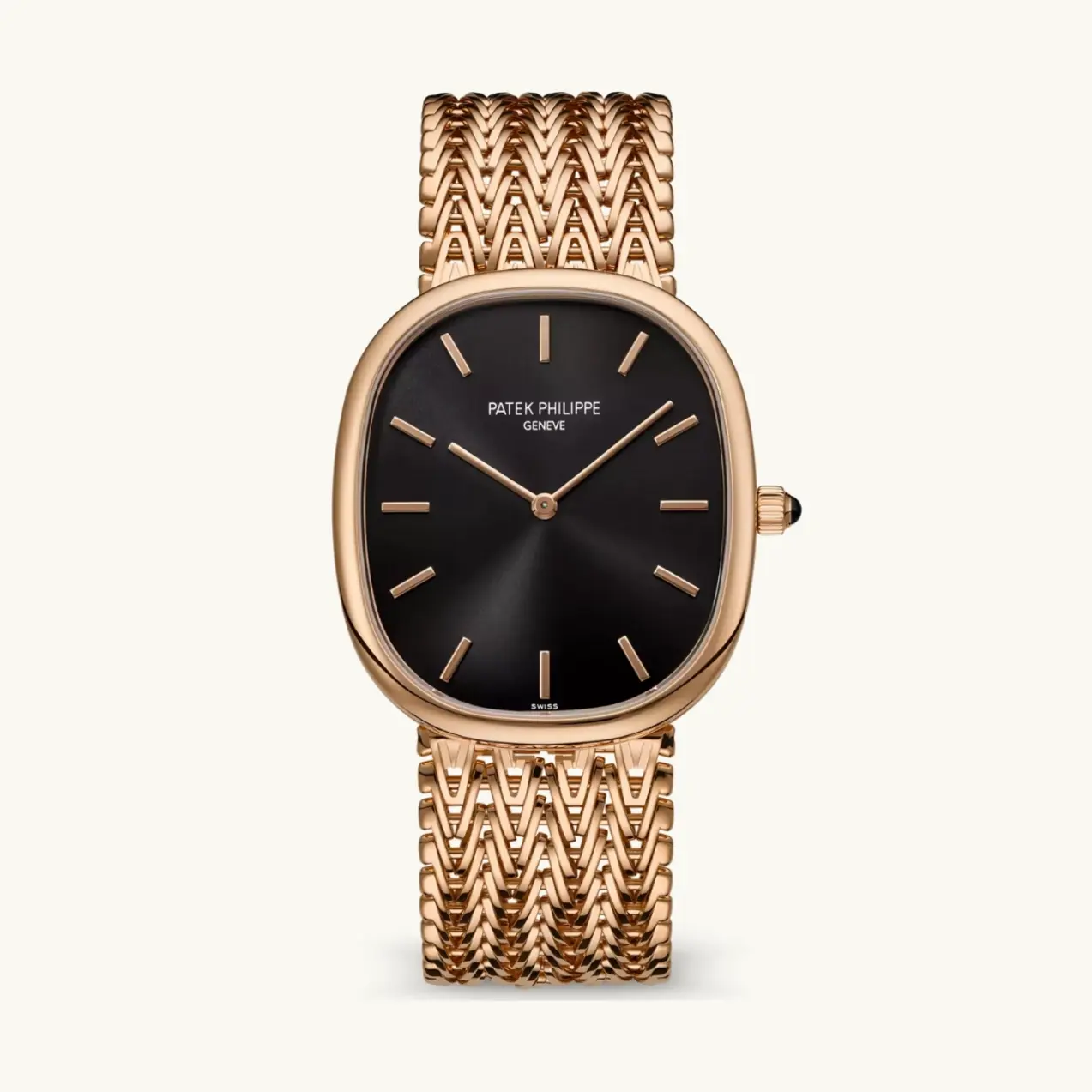
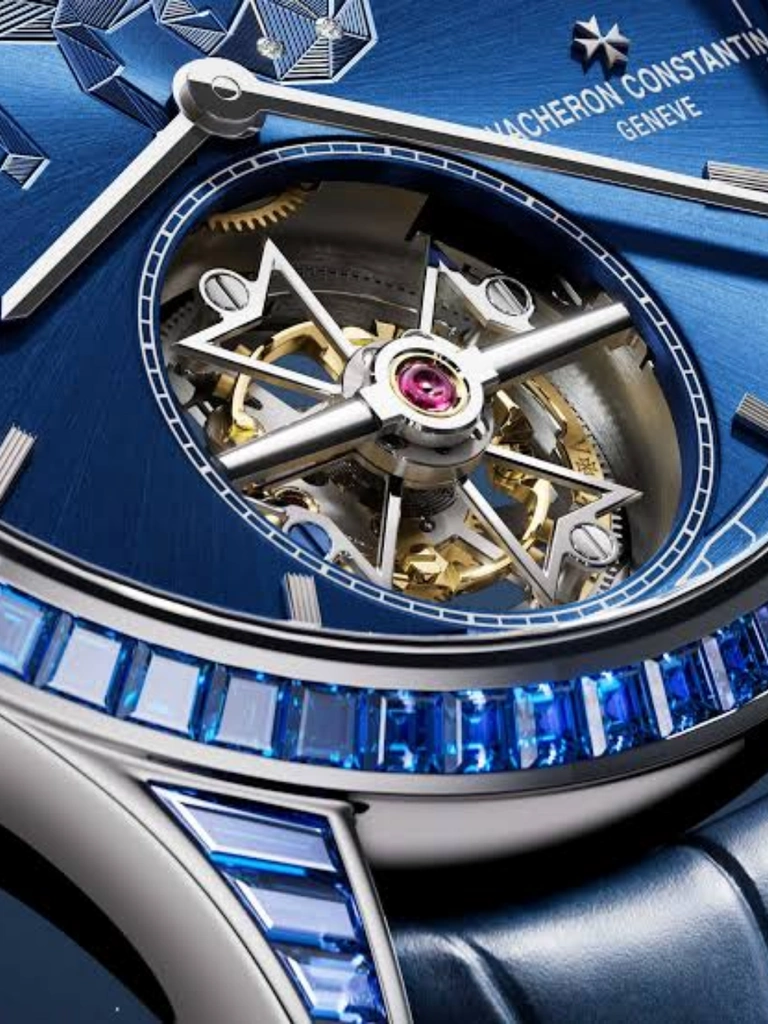
Despite the rise of carbon fiber, ceramic, tantalum, and zirconium, gold has not been displaced. Instead, it has evolved. Rose gold, created by alloying gold with copper, introduced warmth and modernity. White gold offered understated elegance. Yellow gold retained its classic authority.
These variations ensure gold’s relevance across generations and tastes. In contemporary culture, gold watches carry layered meanings: tradition and modernity, heritage and ambition. Among younger audiences, particularly in the United States, gold has even become a symbol of newfound success and self-made wealth.
Whether vintage or modern, understated or bold, the gold watch remains a statement of intent.
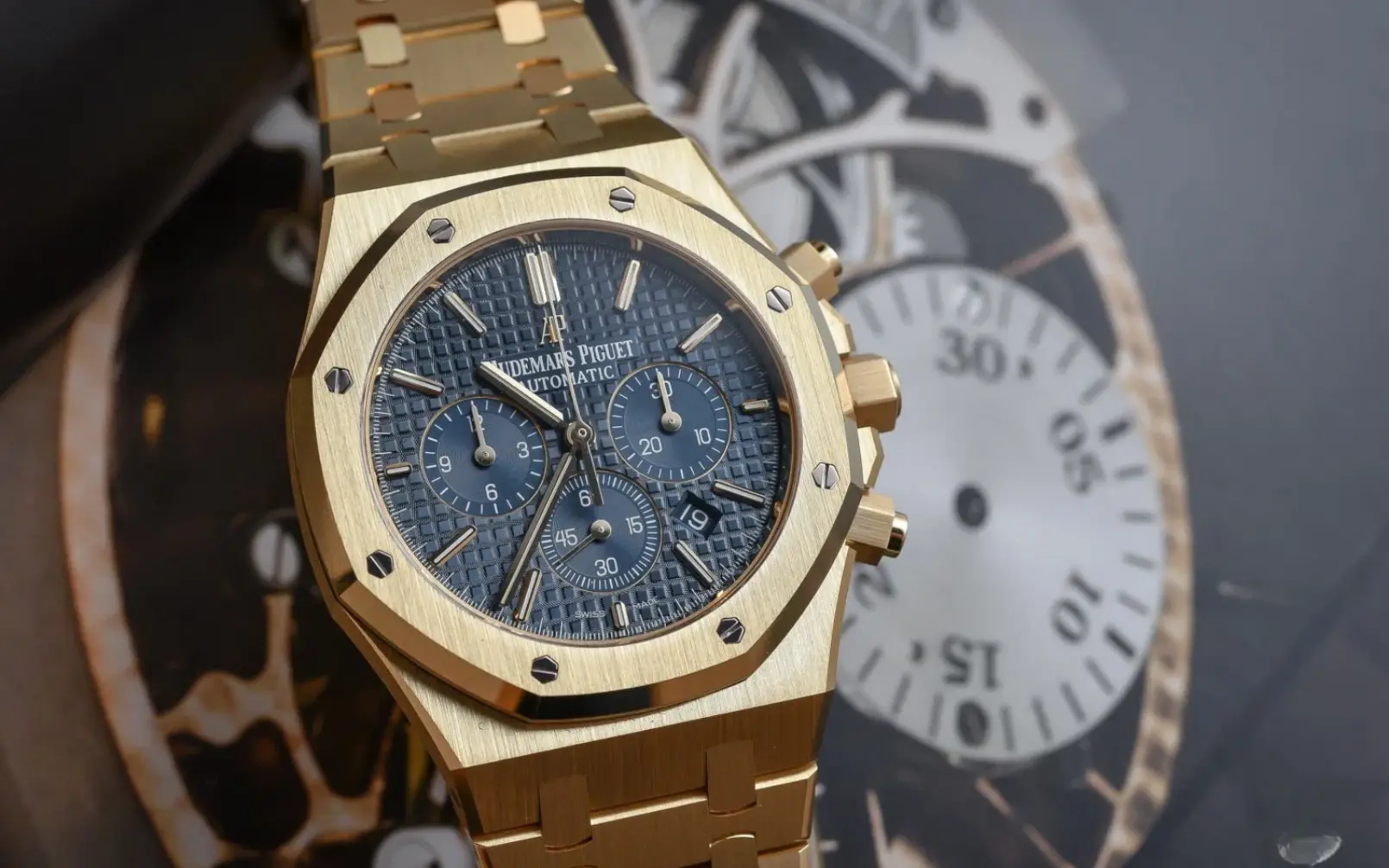
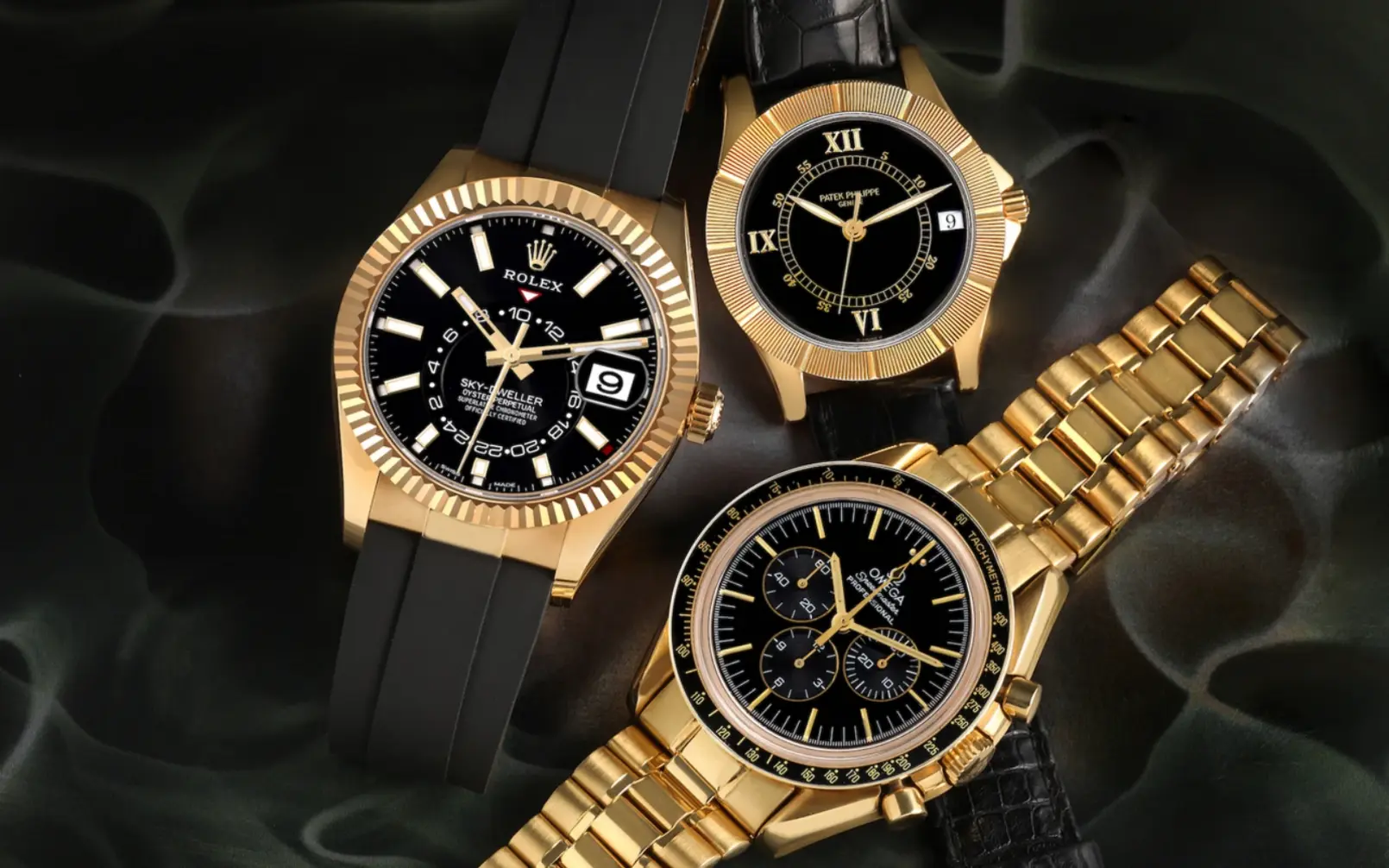
Gold is mined on every continent except Antarctica, appearing in nearly every civilization across history. Its endurance is not accidental, it reflects a deep human desire for permanence in an impermanent world.
In watchmaking, where the very act is to measure fleeting seconds, gold offers a quiet contradiction: a material that refuses to age as time passes.
That is why, gold watches in 2025 are not merely a material choice. It is a declaration. Of value. Of legacy. Of time made tangible.