MENU
Close





At the Met Gala 2026, art became a ritual for remaking the self. This final movement turned spectacle into transformation, where fashion used image, myth, and iconography to build a body made for the public gaze.
At the Met Gala 2026, art became a ritual for remaking the self. This final movement turned spectacle into transformation, where fashion used image, myth, and iconography to build a body made for the public gaze.
May 4, 2026
Advertisement
Advertisement


Moving along side the sacred theft of Part 1 and the holy possession of Part 2, this next movement belongs to the ceremony of becoming. The formation begins to discipline the posture, exaggerate the silhouette, sharpen the persona, and turn the red carpet into a ceremony of becoming.
The Met Gala 2026 red carpet reached another register when art references became acts of transformation. Here, the body was shaped as victory, armour, tree, flower, doll, dancer, athlete, icon, and painted surface, each look building a different language of self-invention.
The spectacle became a way of declaring identity through art. The strongest looks aren't merely wearing those references but function as instruments, turning the red carpet into a place where the body could be remade in public, with all the drama of a ceremony and all the sharpness of a performance.
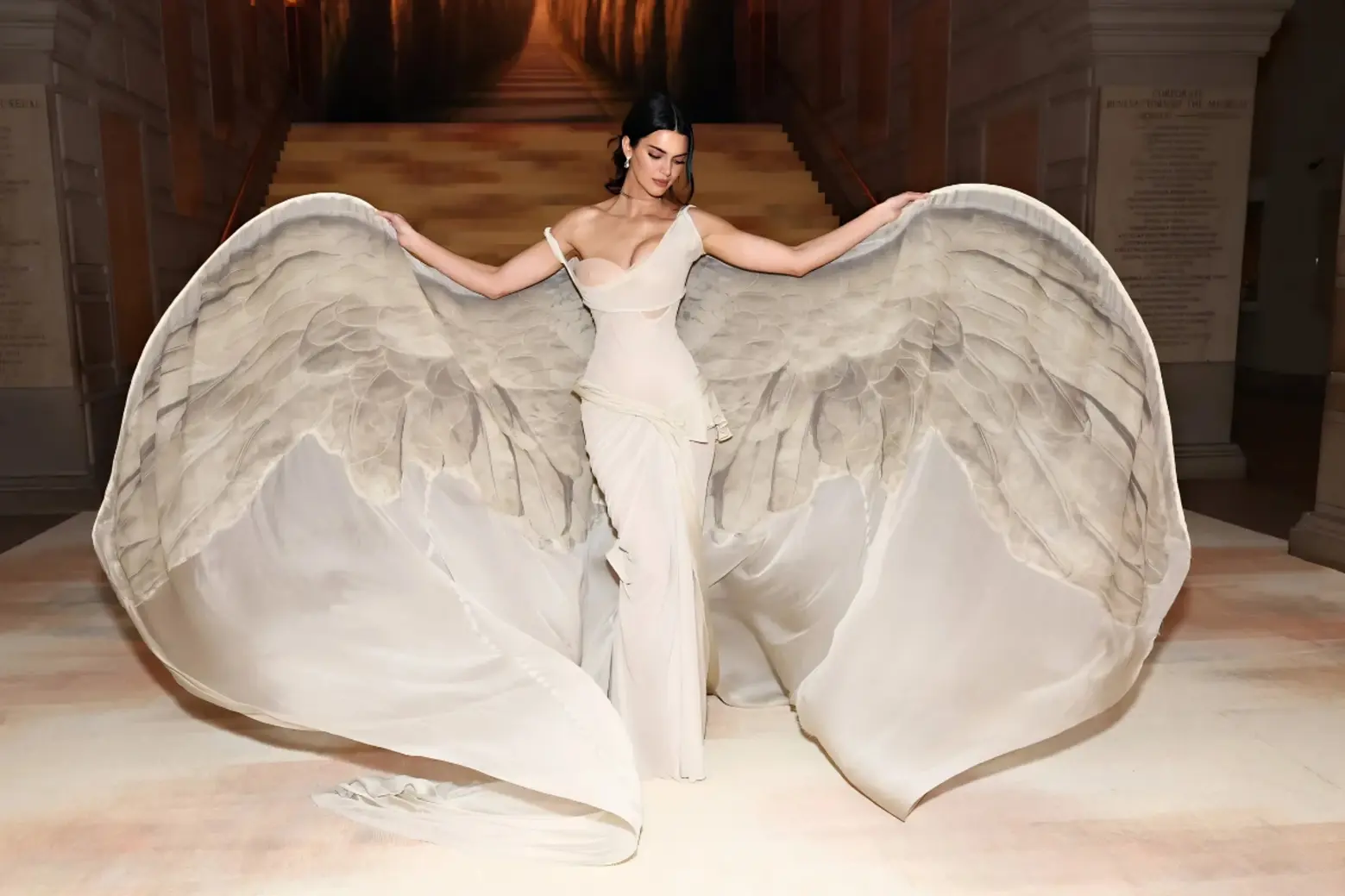
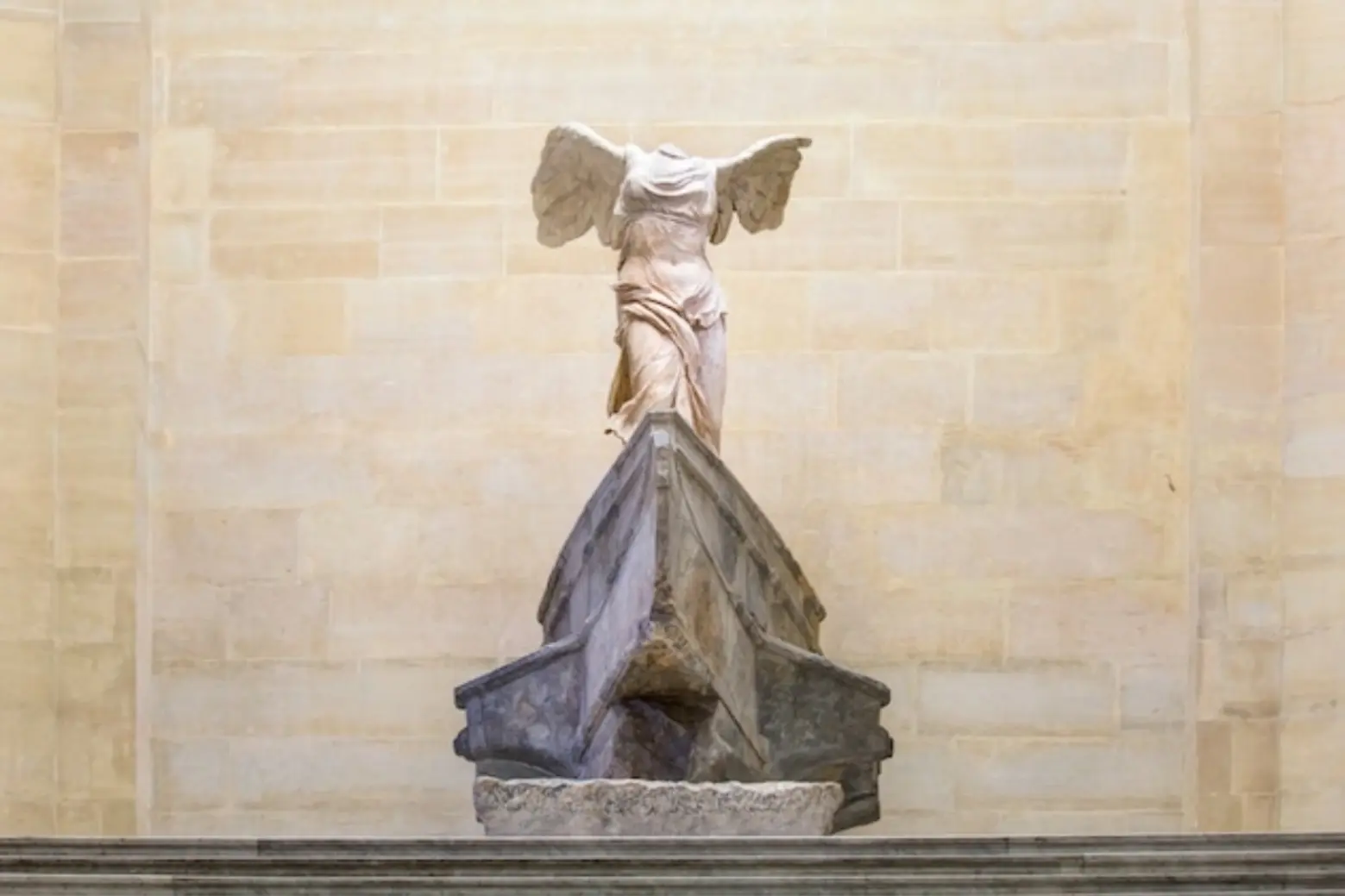
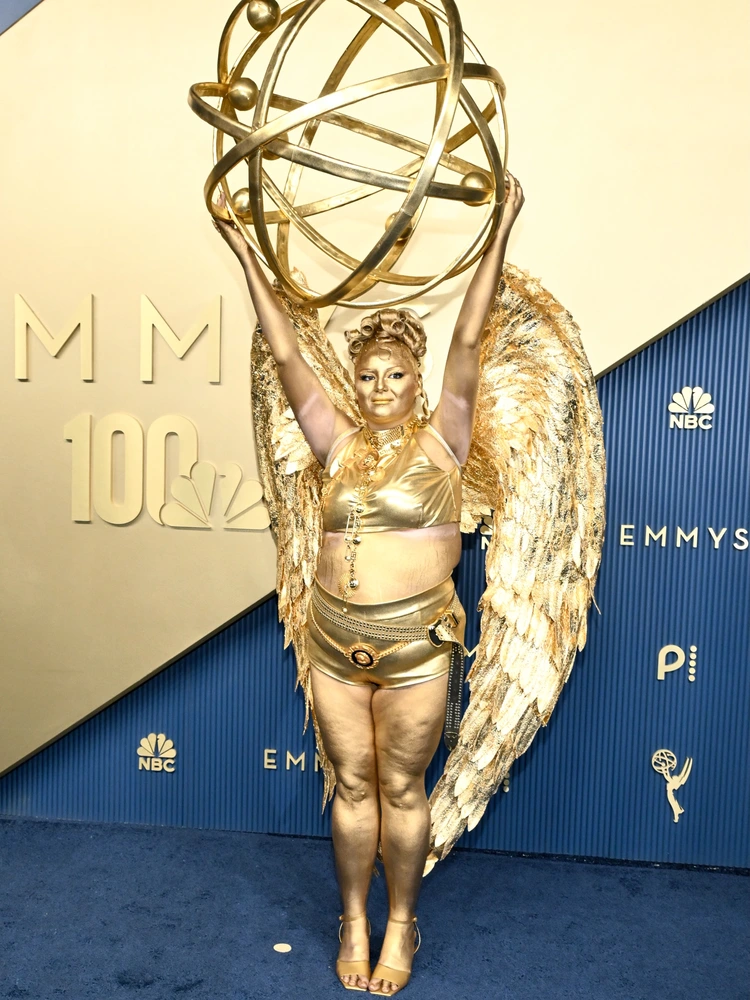
Kendall Jenner’s reference to The Winged Victory of Samothrace placed the body inside one of art history’s most enduring images of motion and triumph. The original sculpture has no head, no arms, and still it dominates space through force, wind, and momentum. On Jenner, that reference transforms under controlled ascension, where fabric and form suggest a body caught at the exact instant it turns into monument. The look carries the fantasy of victory without needing narrative, relying instead on posture, silhouette, and the ancient glamour of a figure built to be worshipped from below.
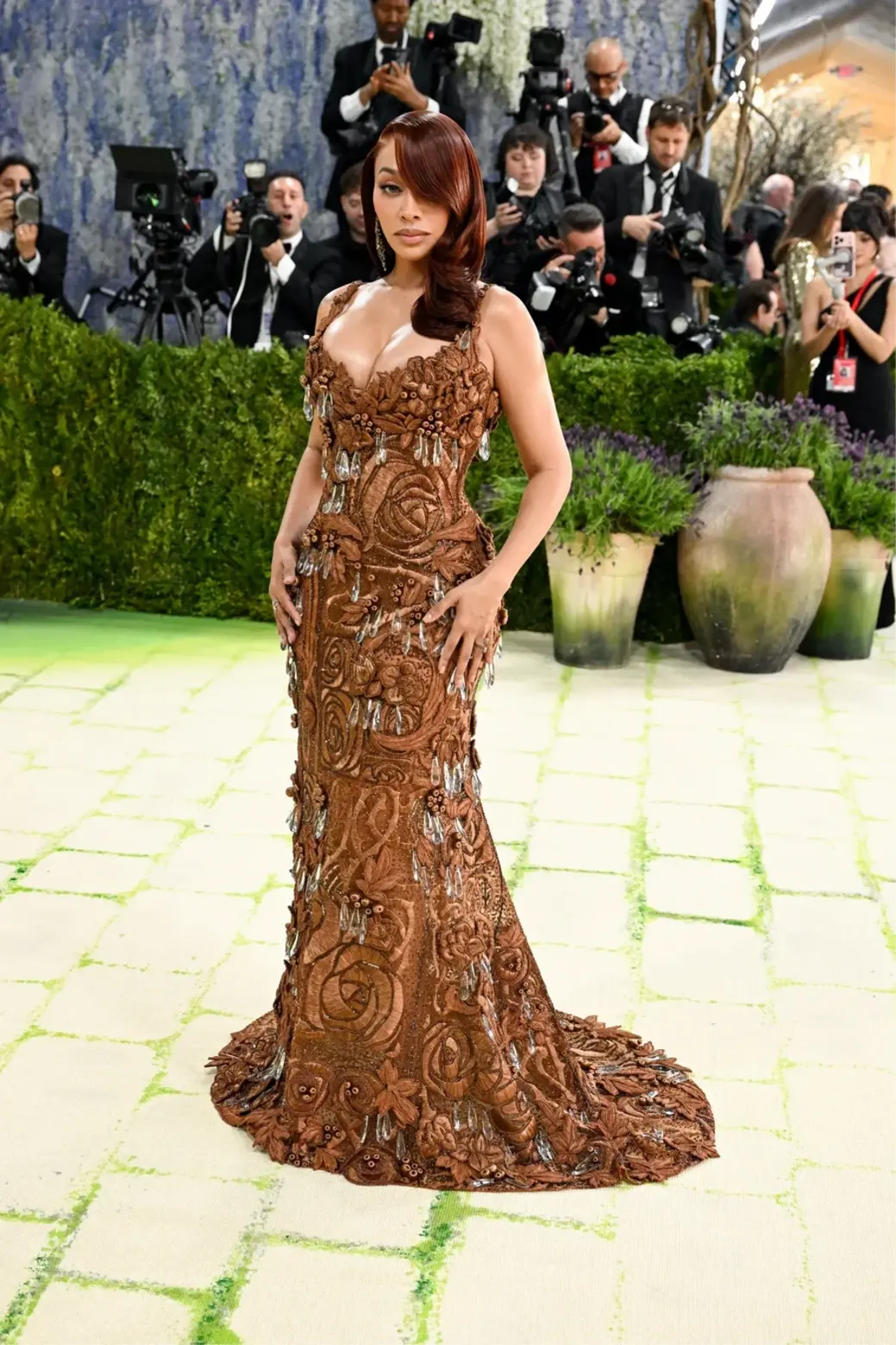
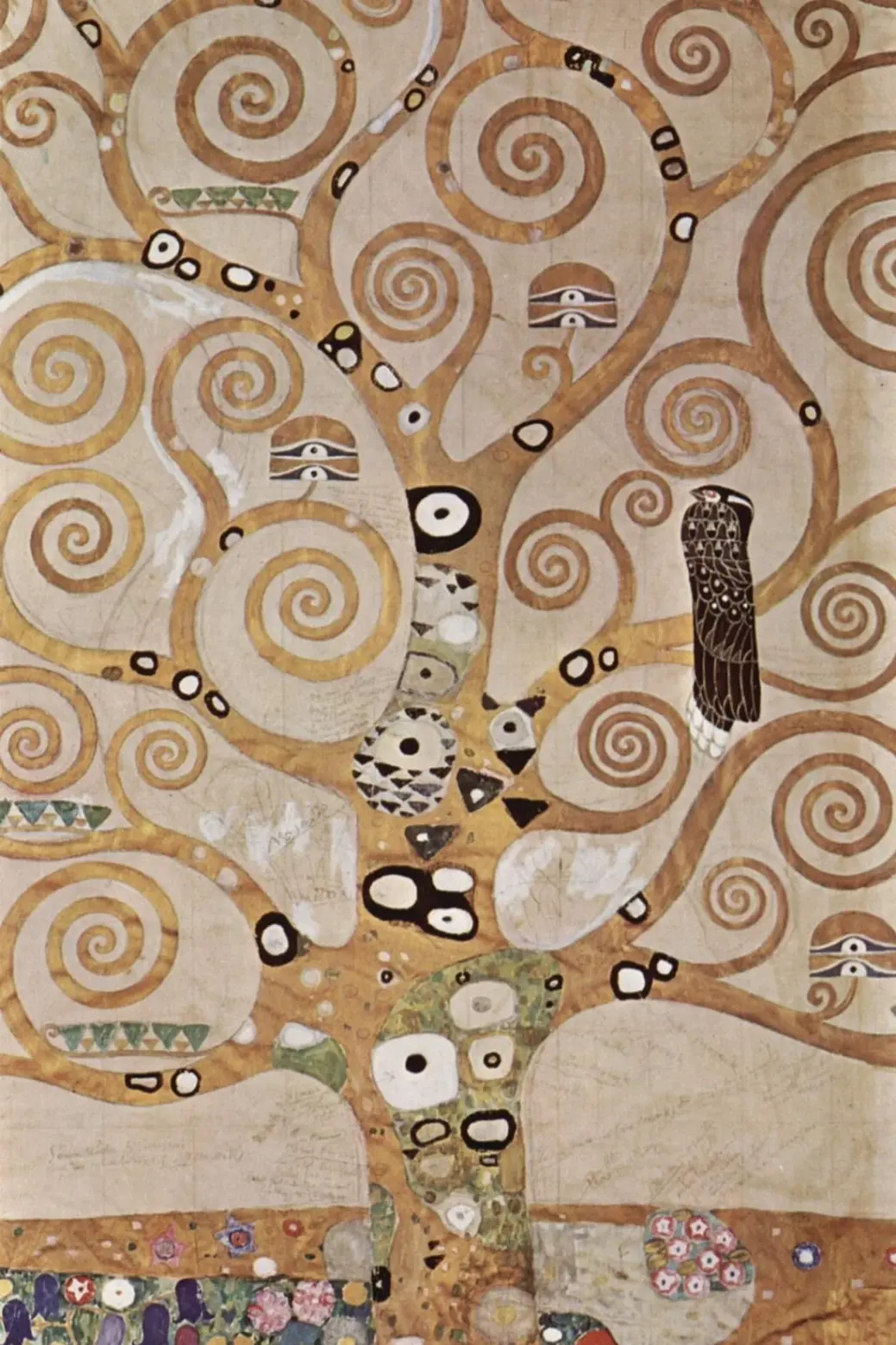
By the time La La Anthony arrived with Gustav Klimt’s The Tree of Life, a question had already begun to form across the Met Gala 2026 red carpet: what is it about Klimt that makes fashion return to him again and again? Perhaps because his painting already echoed the spirit, behaved like couture. They turned ornament into emotion, pattern into psychology, and gold into something close to worship. The Tree of Life is all spiral, growth, and symbolic excess, a pattern that feels ancient and decorative at once. On Anthony, the reference became vertical energy, with the body treated like a trunk for gold, movement, and spiritual flourish. It felt less like a portrait reference than a talisman, as if ornament itself had become a living force.
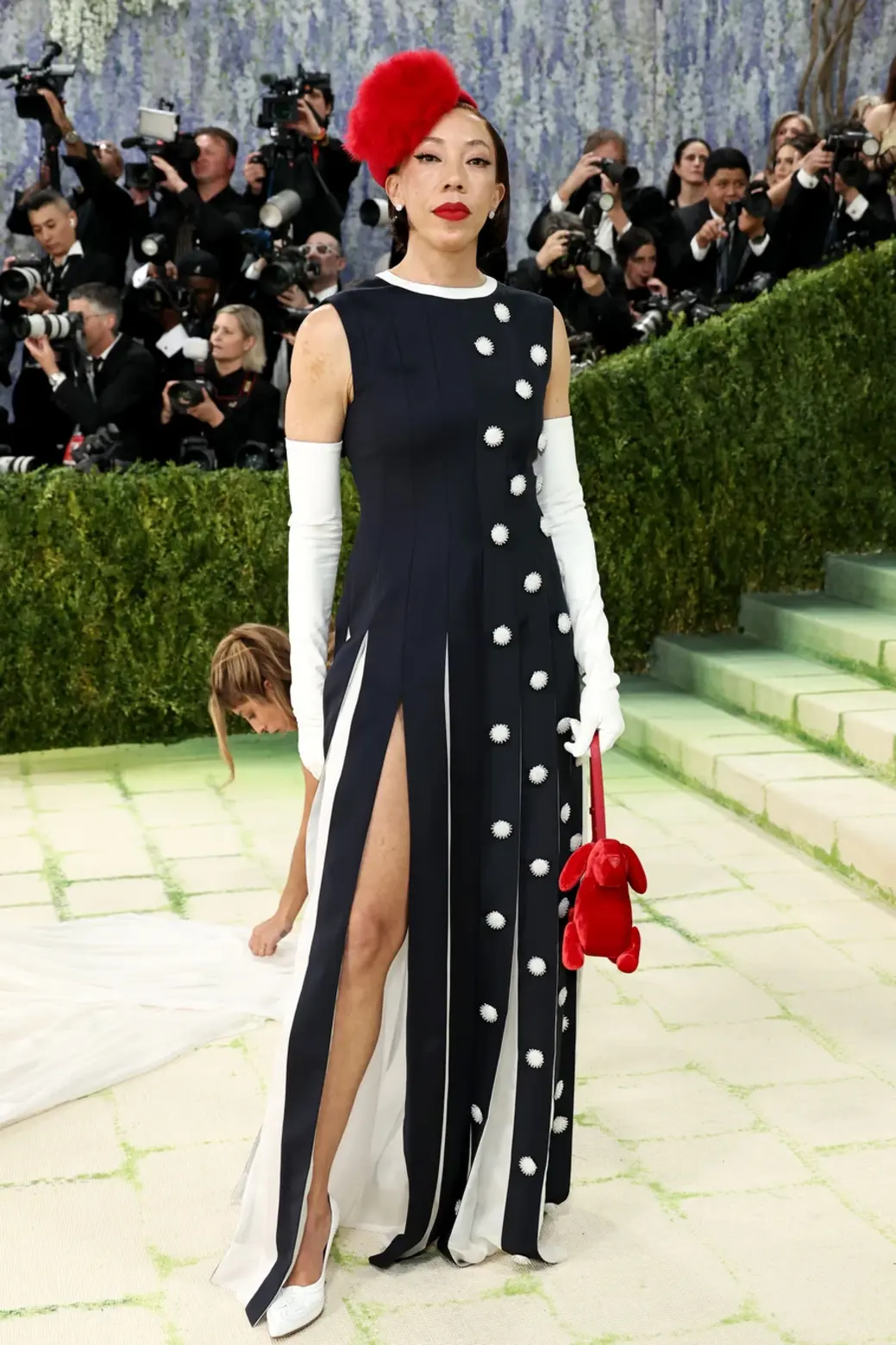
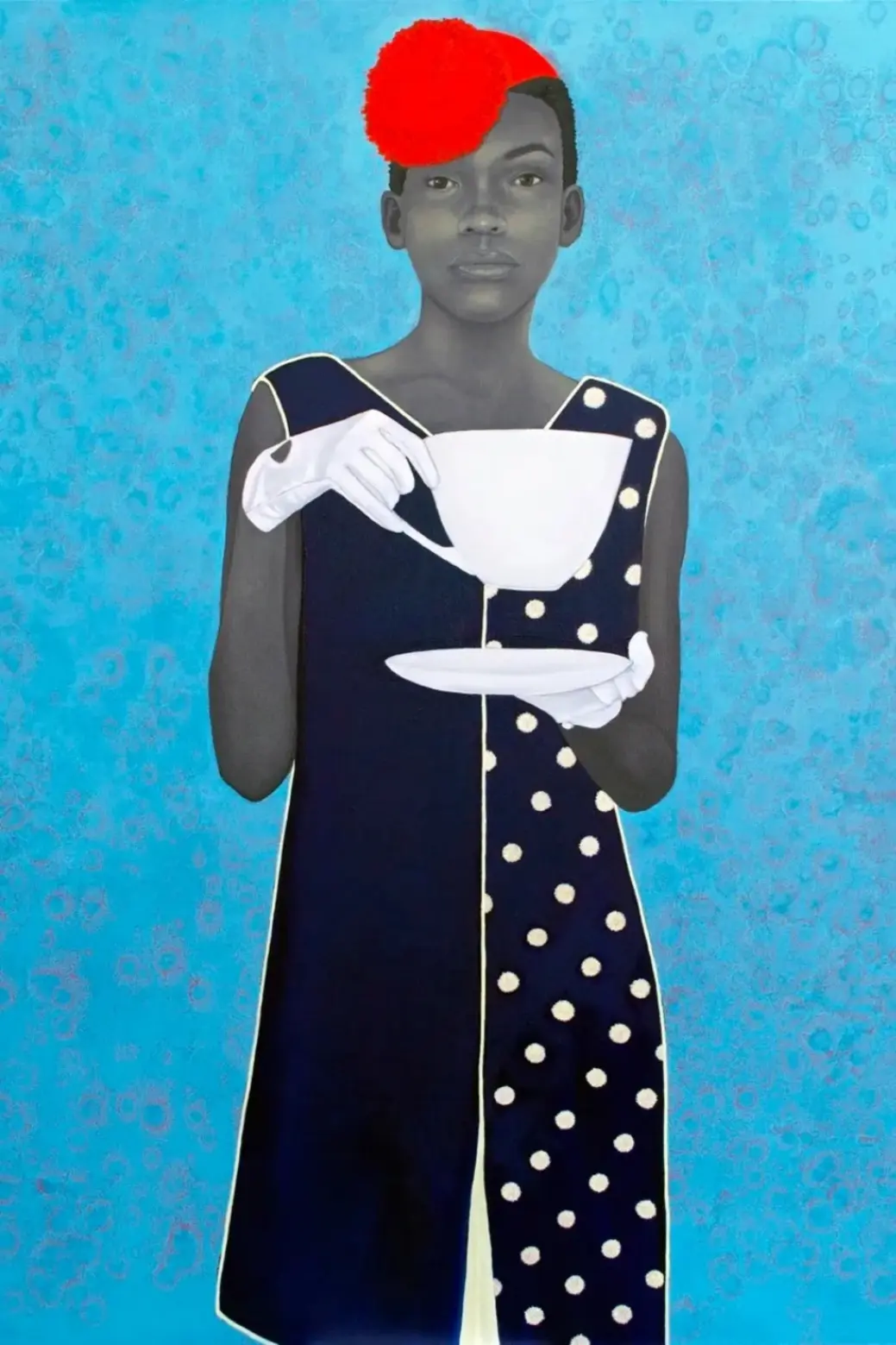
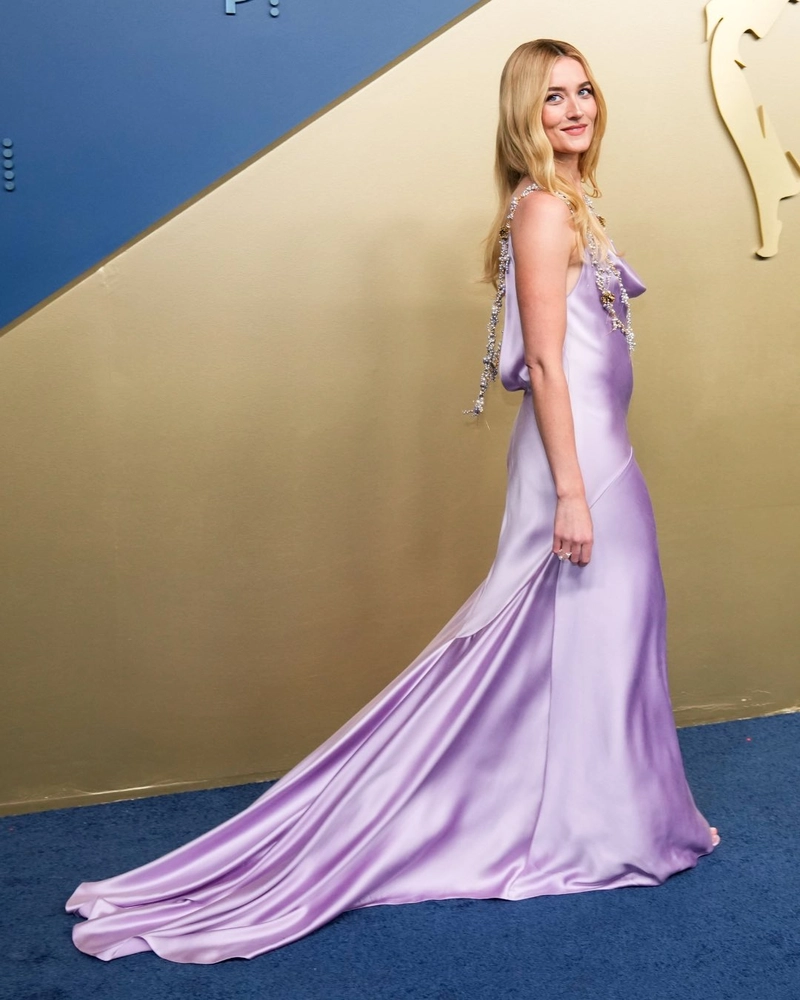
Amy Sherald’s dialogue with Miss Everything became not only referencing an art piece, but stepping into a world of her own making. She arrived as both an artist and the artwork. Sherald’s portraits often hold their subjects in a space of calm intensity, where colour, pose, and clothing build identity with quiet authority. Through Thom Browne, that painted language becomes sculptural and precise, giving the look a strange poise between portrait and persona. It feels like self-invention folded back on itself: the artist becoming subject, the subject becoming costume, the costume becoming another portrait.
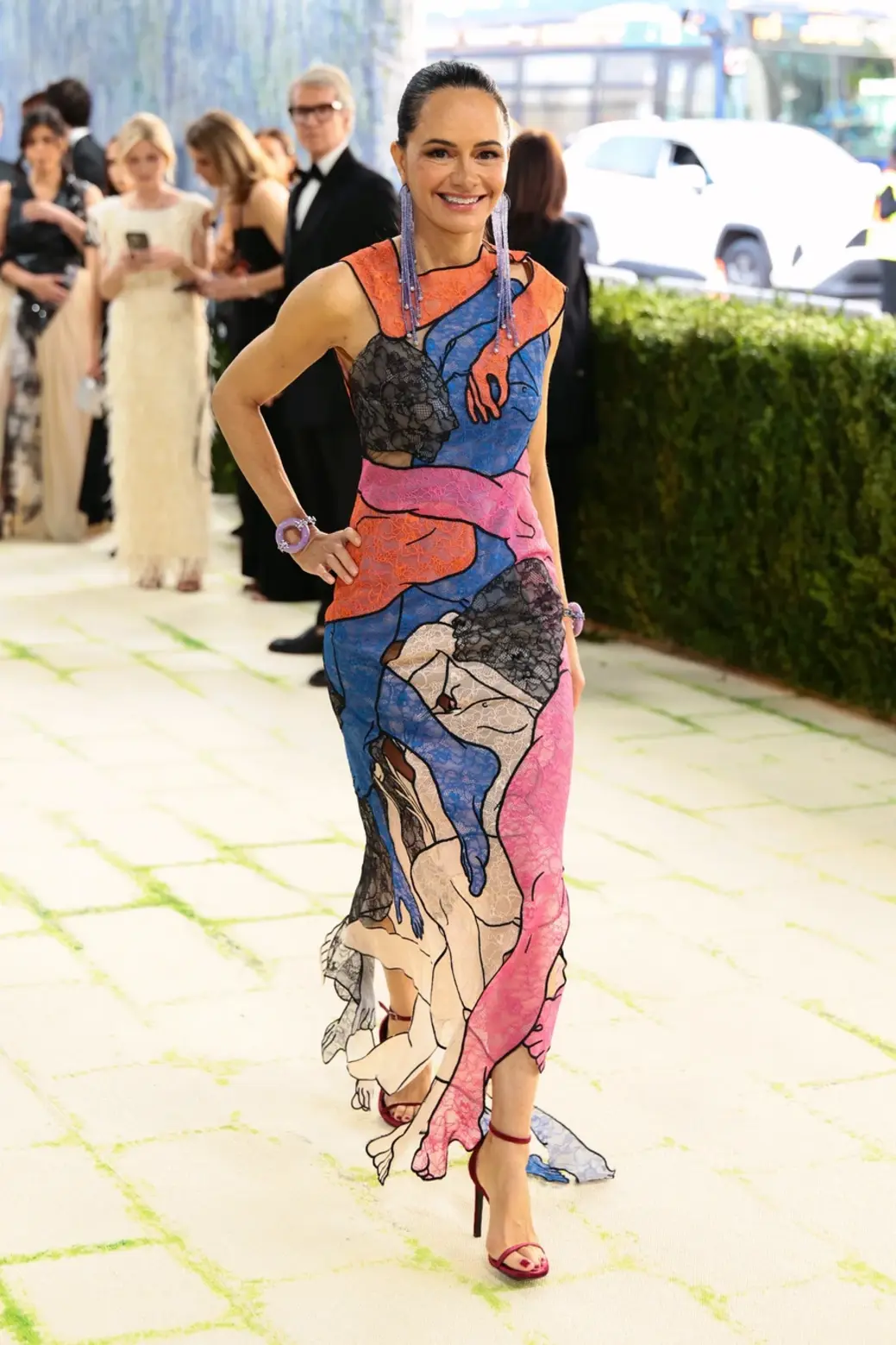
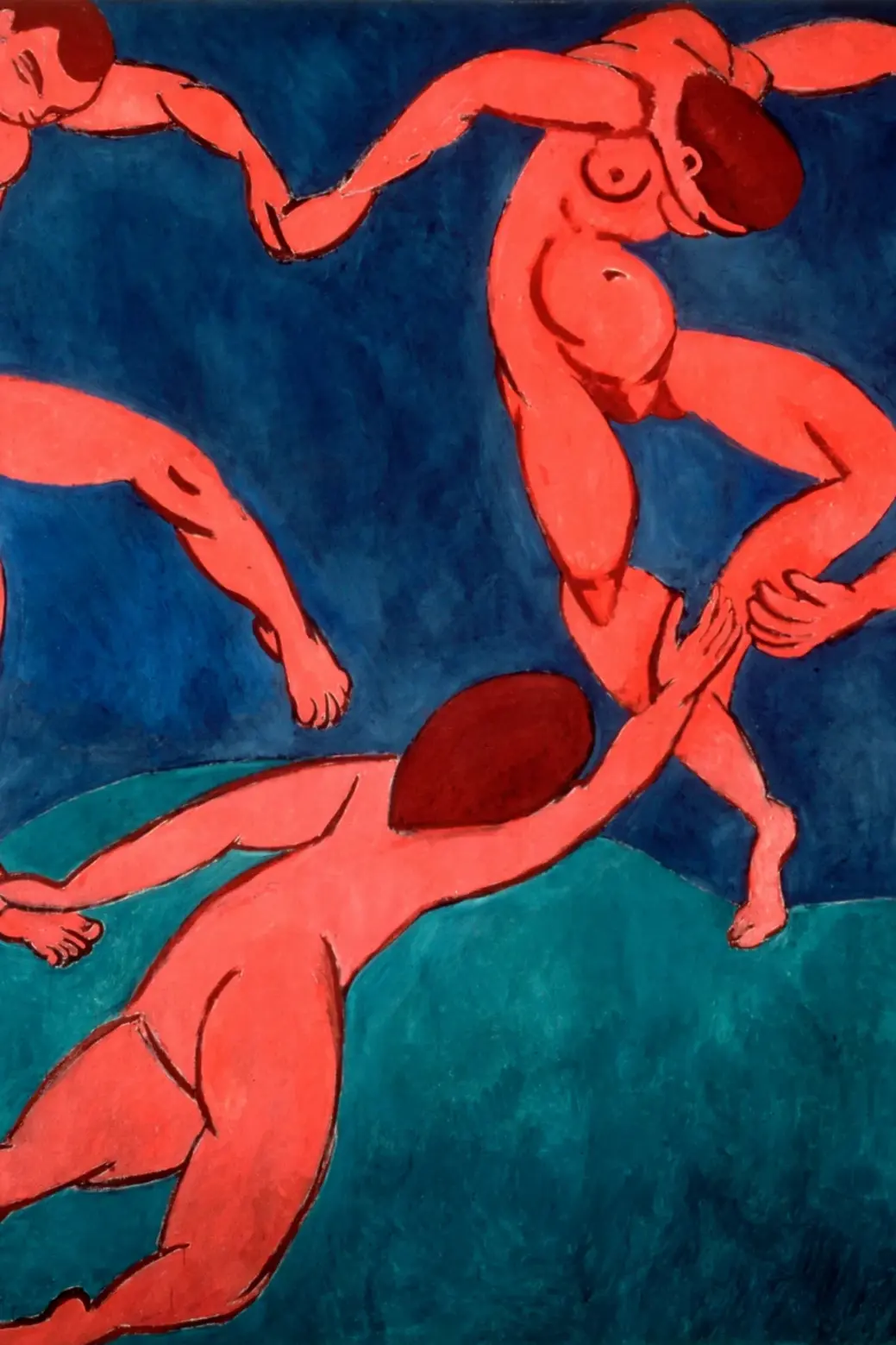
Lisa Airan’s reference to Henri Matisse’s The Dance brought a different kind of energy, less statue and more circle. Matisse’s painting is built from bodies in motion, simplified into colour, rhythm, and almost primal joy. On the red carpet, that reference asks fashion to loosen its usual stiffness and remember movement as a form of image-making. The look carries the feeling of ritual through motion, as though the body was less posed for the camera than caught inside an ancient choreography.
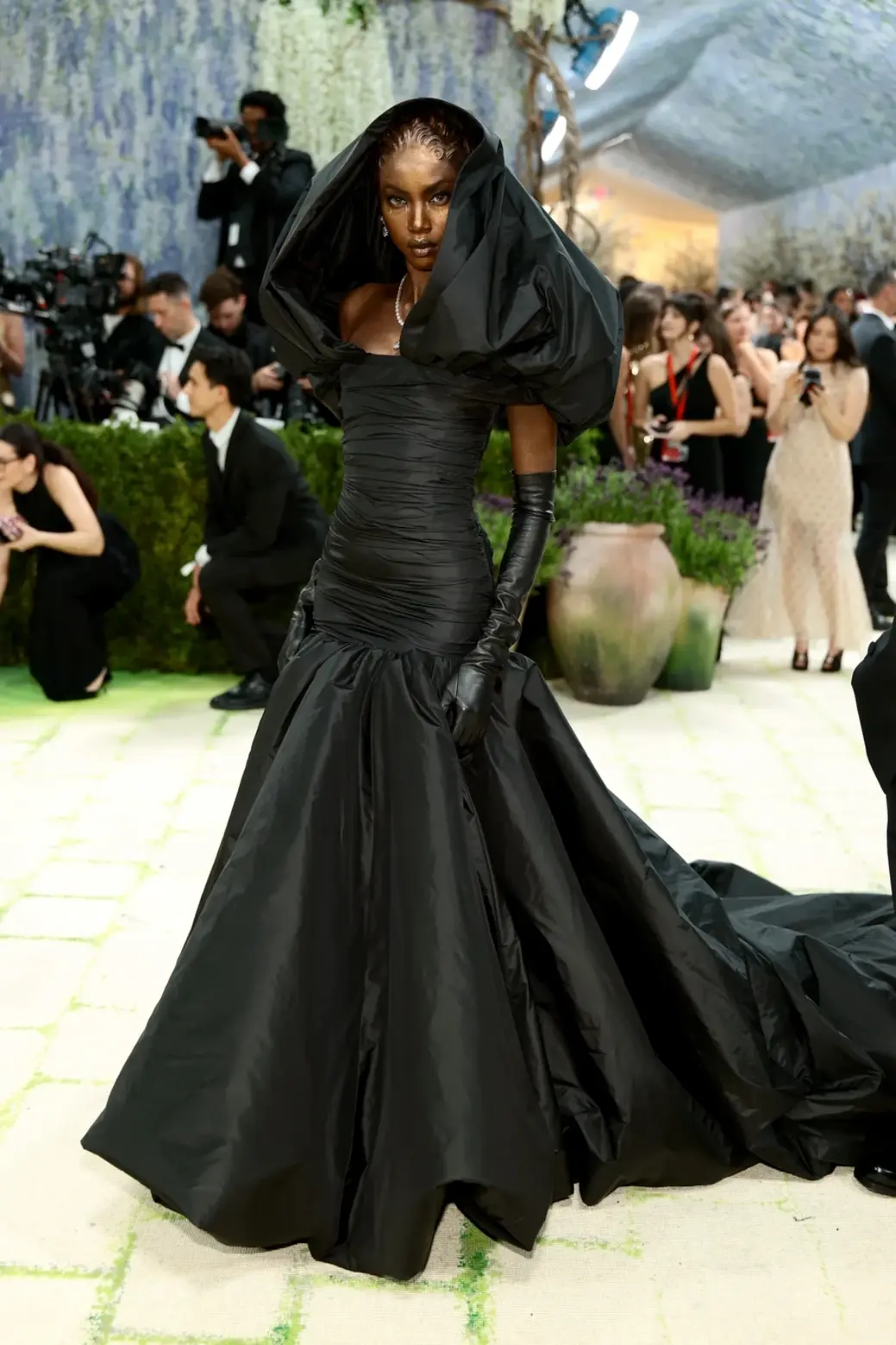
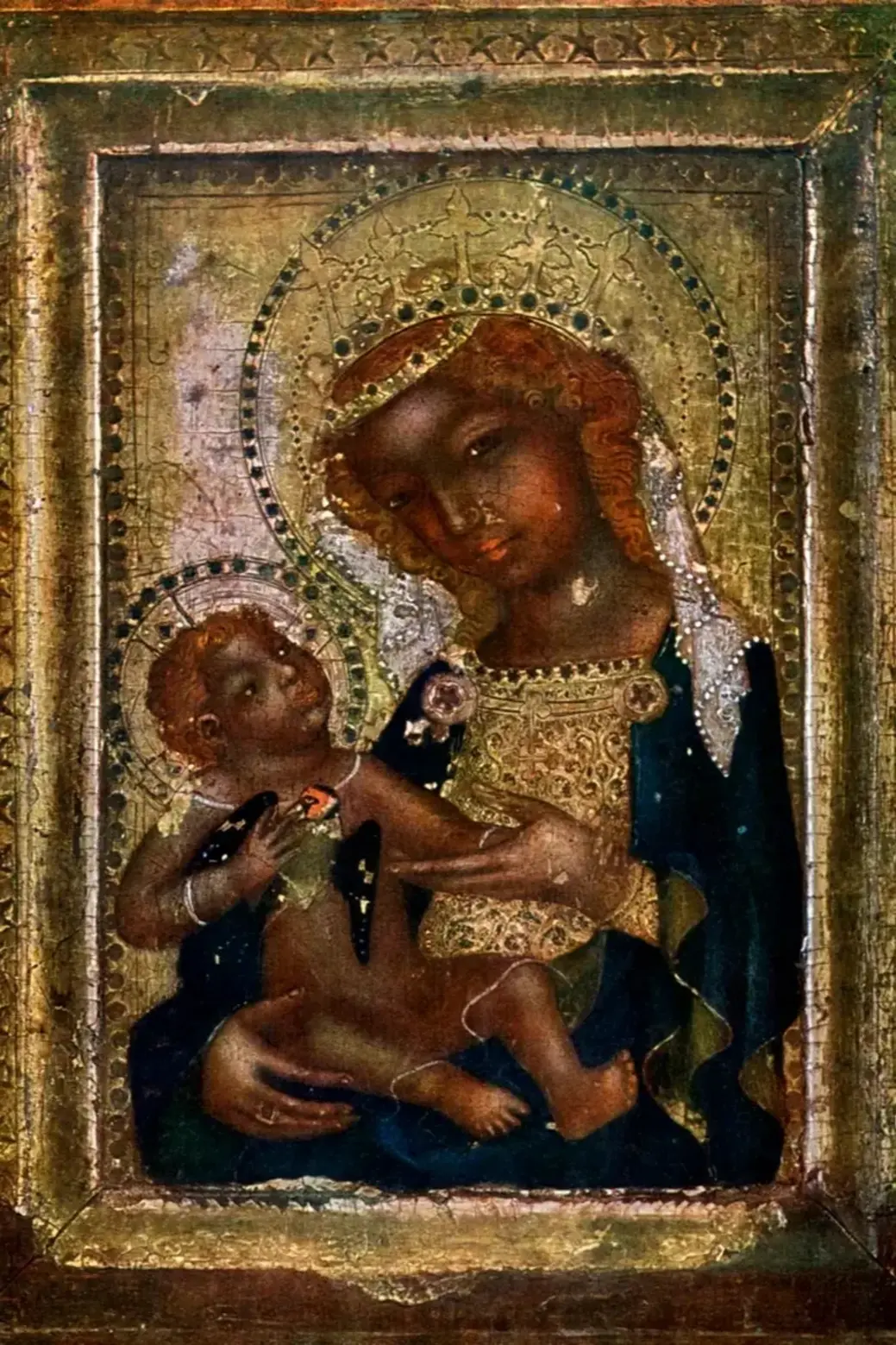
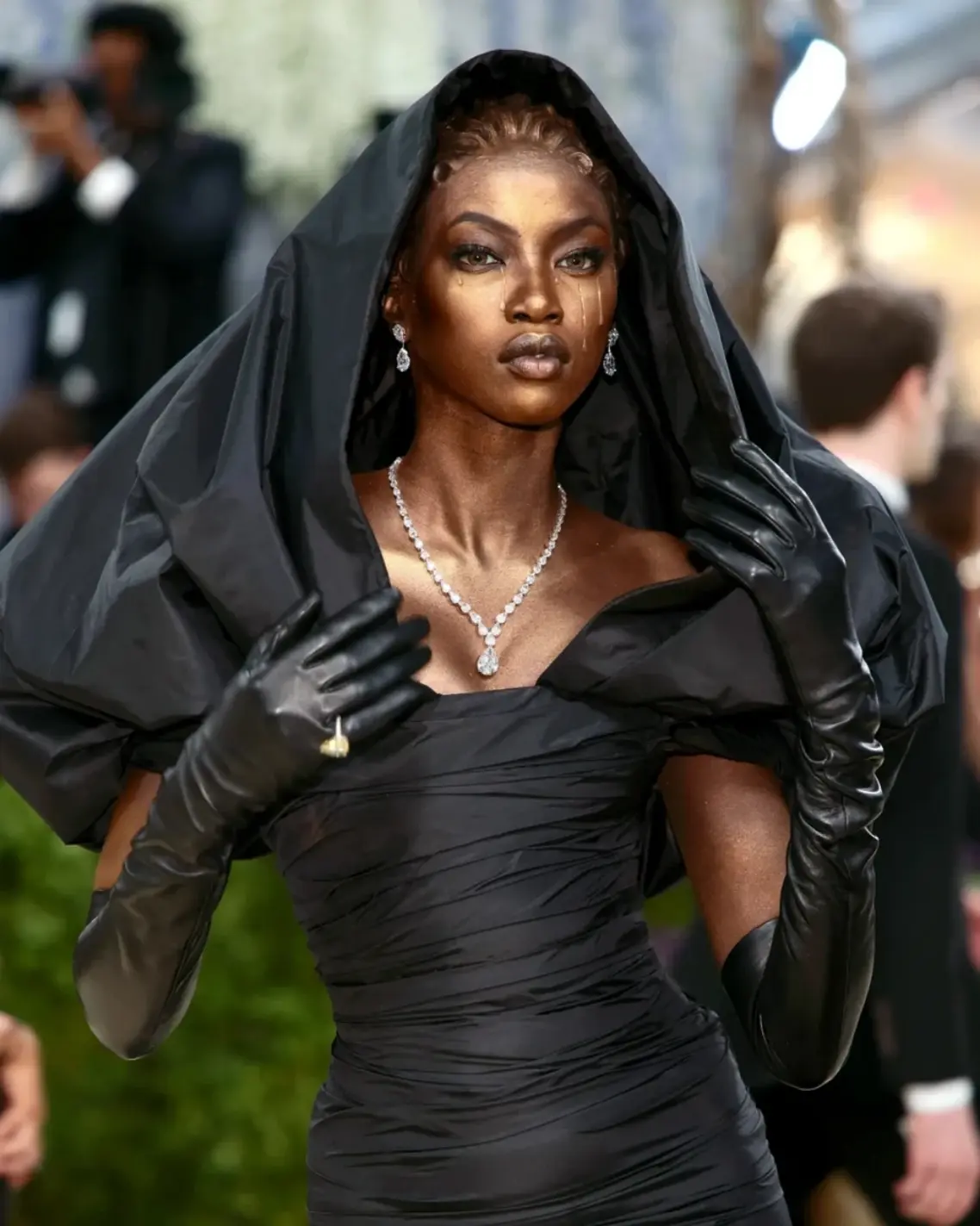
Anok Yai’s Black Madonna reference brought the Met Gala 2026 into its most sacred register, where fashion became less like adornment and more like iconography. The Black Madonna carries a long visual history of devotion, mystery, and spiritual authority, with darkness treated as power rather than absence. Yai’s presence sharpened that language into something unmistakably contemporary, turning the red carpet into a kind of chapel built from gaze, posture, and couture. It turned self-invention into something almost devotional, as Anok Yai moved beyond the role of muse and entered the room with the stillness of an icon.
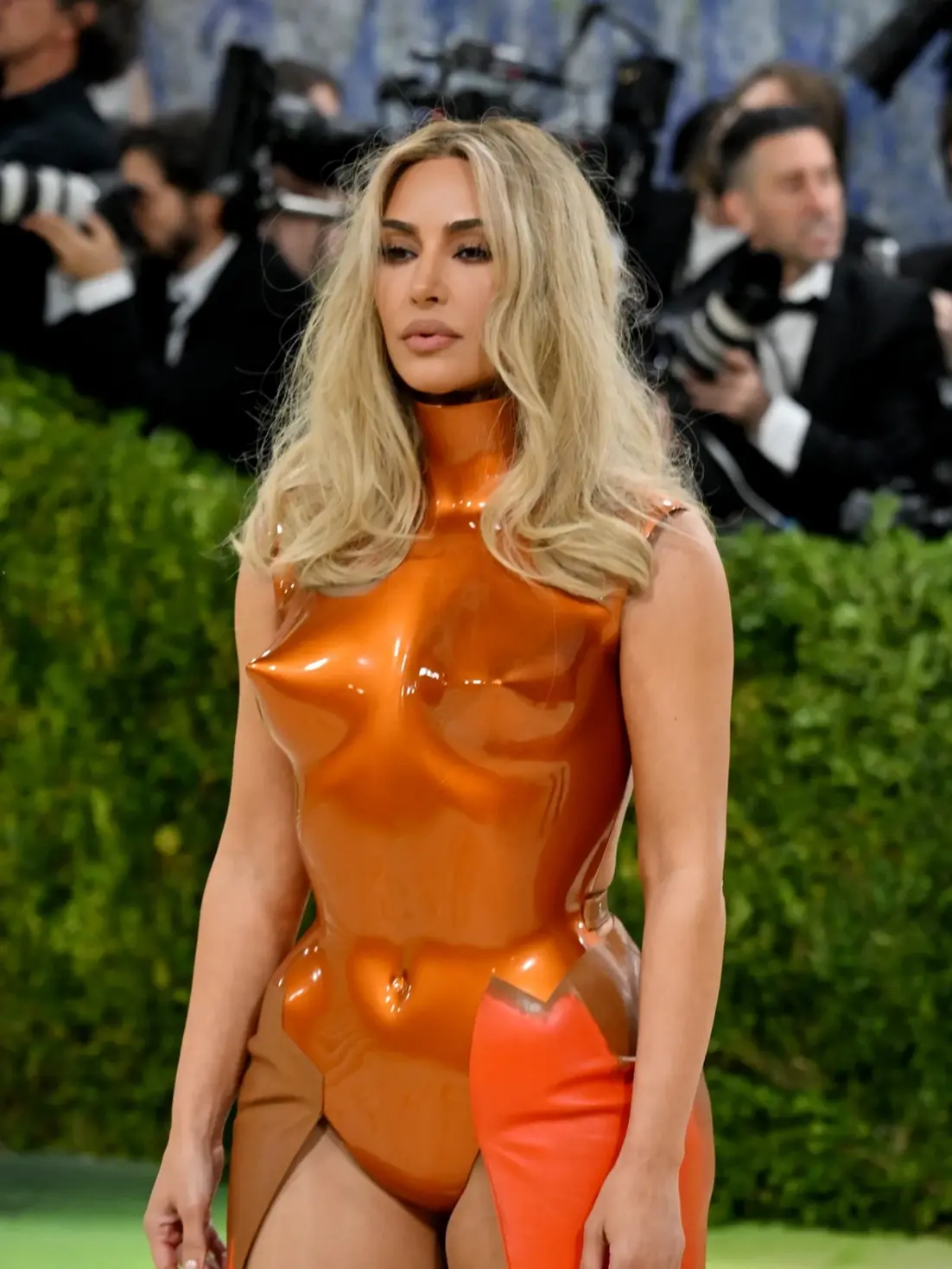
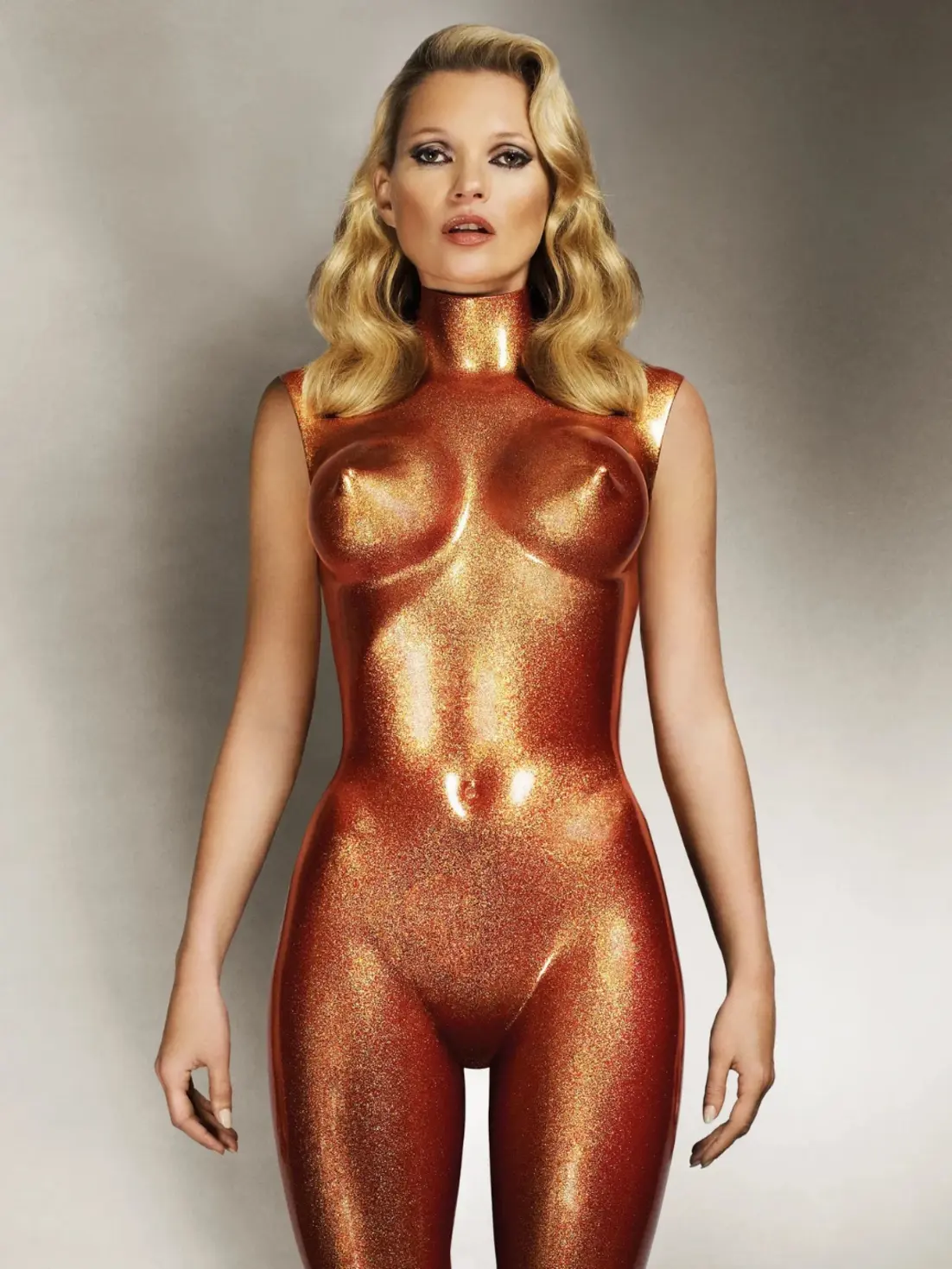
Kim Kardashian’s Allen Jones reference pushed the Met Gala 2026 toward the hard edge of pop provocation. Body Armour already treats the body as a polished object, somewhere between protection, performance, and fetishized surface. On Kardashian, that idea becomes almost autobiographical, since her public image has long been shaped through contour, moulding, exposure, and control. The look reads as armour in the most Kardashian sense: a second skin engineered for spectacle, where vulnerability is hidden inside gloss.
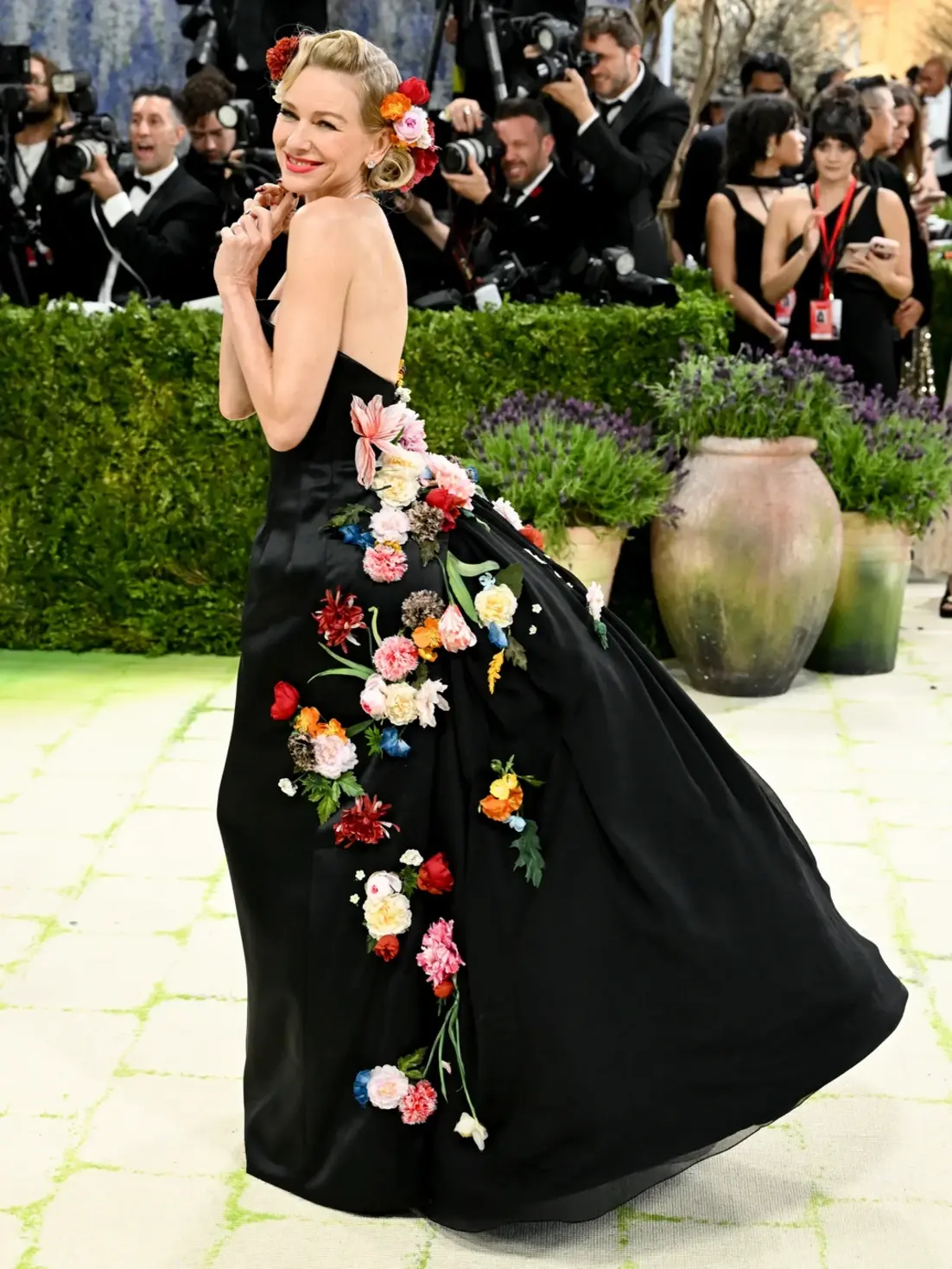
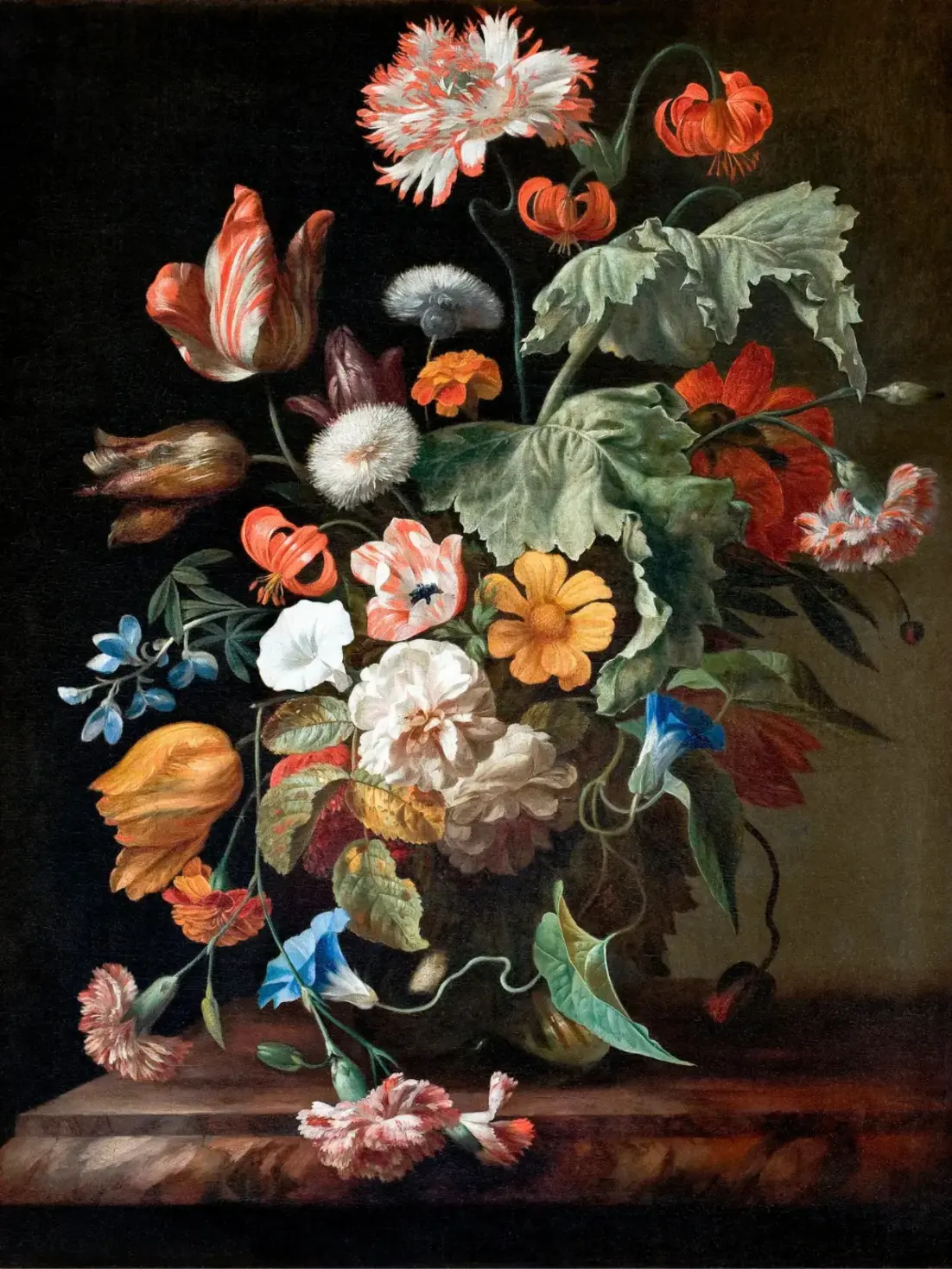
Naomi Watts’ Dior look drew from Rachel Ruysch’s Still-Life with Flowers with a quieter, more controlled kind of drama. Ruysch’s flowers are studied in precision, wealth, appetite, and the fragile theatre of beauty placed under perfect light. With Naomi Watts, that tension became a couture still life in motion, where Dior's delicacy carried the discipline of an old master painting. Under the Met Gala lights, the flowers seemed less like decoration than a controlled atmosphere, beautiful in the way something fragile becomes dangerous when perfectly composed.
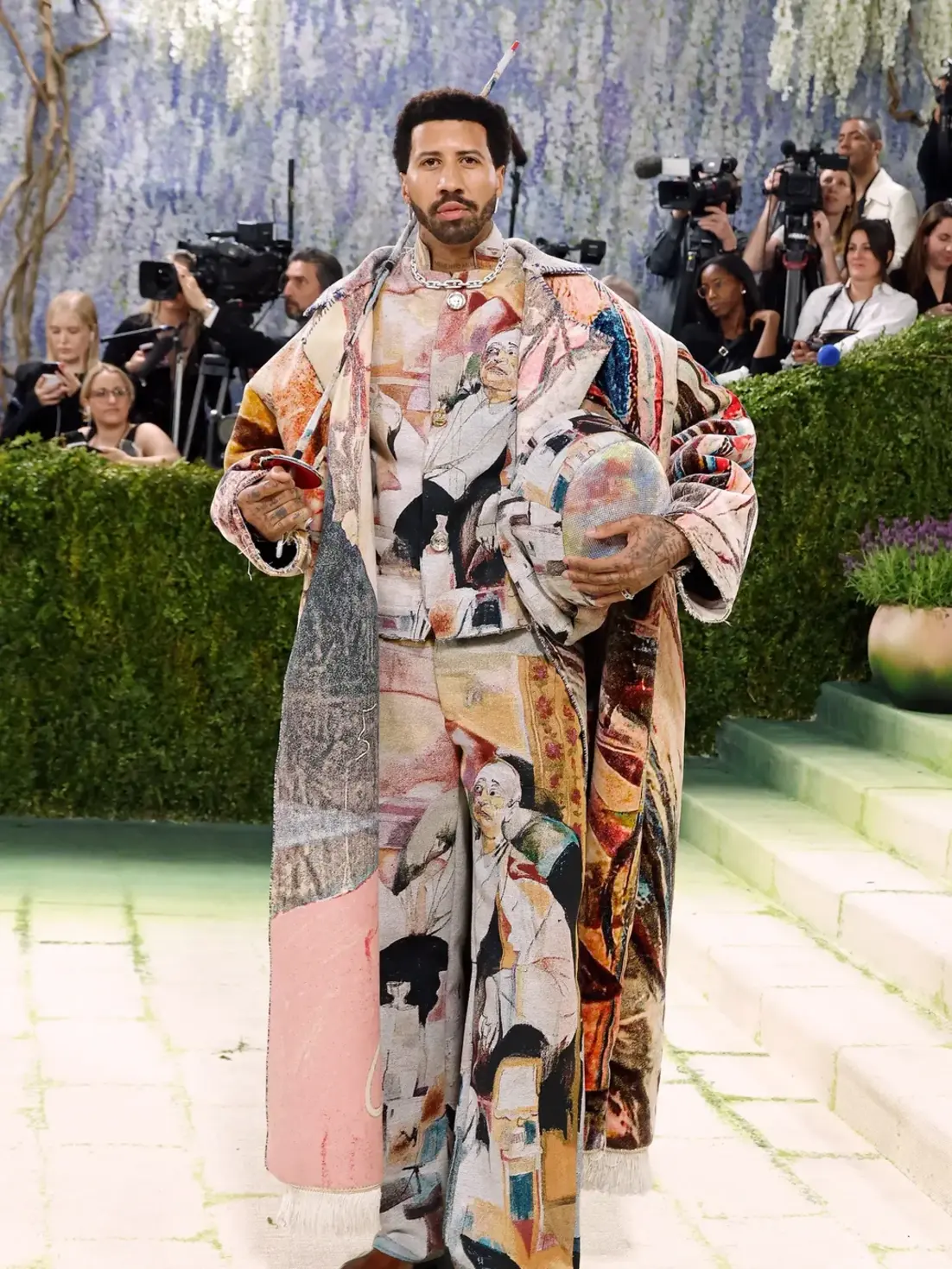
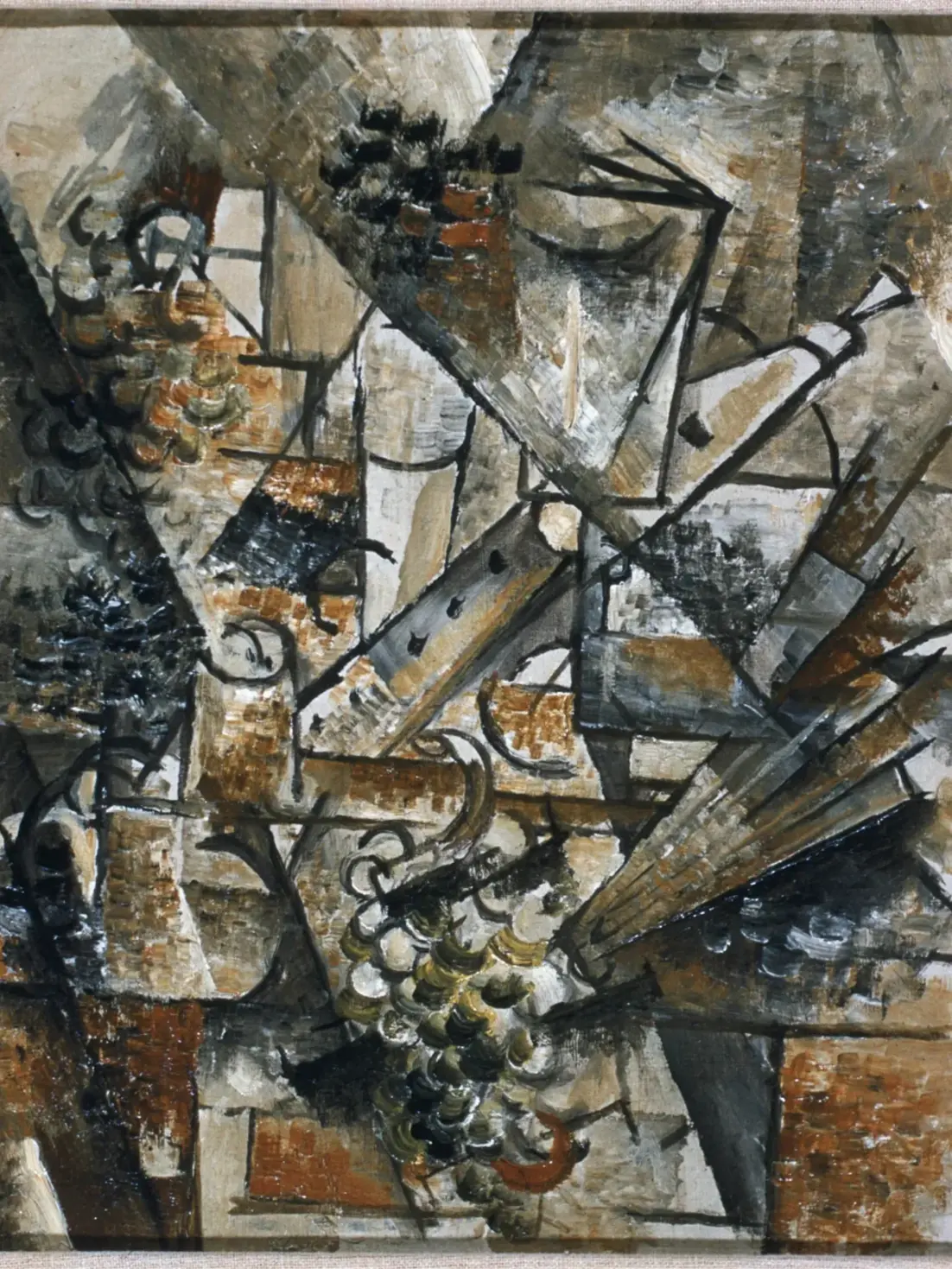
Miles Chamley-Watson’s reference to Georges Braque’s Natura morta con clarinetto, grappolo d’uva e ventaglio brought Cubist fragmentation into menswear. Braque’s still life breaks familiar objects into angled fragments, then rebuilds them with an almost musical rhythm. Chamley-Watson’s look translated that logic through tailoring, treating the suited body as something cut, arranged, and reassembled in motion. For an Olympic fencer, that sharpness felt especially apt, as if Cubism had found its way into stance, precision, and attack.
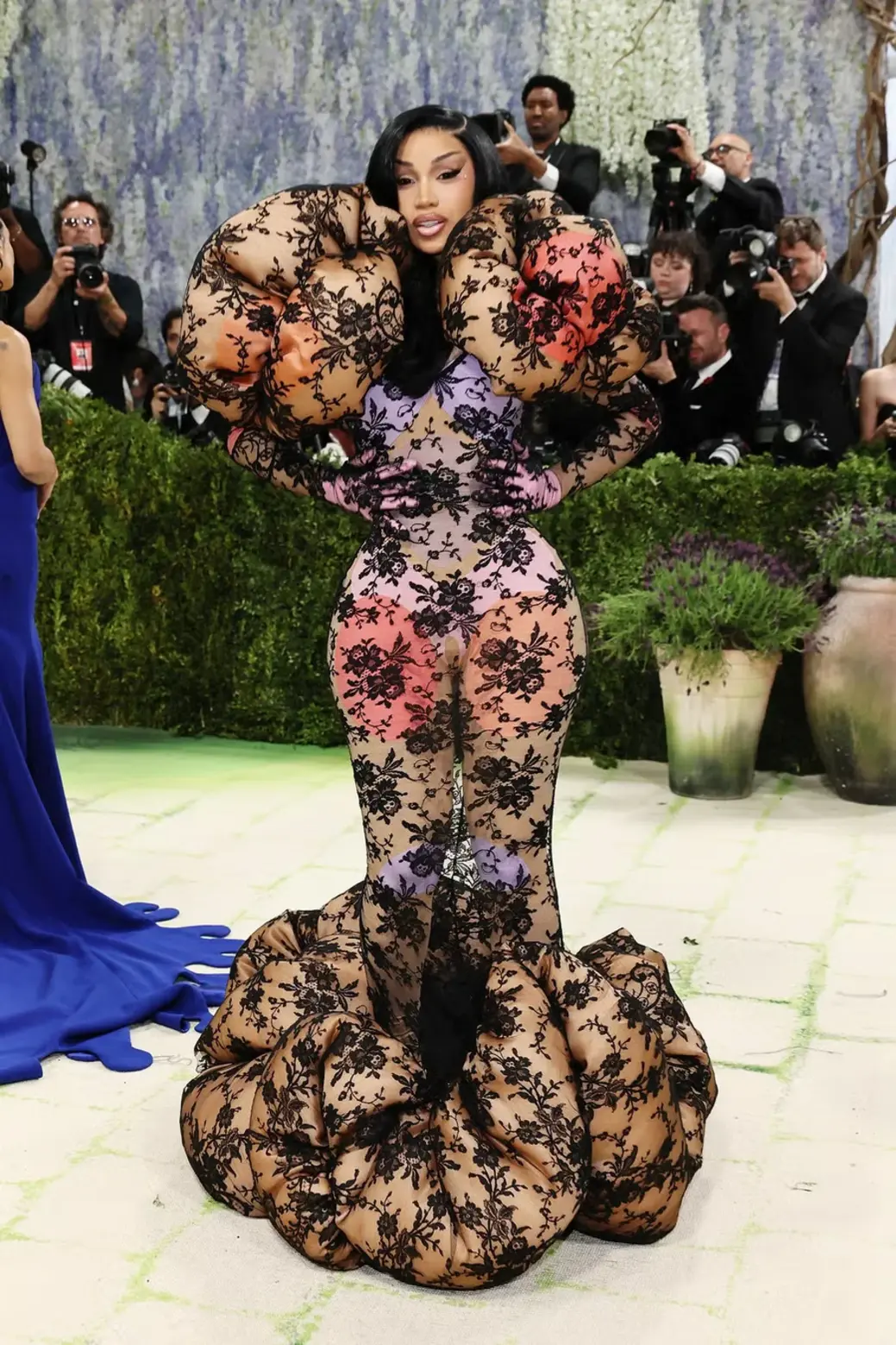
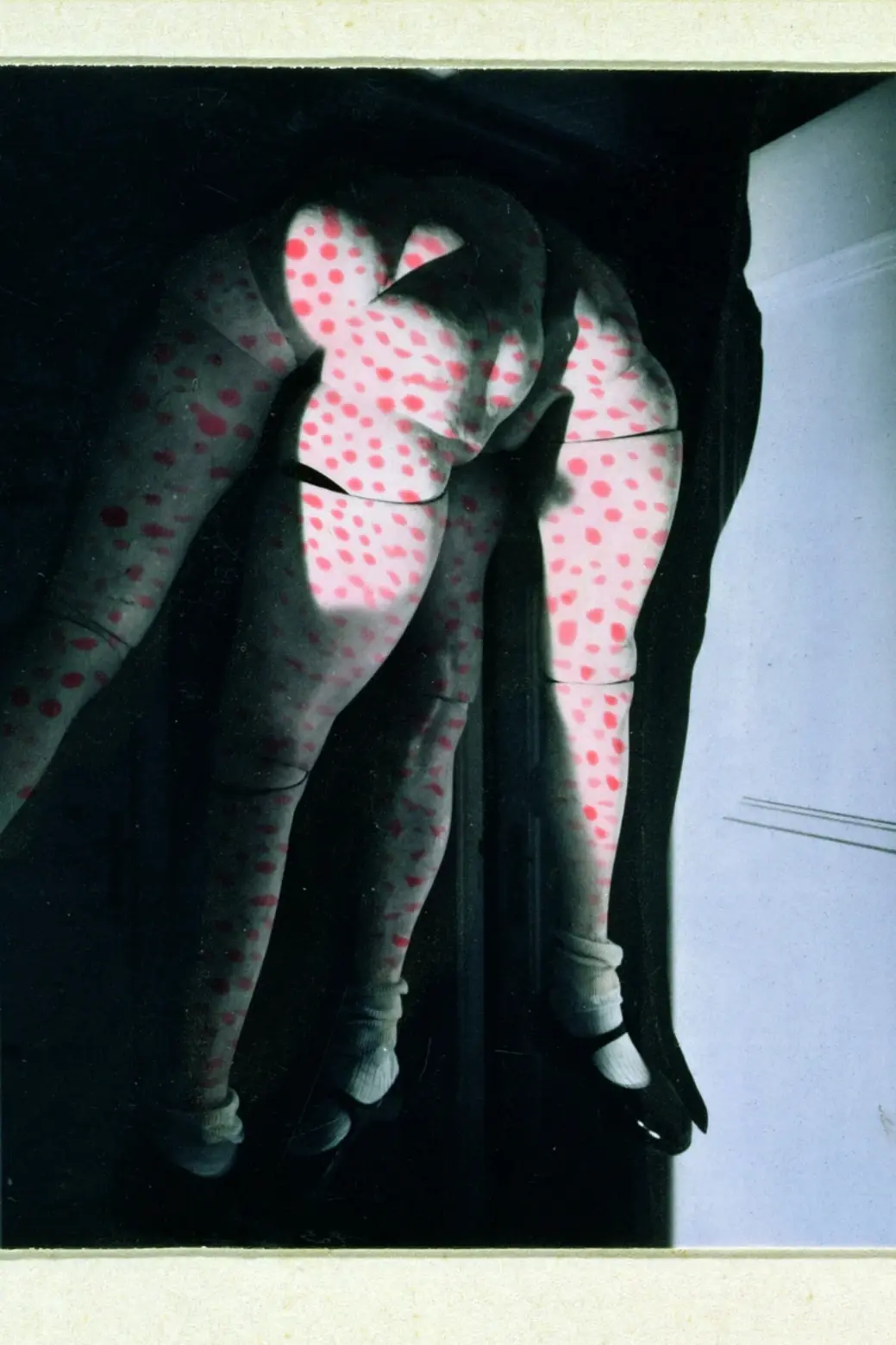
Cardi B’s Marc Jacobs look took Hans Bellmer’s The Doll. Part II into one of the night’s most psychologically charged spectacles. Bellmer’s doll imagery plays with construction, distortion, and the unsettling fantasy of a body made strange by design. Cardi B transformed that discomfort into theatre, using exaggeration as both weapon and performance. The look enters the red carpet like a glamorous object with a trapdoor inside it, polished enough for spectacle and strange enough to leave the viewer uncertain whether beauty ends and unease begins.
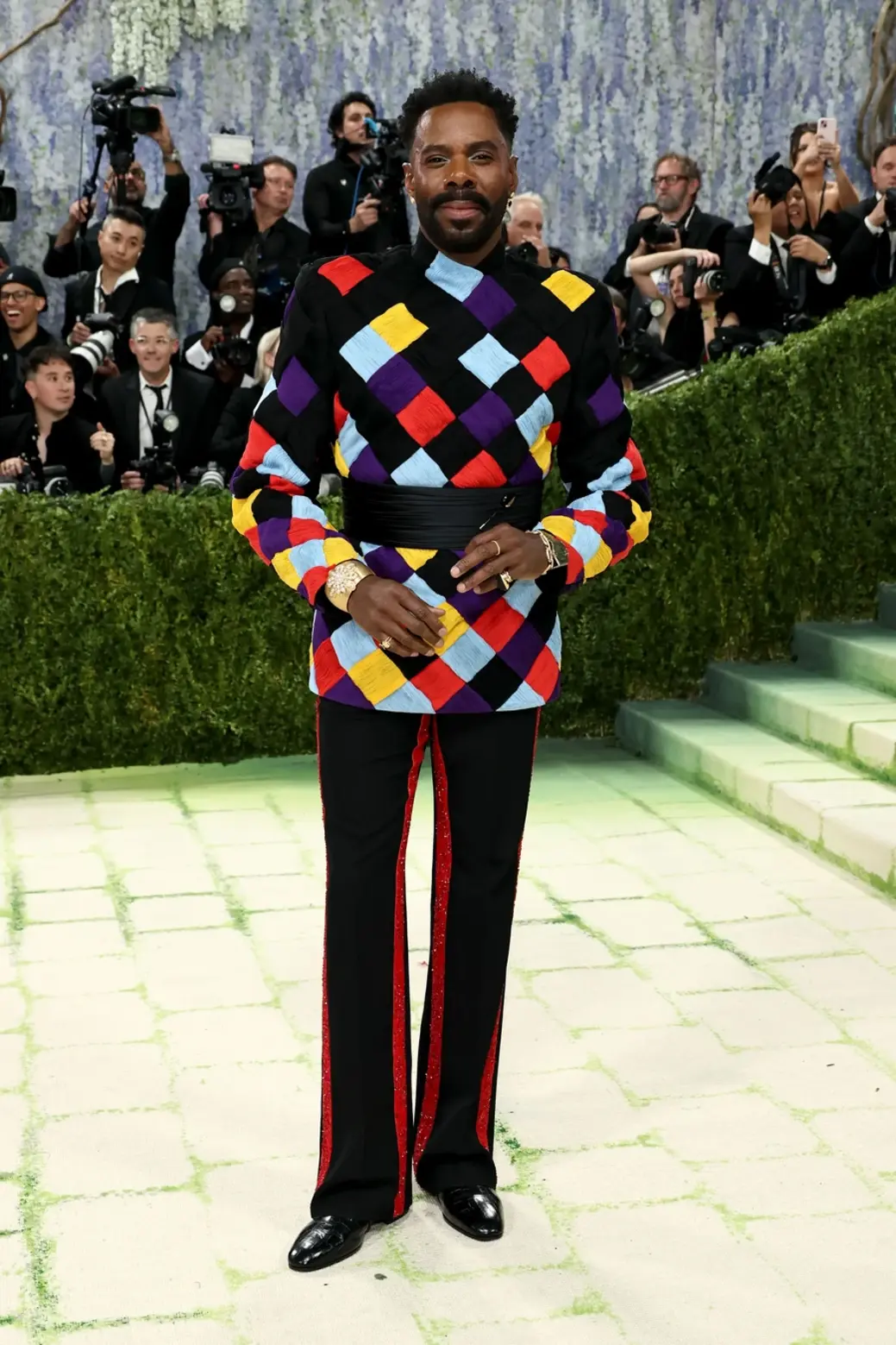
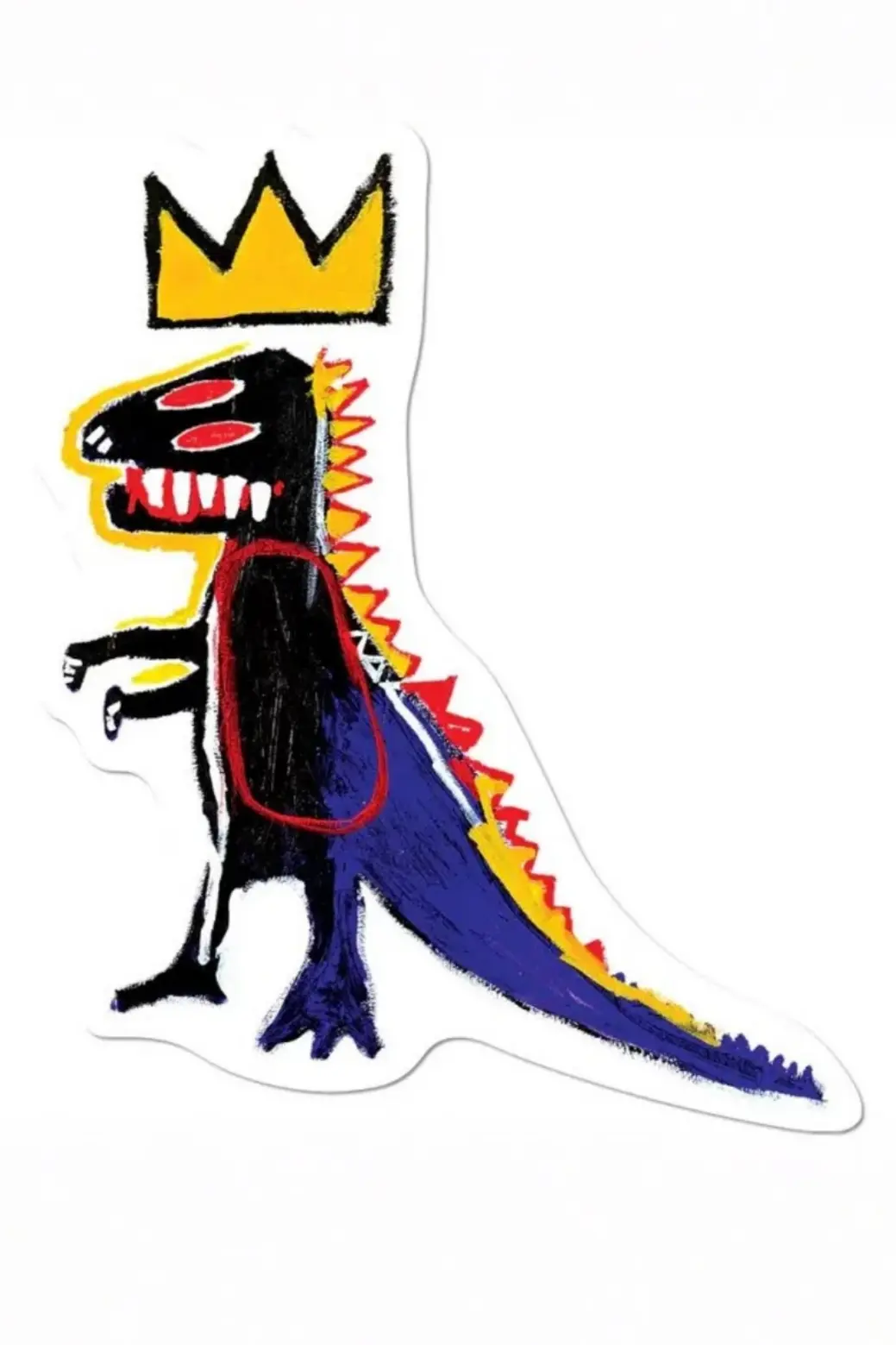
Colman Domingo’s reference to Jean-Michel Basquiat’s Pez Dispenser closed this chapter with a jolt of color, status, and self-mythology. Basquiat’s crown has always carried a restless charge, a mark of authorship, defiance, and self-declared power. Through Valentino, Domingo understood energy without turning it into a flat symbol, letting color and presence carry the reference with warmth and command. Among the Met Gala 2026 menswear moments, Colman Domingo turned self-invention into a coronation, where art history became not a backdrop but a blazing through it.
The red carpet becomes a site where art is used to build a public self, sometimes through armour, sometimes through bloom, sometimes through the violent beauty of a mark or the ancient authority of a winged figure.
Each reference opens a different ritual of image-making, proving that red carpet fashion can be more than admiration from a distance. At the Met Gala 2026, art history became a ritual of self-invention, and the red carpet became its most spectacular altar.
Advertisement